Yacht charter in France
A yacht charter in France can take several markedly different forms. The English Channel and Atlantic coasts offer tidal estuaries, rocky headlands, offshore islands and broad bays. On the mainland Mediterranean, cruising shifts toward short coastal passages, limestone calanques, islands and a dense network of established ports. Corsica adds mountainous shores, deep gulfs and more remote stretches of coastline.
This variety makes choosing the right region more important than treating France as a single cruising destination. Brittany and the Channel reward crews comfortable planning around tides and changing ocean weather. The Atlantic islands provide a mixture of sheltered waters and open-sea sailing, while the Mediterranean generally has weak tides but can be affected by powerful regional winds. Around Corsica, sheltered gulfs alternate with exposed capes and longer distances between suitable harbors.
Exploring by yacht also connects France’s maritime landscapes with historic ports, regional food cultures, protected marine areas and time ashore in coastal settlements. For travelers considering boat rental in France, the best starting point is therefore the type of coast—and level of sailing challenge—they want to experience.
Where to charter along the French coast
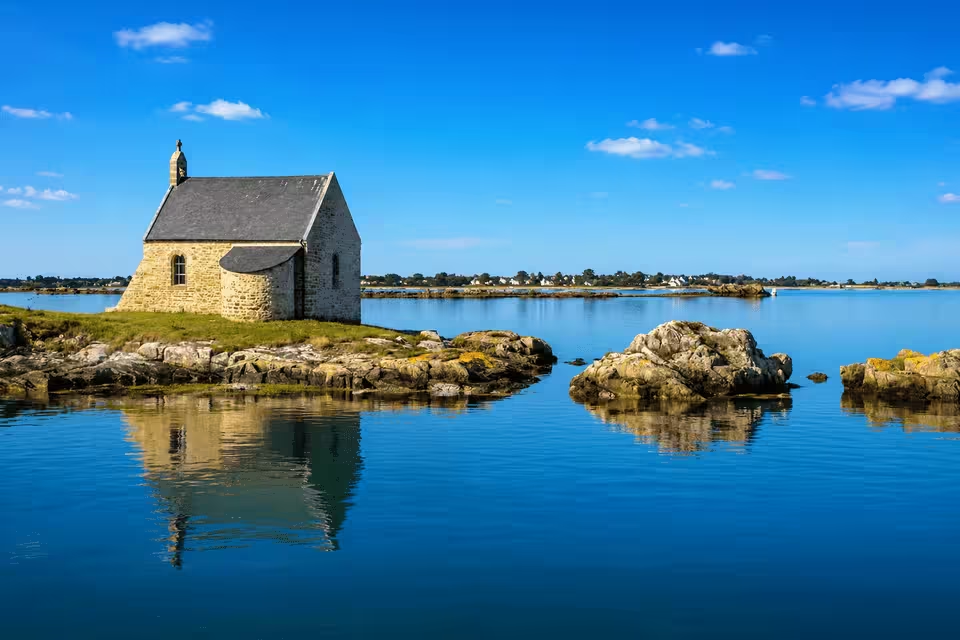
Northern and western France suit travelers drawn to tidal sailing and strong maritime character. Saint-Malo and the Bay of Mont-Saint-Michel combine fortified coastal history with one of the country’s most striking tidal settings. Farther west, Brest and Lorient provide access to the rocky Breton coast and offshore islands. The Gulf of Morbihan offers a more enclosed alternative, with island cruising around Île aux Moines, Île d’Arz and smaller islands. Nearby La Trinité-sur-Mer is another established base for exploring southern Brittany and the Bay of Quiberon.
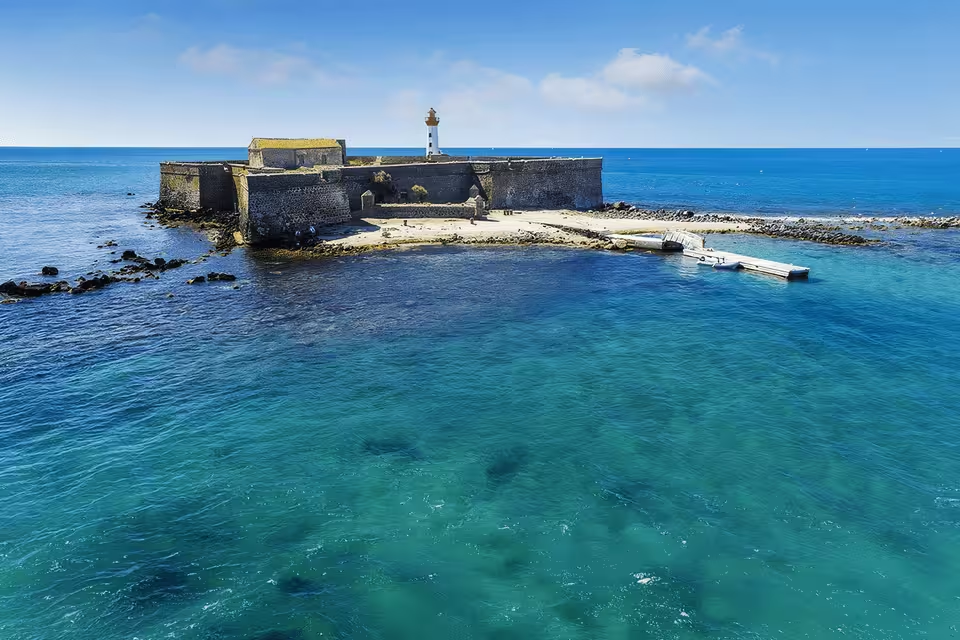
On the Atlantic coast, La Rochelle opens onto the Charente Pertuis, the protected waters between Île de Ré and Île d’Oléron. This area suits itineraries built around islands, sheltered passages and recognizable landmarks such as Île d’Aix and Fort Boyard. Arcachon Bay offers another broad, distinctive coastal environment farther south.
The Mediterranean mainland provides a different rhythm. From Marseille, yachts can reach the Frioul Islands and continue along the protected limestone coast of the Calanques toward Cassis and La Ciotat. Hyères is the natural gateway to Porquerolles and Port-Cros, while Saint-Tropez, Cannes, Antibes and Nice place a charter among the developed shores and port towns of the Riviera.
Corsica is the choice for mountainous scenery, deep gulfs and longer coastal passages. Ajaccio gives access to the island’s west coast, while Calvi, Bonifacio and Porto-Vecchio support trips focused on different parts of the island. Its exposed capes and spacing between harbors make route planning especially important.
What sailing in France is like
Conditions vary substantially between coasts. In Brittany, Normandy and the Channel, tides and currents influence departure times, passage duration and access to some waters. Rocks, shoals and constricted island passages add to the planning, while Atlantic weather systems can bring changing winds and ocean swell. Sheltered cruising is nevertheless possible in places such as the Gulf of Morbihan and the waters between Ré and Oléron.
Mediterranean tides are usually weak, allowing itineraries to be organized more around weather, distance and preferred ports. The principal consideration is wind. The mistral can affect Provence and the western Var, while the tramontane influences Roussillon and the western Gulf of Lion. Either can develop in any season, persist for several days and produce strong gusts. Humid onshore winds, thunderstorms and intense rainfall can also occur during spring and autumn.
Corsica combines both sheltered and exposed cruising. Its gulfs can provide protected waters, but passages around capes and between widely spaced harbors require a suitable forecast and realistic routing.
The best time for a France yacht charter
The principal recreational boating season runs from late spring to early autumn. May through September forms the main period across much of France, with July and August bringing the most dependable warmth. May, June and September often provide favorable conditions in many coastal areas, although no single month can represent every French cruising region.
Mediterranean charters can continue farther into the shoulder seasons, subject to mistral, tramontane and unsettled weather episodes. April and October may work for flexible itineraries, but conditions deserve closer scrutiny. Along the Channel and Atlantic coasts, sailing becomes less consistent outside summer because temperatures are cooler, daylight is shorter and stronger weather systems are more frequent.
Whichever period you choose, timing should be assessed for the specific coast rather than France as a whole. A comfortable Mediterranean forecast does not indicate comparable conditions in Brittany or the Bay of Biscay.
Established cruising routes
Several areas lend themselves to compact island circuits. In southern Brittany, a charter can begin near Vannes and explore the islands and channels of the Gulf of Morbihan. From La Rochelle, routes through the Charente Pertuis link Île de Ré, Île d’Oléron, Île d’Aix and the waters around Fort Boyard.
On the Mediterranean, a Hyères itinerary can combine Porquerolles and Port-Cros, keeping passages relatively focused within the Bay of Hyères. From Marseille, the Frioul Islands can be paired with the Calanques coast toward Cassis and La Ciotat, subject to local protected-area rules and weather.
Corsica supports longer, multi-stage cruising. A west-coast route from Ajaccio may continue past the Sanguinaires Islands toward Cargèse, the Gulf of Porto, Girolata, Scandola and Calvi. A full circumnavigation requires substantially more planning because of exposed capes, protected zones and the distances between appropriate harbors.
Life on board and ashore
A French yacht charter can balance cruising with swimming, beaches, anchorages and visits to ports whose identities differ sharply by region. Brittany brings fishing, traditional sailing and offshore-racing culture; Lorient La Base, for example, occupies a former submarine-base site now associated with modern sailing and offshore racing. Saint-Malo’s ramparts and the tidal setting of Mont-Saint-Michel add a strong historical dimension to northern itineraries.
On the Atlantic coast, islands and sheltered waterways allow time to alternate between short passages and visits ashore. Mediterranean trips place greater emphasis on rocky coves, beaches and port stops, with Provençal and Riviera settlement and food cultures forming part of the journey.
Protected landscapes are among the major highlights. These include Iroise, the Calanques, Port-Cros and Corsica’s Scandola area. Corsican cruises can also combine secluded anchorages with citadels, coastal towers and harbor towns shaped by the island’s Genoese-influenced history. Access, landing, fishing and anchoring restrictions vary, so these areas should be treated as protected environments rather than unrestricted cruising grounds.
Reaching the main charter bases
France’s principal coastal regions are connected by airports, long-distance rail services and the national road network, although a local transfer is often required to reach the marina. Cross-Channel ferries also serve northern and western ports.
For Brittany and the Atlantic coast, relevant gateways include Brest Bretagne, Nantes Atlantique, La Rochelle–Île de Ré and Bordeaux–Mérignac airports. Common departure points include Port Chantereyne in Cherbourg, Marina du Moulin Blanc in Brest, Lorient La Base, La Trinité-sur-Mer and Port des Minimes in La Rochelle.
Marseille Provence, Toulon–Hyères and Nice Côte d’Azur airports serve key mainland Mediterranean areas. Departures commonly use Marseille’s Vieux-Port or Port Saint-Pierre in Hyères. Corsica is reached by air or ferry, with airports at Ajaccio, Bastia, Figari and Calvi; Port Tino Rossi in Ajaccio and Bonifacio Marina are established starting points.
Planning your charter
Choose the cruising region before deciding on the boat and itinerary. Tidal competence is central on the Channel and Atlantic façades, where current SHOM charts, official tide predictions and local sailing directions are important planning tools. In the Mediterranean and Corsica, weak tides simplify some decisions, but strong regional winds can require route changes or additional time in port.
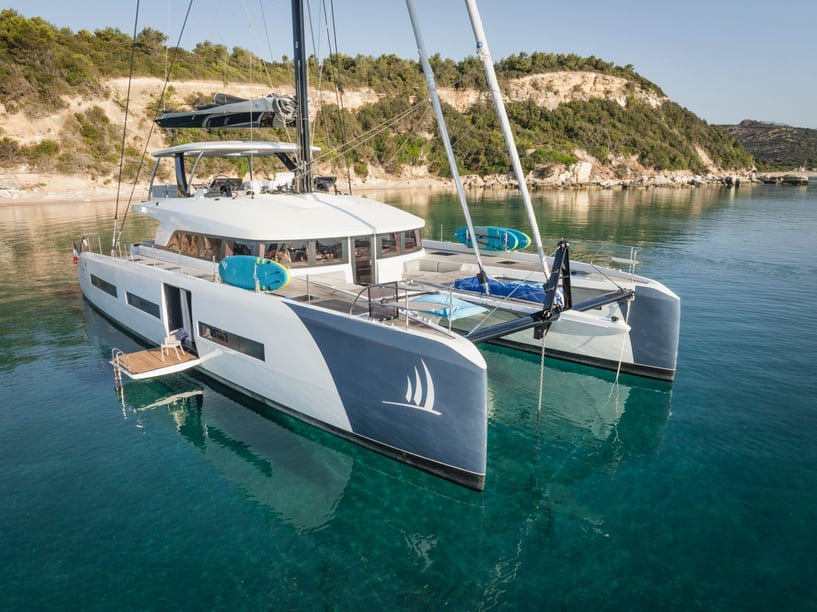
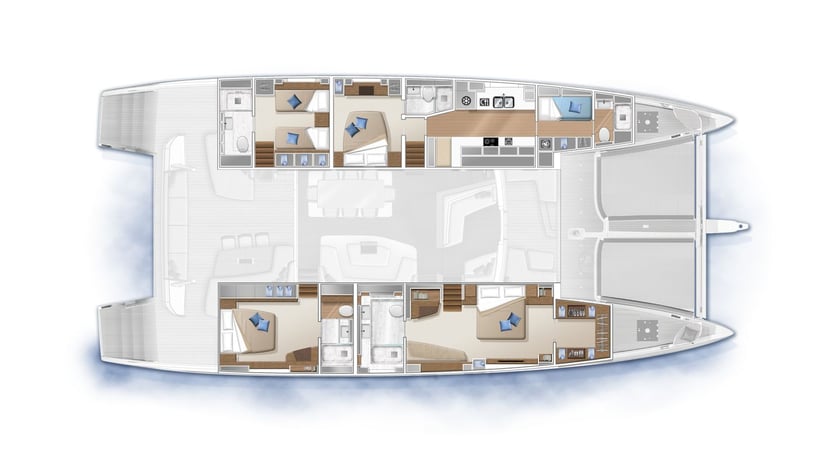
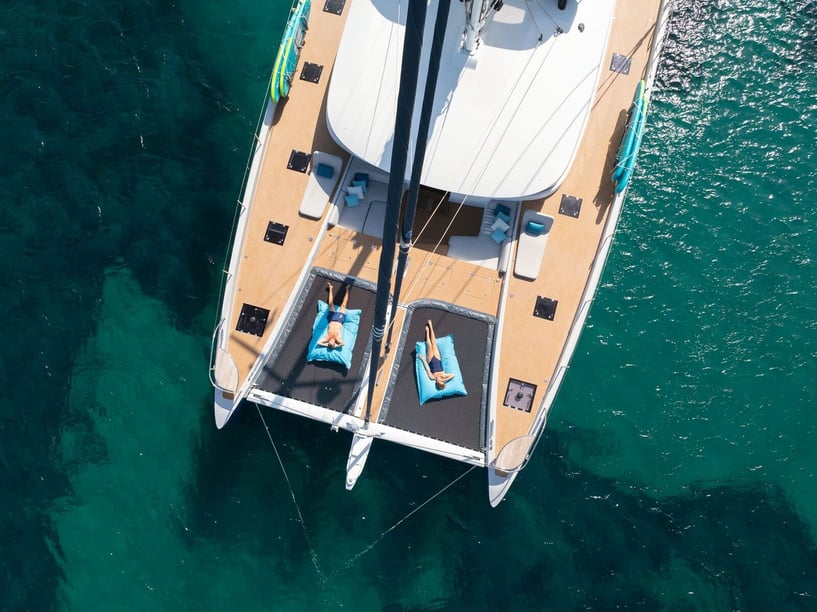
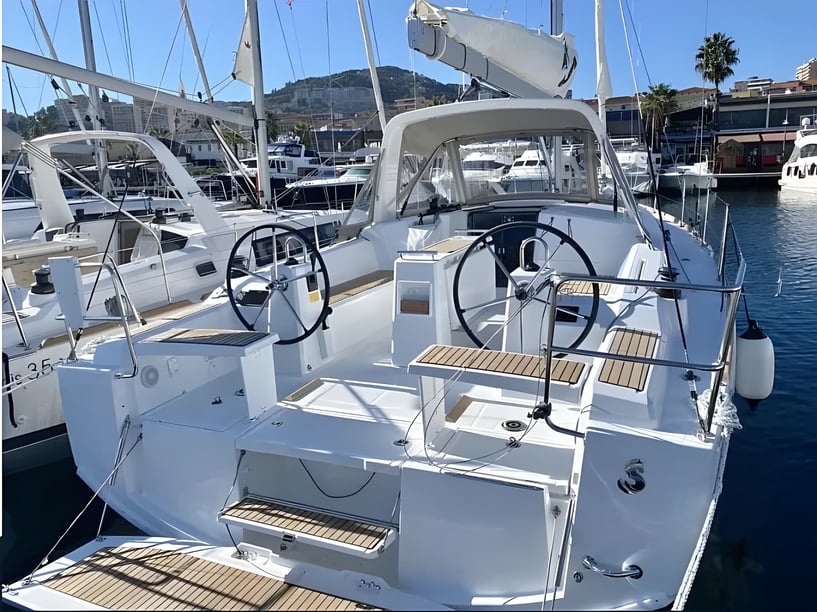
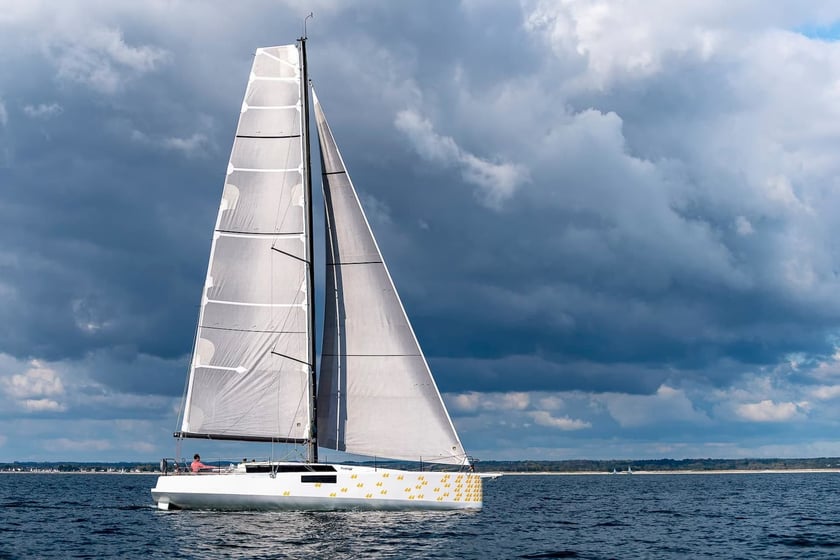
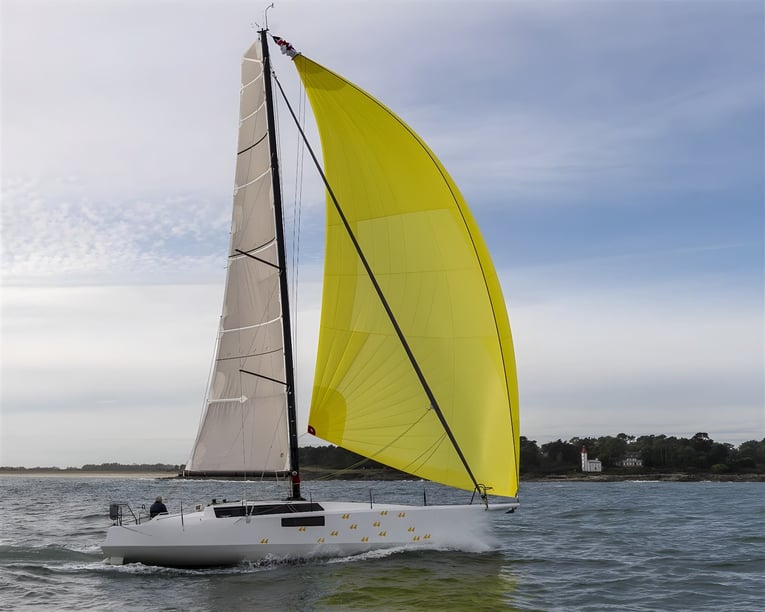
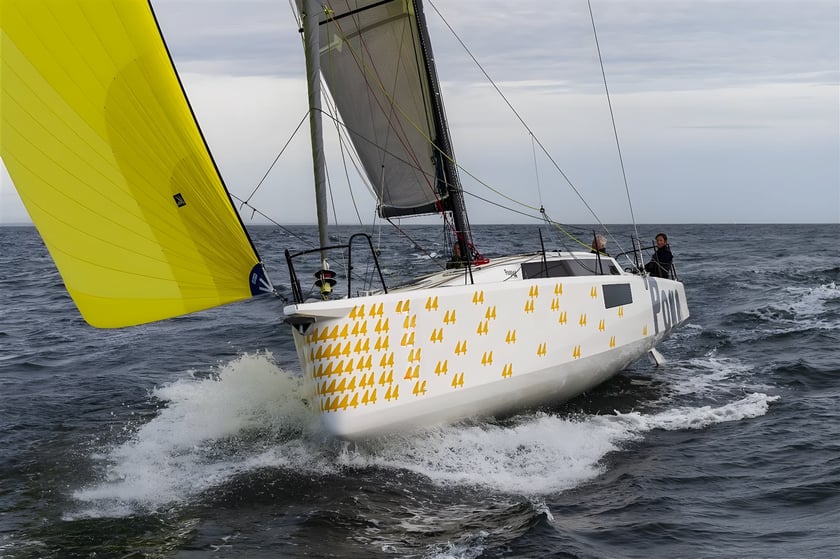
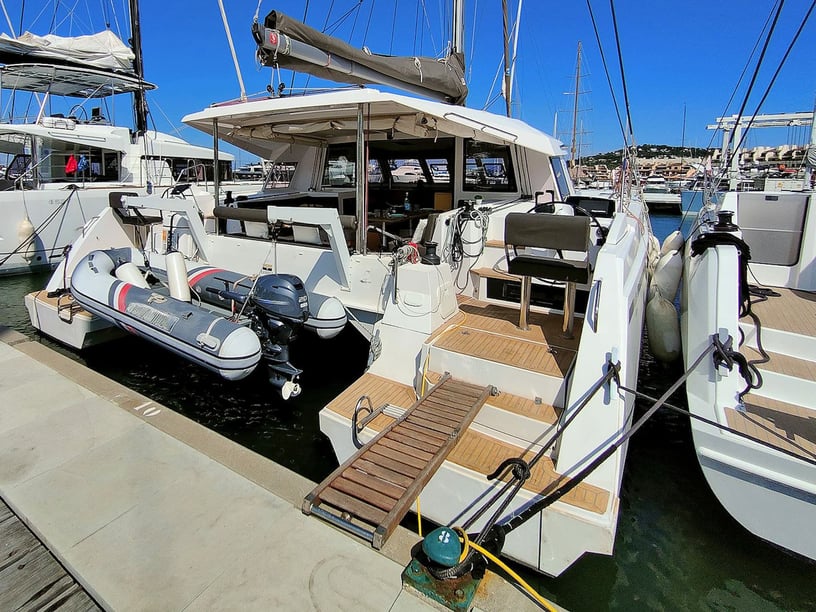
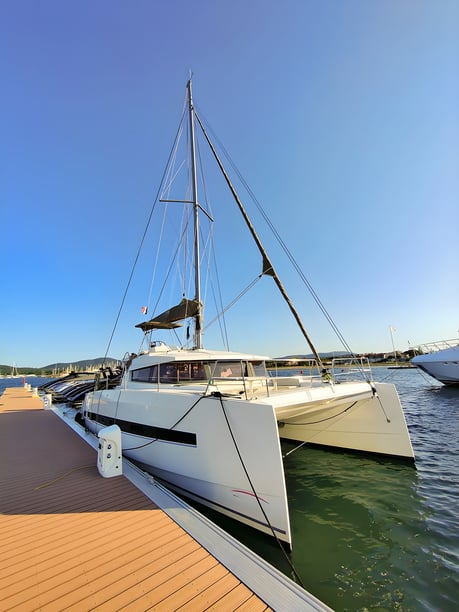
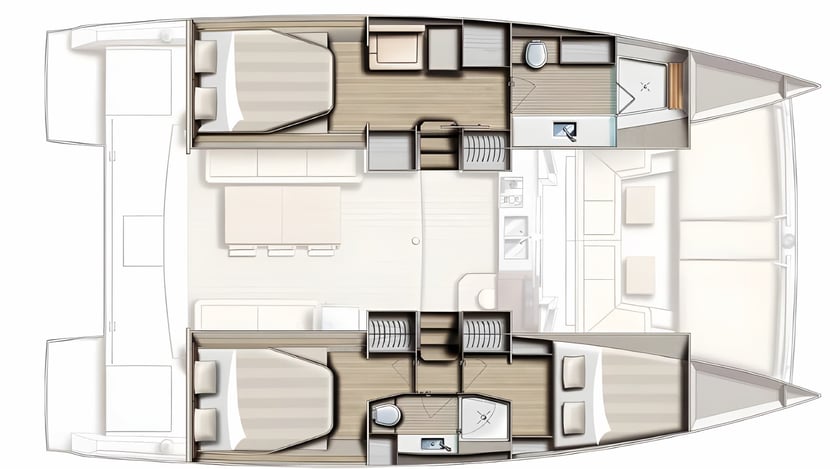
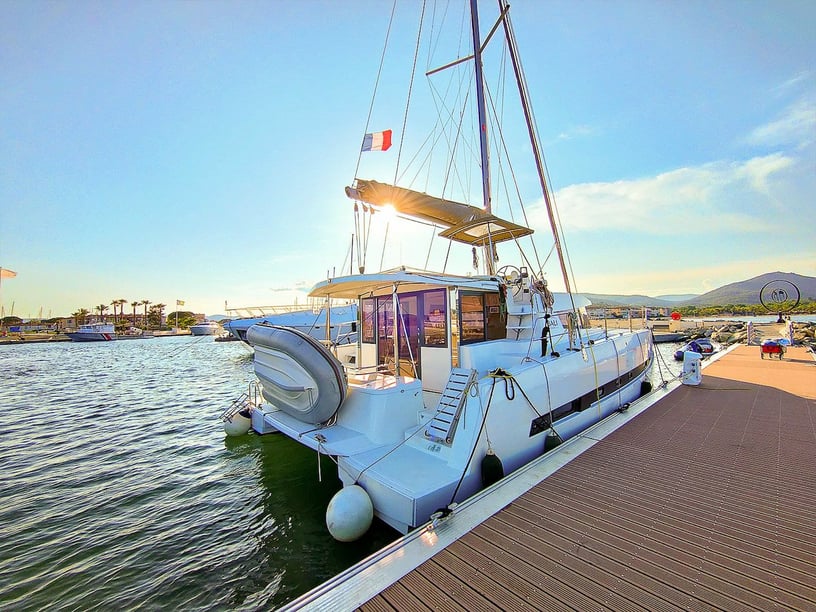
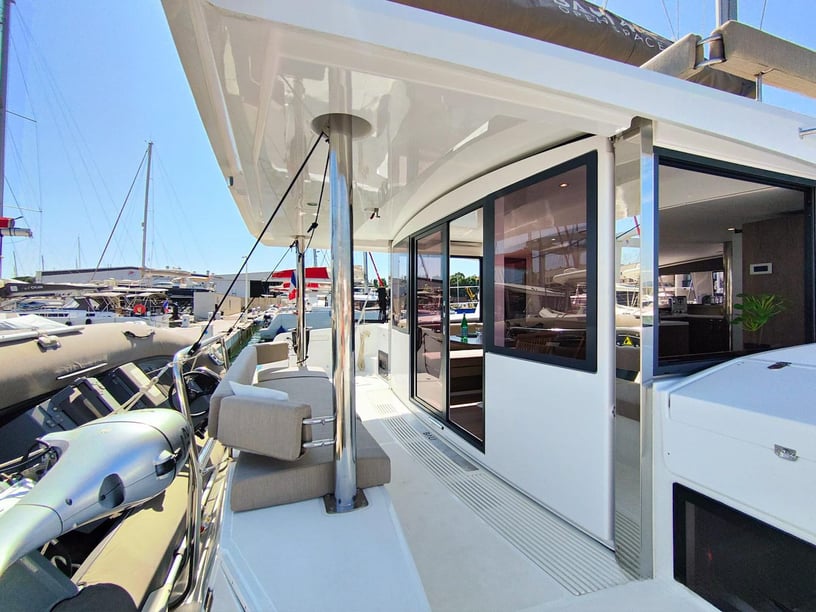
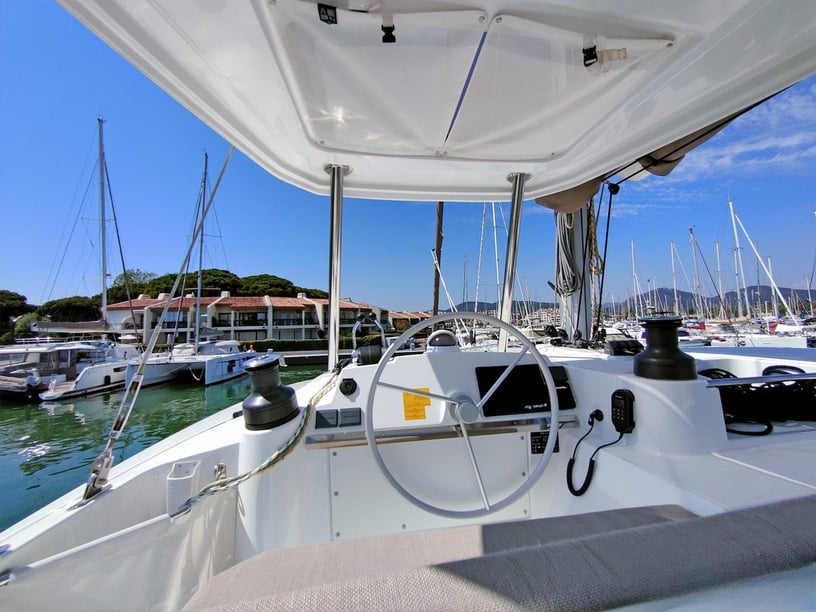
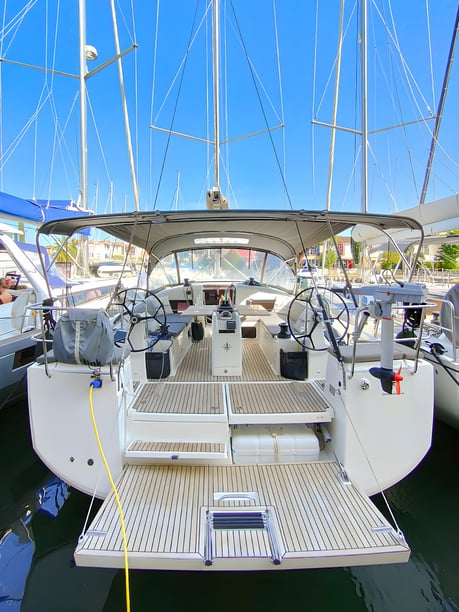
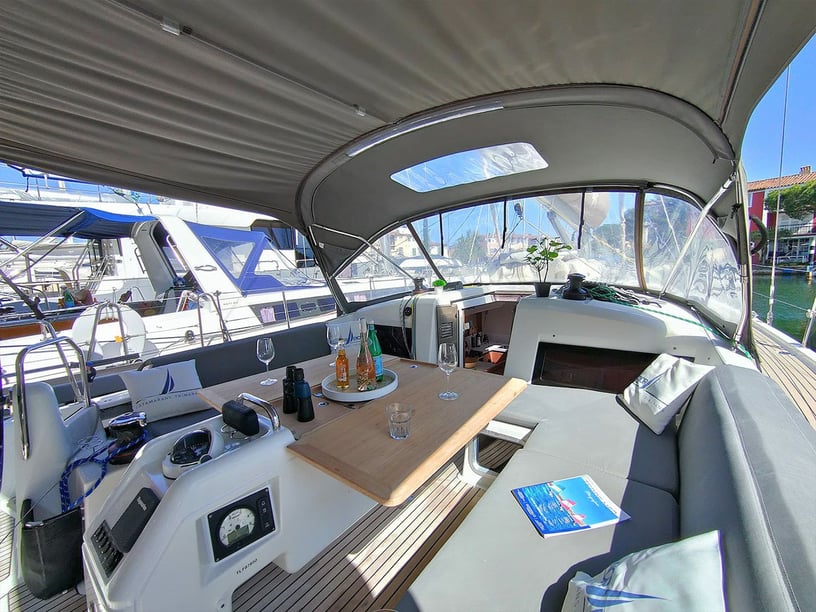
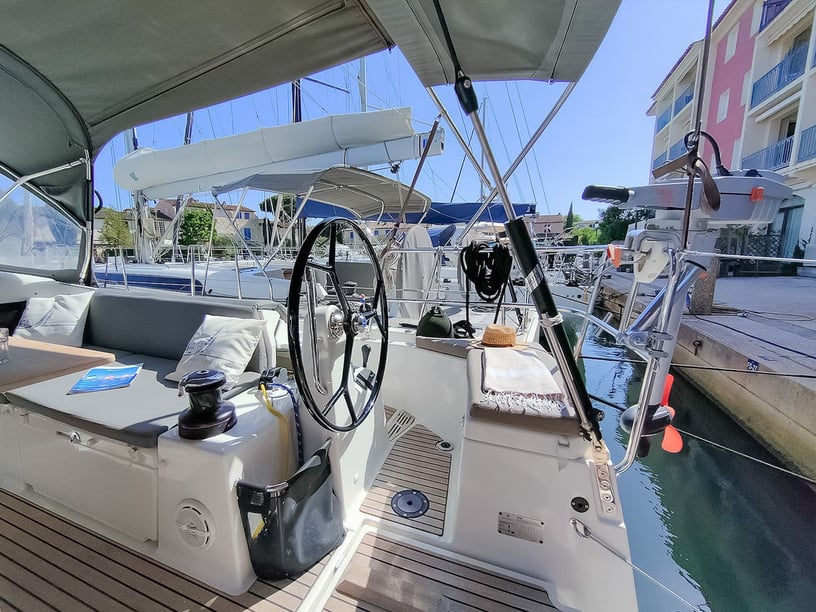
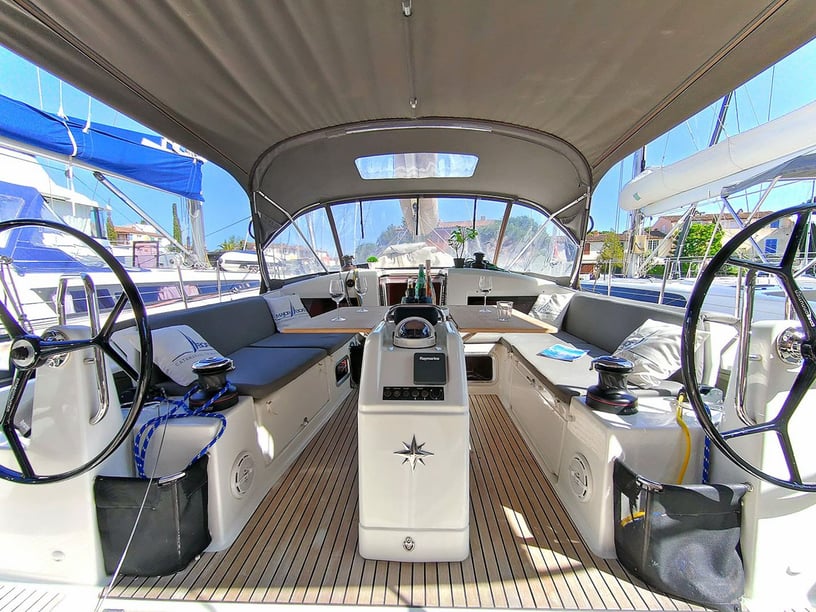
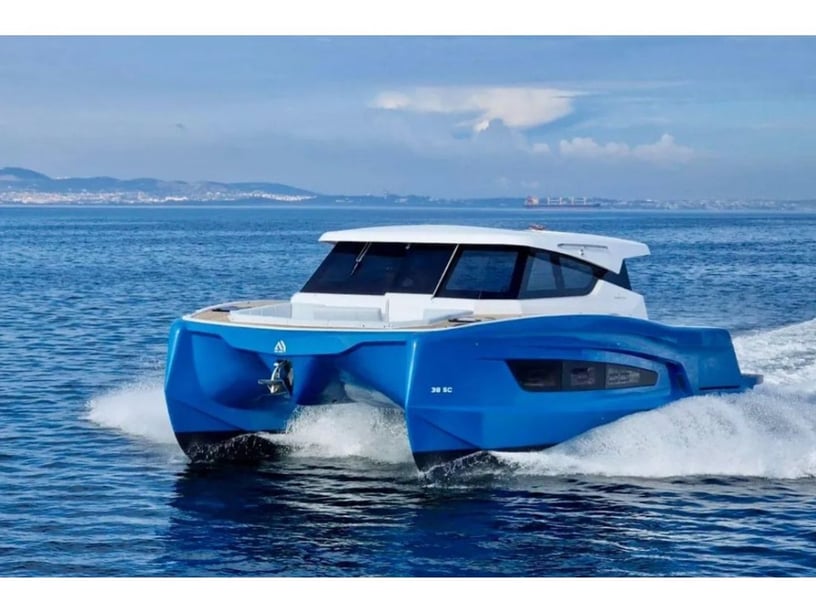
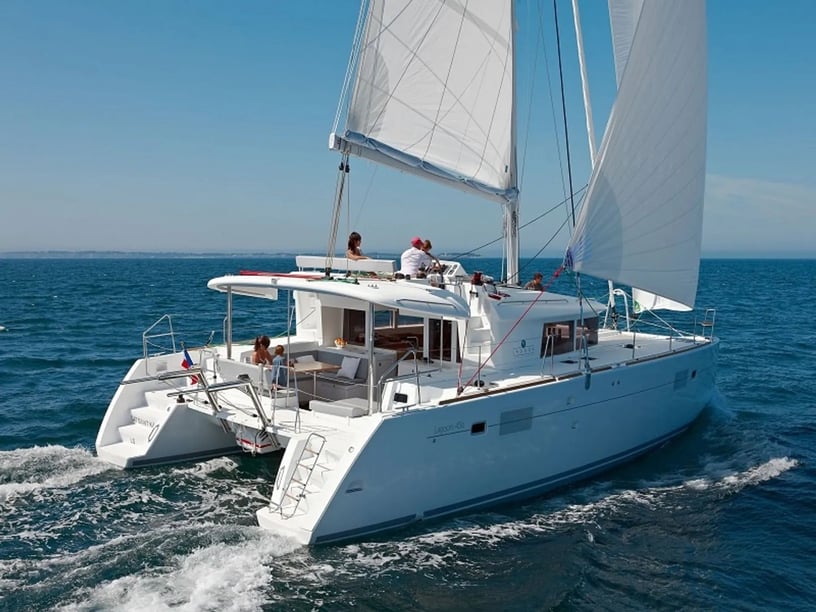
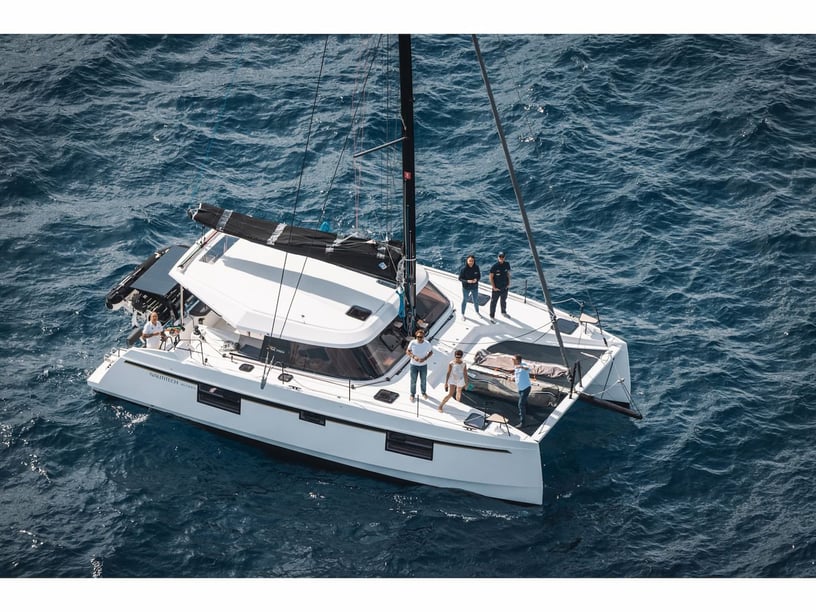
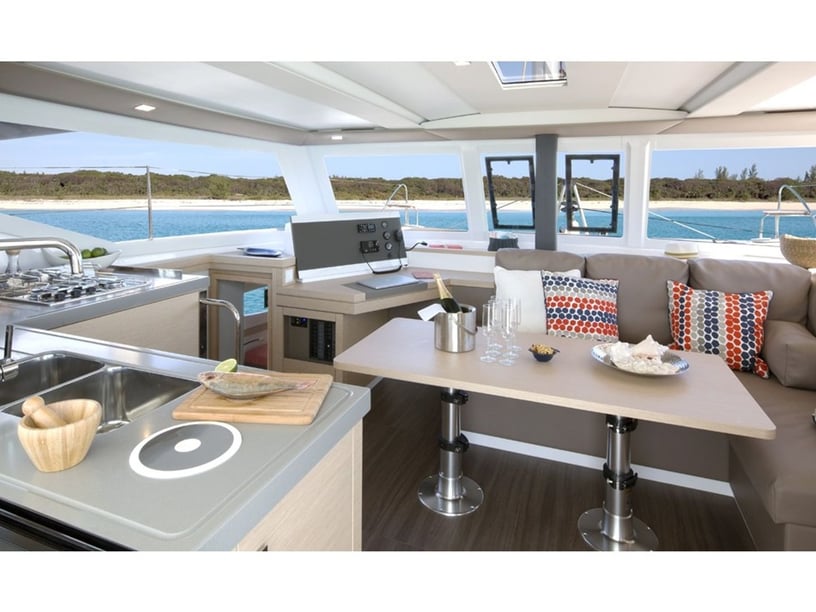
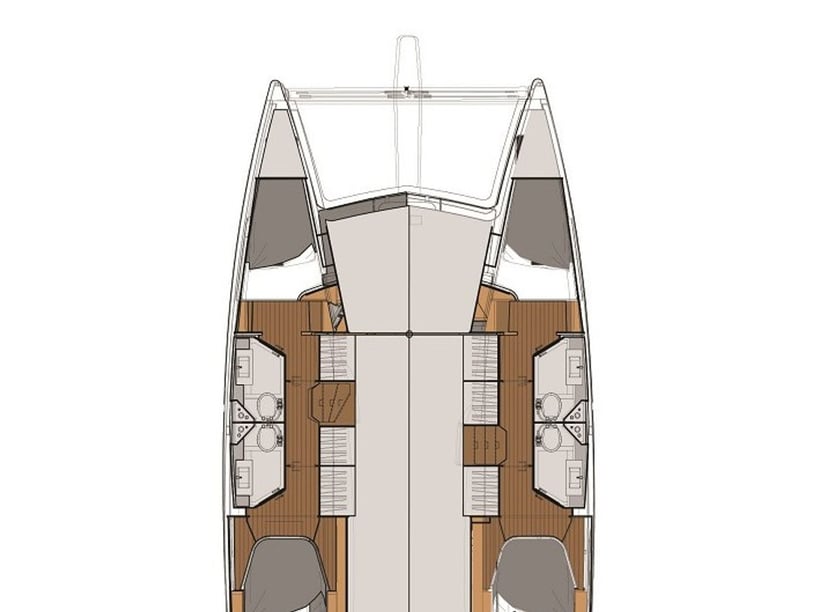
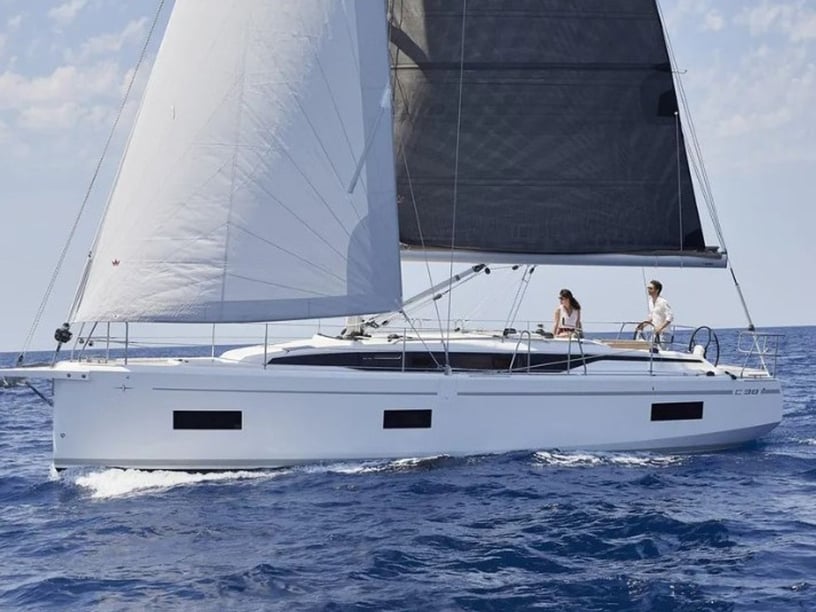
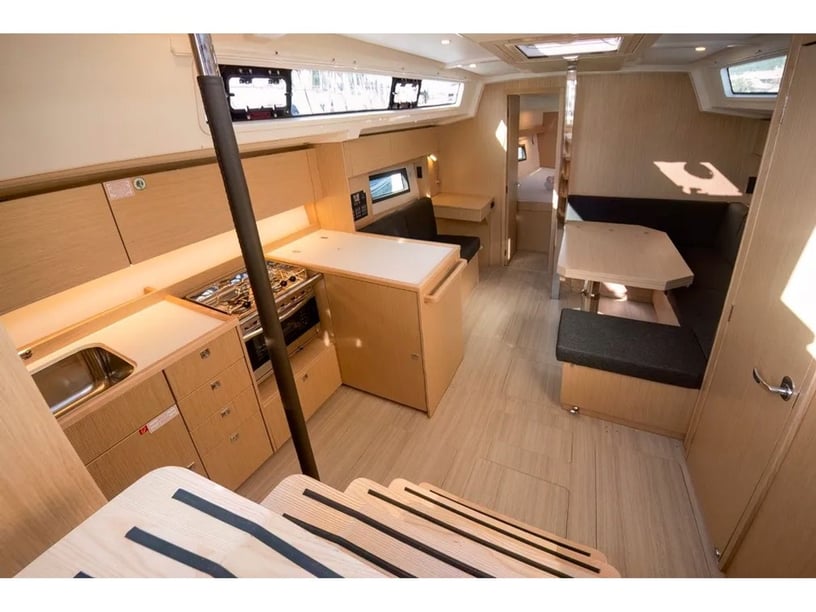
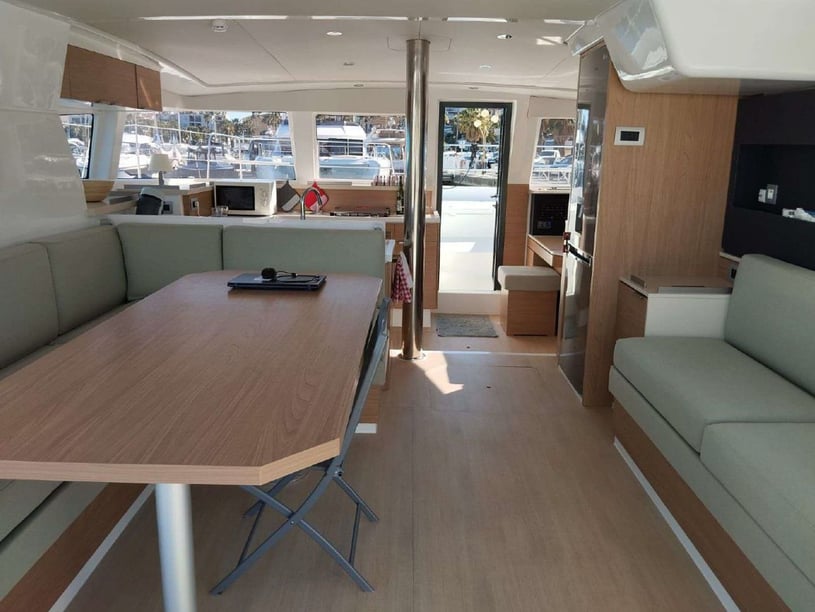
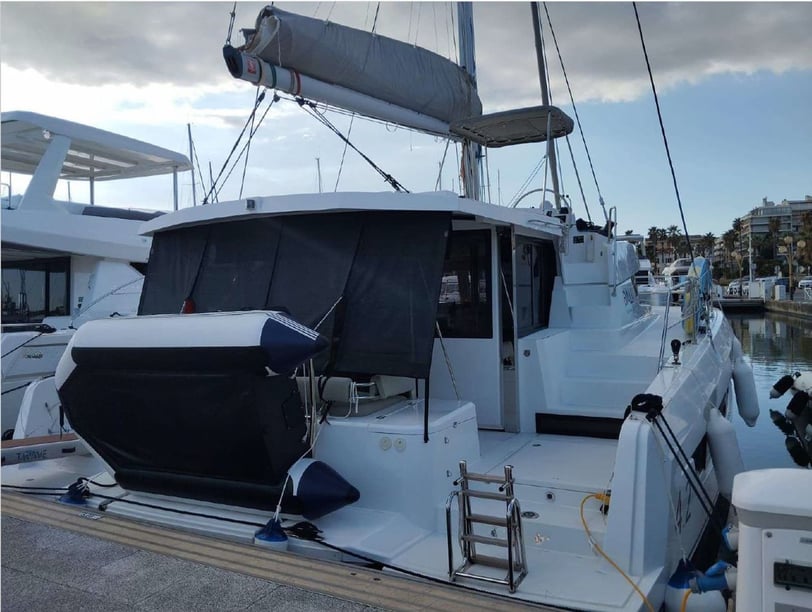
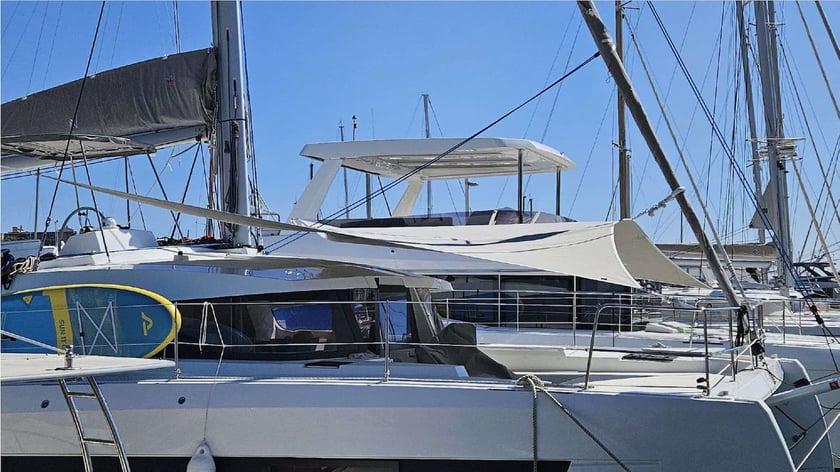
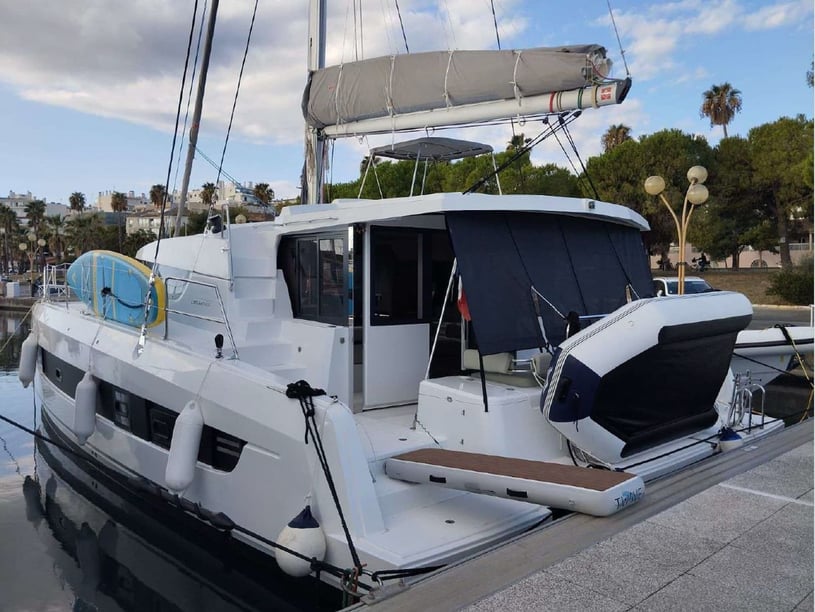
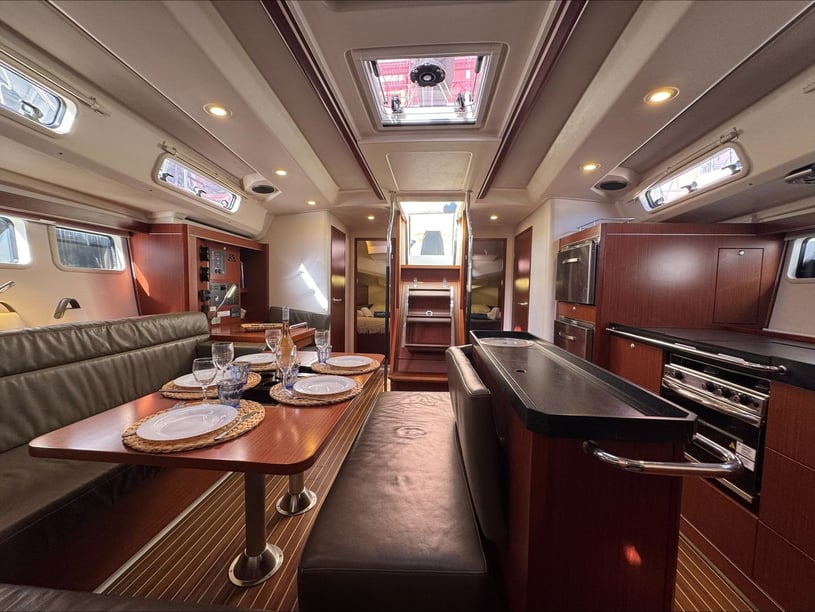
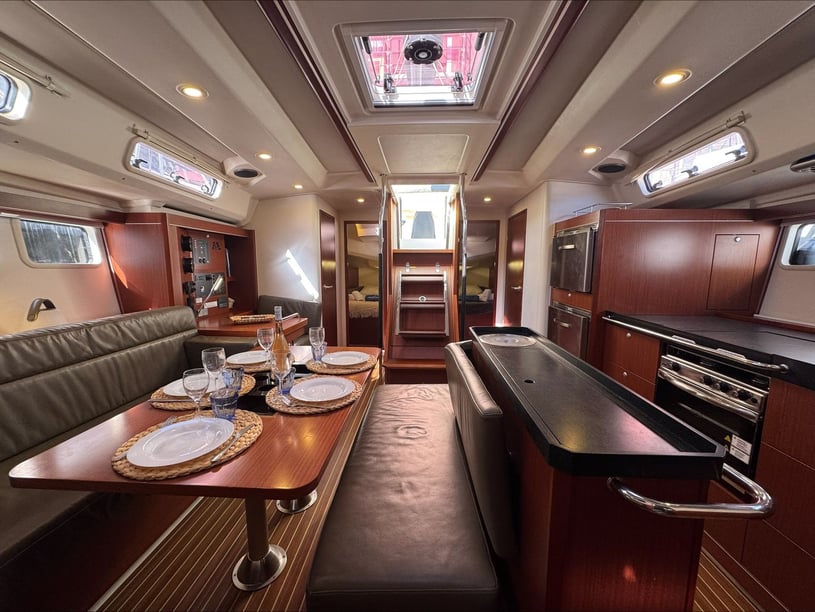
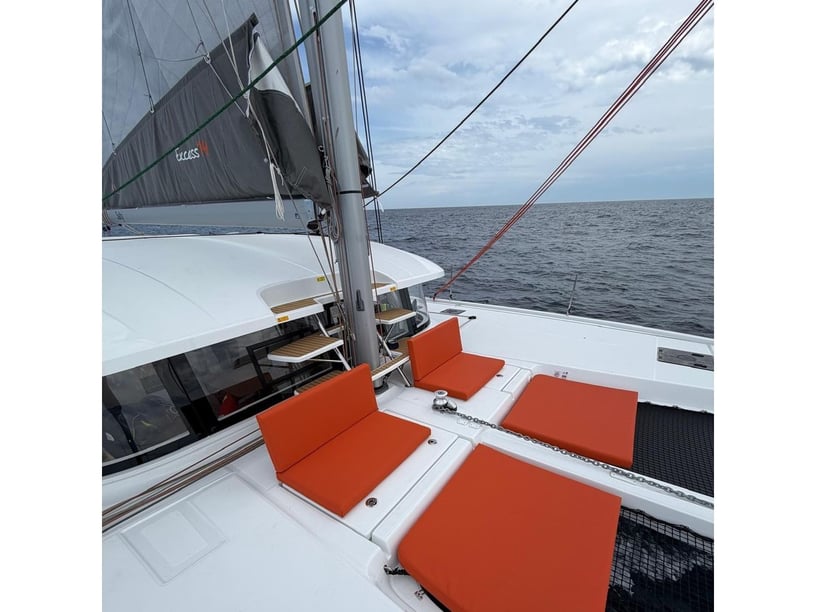
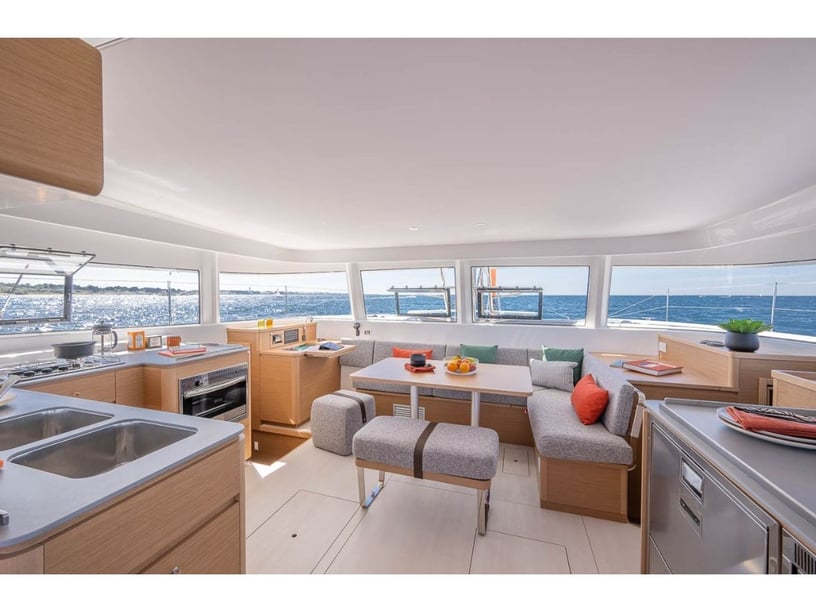
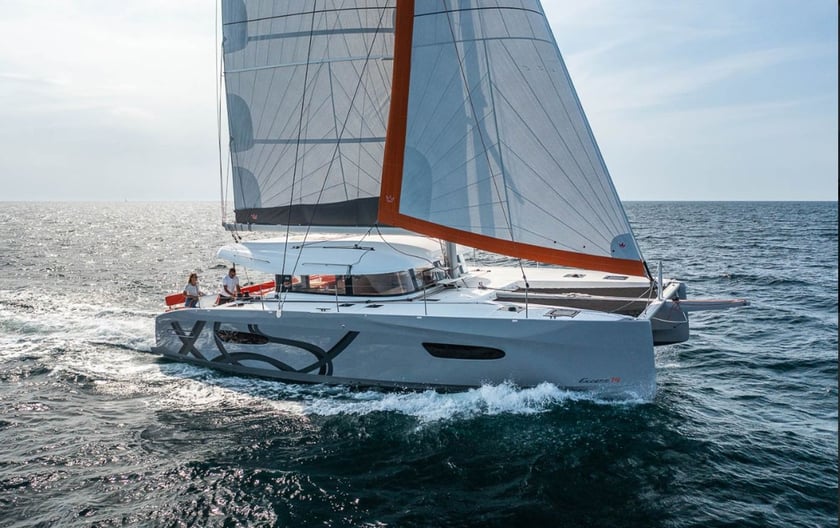
Travelers comparing charter styles can consult the dedicated guides to sailboat charter in France and catamaran charter in France. The appropriate choice should account for intended waters, passage lengths, crew experience, marina plans and the balance between sailing and time at anchor.
French rules require a license to operate a recreational motorboat when propulsion power exceeds 4.5 kilowatts, equivalent to 6 horsepower. Required safety equipment also depends on the vessel and its distance from shelter, so documentation and operating requirements should be confirmed before departure.
Protected areas may impose local rules on navigation, speed, fishing, landing and anchoring. In Mediterranean waters, anchoring should be on suitable sandy ground or at designated moorings to avoid damaging protected Posidonia seagrass. Because regulations differ among reserves and coastal zones, check the applicable local rules when finalizing the route.












Verified
Sanja H.01 Jun 2025
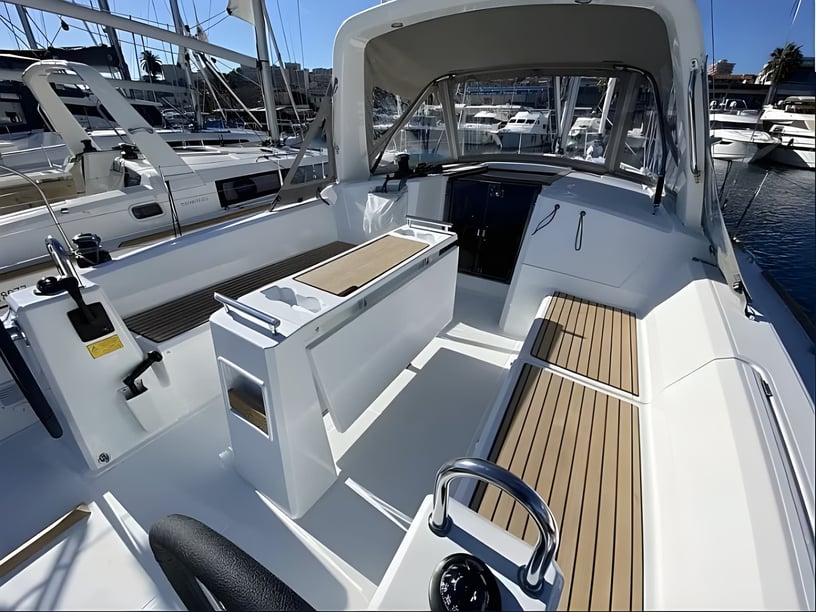
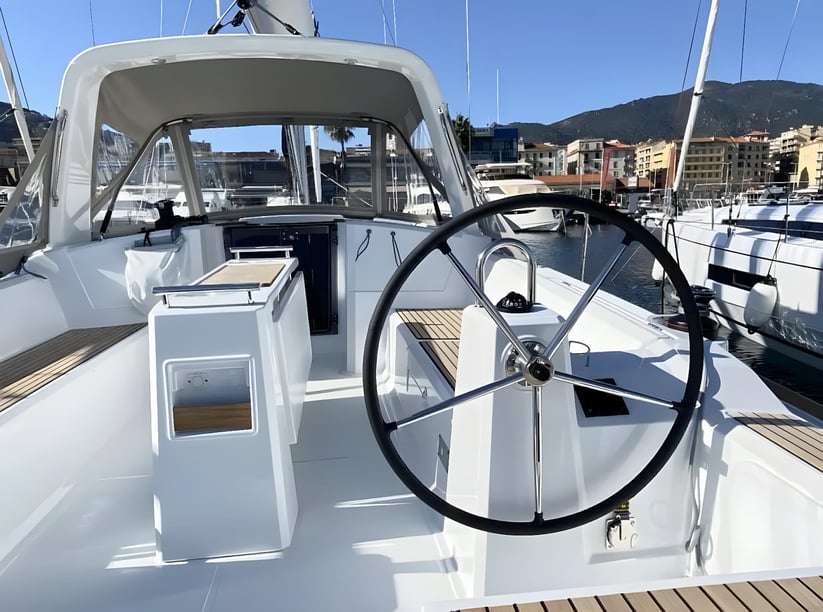
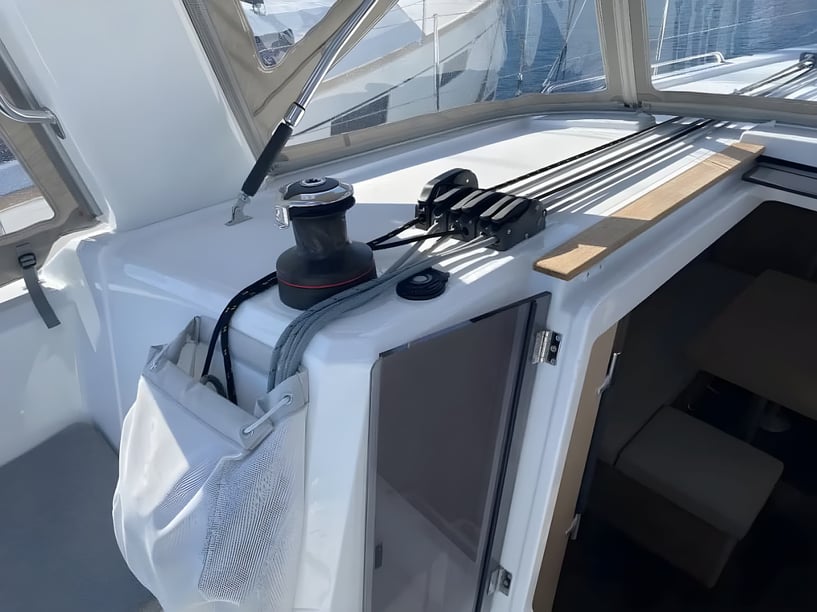
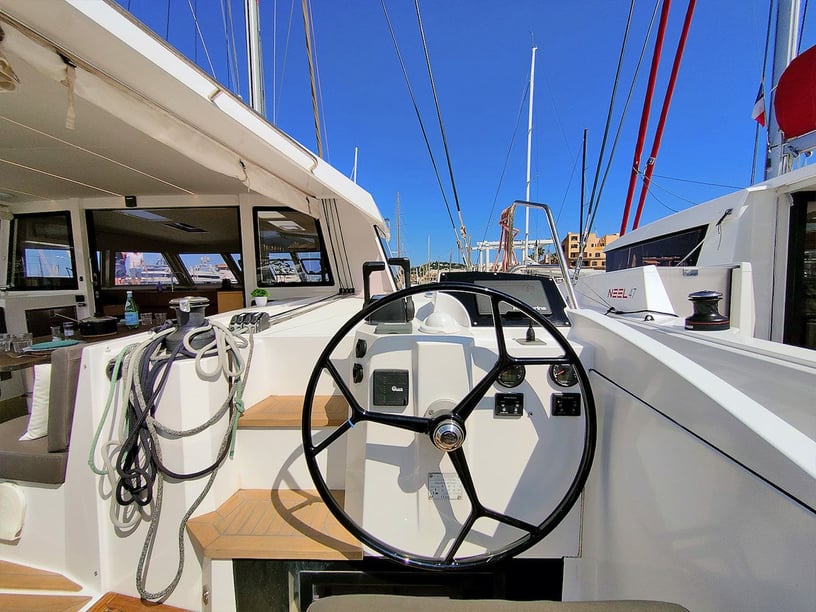
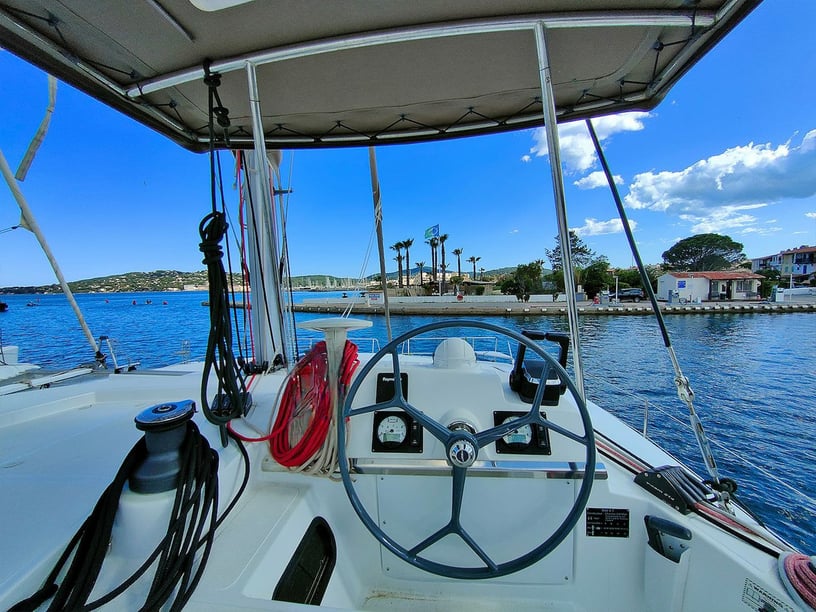
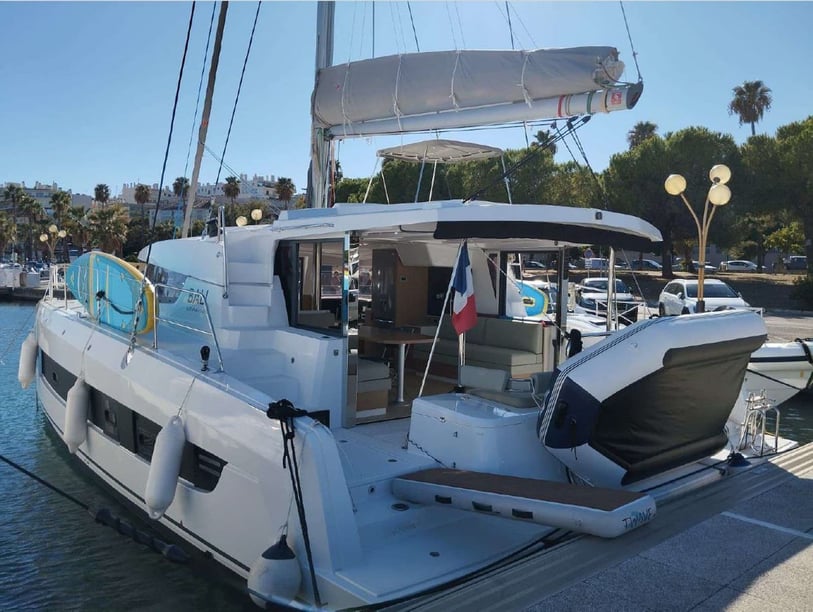
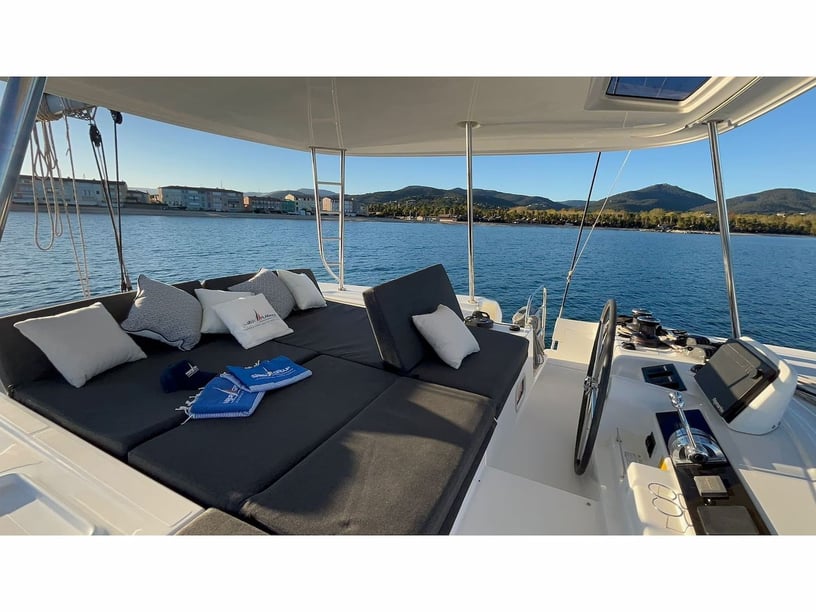
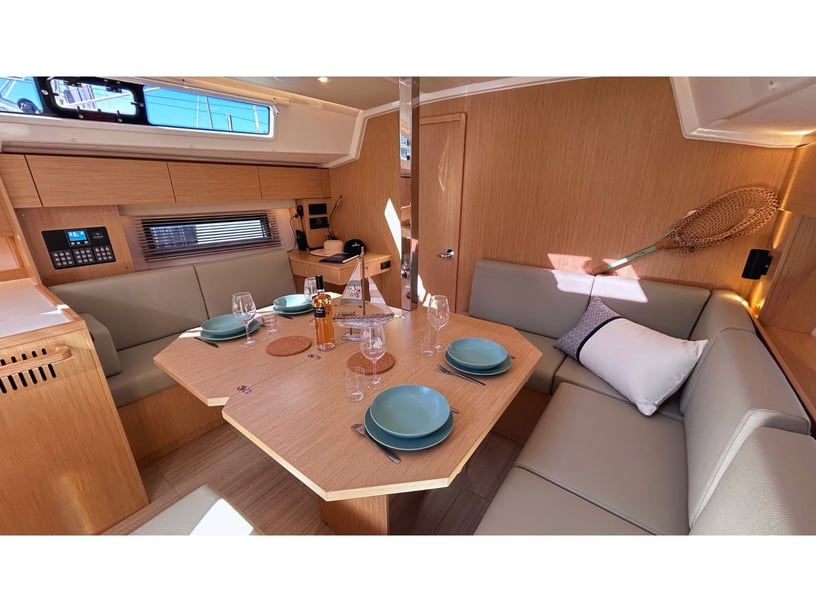
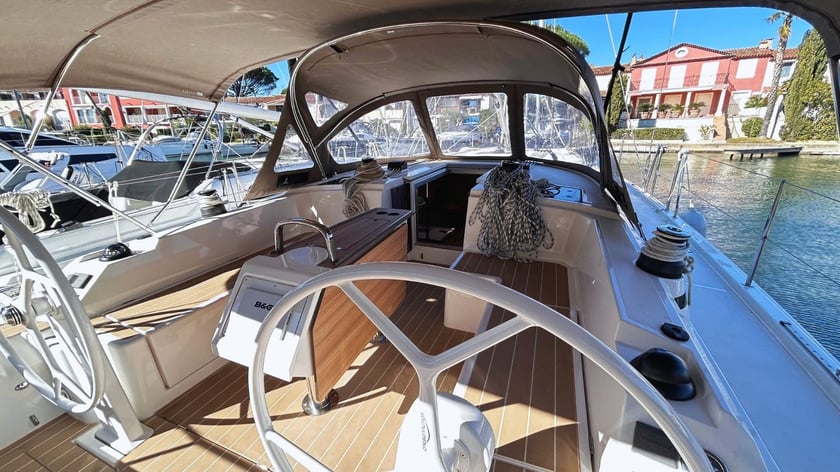
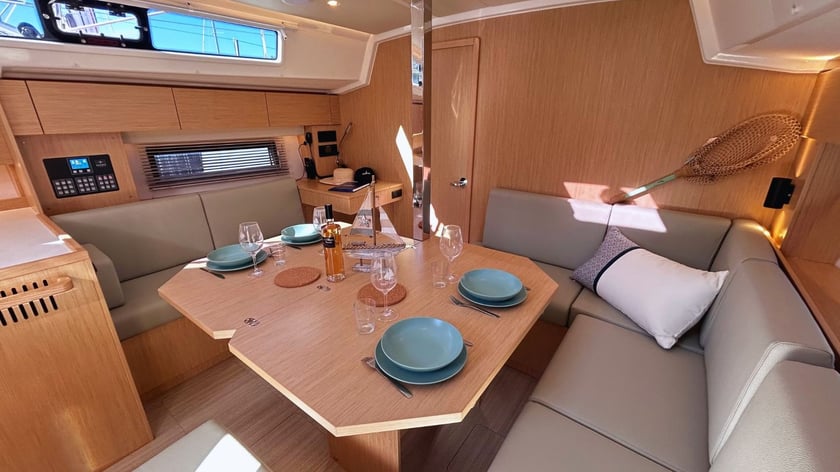
The boat was in top condition and very well maintained. If it were my own, I would upgrade the instruments a bit, as the combination of B&G plotter and NKE autopilot didn't quite convince me.
Bandol / France