Yacht charter in Trèbes
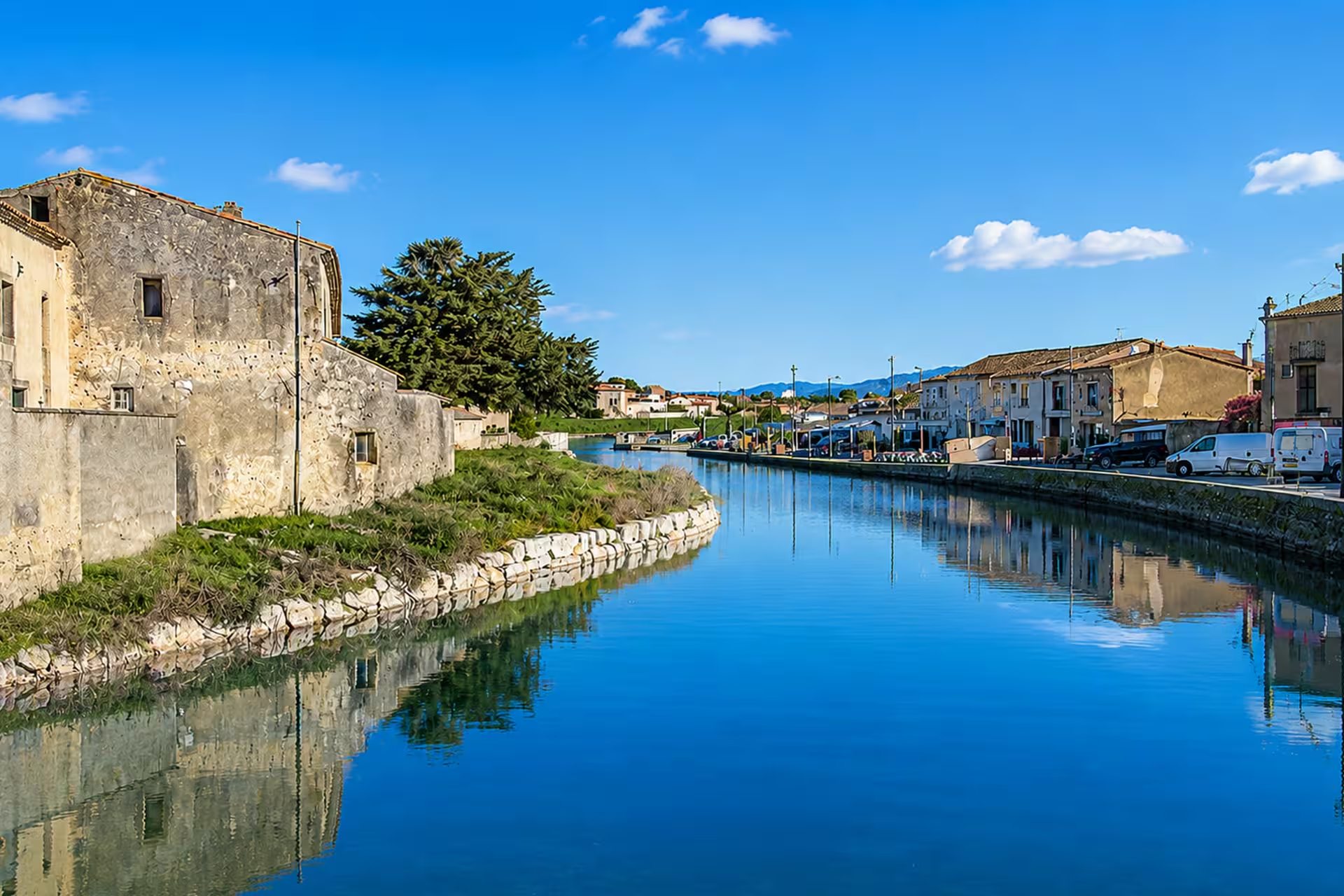
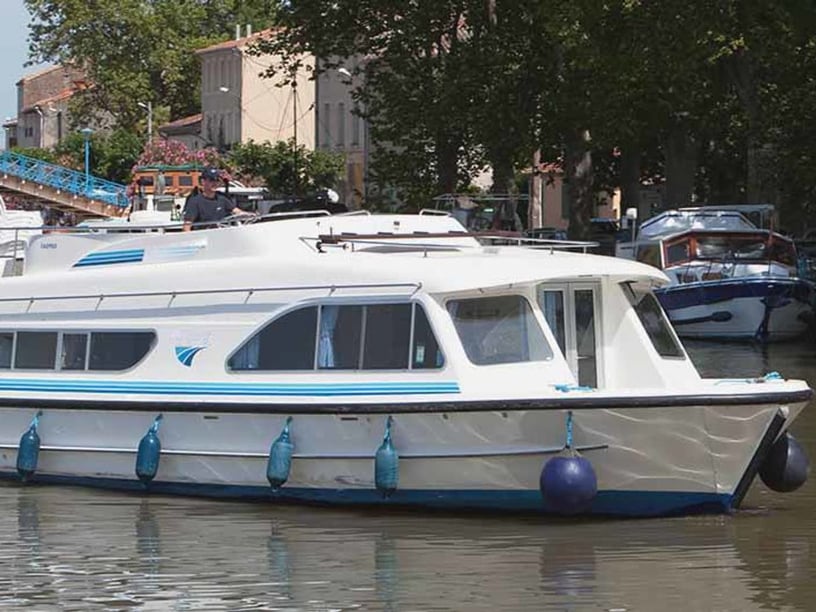
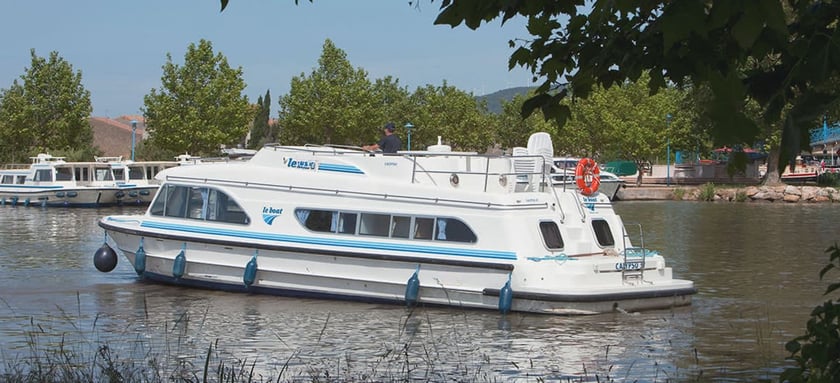
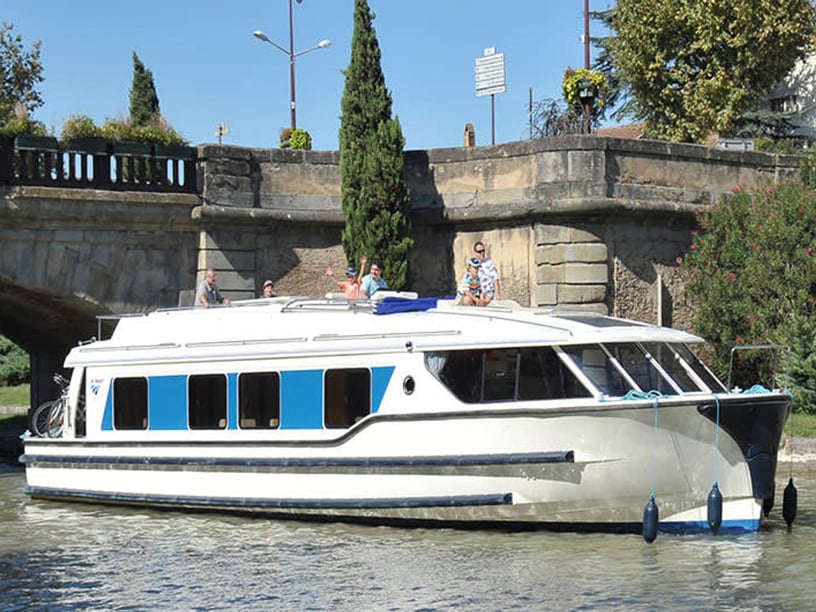
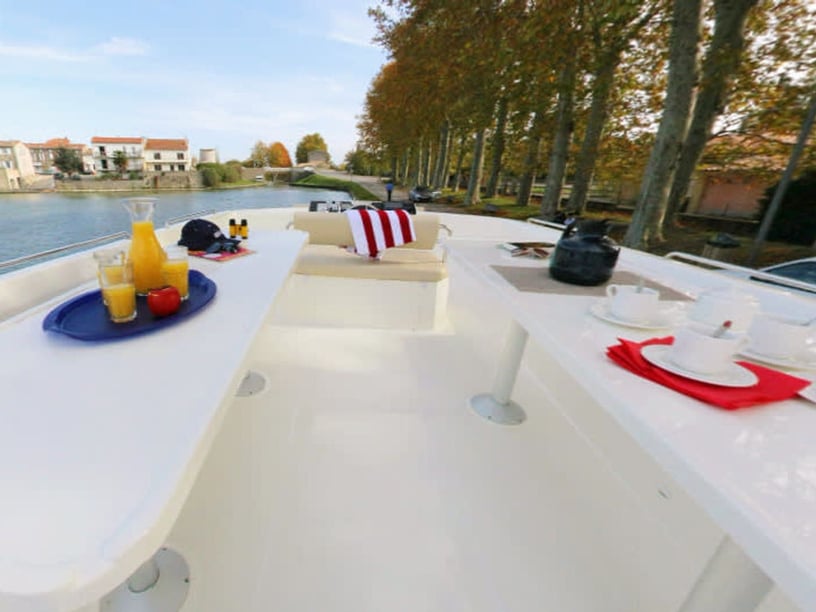
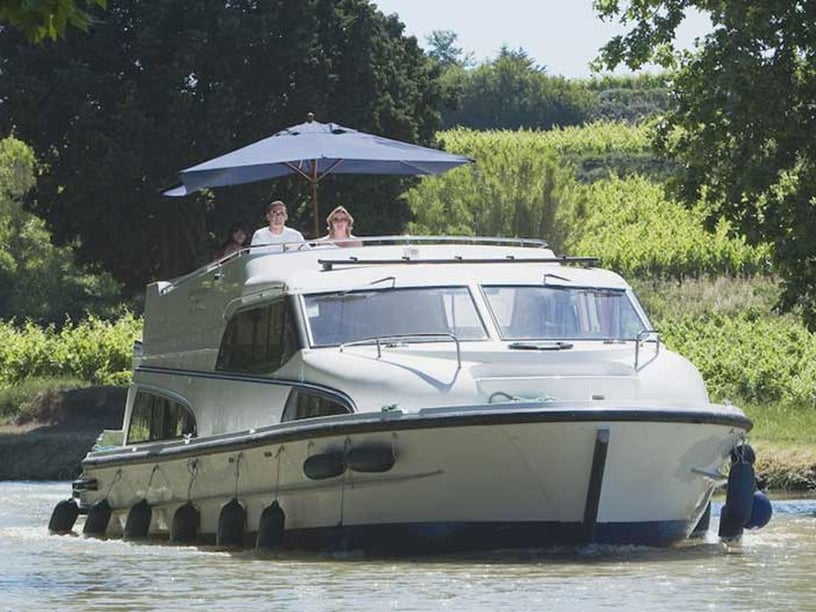
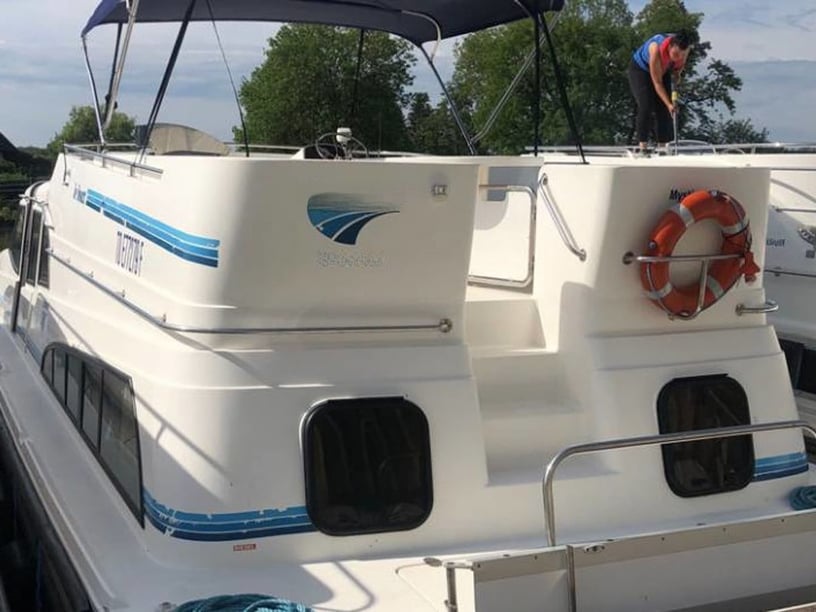
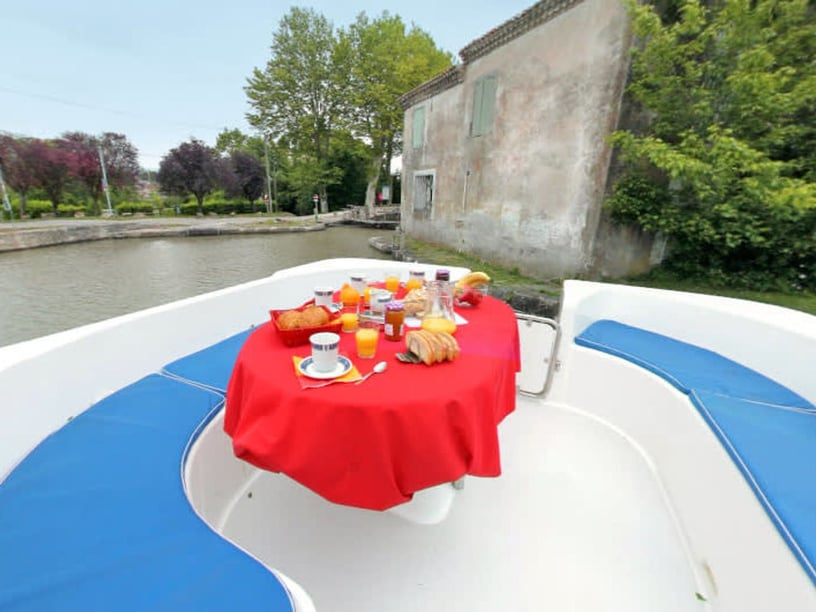
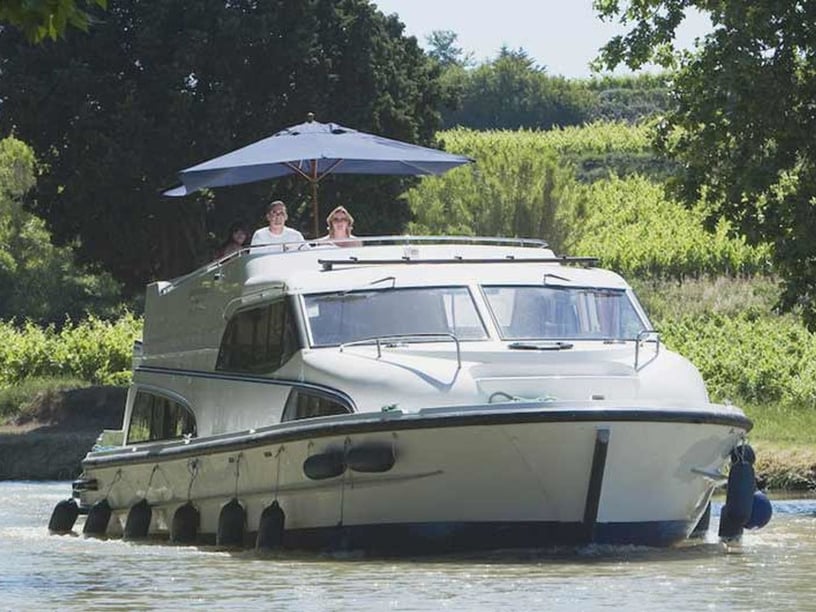
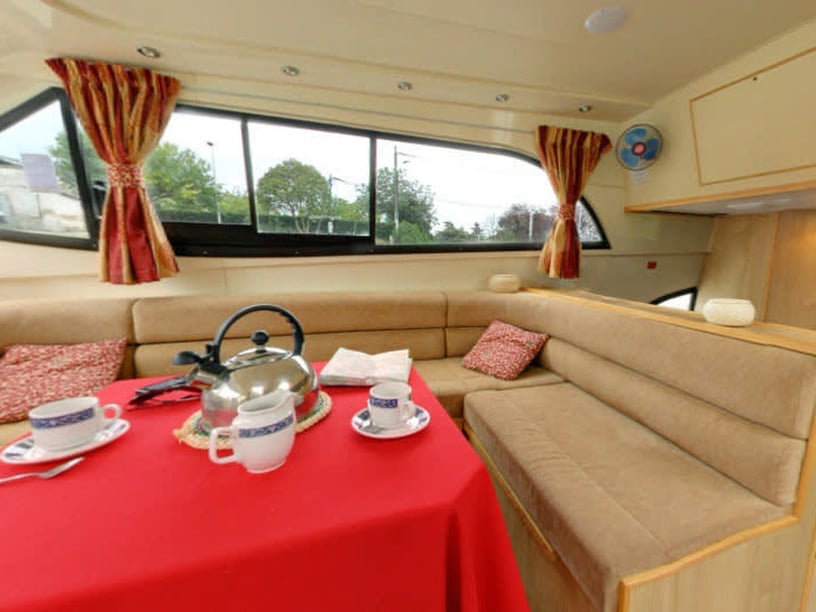
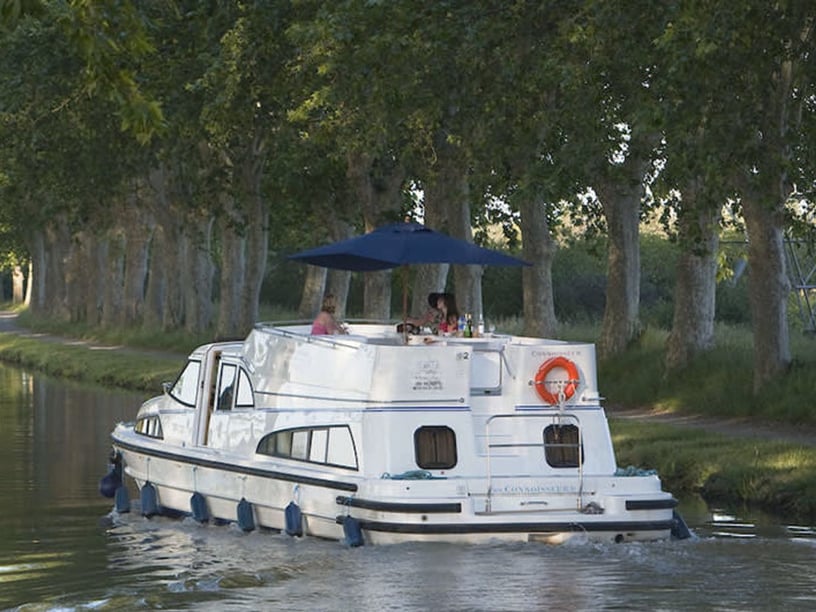
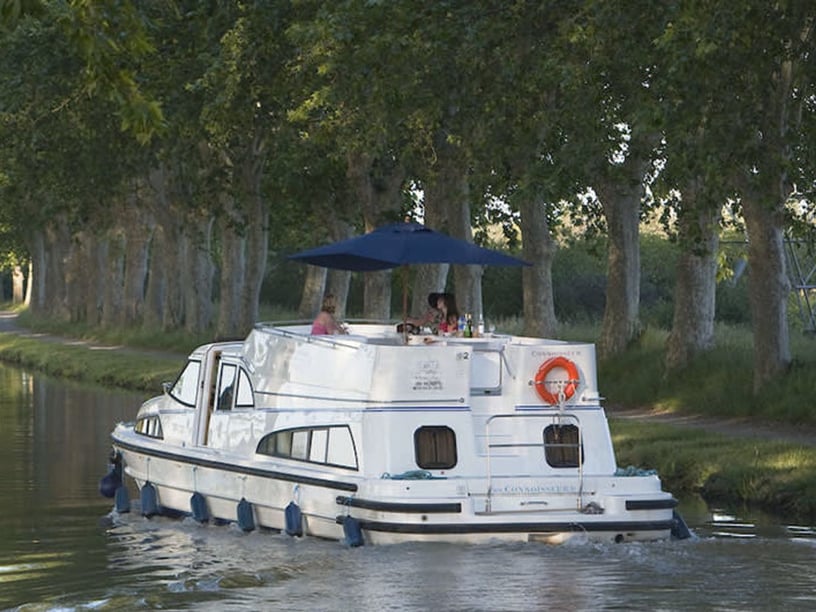
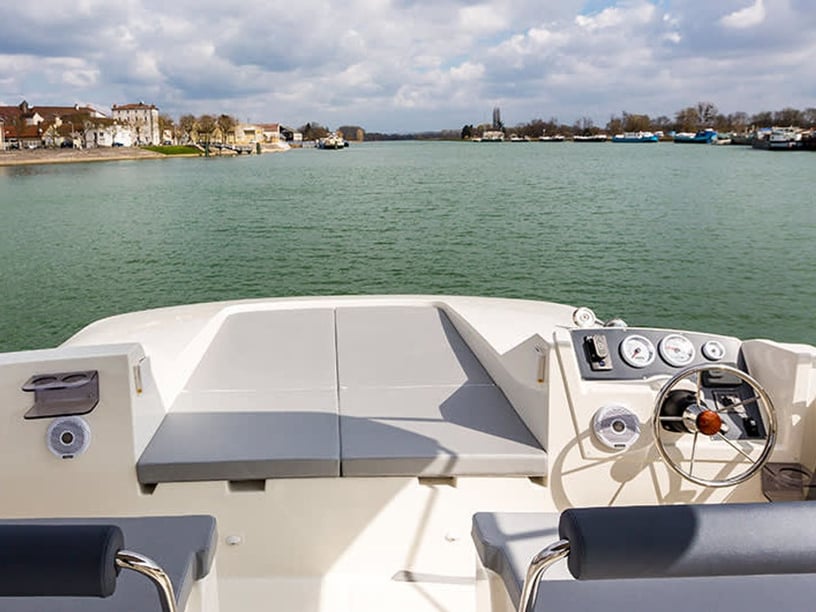
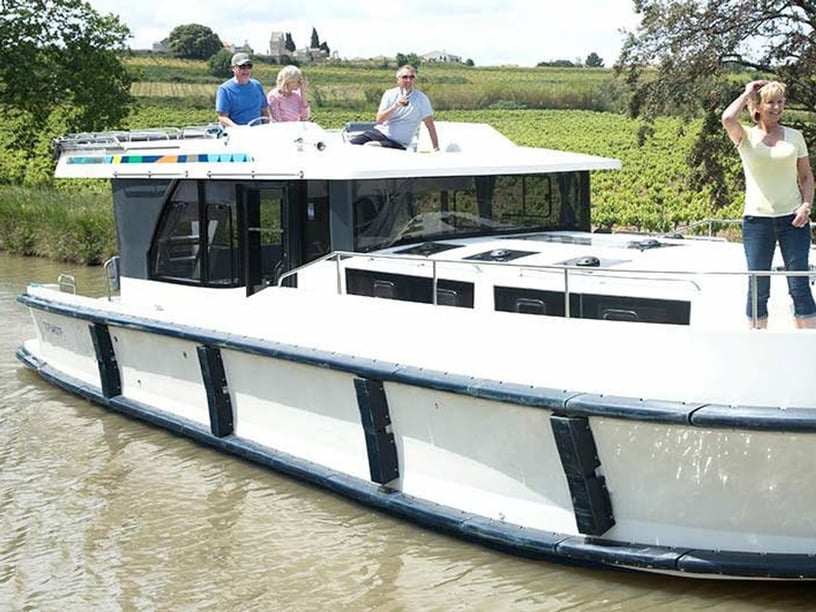
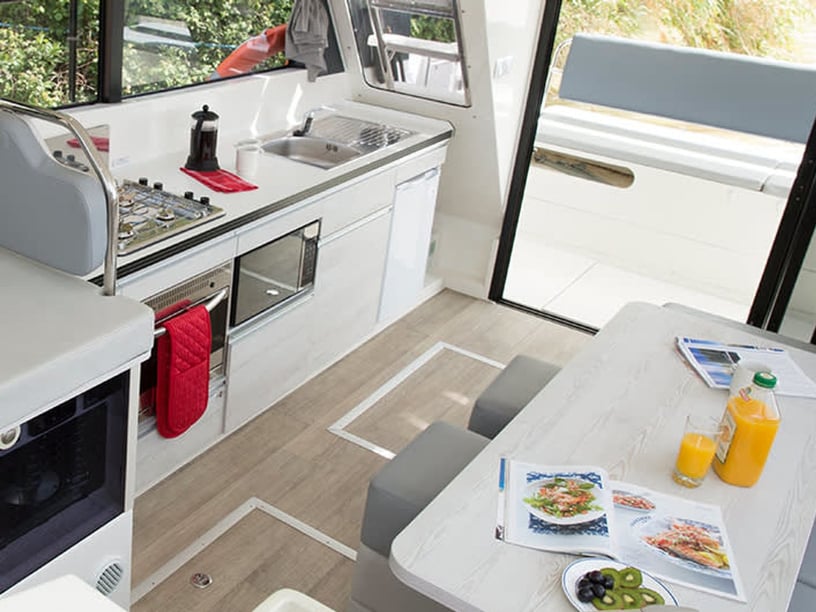
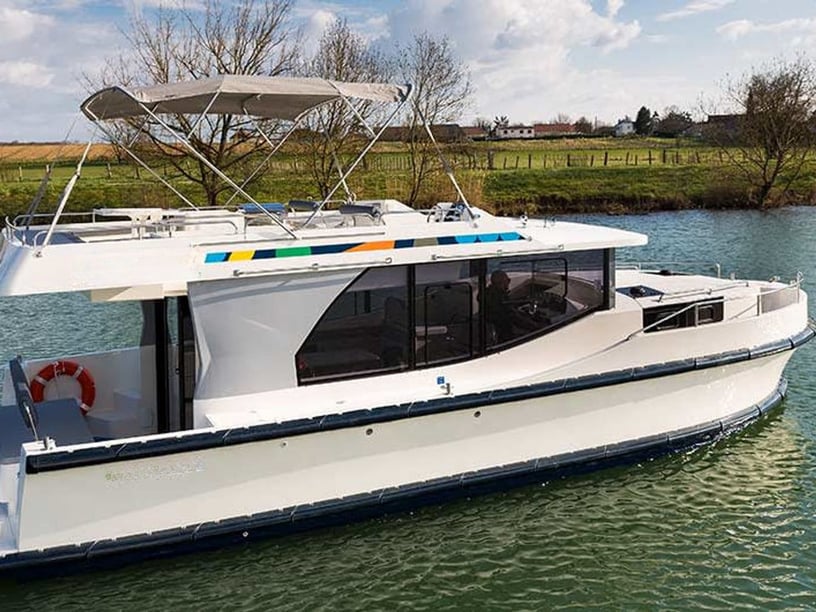
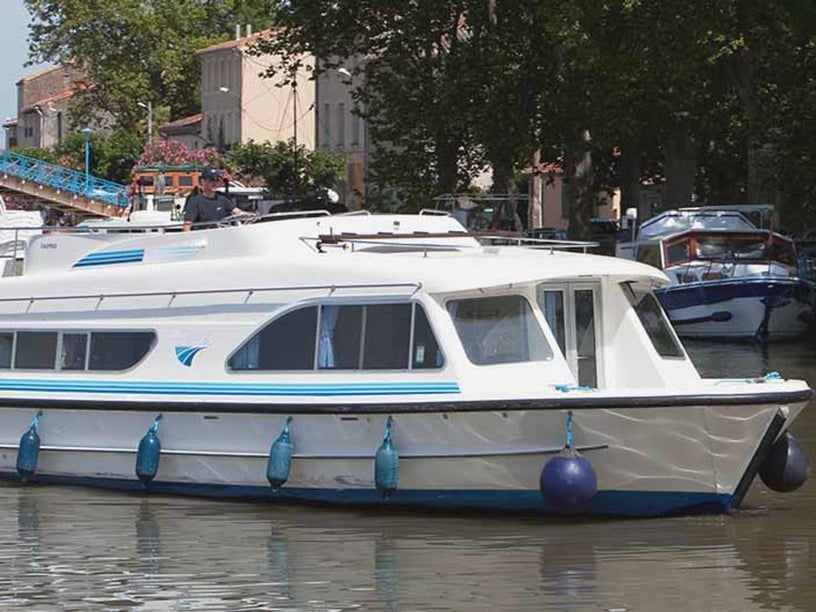
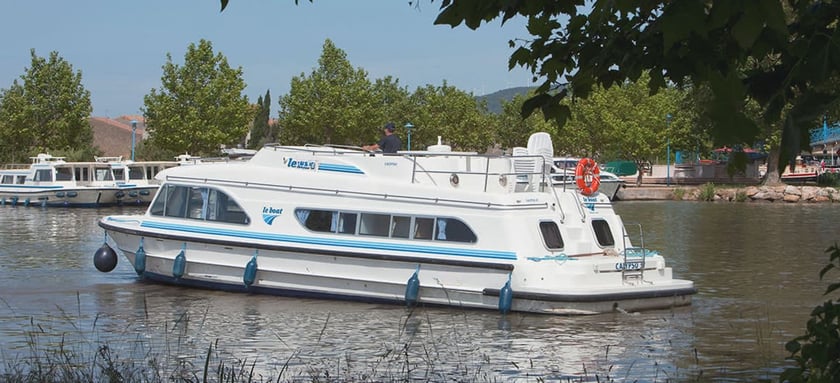
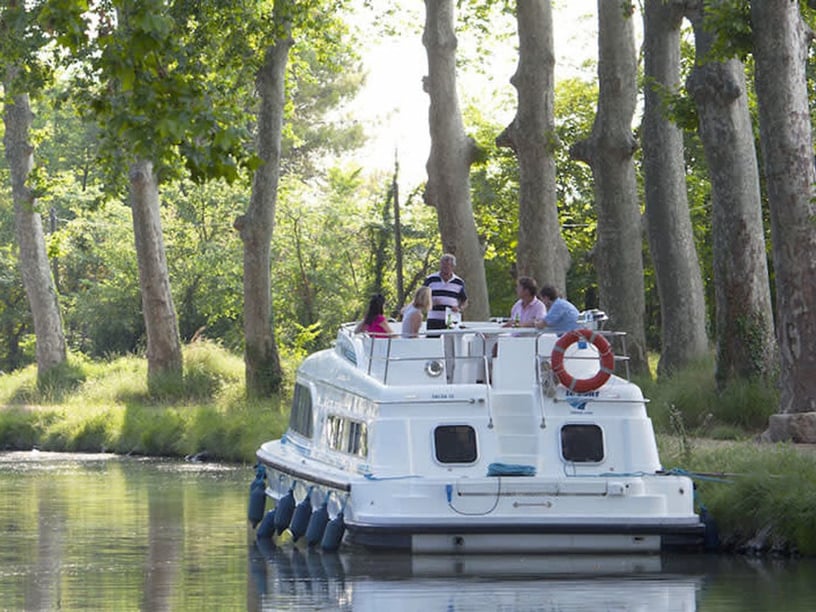
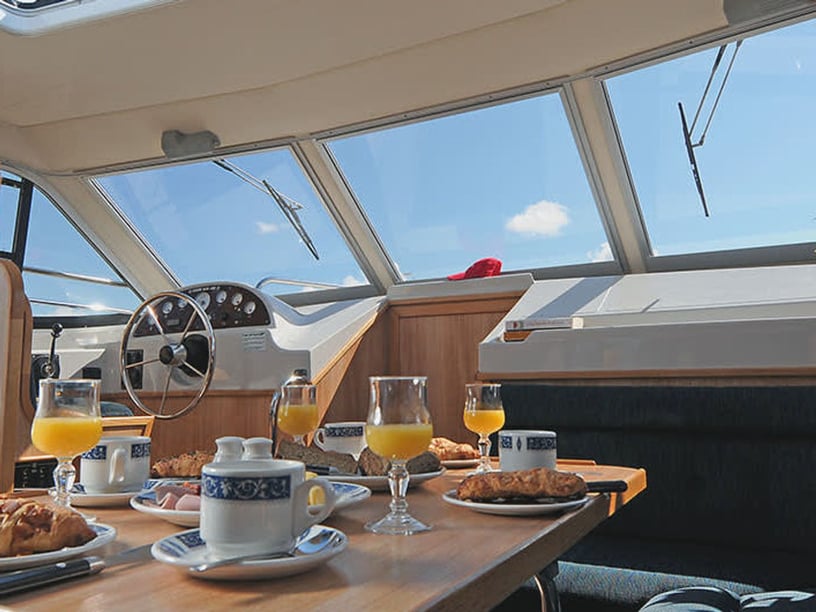
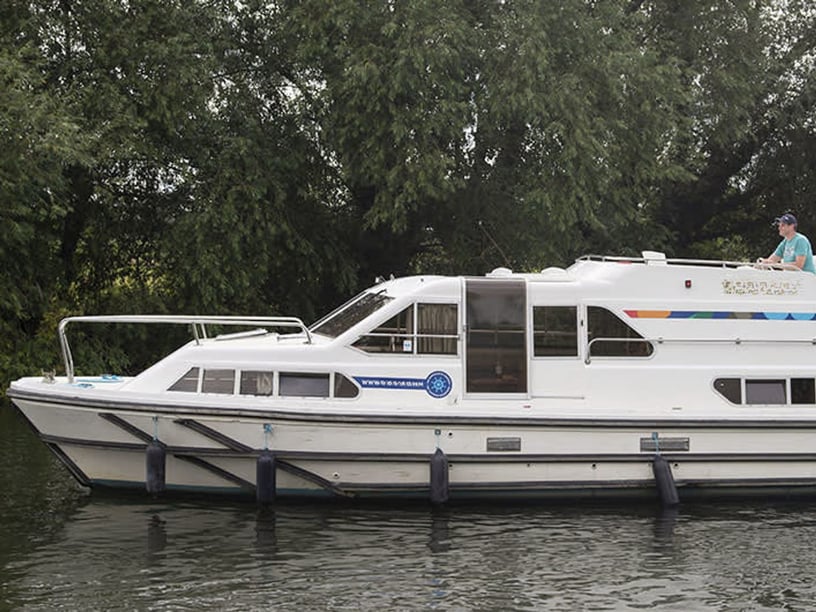
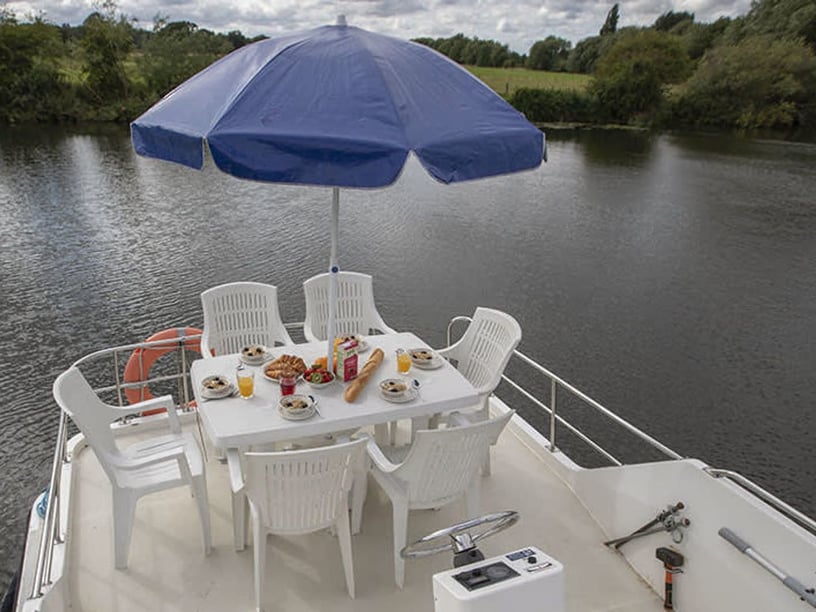
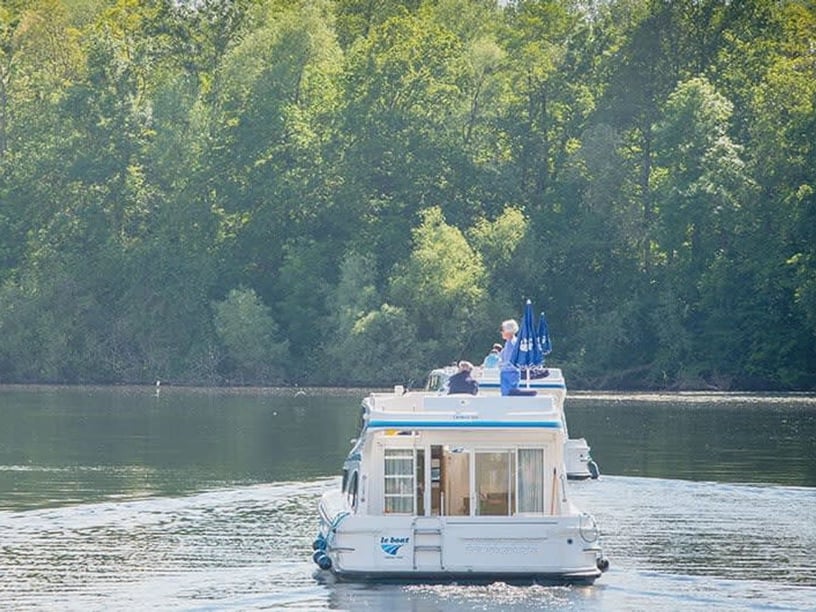
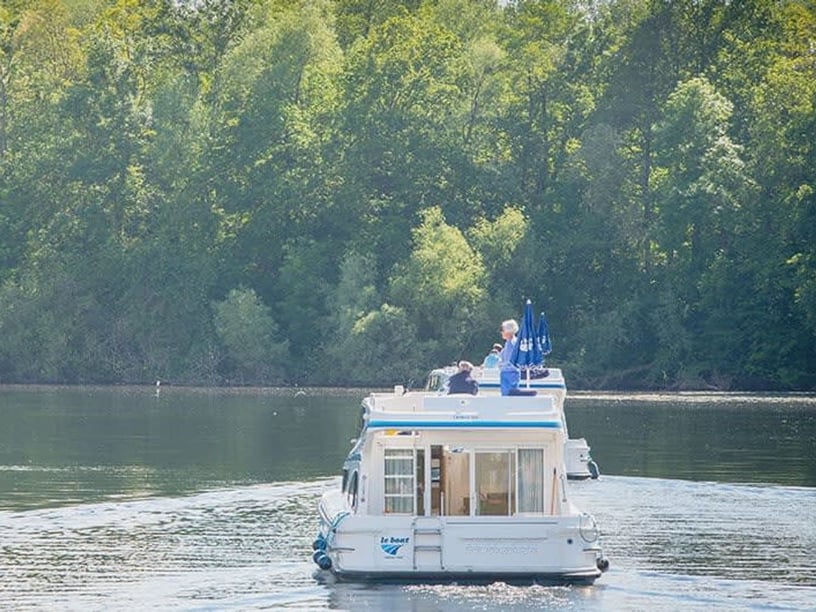
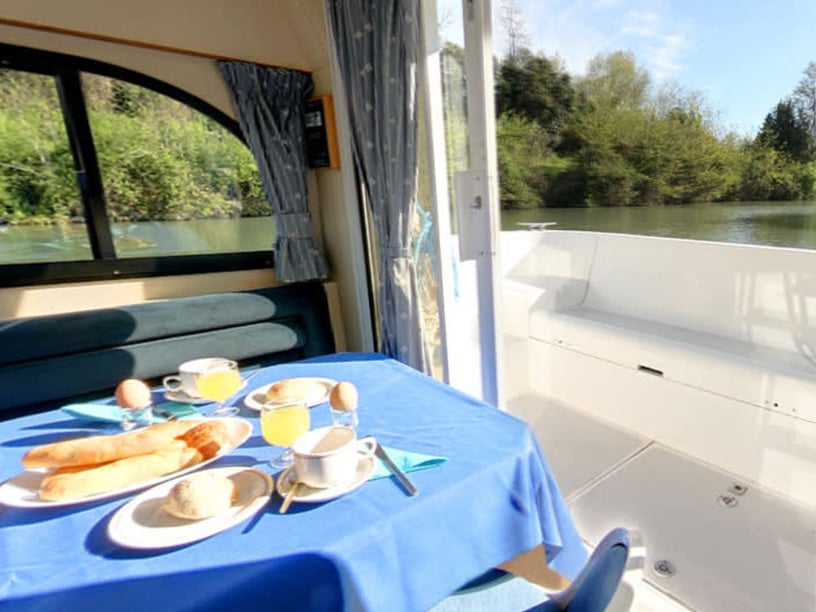
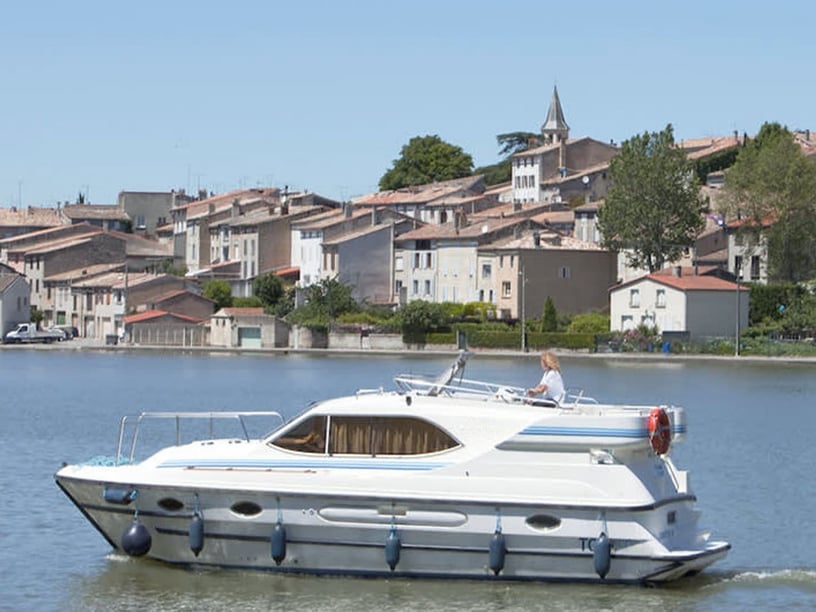
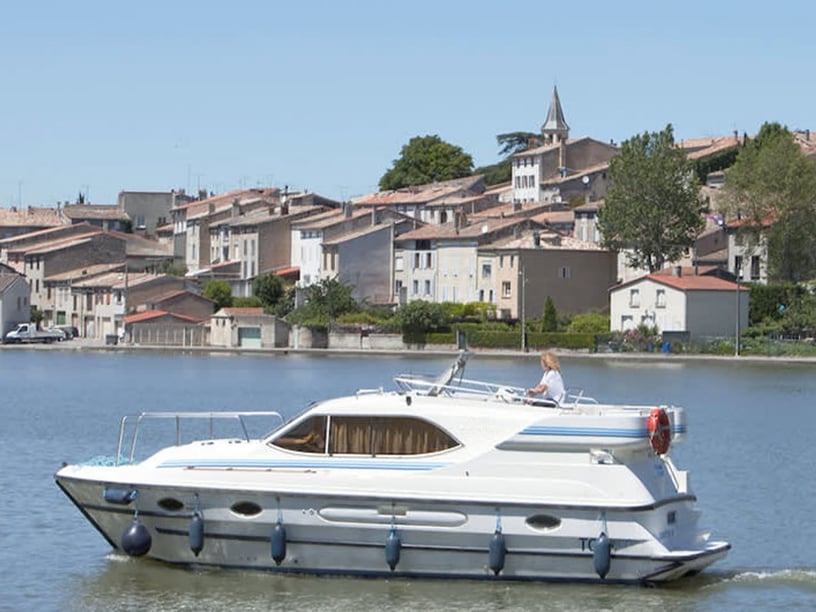
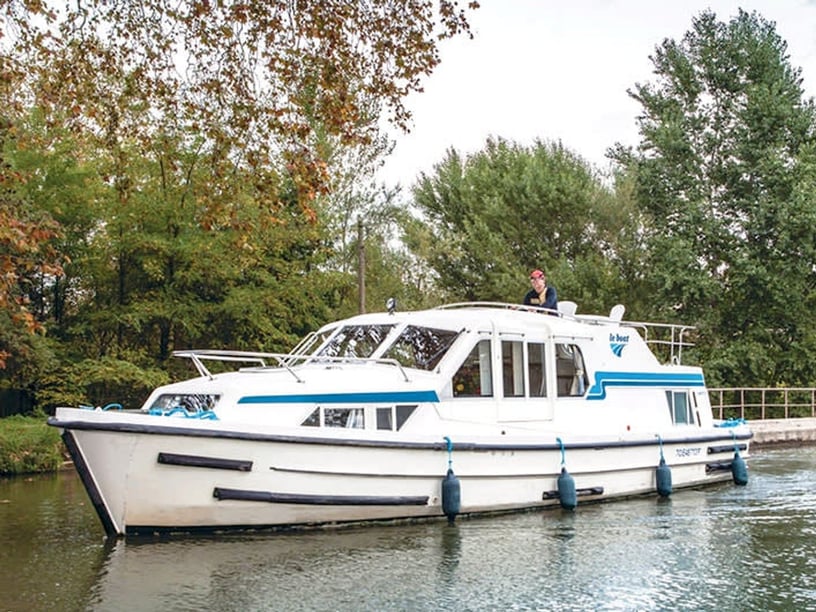
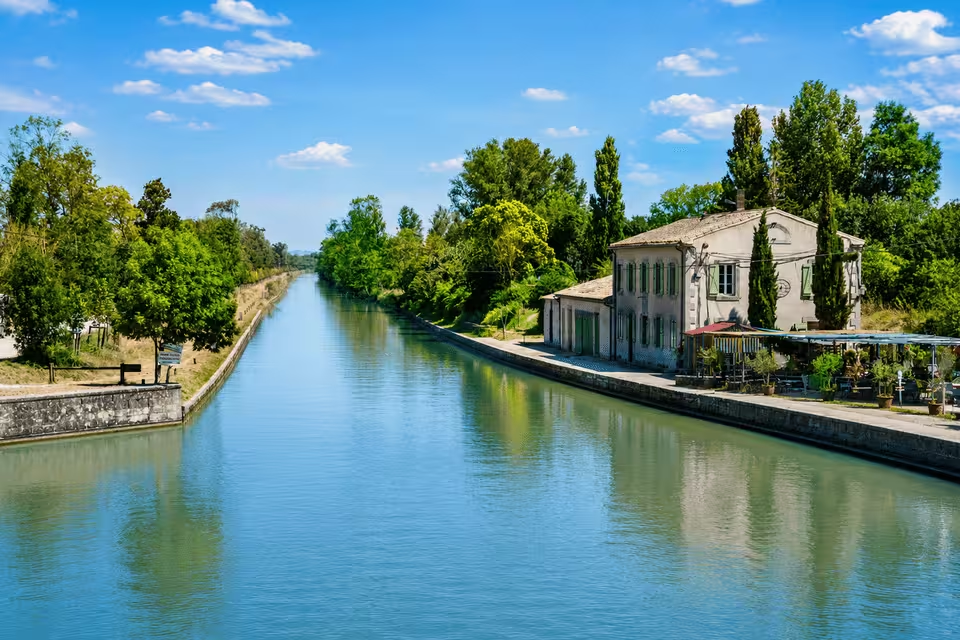
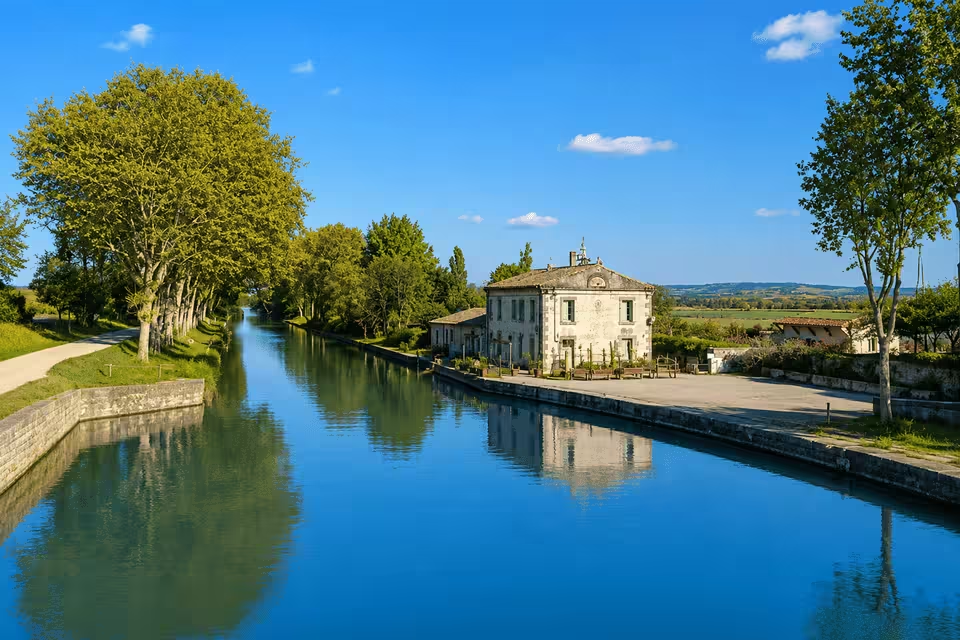
A yacht charter in Trèbes is an inland boating holiday rather than a conventional coastal sailing trip. Located just east of Carcassonne in southern France, the town sits beside the River Aude and is crossed by the Canal du Midi. Low-speed motor cruisers and houseboats replace sailing yachts, while locks, bridges and aqueducts shape the pace of travel.
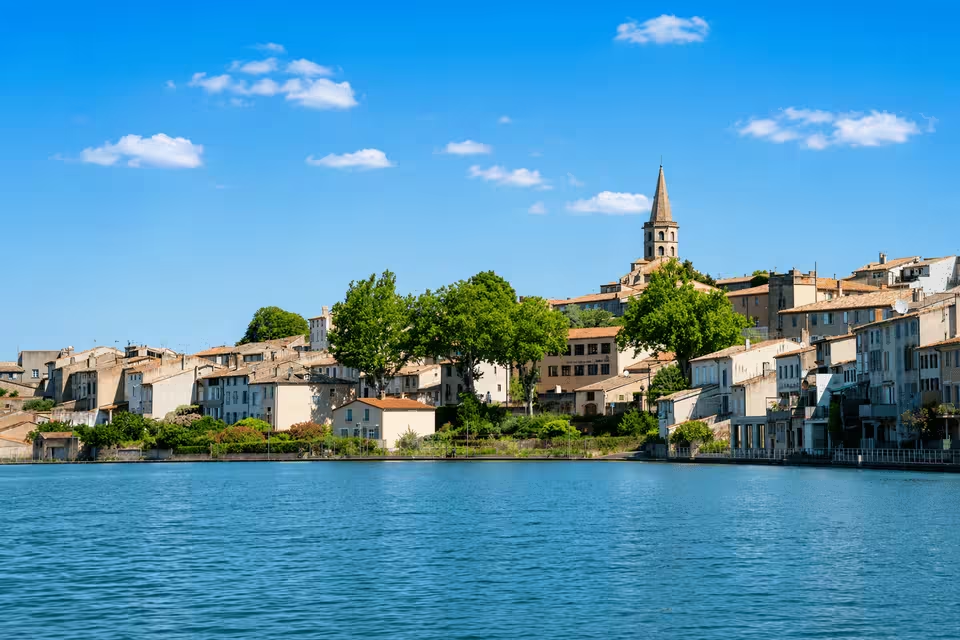
Trèbes combines a canal port, a walkable old town and useful connections in both directions along the waterway. Carcassonne lies to the west, while the villages and canal landscapes of the Minervois extend east toward Homps. This makes the town relevant both as a place to begin a cruise and as a stop within a longer yacht charter in France.
Places to explore around Trèbes
Carcassonne is the principal westbound destination. Boats can reach its central canal port from Trèbes, giving travelers the opportunity to combine a slow canal passage with time ashore near the fortified Cité de Carcassonne.
East of Trèbes, the route enters the Minervois section of the Canal du Midi. Marseillette and La Redorte are among the villages encountered in this direction, while Homps is a significant canal port and departure point farther along the waterway. The journey is as relevant as the destinations: progress is measured through locks, aqueduct crossings and stops in compact canal settlements rather than long open-water passages.
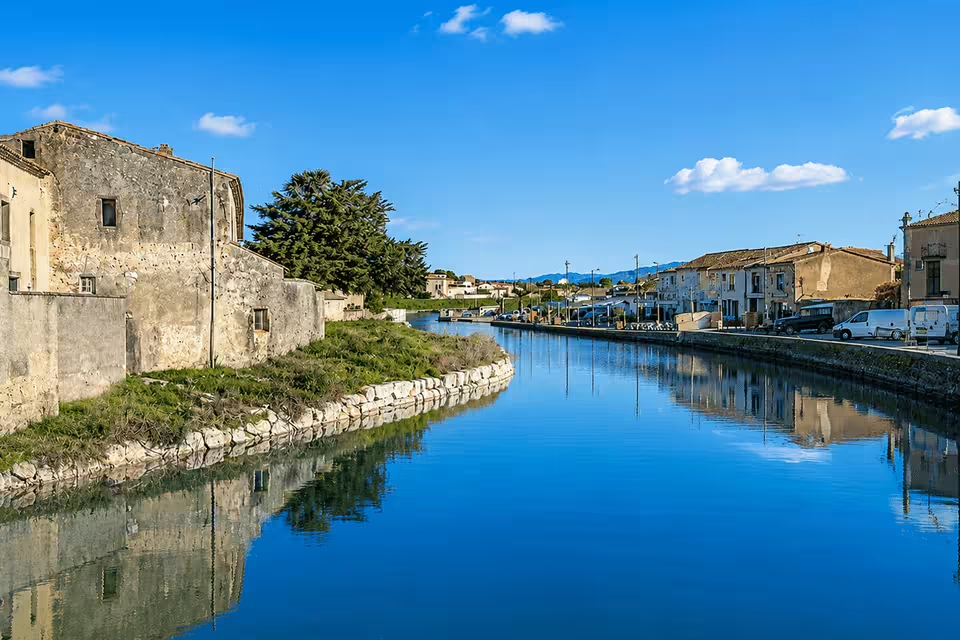
Within Trèbes itself, the port provides direct access to restaurant terraces, the old town and the canal towpath.
What cruising the Canal du Midi is like
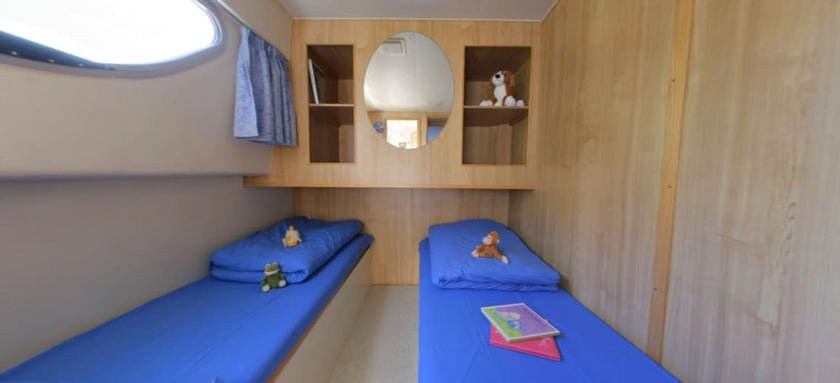
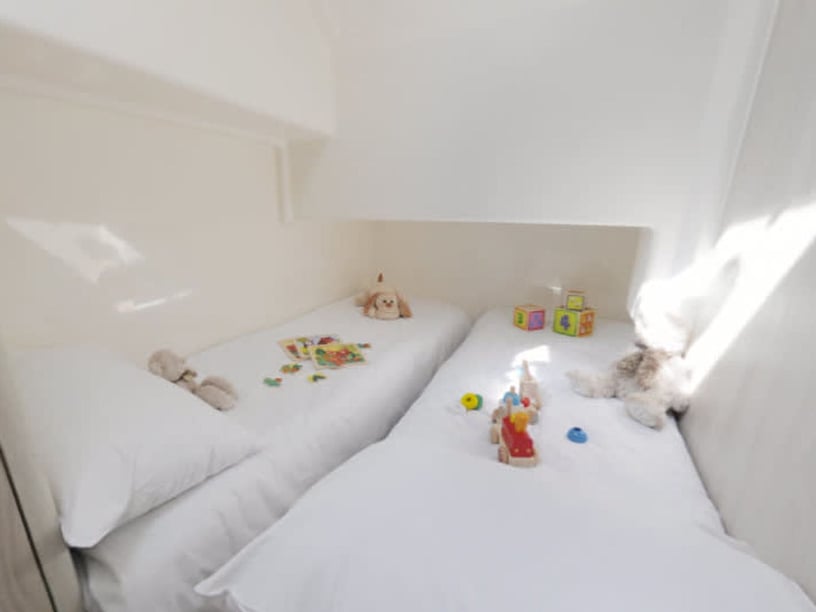
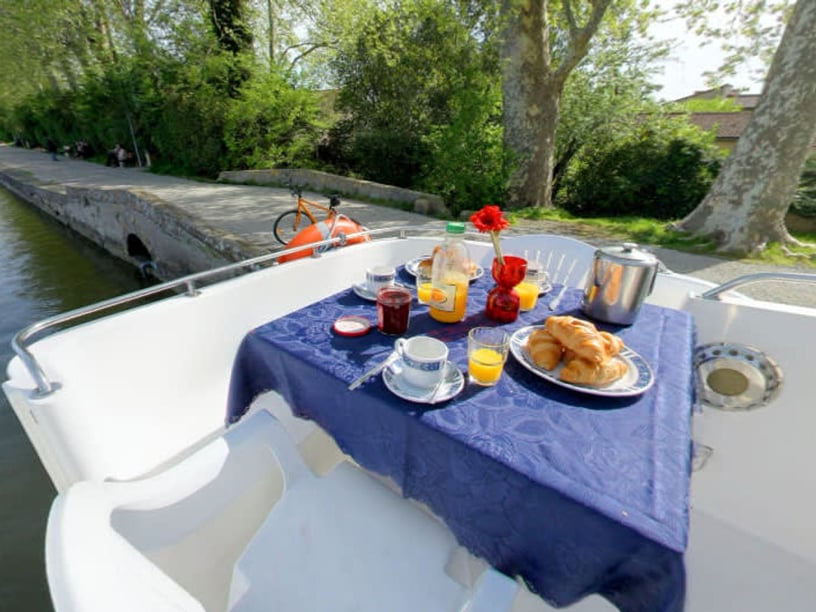
Cruising around Trèbes takes place on a sheltered, enclosed canal with no tides or open-water swell. Boats travel at regulated low speeds, so the experience suits travelers who value an unhurried route with regular opportunities to stop and go ashore. It can also work well for families, provided everyone is comfortable helping with the practical rhythm of canal travel.
The main handling considerations are locks, narrow bridge approaches, aqueducts and passing other craft. Immediately east of the port, the three-chamber Trèbes lock staircase requires attentive line handling; queues may also lengthen during busy summer periods. Strong regional winds can occasionally make maneuvering less straightforward on exposed reaches, even though the canal itself remains sheltered from sea conditions.
Daily distances should therefore be planned around lock operating hours and likely waiting times, not simply the number of kilometers on the route.
Best time for a Trèbes canal charter
Recreational cruising is concentrated between April and October, with regular navigation generally operating from late March until early November. May, June and September are particularly suitable months. They combine established boating-season conditions with a generally calmer experience than the busiest part of summer.
July and August are the hottest and most active months, bringing more traffic and potentially longer waits at locks. Spring can be wetter and windier, while autumn becomes progressively cooler with a greater chance of rain. April and October can still suit travelers who prefer shoulder-season cruising, but weather and operating schedules deserve closer attention.
Outside the main season, lock passage may require advance arrangements, and winter maintenance can affect parts of the canal. Water-resource conditions or local incidents may also alter navigation arrangements at other times, so current notices should be checked before departure.
Canal routes from Trèbes
The short westbound passage from Trèbes to Carcassonne takes approximately three hours each way under typical documented timings. It passes the Orbiel Aqueduct and Rode Bridge before continuing through the Villedubert and Fresquel lock sectors to Carcassonne’s canal port. This route is well suited to travelers who want canal cruising and a major historical visit within the same trip.
The eastbound passage to Homps takes approximately seven hours. It begins with the Trèbes lock staircase and continues through the Minervois, connecting canal landscapes with villages such as Marseillette and La Redorte. Because lock passage and waiting times affect progress, these durations are planning guides rather than fixed schedules. Longer charters can use Trèbes as a link between the Carcassonne and Minervois sections instead of treating it as the sole focus of the itinerary.
History, food and time ashore
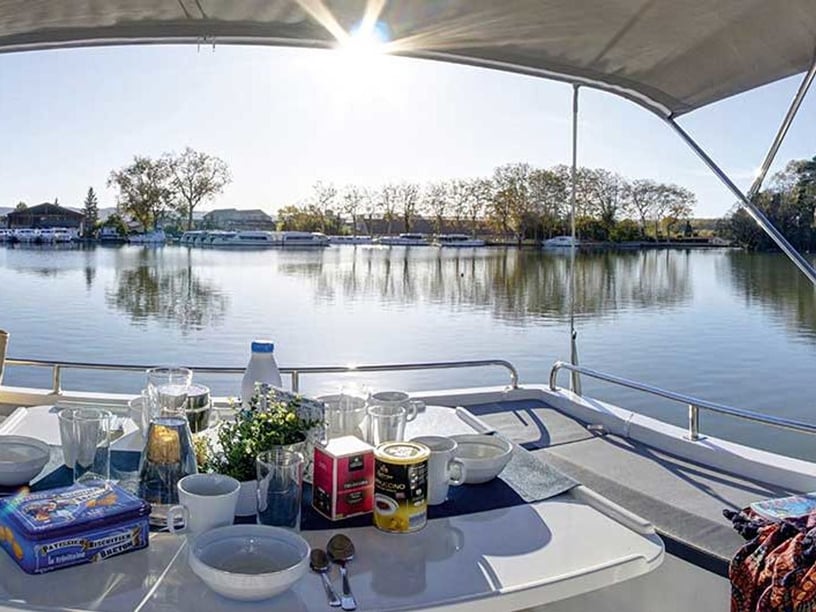
A charter around Trèbes naturally alternates between time at the helm, working through locks and exploring on foot. The port is lined with restaurant terraces, while the towpath offers an easy way to extend a stop with walking or cycling. Swimming, however, is prohibited throughout the Canal des Deux Mers network, including the Canal du Midi.
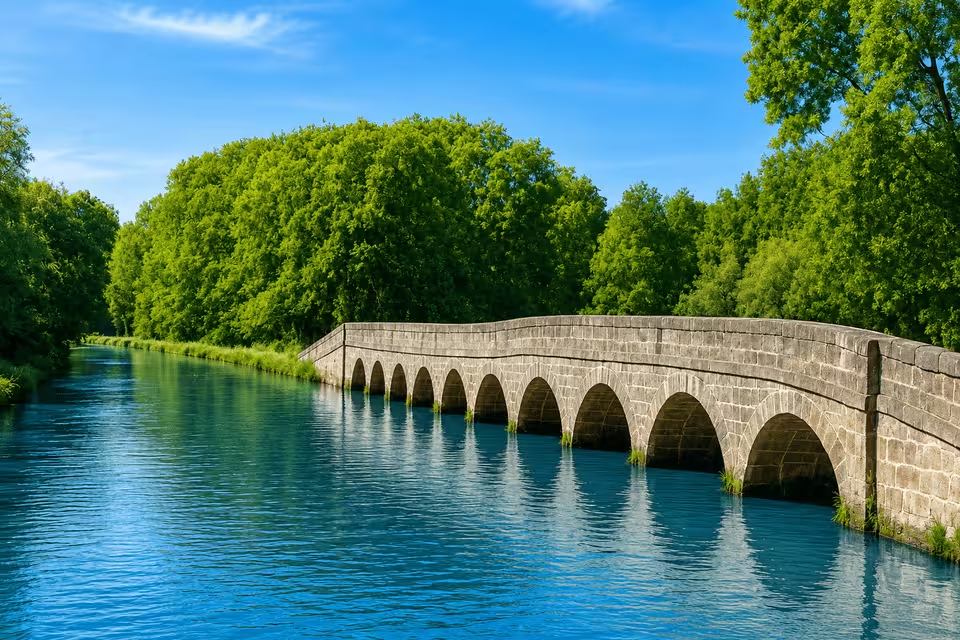
The canal infrastructure is one of the destination’s defining attractions. Boats cross above the Orbiel River on a three-arched aqueduct associated with later improvements attributed to Vauban, then encounter the seventeenth-century lock staircase east of the port. These structures make the history of the waterway visible from the boat itself.
In the old town, Saint-Étienne Church contains 320 painted oak corbels connected with its medieval timber structure. Together, the church, canal works and historic center give travelers substantial reasons to leave the boat between cruising stages.
Reaching the port and choosing a departure point
Port de Trèbes is both a canal stop and a hire-boat base, although departure arrangements depend on the selected operator and itinerary. Port de Carcassonne to the west and Port de Homps to the east are other relevant starting points for trips through this part of the Canal du Midi. Choosing among them should reflect which section of the waterway is most important to the trip and how much time is available for lock passages.
By road, Trèbes is accessible via the A61 motorway and the D6113 east of Carcassonne. Carcassonne railway station is the main rail gateway, with local bus connections onward to Trèbes. Carcassonne Airport is the closest listed air gateway, while Toulouse–Blagnac Airport provides another option for travelers arriving from farther afield.
Planning an inland charter from Trèbes
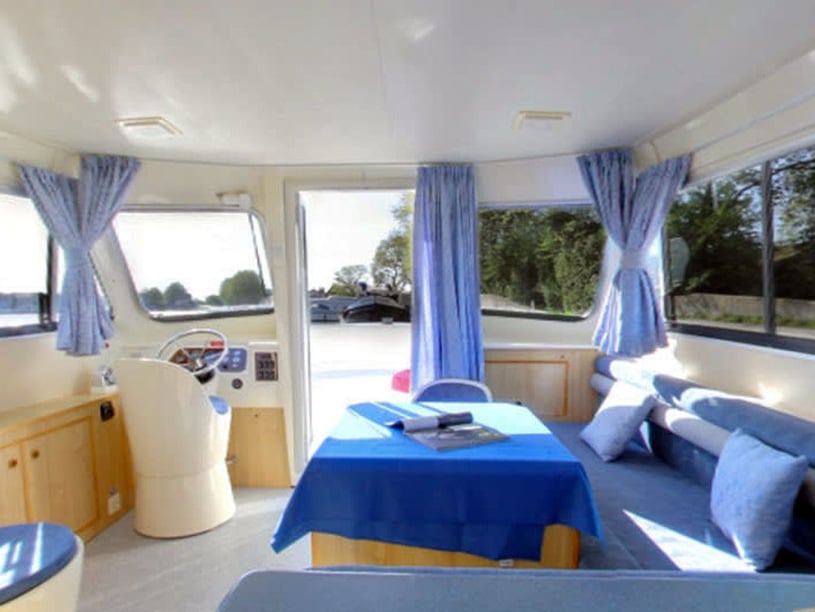
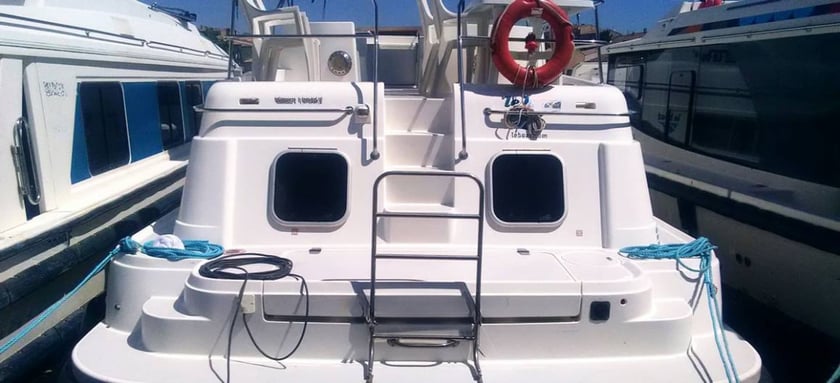
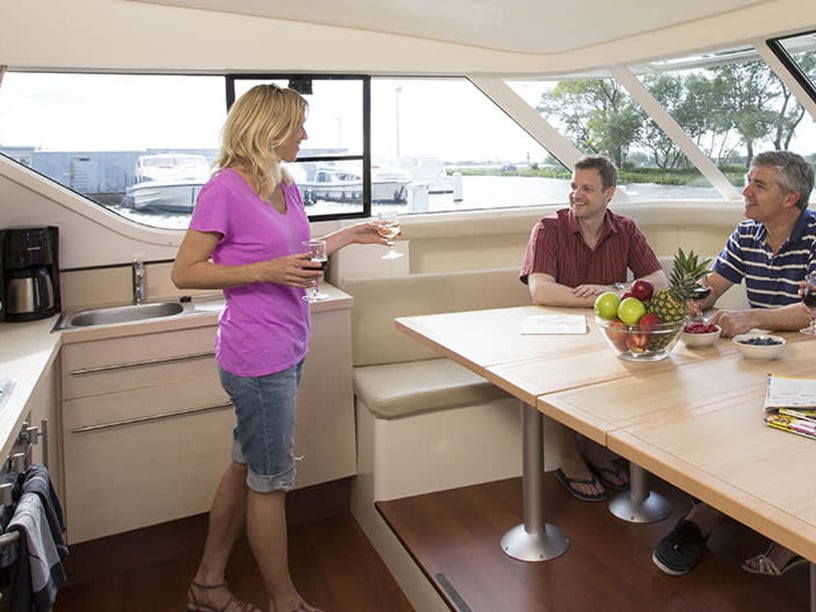
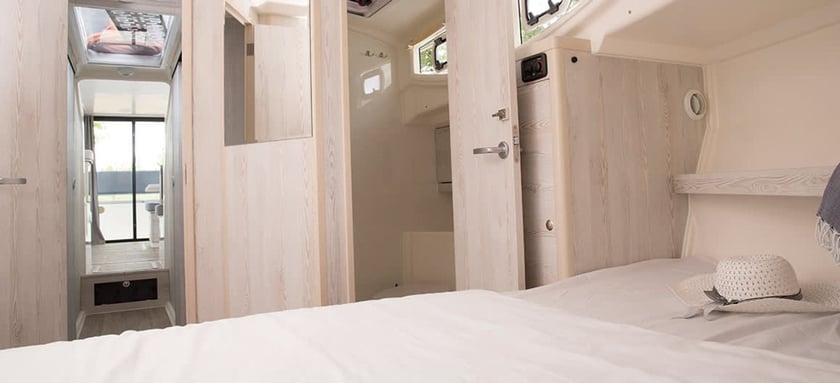
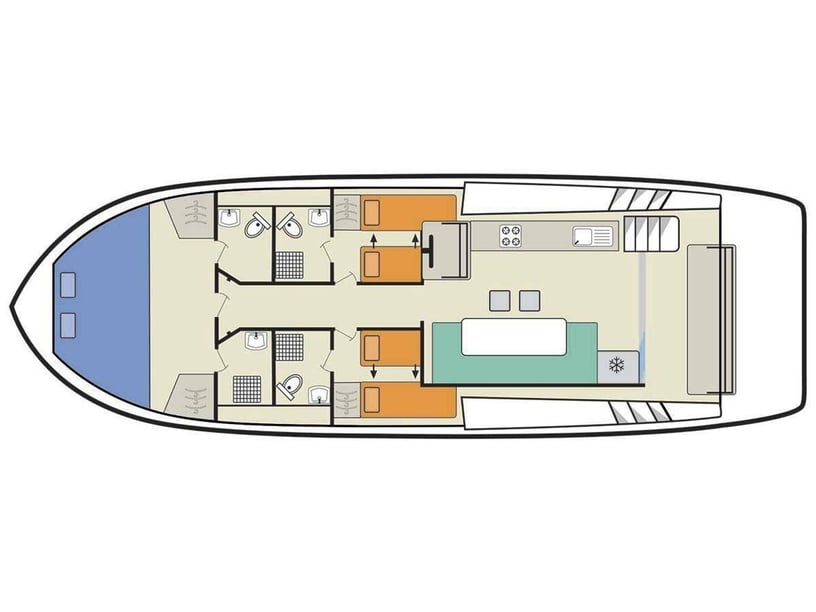
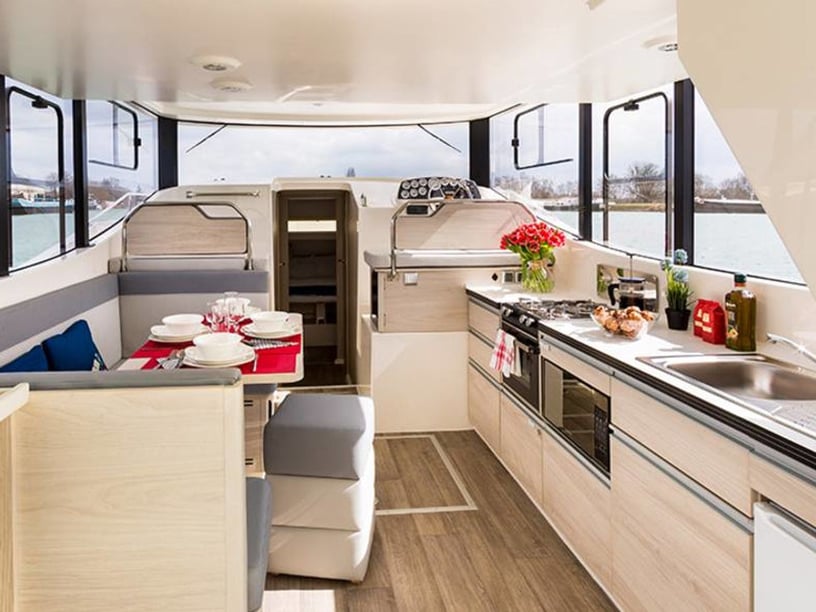
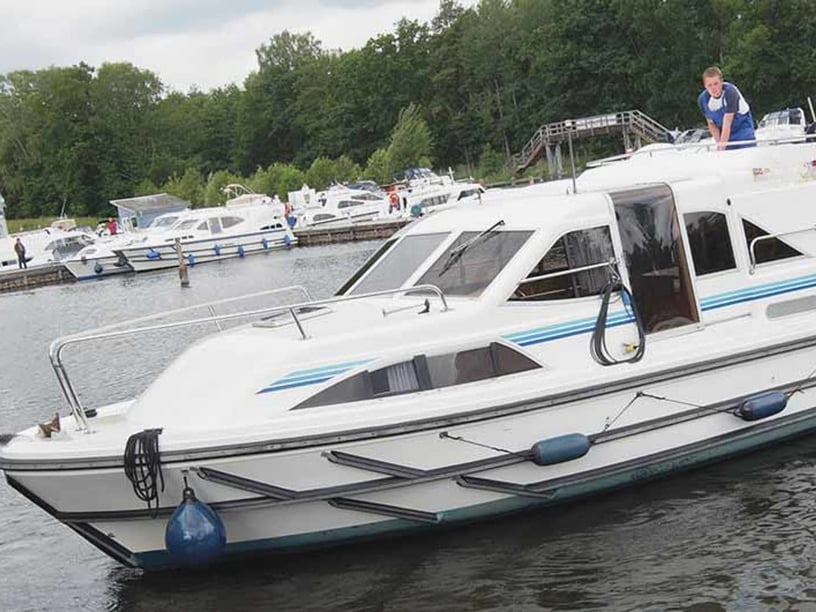
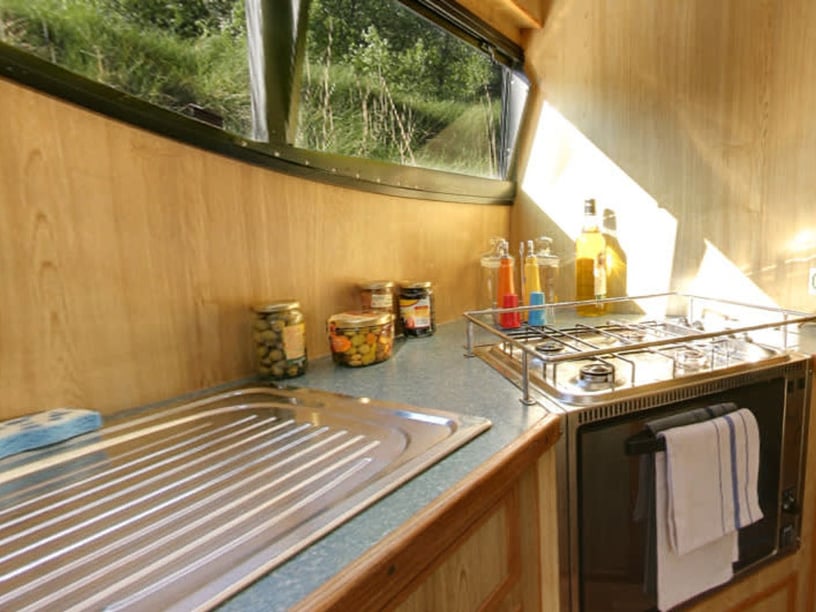
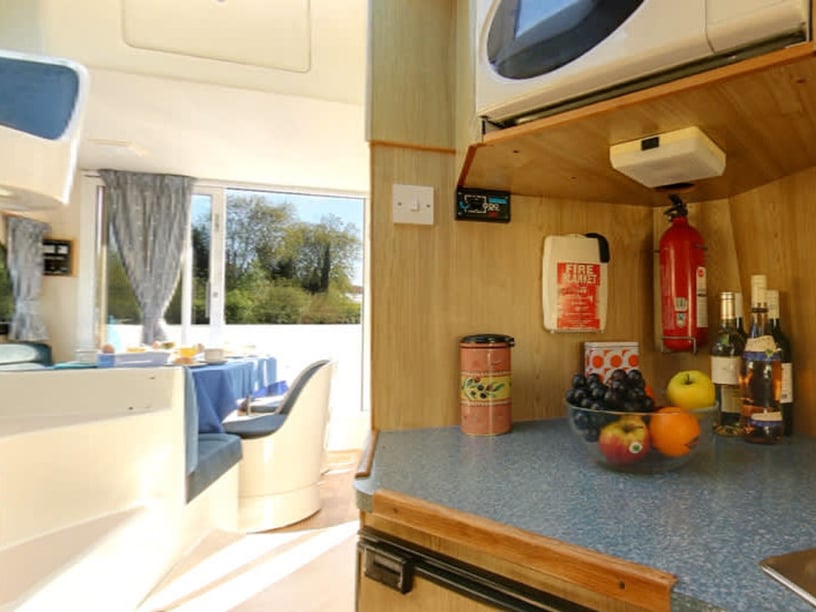
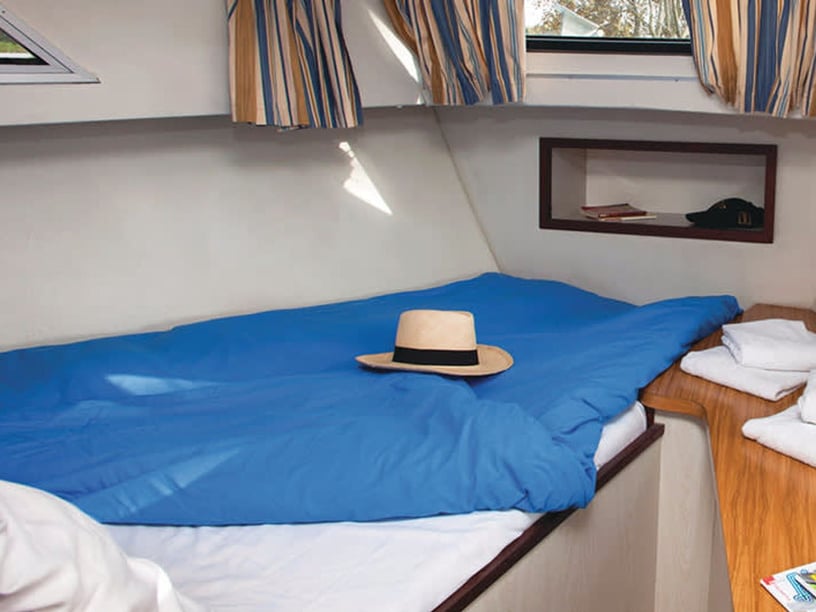
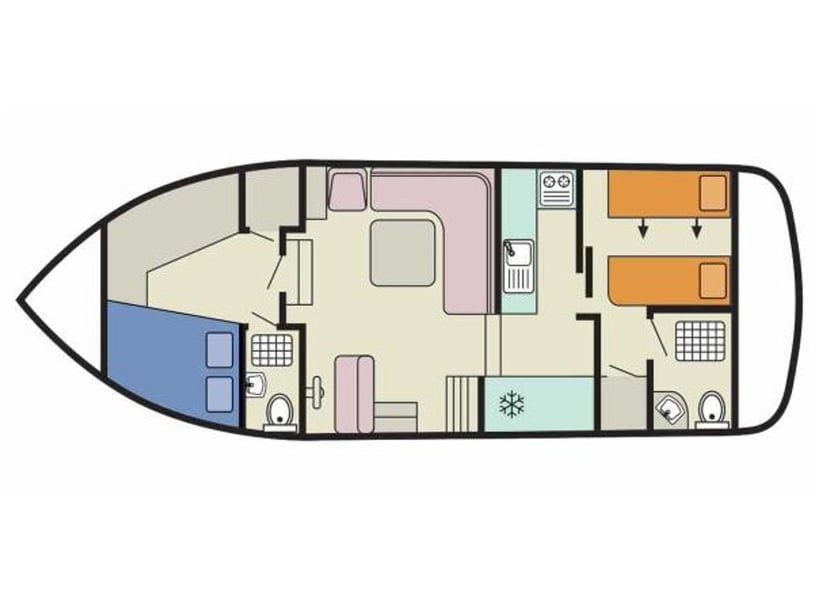
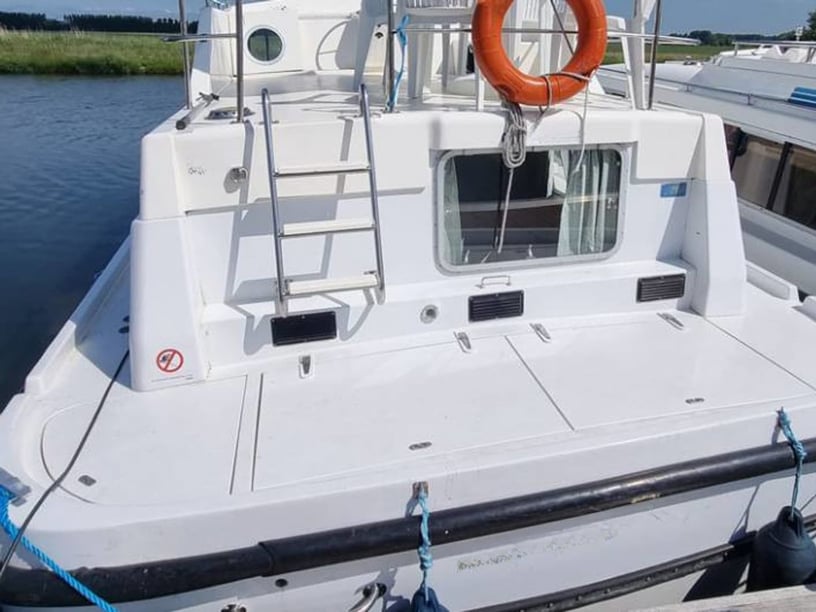
Travelers should choose a boat designed for inland waterways rather than expecting the equipment or passage style of a sea-going yacht. On authorized hire boats, a permit is not normally required after the operator’s instruction session. Private powered boats remain subject to French inland-navigation licensing requirements.
The general canal speed limit is 8 km/h, falling to 3 km/h near locks, bridges, aqueducts and ports and while passing other craft. These limits, combined with lock schedules, mean that a modest distance can occupy much of a cruising day. It is sensible to leave flexibility for queues, meal stops and visits ashore rather than planning around maximum progress.
Use authorized moorings, observe marked no-mooring sections and never tie a boat to canal-side trees. Before setting out, consult current VNF navigation notices for lock hours, maintenance, water-resource restrictions and temporary changes. For crew planning, consider who will handle lines at locks and whether everyone is comfortable stepping ashore when required; the Trèbes staircase makes cooperative handling particularly useful.