Yacht charter in Jarnac
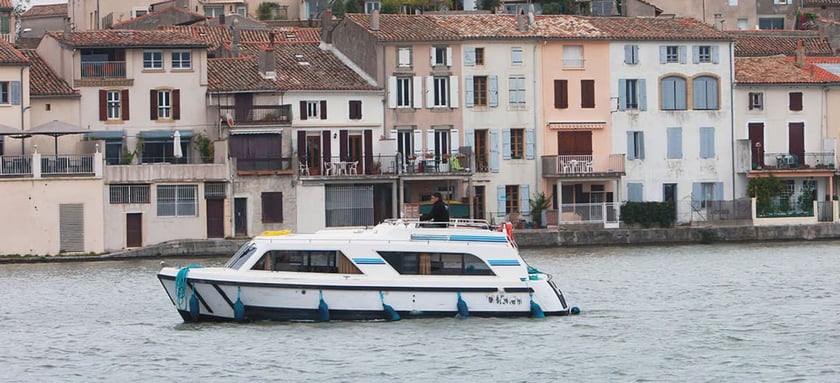
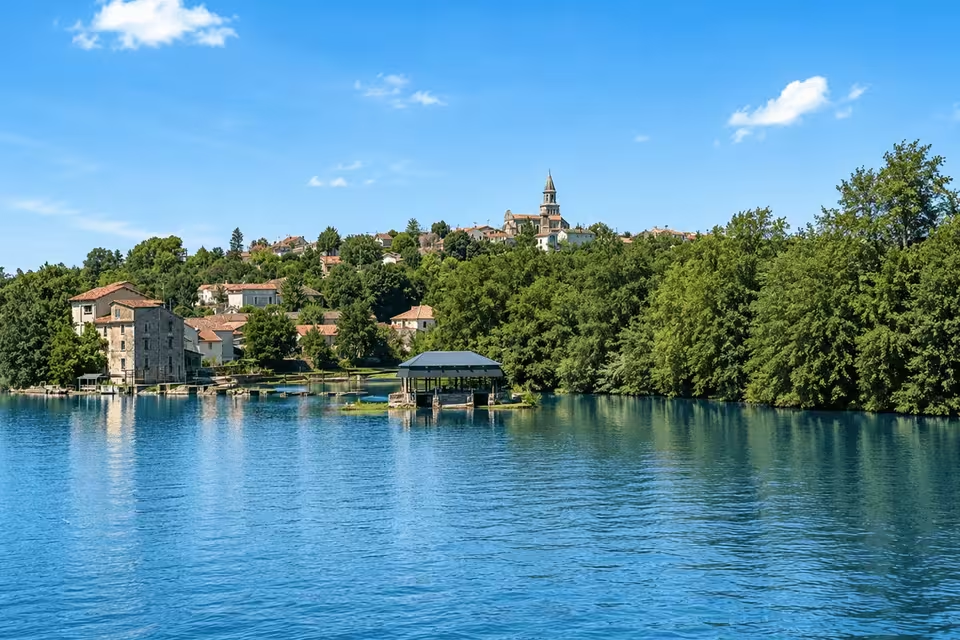
A yacht charter in Jarnac is an inland cruising experience shaped by the Charente rather than the open sea. The town stands on the river between Angoulême and Cognac, surrounded by the vineyard landscape associated with cognac production. Historic quays, pale merchant houses, tree-lined banks and small river islands give the waterfront a strong sense of its trading past.
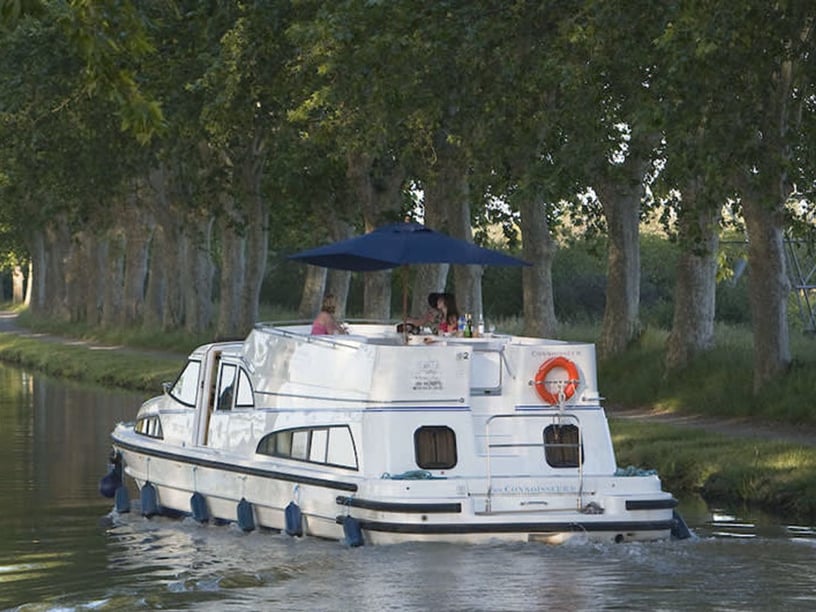
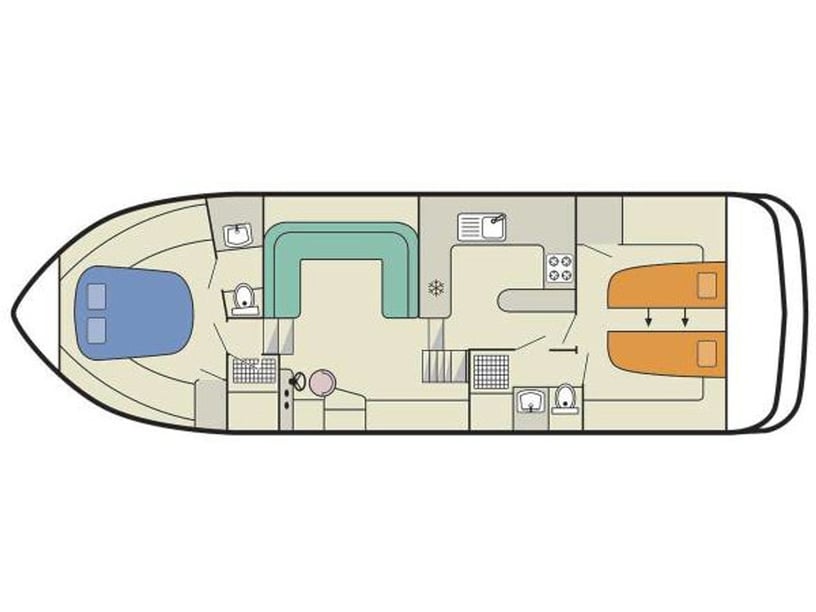
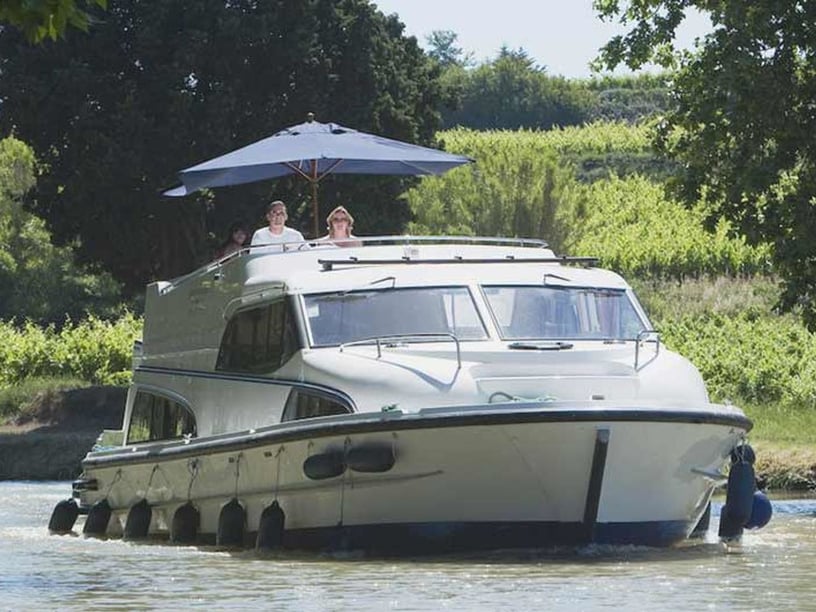
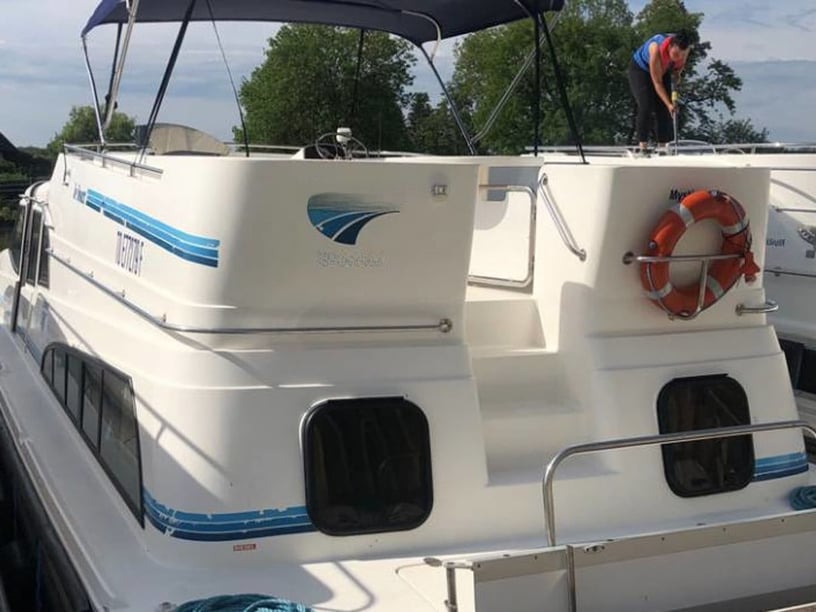
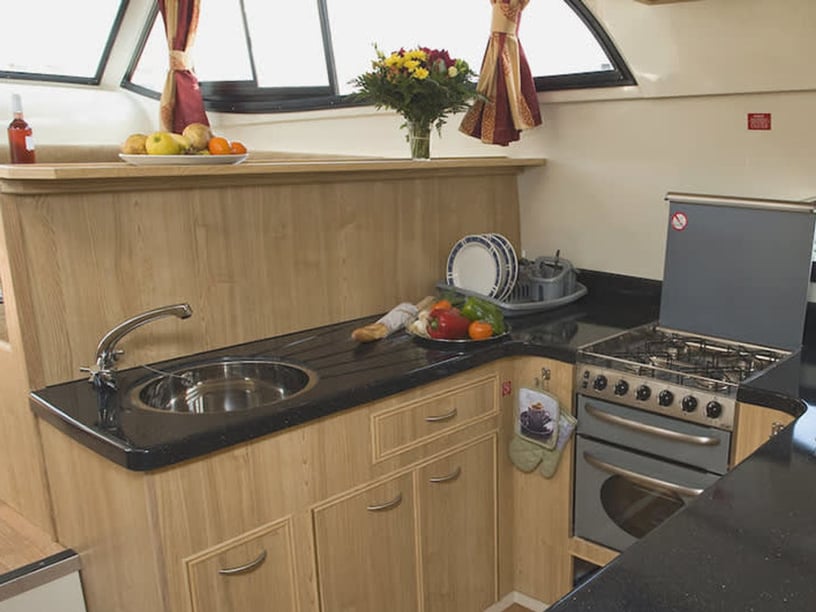
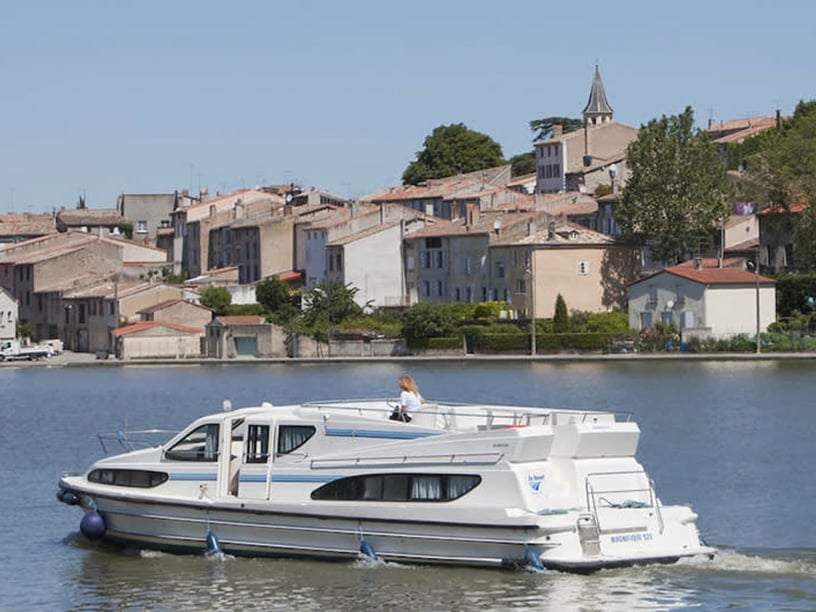
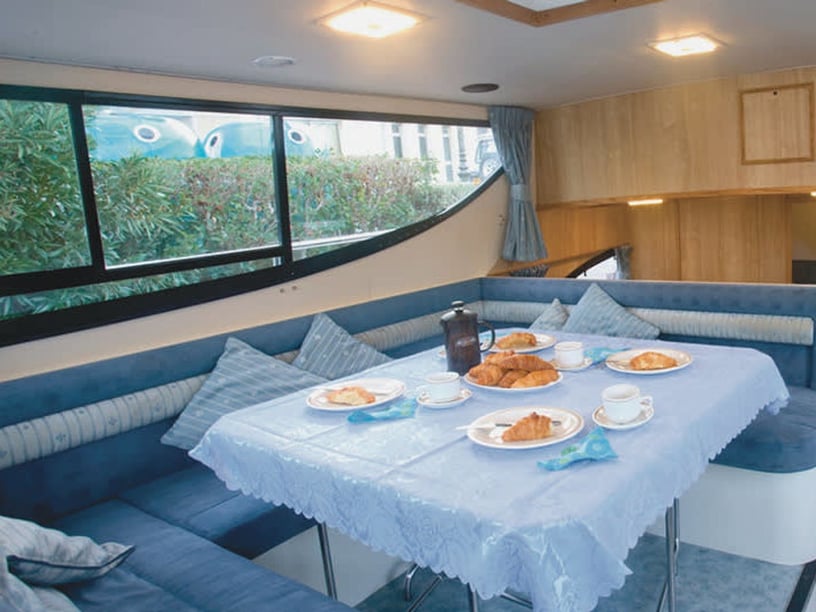
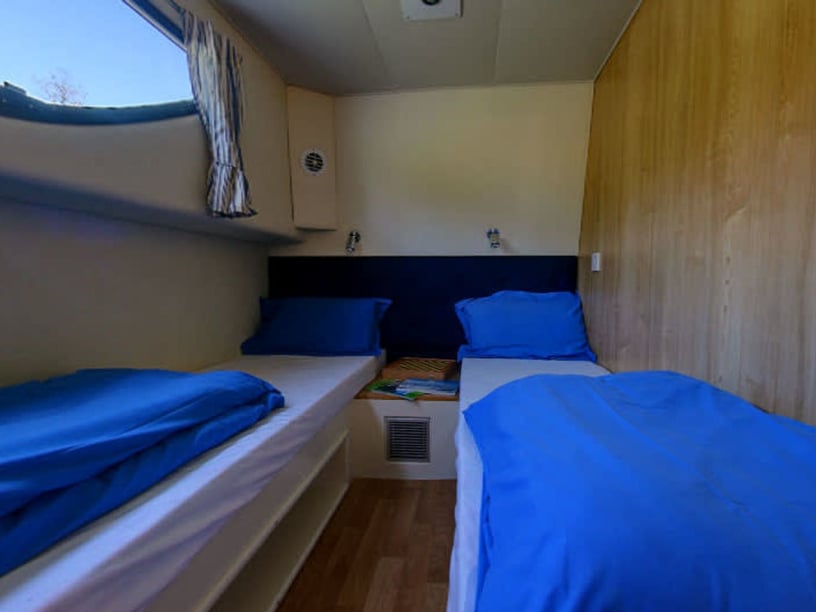
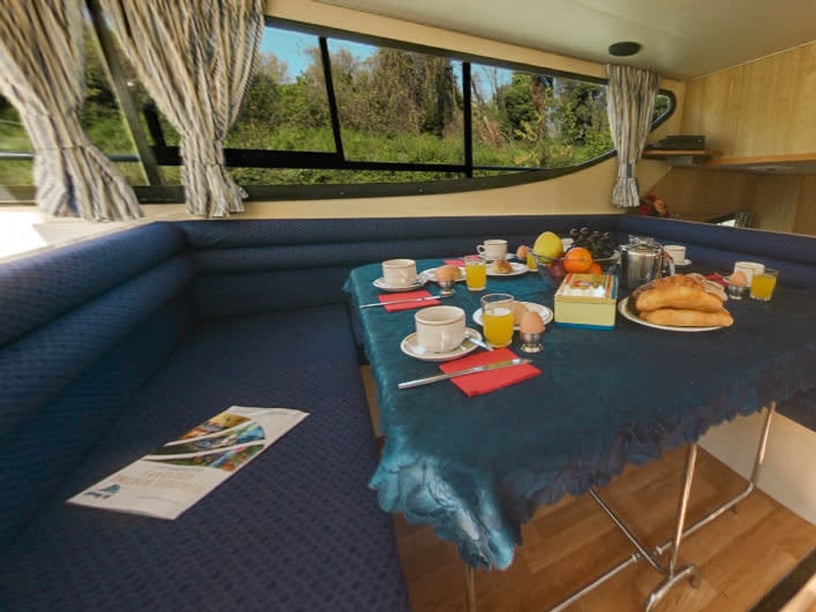
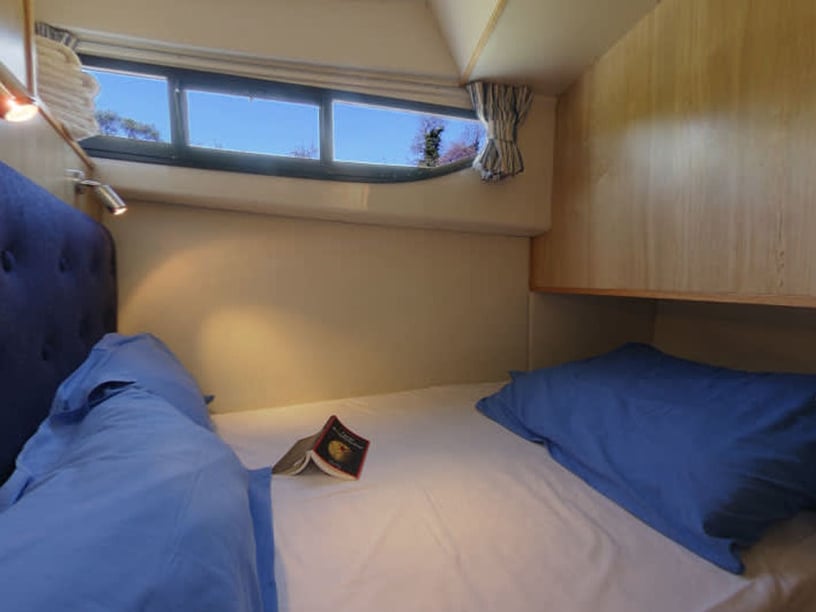
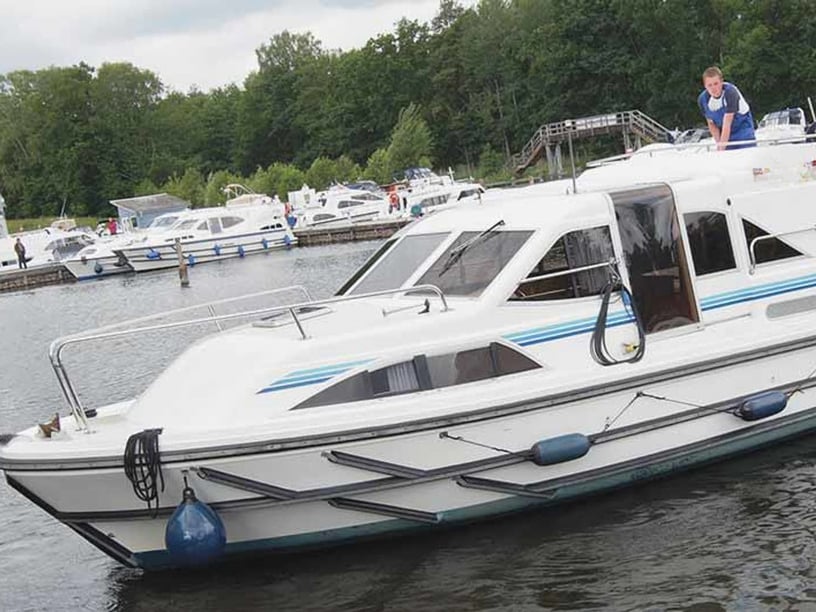
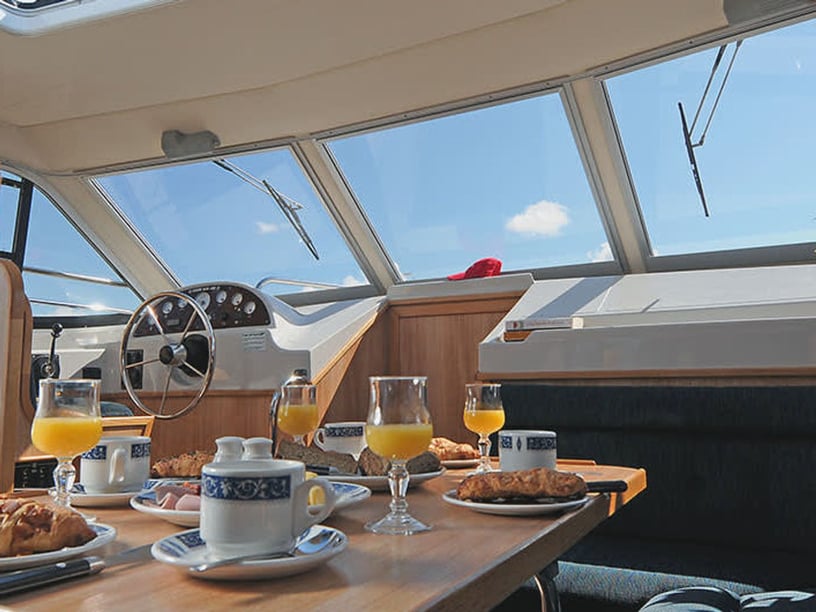
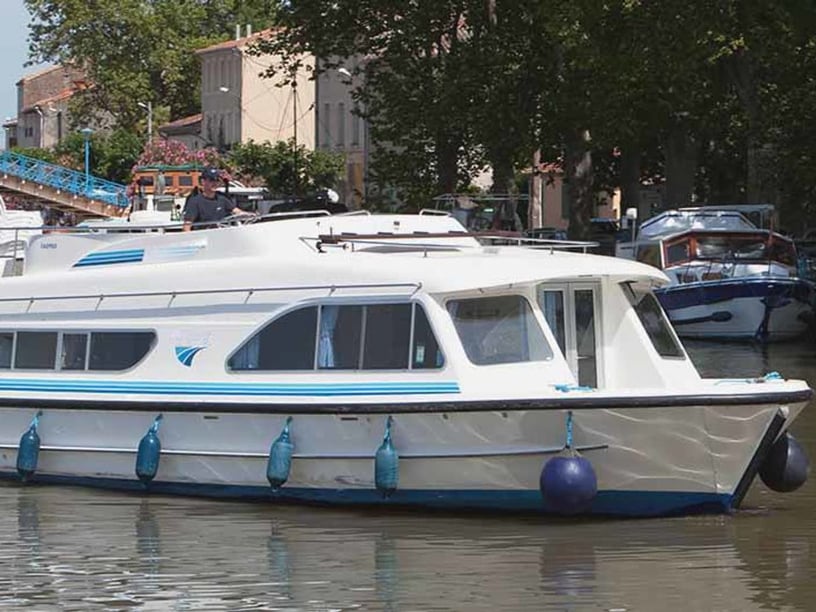
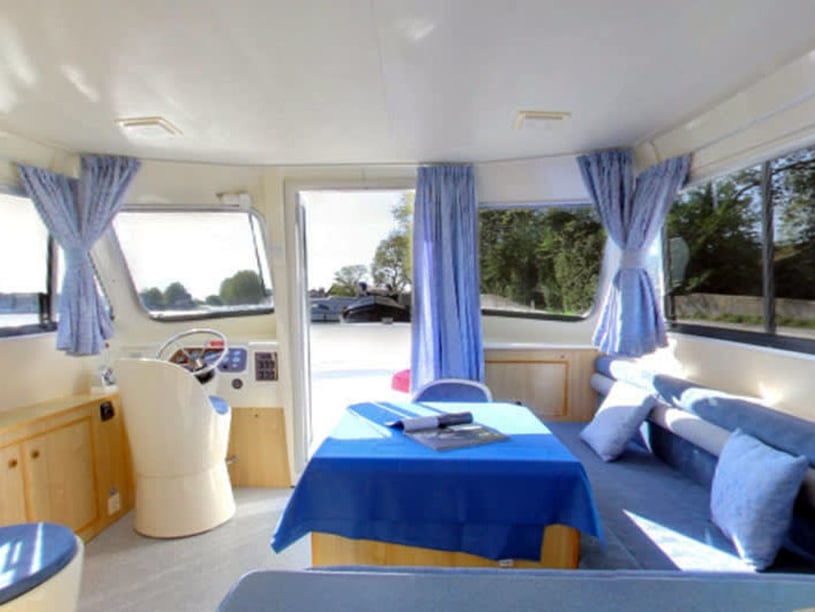
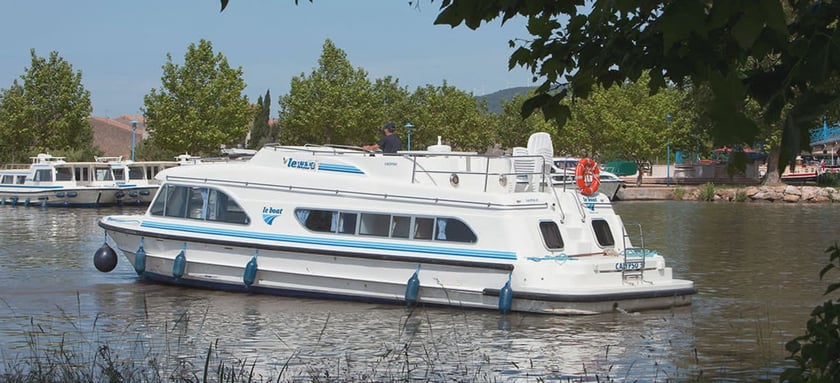
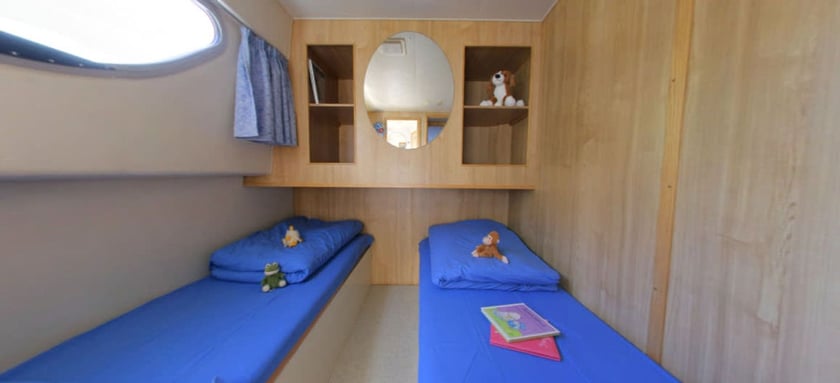
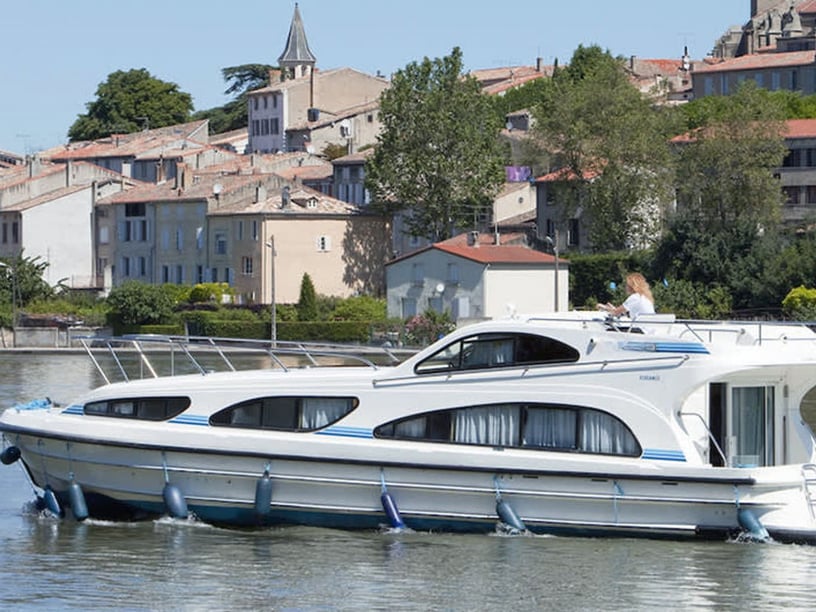
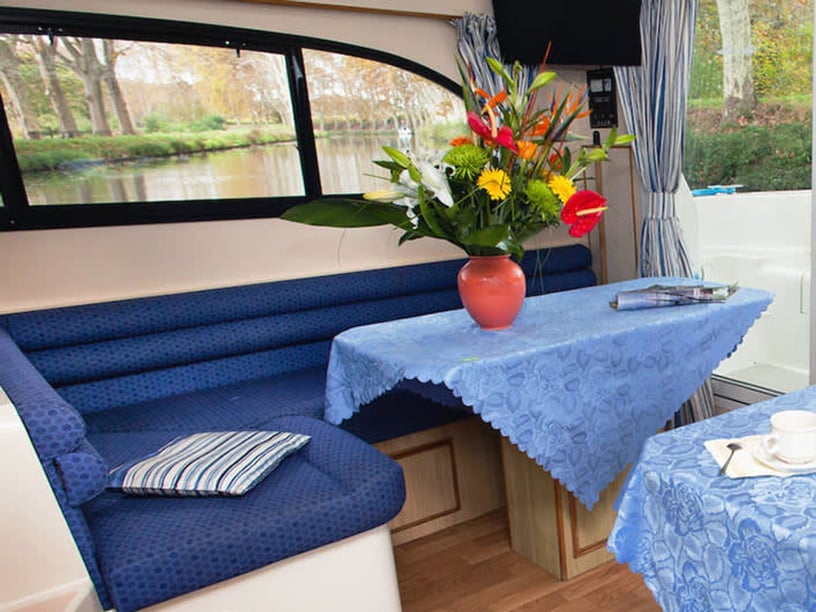
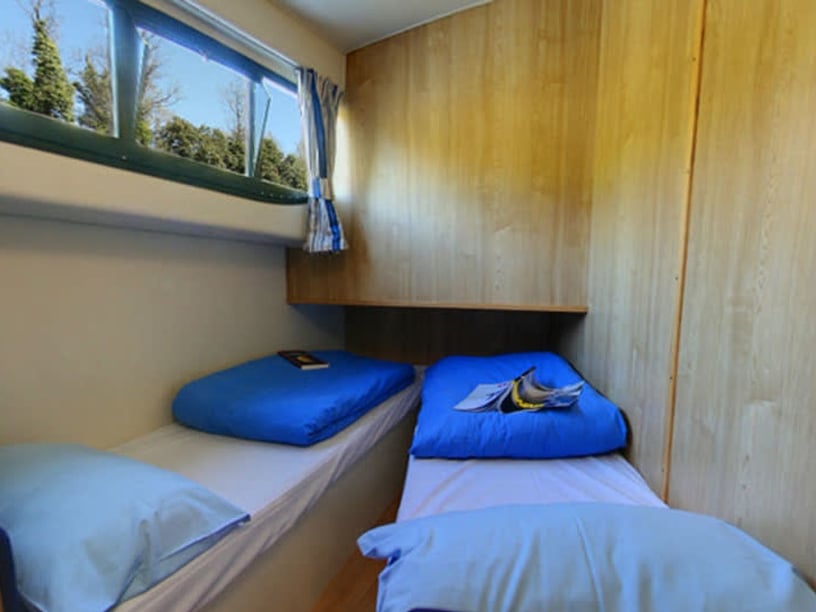
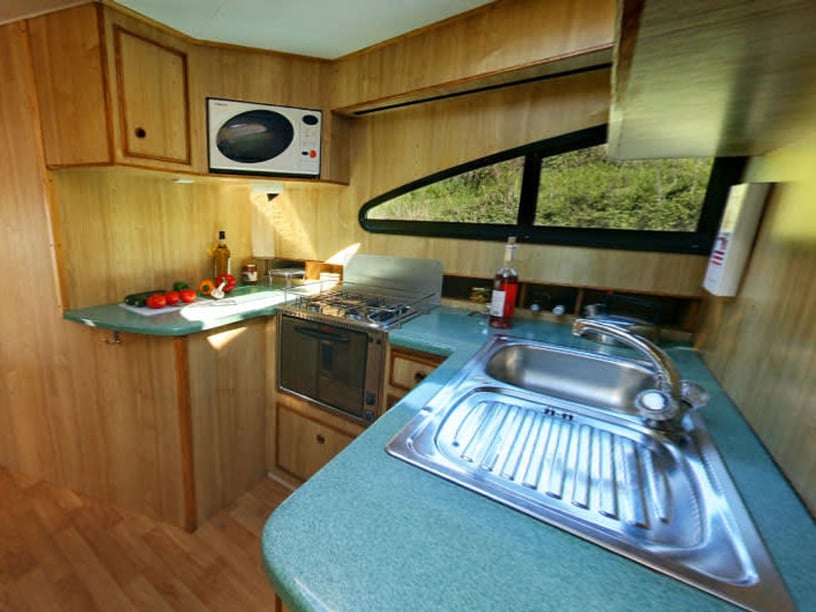
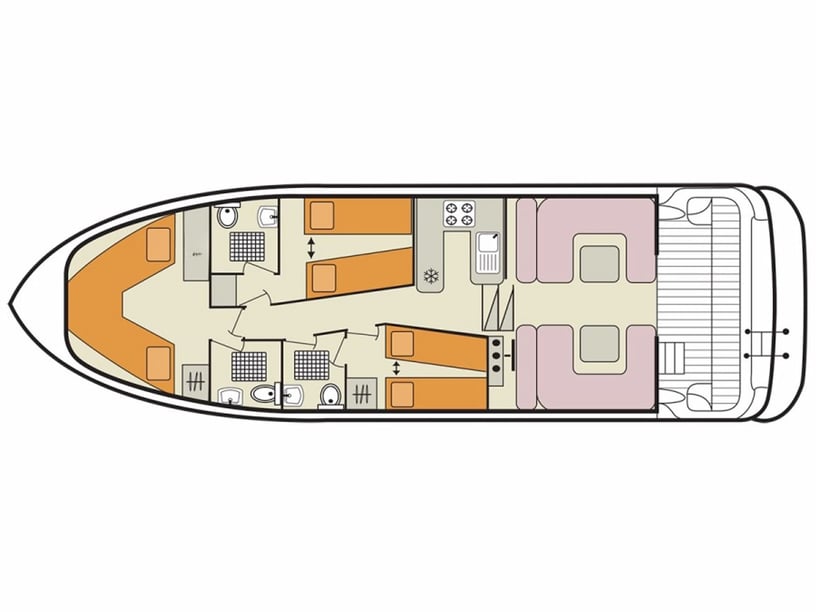
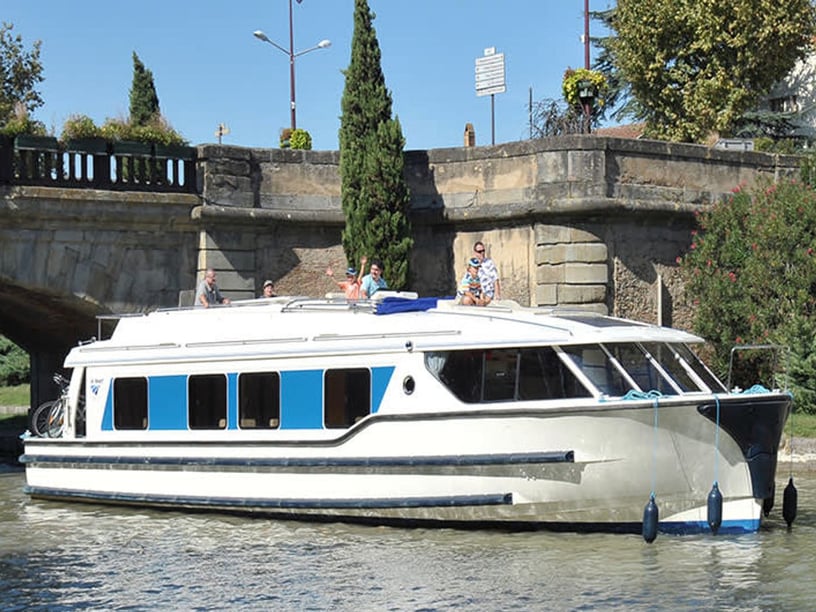
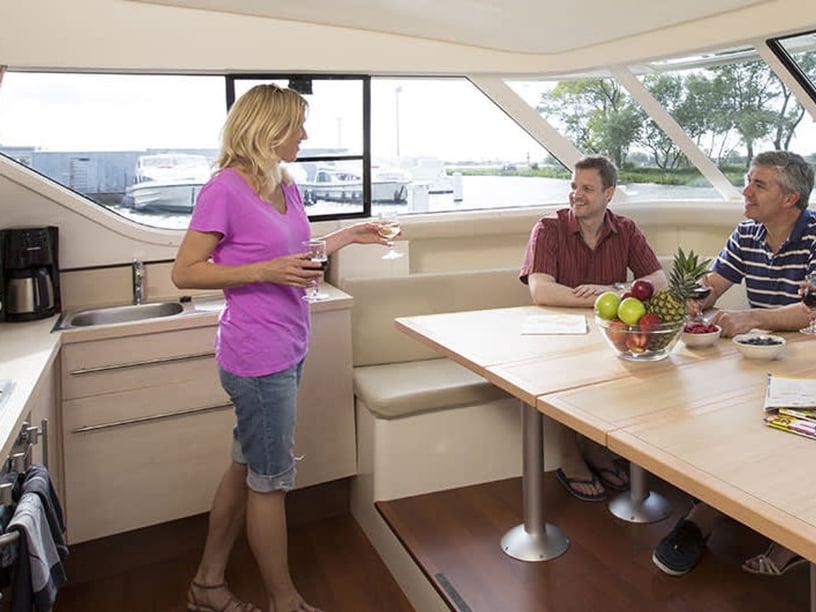
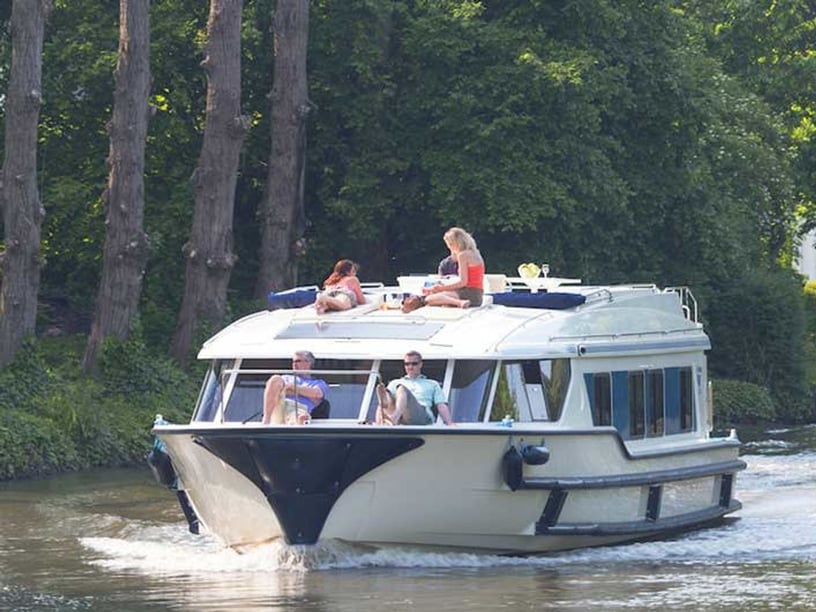
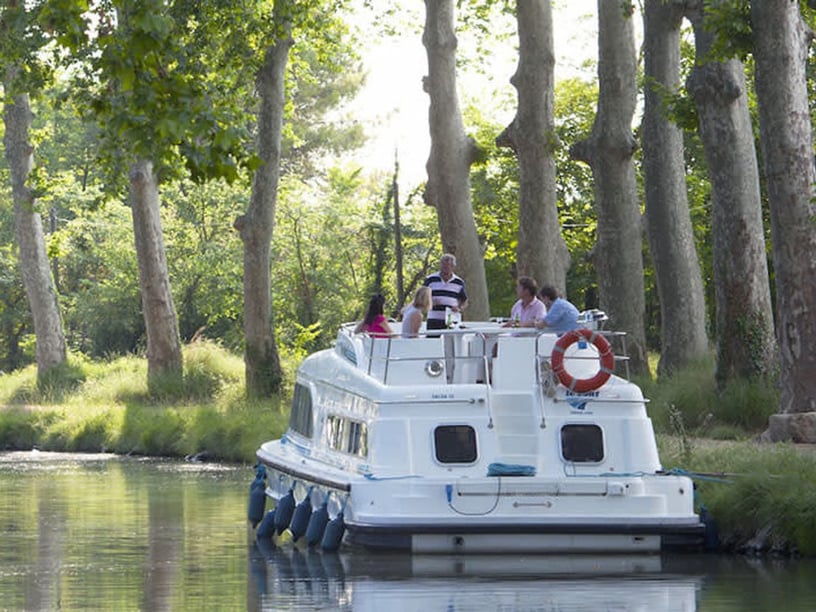
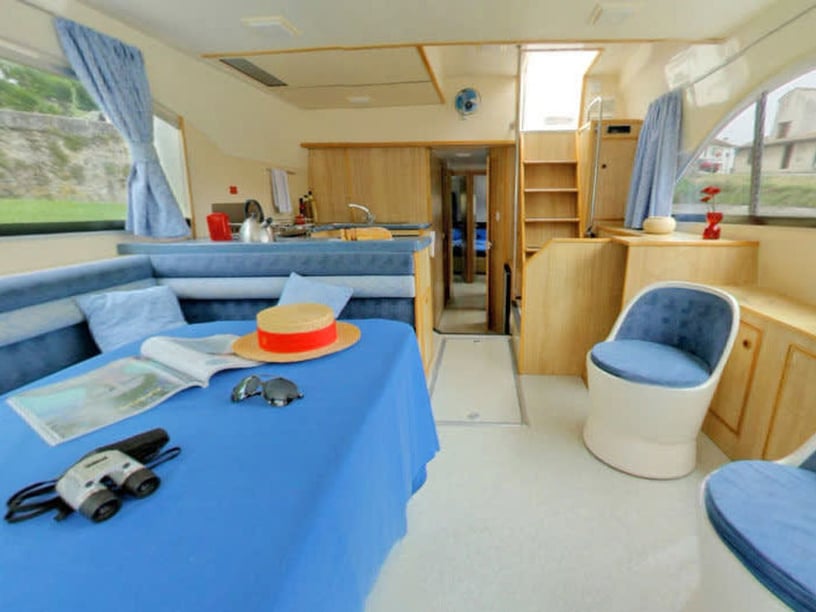
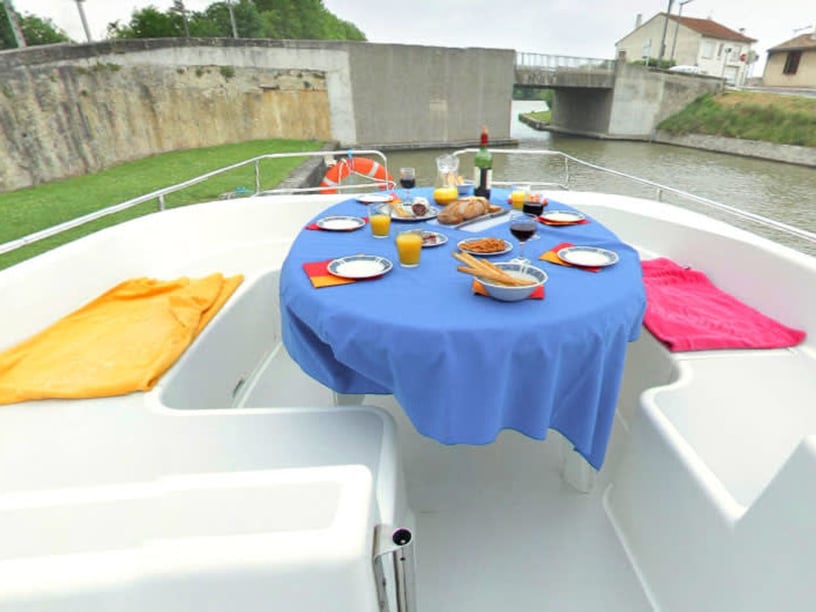
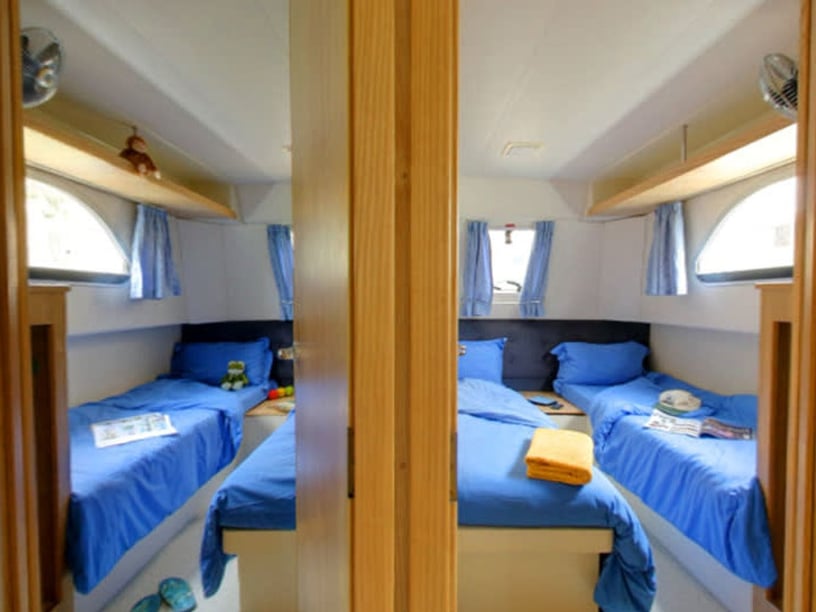
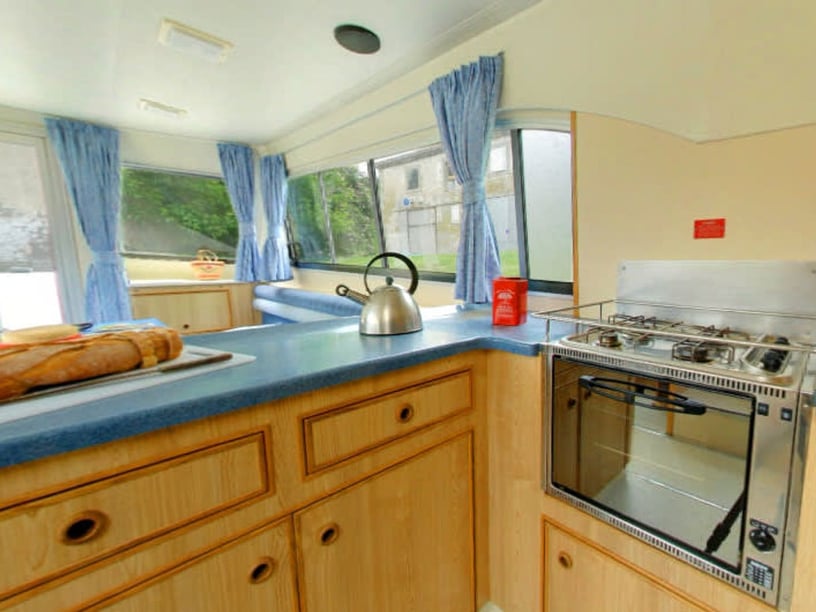
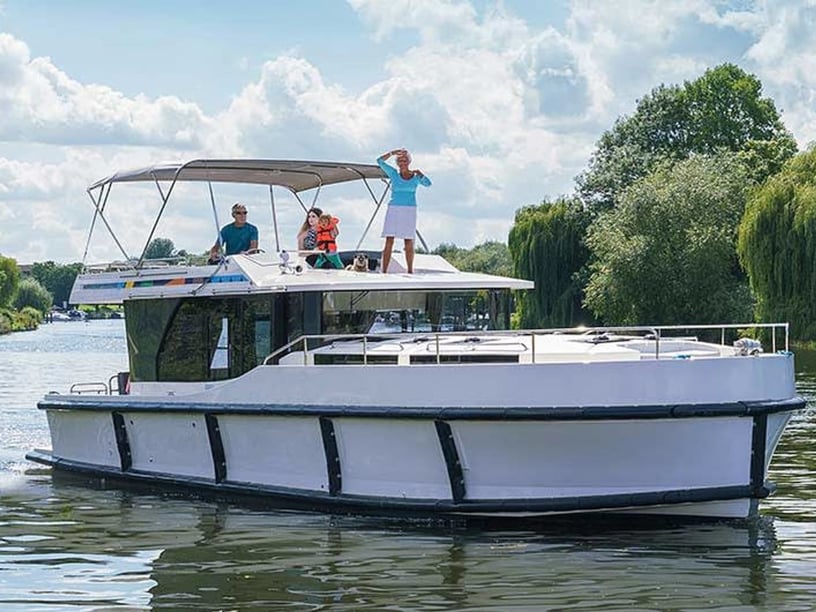
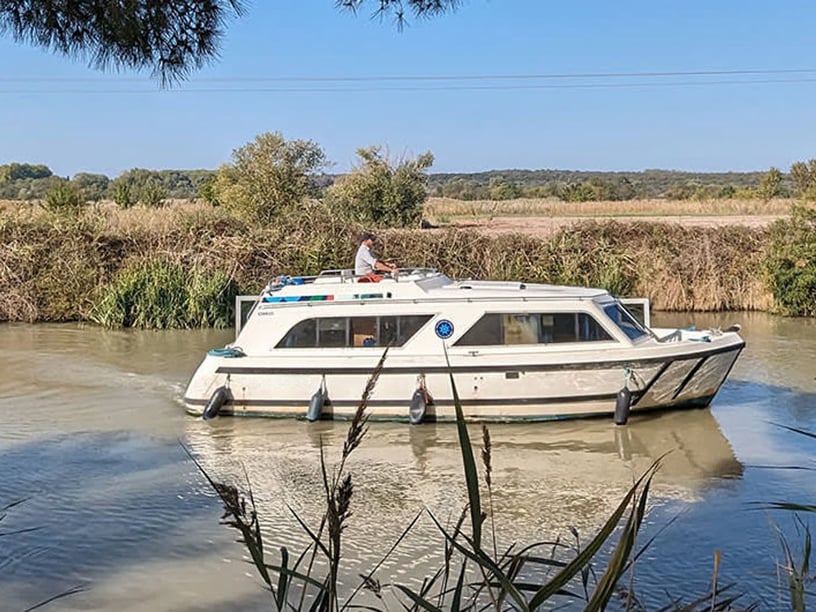
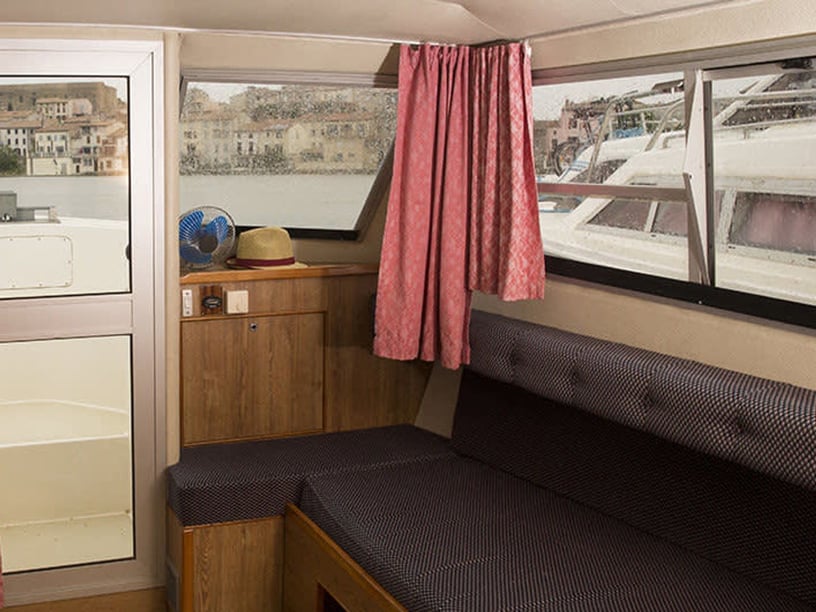
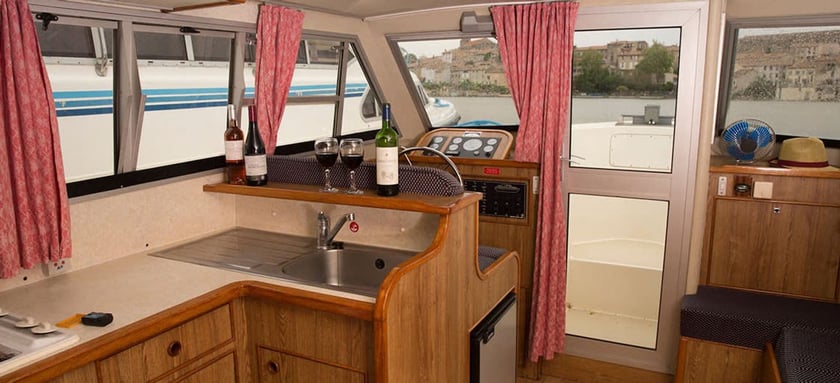
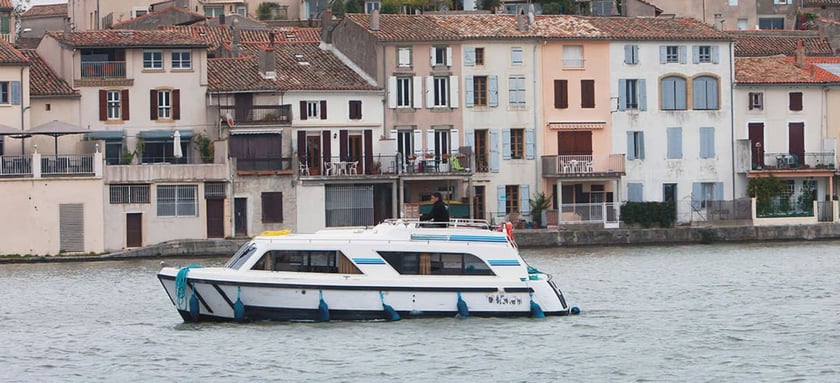
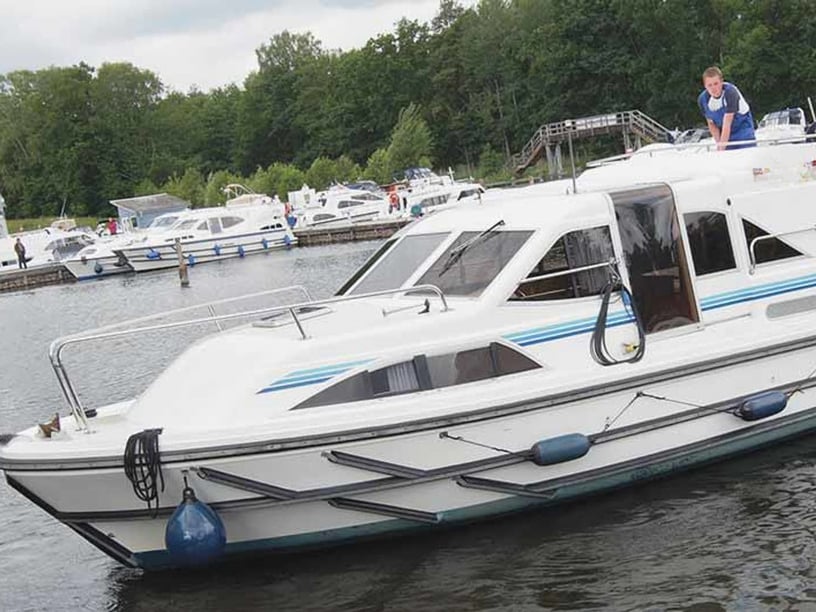
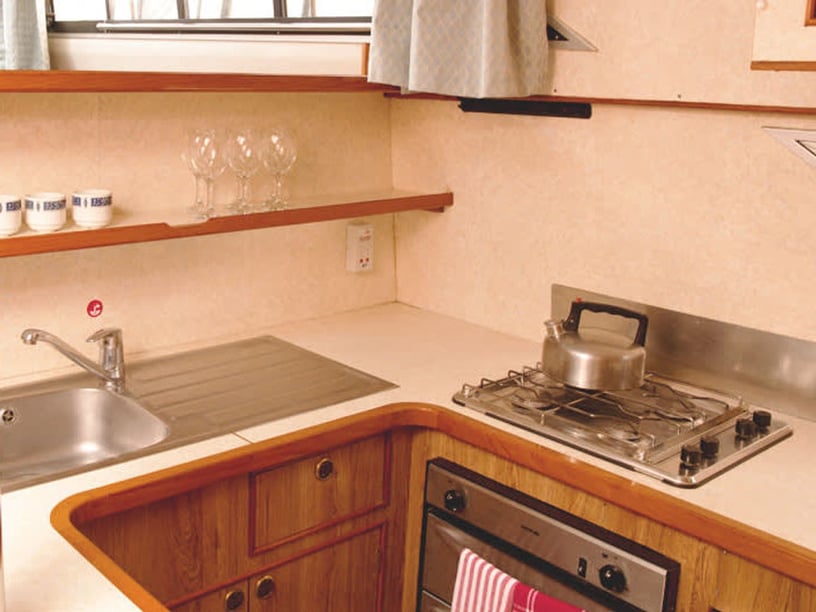
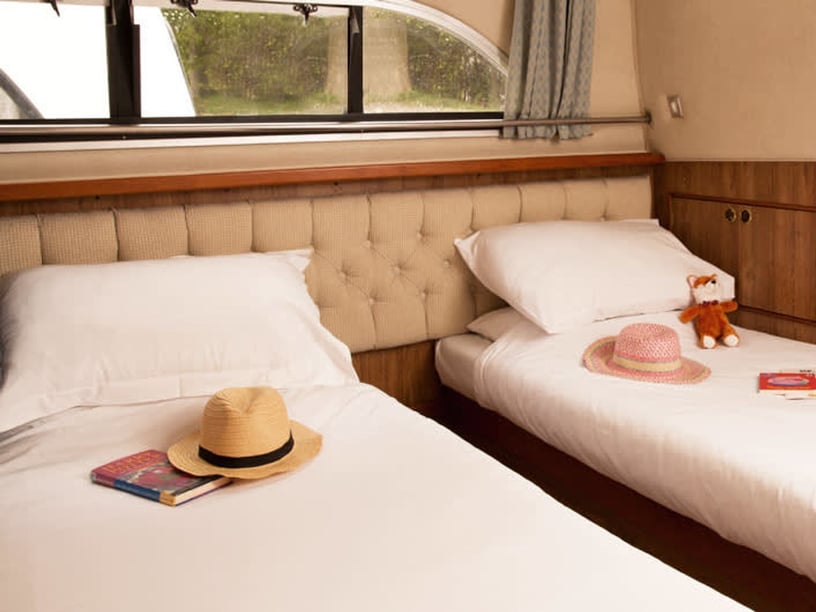
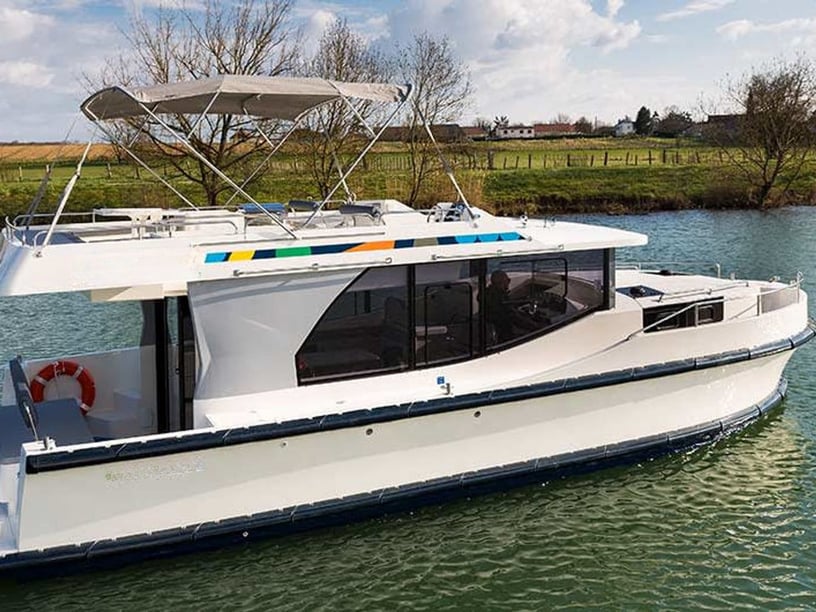
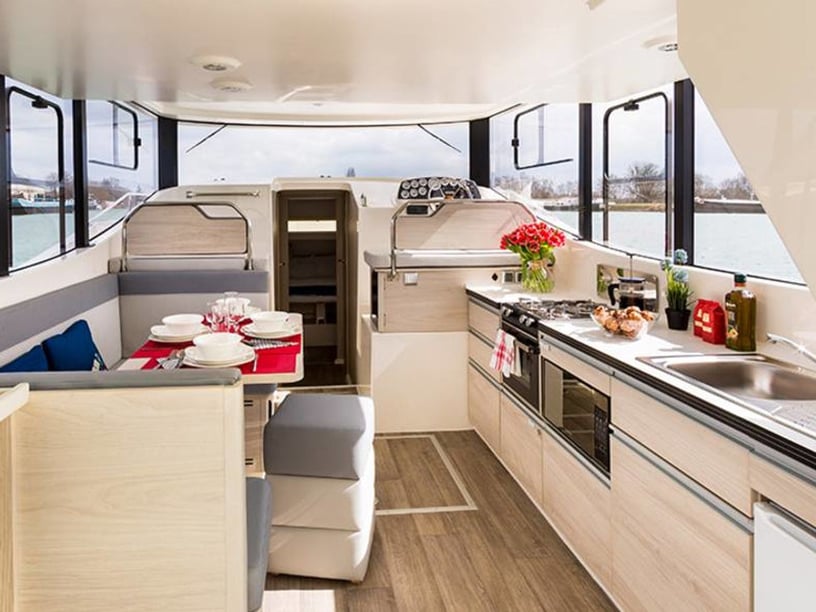
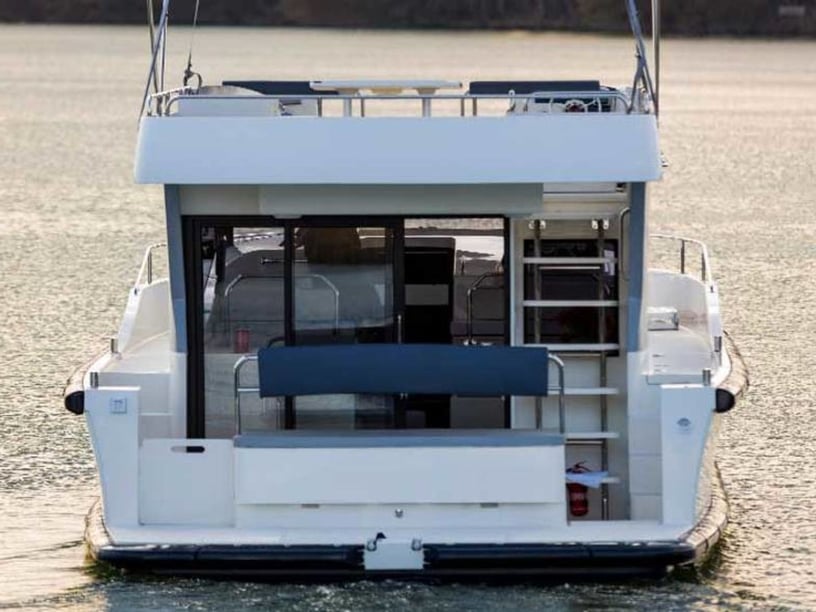
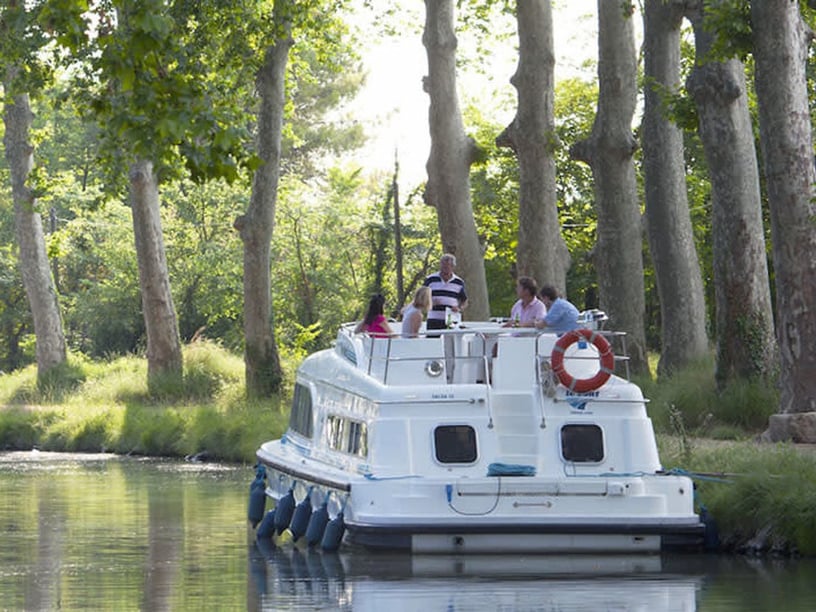
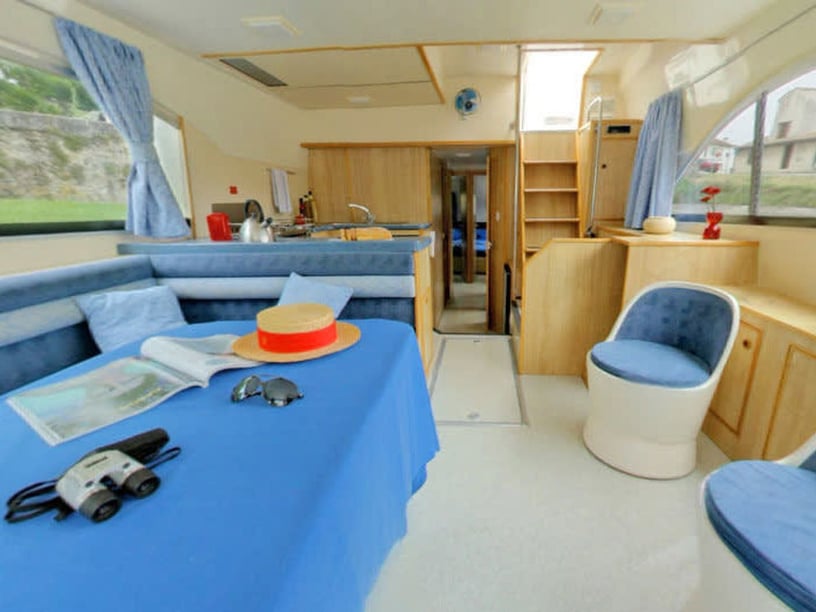
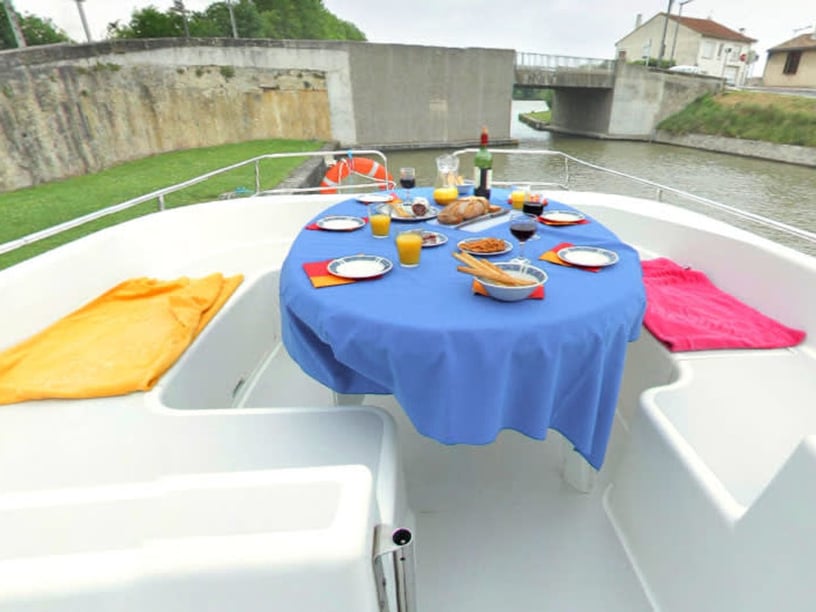
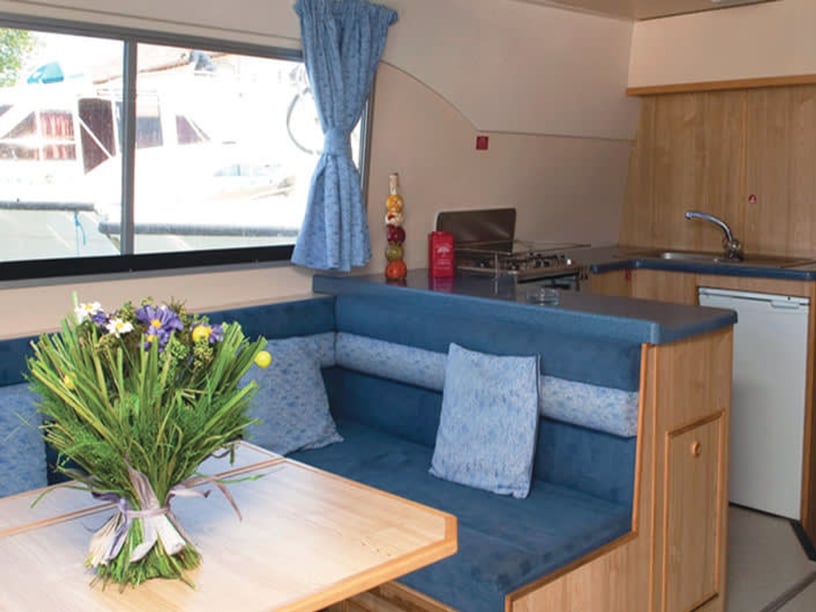
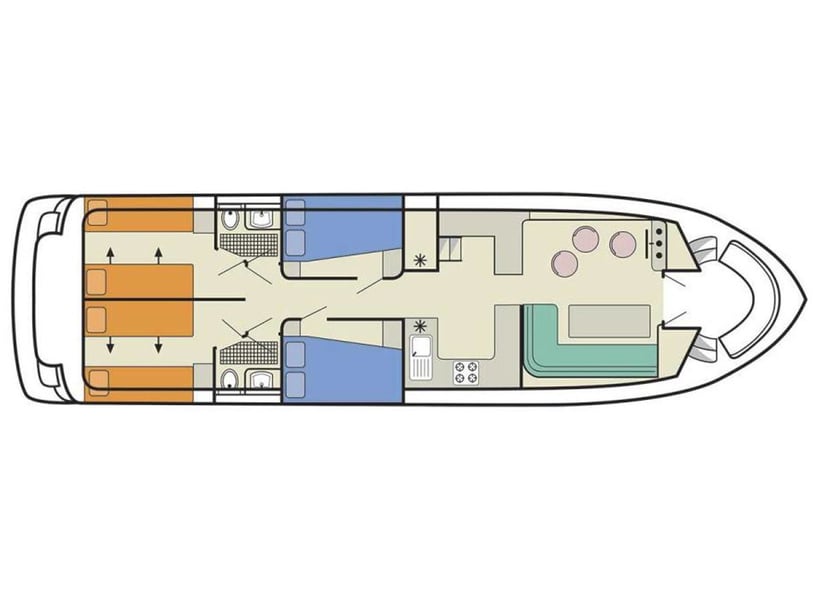
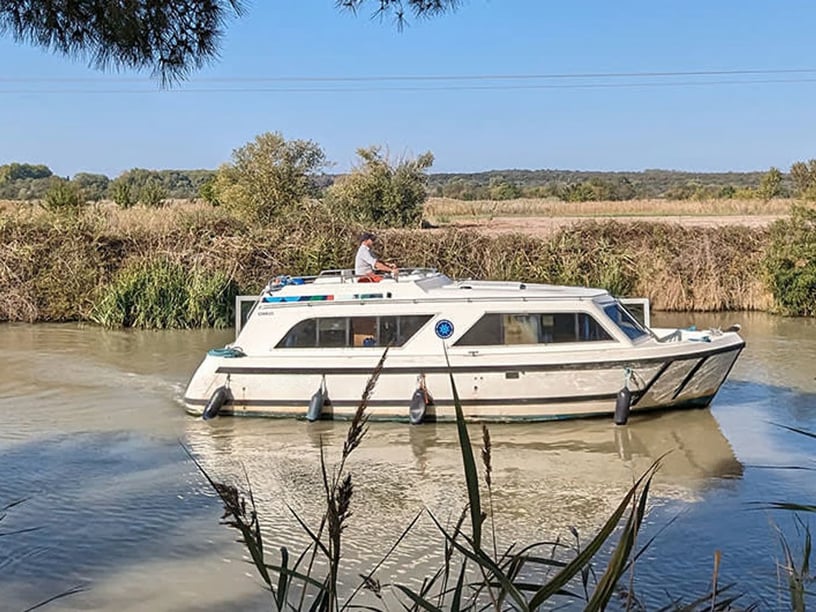
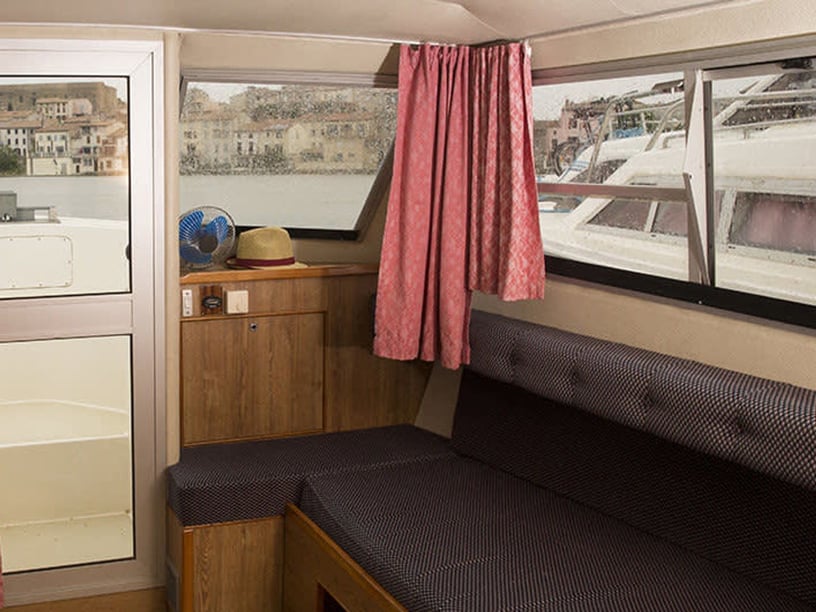
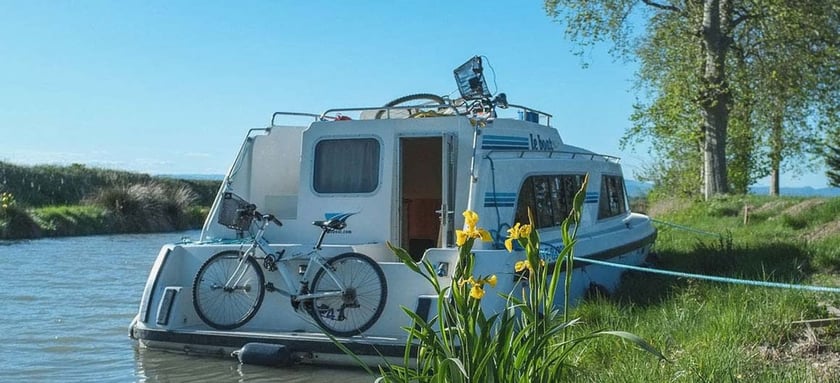
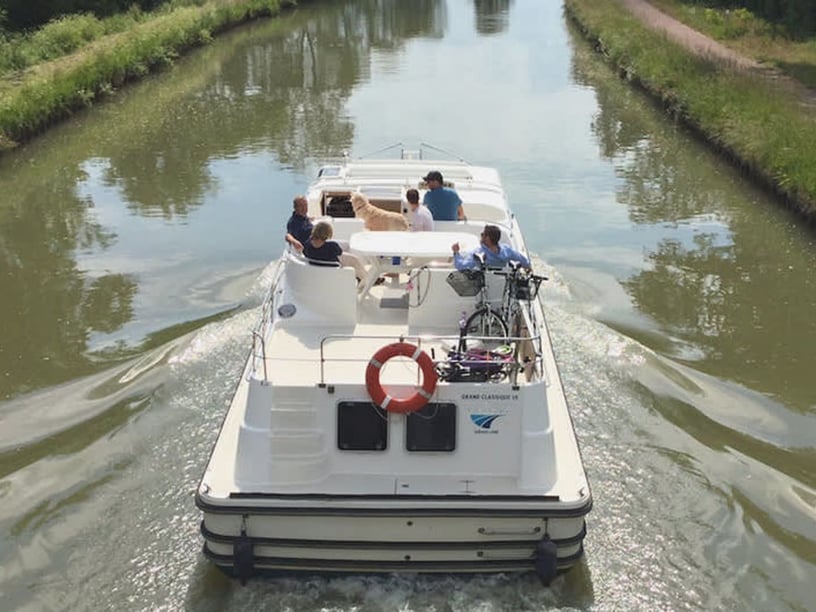
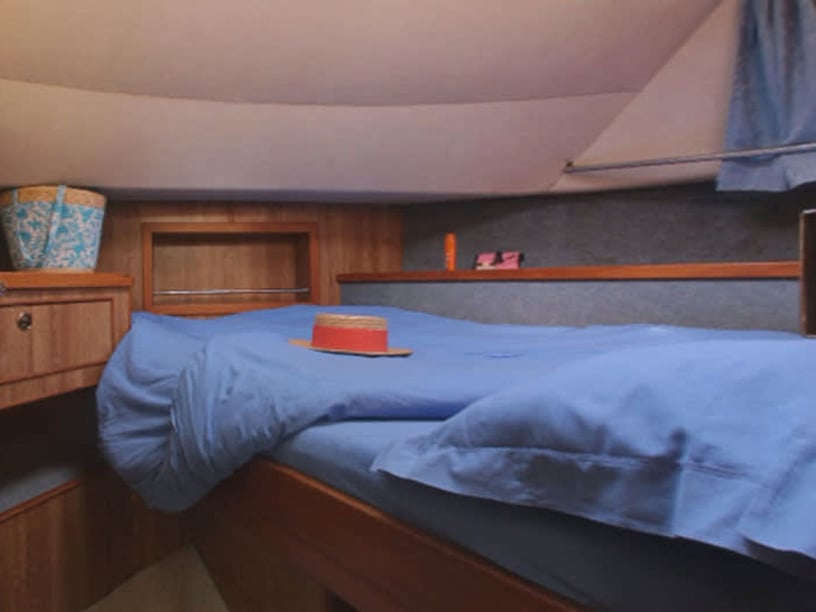
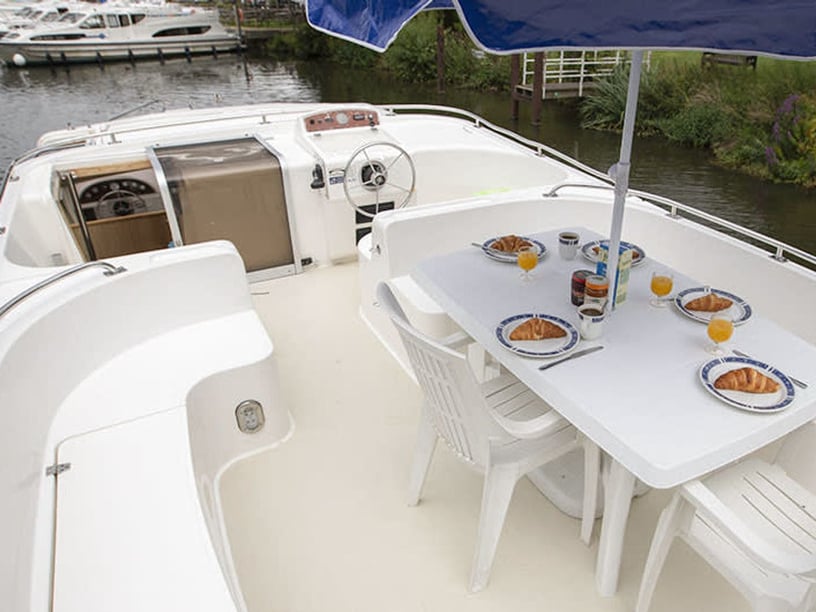
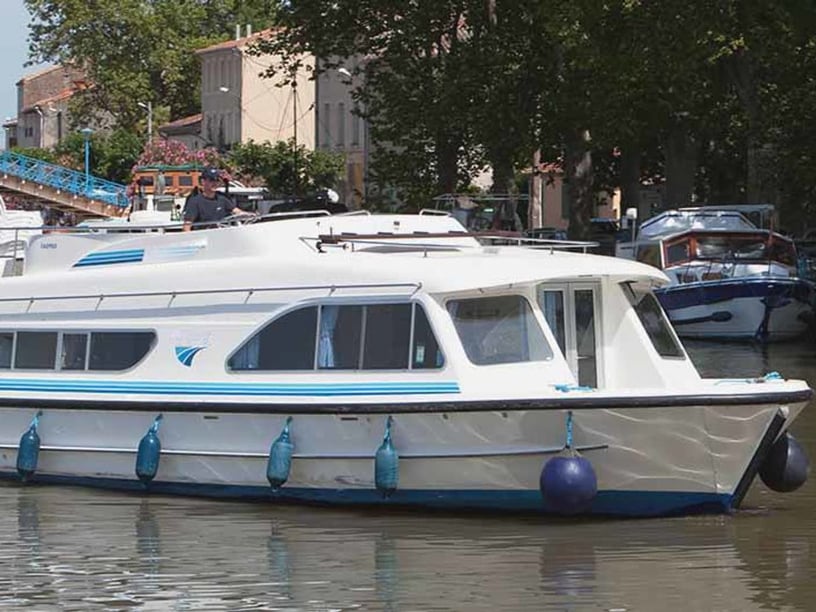
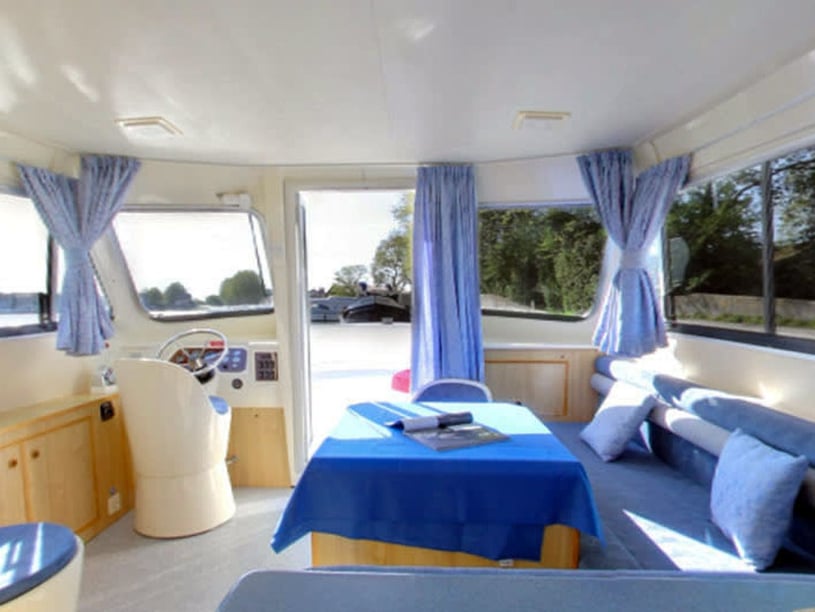
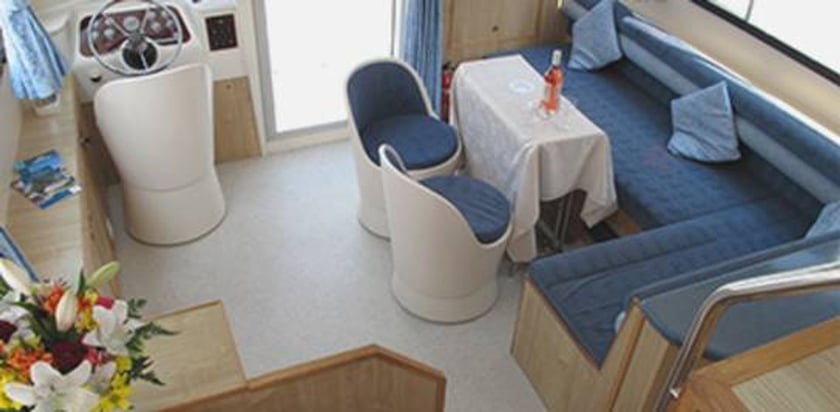
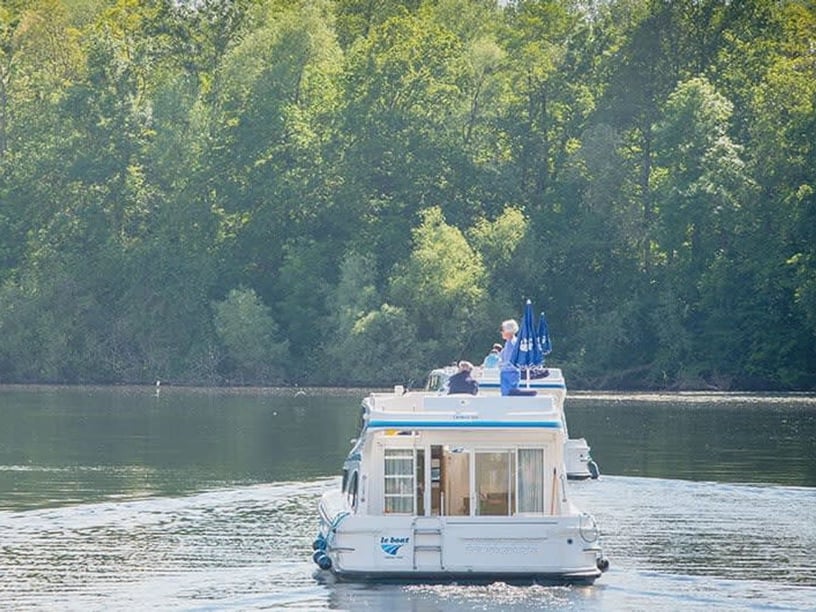
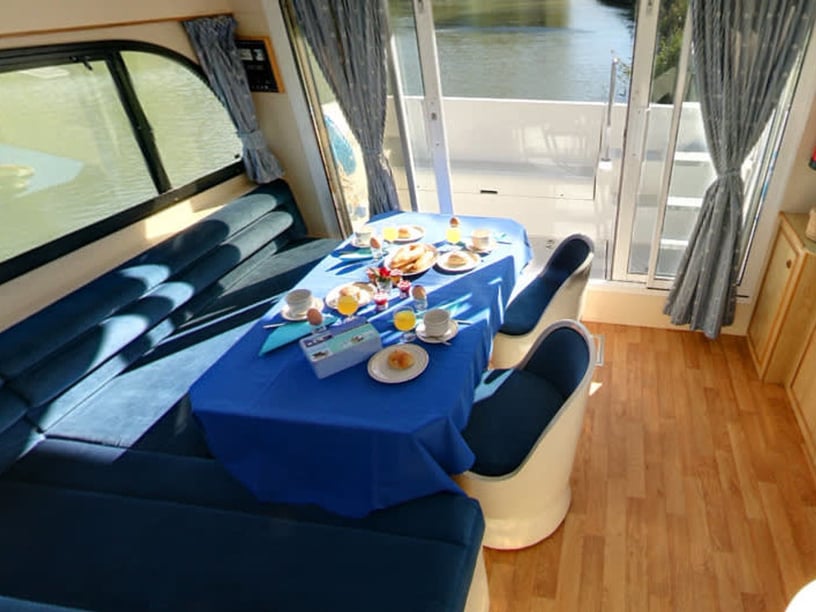
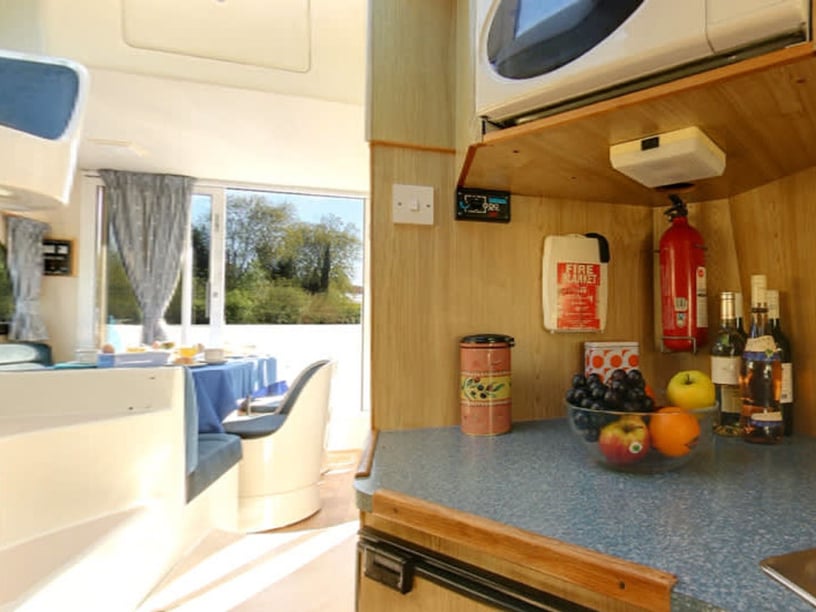
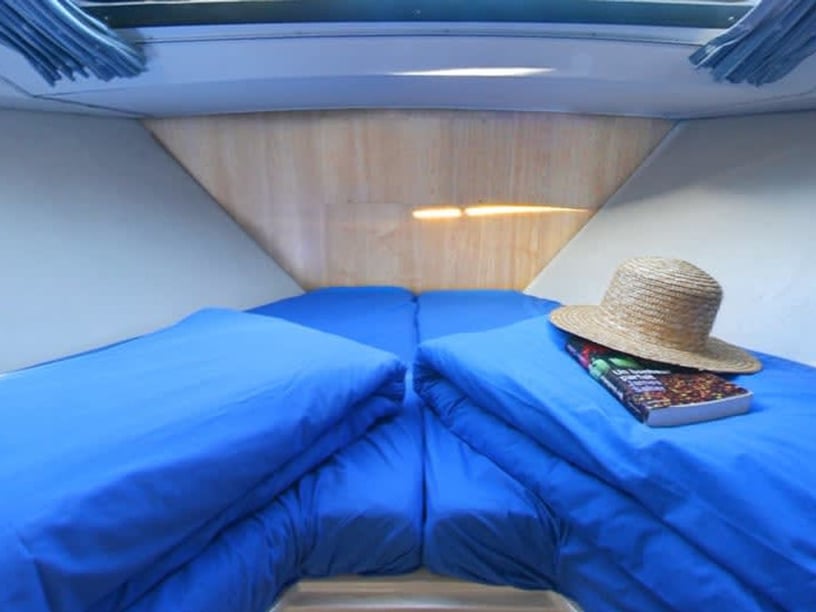
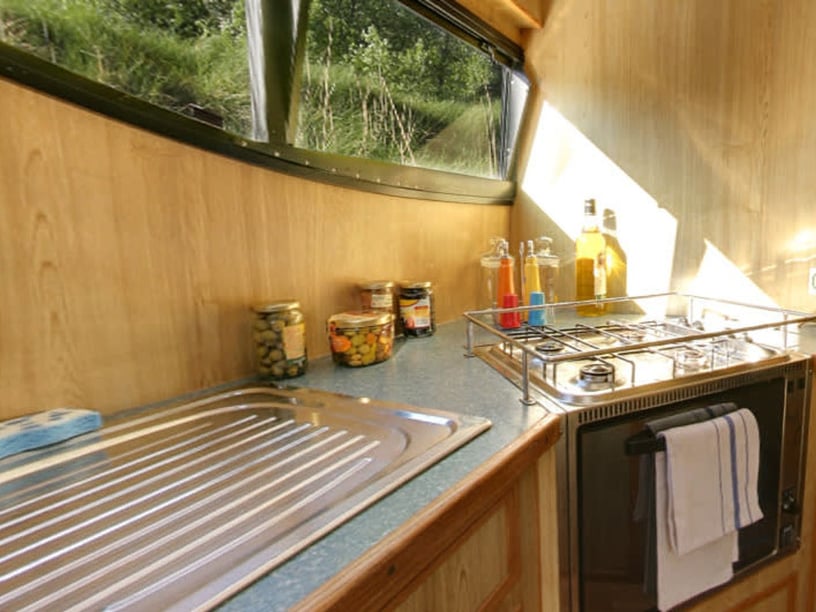
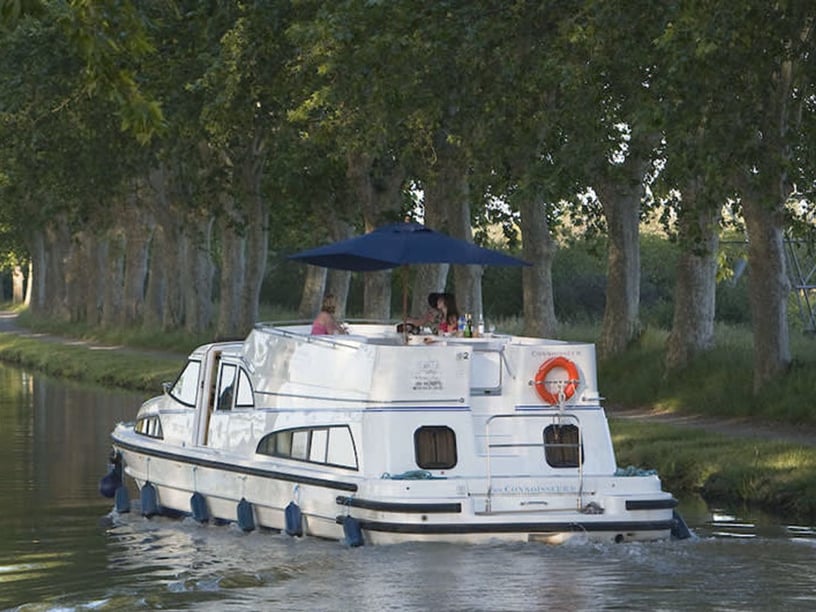
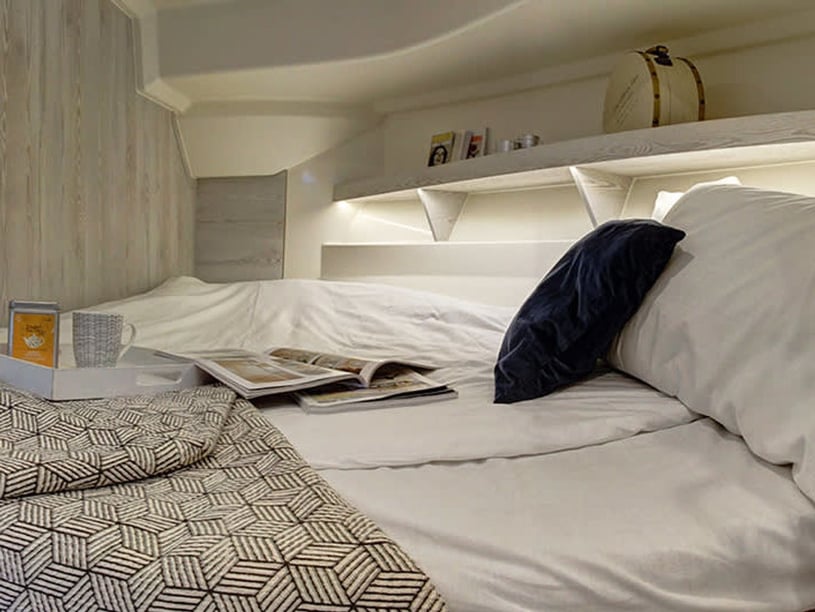
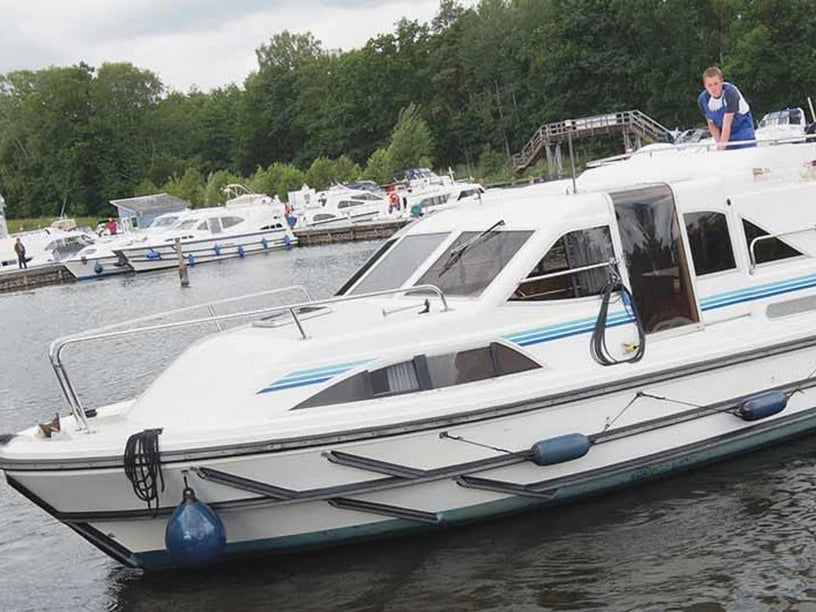
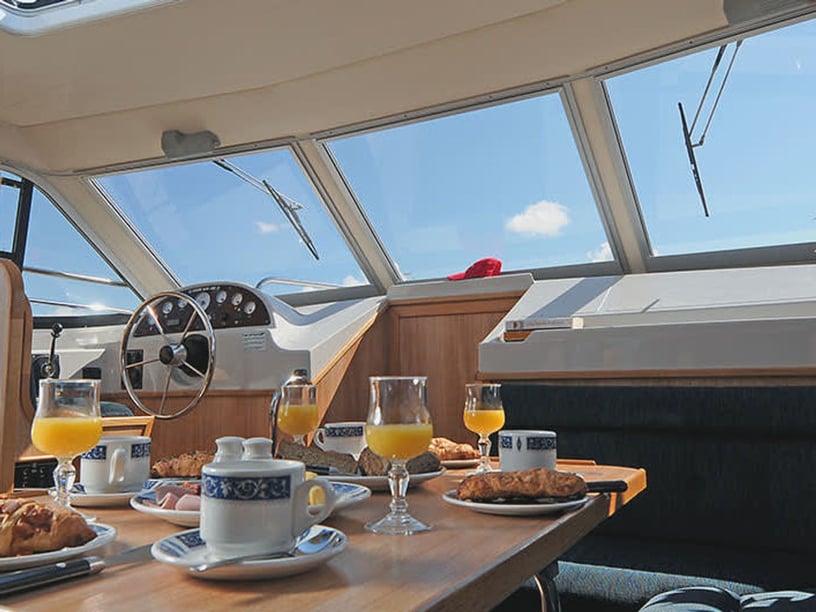
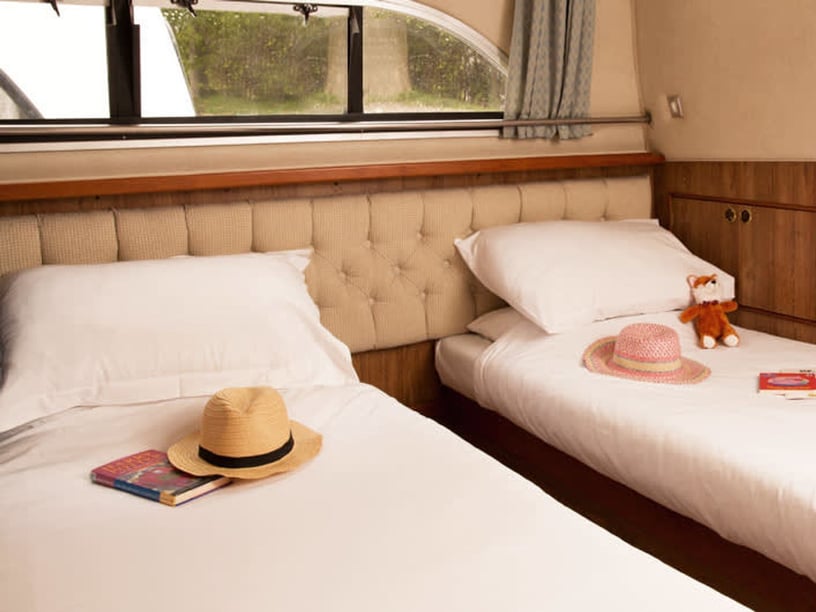
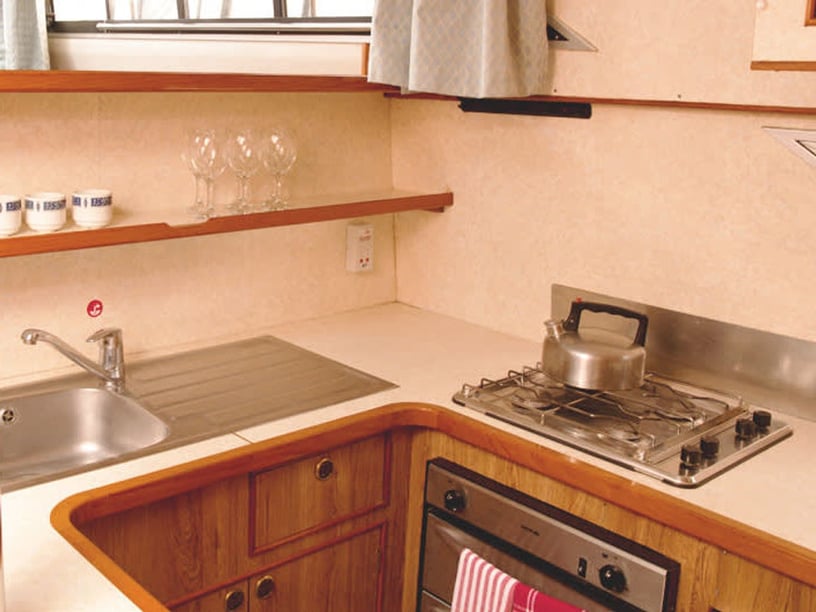
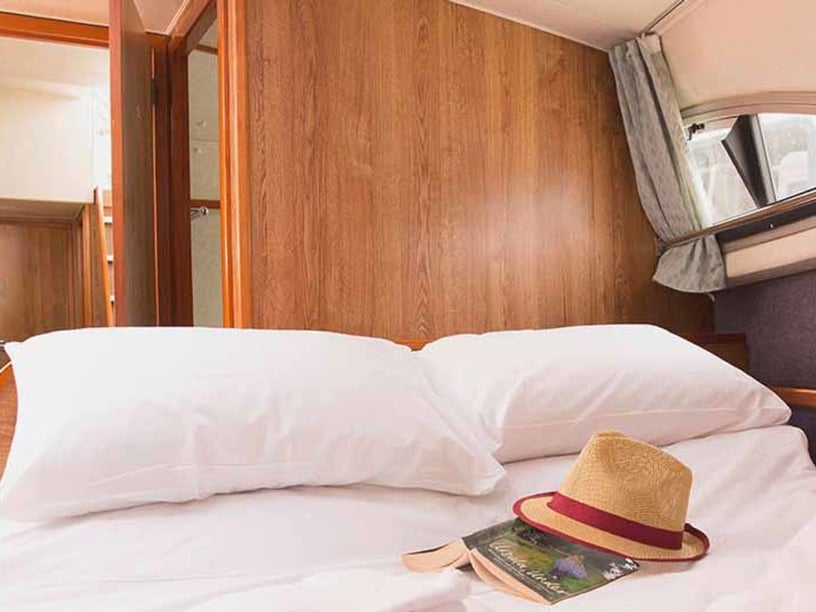
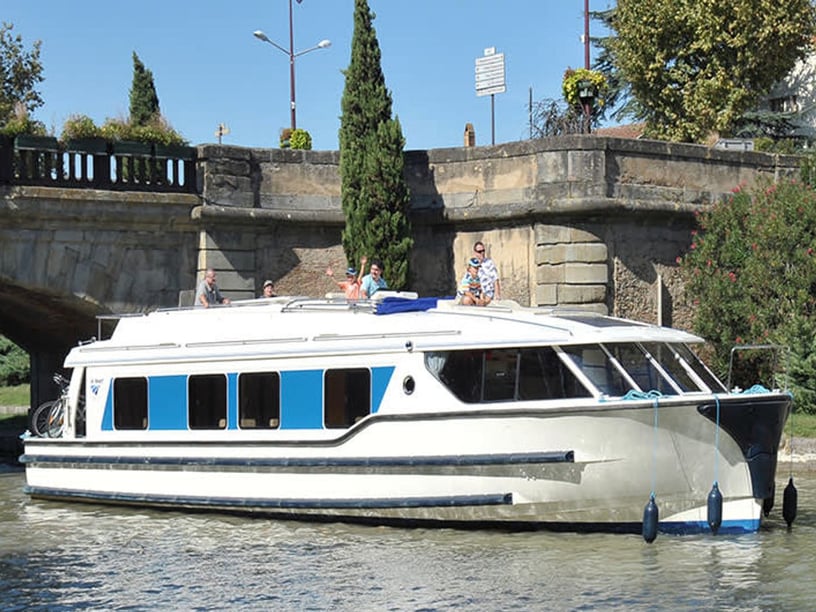
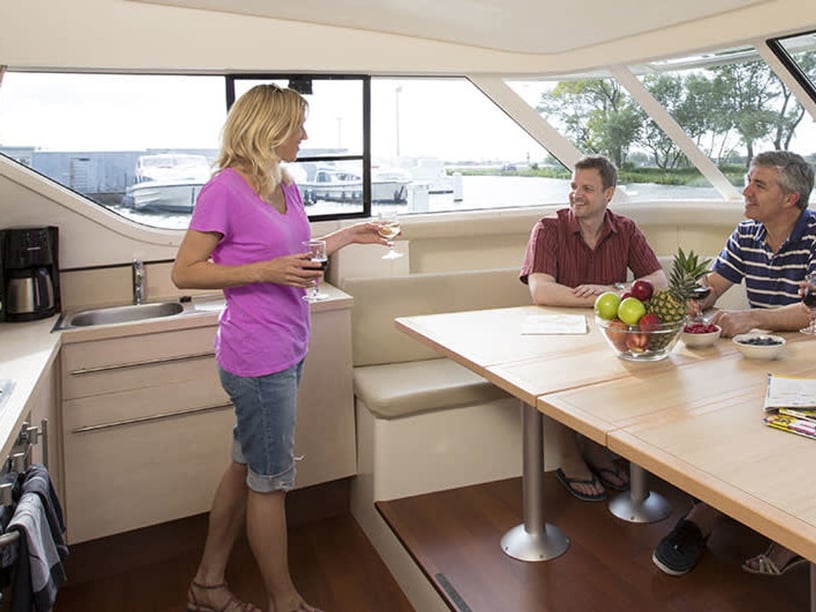
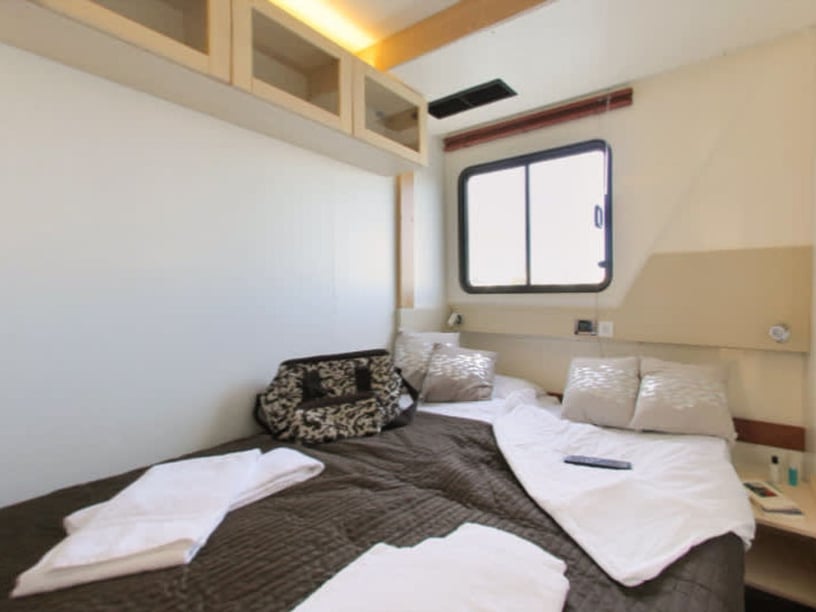
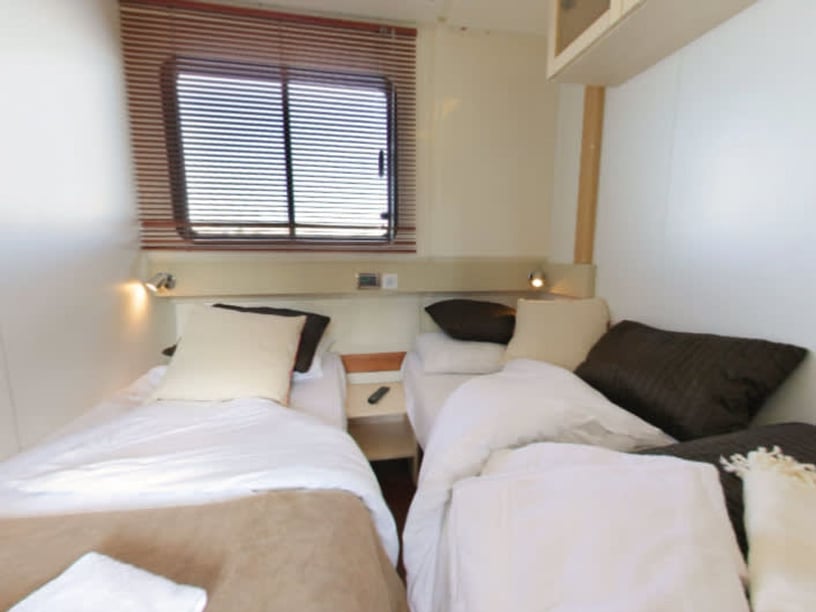
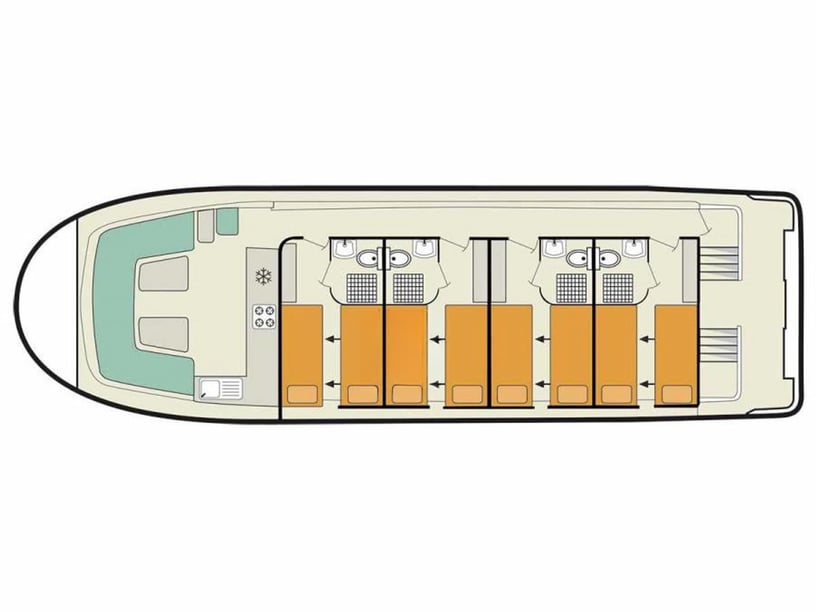
Here, the most relevant charter craft are license-free houseboats and small motor cruisers, complemented by canoes and kayaks for shorter outings. Trips unfold at low speed, with time divided between brief passages, manual locks, village stops and visits ashore. Travelers looking beyond this particular river can also compare options for yacht charter in France, where cruising settings range from inland waterways to coastal sailing areas.
Places to explore along the Charente
Jarnac itself is more than a departure point. Its quays place visiting crews close to the center, while Île Madame provides a local focus for paddle sports. The riverfront also offers easy access to the town’s cognac heritage and sites connected with François Mitterrand.
Downstream, Bourg-Charente is a natural short-passage stop before Cognac, where the river runs close to the town’s celebrated cellars and historic center. Longer cruises can continue toward Saintes and Saint-Savinien. Upstream, Bassac and Saint-Simon introduce quieter riverside settlements before the route reaches Châteauneuf-sur-Charente and, on longer itineraries, Angoulême. These are linear river journeys rather than circuits, so the distance covered should account for the return passage and time spent operating locks.
What cruising from Jarnac is like
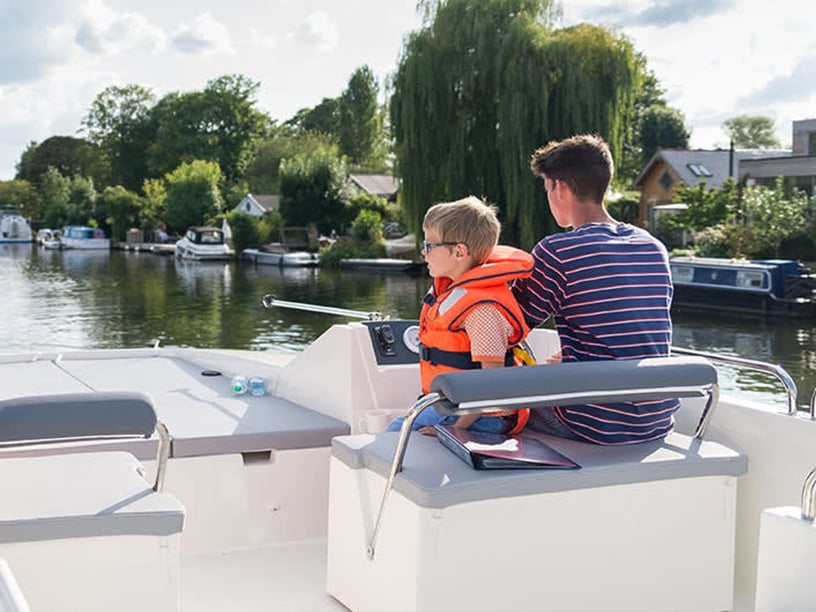
The Charente around Jarnac is sheltered from ocean swell and normally provides calm freshwater cruising at low speeds. Winds tend to be modest, especially in summer, making the area approachable for first-time river crews. Navigation is mainly line-of-sight, and passages between settlements are generally short.
The practical challenge comes not from rough seas but from the mechanics of river travel. Managed reaches are separated by weirs and locks, many of which are manual and operated by the crew. At least one person normally needs to go ashore to handle gates and sluices. Bridge clearance, river flow and temporary navigation restrictions also require attention. For travelers imagining a conventional sailing yacht, it is important to understand that Jarnac is principally a motor-cruising and paddle-sports destination, not a sailboat cruising area.
Best time for a Jarnac charter
The established recreational cruising season generally extends from April through October, with June, July, August and September identified as particularly suitable months. July and August form the principal high season, bringing warm, generally sunny conditions and the greatest concentration of river activity.
May, June and September remain active while being less concentrated than the midsummer peak, which can suit travelers seeking a lively waterway without focusing solely on July or August. April and October sit at the edges of the season and require more flexibility around weather and operating schedules. From November through March, hire, passenger-boat and paddle services are substantially reduced or unavailable. Rain, stronger gusts and high water become more likely, and floods can suspend navigation.
Cruising routes from Jarnac
A downstream itinerary links Jarnac with Bourg-Charente and Cognac, combining manageable river passages with stops centered on merchant history and cognac culture. Crews with more time can continue toward Saintes and Saint-Savinien, adapting the turnaround point to the charter duration and current navigation conditions.
Upstream, the sequence through Bassac, Saint-Simon and Châteauneuf-sur-Charente creates a village-focused journey, with Angoulême as a possible objective for a longer cruise. Both directions involve returning along the same waterway unless the charter arrangement provides another solution. For a shorter active experience, established canoe descents reach Jarnac from Juac, Vibrac and Châteauneuf-sur-Charente, offering a different perspective on the same river corridor.
River life, cognac heritage and history ashore
The appeal of cruising here lies in the connection between the river and the landscape around it. Slow passages through the Cognac vineyards can be paired with walks along Jarnac’s historic quays and visits to cognac houses within reach of the waterfront. Nineteenth-century trade reshaped the town with merchants’ residences, offices, warehouses and aging cellars, following centuries in which flat-bottomed gabares carried salt, agricultural goods and spirits along the Charente.
Time ashore can also include the François Mitterrand Birthplace and the museum at the Espace Culturel de l’Orangerie. Saint-Pierre Church, the Saint-Michel Crypt and Place du Château add further historical context. Canoeing or kayaking offers a more active complement to a houseboat trip, although swimming, jumping and diving in the river are prohibited within Jarnac’s municipal territory.
Getting to Jarnac and joining the river
Jarnac is reached via the N141 corridor between Angoulême and Cognac. Jarnac-Charente railway station is across the river in Mainxe-Gondeville rather than in the town center; regional trains connect with Angoulême, Cognac, Saintes and destinations toward Royan or La Rochelle. Angoulême provides onward access to France’s high-speed rail network. Bordeaux-Mérignac and La Rochelle–Île de Ré are the relevant airports for longer-distance arrivals.
River trips may begin at the Le Boat base at Port Gros Jean, while the Jarnac Sports Canoë Kayak base on Île Madame serves paddle outings. The Halte fluviale de Jarnac provides a town-side river stop, and the Port de plaisance de Cognac is another useful facility downstream. Jarnac therefore functions as both a place to embark and a worthwhile stop in its own right.
Planning the right charter
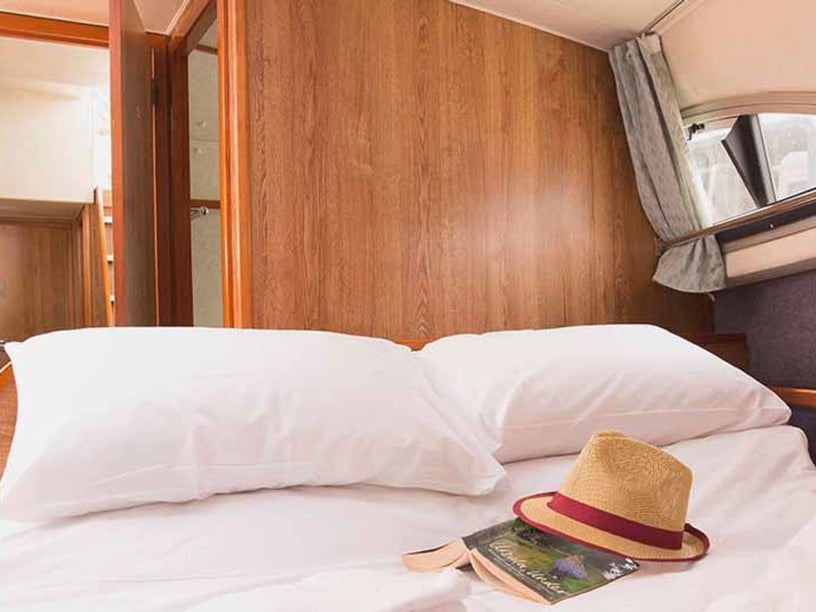
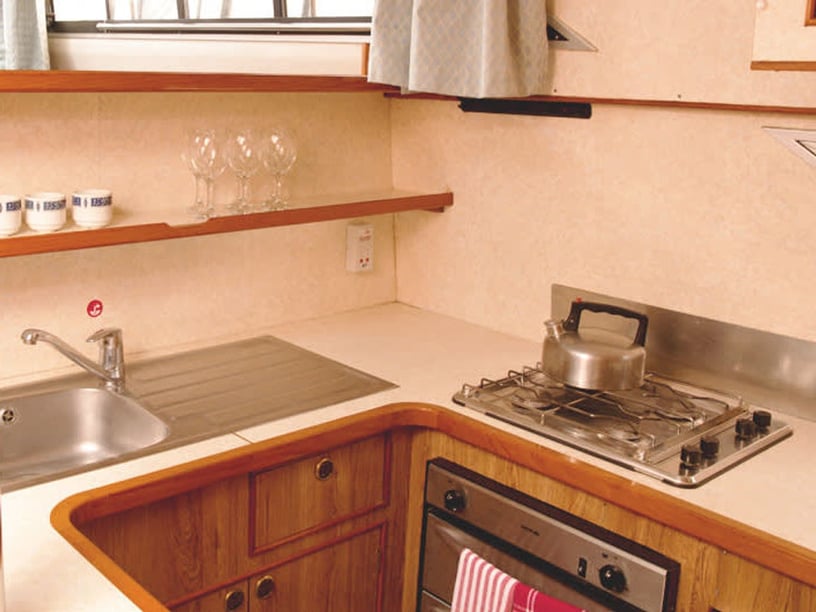
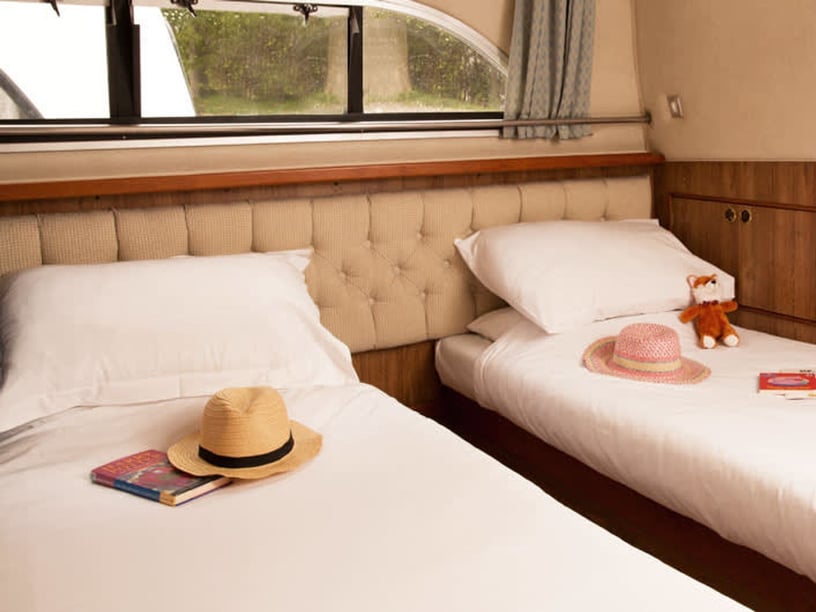
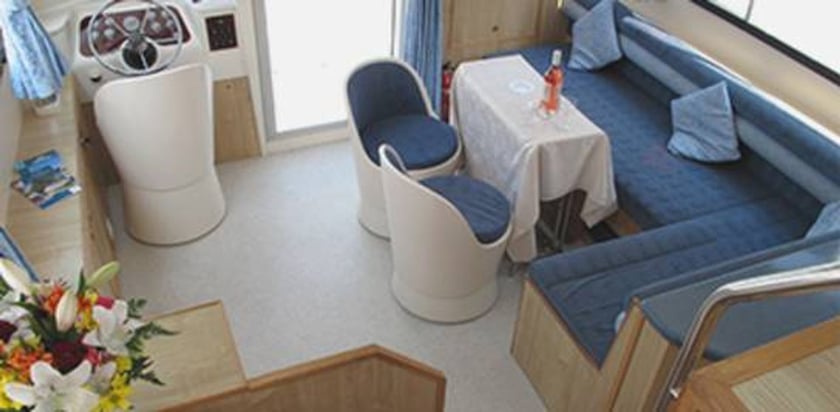
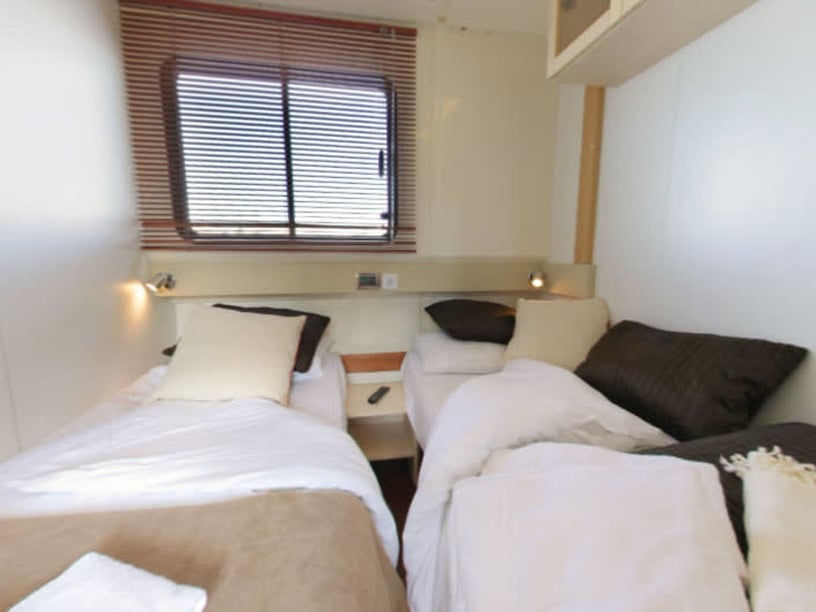
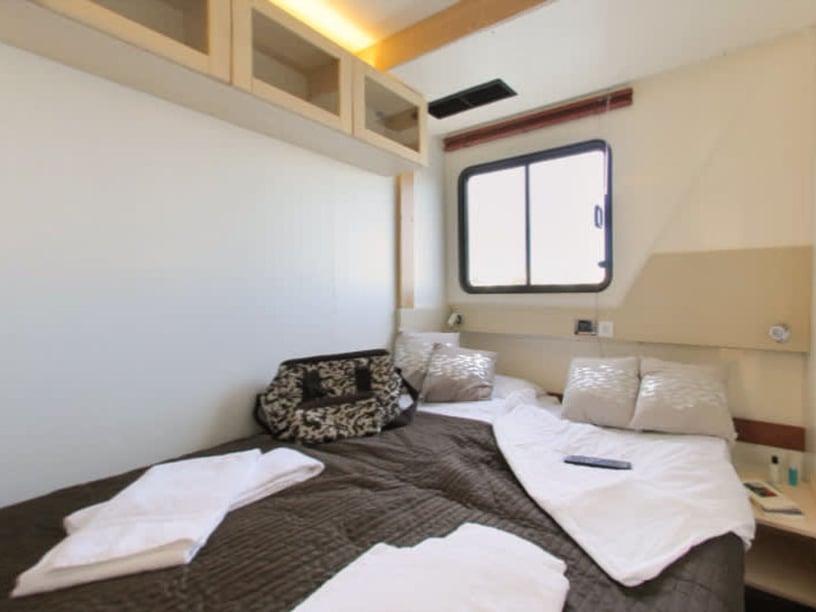
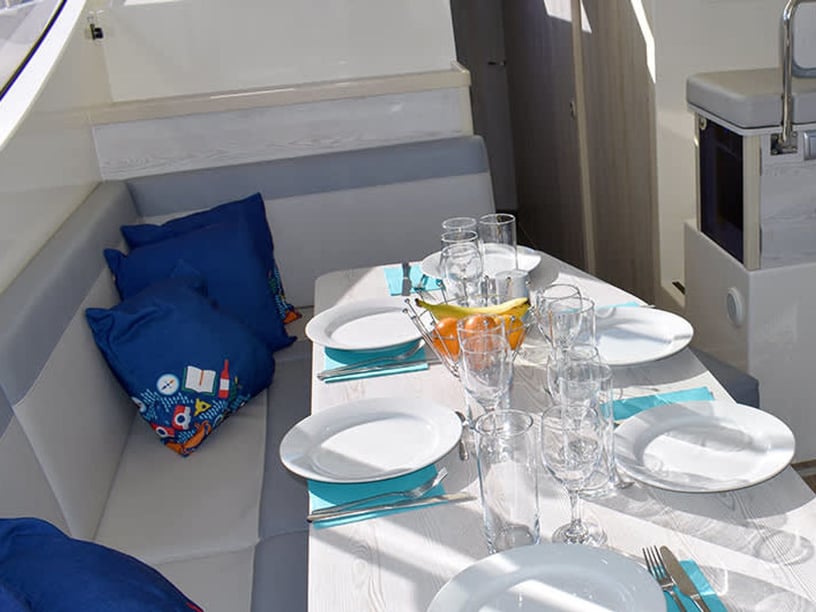
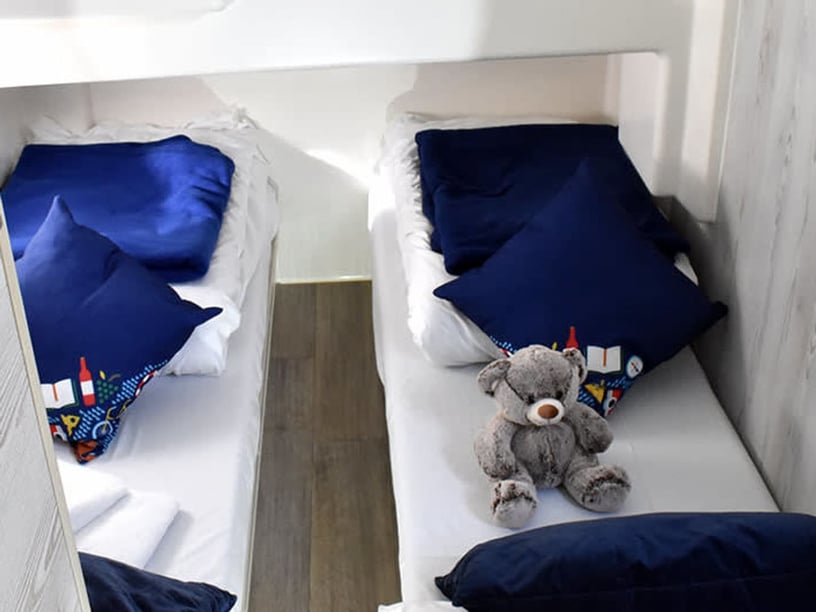
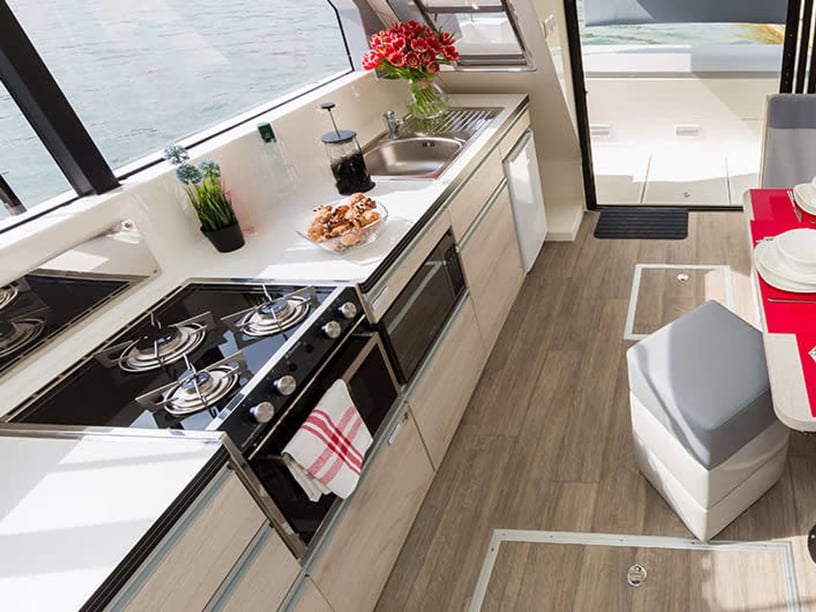
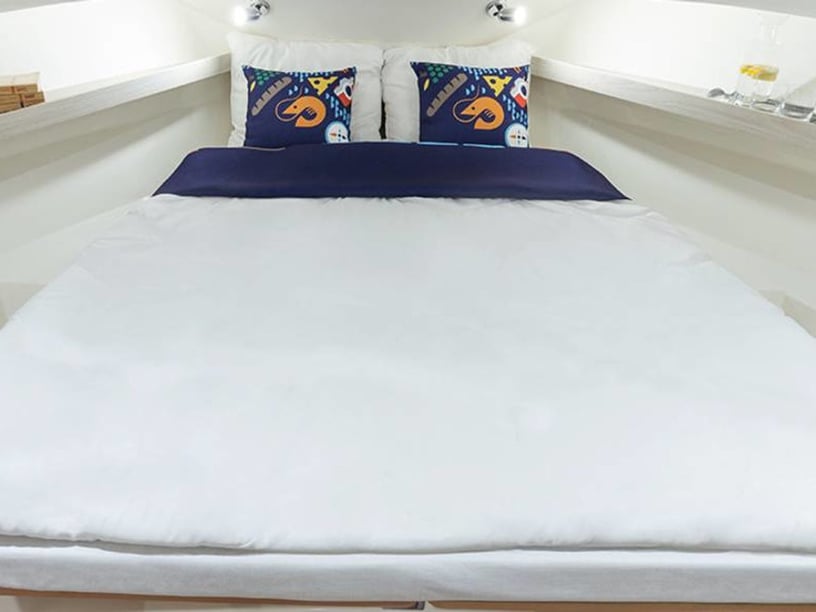
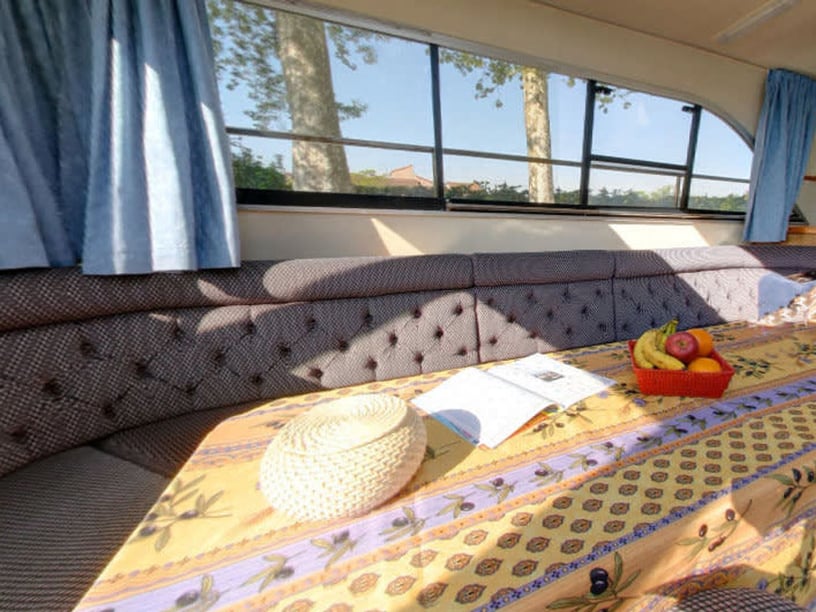
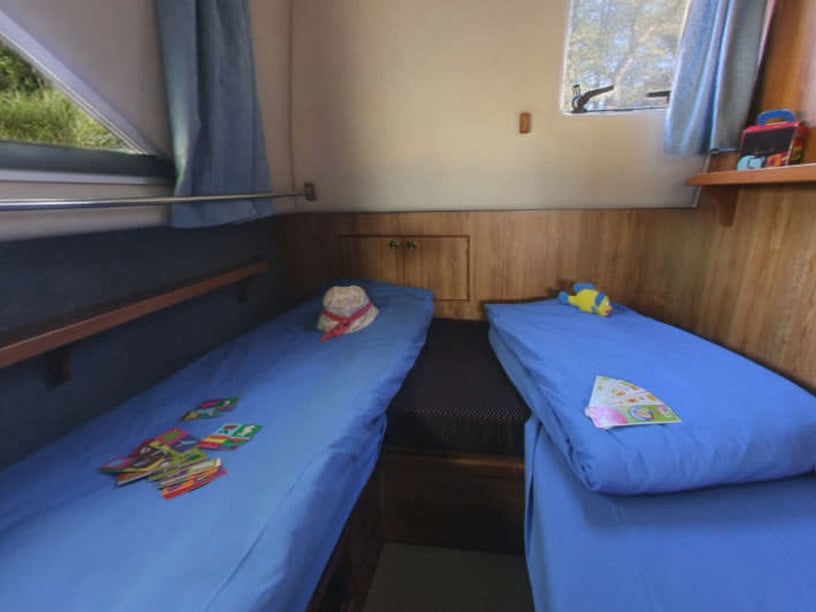
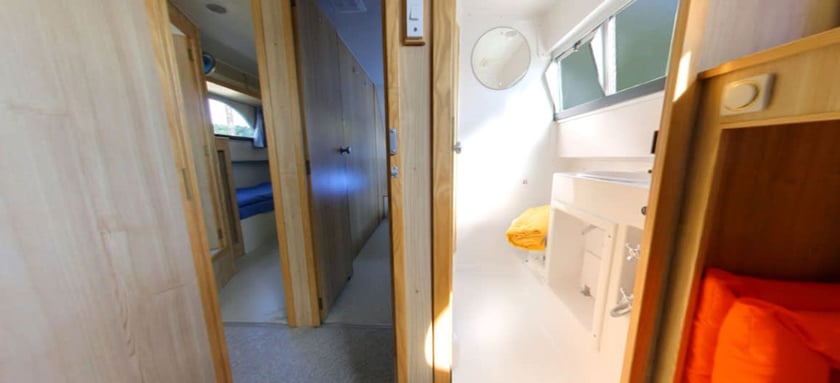
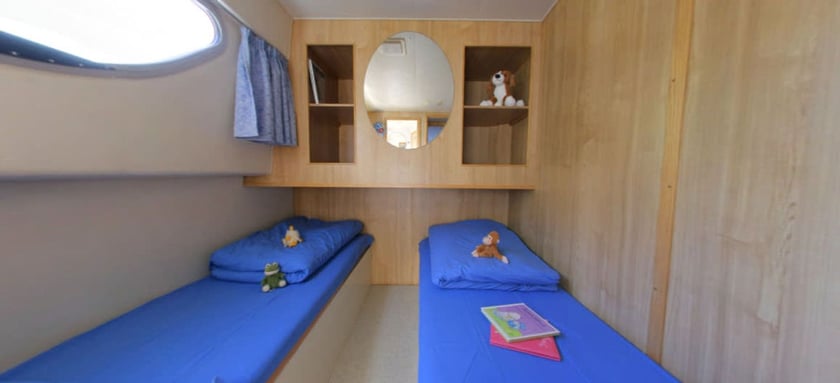
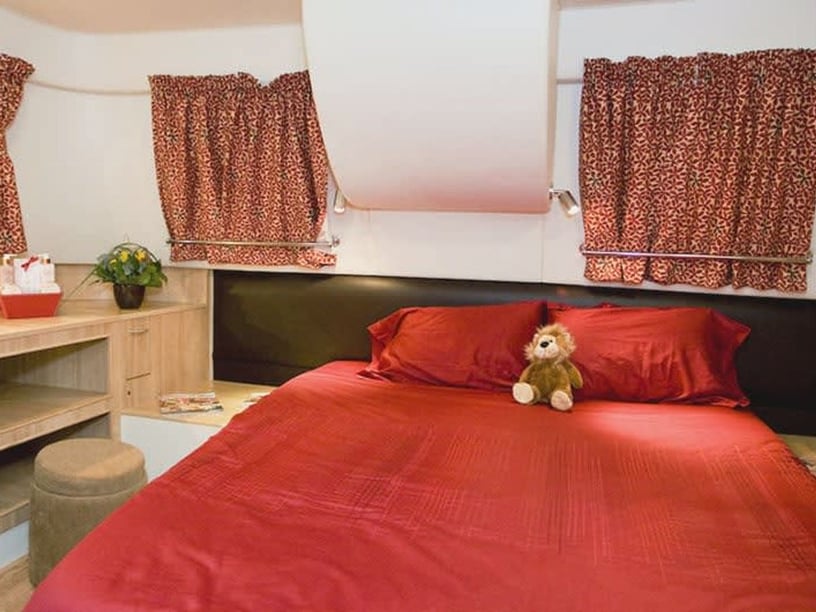
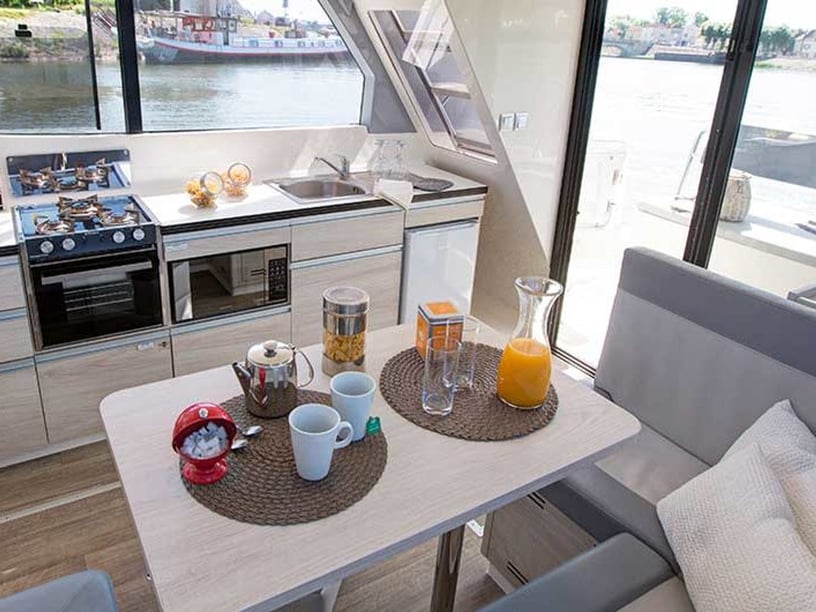
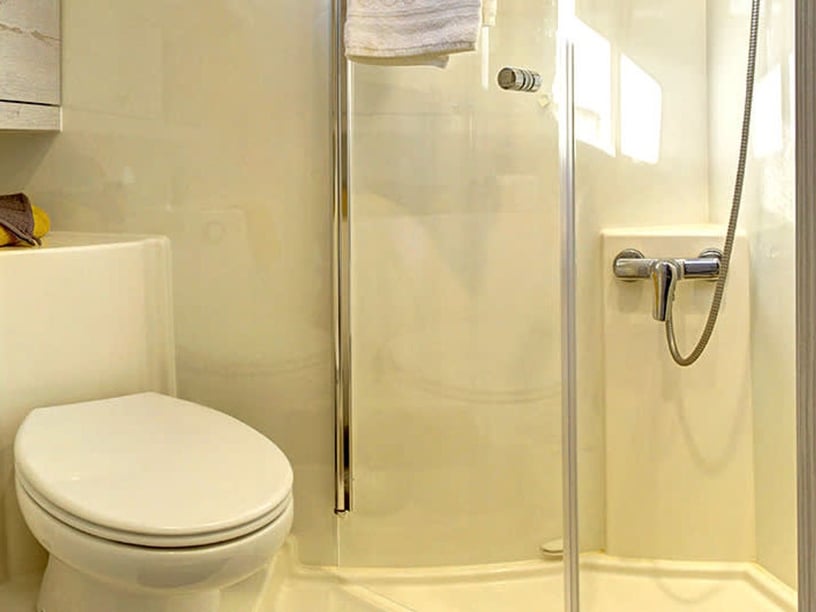
For travelers comparing boat rental in Jarnac, the first decision is the style and length of the trip. A license-free houseboat suits a multi-day journey with overnight stops and time for exploring villages, while a small motorboat or paddle craft is better aligned with shorter outings. Because cruising is linear, plan conservatively: progress depends not only on distance but also on lock operation, shore visits and the need to retrace the route.
Before departure, consult current navigation notices and river-level information. Floods, drought, maintenance and local events can temporarily restrict movement, even during the normal boating season. Crews should also be comfortable assigning someone to go ashore at manual locks. When comparing charter options, prioritize a craft suited to sheltered, low-speed river navigation rather than features designed for coastal sailing, and confirm the proposed route against bridge clearances and current waterway conditions.