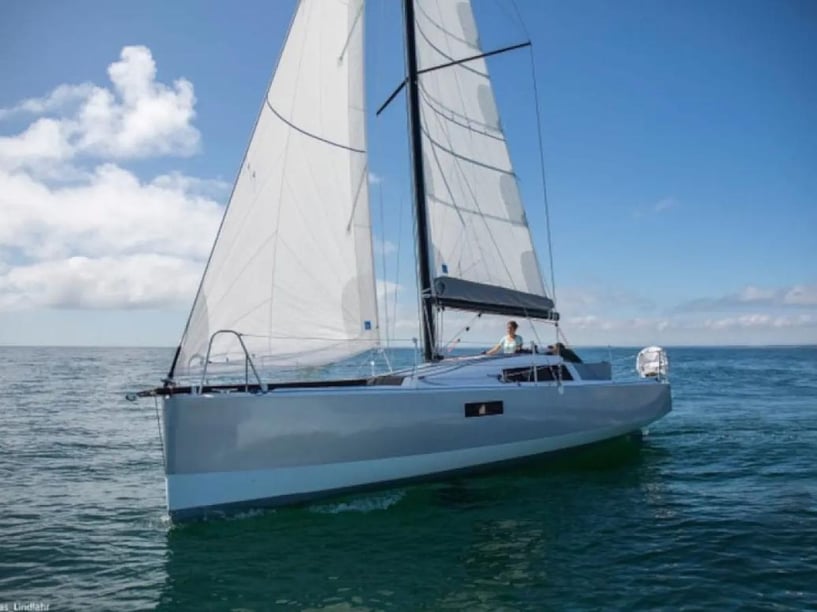
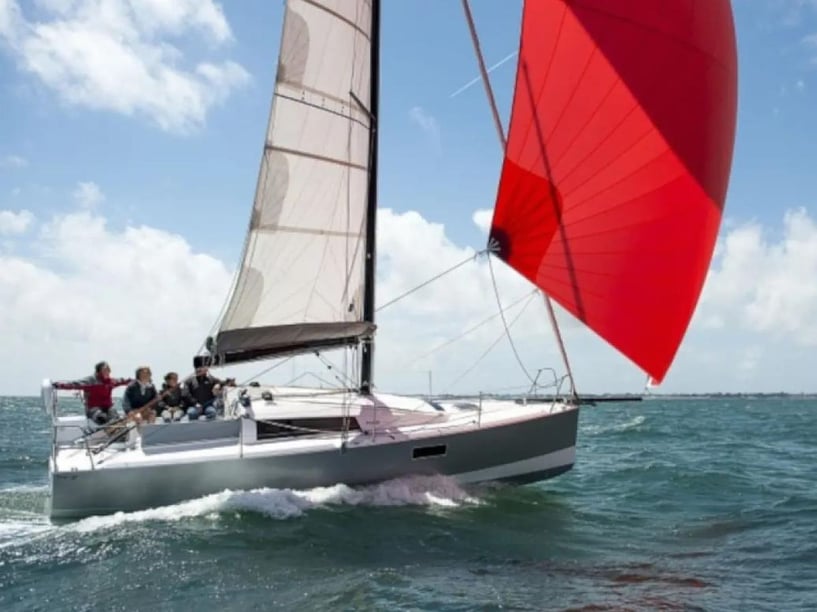
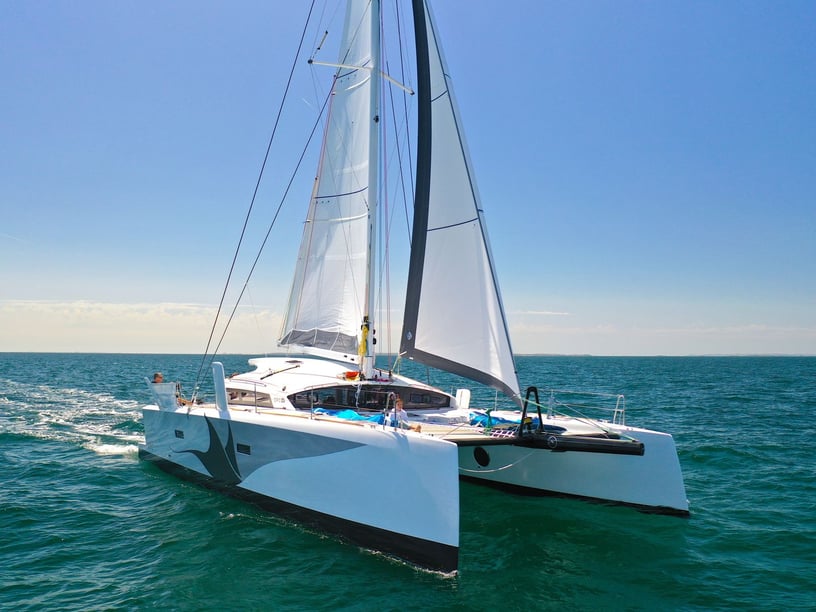
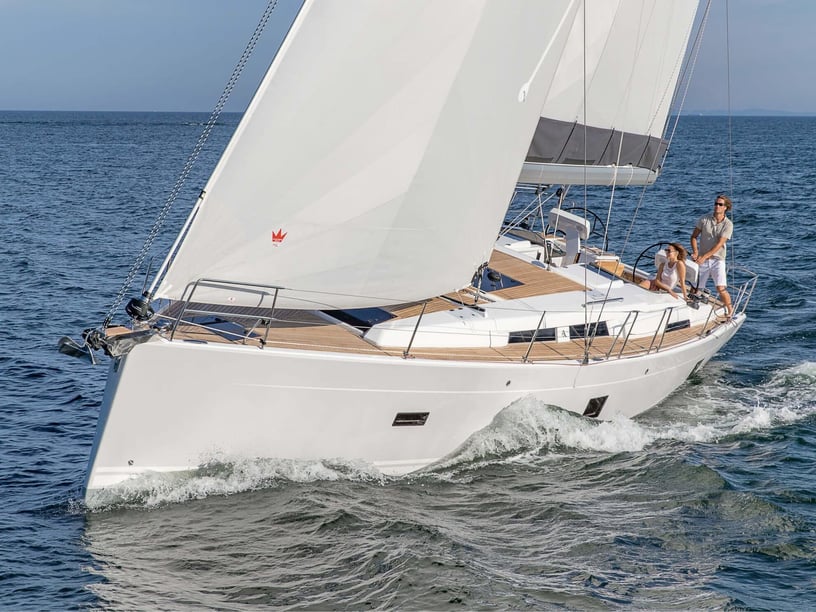
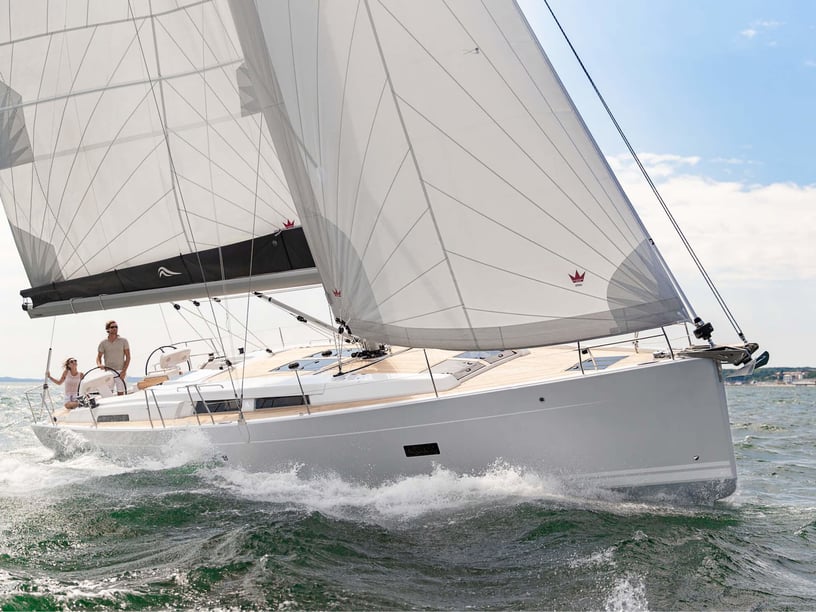
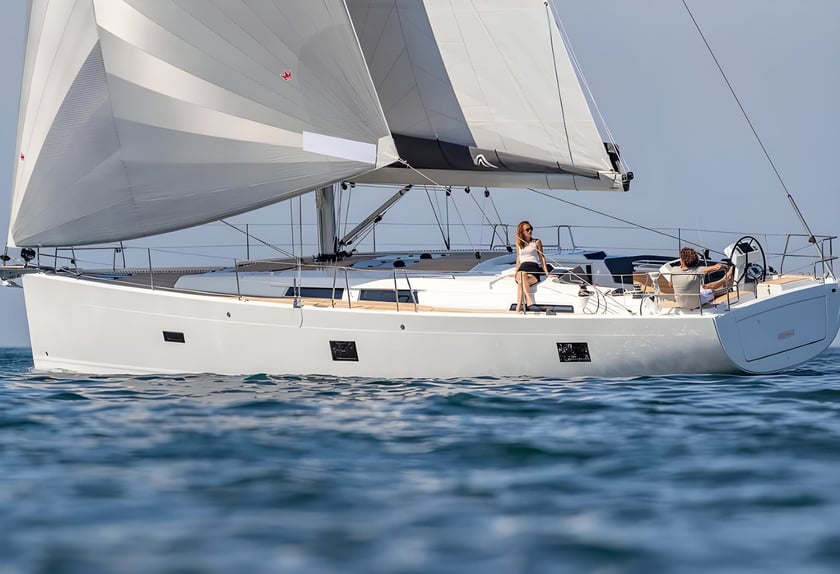
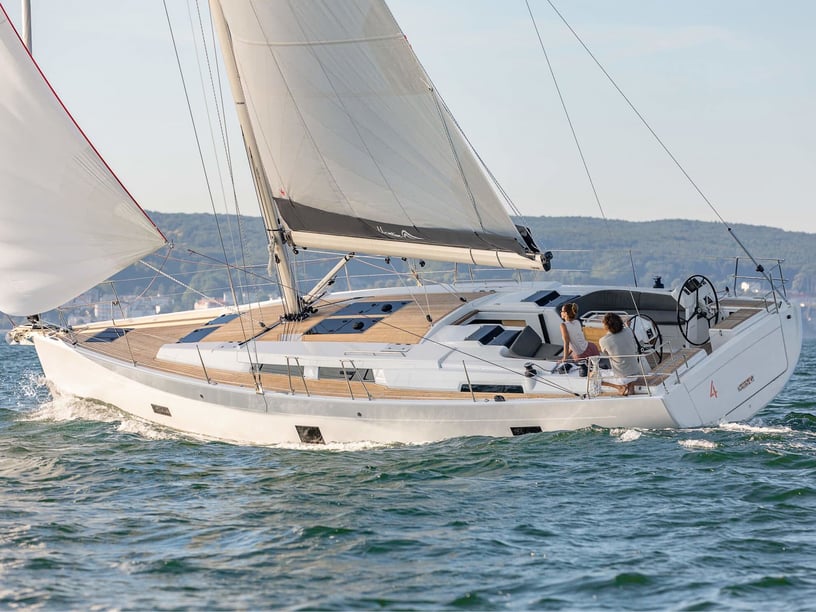
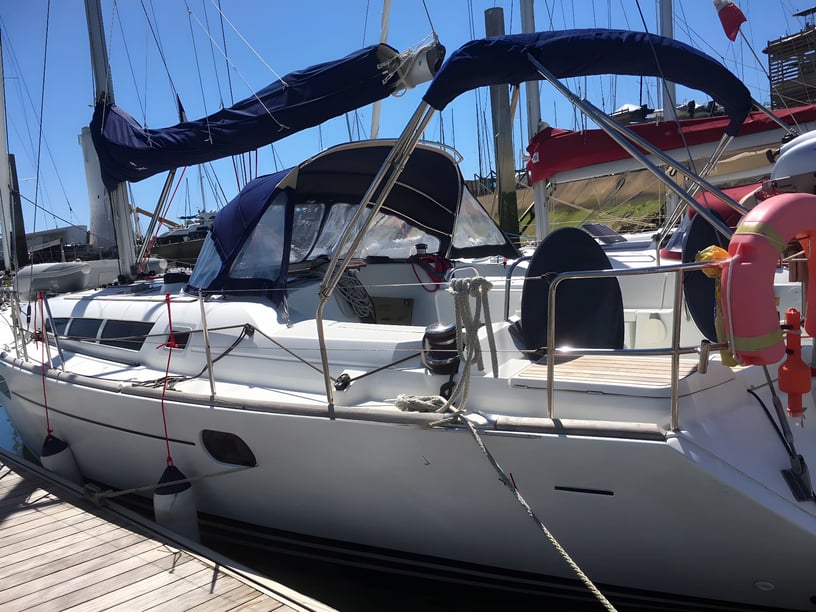
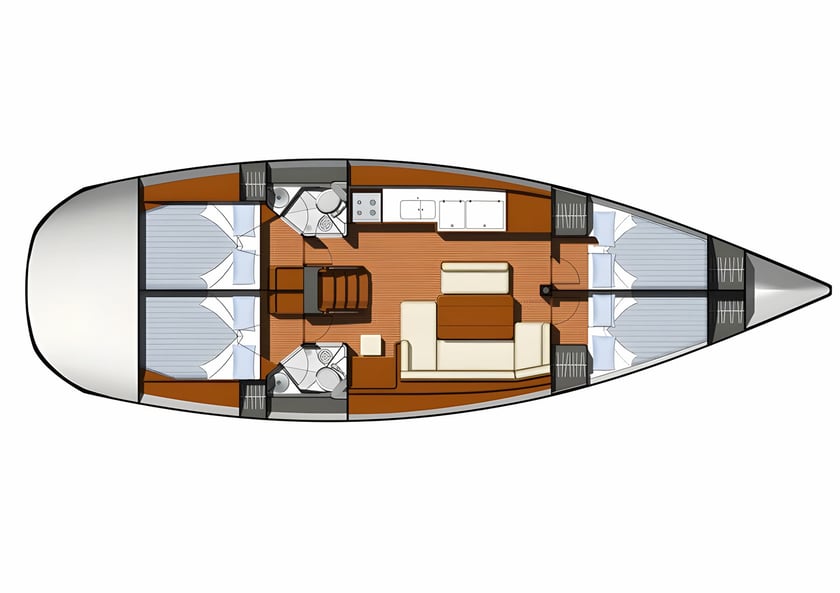
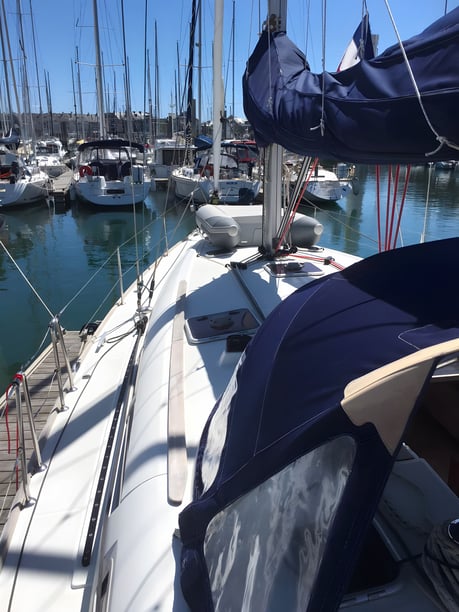
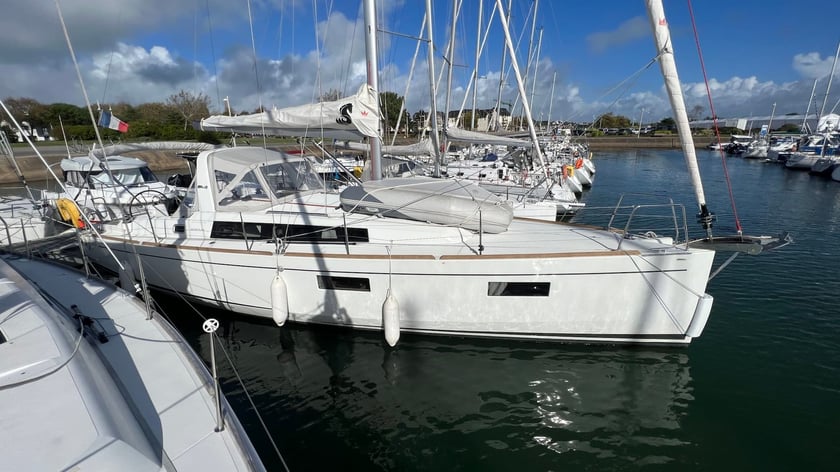
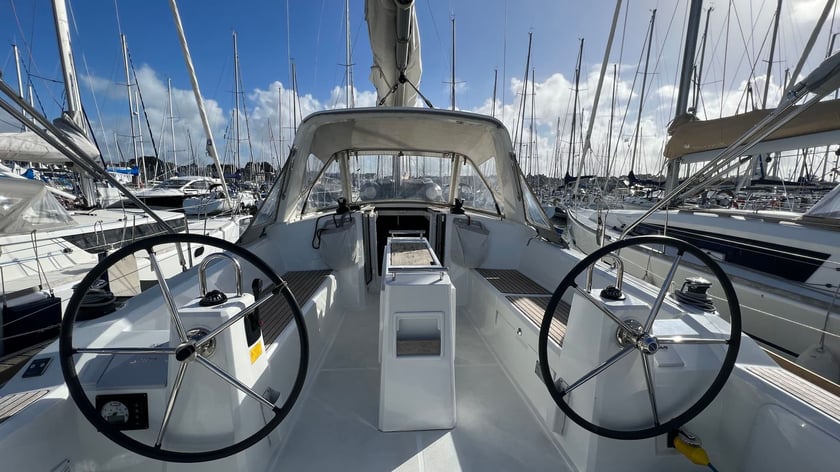
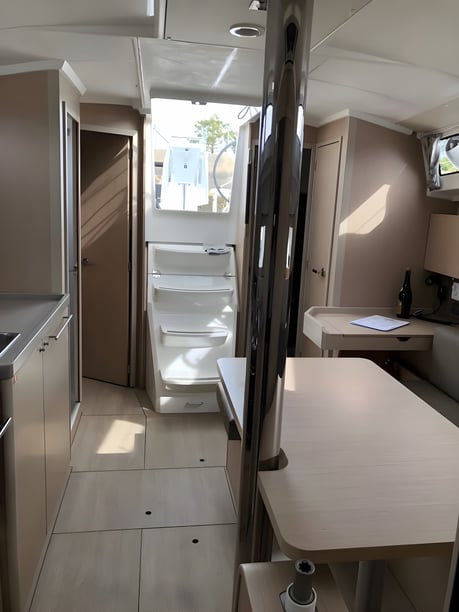
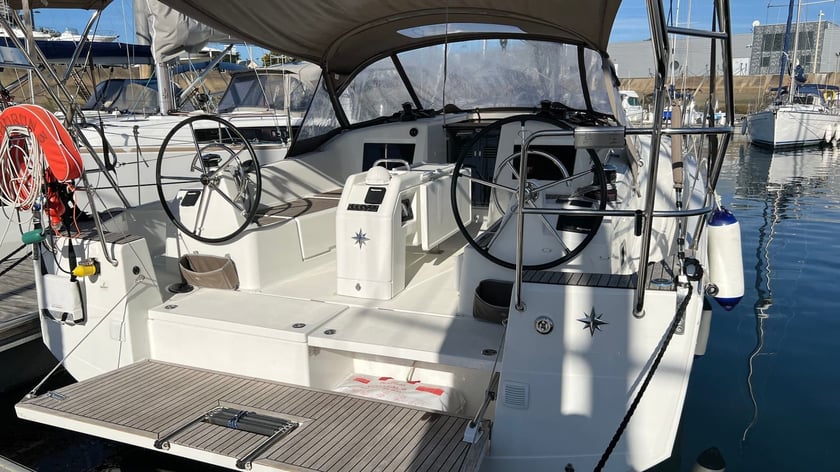
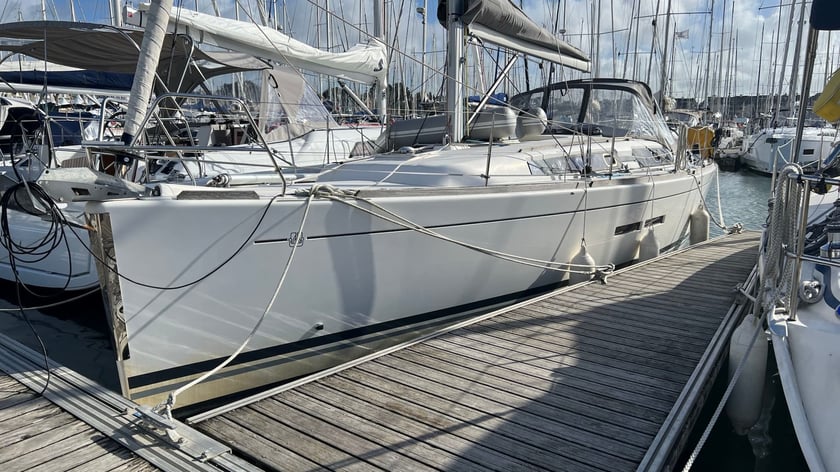
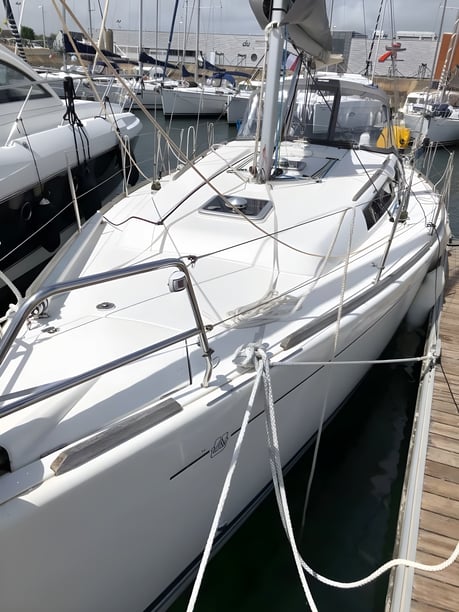
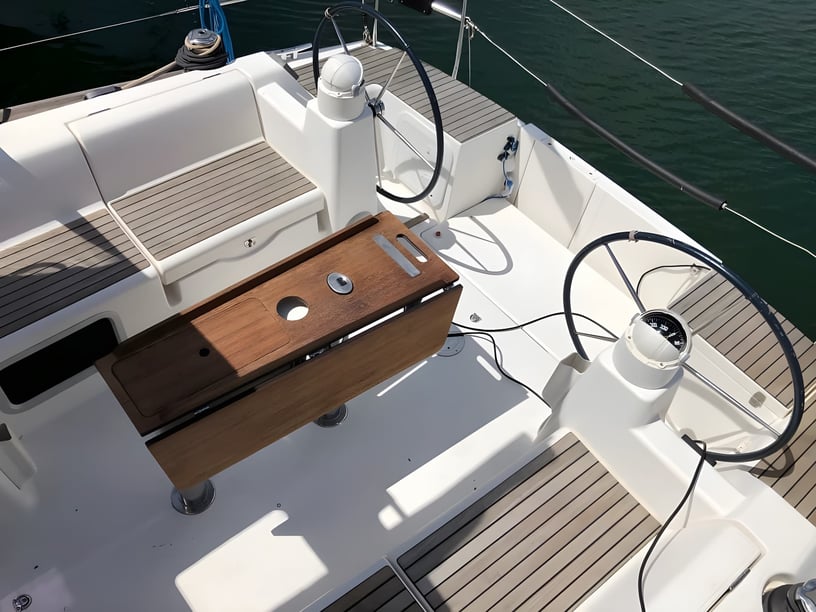
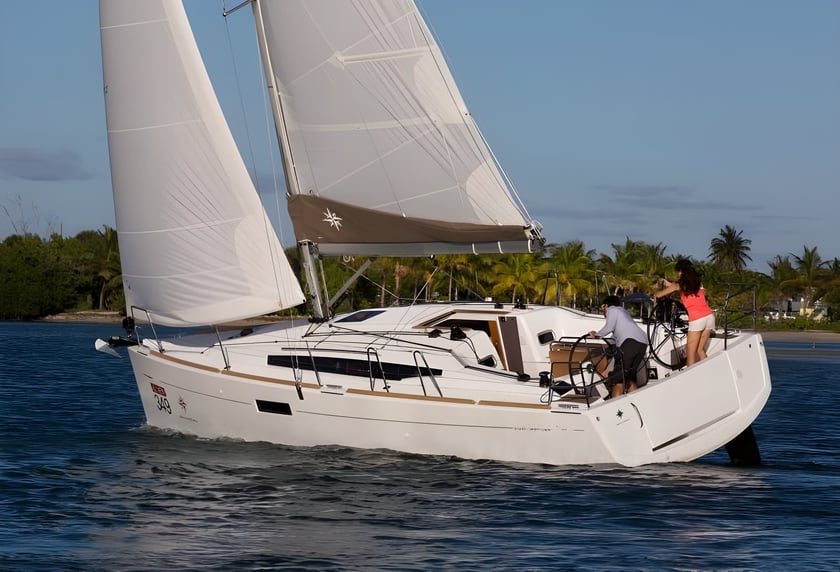
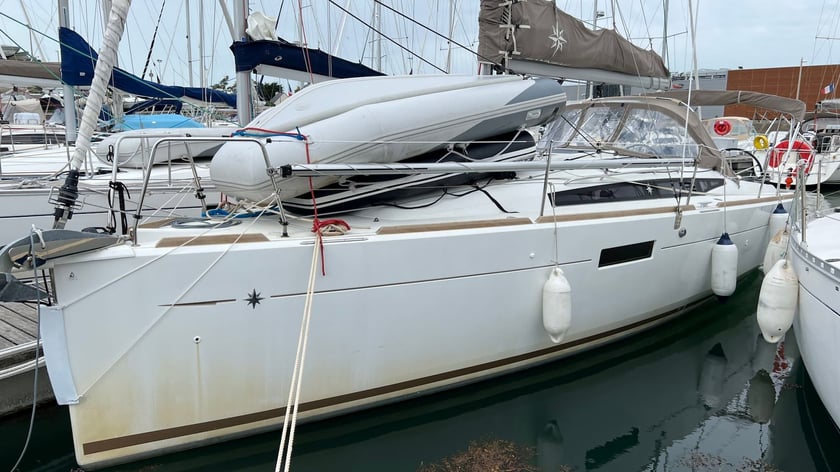
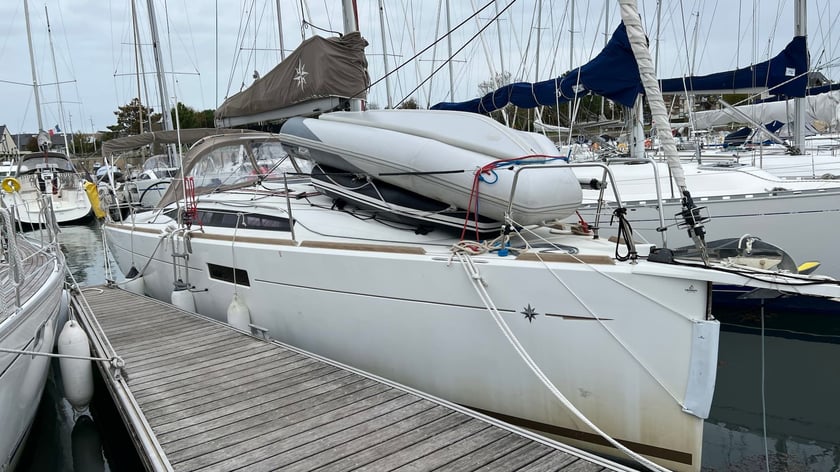
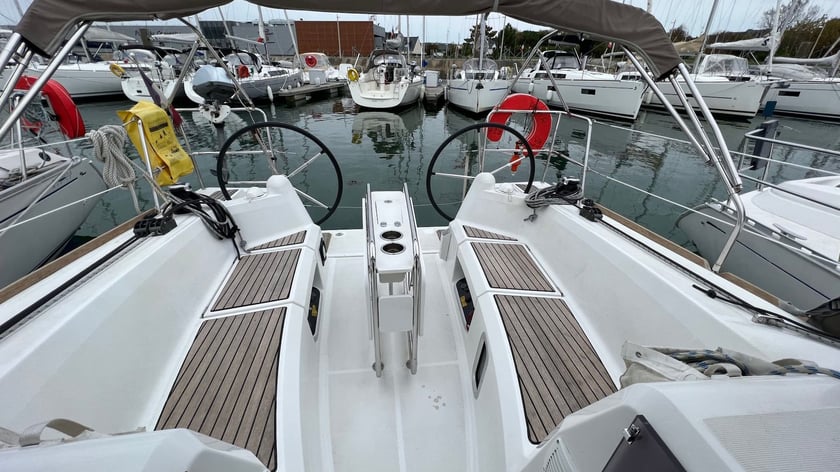
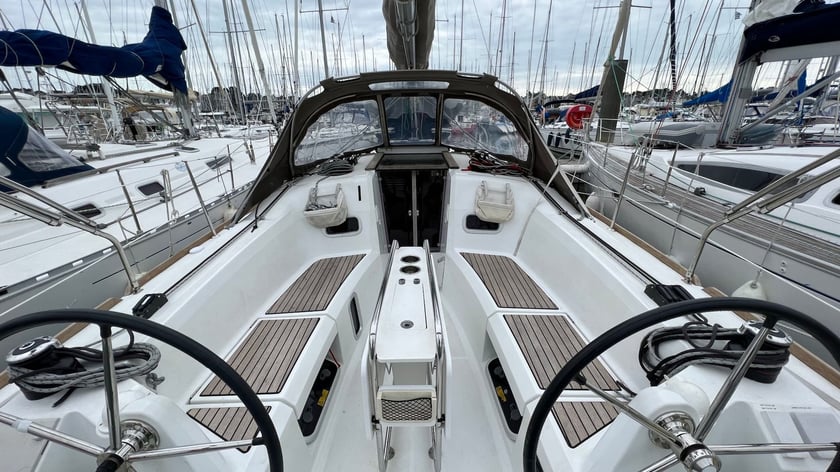
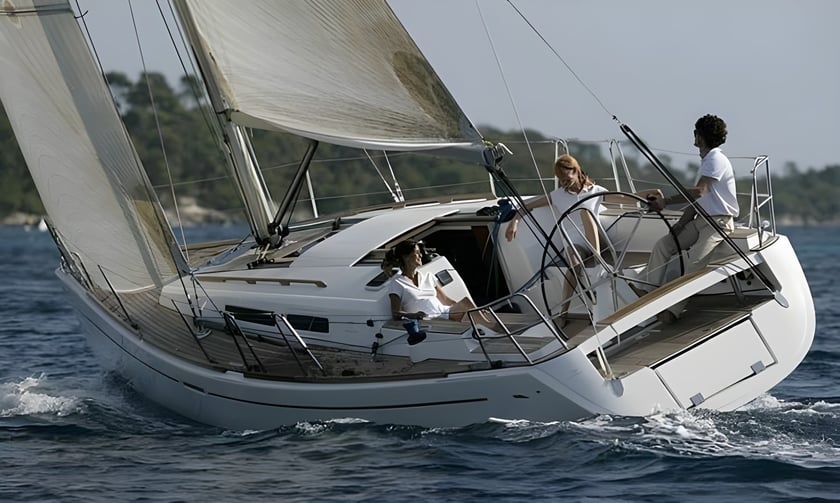
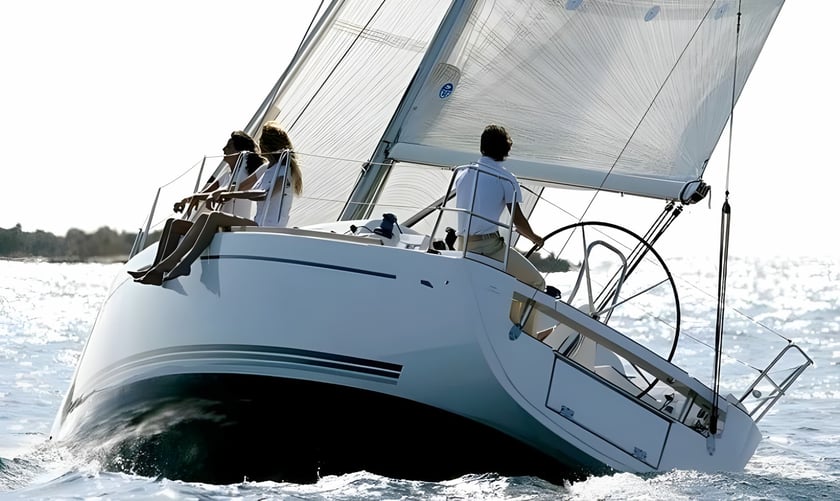
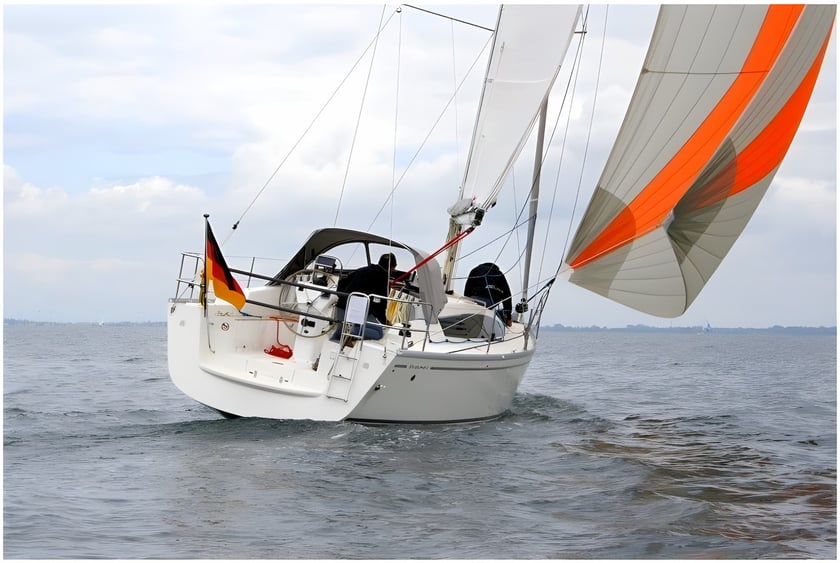
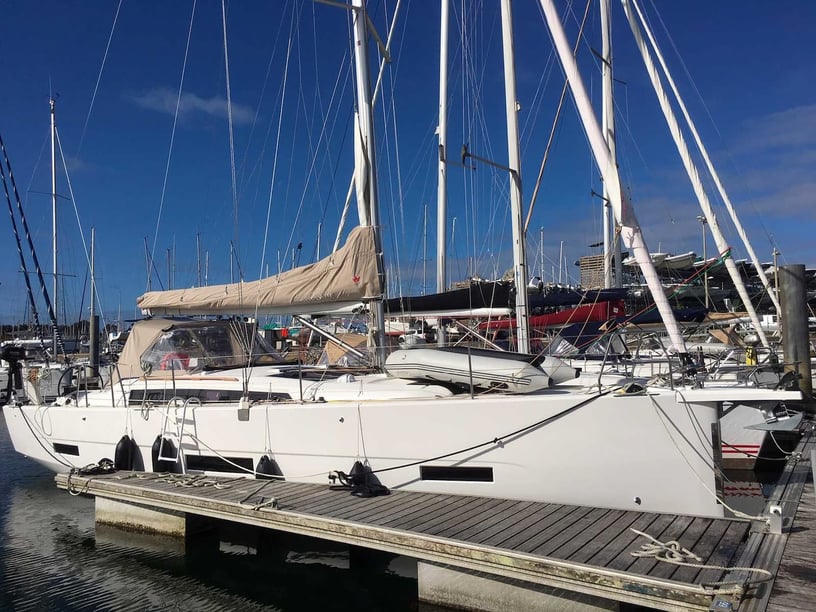
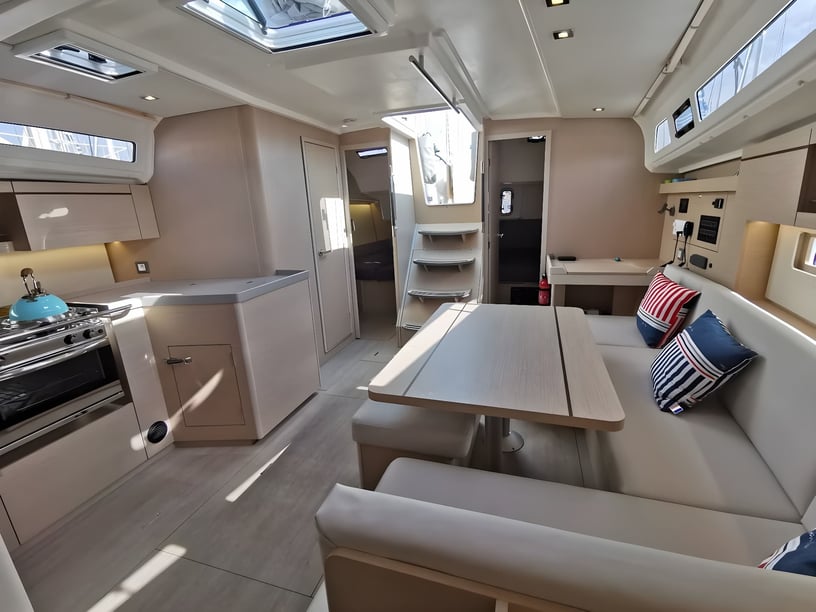
Yacht charter in La Trinité-sur-Mer
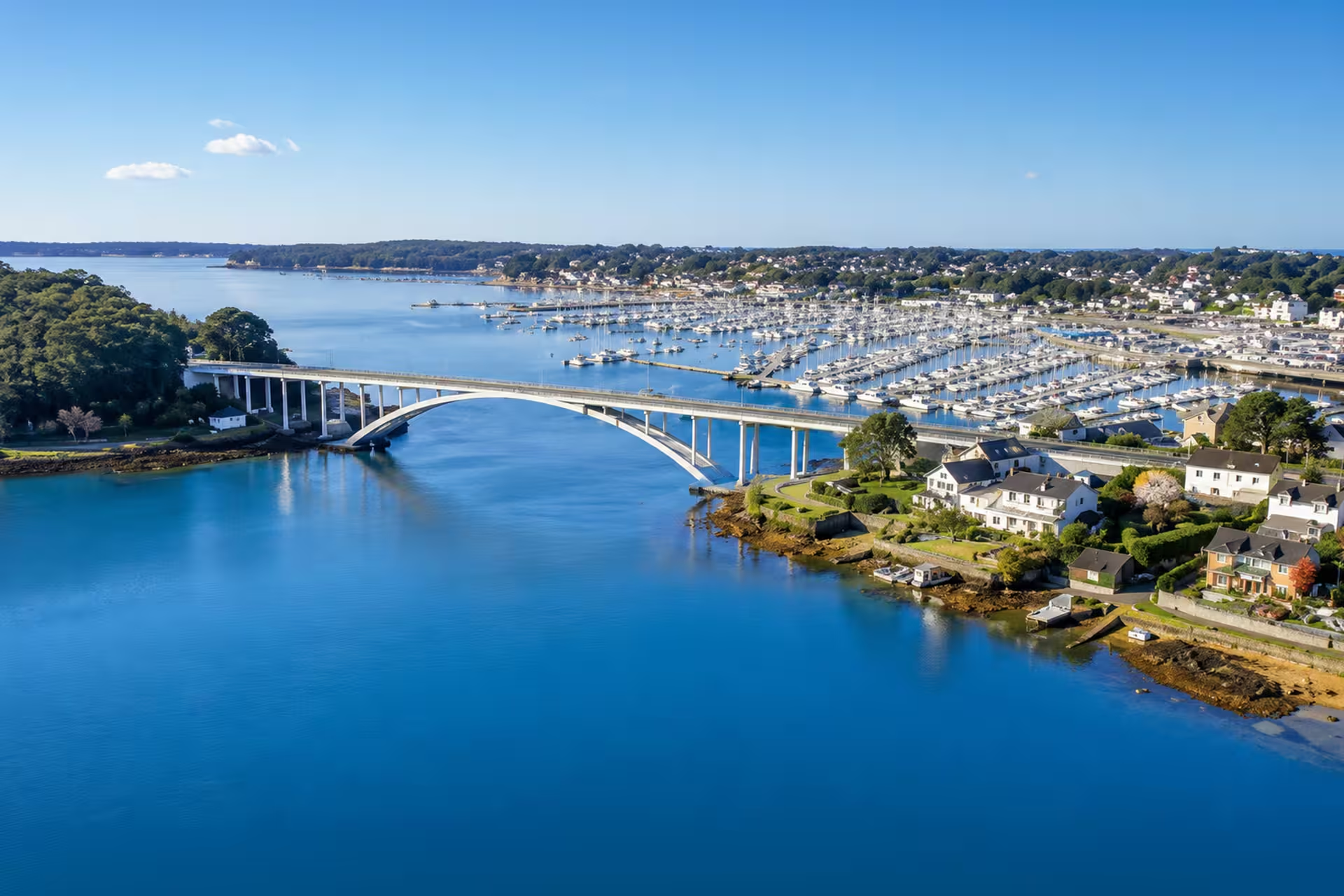
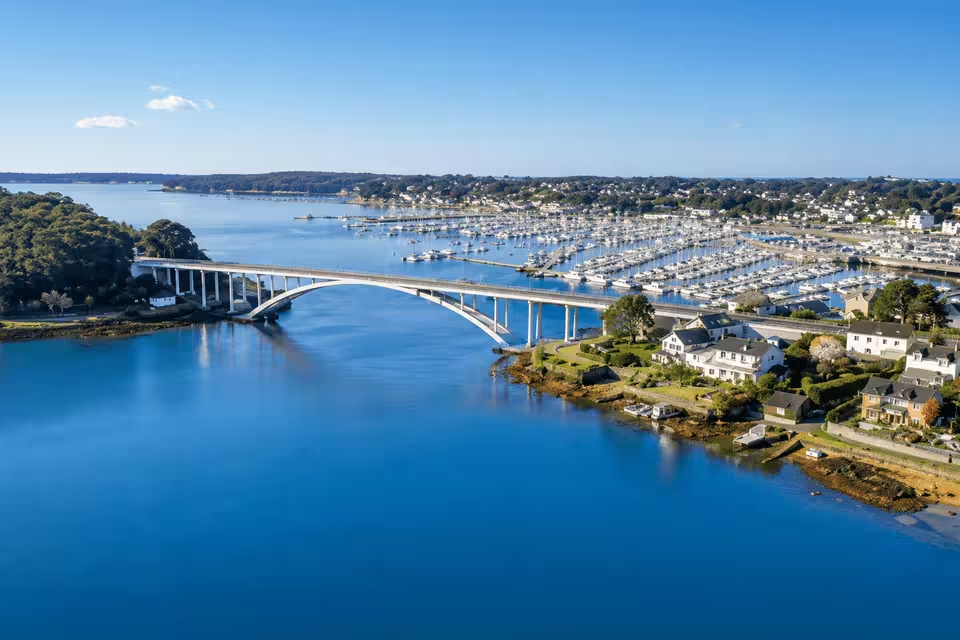
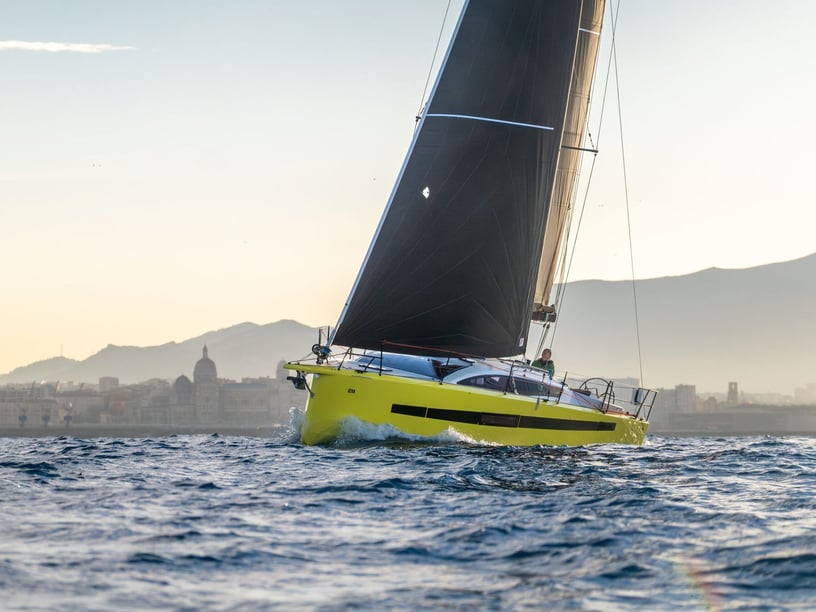
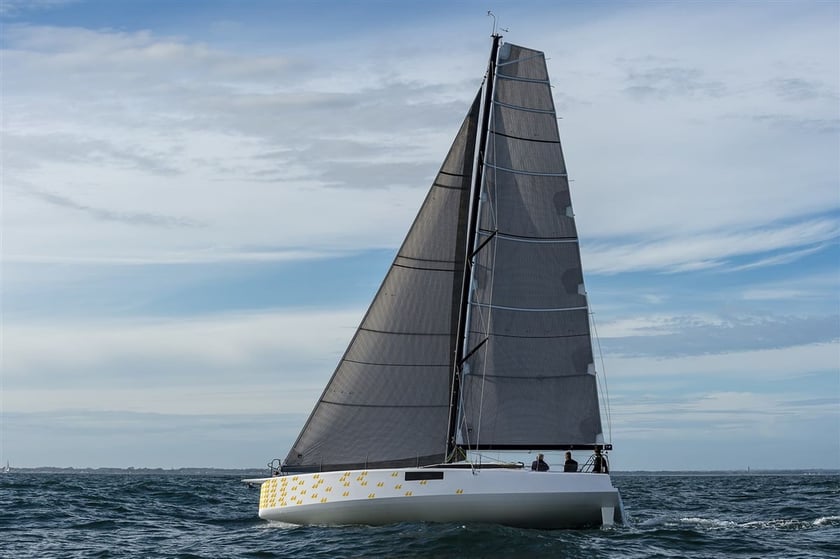
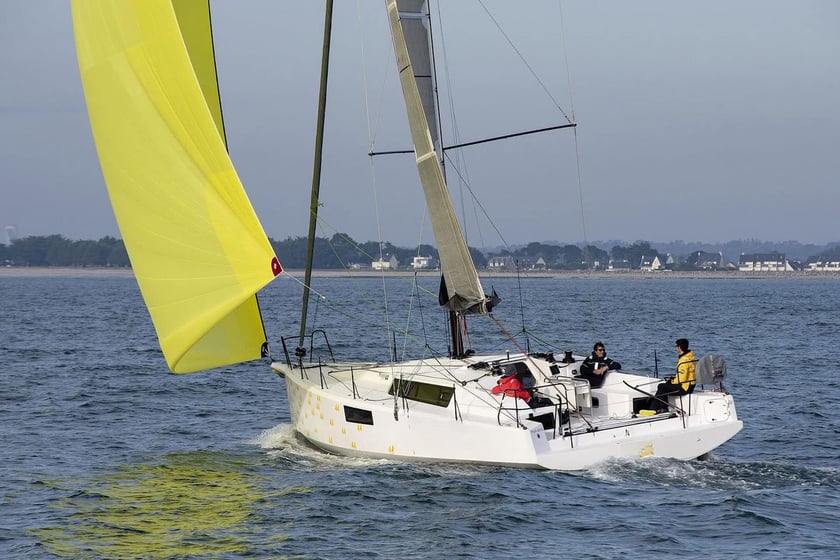
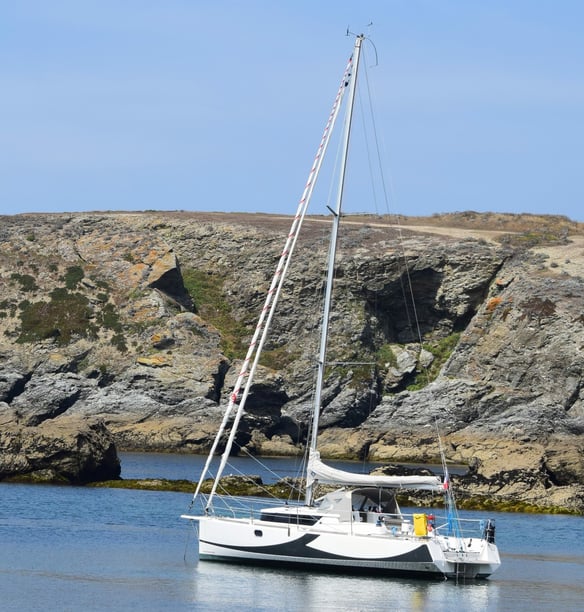
La Trinité-sur-Mer is a sailing-oriented harbor village on the Crac’h estuary in southern Brittany. Its sheltered port opens directly into Quiberon Bay, placing coastal beaches, offshore islands and the Gulf of Morbihan within the surrounding cruising area. For travelers considering a yacht charter in La Trinité-sur-Mer, this combination supports anything from a day on the bay to a multi-day island passage.
The compact waterfront brings together a modern marina, an old fishing harbor and a strong offshore-racing culture. Large ocean-going multihulls and commemorations of sailors such as Éric Tabarly and Loïc Caradec reflect that heritage, while oyster farms farther up the river preserve the estuary’s working maritime character. La Trinité-sur-Mer can therefore serve as both a departure point and a worthwhile stop within a broader exploration of yacht charters in France.
Places to explore around Quiberon Bay
Quiberon Bay is the immediate cruising ground. The Quiberon Peninsula and the islands of Houat and Hoëdic partly screen it from Atlantic swell, making the bay useful for shorter sailing days and island stops. Houat is a practical objective for a day sail, while combining Houat, Hoëdic and Belle-Île-en-Mer creates a more varied multi-day cruise with longer passages and greater exposure to changing weather.
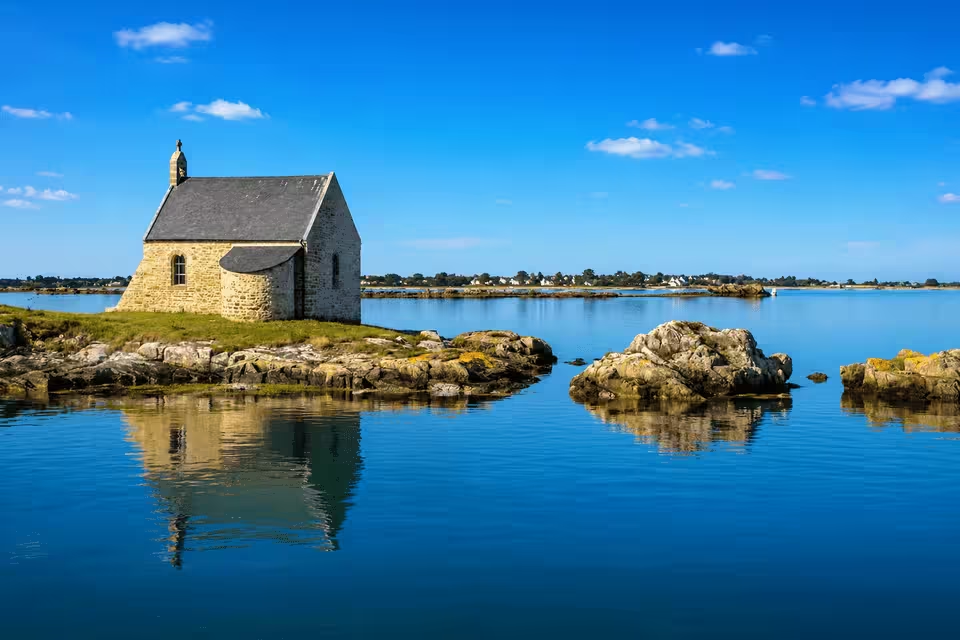
Toward the mainland, Quiberon and Port Haliguen offer another coastal focus. A yacht can also head toward the entrance of the Gulf of Morbihan, where Port-Navalo and Île aux Moines may form part of an itinerary. This route changes the character of the trip from open-bay sailing to waters shaped more strongly by channels and tidal streams. Closer to La Trinité-sur-Mer, the low coast includes beaches, salt marshes, small coves and headlands such as Pointe de Kerbihan.
What sailing from La Trinité-sur-Mer is like
The local sailing experience balances a protected harbor with tidal coastal cruising. Berthing in the lower reaches of the Crac’h ria is comparatively sheltered, and the harbor reduces some of the tide-window constraints that affect more exposed anchorages. Once outside, however, the route and conditions matter. Tidal streams become important in channels, around island approaches and especially near the Gulf of Morbihan entrance.
Within Quiberon Bay, line-of-sight sailing between recognizable coastal points can suit relaxed day cruising. Passages toward Belle-Île, Houat or Hoëdic demand closer attention to the marine forecast, tide and possible Atlantic swell. Summer is generally sunnier, drier and less gusty than winter, but Atlantic weather can still change quickly.
These contrasts make itinerary flexibility valuable. A settled forecast may support an island crossing, while a shorter circuit inside the bay can be more appropriate when conditions are uncertain. Travelers planning a bareboat trip should be comfortable interpreting tides and coastal forecasts; those who prefer not to manage these decisions themselves can compare charter arrangements that include suitable local sailing expertise.
Best time for a yacht charter
The main recreational boating season extends from April through October, with May to September identified as the most suitable months. July and August are the principal high-season period, when visitor services and island connections tend to operate more frequently. They also bring the busiest holiday atmosphere around the harbor and popular coastal stops.
May offers a shoulder-season alternative, while June and September combine favorable seasonal conditions with the possibility of avoiding the central summer rush. These months still require preparation for cool wind and water. April and October can provide useful sailing windows, but conditions are generally cooler or less consistent.
From November through March, stronger winds, rain and rougher offshore conditions become more likely, and recreational activity falls substantially even though the marina remains a year-round harbor.
Cruising routes from the harbor
A straightforward day route crosses Quiberon Bay to Houat for an island stop before returning to La Trinité-sur-Mer. It keeps the itinerary focused while still providing a meaningful passage beyond the mainland coast.
With two or three days, a route can link Houat with Hoëdic or continue toward Belle-Île-en-Mer. The exact combination should remain flexible because island approaches and offshore legs are more sensitive to weather and tides. Another option turns east toward the Gulf of Morbihan, potentially including Île aux Moines. This itinerary requires particularly careful timing around the gulf entrance, where tidal streams are a defining part of the passage.
Coastal life and experiences ashore
A yacht trip here can combine active sailing with beaches, seafood traditions and walks through a maritime landscape. Oyster farms line the Crac’h River upstream of Kerisper Bridge, while the old harbor retains a fish market. Around Pointe de Kerbihan, the GR34 coastal path follows a shoreline historically associated with customs surveillance during the area’s salt-producing era.
Kervillen Beach and its adjoining salt marshes provide an accessible coastal excursion near the harbor. At Men-Dû Beach, low water reveals a sandbank connecting the shore with the small island of Stuhan. These tidal changes are part of the landscape as well as an important practical consideration on the water.
The area also has a much older history. The Petit Ménec site contains 101 standing stones arranged in seven rows and continues the alignment landscape eastward from Carnac. In the village, former fishermen’s houses line narrow streets above the marina, and Saint-Joseph Church has a tower raised in the 19th century to serve as a daymark for sailors.
Reaching the port and starting a trip
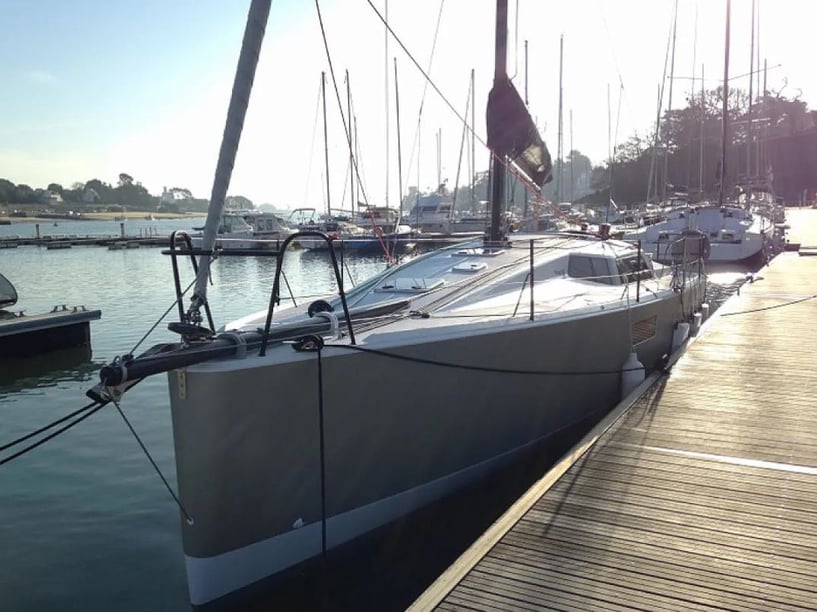
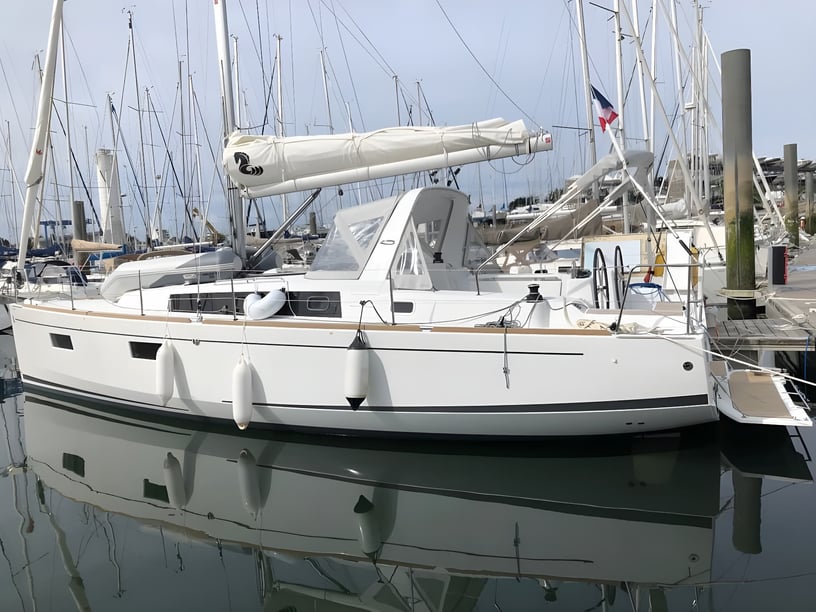
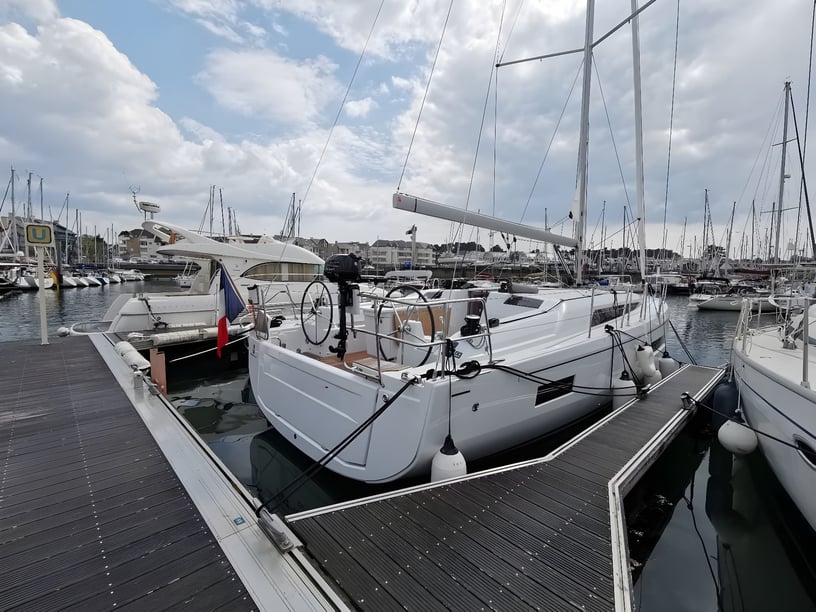
Port de La Trinité-sur-Mer is the identified local departure point and gives direct access from the Crac’h estuary to Quiberon Bay. It functions both as a working year-round harbor and as a place to explore before or after a charter. Depending on the route, Port Haliguen in Quiberon and Port du Crouesty near the Gulf of Morbihan may also be relevant to the wider cruising area.
Auray is the principal rail gateway. Regional buses run between Auray and La Trinité-sur-Mer, with stops near the waterfront and port. By road, access from the Saint-Philibert and Locmariaquer side crosses Kerisper Bridge, and seasonal local transport can connect the harbor with outlying parking areas. For air travel, the relevant airports are Lorient South Brittany Airport and Nantes Atlantique Airport, though onward ground transport should be included in the trip plan.
Planning your charter
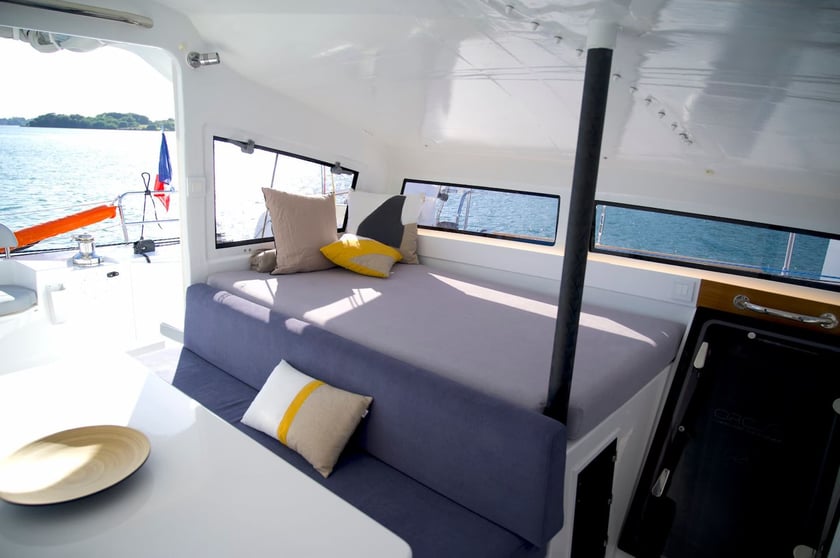
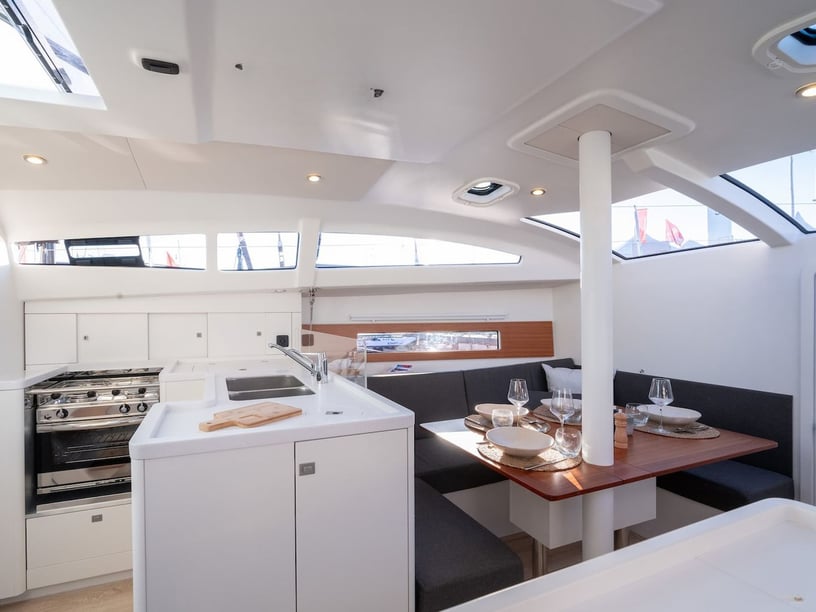
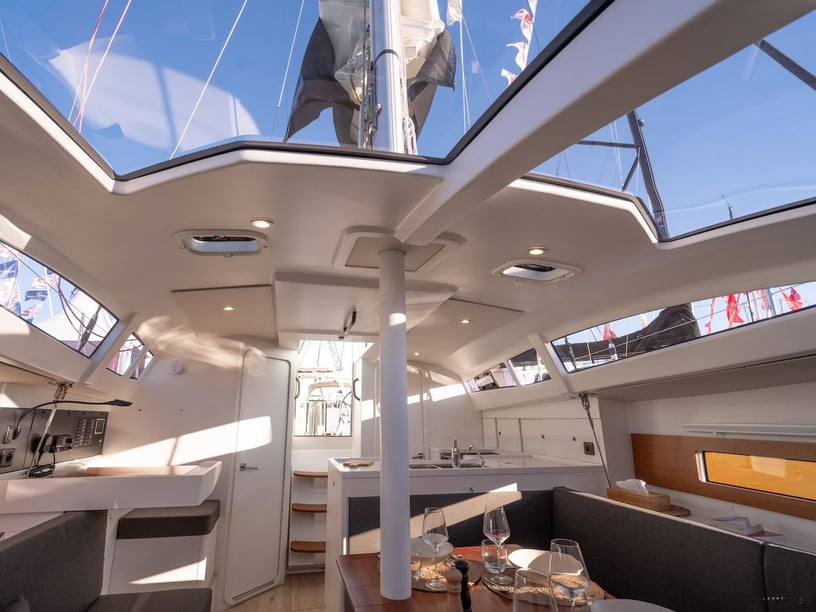
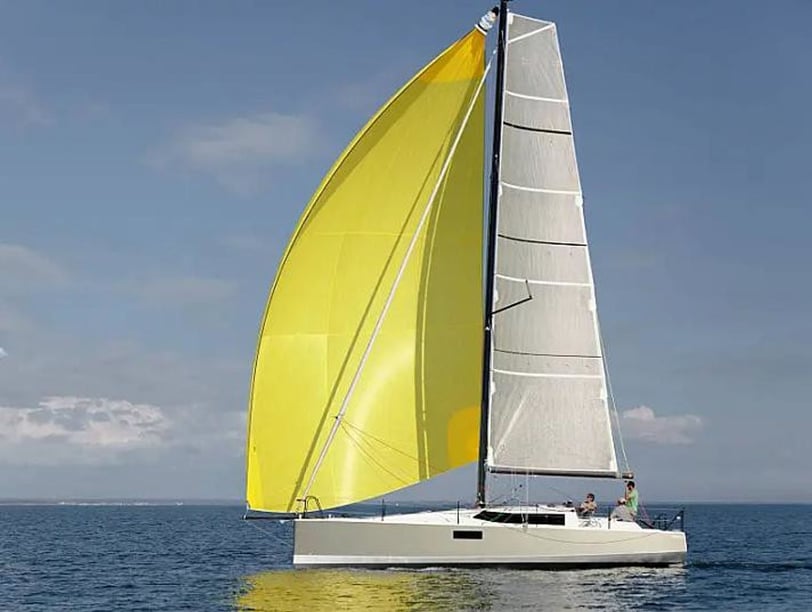
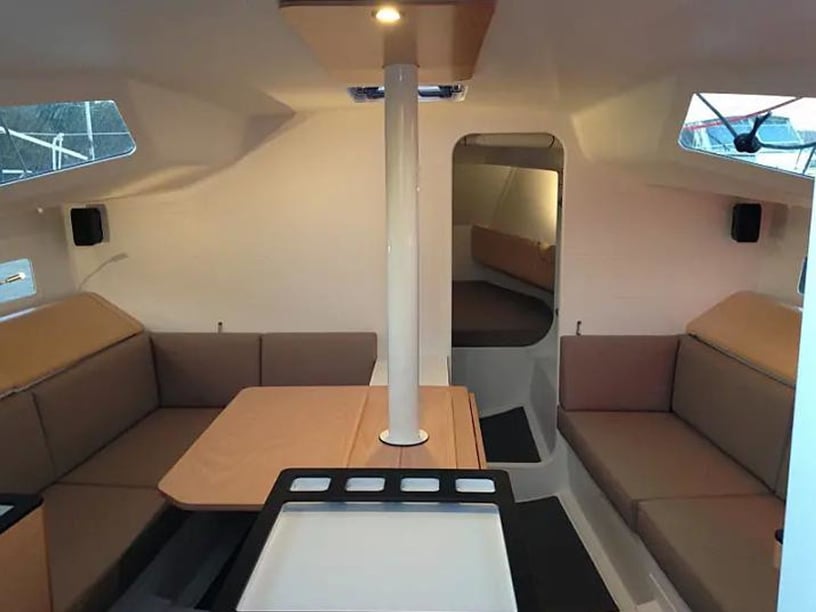
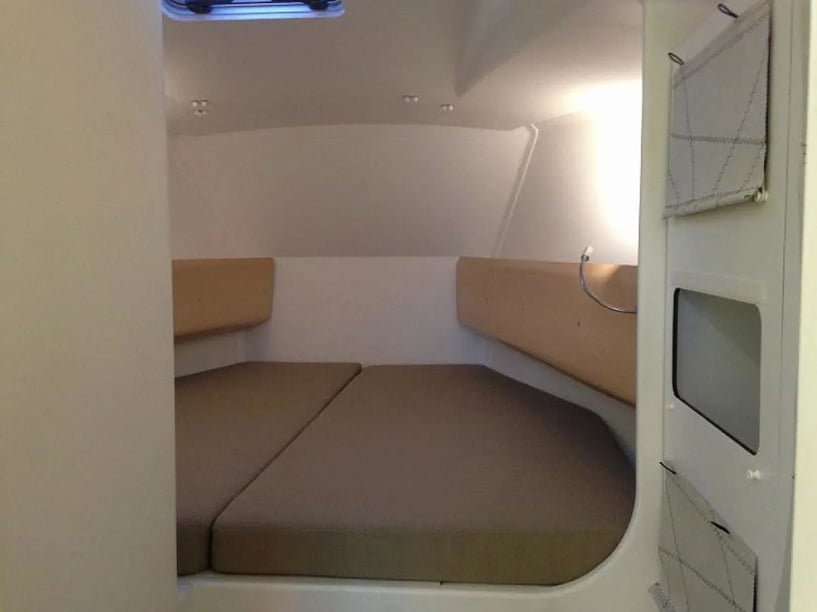
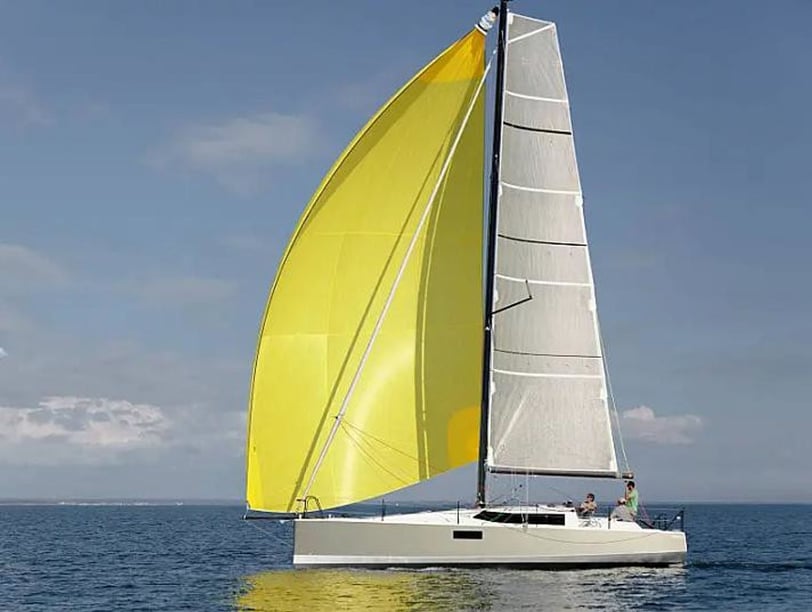
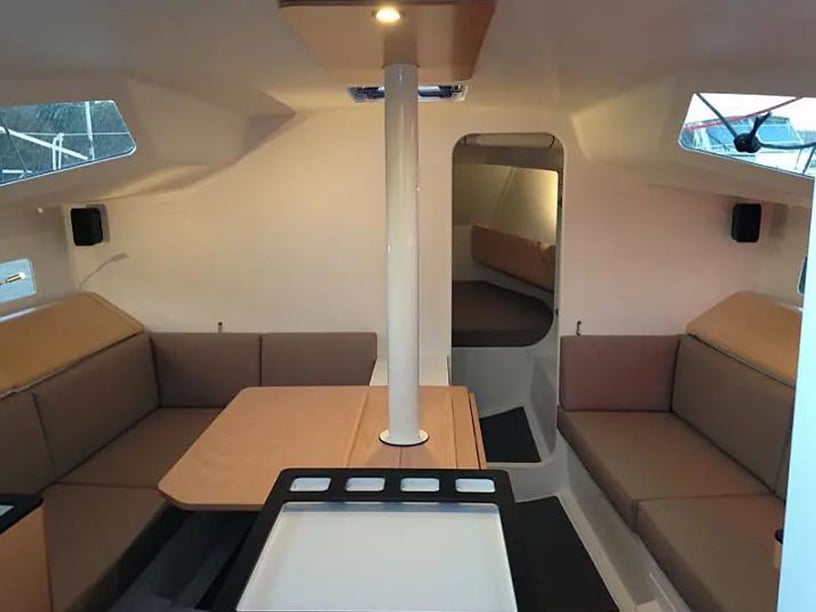
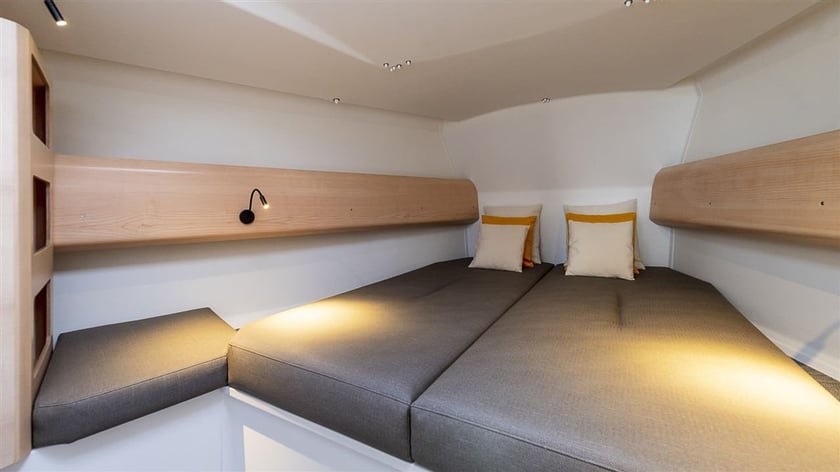
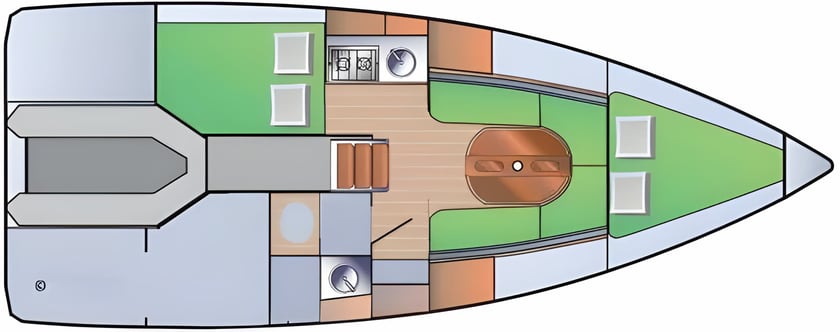
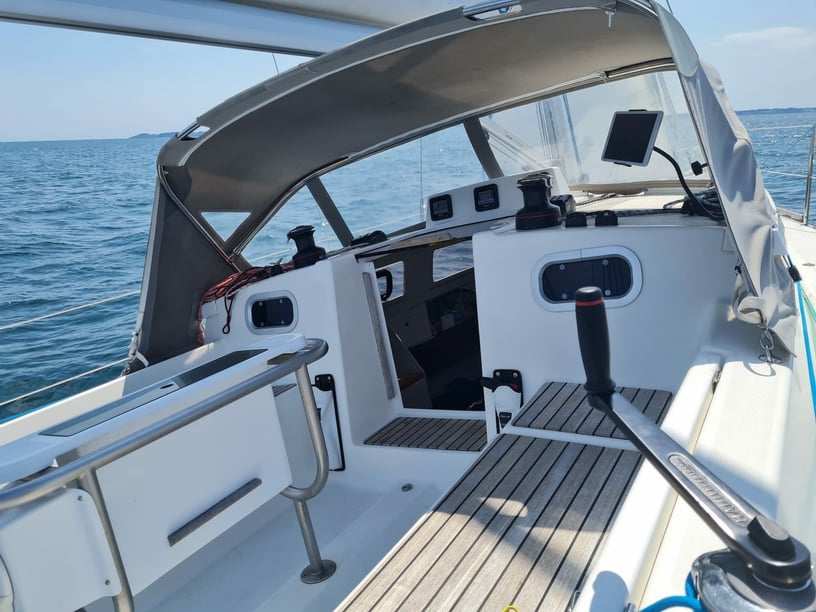
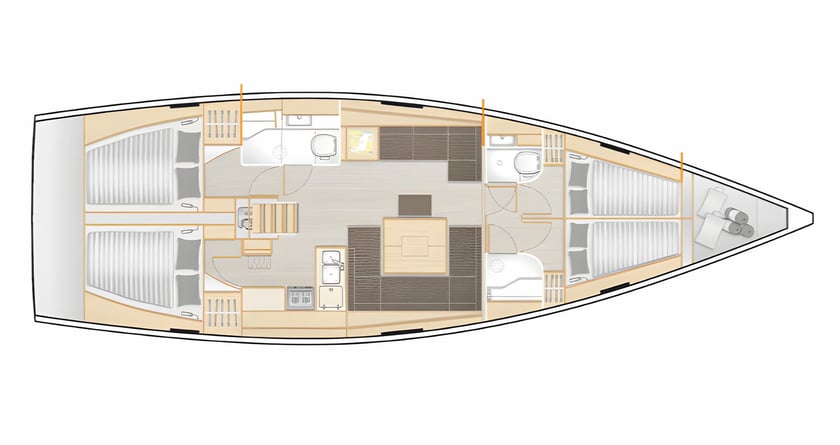
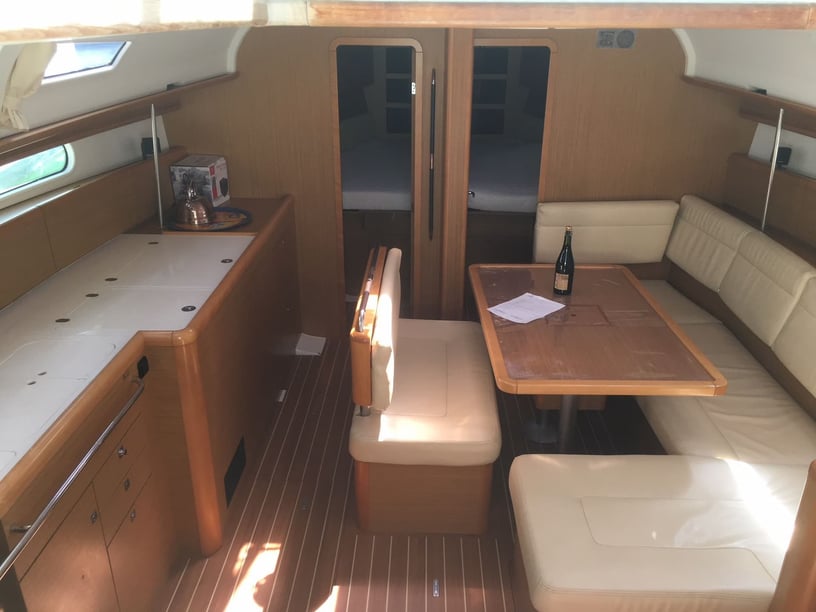
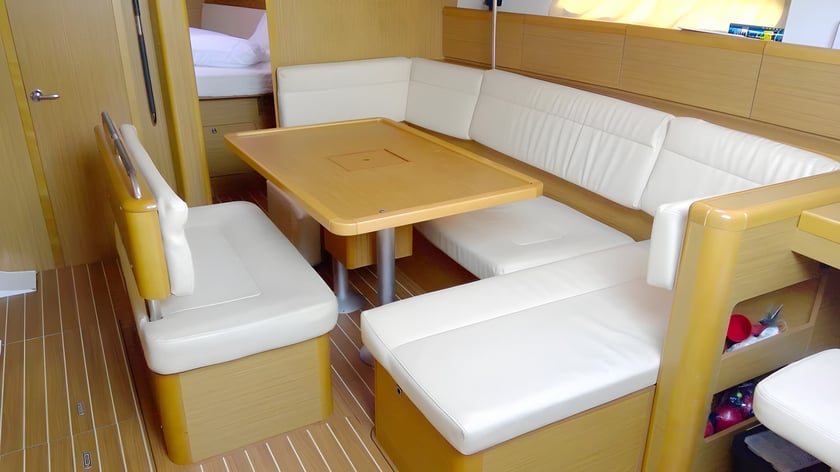
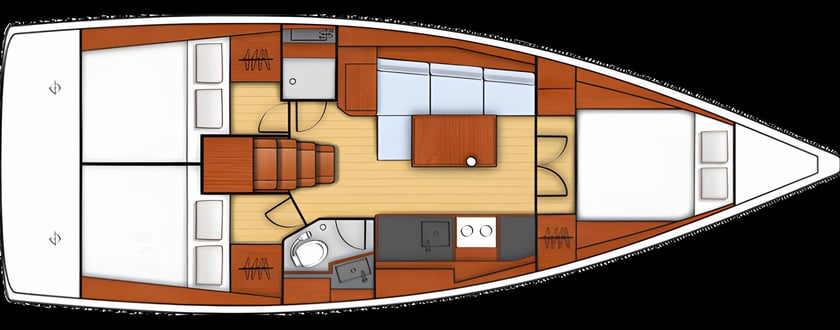
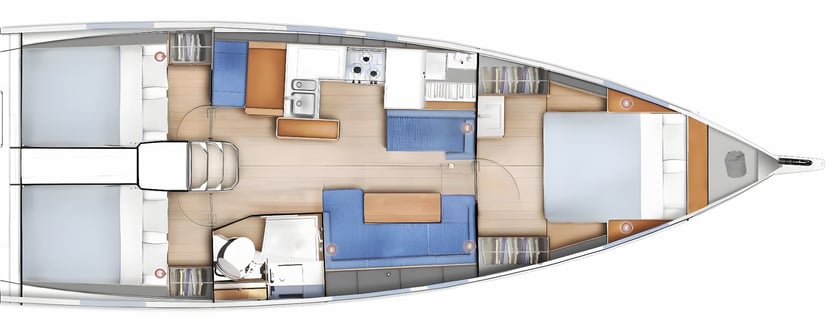
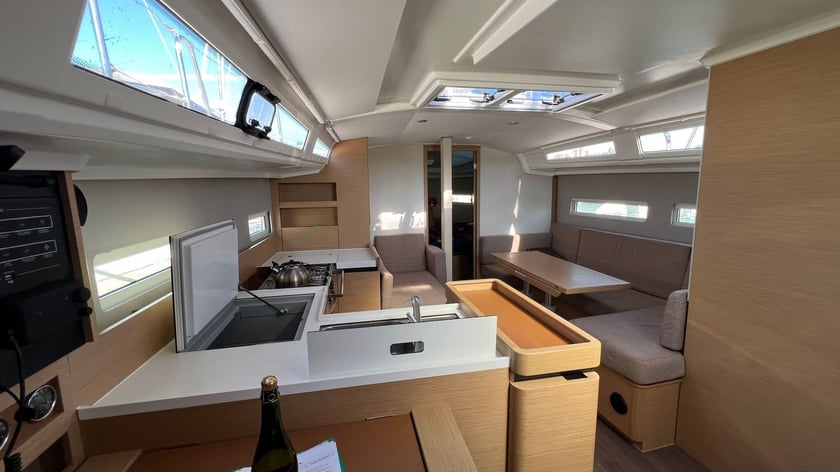
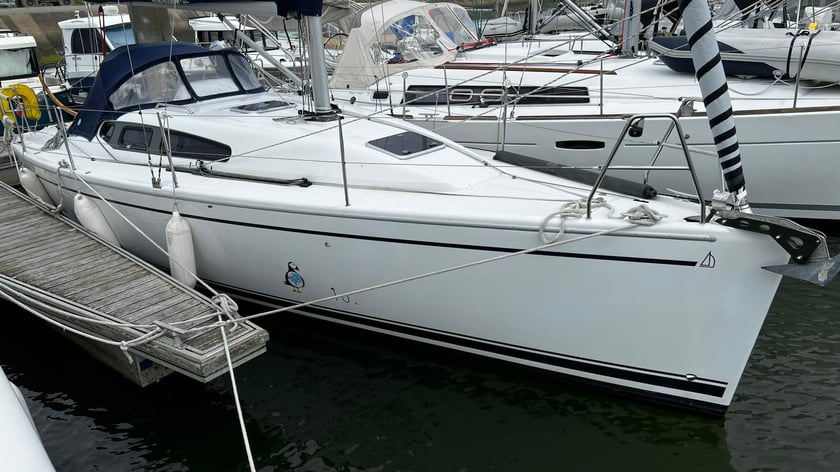
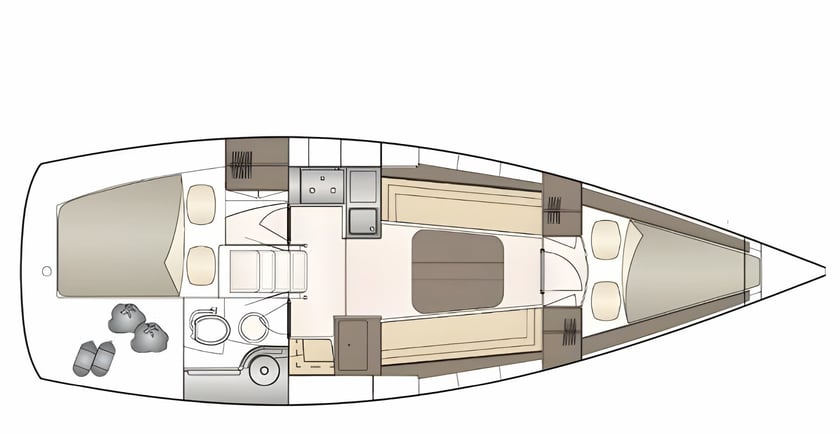
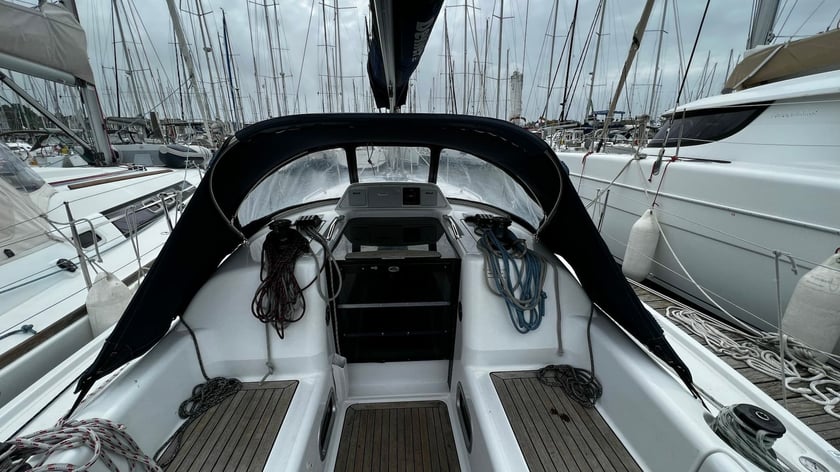
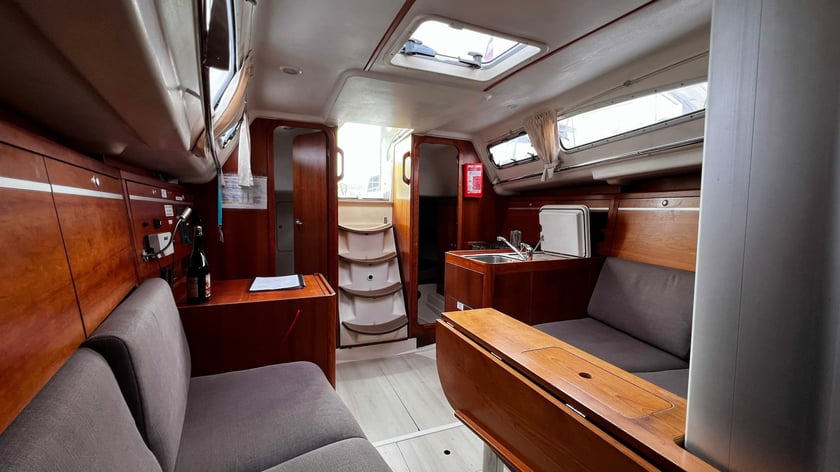
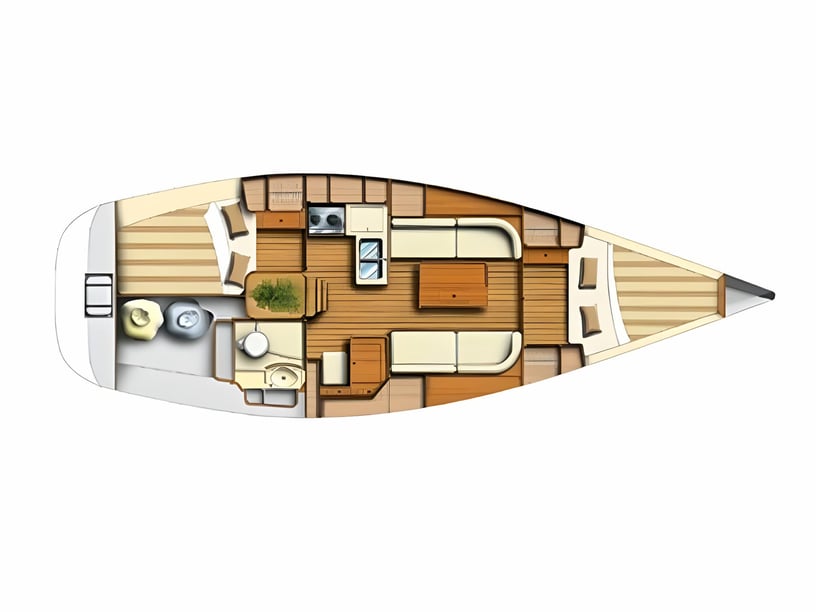
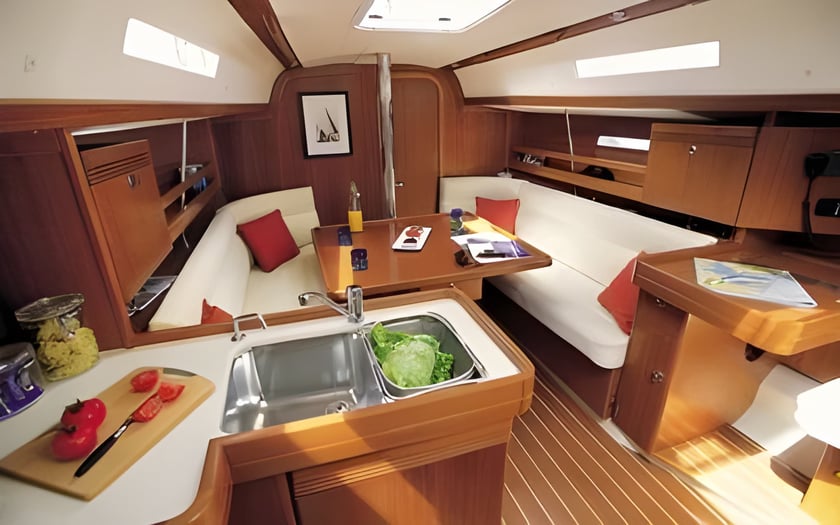
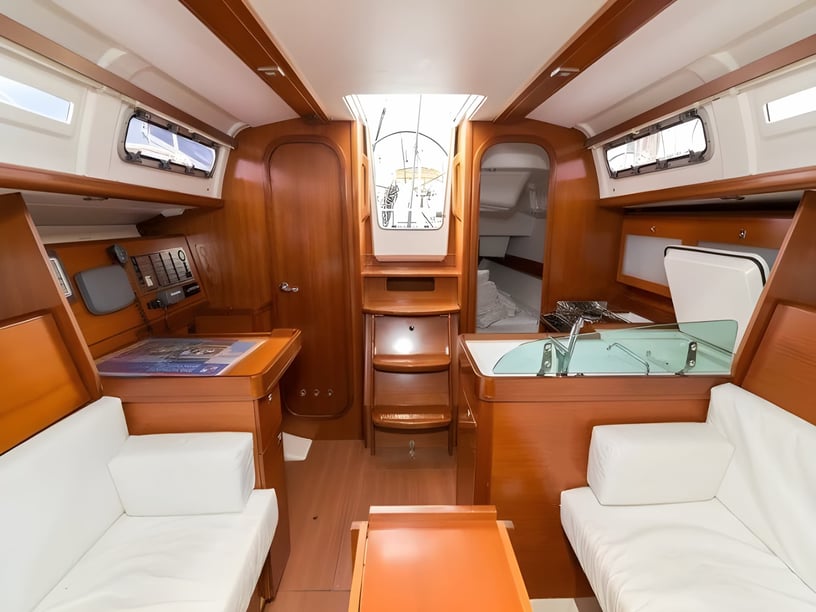
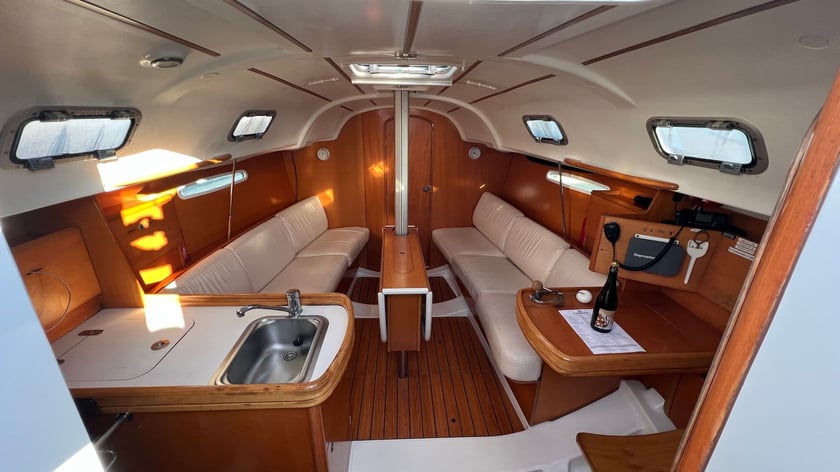
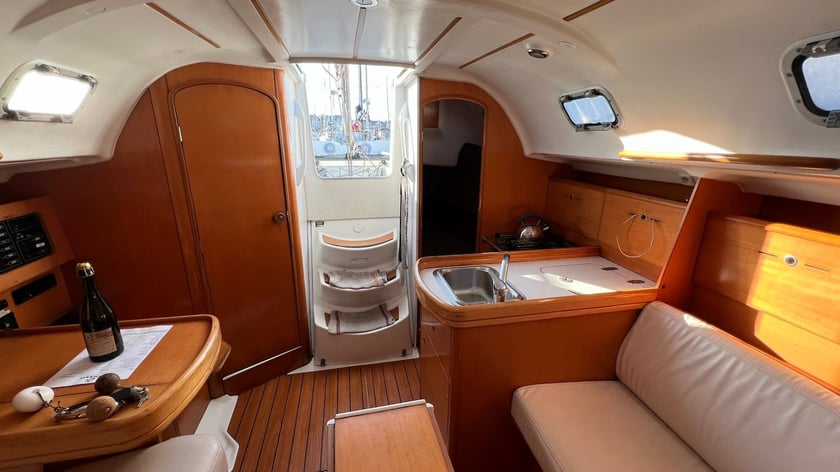
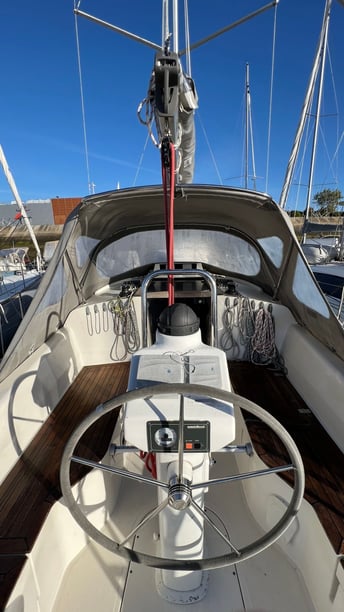
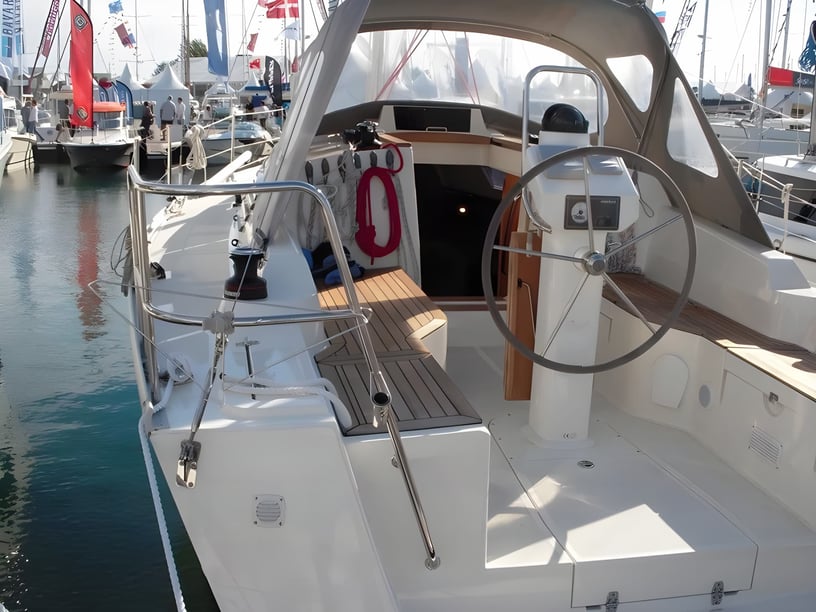
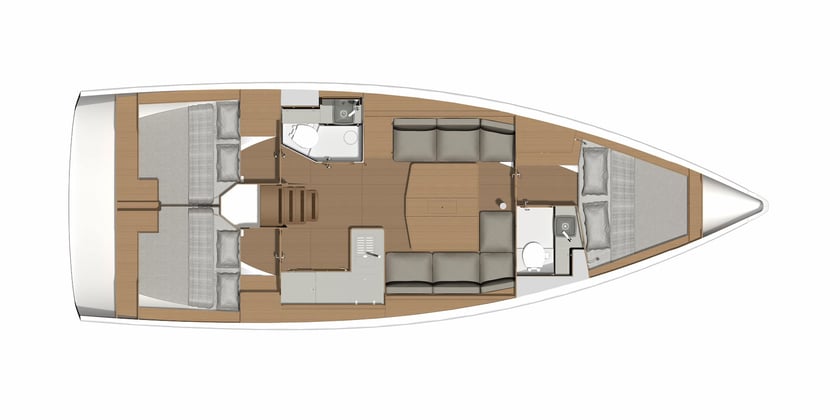
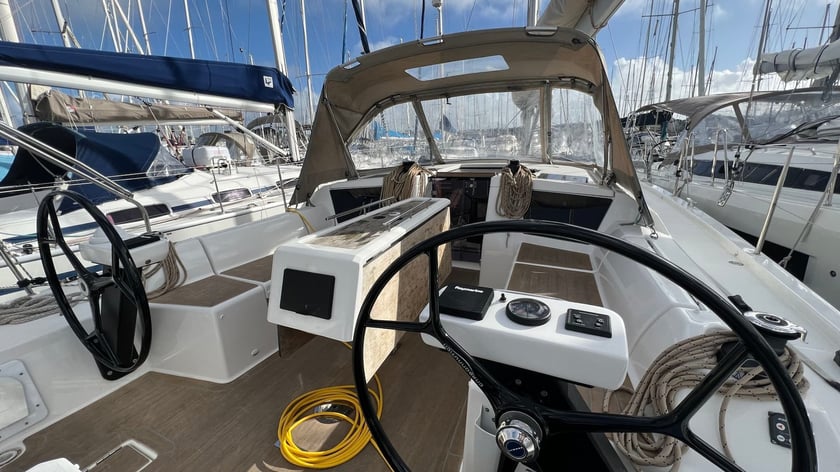
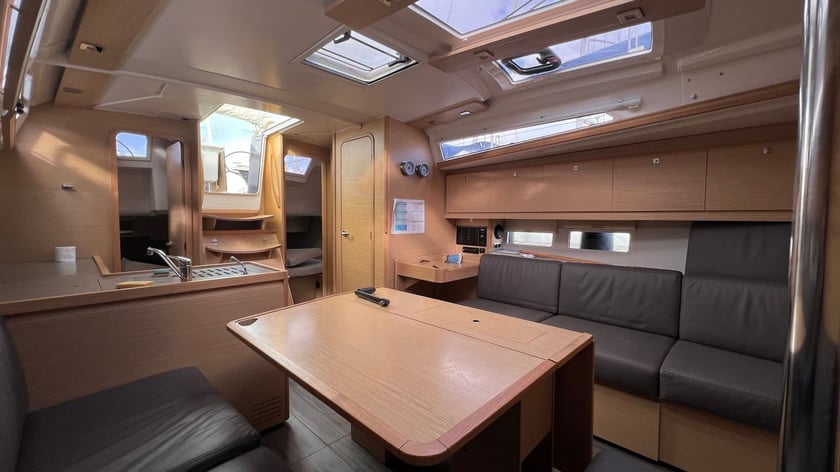
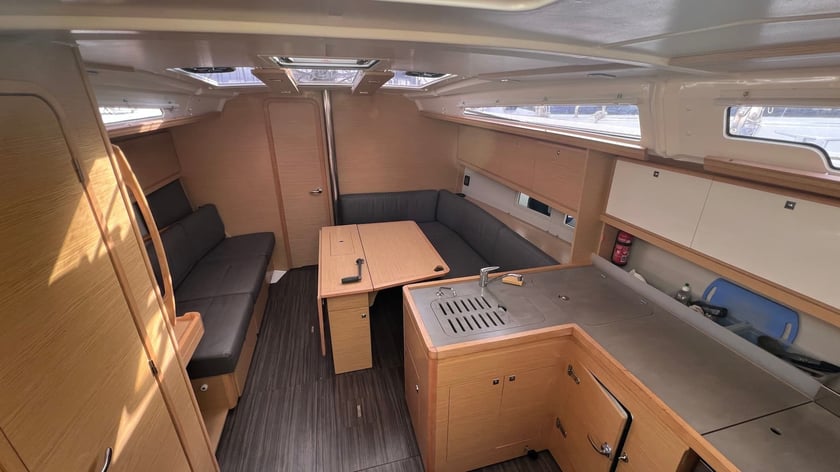
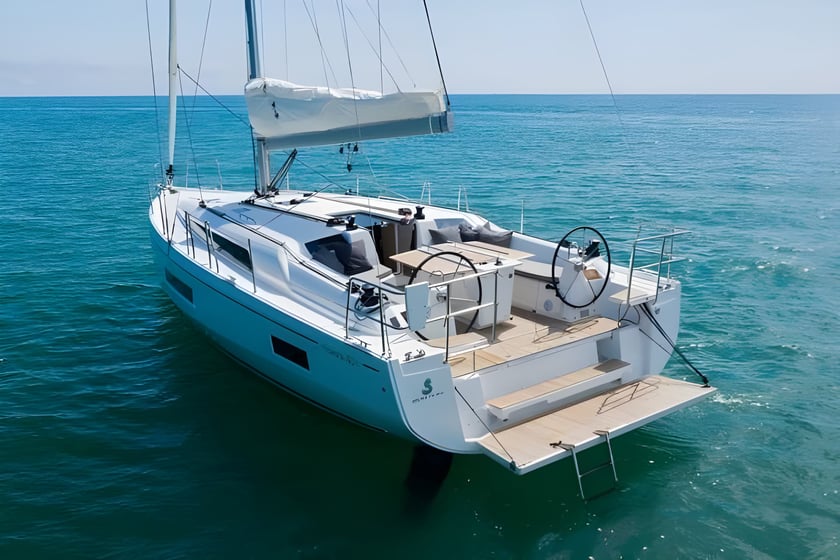
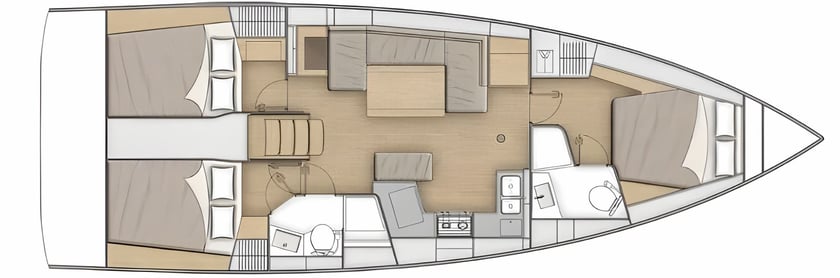
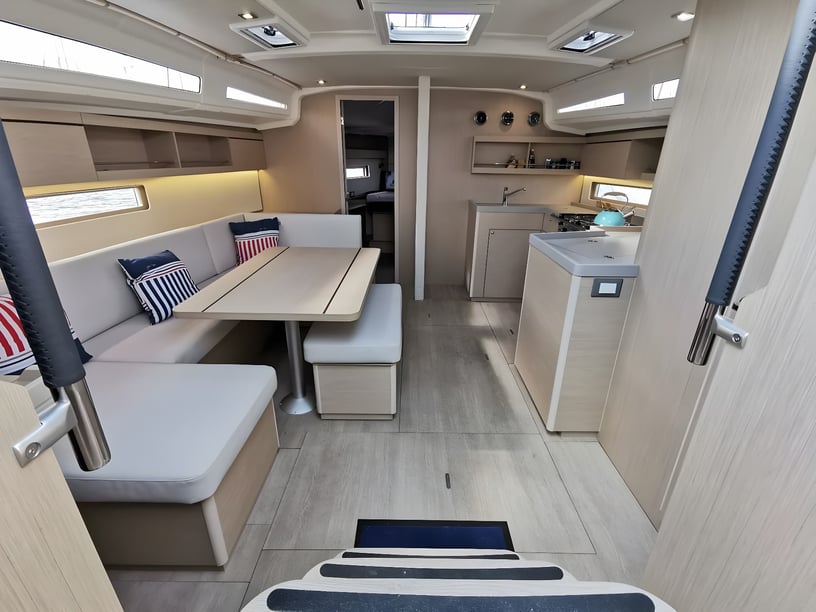
When comparing a boat rental in La Trinité-sur-Mer, begin with the intended route rather than choosing solely by trip length. A day in Quiberon Bay has different requirements from an overnight island cruise or a passage into the Gulf of Morbihan. Consider onboard comfort, shelter for cooler conditions and whether the person responsible for navigation has appropriate experience with tides, island approaches and changeable Atlantic weather.
Check current marine forecasts, official tide predictions and tidal-current information before departure. Inside the Crac’h estuary, boats should remain in marked navigation areas, observe the harbor speed limit and keep clear of oyster beds and working aquaculture vessels. Windproof and insulating layers are useful throughout the boating season, including summer.
Plans involving Houat and Hoëdic should also account for local anchoring, landing and wildlife-protection rules around protected seabird colonies. Keeping alternative routes available—for example, substituting a sheltered bay circuit for an exposed island passage—helps preserve the enjoyment of the trip without treating a fixed itinerary as more important than the conditions.