Yacht charter in Saintes
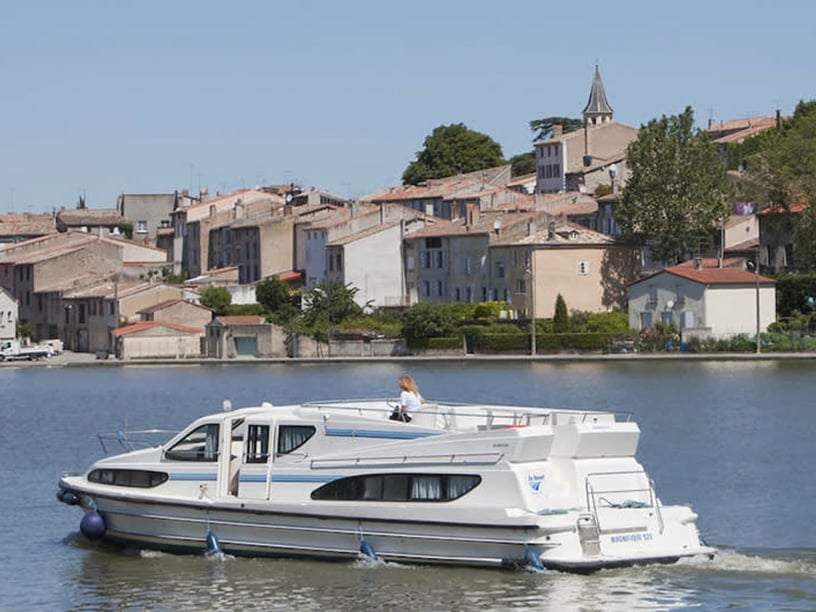
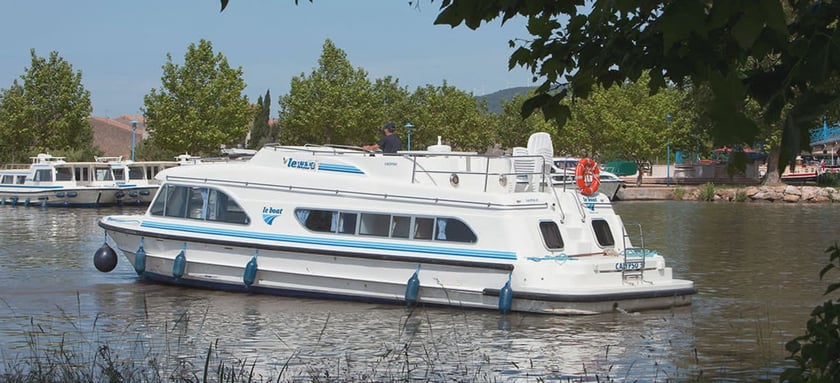
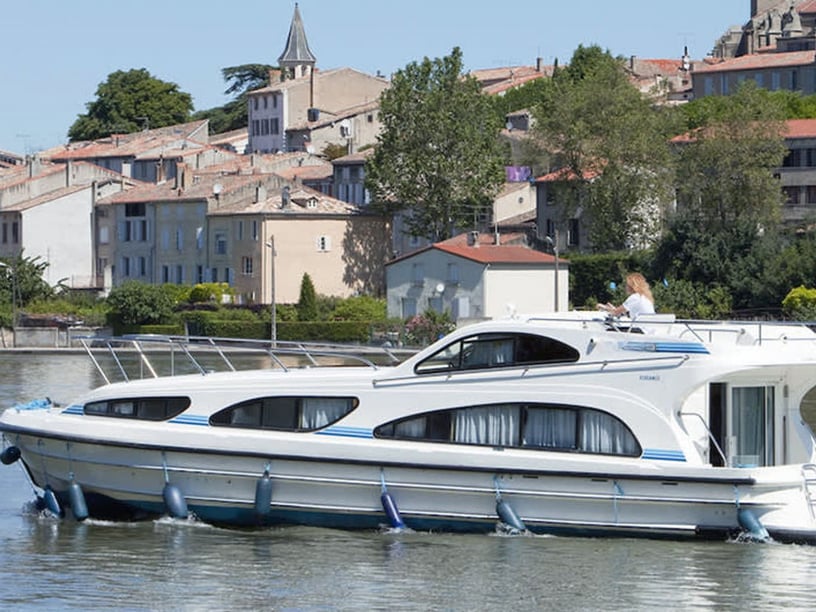
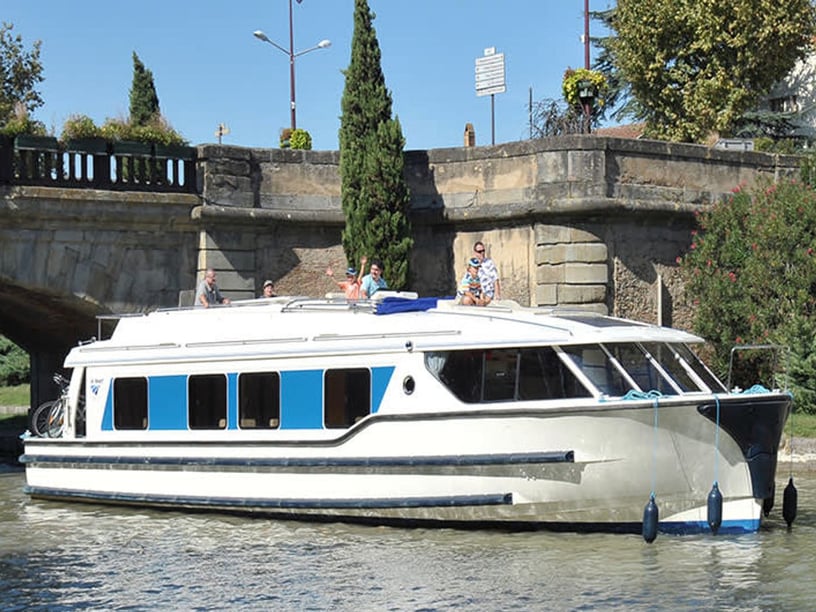
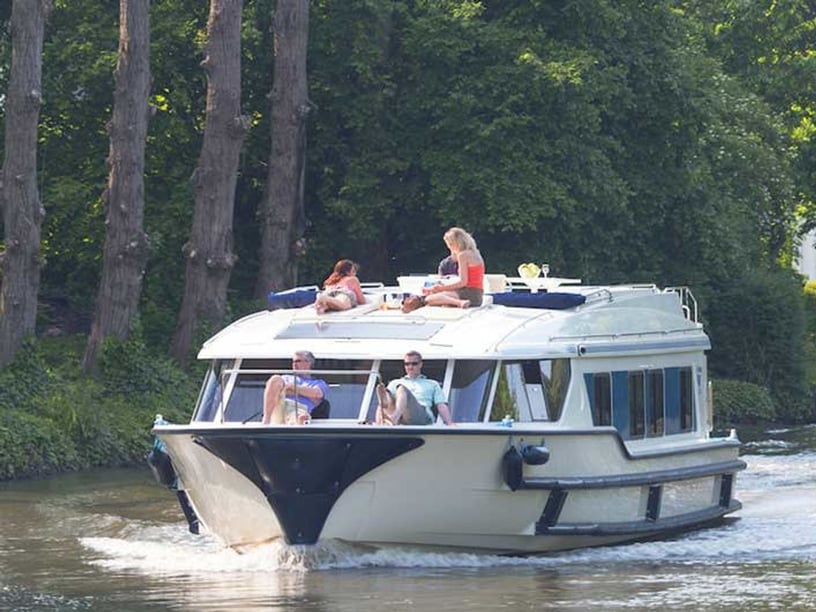
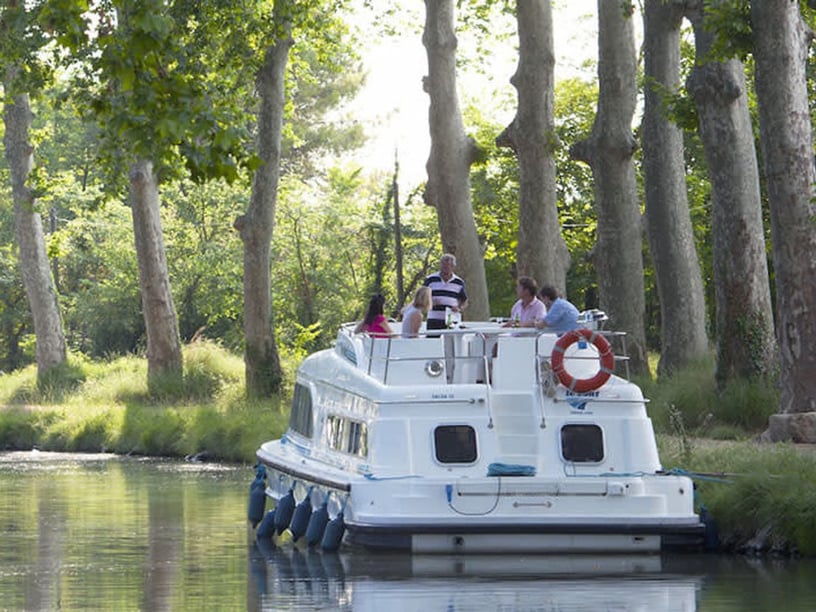
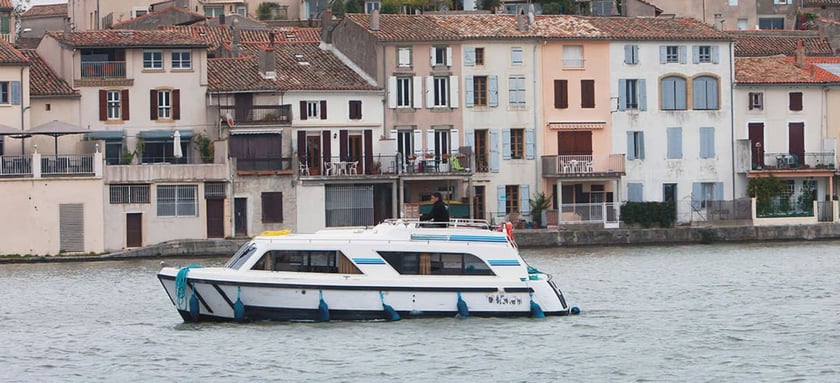
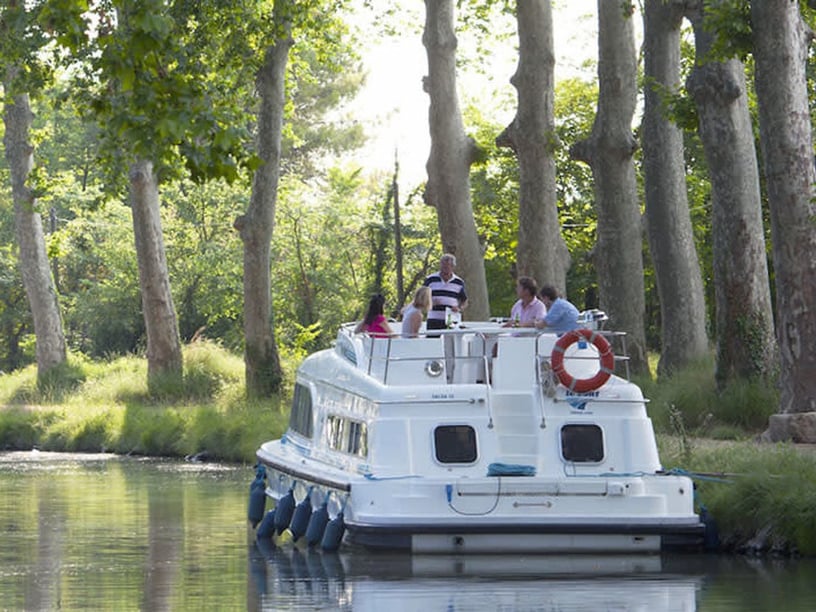
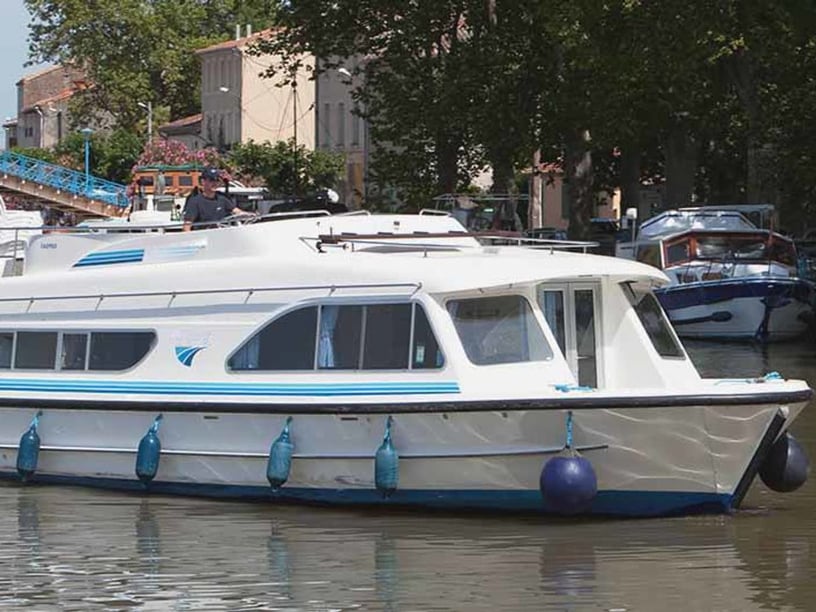
A yacht charter in Saintes is quite different from a conventional coastal sailing holiday. This historic city lies inland on the navigable Charente, where boating revolves around sheltered freshwater cruising, short electric-boat outings, passenger cruises and paddling rather than departures from a sea marina.
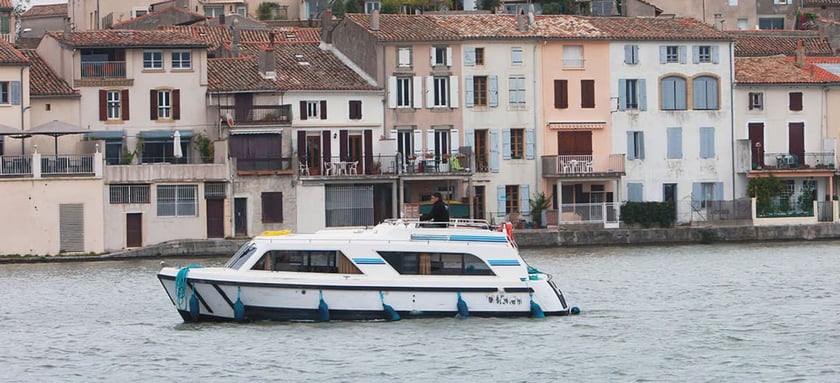
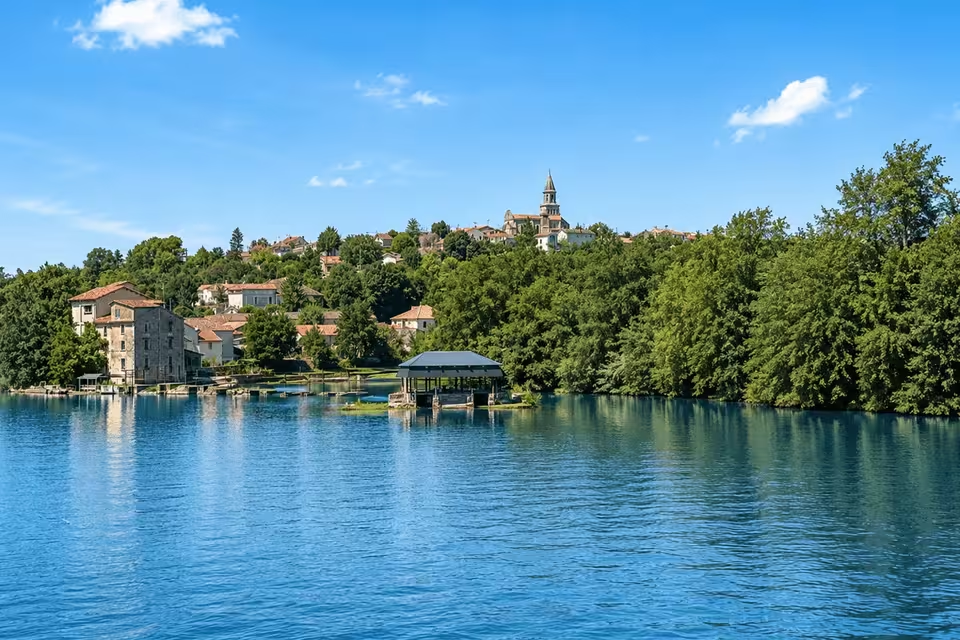
The river meanders through Saintes between low meadows and higher limestone ground, connecting the city with Cognac and Angoulême upstream and Saint-Savinien, Rochefort and the Atlantic estuary downstream. This setting makes Saintes most relevant as an urban river stop and a starting point for local excursions. Landings are close to historic streets and monuments, so time afloat can be combined easily with visits ashore.
Places to explore along the Charente
Chaniers is one of the most useful nearby stops for a river outing from Saintes. The area includes Île de la Baine and the Moulin de la Baine, and it appears on established passenger-cruise and paddle routes. Bussac-sur-Charente offers another direction for canoe or kayak trips from the eastern side of Saintes.
Downstream, Port-d'Envaux can form the turning point of a longer day on the water. The passage exchanges the city for broad riverside meadows and white-stone settlements. Designated freshwater bathing is available around Chaniers and Port-d'Envaux, unlike municipal stretches of the river in Saintes where swimming is restricted or prohibited.
Travelers continuing farther along the valley can encounter places such as Crazannes, Taillebourg and Saint-Savinien-sur-Charente, although locks, river conditions and operating schedules become increasingly important on longer journeys.
What cruising around Saintes is like
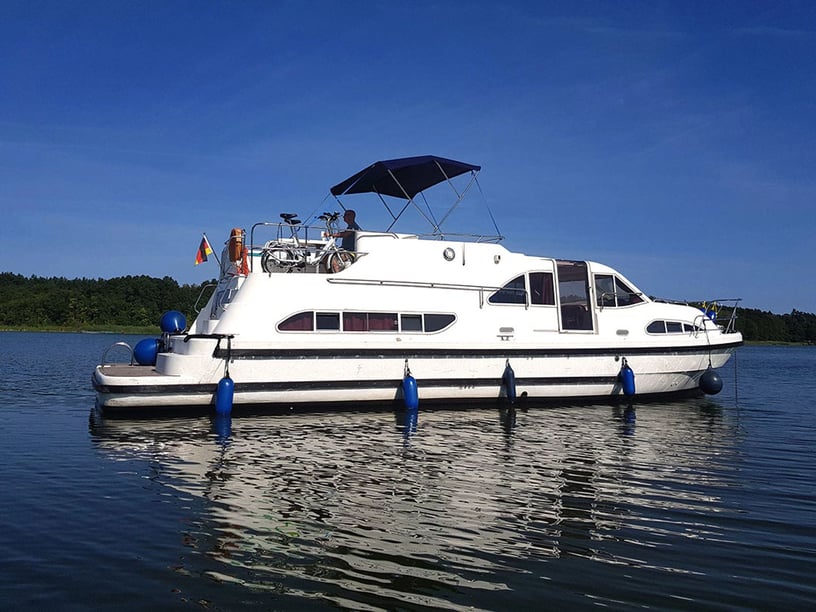
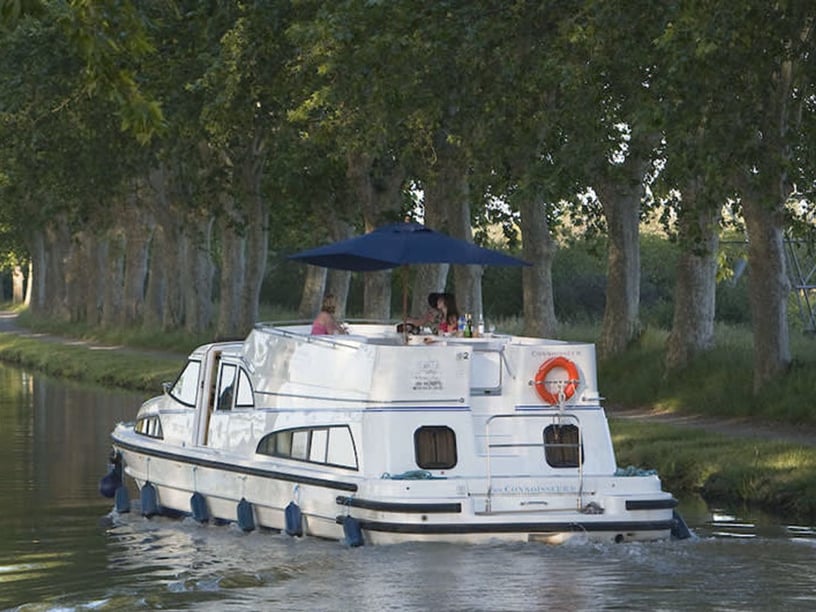
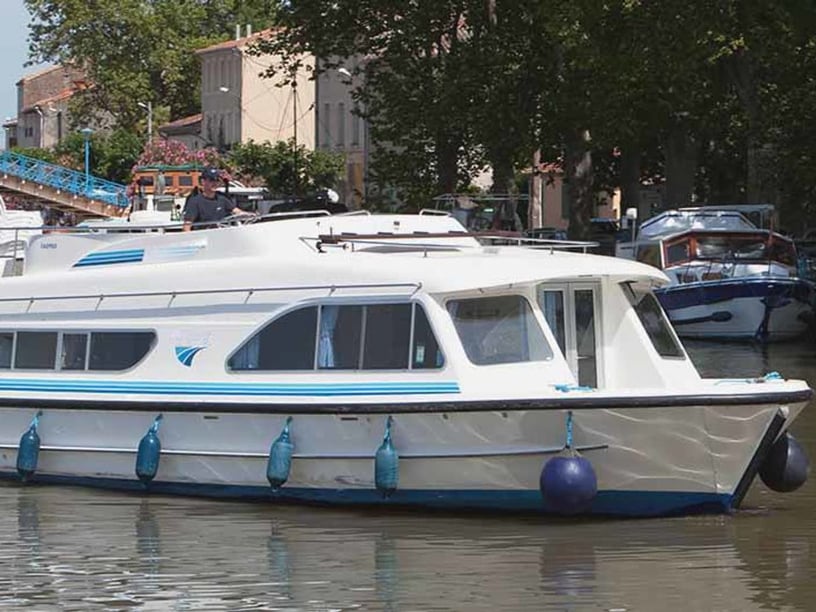
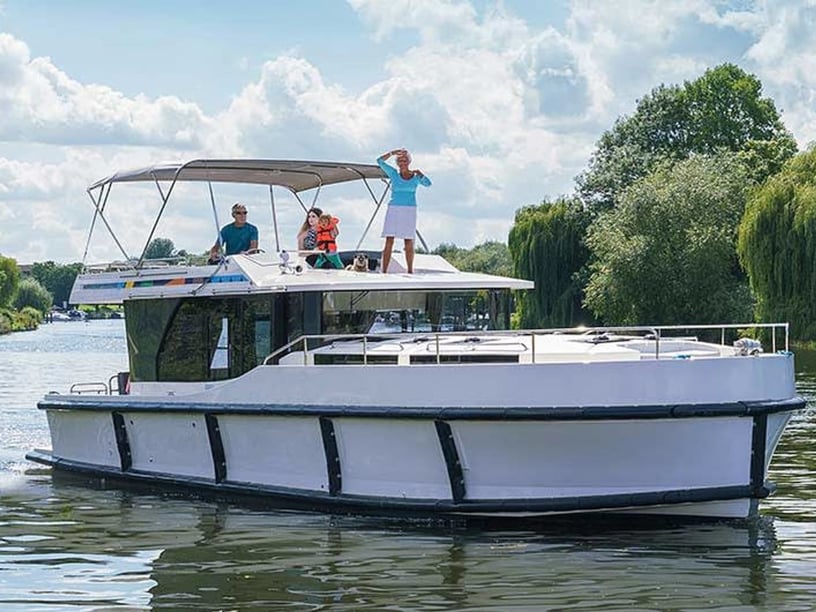
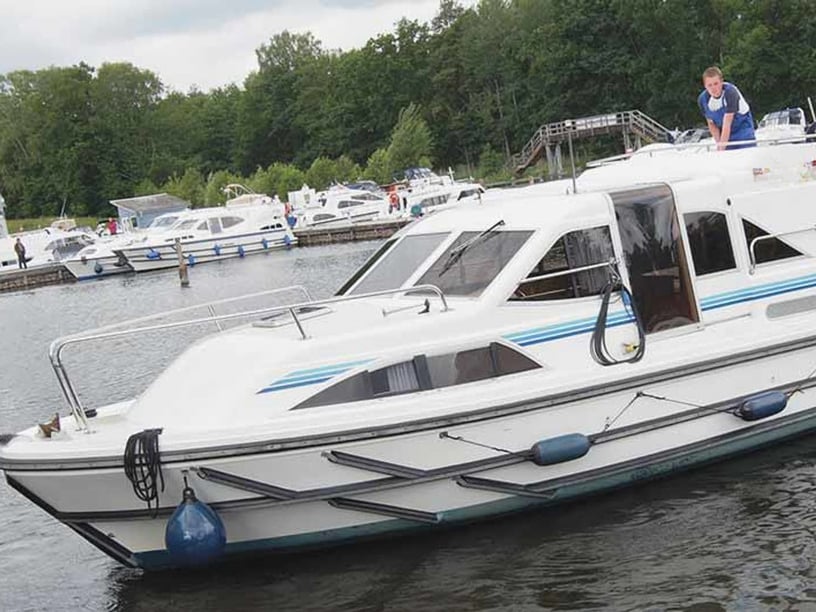
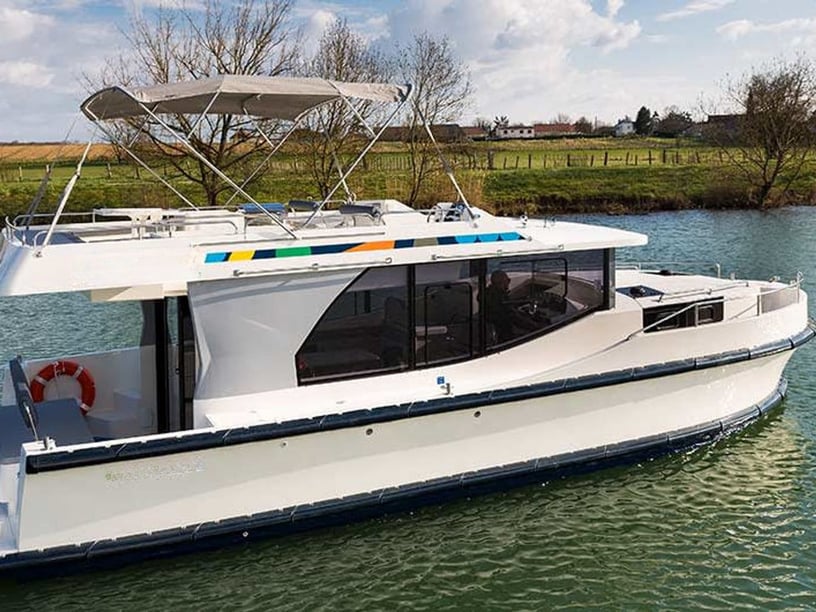
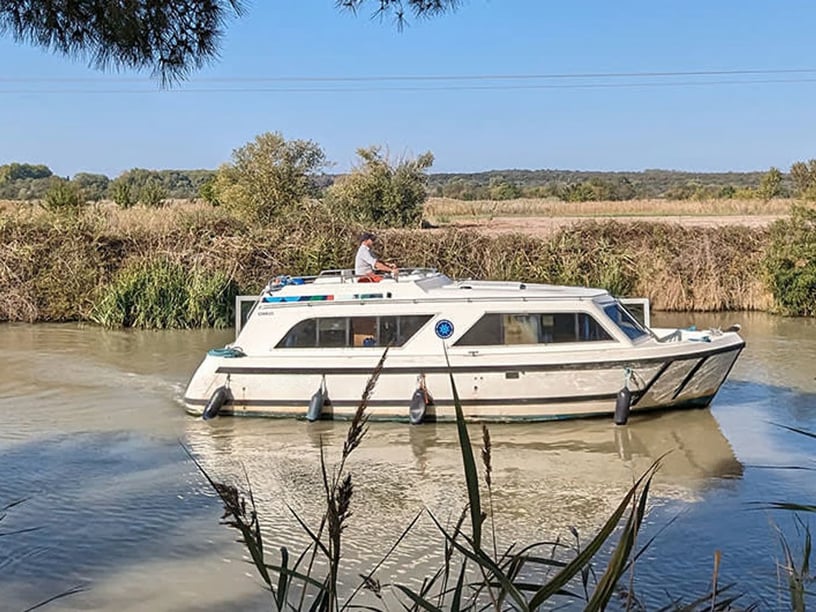
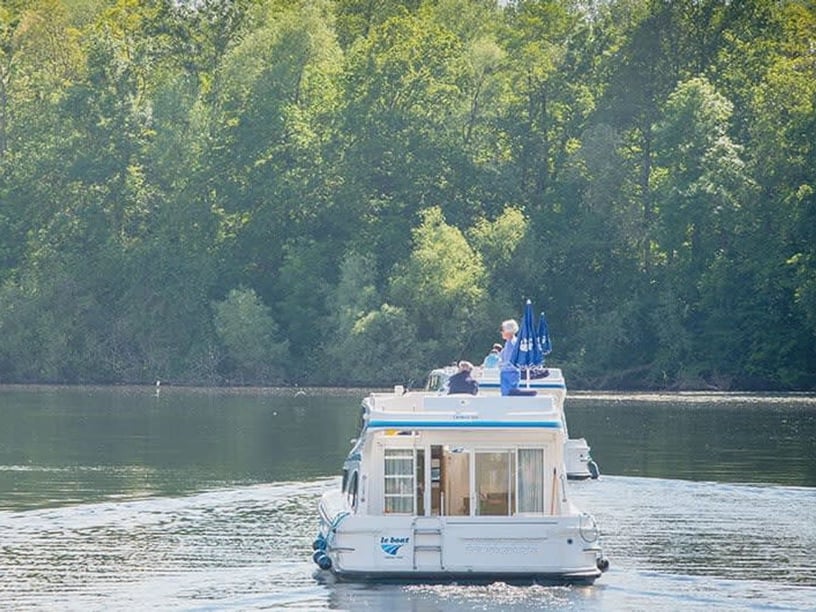
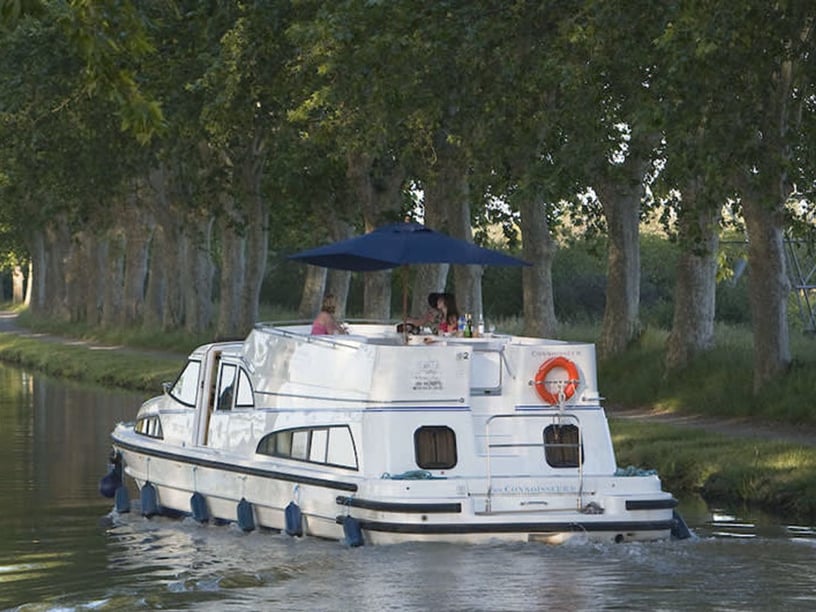
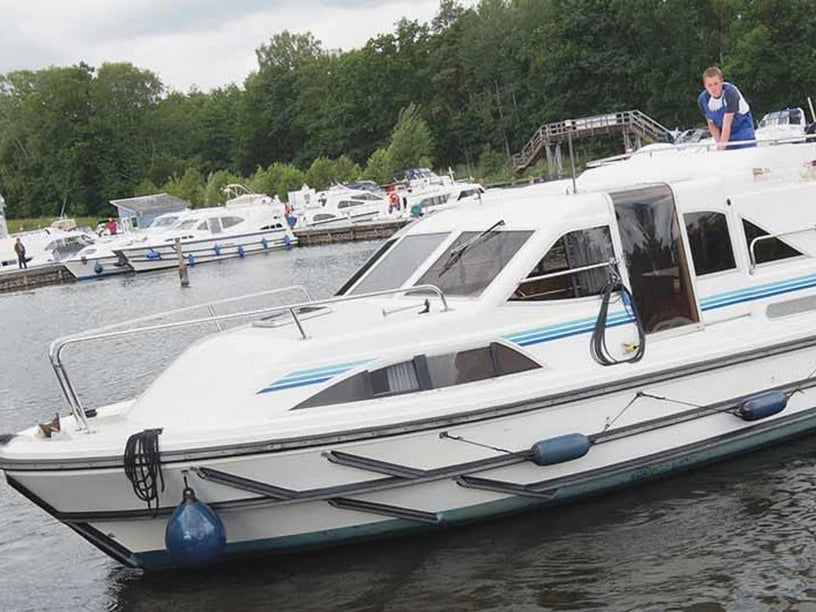
The Charente around Saintes is calm, low-gradient and protected from open-water swell. Average winds are modest, so the experience is defined less by sailing performance and more by river level, current, visibility and the pace of lock-controlled navigation. Motorboats, electric boats, passenger vessels and paddle craft are more characteristic here than sailing yachts.
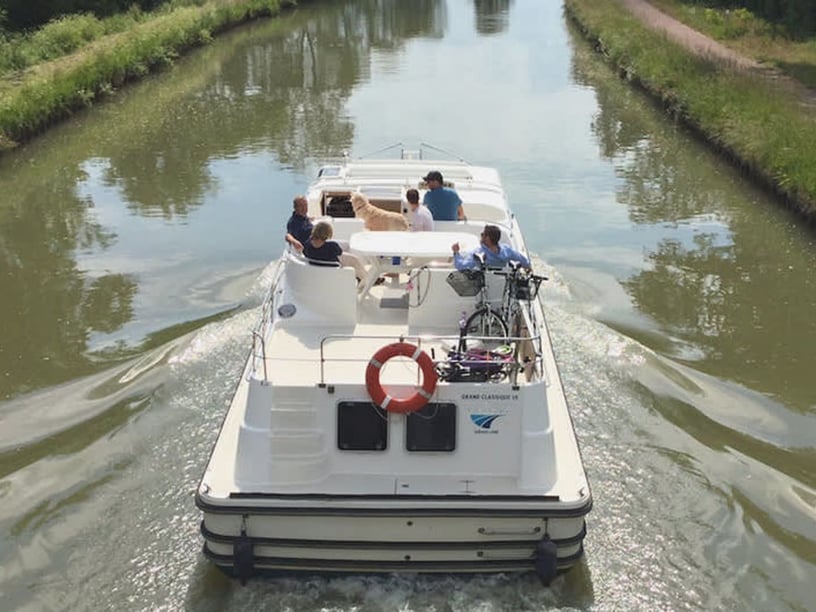
Local cruising is generally approachable for travelers new to boating, with slow passages through meadows and settlements rather than exposed sea crossings. That does not remove the need for preparation: high water can affect navigation, seasonal services may change with river flow, and longer routes require attention to lock operation and stopping points. The general river speed limit is 10 km/h, reducing to 5 km/h through communes, which reinforces the unhurried character of a Saintes boat rental or cruise.
The best season for boating
May through September is the principal period for cruising through the wider Charente network because locks are normally open during these months. Passenger cruises, electric-boat hire and paddle activities generally run from spring into October, although schedules can depend on weather and river flow.
July and August are typically the warmest and comparatively driest months. May, June and September often provide comfortable conditions for combining river time with walking around Saintes and nearby villages. April and October can still suit shorter outings, but travelers should expect more limited seasonal operations. The cooler half of the year is wetter, with reduced boating activity and a greater possibility of high river levels or flooding.
River routes from Saintes
An established full-day passenger-cruise pattern links Saintes with Chaniers and Port-d'Envaux. It combines an upstream stop around Chaniers and Île de la Baine with a later passage downstream, giving travelers a broad view of the river's urban and rural character.
A simpler return trip from Place Bassompierre to Port-d'Envaux concentrates on the lower valley and can work well for travelers who want a substantial river excursion without constructing a multi-day itinerary. For a more active outing, canoe and kayak routes from Courbiac head toward Chaniers or Bussac-sur-Charente. Independent crews considering longer navigation should check lock notices, river levels and suitable stopping places before departure.
History, landscapes and time ashore
Saintes stands out for the close connection between the river and its heritage. Passenger boarding near the Arch of Germanicus places travelers beside a monument associated with the former Roman bridge. The city, known in antiquity as Mediolanum Santonum, was the capital of Gallia Aquitania during the first century.
From the landings, travelers can continue on foot to the Gallo-Roman amphitheatre, Saint-Pierre Cathedral, Saint-Eutrope Basilica and the Abbaye aux Dames, founded in 1047 and now used as a cultural and musical center. The Prairie de la Palu provides another riverside setting within the city.
Cruising also recalls the Charente's working past. Gabares and other river craft once carried salt, stone, pottery, wine and eaux-de-vie between the interior and the Atlantic. Ashore, the wider Saintonge area adds regional flavors including Cognac, Pineau des Charentes, galette charentaise and mojhettes, the local white beans.
Reaching Saintes and finding the river
Saintes has a railway station with regional connections toward Bordeaux, La Rochelle and Angoulême, while drivers can reach the city from the A10 motorway via exit 35. The relevant airports are La Rochelle–Île de Ré, Bordeaux–Mérignac and Poitiers–Biard, each requiring an onward road transfer.
There is no coastal yacht harbor in Saintes. Boating infrastructure consists instead of river landings and haltes fluviales. Important local access points include the Quai Bassompierre passenger landing, the halte fluviale at Esplanade André-Malraux and the canoe and boat launch at Courbiac. These locations serve different types of outings and should not automatically be treated as conventional yacht-charter handover bases. Travelers should confirm the precise boarding or collection point with their chosen operator.
Planning the right charter experience
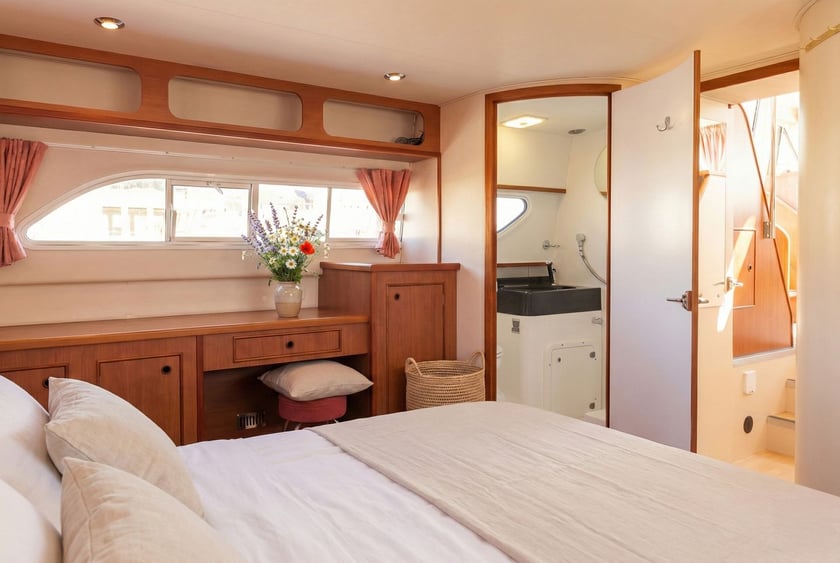
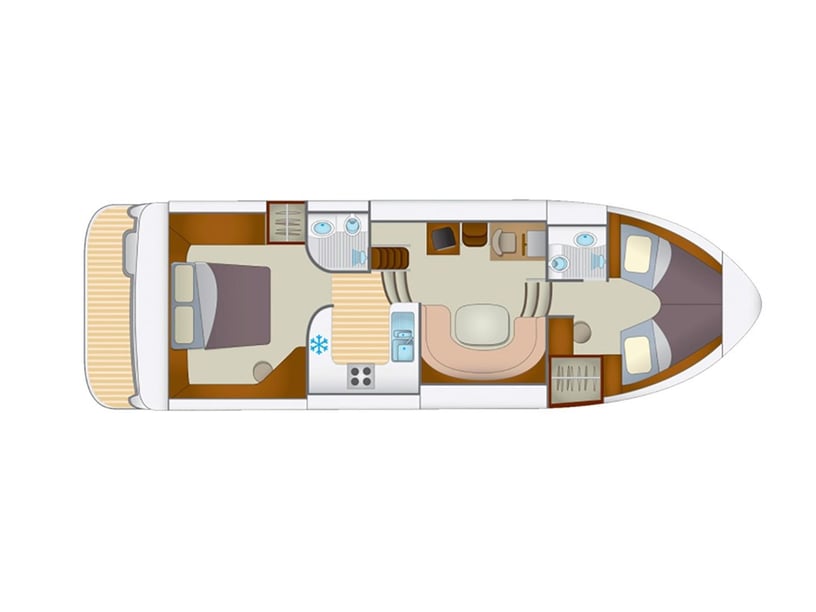
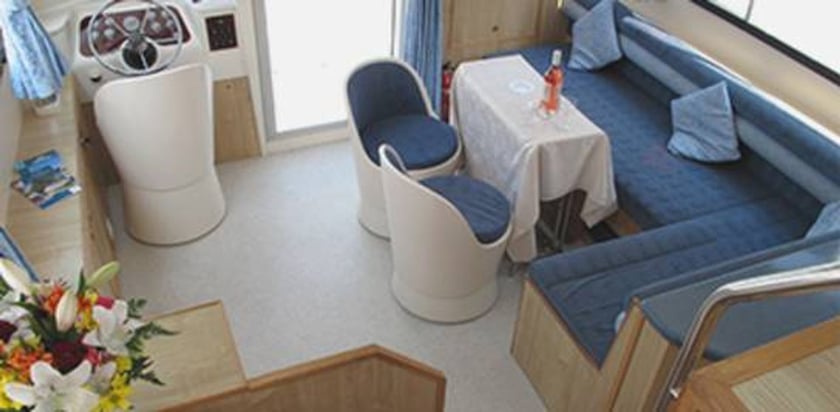
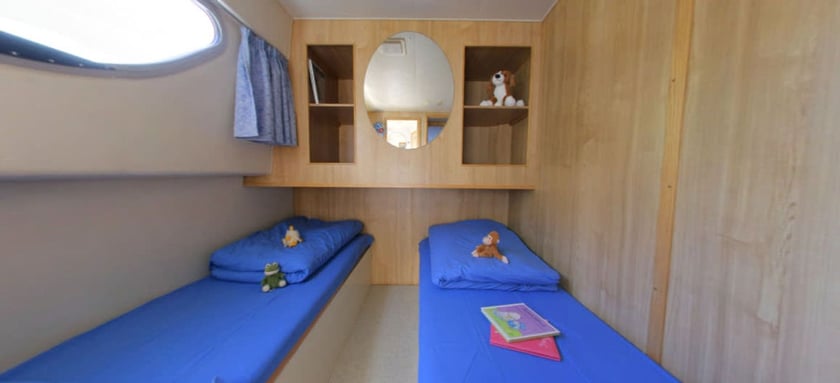
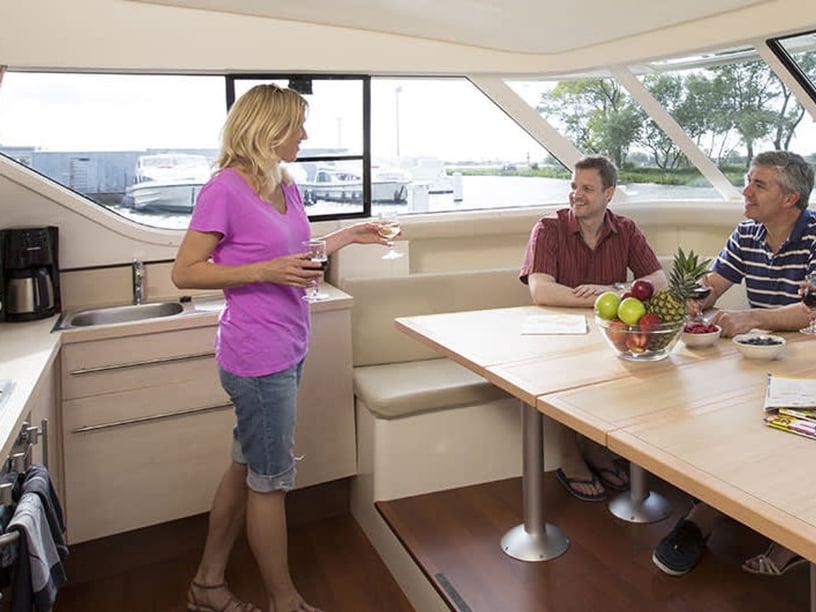
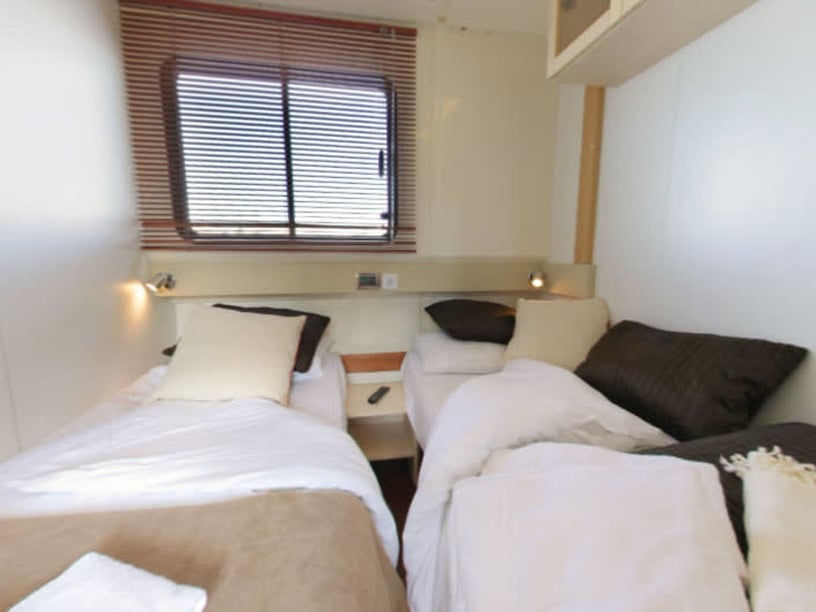
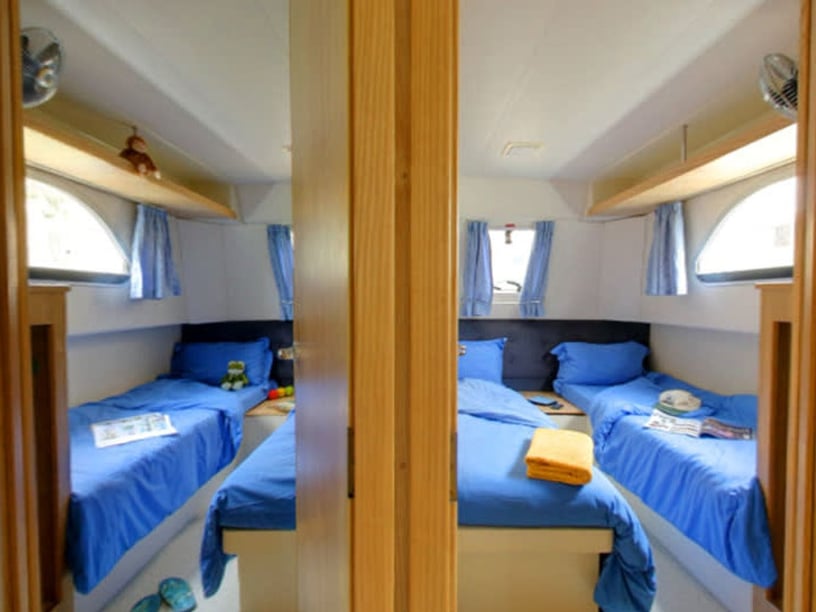
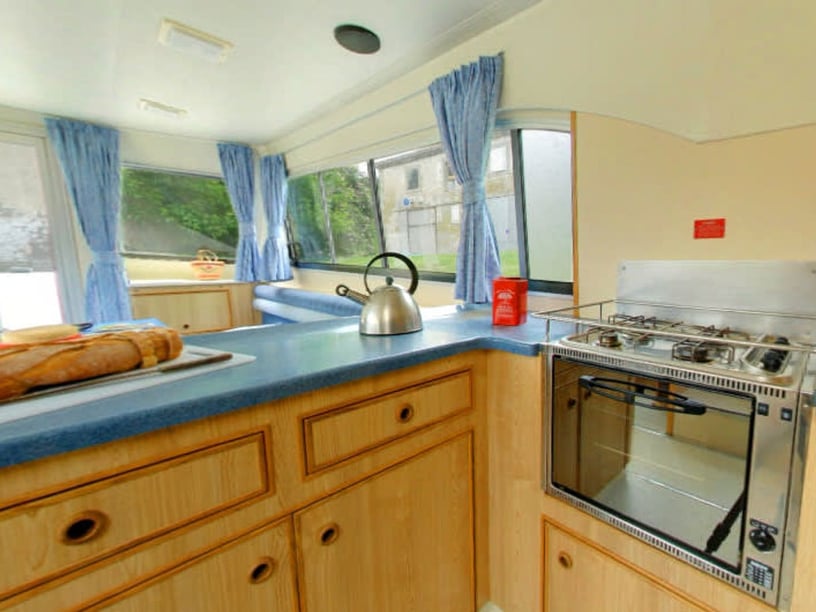
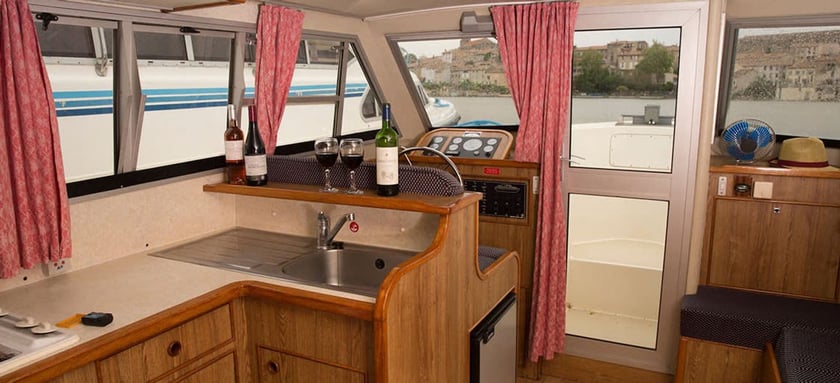
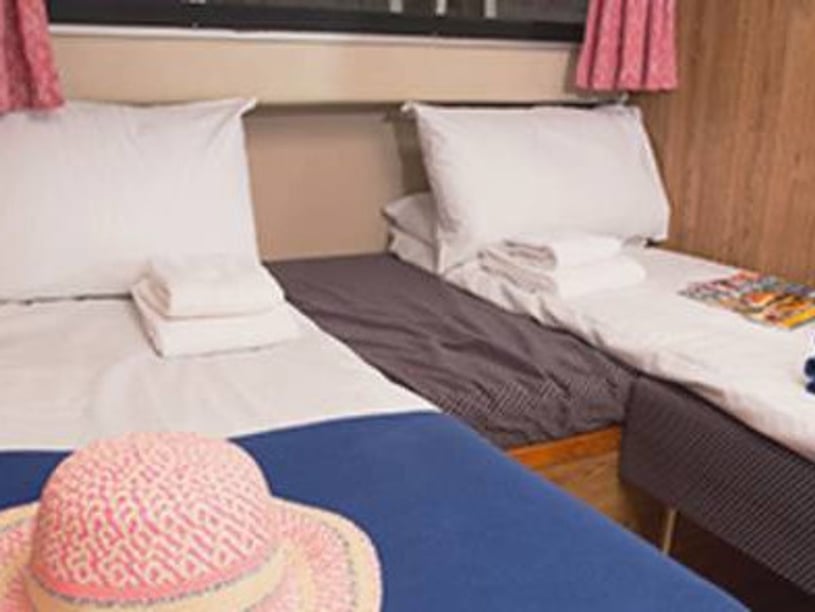
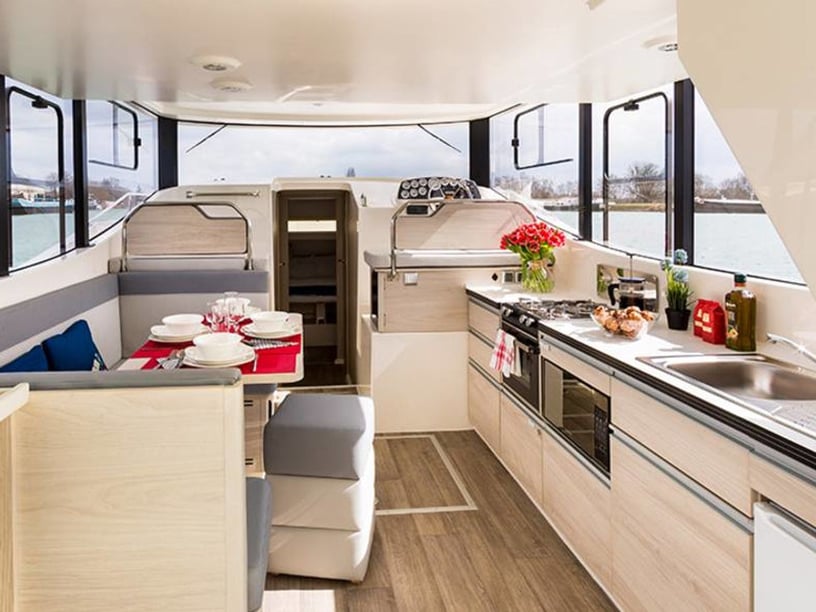
The first decision is whether you want a short self-drive outing, a passenger cruise, an active paddle trip or a longer river passage. Saintes is particularly well suited to scenic low-speed navigation, family outings and itineraries that place history ashore at the center of the day. Travelers expecting a cabin yacht, sailing passages or open-sea conditions should recognize that Saintes offers a river-cruising experience instead.
When considering boat rental in Saintes, check the craft type, operating area, boarding point and seasonal timetable. For longer trips, confirm lock availability and current navigation notices; locks are normally open from May 1 through September 30, but conditions can change. River-level information is especially important in the wetter months, when flooding may affect both navigation and access. Swimming plans also require care because bathing restrictions apply in municipal sections around Saintes.
For a wider view of how this inland experience compares with other boating regions, explore yacht charter in France.