Yacht charter in Sireuil
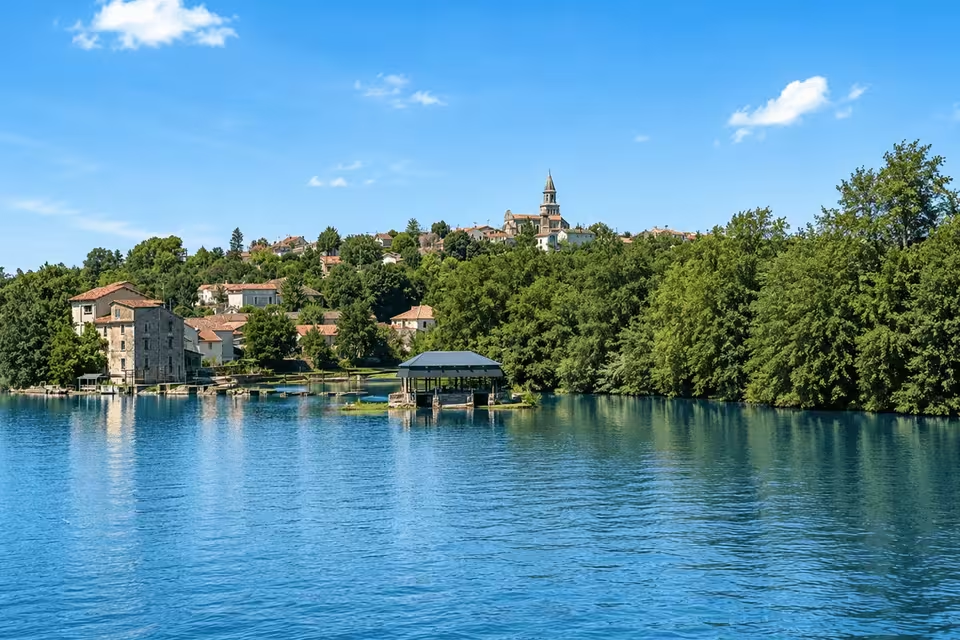
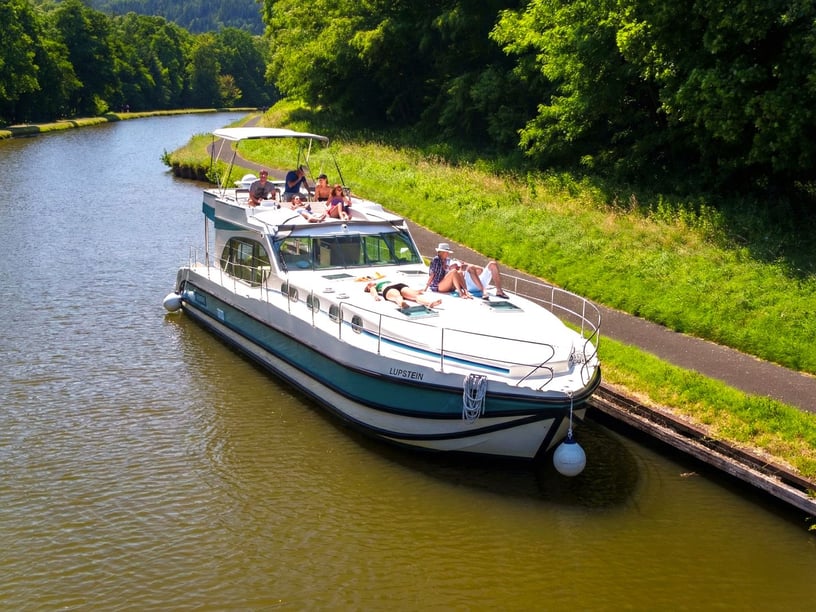
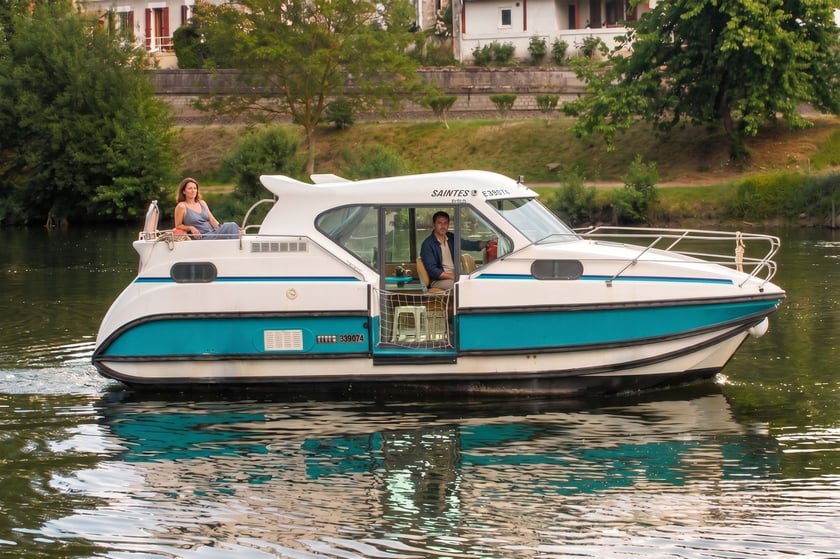
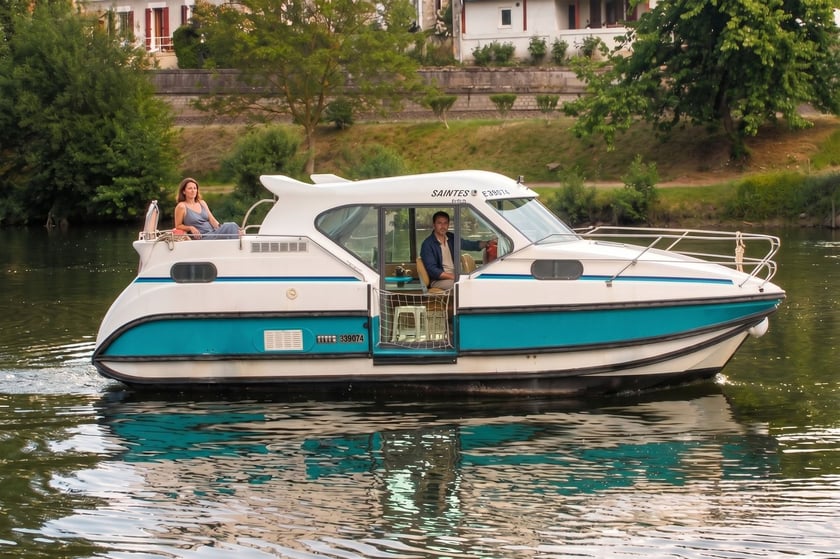
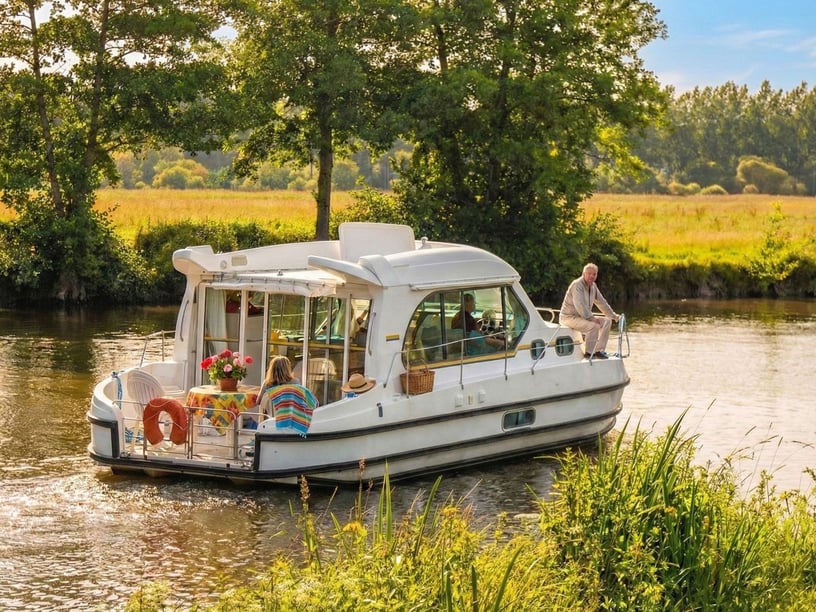
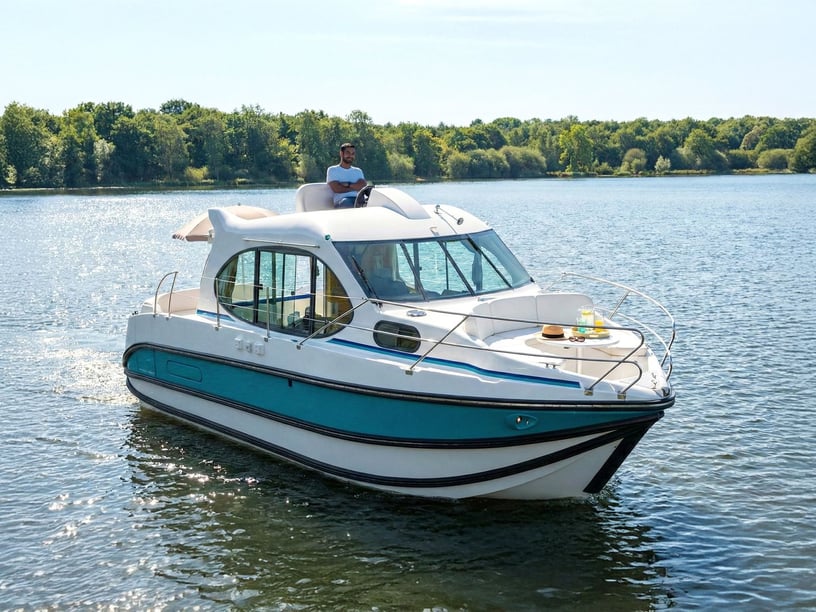
Sireuil is a small inland boating base on the Charente River, around 15 km west of Angoulême. In this setting, a yacht charter in Sireuil is not a coastal sailing holiday: the characteristic choice is a low-speed motorized houseboat for self-drive river cruising. The non-tidal Charente winds through wooded slopes, vineyards, islands and small settlements, offering a gradual journey in which locks and stops ashore shape the pace.
Its position allows crews to travel upstream toward Angoulême or downstream into the Cognac-producing landscape. This makes Sireuil relevant both as a quiet departure point and as an introduction to the heritage of the Charente valley. Travelers comparing this experience with coastal or canal cruising can also explore other yacht charter destinations in France.
Places to explore along the Charente
Upstream, Angoulême provides a contrast to Sireuil’s rural surroundings, combining a historic center and cultural attractions with the upper limit of normal recreational navigation on this part of the river. Downstream, Saint-Simeux is associated with traditional river fisheries, while Châteauneuf-sur-Charente and Saint-Simon form part of a landscape shaped by river trade and vineyards.
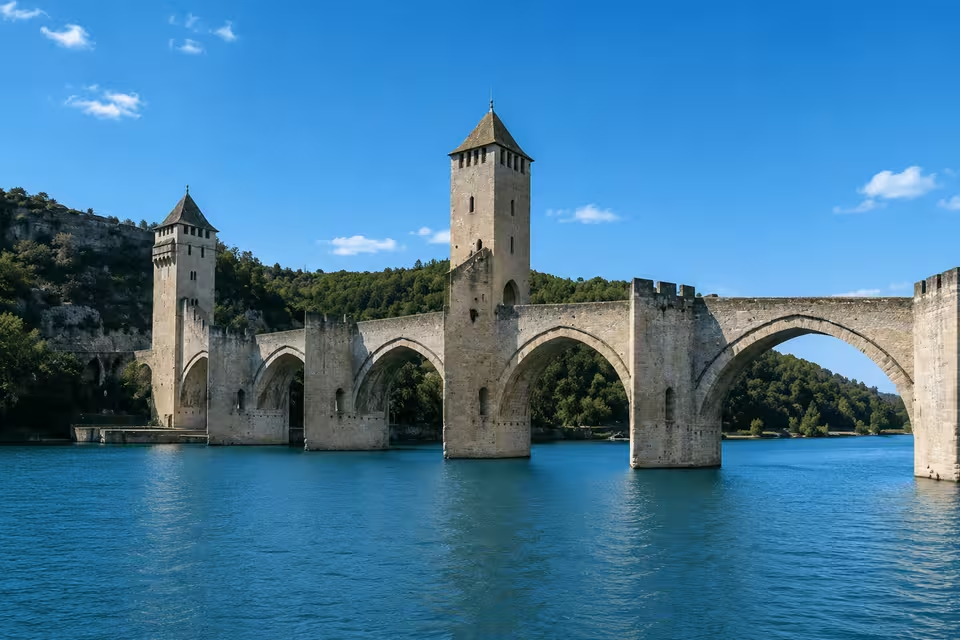
Farther west, Jarnac and Cognac are natural objectives for travelers interested in the area’s food, drink and commercial history. Longer cruises can continue to Saintes, where Roman and medieval heritage adds another dimension to the trip. Close to Sireuil, the riverfront, stone bridge, lock and Île de la Liège provide local points of interest without requiring an ambitious itinerary.
What cruising from Sireuil is like
The Charente around Sireuil is sheltered, gently winding and non-tidal, with little wave action. Wind therefore matters less than it would on open water, and the overall difficulty is considered easy. The experience is better described as slow river navigation than sailing: most recreational craft are motorized houseboats, and progress is punctuated by bends, divided channels around islands, weirs and lock cuts.
Most locks are manual and operated by the crew. A traveler generally needs to step ashore, handle gates and sluices, and rejoin the boat after passage. This makes the journey more participatory but also means that at least one reasonably mobile crew member is important. Prolonged rain can raise the river level and strengthen the current; navigation stops during officially defined flood conditions, so local notices remain relevant even on an otherwise sheltered waterway.
The best time for river cruising
The normal recreational boating season runs approximately from April through October. June, July, August and September are identified as the most suitable months, with generally warmer, sunnier and calmer conditions. July and August form the principal summer activity period, so crews planning for these months should allow for stronger seasonal demand.
May and September can offer active cruising conditions outside the core summer holidays, while April and October are more variable and typically cooler. Autumn and winter become wetter and windier, and they fall outside the main cruising period. For longer downstream itineraries, check the operating dates of locks and services, particularly where the river approaches Charente-Maritime.
Charente cruising routes from Sireuil
A short upstream return journey links Sireuil with Angoulême, combining a rural river passage with time in the historic city. Downstream, the established Sireuil–Jarnac return route passes Saint-Simeux and Châteauneuf-sur-Charente before entering more of the Charente vineyard landscape.
Travelers who want greater variety can combine both directions, first reaching Angoulême and then turning downstream toward Jarnac and Cognac. A longer return cruise to Saintes extends the journey through the Cognac region to one of the river’s major heritage towns. Route choice should reflect the time needed for locks and unhurried navigation rather than distance alone; water levels, local notices and any limits imposed on rental craft may also affect how far a crew can travel.
Life on and beside the river
A Sireuil boat rental suits travelers who value scenic cruising, history ashore, fishing and regional gastronomy more than open-water sailing. Days naturally alternate between steering along quiet reaches, working manual locks and stopping in riverside settlements. The vineyards downstream connect the cruise with the Cognac-producing landscape, while historic towns provide opportunities to go ashore between navigation stages.
Sireuil itself reveals how closely local history is tied to the river. Cargo gabarres once carried salt, coal, iron, food and manufactured goods along the Charente, using towpaths for the difficult upstream journey. In the nineteenth century, the village developed as an industrial river port associated with wireworks, steelmaking and tanneries. The Romanesque Église Saint-Orient and the former forge and tannery riverfront add cultural interest before or after departure.
Reaching Sireuil and starting the trip
The principal local departure point is the Inter-Croisières nautical base at Pont de Sireuil, reinforcing the village’s role as a practical starting place for inland cruising. Port l’Houmeau in Angoulême and the pleasure port in Cognac are relevant facilities along the wider route, although the character of the trip remains river-based rather than marina-to-marina coastal cruising.
Sireuil is primarily reached by road and lies about 5 km from the N10. Rail travelers usually arrive at Angoulême station, which has high-speed and regional services, then continue by taxi or arranged transfer. Bordeaux Airport is the main airport for international access, with onward travel possible by rental car or by rail via Bordeaux Saint-Jean and Angoulême.
Planning the right charter
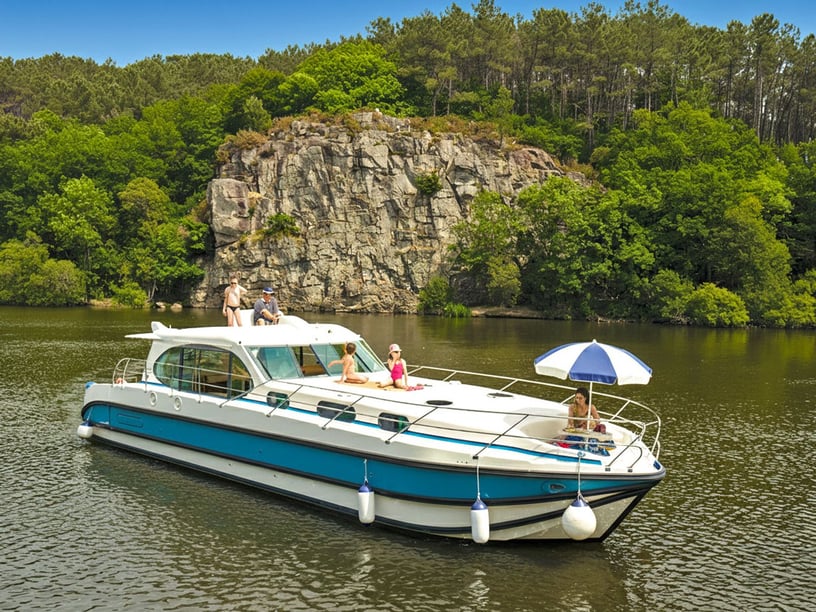
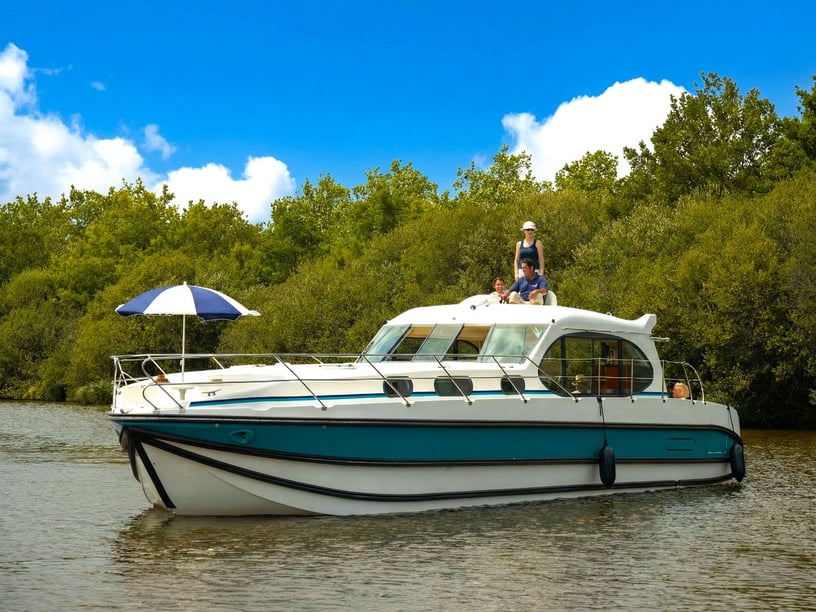
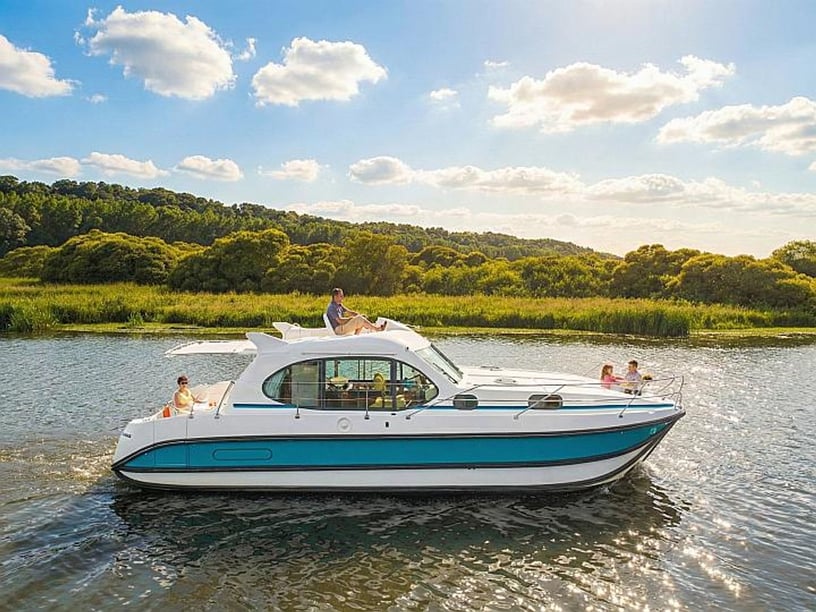
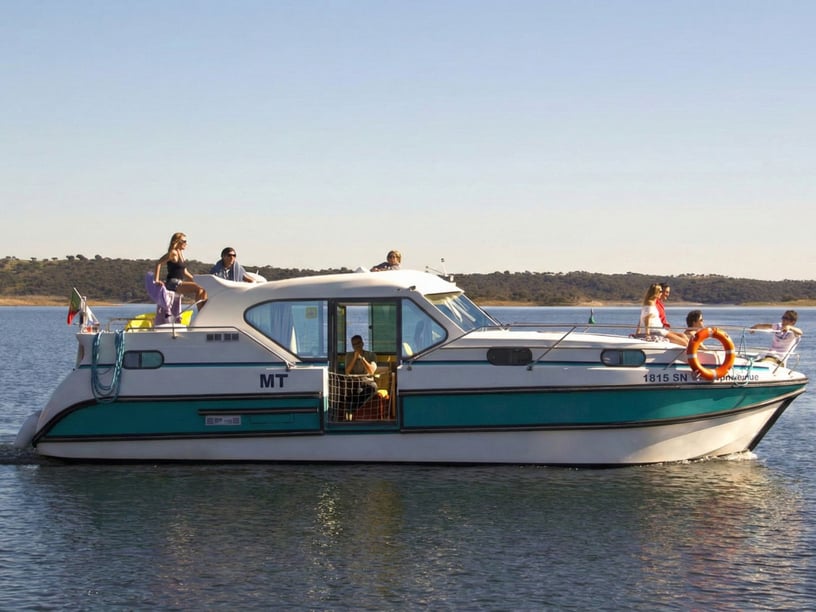
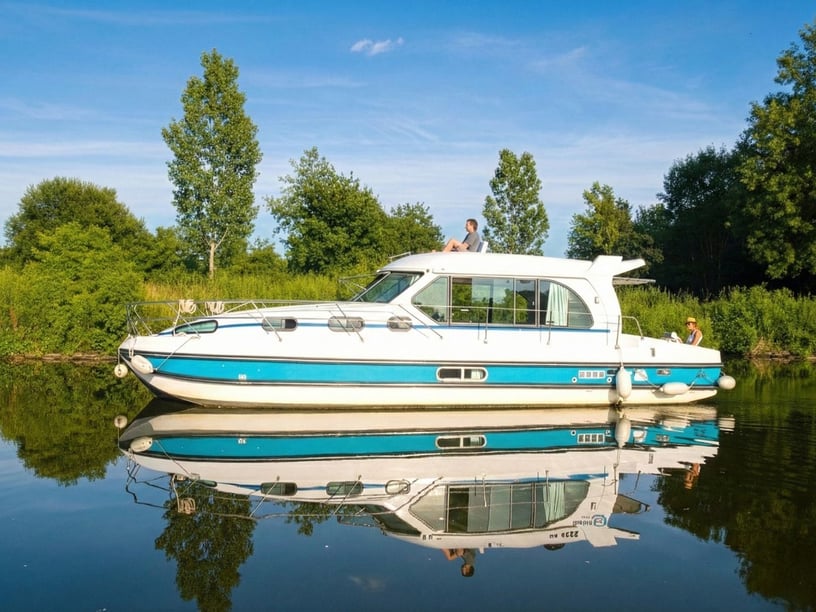
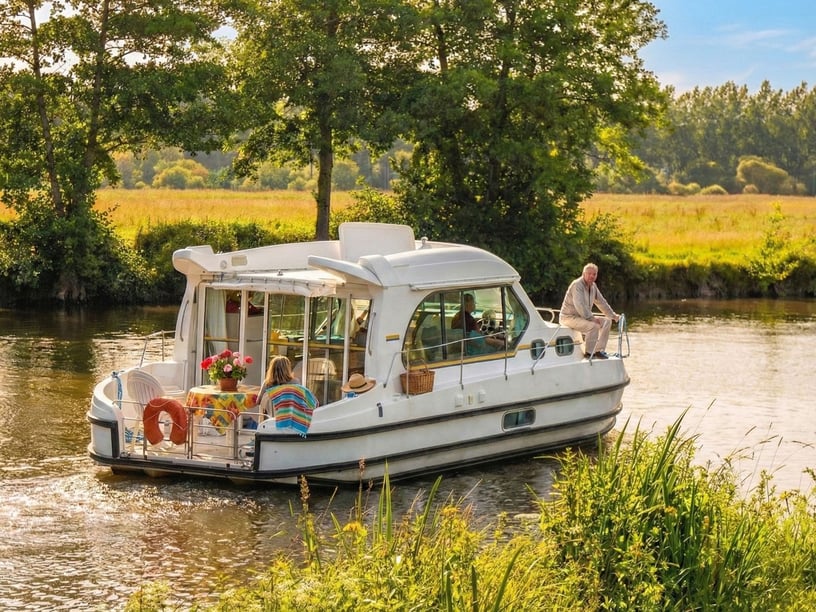
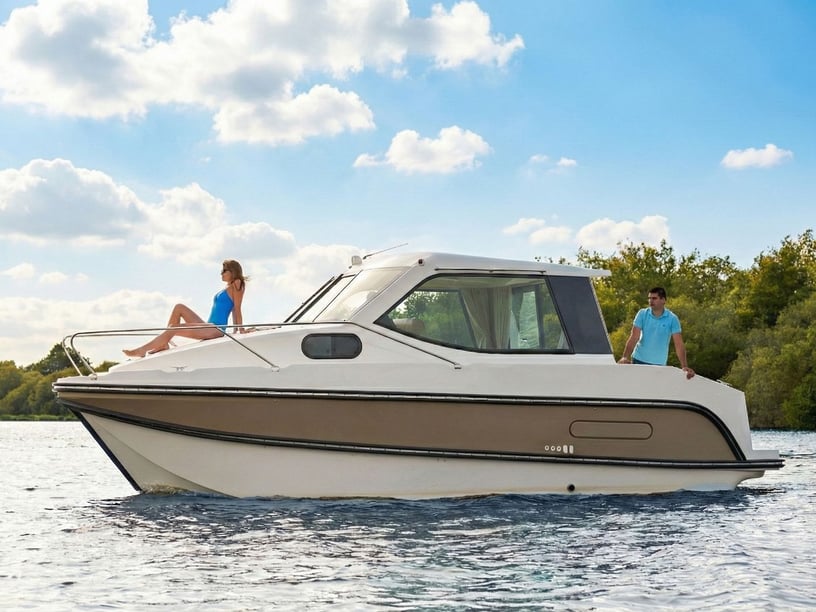
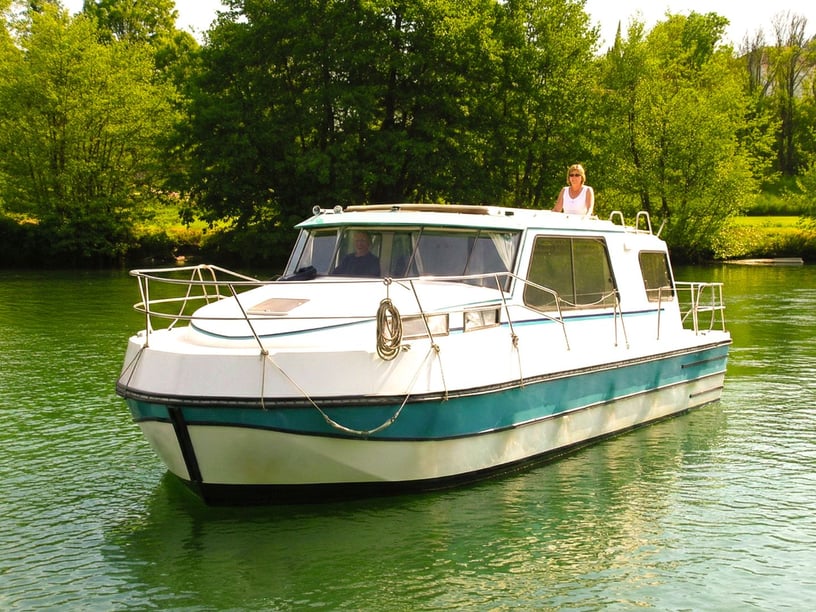
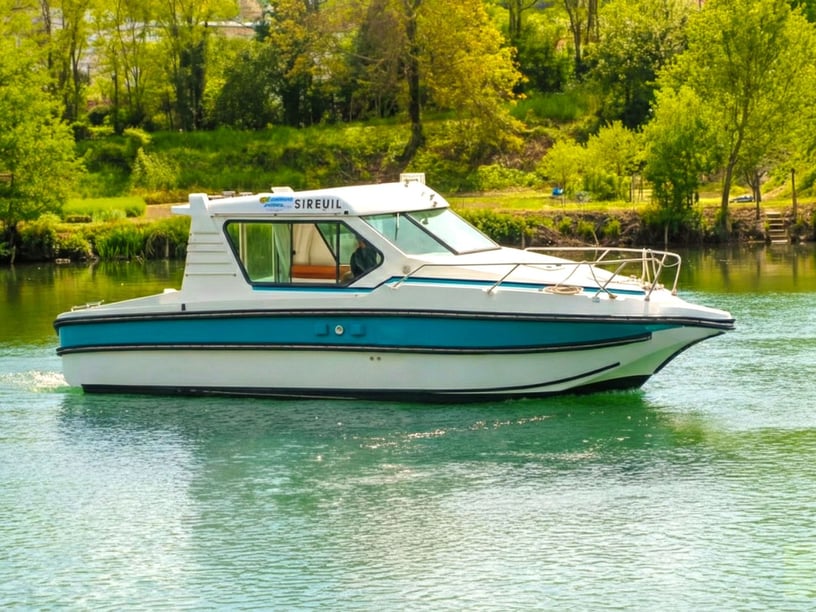
The typical local format is a self-drive motorized houseboat rather than a sailing yacht, catamaran or crewed seagoing vessel. Hire boats can commonly be operated without a personal boating licence after instruction at the base, while private powered craft remain subject to French inland-navigation licensing rules. Confirm the operating requirements for the specific vessel before departure.
Choose a boat and itinerary with lock work in mind. At least one crew member should be comfortable getting on and off the boat and operating gates from the bank. Crews should also consult the applicable navigation regulations, check river levels and review local notices shortly before setting out. High water can disrupt an itinerary, and conditions on the maritime section farther downstream differ from those near Sireuil; rental fleets may set their own navigation boundaries.
Basic services are available in the village, but provisioning before departure or in a larger nearby town is sensible for longer cruises. When comparing charter choices, prioritize manageable boat dimensions, sleeping arrangements, onboard facilities and the crew’s willingness to handle locks over features designed for open-water performance.