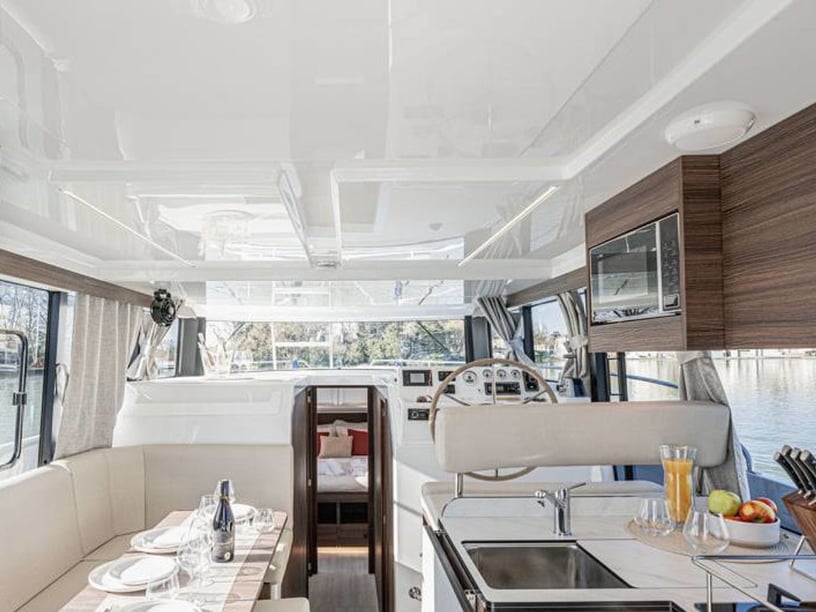
Yacht charter in Douelle
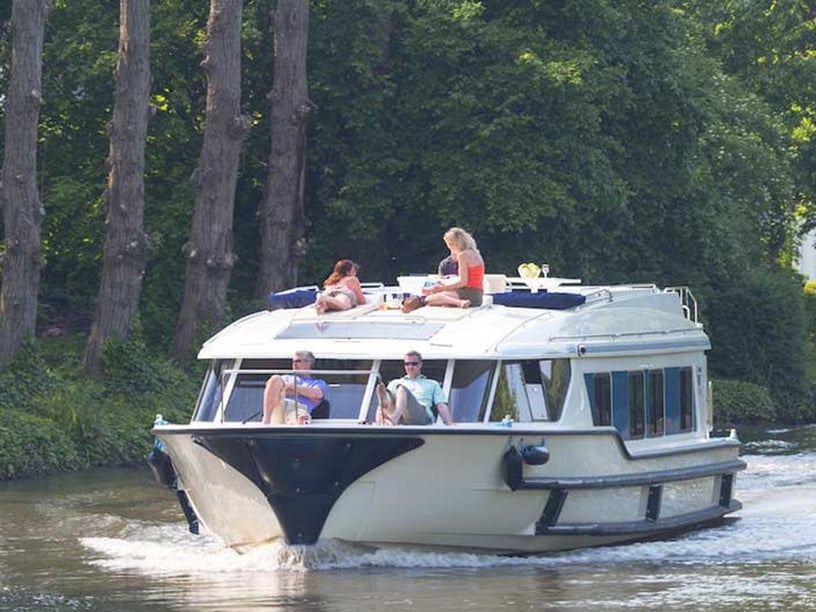
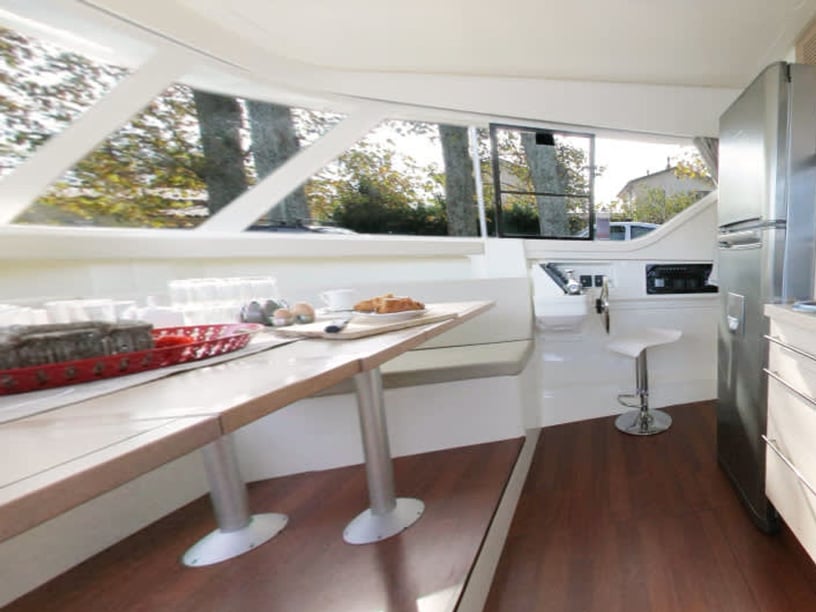
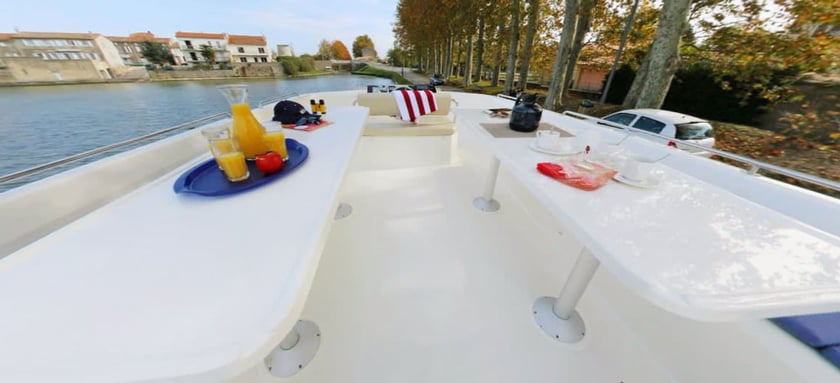
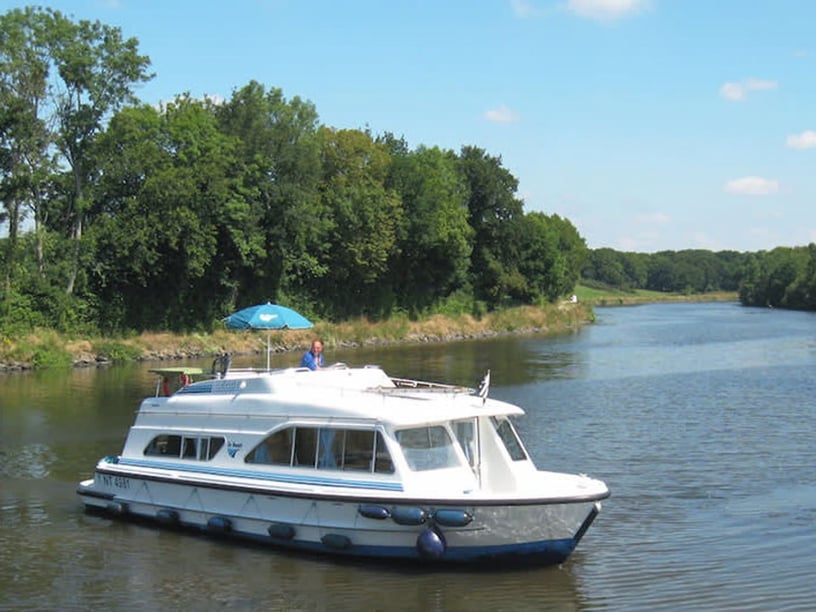
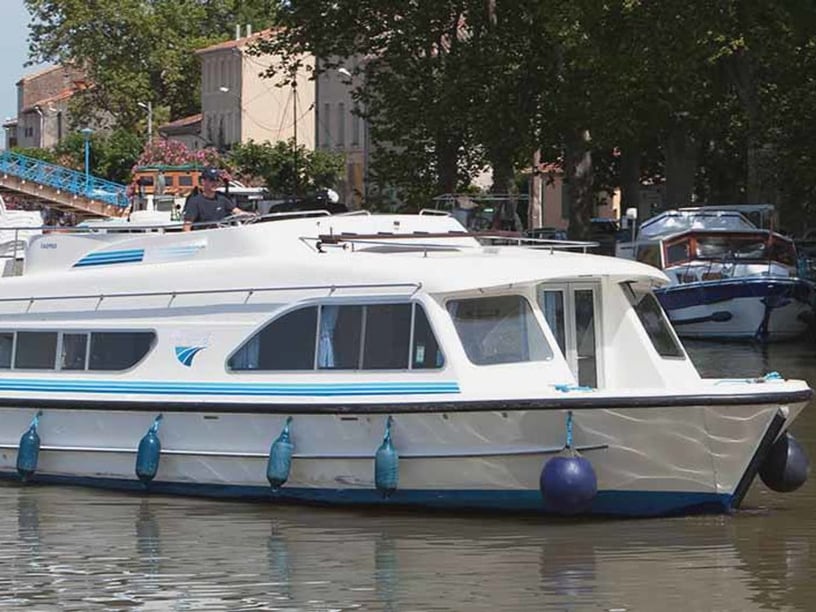
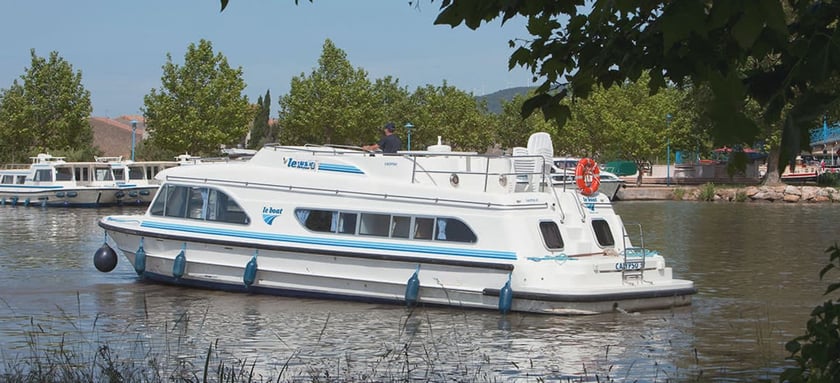
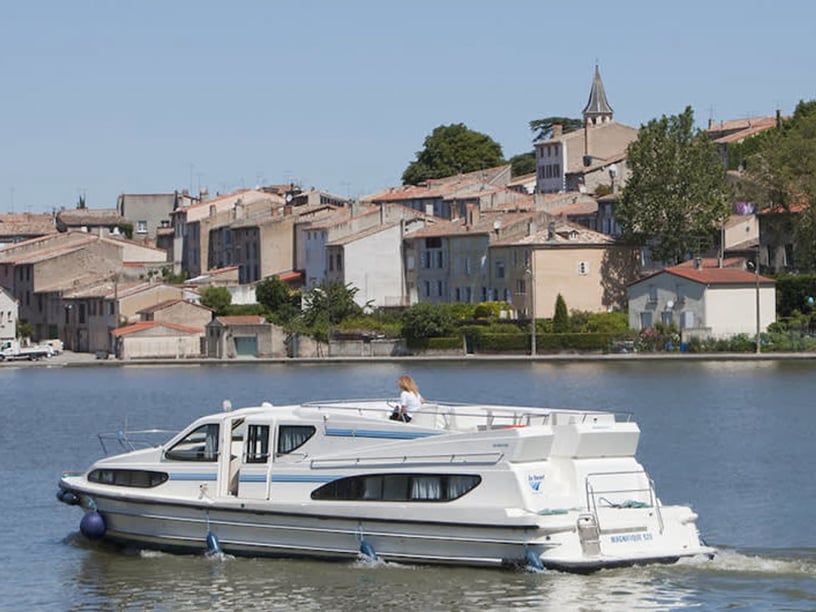
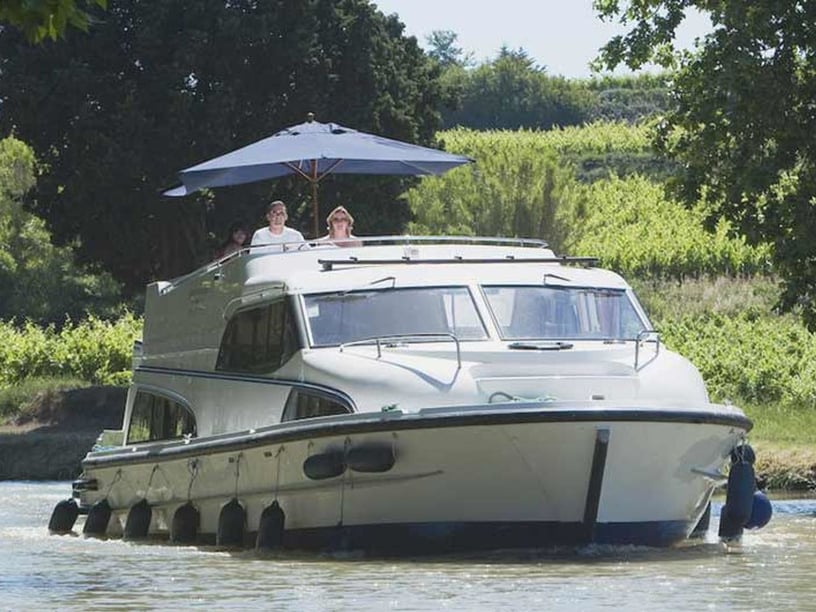
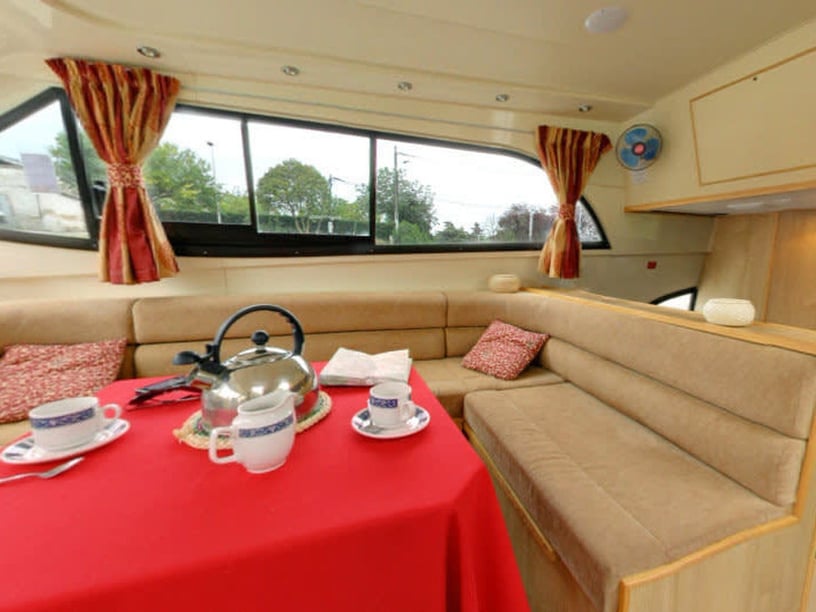
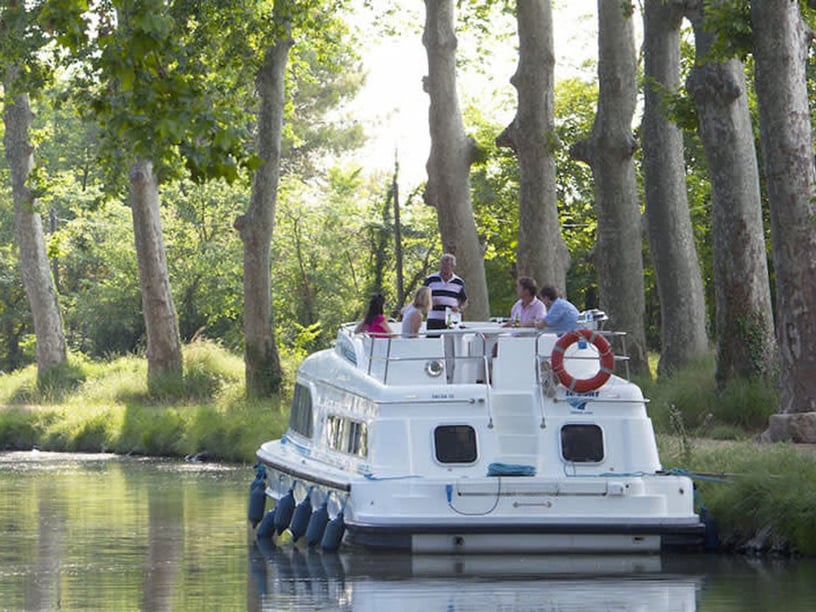
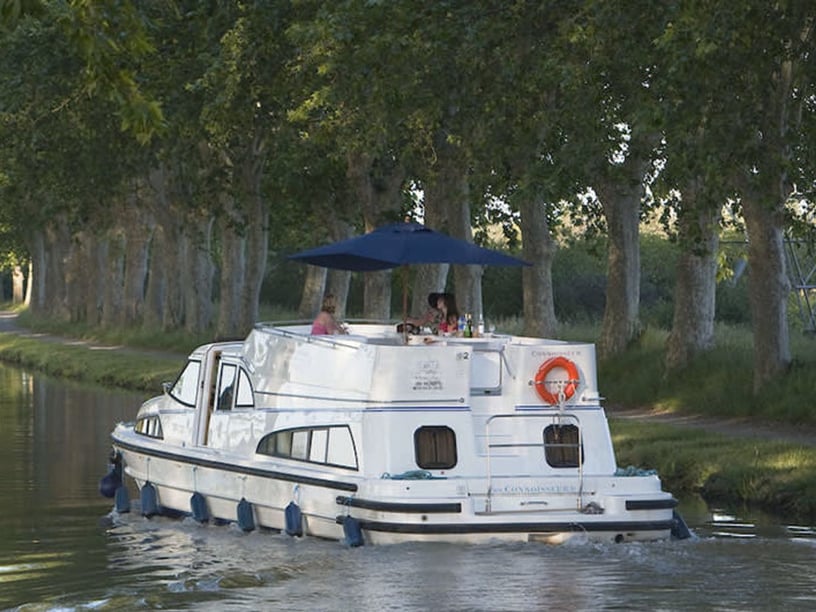
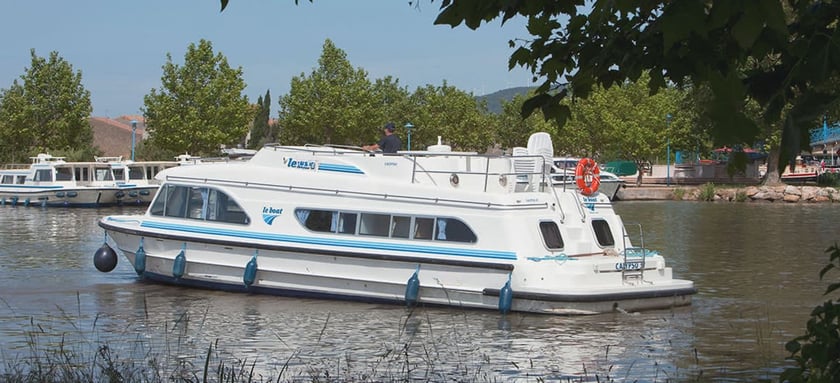
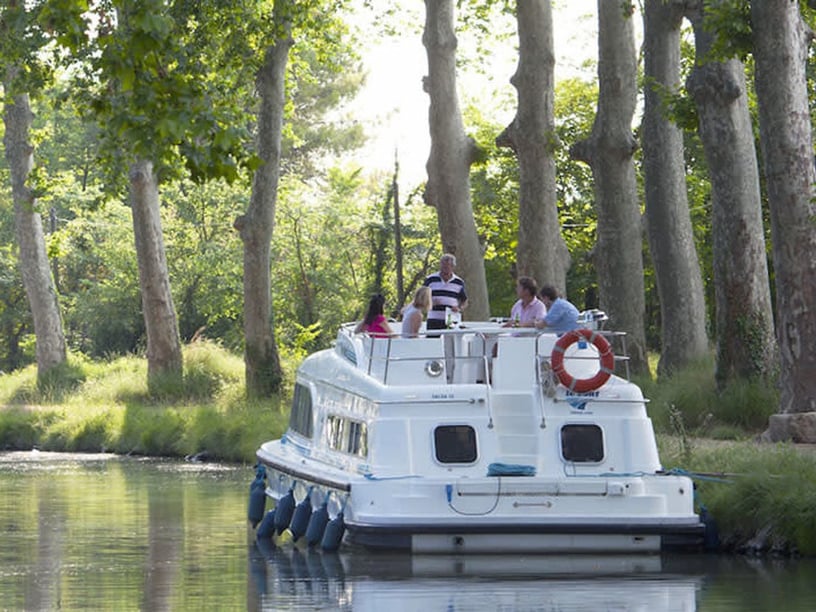
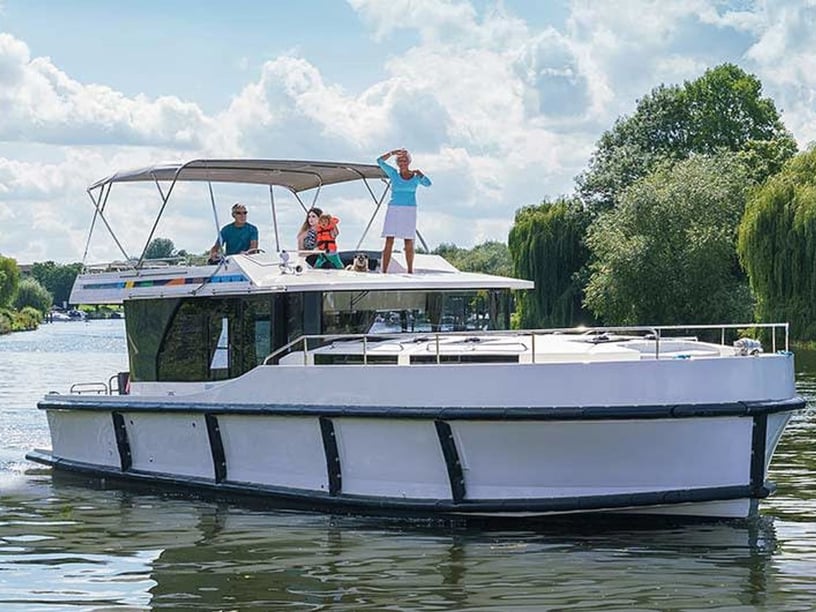
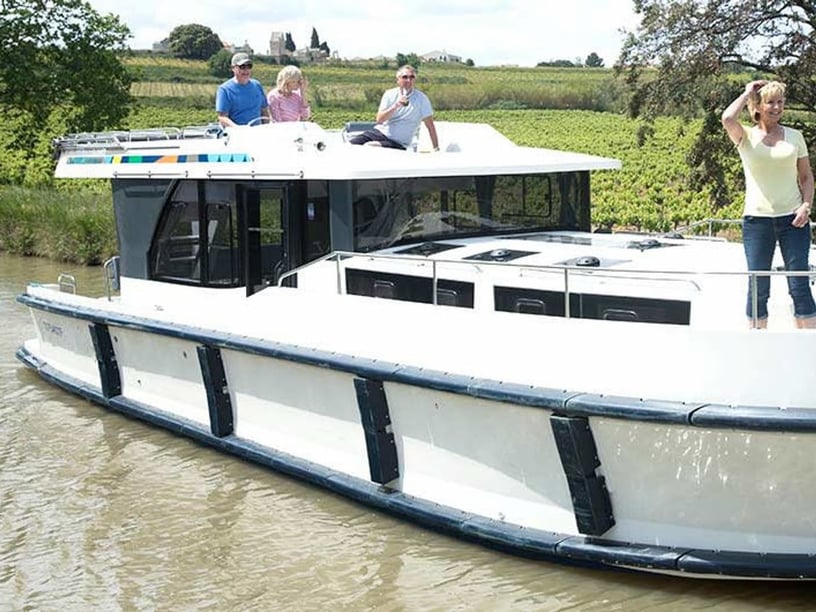
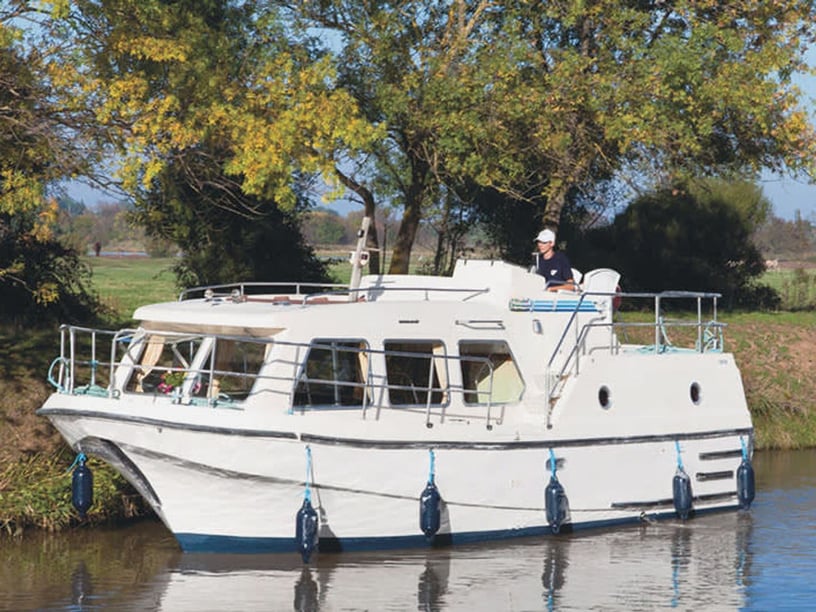
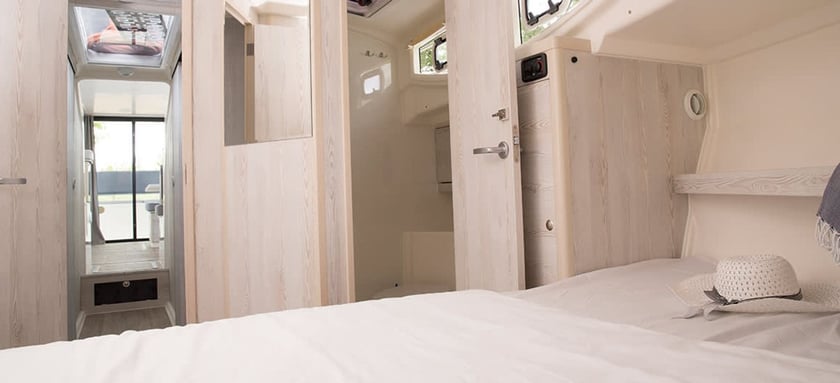
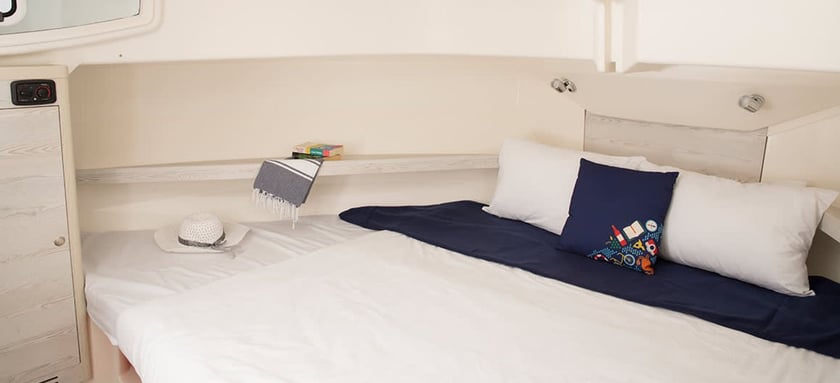
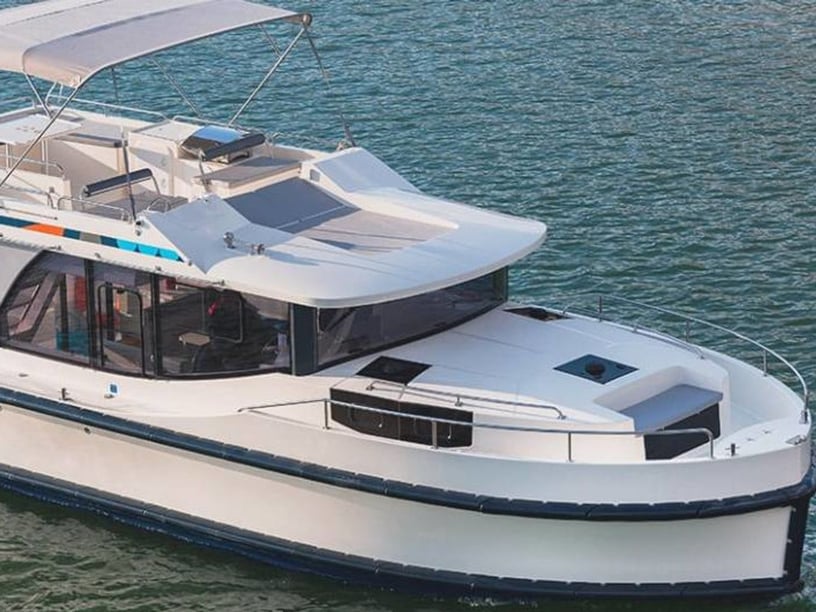
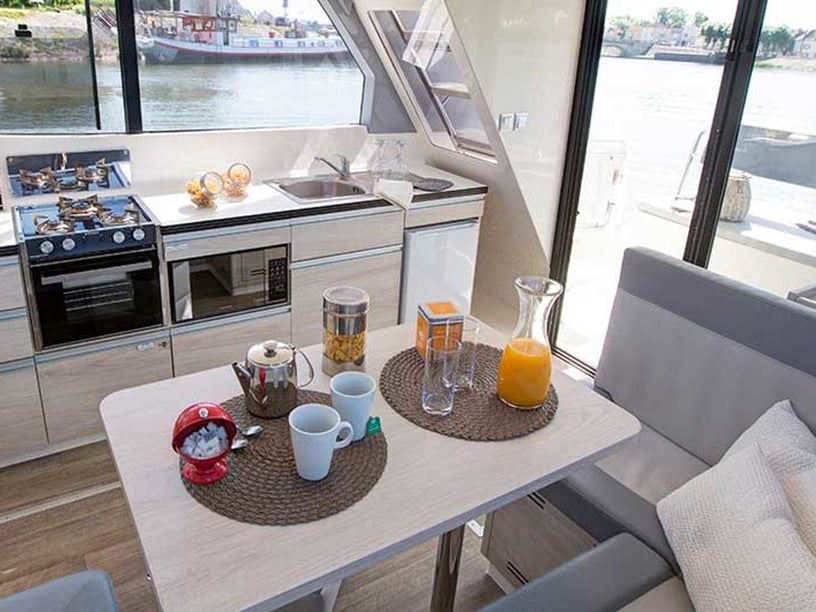
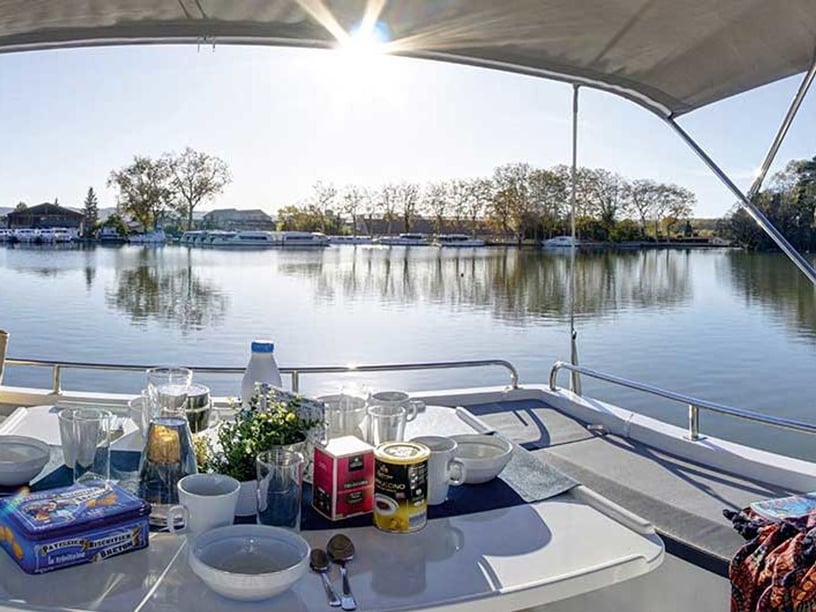
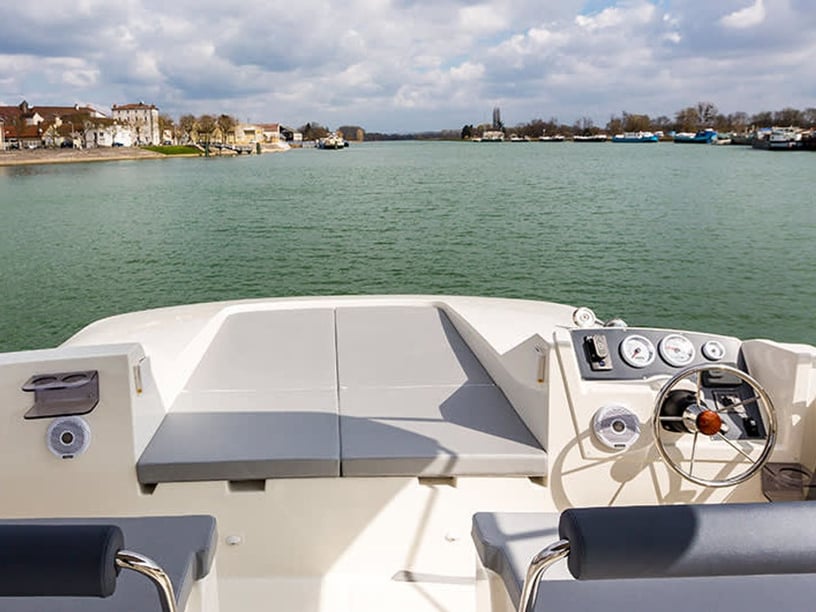
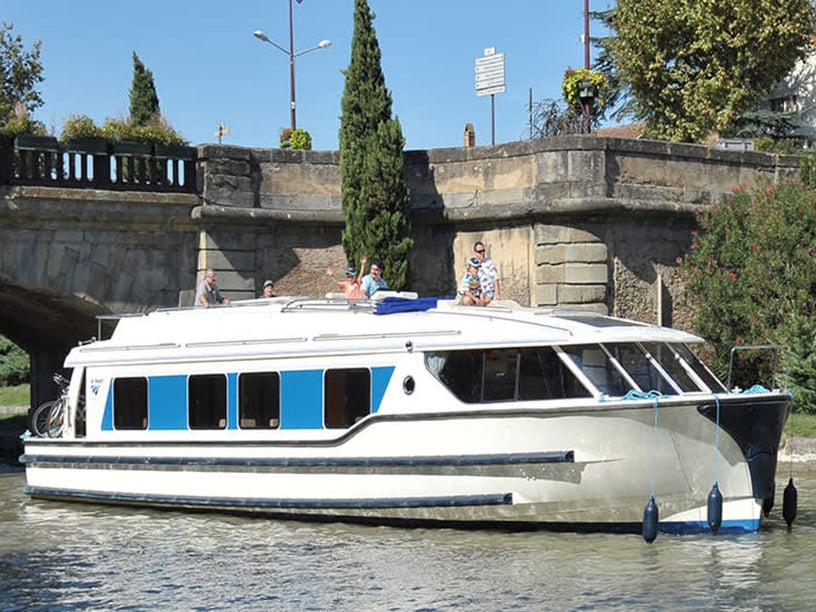
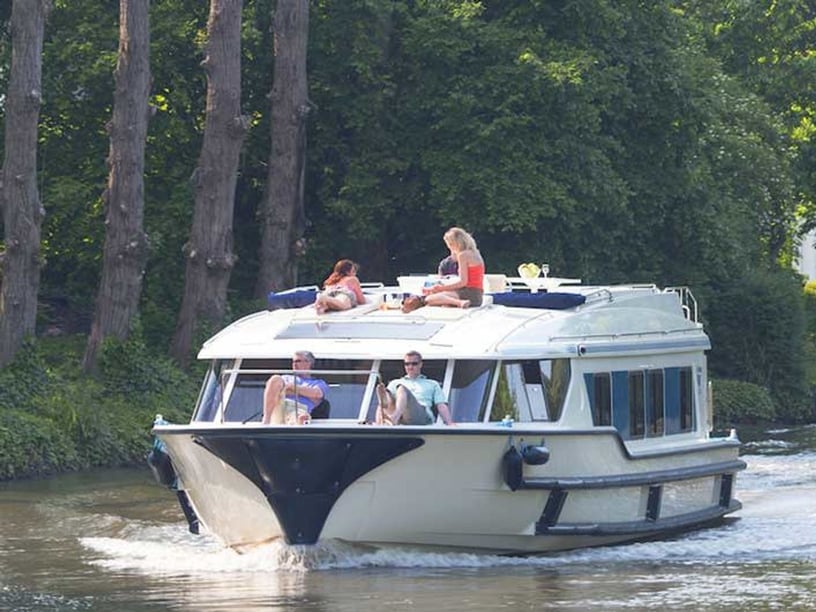
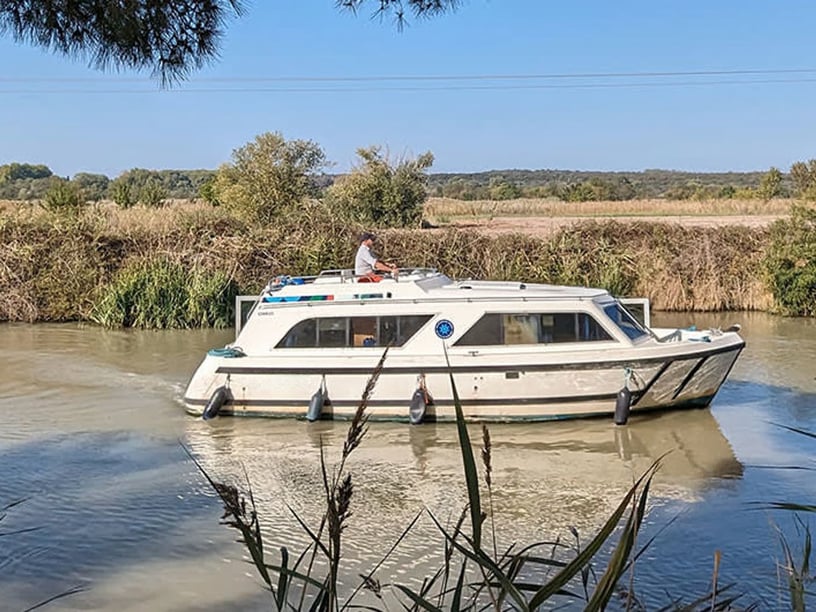
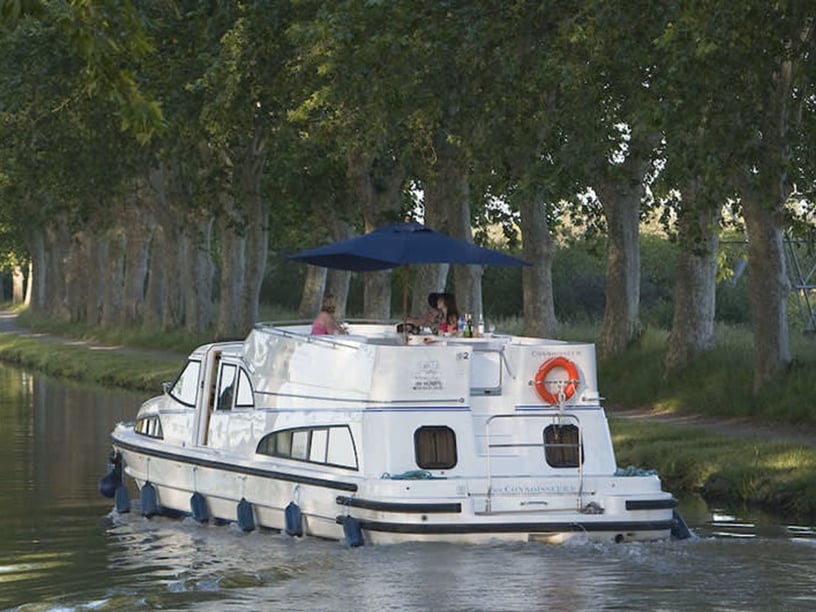
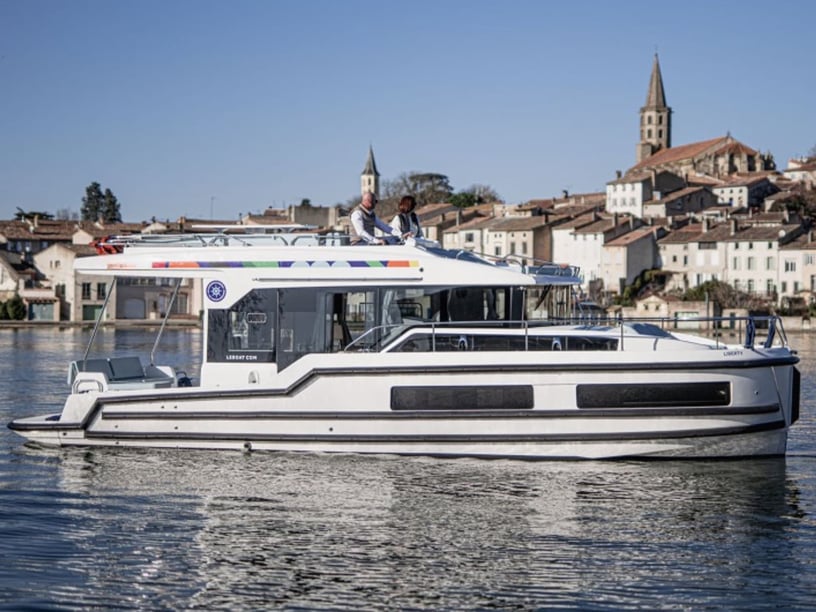
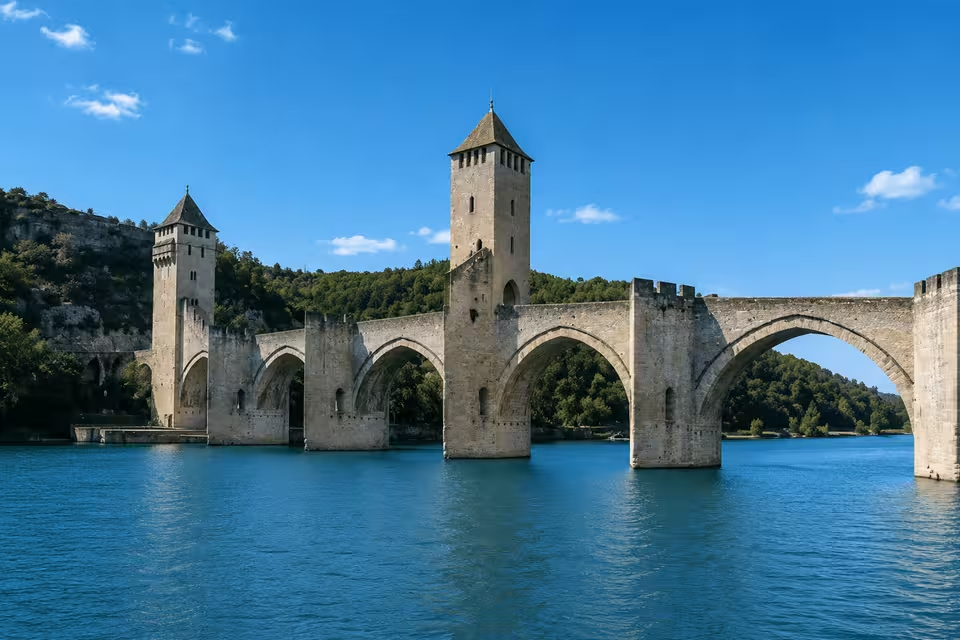
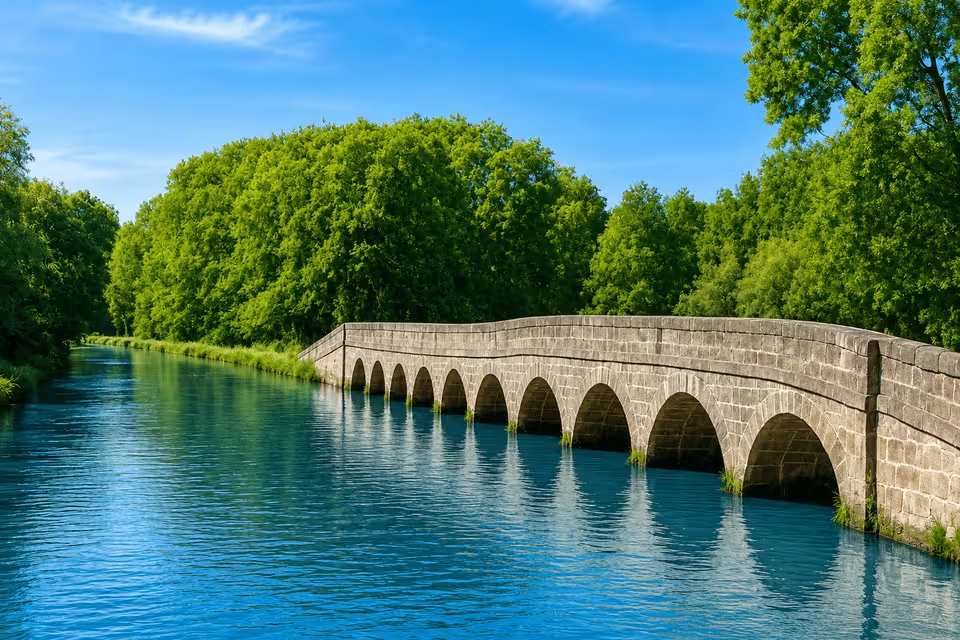
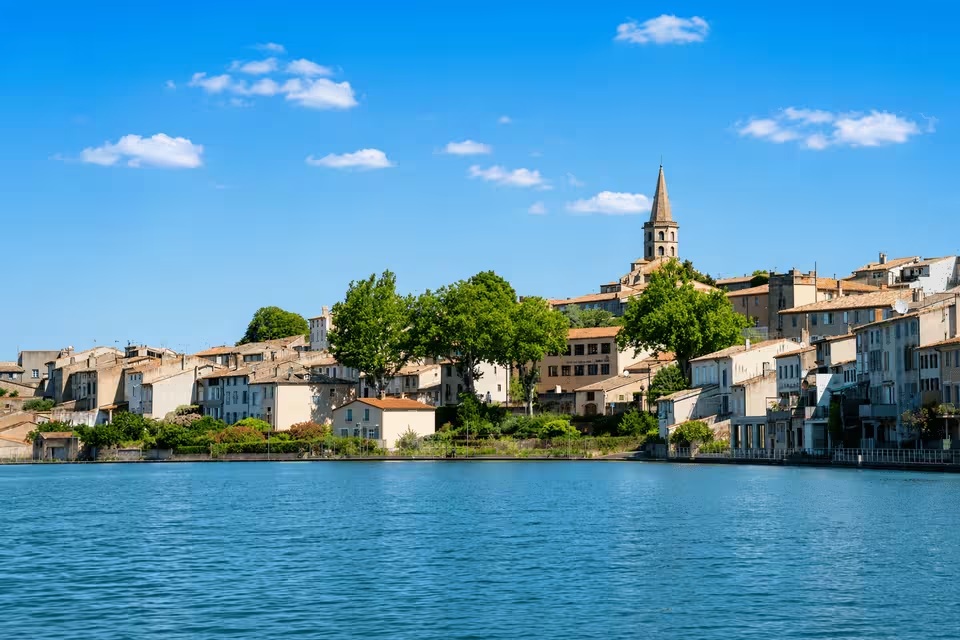
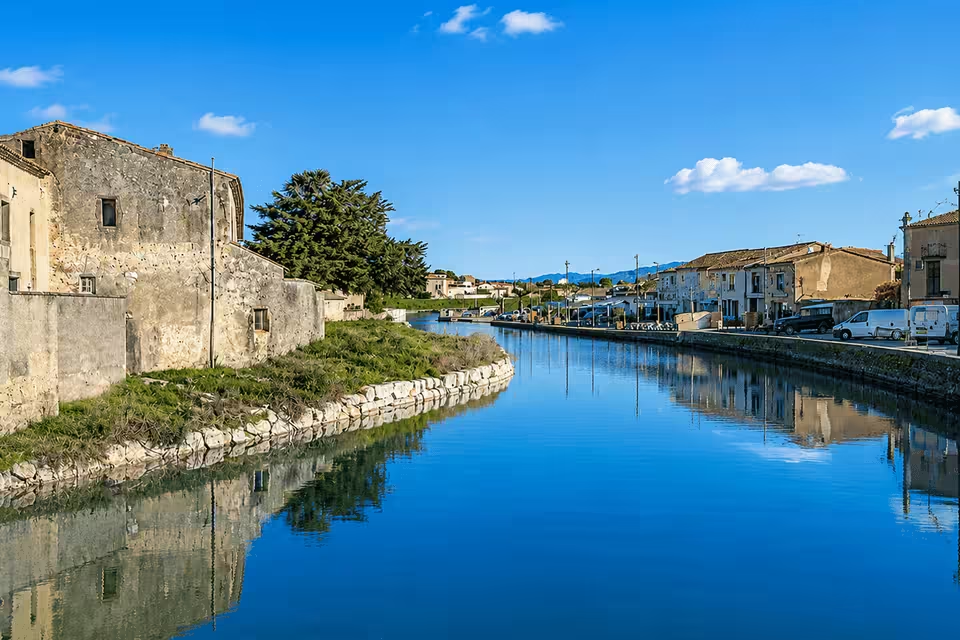
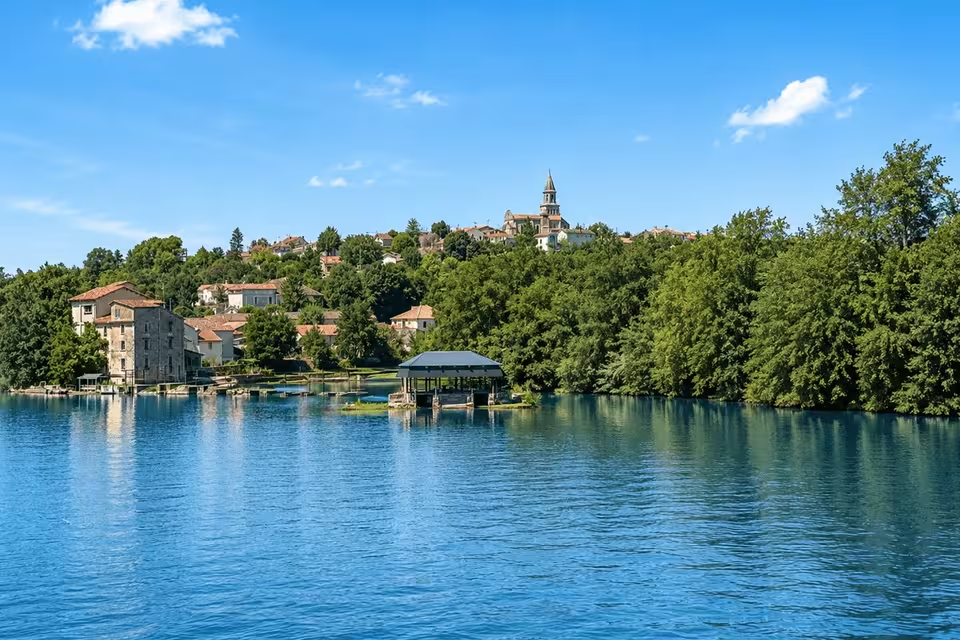
Douelle is a river village and houseboat departure point on the navigable Lot, west of Cahors in southwest France. Here, yacht charter takes the form of slow inland cruising aboard a motorized houseboat rather than sailing on open water. The village, river port and boating facilities sit close together within a narrow valley shaped by wooded hills, limestone landscapes and Cahors vineyards.
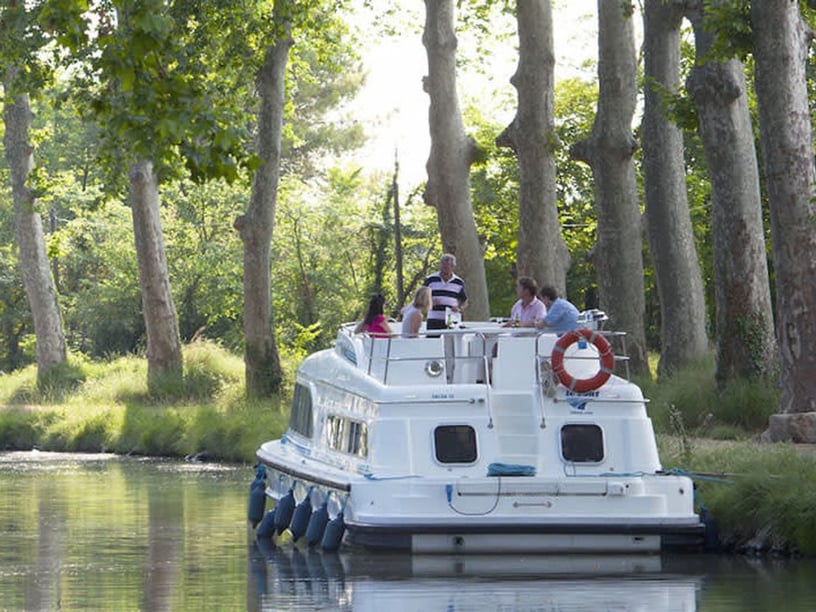
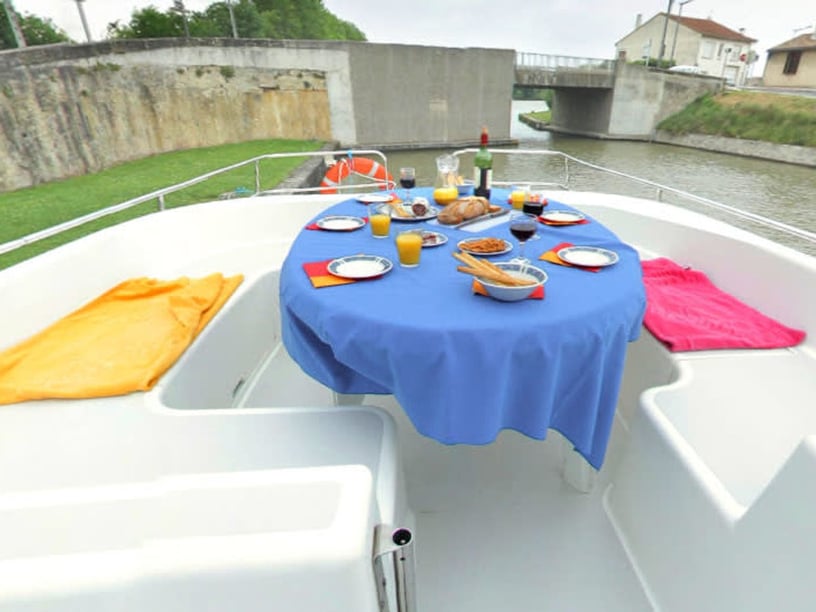
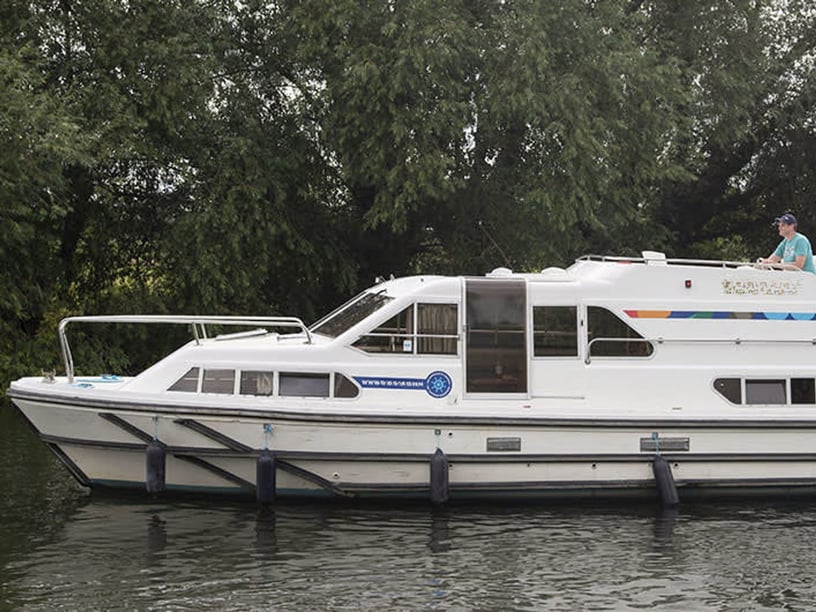
A yacht charter in Douelle combines time on the river with village visits, local history and wine-country scenery. The winding waterway leads toward medieval Cahors, riverside communities and the cliffs around Bouziès and Saint-Cirq-Lapopie. Manual locks are part of the journey, so the experience is active and collaborative even though the cruising pace is unhurried.
Places to explore along the Lot
The river itself connects Douelle with several worthwhile stops. Nearby Mercuès introduces the vineyard landscapes east of the village, while Cahors provides a more substantial urban visit and a river port. Mooring here allows time ashore before continuing through the Lot Valley.
Farther east, Vers and Bouziès mark the transition into increasingly dramatic limestone scenery. Bouziès is particularly relevant as the approach to Saint-Cirq-Lapopie, the medieval village set above the river. These eastern reaches suit travelers who want cliffs, heritage and longer days of cruising within the same itinerary.
West of Douelle, Luzech and Port de Caïx offer another perspective on the Cahors vineyard area. Rather than trying to include every settlement, it is usually better to choose a direction according to trip length and allow time for lock passages, mooring and visits ashore.
What cruising from Douelle is like
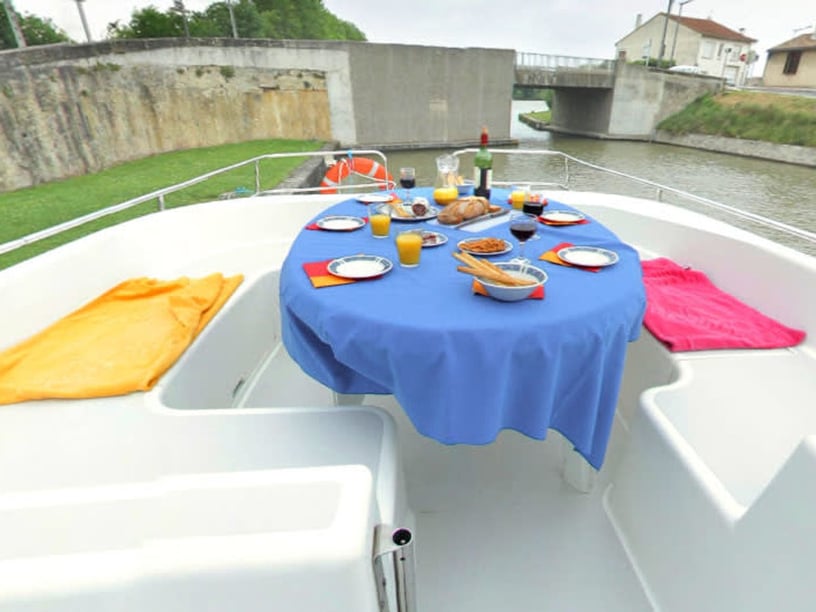
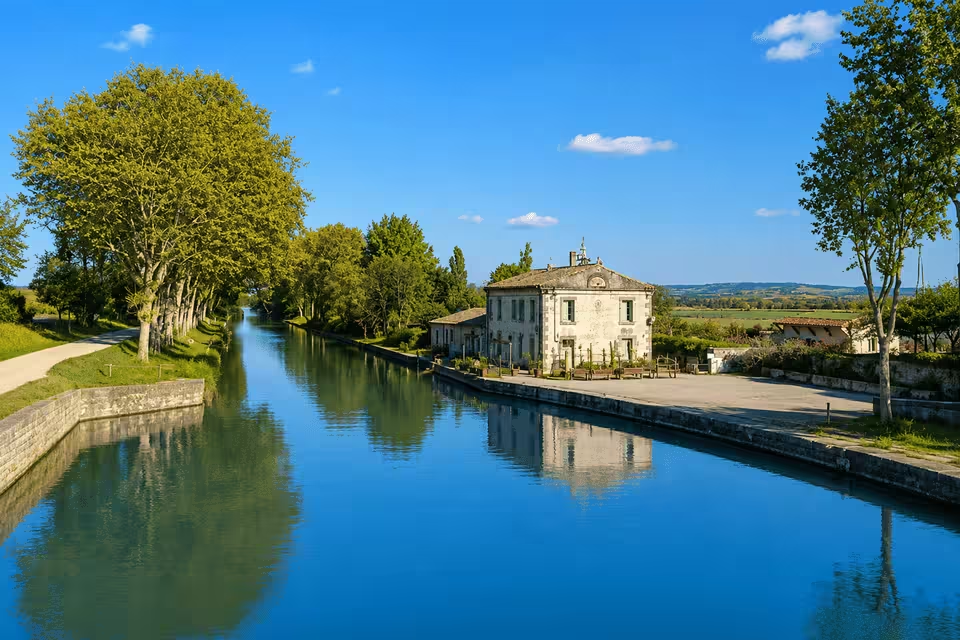
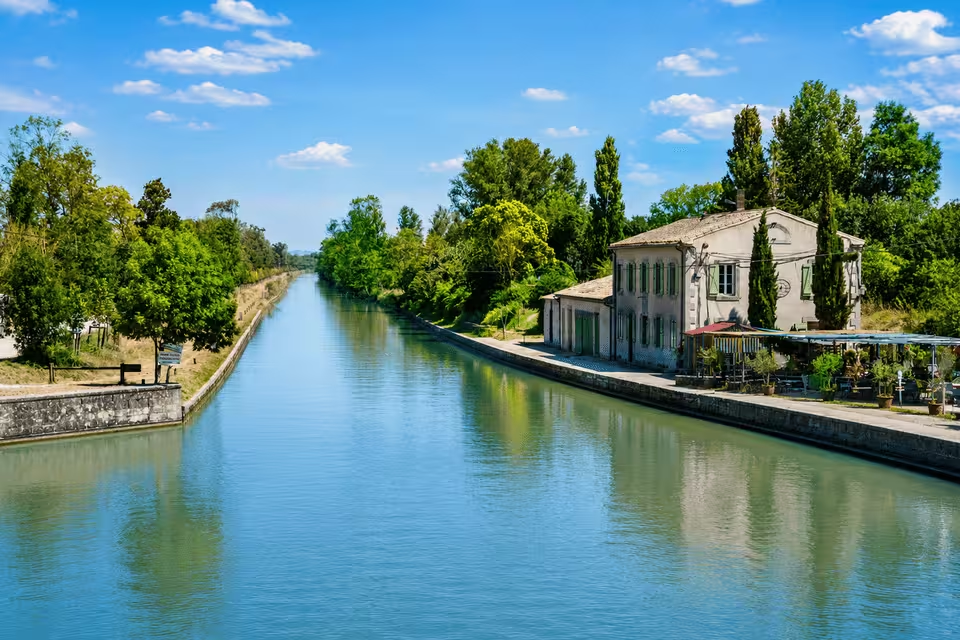
Cruising around Douelle is generally placid and sheltered by the narrow river valley. Routes follow the Lot’s pronounced bends, with short reaches separated by locks and supported by village moorings and river ports. There are no open-sea passages or sailing winds to manage, but this does not make the trip entirely passive.
Most locks are unattended and manually operated. Crew members need to go ashore to work the gates and sluices while the boat passes through, making lock handling a recurring part of each cruising day. At least two reasonably fit crew members are advisable. First-time crews should also allow generous time rather than planning around ambitious daily distances.
Conditions are normally manageable, but the river can change after storms. Rising water and stronger currents may affect navigation, while low water, maintenance or infrastructure work can also restrict particular sections. The overall difficulty is moderate: boat handling is slow, but crews must pay attention to river conditions, locks and mooring arrangements.
When to charter in Douelle
The normal lock-navigation season runs broadly from April into October, although exact dates are announced annually and can change with water levels and maintenance. May through September is the main cruising period, with June to September generally bringing the warmest weather. July and August can also experience periods of strong heat, which may influence how much time travelers want to spend cruising or walking ashore during the middle of the day.
April and October are cooler, more variable shoulder months. They may appeal to travelers who prefer a quieter seasonal feel, but weather and river conditions require closer attention. Navigation is generally at its lowest seasonal level from November through March. Regardless of month, check current river levels and annual navigation notices shortly before departure.
Cruising routes from Douelle
A shorter option is the Douelle–Vers return route, documented for a stay of approximately three nights. It offers a compact introduction to houseboat travel, with Cahors and smaller river stops forming part of the wider cruising area. Even on a short trip, time must be reserved for locks rather than treating the route like a simple road journey.
For a five-night or week-long cruise, the Douelle–Saint-Cirq-Lapopie return journey reaches farther into the cliff-lined eastern Lot. Cahors is one of the principal stages, followed by the river landscapes around Vers and Bouziès before the approach to Saint-Cirq-Lapopie. A return itinerary keeps logistics straightforward, while the extra days provide greater flexibility for going ashore and responding to lock or river conditions.
River, wine and village experiences
Douelle’s identity is closely tied to both navigation and Cahors wine. The village was once a commercial river port associated with boatmen, coopers and the transport of wine and other goods. Commercial navigation ended in 1927, but recreational boating returned to the Lot from 1990 onward. A model river barge in Notre-Dame-de-l’Assomption Church recalls this working-river heritage.
The Mur 2 Douelle, created by Didier Chamizo in 1992, is a particularly recognizable sight from the river. Its imagery presents the mythological and historical story of Cahors wine, connecting the village waterfront with the surrounding Malbec vineyards.
Beyond heritage visits, a charter can include walks through riverside settlements, hiking ashore and time exploring vineyard country. Fishing is possible with a valid permit. The experience is less about covering long distances than alternating between cruising, operating locks, mooring and discovering the valley at close range.
Reaching Douelle and starting the trip
Douelle is reached by road from Cahors and Luzech through the Lot Valley road network, with the A20 serving as the principal long-distance approach. Cahors railway station is approximately 8 km from the houseboat base, and regional coach services stop in the village. Travelers arriving by air may consider Brive Vallée de la Dordogne, Bergerac Dordogne Périgord or Toulouse-Blagnac airports before continuing by road.
Trips may begin from the Le Boat Douelle base or Port fluvial de Douelle. Other useful facilities along the river include Port fluvial de Cahors and Port de Caïx. Douelle therefore functions as both a departure area and a destination in its own right, with its compact waterfront making the transition from arrival to river cruising relatively direct.
Planning a Douelle boat rental
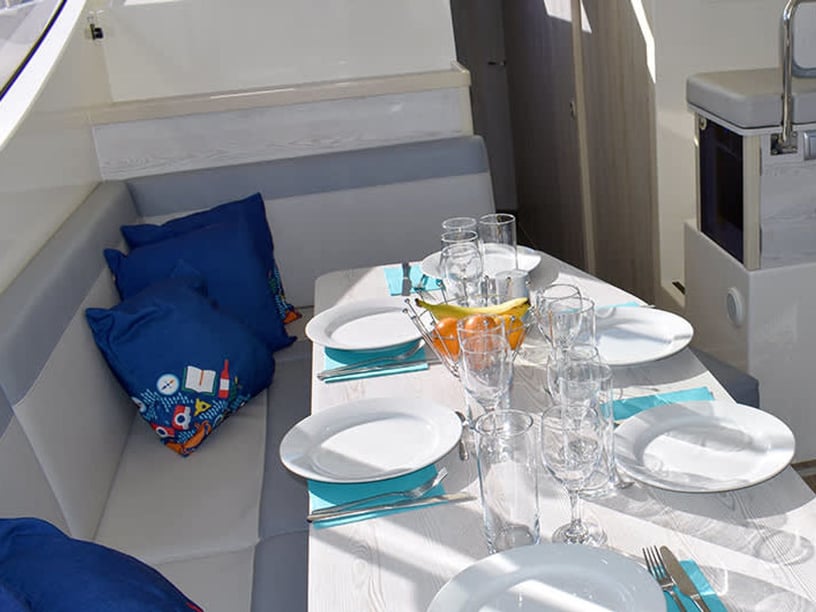
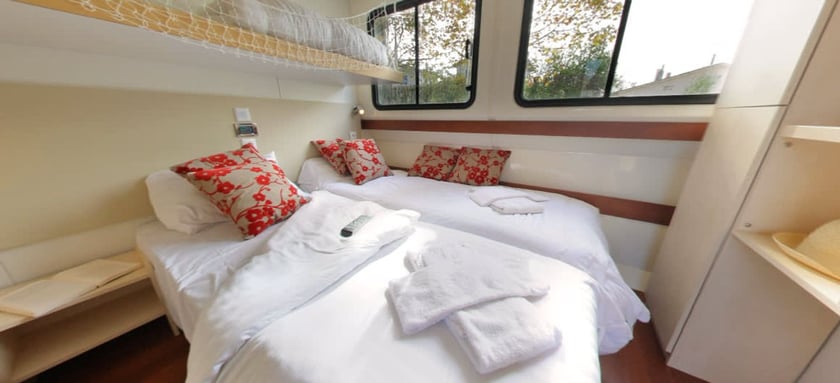
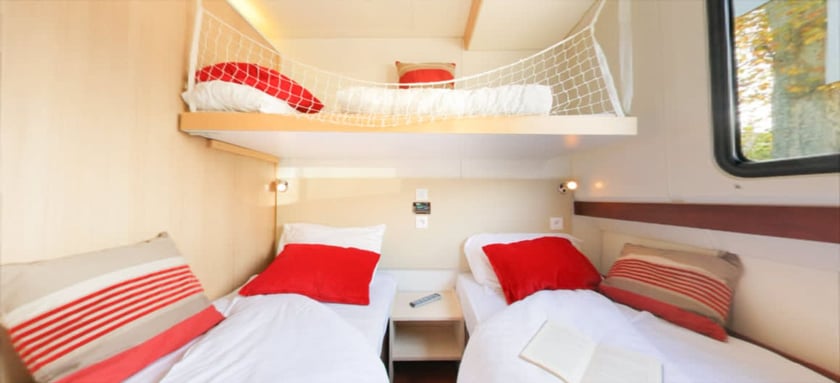
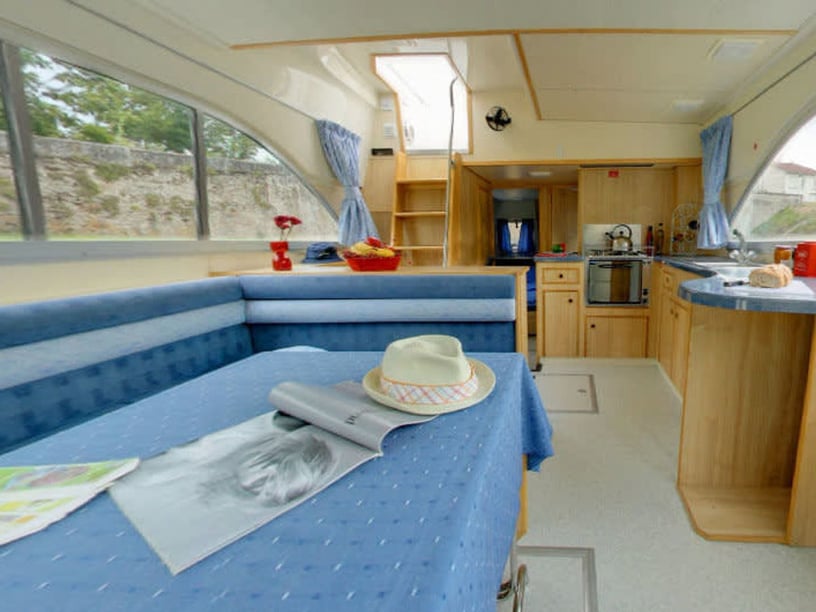
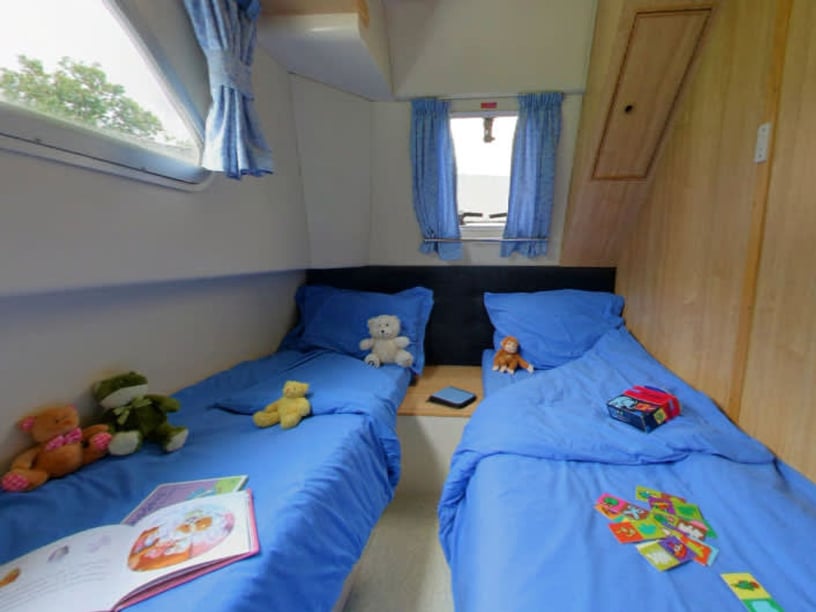
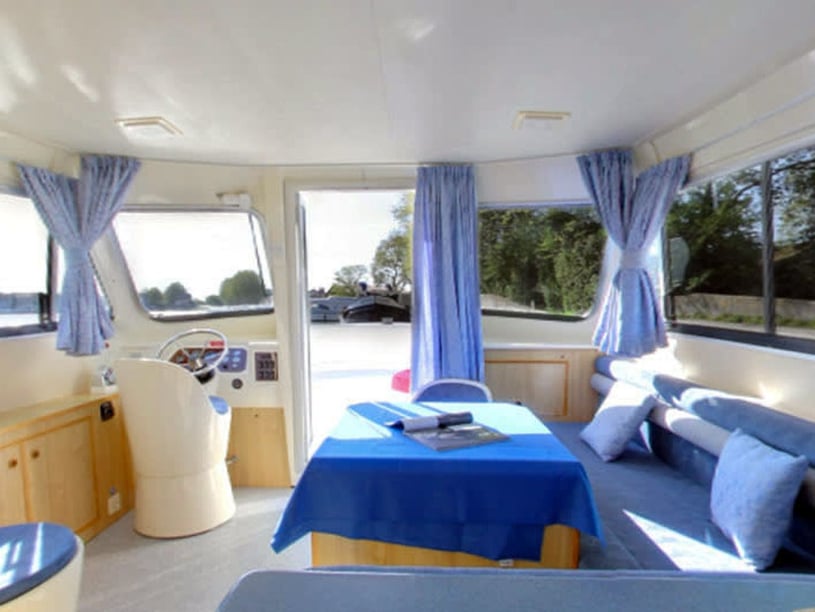
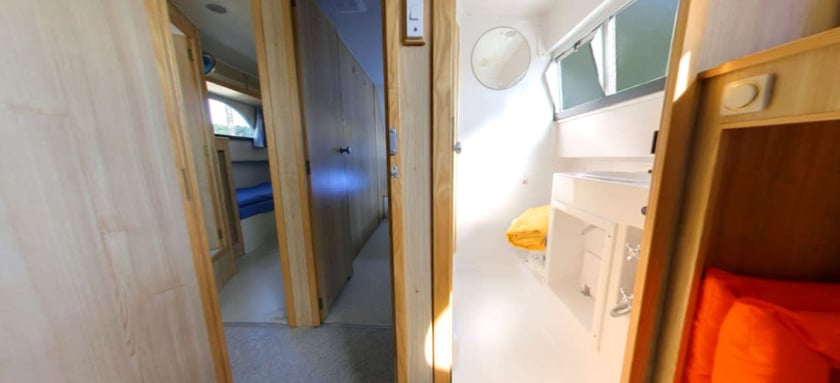
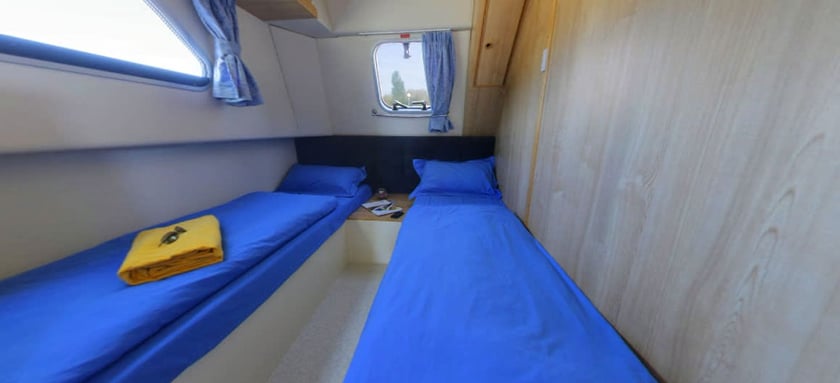
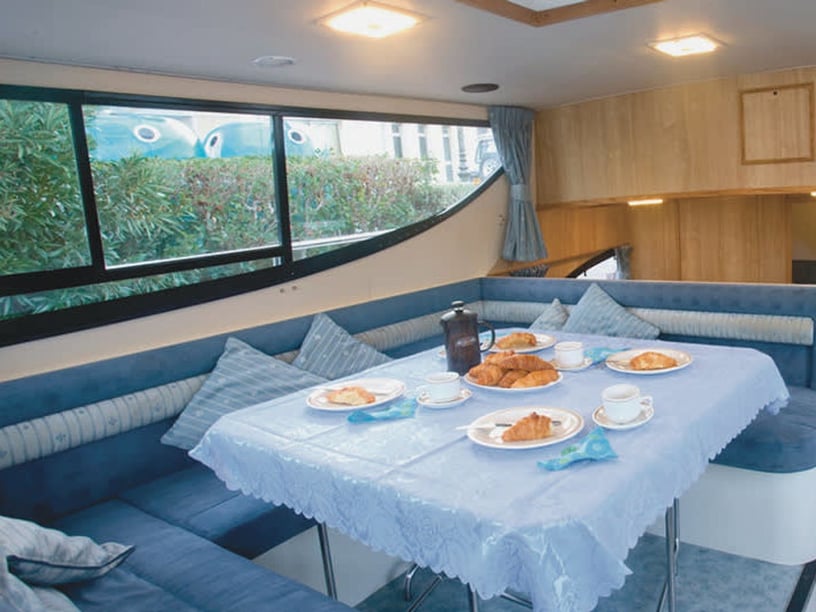
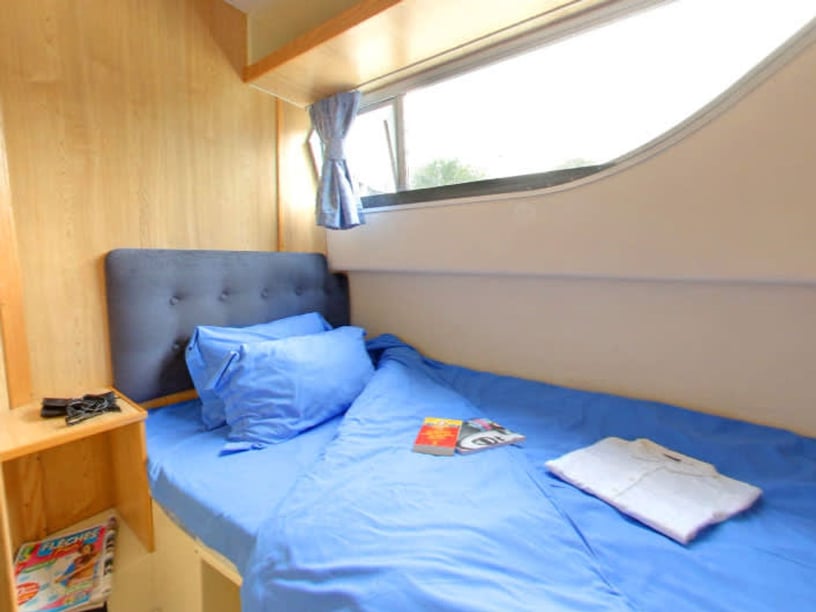
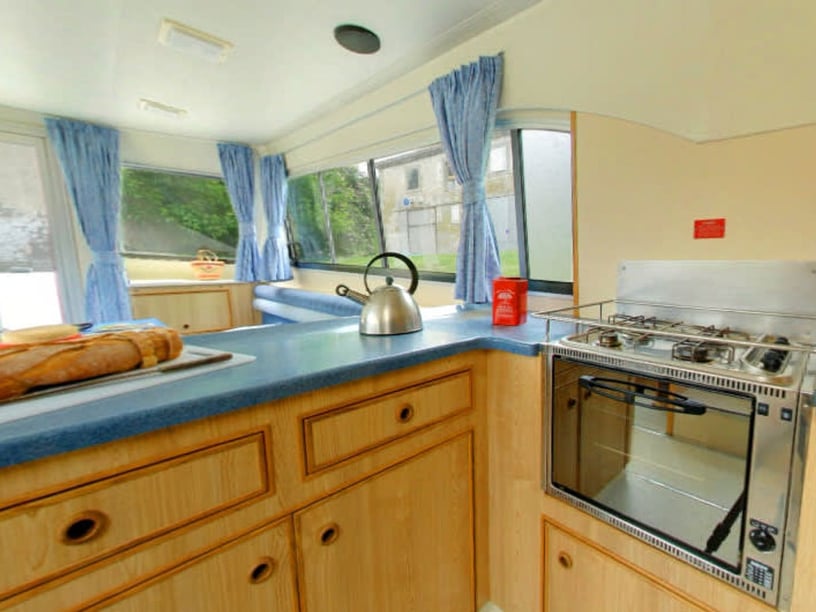
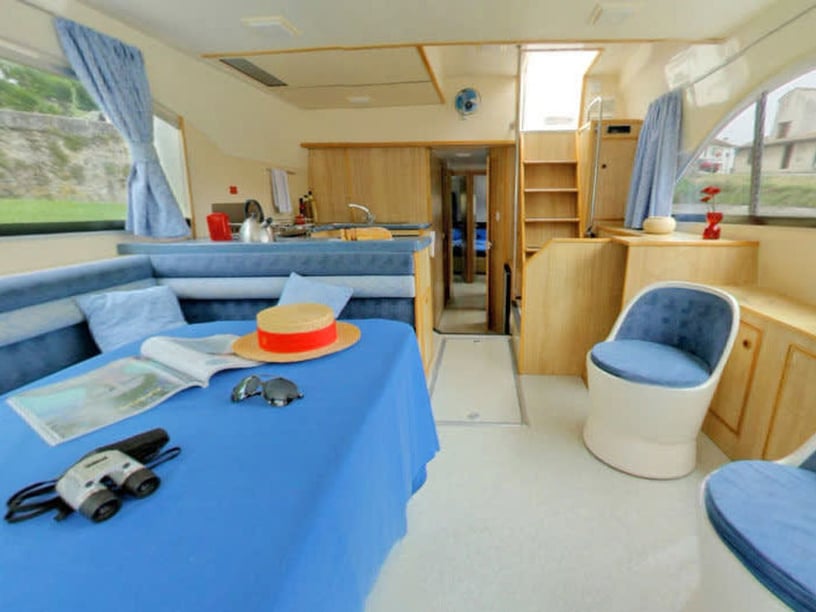
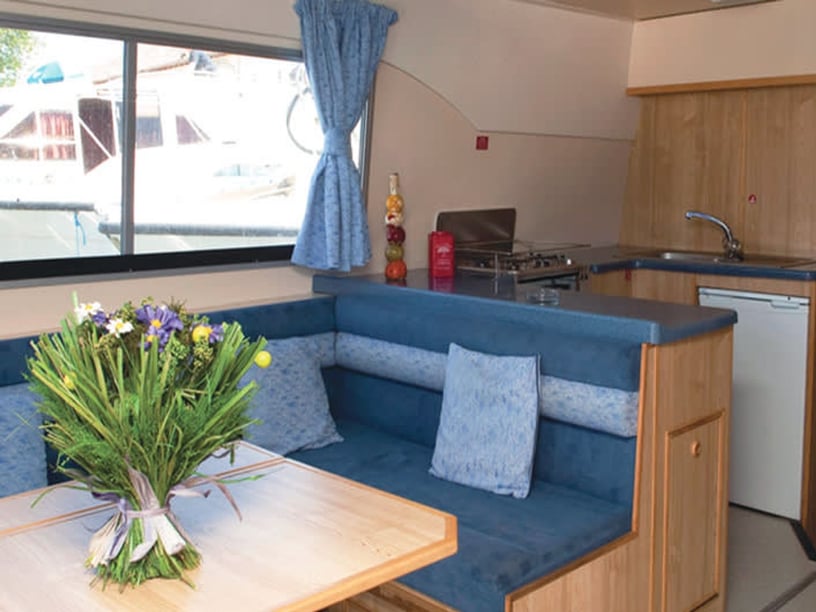
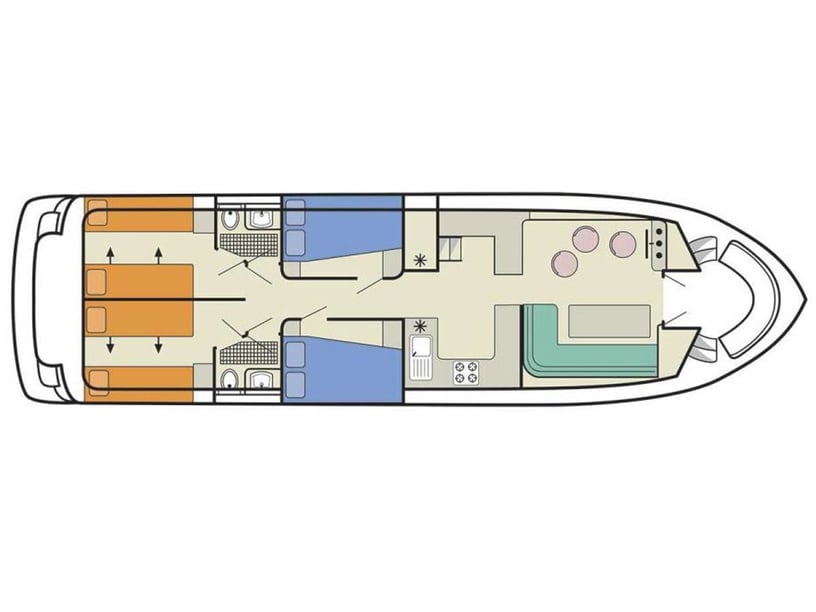
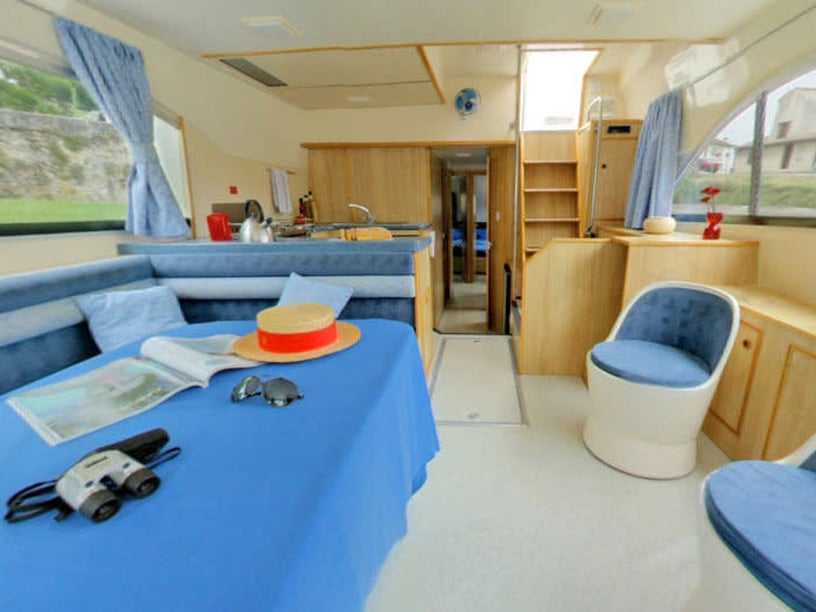
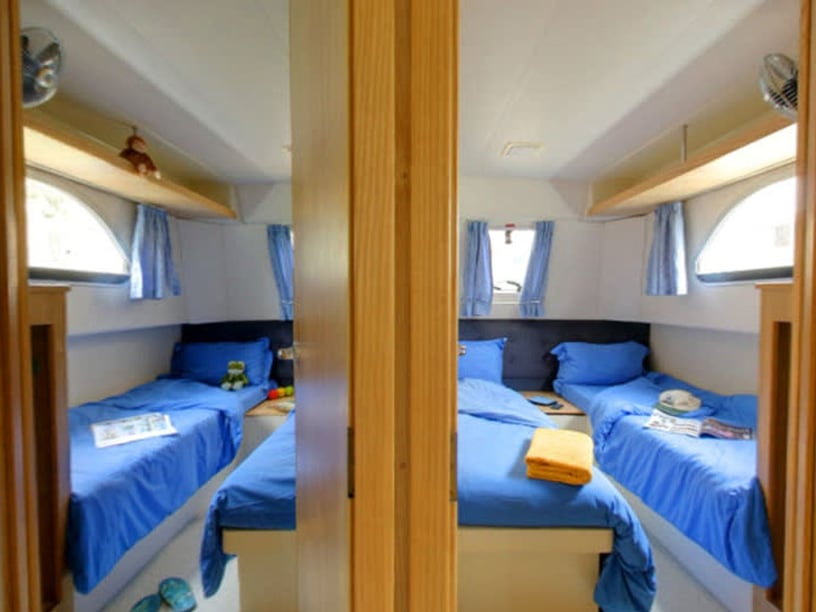
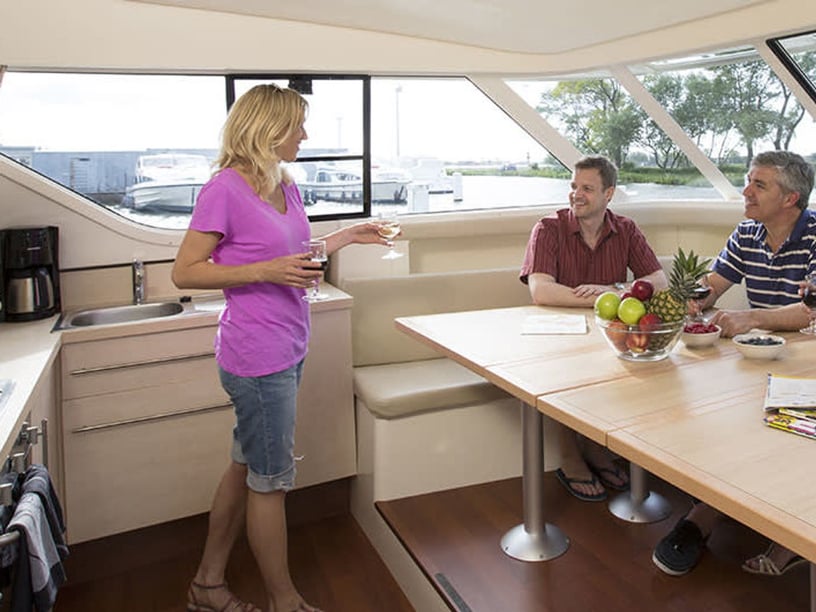
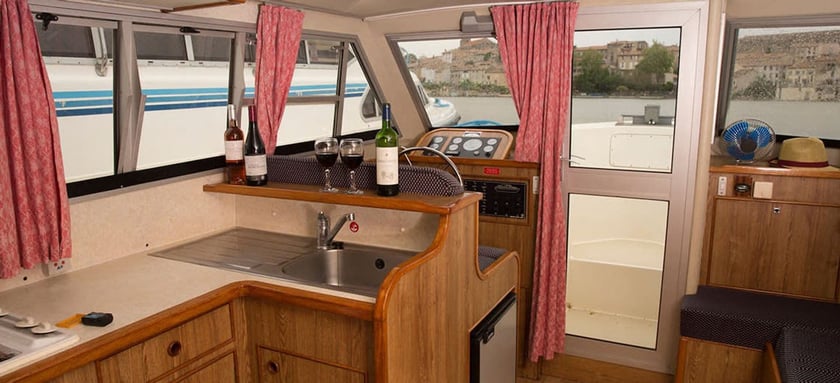
For boat rental in Douelle, travelers should plan around the practical demands of a self-drive river trip rather than the expectations of a conventional sailing charter. Crew mobility matters because locks are usually worked manually from shore. It is also sensible to keep daily distances flexible, especially when river levels, lock operation or maintenance may alter progress.
Use designated ports and mooring areas for overnight stops. Shore power is limited along the river, so onboard energy use and access to services should be considered when selecting stops. Current navigation notices should be checked before departure and again when local conditions are changeable.
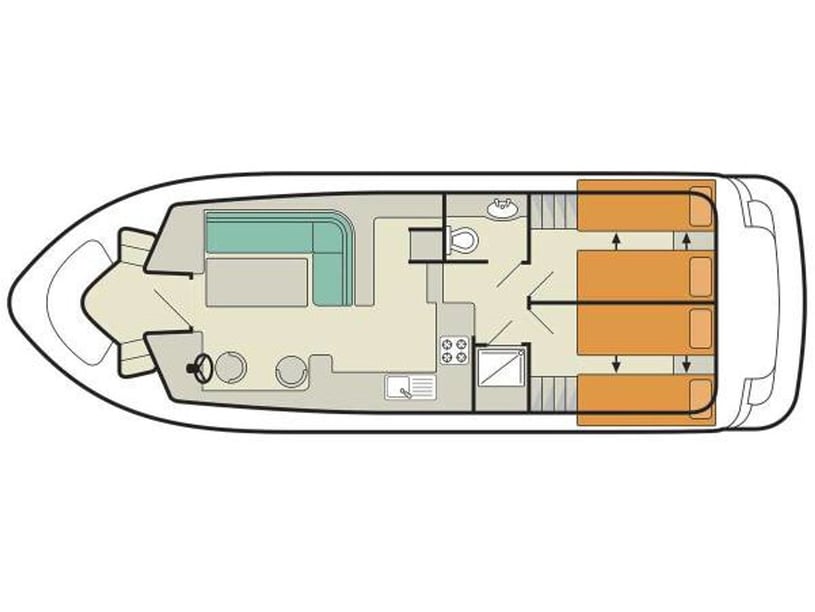
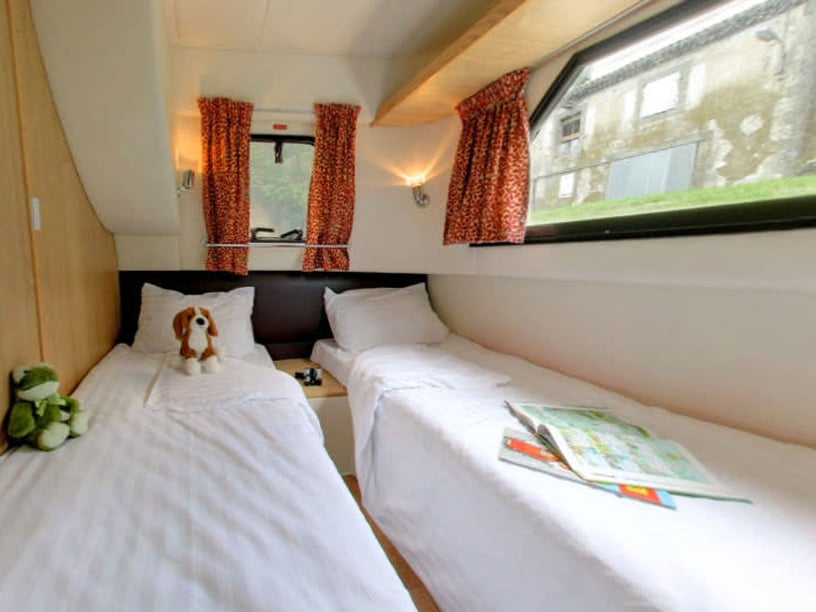
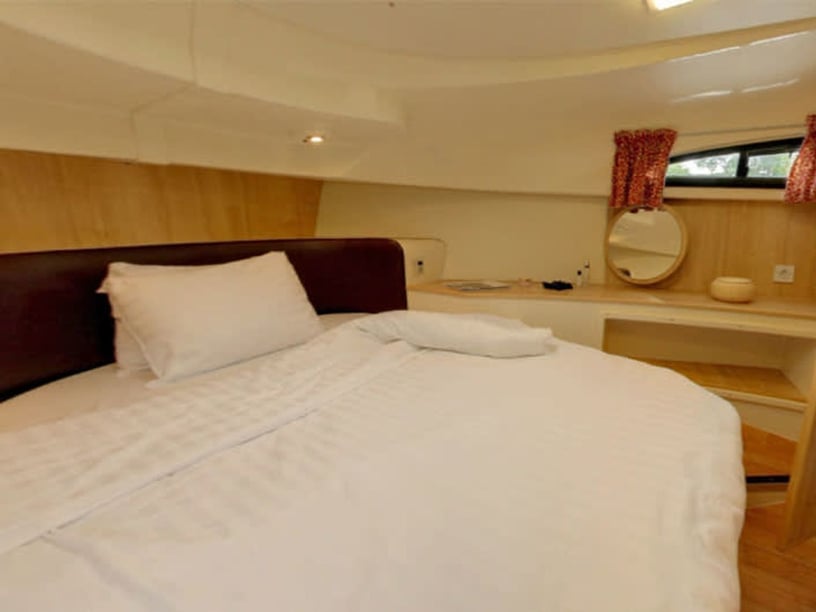
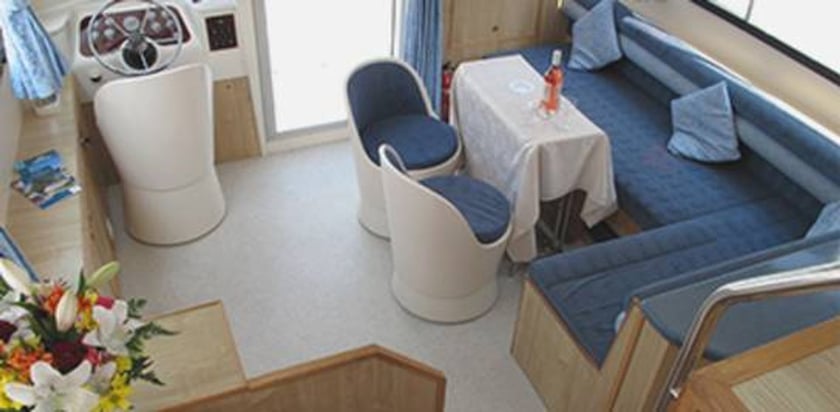
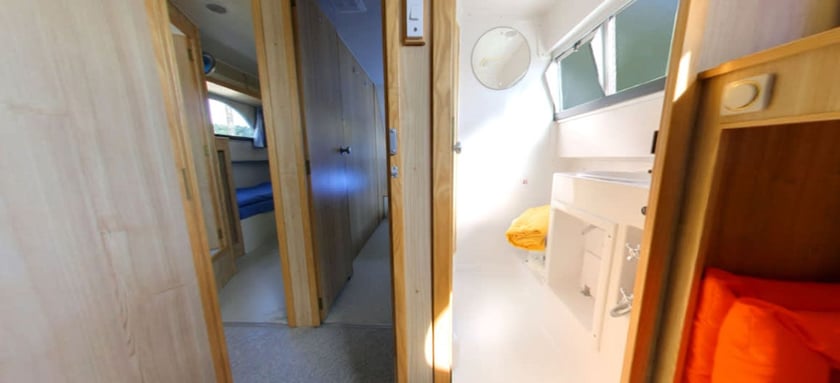
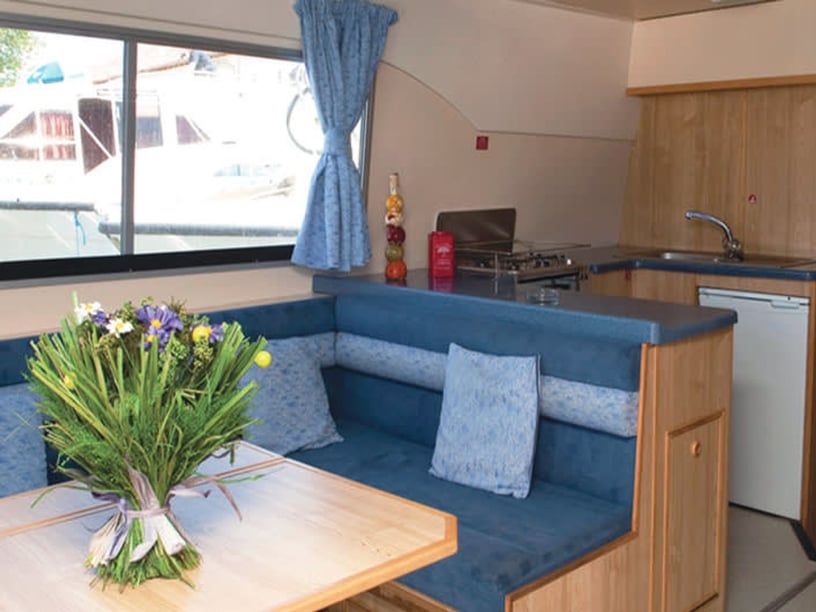
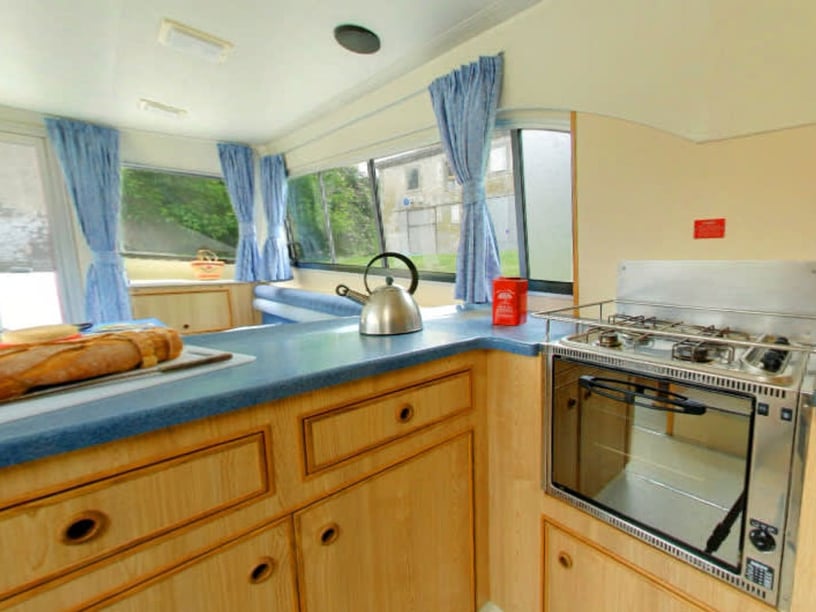
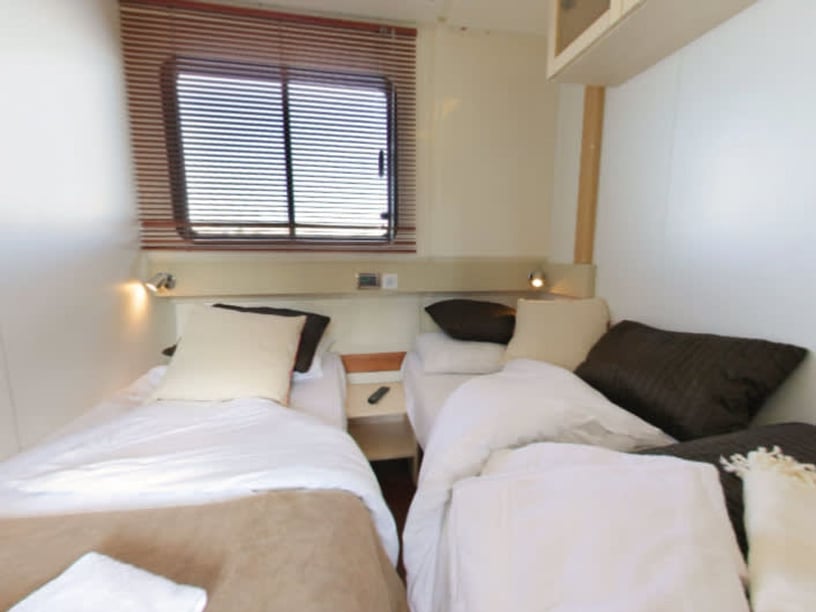
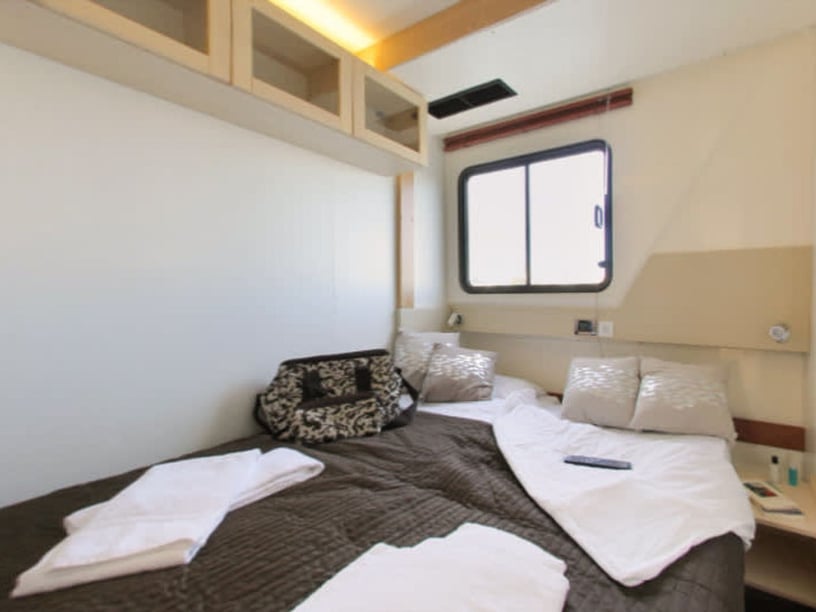
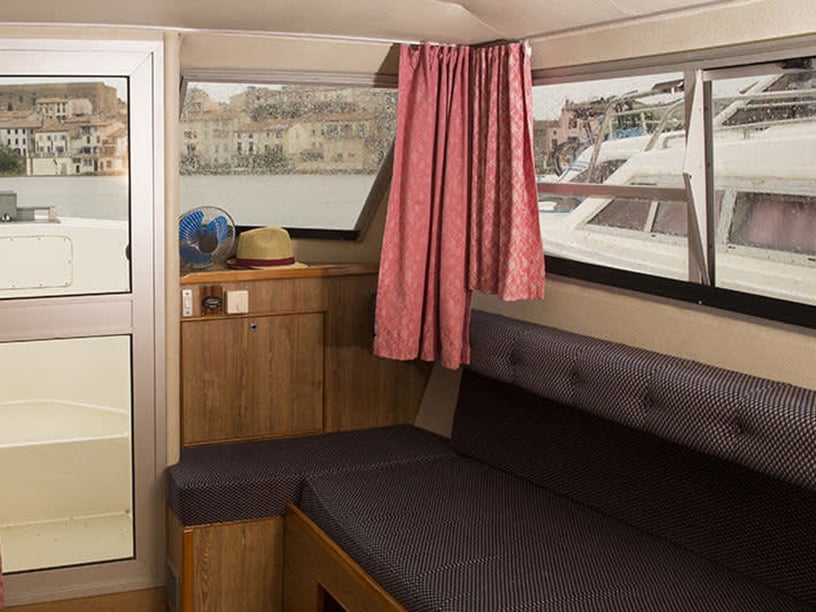
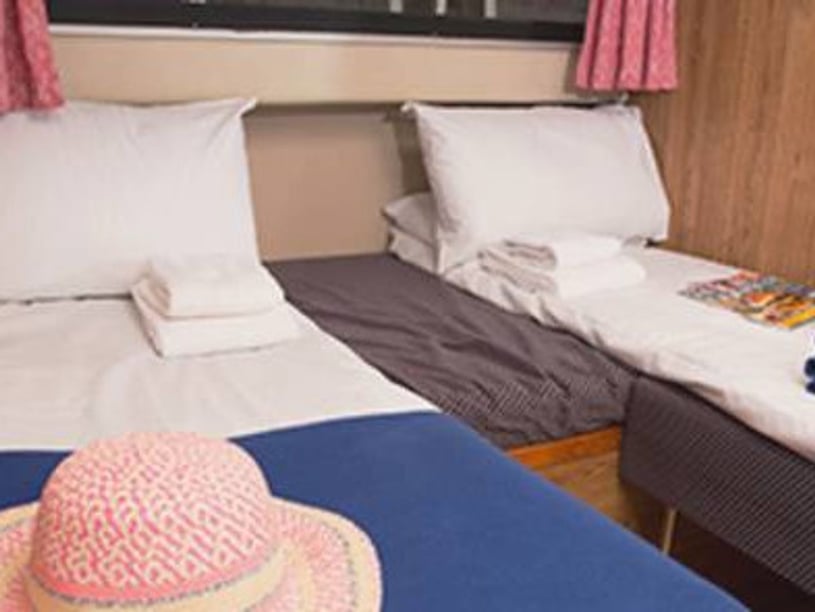
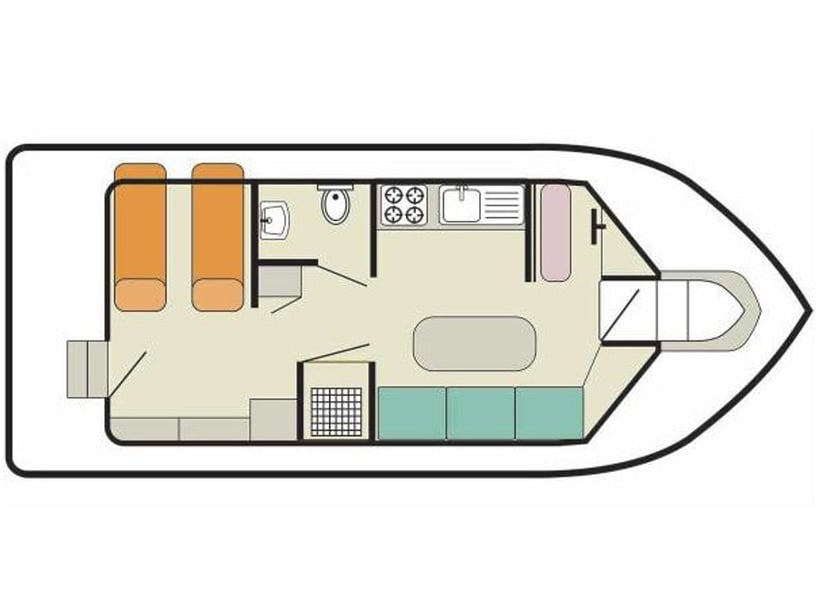
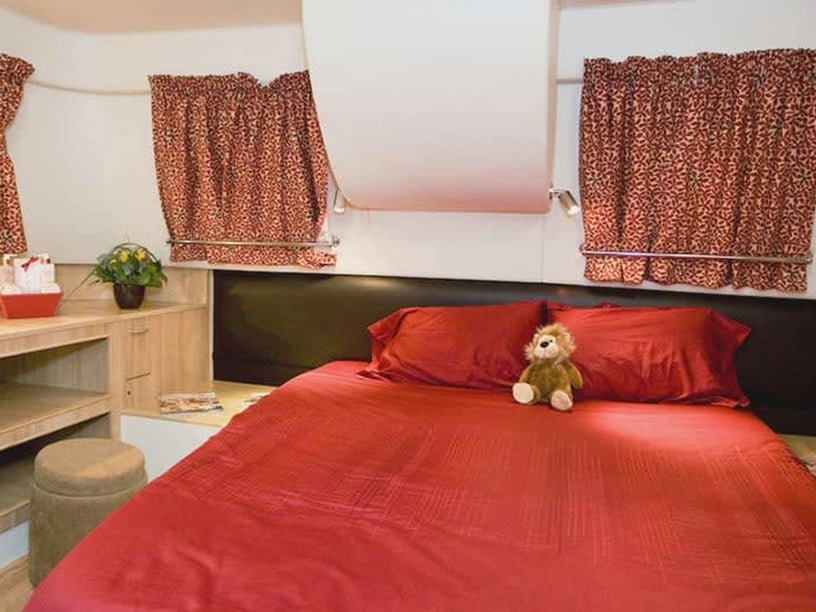
The riverside swimming area at Douelle is unsupervised, includes shallow sections and is crossed by houseboat traffic, so it requires particular care. Travelers interested in fishing must obtain the appropriate permit. Because no current marketplace inventory details are available for this location, boat size, capacity, charter format and operating requirements should be confirmed for the specific vessel under consideration.