Yacht charter in Saint-Martin-sur-Oust
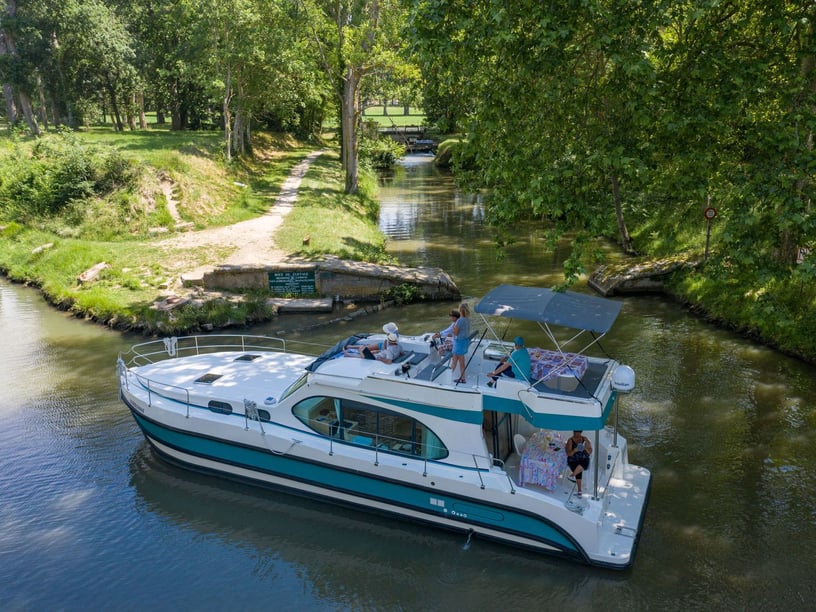
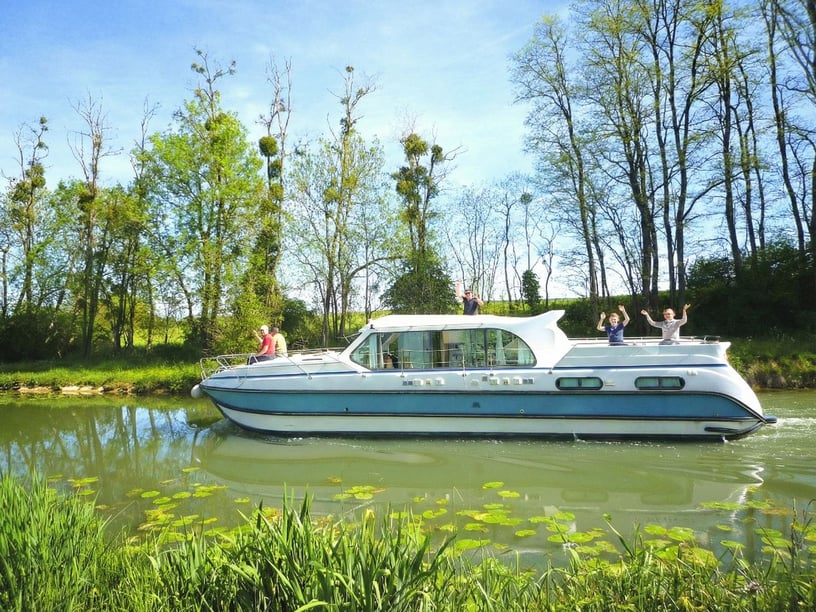
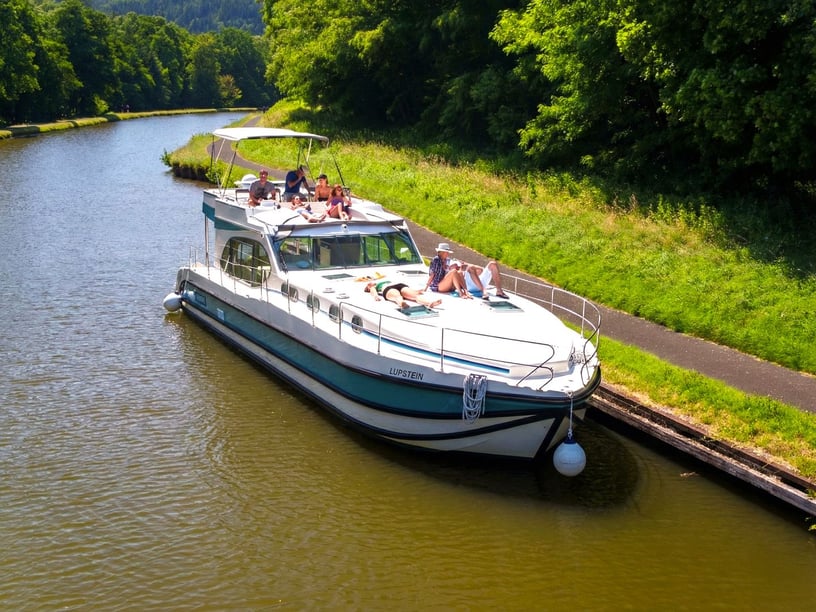
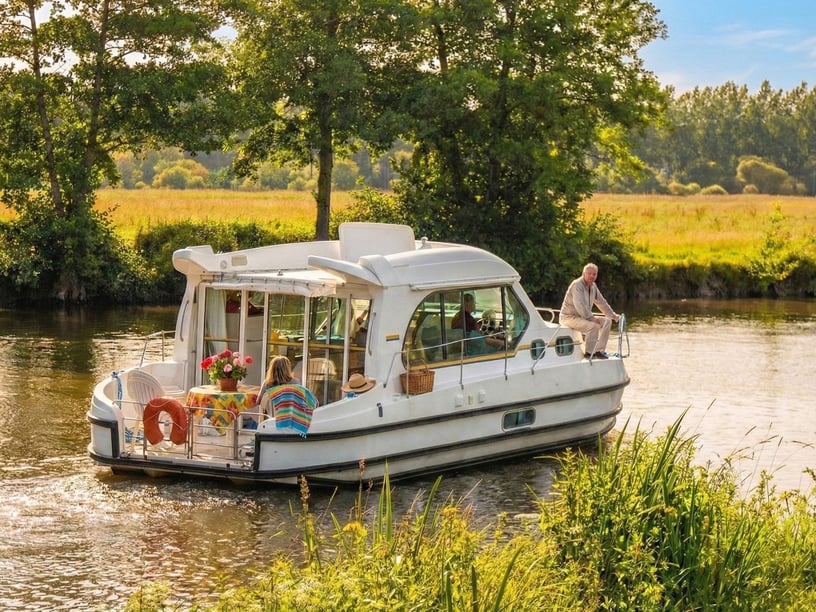
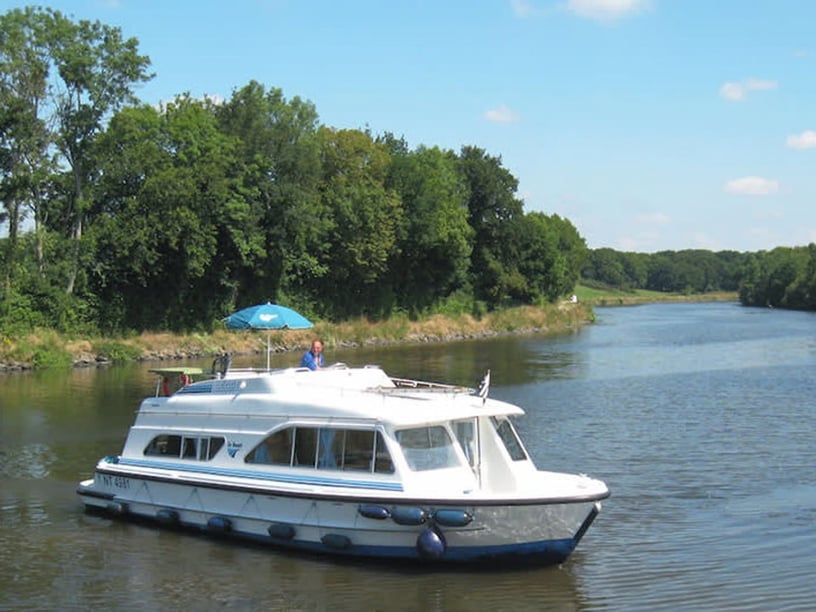
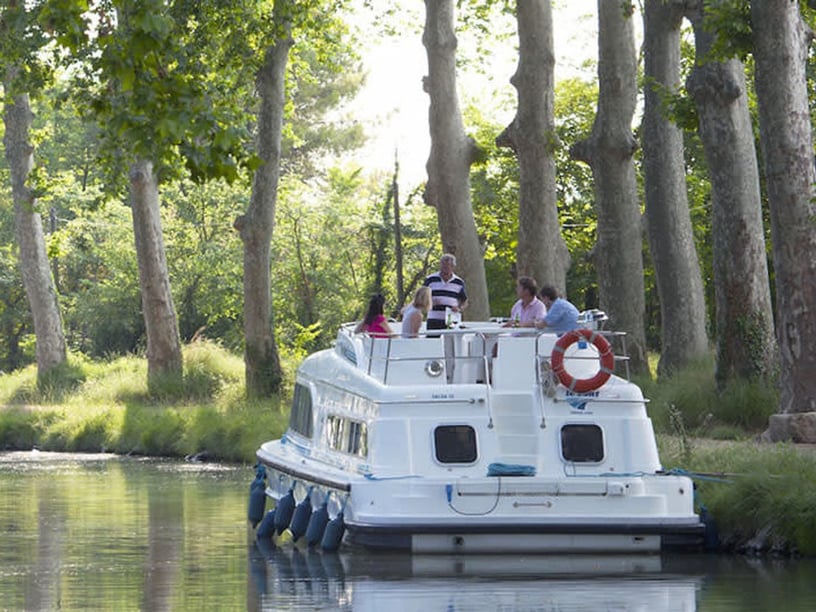
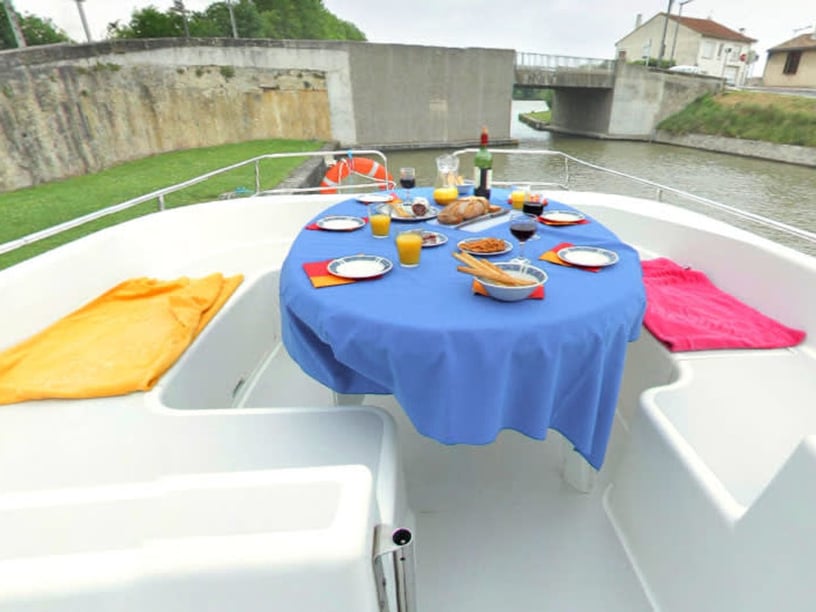
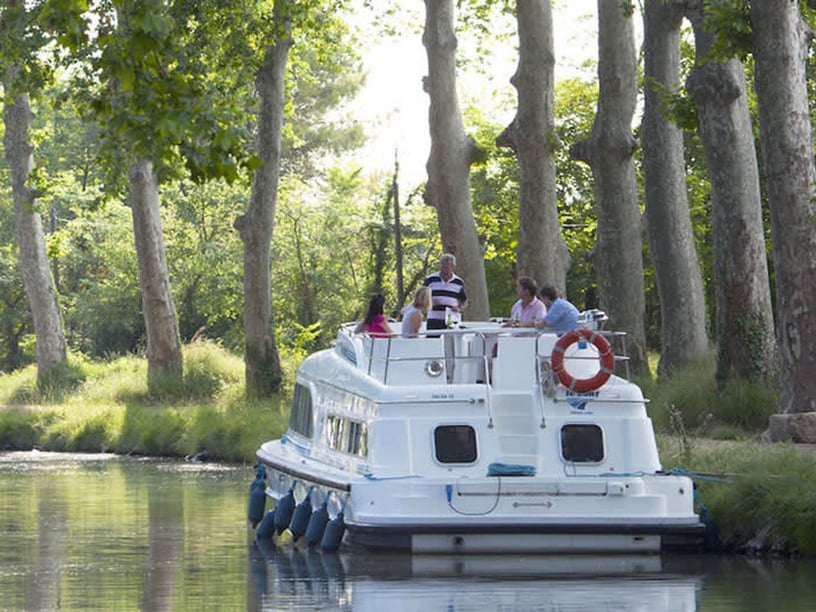
Saint-Martin-sur-Oust offers a distinctly inland interpretation of a yacht charter. This small Morbihan commune lies beside the canalized River Oust, which forms part of the Nantes–Brest Canal and winds through farmland, wooded slopes, locks and towpaths. Rather than coastal passages and open-sea sailing, the experience centers on unhurried cruising aboard a motor cruiser or traditional-style hire boat.
The local river stop and hire-boat departure base provide access to several connected waterways. Crews can follow the Oust toward historic towns such as Malestroit and Josselin, travel downstream to Redon, or branch along the Aff toward La Gacilly. The sheltered setting and generally straightforward navigation make a Saint-Martin-sur-Oust yacht charter particularly relevant to families and first-time inland crews who are comfortable participating in lock passages.
Places to explore along the Oust
The Oust valley combines small settlements with rural stretches where wooded banks, farmland and canal infrastructure shape the view. Upstream, Malestroit brings historic character to a cruising itinerary, while a longer route can continue toward Josselin. Both work well as shore-based points of interest rather than simply overnight stops.
Downstream, Glénac sits near the wetland landscapes of the Mortier de Glénac. Nearby Île aux Pies is known for its wooded river scenery and cliffs, creating a marked change from the more open agricultural sections of the canal. The Aff branch leads toward La Gacilly, while Redon is an important waterway junction connecting the Oust with the Vilaine. Travelers considering a wider choice of inland and coastal regions can also explore yacht charter destinations across France.
What cruising here is like
Cruising around Saint-Martin-sur-Oust is sheltered, calm and deliberately slow. There is no open-sea exposure, and low permitted speeds encourage short passages punctuated by locks, mooring stops and time ashore. This makes the area approachable for inexperienced crews, although it is still an active boating holiday: every lock passage requires human operation, and crews must follow the lock keeper’s instructions.
On the Redon–Pontivy section, published standard parameters include a theoretical depth of 1.4 meters and approximately 3 meters of clearance at normal navigation level. Locks measure 4.60 by 26 meters. These constraints help determine which boats can use the route, while current water levels may change after prolonged rain or dry weather.
The main practical challenge is therefore not wind or waves but managing time. Lock transits, restricted service hours and temporary navigation notices all influence how far a crew can comfortably travel in a day.
Best time for an Oust charter
The normal recreational navigation and staffed-lock season generally extends from early April to late October. June, July, August and September are particularly suitable months, with warmer conditions and the longest overlap with the principal operating season from mid-June to mid-September.
May can also be an active cruising month, while April and October offer a quieter shoulder-season experience but usually come with shorter lock-service hours. Rain occurs throughout the year; summer is generally warmer and relatively drier, though conditions are never guaranteed. Winter falls outside the normal recreational season. Exact annual opening dates, lock timetables and temporary restrictions should always be checked before departure.
Cruising routes from Saint-Martin-sur-Oust
One varied circuit links Saint-Martin-sur-Oust with La Gacilly and Malestroit, combining the Oust with the Aff branch. It balances canal cruising, small-town visits and rural scenery without requiring an open-water passage.
For a longer downstream journey, crews can travel through Redon and continue toward Guipry-Messac before returning. Redon is the key transition point on this route because it links several navigable waterways. An upstream return trip to Josselin emphasizes canal heritage and historic places ashore.
Actual route length should be matched to lock schedules rather than judged by distance alone. Building spare time into the plan makes it easier to accommodate lock queues, changing water conditions or an additional night in a town that merits more time.
Life on and beside the canal
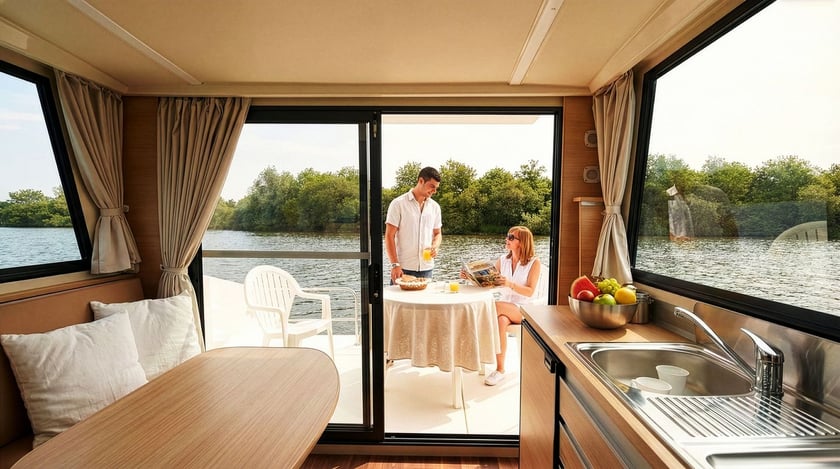
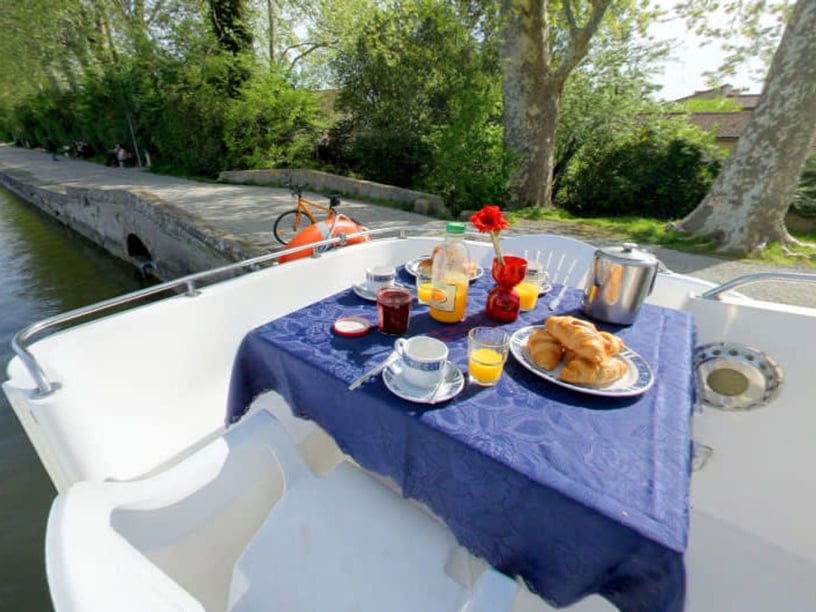
A boat rental in Saint-Martin-sur-Oust creates a holiday rhythm built around cruising, lock passages and excursions along the towpath. Walking and cycling beside the canal can complement time aboard, while the surrounding wetlands and wooded riverbanks are relevant to travelers interested in wildlife watching and landscape photography. Fishing is another established activity, subject to local rules.
The waterway also carries a visible record of inland Brittany’s transport history. The Oust was canalized during construction of the Nantes–Brest Canal, completed for navigation in 1842. Lock houses and former crossing points recall the period when ferries operated at Guélin and Dégoutta before modern bridges changed local movement.
On land, points of interest include the Écluse du Gueslin, Château de Castellan, Chapelle Saint-Mathurin and Chapelle Saint-Léonard. These modest heritage sites suit the slow pace of the journey and provide reasons to pause beyond routine provisioning stops.
Access and departure points
Saint-Martin-sur-Oust is usually reached by road via Redon, La Gacilly and the D777. Redon TGV station is approximately 20 kilometers from the local boat base, while Rennes–Saint-Jacques and Nantes Atlantique are the relevant airports for travelers arriving from farther away. Regional buses connect the commune with Redon and La Gacilly, but a car or arranged transfer is generally more convenient with boating luggage.
Trips may begin at the Halte Fluviale Saint-Martin-sur-Oust. Depending on the planned route and confirmed boat arrangements, Port de Glénac, Port de La Gacilly and Port de Redon are other relevant departure points in the surrounding network.
Practical charter planning
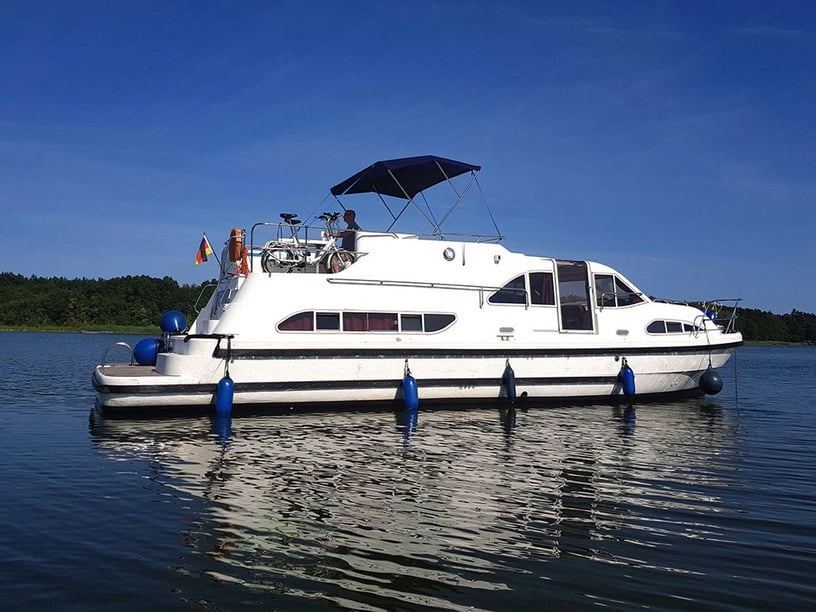
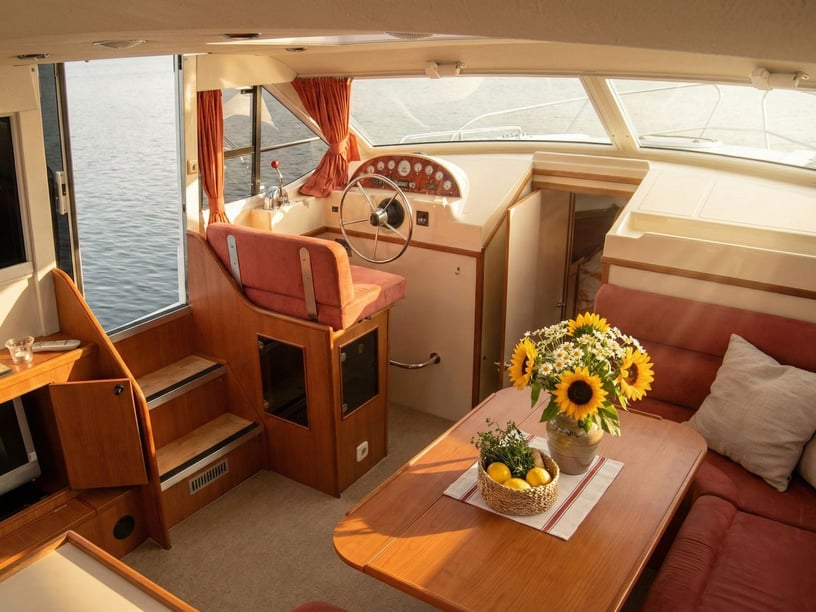
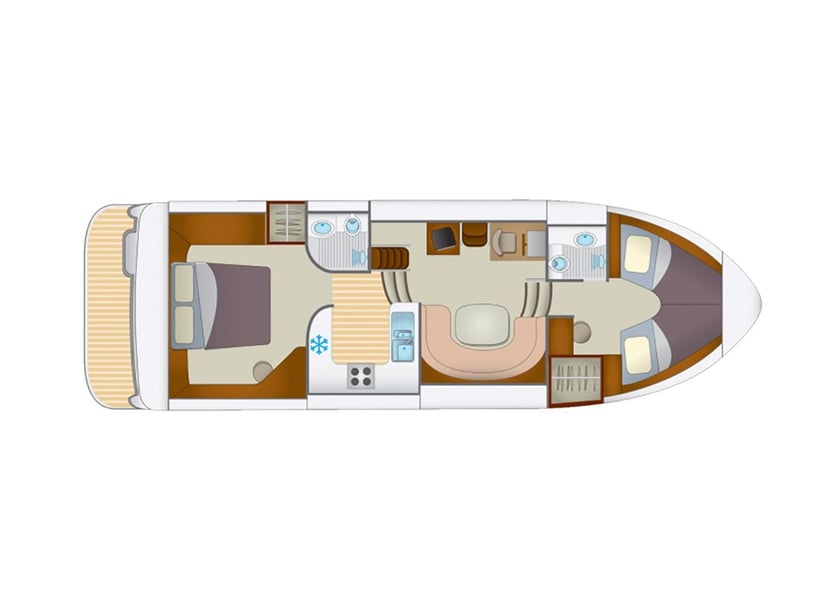
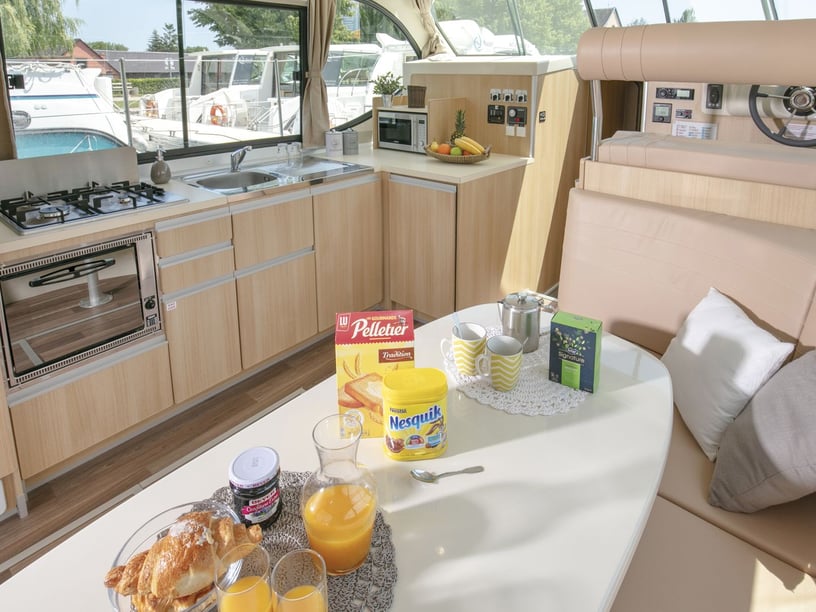
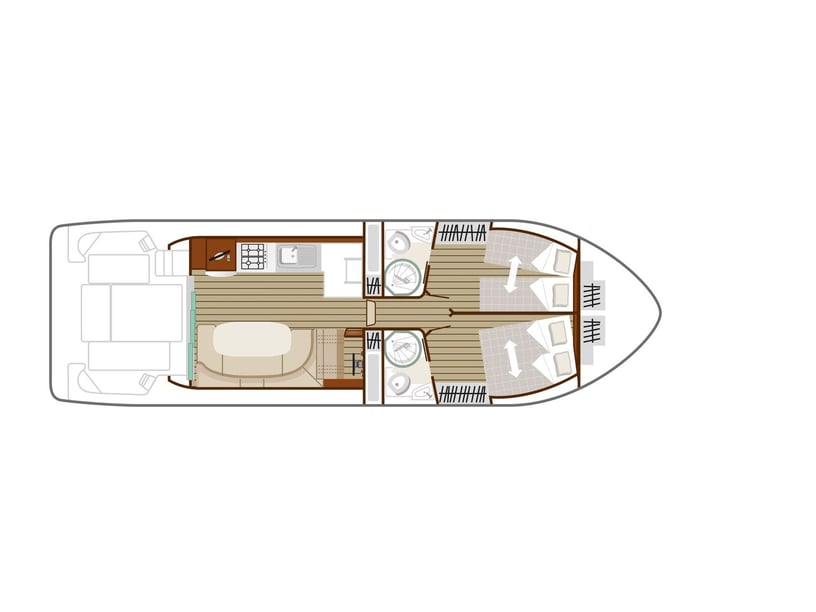
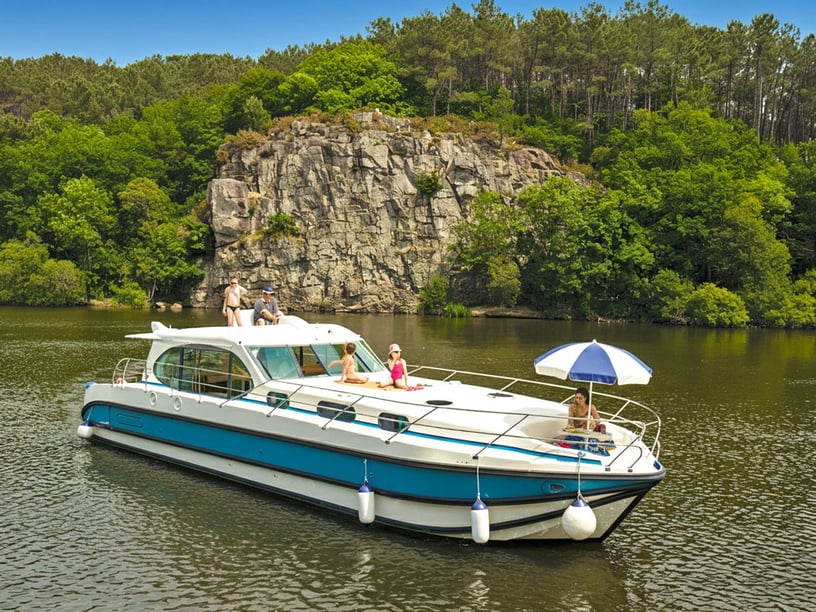
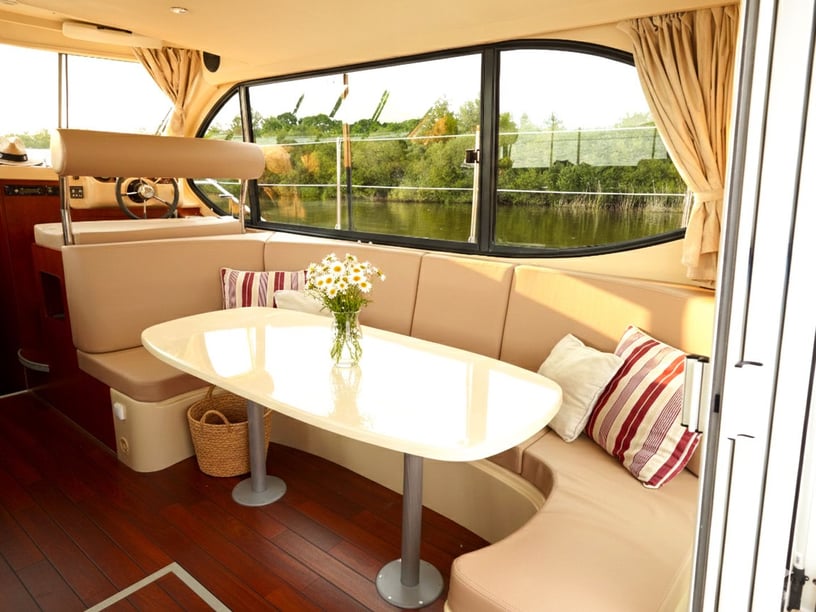
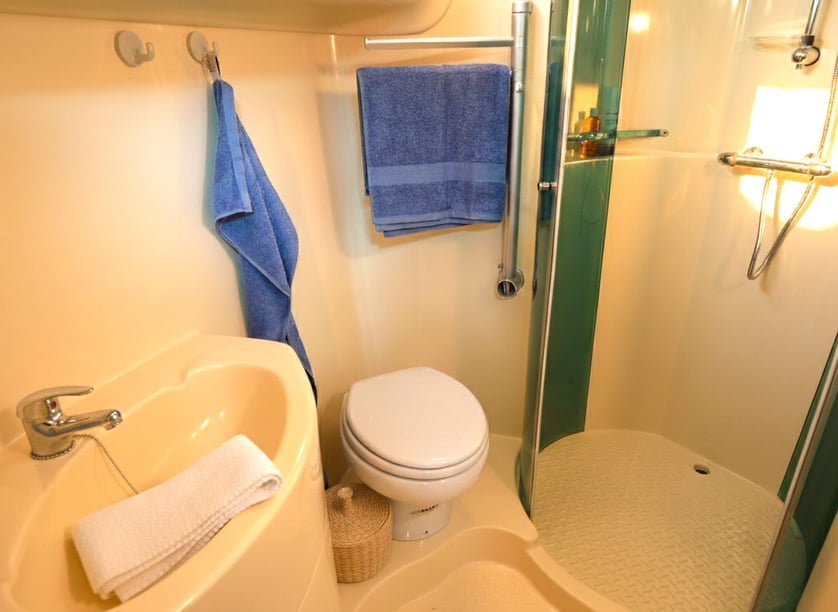
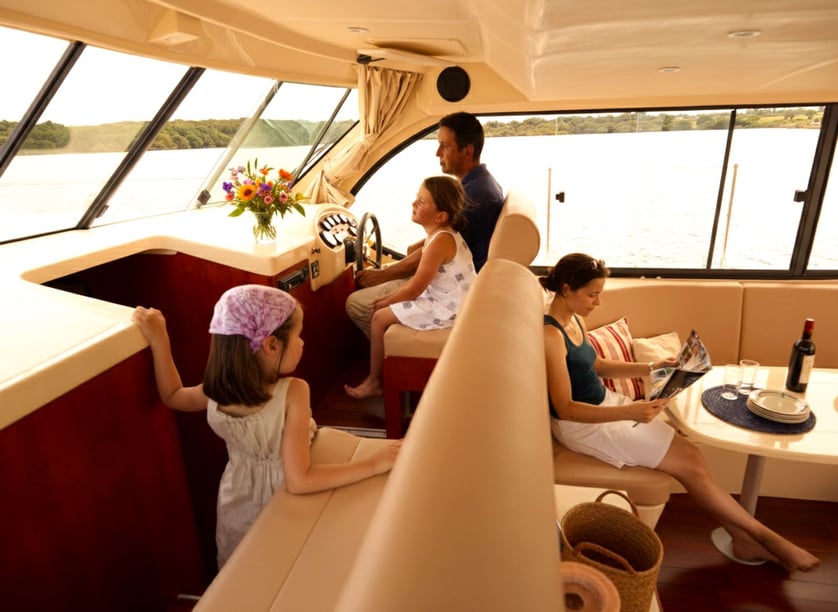
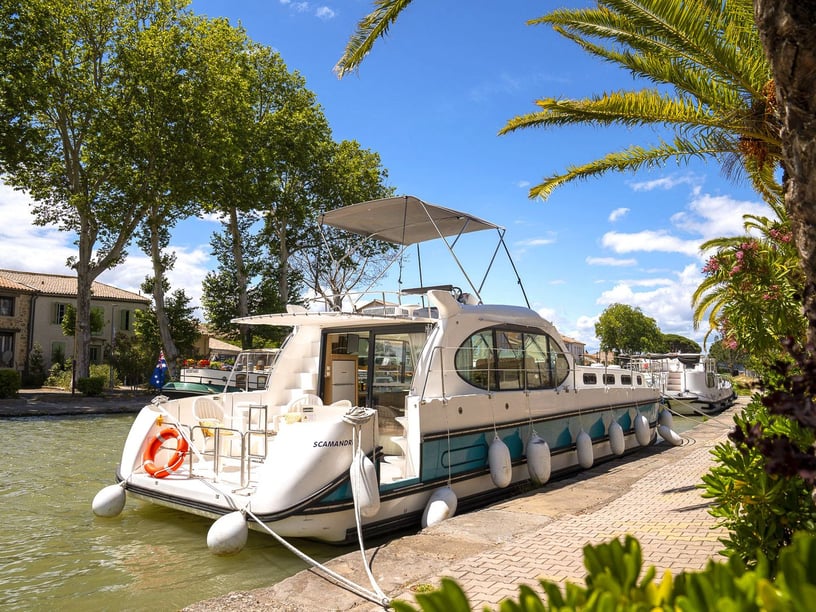
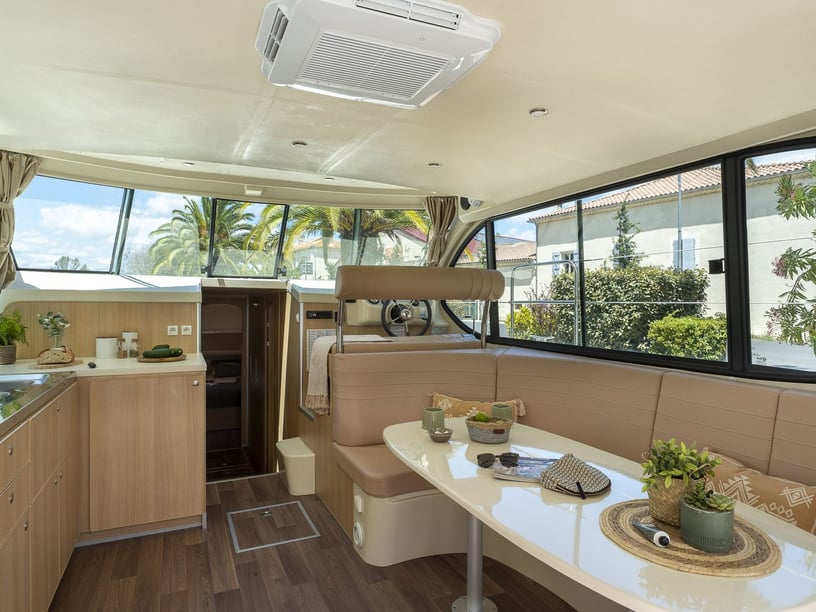
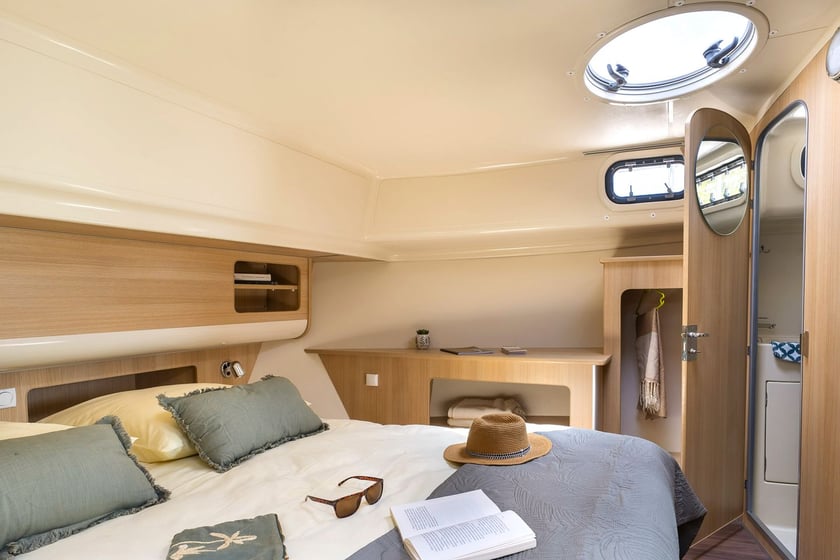
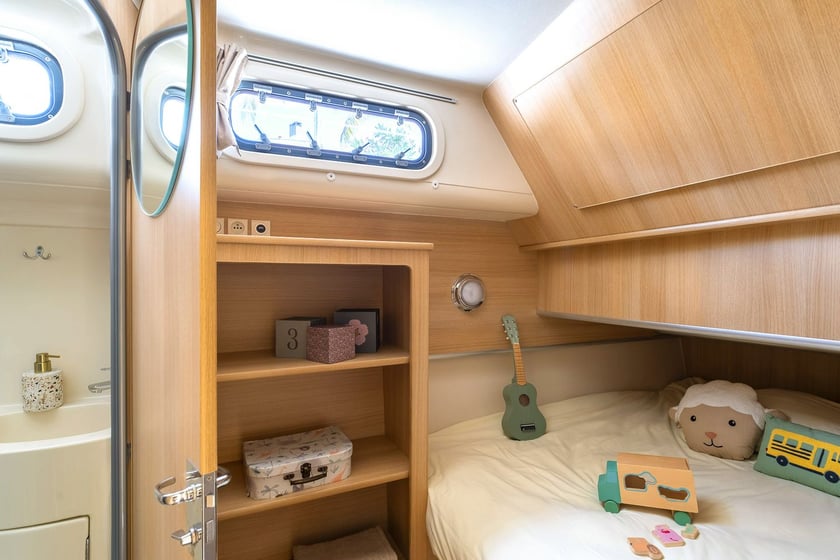
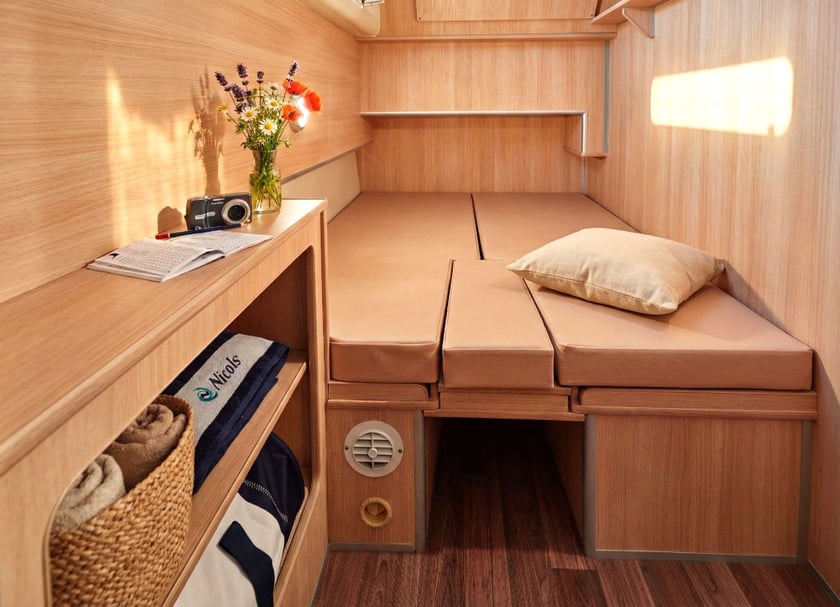
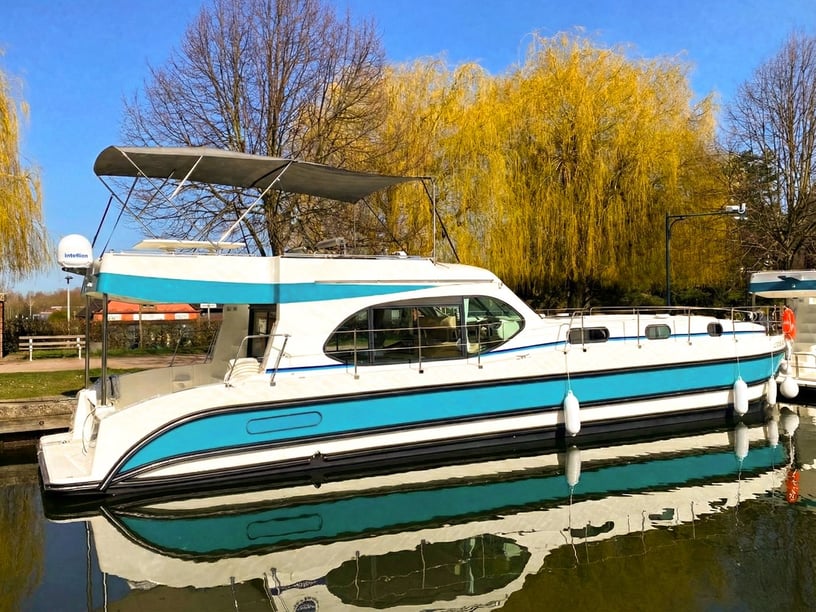
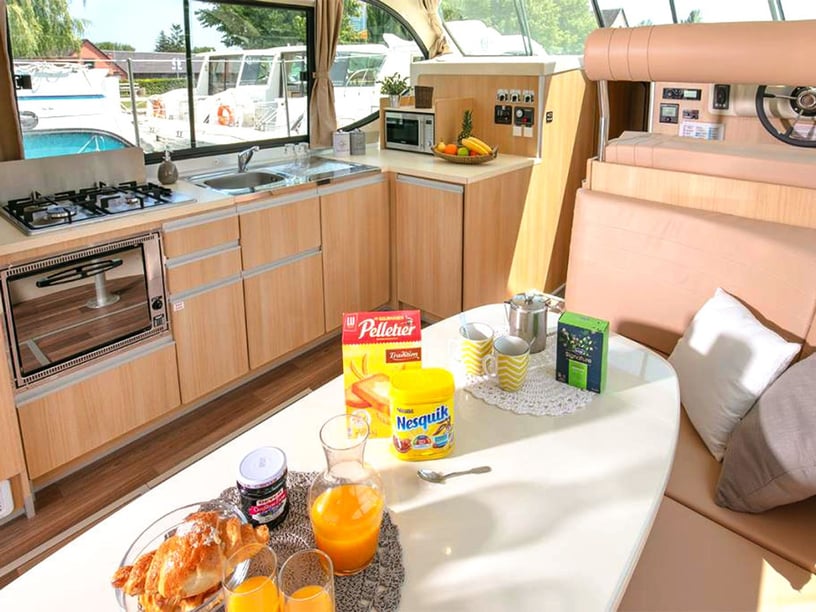
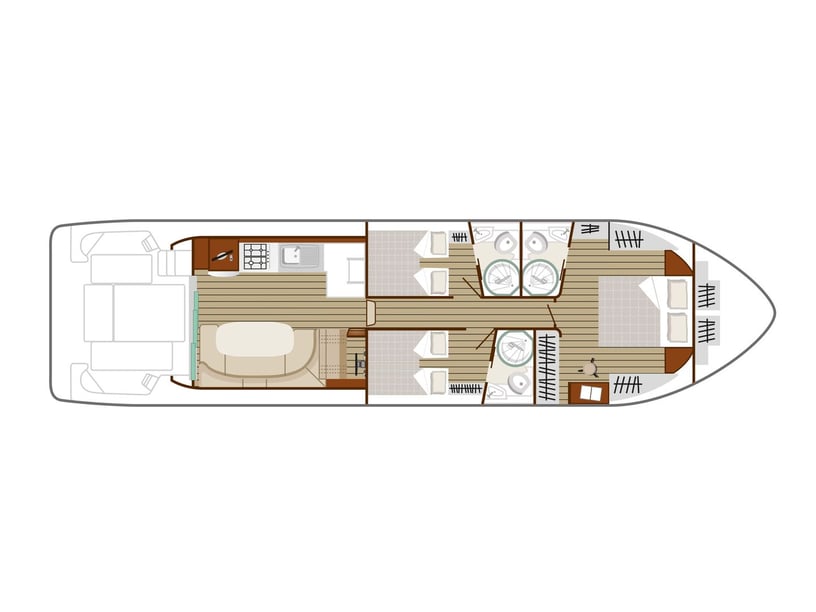
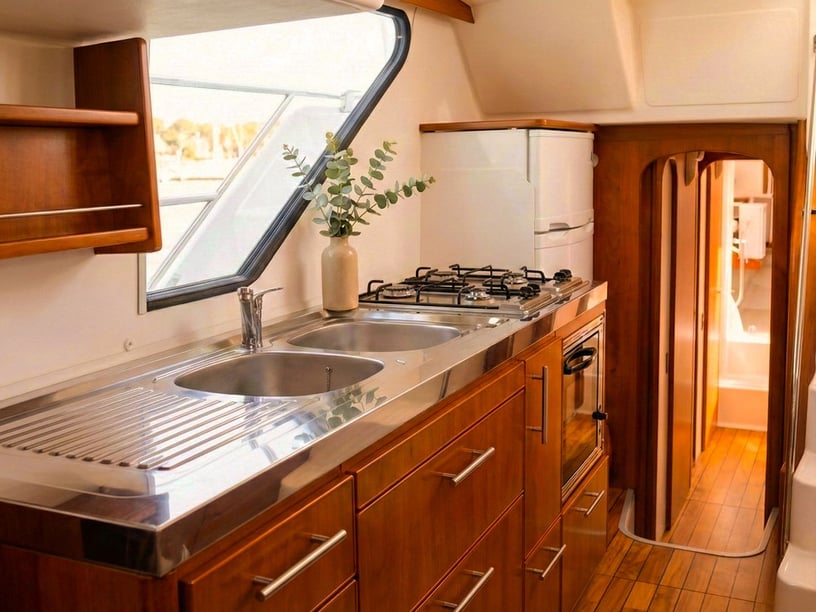
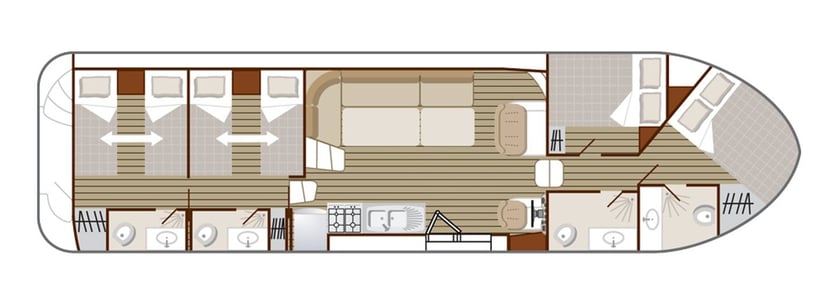
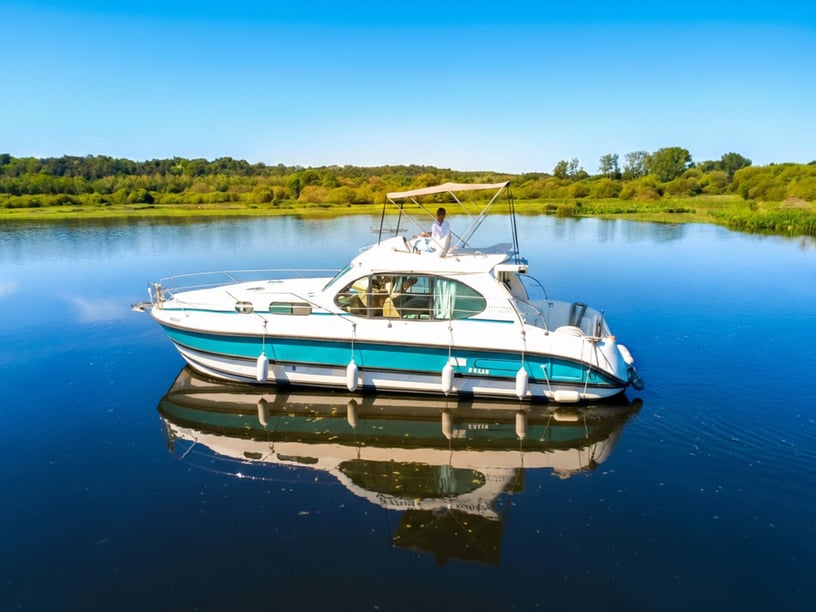
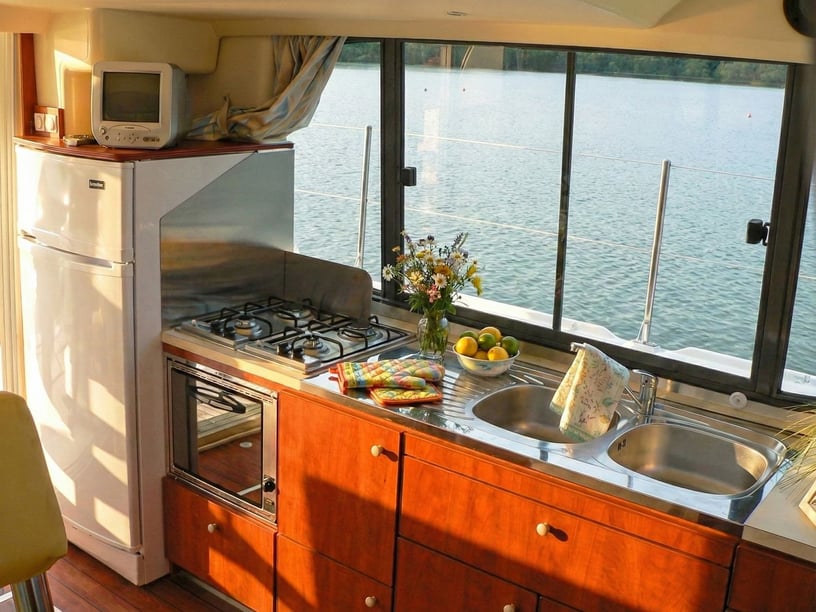
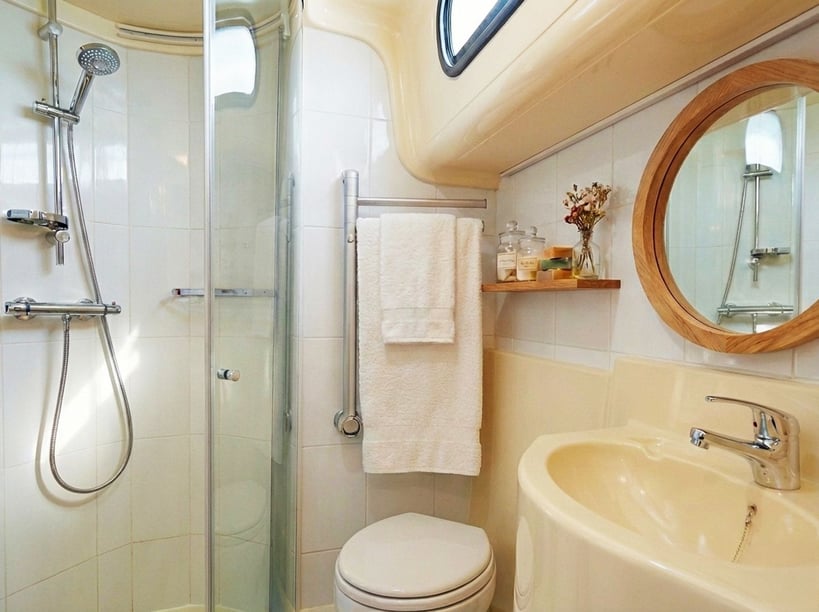
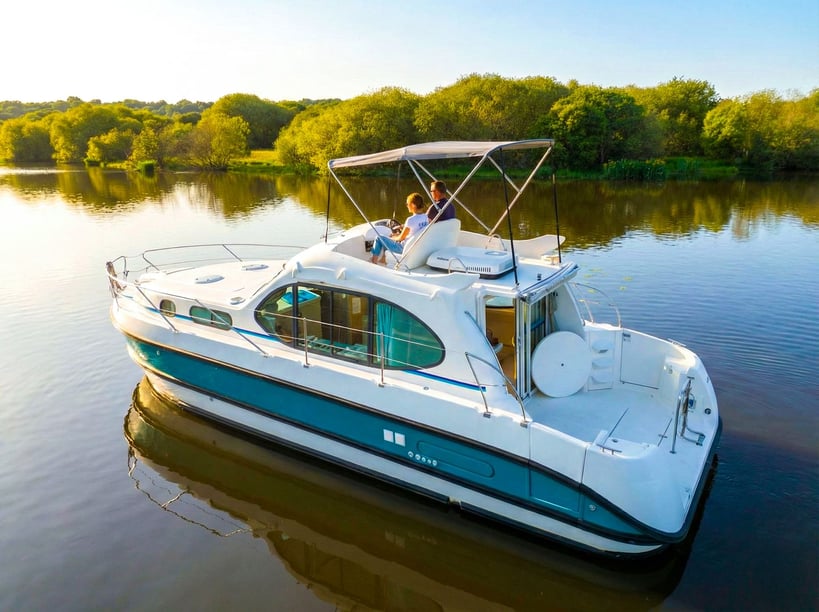
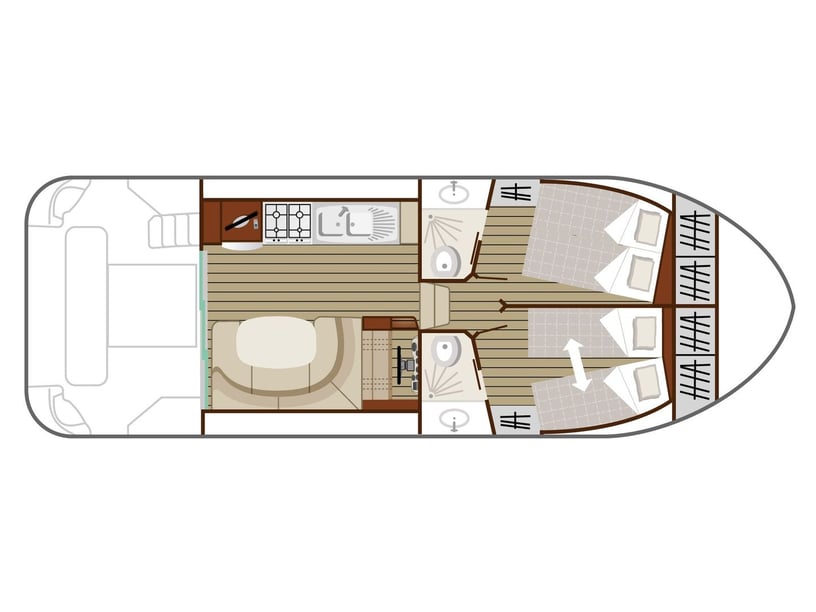
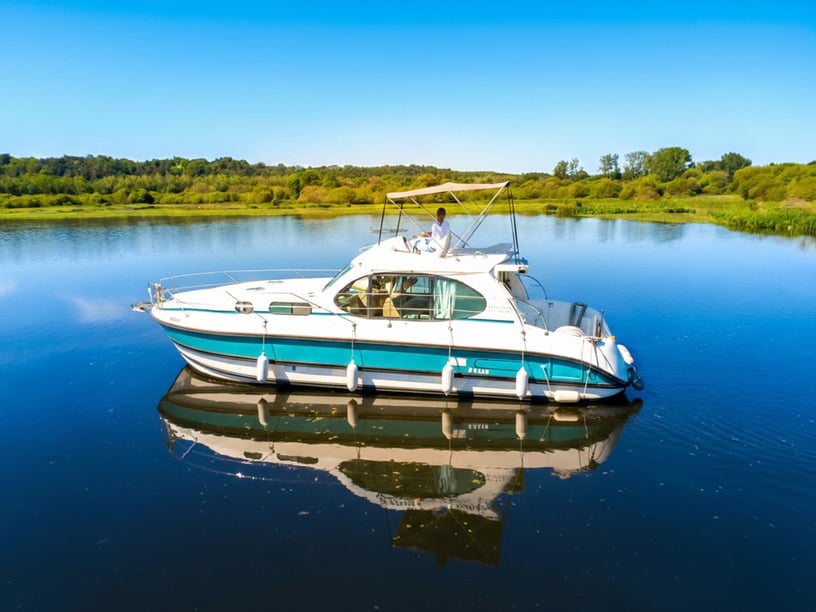
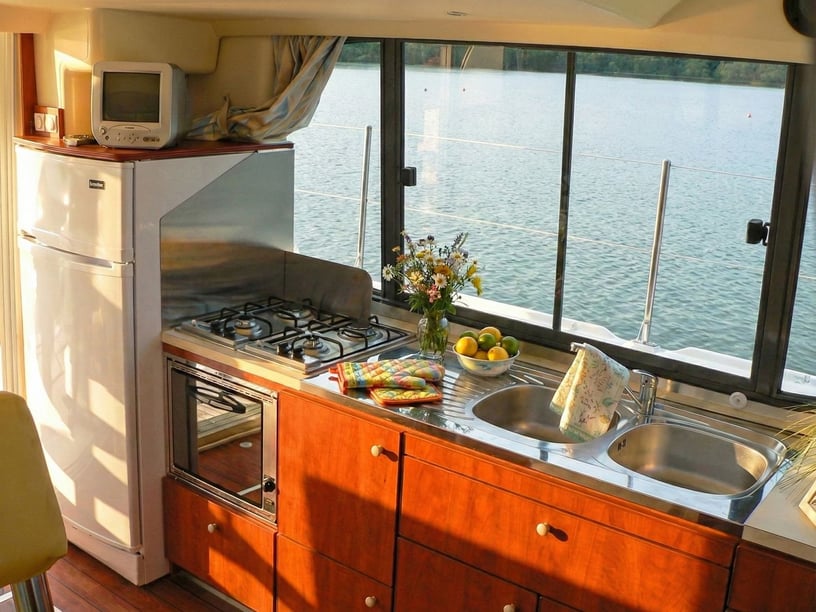
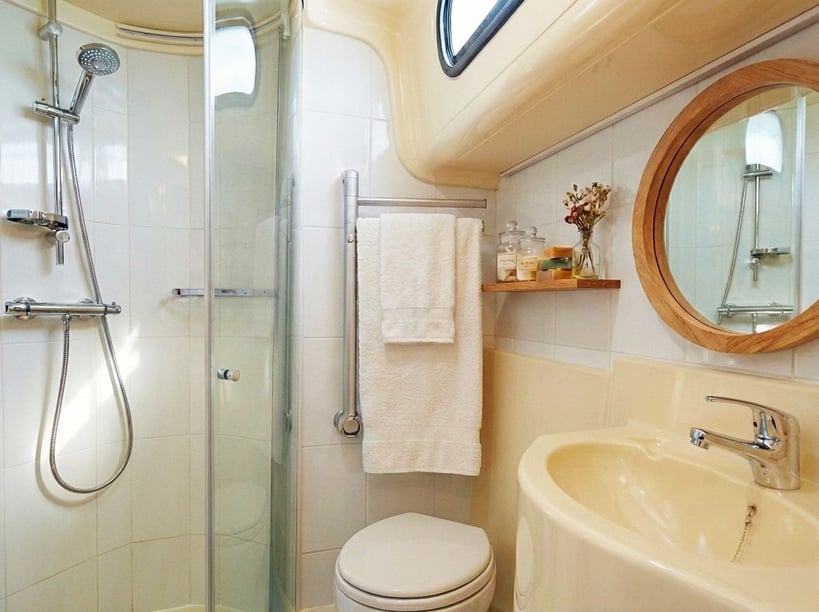
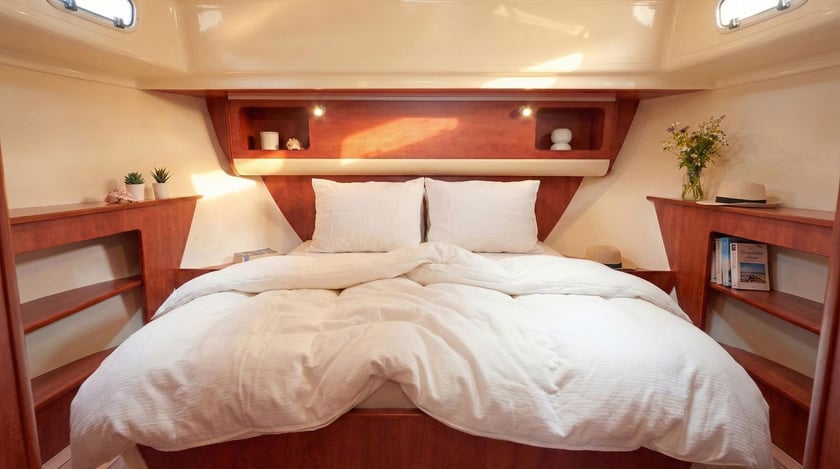
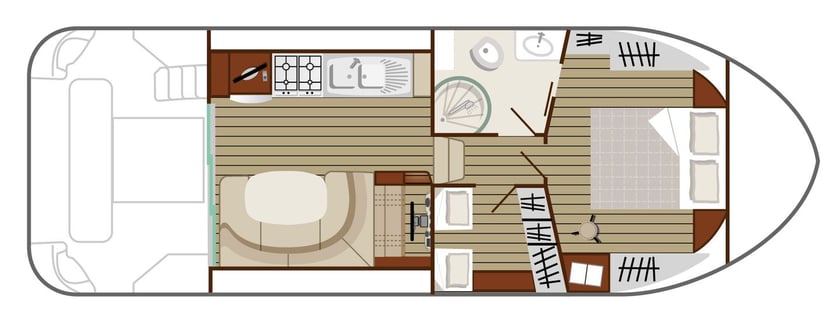
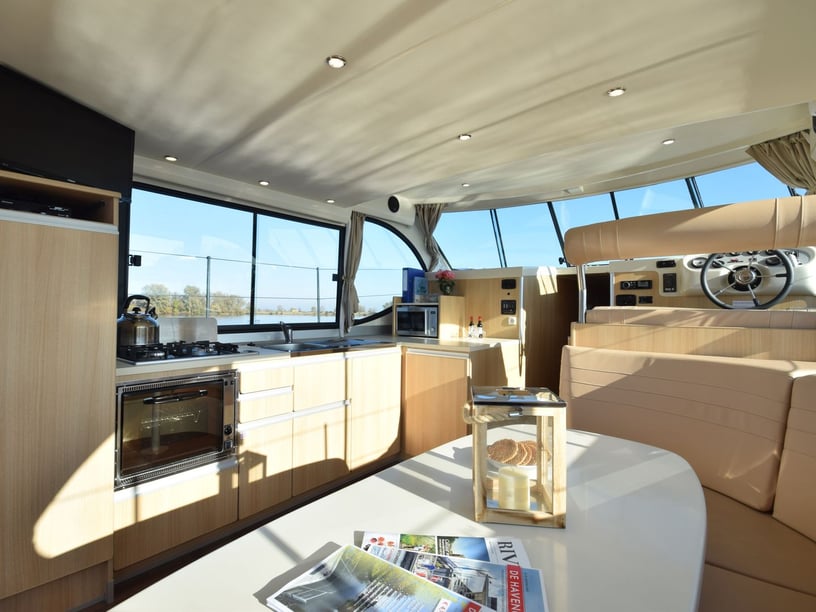
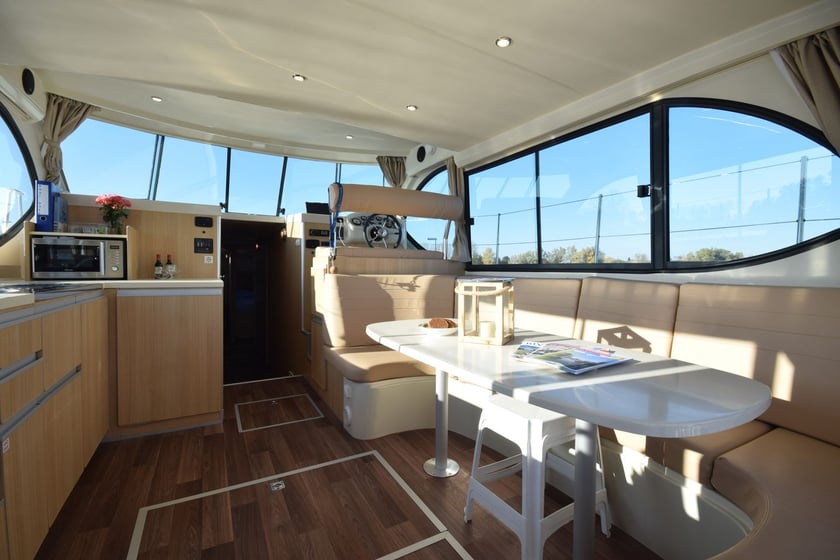
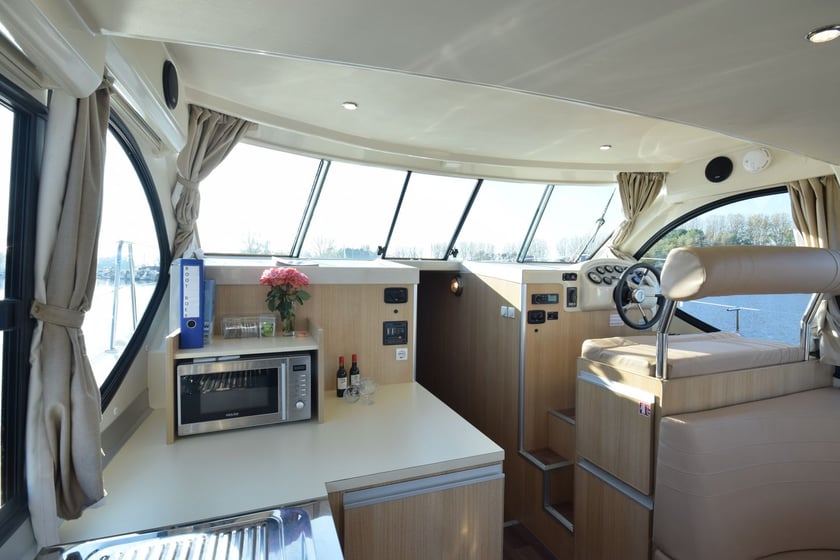
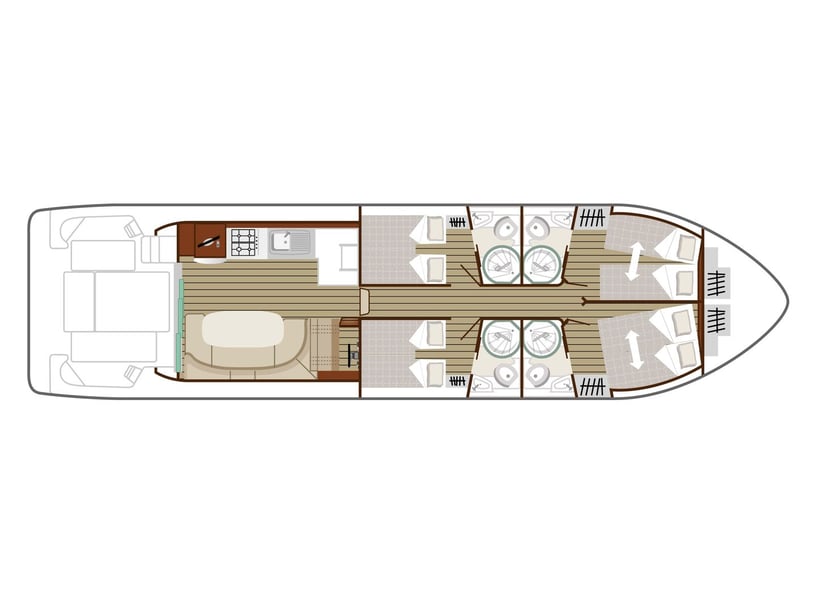
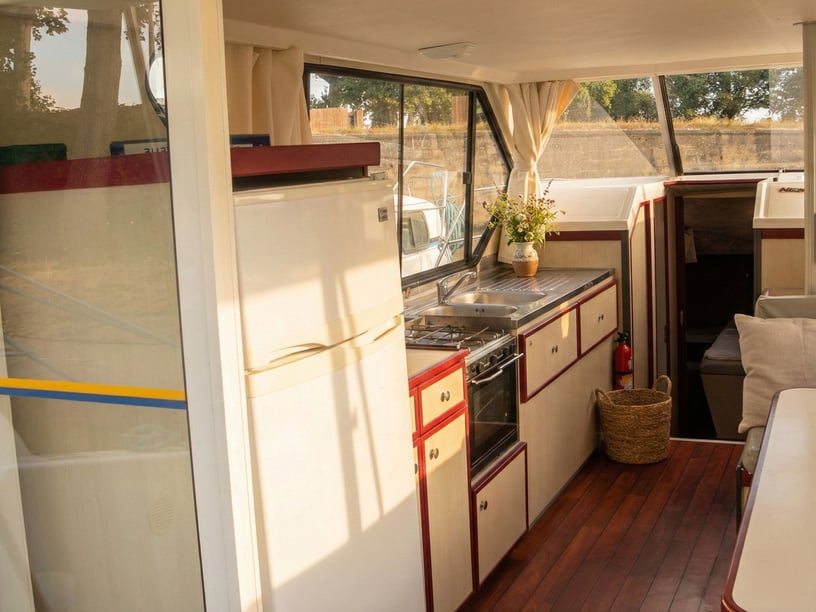
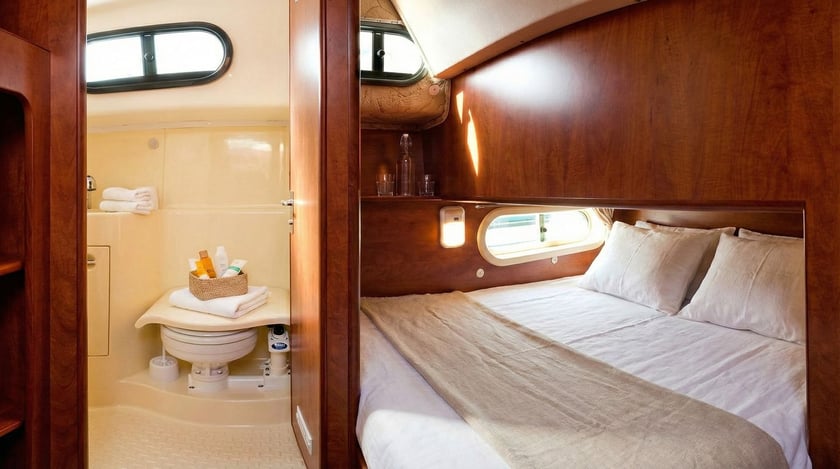
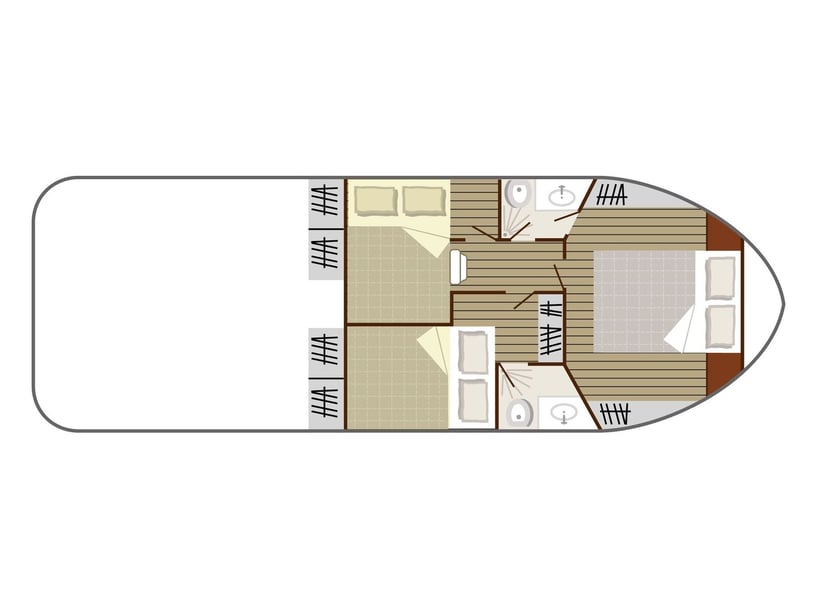
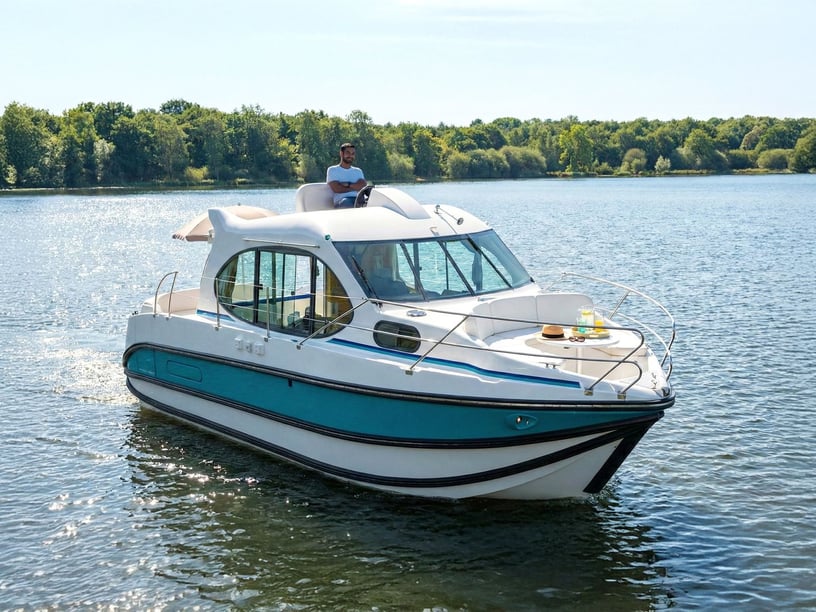
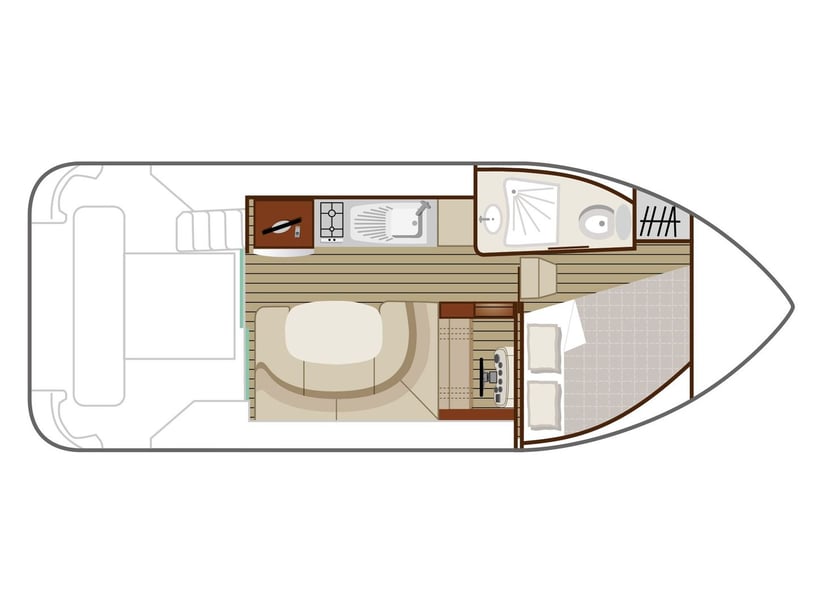
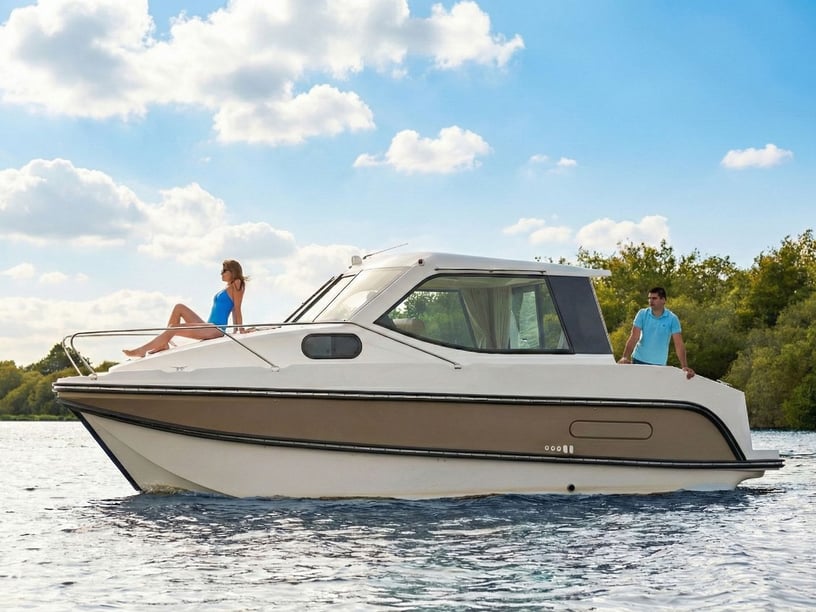
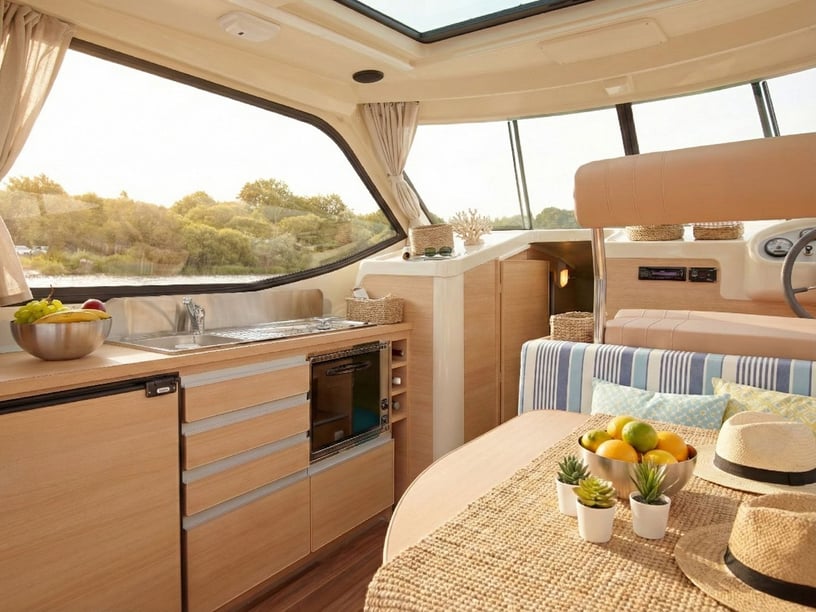
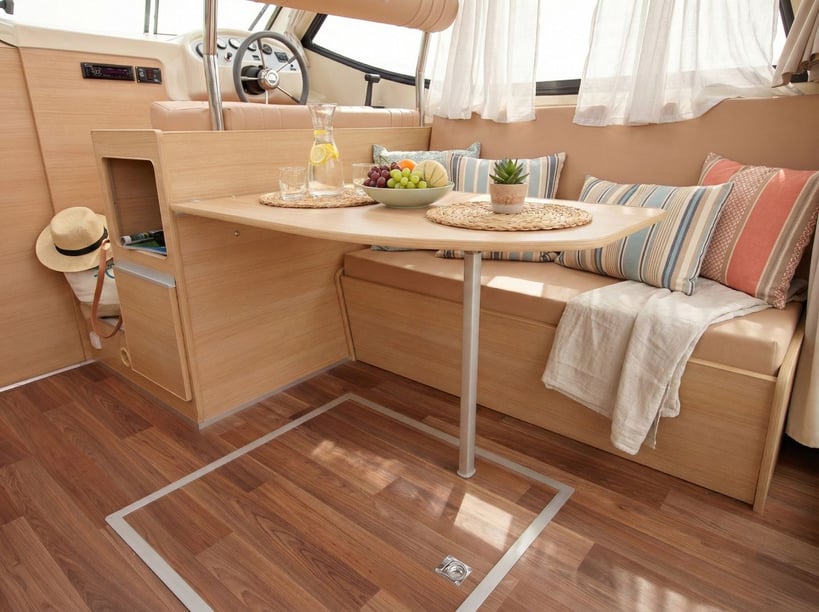
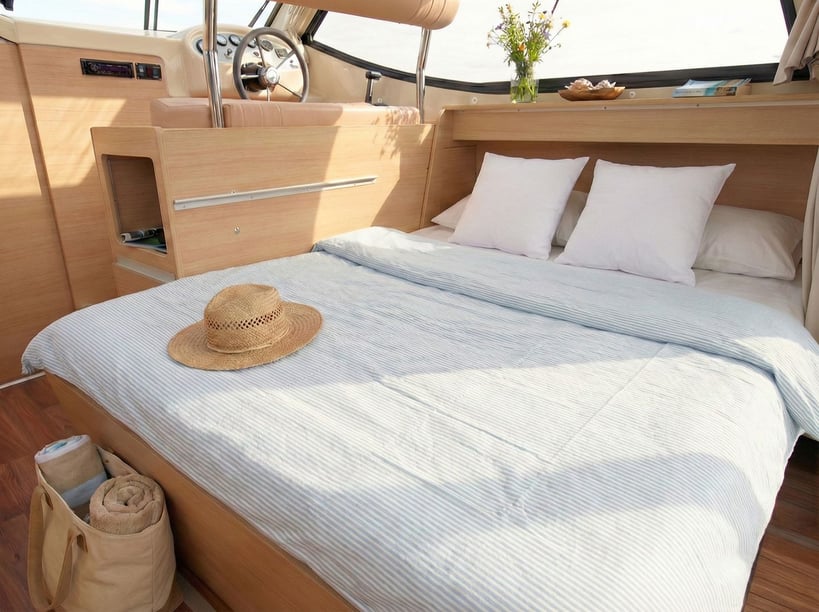
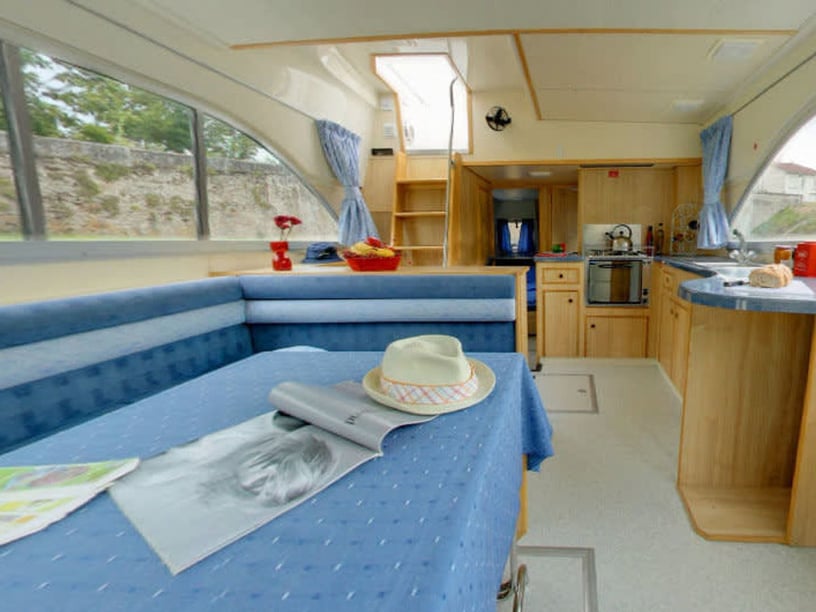
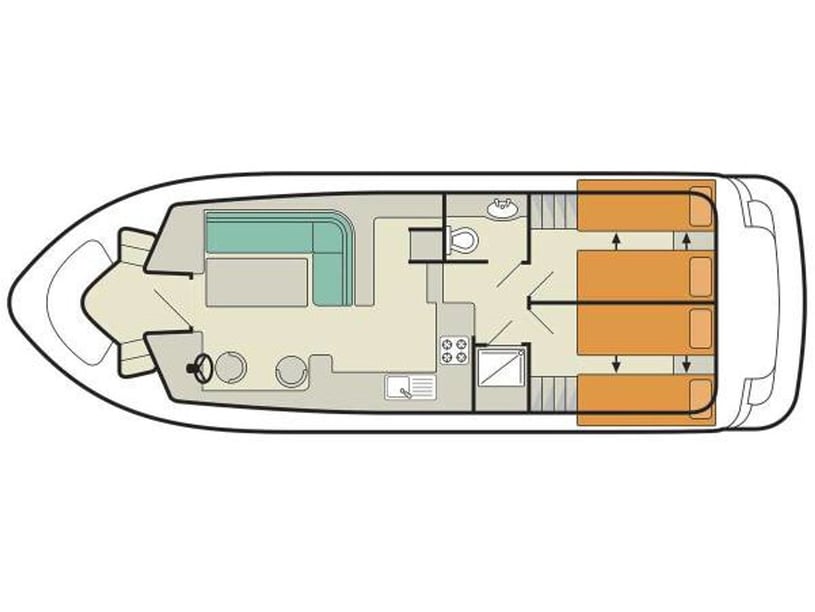
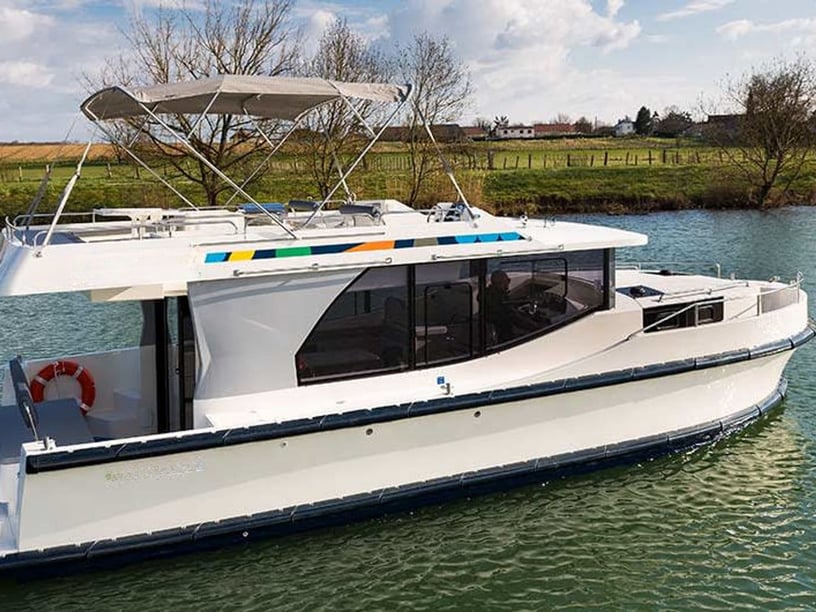
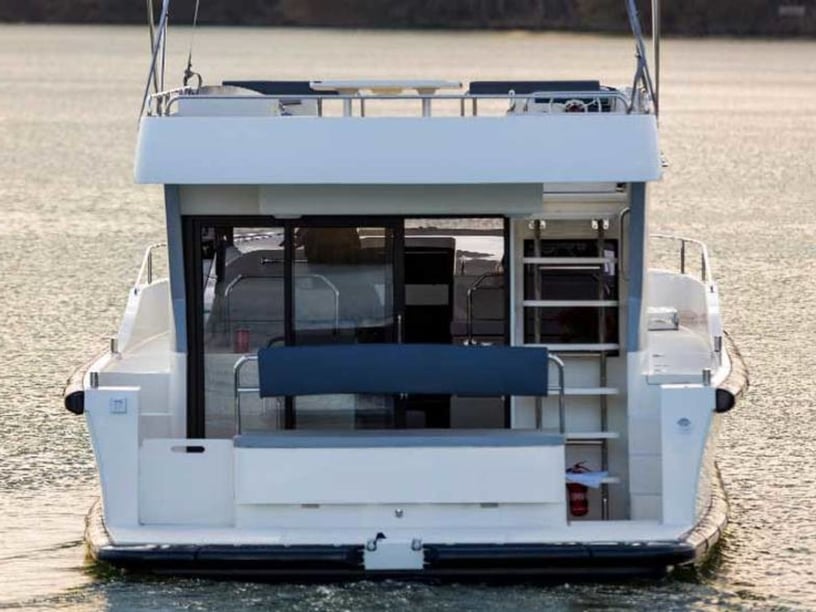
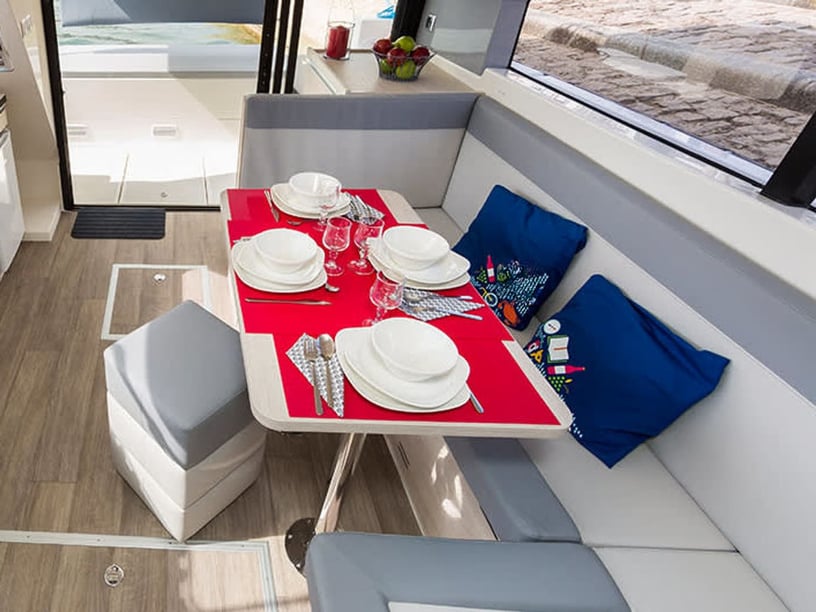
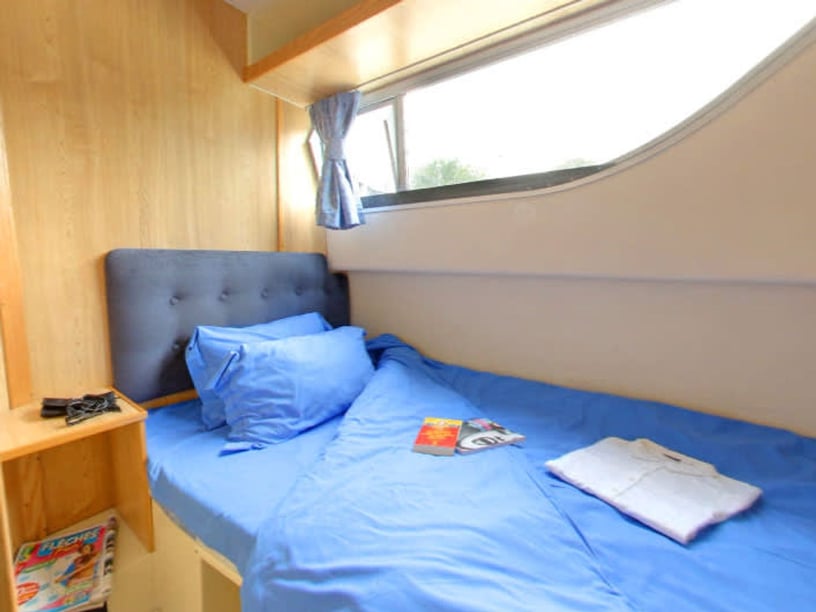
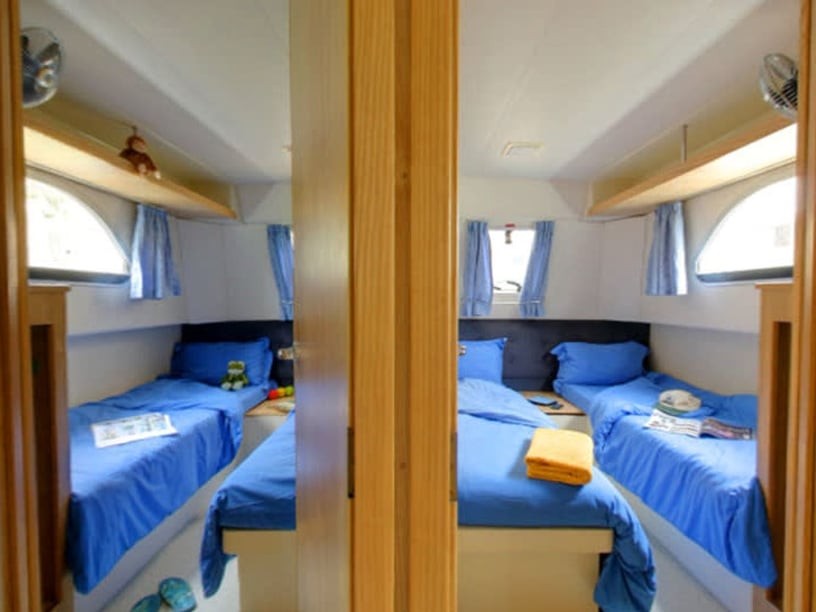
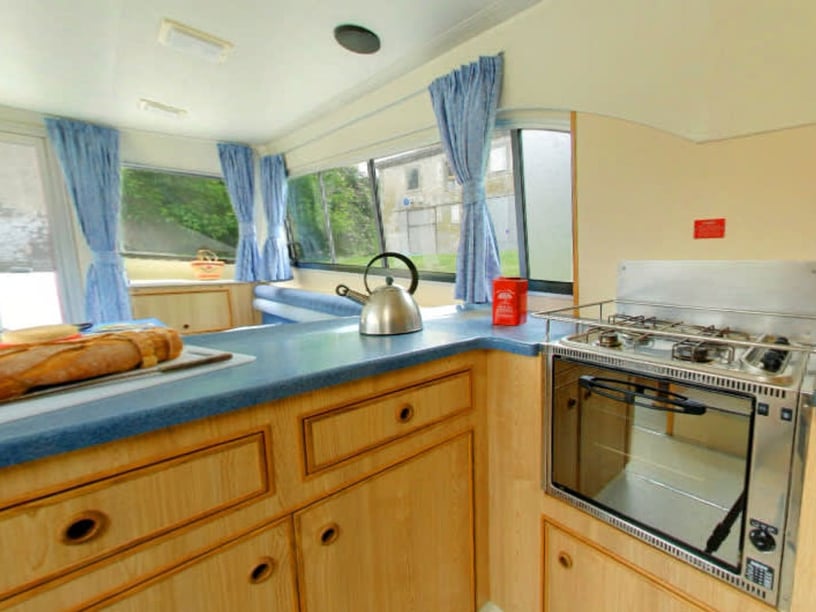
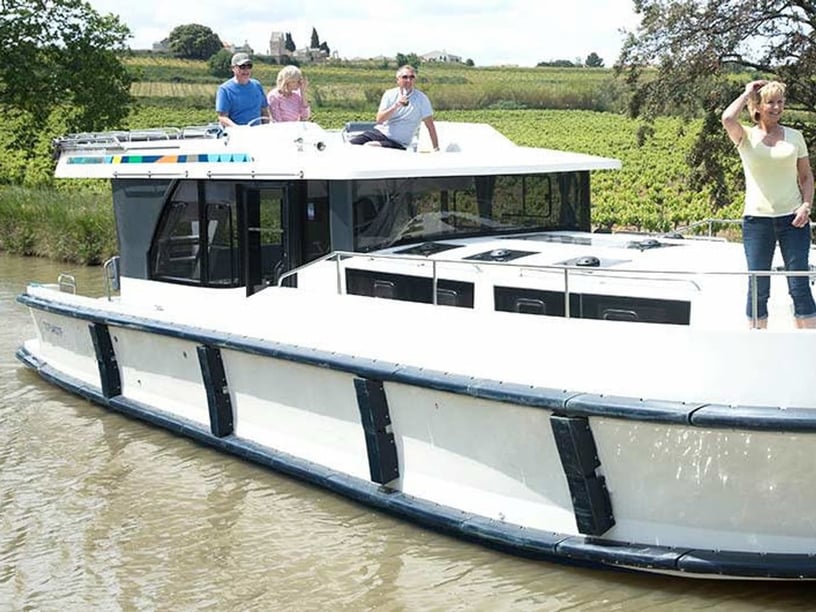
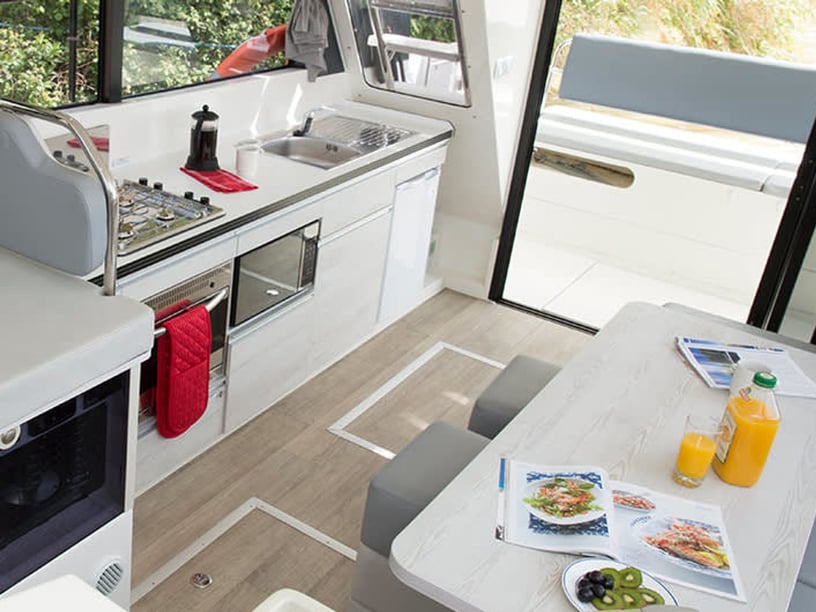
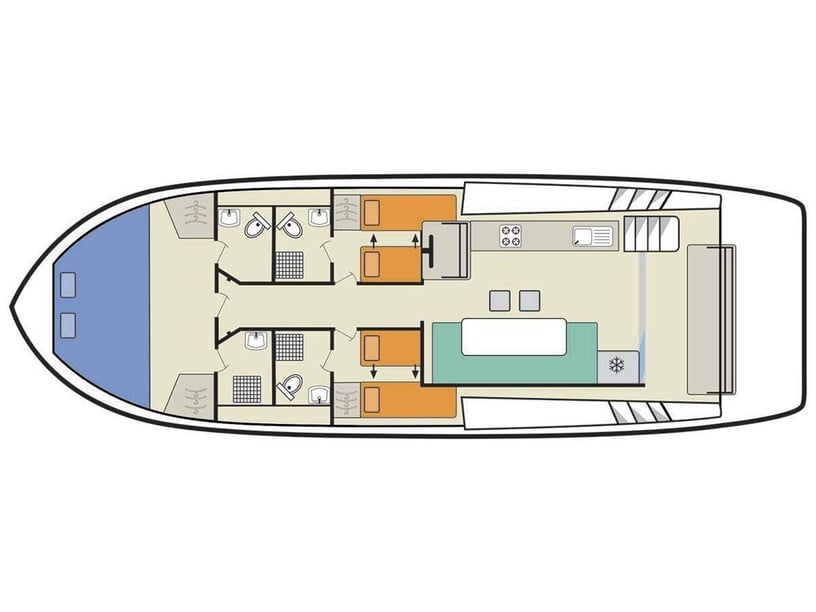
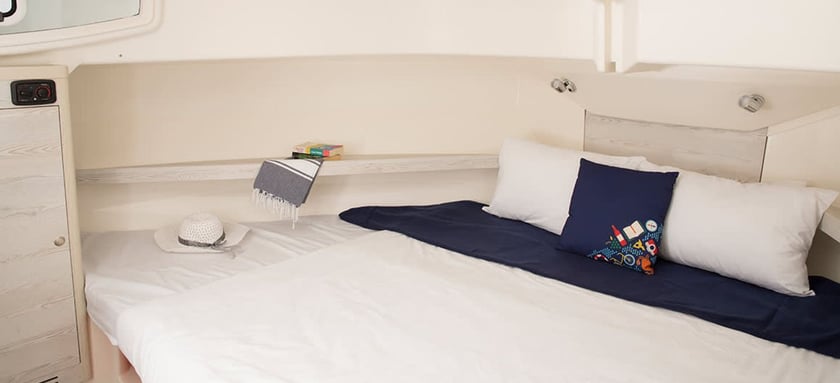
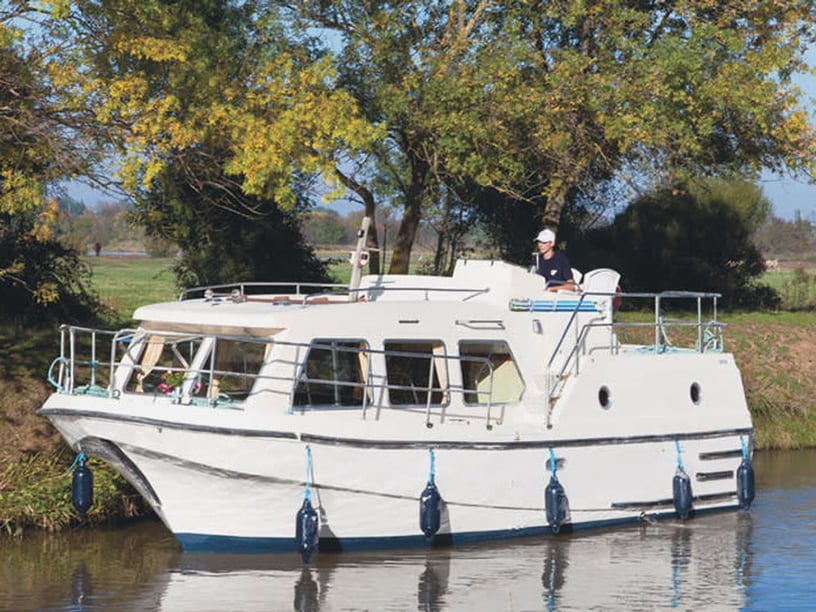
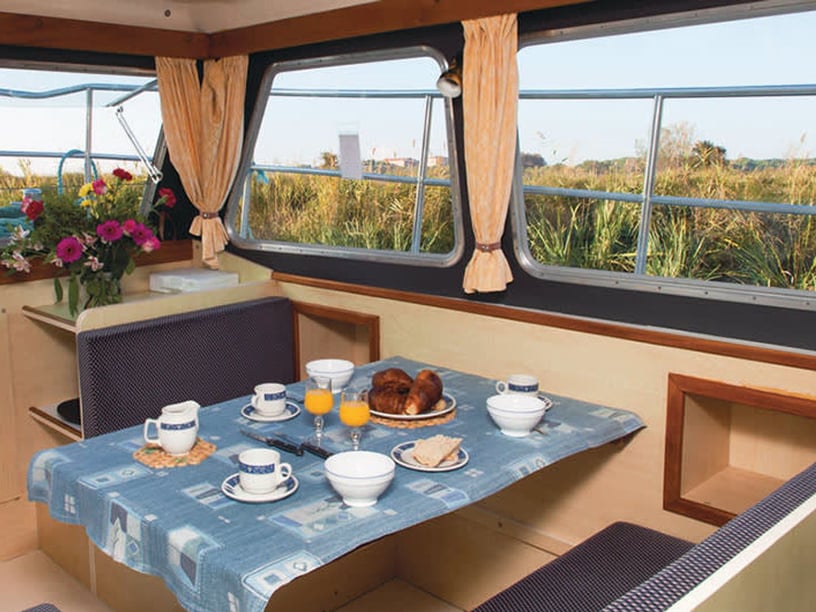
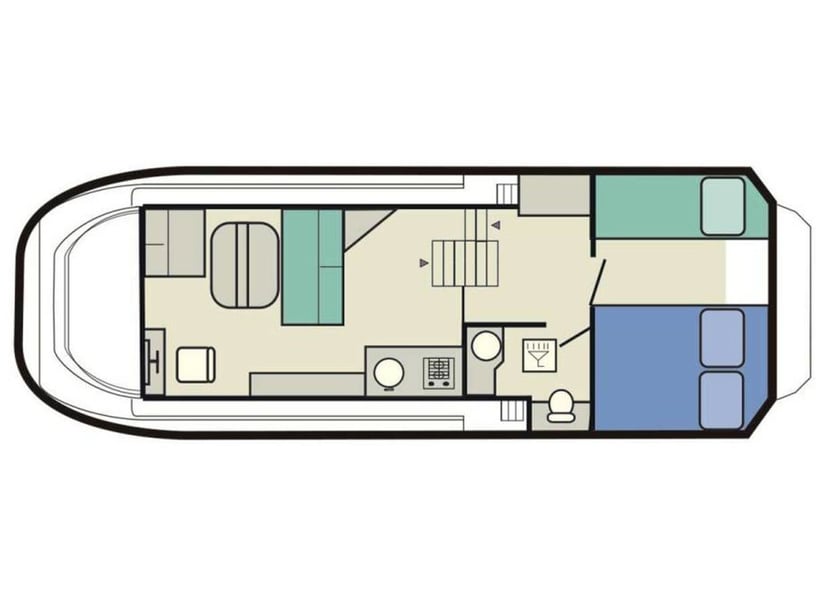
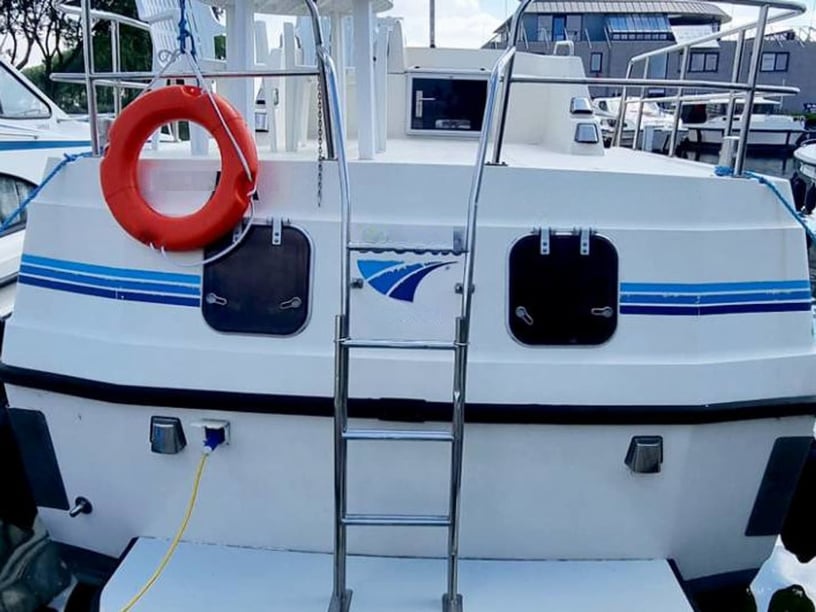
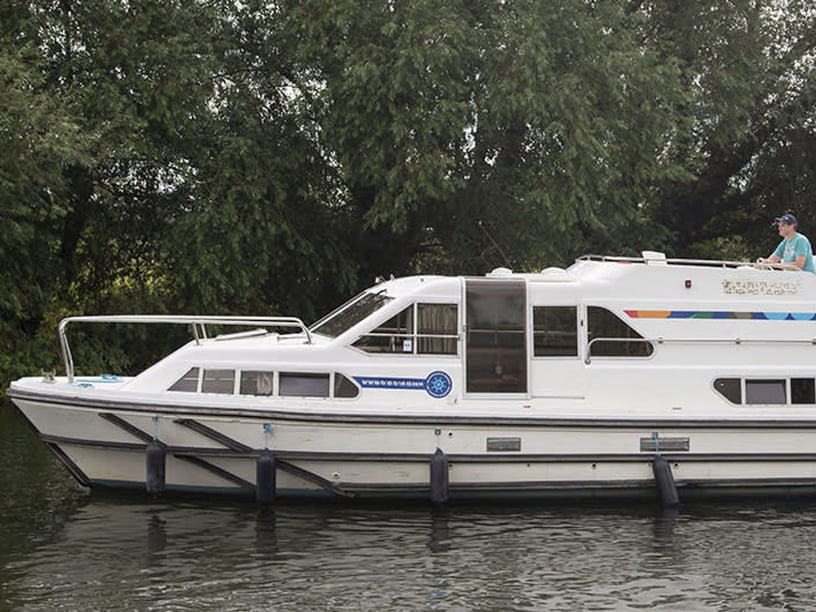
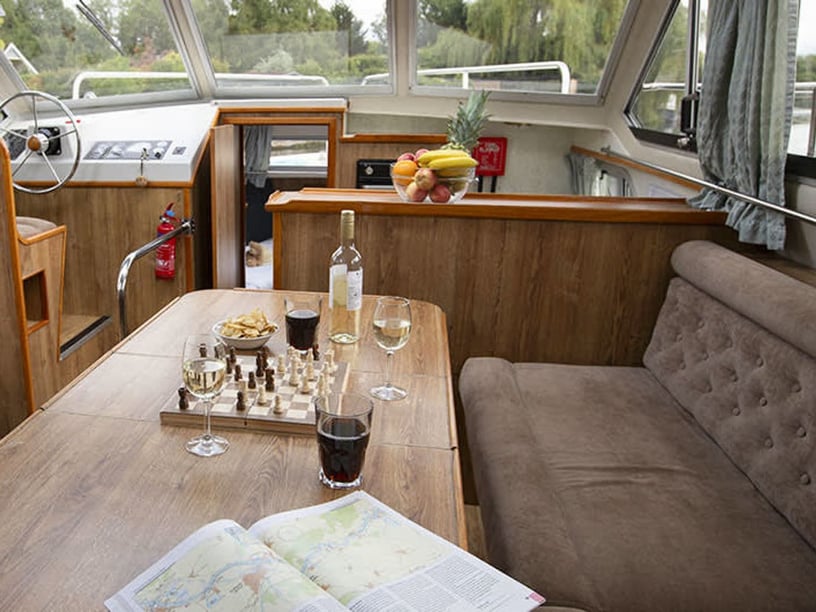
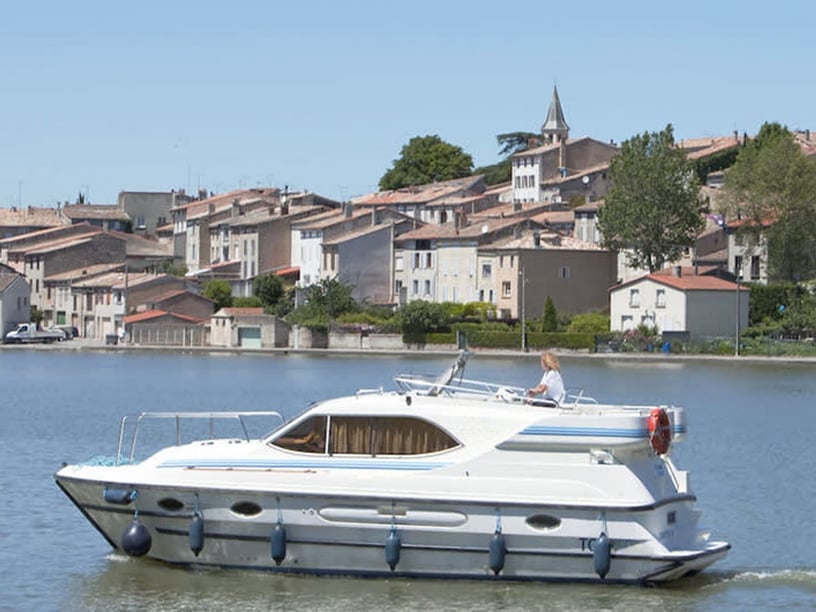
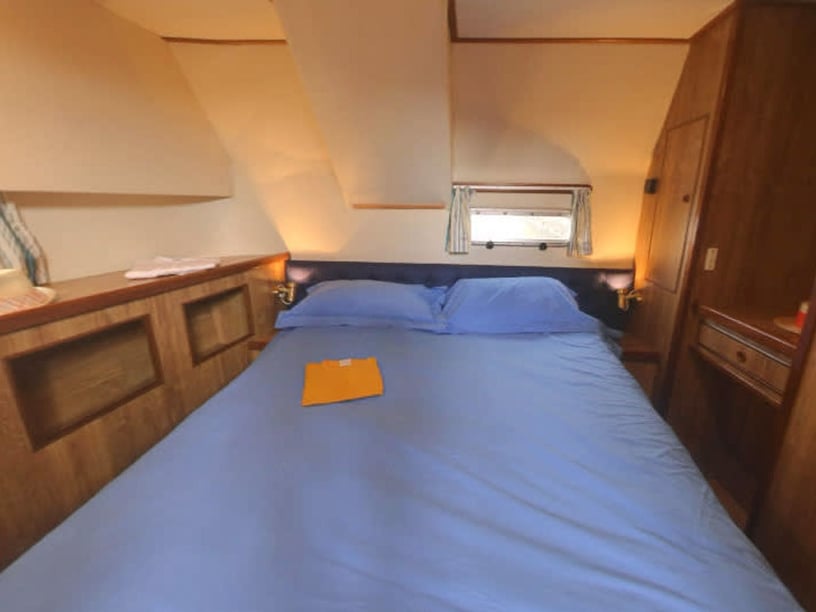
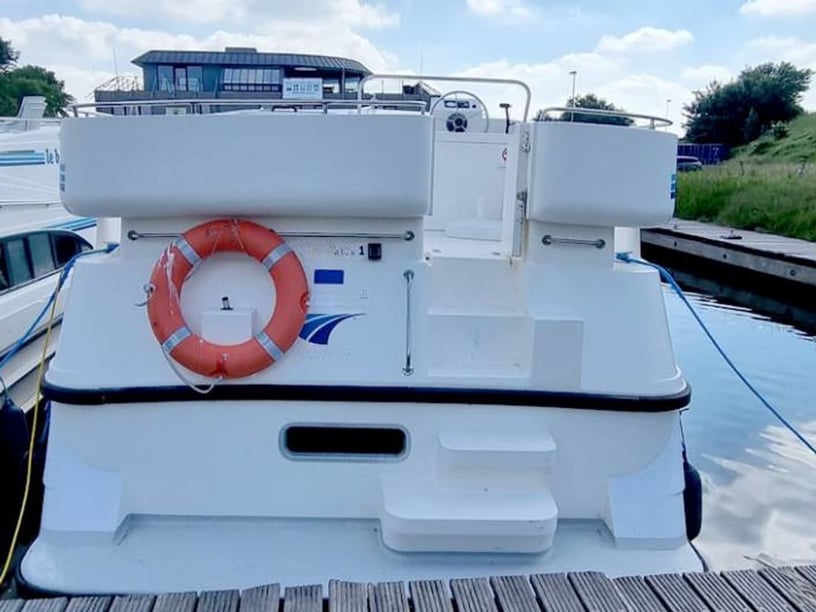
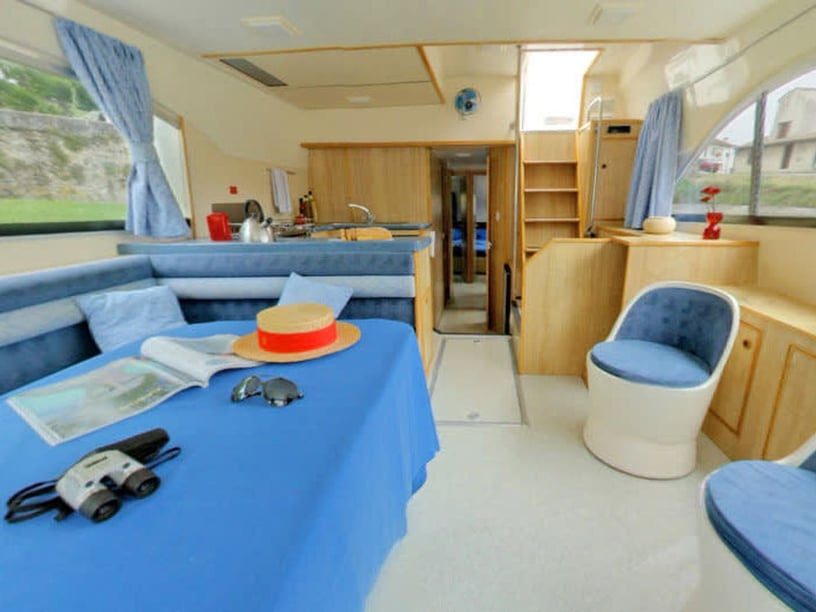
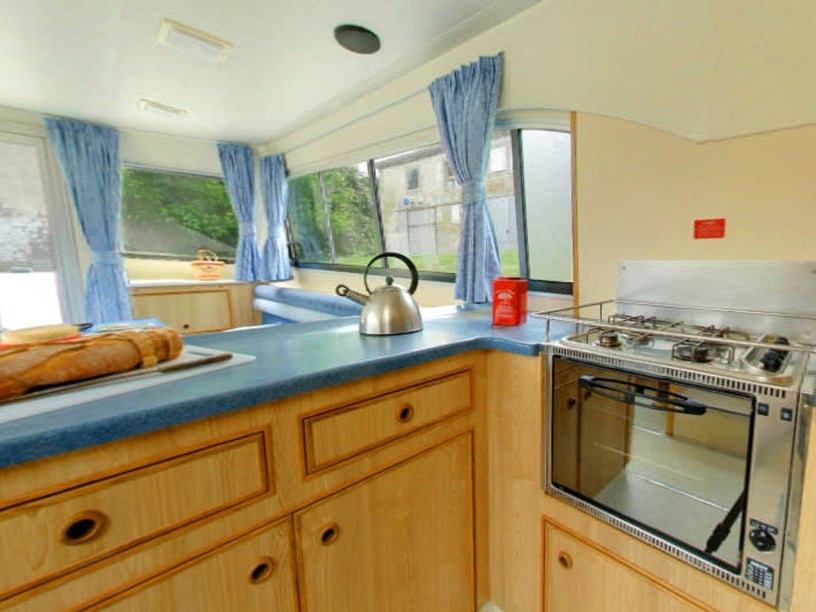
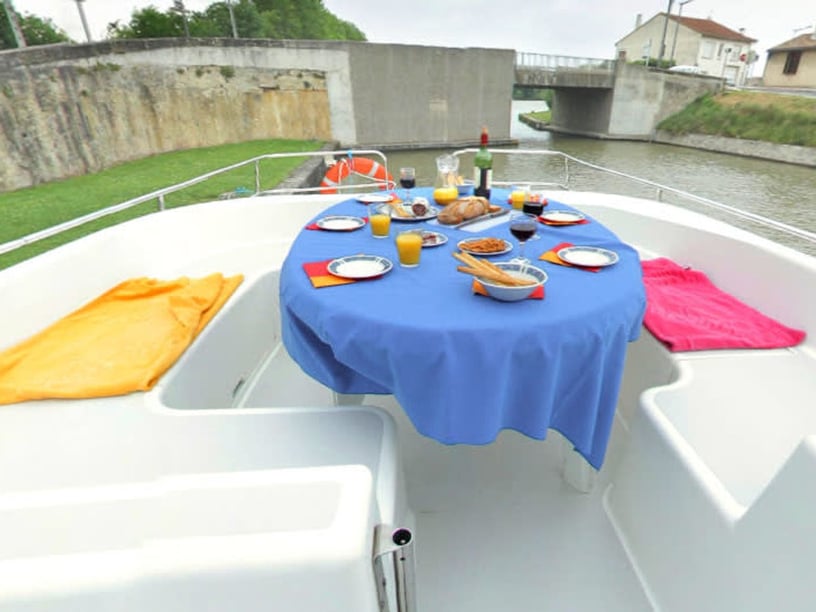
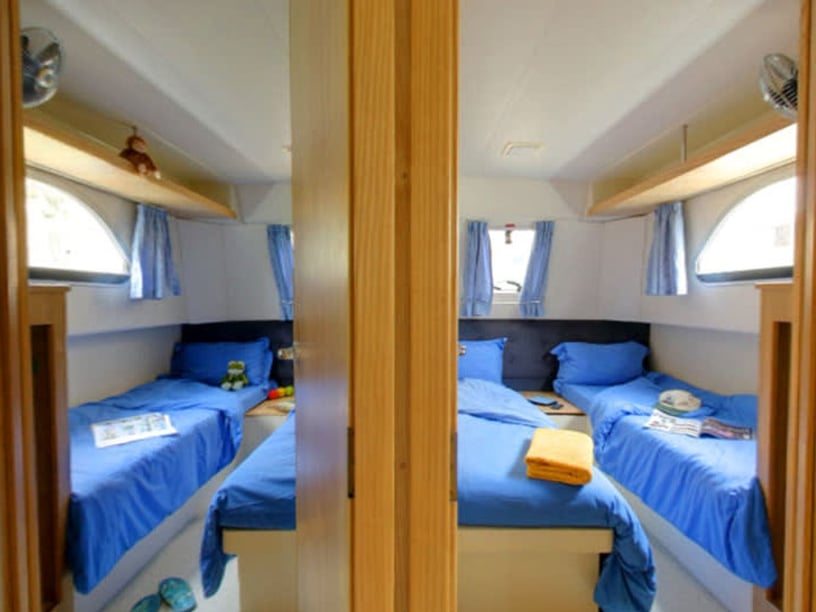
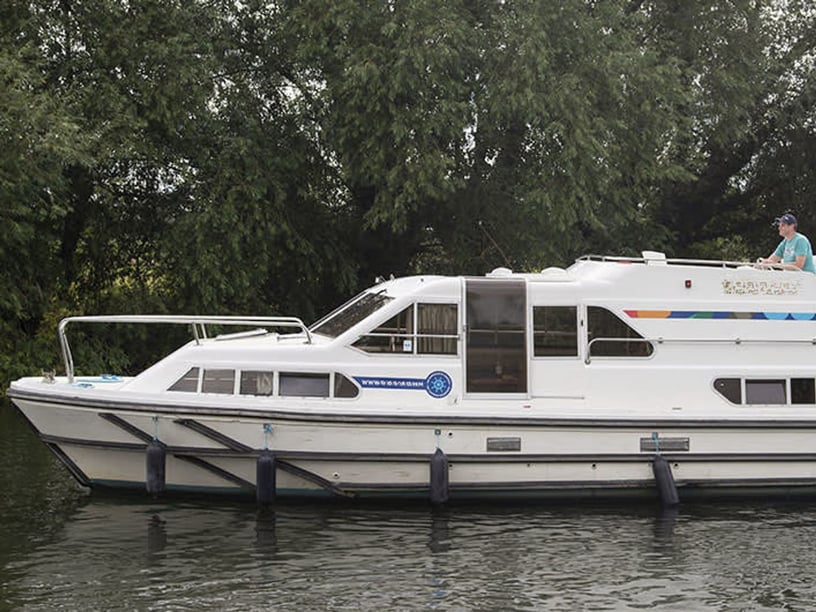
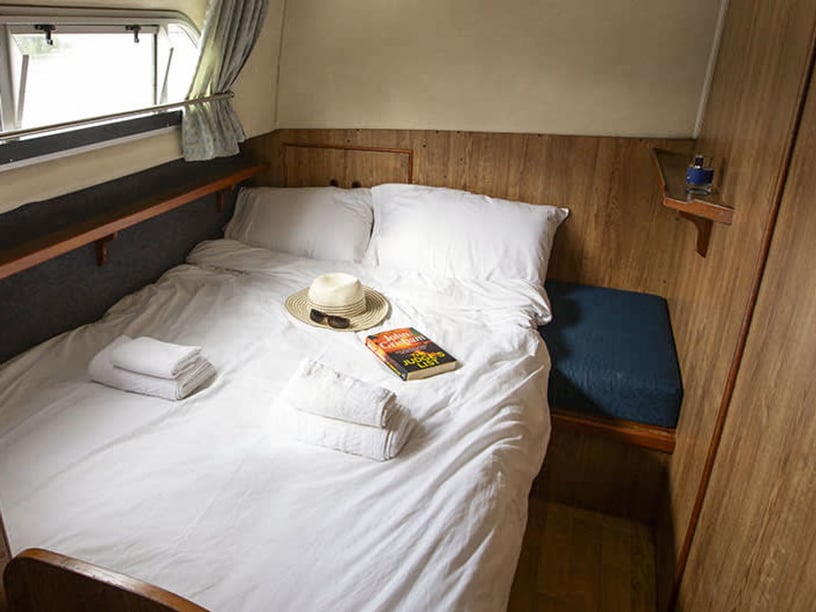
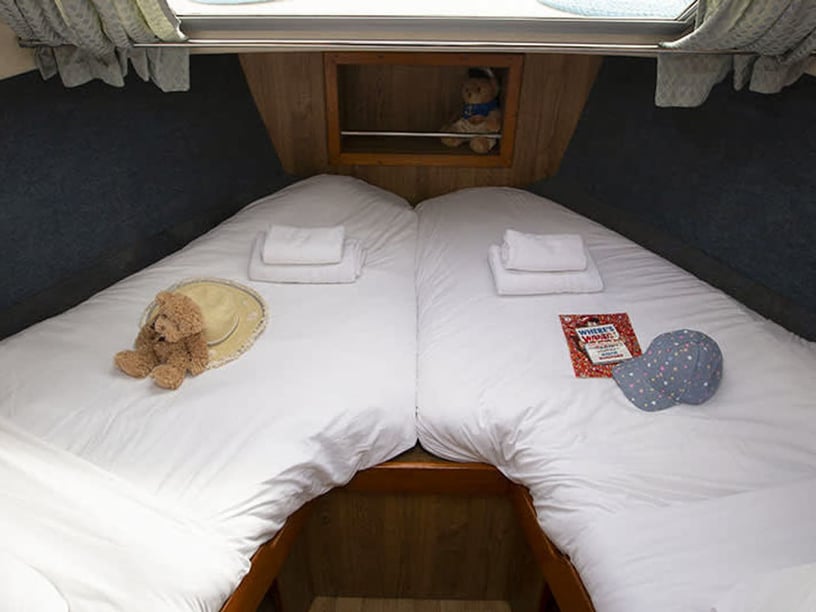
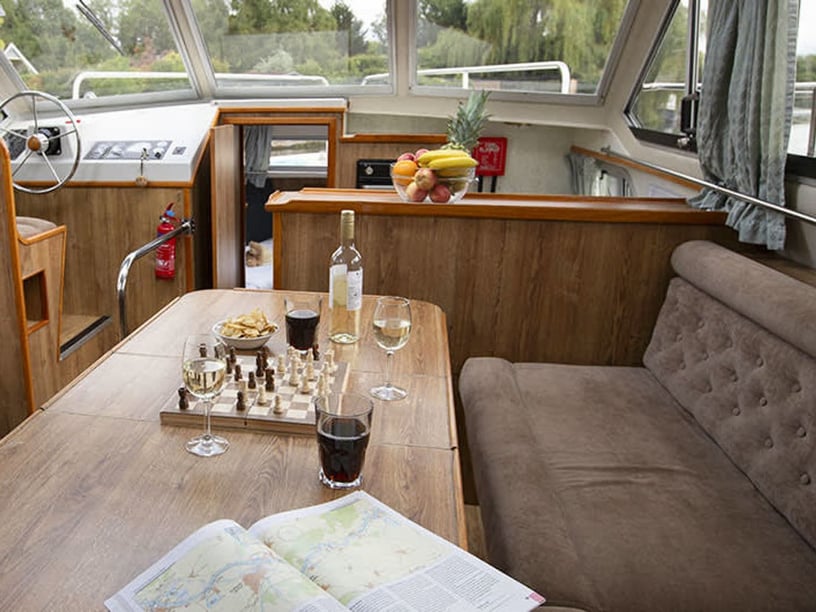
The characteristic boat for this area is a low-speed inland motor cruiser or traditional-style hire boat rather than a sailing yacht designed for coastal waters. When comparing options, consider ease of handling, visibility from the helm, onboard space and compatibility with the route’s lock dimensions, depth and bridge clearance. Crews should also decide how much time they want to devote to lock operation and shore visits before choosing an itinerary.
Check the annual navigation calendar, lock-service hours and official notices before departure. Floods, drought, storms, aquatic vegetation or maintenance can temporarily affect depth and access. Navigation through locks is prohibited during thunderstorms, and swimming is prohibited in Brittany’s canals and canalized rivers.
While underway, reduce speed near moored boats, anglers, paddlers and vegetation-management vessels. A conservative route plan with time reserved for locks is generally more useful here than an ambitious mileage target.