Yacht charter in Saverne
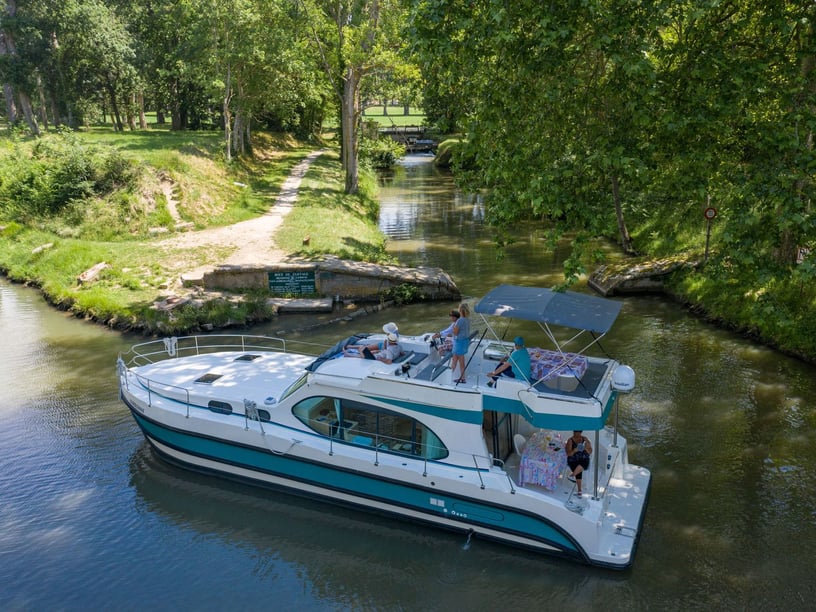
Saverne offers a distinctly inland interpretation of yacht charter. Set on the Marne–Rhine Canal and the River Zorn in northern Alsace, the town lies where the open Alsatian plain meets the narrow, wooded corridor through the Vosges. Cruising here is centered on low-speed houseboats and small motor craft rather than sailing yachts, tidal passages or open-water anchorages.
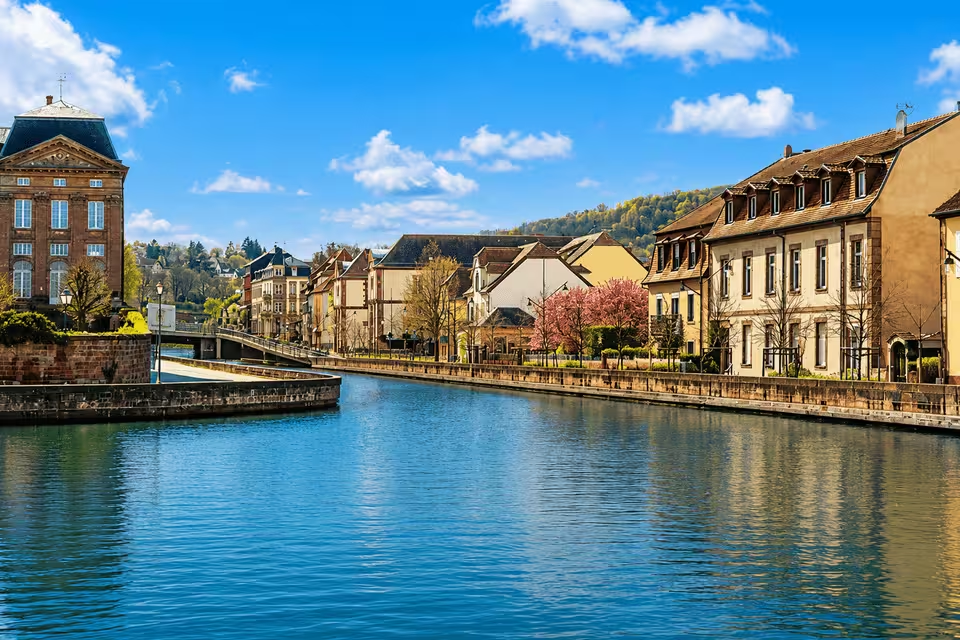
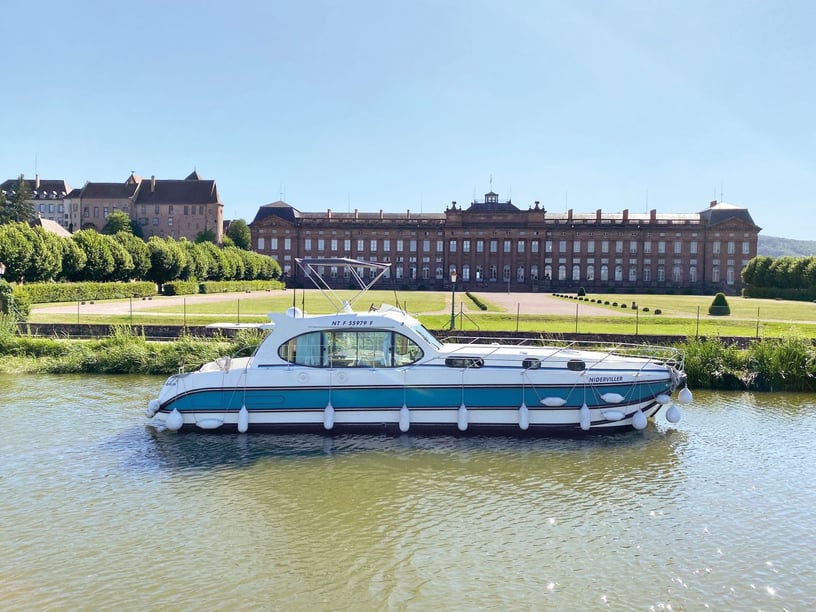
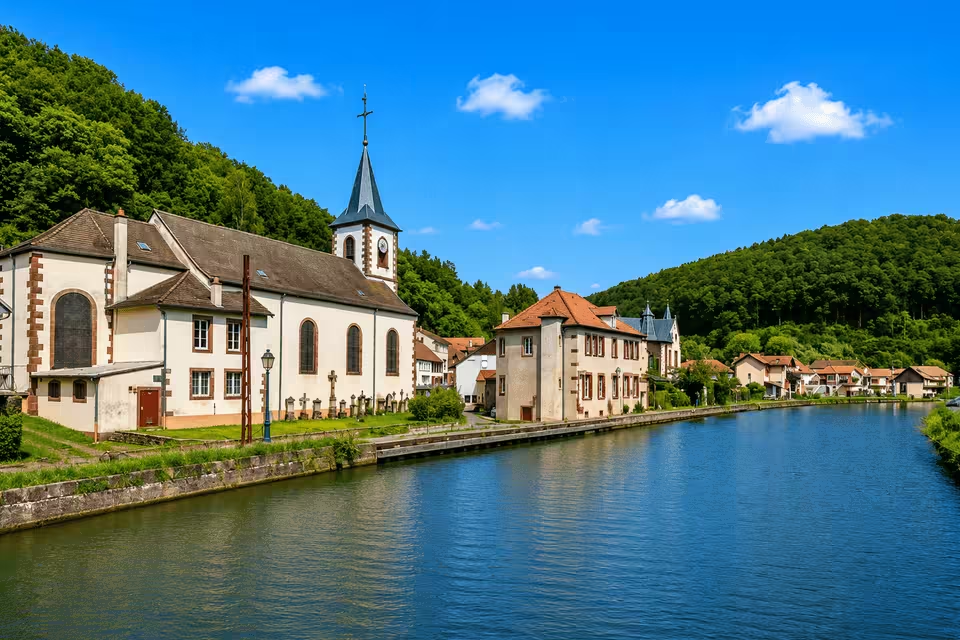
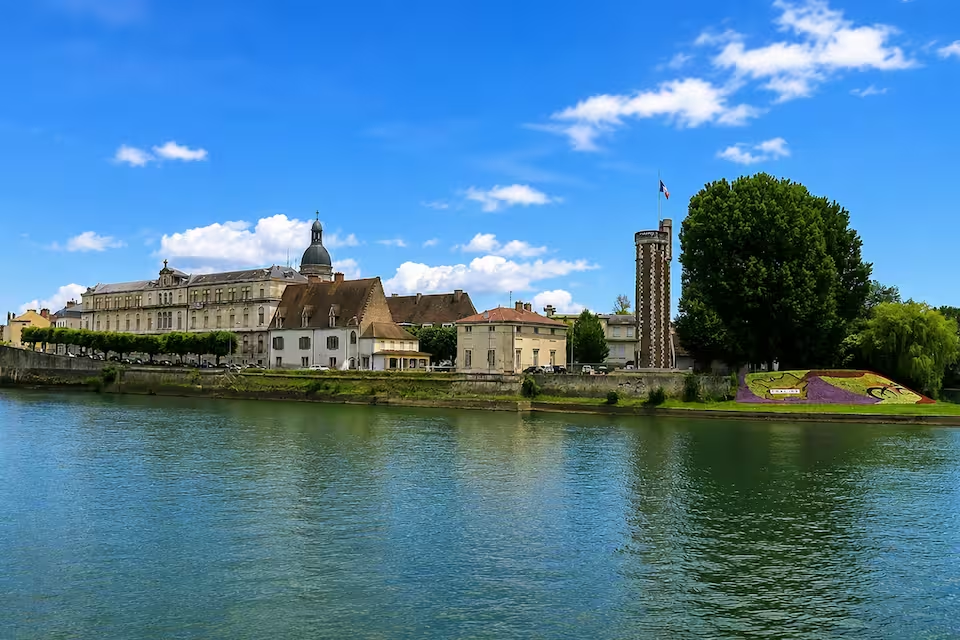
The central marina faces the pink-sandstone façade of the Château des Rohan, so the historic center is immediately accessible from the water. Saverne can serve as a departure point, a marina stop or a base for exploring in either direction along the canal. Westbound trips enter the Zorn valley toward Lutzelbourg and the Saint-Louis-Arzviller boat lift, while eastbound cruising crosses the plain toward Hochfelden and Strasbourg. Travelers comparing yacht charter options across France should therefore view Saverne as a sheltered canal-cruising destination with a strong connection between boating, history and rural landscapes.
Places to explore from the canal
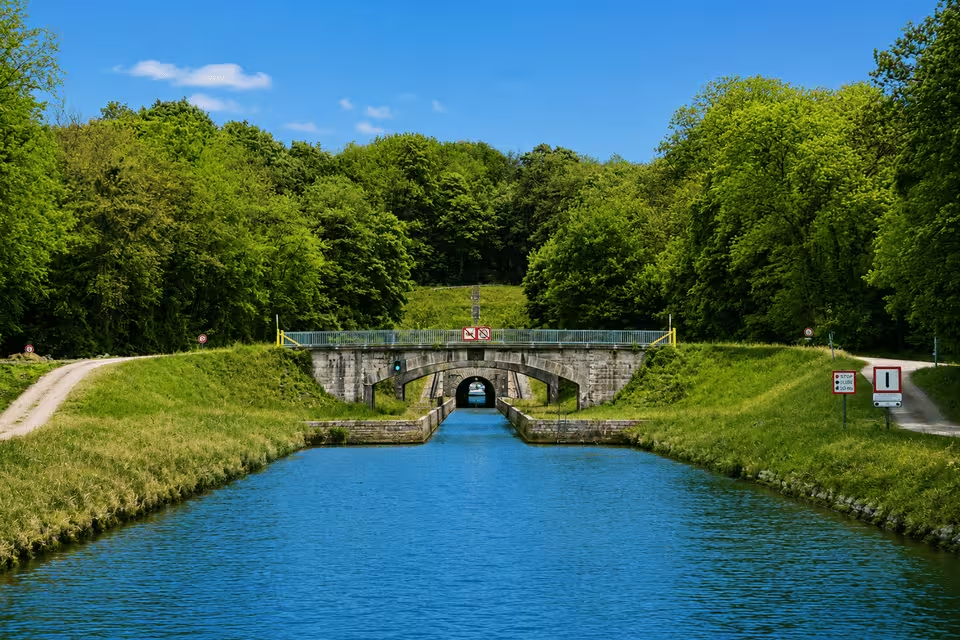
West of Saverne, the canal follows the wooded Zorn valley toward Lutzelbourg. This is the more enclosed and scenic side of the local cruising area, with the Vosges shaping the waterway into a narrow transport corridor. Beyond Lutzelbourg, the Saint-Louis-Arzviller boat lift is the principal engineering landmark. It raises or lowers boats through 44.55 meters and replaced a former chain of 17 locks.
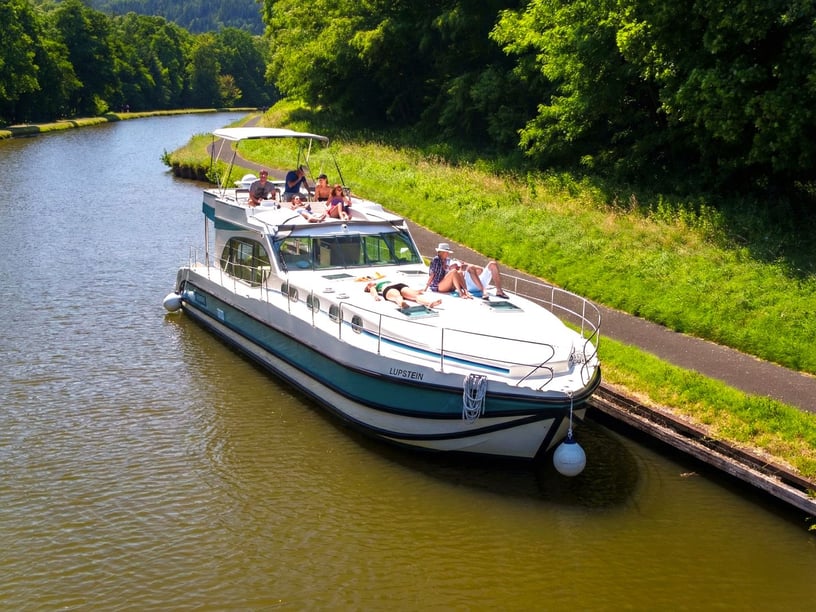
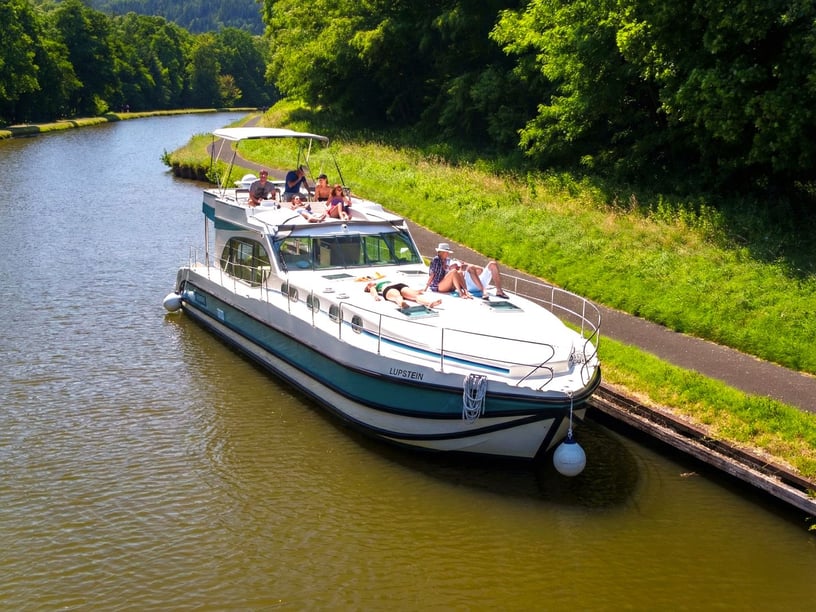
To the east, the landscape opens onto the Alsatian plain. Steinbourg is a nearby canal stop, while a longer route can continue through the Dettwiller and Lupstein area toward Hochfelden. Strasbourg lies farther along the same canal and introduces urban waterways to an otherwise village-based journey.
Saverne itself deserves time ashore. The Château des Rohan stands directly opposite the marina, while the Cloître des Récollets, Maison Katz and other historic buildings reflect the town’s French and German cultural heritage.
What cruising around Saverne is like
The boating experience around Saverne is sheltered, non-tidal and generally accessible to newcomers. There is negligible swell, and wind usually matters less than steering within a confined channel, approaching locks calmly and following inland-waterway rules. Passages unfold at canal speed, with regular opportunities to pause in towns and villages rather than long stretches of open-water sailing.
The main contrast is geographic. Eastbound cruising follows relatively open countryside across the Alsatian plain; heading west brings wooded slopes and a narrower valley setting. Numerous locks influence progress in both directions, including the double-height Saverne lock. This makes route timing different from coastal yacht cruising: distance alone does not determine how long a passage will take.
Although the overall difficulty is considered easy, crews should still be comfortable sharing tasks during lock handling and responding to instructions at navigation structures.
Best time for a Saverne charter
The main recreational boating season generally runs from April through October. June, July and August are the most suitable months, combining the region’s warmest, sunniest conditions with the most active period for canal cruising. These months are a practical choice for travelers who want longer daylight for passages and shore visits.
May and September also fall within the active season and can suit travelers comfortable with somewhat less consistent weather. April and October are shoulder periods, with cooler conditions and a greater need to plan around operating schedules and available visitor services. Rain remains possible throughout the boating season.
Winter is much less suitable because of cold temperatures, frost, short daylight and reduced boating activity. Regardless of month, current water levels, maintenance work and operational notices can affect navigation, so conditions should be checked before departure.
Canal routes from Saverne
A westbound Saverne–Lutzelbourg–Saint-Louis-Arzviller route combines the wooded Zorn valley with the region’s best-known canal structure. It is a strong choice when scenery and waterway engineering are more important than reaching a large city.
For a shorter eastbound journey, the Saverne–Hochfelden return follows the canal across the Alsatian plain, with possible stages around Steinbourg, Dettwiller and Lupstein. The more extended Saverne–Strasbourg route continues in the same direction toward Strasbourg’s urban waterways.
These itineraries should be planned around locks rather than road-style distances. Crews benefit from leaving flexibility for lock operations, maintenance restrictions and shore stops. A return route also reveals how quickly the landscape changes around Saverne, from open plain to wooded valley.
History, food and time ashore
A charter around Saverne naturally alternates between cruising and exploring ashore. The marina’s position opposite the Château des Rohan makes the town’s principal monument part of the waterfront rather than a separate excursion. Saverne was a residence of the bishops of Strasbourg from the late Middle Ages, and its civic and religious architecture records that history.
Food is another practical part of the itinerary. Winstub-style cooking, regional beer, pretzels and tarte flambée can be found within walking distance of the moorings, allowing an evening ashore without arranging onward transport. The town’s streets and brewing traditions also reflect Alsace’s intertwined French and German heritage.
For more active shore time, the canal towpath carries EuroVelo 5 and makes bicycles useful for nearby excursions. Hiking can also be combined with the trip, with the Château du Haut-Barr among the area’s notable attractions.
Getting there and where to depart
Port de Plaisance de Saverne occupies a central waterfront position and functions as both a marina stop and a departure point for canal trips. Its location opposite the Château des Rohan makes it convenient for provisioning and exploring the historic center on foot. Port de Plaisance de Steinbourg is another nearby stopping place, while Port Amont de Lutzelbourg can support itineraries focused on the western canal corridor.
Saverne is accessible by regional rail from Strasbourg, Nancy and Metz, and some long-distance services also call in the town. Strasbourg Airport is approximately 35 kilometers away; travelers can use the airport shuttle train to Strasbourg station and continue to Saverne by rail. By road, the town is reached from the A4 motorway via exit 45 or by the RD1004.
Saverne is therefore both a place to explore and a practical canal departure area, rather than merely a stop on the way elsewhere.
Planning a canal charter in Saverne
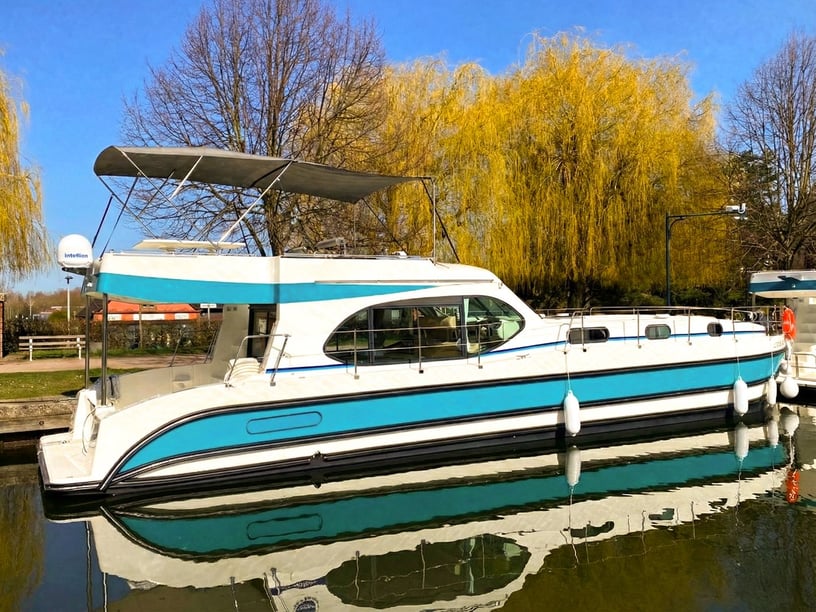
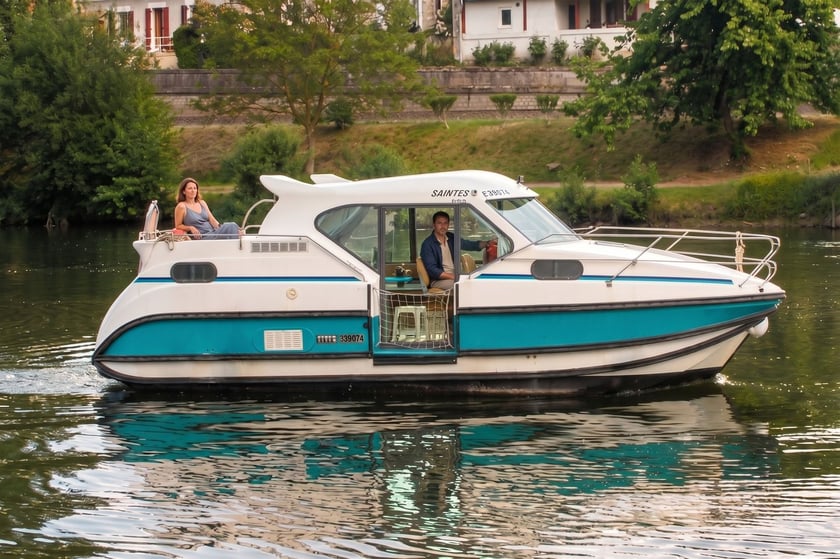
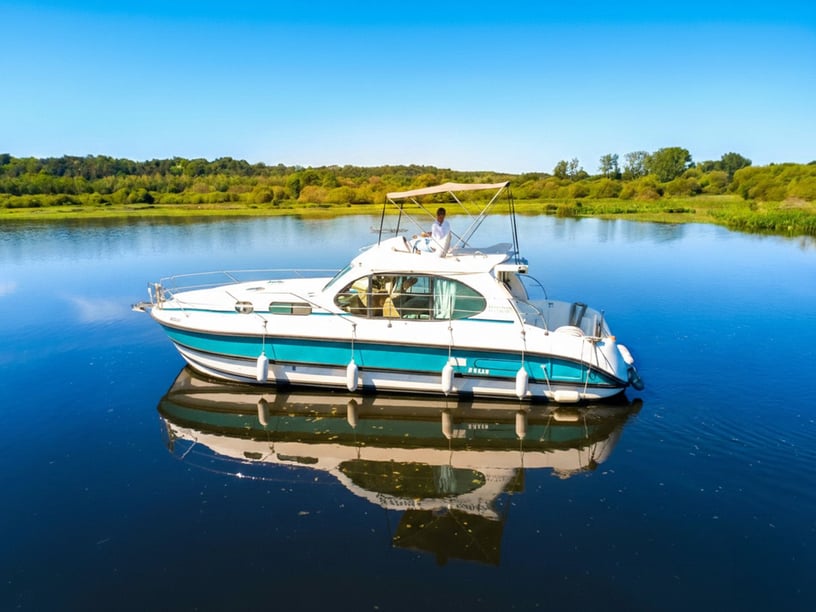
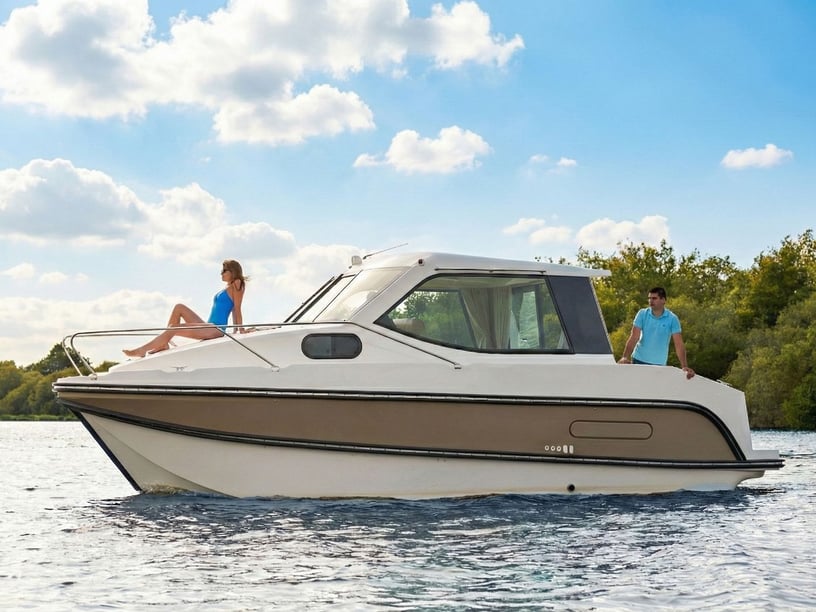
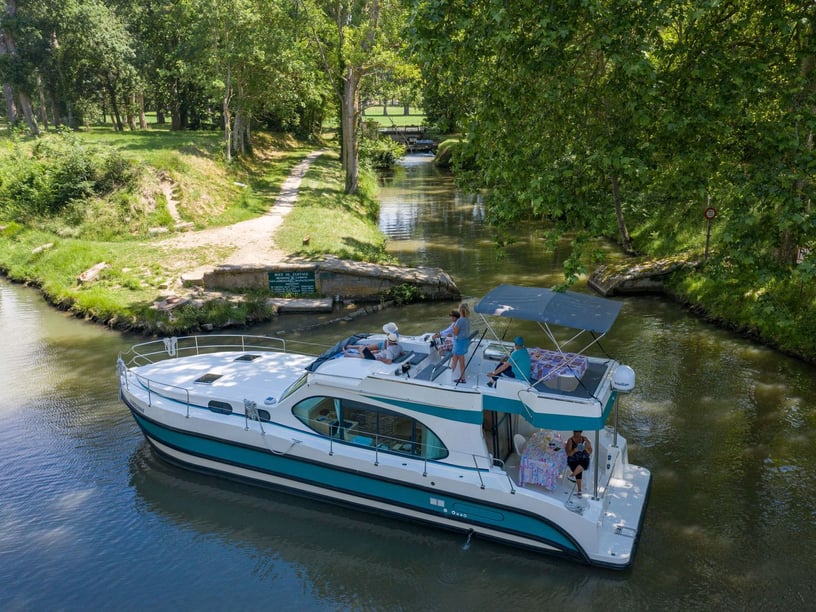
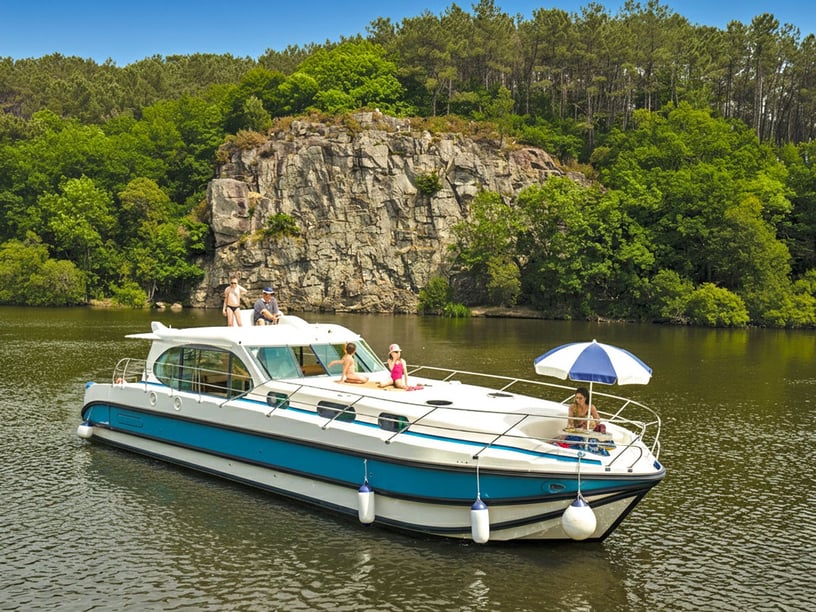
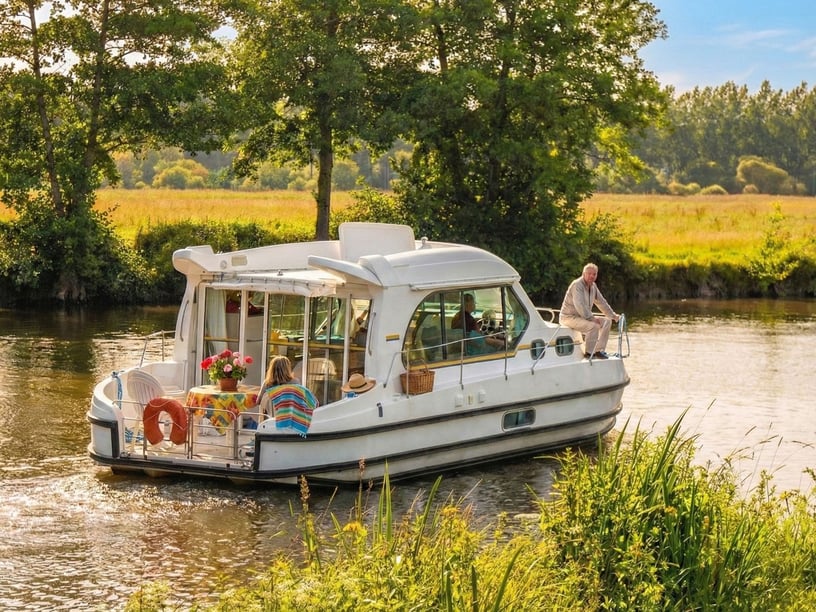
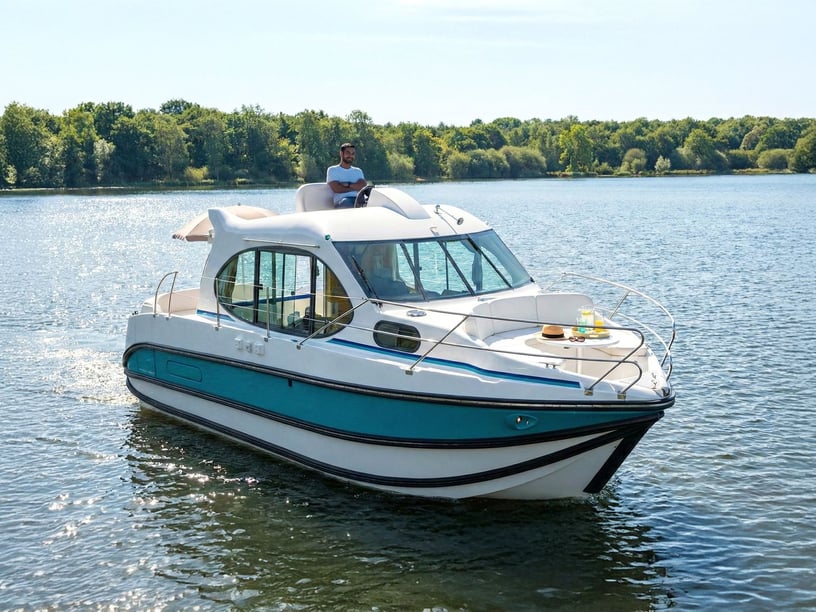
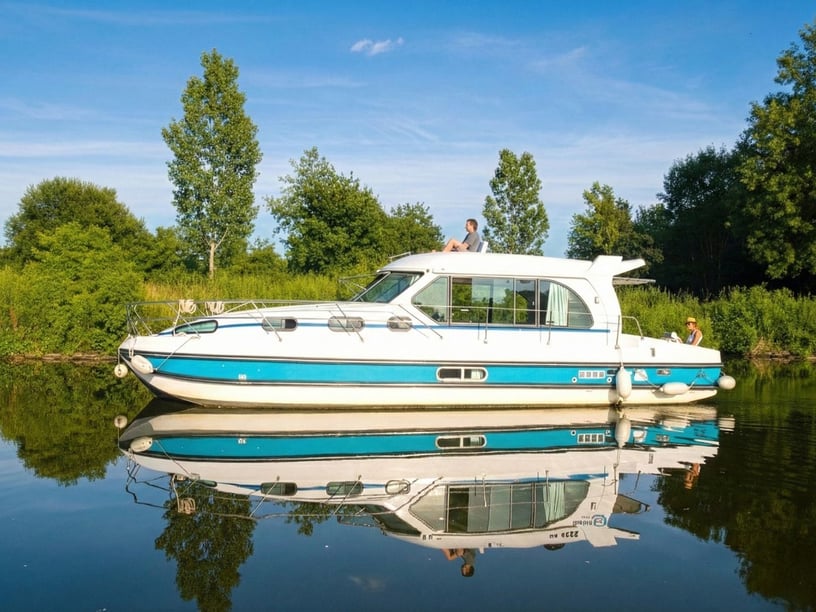
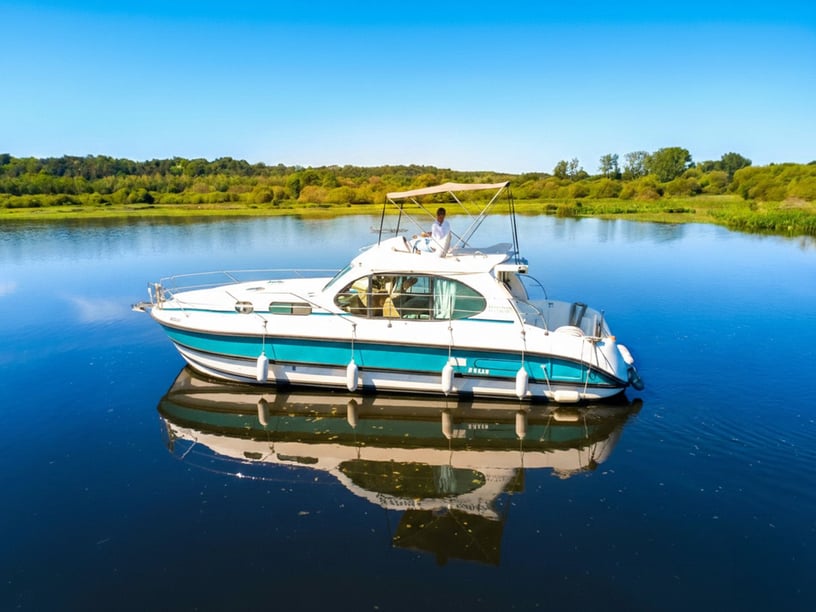
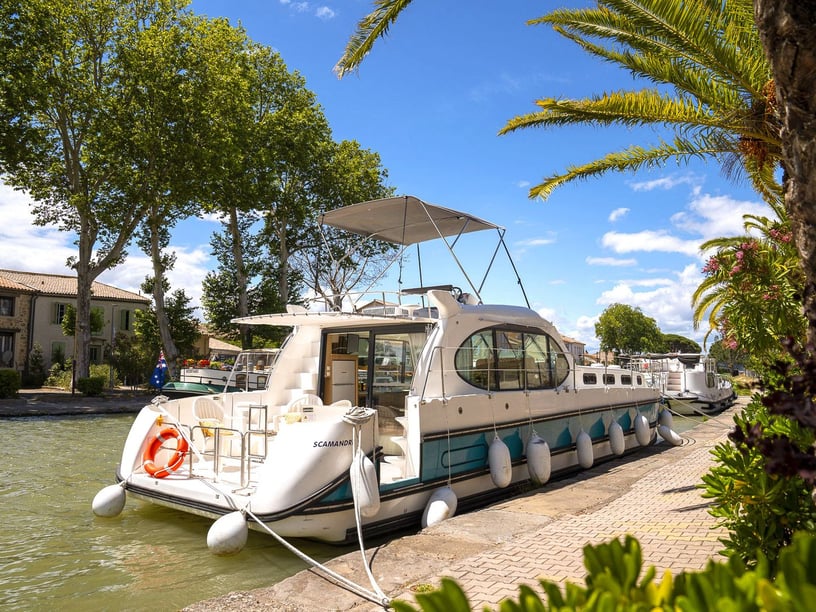
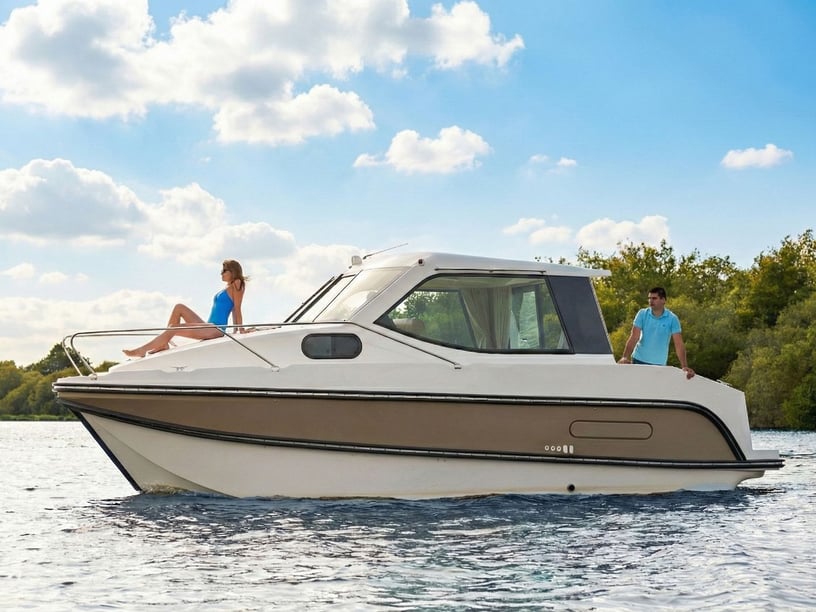
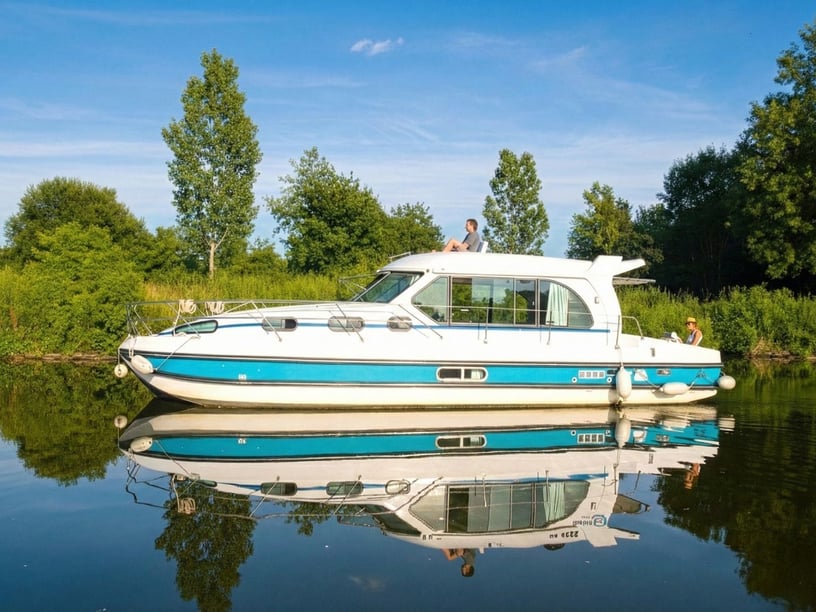
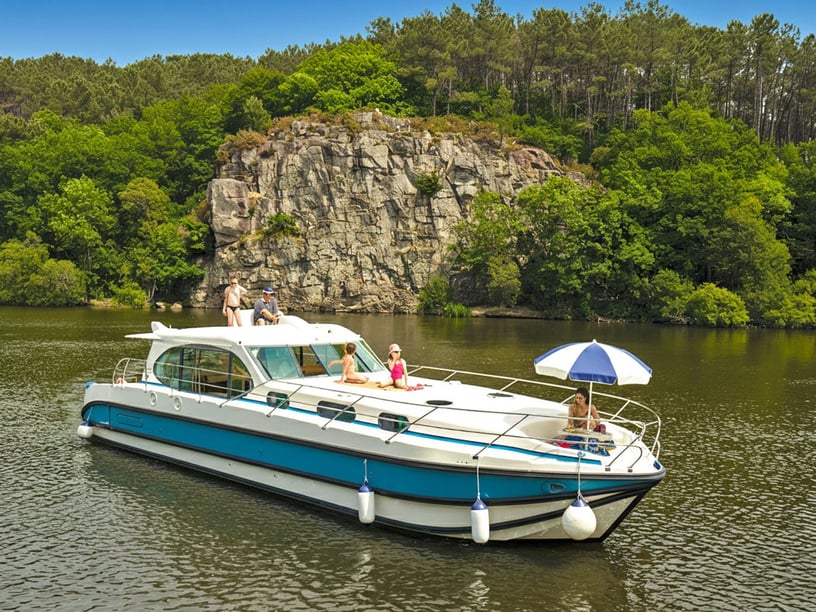
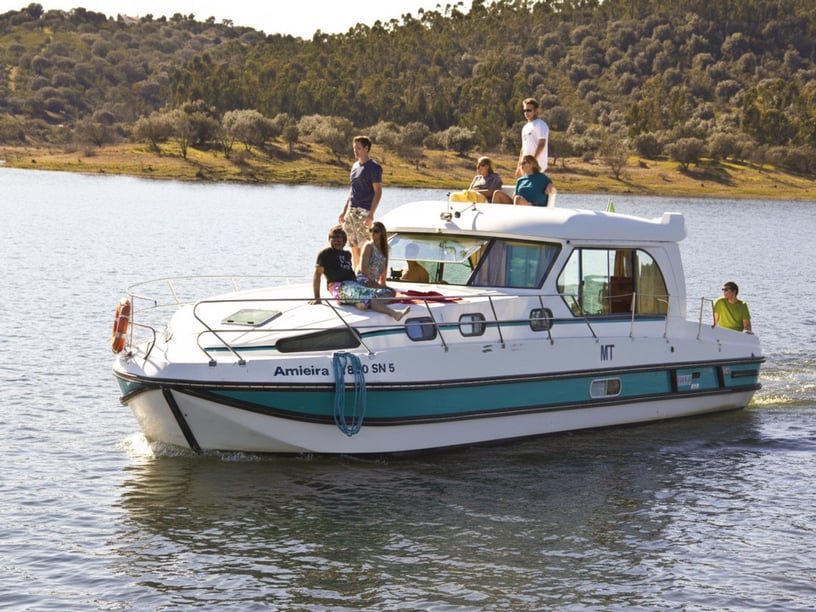
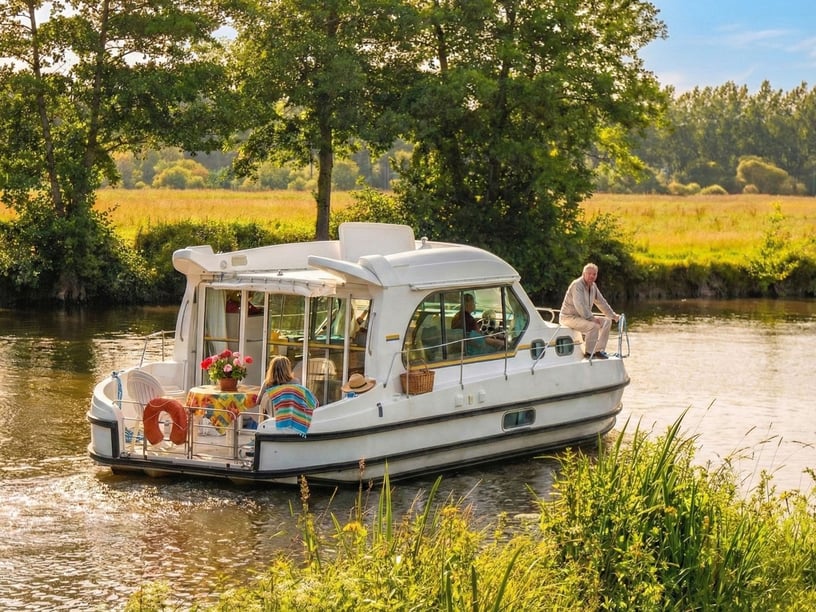
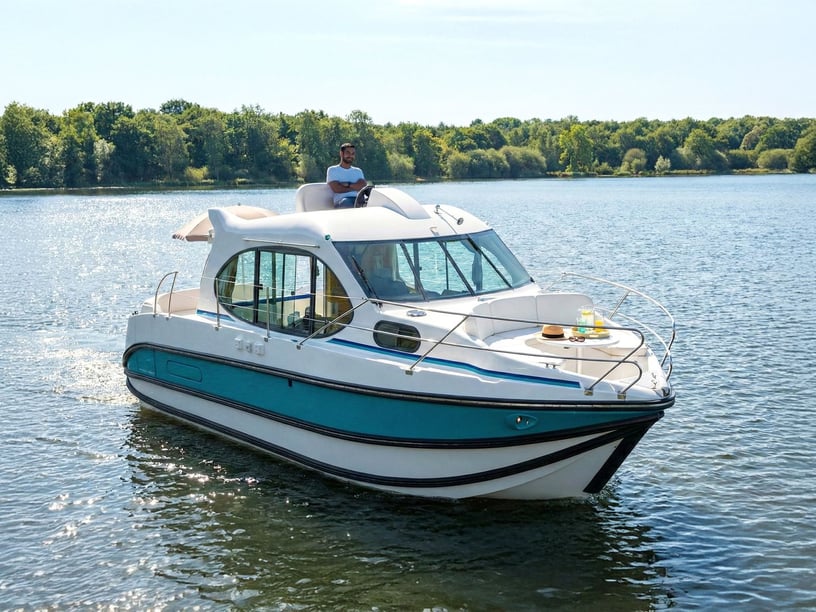
When considering boat rental in Saverne, the first decision is whether an inland canal holiday matches the expected experience. Conventional sailing yachts, coastal navigation and open-water anchoring are not characteristic of this area. The typical choice is a houseboat or small powered craft designed for low-speed cruising, locks and overnight stops along the waterway.
License-free rental boats are available, making the destination approachable for crews without previous certification. Operators of private powered craft generally need the appropriate inland-waterway qualification. Even on a license-free boat, crews should allow time for a handover and understand how responsibilities will be divided during lock passages.
Before departure, check current notices from Voies navigables de France. Water availability, maintenance and operational restrictions can alter passage plans. Swimming near locks, barrages or active navigation channels is dangerous and may be prohibited. Bicycles can be particularly useful because the towpath and EuroVelo 5 provide connections between the canal and nearby communities. Building some flexibility into the itinerary helps accommodate locks, changing weather and unhurried shore visits.