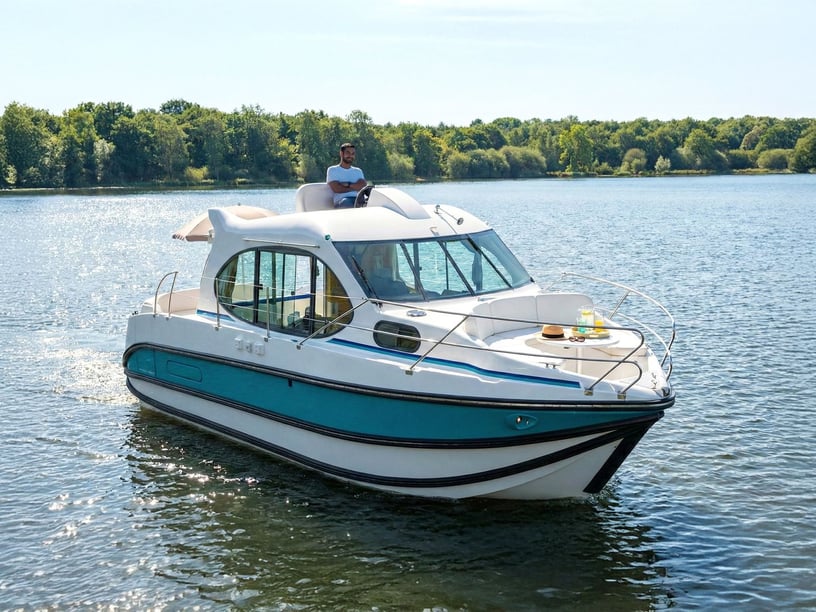
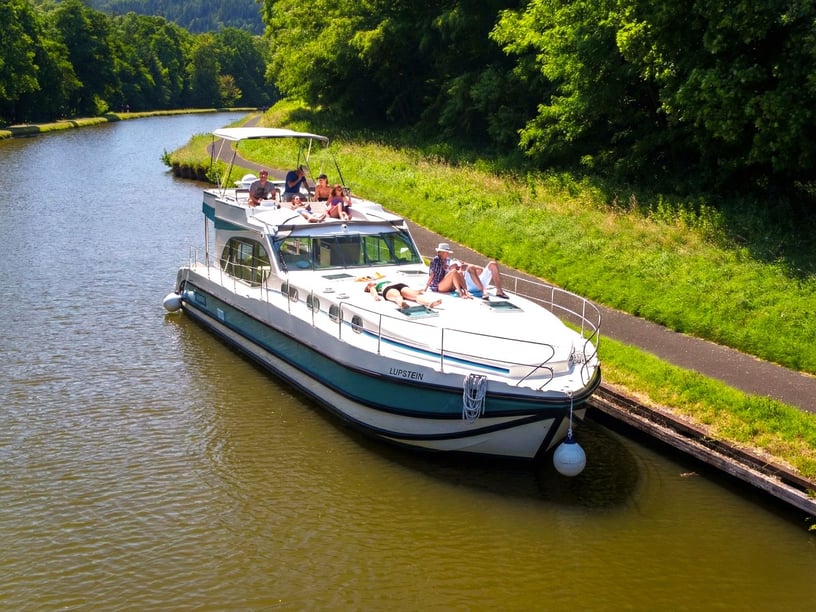
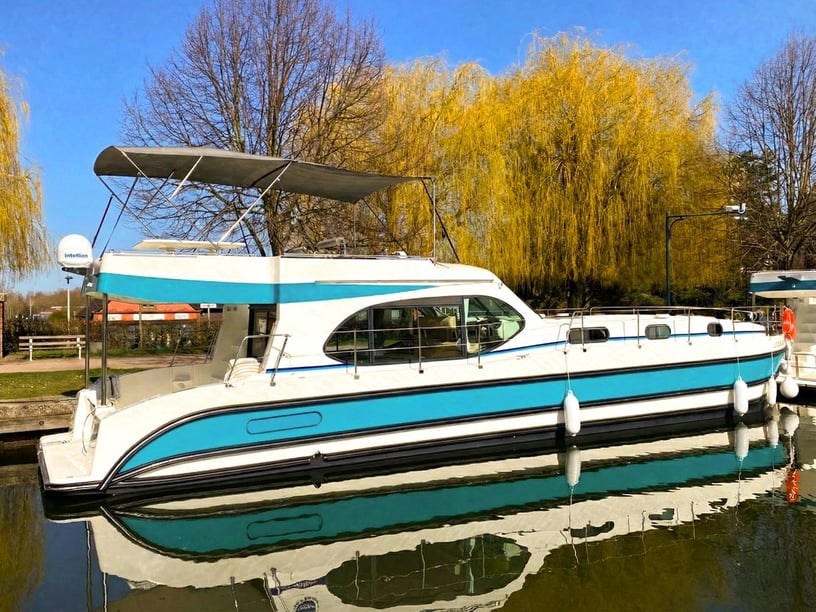
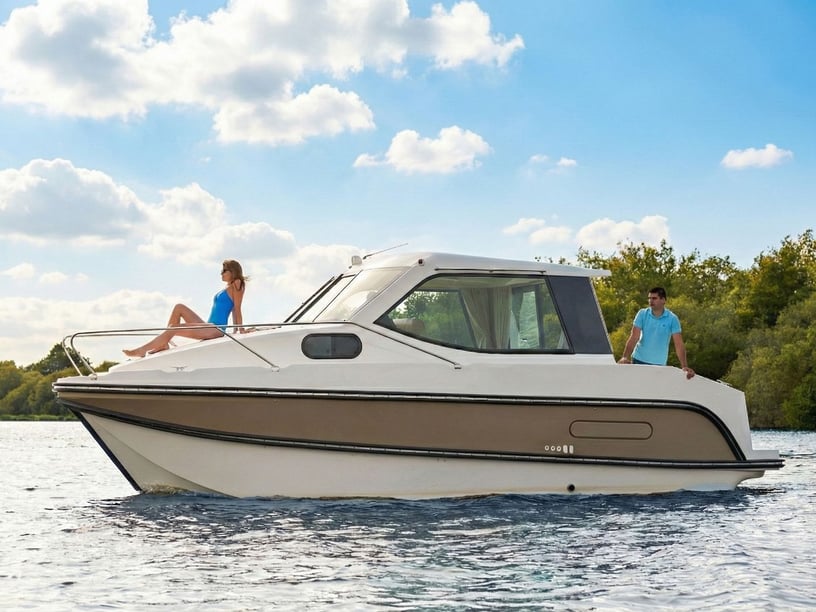
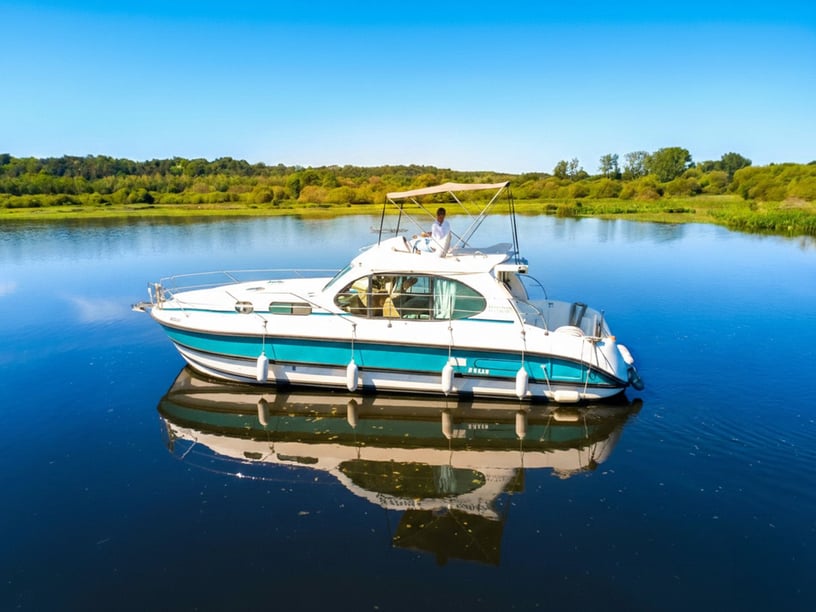
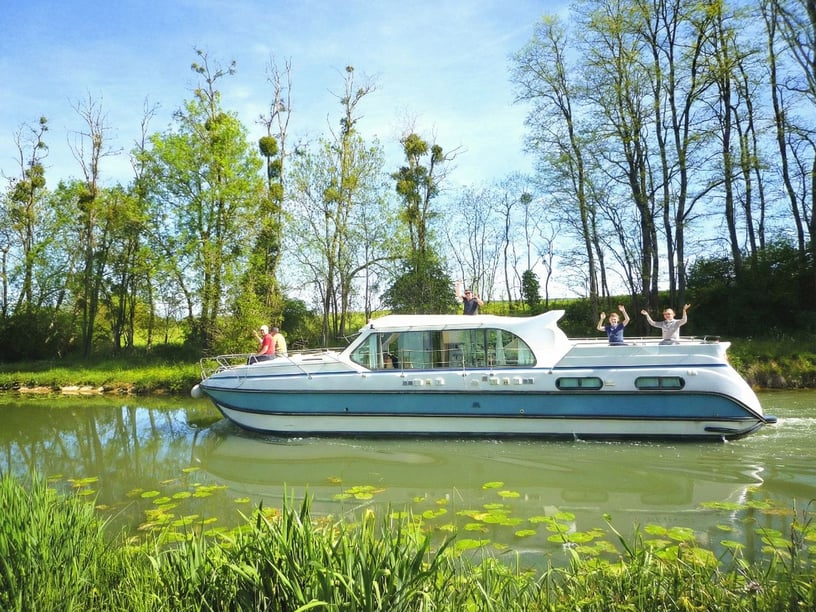
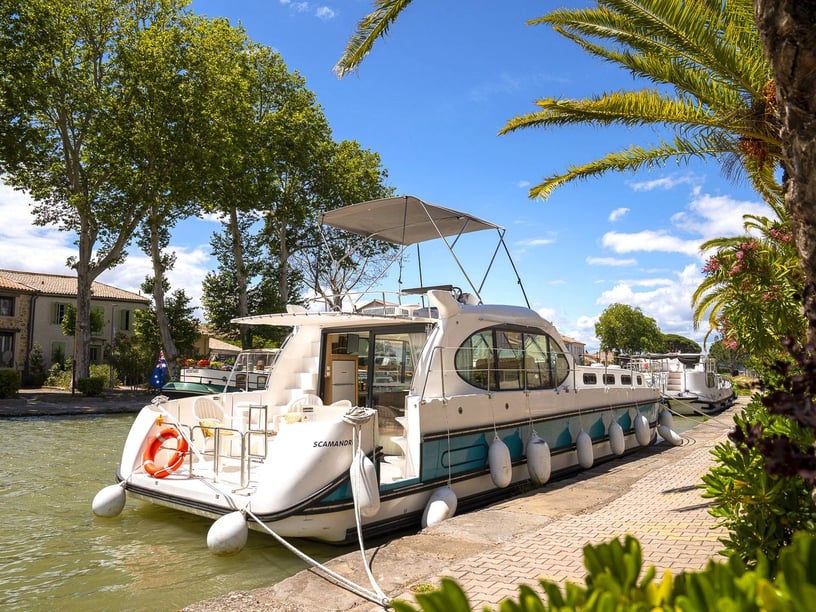
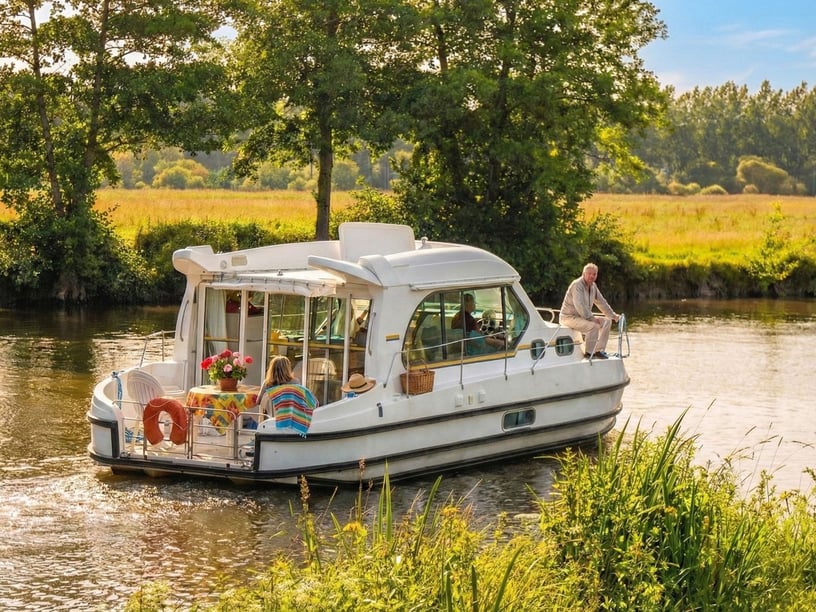
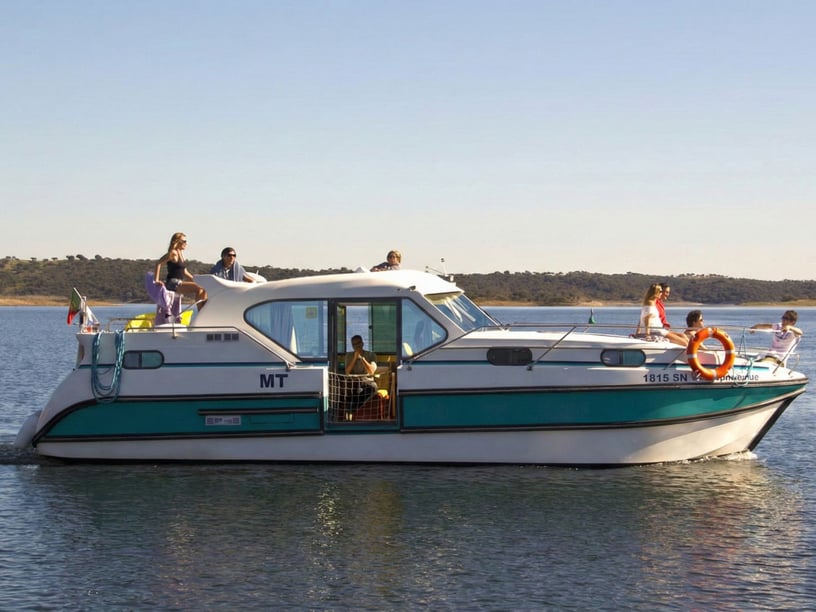
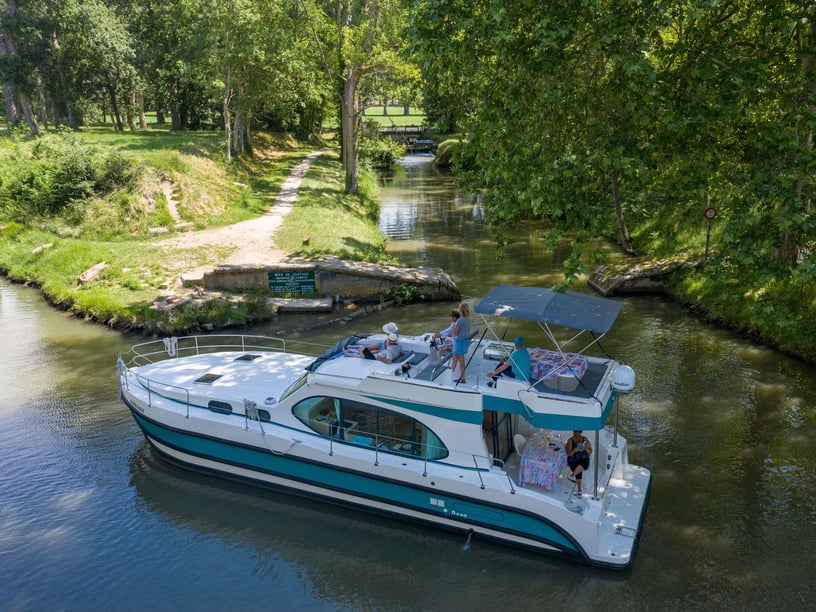
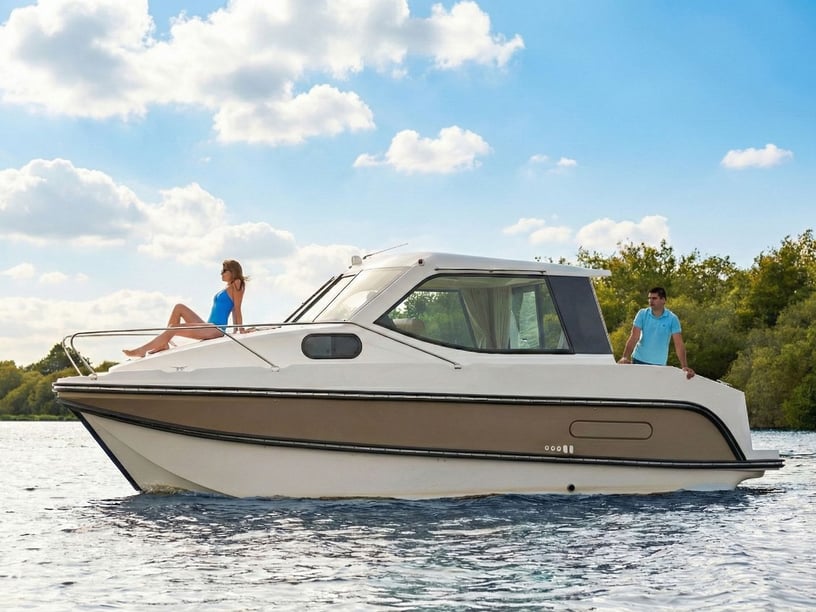
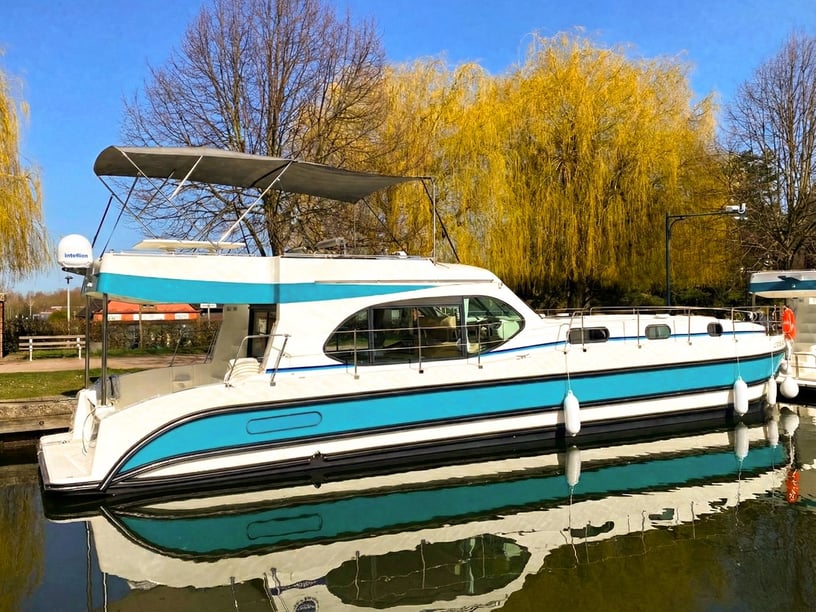
Yacht charter in Dole: an inland cruising experience
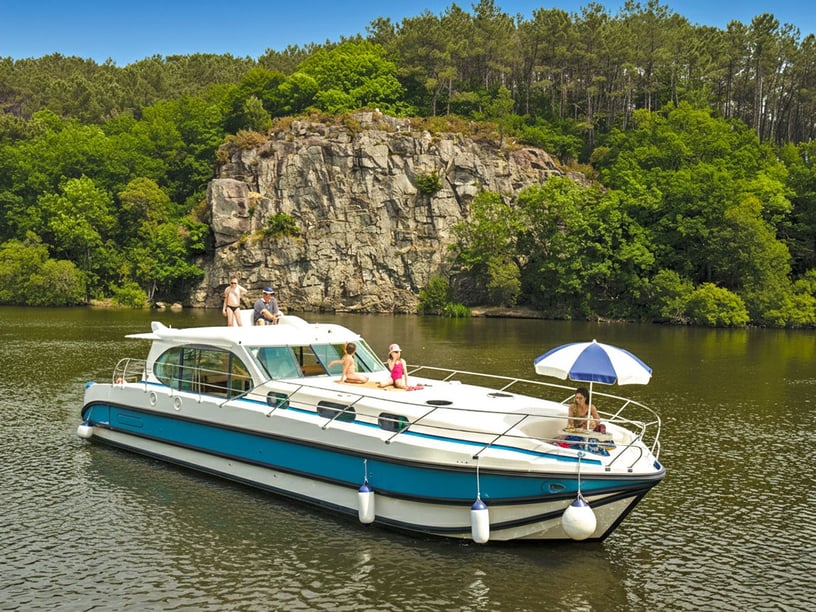
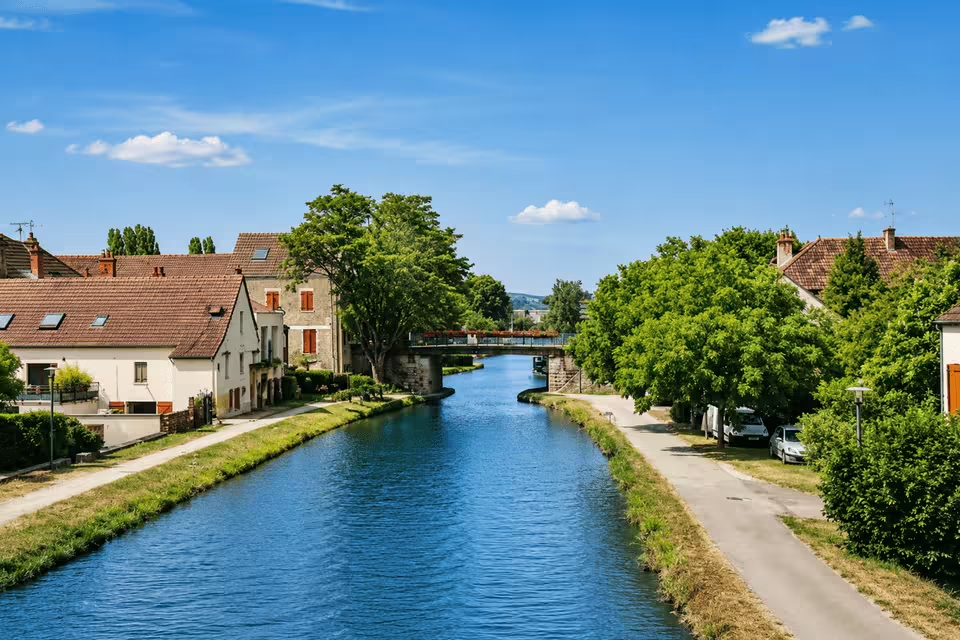
A yacht charter in Dole is defined by rivers and canals rather than open-water sailing. This historic town in eastern France stands beside the Doubs and the Canal du Rhône au Rhin, where low-speed cruising, lock passages and time ashore shape the journey. The local waterways connect westward with the Saône system and eastward through the greener Doubs valley toward Besançon.
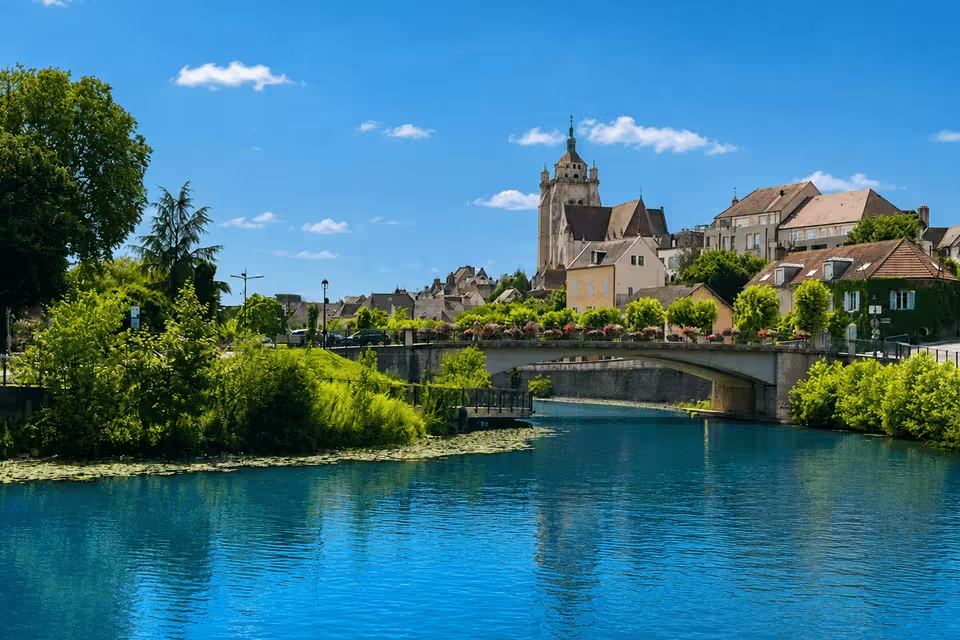
Dole is particularly convenient for travelers who want heritage and everyday services close to their mooring. The pleasure port lies beside the compact historic center, allowing crews to walk to restaurants, shops and major sights. Instead of spending the entire trip underway, travelers can combine short cruising stages with unhurried visits to waterside towns, regional dining and cycling along the adjoining towpath.
Places to explore from the water
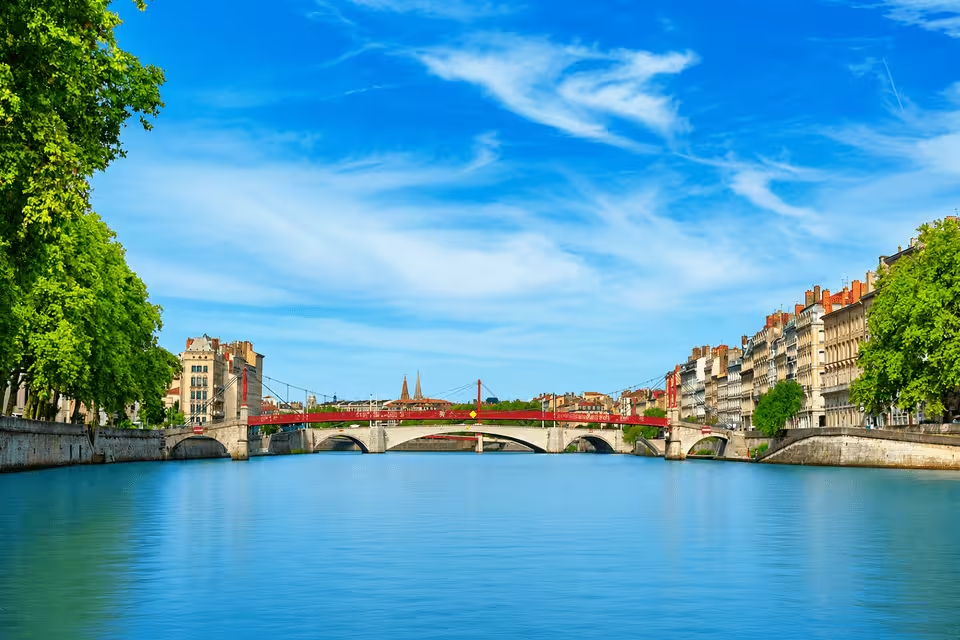
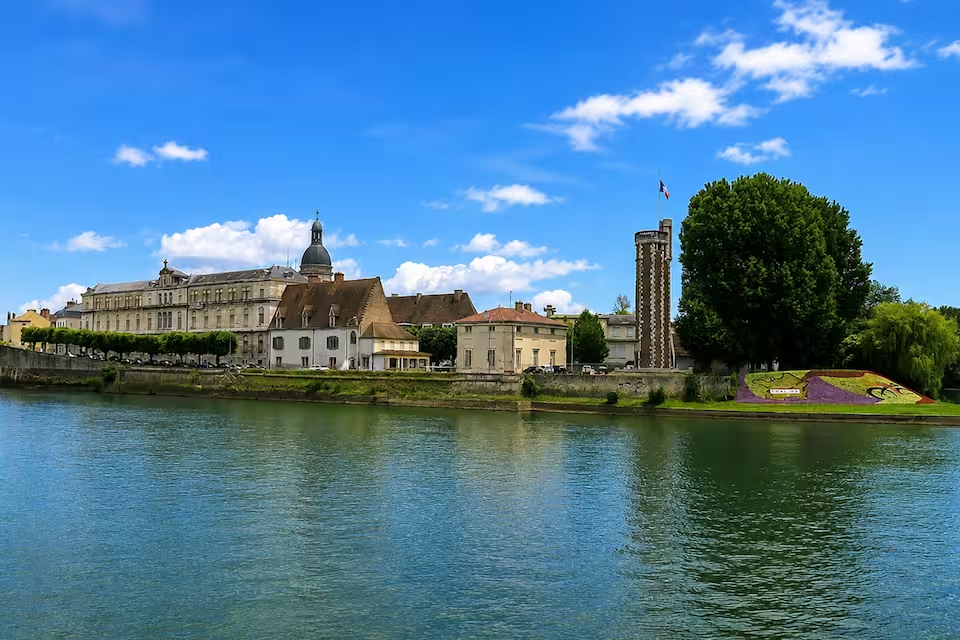
Dole itself is the immediate highlight. The Doubs and smaller urban waterways frame the lower town, while the former tanning quarter beside the Canal des Tanneurs preserves the clearest connection between the town and its working-waterway past. The Collégiale Notre-Dame, Louis Pasteur’s birthplace and the Renaissance and early modern buildings of the center are all accessible on foot from the port.
To the east, Rochefort-sur-Nenon and Ranchot introduce the quieter landscapes of the Doubs corridor before the route continues toward Besançon. Westbound, the Canal du Rhône au Rhin leads toward the Saône and Saint-Jean-de-Losne, a well-known river-boating center. These places are most useful as connected cruising stages rather than isolated sightseeing excursions.
What cruising around Dole is like
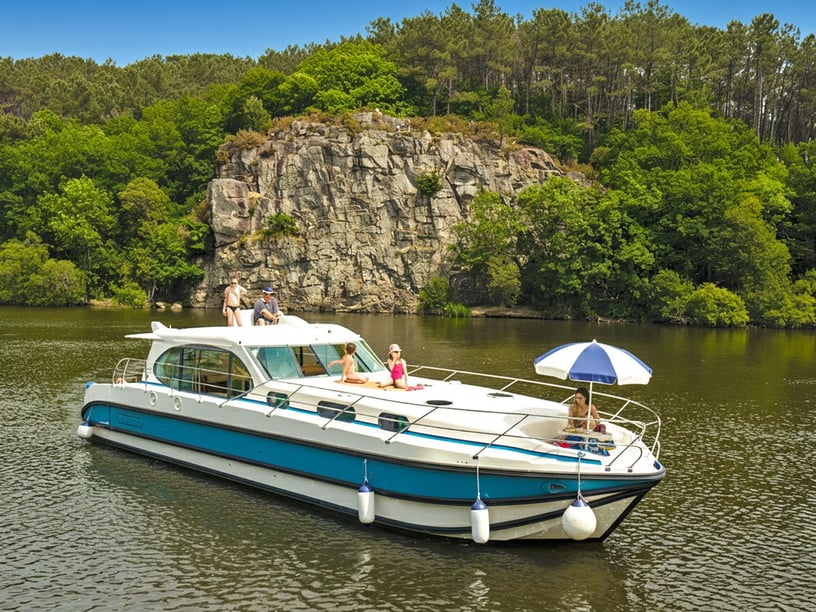
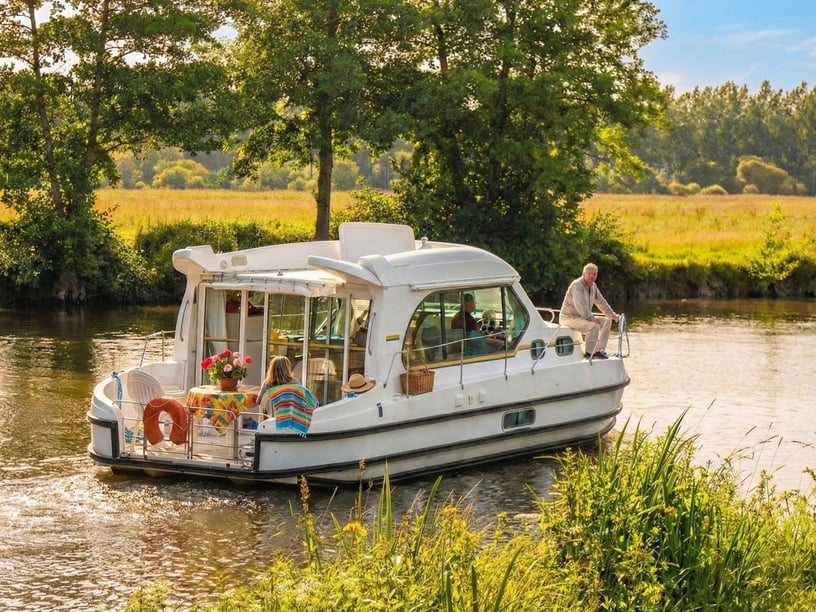
Cruising around Dole is sheltered and deliberately paced. Narrow waterways, wooded banks and low speeds limit wind exposure, so the main considerations are river level, current, channel conditions and lock operation rather than sailing performance. Routes alternate between engineered canal diversions and natural reaches of the navigable Doubs, creating more variety than a canal-only itinerary.
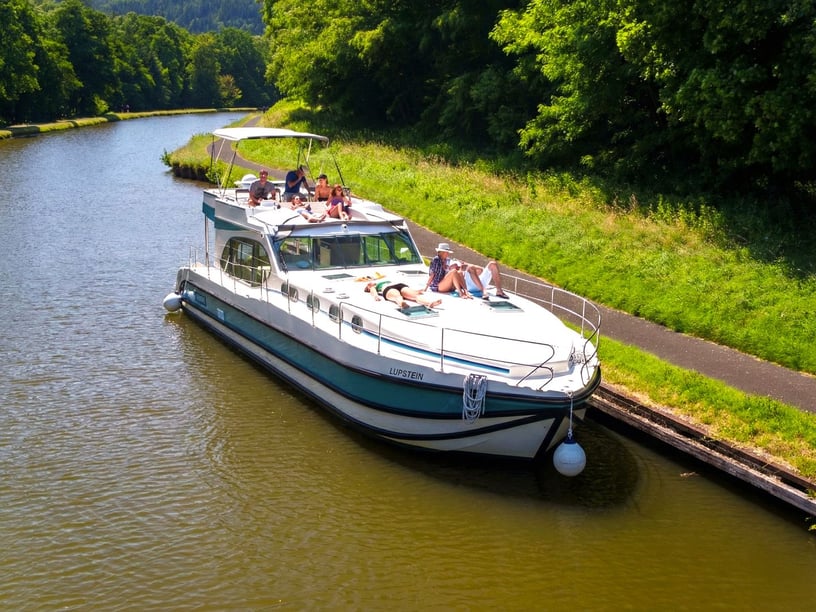
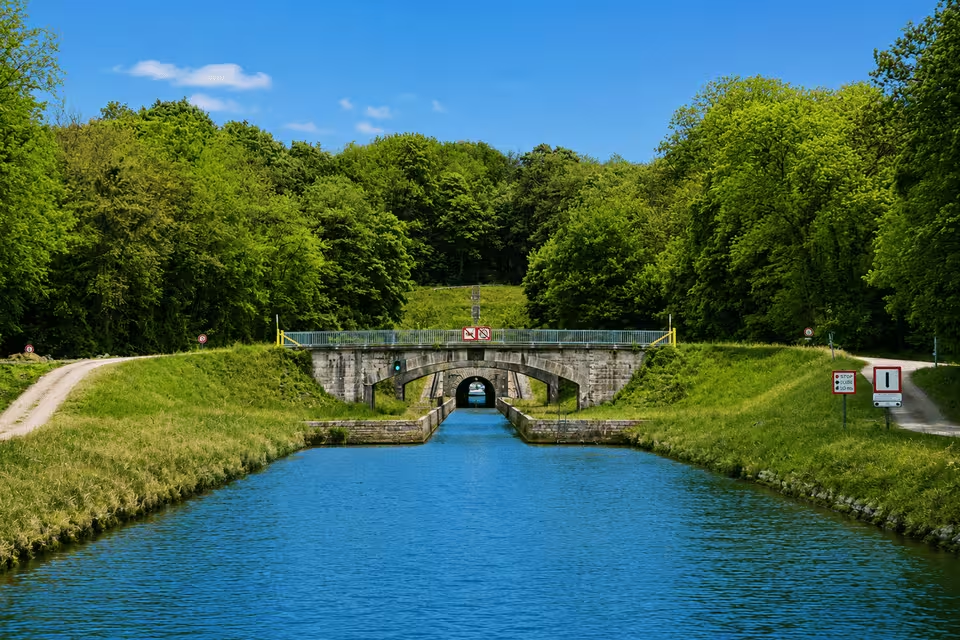
Locks are a regular part of longer trips, and automated locks on the Canal du Rhône au Rhin use remote-control operation. Travelers should therefore allow generous time between overnight stops and avoid planning by distance alone. Water levels can alter conditions on river sections, while high or low water, maintenance and silting may occasionally lead to restrictions. This style of charter suits crews who value scenic progress and frequent stops more than long daily passages.
When to charter in Dole
The principal recreational boating period runs from spring through early autumn. May to September is the most active part of the season, with summer generally bringing the warmest and most consistently comfortable weather. Rain remains possible throughout the year, however, and river conditions should still be checked before departure.
April and October can work for quieter cruising, but temperatures and rainfall are less predictable. From November through March, cold weather, shorter days, frost risk and winter operating conditions substantially reduce normal leisure activity. Travelers considering the edge of the season should confirm lock schedules, navigation conditions and available shoreside services before fixing an itinerary.
Cruising routes from Dole
For a short introduction, the Tour de la Libellule follows a local circuit using the Doubs and Canal du Rhône au Rhin, presenting Dole’s townscape from the water without requiring a longer regional journey.
A westbound itinerary follows the canal toward Saint-Symphorien-sur-Saône and Saint-Jean-de-Losne, opening access to the wider Saône waterway system. Eastbound cruising follows the Doubs valley through Rochefort-sur-Nenon and Ranchot toward Besançon. This route combines river reaches, canal diversions, locks and heritage stops, making it suitable for travelers who want the journey itself to be a central part of the holiday. Available time should be matched to the number of locks and planned shore visits rather than route distance alone.
Heritage, food and cycling ashore
A Dole yacht charter works well as a combined boating and cultural trip. The town was the capital of Franche-Comté until 1678, and its historic center still reflects its former political and university importance. Down by the water, mills and tanneries once relied on the local channels for power and processing. Louis Pasteur was born beside the Canal des Tanneurs in 1822; his birthplace is now a museum.
Regional food and wine add another dimension to overnight stops. Dole lies between the Jura and Burgundy wine areas, and local dining draws on both traditions. Crews can also follow parts of the EuroVelo 6 cycle route, which runs alongside much of the waterway corridor. Carrying or arranging bicycles can therefore turn a mooring stop into an opportunity to explore beyond the immediate canal bank.
Reaching Dole and its pleasure port
Dole is accessible by rail, including regional and high-speed connections, and by the A36 and A39 motorways. Dole–Jura Airport is nearby at Tavaux. This combination makes the town practical for crews arriving from elsewhere in France or neighboring parts of Europe.
The principal local mooring and departure point is the Port de plaisance de Dole, also known as Port du Prélot. It sits beside the historic center and functions as both a stop on longer waterway journeys and a hire-boat departure point. Travelers should nevertheless confirm the precise handover location with their operator, as a Dole itinerary may also form part of a wider journey through the Saône or Doubs network.
Planning a Dole boat rental
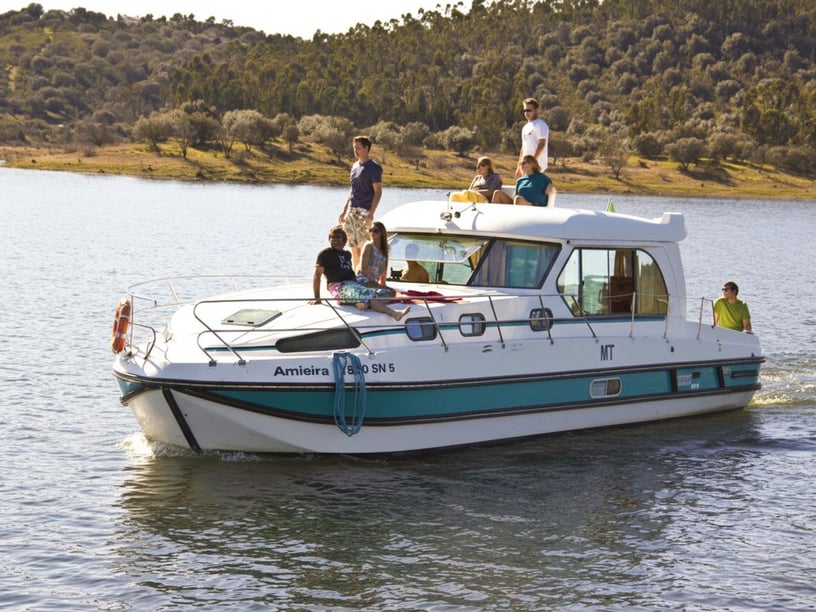
When comparing Dole boat rental options, focus first on the pace and direction of the intended route. A local circuit requires less time than a journey toward Besançon or the Saône, while longer itineraries involve repeated locks and more variable mooring facilities outside the principal towns. Leave room in the schedule for lock passages, shopping and visits ashore rather than treating every day as a fixed-distance transfer.
Before departure, check current VNF navigation notices and Doubs water-level information, particularly when the route includes natural river reaches. Confirm how automated locks are operated and ask what instruction is included at handover. It is also sensible to verify the boat’s dimensions, onboard arrangements and suitability for the planned number of travelers directly with the operator.
For a broader comparison of inland and coastal possibilities, travelers can explore yacht charter in France. Dole is best approached as a slow inland journey: choose it for connected waterways, close access to a historic town and an itinerary where boating, cycling and time ashore carry equal weight.