Yacht charter in Marseille
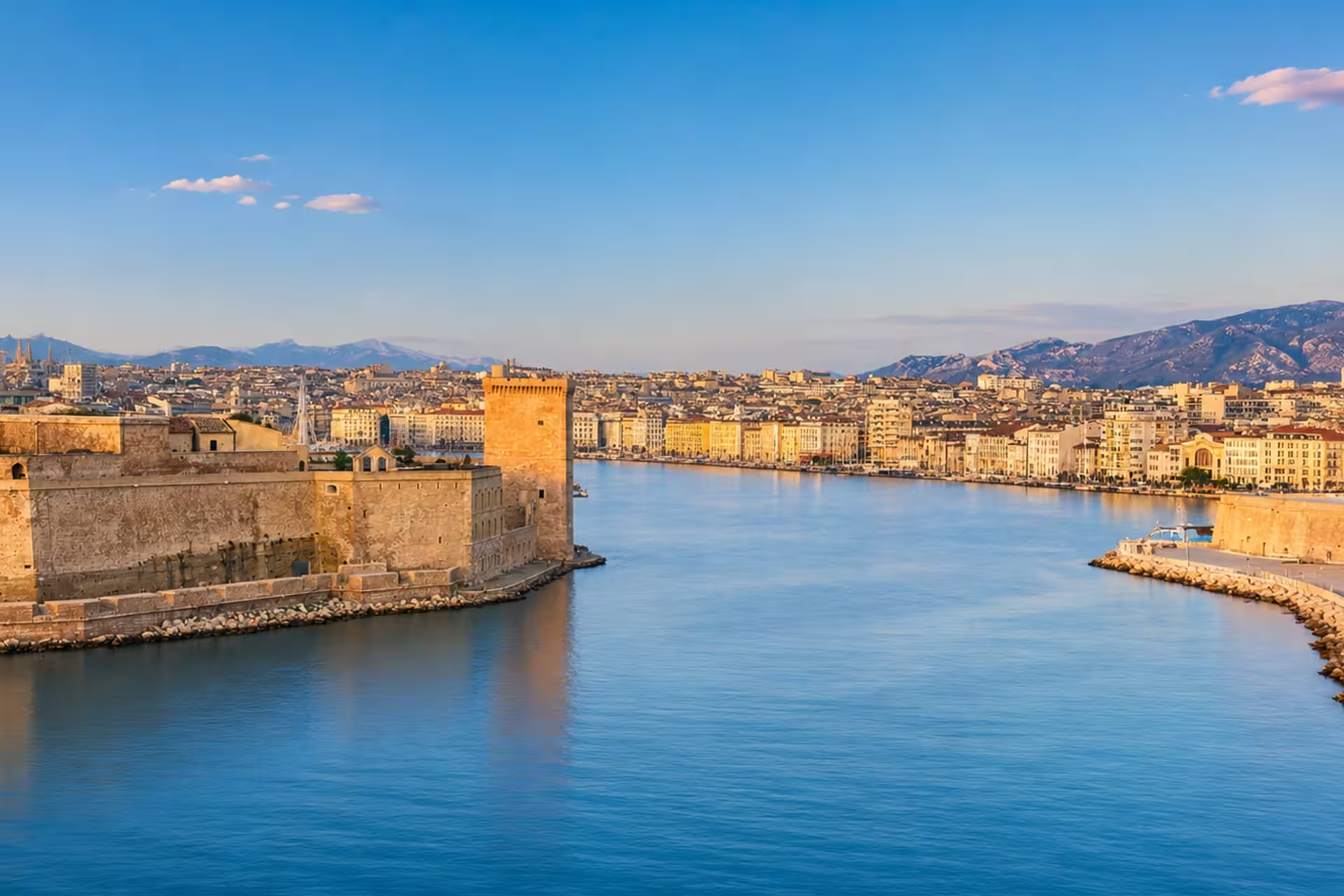
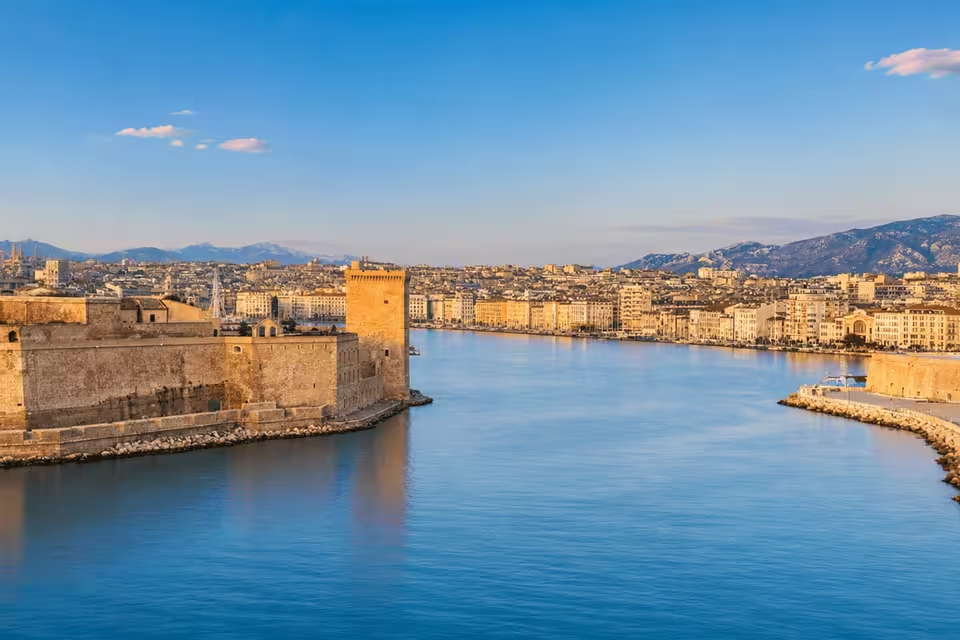
A yacht charter in Marseille places a major Mediterranean city beside an unusually varied cruising area. The historic Vieux-Port opens onto a broad roadstead centered on the Frioul Archipelago, while the coastline to the south changes from urban beaches and small fishing ports to the limestone cliffs and narrow inlets of Calanques National Park.
This contrast shapes the experience. A short outing can combine Marseille’s waterfront with Château d’If and the Frioul islands, while a longer cruise can continue toward the Riou Archipelago, Cassis or the coves of the Côte Bleue. Time ashore can include the city’s historic districts, museums and maritime food culture, making Marseille relevant both as a place to explore by yacht and as a possible departure area for the surrounding coast. Travelers considering a broader itinerary can also compare yacht charter destinations across France.
Islands, calanques and coastal stops
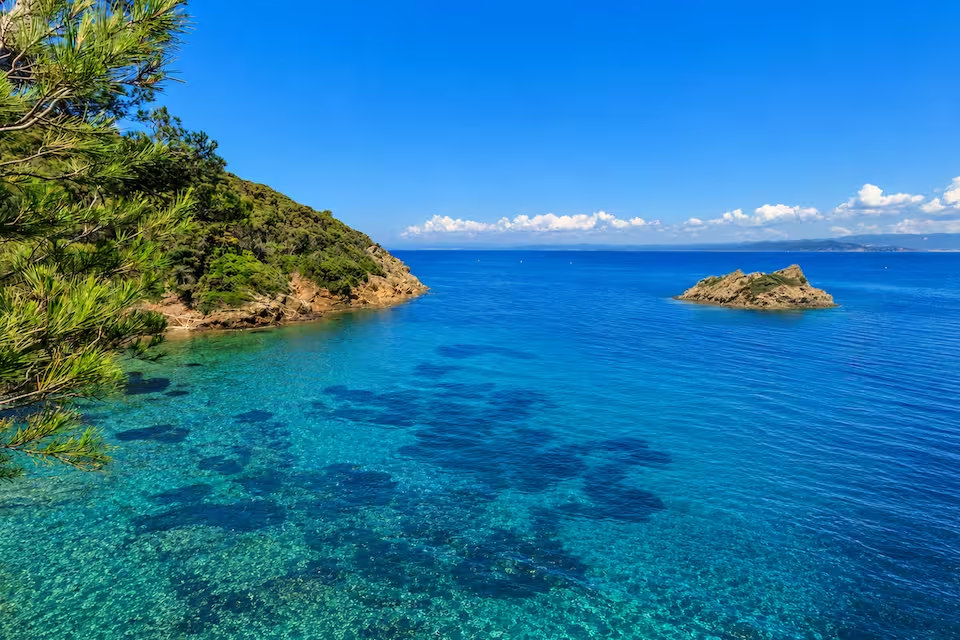
Close to the city, the Frioul Archipelago is the natural focus for island cruising. Ratonneau and Pomègues offer a very different setting from the dense waterfront, while Château d’If adds a historical stop associated with Marseille’s coastal defenses and The Count of Monte Cristo. Their proximity to the Vieux-Port makes the islands suitable for compact itineraries, subject to the day’s wind and sea conditions.
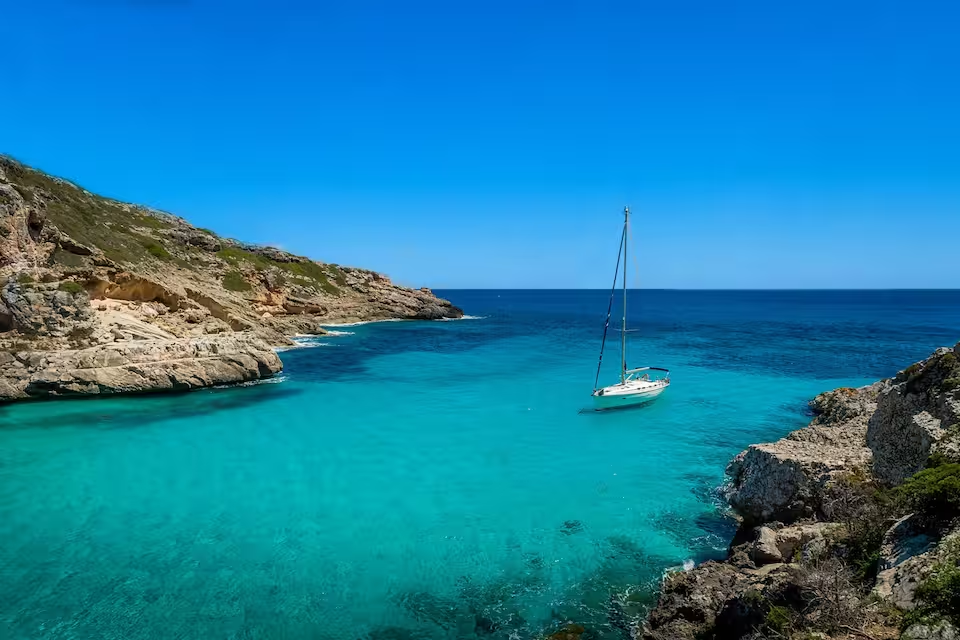
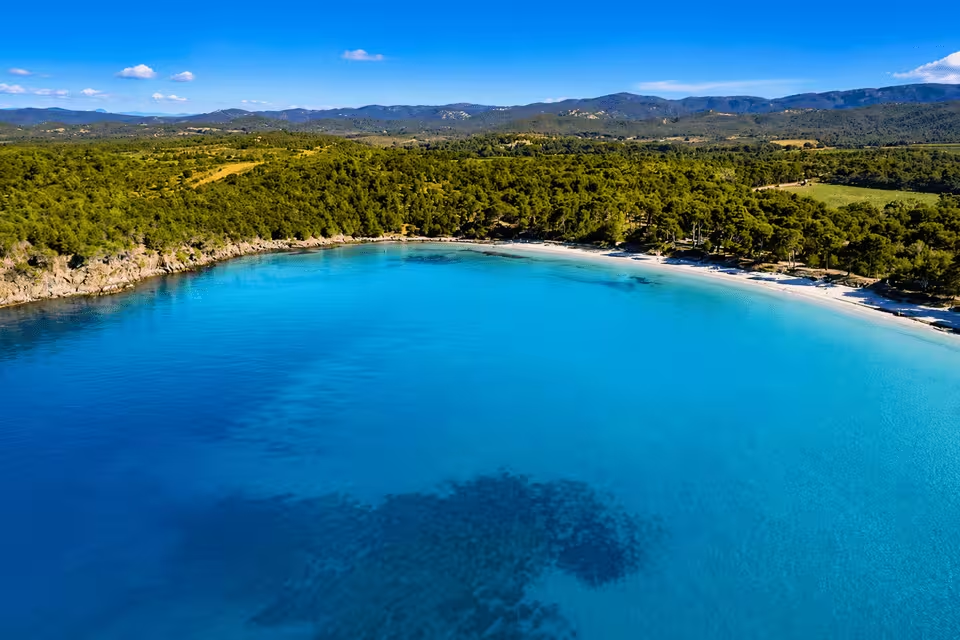
South of Pointe Rouge, the coast becomes increasingly rugged around Les Goudes and Callelongue. Beyond them, the Calanques form steep-sided inlets between pale limestone headlands. Sormiou, Morgiou, Sugiton, En-Vau, Port-Pin and Port-Miou are among the best-known, although navigation, anchoring and shore access are regulated in parts of the national park. Port-Miou also marks the approach to Cassis, which can provide an appealing coastal endpoint. To the northwest, L’Estaque leads toward the Côte Bleue coves, offering an alternative direction when conditions and itinerary length permit.
What cruising around Marseille is like
Cruising commonly involves short coastal or island passages from the Vieux-Port, Pointe Rouge or L’Estaque. The Frioul islands provide a nearby island-hopping area, while routes toward the Calanques involve more exposed headlands and shelter that changes significantly with wind direction. A cove that appears protected in one weather pattern may be uncomfortable in another.
The mistral is the defining local consideration. This gusty northwesterly can quickly produce rough water and make exposed crossings or harbor approaches demanding. Strong westerly, easterly and southerly systems may also bring an uncomfortable swell. In settled weather, thermal breezes are common, but forecasts still need close attention because strong gusts can occur at any time of year.
Marseille is also a working port. Recreational boats approaching the city must account for commercial ships, passenger vessels and port operations. These conditions favor flexible route planning rather than an itinerary built around fixed stops regardless of the forecast.
When to plan a Marseille yacht trip
The main recreational boating season runs approximately from April through October. May, June and September are particularly suitable, generally combining warm conditions and sunshine without the most extreme summer heat. Activity builds through late spring, while September retains favorable cruising weather after the height of the holiday period.
July and August are hot, dry and highly active on the water. They suit travelers seeking a distinctly summer-focused trip, but popular areas around Frioul, Cap Croisette and the principal calanques experience heavier boat, passenger-vessel, diving and swimming traffic. April and October can still support enjoyable outings when forecasts cooperate, though conditions are more variable.
From November through March, cooler weather, shorter days and more frequent strong-wind episodes reduce normal leisure-boating activity. Boating remains possible year-round when weather permits, but winter itineraries require greater flexibility.
Possible cruising routes
For a short circuit, the Vieux-Port, Château d’If and the Frioul Archipelago form a logical sequence, combining city views, island cruising and a historical stop without requiring a long coastal passage.
A southbound route can pass Pointe Rouge, Les Goudes and the entrance to the Calanques before continuing toward Port-Miou or Cassis. This direction suits travelers who want the limestone coast to be the central theme of the trip. An alternative heads north from the Vieux-Port toward L’Estaque and the Côte Bleue coves.
These are route frameworks rather than fixed schedules. Wind direction, swell, park restrictions and safe anchoring options may change which stops are practical on a particular day.
Life on the water and ashore
A Marseille charter can divide the day between short passages, swimming or snorkeling stops, and visits ashore. Diving is also part of the local boating culture, particularly around the islands, though summer traffic requires added awareness near established activity areas.
The city’s maritime history remains visible around the Vieux-Port, where Greek settlers founded Massalia around 600 BC. Traditional wooden barquettes are still associated with Marseille’s small fishing ports, and Notre-Dame de la Garde—long regarded as a protector of sailors and fishermen—is a prominent landmark when approaching from the sea.
Ashore, travelers can connect the charter with Le Panier, Mucem and Fort Saint-Jean or the compact harbor of Vallon des Auffes. Marseille’s food culture also reflects its relationship with the sea: bouillabaisse developed from a fishermen’s dish using parts of the catch not selected for sale.
Reaching the waterfront and departure areas
Marseille Provence Airport is linked by direct coach to Marseille-Saint-Charles, the city’s principal intercity railway station. From there, urban transport continues toward the Vieux-Port and the southern coastal districts. Regular passenger boats connect the Vieux-Port with Frioul, while some other coastal maritime services operate seasonally.
Yacht outings in the area may begin from the Vieux-Port de Marseille, Port de la Pointe Rouge, Port du Frioul or Port de l’Estaque. The Roucas-Blanc watersports base is another relevant point on the city’s shoreline. The best departure area depends on the planned direction: the Vieux-Port is convenient for central Marseille and Frioul, Pointe Rouge is well placed for the southern coast and Calanques, and L’Estaque provides access toward the Côte Bleue.
Planning the right charter
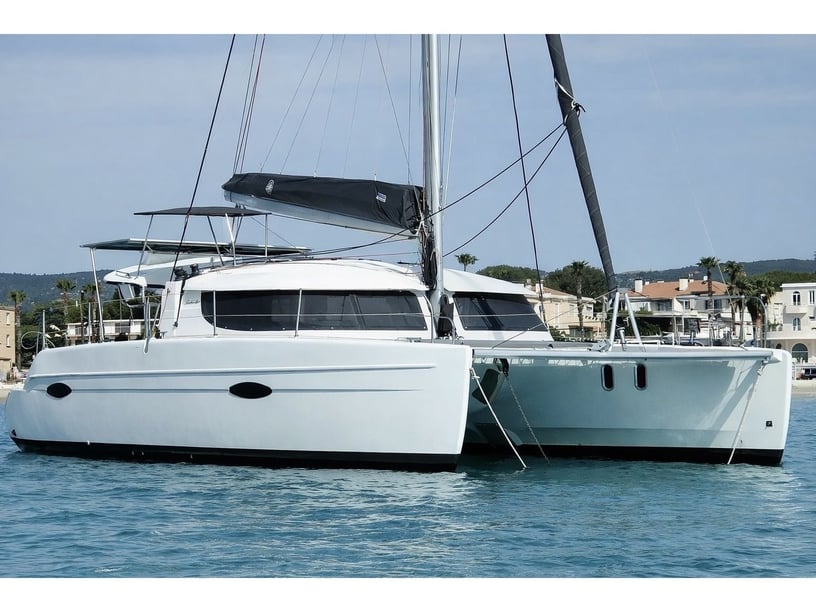
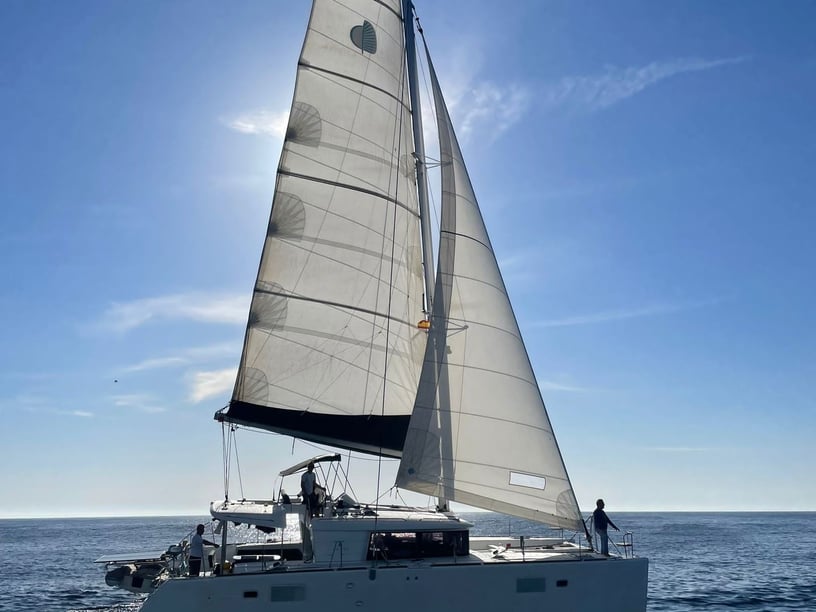
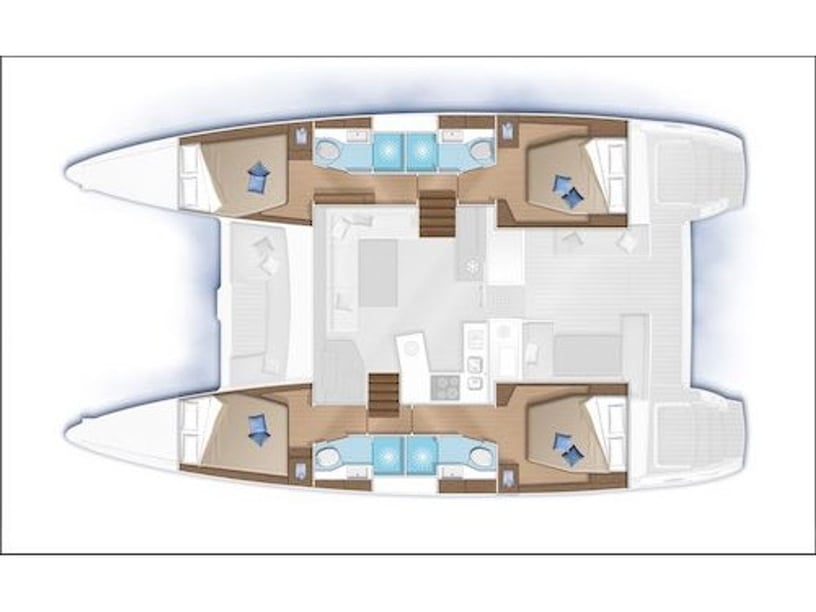
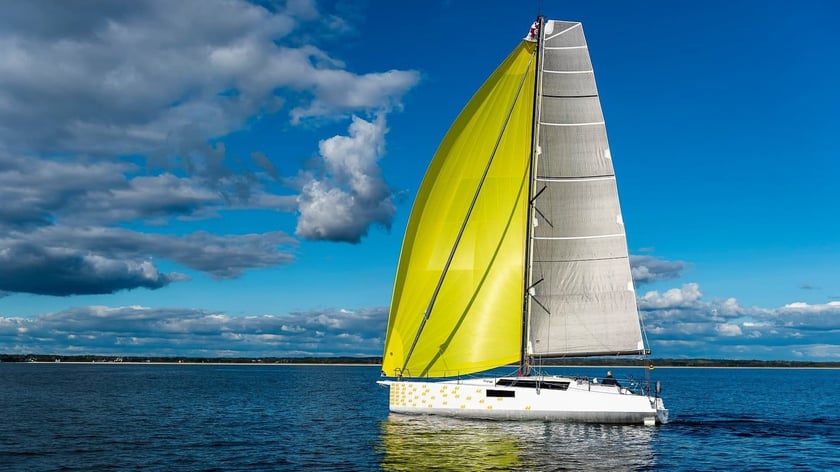
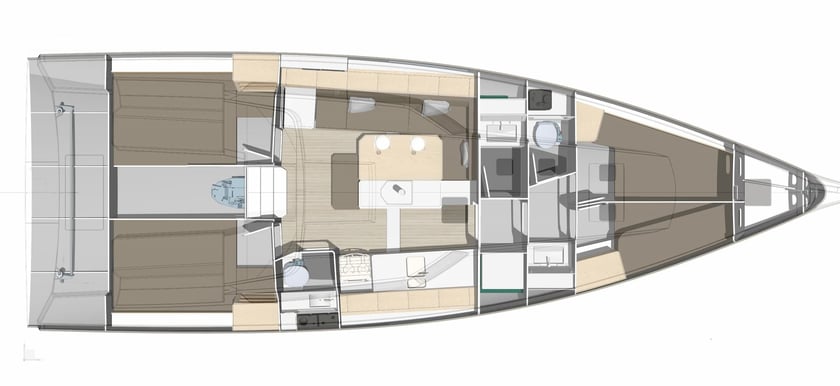
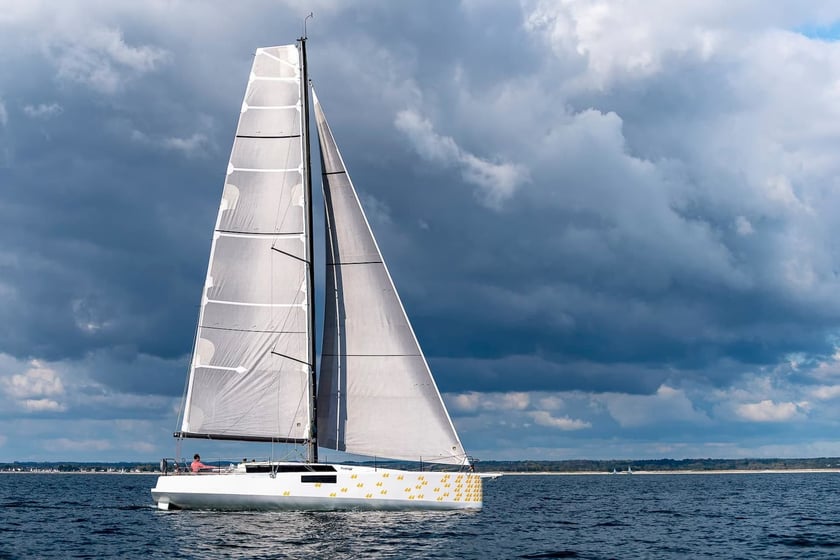
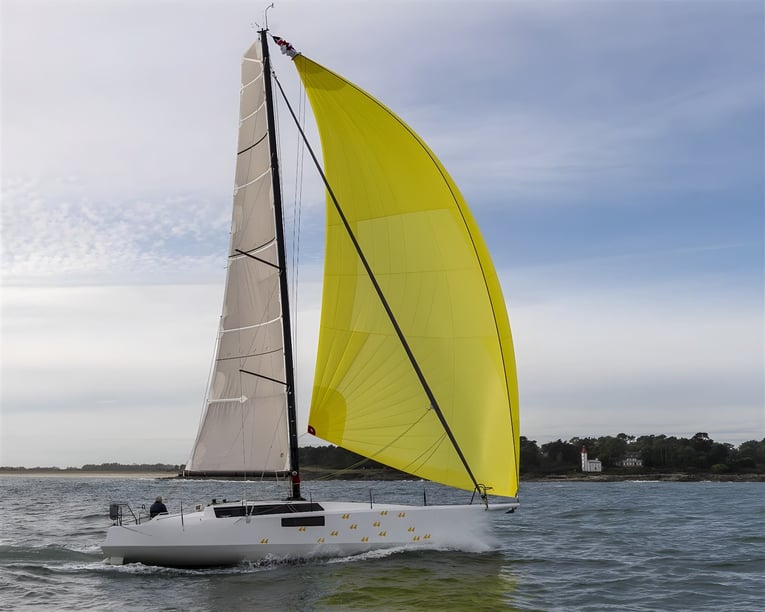
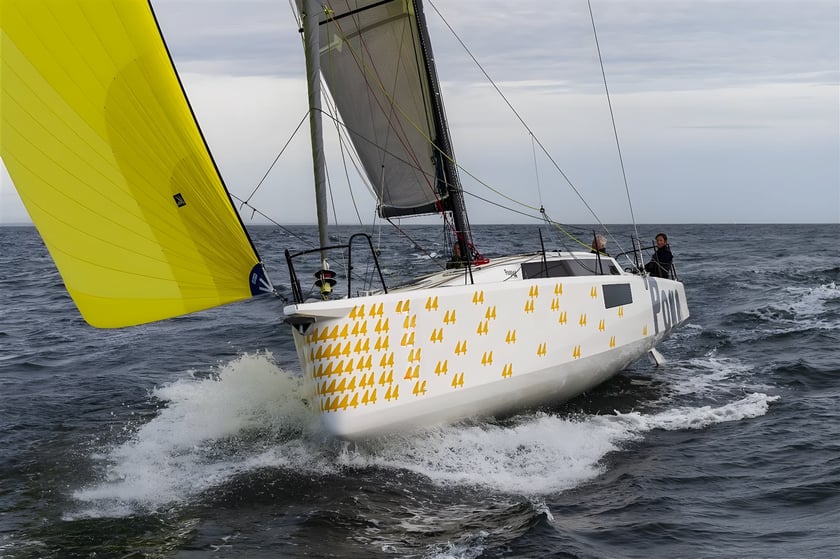
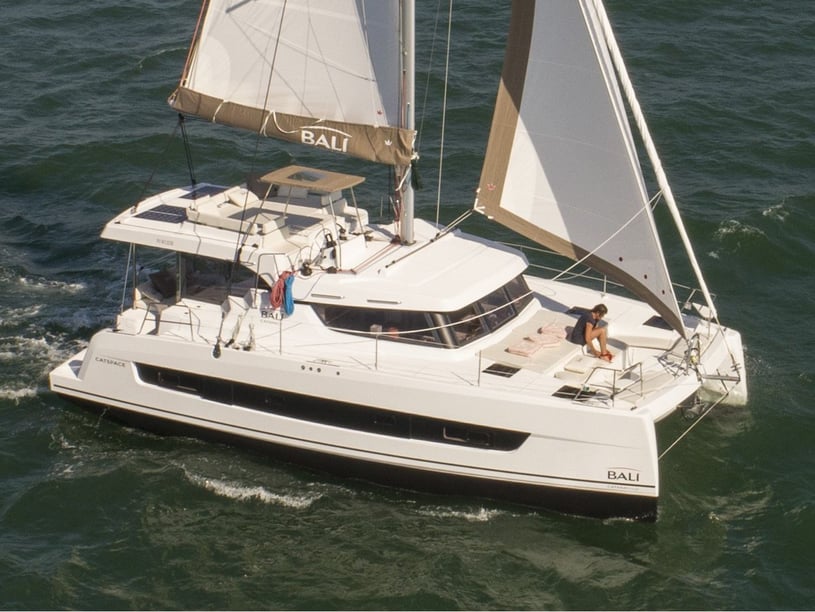
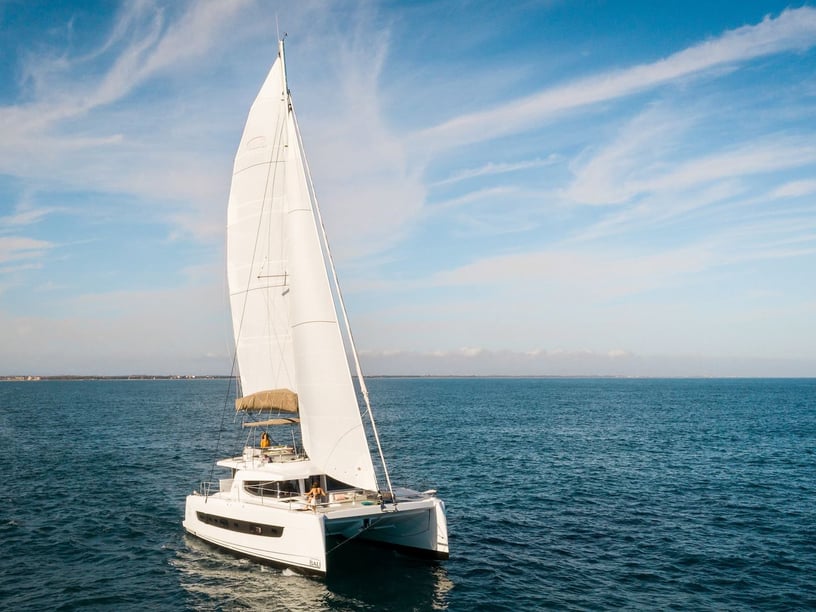
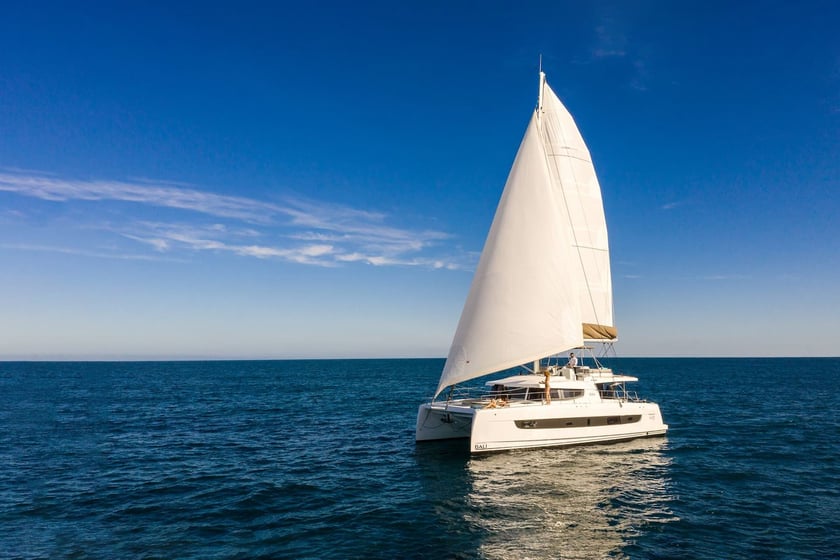
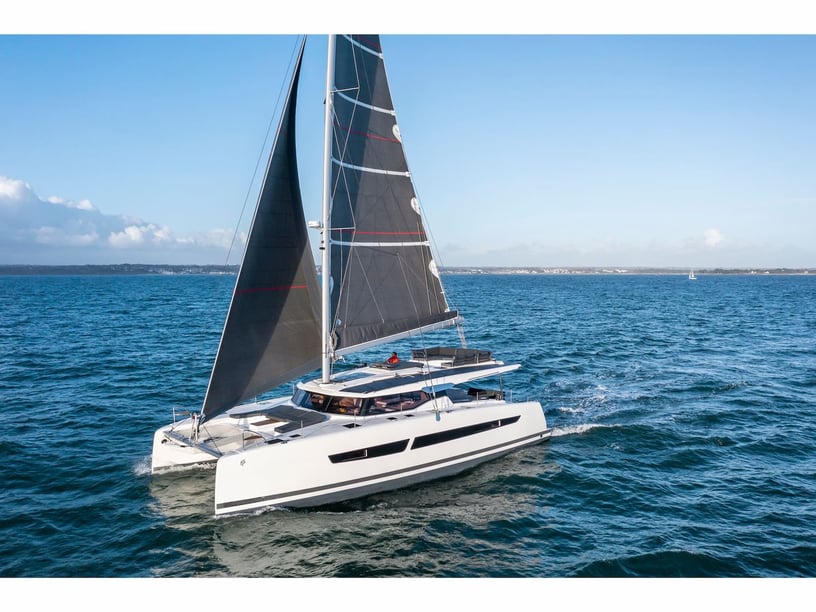
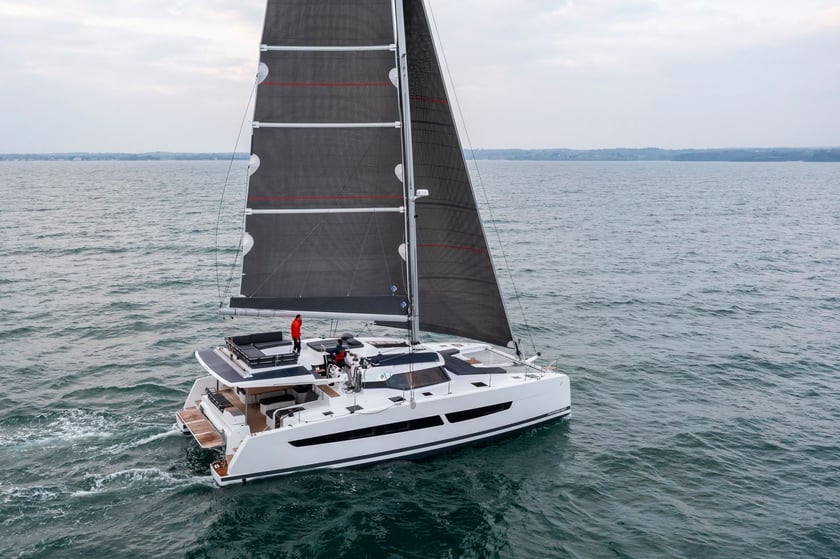
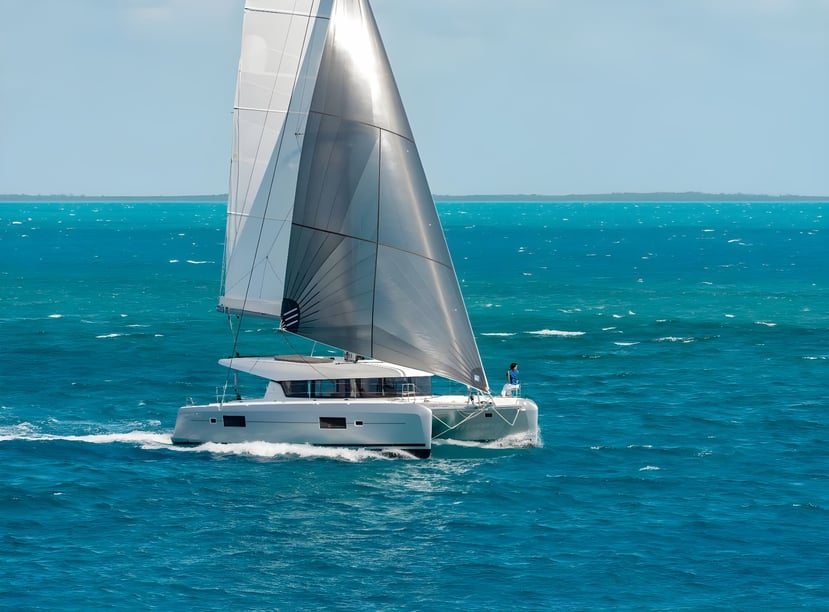
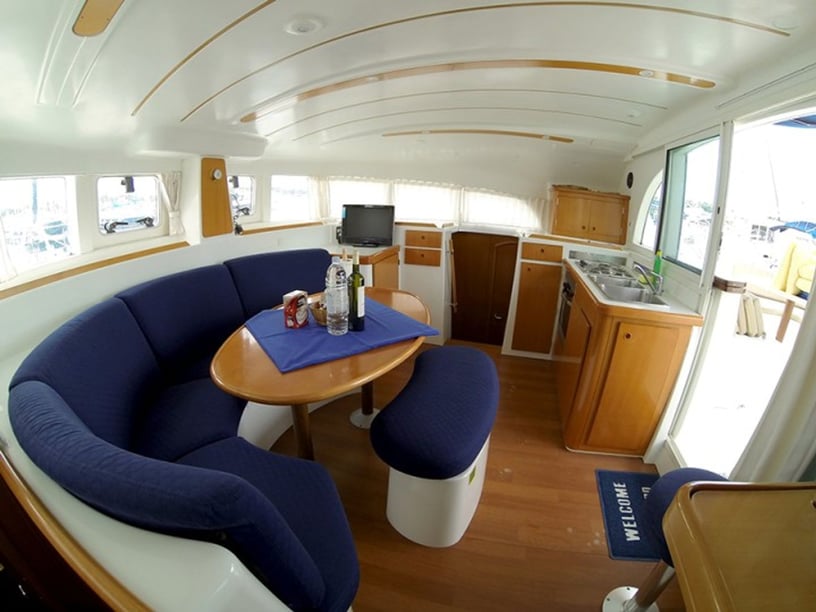
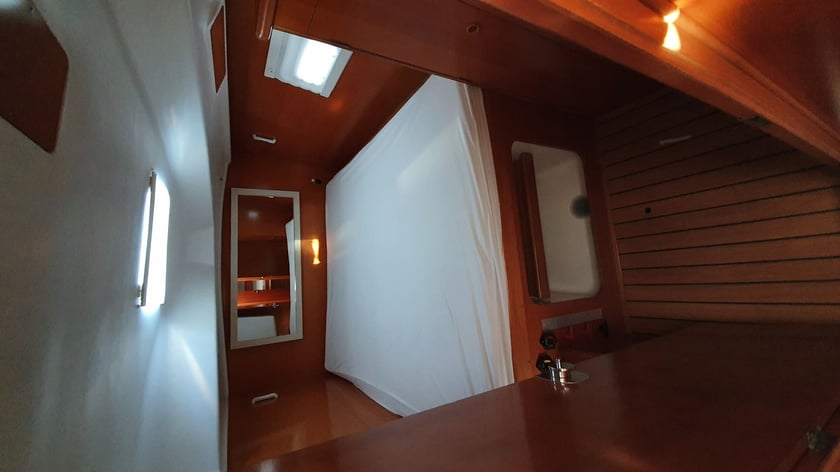
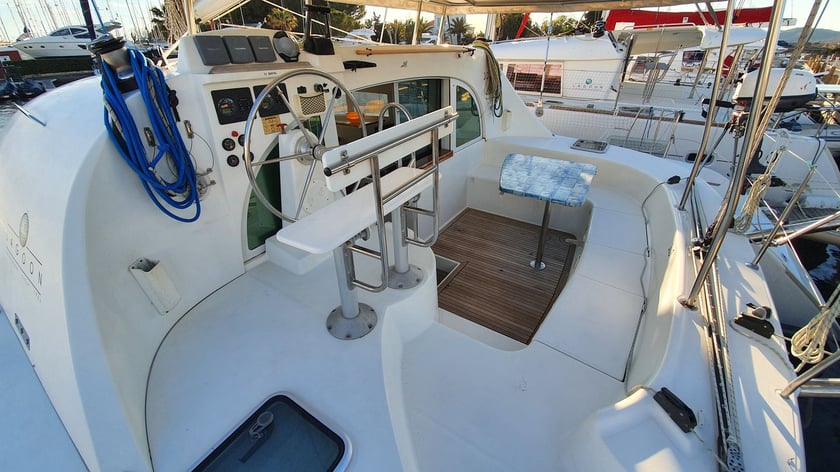
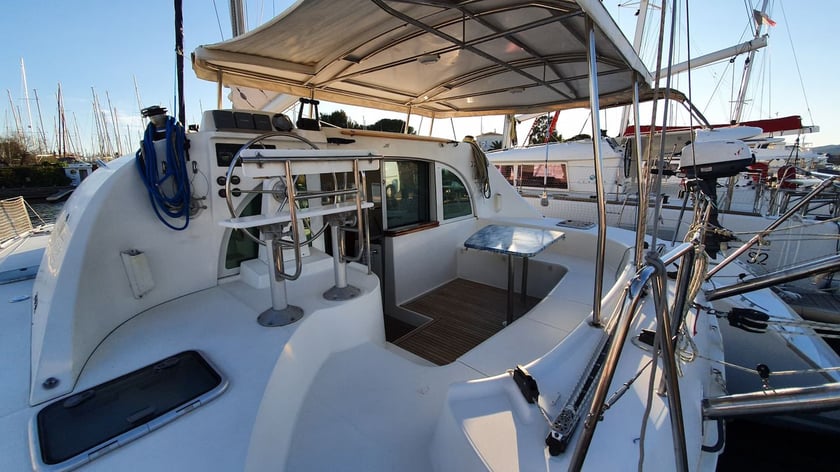
Start by deciding whether the trip should emphasize a compact island circuit, a Calanques coastal cruise or a longer itinerary linking Marseille with Cassis or the Côte Bleue. For a short boat rental in Marseille, allowing flexibility around the forecast is more useful than trying to include every landmark. Travelers comparing different styles can explore sailboat charters in Marseille or motorboat charters in Marseille according to the pace and character they want from the trip.
Check the marine forecast immediately before departure, particularly for mistral conditions. In Calanques National Park, navigation, fishing and anchoring are prohibited or restricted in designated areas, including sensitive habitats and archaeological protection zones. Current official park maps, maritime notices and nautical charts should guide route and anchoring decisions; not every visible inlet is open for anchoring or landing.
Shore access can also be more restricted than offshore navigation, especially in protected areas and during periods of high wildfire risk. In summer, allow for heavier traffic around Frioul, Cap Croisette and the principal calanques, and avoid obstructing commercial or passenger vessels when approaching Marseille.