Yacht charter in Corbigny
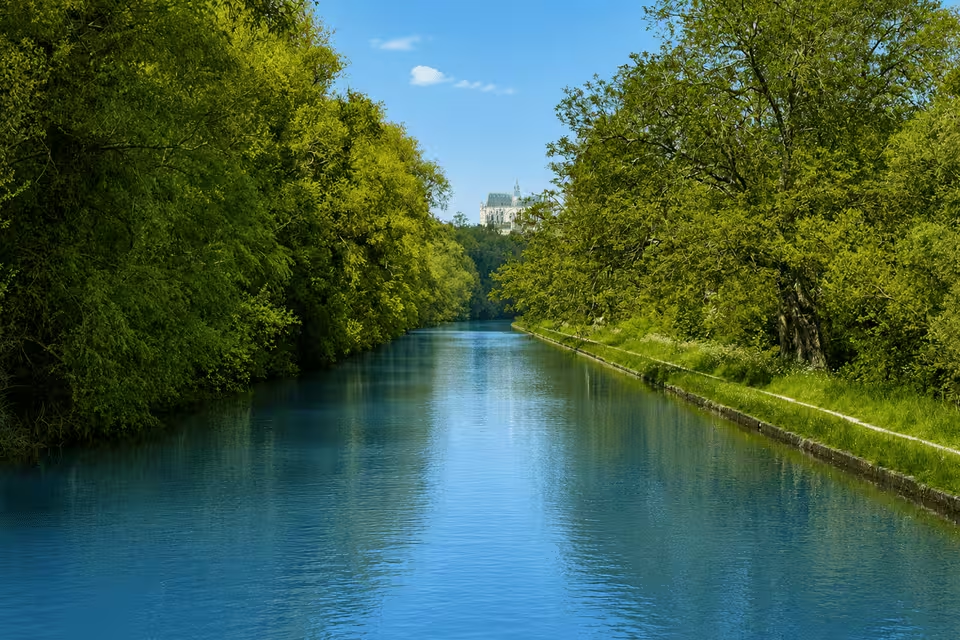
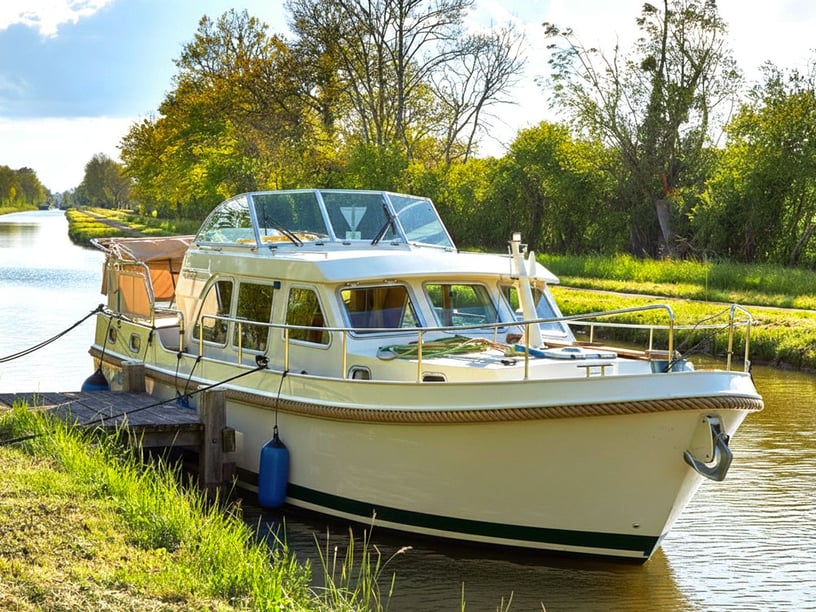
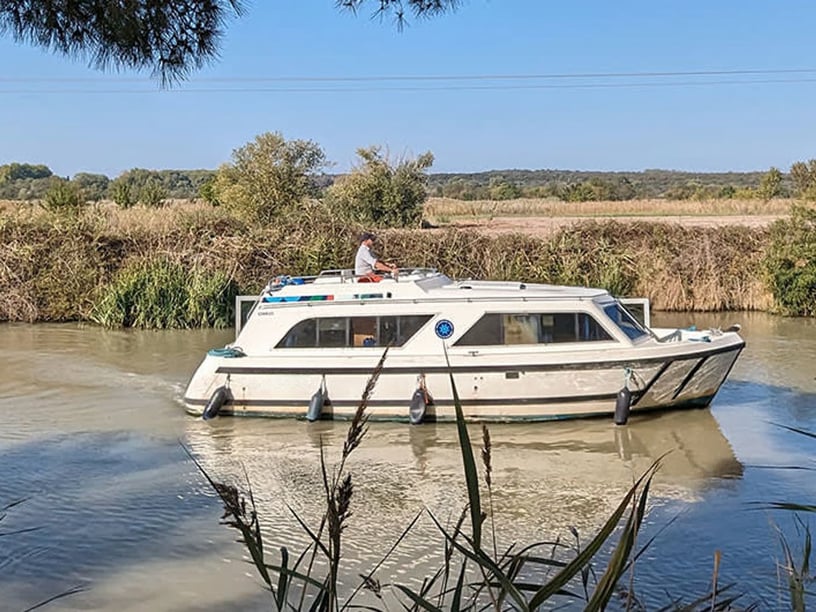
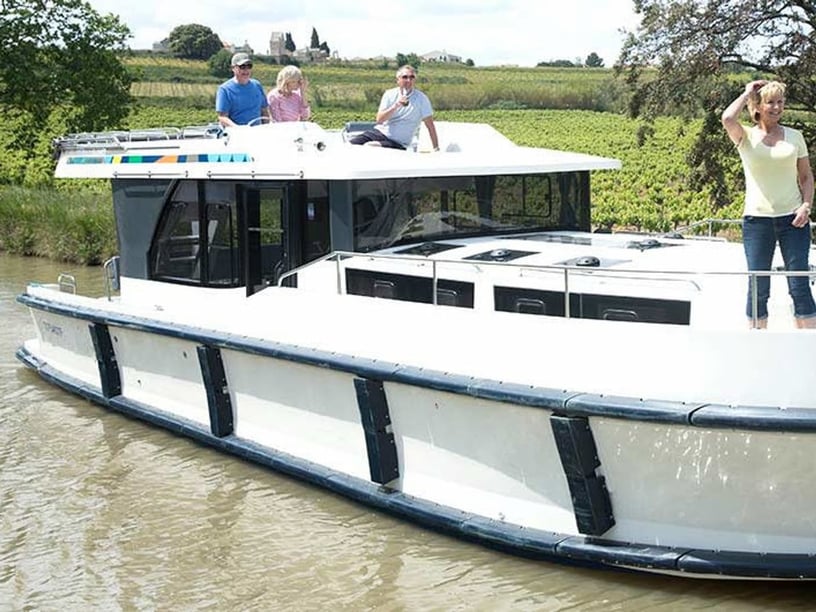
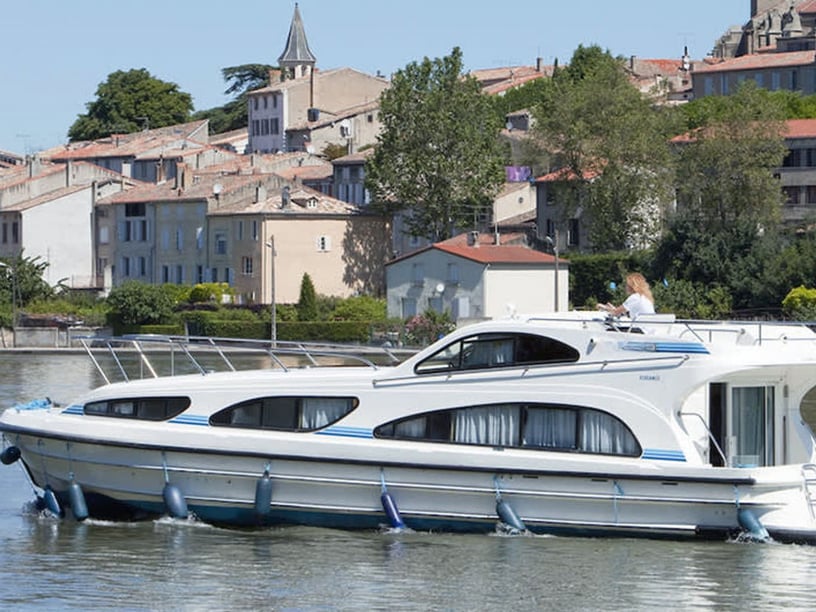
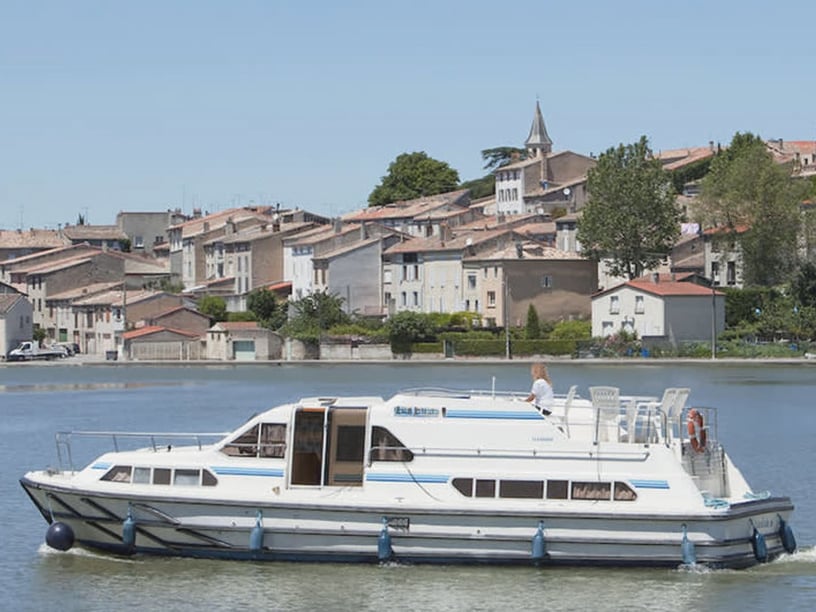
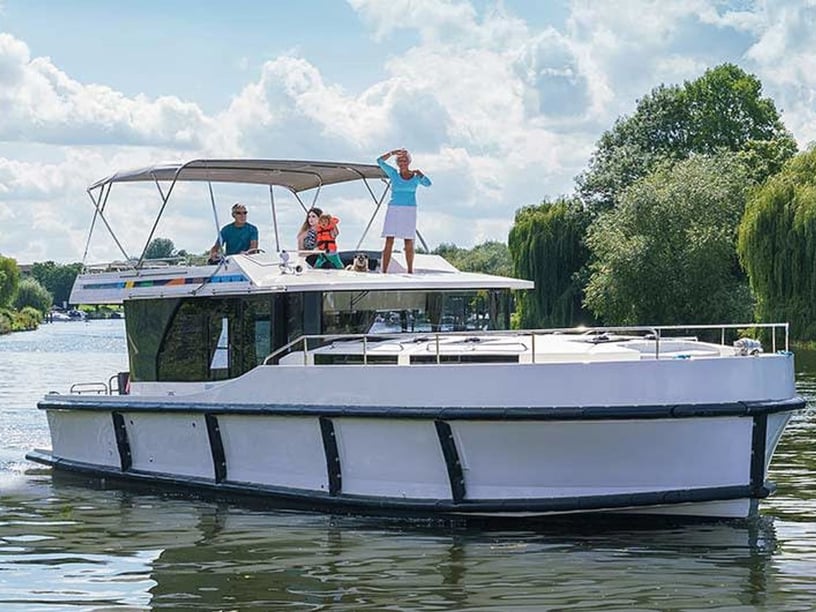
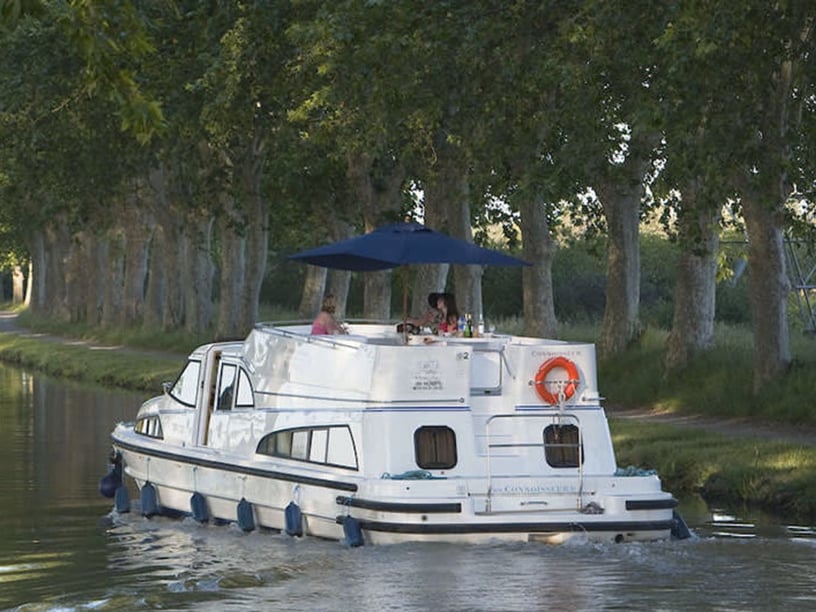
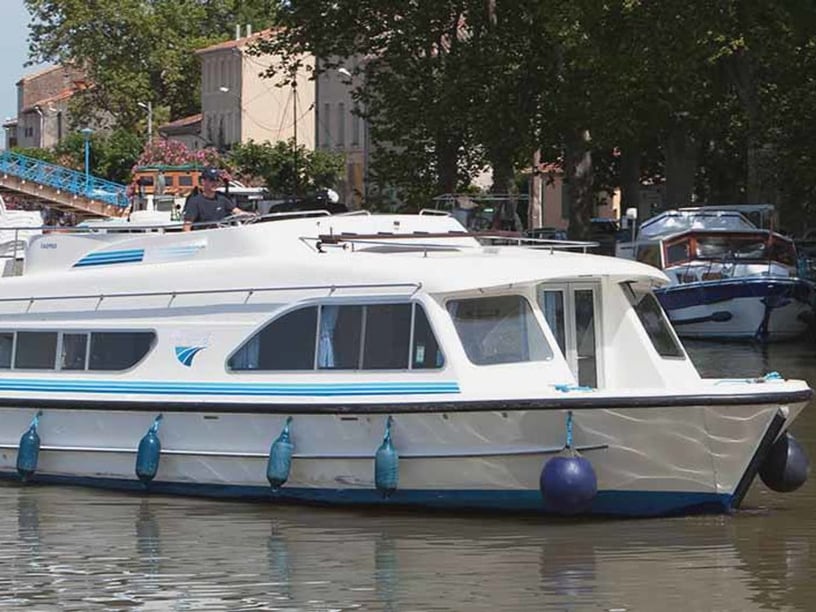
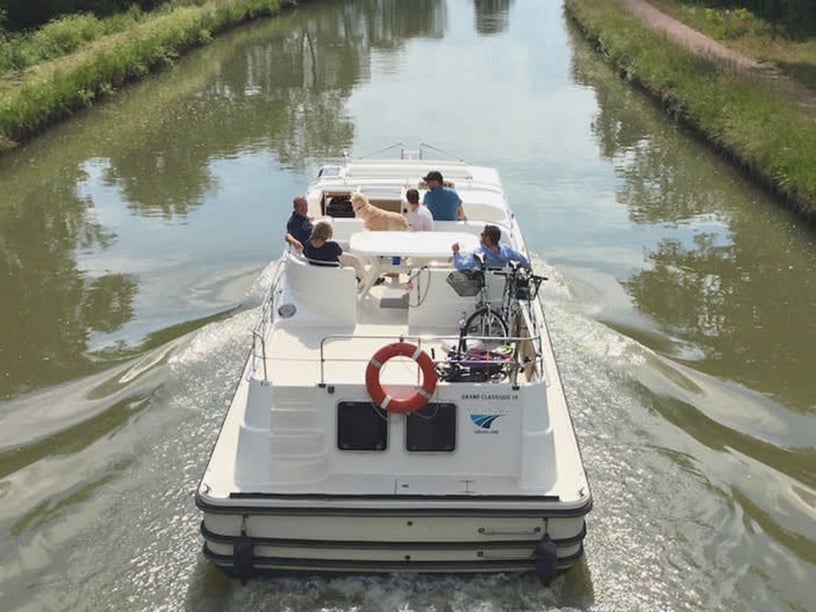
A yacht charter in Corbigny is an inland-waterway experience shaped by the Canal du Nivernais rather than open-water sailing. This small Burgundy town lies between the Morvan uplands and the canal, with Port de la Vauvelle providing local access to a network of locks, rural reaches and waterside villages. Motor cruisers and houseboats are more relevant here than sailing yachts, and the pace is deliberately unhurried.
Corbigny combines the practical role of a boating base with an appealing stop ashore. Its historic center stands beside the Anguison, while the former Abbaye de Corbigny now hosts contemporary artistic activity within an 18th-century building. Travelers considering a wider yacht charter in France can look to Corbigny for a route focused on canal scenery, heritage and frequent opportunities to walk or cycle beside the water.
Places to explore along the canal
North of Corbigny, the first natural stops include Chaumot and Chitry-les-Mines. These places introduce the characteristic rhythm of the Canal du Nivernais: short cruising stages, bridge passages and time ashore in small communities. The Château de Chitry-les-Mines adds a historical point of interest without requiring a long detour from the waterway.
Farther north, Tannay sits among the canal villages and vineyards, while Clamecy provides a more substantial cultural stop on longer itineraries. South of Corbigny, the character changes around Sardy-lès-Épiry, where the canal climbs through an unusually concentrated flight of locks. Beyond it, the Étangs de Baye et de Vaux and the canal’s summit engineering form a contrasting landscape. The choice between north and south therefore affects both the places visited and the amount of lock work involved.
What cruising from Corbigny is like
Cruising around Corbigny takes place on sheltered, non-tidal water. Waves and exposure are minimal, but progress depends on locks, movable bridges, channel dimensions and operating arrangements rather than boat speed. This makes the experience accessible in atmosphere, though it still rewards patience, attention and realistic daily planning.
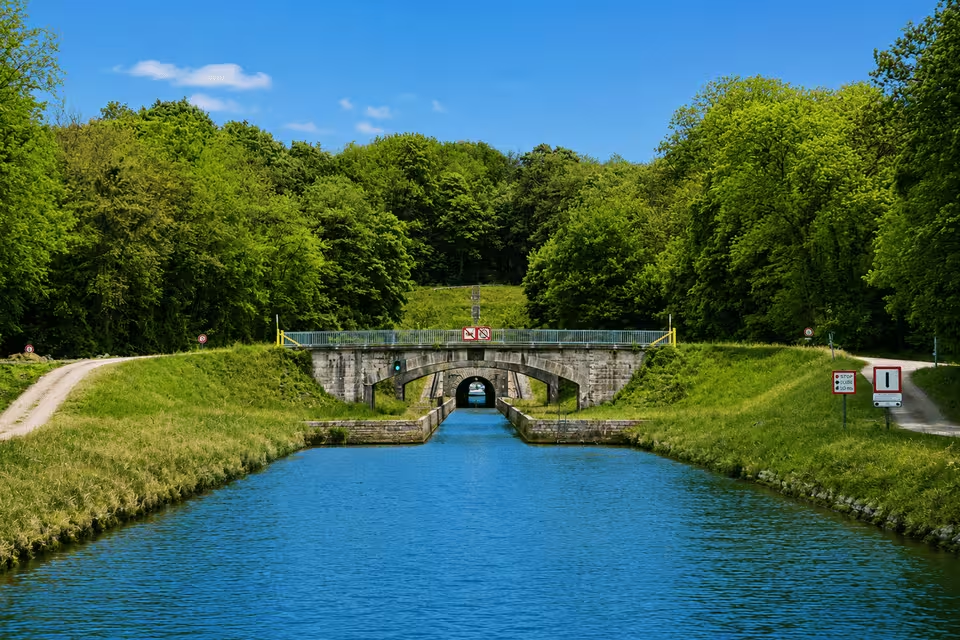
The northbound canal toward Tannay and Clamecy is comparatively gentle. Early stages pass through Chaumot and Chitry-les-Mines before reaching the movable bridges around Dirol. Southbound travel toward Sardy is more operationally intensive: the nearby Sardy flight contains 16 locks over approximately 3.6 kilometers. Travelers should expect part of the day to be spent approaching, entering and clearing locks rather than continuously cruising.
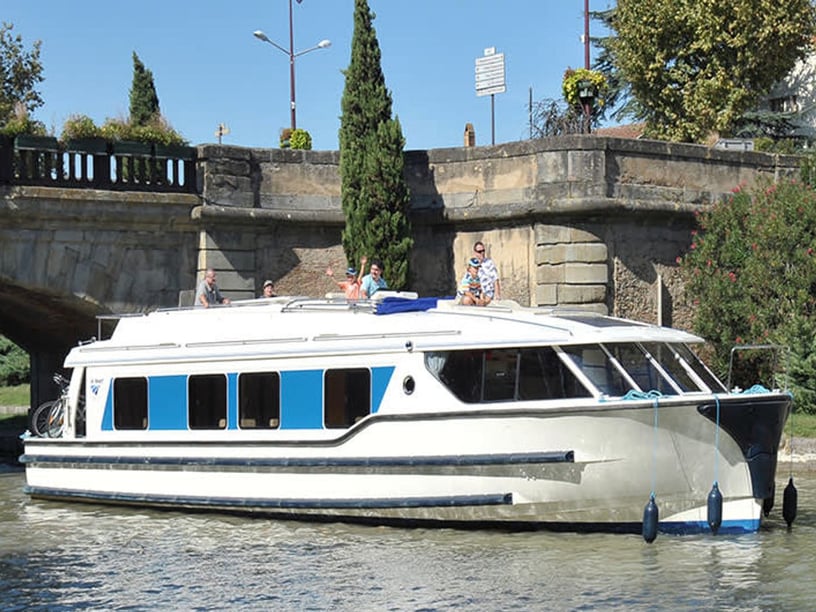
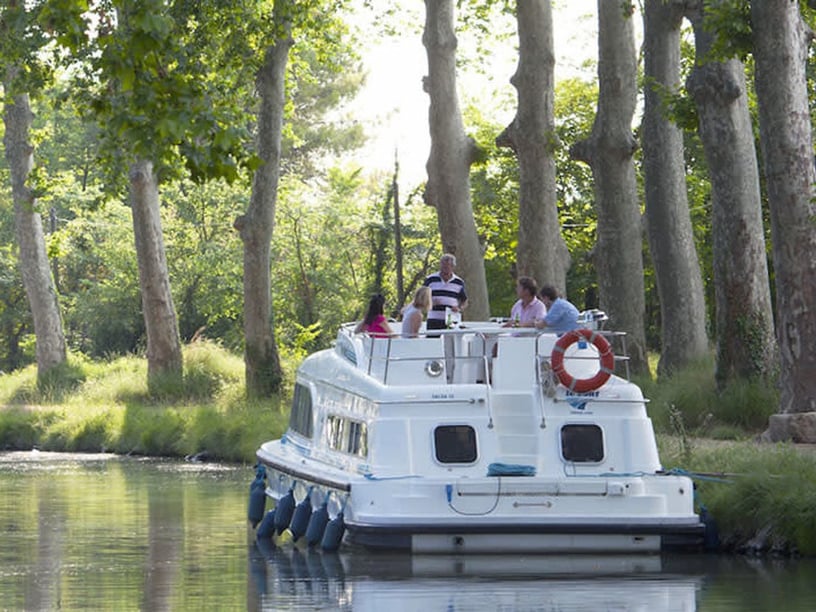
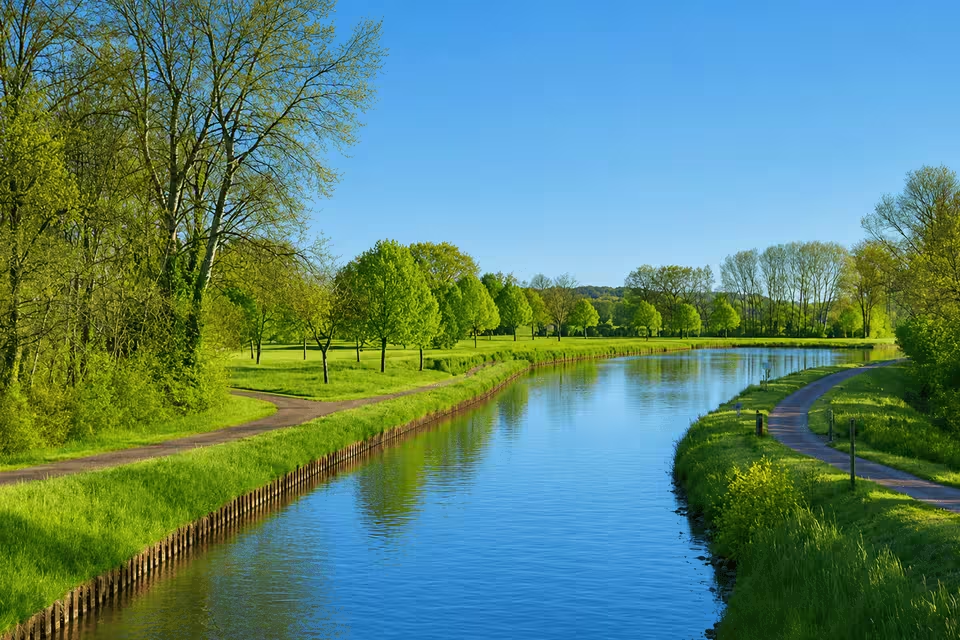
This is motor cruising rather than conventional sailing. Its appeal lies in close-range views of wooded and agricultural landscapes, regular village stops and a journey that remains closely connected to the land.
When to plan a Corbigny charter
The normal recreational navigation season runs from April through October. May to September is the main active period, with July and August forming the principal summer season. These midsummer months suit travelers seeking the most clearly established holiday period, although demand is also likely to be concentrated then.
April and October sit at the edges of the navigation season and generally bring cooler or less consistent weather. Spring and early autumn can still work well for travelers comfortable with changing conditions and a quieter seasonal atmosphere. Winter is normally outside the recreational navigation period because the canal enters seasonal closure. Opening dates, lock arrangements and current navigation notices should always be confirmed before travel, even within the usual season.
Canal routes from Corbigny
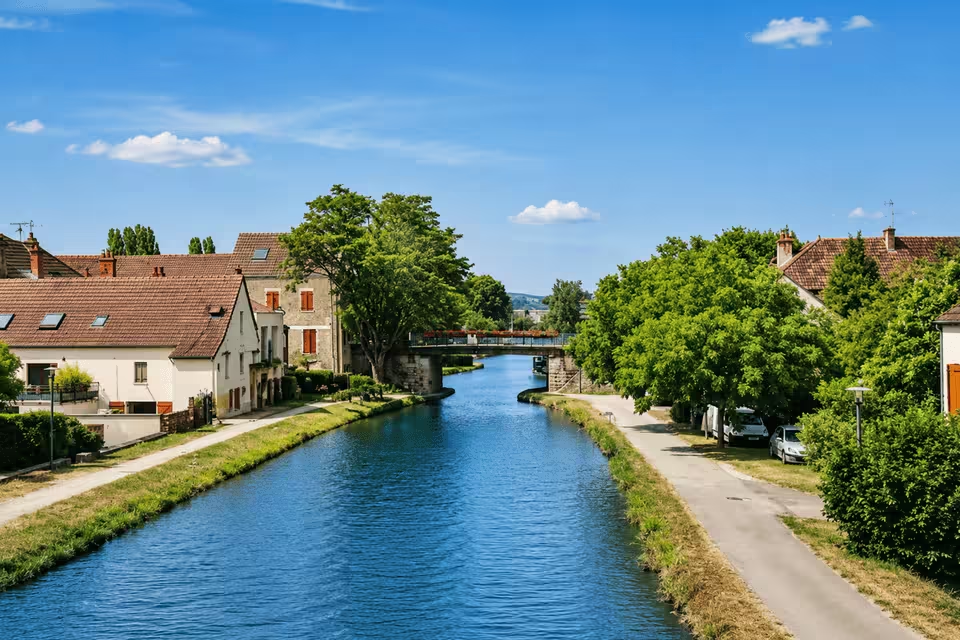
A practical shorter itinerary follows the canal north from Port de la Vauvelle to Chaumot and Chitry-les-Mines, then continues through the movable bridges near Dirol toward Tannay. This direction combines manageable stages with repeated opportunities to stop ashore and can be adapted to the time available.
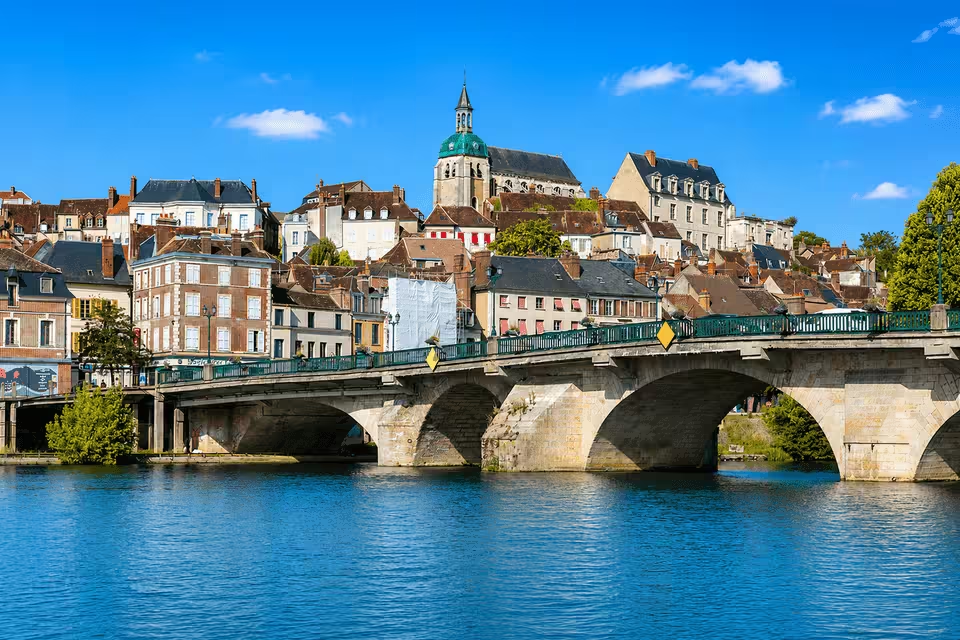
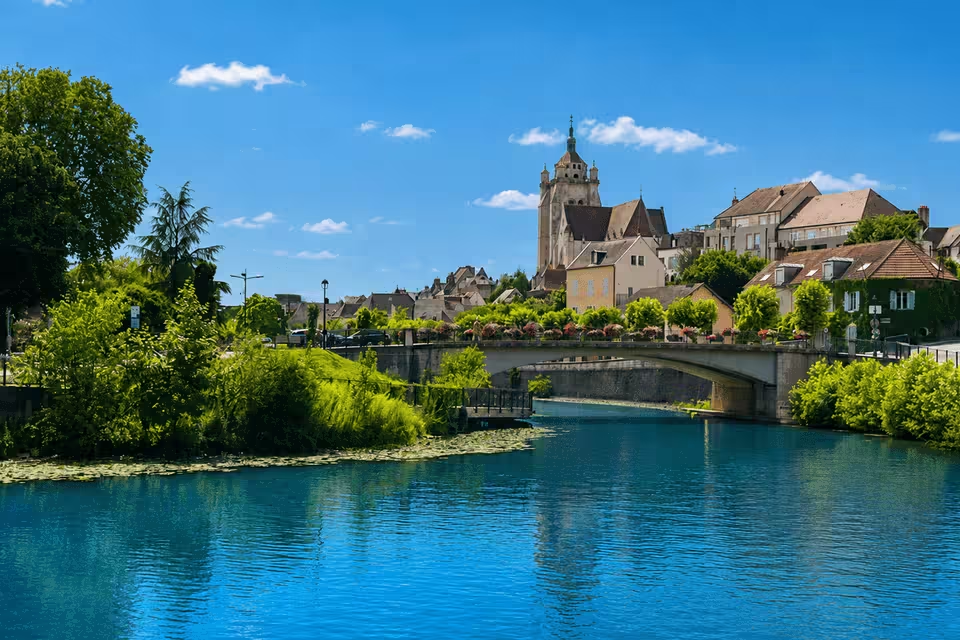
For a longer one-way journey, the established Corbigny-to-Joigny route continues through Clamecy and the Auxerrois, then passes via Migennes before reaching Joigny. It connects the rural upper sections of the Canal du Nivernais with a broader cross-section of Burgundy’s inland waterways. Travelers considering the southern direction should allow substantially more time for the Sardy lock flight and the summit section rather than estimating the itinerary from distance alone.
Life on board and ashore
A Corbigny charter naturally alternates between cruising, lock passages and time ashore. The towpath offers opportunities for walking and cycling during stops, making it possible to experience the canal landscape from both the boat and the bank. This varied rhythm can work particularly well for families and travelers who value scenery and cultural visits over long uninterrupted passages.
In town, the Abbaye de Corbigny links local religious history with contemporary art. The present building dates from 1754 and has served several purposes, including education, agriculture and use as a military hospital; since 2003, it has operated as a center for artistic creation and presentation. Other local landmarks include Église Saint-Seine and Tour de la Madeleine.
The waterway itself provides historical context. The Canal du Nivernais connects the Seine and Loire drainage basins and was associated with moving Morvan timber toward Paris, giving today’s recreational route a clear connection to Burgundy’s working-waterway past.
Access and departure points
Port de la Vauvelle is the key local departure point and places travelers directly on the Canal du Nivernais. Port de Chaumot is a nearby stopping option, while Tannay also functions as a boating base farther north. Corbigny can therefore serve both as a starting point and as a cultural and provisioning stop within a longer canal journey.
The town is reached mainly by road or through its SNCF and Mobigo station, with regional connections involving Clamecy and Auxerre and longer-distance access from Paris. Paris-Orly and Paris Charles de Gaulle are the relevant major airports, but an onward rail and road journey is required. A road transfer is the practical connection between Corbigny’s town center, Port de la Vauvelle and nearby canal locations.
Planning your boat rental in Corbigny
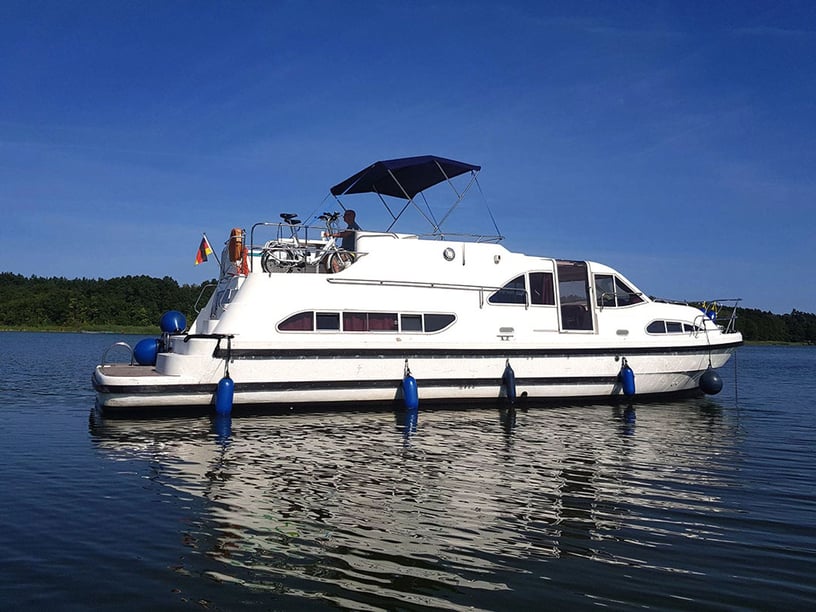
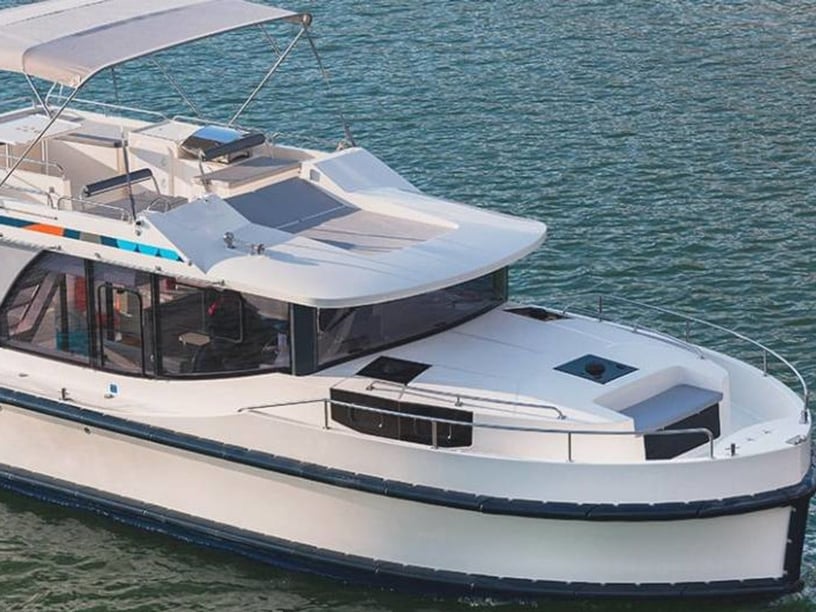
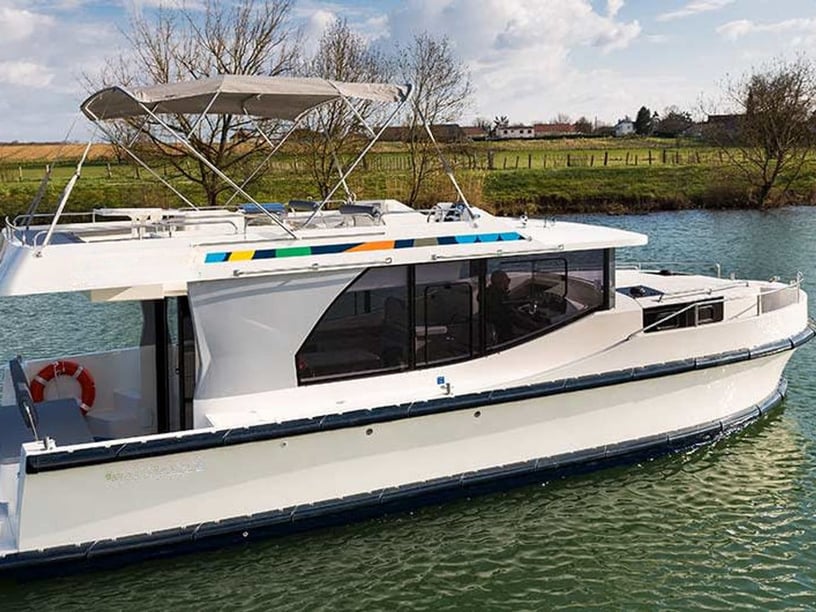
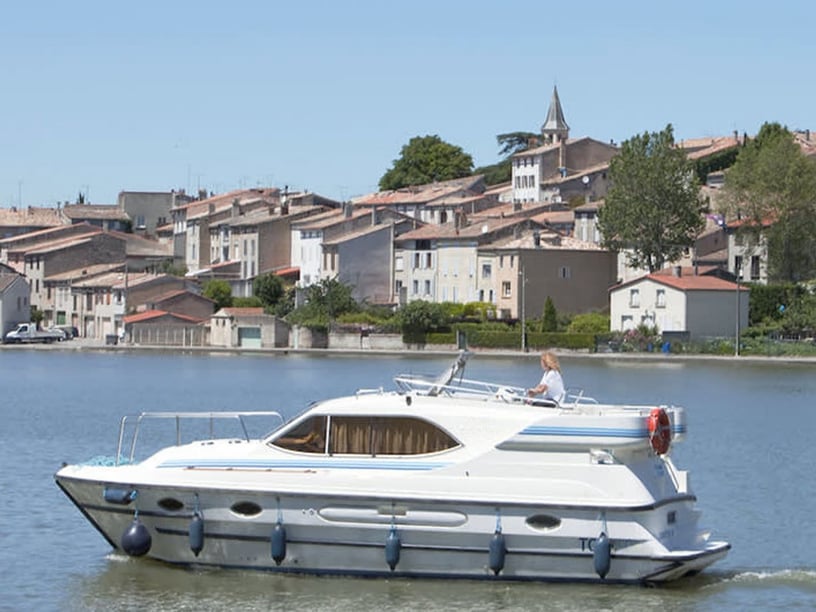
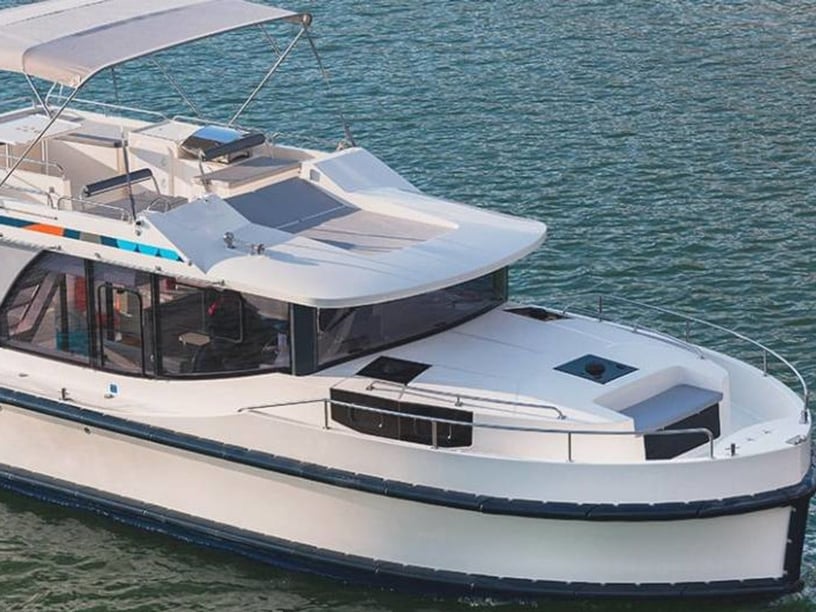
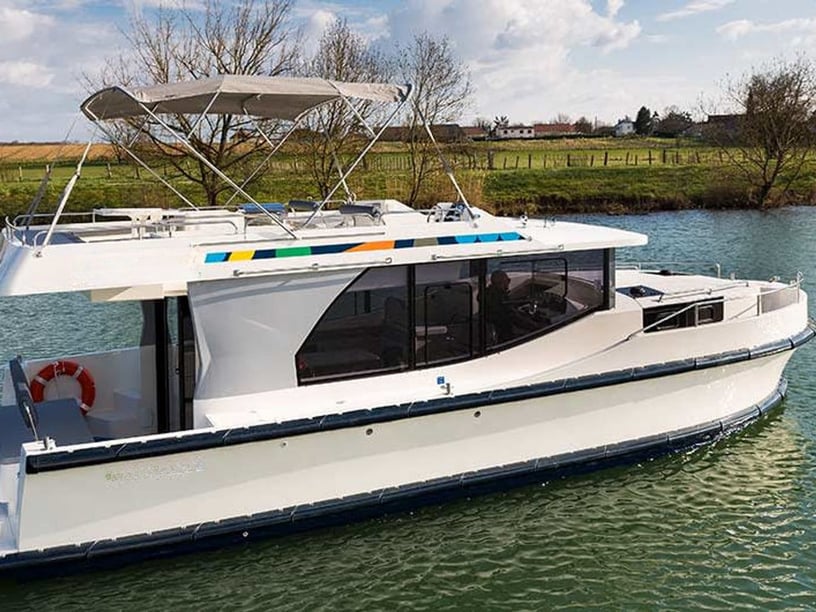
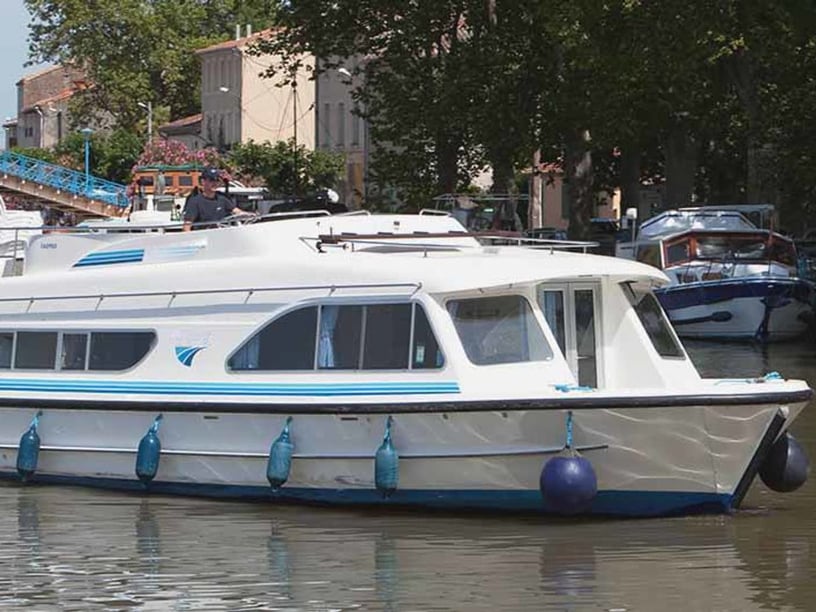
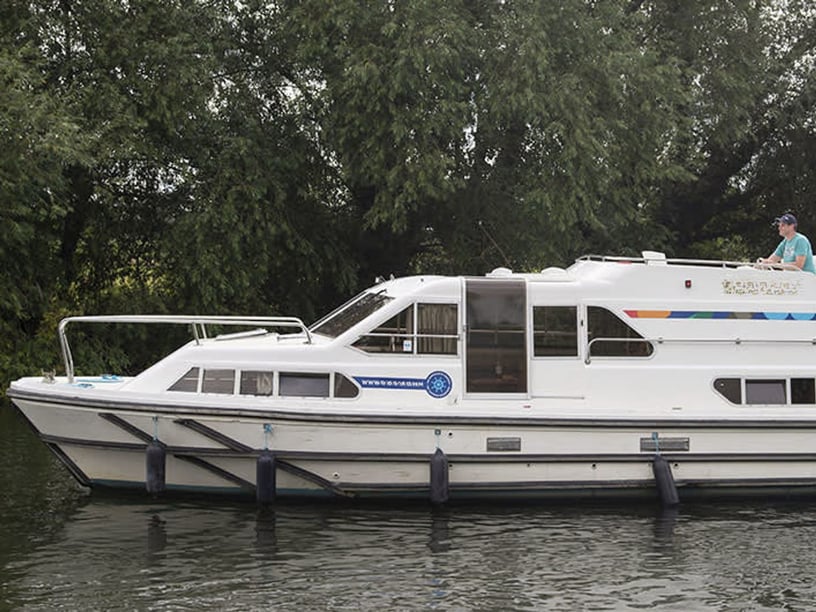
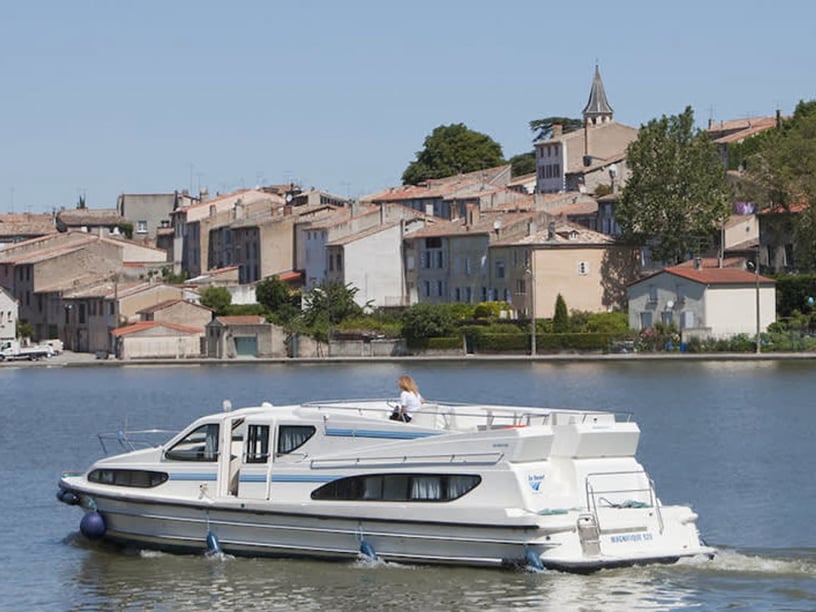
When comparing boat rental in Corbigny, prioritize a craft suited to sheltered canal cruising rather than open-water performance. Check the boat’s length, beam, draft and air draft against the limits for the intended Canal du Nivernais sections. These dimensions matter at locks and bridges and may influence which route is practical.
Plan daily distances conservatively. Lock operating hours, movable bridges and waiting times govern progress more than cruising speed, especially on the southern route through Sardy. Confirm navigation notices, seasonal opening dates and lock procedures shortly before departure, and provision in Corbigny before boarding where appropriate.
Swimming and diving are generally prohibited in the navigation channel unless specifically authorized, so they should not be treated as routine parts of the itinerary. Instead, build the trip around canal cruising, towpath activities, village visits and historical stops. Route direction, number of locks and available time are likely to be more important choices here than sailing conditions or exposure.