An inland yacht charter in Branges
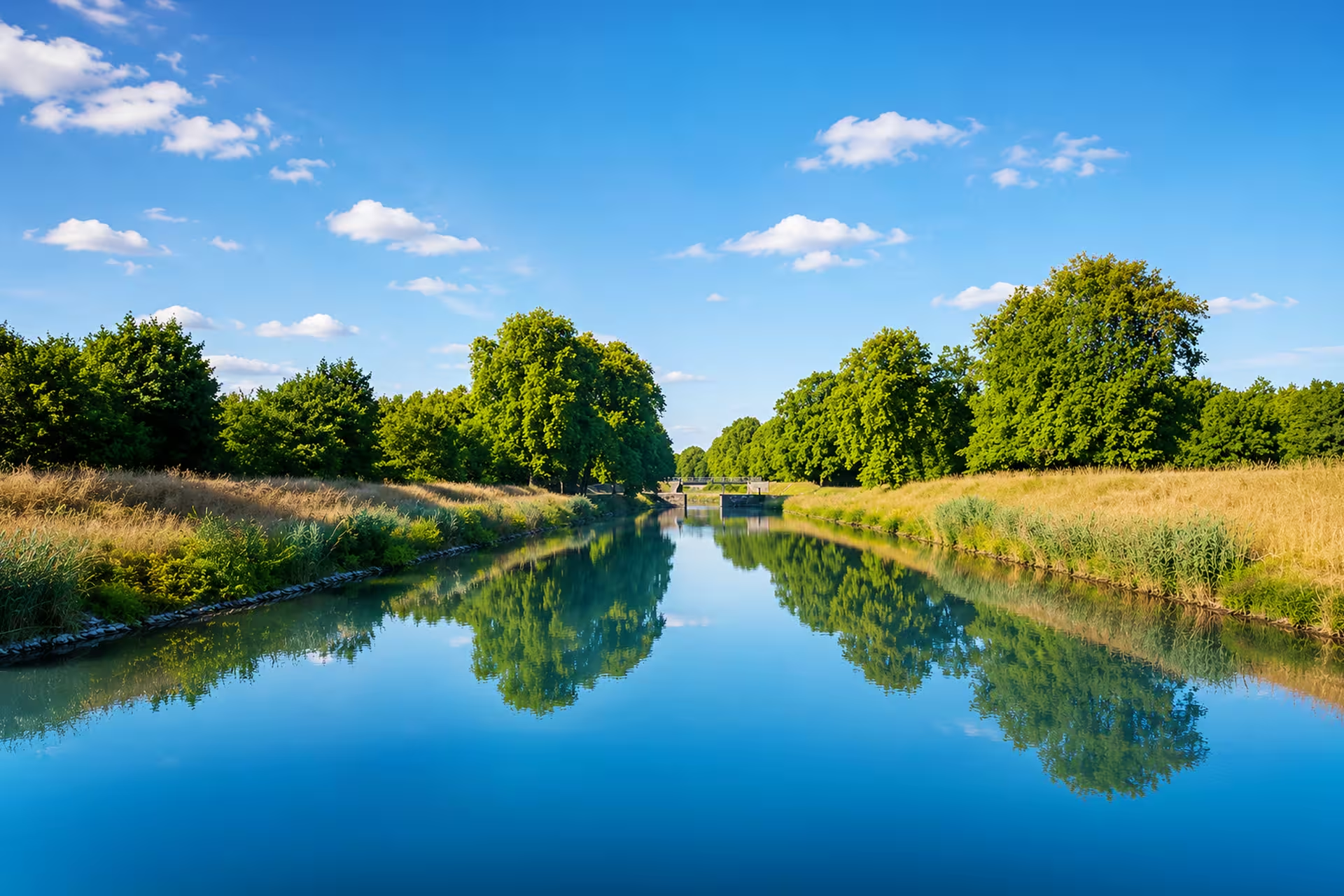
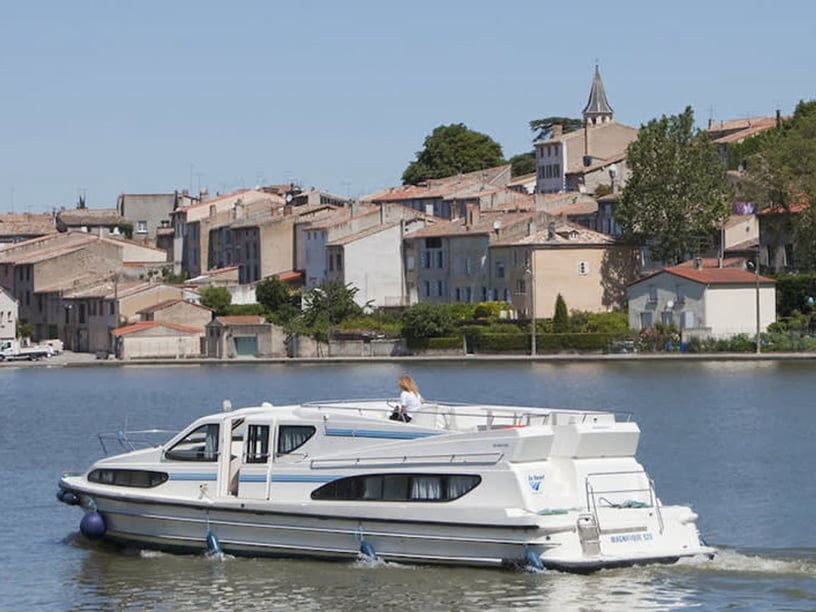
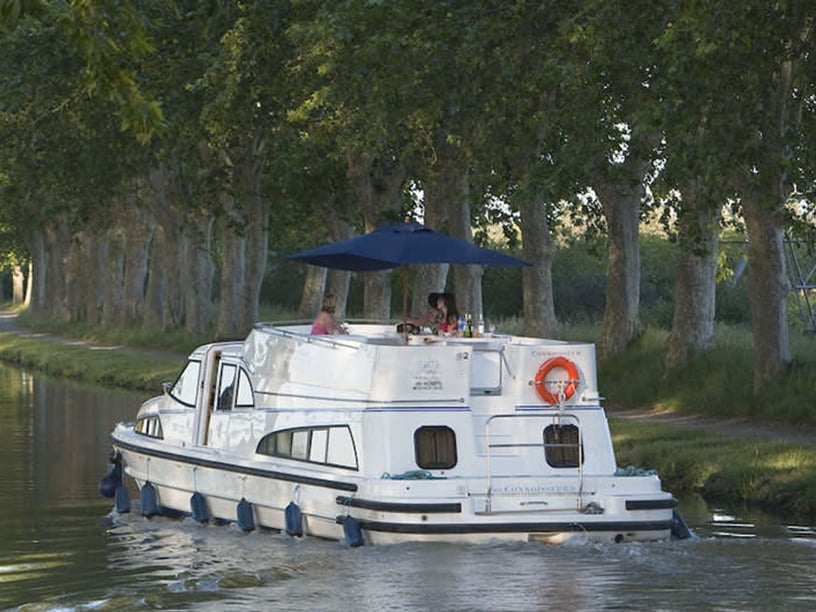
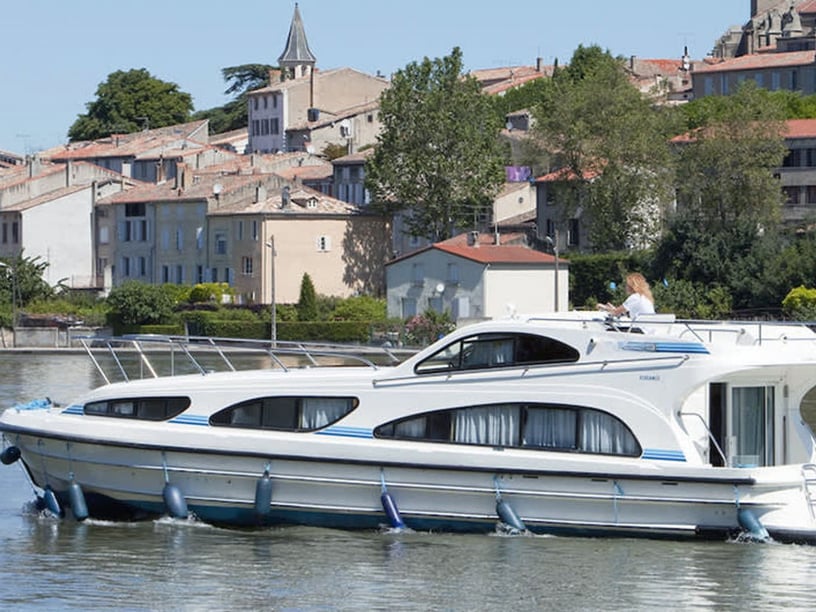
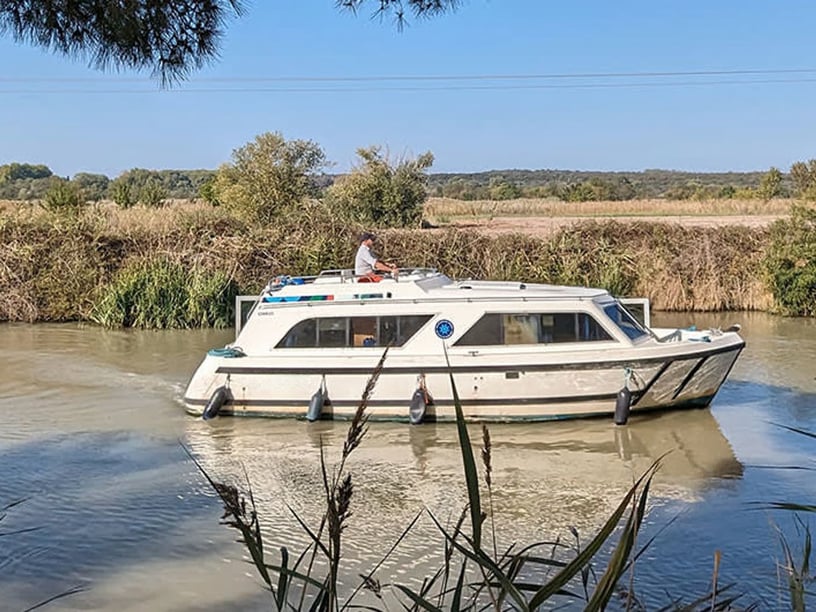
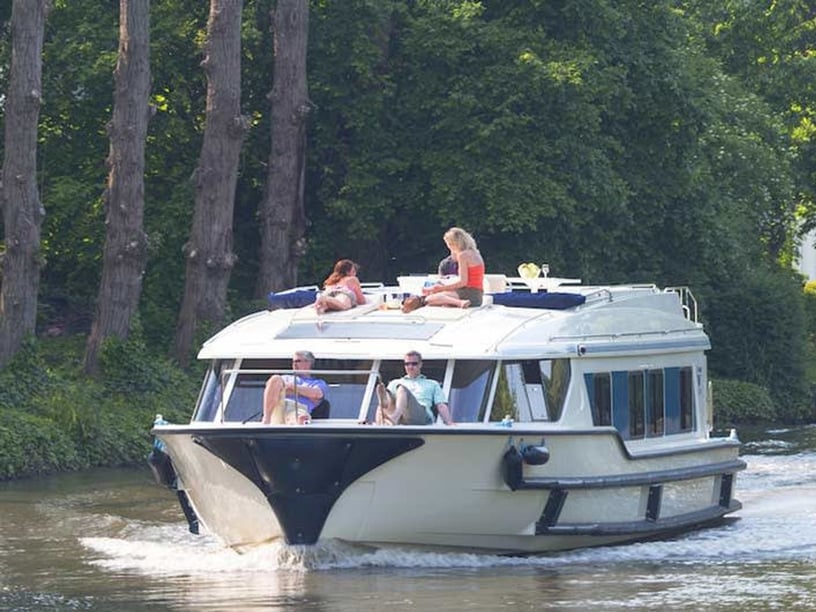
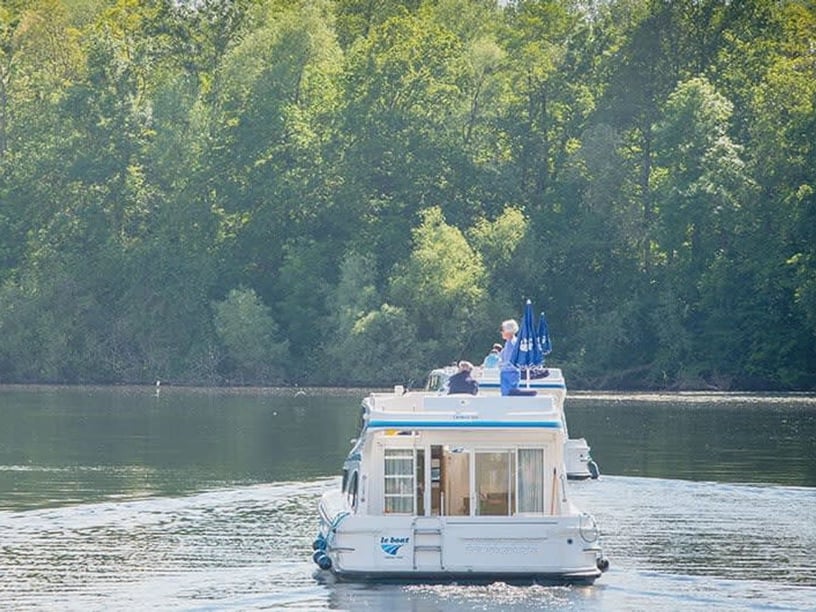
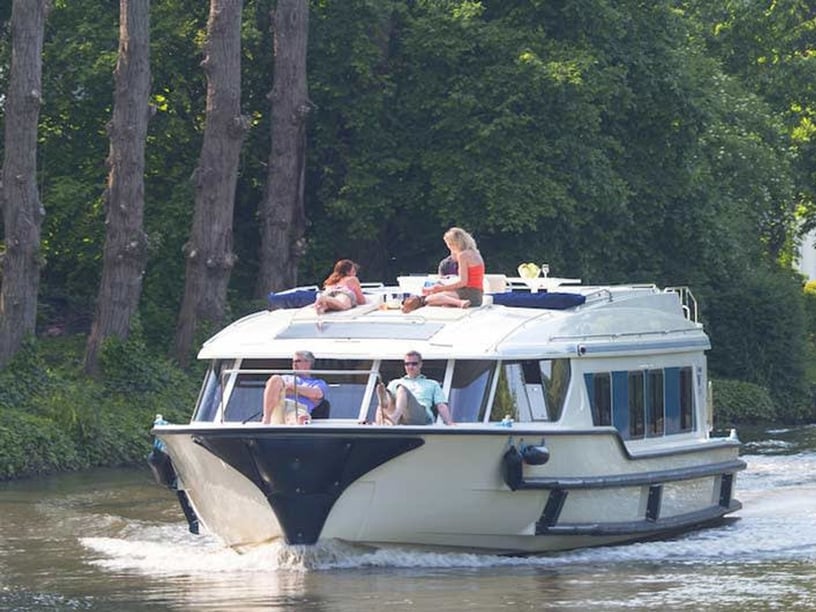
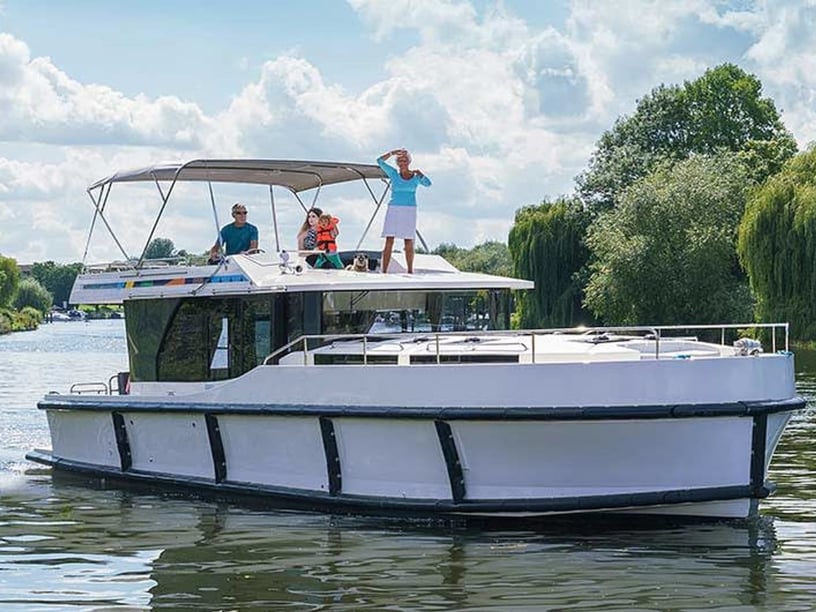
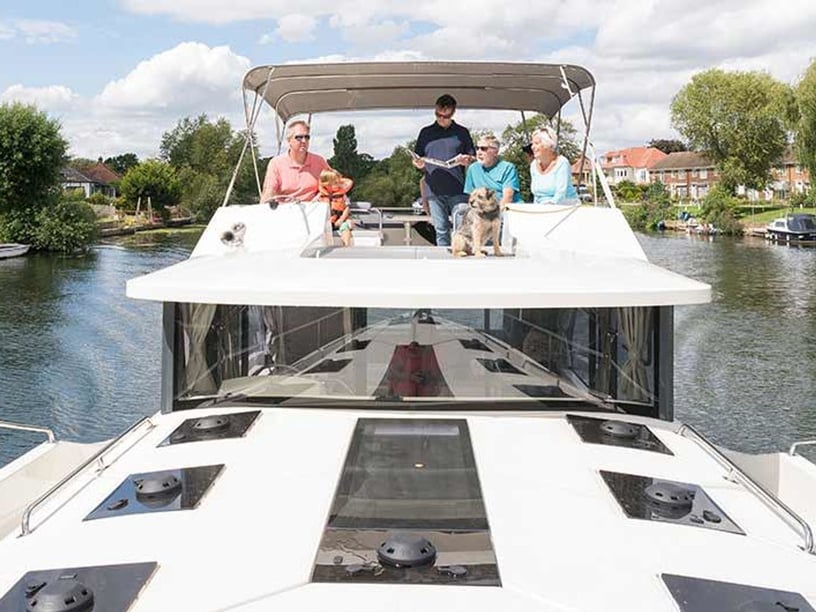
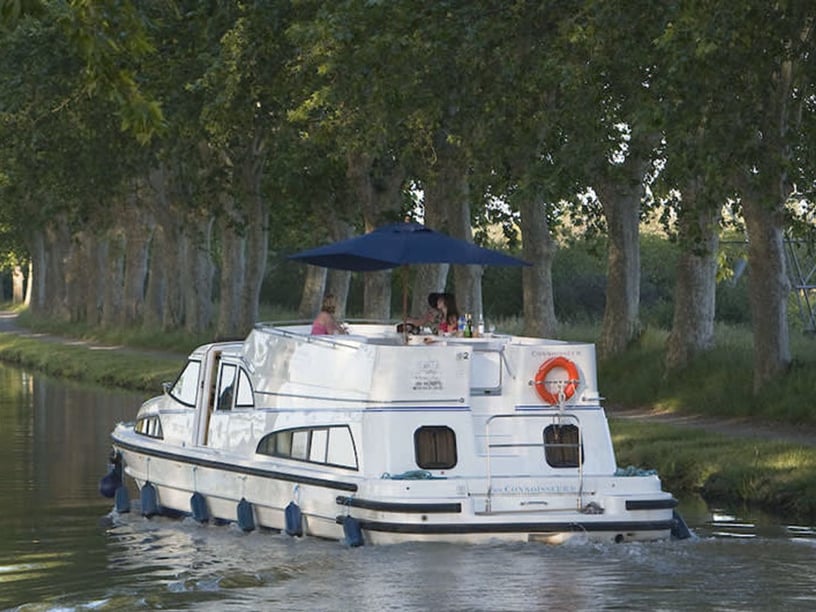
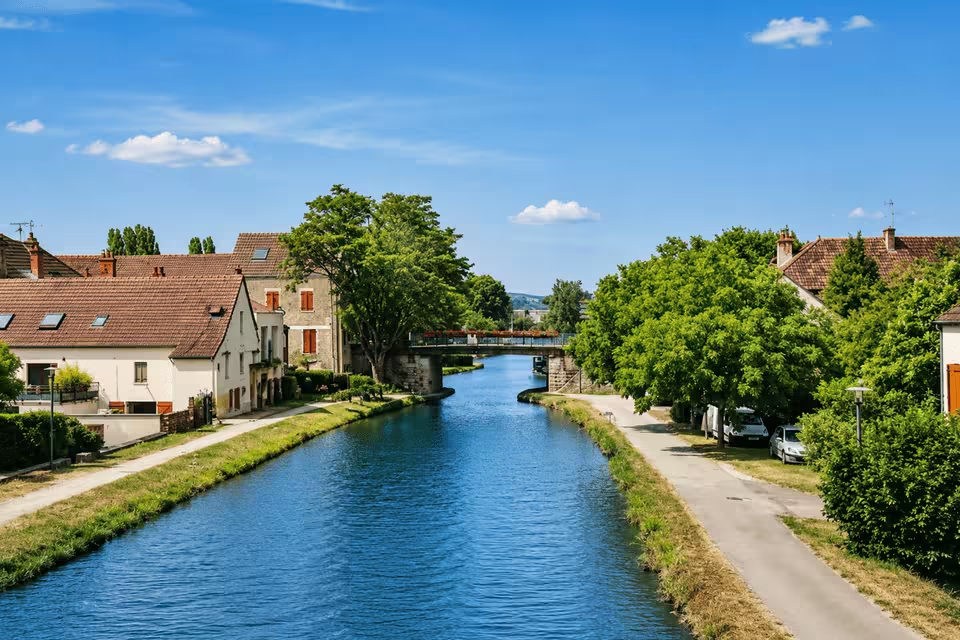
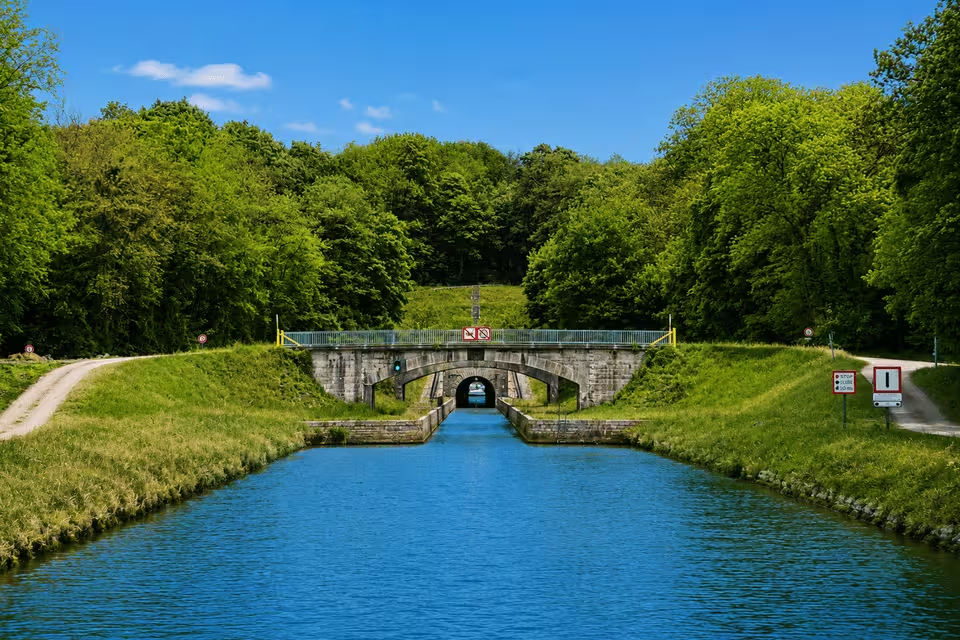
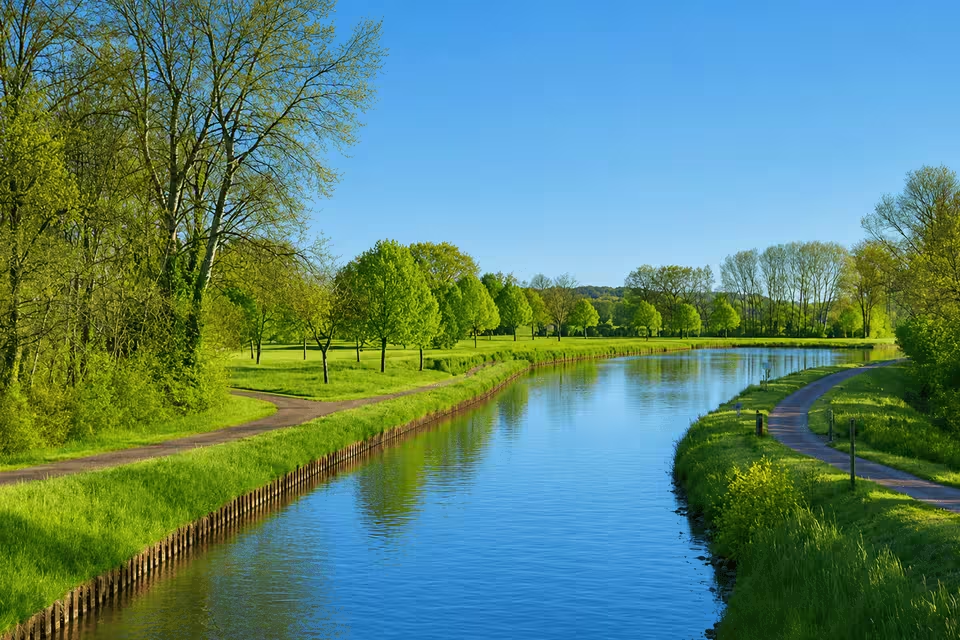
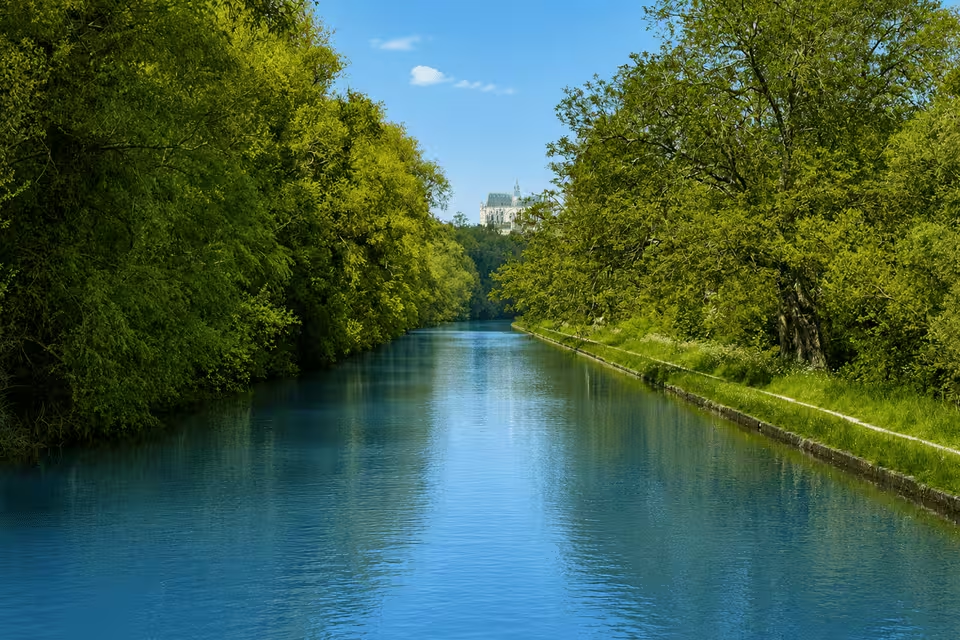
A yacht charter in Branges is an inland river journey rather than an open-water sailing holiday. The commune lies in the pastoral Bresse Bourguignonne, around 5 km from Louhans, and has an established pleasure port on the navigable Seille. This setting favors unhurried cruising by motorboat or canal boat, with wooded banks, meadows and rural settlements shaping the journey.
The port is reached along an approximately 1 km navigable access branch near the upper end of the canalized river. From here, travelers can make a short trip to Louhans or cruise downstream toward the Saône. Compared with many options for yacht charter in France, Branges offers a particularly sheltered, slow-paced experience centered on waterways, locks and time ashore.
Places to explore along the Seille
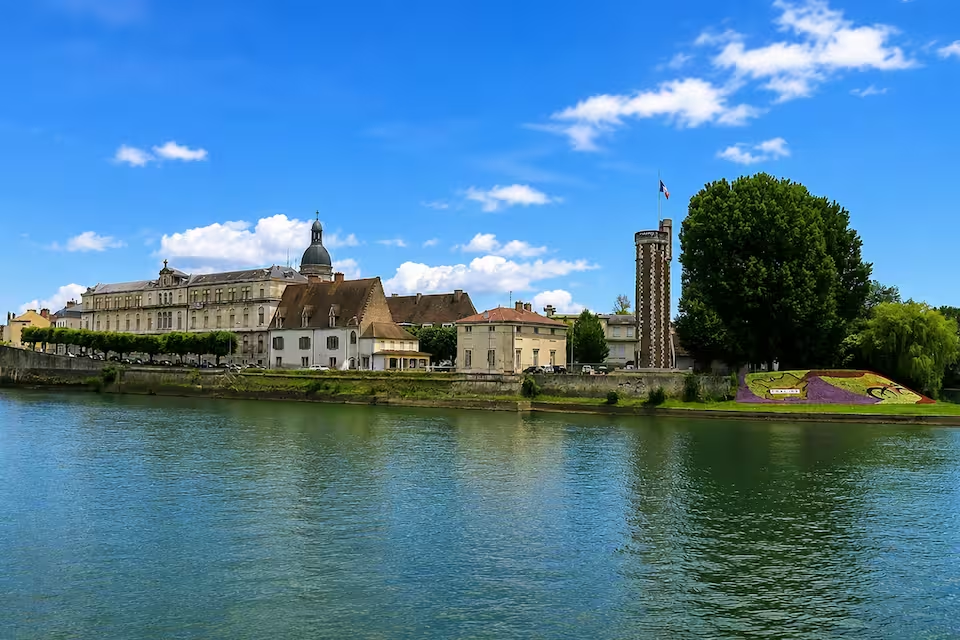
Louhans-Châteaurenaud is the nearest major stop and the head of navigation on the Seille. Its arcaded center, Monday market and Bresse food traditions make it a natural shore visit, especially on a short return cruise from Branges.
Downstream, the river winds through Loisy before reaching Cuisery, known for its Village du Livre and equipped with a boating stop. Farther on, La Truchère marks the meeting of the Seille and Saône. The nearby La Truchère-Ratenelle National Nature Reserve adds a wildlife-watching dimension, while the waterway junction opens the possibility of continuing onto the broader Saône navigation network. Together, these places create a route that balances rural scenery with compact cultural stops rather than conventional coastal sightseeing.
What cruising from Branges is like
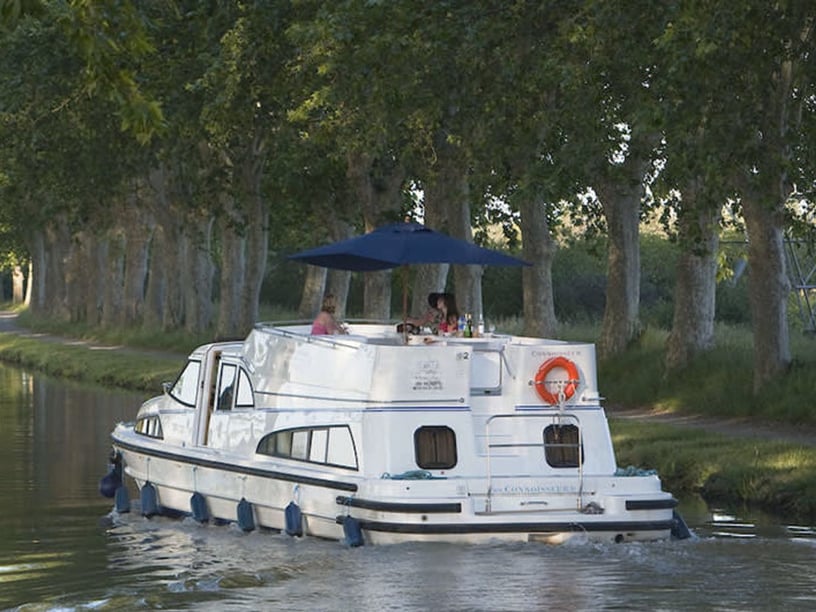
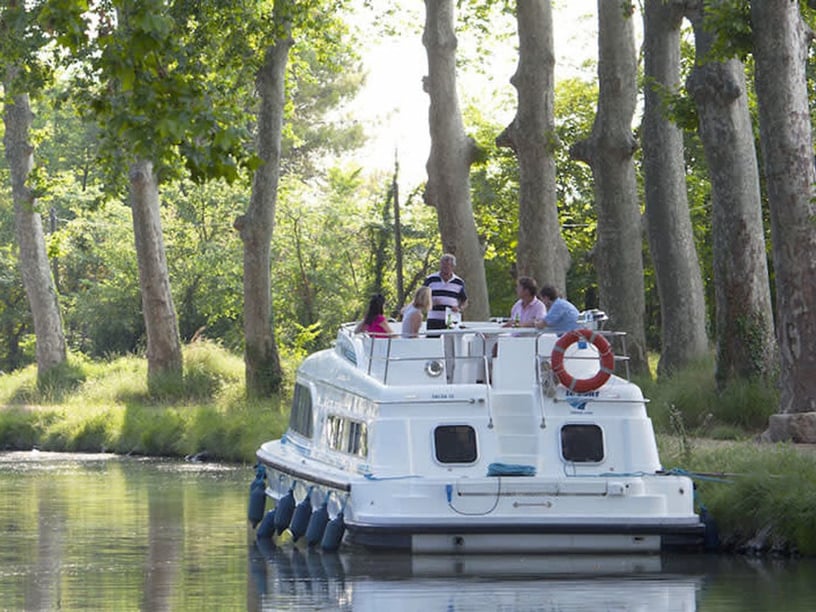
The Seille is generally calm, with little current, limited wave action and usually light winds. These sheltered conditions make the area accessible to travelers seeking an easier introduction to inland cruising. The experience is primarily about steering a motor cruiser at moderate speed, approaching locks carefully and allowing time for short stops, rather than handling sails or making exposed passages.
Although normal conditions are straightforward, the river is winding and shared with anglers, canoes and other small craft. Attention is therefore still required around bends, moorings and lock approaches. The maximum permitted speed is 10 km/h, with lower speeds appropriate near other water users. Flooding can alter the otherwise gentle character of the river and create cross-currents near lock cuts, so current navigation notices matter even on this relatively sheltered waterway.
Best time for a Branges yacht charter
The practical leisure-boating season runs broadly from spring to autumn, with most activity between April and October. June, July, August and September are the most suitable months, combining the warmest conditions with regular seasonal operation along the waterway.
Activity increases in May, while April and October provide quieter shoulder-season possibilities but tend to bring cooler, wetter weather and reduced operating periods. Navigation is normally interrupted for much of winter. Travelers considering an early- or late-season trip should confirm lock schedules, local services and current waterway conditions before finalizing their dates.
Cruising routes from Branges
The shortest established route runs from Branges through Branges Lock to Louhans, followed by a return to the port. It suits travelers who want a compact river outing with time to explore Louhans ashore.
A longer cruise heads downstream through the Bresse countryside, passing Loisy and Cuisery before arriving at La Truchère. At the confluence, the route can continue onto the Saône toward Tournus. This itinerary offers greater variety, moving from the intimate bends of the Seille to a wider connected waterway. The distance chosen should account for lock operating periods, desired shore visits and the relaxed speed of inland navigation.
Life on the water and ashore
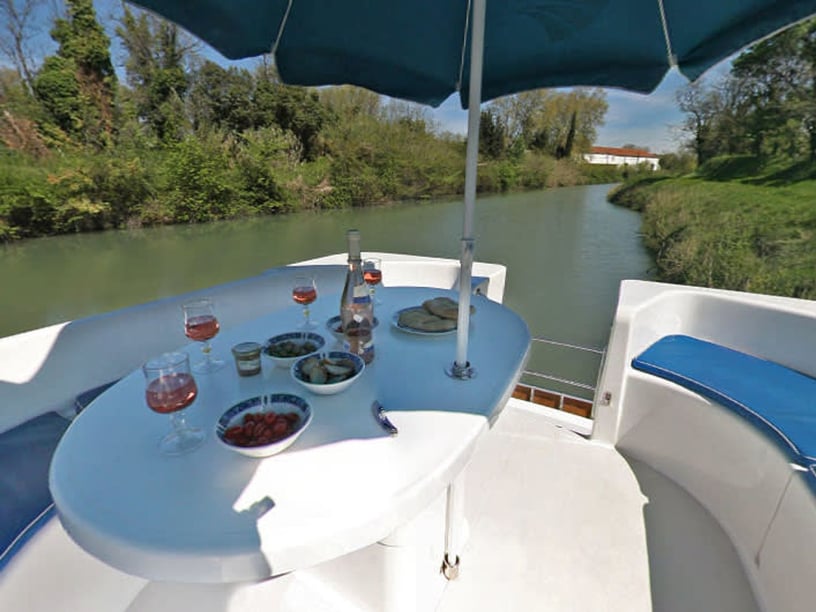
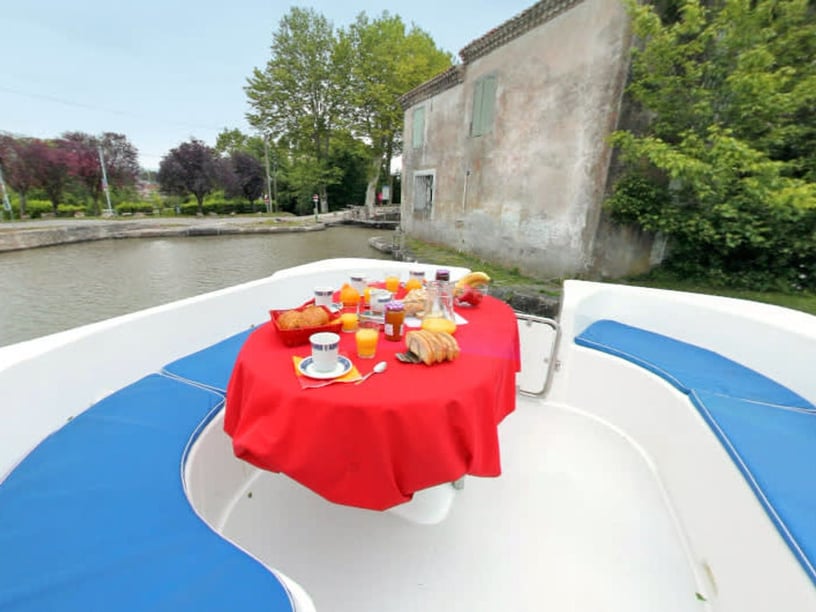
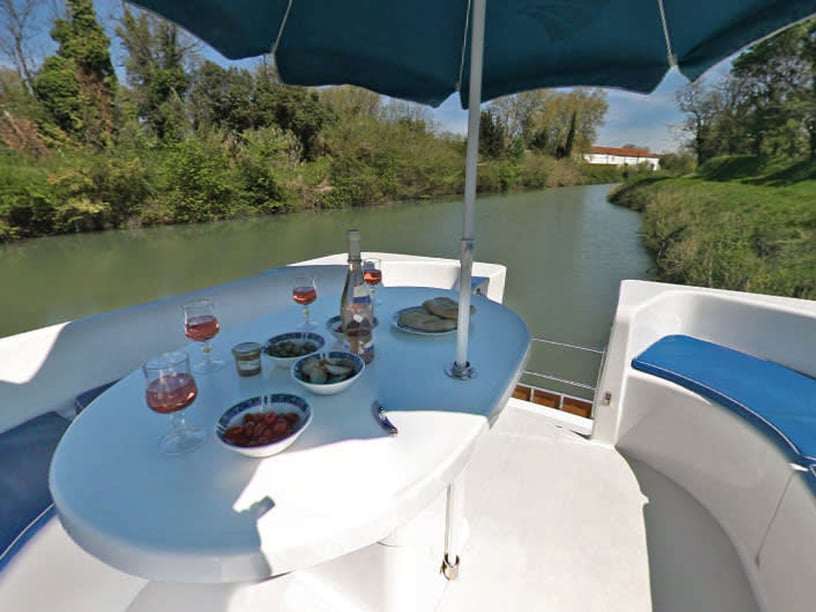
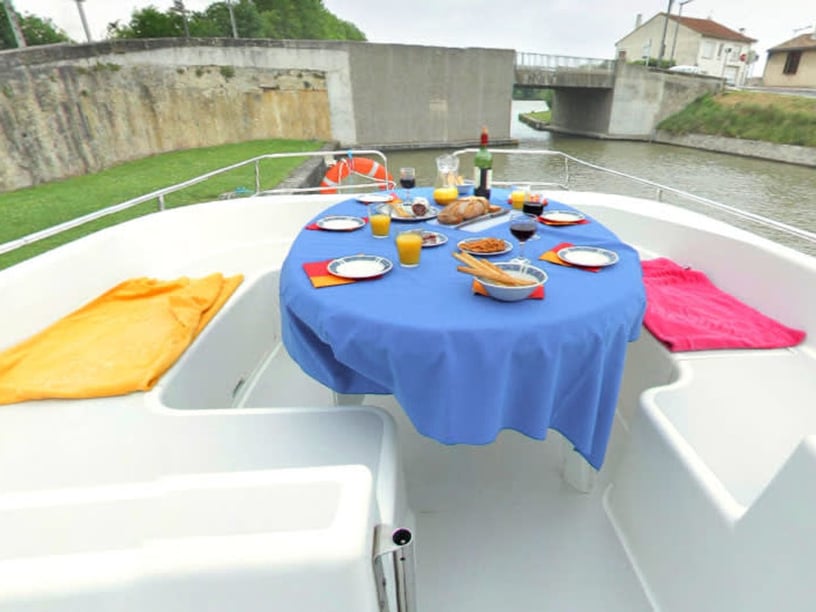
A charter from Branges has a gentle daily rhythm: cruising between wooded banks, pausing at riverside settlements and leaving the boat for food, walking or cycling. The Voie Bressane greenway and local towpaths provide alternatives to remaining aboard throughout the day.
The waterway also carries evidence of its commercial past. The Seille was canalized between the late 18th and early 19th centuries, and Branges Lock was operational by 1808. The lock house, mills and hydraulic structures give the departure area a distinct historic character. Commercial navigation ended in 1976, leaving the river focused on leisure boating.
Other experiences include fishing, observing wildlife along quieter reaches and exploring Bresse culture ashore. Nearby Louhans is especially relevant for its traditional market and poultry trade, while Cuisery provides a different cultural stop through its association with books.
Reaching the port and starting your trip
Road travel is the usual way to reach Branges and its pleasure port. Louhans railway station, approximately 5 km away, has TER connections toward Dijon and Bourg-en-Bresse, followed by a local road transfer. Dole–Jura and Lyon–Saint Exupéry are the relevant airports for travelers arriving from farther away, although onward travel by road is still required.
Port de plaisance de Branges is the local departure point and functions as an established inland boating base. It is reached through its dedicated access branch rather than sitting directly on the main river channel. Along the route, boating stops at Louhans and Cuisery and the port at La Truchère support pauses or onward cruising. Branges is therefore both a practical starting point and a quiet place to explore before entering the Seille.
Practical planning for inland charter
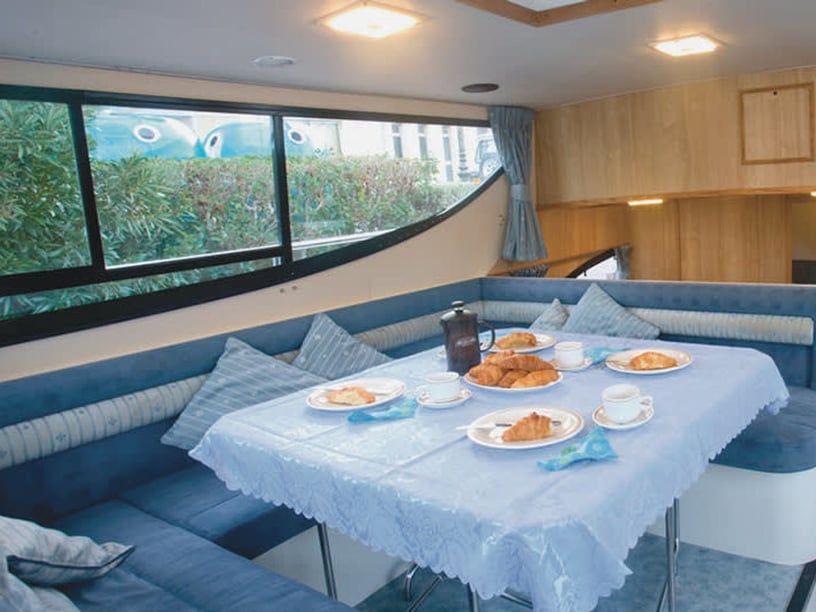
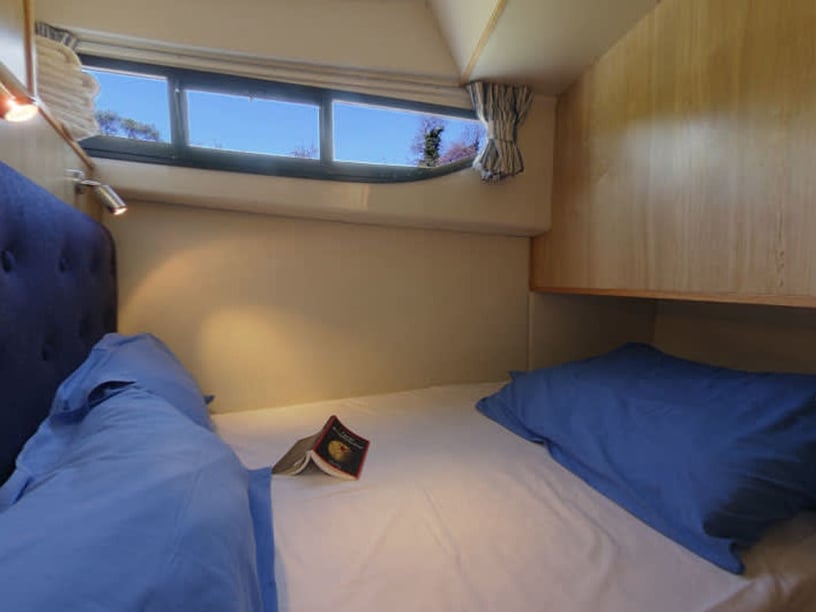
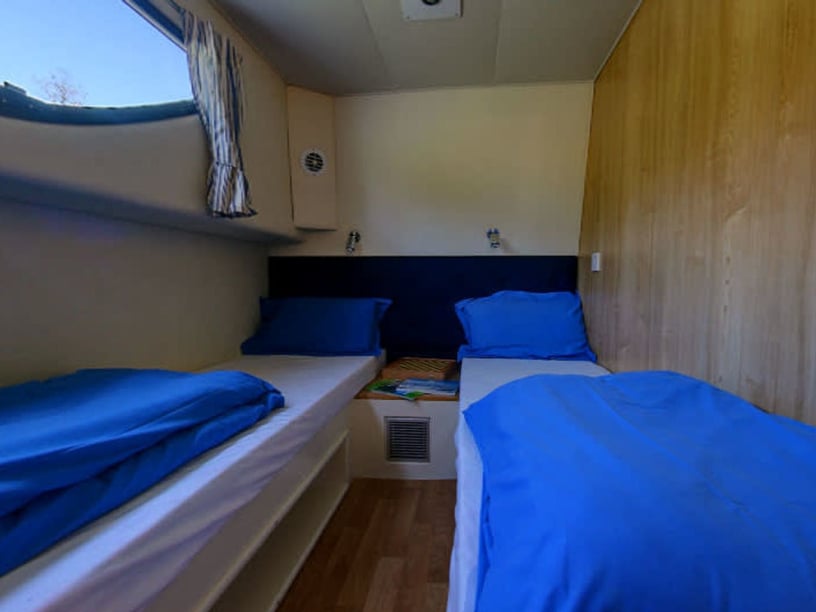
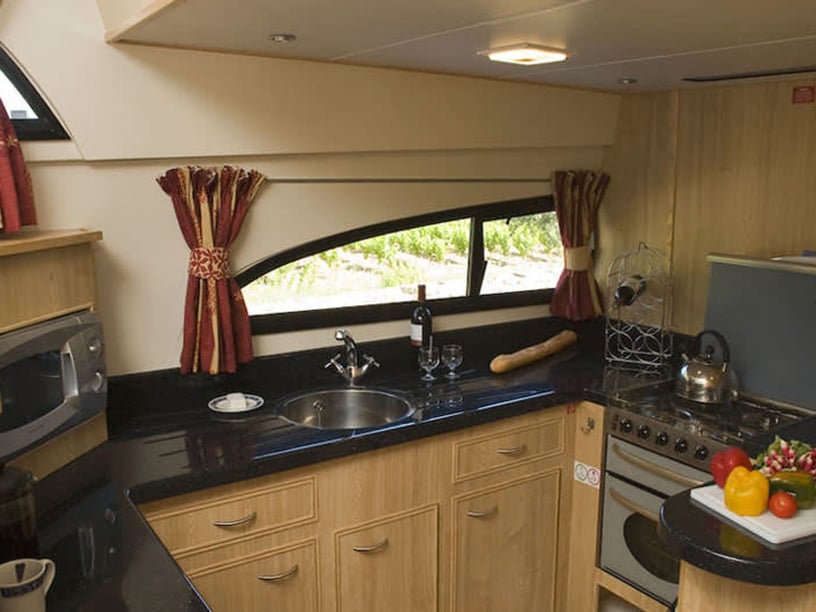
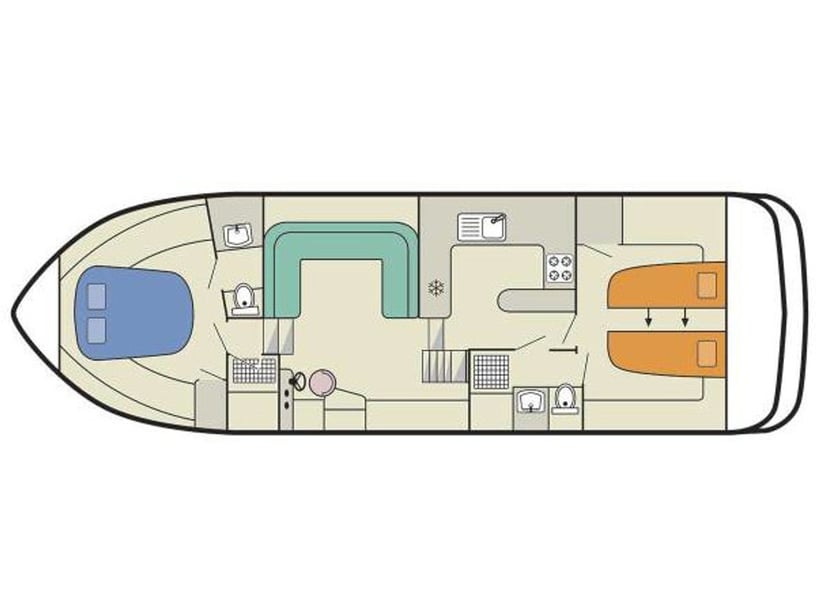
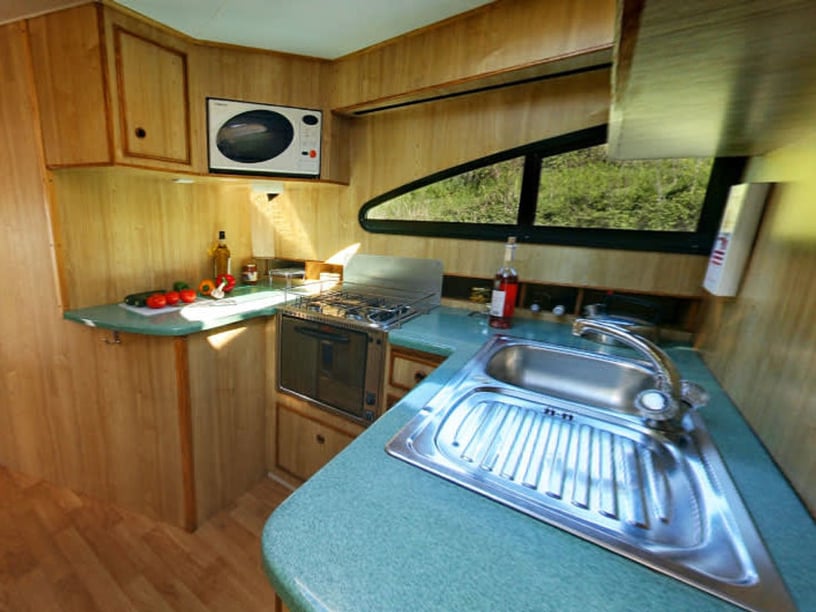
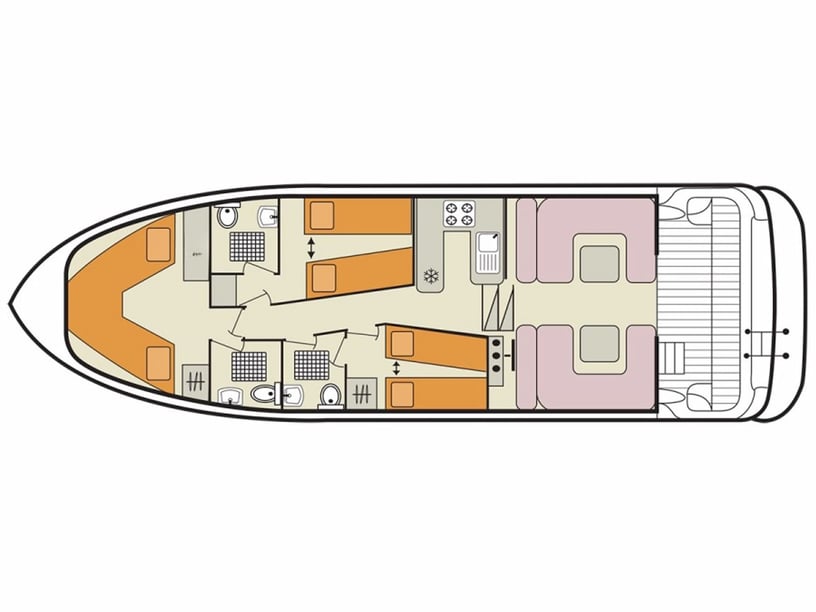
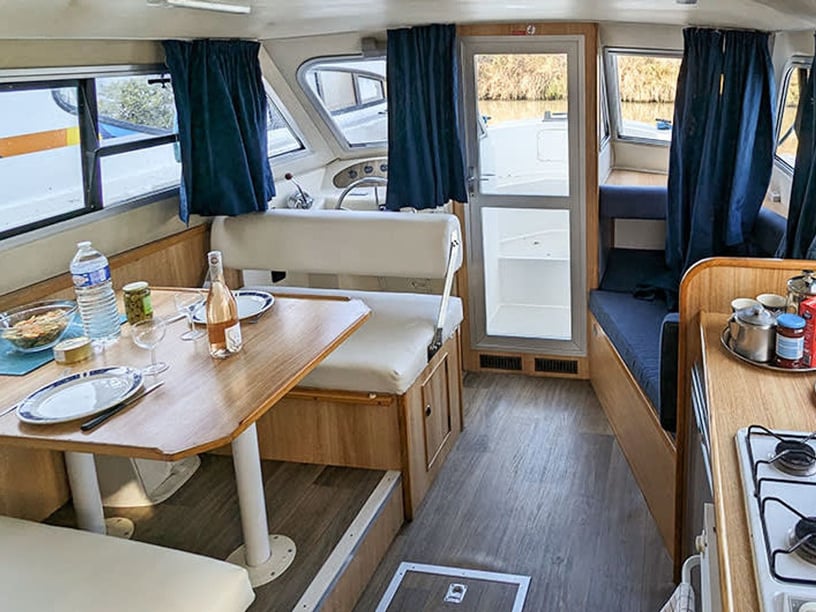
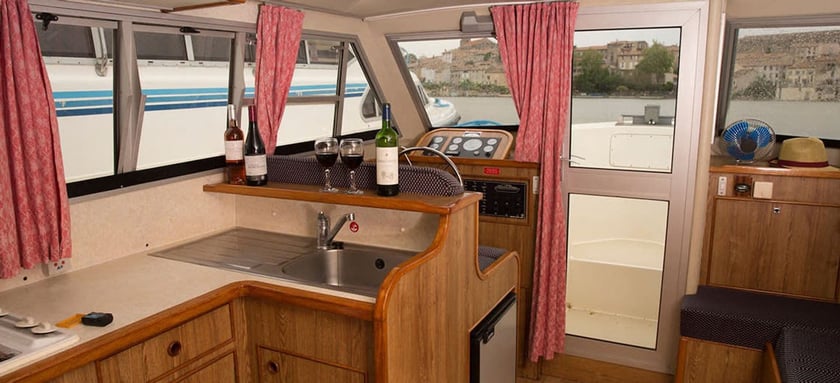
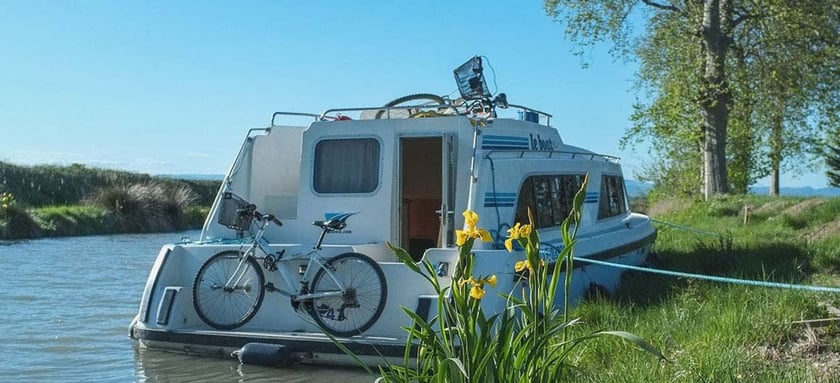
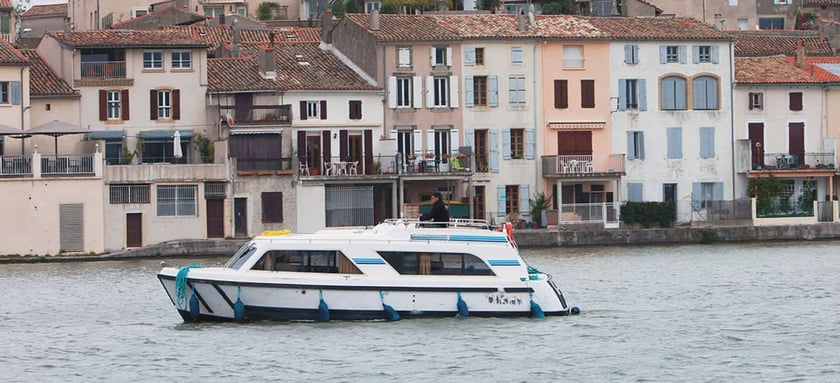
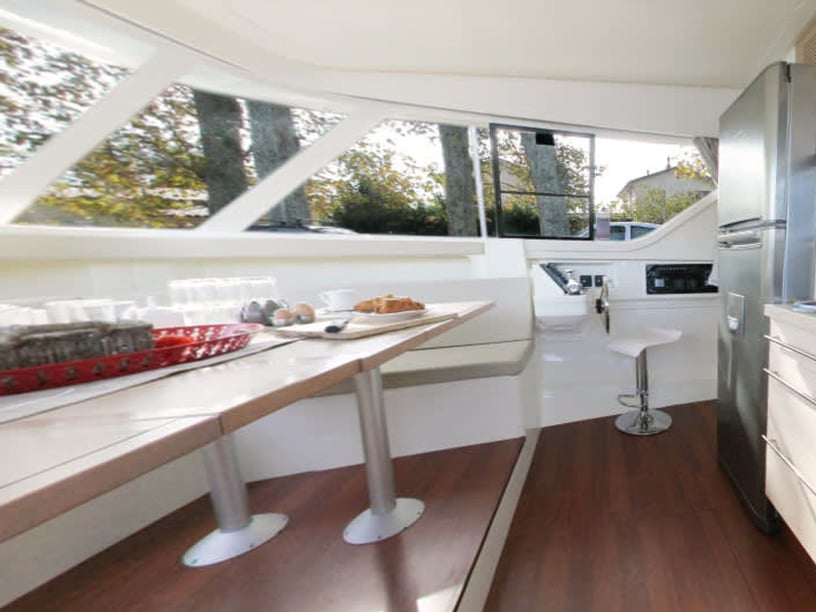
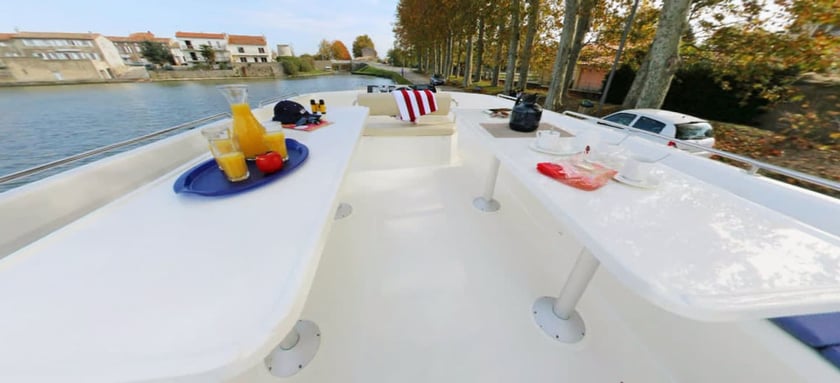
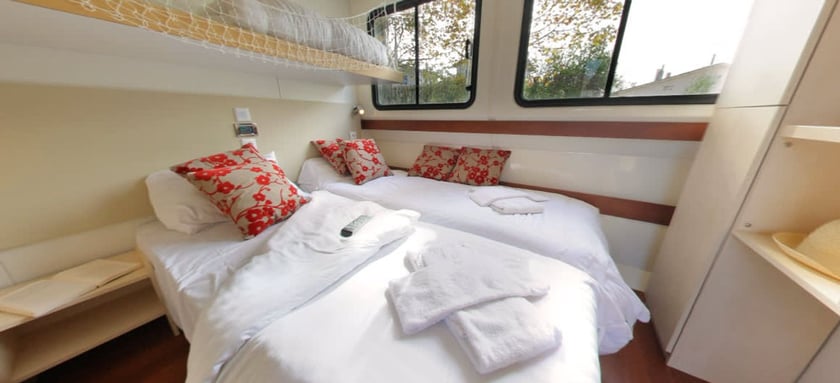
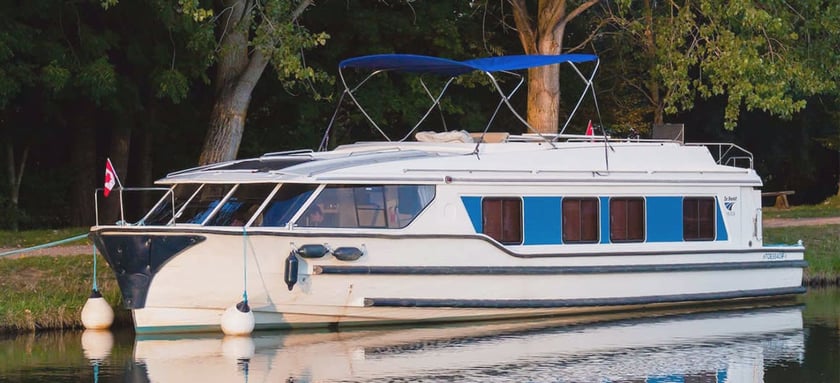
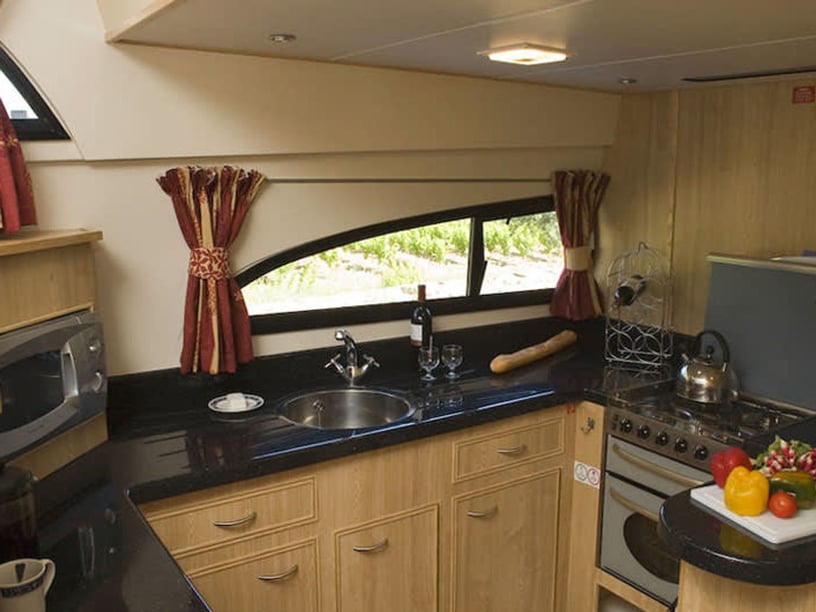
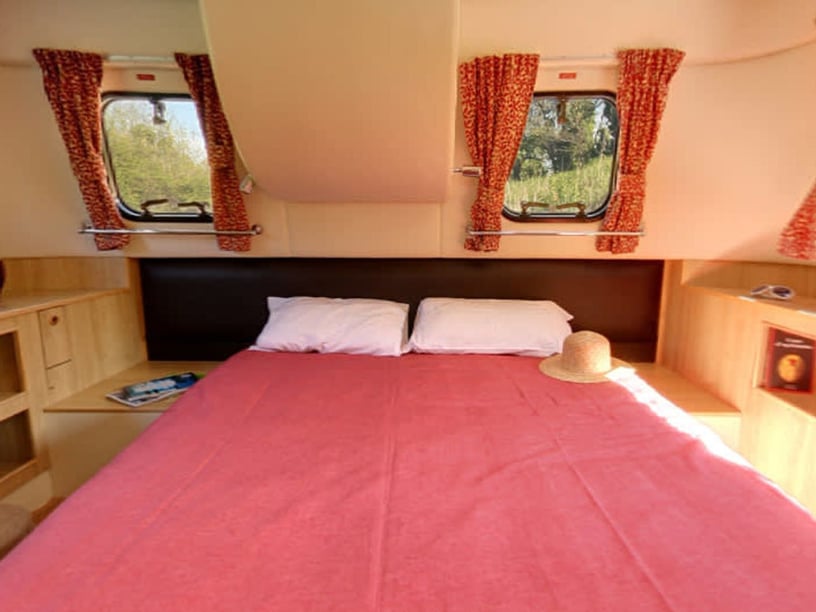
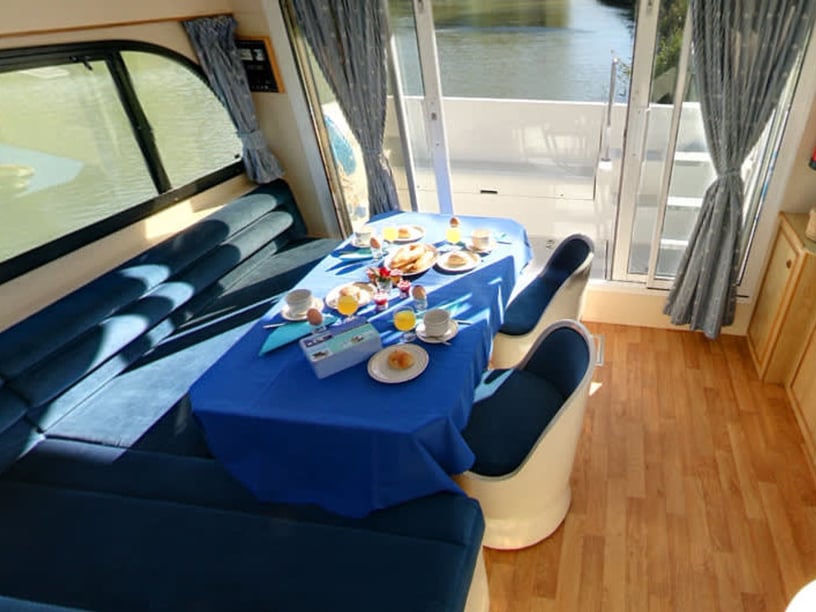
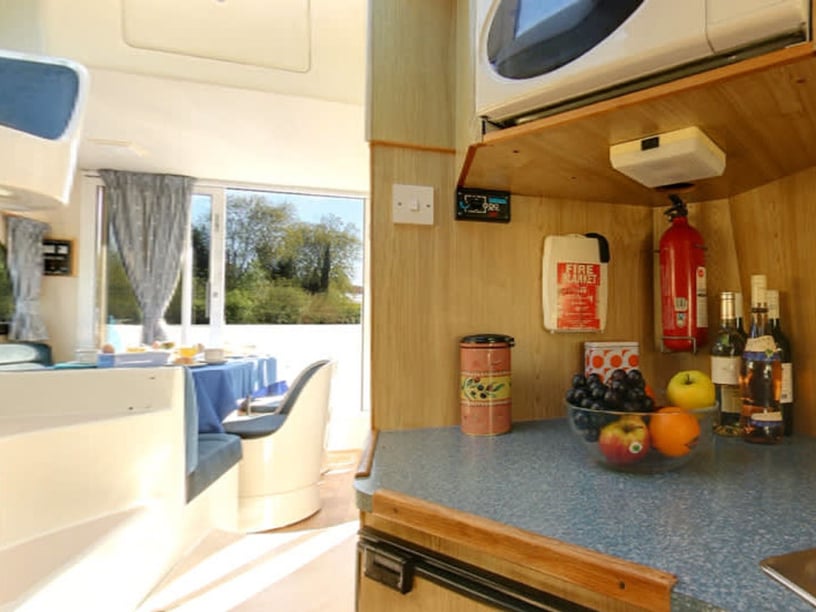
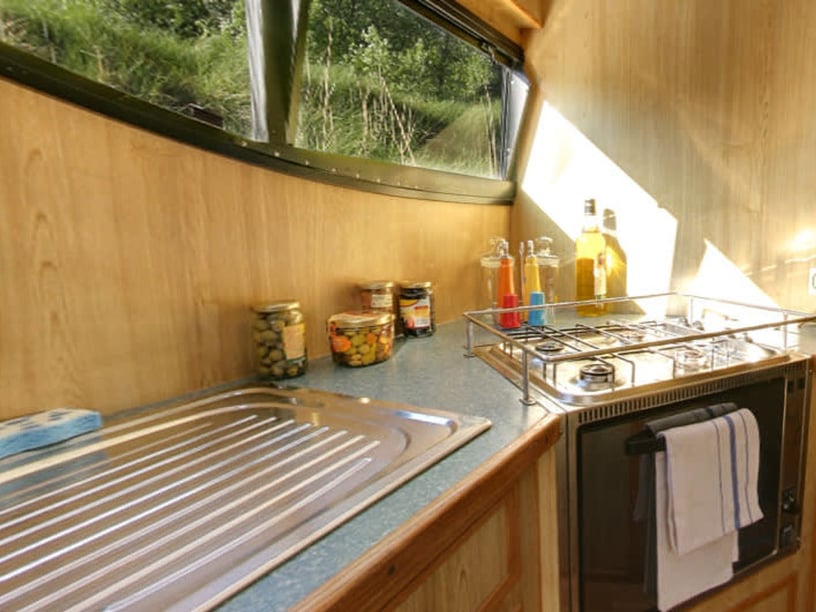
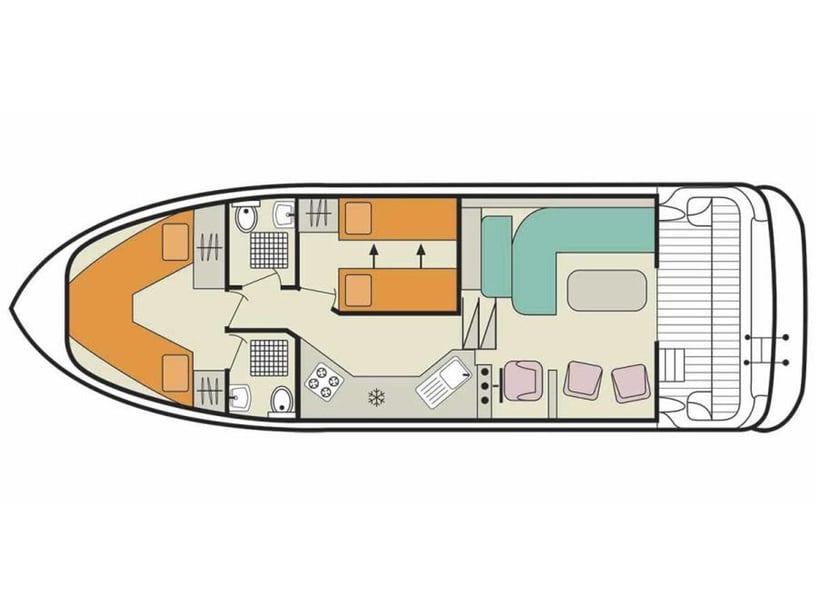
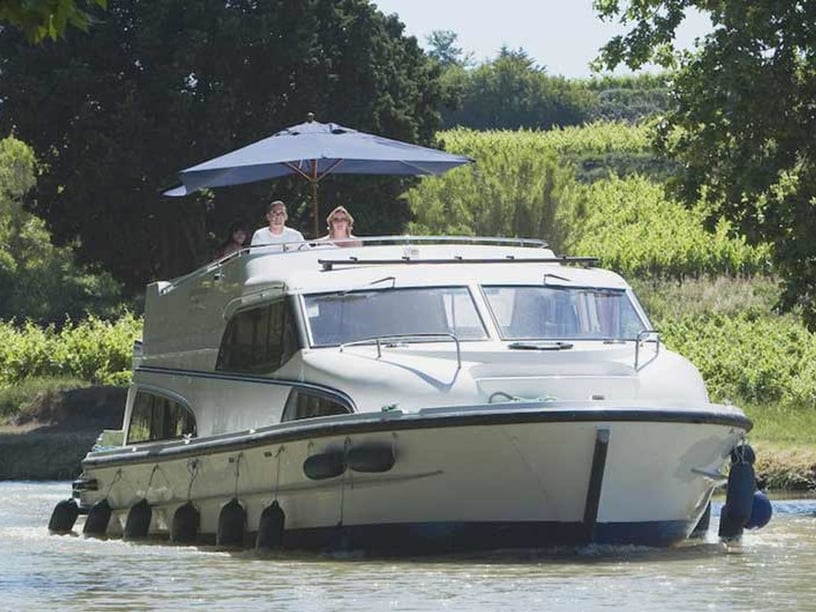
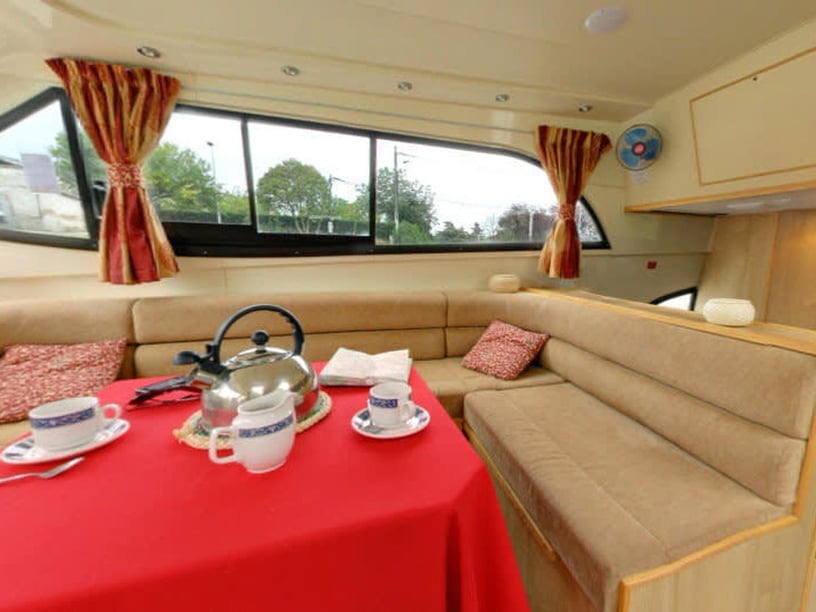
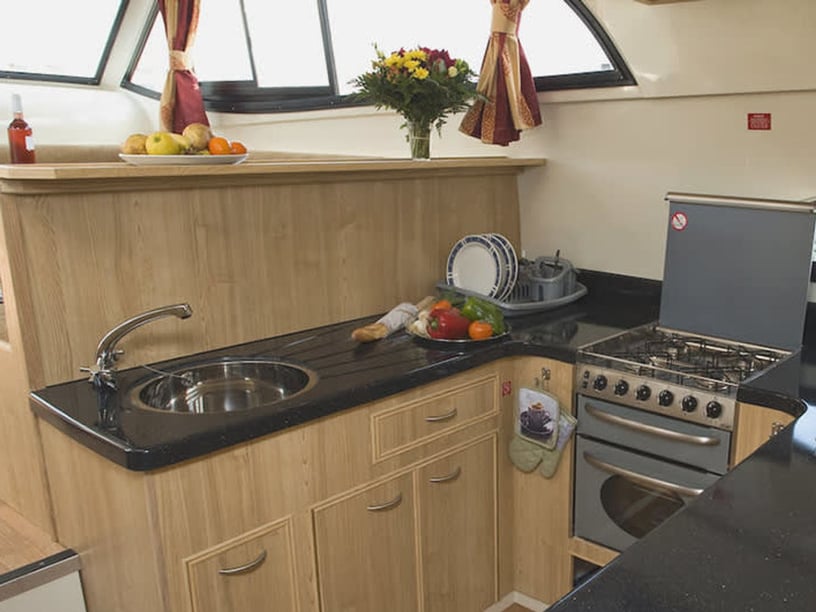
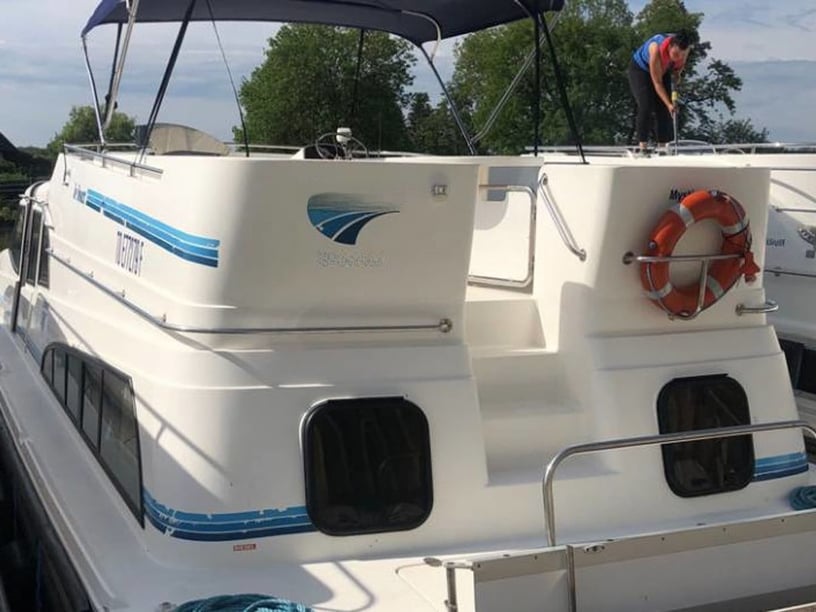
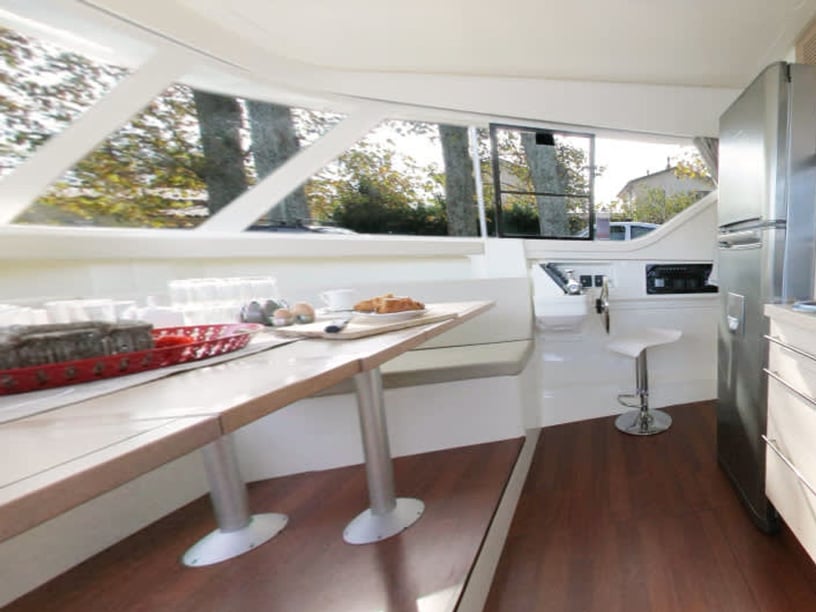
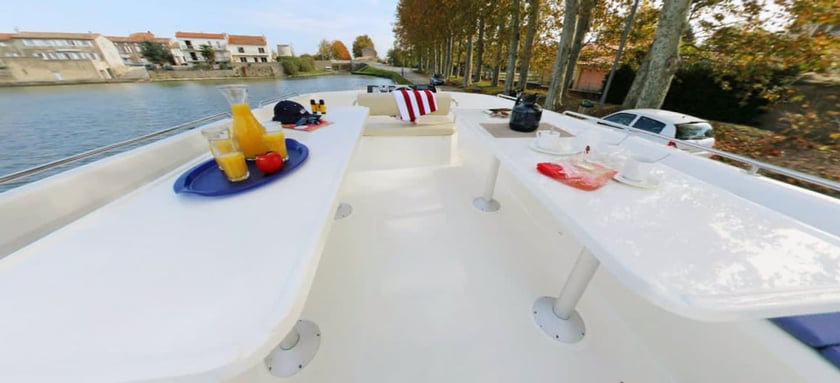
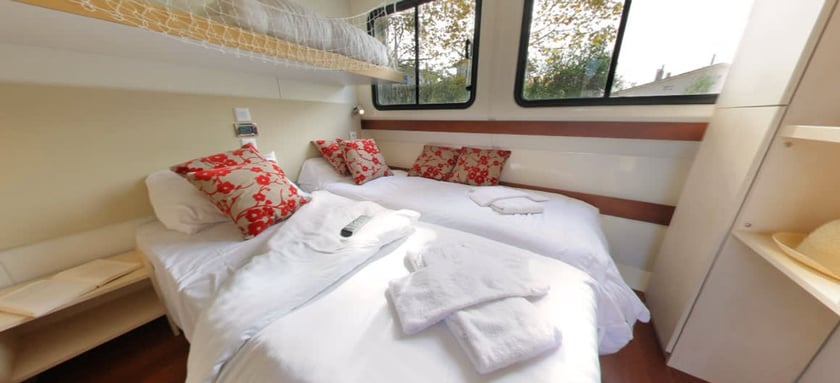
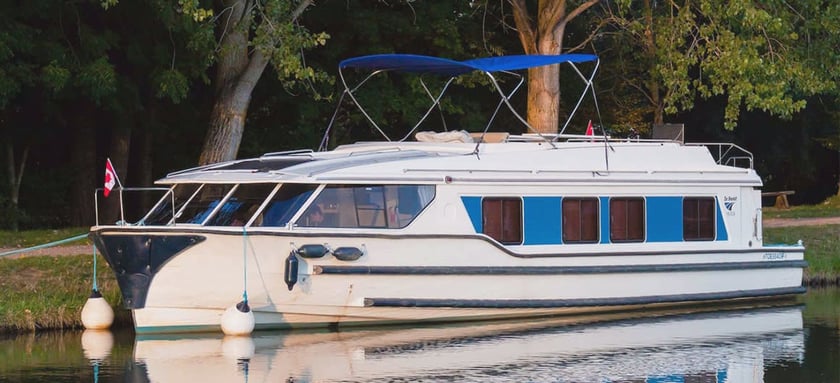
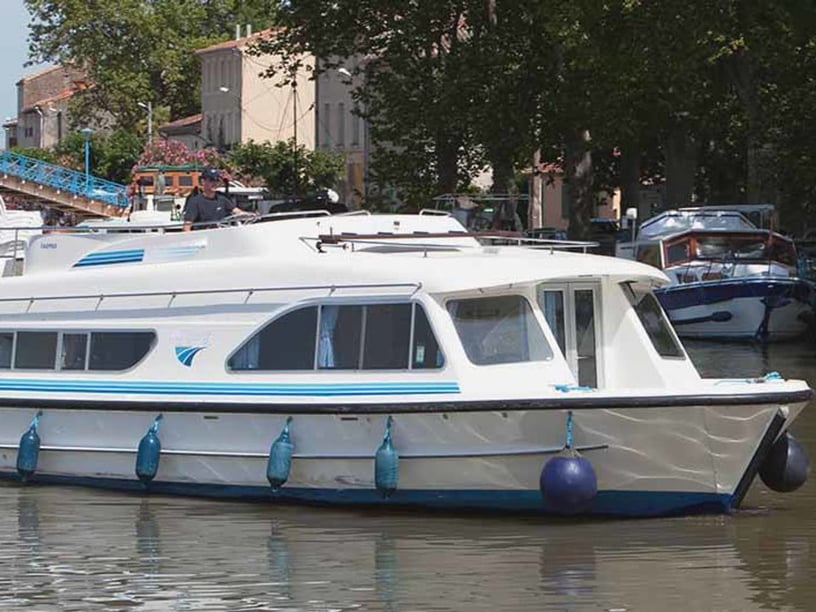
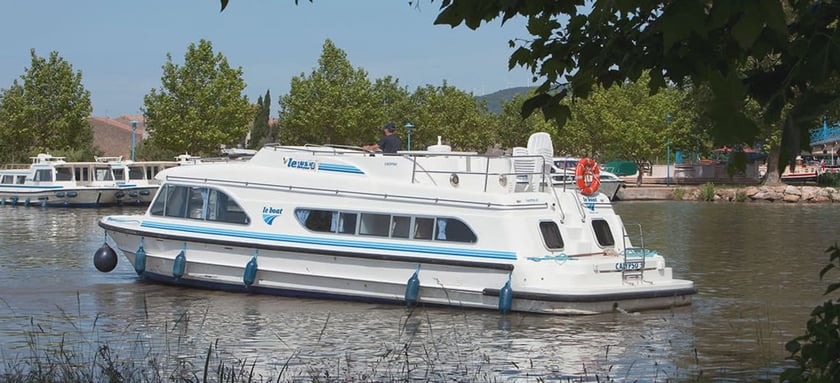
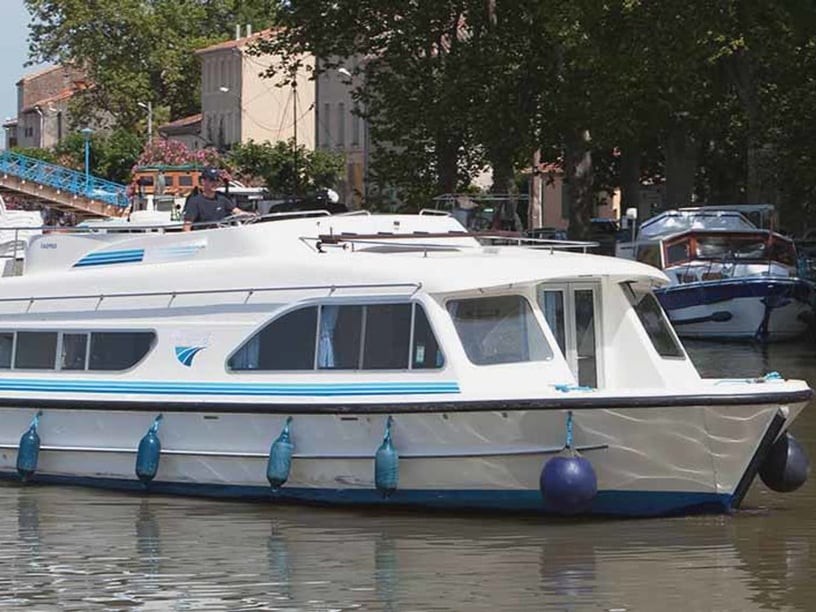
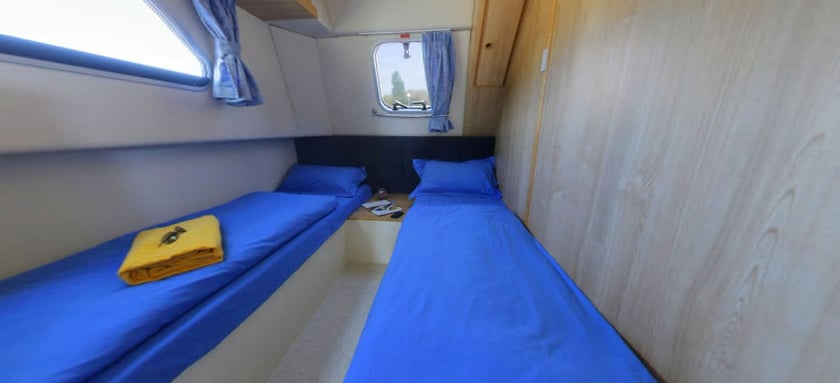
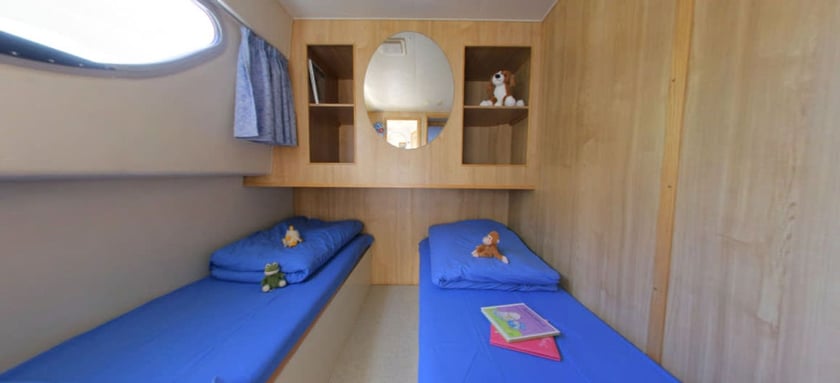
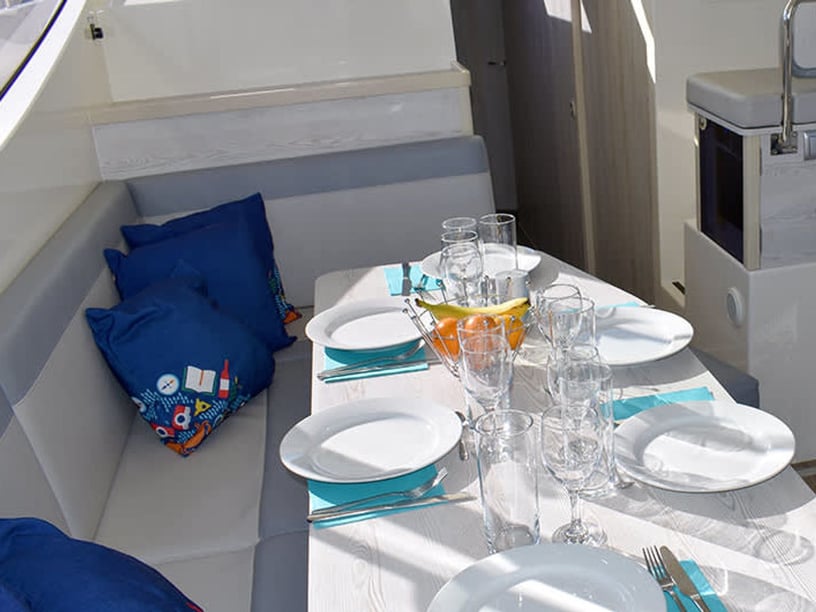
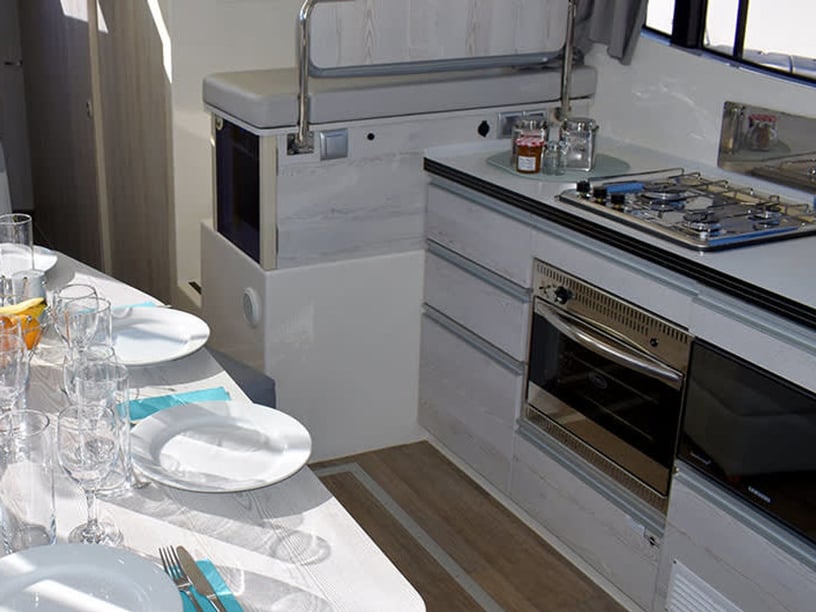
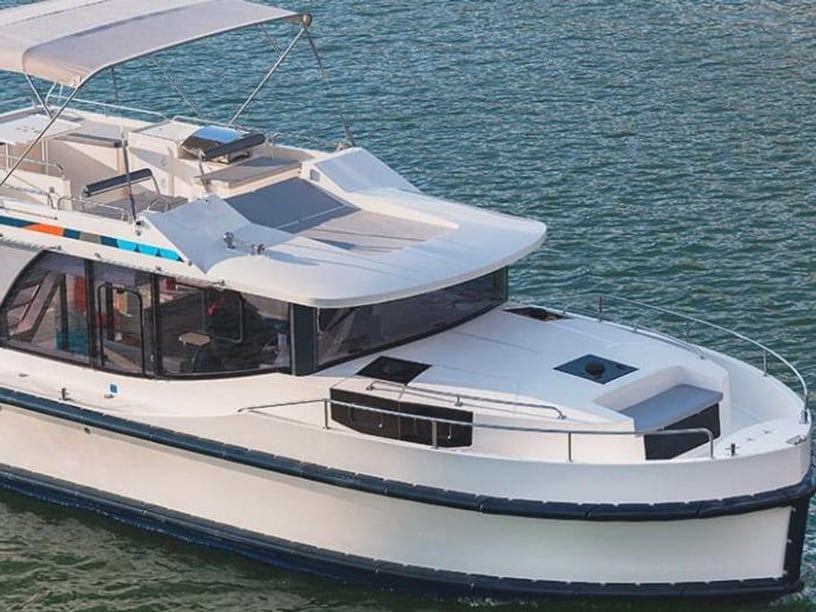
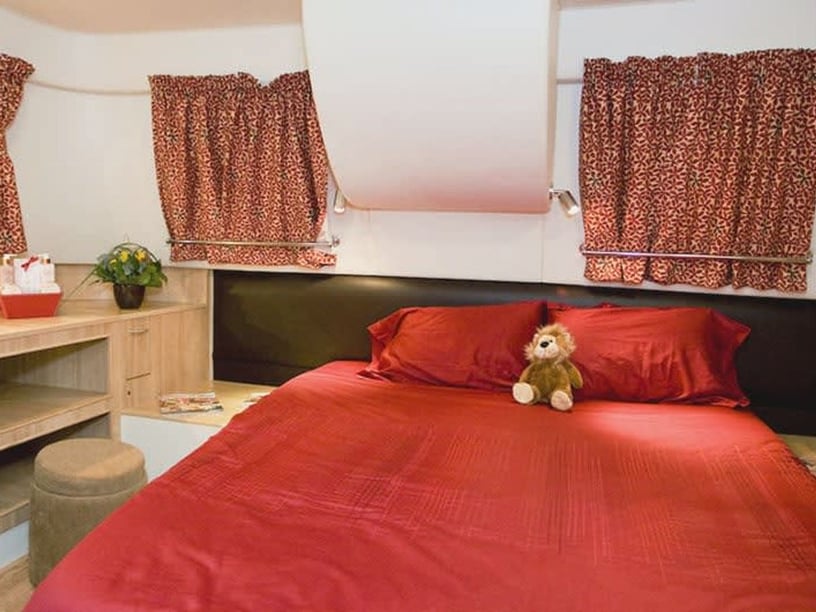
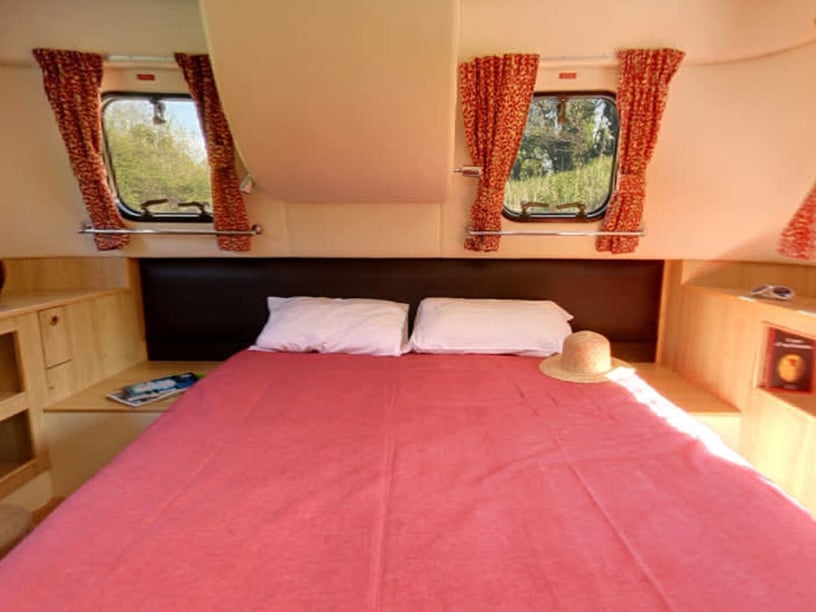
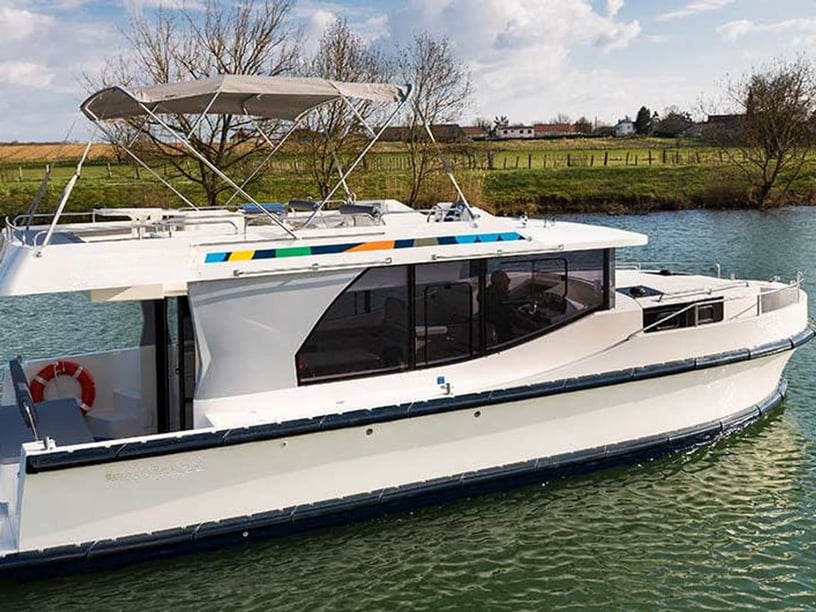
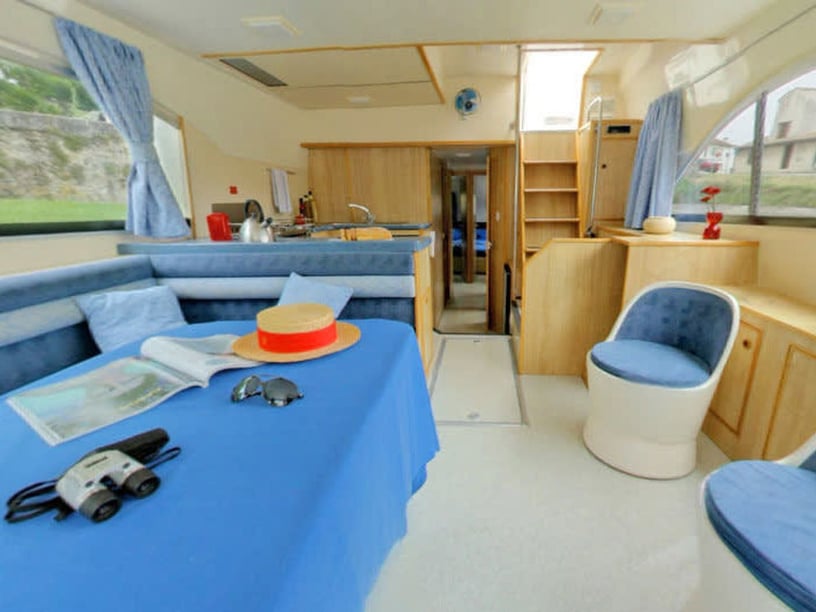
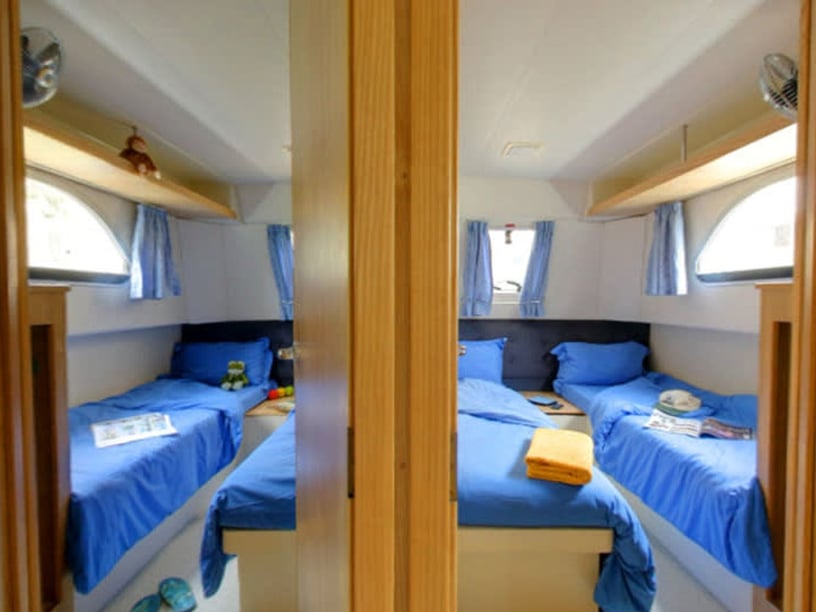
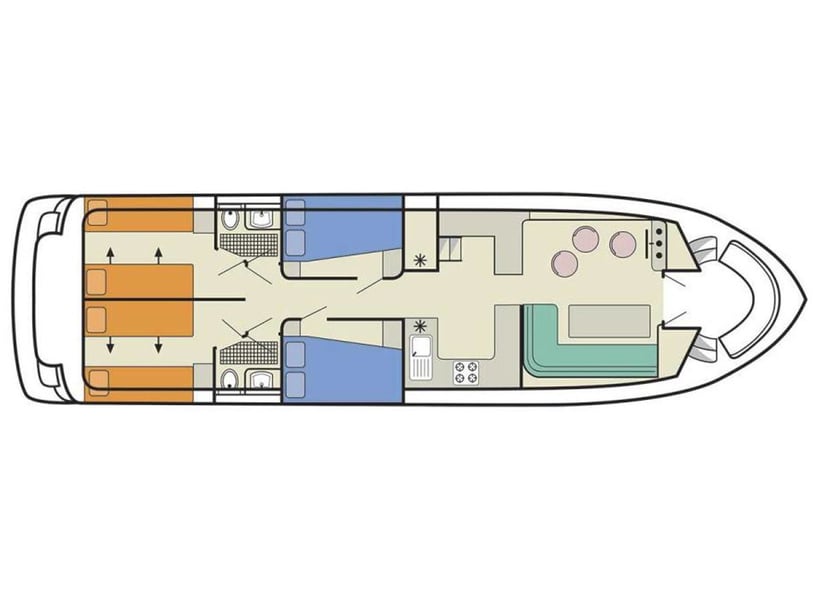
For a Branges boat rental, the most important choice is a vessel suited to river and canal navigation. Motor cruisers and canal boats fit the local conditions better than boats designed primarily for open-water sailing. Published waterway dimensions indicate an approximate maximum beam of 5.20 m, air draft of 3.50 m and draft of 1.30 m, so boat dimensions should be checked against the intended route.
Branges Lock is manually operated, with self-operation permitted under the applicable navigation procedures. Travelers should understand the required process before departure and allow enough time for locks rather than planning around coastal-style passage speeds. Moderate speed is also essential because of anglers, canoes, moored boats and the river’s bends.
Before setting out, consult current VNF notices, seasonal operating periods, lock procedures and any restrictions related to high water. These checks are particularly important outside the main summer season or after wet weather. A realistic itinerary should leave room for slow navigation, shore visits and possible changes in operating conditions.