Yacht charter in Port-sur-Saône
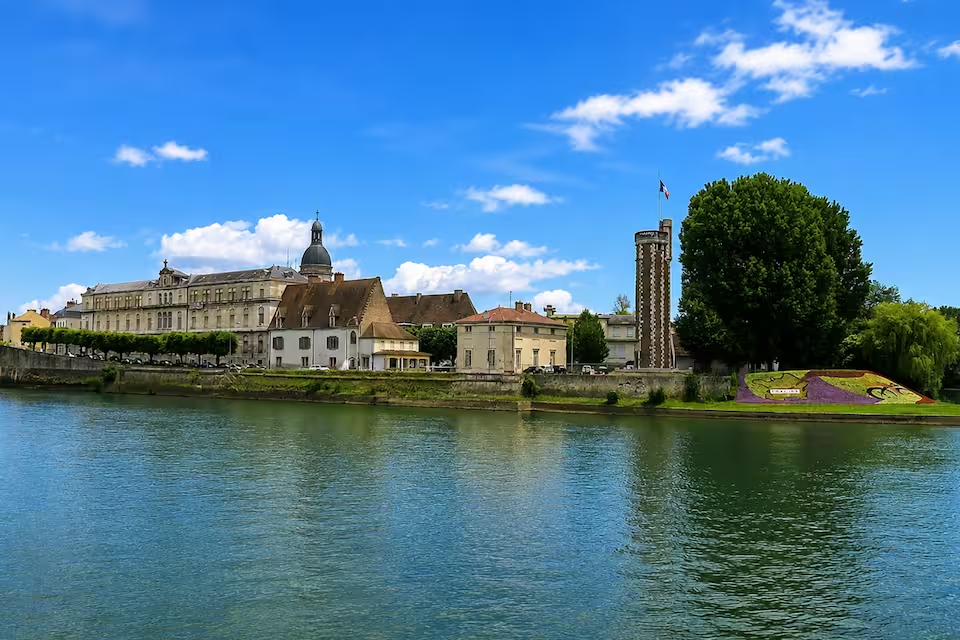
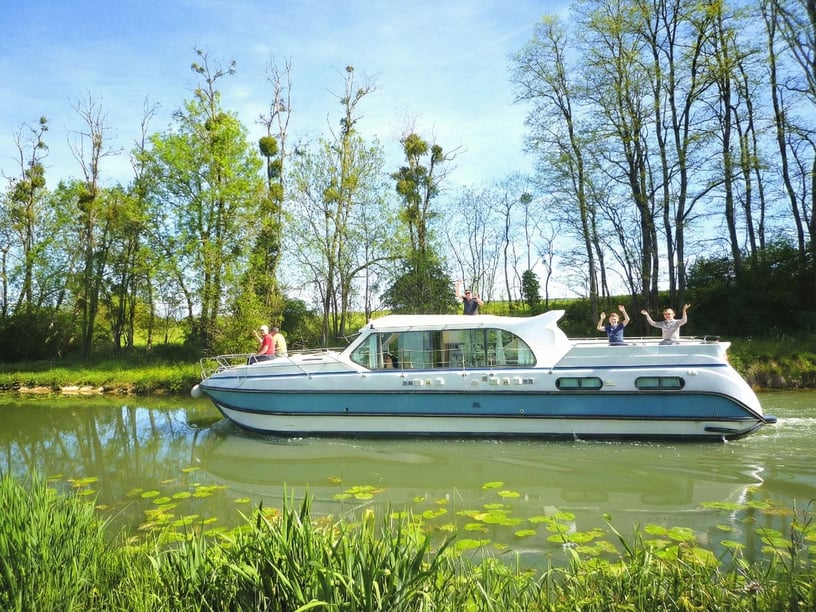
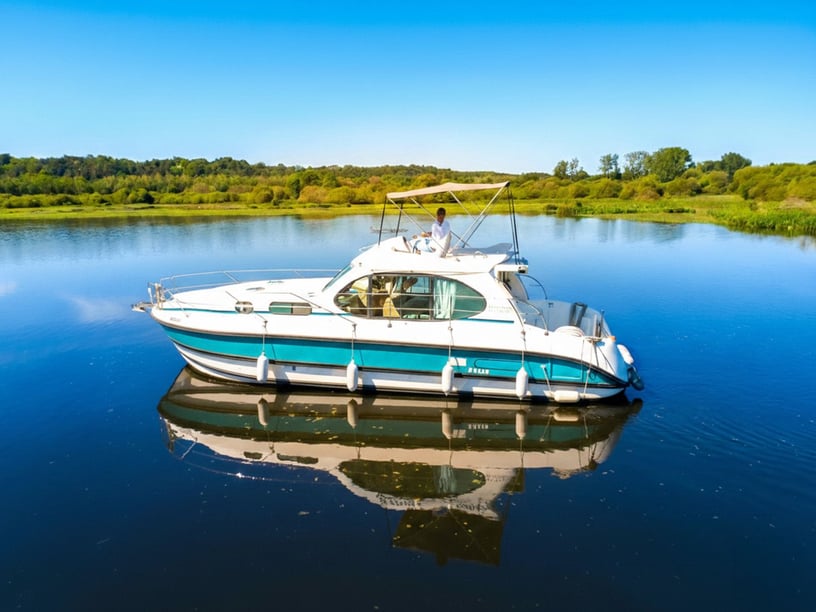
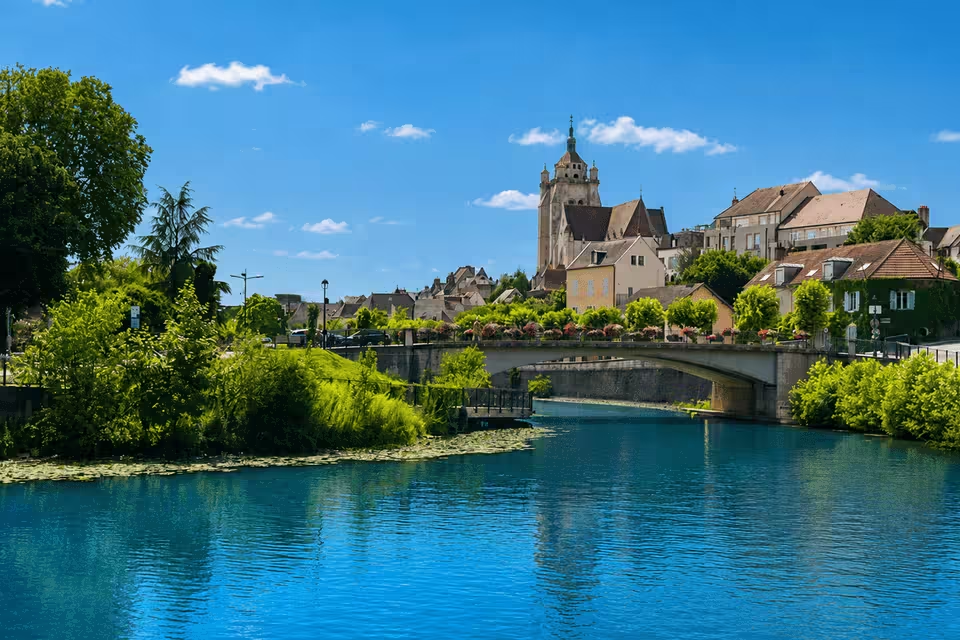
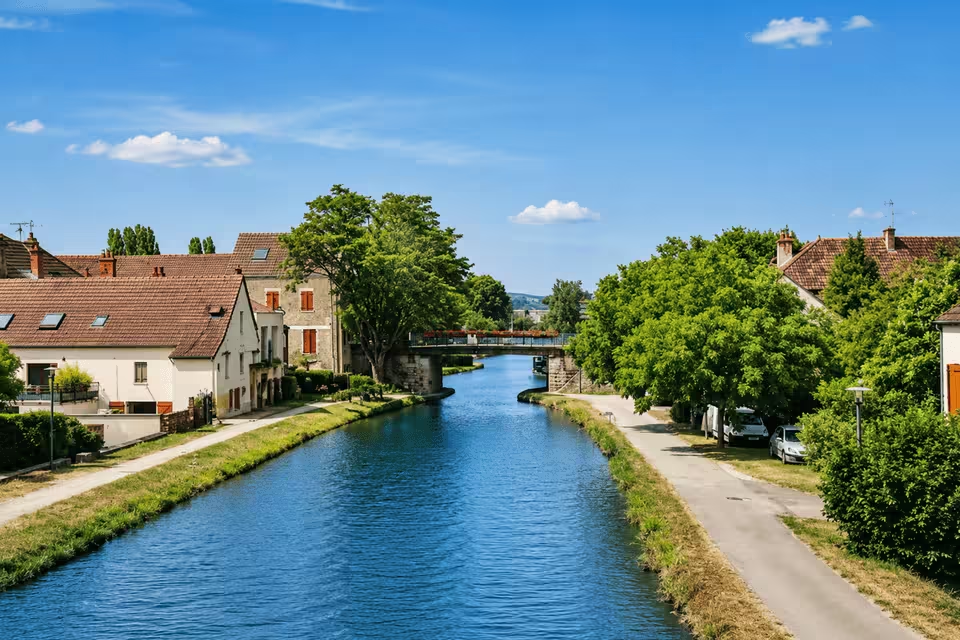
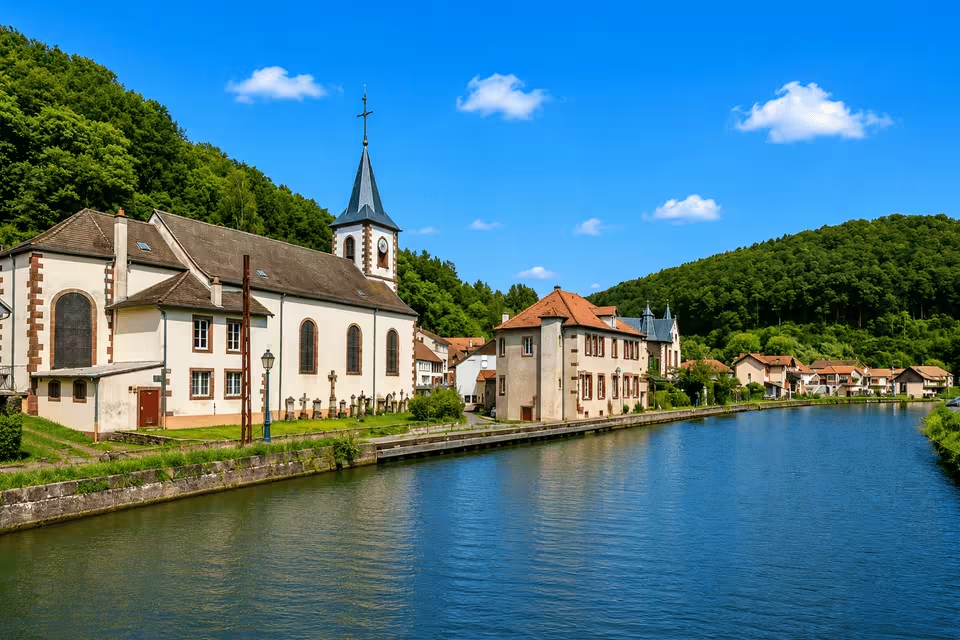
A yacht charter in Port-sur-Saône is an inland boating experience rather than a conventional coastal sailing holiday. The town stands on both banks of the navigable Petite Saône, northwest of Vesoul, and serves as a starting point for slow-paced journeys by motorized houseboat. The surrounding waterway winds between wooded banks, river islands and rural settlements, with canalized sections and locks shaping the daily rhythm.
Travelers can divide their time between short cruising stages, stops in historic villages and relaxed evenings at designated ports or river halts. Port-sur-Saône also connects naturally with longer routes toward the Canal des Vosges in the north and Gray in the south. Those considering other styles of boating can compare this river-based experience with yacht charters across France, where cruising conditions vary considerably between inland waterways and the coast.
Places to explore along the Petite Saône
South of Port-sur-Saône, Scey-sur-Saône is a useful cruising stop and a gateway to the Saint-Albin navigation tunnel. Continuing downstream leads to Ray-sur-Saône, a historic riverside settlement, and Savoyeux, where another navigation tunnel forms part of the route toward Gray. These places work well as connected stages rather than isolated sightseeing excursions.
Northbound cruising has a quieter, more rural character. Fouchécourt provides a small port, while Corre marks the connection between the Petite Saône and the Canal des Vosges. Within Port-sur-Saône itself, Île de la Maladière and the riverbanks add interest close to the departure point. Because anchoring is generally prohibited except in an emergency, exploration is organized around designated pontoons, ports and river halts rather than informal overnight anchorages.
What cruising from Port-sur-Saône is like
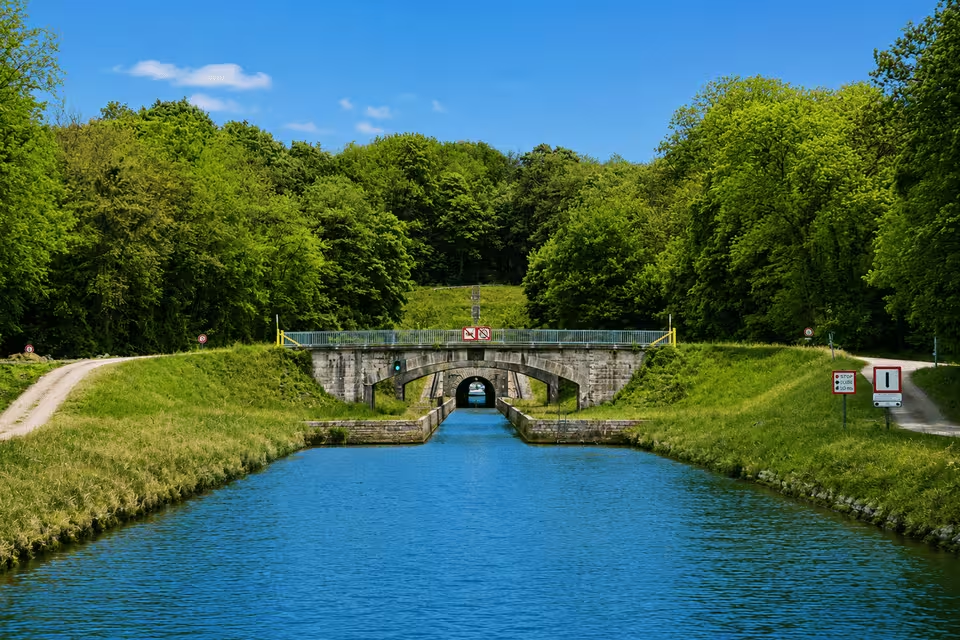
Cruising here is predominantly by self-drive houseboat at low speed. The Petite Saône is sheltered from ocean swell, and its generally tranquil conditions make it approachable for beginners after the operator’s instruction and handover. Automated locks simplify normal passages, but crews still need to approach slowly and remain attentive around lock entrances, adjacent weirs and occasional commercial traffic.
The experience is less about sailing performance and more about managing an unhurried sequence of river bends, locks and overnight stops. Daily distances should allow time for lock passages and visits ashore rather than being planned around speed. Rainfall can occur throughout the year, while high river flows, maintenance work or other navigation restrictions may temporarily affect a route. This makes flexibility important even on otherwise straightforward itineraries.
Best time for a Port-sur-Saône charter
The normal recreational boating period runs from approximately mid-March to late October, although the most comfortable conditions generally occur from May through September. May and September are particularly suitable months, combining favorable temperatures with the full appeal of the main cruising season.
June, July and August are also firmly within the principal season and suit travelers prioritizing warmer summer conditions. April and October can support quieter shoulder-season trips, but cooler or wetter weather should be expected. Winter activity is substantially reduced, with frequent frost and fewer operating services. Whatever the month, current river levels, lock operations and navigation works should be checked shortly before departure.
River routes and itinerary ideas
A manageable round trip follows the Petite Saône south from Port-sur-Saône through Scey-sur-Saône and the Saint-Albin tunnel to Ray-sur-Saône before returning. A longer southern circuit continues through Savoyeux to Gray, adding both the Saint-Albin and Savoyeux tunnels and a broader sequence of village and port stops.
Travelers interested in the northern waterways can cruise through Fouchécourt and Corre before entering the Canal des Vosges and continuing toward Selles. Another possibility is a one-way journey from Port-sur-Saône to Dole, passing Gray and following the connected Saône and Doubs waterways. The appropriate route depends on available time, one-way arrangements and current navigation conditions; shorter round trips leave more room for walks, fishing and historical visits ashore.
Life on the river and highlights ashore
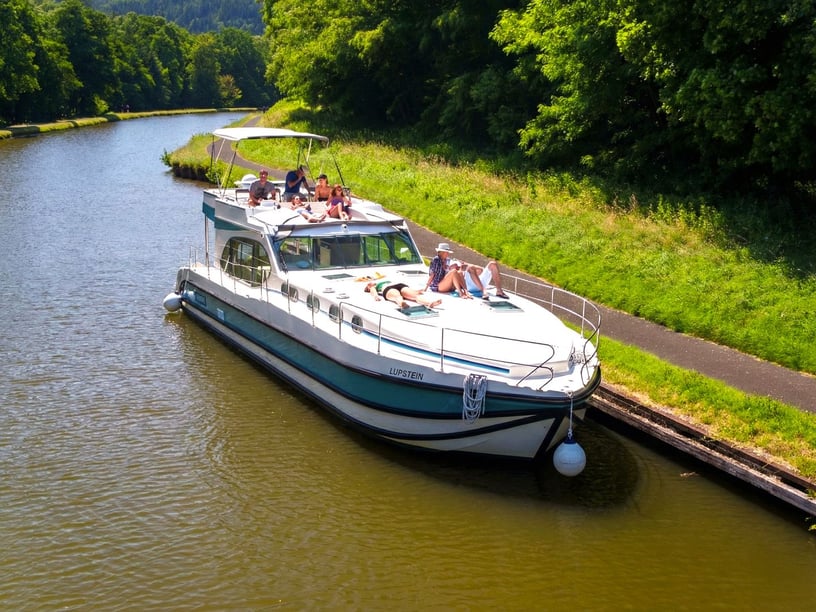
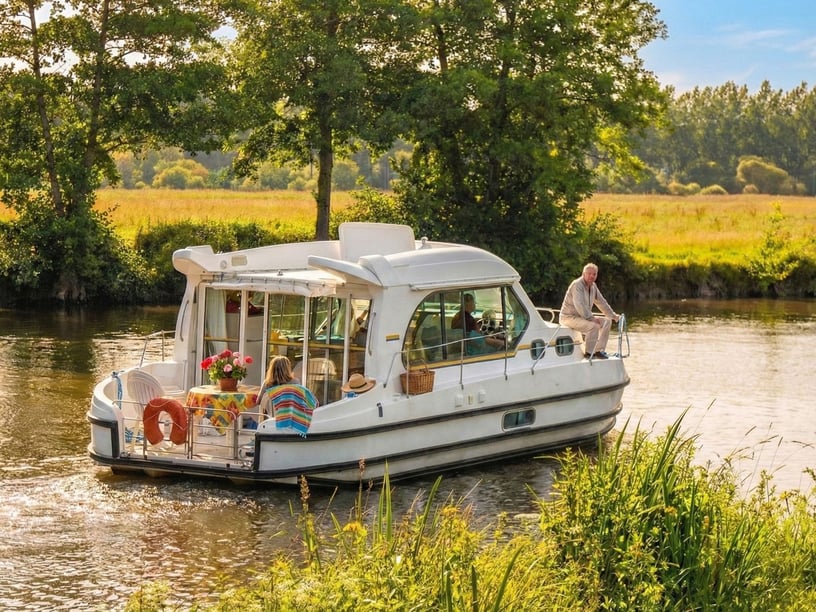
A Port-sur-Saône charter suits travelers who value scenic cruising, wildlife watching, fishing and small-scale cultural stops. The boat becomes a moving base for exploring a rural river corridor, with cruising periods broken up by lock passages, towpath walks and visits to settlements along the Saône. The gentle pace can work particularly well for families comfortable sharing navigation and mooring tasks.
In town, the Grand Pont provides the most distinctive landmark. Built between 1750 and 1758, its thirteen stone arches cross both the river and its islands. Other places to visit include Église Saint-Étienne, Chapelle Saint-Valère and the Rives de Saône towpath. These sites reflect the town’s long relationship with the river, from its role as a transport crossing and transshipment point to the recreational boating and fishing seen today.
Reaching the marina and starting your trip
Road travel is the most straightforward way to reach Port-sur-Saône. The town lies on the RN19, approximately 12 kilometers northwest of Vesoul, which is the nearest larger transport center. Regional train, coach and multimodal connections can be planned through the Bourgogne-Franche-Comté Mobigo network.
Port de plaisance de Port-sur-Saône is the local departure point and gives direct access to both northbound and southbound itineraries. The town therefore functions as both a base and a place to explore. Other useful facilities along the river include the ports at Fouchécourt, Scey-sur-Saône and Savoyeux, though shoreside services vary between stops.
Planning a self-drive boat rental in Port-sur-Saône
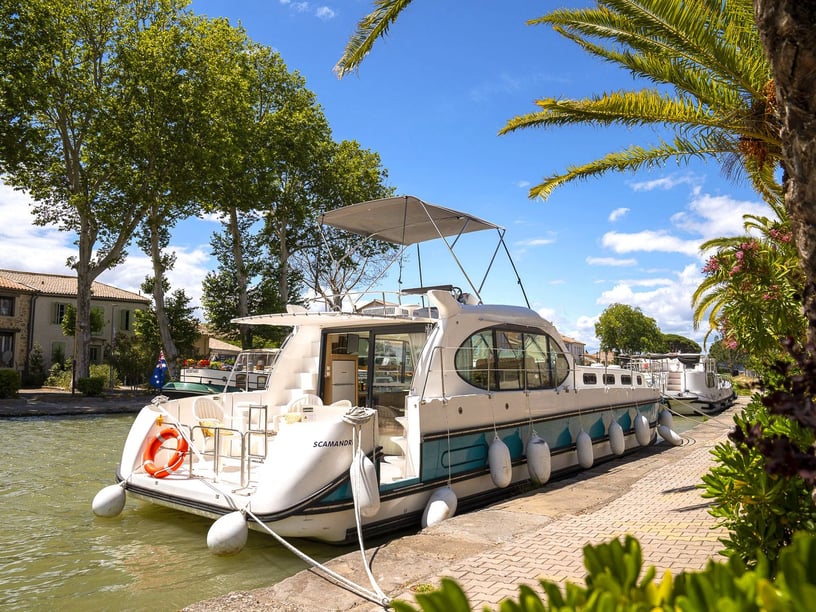
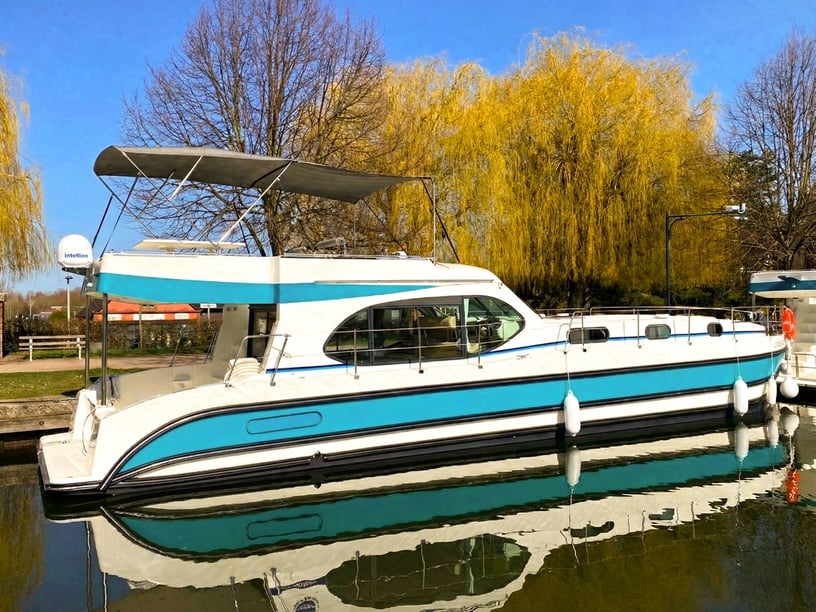
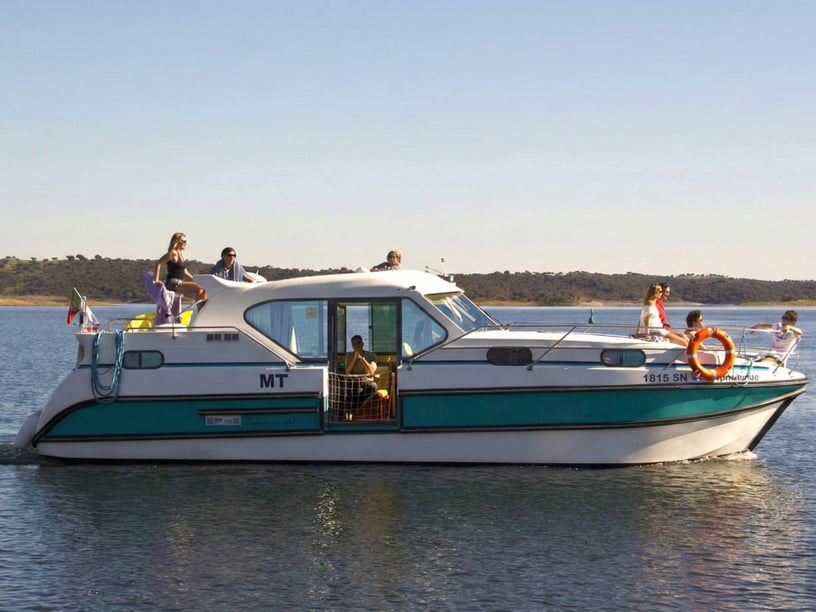
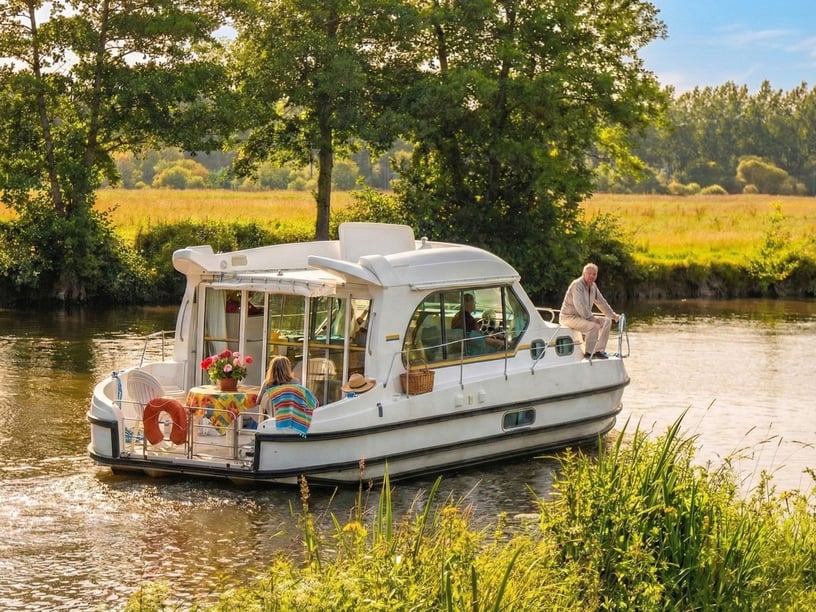
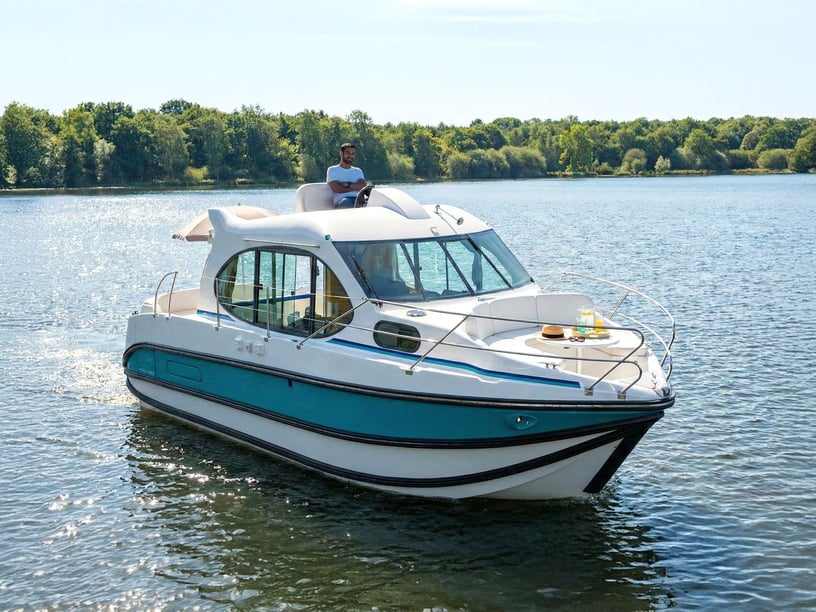
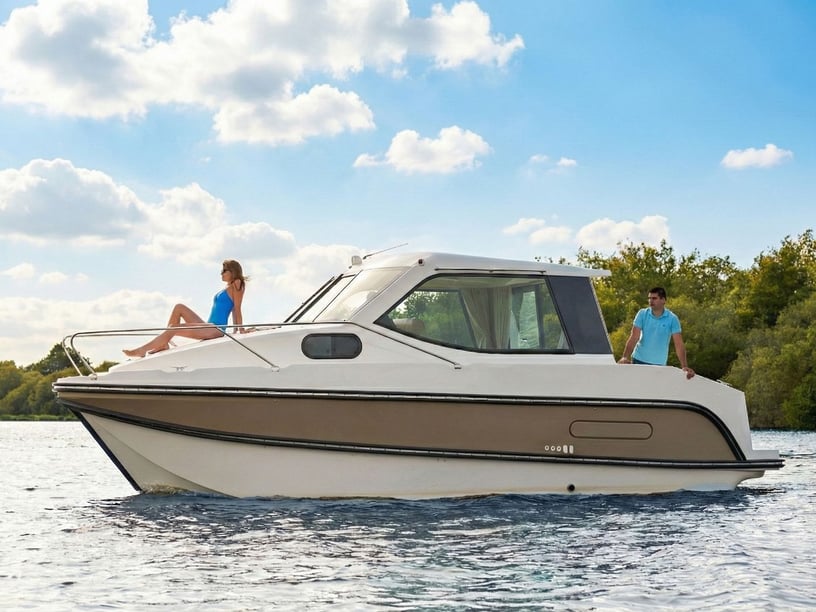
For travelers comparing boat rental in Port-sur-Saône, the central choice is usually a habitable motorized houseboat rather than a sailing yacht. Self-drive boats can be operated locally without a recreational boating license, subject to the charter operator’s instruction and handover procedures. First-time crews should allow enough time to understand steering, stopping, mooring and lock use before setting off.
Plan overnight stops around designated ports, pontoons and river halts because anchoring on the Petite Saône is prohibited except in an emergency. It is also worth checking which facilities are available at each intended stop, as mooring and shoreside services differ considerably along the route. Before departure, consult current VNF navigation notices for river conditions, lock operations, maintenance work and temporary restrictions. A realistic itinerary with moderate daily distances will leave more time for lock passages and unplanned changes while keeping the trip relaxed.