Yacht charter in Le Somail
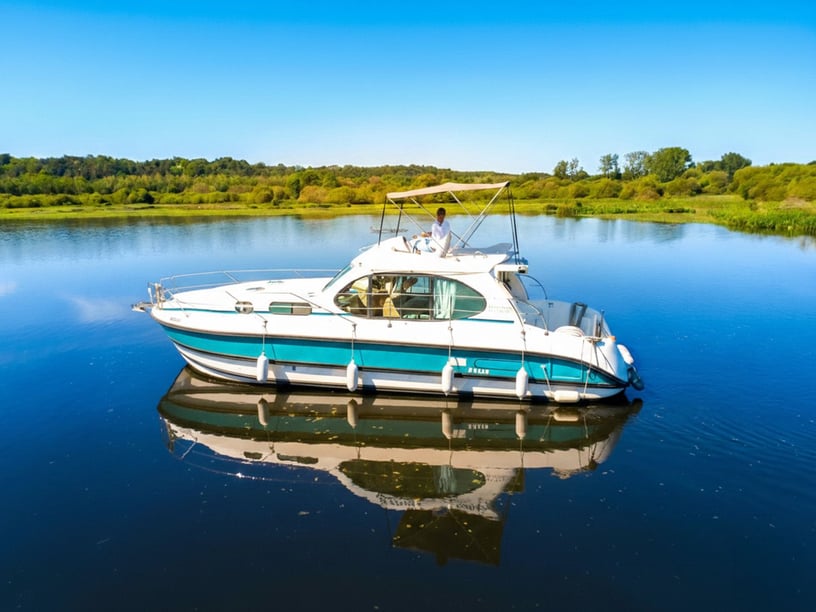
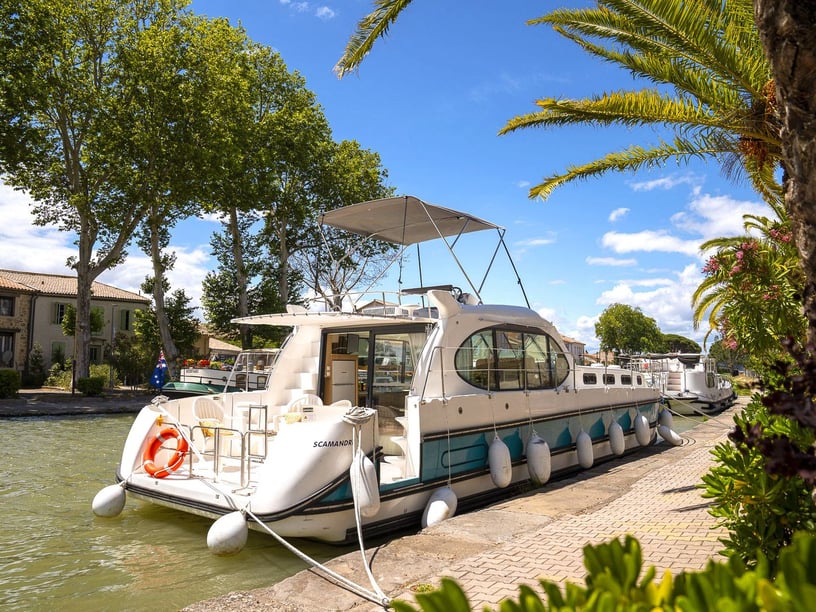
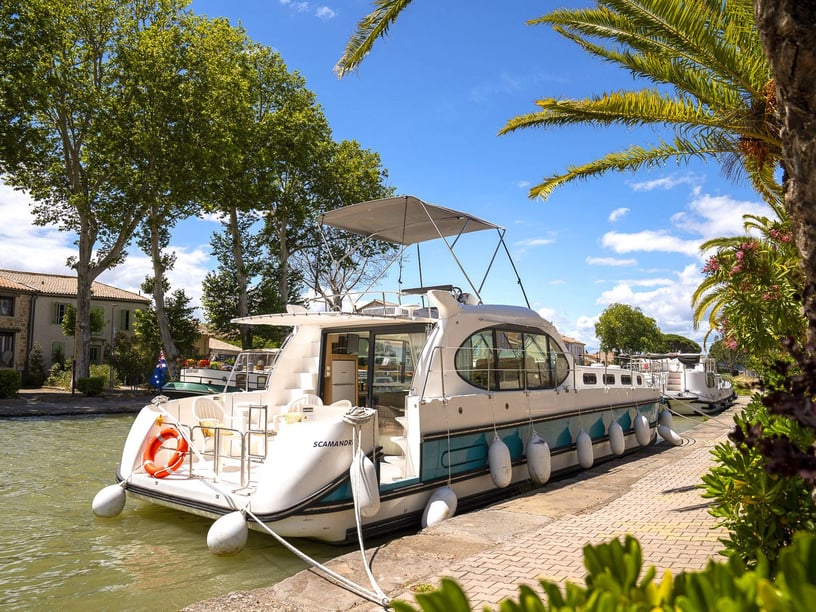
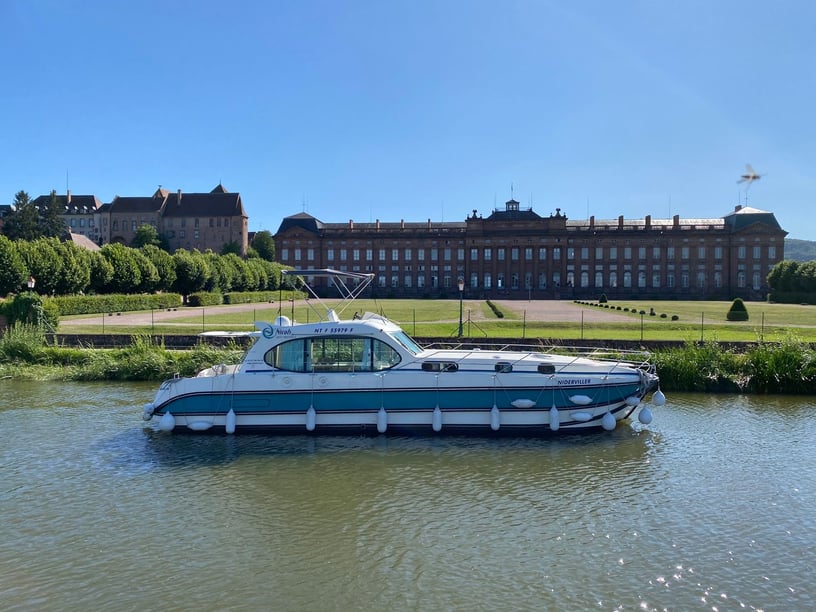
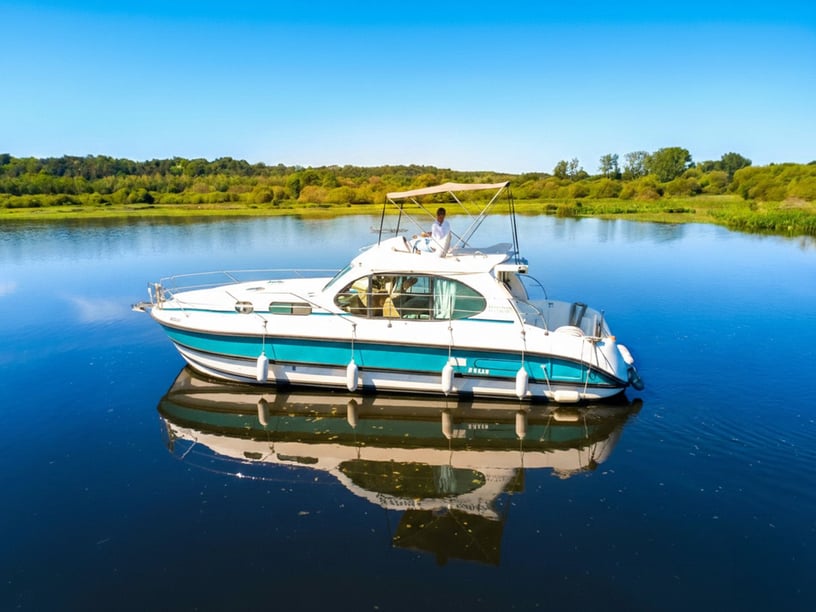
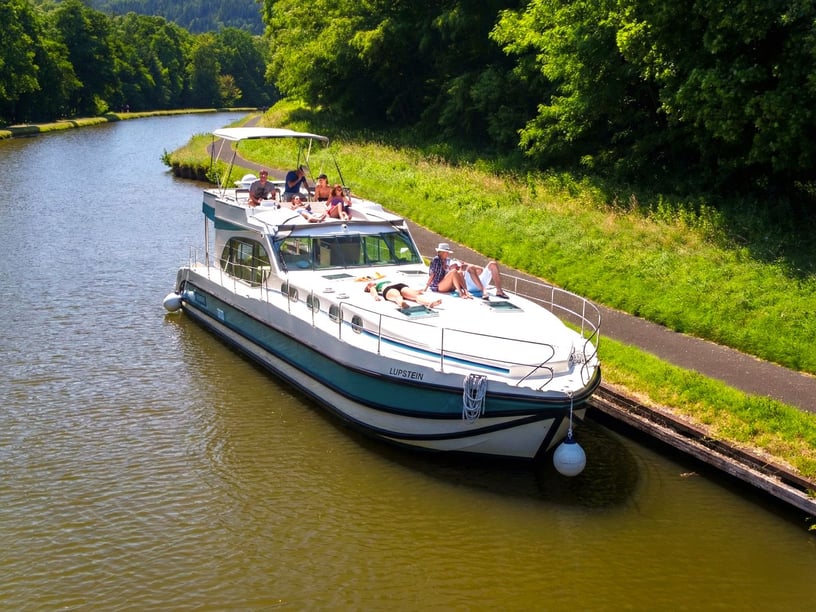
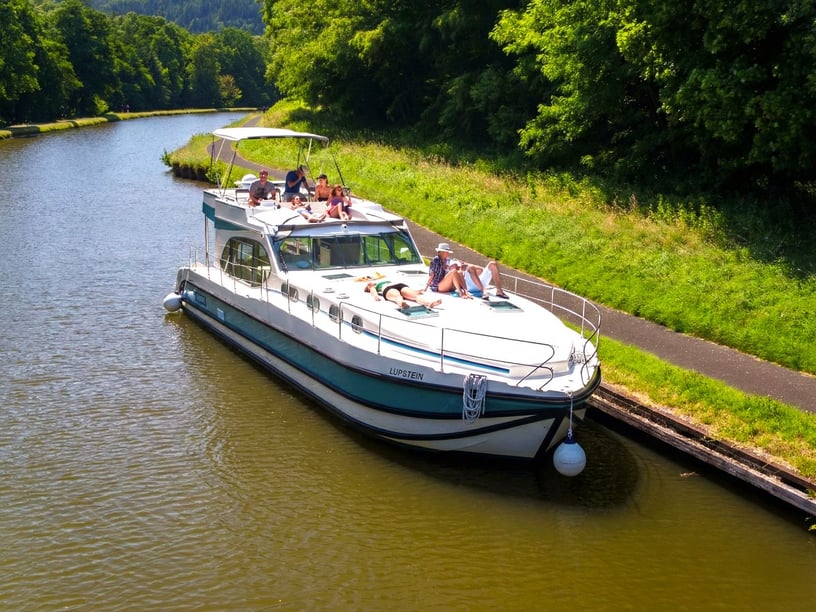
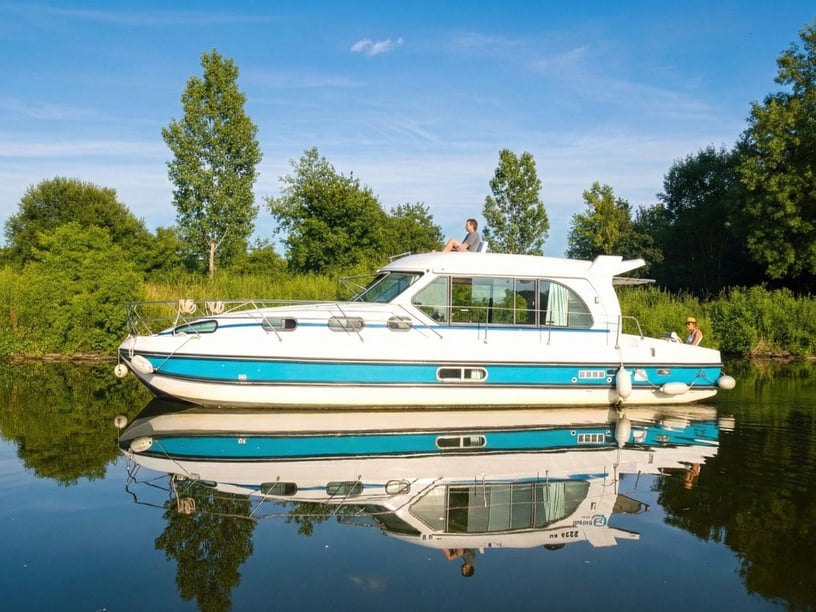
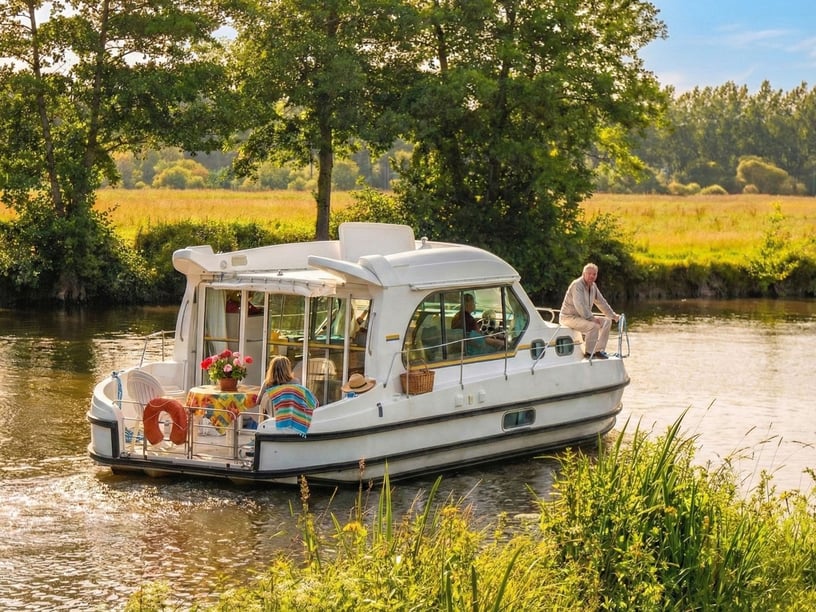
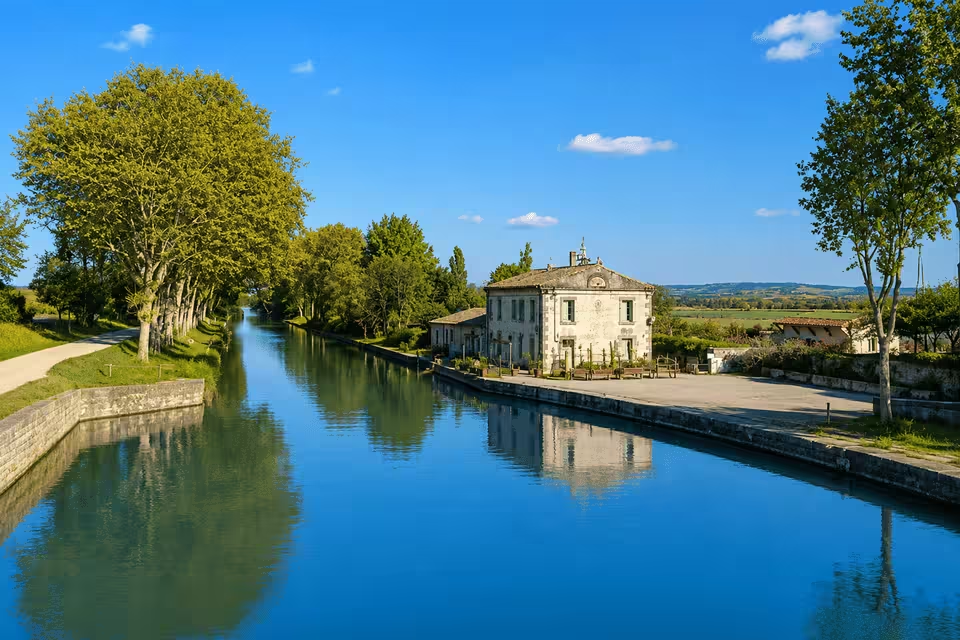
Le Somail is a small historic port on the Canal du Midi, set among the vineyards of the southern Minervois northwest of Narbonne. A yacht charter in Le Somail is therefore an inland experience: instead of sailing with tides and waves, travelers explore by low-speed motorboat along a sheltered waterway, stopping at canal villages, heritage sites and waterside restaurants.
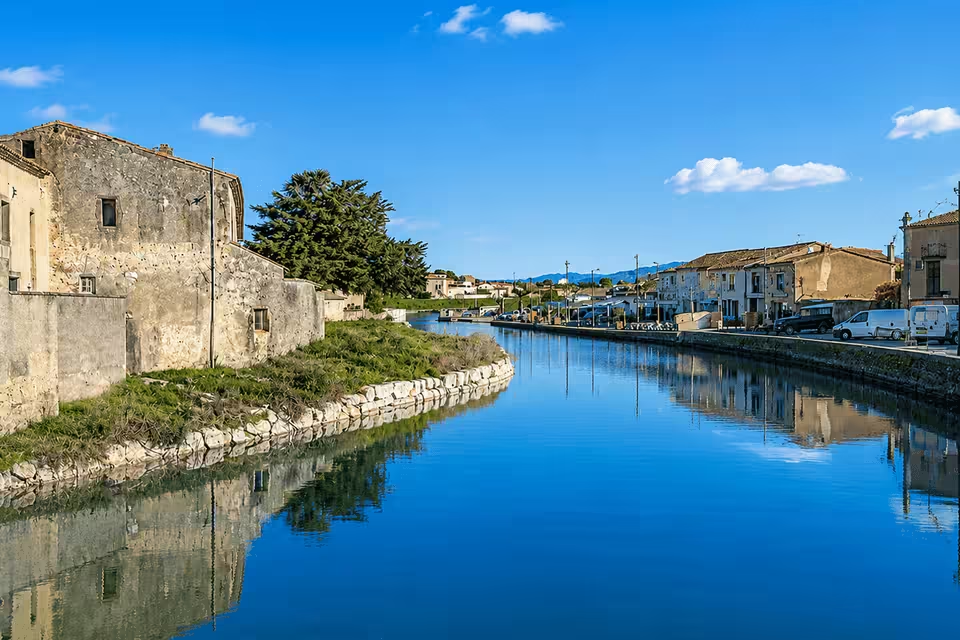
The hamlet stands on both banks of the canal and grew around a port established in 1682. Its stone humpback bridge, former inn, chapel, icehouse and warehouses form an unusually coherent canal-side ensemble. Le Somail can serve as a departure point, an overnight stop or the focus of a short outing, with routes extending west through the Minervois, east toward Capestang or south to Narbonne. For travelers comparing canal cruising with other forms of yacht charter in France, its appeal lies in slow travel, frequent time ashore and manageable inland navigation.
Places to explore from Le Somail
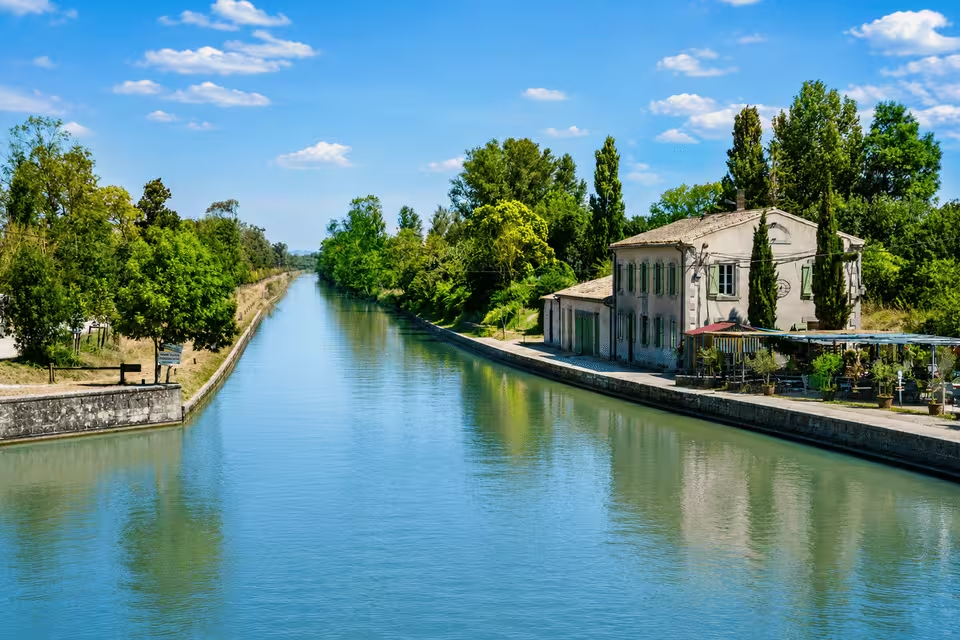
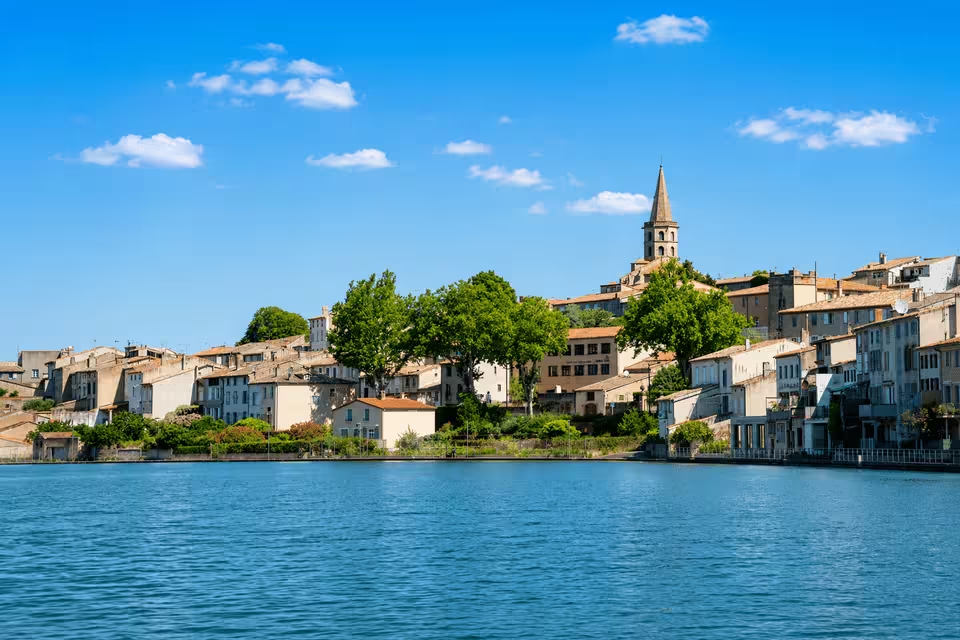
The Grand Bief—the long, lock-free reach passing Le Somail—creates straightforward possibilities in both directions. Heading east, the canal runs through the Argeliers area toward Capestang, whose position on the same reach makes it a practical objective for an unhurried cruise. To the west, Paraza, Ventenac-en-Minervois and Roubia provide access to Minervois villages and vineyard landscapes before the first locks near Argens-Minervois.
Farther west, Homps is a useful destination for longer itineraries, although reaching it requires allowing time for locks. A contrasting branch leads from Le Somail through Sallèles-d’Aude and the Canal de Jonction toward Narbonne. From there, the Canal de la Robine continues through lagoon and wetland landscapes to Port-la-Nouvelle on the Mediterranean. This southern extension is more structured than cruising the Grand Bief and is better suited to travelers with enough time for locks and connecting waterways.
What cruising on the Canal du Midi is like
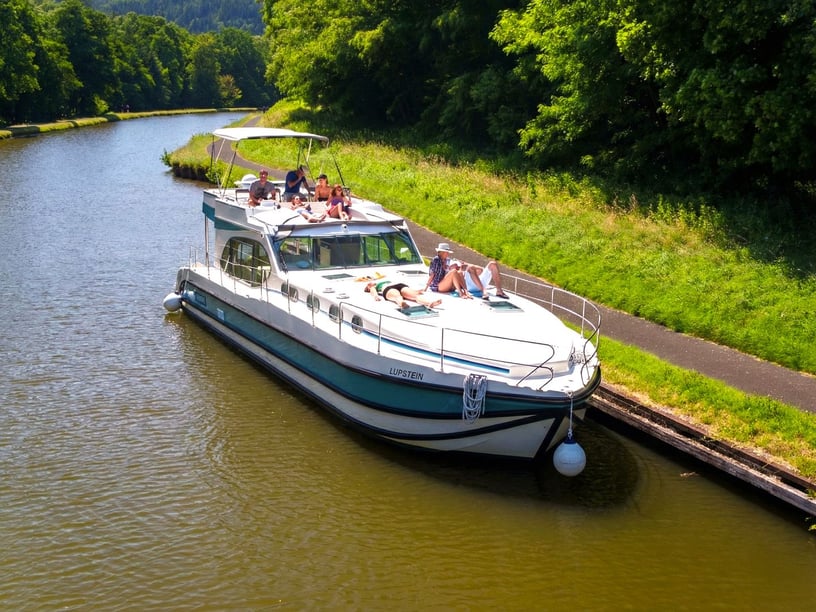
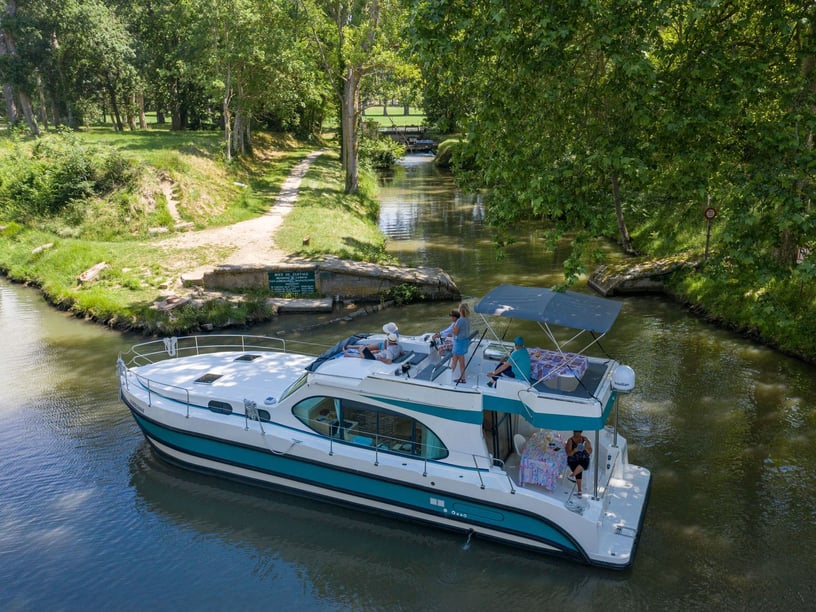
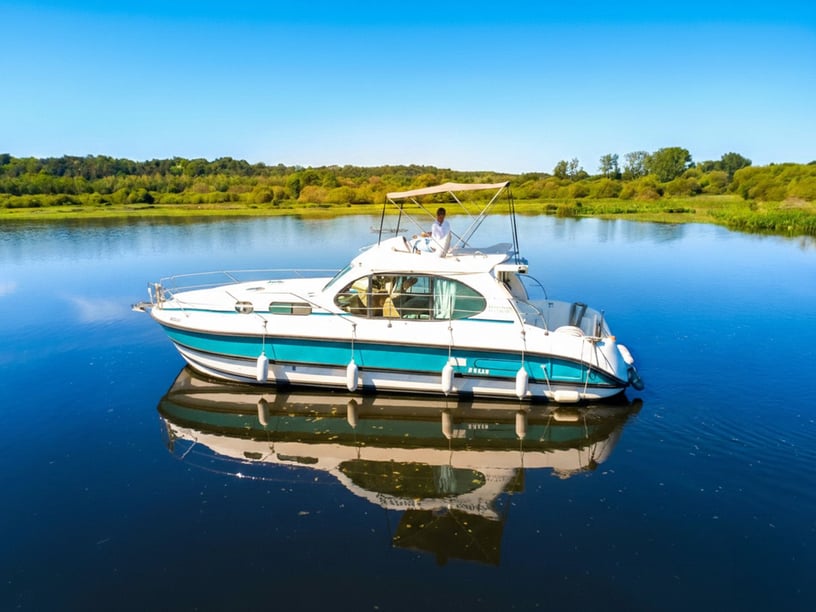
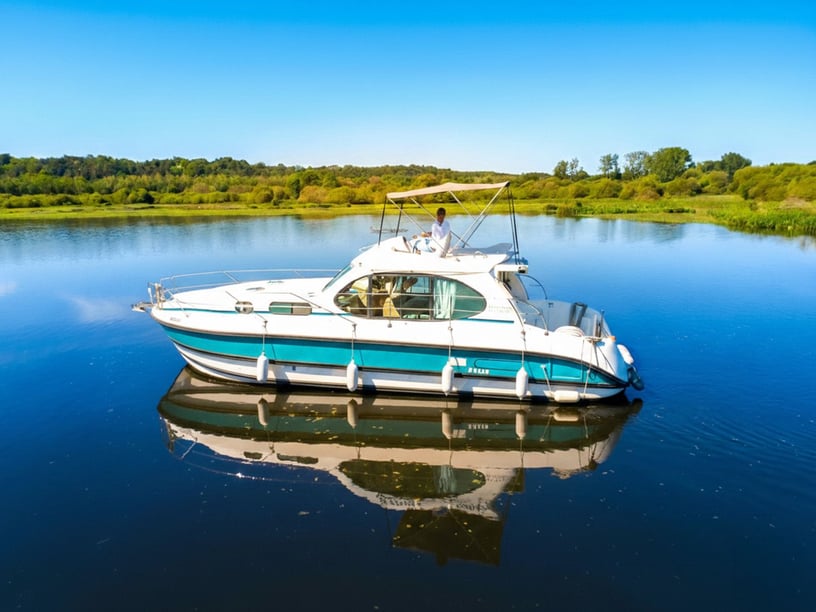
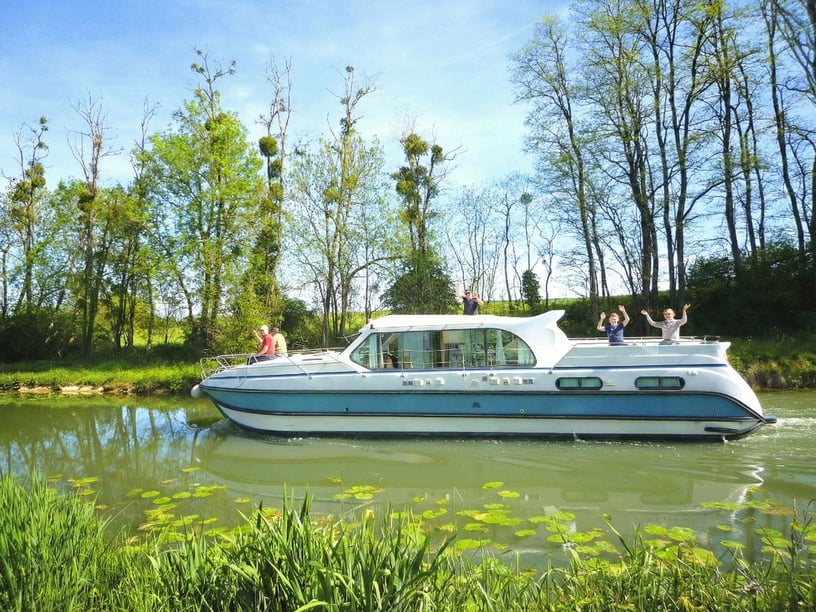
Cruising around Le Somail takes place on flat, sheltered water with little current. Wind, waves and tidal planning are less important here than maintaining a low speed, watching for passing traffic and lining up carefully for narrow bridge openings. Long sightlines and the absence of locks on the immediate Grand Bief make the local area comparatively easy for first-time canal crews.
The character changes when an itinerary reaches the locks west of Argens-Minervois or turns toward Narbonne. Crews then need to organize lines, allow extra time and follow the operating schedule of each structure. The Narbonne route also uses the Canal de Jonction and a short crossing of the Aude navigation channel. These are not offshore passages, but they make route planning more consequential. A Le Somail boat rental is best understood as relaxed motor cruising rather than sail-powered navigation, with daily progress shaped by stops, bridges and locks.
Best time for a Le Somail charter
Recreational navigation normally runs from approximately the beginning of April to the beginning of November. May, June and September are particularly suitable months, combining established boating-season conditions with temperatures that are generally milder than in midsummer. Late spring and the end of summer also tend to bring less traffic than the busiest part of the season.
July and August are warm to hot, comparatively dry and popular, so crews should expect more boats at bridges, moorings and locks. April and October can suit quieter trips, although October is generally wetter. Winter is cooler and windier, and closures are used for waterway maintenance. Navigation dates can vary annually, so current Voies navigables de France notices should be checked before confirming travel arrangements.
Route ideas from Le Somail
For a simple itinerary, cruise east toward Capestang or west through Paraza and Ventenac-en-Minervois. Both directions use the lock-free Grand Bief, allowing more of the day to be divided between cruising and going ashore rather than lock handling. Westbound crews can continue through Roubia toward Argens-Minervois, then decide whether to proceed through the locks toward Homps.
The route to Narbonne offers a different experience. It turns from the Canal du Midi onto the Canal de Jonction, passes Sallèles-d’Aude and joins the Canal de la Robine. Travelers with more time can continue beyond Narbonne toward Port-la-Nouvelle. Because this branch includes several locks and connecting sections, it suits a longer itinerary better than a brief local outing.
Heritage, food and life ashore
Le Somail rewards travelers who want cultural stops to be part of the charter rather than an activity reserved for the end of the trip. Around the harbor, the Pont Vieux, chapel, former inn and historic warehouses reflect the port’s former role in freight and passenger transport. Post barges once stopped here overnight on the journey from Toulouse, before railway competition brought the service to an end in 1858.
The former buildings now frame a more leisurely canal stop. One warehouse houses Le Trouve Tout du Livre, an established antiquarian and second-hand bookshop, while restaurants provide an easy reason to spend time beside the port. The surviving icehouse is the only documented example of the ice-storage buildings once associated with Canal du Midi stops. Beyond Le Somail, village moorings offer access to the surrounding Minervois vineyard country. The Canal du Midi has been UNESCO-listed since 1996, and Le Somail’s principal structures have protected Historic Monument status.
Reaching the port and starting a trip
Le Somail is reached mainly by road and lies roughly 20 to 25 minutes from Narbonne. Narbonne is the nearest major rail hub, with onward travel by regional bus, taxi or car. Béziers, Carcassonne, Perpignan, Montpellier and Toulouse provide relevant airport options, but each requires an onward road connection. The A9 and A61 motorways support access from elsewhere in southern France.
Port du Somail and the Port de plaisance du Somail are the principal local boating points. Depending on the charter arrangement, Le Somail may be the place where a trip begins or a heritage stop within a wider Canal du Midi itinerary; it should not automatically be assumed to be the main base for every route. The Port de plaisance de la Robine is relevant to trips continuing through Narbonne.
Practical planning for canal cruising
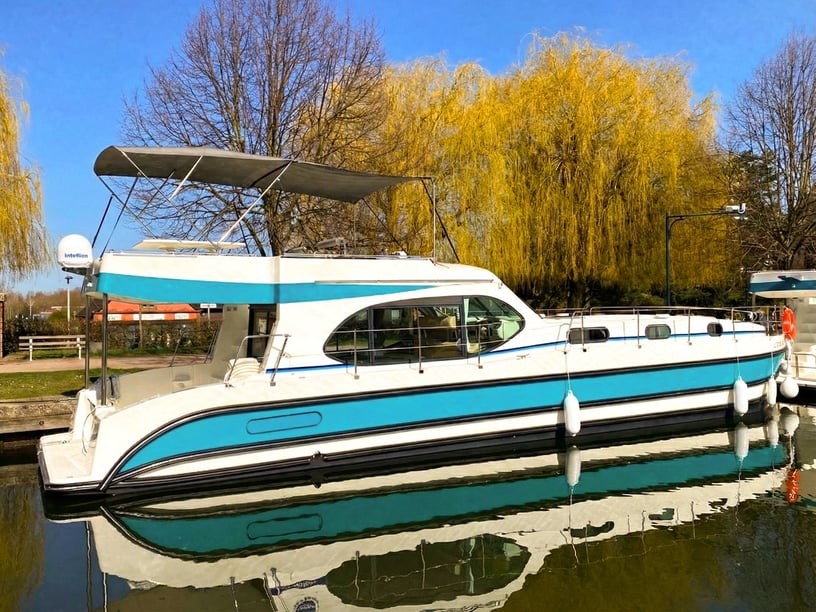
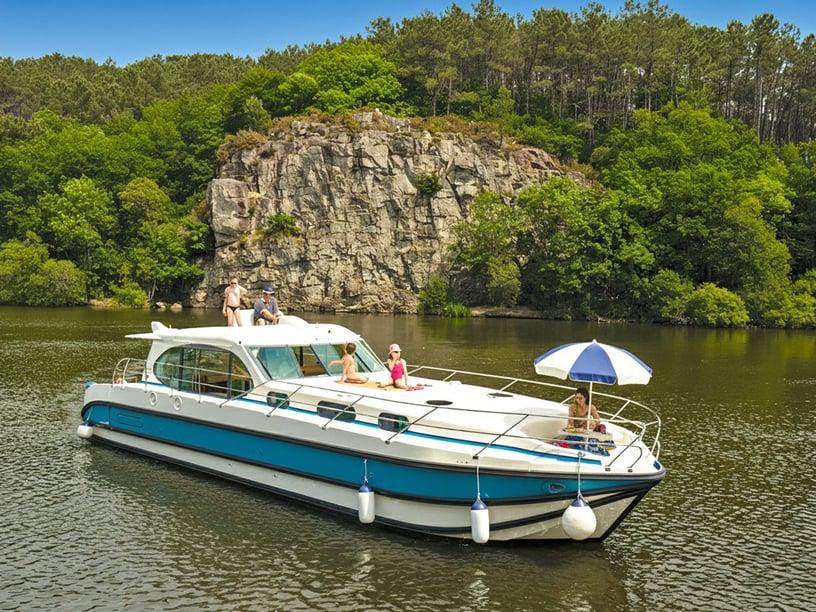
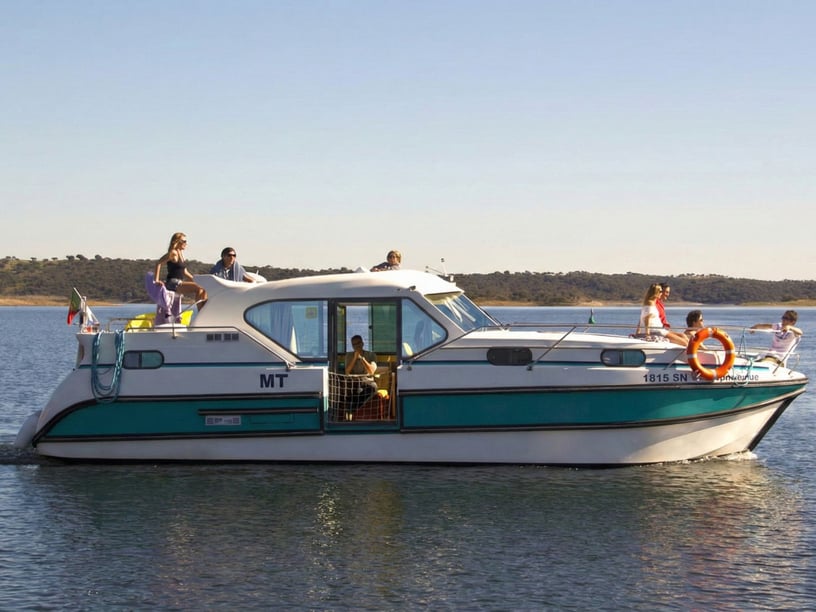
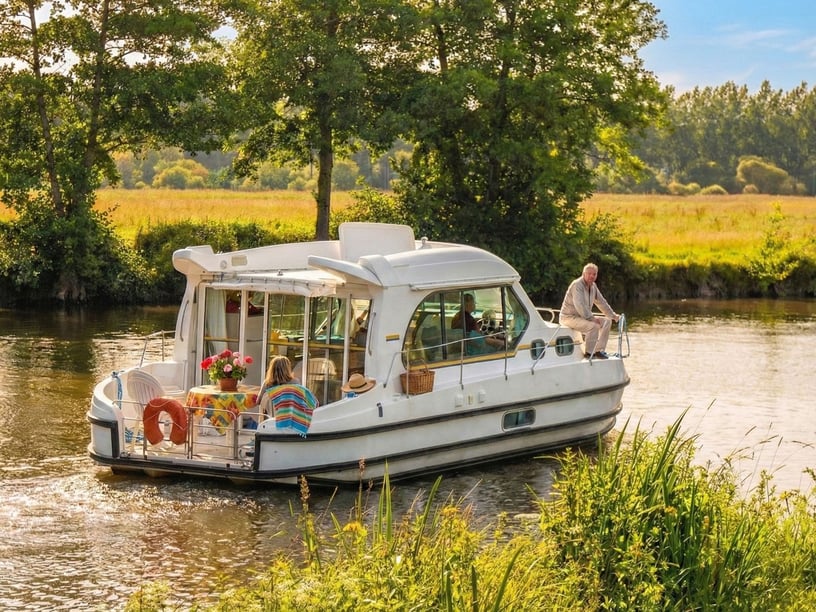
When choosing a charter, consider how much lock handling you want. Staying on the Grand Bief provides the simplest experience, while routes toward Homps or Narbonne demand more time and crew participation. Most authorized hire boats can be operated without a boating license after an operator briefing, but privately operated vessels require the appropriate inland-waterway qualification.
Crews should check current VNF notices for lock schedules, maintenance closures and water-management restrictions. The published maximum draft in the Canal du Midi navigation channel is 1.50 metres, an important consideration for anyone bringing a private vessel. Mooring must not block navigation or towpaths, and boats must not be tied to canal-side trees. Swimming in the Canal du Midi is prohibited, so the trip should be planned around cruising, shore visits and time at designated stops rather than swimming from the boat.