Yacht charter around Pléneuf-Val-André
A yacht charter around Pléneuf-Val-André explores the eastern side of Brittany’s Bay of Saint-Brieuc, where long beaches alternate with rocky points, low cliffs and tide-dependent harbors. The locality has three distinct centers: the elevated village of Pléneuf, the seaside resort of Val-André and the historic maritime quarter of Dahouët.
Dahouët is the principal local yachting harbor, but this is best understood as a coastal cruising destination rather than a conventional island-hopping base. Time on the water can be combined with the Val-André beachfront, maritime history and passages toward Erquy, Cap Fréhel or ports farther across the bay. Travelers comparing this coast with other regions can also explore yacht charter destinations across France.
Coastal places to explore
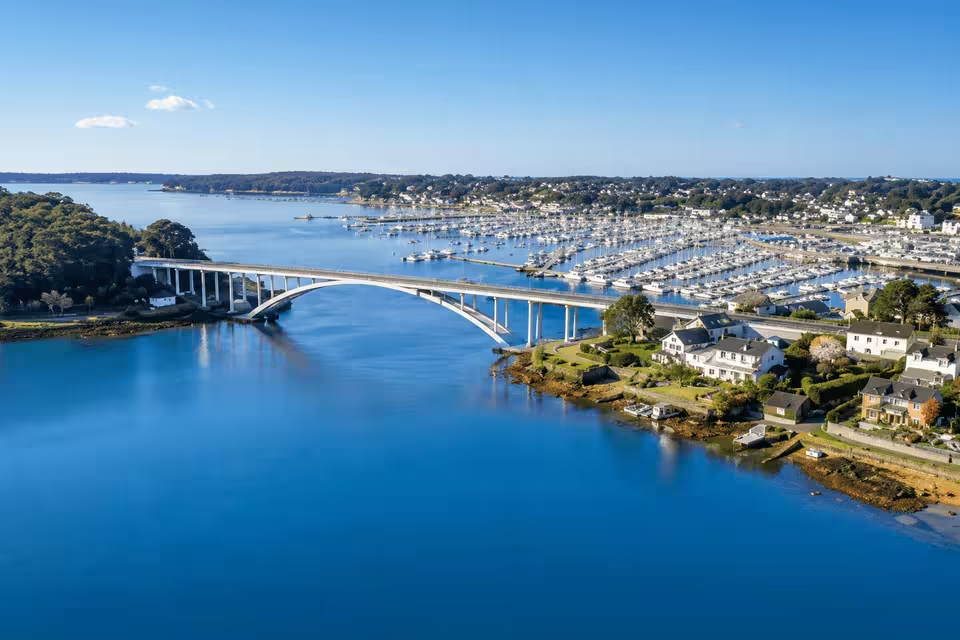
Dahouët forms the maritime heart of the area. Once associated with merchant shipping and long-distance cod fishing, its harbor now combines an enclosed afloat basin with traditional drying moorings. Nearby Val-André presents a contrasting waterfront, with a long sandy beach, pedestrian promenade and villas dating from its development as a seaside resort in the late 19th century.
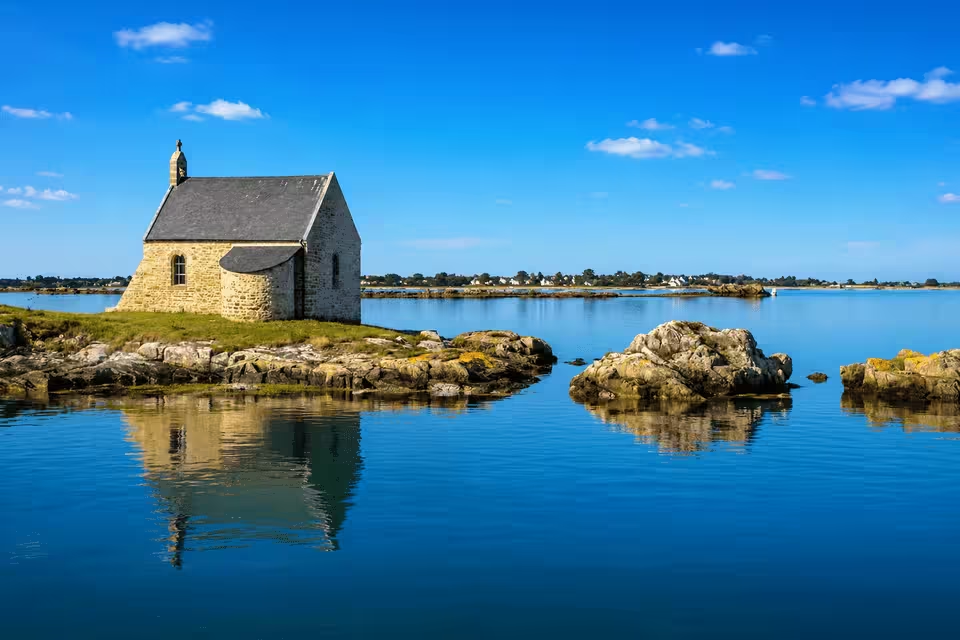
Immediately offshore, Îlot du Verdelet is a recognizable coastal landmark and an ornithological site. Its unusual tidal setting is part of the area’s character: access on foot is possible only during suitable large low tides and within carefully observed time windows.
Longer coastal passages can connect Dahouët with Erquy, the headlands of Cap d’Erquy and Cap Fréhel, and Saint-Cast-le-Guildo. Westward exploration of the Bay of Saint-Brieuc may include Saint-Quay-Portrieux, giving travelers scope to build a broader northern Brittany itinerary.
Sailing conditions in the Bay of Saint-Brieuc
Cruising here is shaped above all by tides. The Bay of Saint-Brieuc has a large semidiurnal range, varying from roughly four meters at neap tides to nearly 13 meters during large spring tides in the inner bay. As the water recedes, extensive coastal areas are exposed, and harbor access, passage timing and the use of drying moorings all become central parts of the plan.
Dahouët offers good shelter inside, but entry to its afloat basin is tide-limited. A vessel drawing 1.5 meters can commonly enter for about two and a half hours before and after high water, although the actual window depends on tide height, draft and current port guidance.
Westerly and northwesterly winds are frequent. Strong northwesterlies can create rough water and a bar at the Dahouët entrance, so the local experience is better suited to travelers prepared for moderate coastal-sailing demands than to those expecting unrestricted marina access. Passage decisions should remain with a suitably experienced skipper using current forecasts, charts and tide information.
Best time for a yacht charter
The main recreational boating season runs from May through September, with June, July, August and September identified as particularly suitable months. July and August bring the highest level of resort and visitor activity, making them appropriate for travelers who want the liveliest atmosphere ashore around Val-André.
May offers a shoulder-season experience, while June and September sit within the principal sailing period without changing the need for careful weather and tidal planning. Coastal trips may also be possible in April or October during settled conditions, but the weather is less consistent. Winter generally brings stronger winds, more frequent rain, shorter daylight and fewer seasonal visitor services, even though Dahouët itself operates throughout the year.
Coastal route possibilities
An established eastbound passage links Dahouët with Erquy, Cap Fréhel and Saint-Cast-le-Guildo. It follows a coast of prominent headlands and gives a yacht trip a clear progression from the sheltered harbor at Dahouët to the more exposed waters around Cap d’Erquy and Cap Fréhel.
Near Erquy, routes may take a coastal channel or a more offshore course by Les Landas. The appropriate choice depends on the vessel, weather and tidal situation rather than a fixed itinerary. Tidal streams around Cap Fréhel and the return window into Dahouët are especially important, so daily distances should be planned around safe access times rather than around a rigid sightseeing schedule.
Experiences on the water and ashore
A charter around Pléneuf-Val-André combines coastal sailing with beaches, walking and maritime heritage. A day can pair a passage across the bay with time ashore on the Val-André promenade or a section of the GR34 coastal path, which follows the changing line of beaches, cliffs and rocky points.
Dahouët adds historical depth to the trip. Sailing vessels once departed from here for cod-fishing grounds around Newfoundland and Iceland, and shipowners’ houses and maritime buildings preserve traces of that period. Val-André tells a different story through its planned resort layout and early seaside villas.
Food is another connection to the bay. Scallops and locally produced shellfish are central to the surrounding coastal cuisine, making meals ashore a natural complement to time at sea. The dramatic tidal transformation of the shoreline is itself a defining feature, revealing a markedly different coast between high and low water.
Getting there, marinas and departure points
Lamballe-Armor is the principal rail gateway, with TGV and regional services. Regional buses connect the area with Lamballe and Saint-Brieuc, while drivers generally approach via the N12 corridor and local roads toward the Côte de Penthièvre. Rennes Bretagne Airport is the relevant airport for longer-distance arrivals.
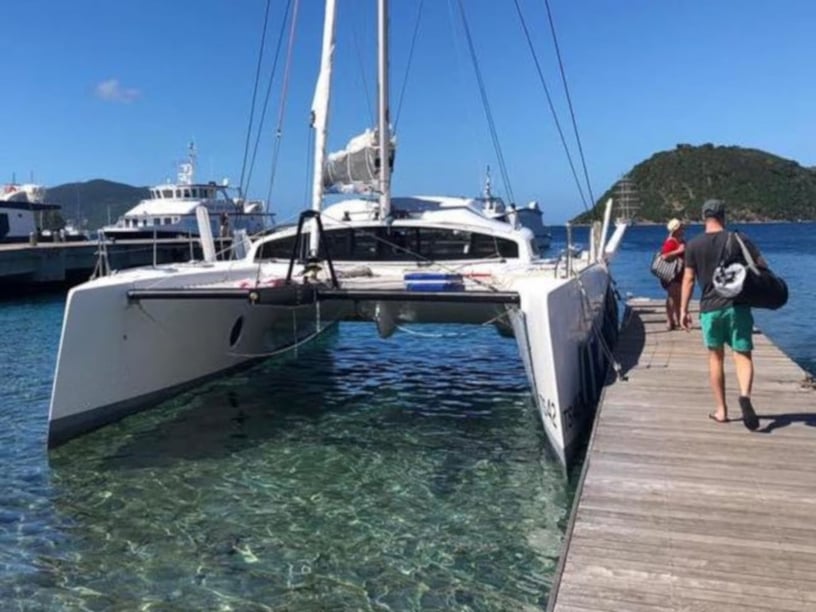
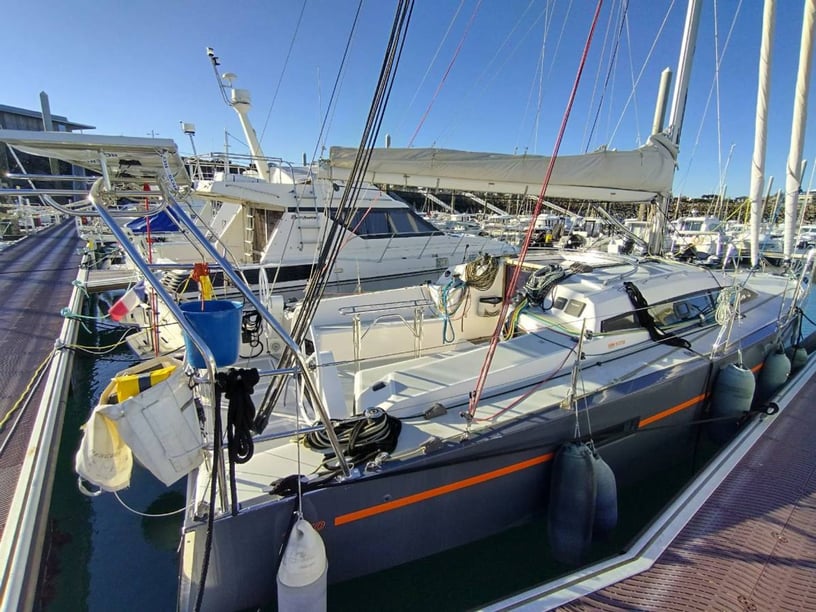
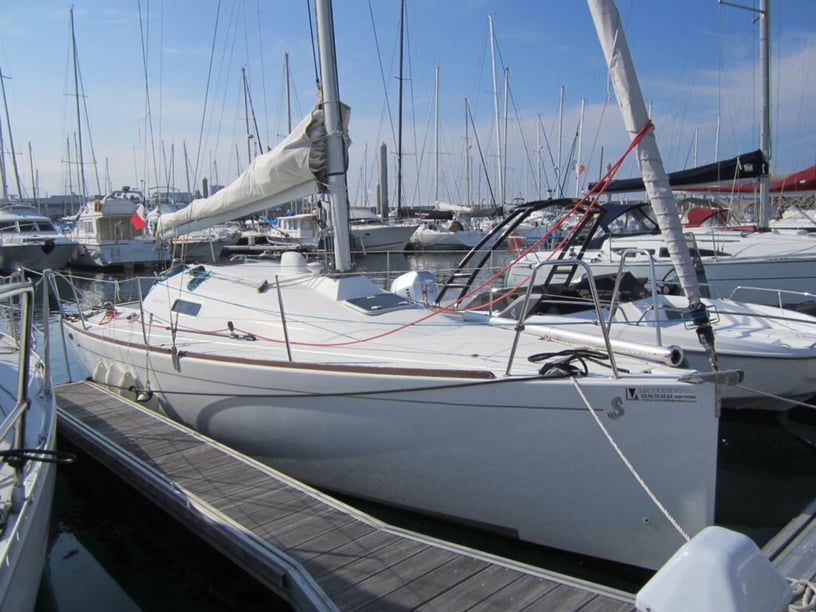
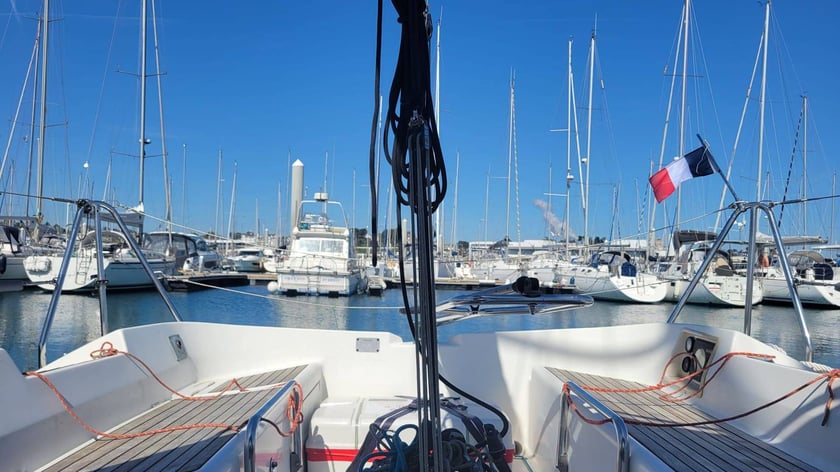
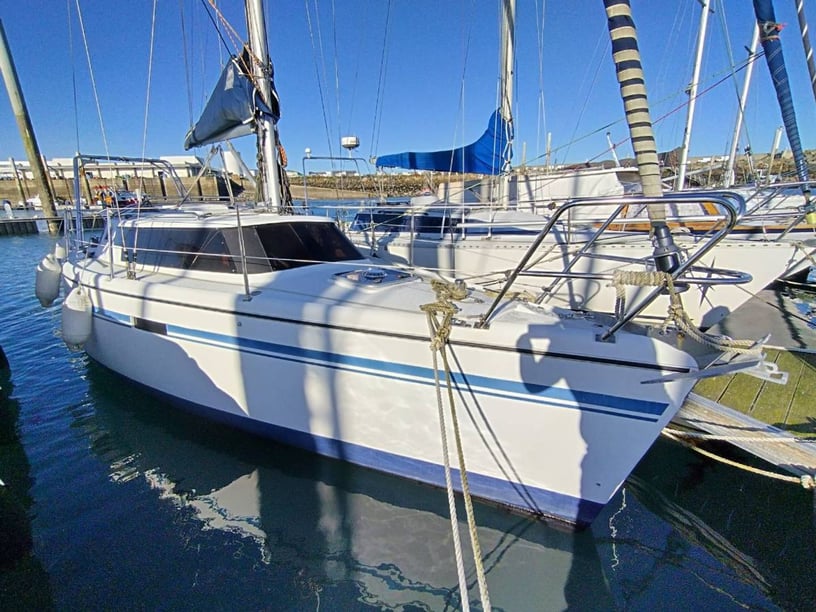
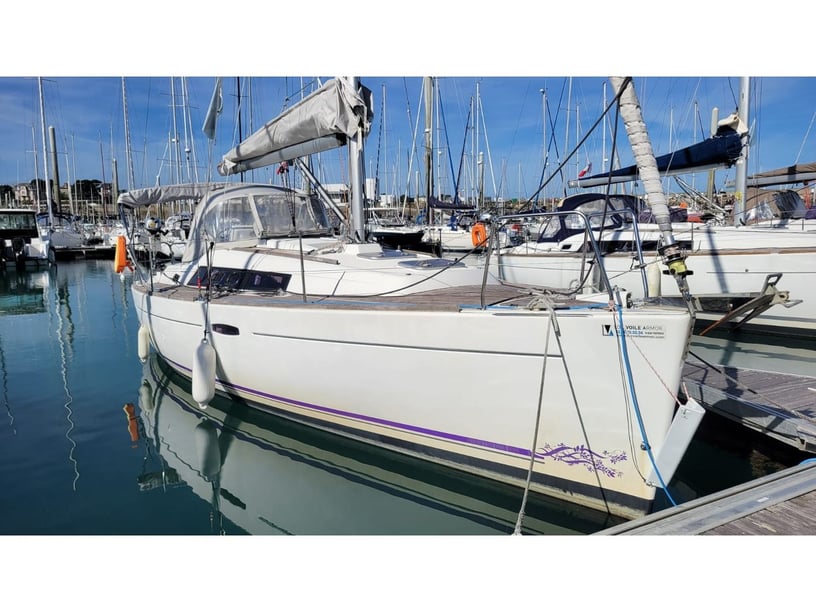
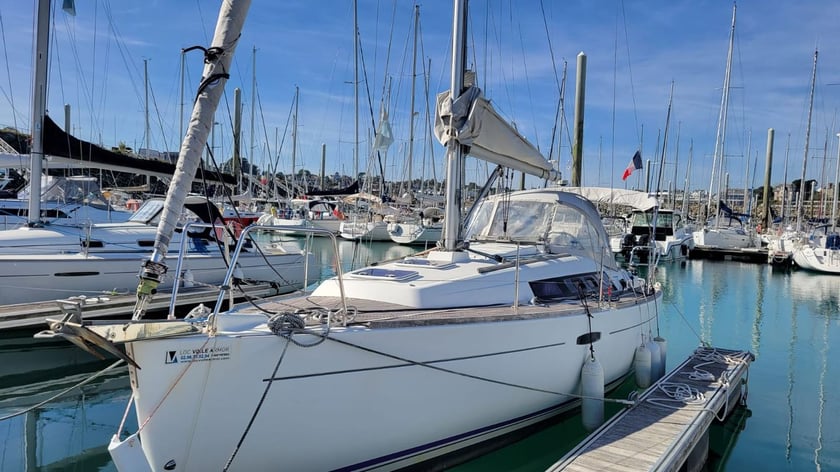
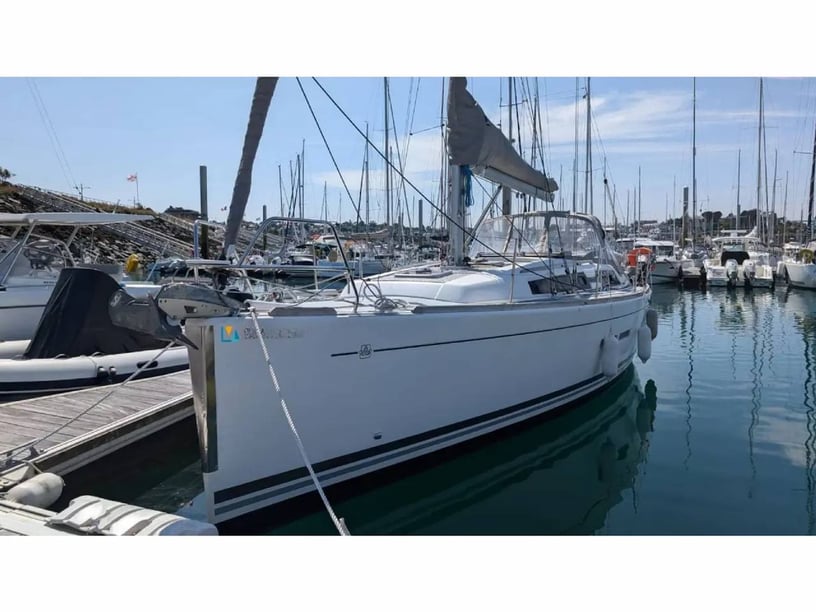
Port de Dahouët is the main local departure point for yachting. Its enclosed basin provides afloat berths, while a separate part of the harbor dries at low water. Port de Piégu is a seasonal drying harbor primarily suited to smaller craft.
Pléneuf-Val-André can therefore serve both as a place to begin a suitable local trip and as a coastal stop within a wider Bay of Saint-Brieuc itinerary. The actual departure harbor should be confirmed with the charter provider, particularly because vessel draft and tidal access can affect which facilities are practical.
Planning your charter
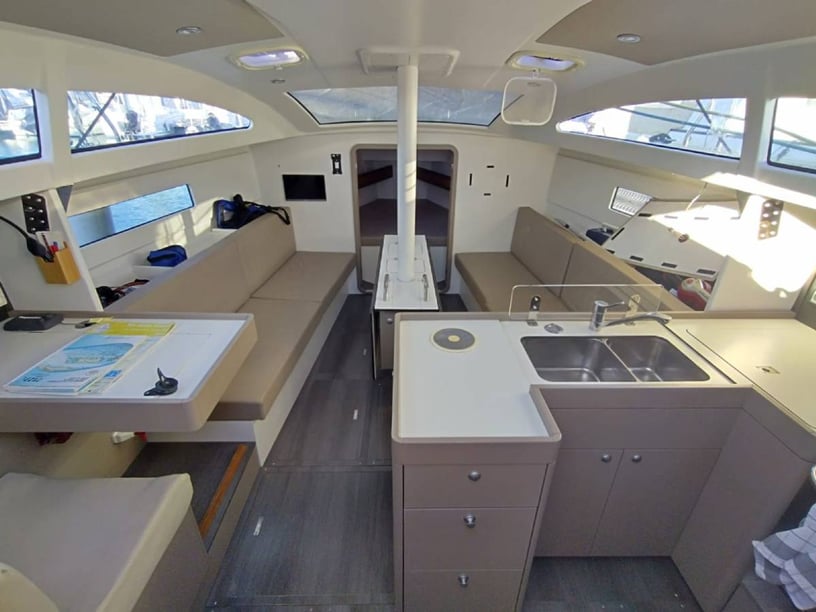
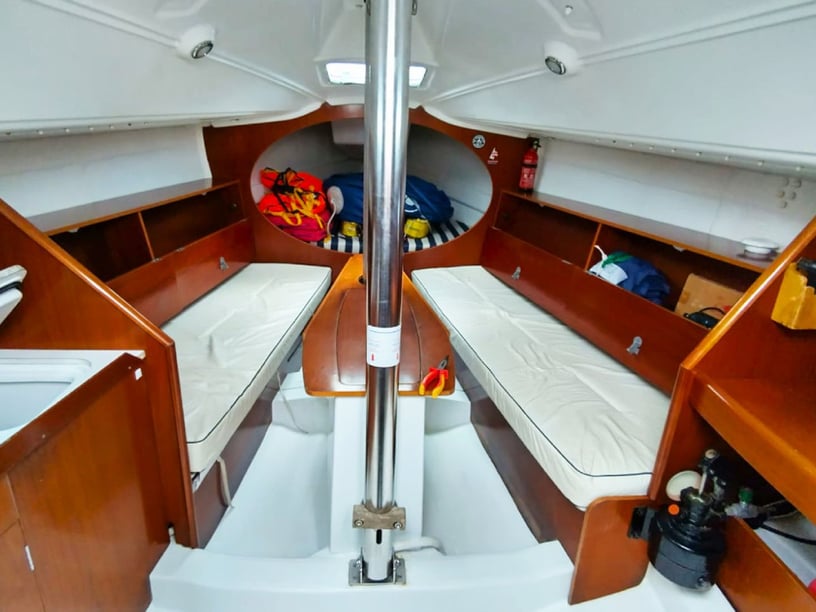
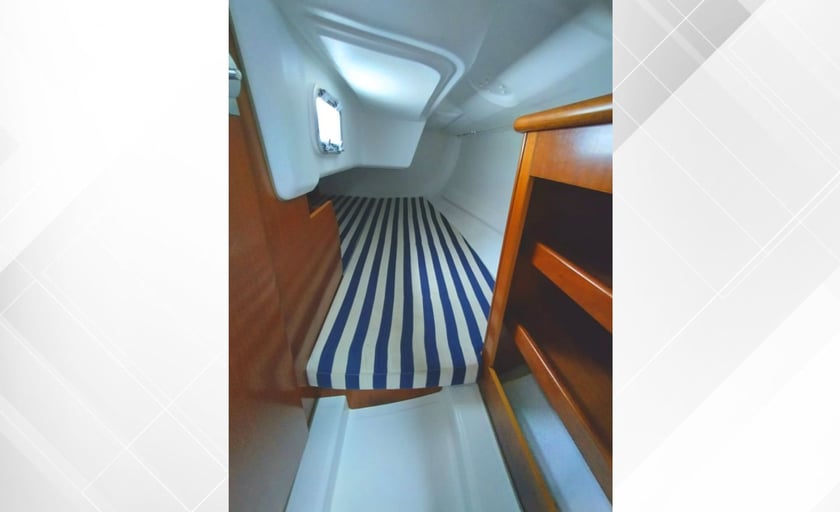
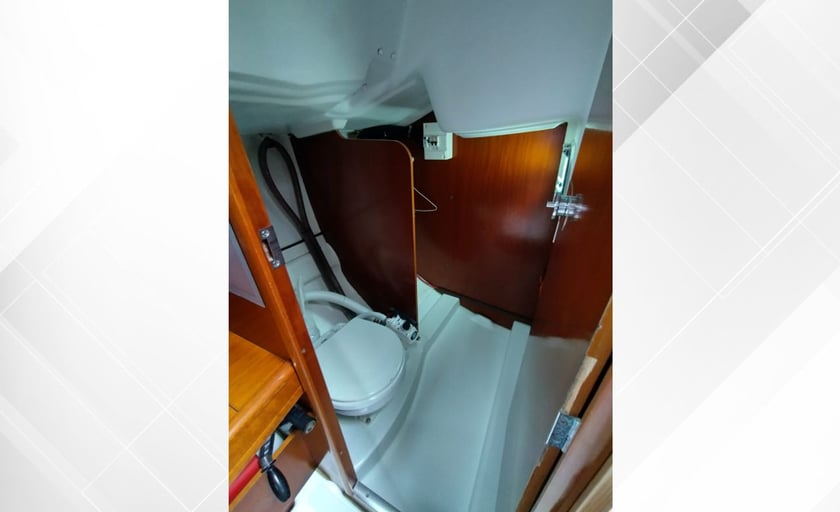
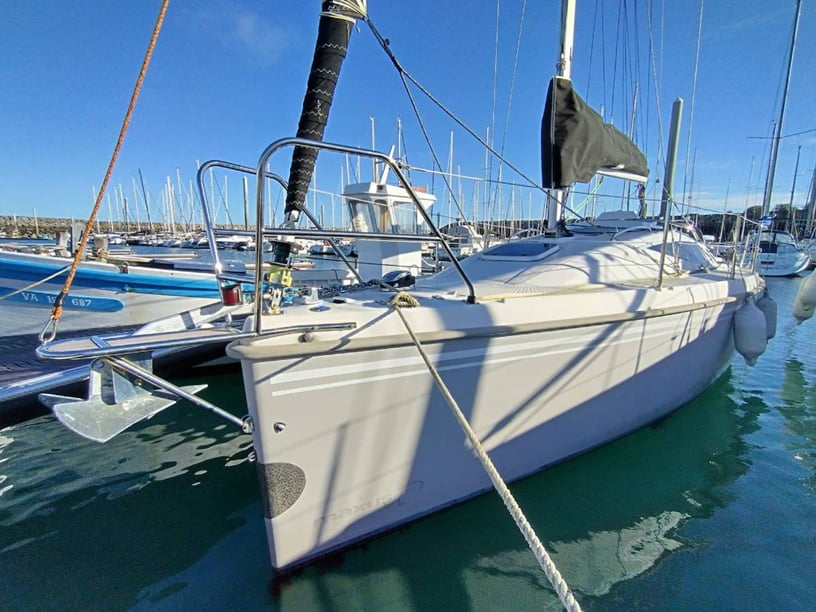
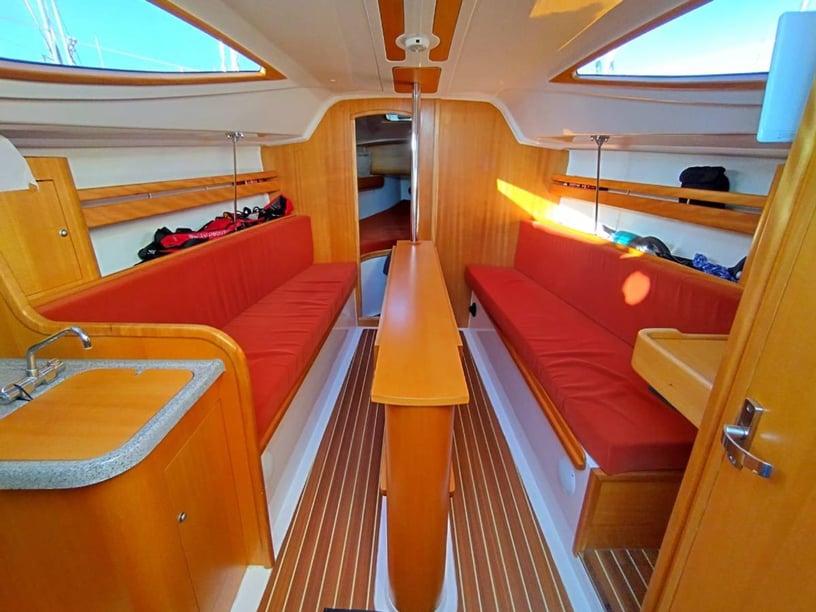
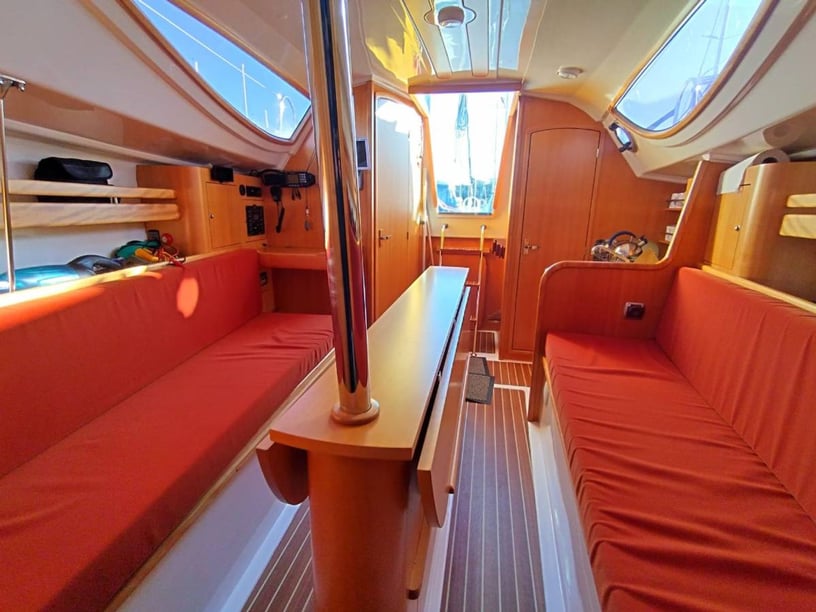
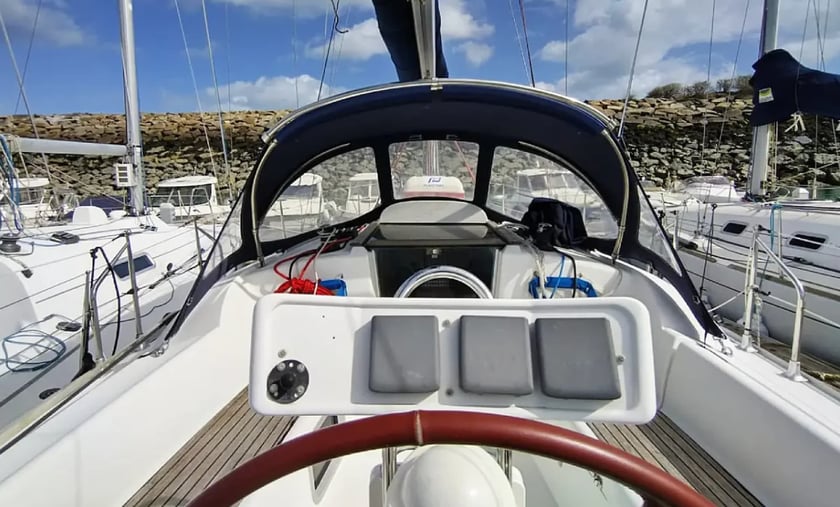
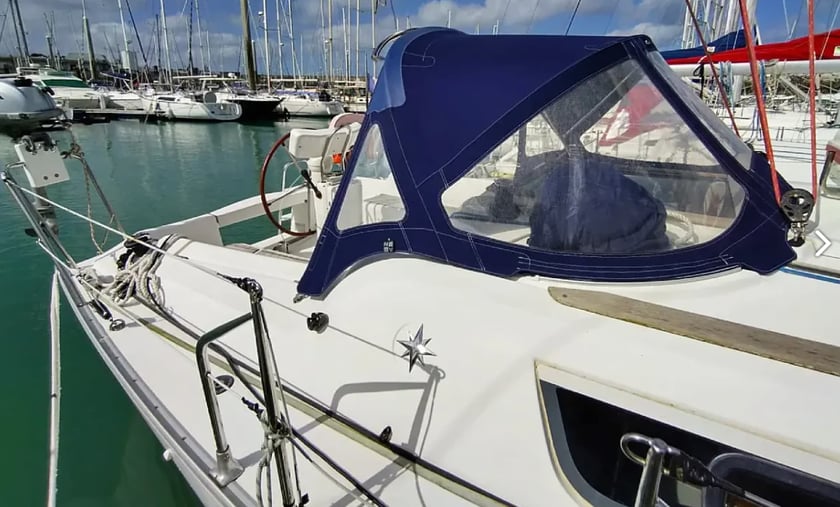
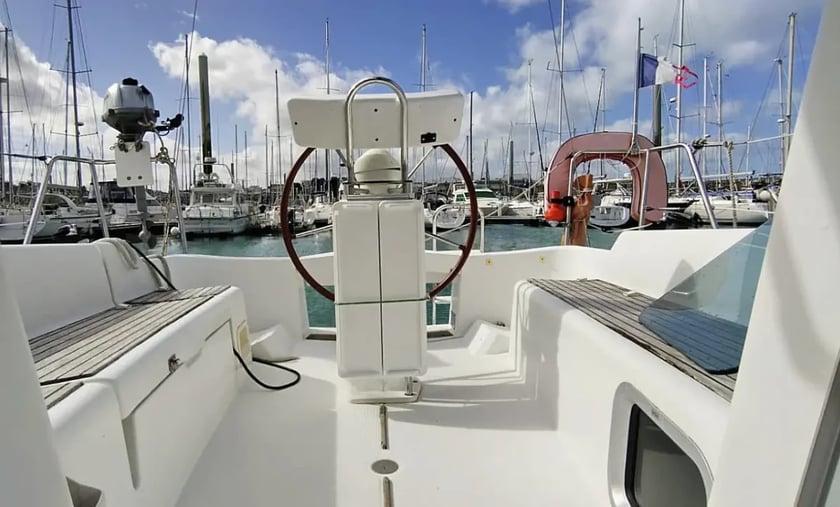
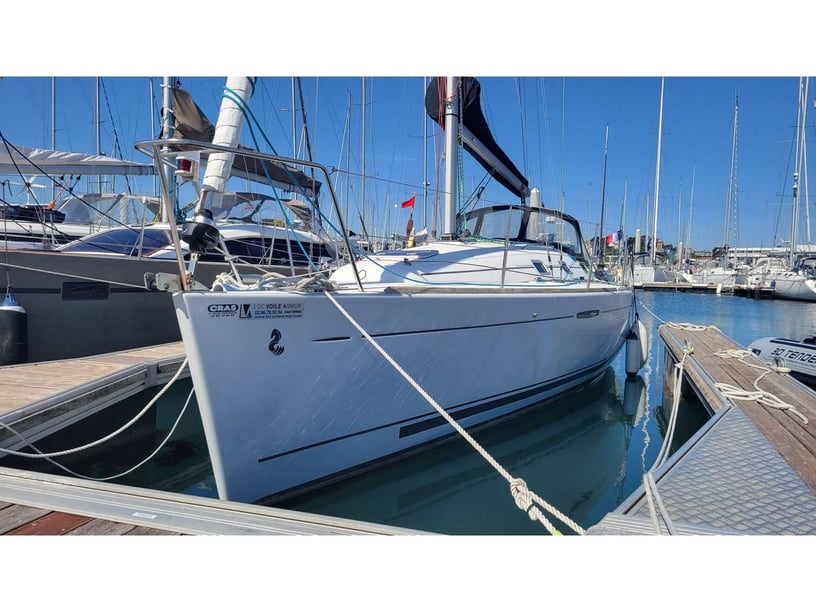
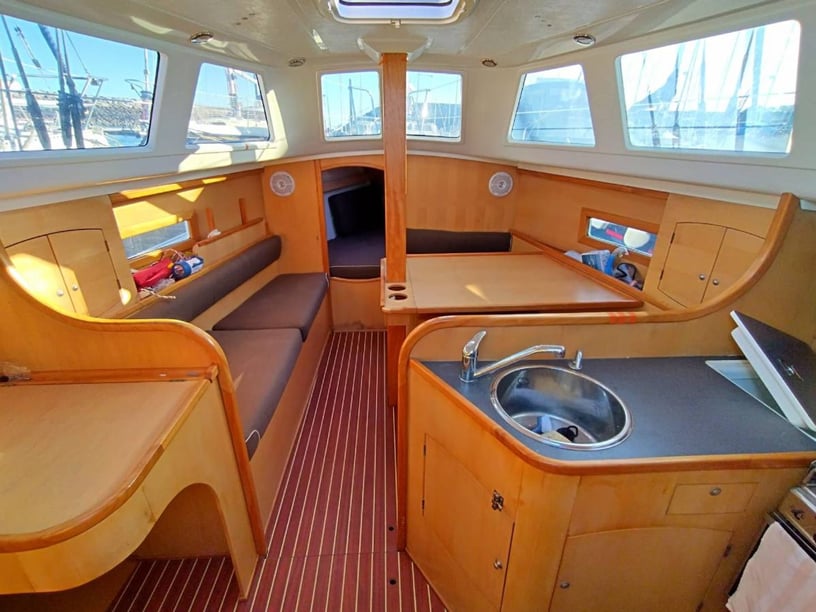
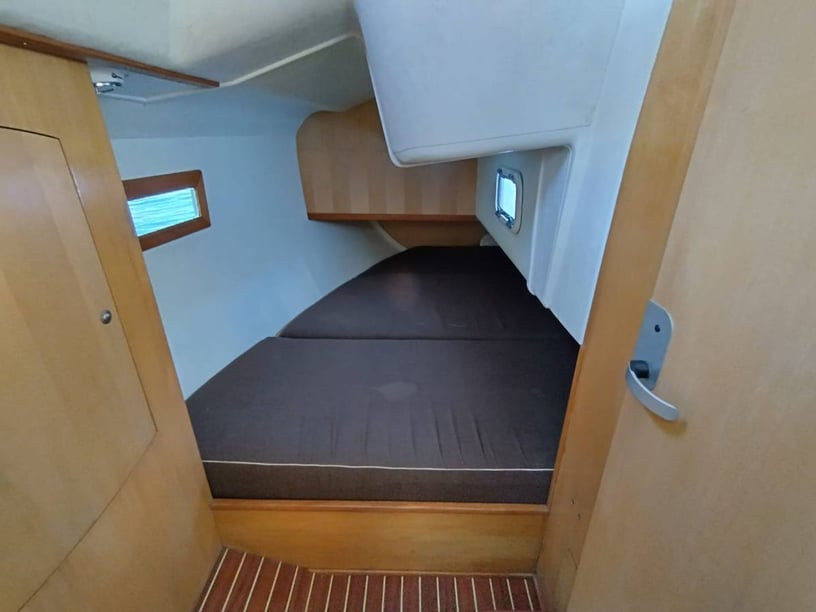
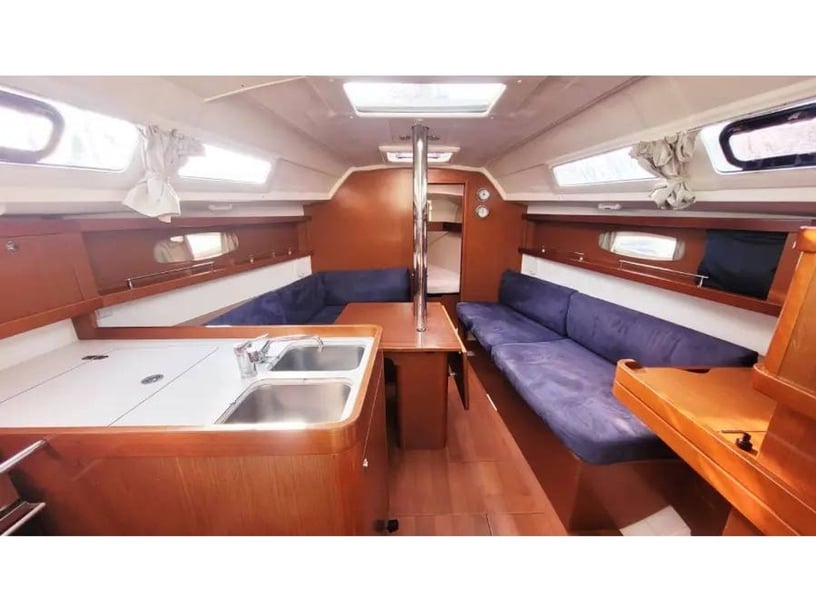
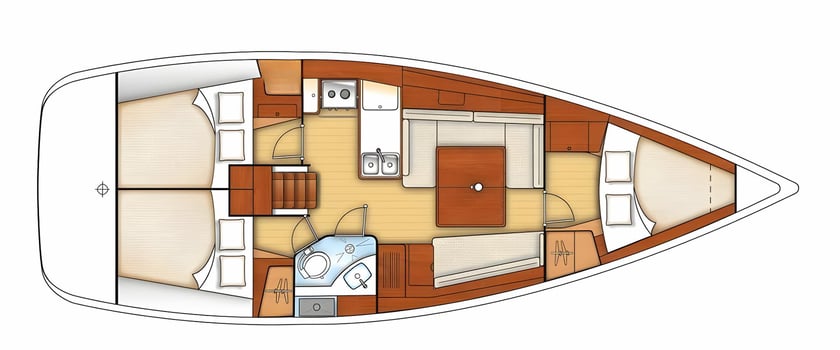
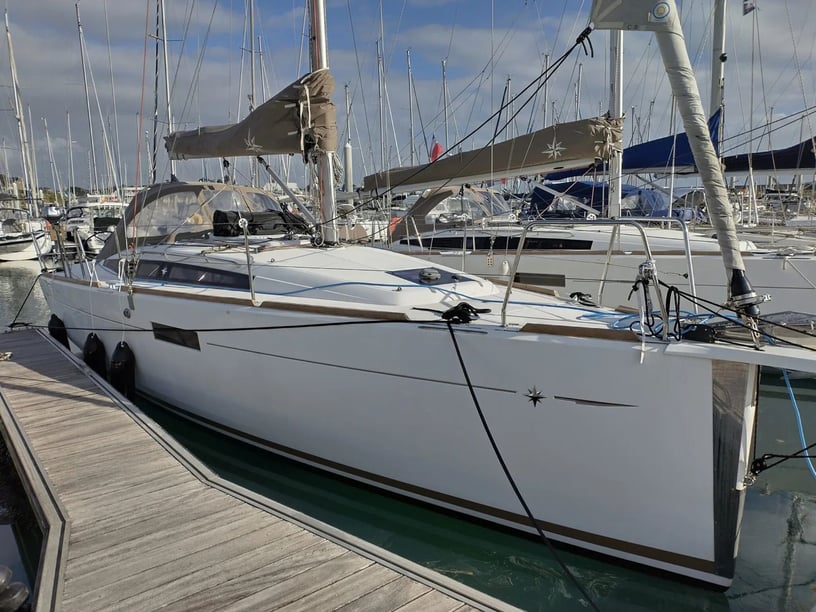
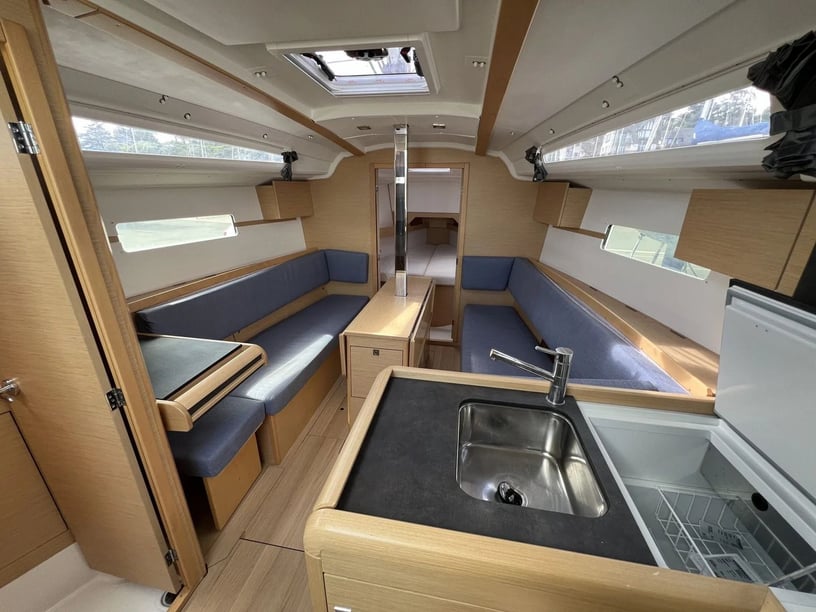
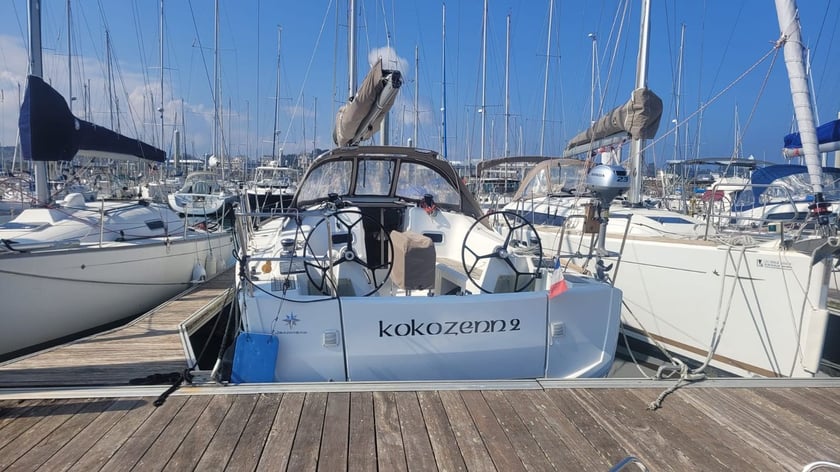
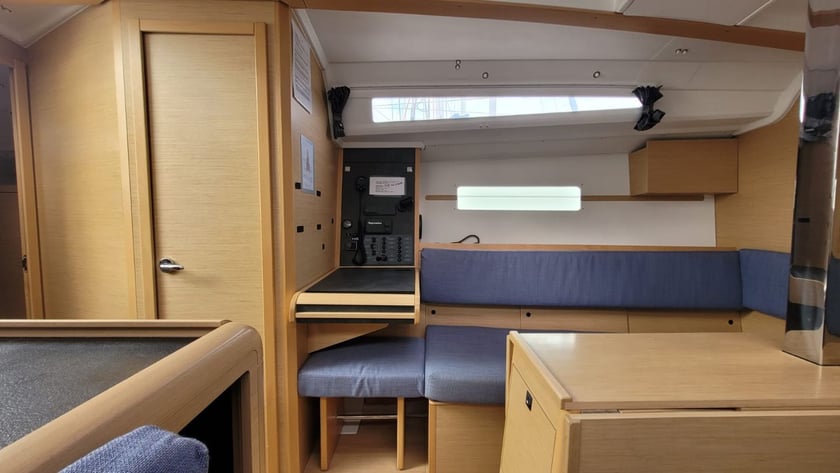
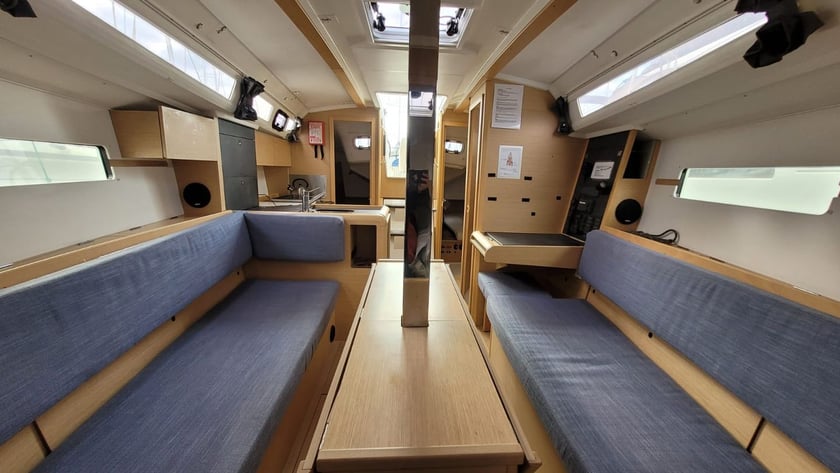
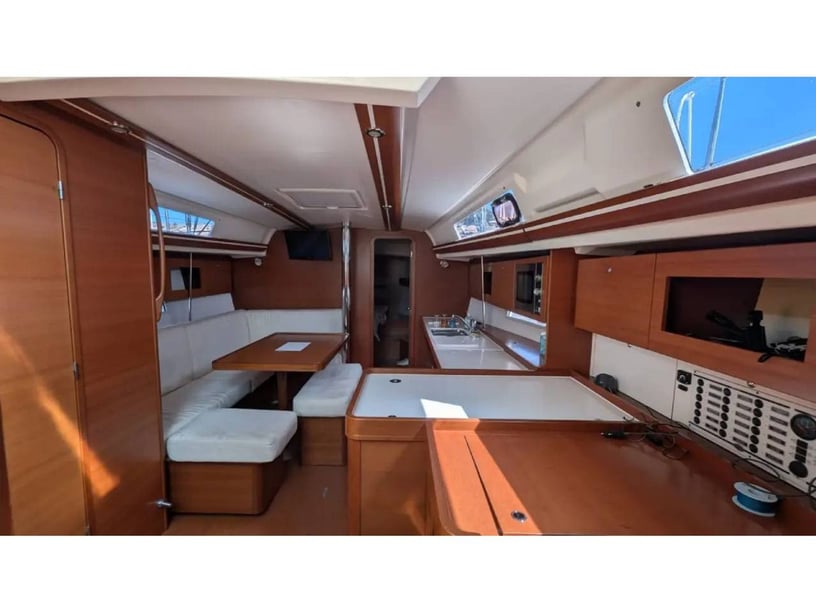
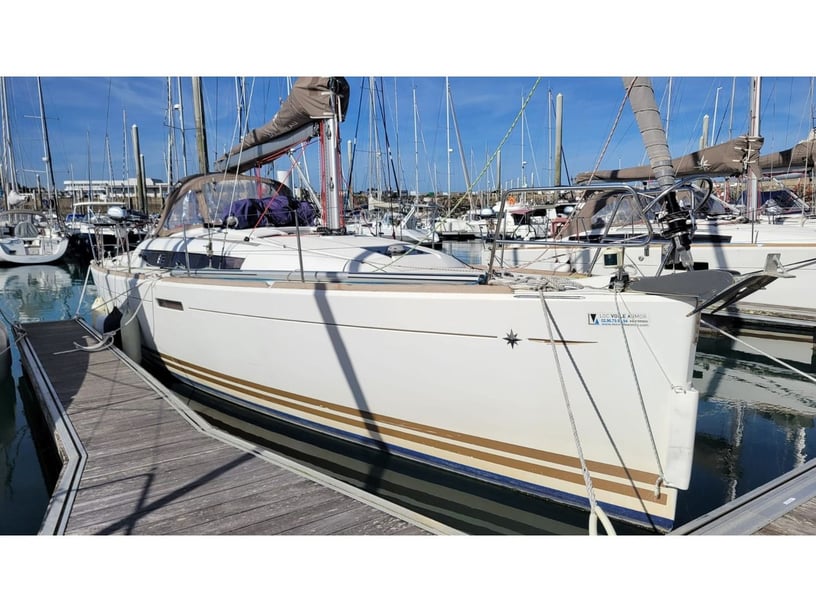
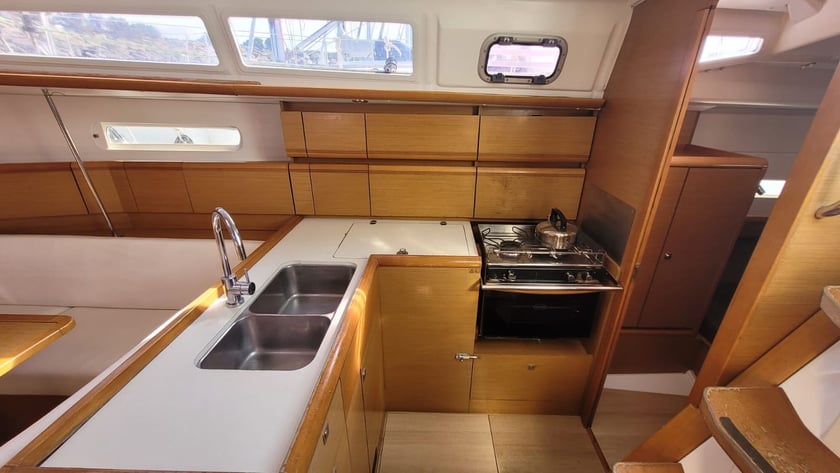
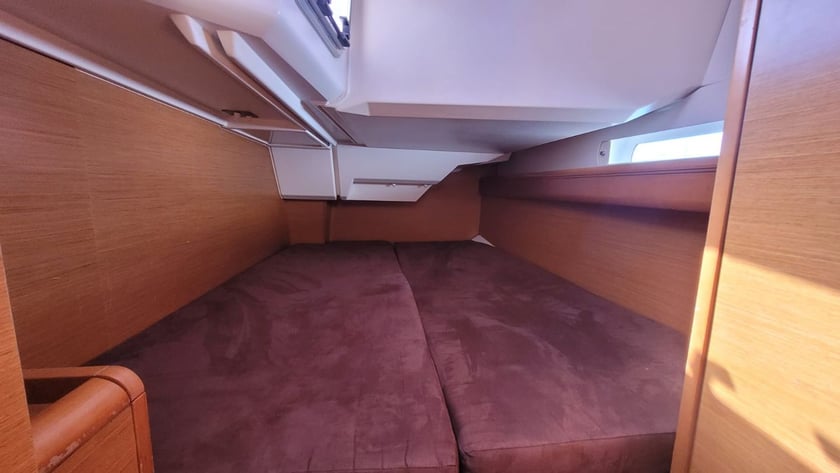
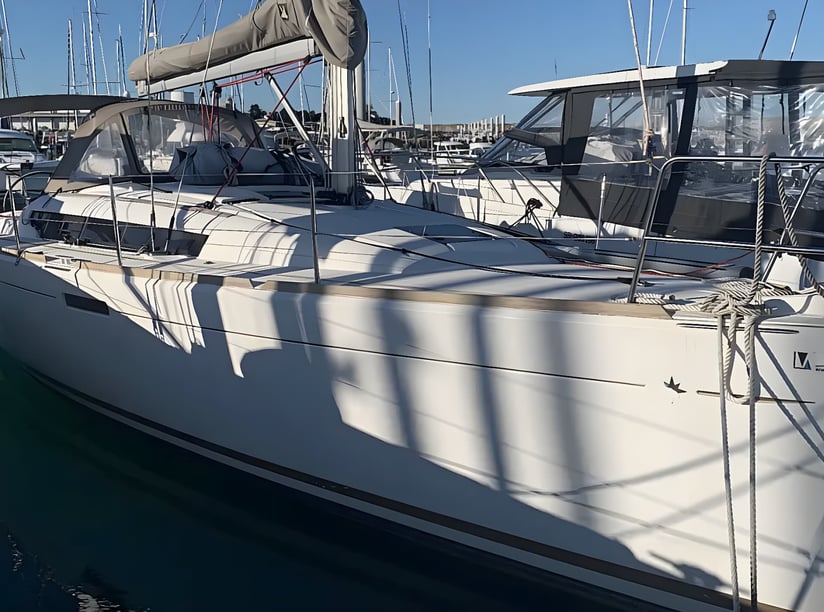
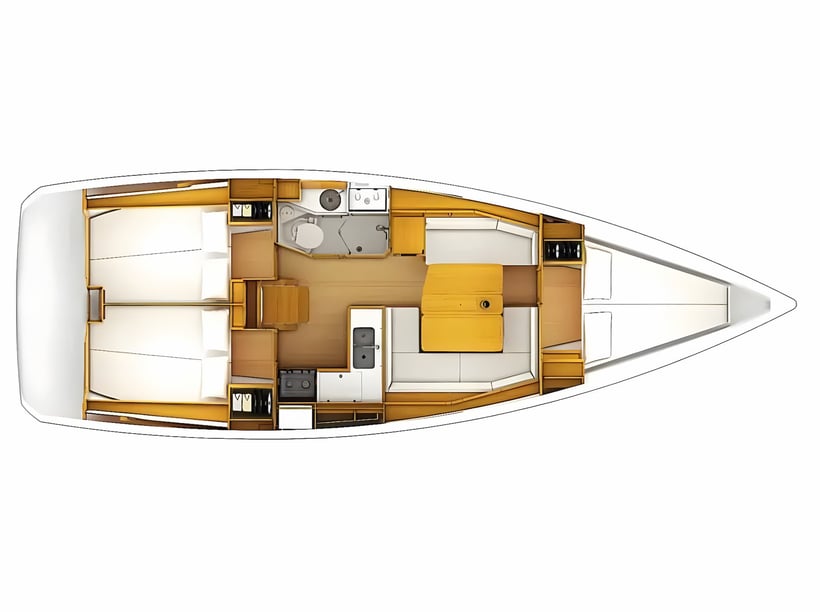
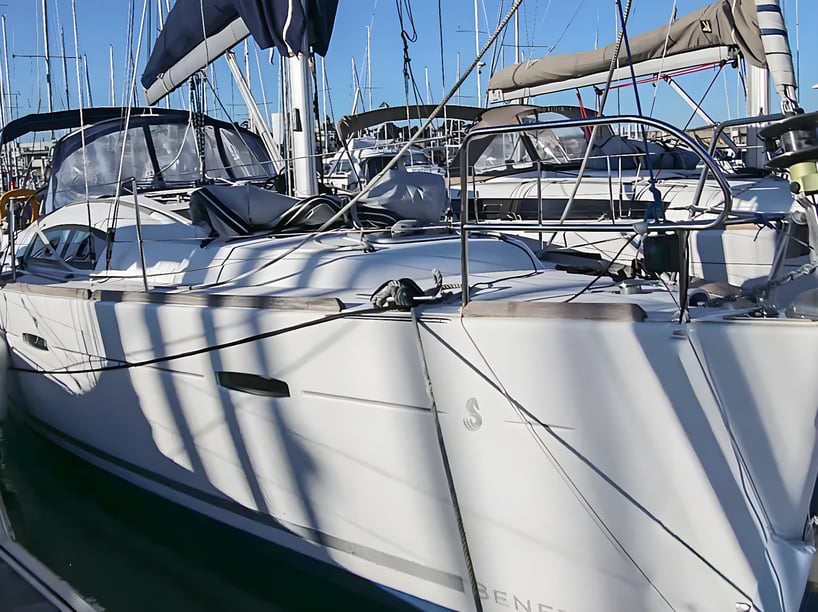
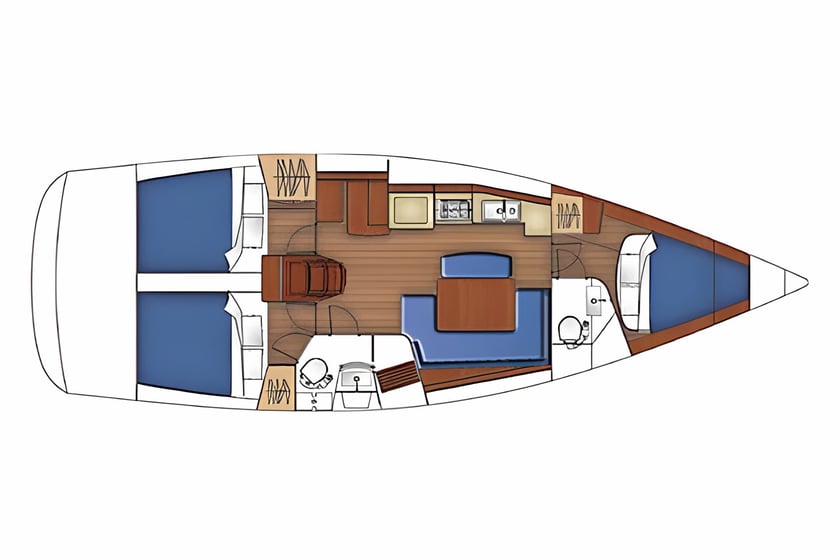
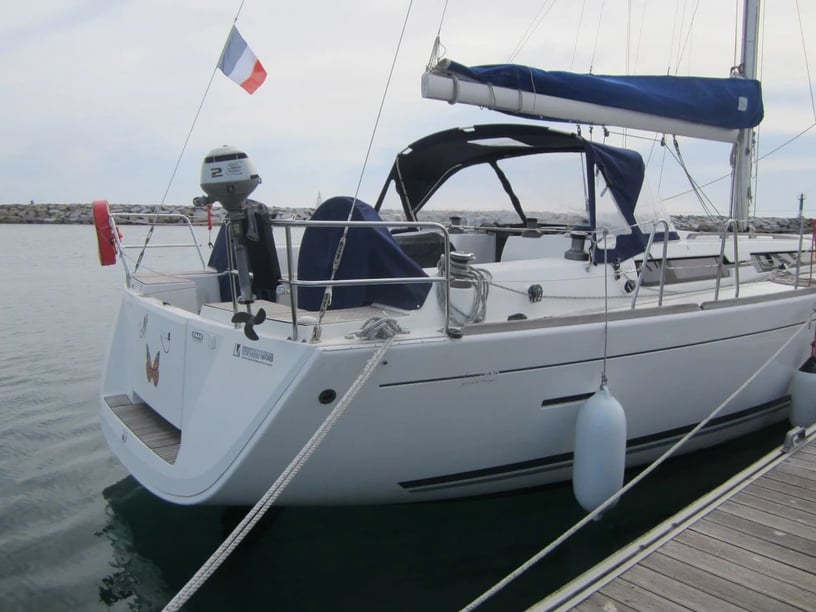
When comparing yacht charter or boat rental in Pléneuf-Val-André, begin with the intended cruising area rather than choosing a boat solely for onboard space. Vessel draft matters at Dahouët, as does the ability to use tide-limited entrances or drying facilities. Confirm the boat’s draft, berth type and precise access window before finalizing travel arrangements.
Skipper experience is equally important. Coastal passages around exposed headlands require an understanding of tidal streams, while strong northwesterly conditions may make the Dahouët entrance hazardous. Before departure, consult current nautical charts, tide tables, weather forecasts and the harbor office; the general access window must never replace a calculation for the specific vessel and tide.
It is also sensible to keep the itinerary flexible. Allow alternatives for days when conditions make Cap Fréhel or the harbor entrance unsuitable, and coordinate shore plans with the tide. This is particularly important for Îlot du Verdelet, where pedestrian access is limited to designated safe periods during suitable spring tides.