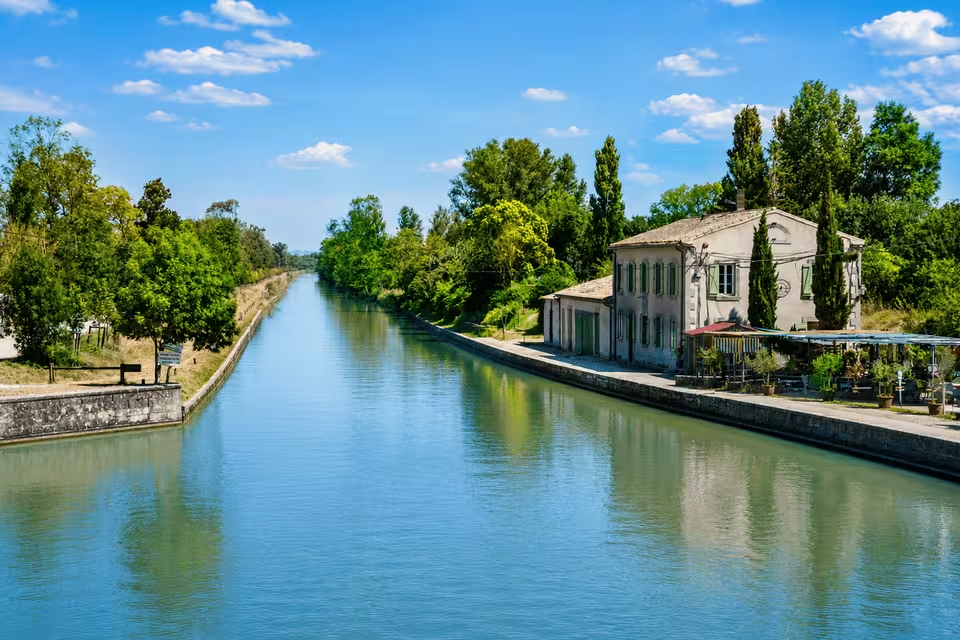
Yacht charter in Saint Gilles
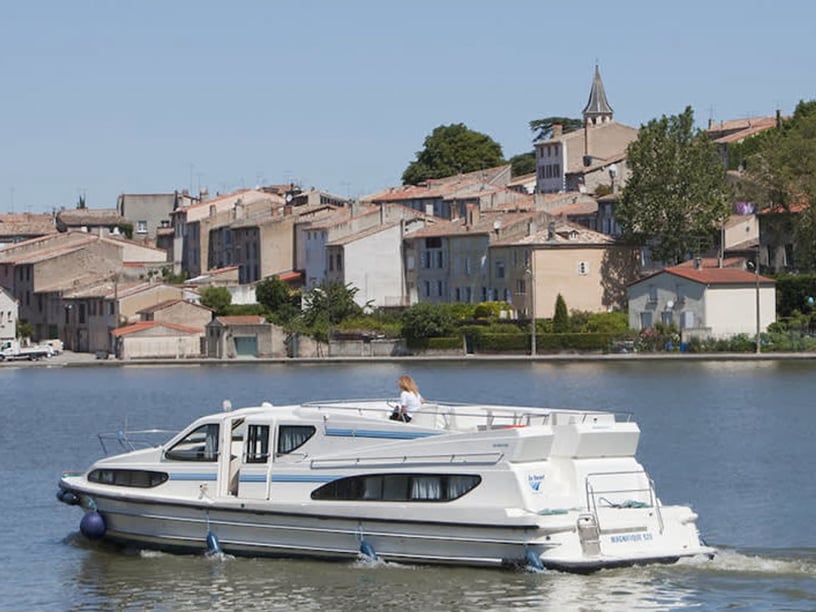
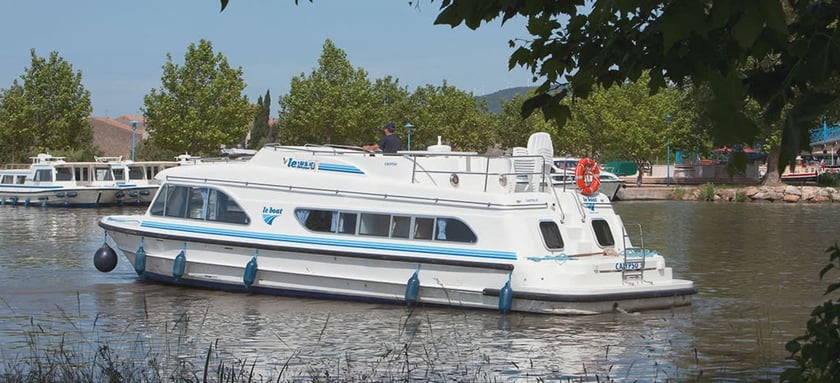
A yacht charter in Saint Gilles is primarily an inland-waterway experience rather than a Mediterranean sea charter. The town stands beside the Canal du Rhône à Sète, where the Costières vineyards give way to the wetlands, rice fields and grazing country of the Gard Camargue. The Saint-Gilles lock also connects the canal to the Petit Rhône and the wider Rhône network.
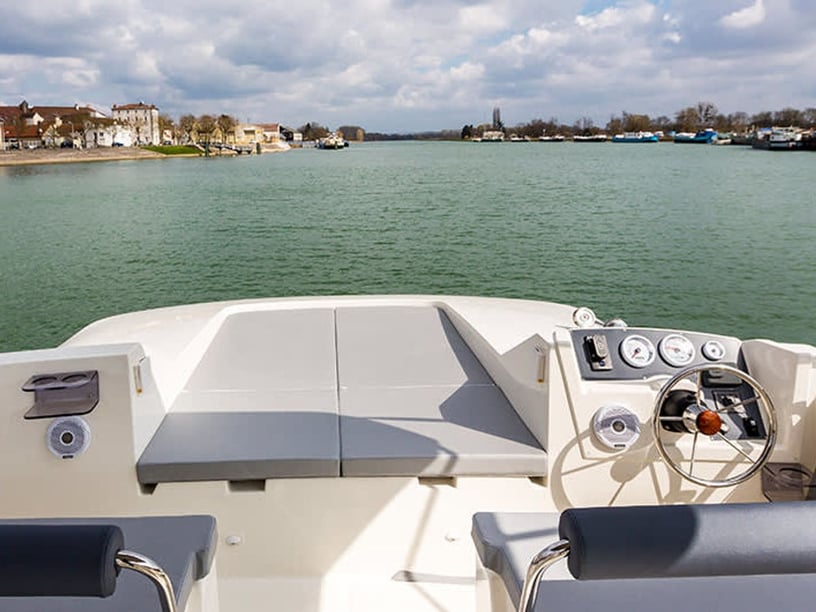
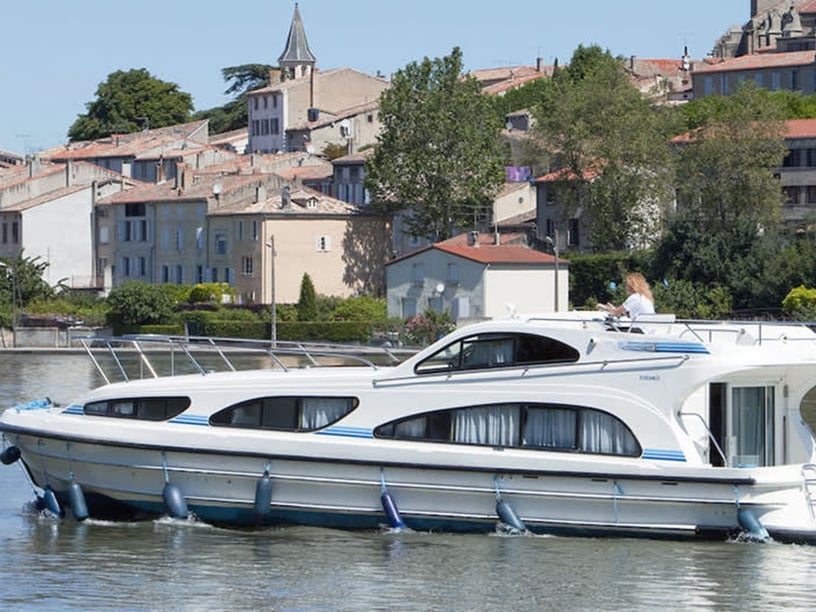
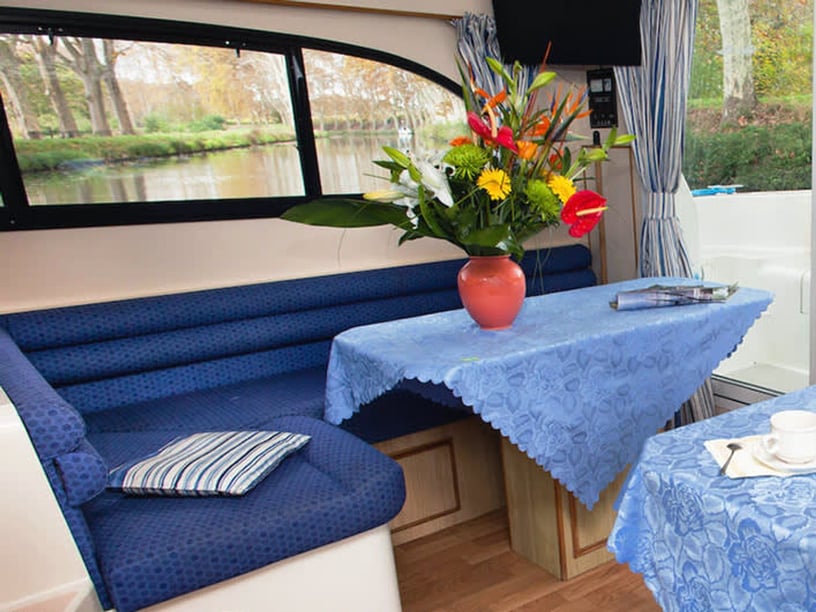
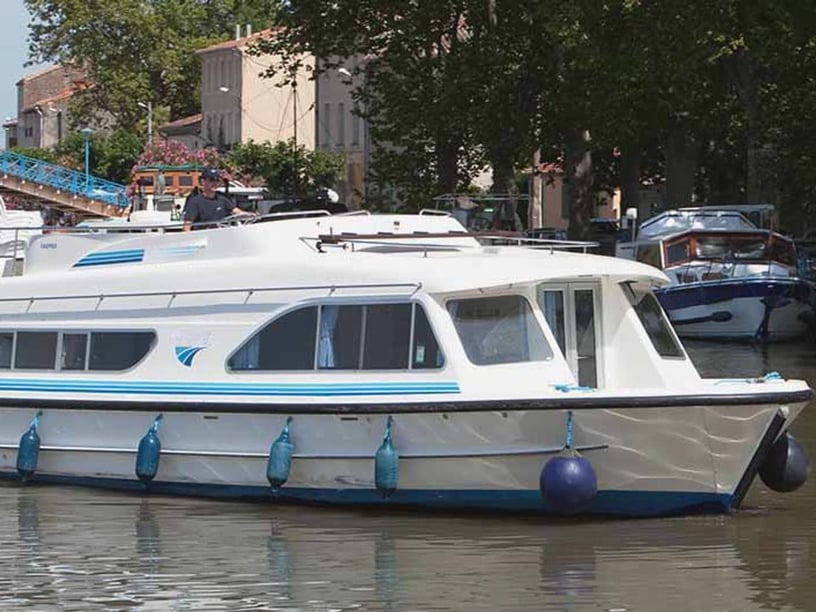
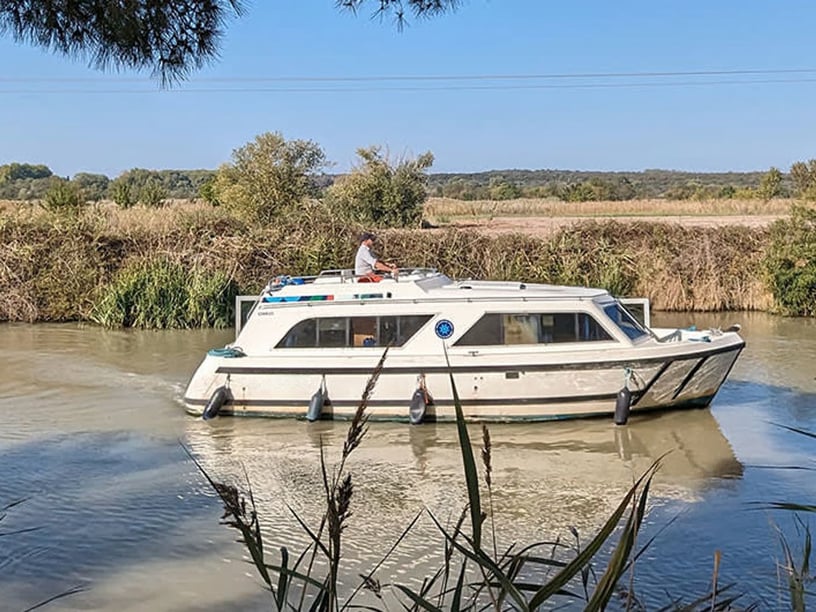
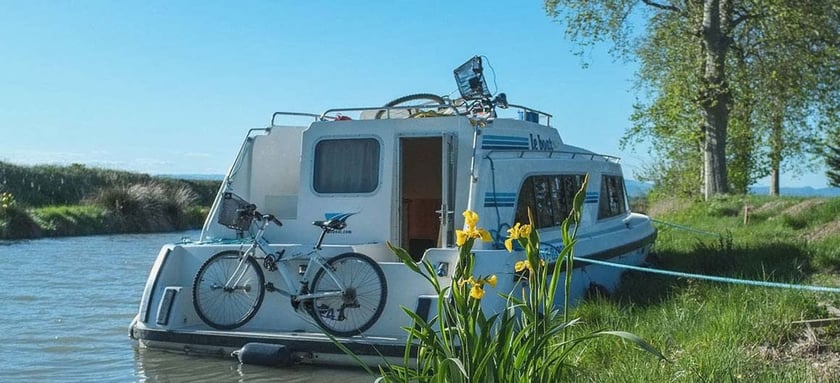
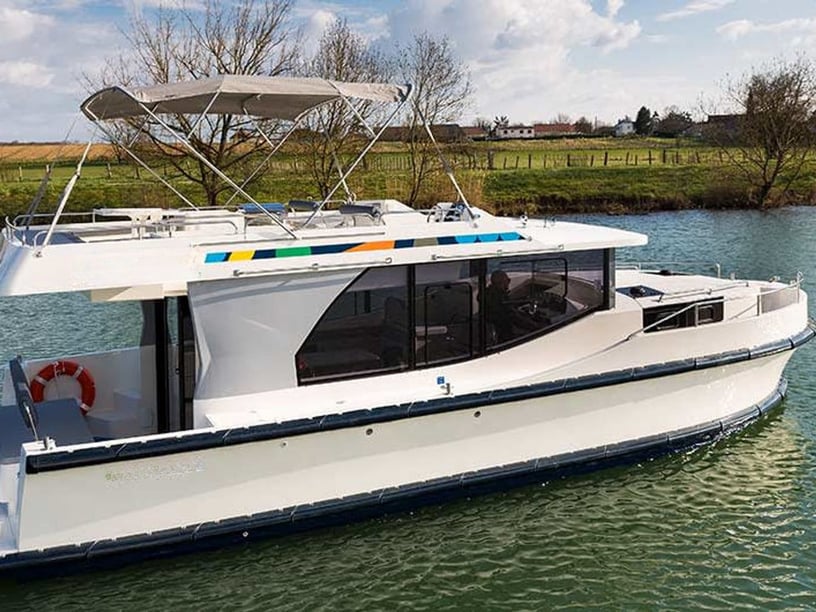
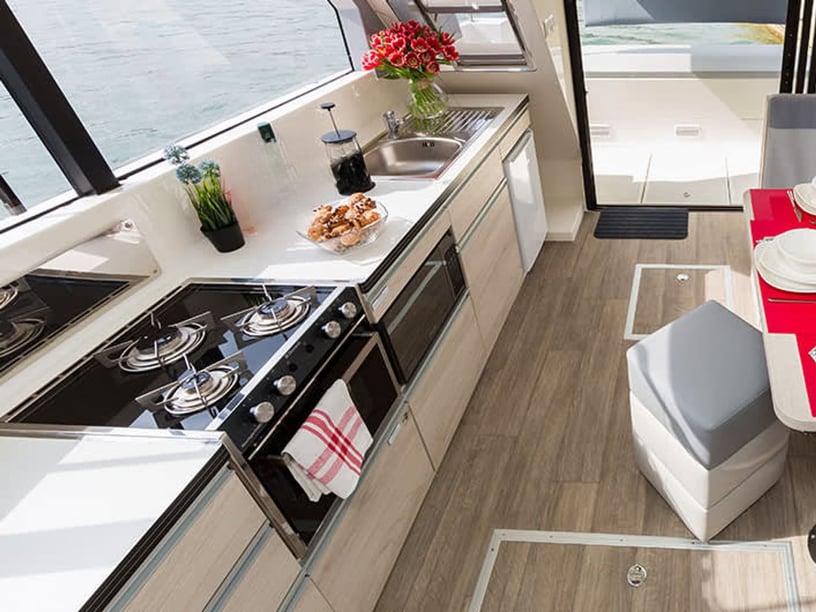
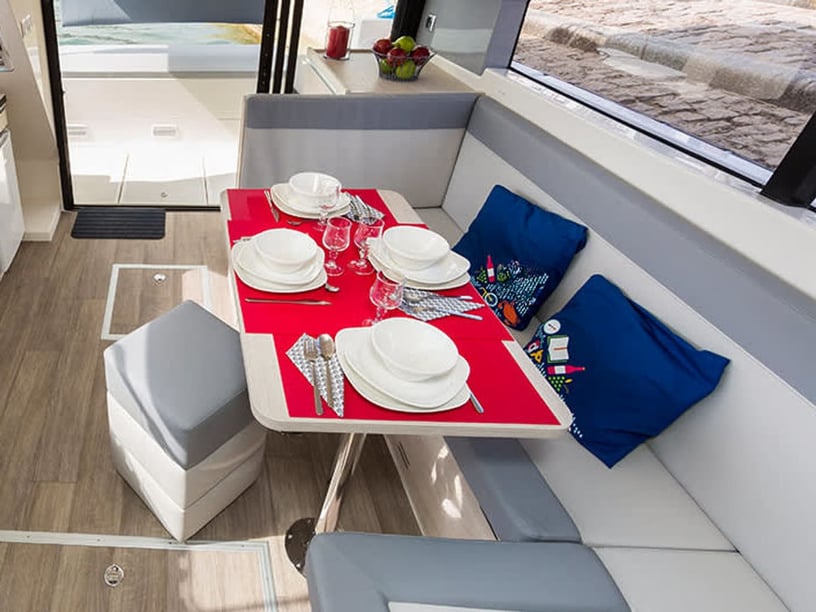
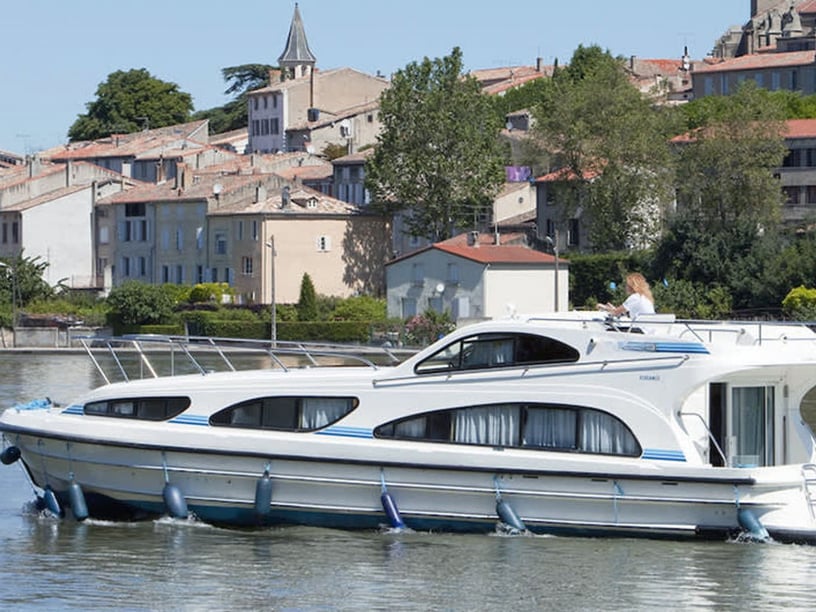
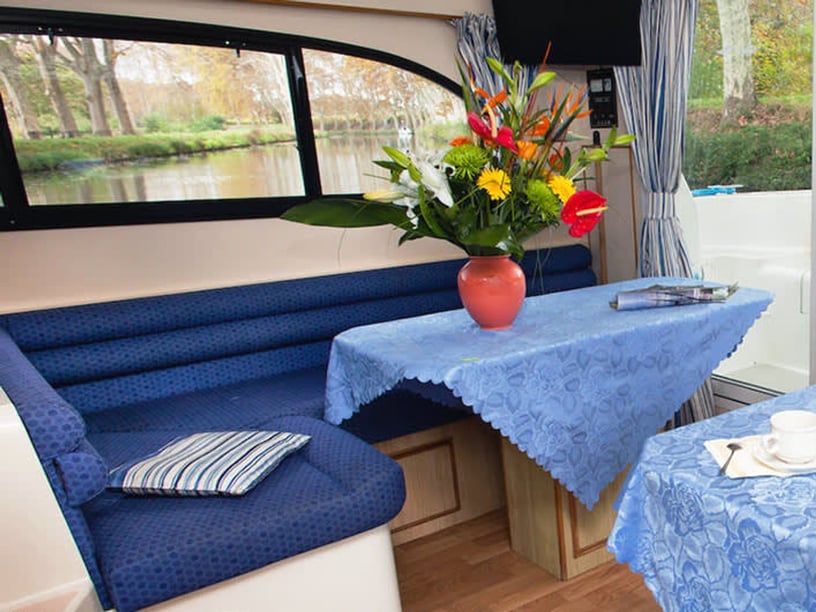
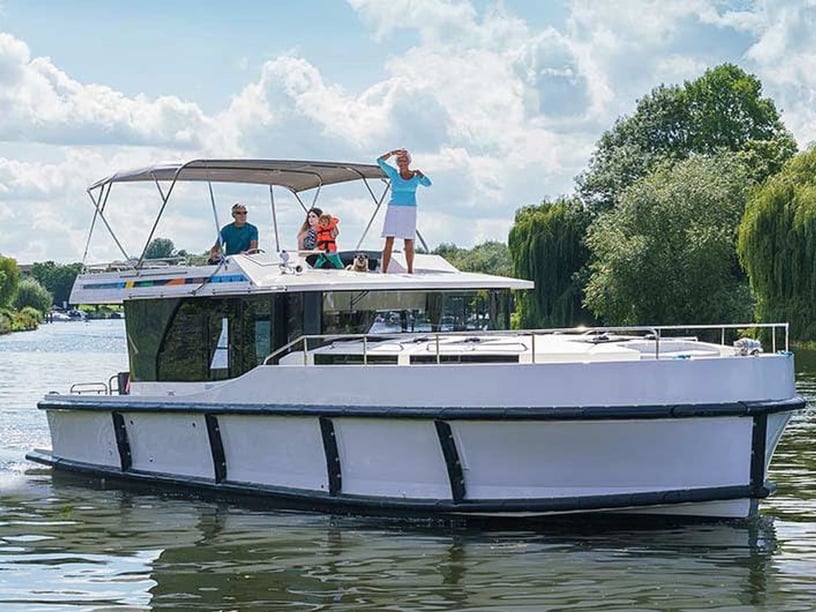
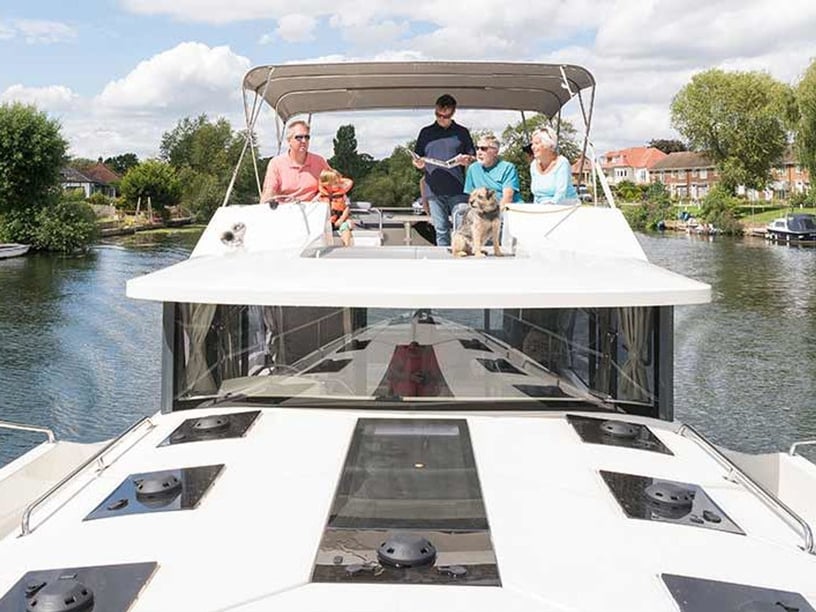
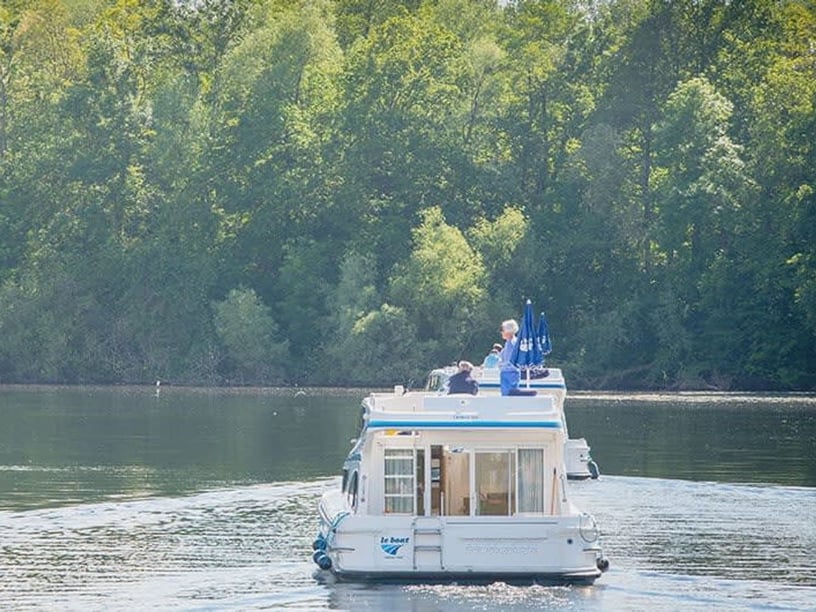
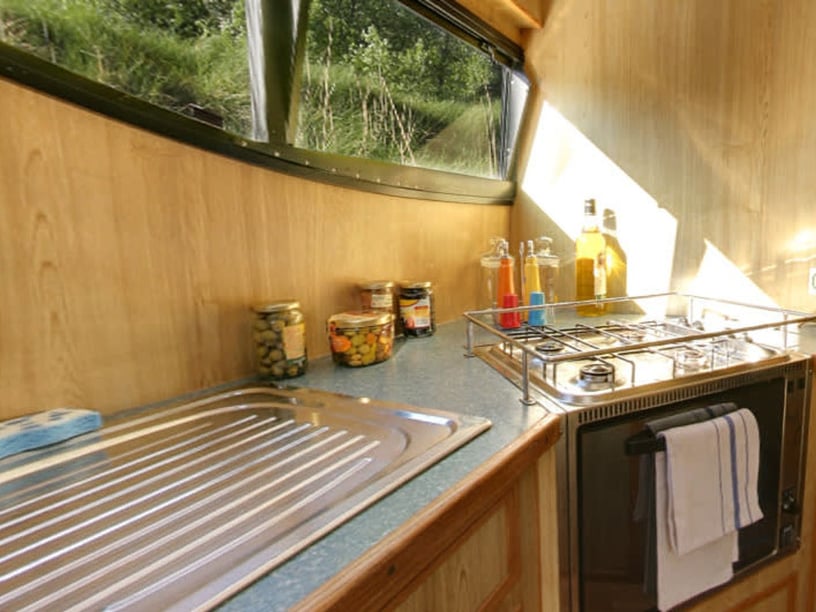
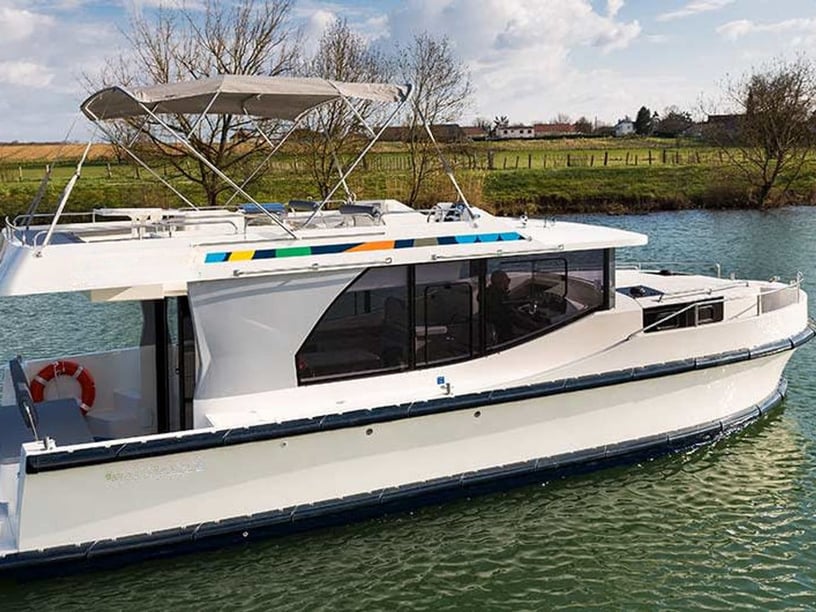
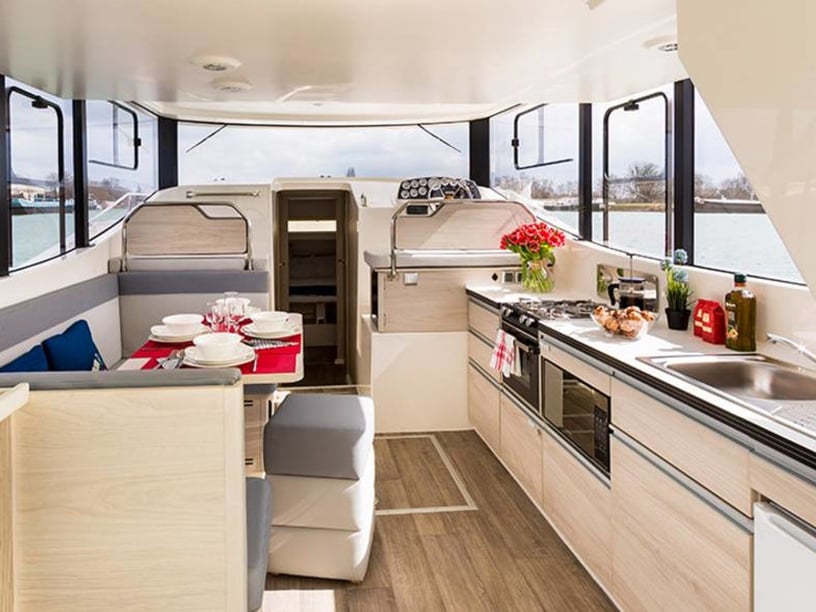
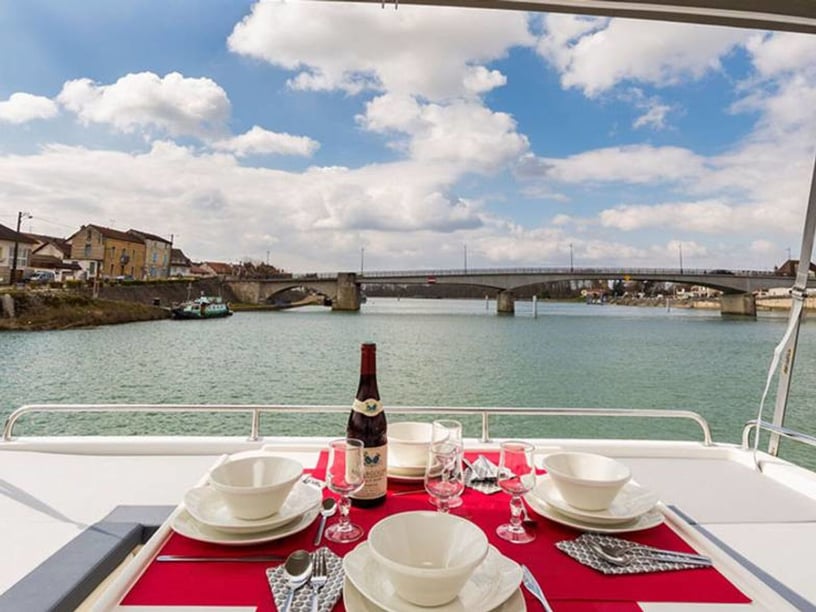
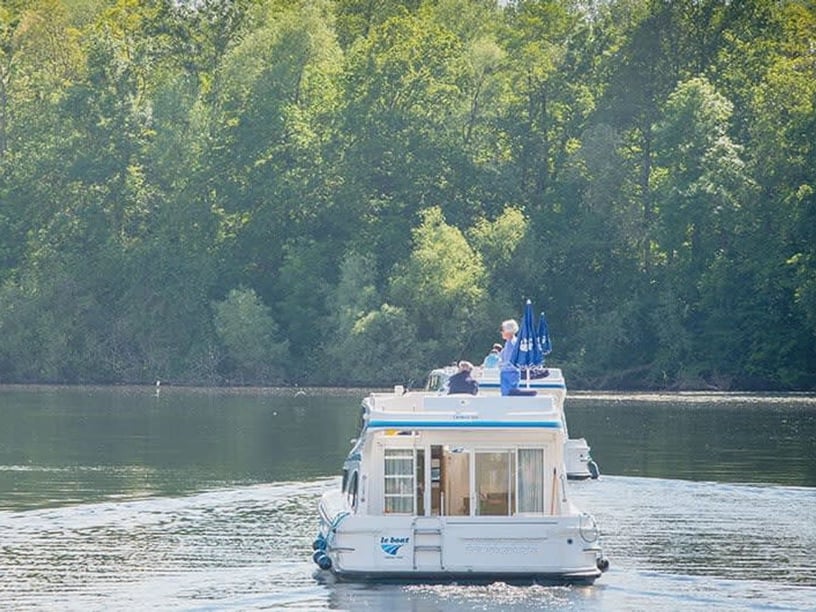
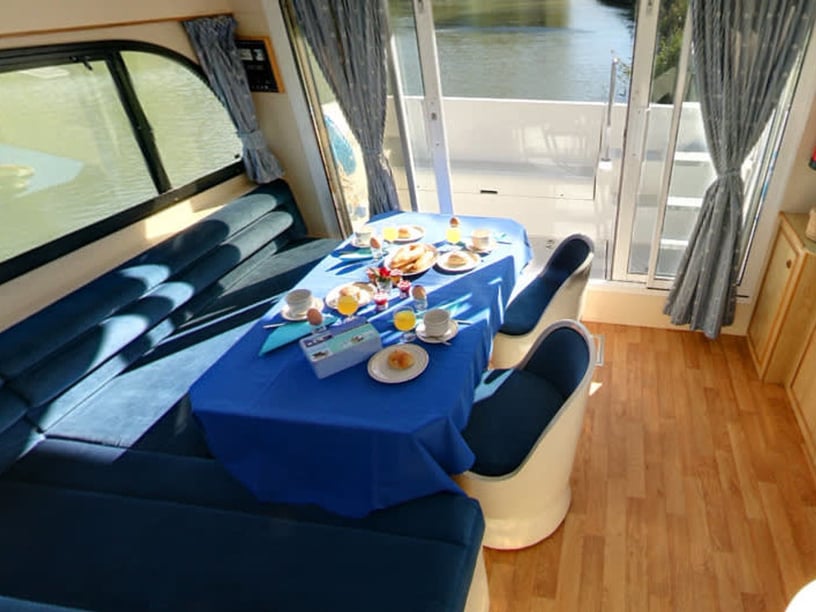
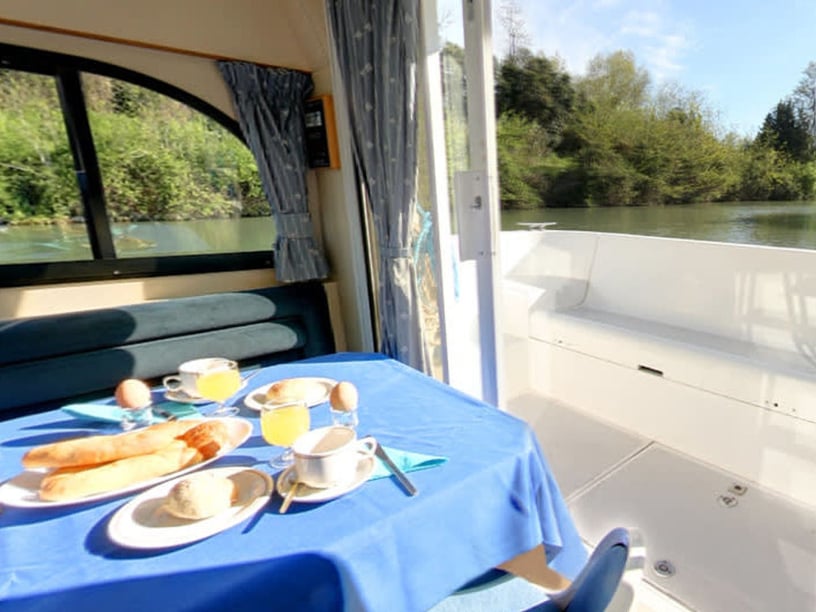
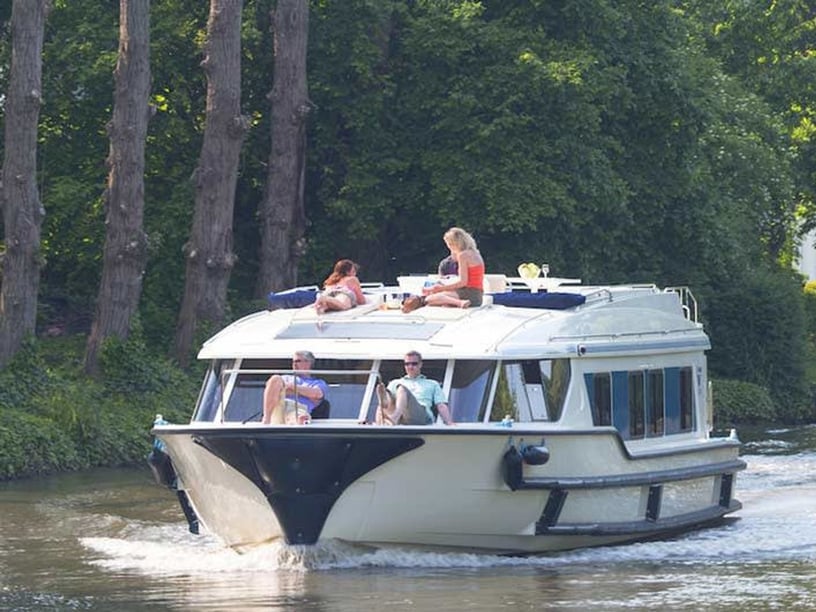
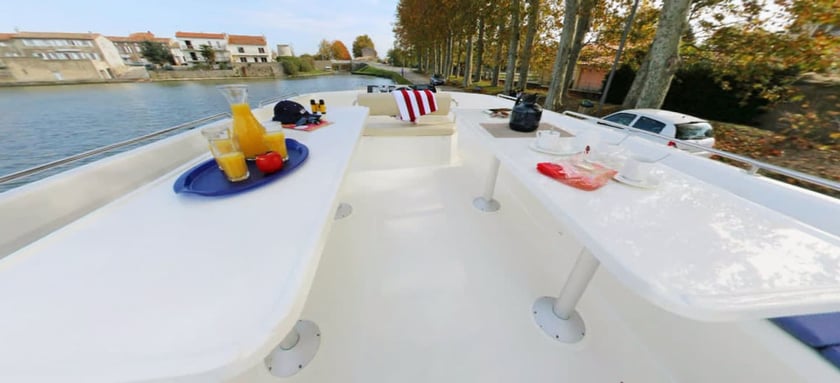
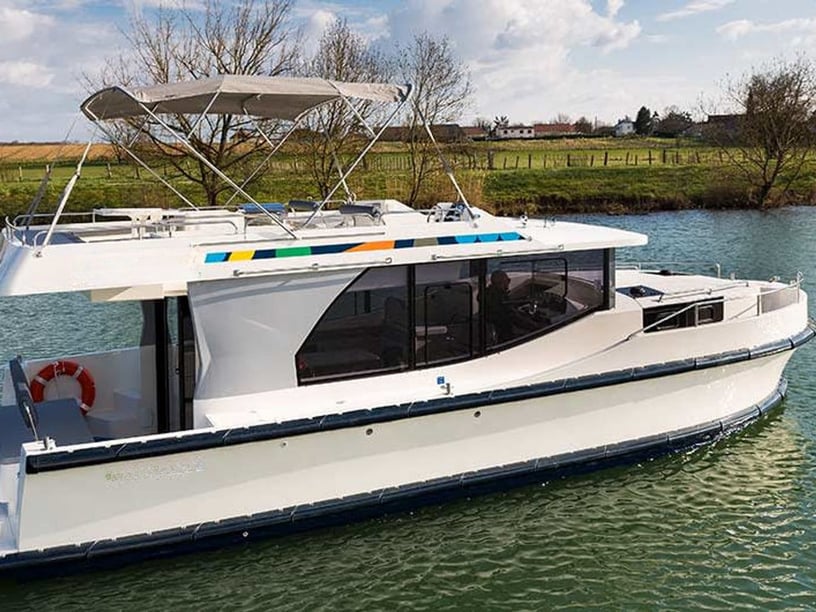
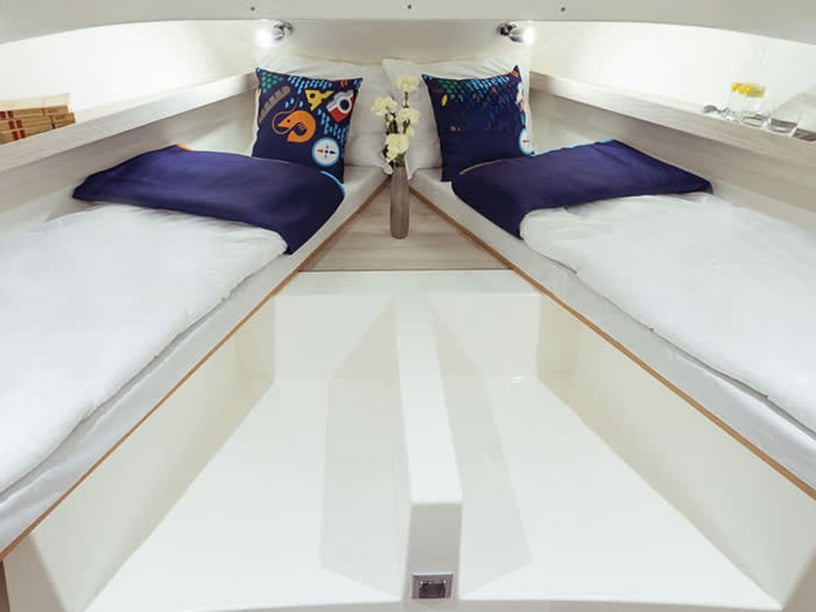
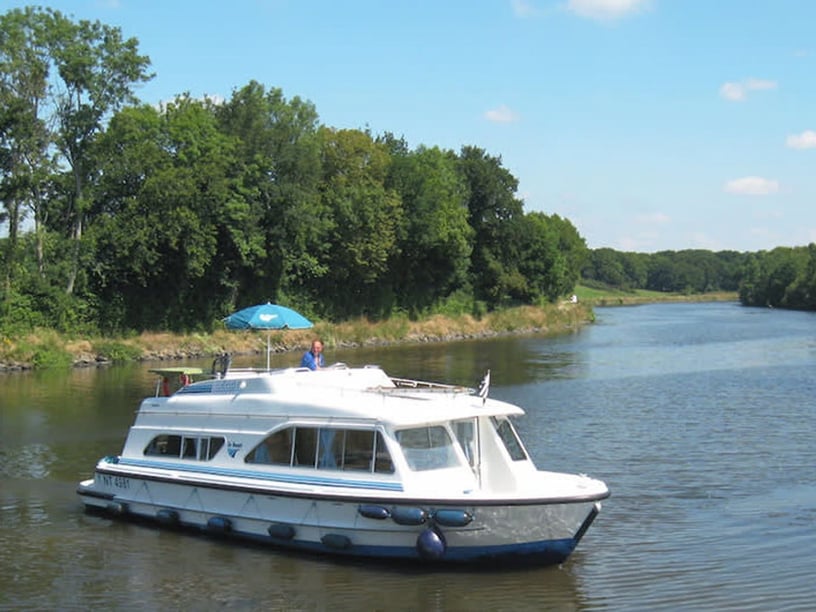
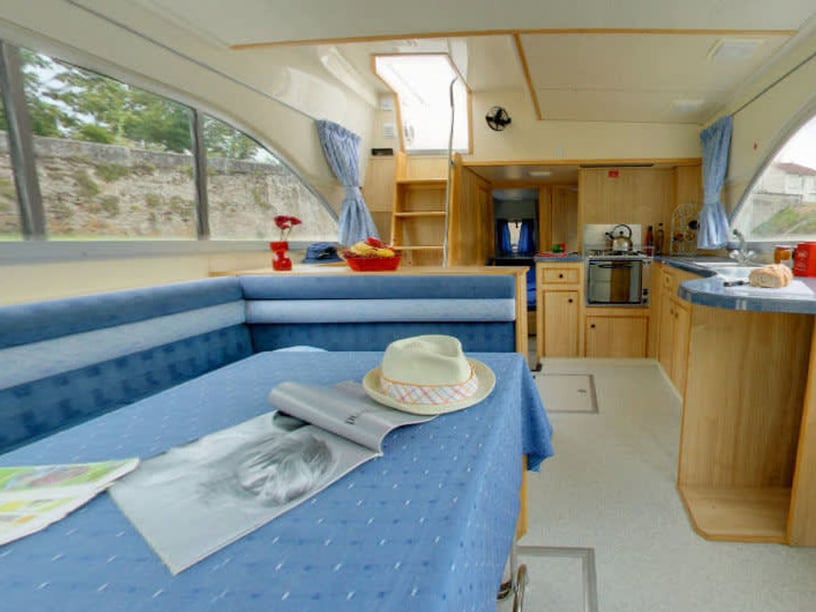
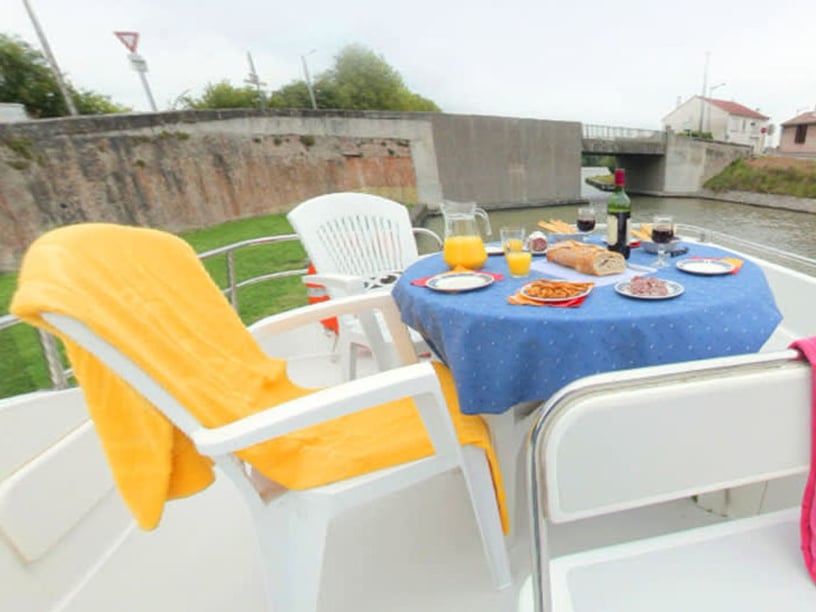
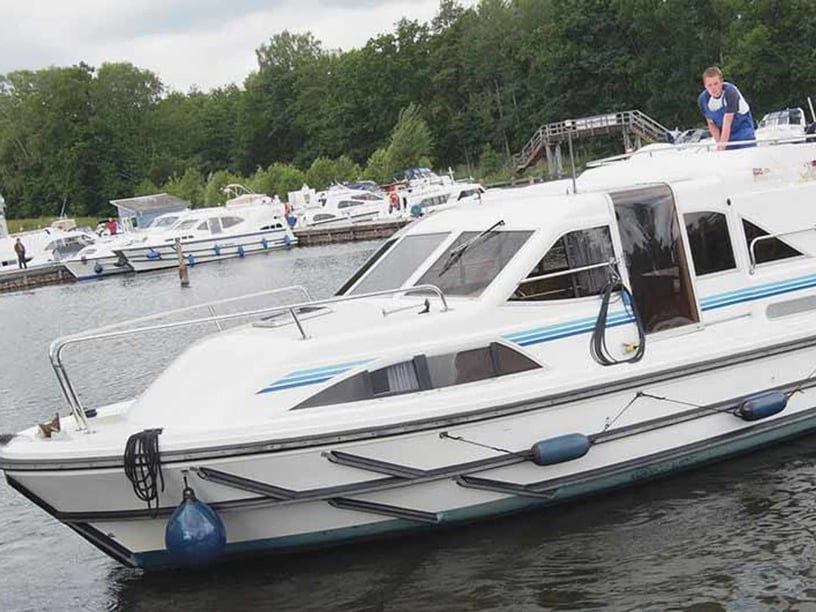
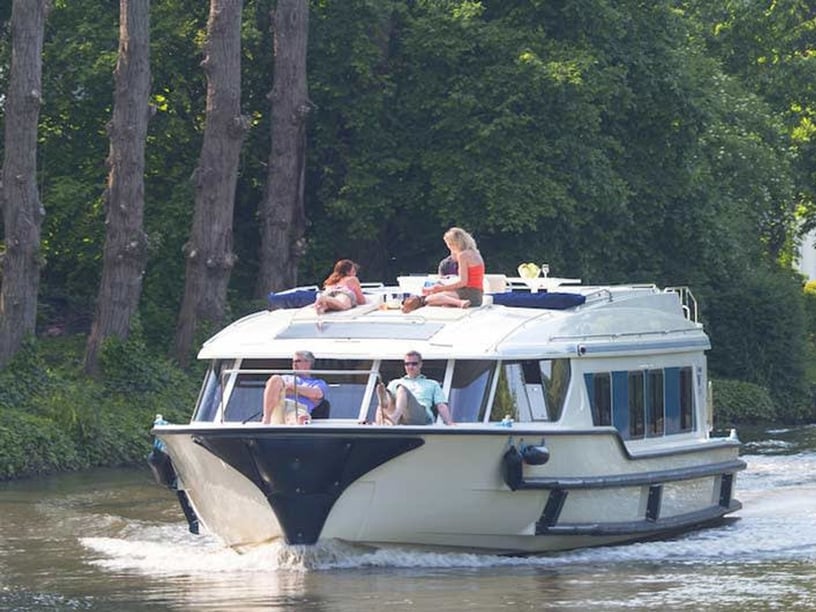
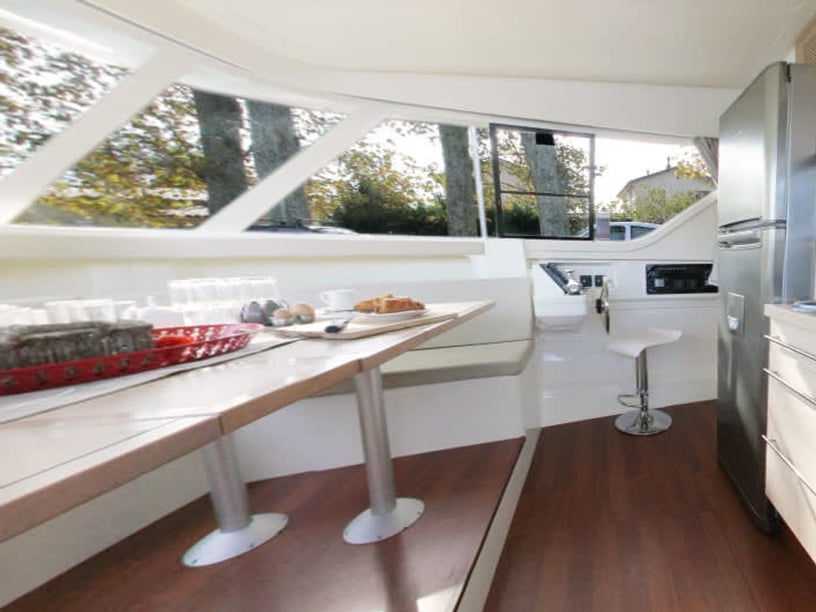
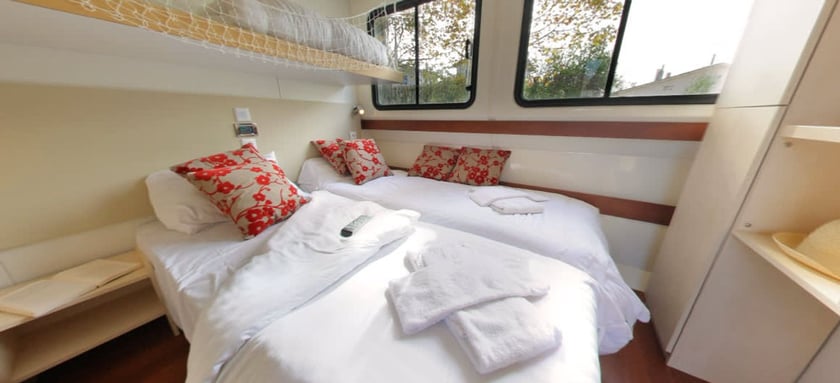
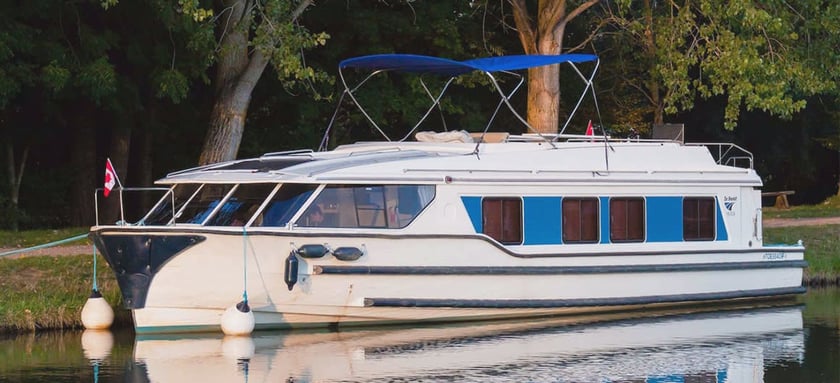
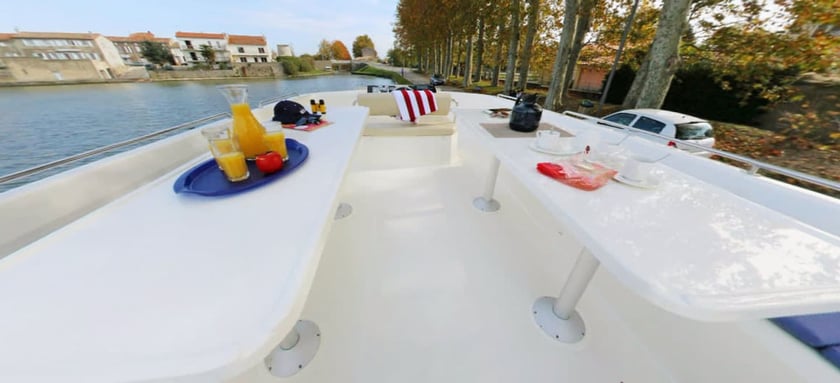
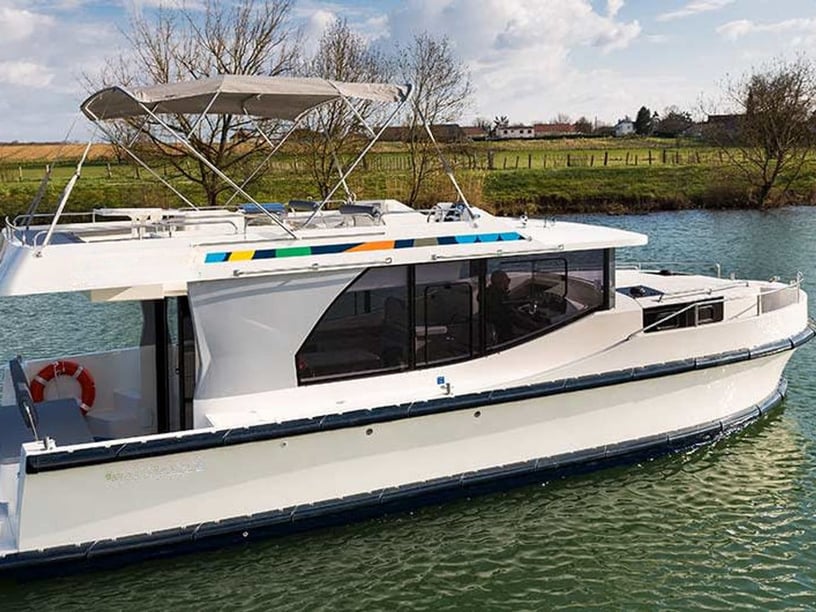
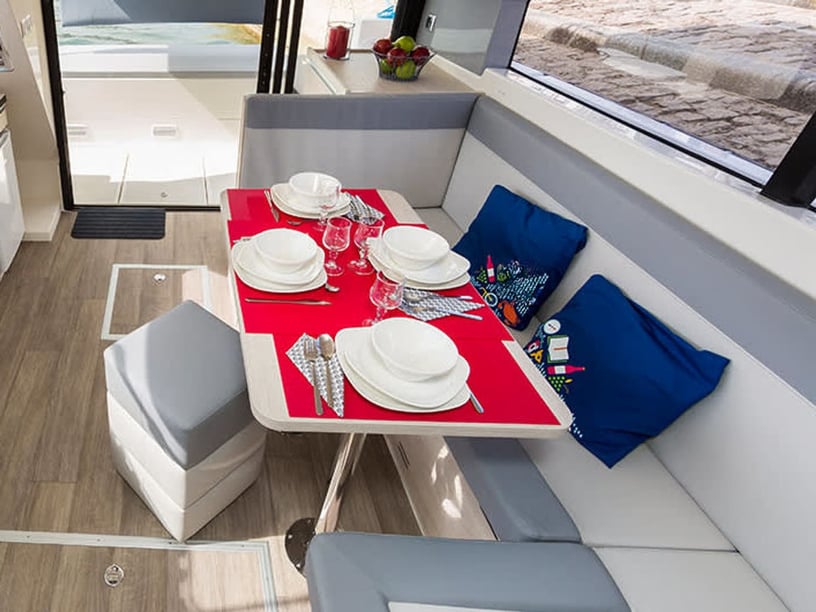
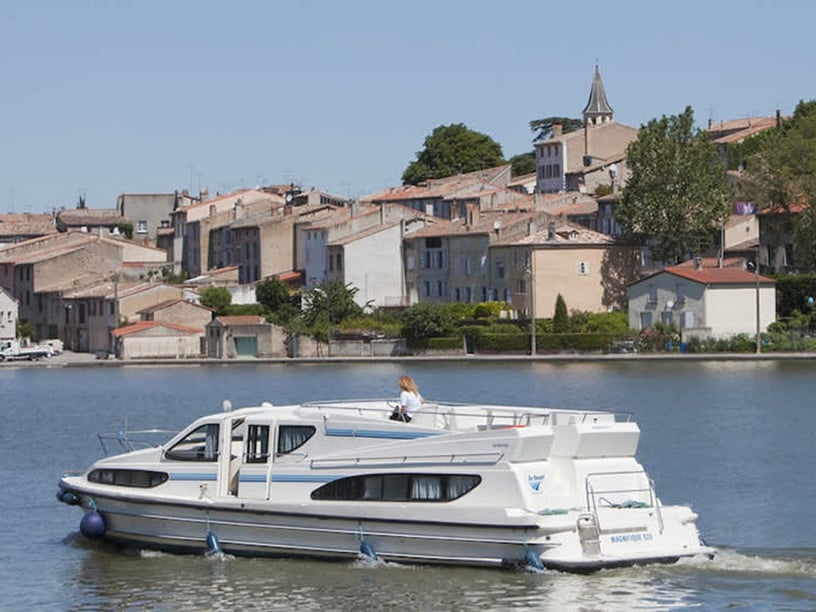
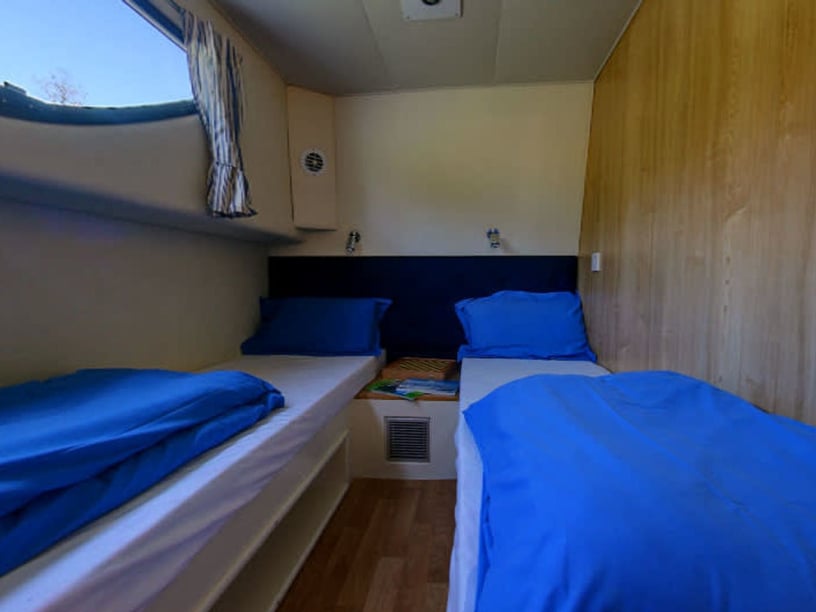
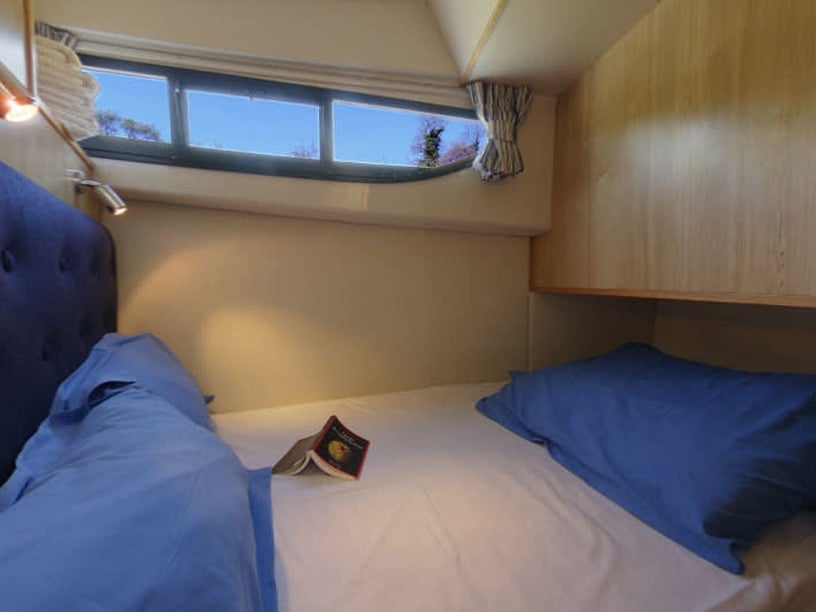
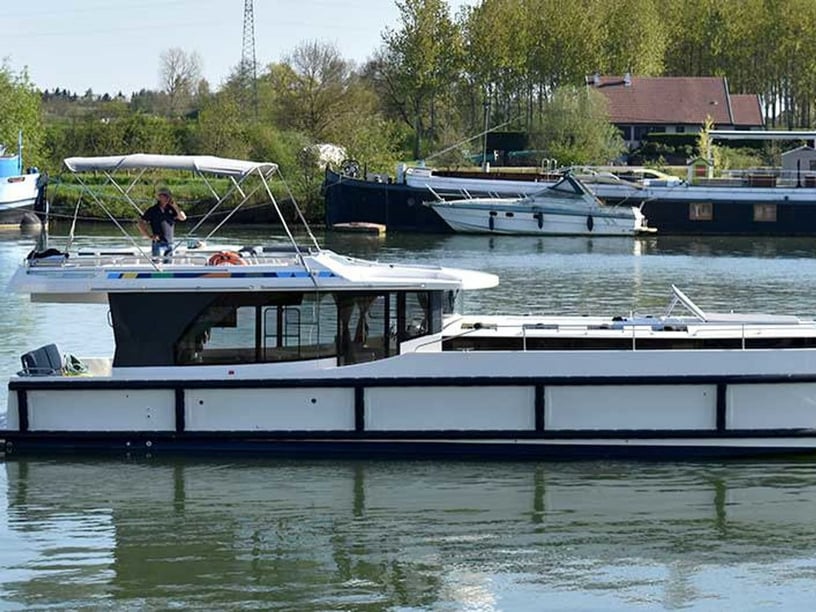
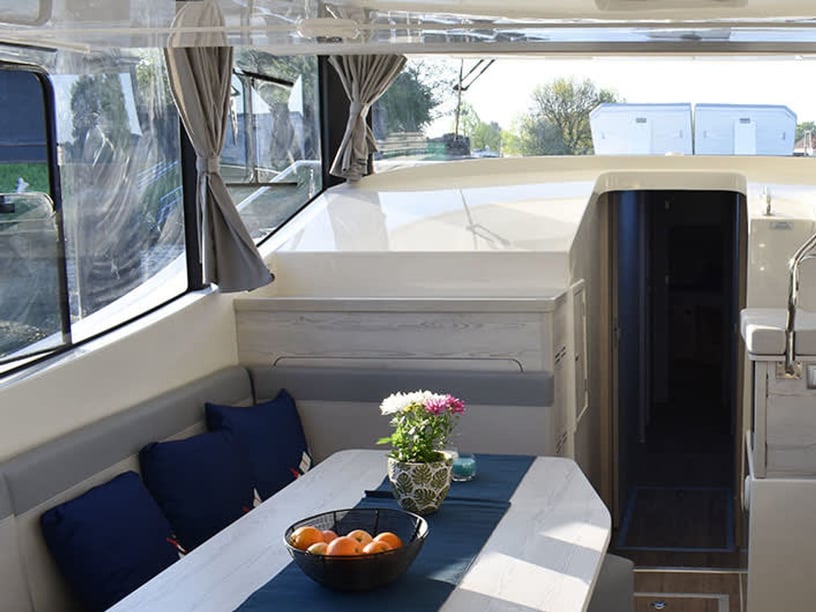
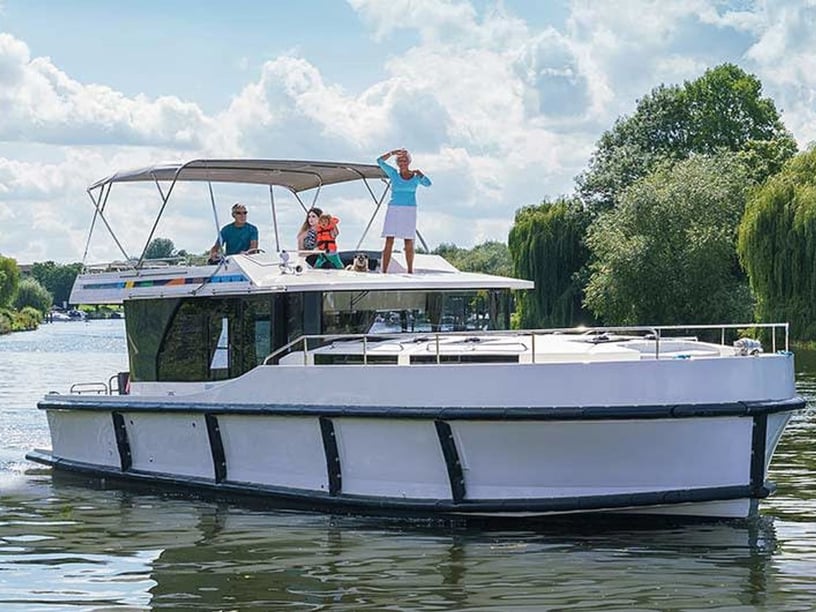
Motorized houseboats and other inland craft are the natural fit for this setting. From the marina, travelers can follow long, mostly level stretches of canal through Camargue landscapes, combining time on the water with historic towns, nature areas and local food. Saint Gilles is also a destination in its own right: its historic center and Romanesque abbey church are within walking distance of the port.
Places to explore from Saint Gilles
West of Saint Gilles, Gallician provides a useful stop amid the wetlands and vineyards of the Gard Camargue. The surrounding landscape is associated with reed beds, rice cultivation and waterbirds, making this stretch particularly appealing to travelers interested in nature and unhurried scenic cruising.
Aigues-Mortes is one of the most rewarding destinations on a short return trip. Its medieval fortifications add a substantial shore visit without requiring a long itinerary. Continuing farther west leads past lagoon-side communities such as Carnon and Palavas-les-Flots, then toward Frontignan and Sète. Beyond Sète, the Étang de Thau introduces broader, more exposed water than the sheltered canal.
East and north of Saint Gilles, secondary waterways connect with Bellegarde and Beaucaire, offering an inland alternative to the better-known route toward the lagoons.
What cruising around Saint Gilles is like
Most cruising around Saint Gilles takes place on flat, sheltered canal water, and established westbound itineraries involve few locks. This makes the area approachable for travelers seeking a relaxed inland charter, but easy water conditions do not remove the need for careful handling.
The Canal du Rhône à Sète is a working commercial route. Parts of its main channel are narrow, and crossing or overtaking may be restricted outside designated areas. Large commercial vessels share the waterway, while informal bank-side mooring is generally not permitted. Crews should use authorized ports, marked stops and designated halts.
Strong northerly winds, including the mistral, can make low-speed maneuvering more demanding even when waves remain limited. Routes entering the Petit Rhône or Étang de Thau require greater attention to wind, currents and forecasts because these waters are more exposed than the canal.
Best time for a Saint Gilles charter
The principal recreational boating season runs from April through October. May and June are particularly suitable months, combining favorable cruising conditions with less intense heat than midsummer. They work well for travelers who want to spend time ashore in historic towns or exploring the Camargue landscape as part of the trip.
Activity is highest from July through September. July and August are generally hot and dry, so sun protection and an ample supply of drinking water are important. Early autumn can still be pleasant, but intense Mediterranean rainfall becomes a greater concern later in the season. Flooding and high-water controls may temporarily affect navigation, especially on routes involving the Petit Rhône or flood-control structures. Winter boating activity is comparatively limited.
Charter routes from Saint Gilles
A short return cruise from Saint Gilles through Gallician to Aigues-Mortes suits travelers who want a manageable introduction to the Camargue waterways. It combines long, level canal sections with wetland scenery and a significant medieval shore visit.
A longer return route can continue through Carnon and Palavas-les-Flots, adding lagoon-side stops. Travelers with more time can proceed via Frontignan to Sète and the Étang de Thau, although the wider waters of the lagoon call for closer attention to conditions.
Another established option links Saint Gilles with Sète, the Étang de Thau and Port Cassafières on a one-way journey toward the Canal du Midi cruising area. In the opposite direction, the route through Bellegarde to Beaucaire offers a quieter inland pattern connected to the Rhône-side port.
Culture, wildlife and life ashore
A charter here alternates calm-water travel with compact cultural stops. In Saint Gilles, the former abbey church is part of the UNESCO-listed Routes of Santiago de Compostela in France and reflects the town’s medieval importance as a pilgrimage and trading center. The Maison Romane, a preserved 12th-century urban building, adds another close-at-hand historical visit.
On the waterways, the landscape shifts between vineyards, reed beds, rice fields and Camargue grazing land. Wetland areas are associated with flamingos, herons and other waterbirds, giving wildlife watching a meaningful place in the journey without requiring a separate nature-focused itinerary.
Food also reflects the meeting of two landscapes: Costières de Nîmes wines to the north and Camargue products such as rice and dishes based on local bull meat farther south.
Getting there and where trips begin
Port de plaisance de Saint-Gilles is the town’s principal recreational marina and an established departure point for inland cruising. It lies beside the historic town, allowing travelers to combine embarkation with an easy visit to the abbey and old streets. The port functions both as a starting base and as a useful stop within the wider Rhône and Camargue waterway network.
Nîmes Grande Provence-Méditerranée Airport is within the municipality, approximately 10 kilometers from the town center. Montpellier Méditerranée Airport provides another regional option. Principal rail connections are available through Nîmes and Arles, followed by a road or bus transfer. Drivers can approach through the A54 and the broader A9 and A7 motorway network.
Planning the right charter
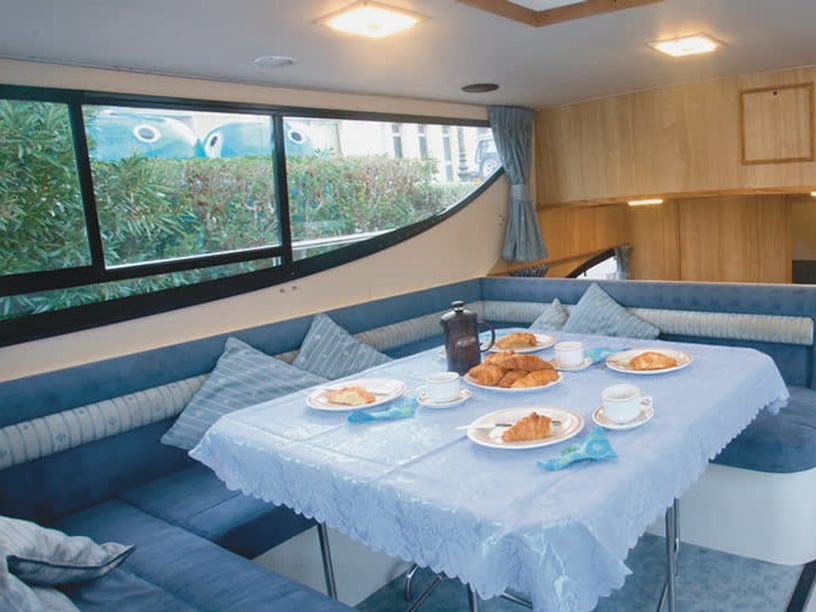
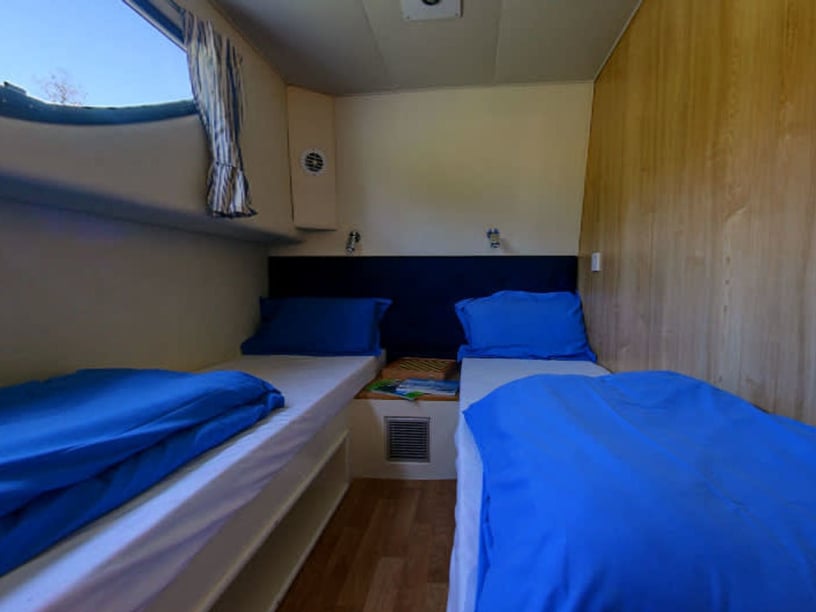
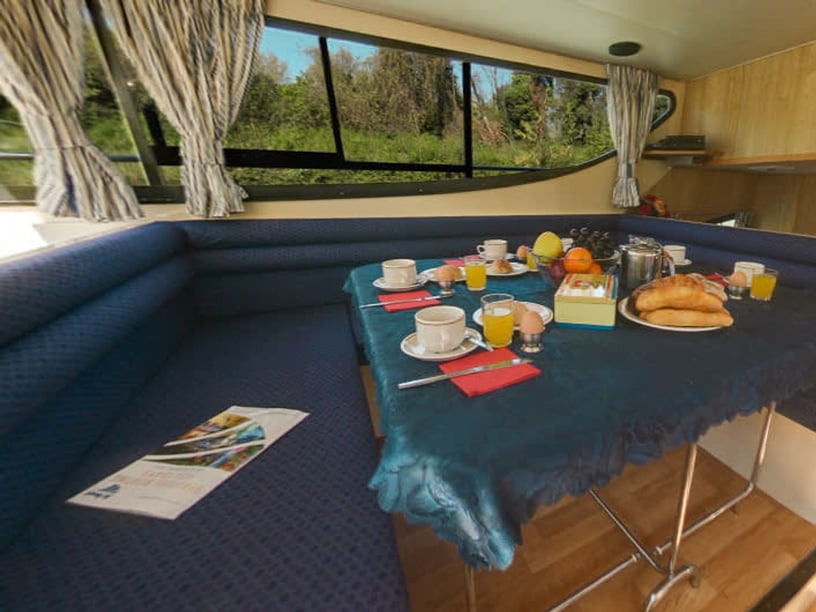
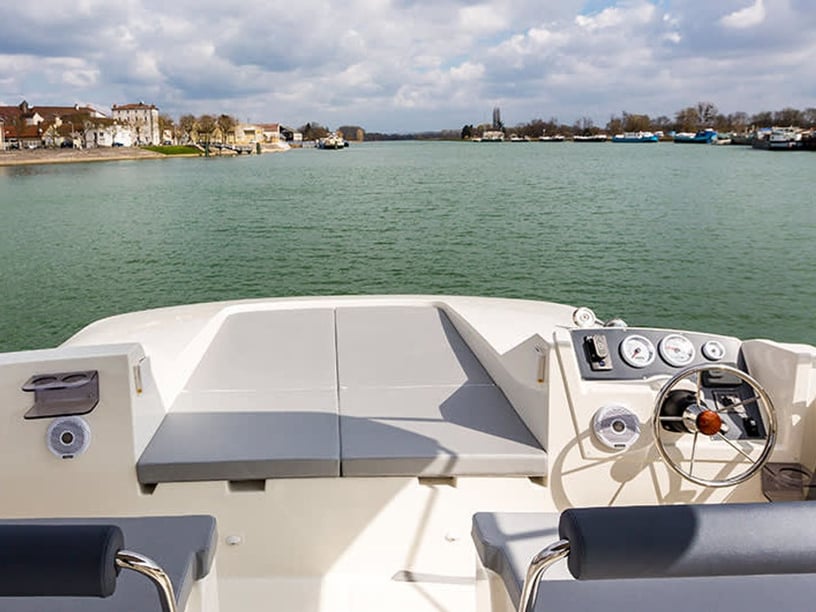
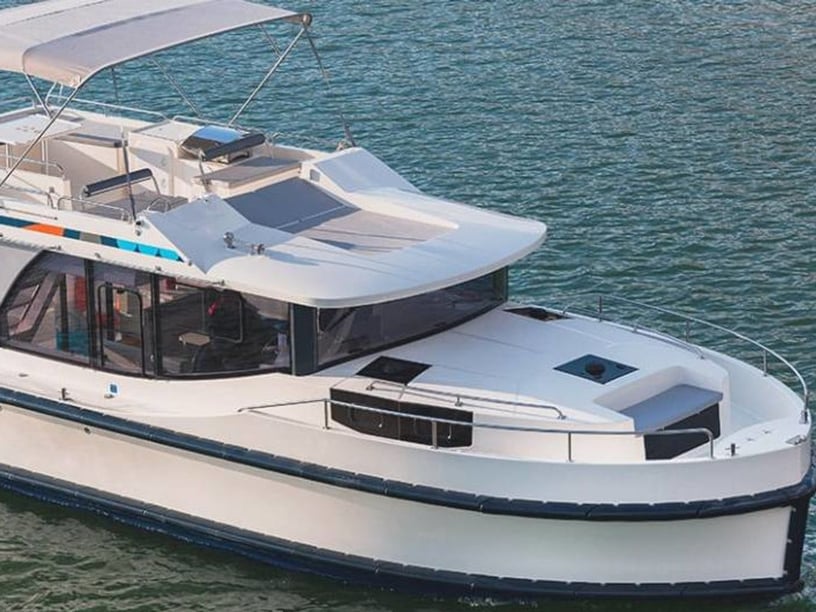
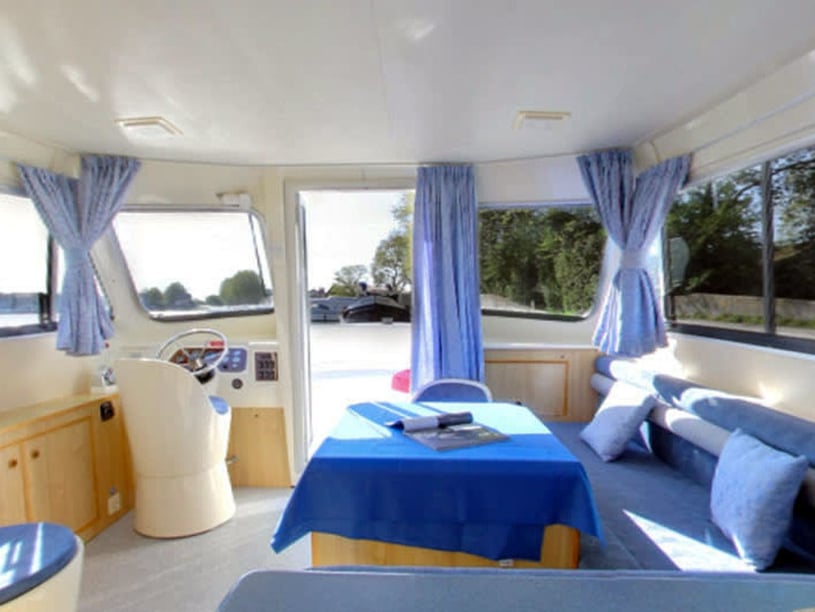
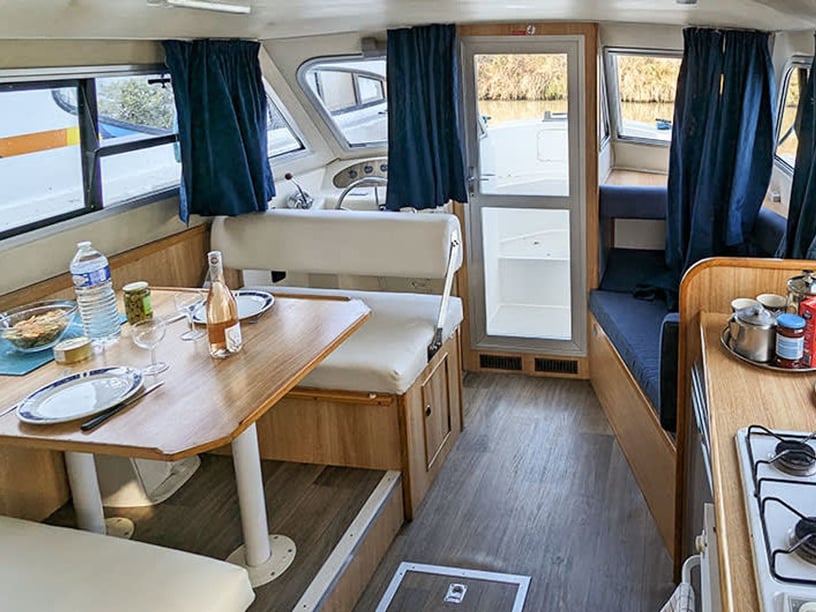
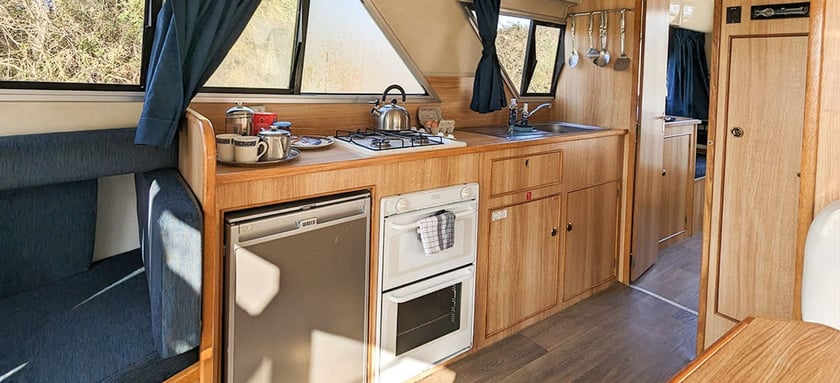
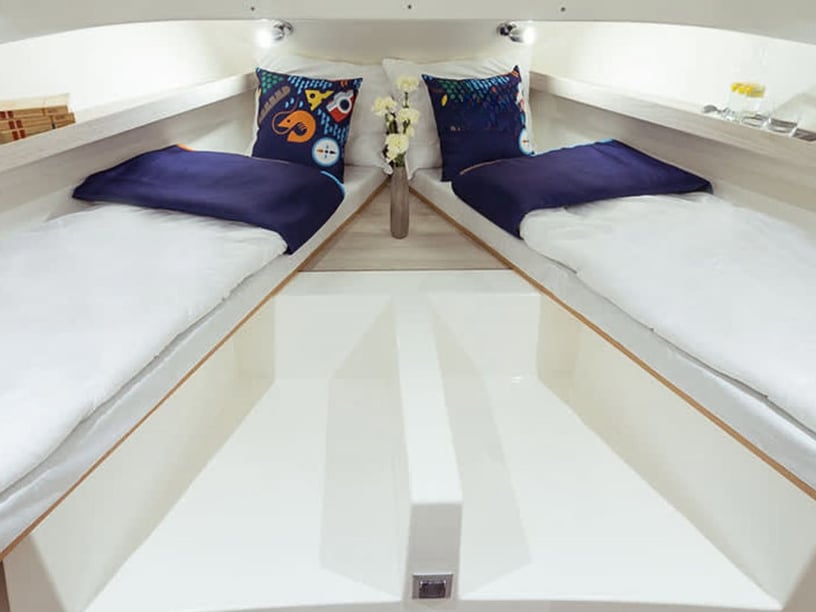
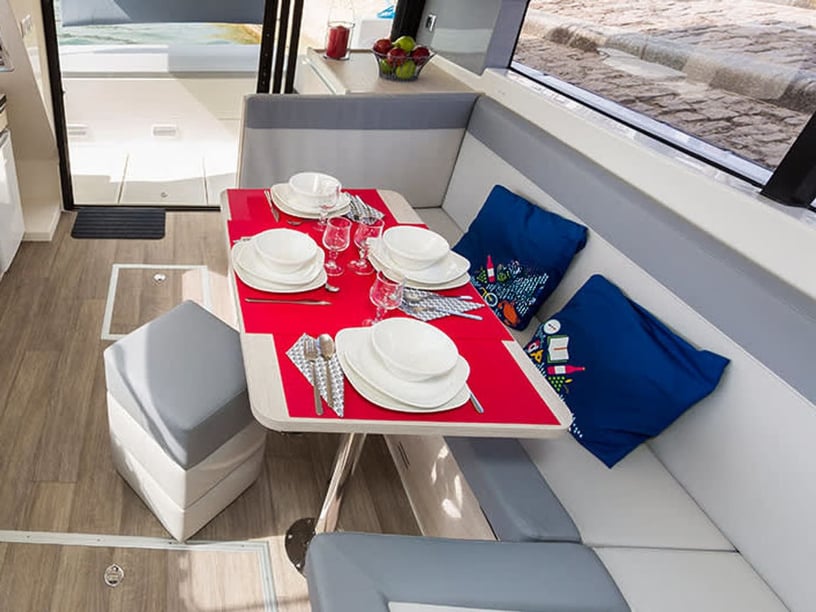
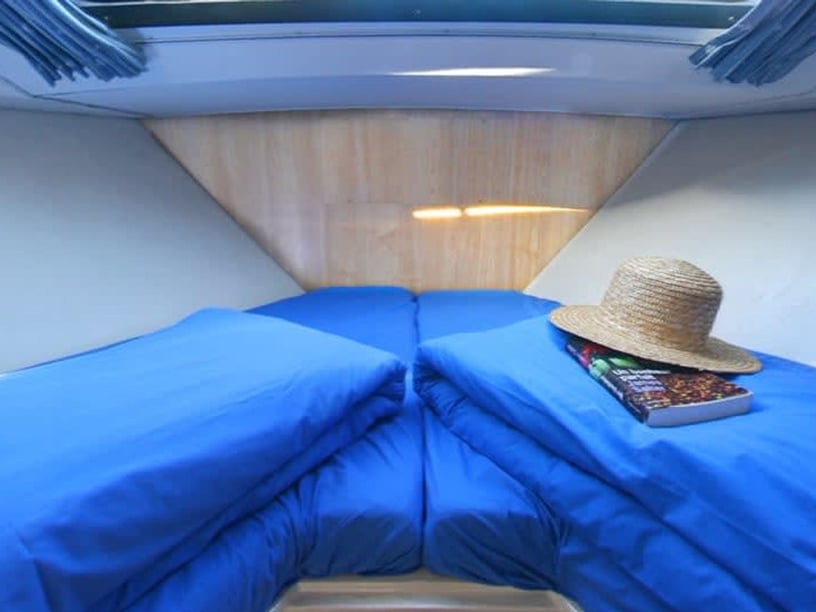
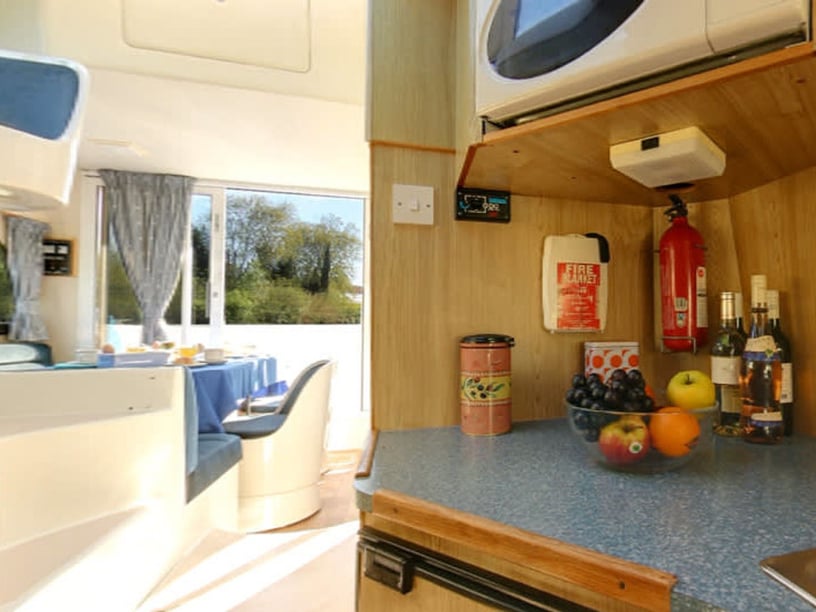
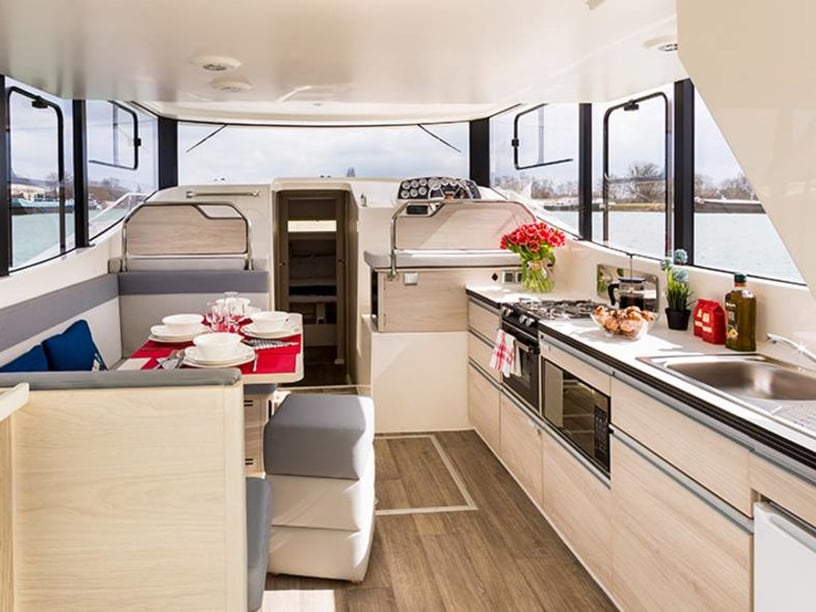
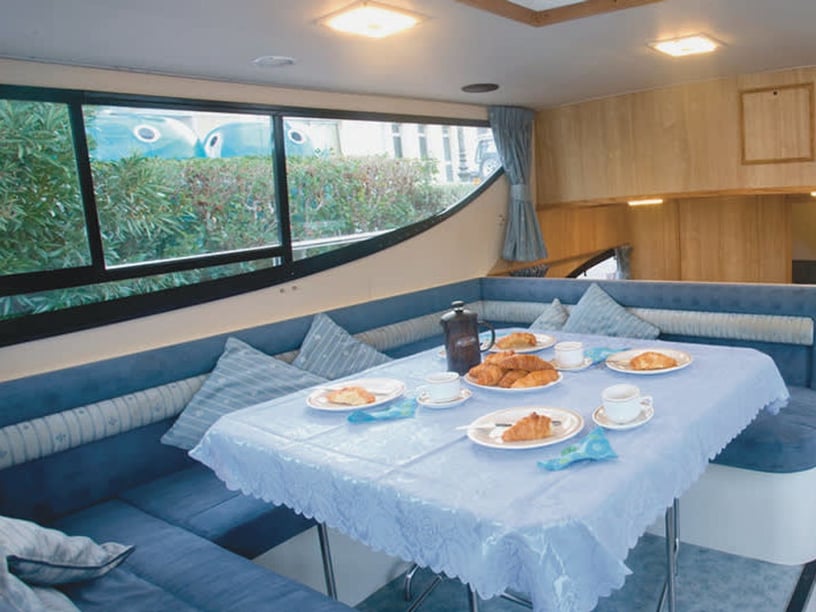
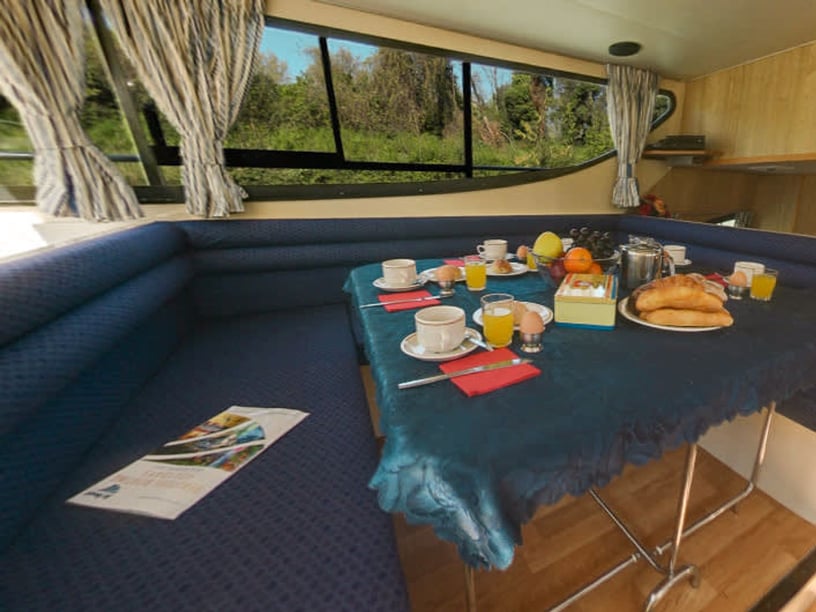
Travelers considering boat rental in Saint Gilles should begin with the route rather than the image of a conventional coastal yacht holiday. Inland motor craft and houseboats are suited to the canal’s sheltered, low-speed character, while plans involving the Petit Rhône or Étang de Thau introduce more exposure and require closer weather awareness.
Before departure, check current waterway notices, bridge and lock operating information, maintenance closures and any high-water restrictions. VNF traffic rules apply, and the presence of commercial vessels makes attentive navigation important. Mooring should be planned around authorized ports and marked stops rather than arbitrary stretches of canal bank. Wastewater must be retained for designated collection facilities, including those available at established canal ports.
Itinerary length should also reflect the desired balance between cruising and shore time. Aigues-Mortes works well within a shorter return trip, while Sète and the Étang de Thau suit a longer plan. For broader comparisons beyond this inland Camargue setting, travelers can review yacht charter options across France.