Yacht charter in Bram on the Canal du Midi
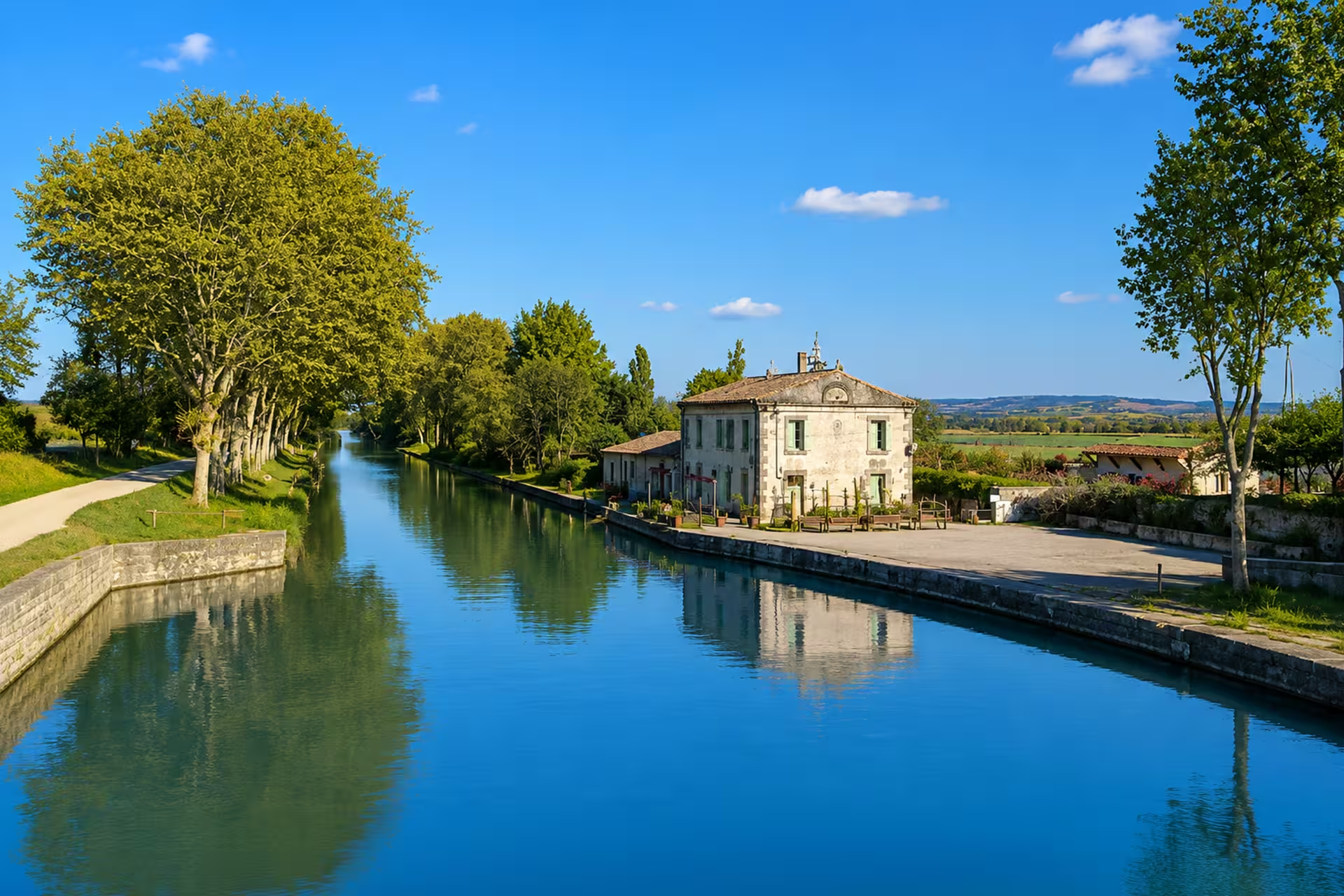
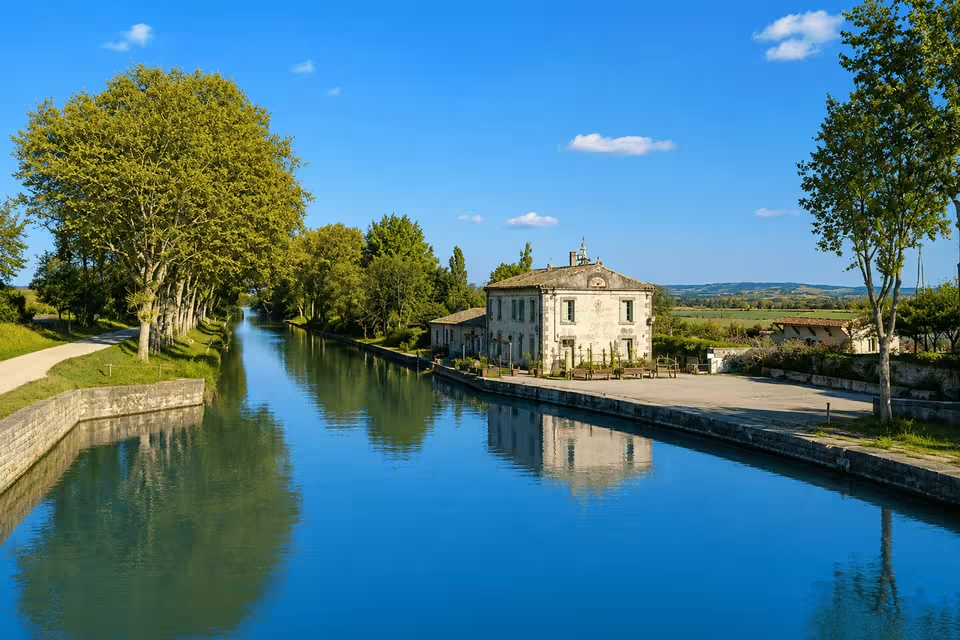
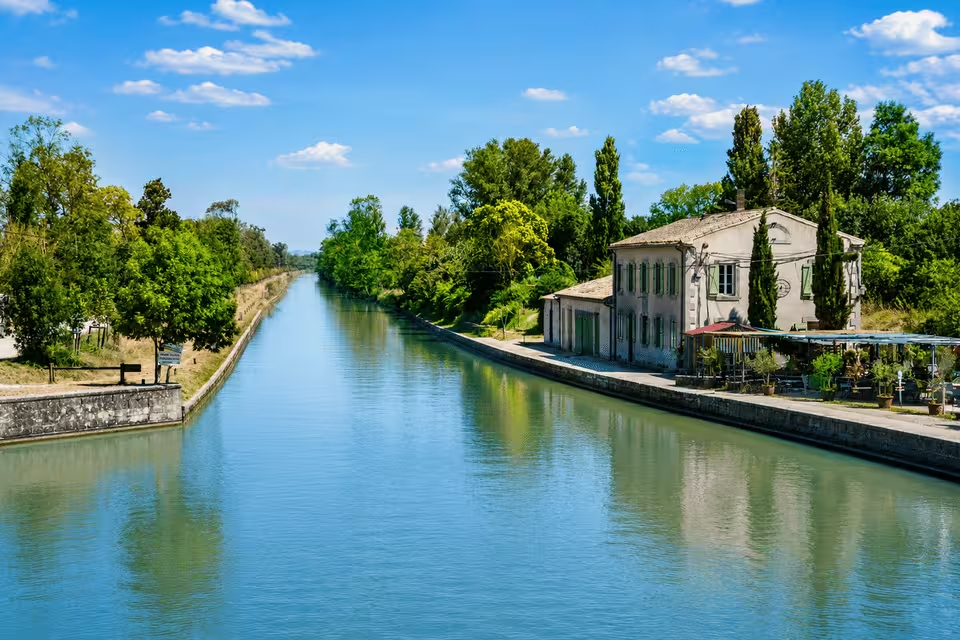
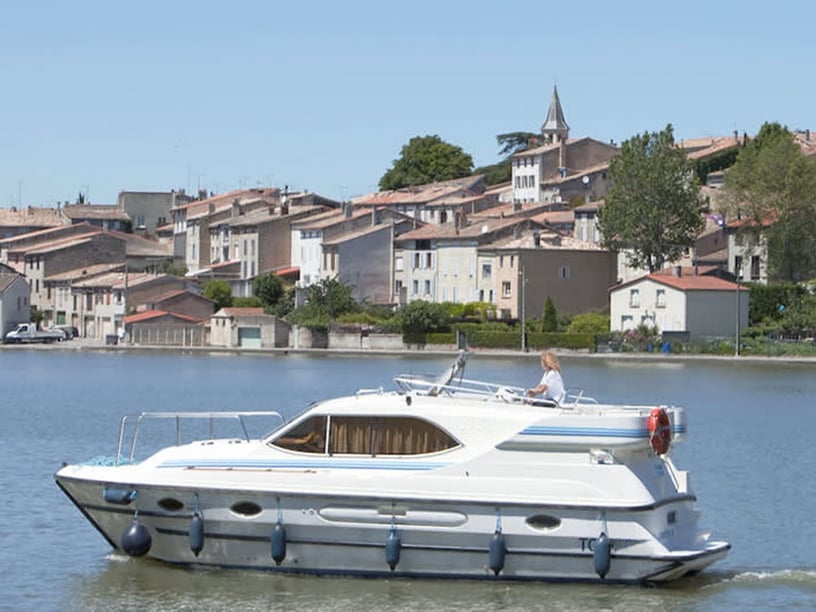
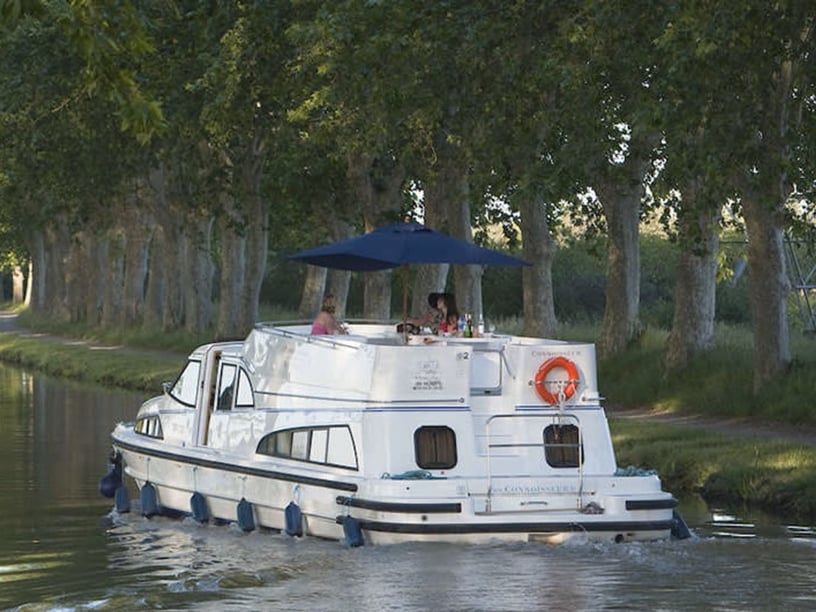
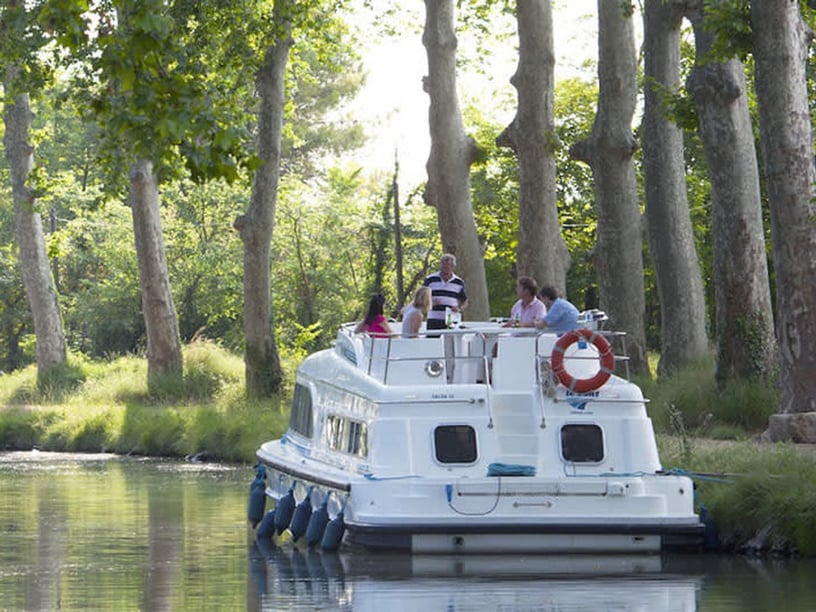
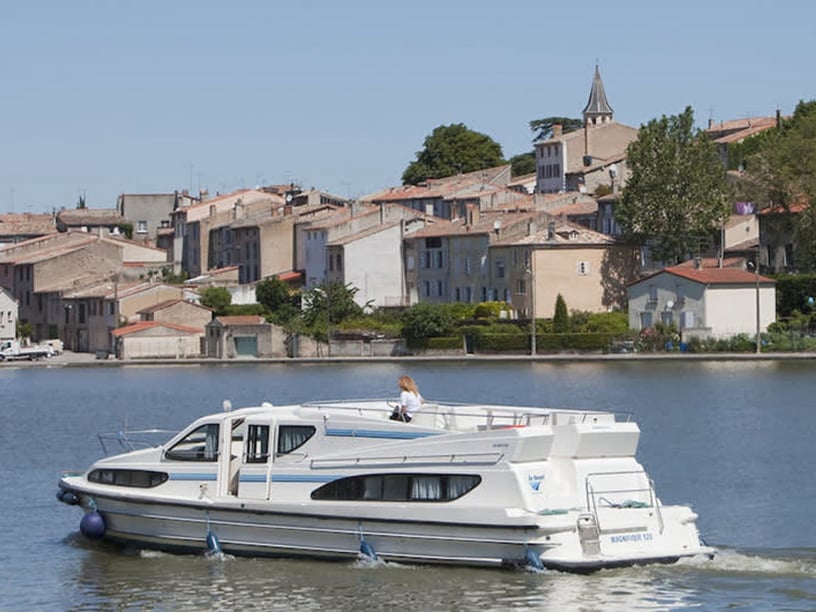
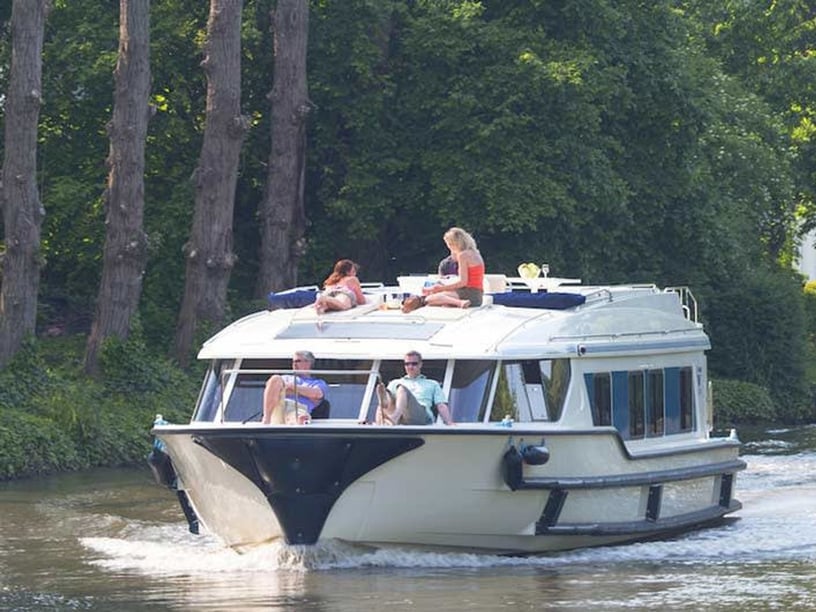
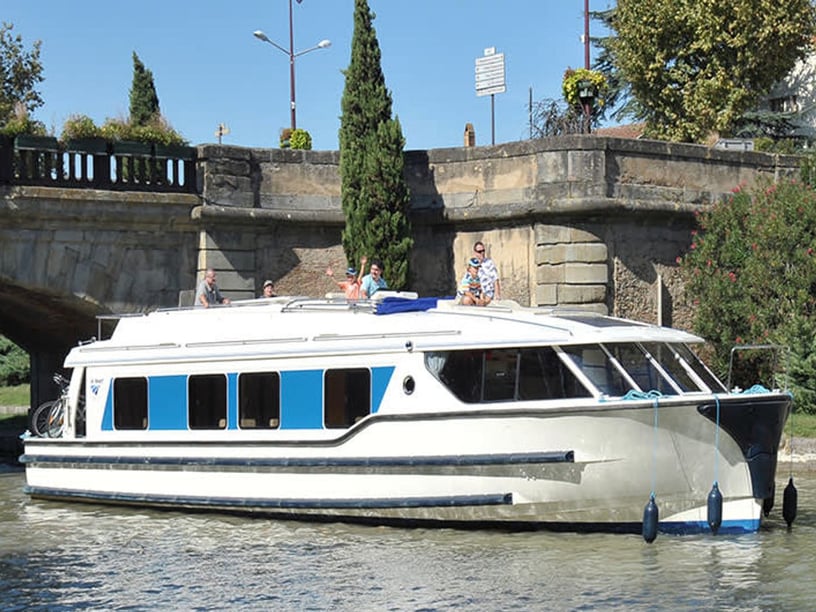
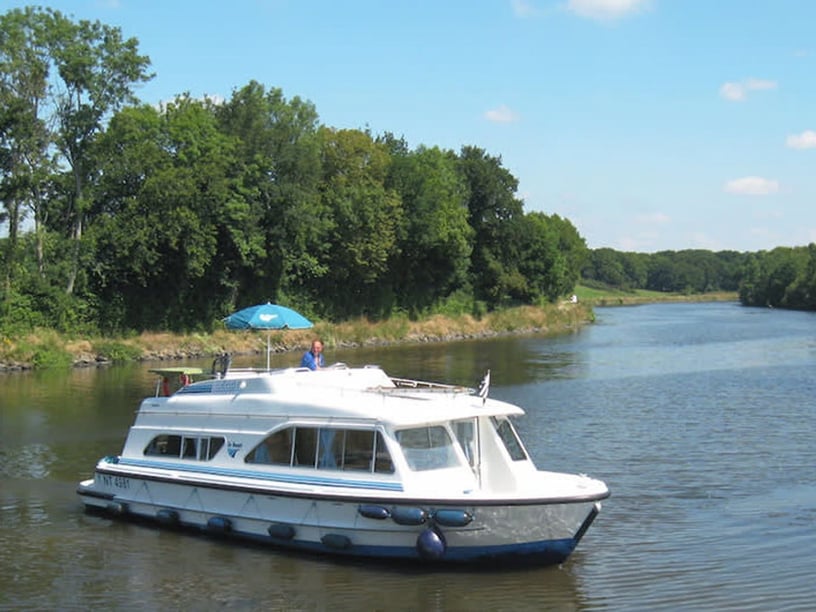
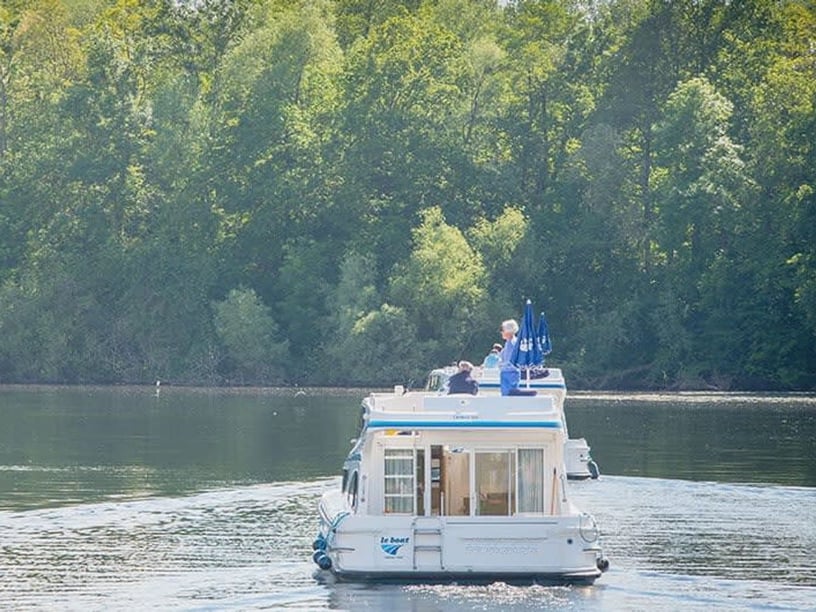
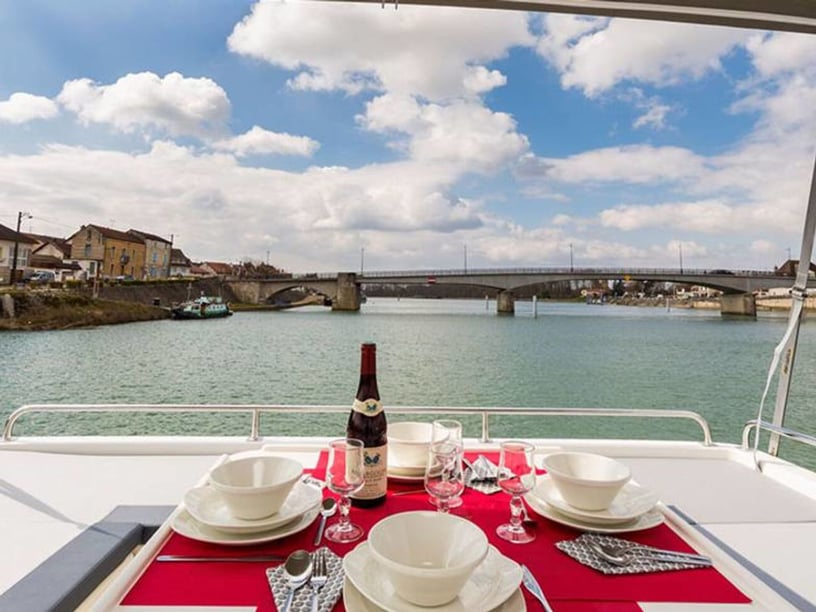
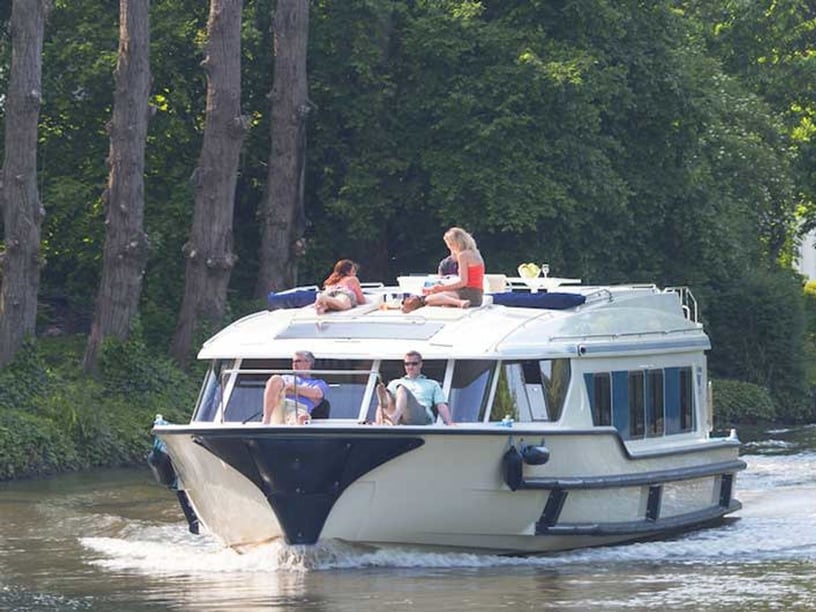
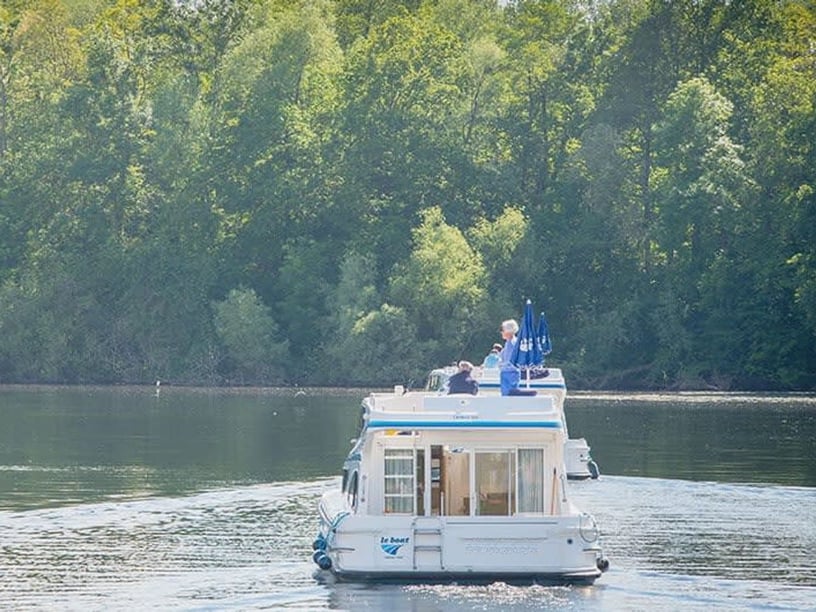
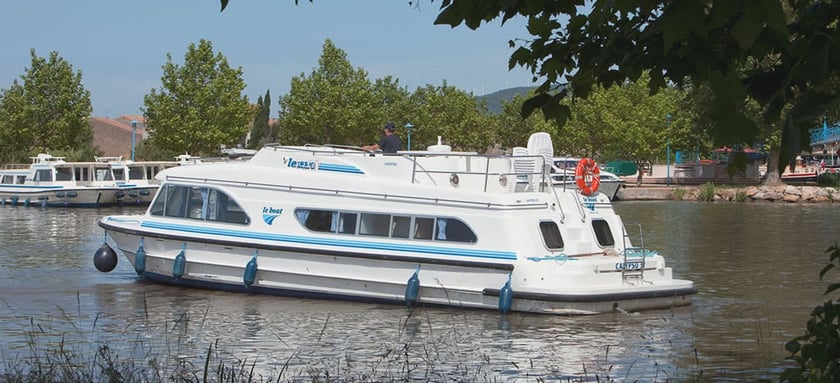
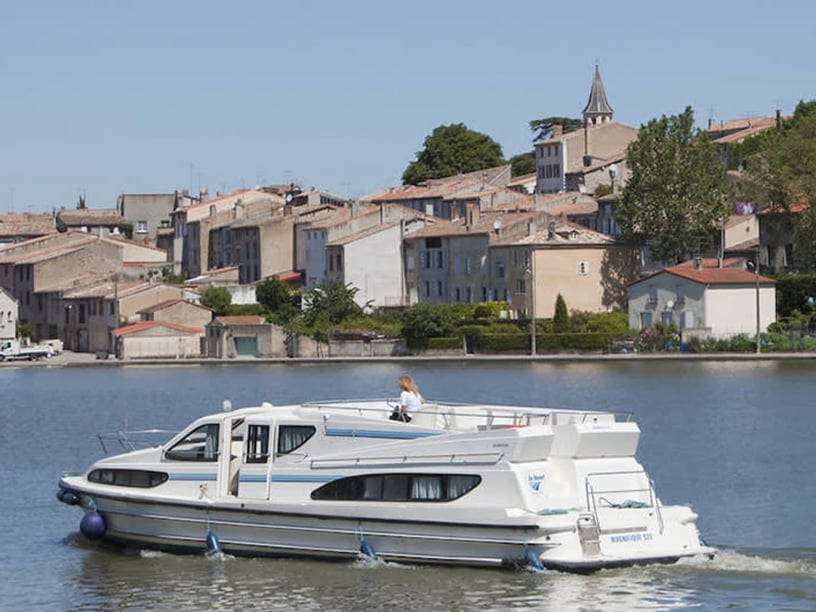
A yacht charter in Bram is an inland-waterway experience rather than a coastal sailing holiday. Located in the Aude department of southern France, Bram sits beside the UNESCO-listed Canal du Midi between Castelnaudary and Carcassonne. Charters here generally take the form of slow cruising by motor cruiser or houseboat, with rural moorings, locks and historic canal towns shaping the journey.
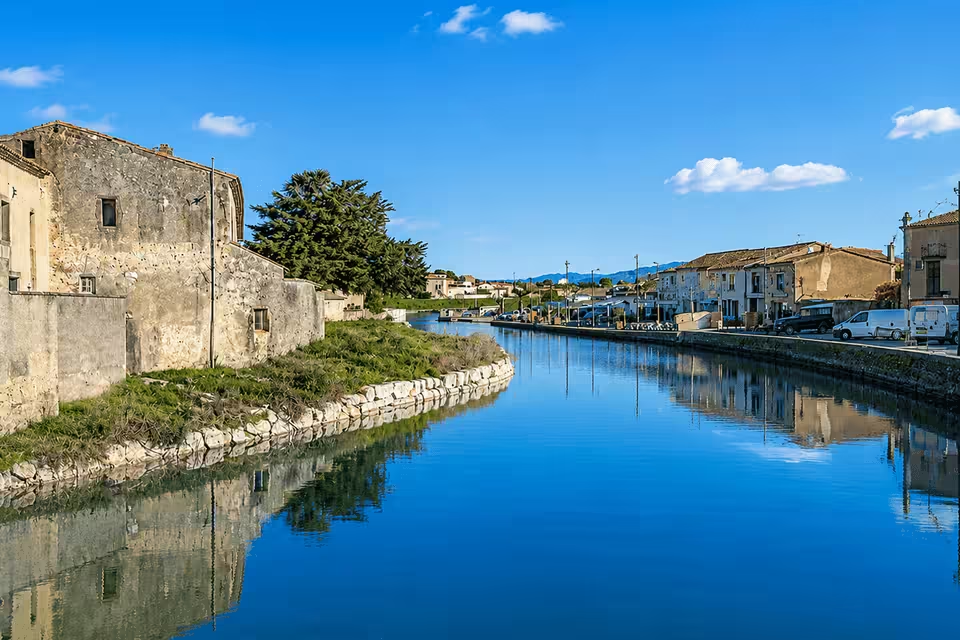
The canal port lies outside Bram’s compact center, connected to it by a walking and cycling path. This makes the town useful both as a departure point and as a stopover, with the concentric streets of the medieval center providing an easy excursion ashore. Travelers comparing Bram with broader yacht charter options in France should expect calm, linear canal navigation rather than open-water passages.
Places to explore from Bram
Carcassonne is the principal heritage destination east of Bram. A canal journey toward the city combines countryside cruising with access to its medieval landmarks, making it a natural objective for a short out-and-back trip. Villesèquelande offers a quieter intermediate stop along this section of the waterway.
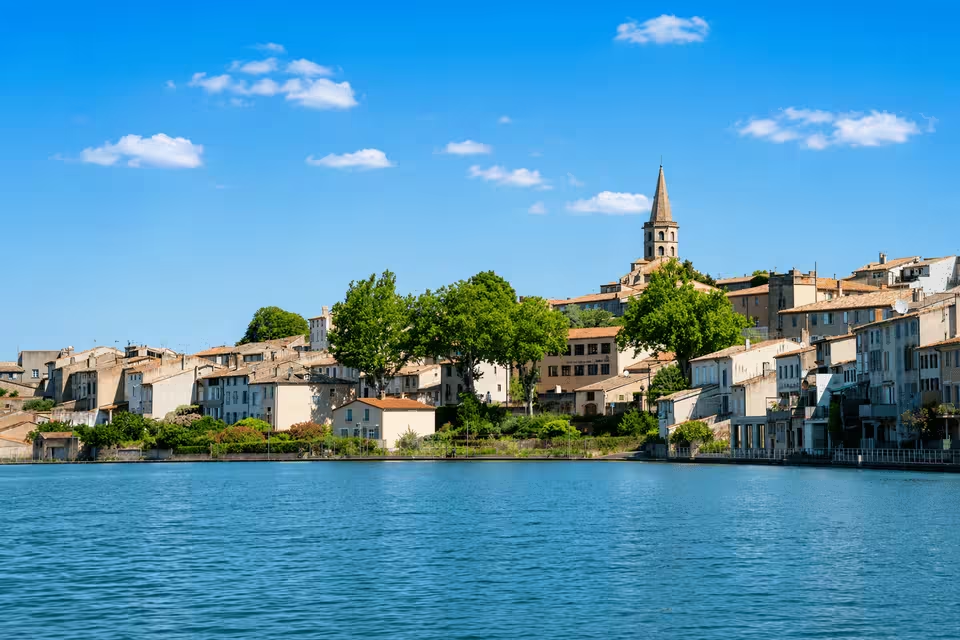
To the west, Castelnaudary anchors the Lauragais end of the central Canal du Midi route. Its canal basin provides a contrasting setting to Bram’s smaller rural port. Longer eastbound cruises can continue past Carcassonne toward Trèbes, Marseillette and the Minervois. These places are connected by the canal itself, so the trip unfolds as a sequence of short passages, lock transits and visits ashore rather than separate sailing grounds.
What cruising around Bram is like
Cruising around Bram takes place on sheltered, confined water without tides or open-sea exposure. Boats travel at low speed, and the route remains easy to follow, which can make the area approachable for first-time crews. The main tasks are handling locks, lining up for narrow approaches and maneuvering near bridges, ports and moorings.
Although the water is usually calm, canal cruising still requires concentration. Bridge clearance, restricted channel width and other boats can affect maneuvers, while private craft must also account for draft and lock dimensions. Weather matters more for comfort than for wave conditions: summer heat can influence how much time travelers wish to spend cruising or exploring ashore. The overall rhythm is unhurried, with short navigational stages broken up by locks, villages and rural stops.
Best time for a Bram canal charter
Regular recreational navigation generally runs from April through October. May and September are particularly suitable months, combining favorable cruising conditions with temperatures that are usually milder than in midsummer. Spring and late summer also tend to bring lighter traffic than the busiest part of the season.
July and August are firmly within the main boating season, but they can be very hot and attract the greatest canal traffic. Travelers choosing these months should allow extra flexibility around locks and popular moorings. April and October can suit those comfortable with more variable shoulder-season weather and should be planned around current navigation schedules.
From November through March, navigation is normally closed or restricted for maintenance except by prior arrangement with VNF. Annual opening dates, lock operating periods and temporary restrictions should always be checked before confirming travel plans.
Canal routes from Bram
A Bram–Carcassonne–Bram journey is a practical choice for a shorter charter, linking a quiet canal base with one of the region’s major heritage destinations. Because it is an out-and-back route, crews can return to their starting point without arranging onward transport.
The Castelnaudary–Bram–Carcassonne route covers the central Canal du Midi through the Lauragais countryside. It works well for travelers who want a through-journey connecting larger canal ports with Bram’s more compact setting.
For a longer cruise, the documented Bram–Agde–Bram route follows the canal east through Carcassonne, Marseillette, Argens-Minervois and Béziers toward Agde. This option involves substantially more distance and lock handling, so the available charter time should guide the choice between a local return trip and an extended itinerary.
Life aboard and highlights ashore
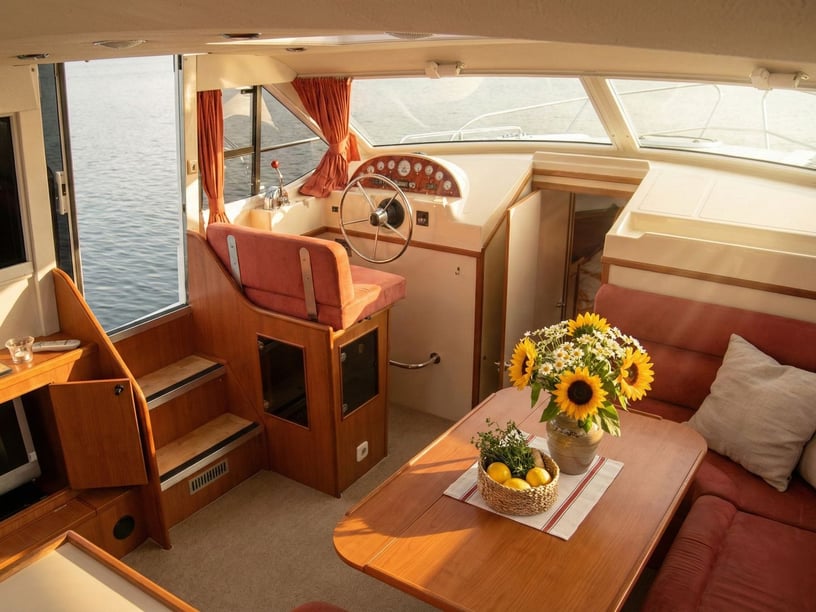
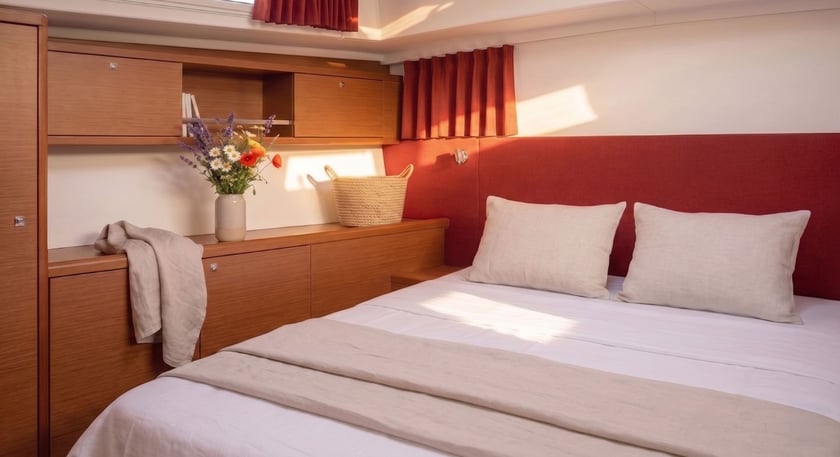
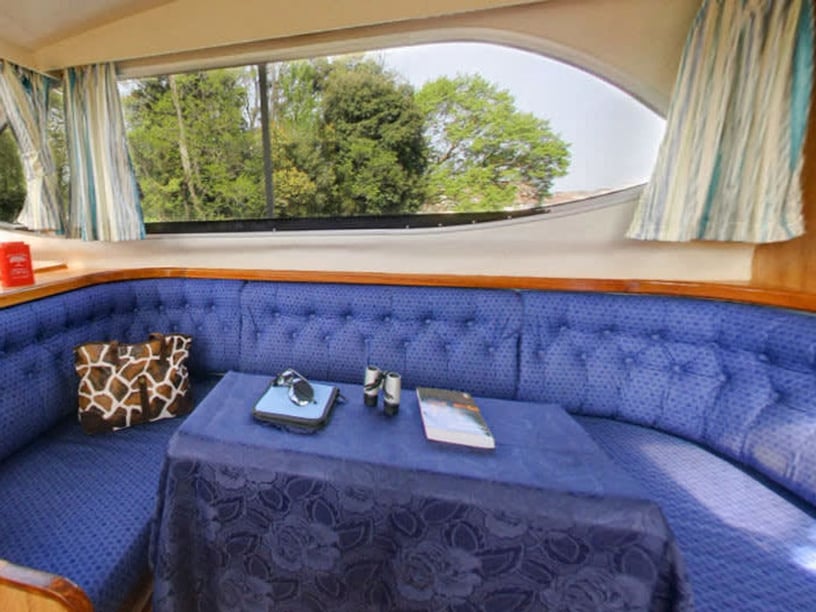
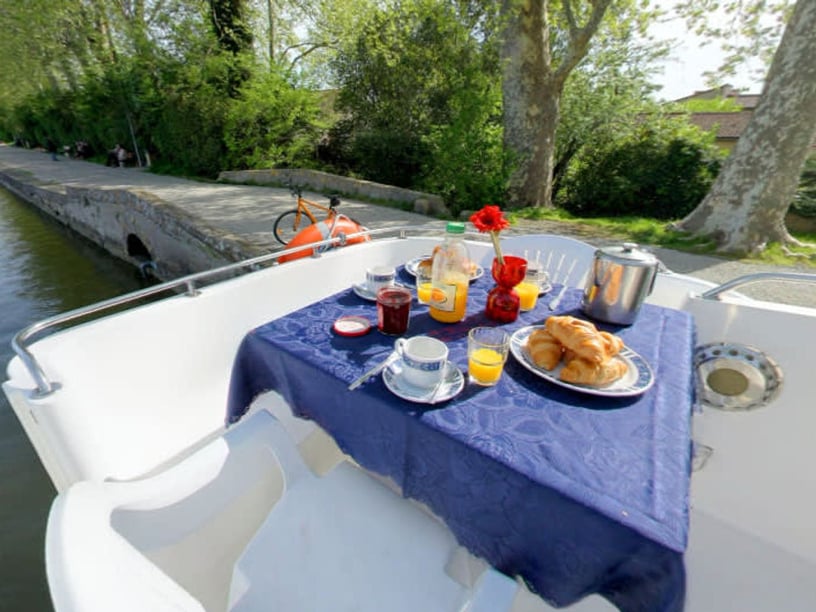
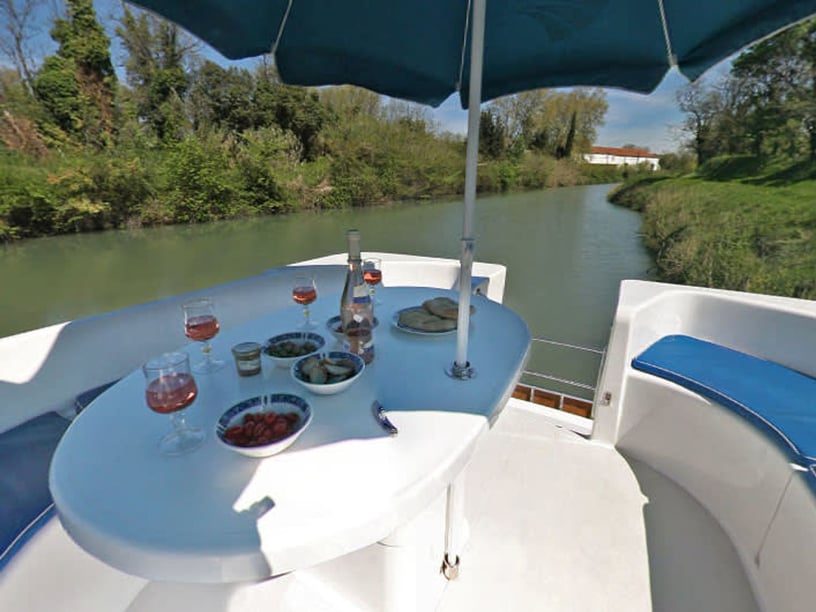
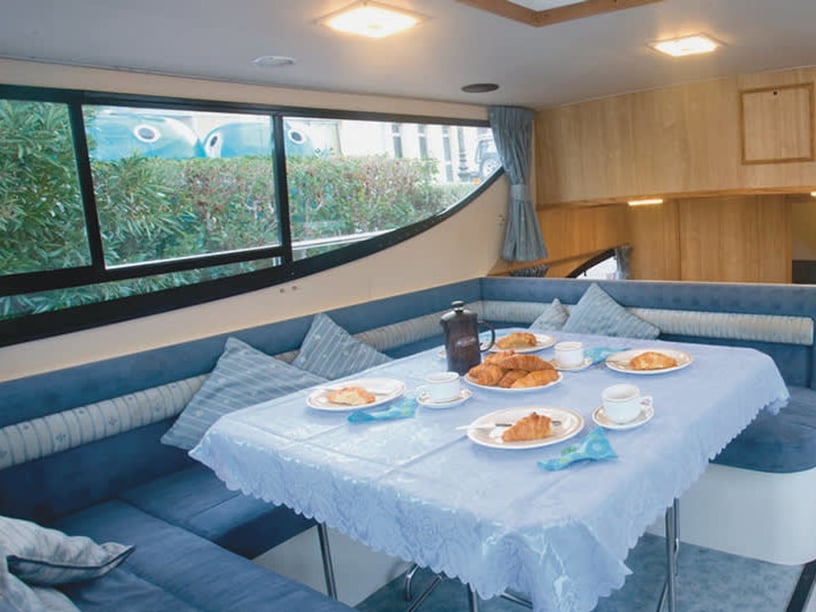
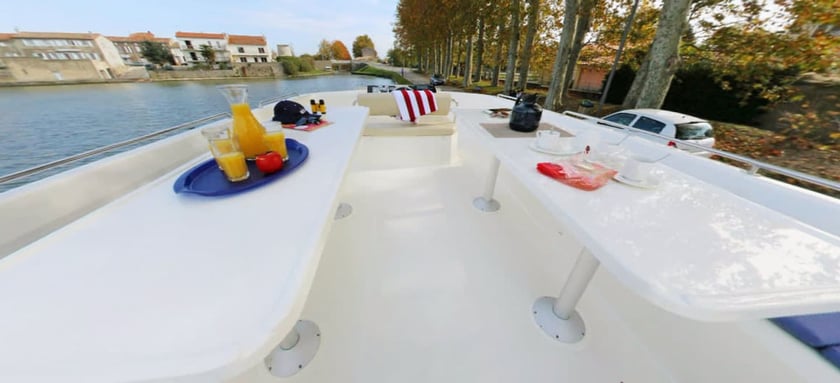
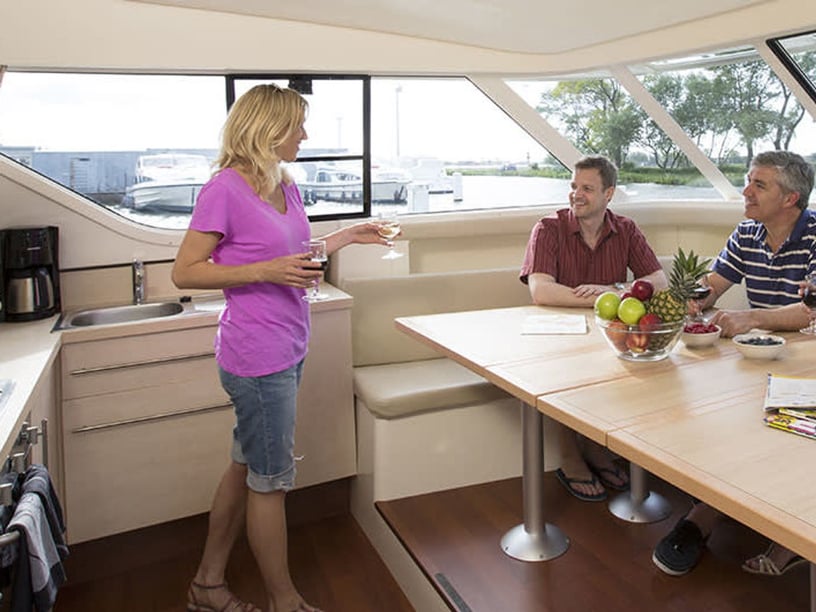
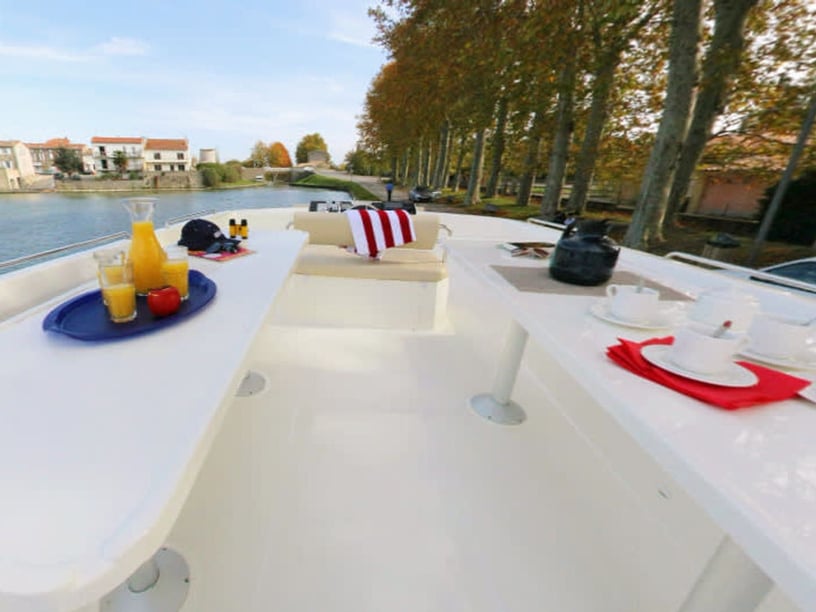
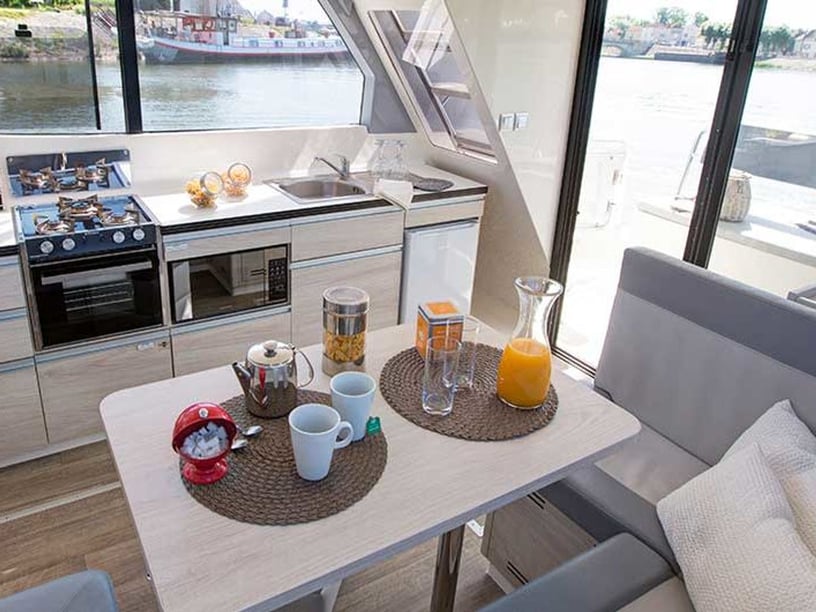
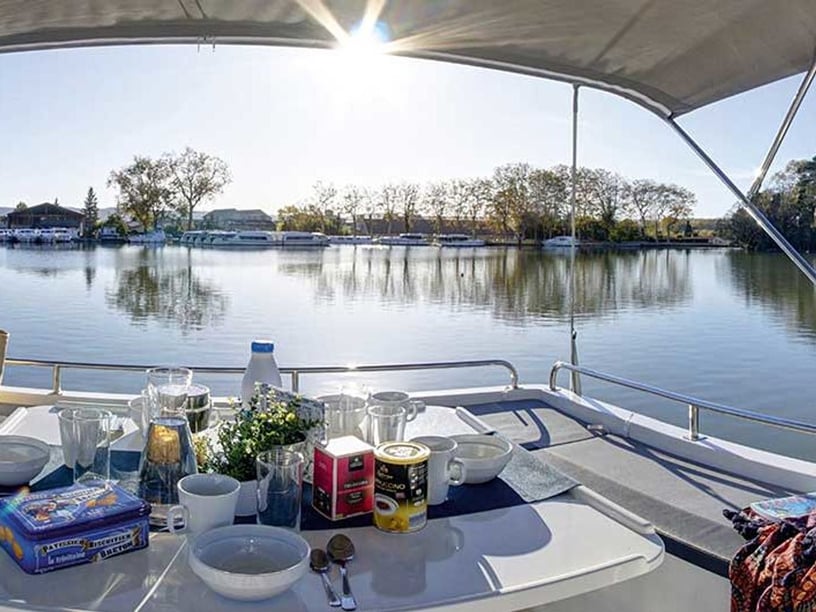
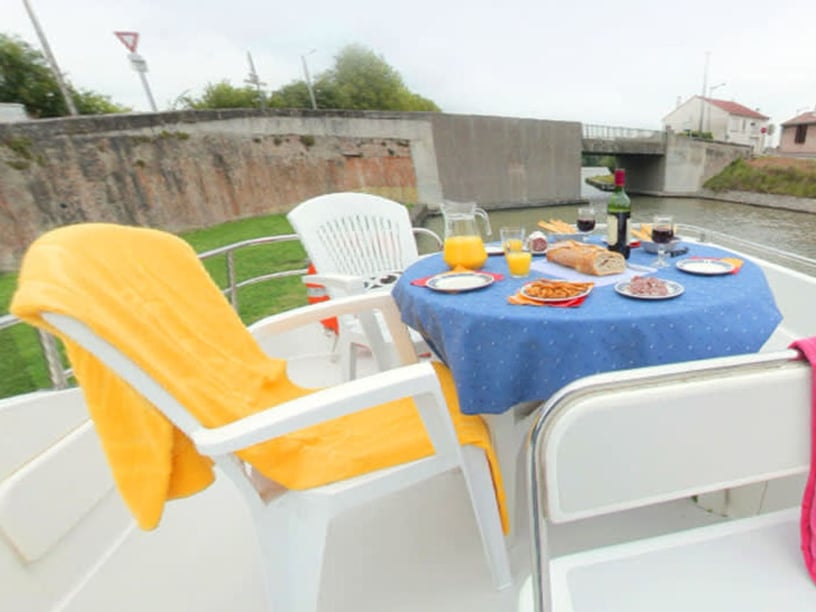
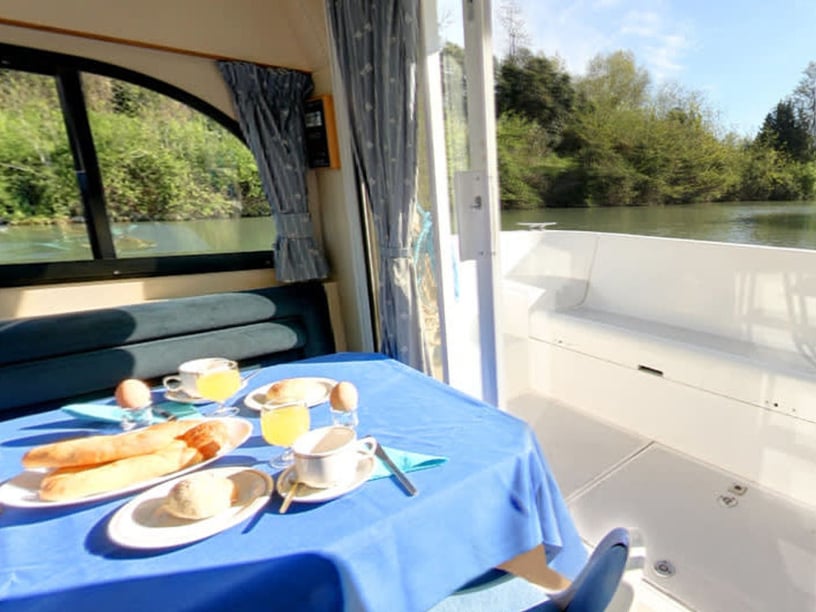
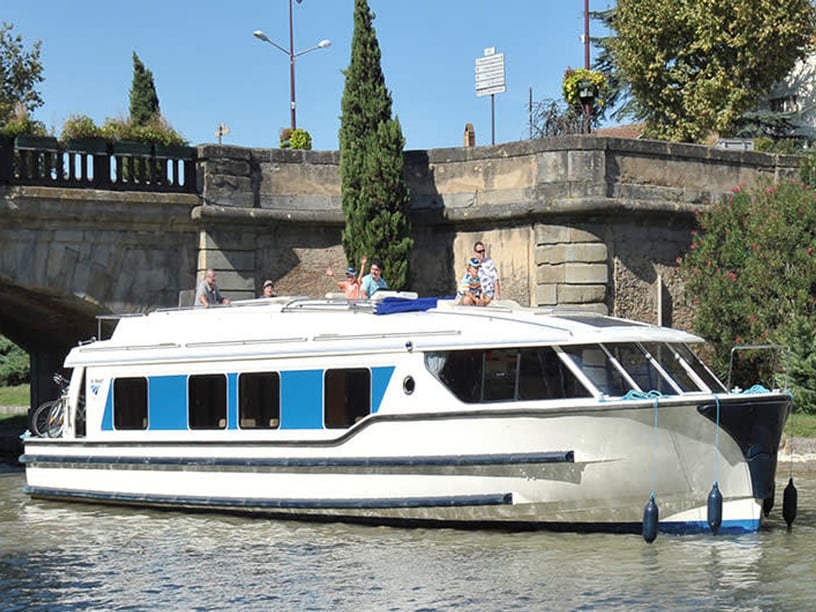
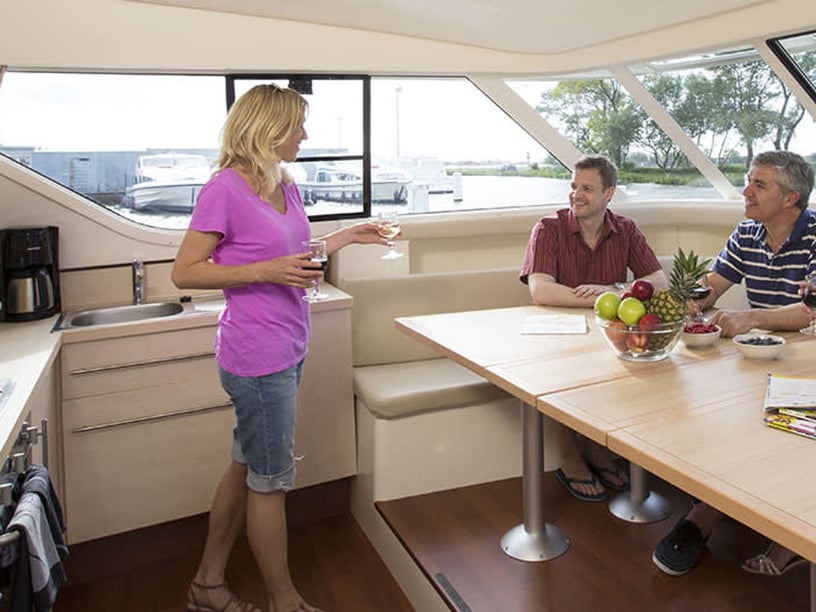
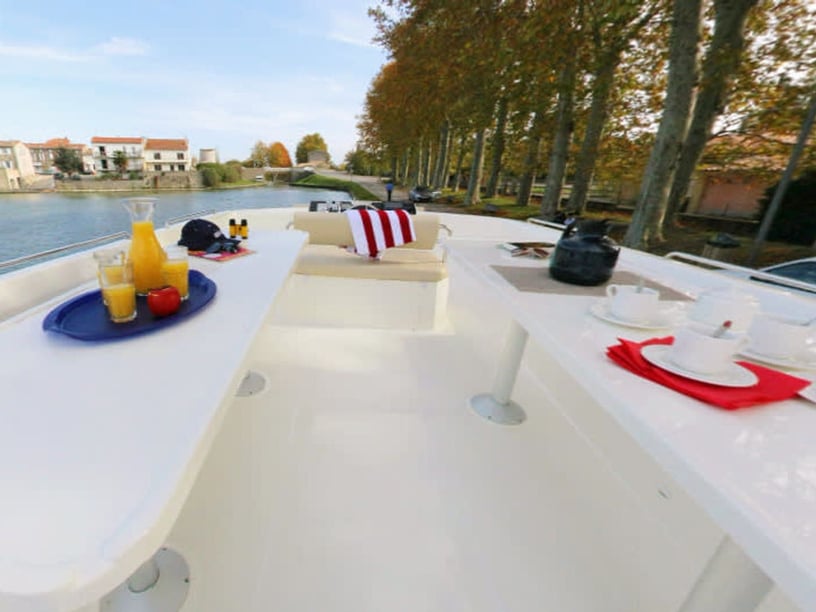
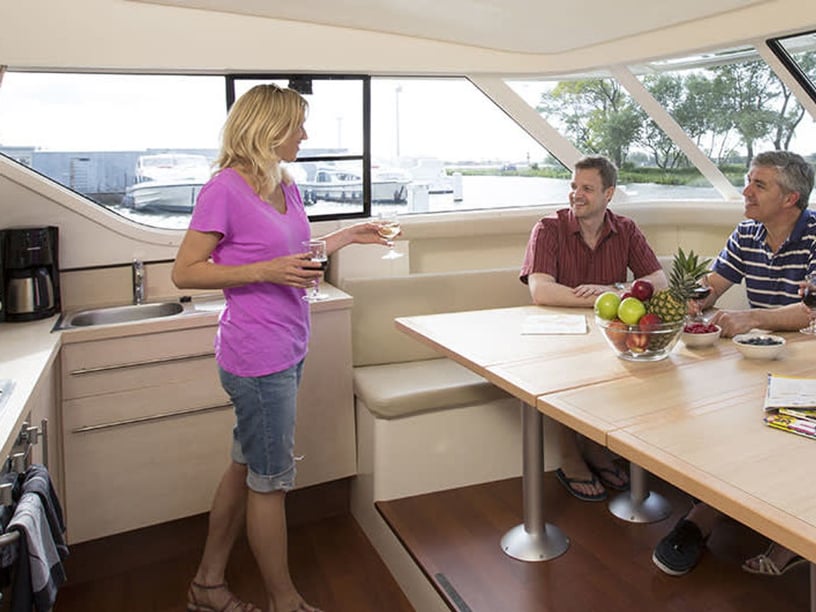
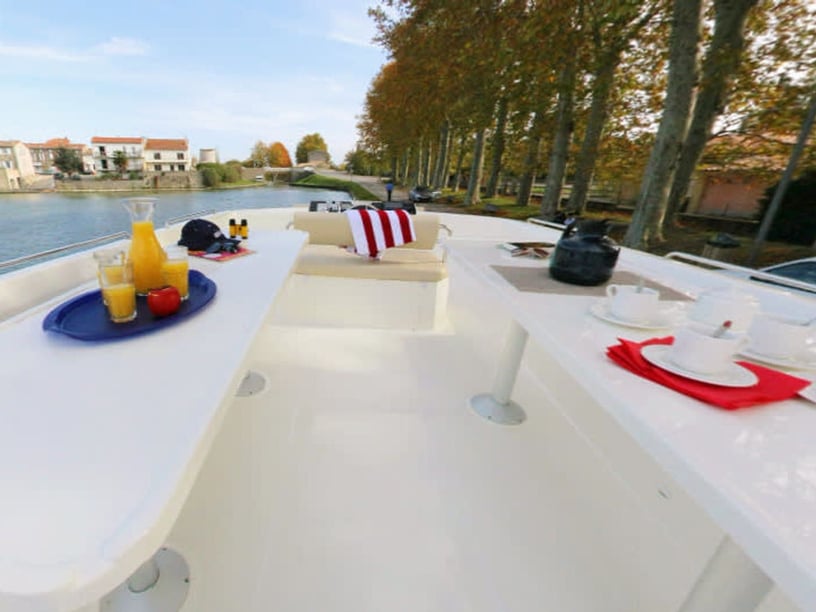
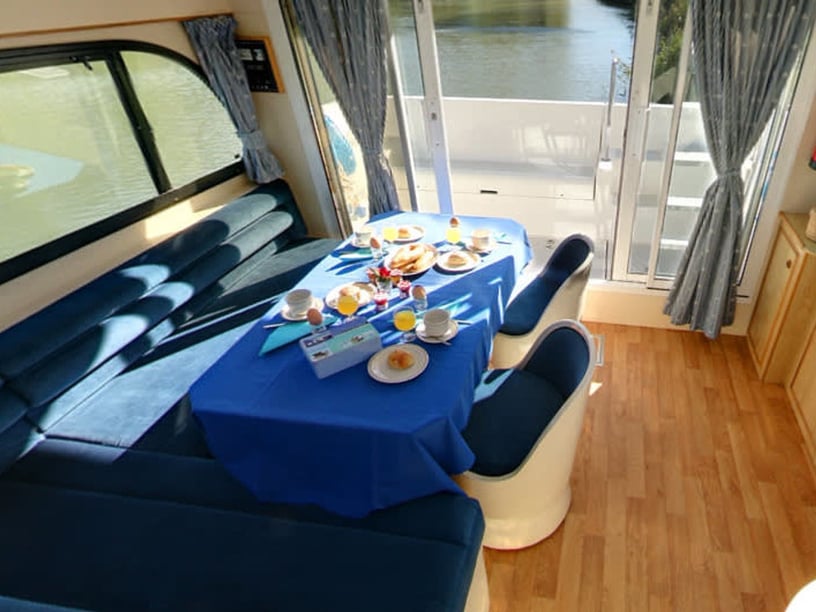
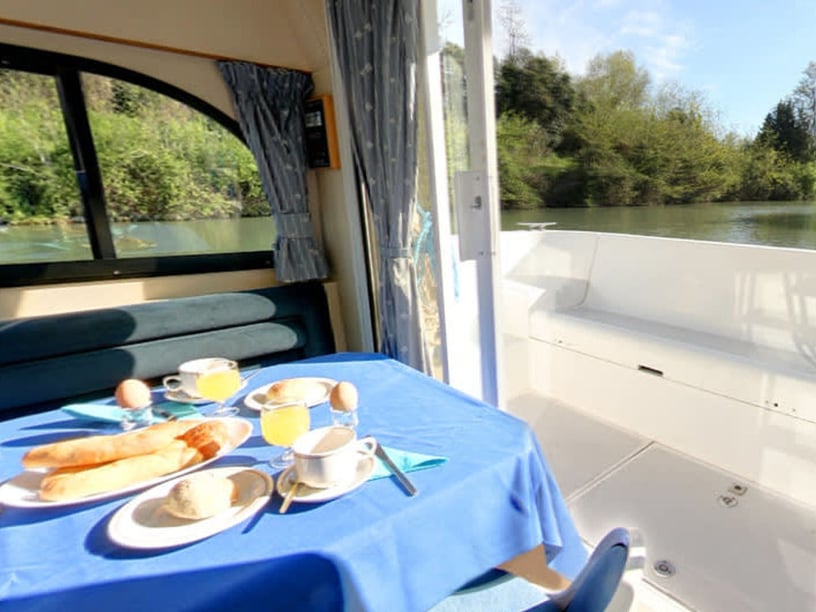
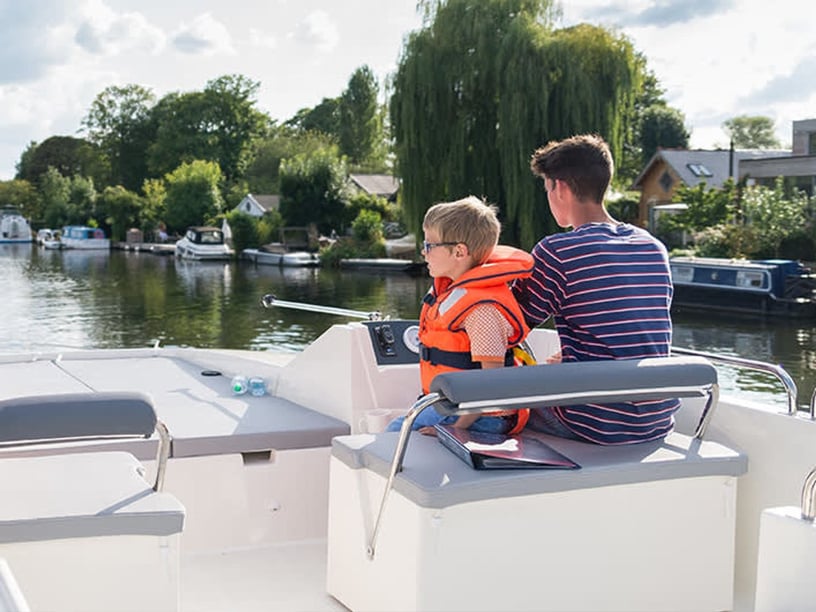
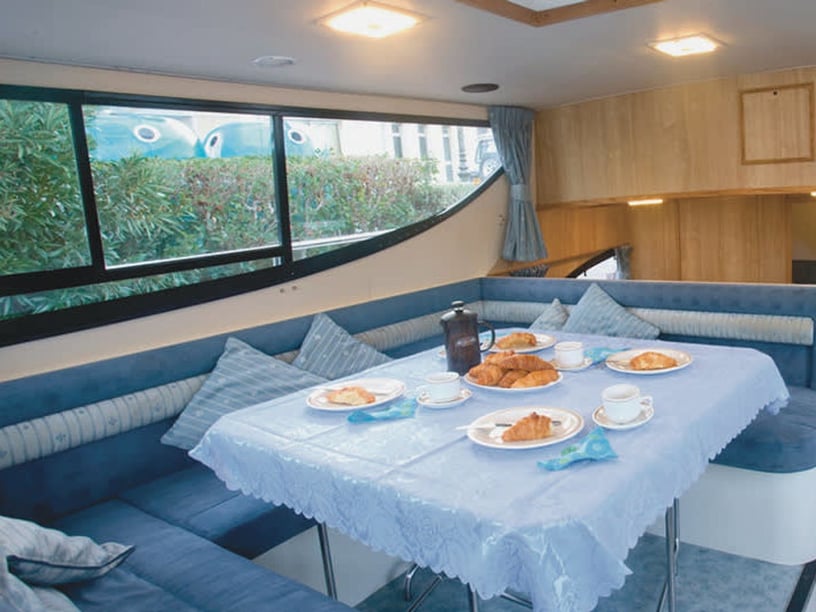
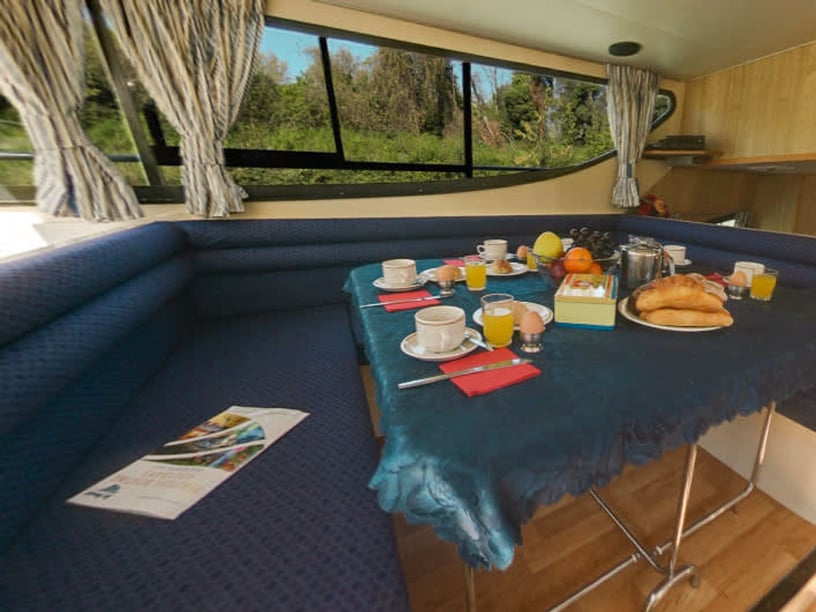
A Bram charter combines boating with frequent opportunities to step ashore. A typical day may include a short morning passage, shared lock work, a rural mooring and time exploring a town or cycling beside the canal. This close connection between boat and towpath distinguishes the experience from a conventional coastal yacht holiday.
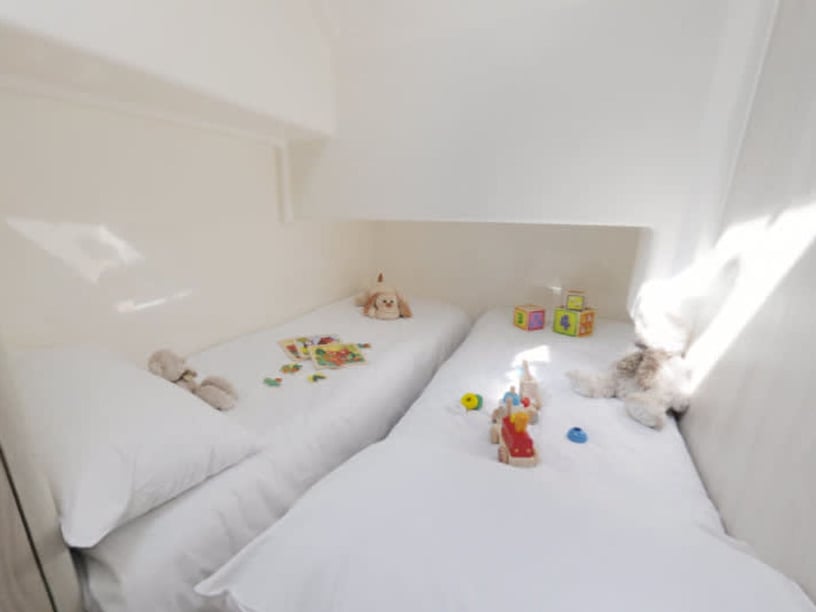
In Bram, the circular historic center is the main focus away from the water. Its streets form concentric rings around the Church of Saint-Julien and Sainte-Basilisse, while the Eburomagus Archaeological Museum reflects the area’s Roman past near the Via Aquitania. The canal adds another historical layer: its local section was completed in 1675, and Bram’s port later developed facilities connected with navigation and commercial cargo. Together, these elements make the journey especially relevant to families, cyclists and travelers interested in history.
Reaching Bram and Port de Bram
Port de Bram, also known as Port-Canal, is the local departure and stopover point. It sits away from the historic center but is linked to town by a dedicated path, allowing crews to reach local sights on foot or by bicycle. Bram functions as both a houseboat departure location and a convenient stage on longer journeys between Castelnaudary and Carcassonne.
Carcassonne Airport is the nearest commercial airport, while Toulouse-Blagnac Airport offers broader domestic and international connections. Bram also has a TER railway station on the Toulouse–Carcassonne–Narbonne corridor and direct road access from the A61 motorway. These links make it possible to reach the canal without treating Bram as part of a coastal marina network.
Planning a boat rental in Bram
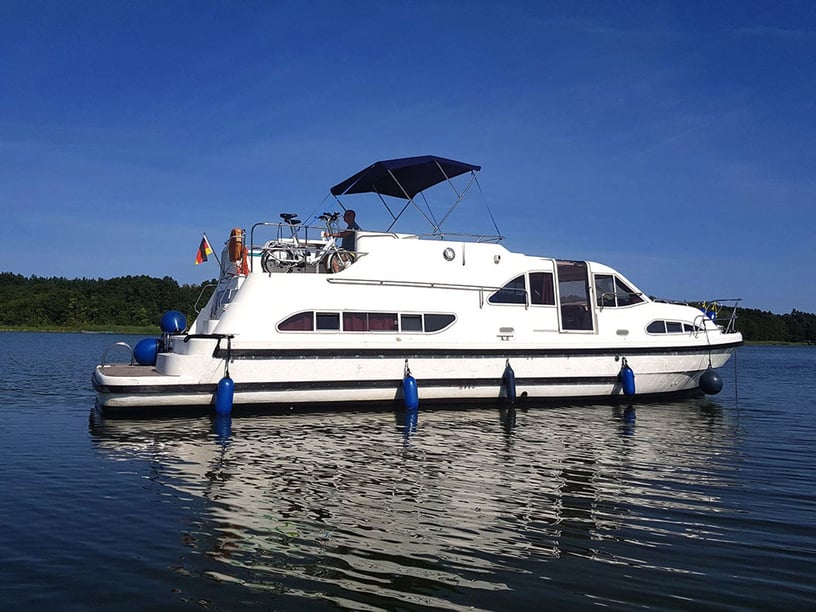
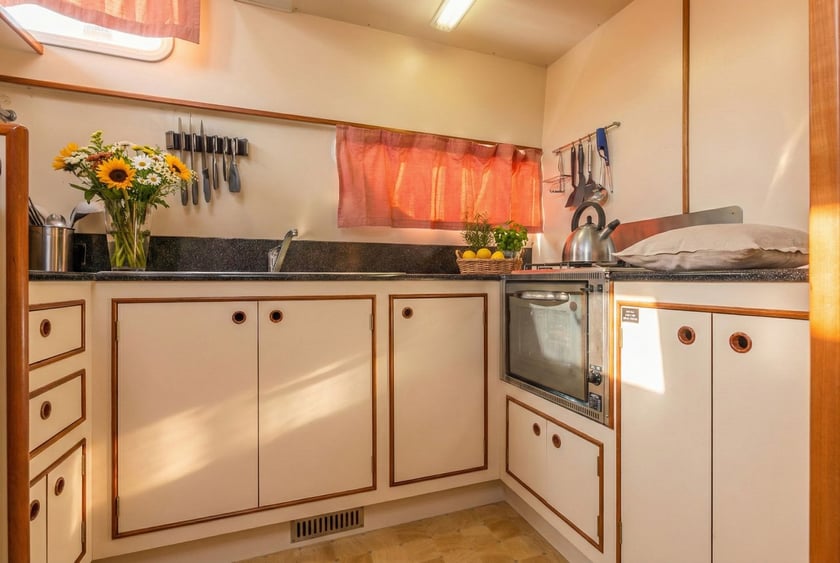
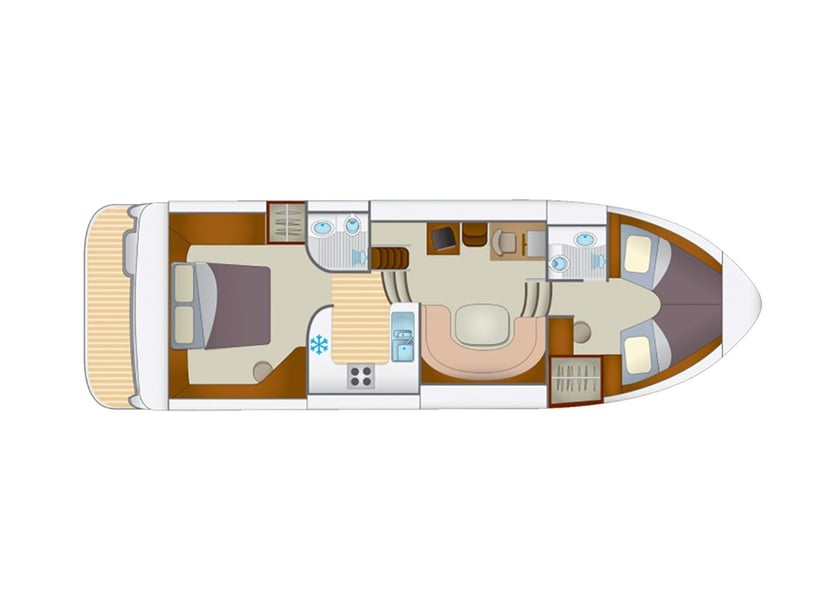
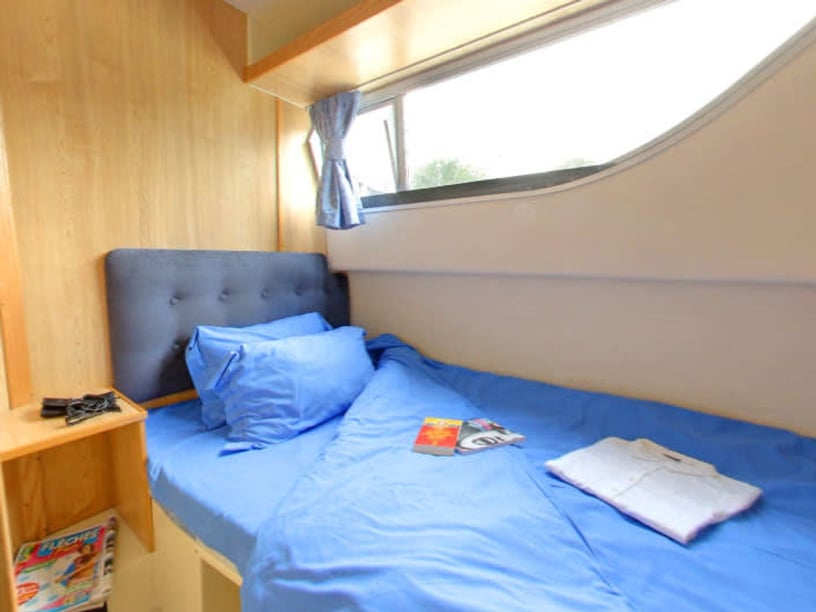
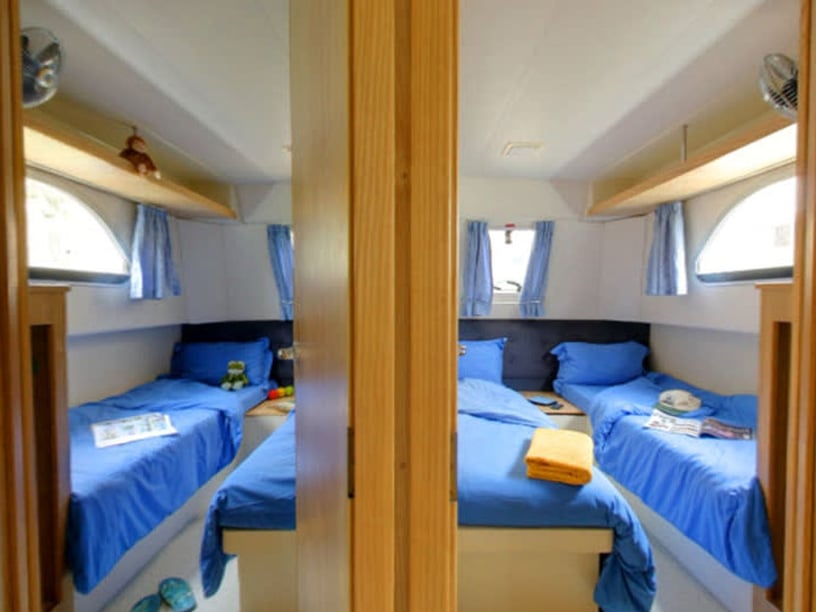
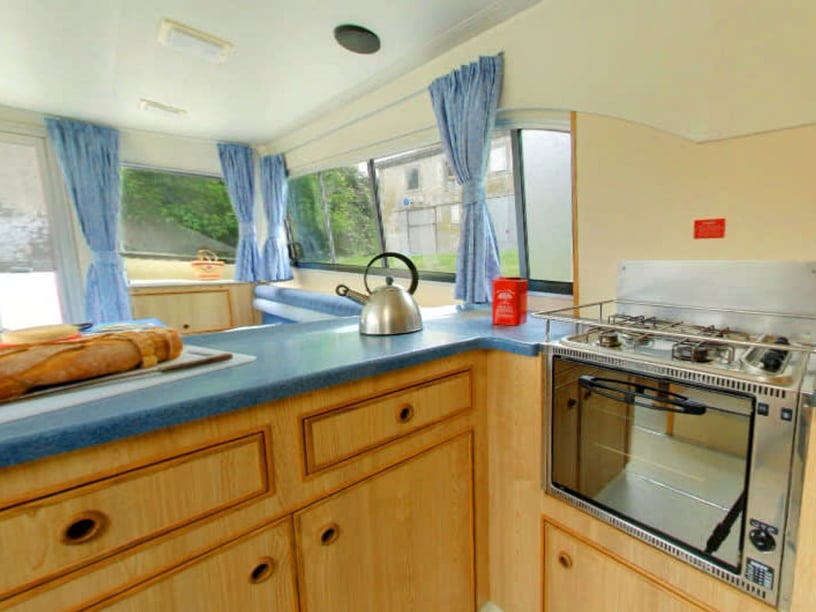
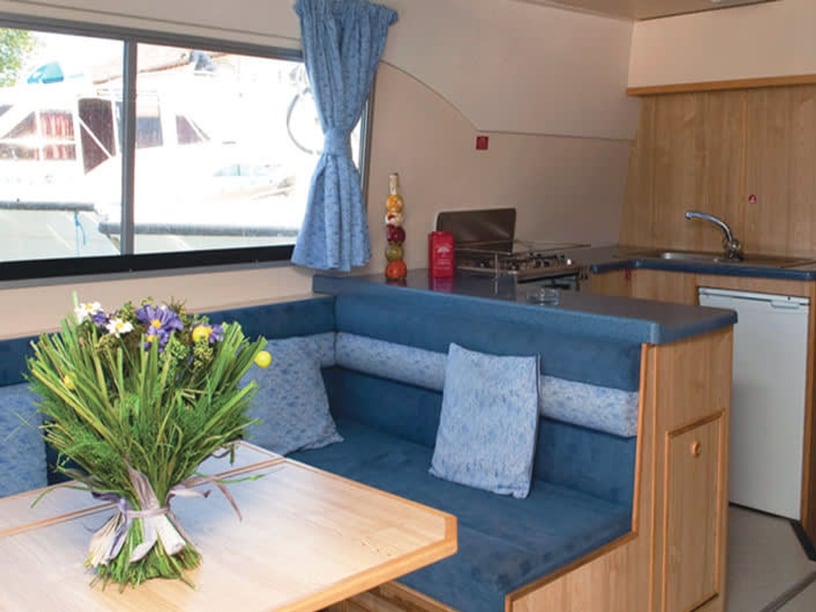
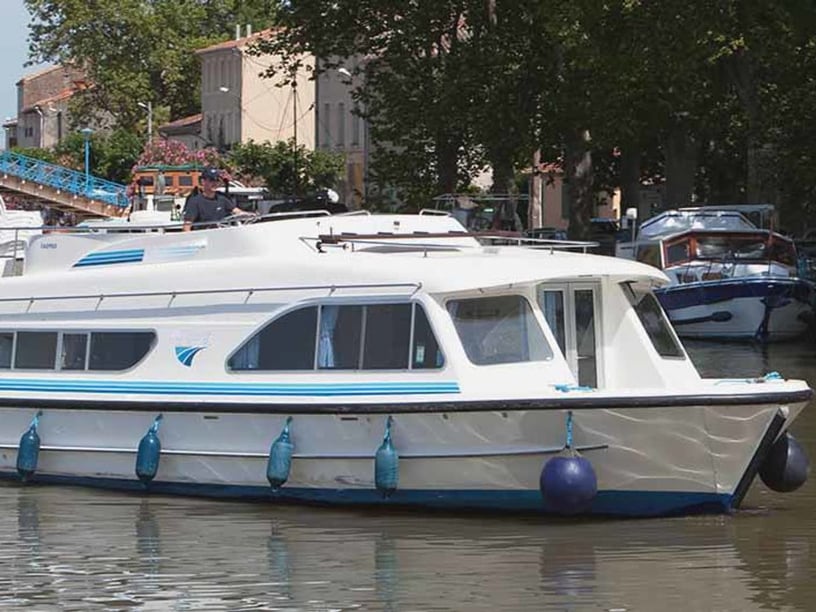
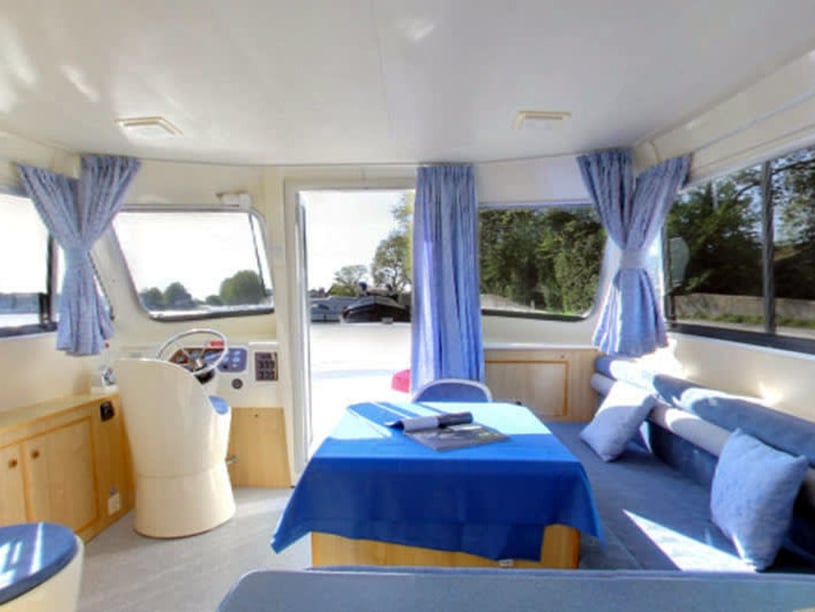
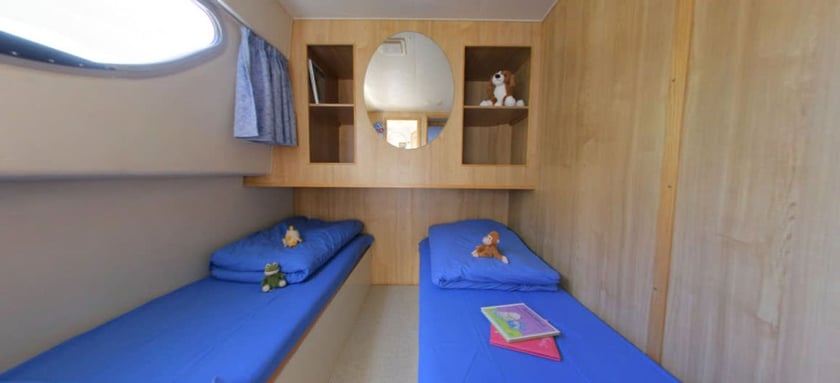
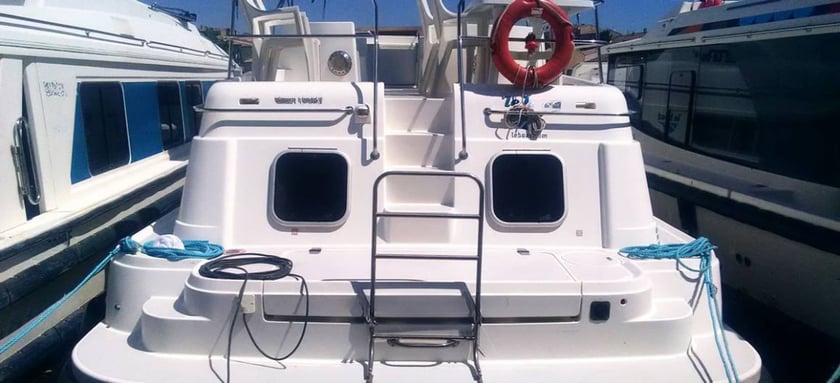
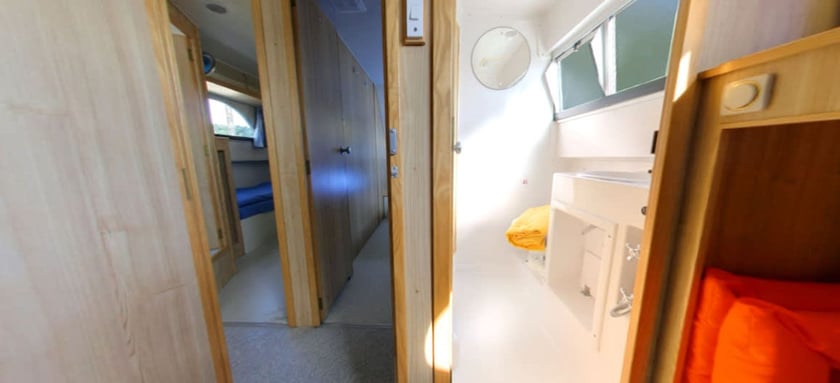
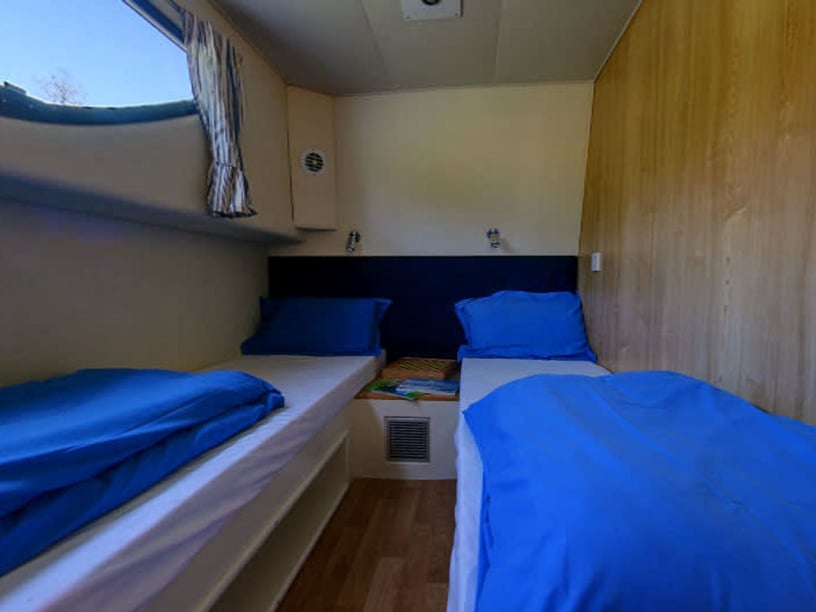
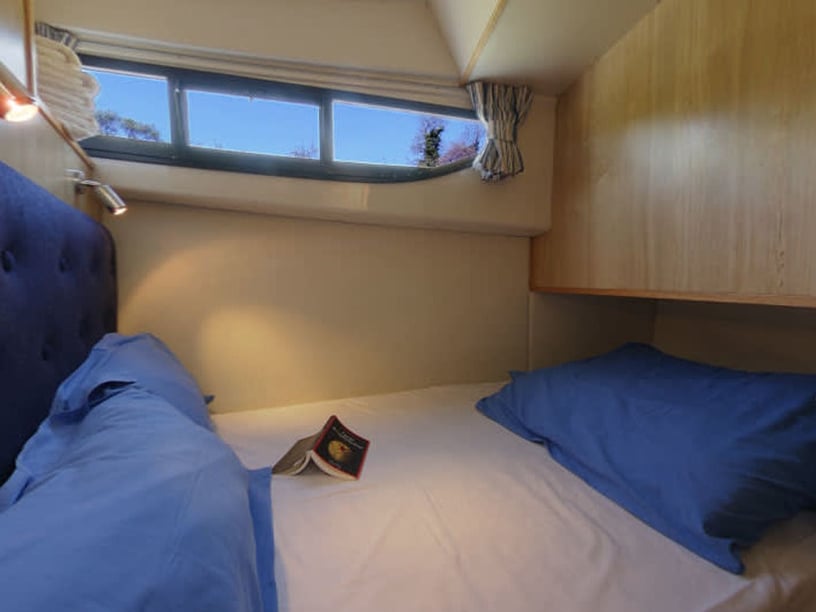
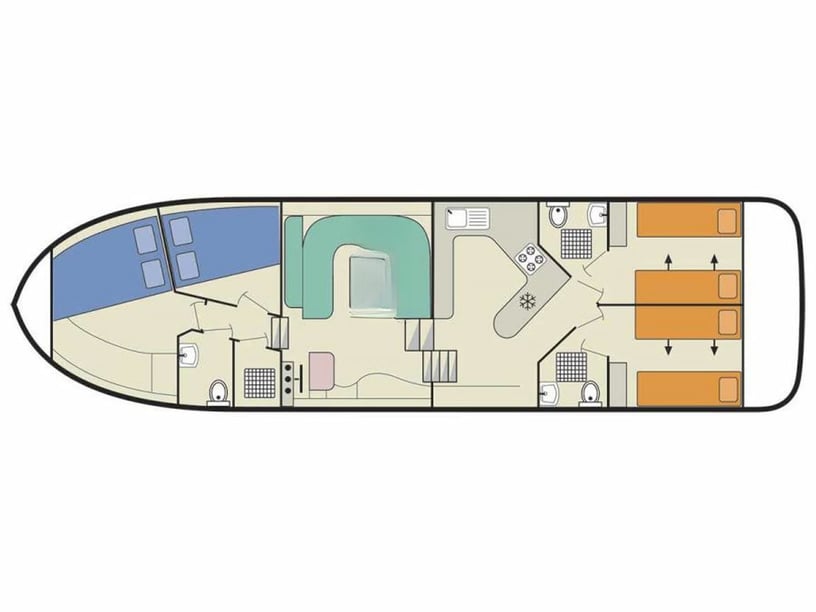
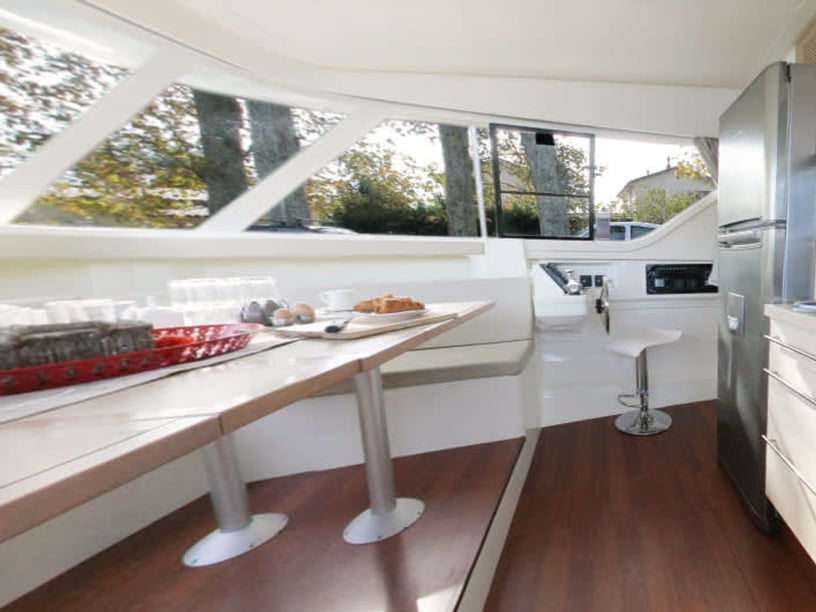
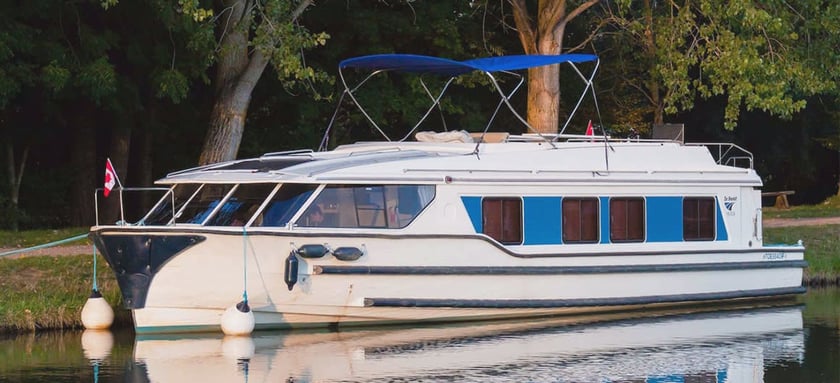
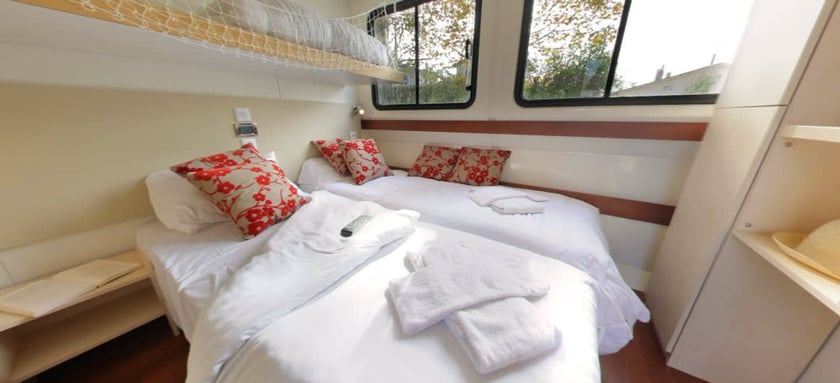
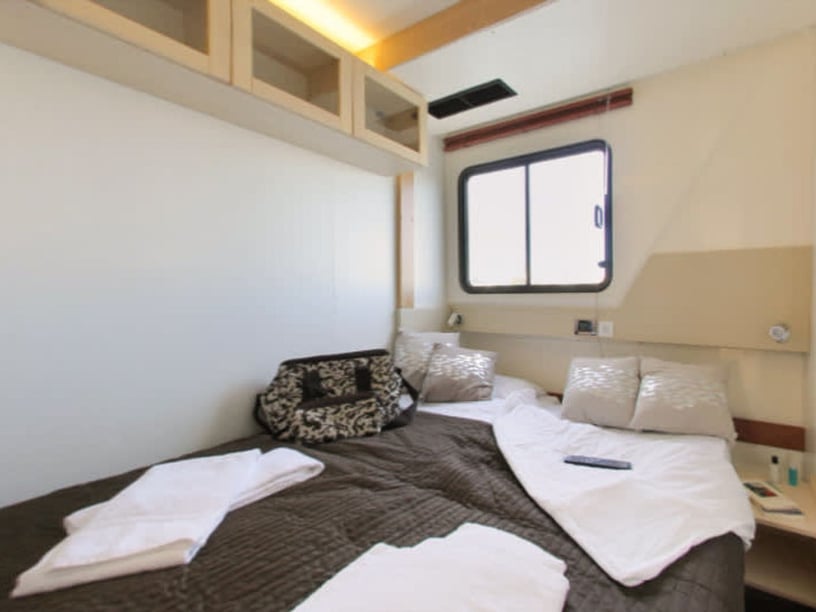
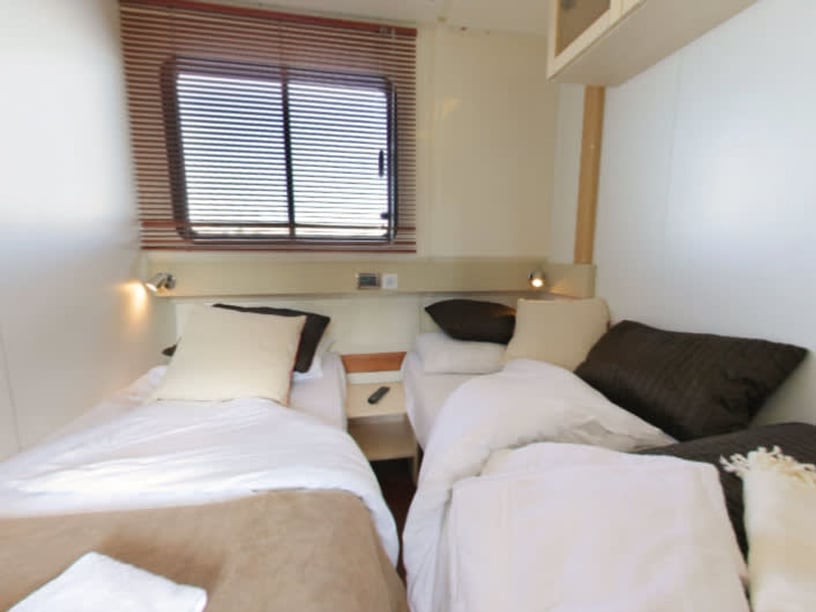
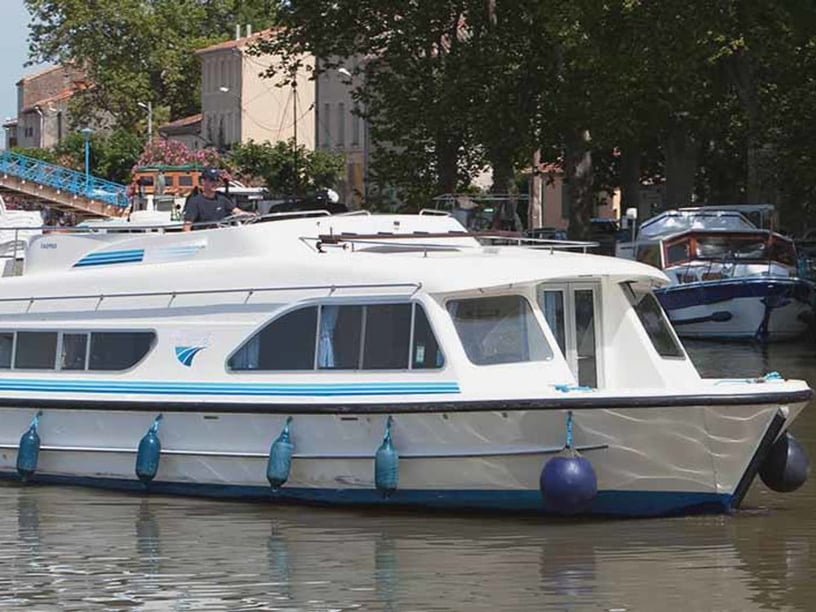
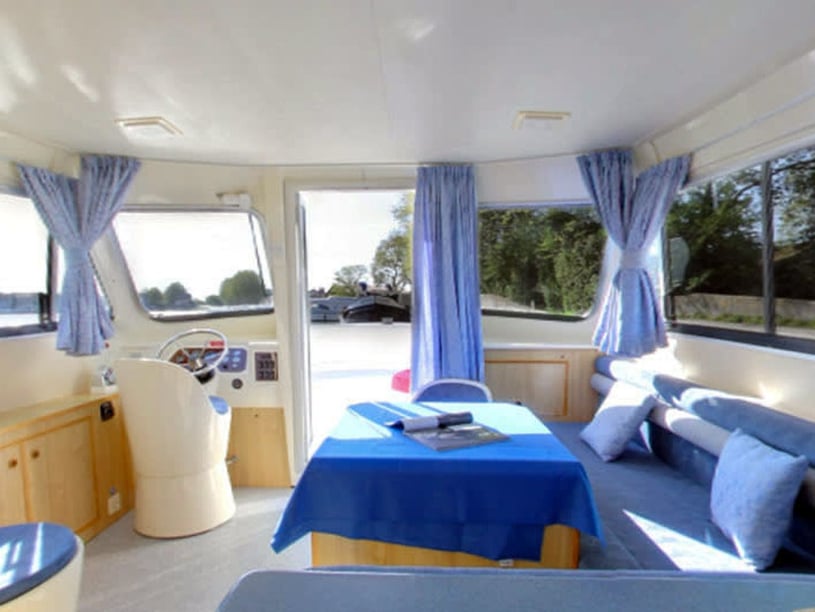
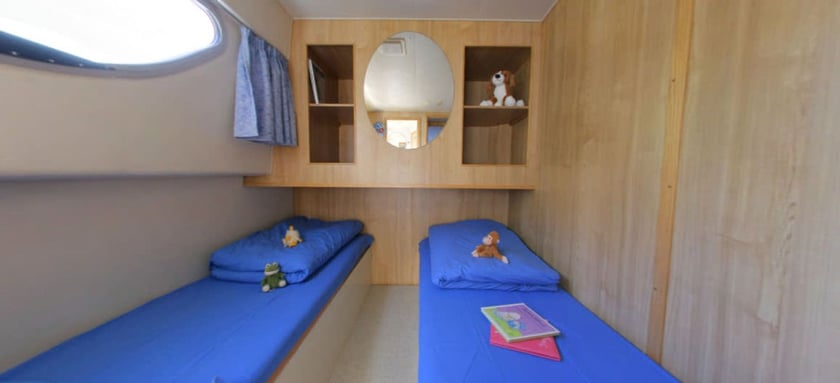
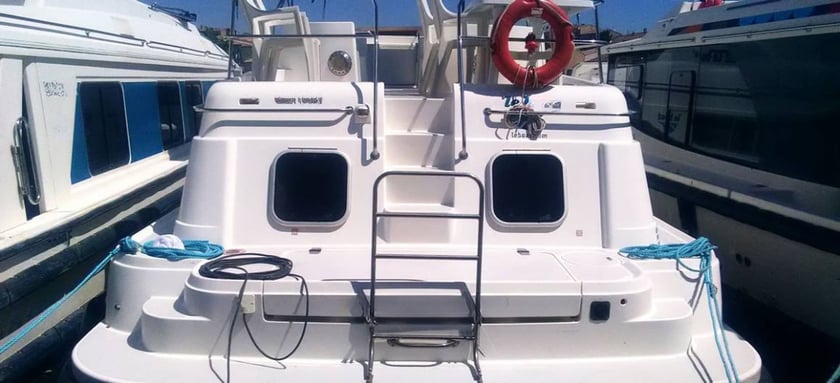
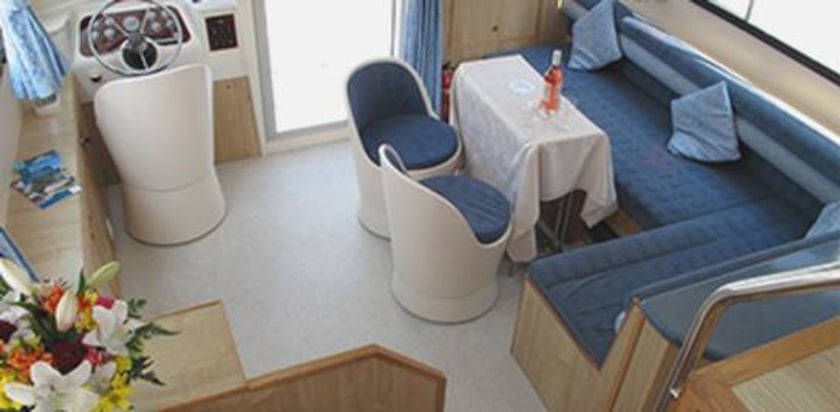
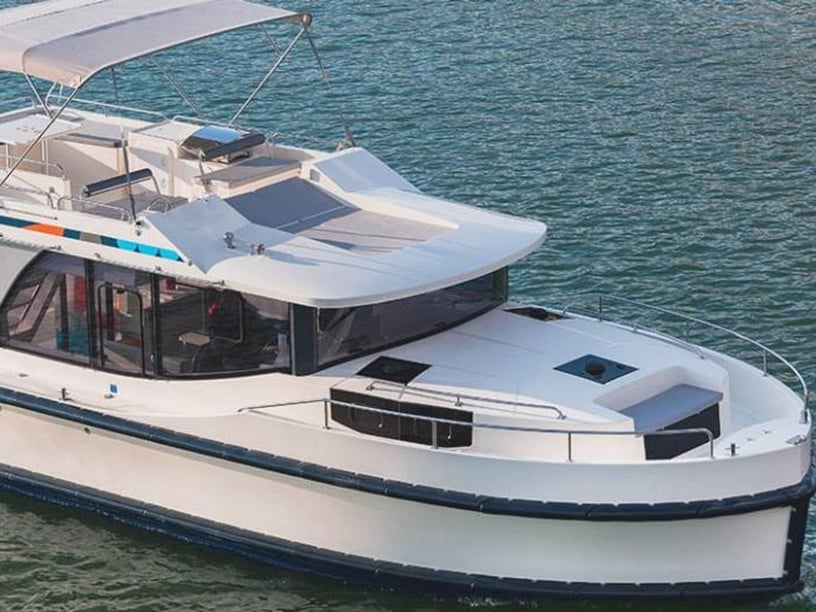
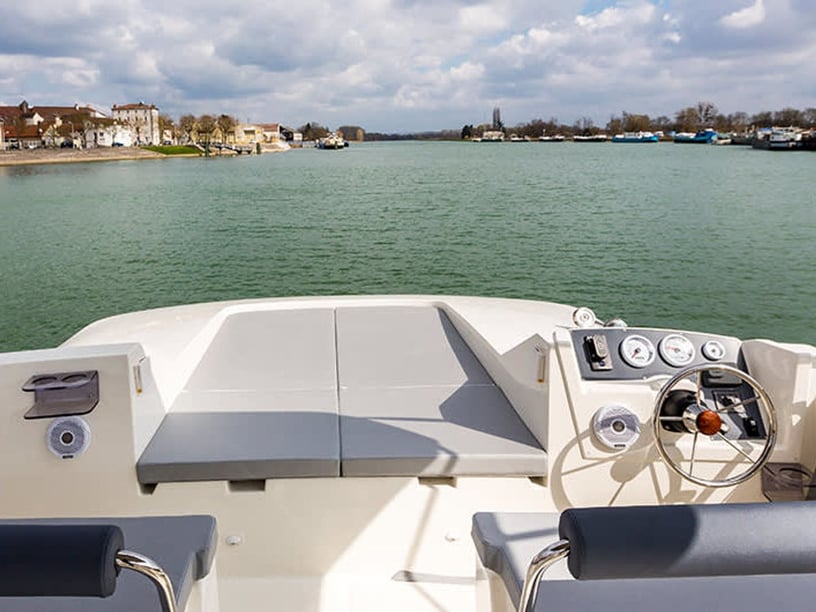
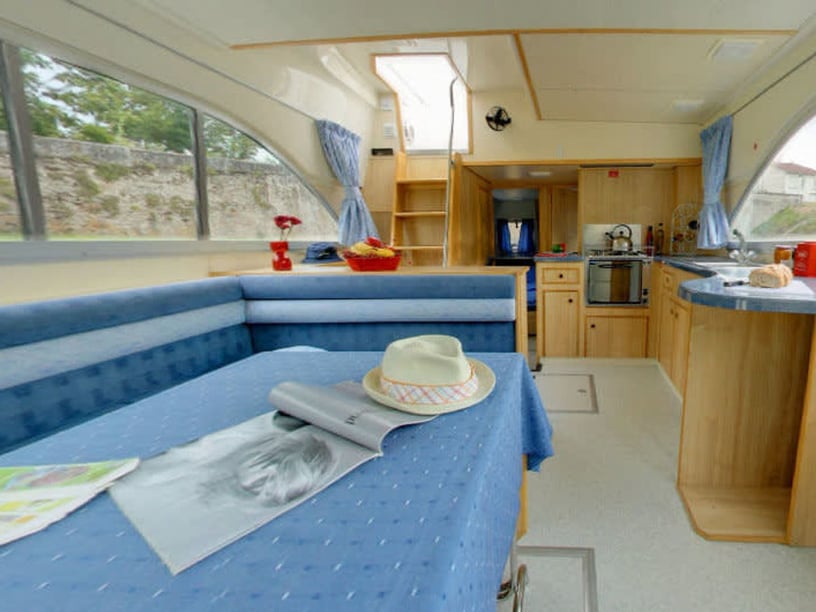
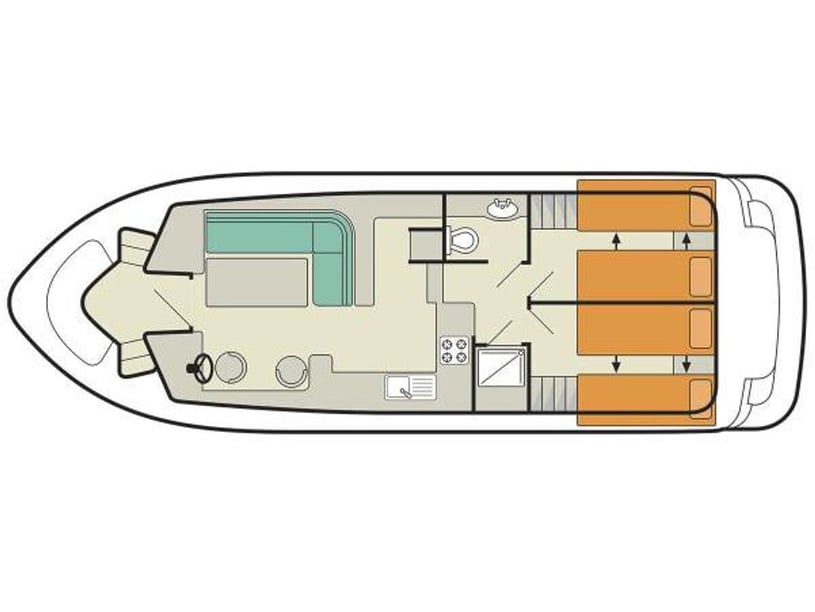
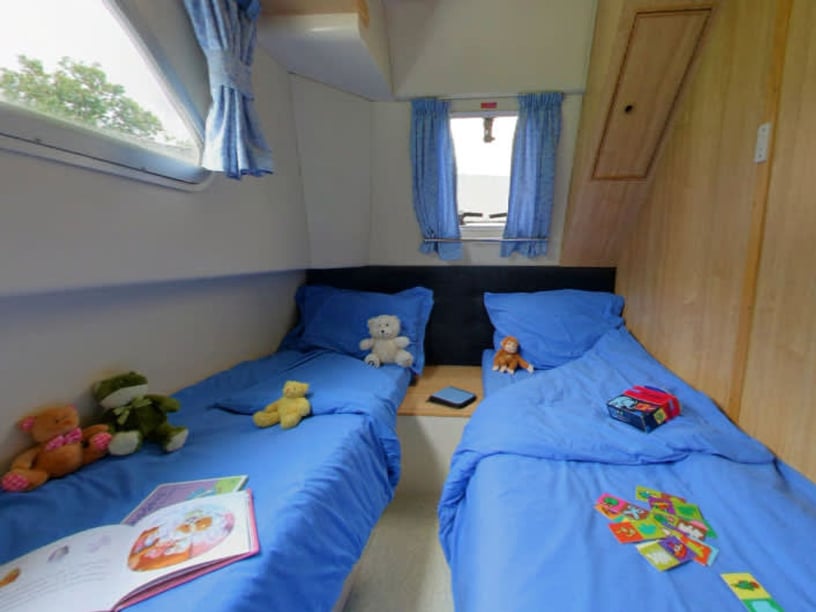
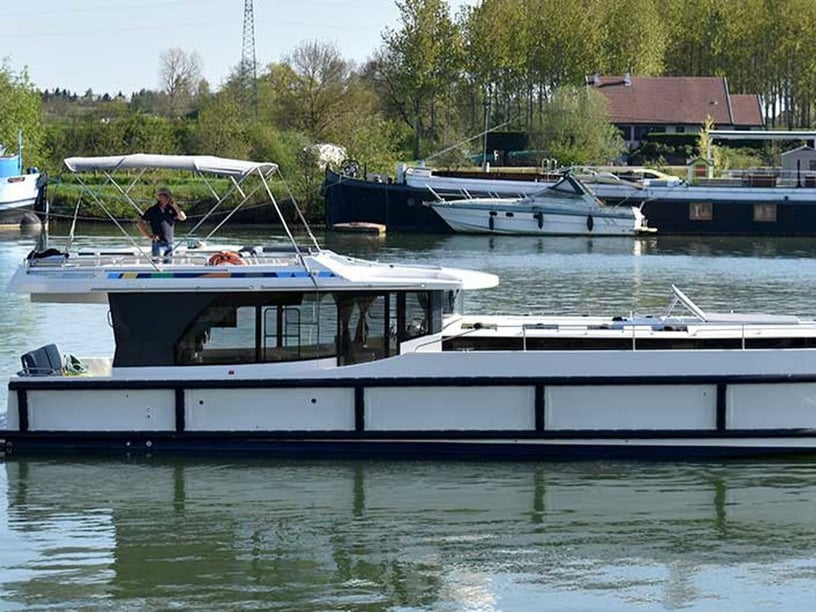
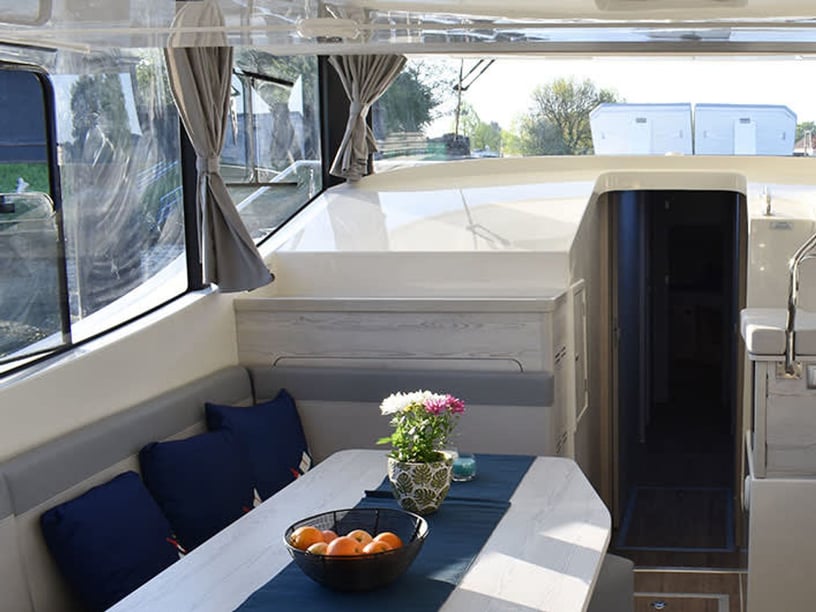
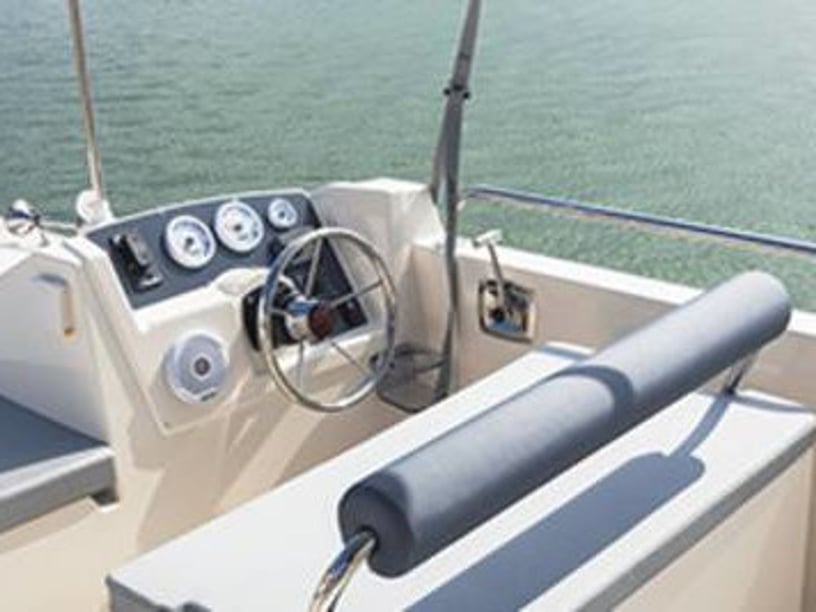
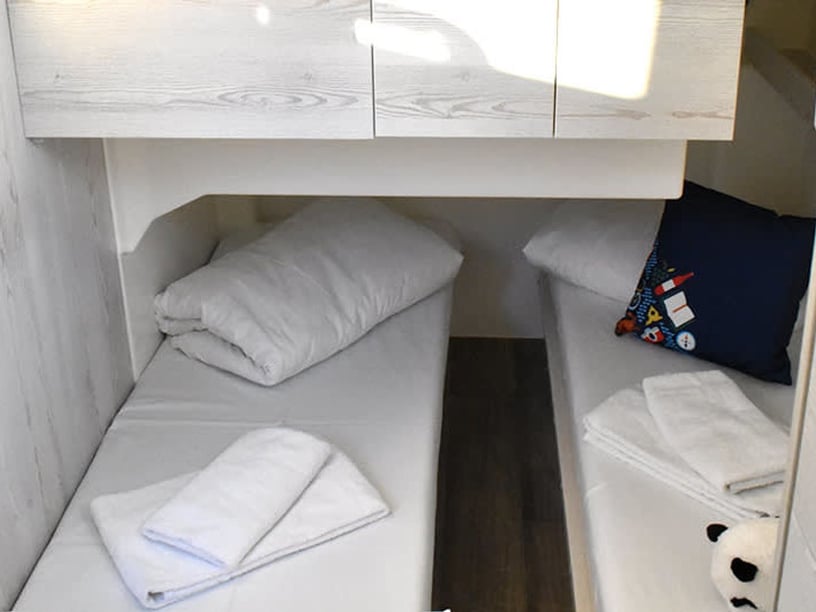
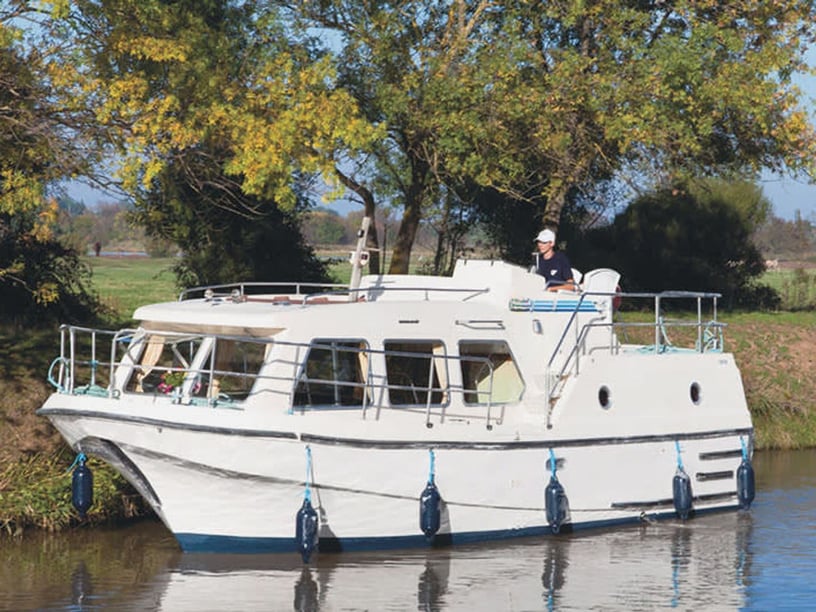
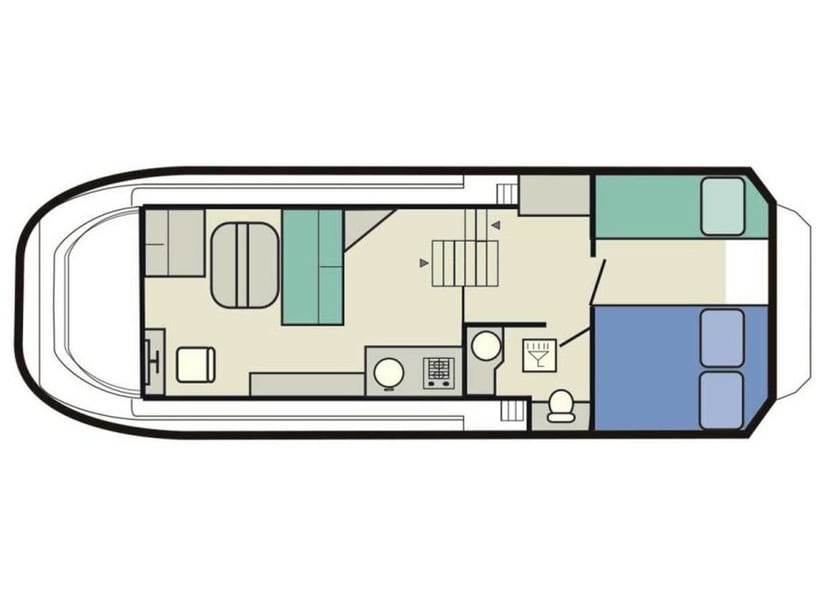
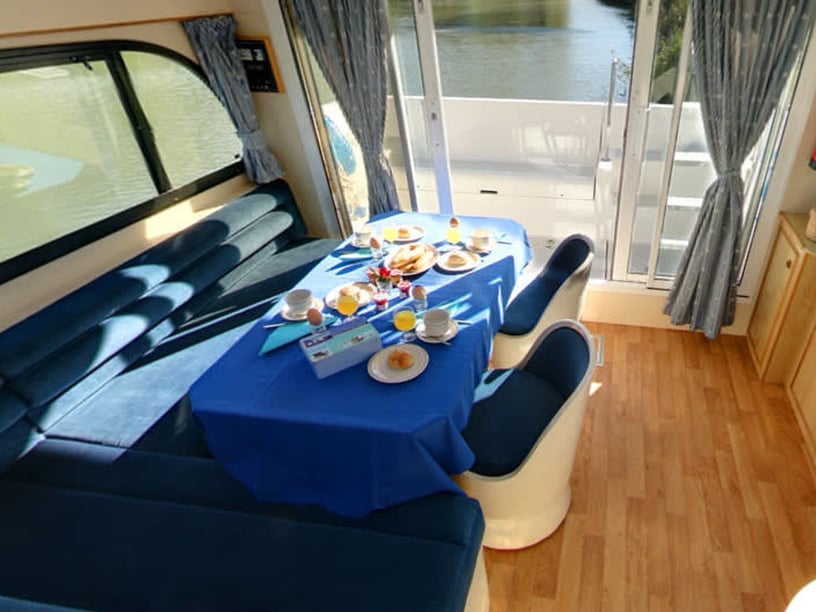
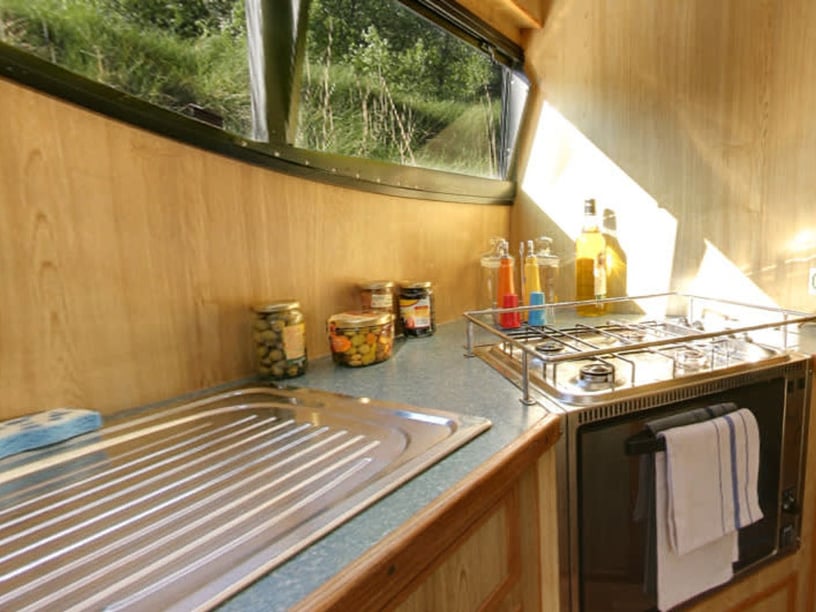
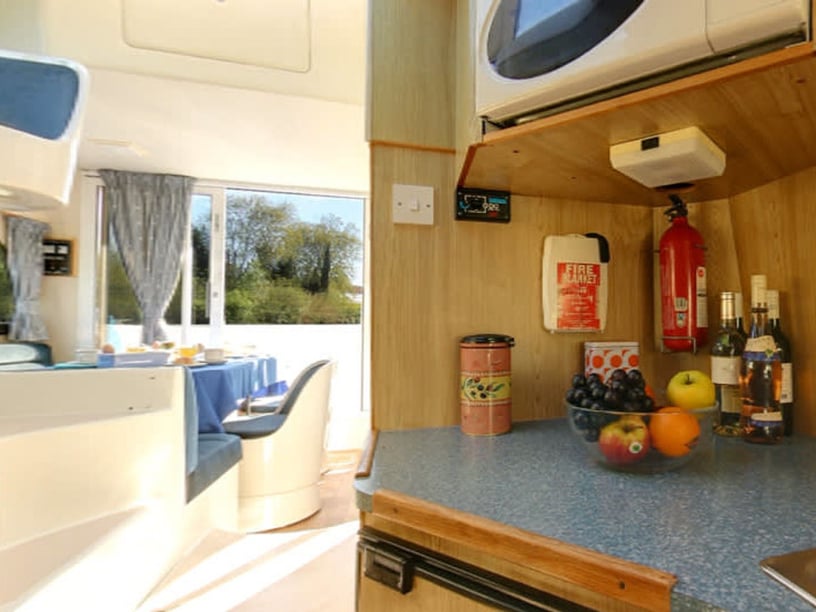
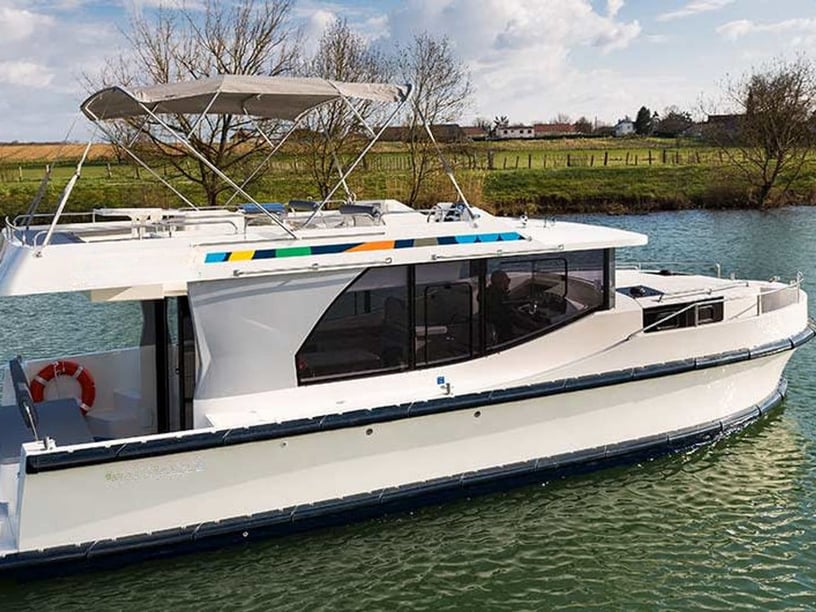
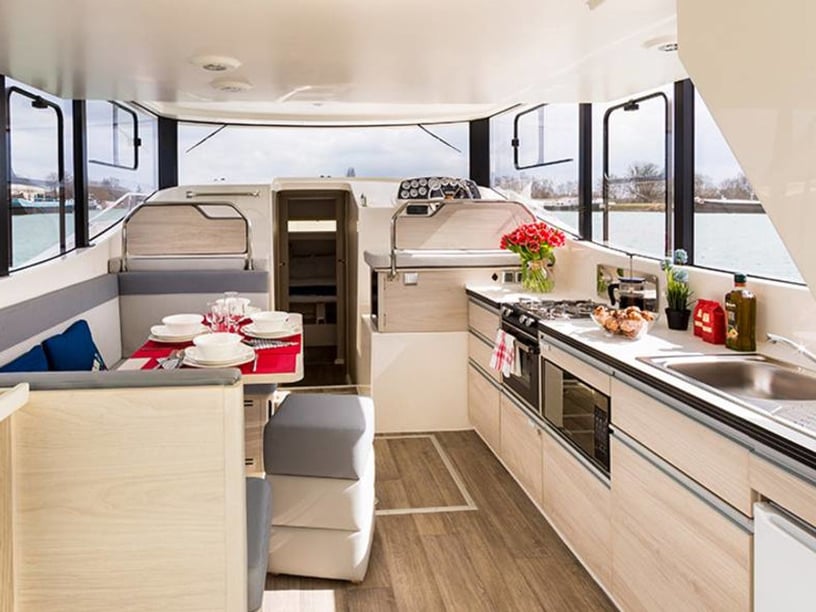
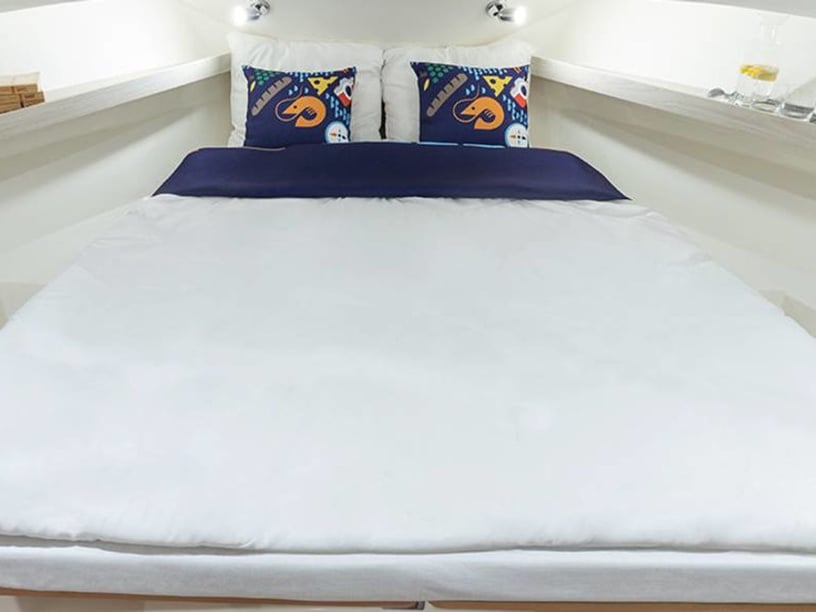
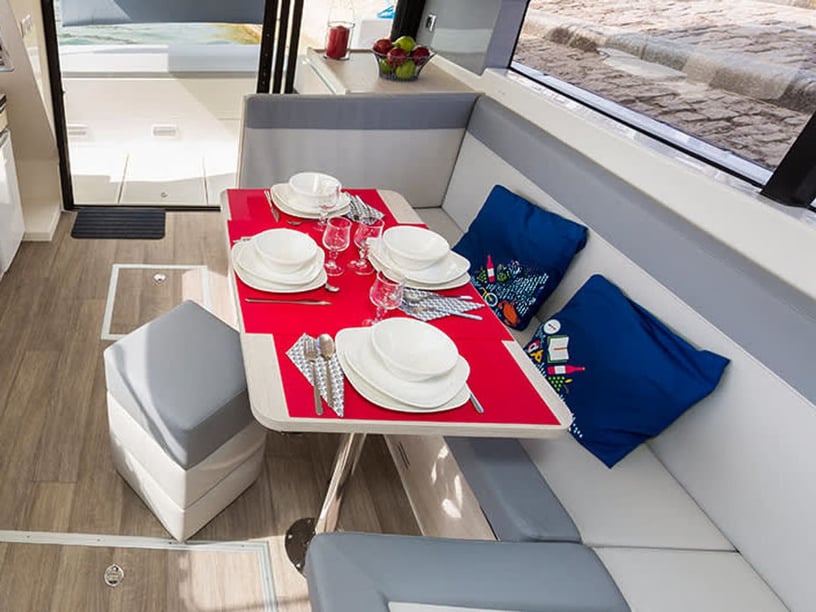
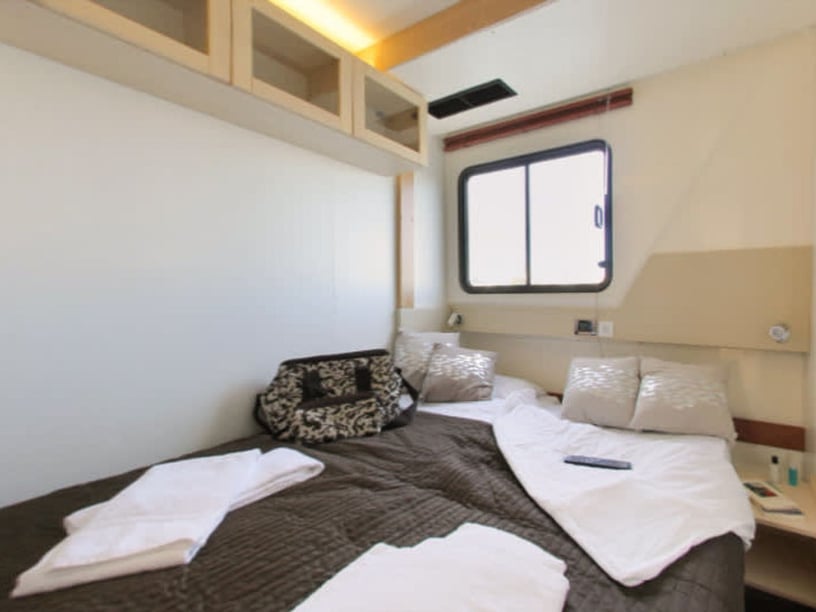
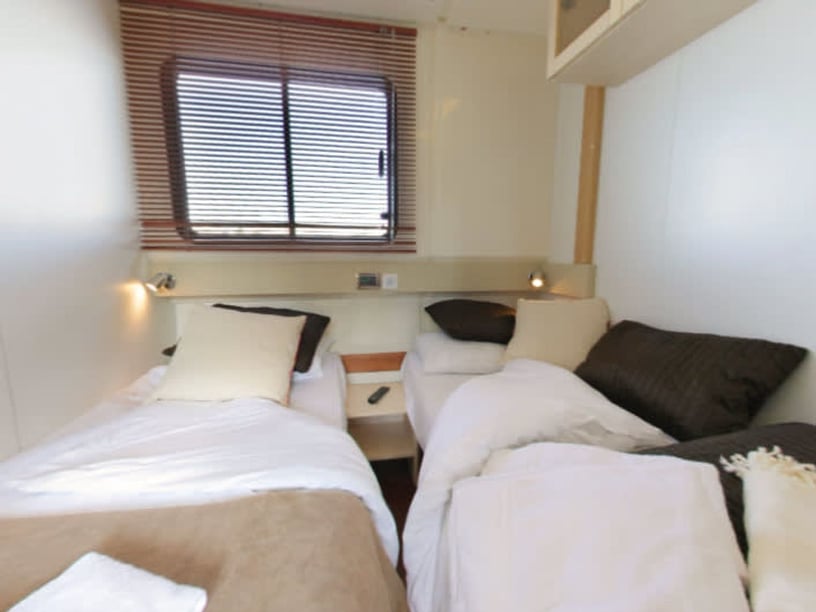
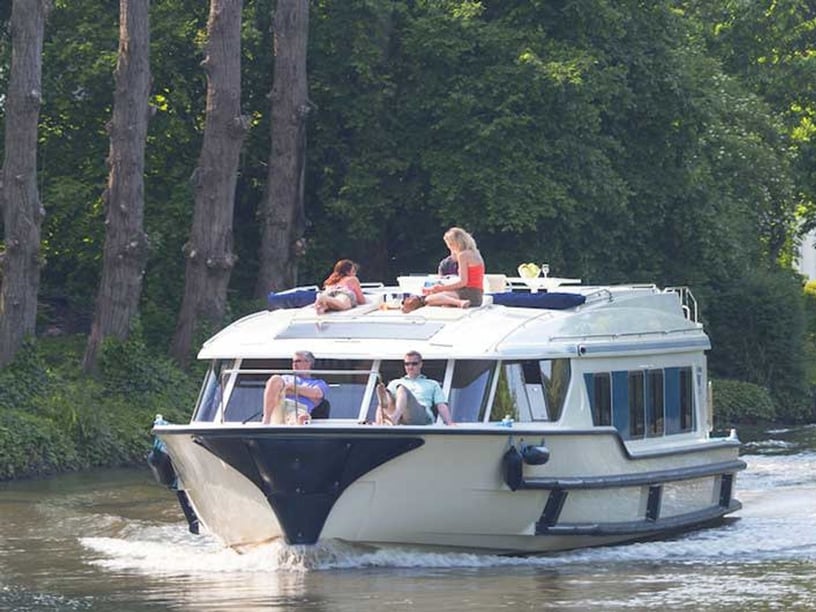
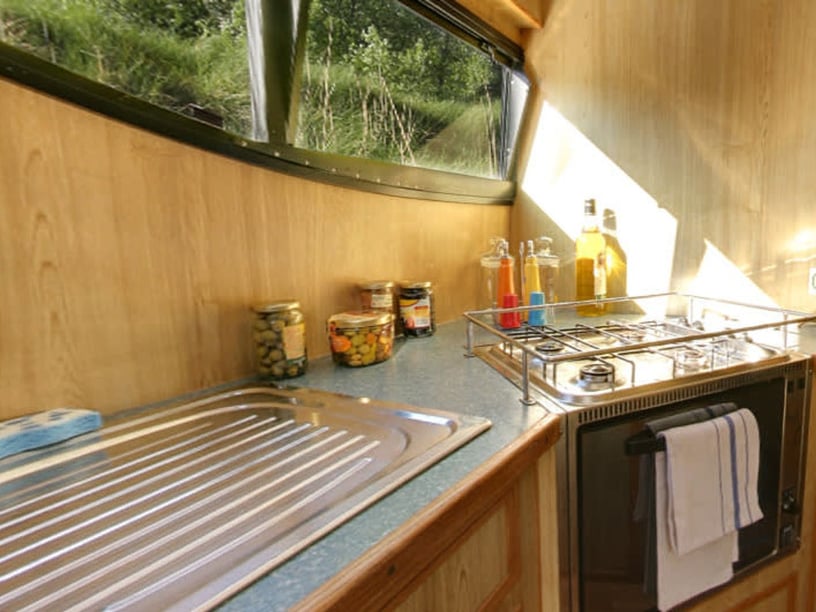
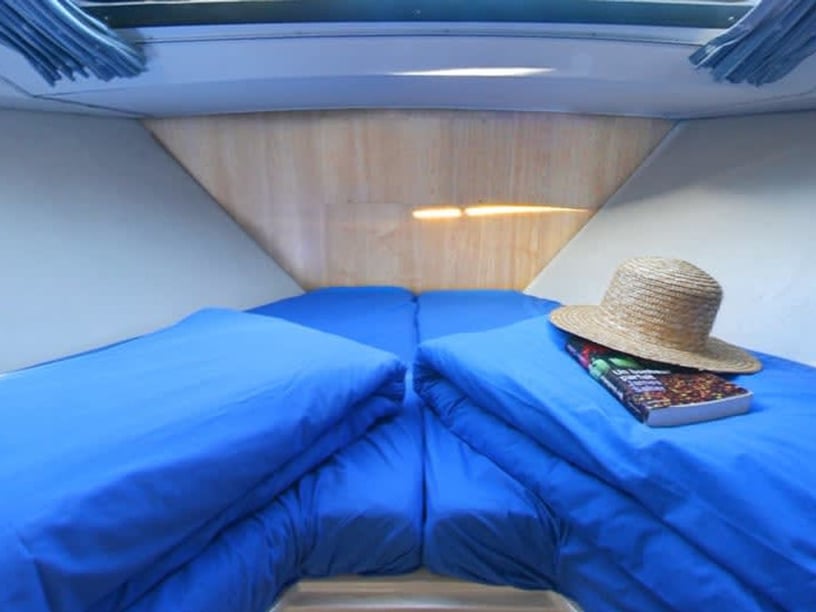
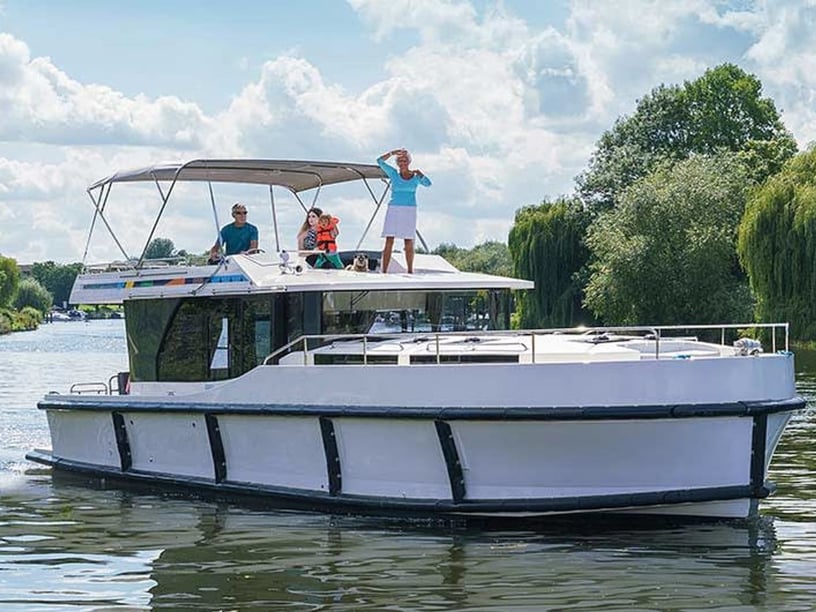
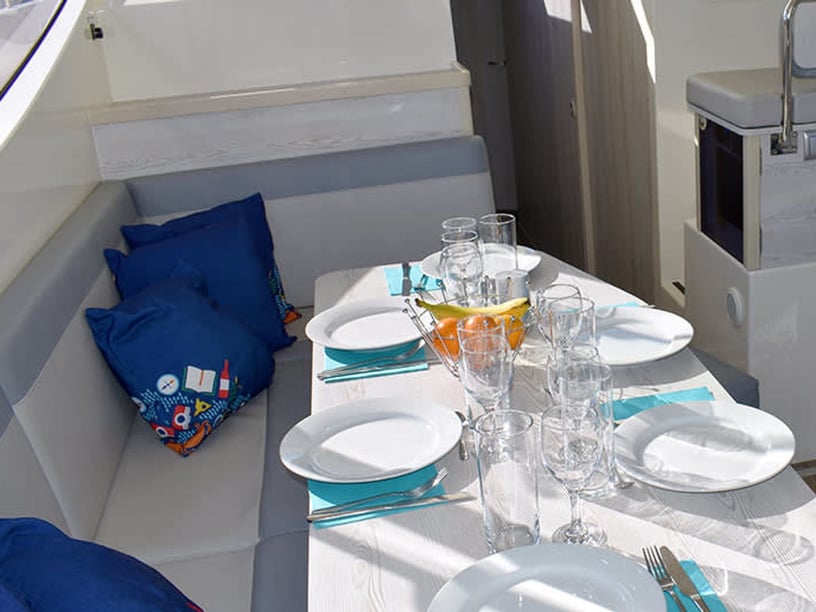
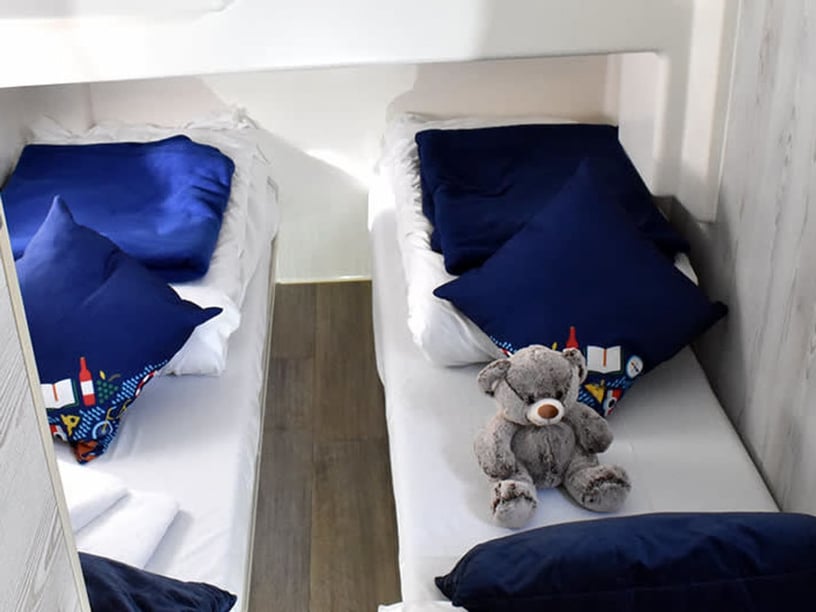
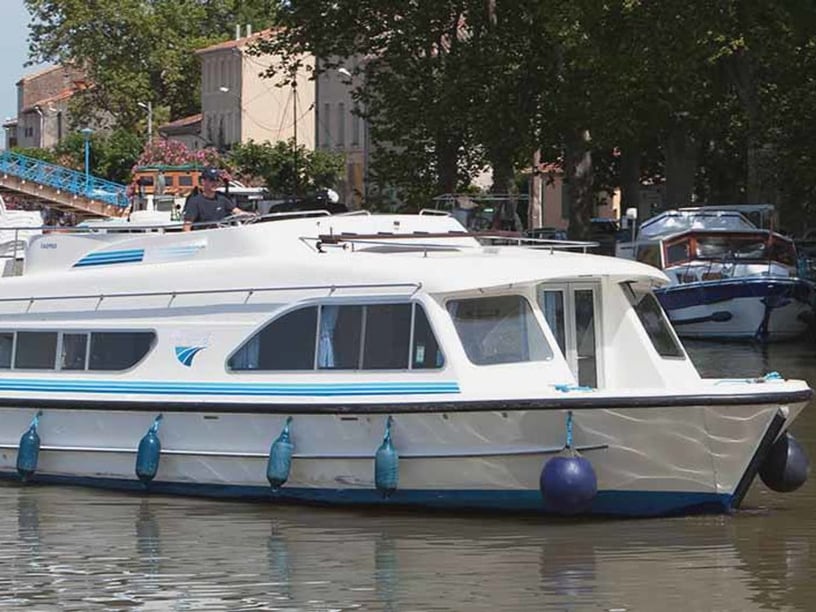
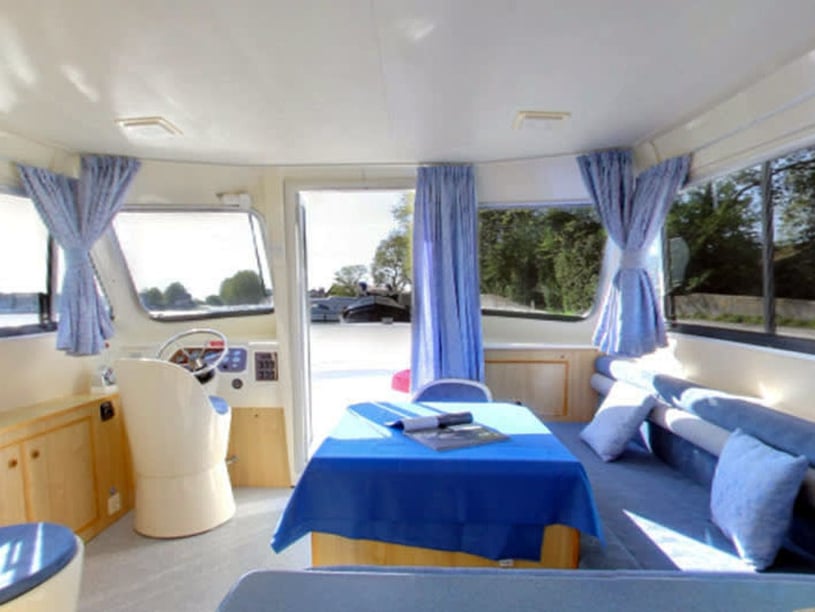
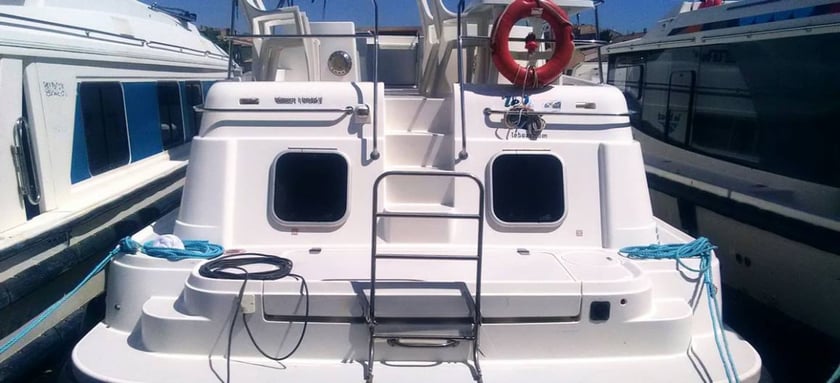
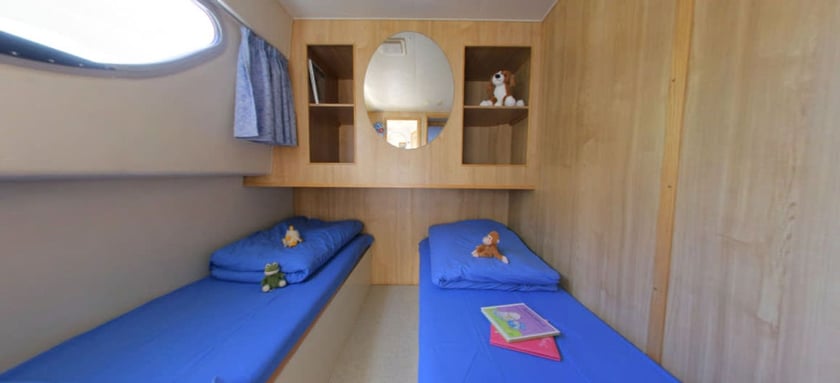
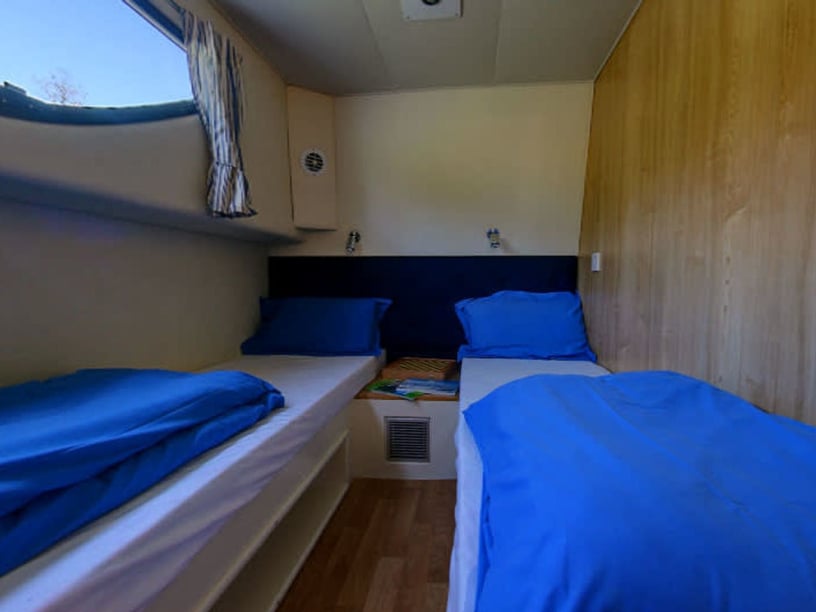
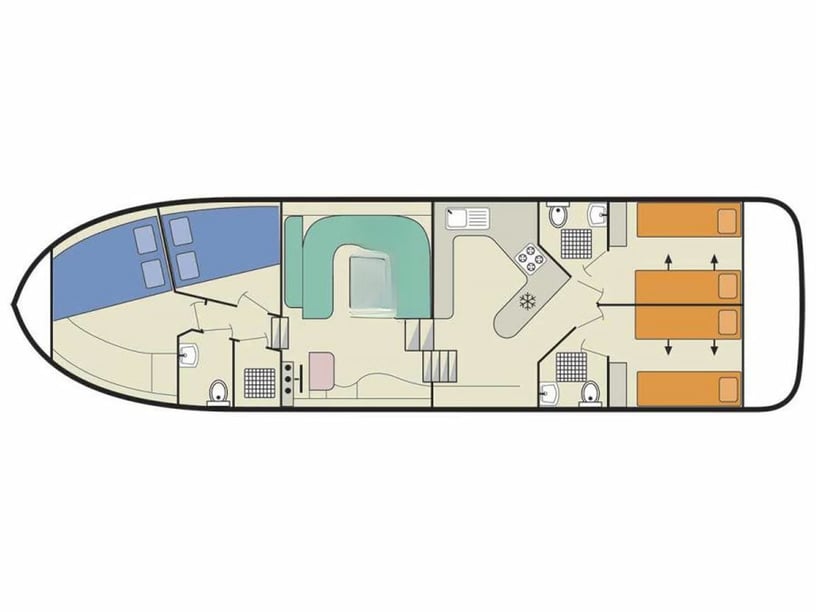
Bram boat rental is primarily centered on motor cruisers and houseboats designed for canals, not sailing yachts intended for open water. License-free rental cruisers are available, but an inexperienced crew should still allow time to learn low-speed handling, stopping distances and lock routines. At least two crew members are normally needed for lock passages: one remains at the helm while another handles lines ashore.
The general Canal du Midi speed limit is 8 km/h and is lower near locks, bridges, ports and other structures. It is therefore better to plan around modest daily distances than to measure an itinerary as if it were a road journey. Lock schedules and time ashore can also affect progress.
Swimming in the Canal du Midi is prohibited, so swimming plans should use designated areas away from the navigation channel. Before departure, check current VNF notices for lock operations, maintenance closures and temporary restrictions. Travelers bringing a private craft must additionally confirm permitted draft, lock dimensions and bridge clearances.