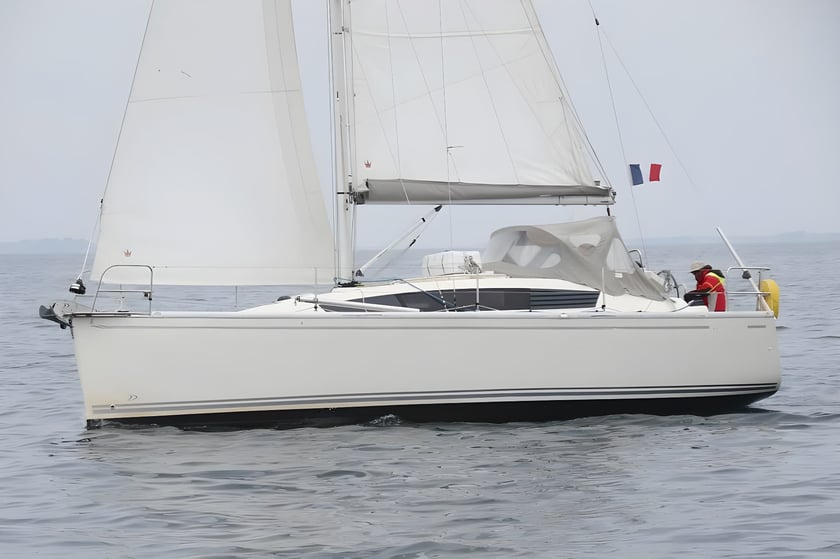
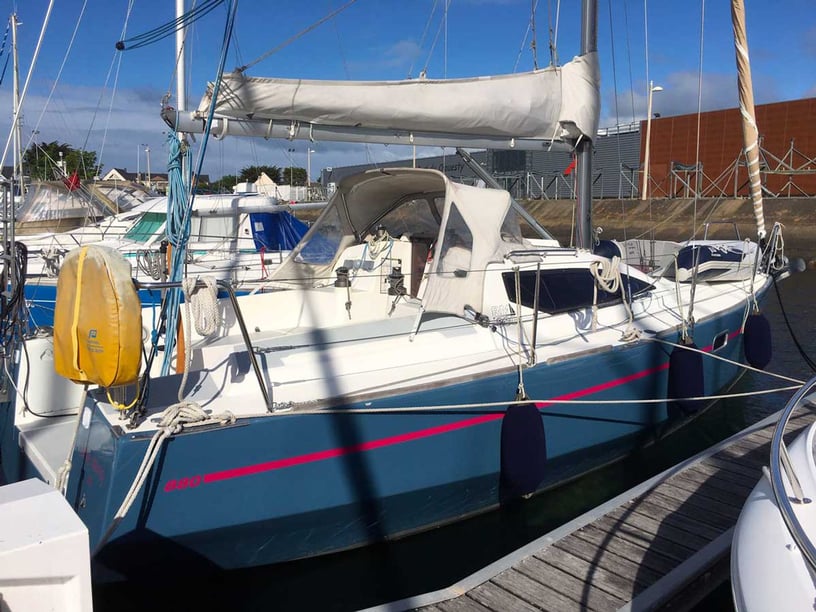
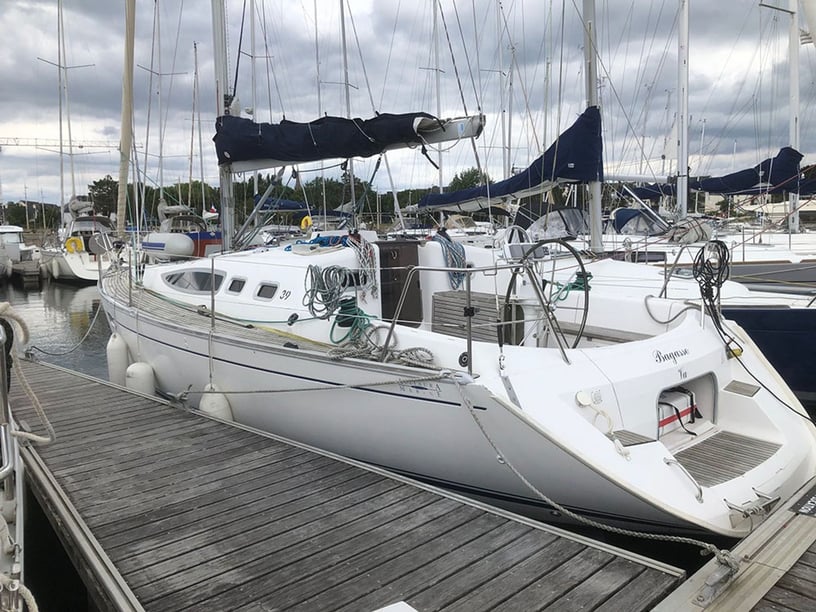
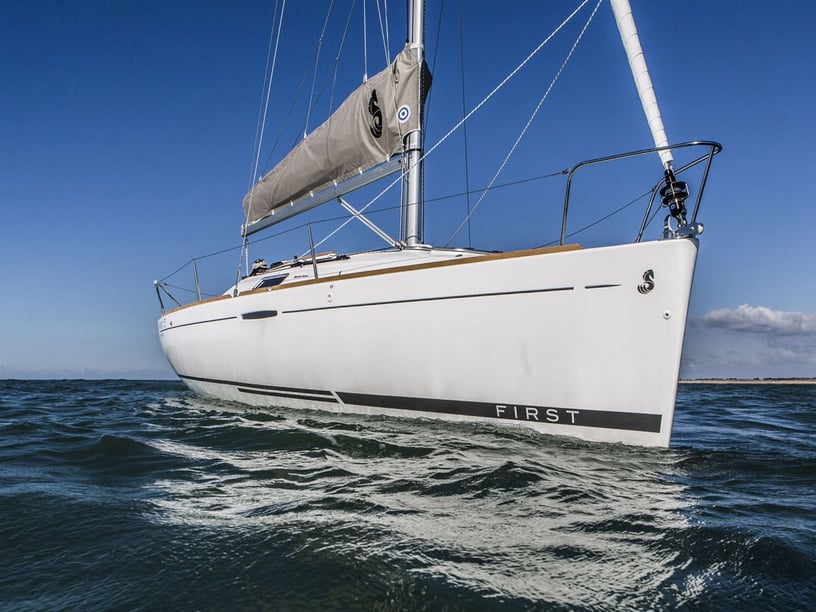
Yacht charter in Arzon: two contrasting coasts
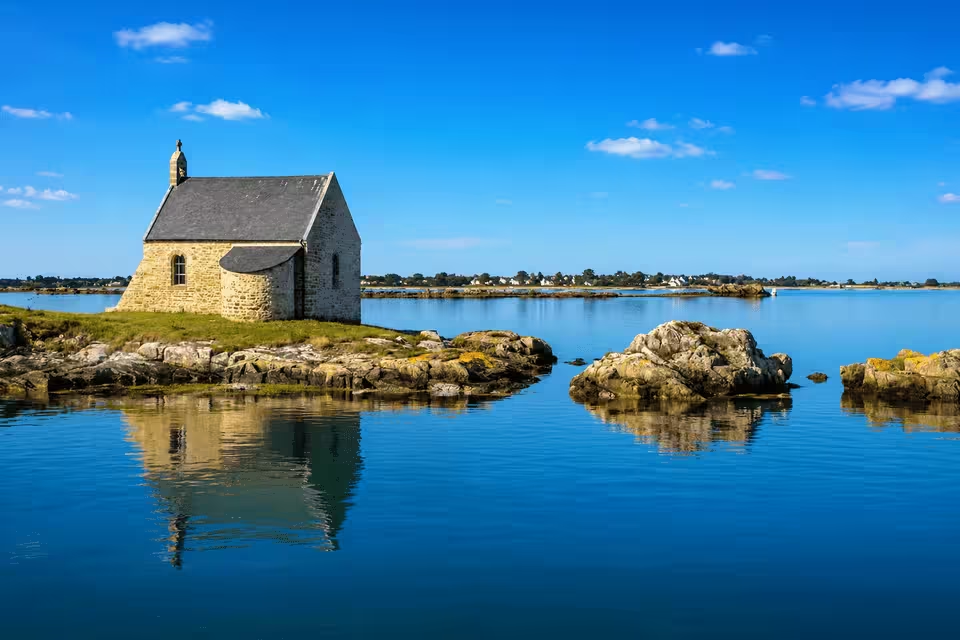
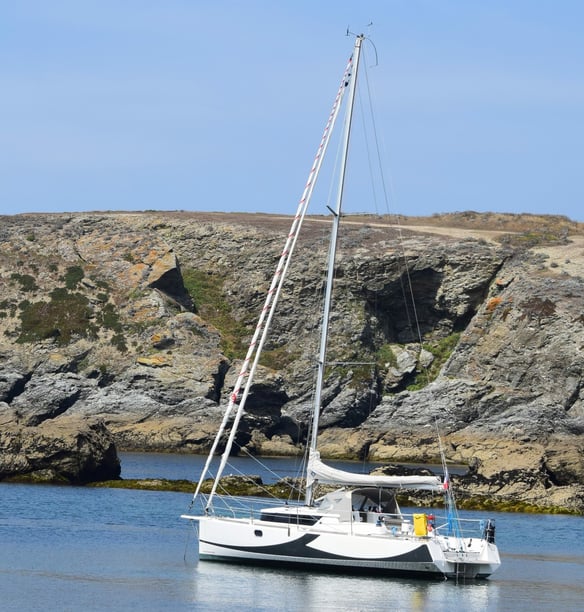
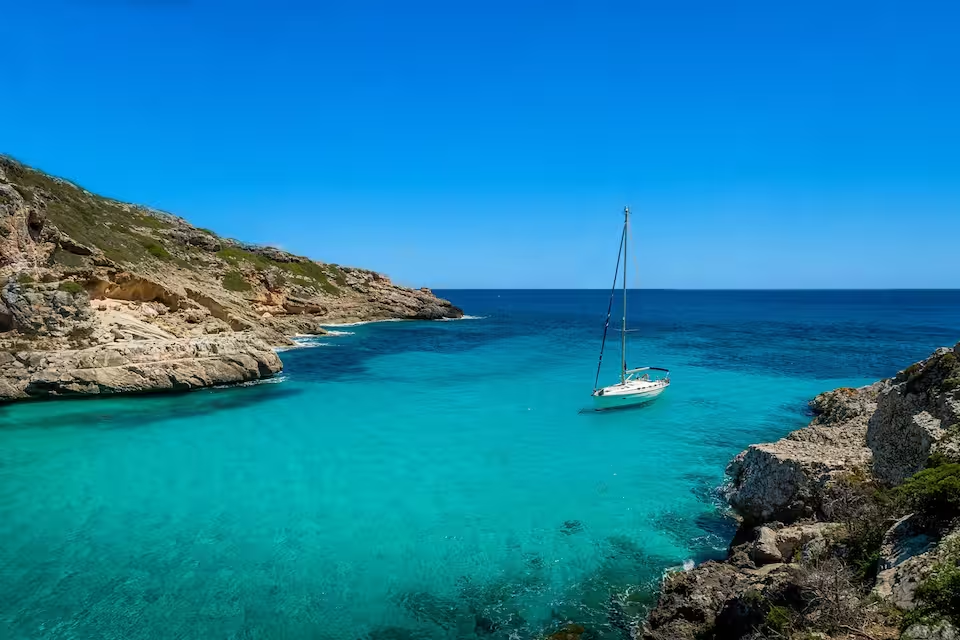
Arzon occupies the western end of Brittany’s Rhuys Peninsula, between the island-filled Gulf of Morbihan and the more exposed waters of Quiberon Bay. This position gives a yacht charter in Arzon two distinct directions: short passages through sheltered but tide-dominated gulf channels, or open-water cruising toward Brittany’s offshore islands.
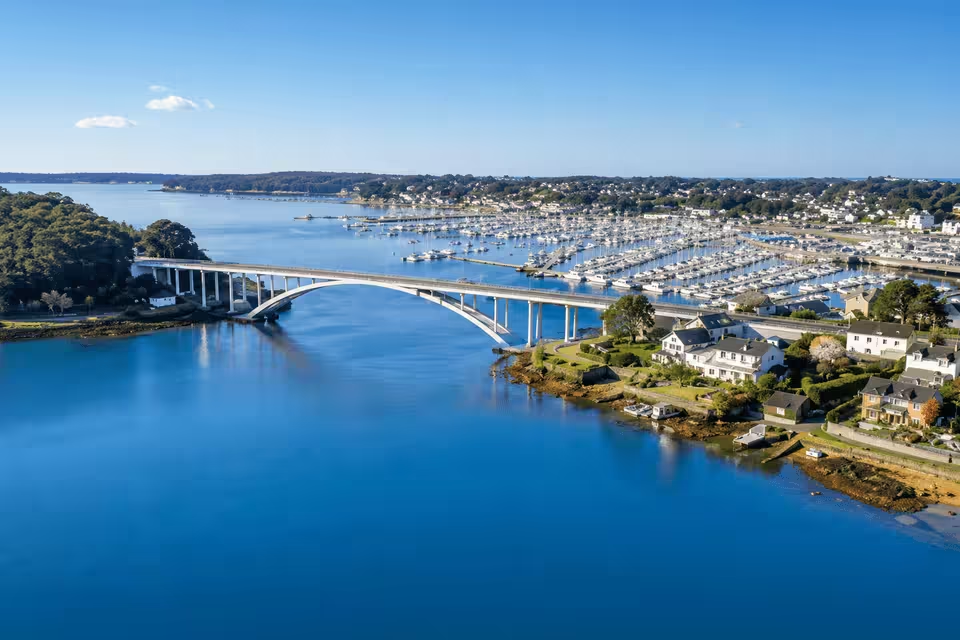
The destination has two main maritime faces. Le Crouesty is a large, service-oriented marina facing Quiberon Bay, while Port-Navalo combines a traditional harbor and passenger quay with access to the narrow entrance of the gulf. Together, they make Arzon both a useful departure area and an interesting coastal stop. Travelers comparing it with other cruising regions can also explore yacht charter in France.
Islands and coastal areas to explore
Inside the Gulf of Morbihan, the cruising landscape is defined by islands, narrow channels and protected shores. Île aux Moines and Île d’Arz are natural focal points for shorter passages, while routes farther into the gulf can continue toward Vannes. Gavrinis and the Auray River add further possibilities for trips planned around local tidal streams.
South of Arzon, Quiberon Bay feels more open. Houat and Hoëdic can form the center of an island-focused cruise, with Belle-Île-en-Mer as a longer extension when weather and sea conditions permit. These routes exchange the relative shelter of the gulf for Atlantic swell and longer passages.
Closer to Arzon, Anse de Kerners and the gulf-side coves offer a quieter contrast to the ocean-facing beaches and rocky points of the southern shore. A short crossing between Port-Navalo and Locmariaquer can also connect the two sides of the gulf entrance.
Sailing conditions around the Gulf of Morbihan
Cruising around Arzon is shaped above all by the tide. Streams through the Port-Navalo entrance and other constricted passages can become extremely strong, approaching 9 knots during the most powerful tides. Passage timing therefore matters even for relatively short distances. When wind opposes the current, the sea can become difficult around the entrance and exposed points.
The inner gulf is comparatively sheltered from Atlantic swell, but shelter does not necessarily mean simple navigation. Islands, shoals, rocks, shellfish beds, narrow channels and regulated mooring areas require careful route planning and current information. This is a destination where local knowledge and tidal awareness materially affect the day’s schedule.
Beyond the entrance, Quiberon Bay and routes to Houat, Hoëdic or Belle-Île-en-Mer are more exposed. Westerly and southwesterly winds are common, and conditions offshore may differ substantially from those inside the gulf. This contrast allows an itinerary to combine compact scenic cruising with more substantial open-water passages.
Best time for an Arzon yacht charter
The main recreational boating season runs broadly from April through October, with June, July, August and September identified as particularly suitable months. Late spring and summer generally bring more sunshine, less rain and fewer strong-wind days than winter.
July and August are the principal activity peak. Marinas, passenger quays and popular coastal areas are busiest, so harbor movements and shore visits may require more planning. June and September retain favorable boating potential while sitting outside part of the midsummer concentration of visitors.
May can suit travelers comfortable with more variable conditions and a quieter seasonal rhythm. April and October are less active edges of the boating season. From November through March, wetter weather, stronger winds and Atlantic storms make leisure cruising less typical, although Port du Crouesty remains operational throughout the year.
Cruising routes from Arzon
An inner-gulf itinerary can begin at Le Crouesty or Port-Navalo, pass through the Port-Navalo narrows at an appropriate stage of the tide and continue among Île aux Moines, Île d’Arz and the channels leading toward Vannes. Another established pattern turns toward Gavrinis and the Auray River, combining short passages with close attention to tidal timing.
For a more exposed cruise, Le Crouesty provides direct access to Quiberon Bay. Houat and Hoëdic make logical offshore objectives, while Belle-Île-en-Mer is better treated as a longer extension dependent on forecast conditions and the planned charter duration.
The crossing from Port-Navalo to Locmariaquer offers a shorter maritime connection. Seasonal onward services and passenger links can also help non-sailing companions explore the gulf, but schedules should be checked before travel.
Coastal culture and time ashore
A charter around Arzon can alternate sailing with beaches, coastal walks and visits to sites that reflect several layers of Brittany’s history. The Cairn de Petit Mont is more than 6,000 years old and contains Neolithic passage tombs and engravings. Its structure was later altered when bunkers were incorporated into the monument during the Second World War. The wider megalithic landscape of Carnac and the Morbihan shores joined the UNESCO World Heritage List in 2025.
The tidal Moulin de Pen Castel, originally dating from the 12th century, is another link between local life and the movement of the sea. Port-Navalo’s lighthouse, corniche and traditional harbor provide a different atmosphere from the modern waterfront of Le Crouesty.
Meals ashore may draw on the Rhuys Peninsula’s oyster farming, seafood, Breton galettes, cider and locally associated Gotchial bread-cake. Swimming stops can be combined with the ocean-facing Plage du Fogeo or smaller coves along the gulf shore, depending on the route and conditions.
Reaching Arzon and choosing a departure point
Vannes is the principal railway gateway for Arzon. From there, road access follows the D780 along the Rhuys Peninsula, while Kicéo line 24 continues through Sarzeau to Arzon and Port-Navalo. Nantes Atlantique and Rennes Bretagne are the relevant airports for travelers arriving from farther away. Seasonal local shuttles may connect Le Crouesty, Kerners and Port-Navalo.
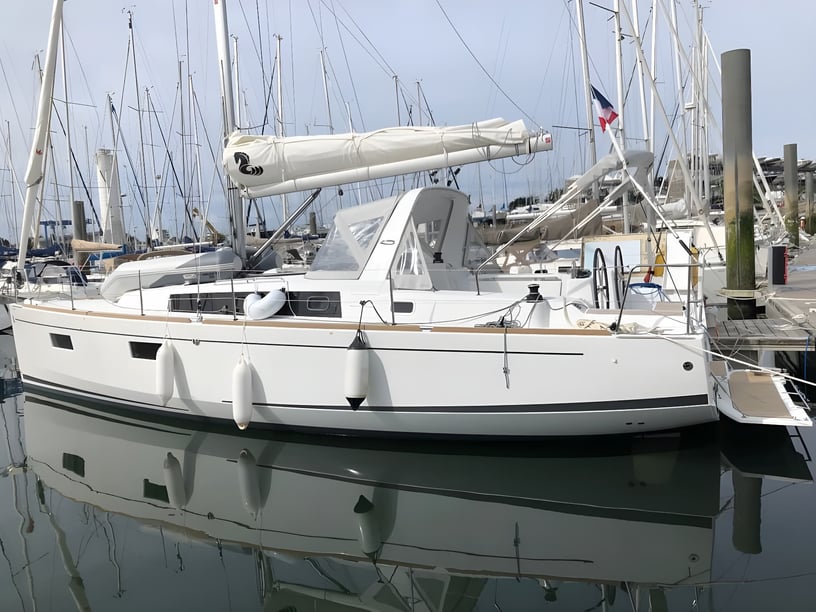
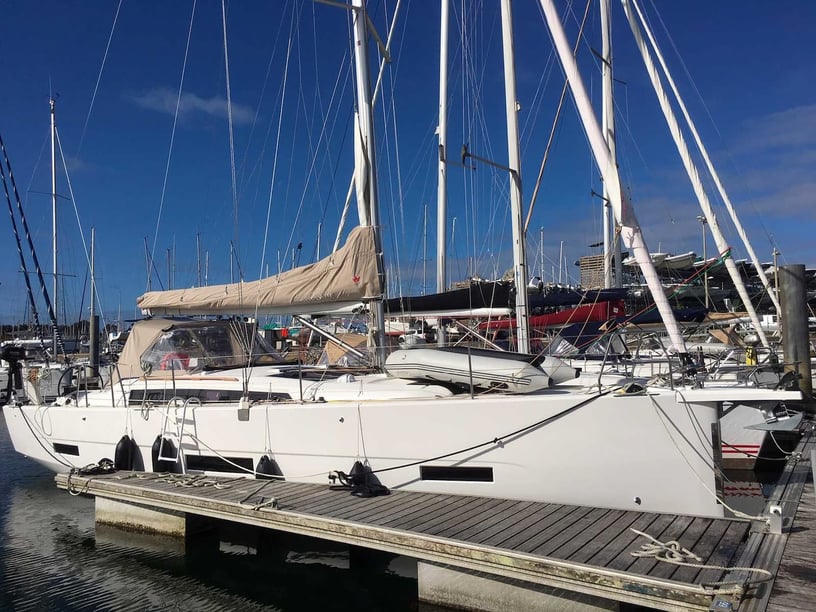
Port du Crouesty is the area’s main full-service marina and an all-tide harbor, making it the most substantial departure setting. Port de Port-Navalo is closer to the gulf entrance but more tide-dependent, while Kerners-Bilouris provides another embarkation point on the more sheltered shore.
Arzon should be understood as both a departure area and a destination to explore. Exact boarding arrangements may differ between Le Crouesty, Port-Navalo and Kerners, so the handover harbor and local transfer should be confirmed before arrival.
Planning your charter
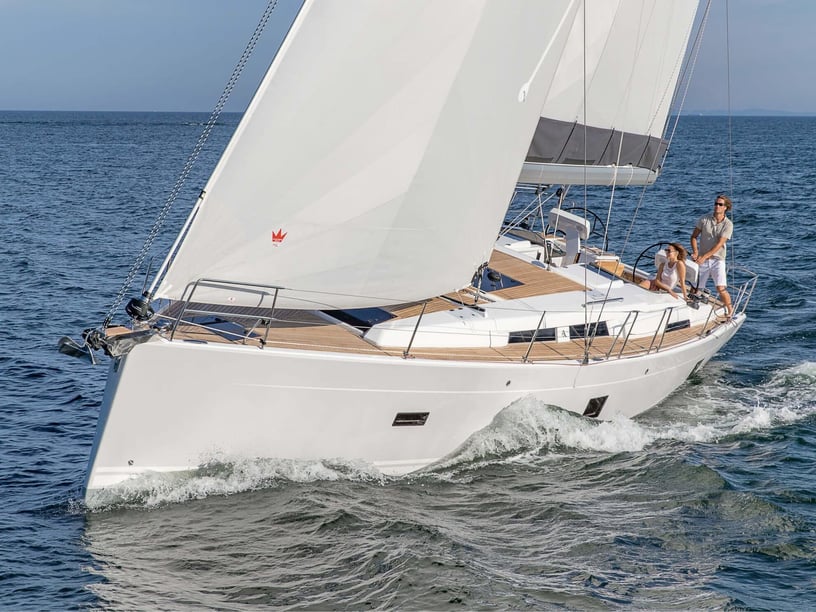
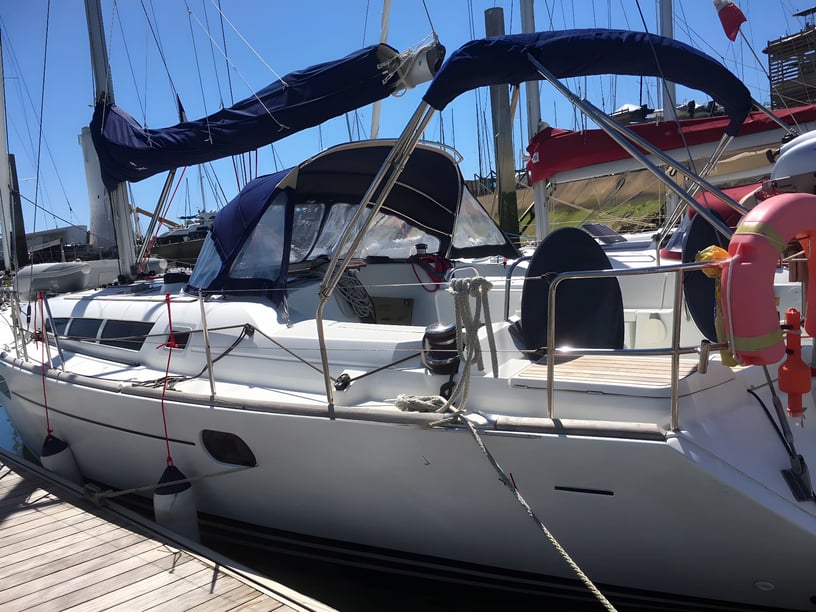
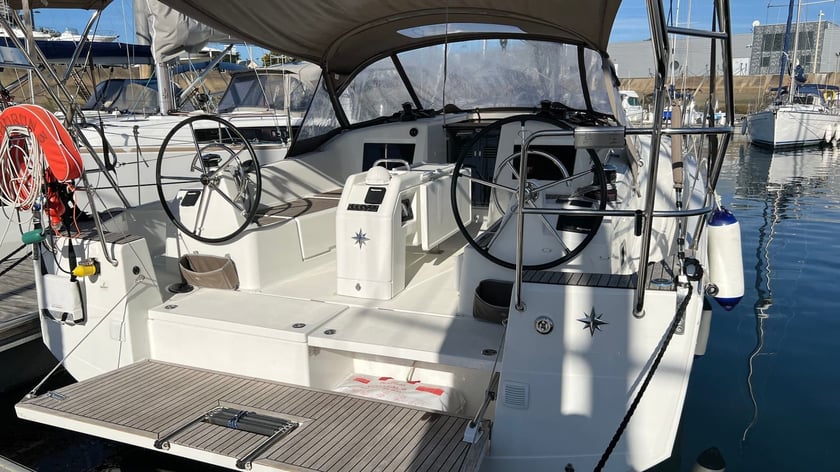
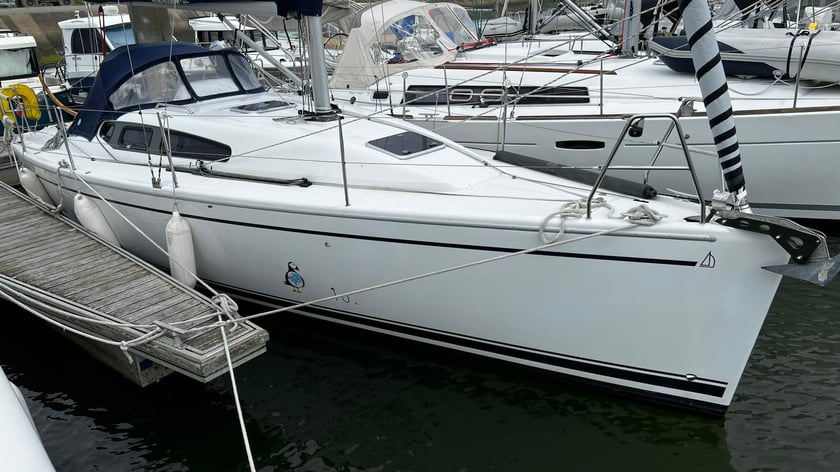
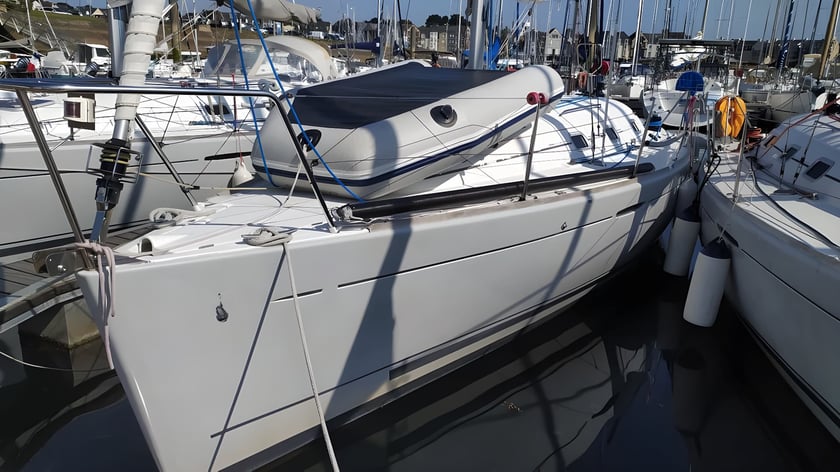
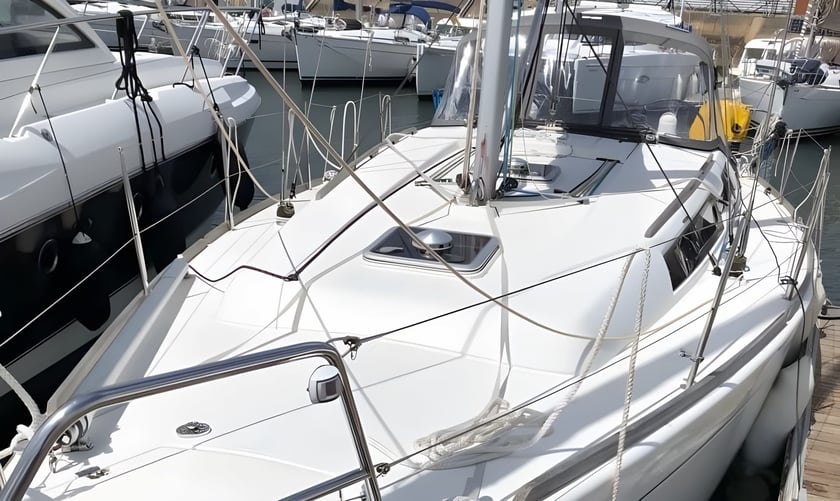
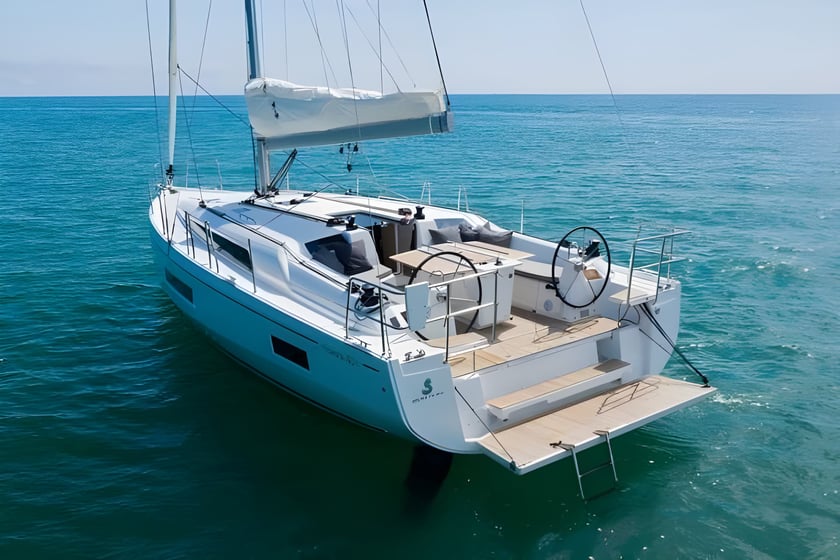
When comparing boat rental in Arzon, begin with the intended cruising area rather than distance alone. A gulf-focused trip involves shorter passages but demands precise tidal planning. An itinerary toward Houat, Hoëdic or Belle-Île-en-Mer requires greater allowance for open-water weather, swell and possible route changes.
Discuss the skipper’s familiarity with the Port-Navalo entrance and Gulf of Morbihan currents when choosing a charter arrangement. Current nautical charts, tide tables and local current information are essential; mooring restrictions, rocks, shoals and shellfish beds also influence where a boat can safely travel or stop. Travelers should expect the day’s departure time to be shaped by the tide rather than by a fixed sightseeing schedule.
Before travel, confirm the exact embarkation point, marina access and any seasonal bus or passenger-boat connections. In July and August, allow for heavier marina activity and more passenger-boat movements. Even in summer, keep some flexibility in an offshore itinerary because conditions in Quiberon Bay can be notably less sheltered than those inside the gulf.