Yacht charter in Niderviller
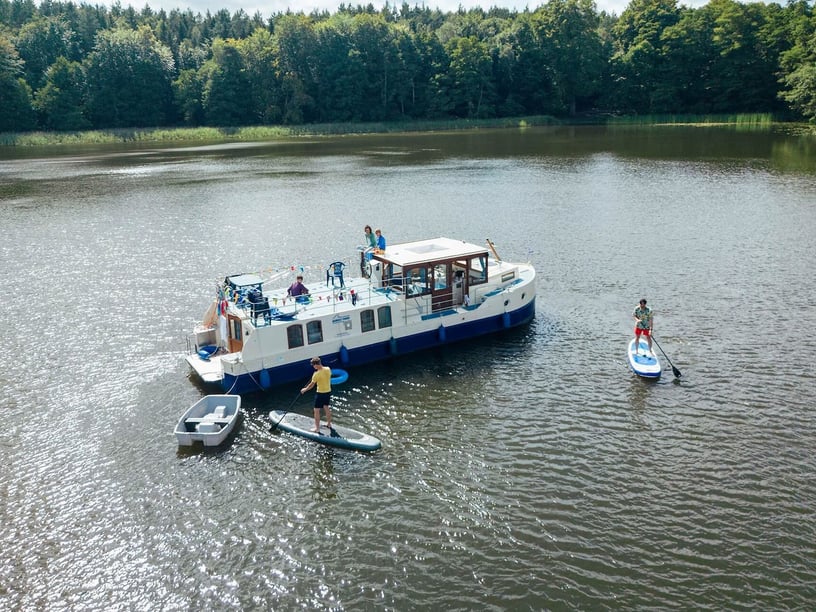
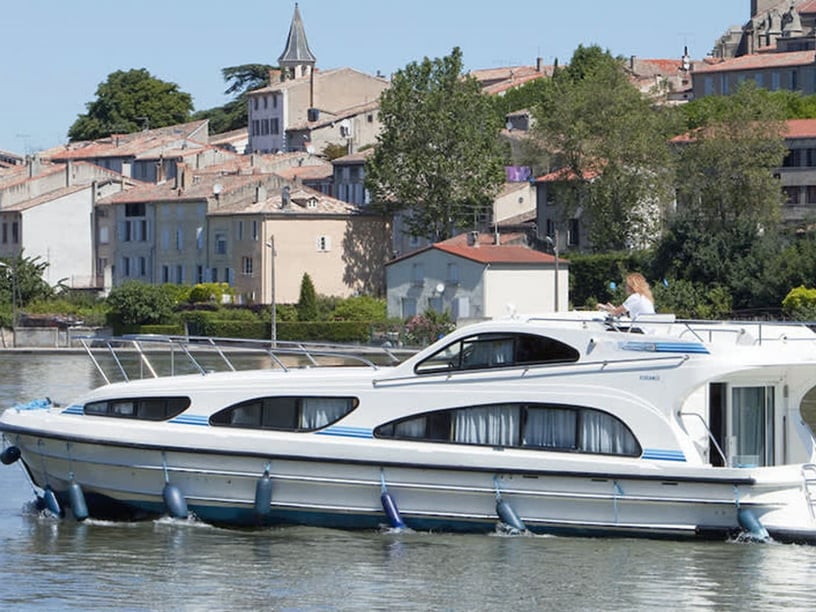
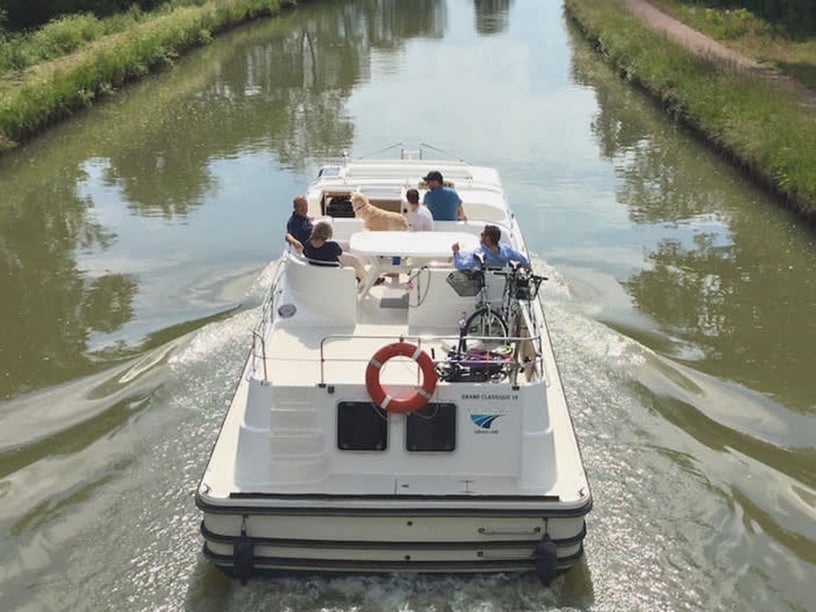
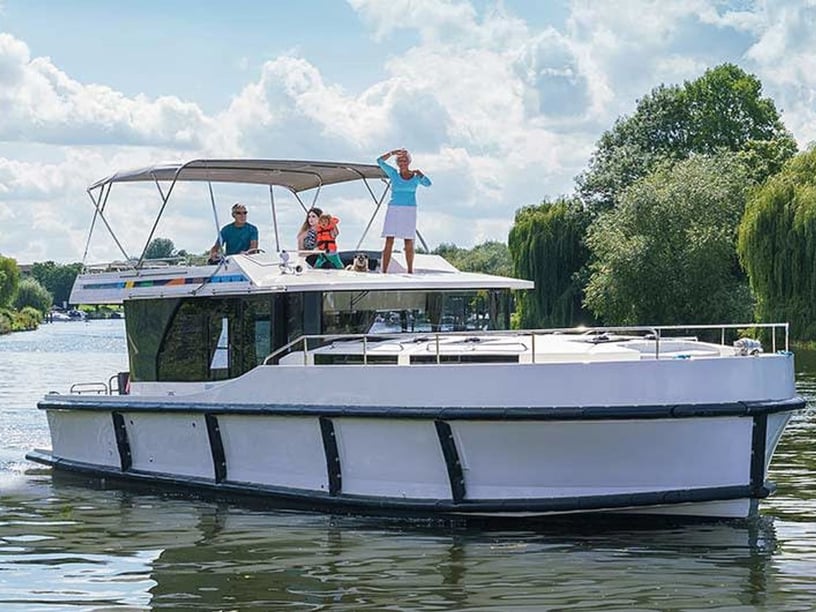
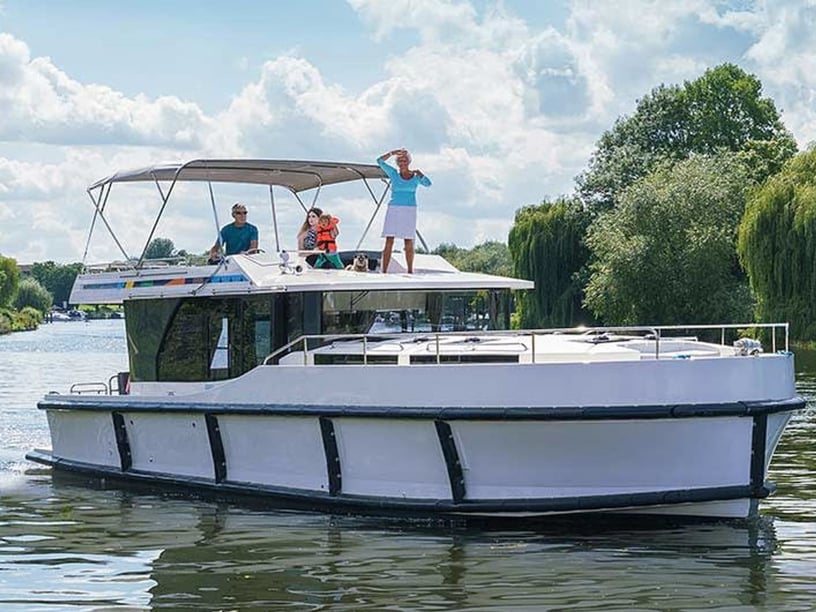
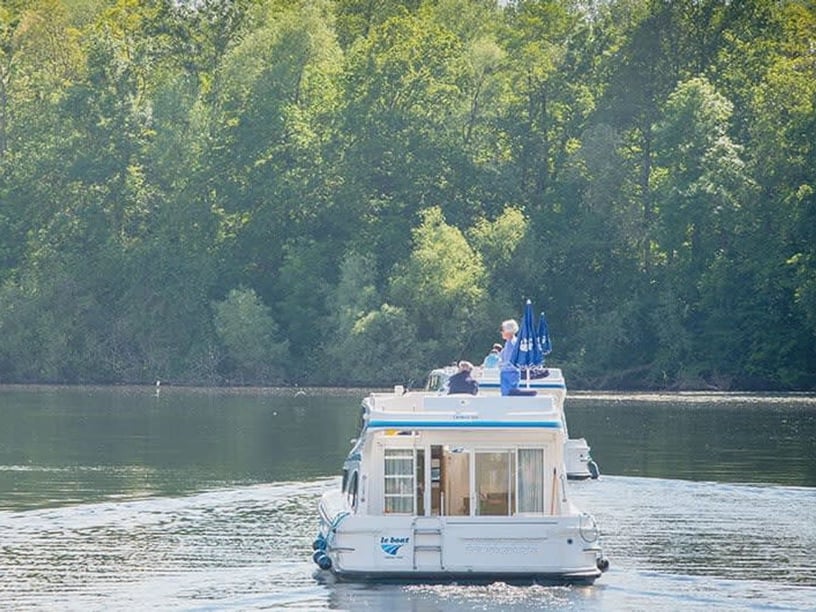
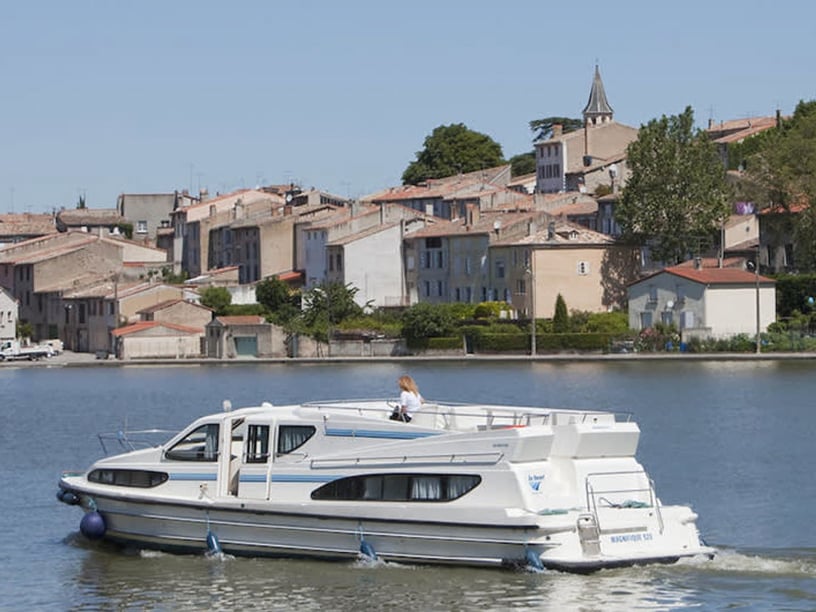
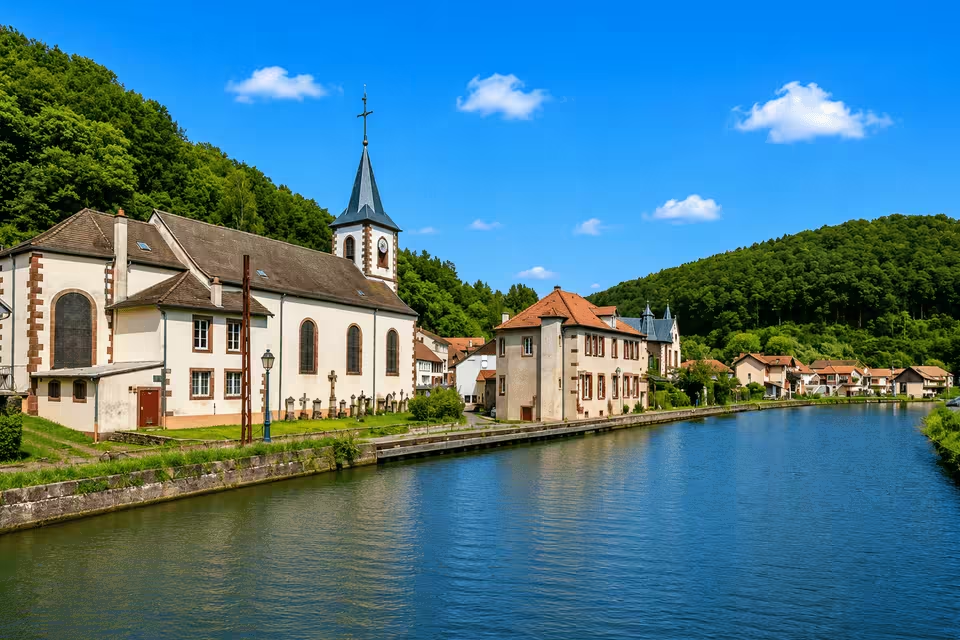
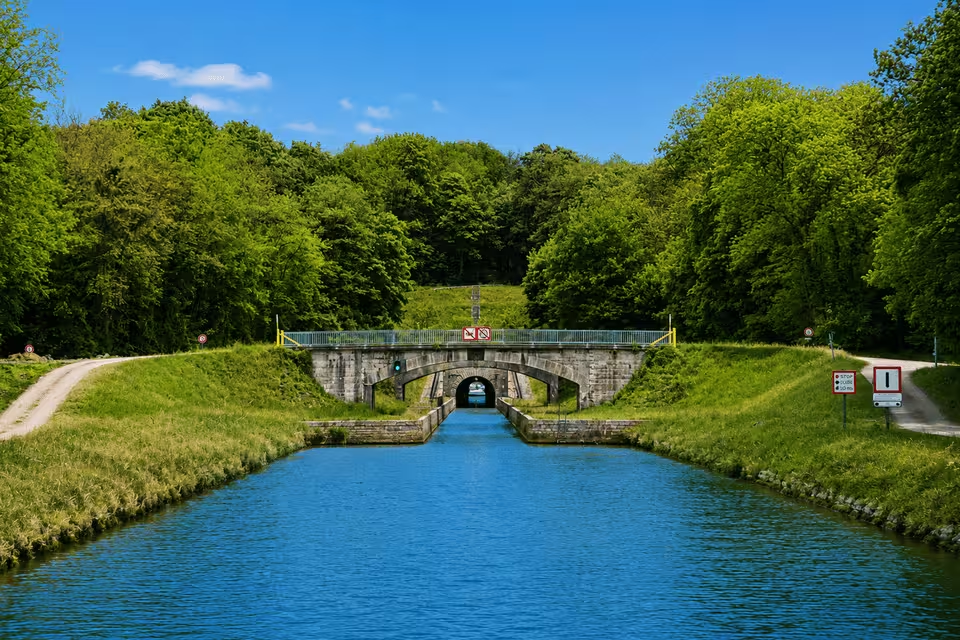
A yacht charter in Niderviller is an inland boating holiday rather than an open-water sailing trip. The village stands on the summit reach of the Marne–Rhine Canal, near the western approach to the Vosges crossing. Its harbor basins lead into a forested waterway marked by two canal tunnels and the Saint-Louis/Arzviller inclined plane.
This concentration of waterway engineering gives Niderviller a character quite different from that of a conventional marina destination. It is also a practical starting point for slow cruising through Lorraine or toward Alsace and the Saar network. The surrounding summit reach includes approximately 33 kilometers without locks, allowing long periods of uninterrupted travel before crews encounter tunnels, locks or the boat lift.
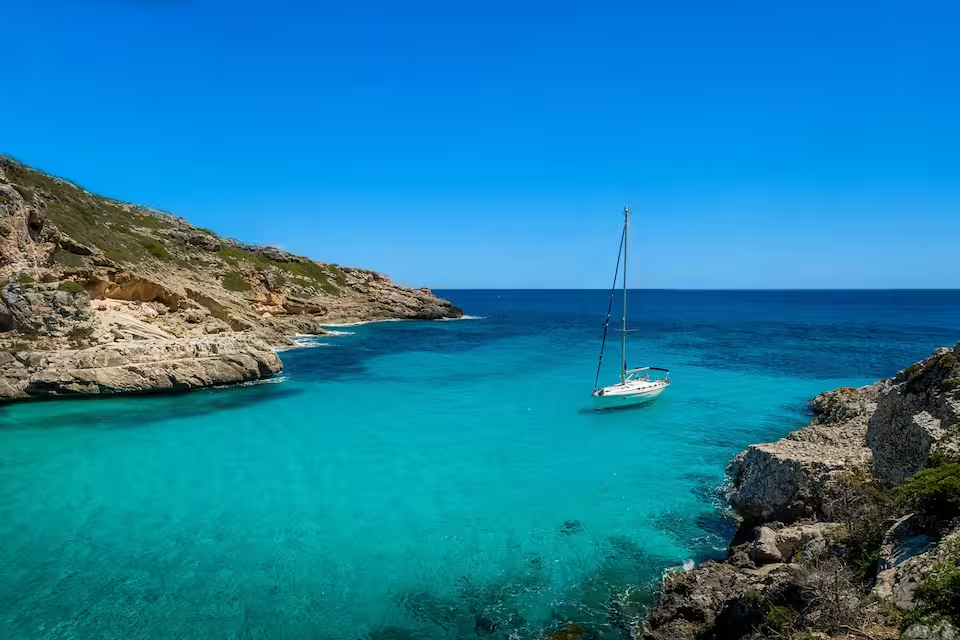
Travelers comparing this experience with other forms of yacht charter in France should expect a journey shaped by canals, villages, towpaths and cultural stops rather than beaches and coastal anchorages.
Places to explore from Niderviller
Immediately east of Niderviller, the canal passes through the successive Niderviller and Arzviller tunnels. Beyond them, the Saint-Louis/Arzviller inclined plane lowers or raises boats through 44.55 meters, replacing the work once performed by a chain of 17 locks. The route then enters the wooded Zorn valley and the Vallée des Éclusiers, where the former lock flight remains an important part of the canal landscape.
Continuing east brings crews to Lutzelbourg, a useful stop between the boat lift and the lower canal, and then to Saverne, one of the principal towns on the route toward Strasbourg.
West of Niderviller, the character is gentler. The summit reach continues toward Hesse, Gondrexange and Réchicourt-le-Château, with connections that open the way to the Canal de la Sarre. This choice between the engineering landmarks to the east and quieter Lorraine cruising to the west is central to planning a trip from Niderviller.
What cruising around Niderviller is like
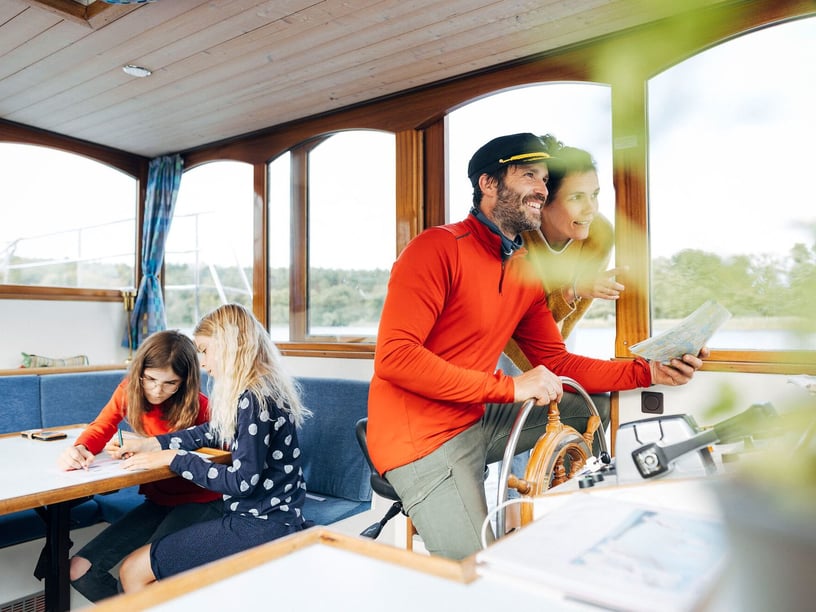
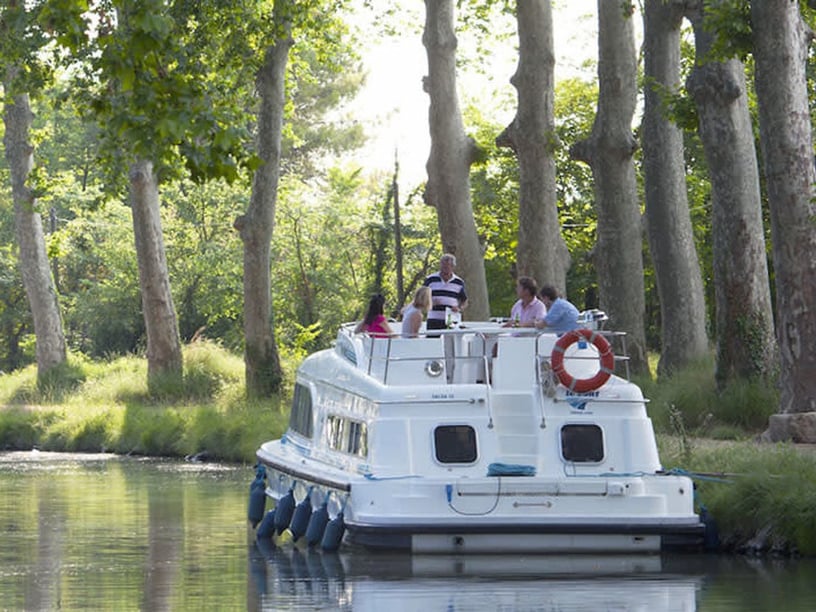
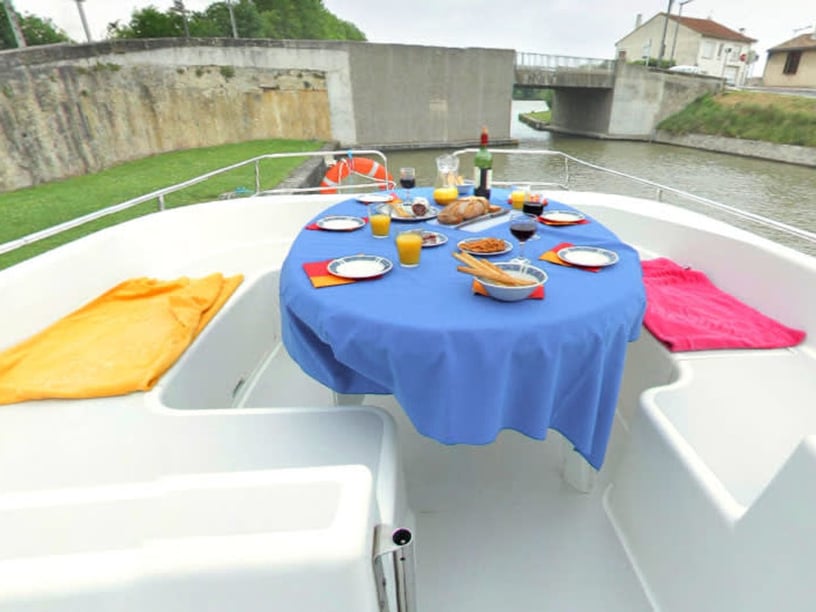
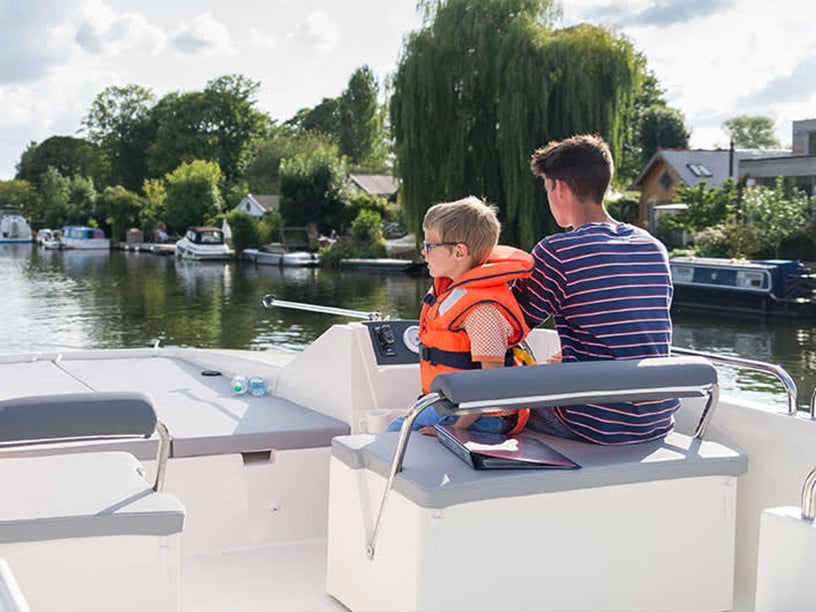
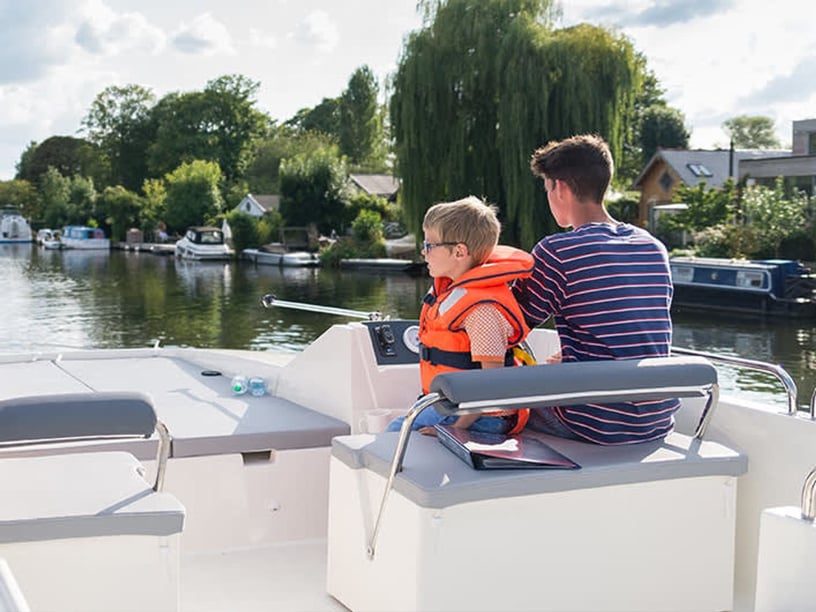
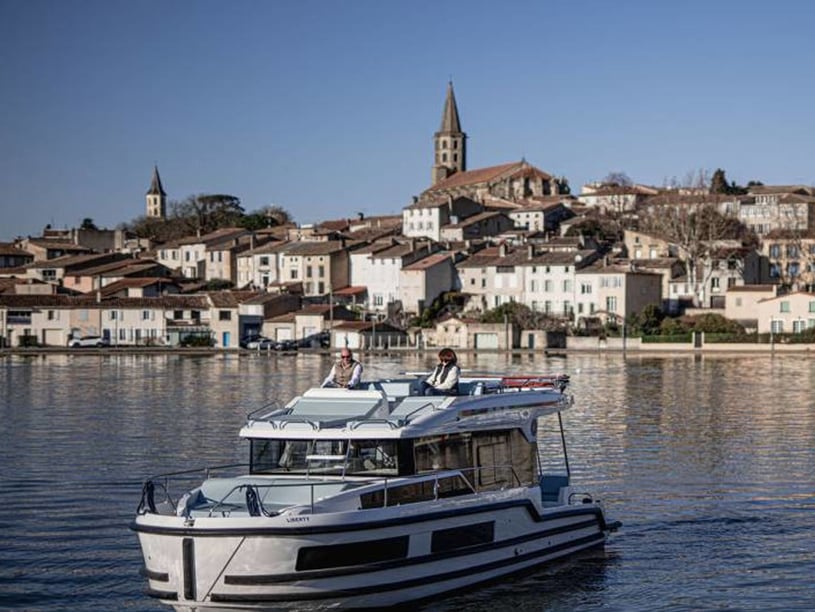
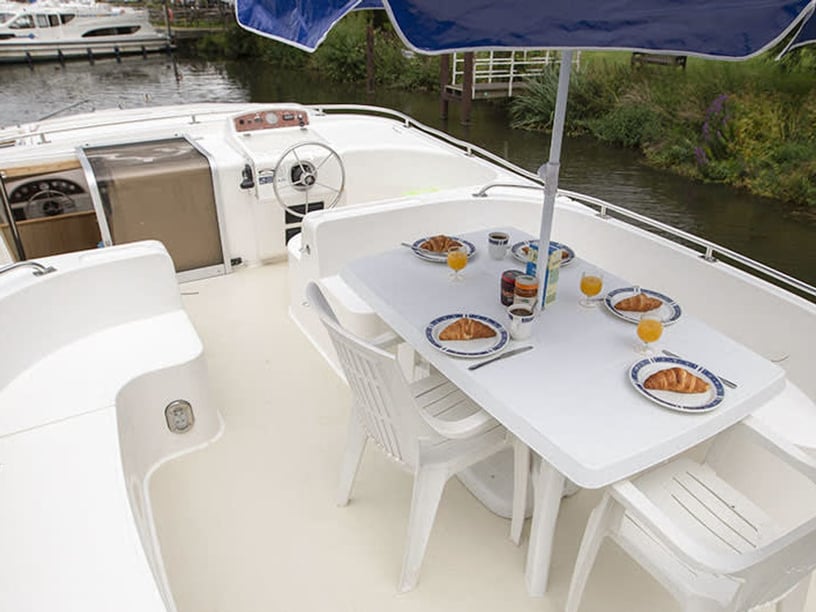
Cruising here is slow, sheltered and generally straightforward. The canal has little current and none of the swell associated with coastal sailing, so the main considerations are boat handling and waterway procedures rather than waves or exposed passages. This makes the area approachable for first-time canal crews, provided they pay close attention during instruction and follow navigation rules.
The long lock-free summit reach supports a relaxed daily rhythm, but it should not be mistaken for an entirely obstacle-free route. Crews still need to pass moored craft carefully, consider bridge clearance and respond to signal lights at the tunnels. Tunnel traffic is controlled and effectively one-way. Eastbound itineraries also involve the inclined plane and, farther on, locks descending through Lutzelbourg and Saverne.
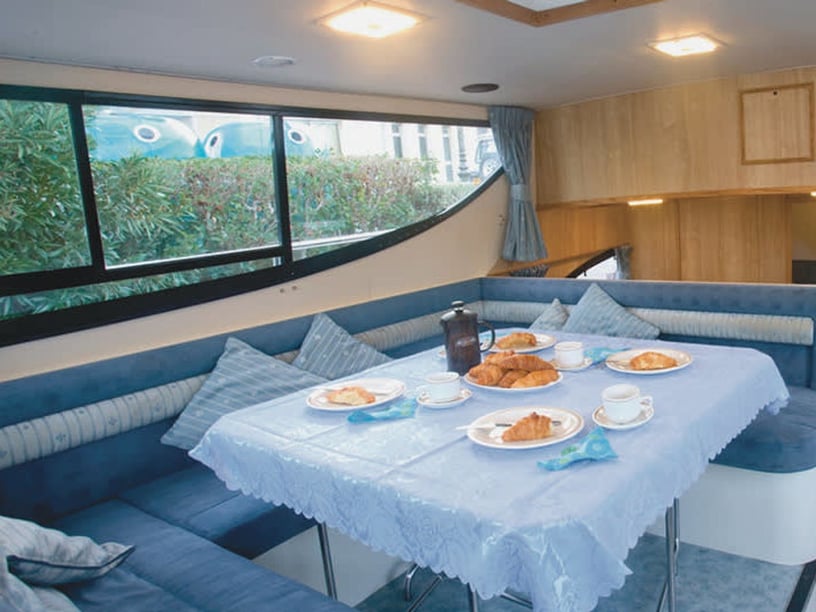
The experience therefore combines easy cruising conditions with active participation. Travelers should be comfortable sharing simple onboard duties and adjusting their schedule to operating hours, signals and occasional waits at waterway structures.
Best time for a Niderviller charter
The main recreational boating season extends from spring through autumn, with local marina activity centered on April to October. May through September generally offers the most comfortable combination of temperature and daylight and is the most suitable period for a yacht charter in Niderviller.
Summer is usually mild to warm, although rain is possible throughout the year. Spring and autumn bring cooler mornings and less consistent weather. April and October can still suit travelers who are prepared for lower temperatures and shorter cruising days, but operating schedules should be checked carefully.
Winter is cold and cloudy, and frost or ice can affect the waterways. Normal leisure cruising is limited during this period, making it less appropriate for a conventional canal holiday.
Canal routes from Niderviller
The eastbound return route toward Strasbourg brings together many of the area’s defining features. From Niderviller, boats pass through the two tunnels, use the Saint-Louis/Arzviller inclined plane and descend through the Zorn valley toward Lutzelbourg and Saverne before continuing in the direction of Strasbourg. It suits travelers who want waterway engineering, forested canal sections and town visits within one journey.
A westbound itinerary follows the summit reach through Lorraine before connecting with the Canal de la Sarre. From there, an established return route can extend toward Saarbrücken and the Saar valley. This option places more emphasis on extended inland cruising and introduces a possible cross-border element.
Actual route scope should reflect the available time, the crew’s preferred pace and current opening hours. Maintenance closures or water-management measures can affect tunnels, locks and the inclined plane, so a planned turning point should remain flexible.
Engineering, heritage and time ashore
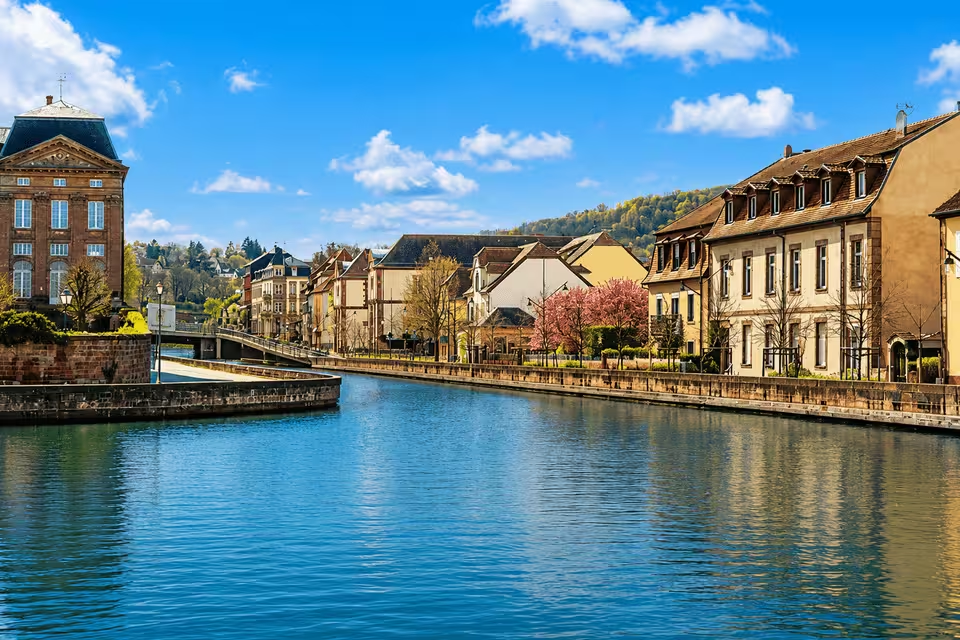
Niderviller’s strongest boating highlights come from the close relationship between navigation and local history. The canal basins once supported industrial loading and organized towage through the nearby tunnels. Today, travelers can see how those historic functions shaped the village while using the same waterway for recreational cruising.
Ceramics provide the other major strand of local identity. The origins of the Niderviller faience manufacture date to 1735, and the industry once relied on the canal alongside local tileworks and sandstone quarries. Ashore, Sainte-Croix Church adds another cultural point of interest through its notable baroque tower.
Walking or cycling along sections of the towpath and EuroVelo 5 can complement time aboard. This creates a varied holiday rhythm: slow passages on the summit reach, hands-on navigation at waterway structures and short explorations of villages and canal heritage ashore.
Reaching Niderviller and joining a boat
Niderviller is normally reached by road because the village has no railway station. Sarrebourg is the principal nearby rail gateway, with the onward journey completed by taxi or a prearranged transfer. Strasbourg Airport is the relevant airport for travelers arriving from farther away.
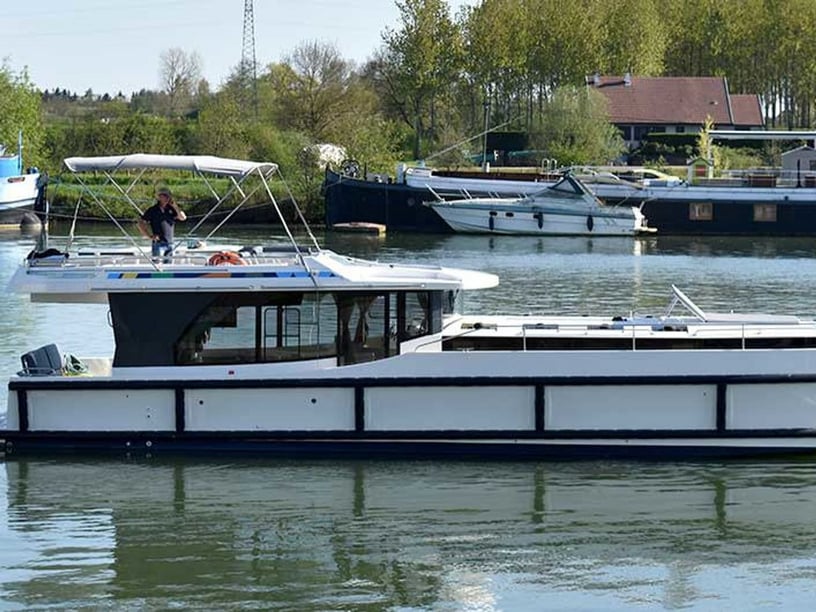
Marina Kuhnle-Tours at Port du Tannenheim is the documented departure point in Niderviller. Port de plaisance du Vieux Moulin and the village’s historic canal basins also form part of the local waterfront setting. Niderviller therefore functions both as a place to join a canal boat and as a destination whose tunnels, industrial history and ceramics heritage merit exploration.
Transfer arrangements should be confirmed before travel, particularly when arrival times need to align with boat handover and instruction.
Planning a boat rental in Niderviller
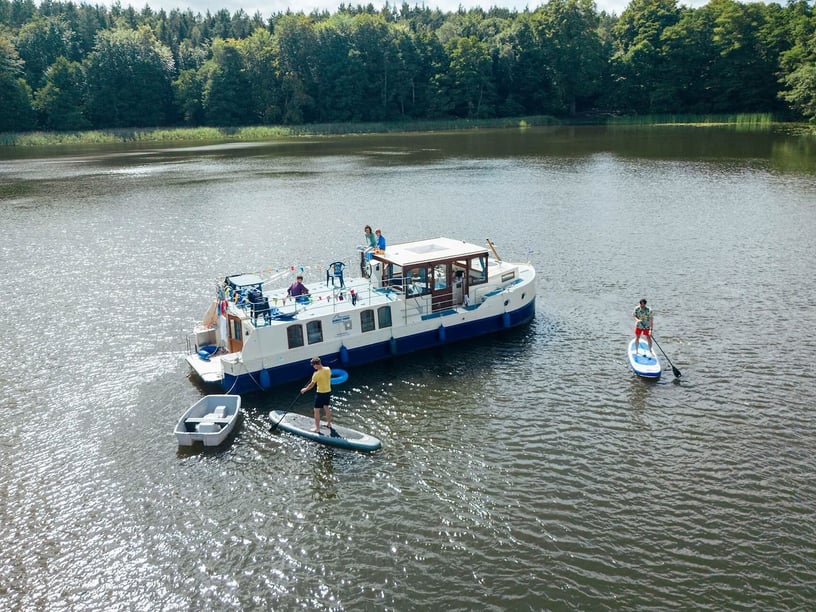
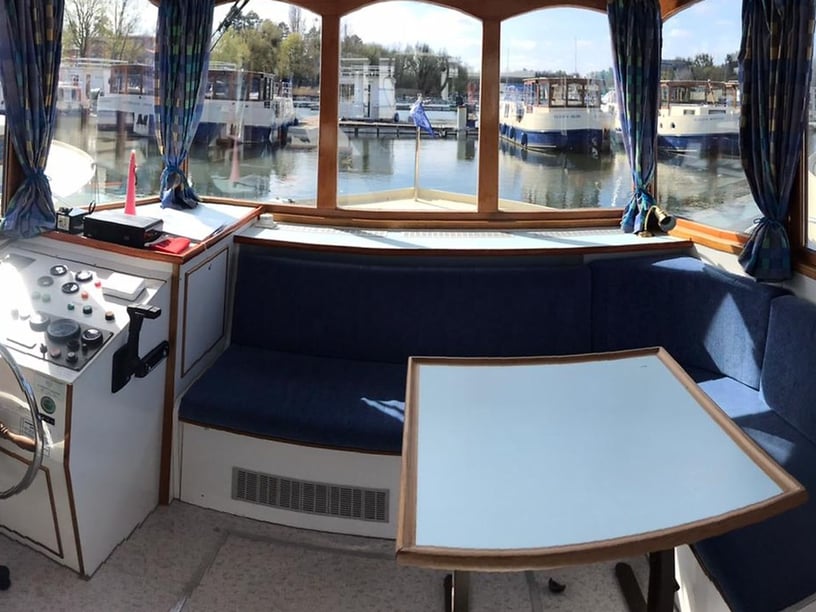
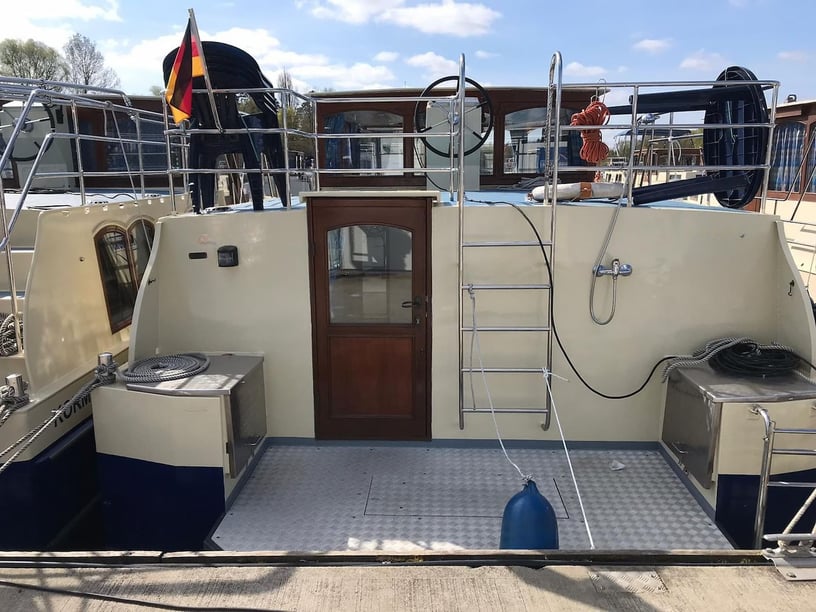
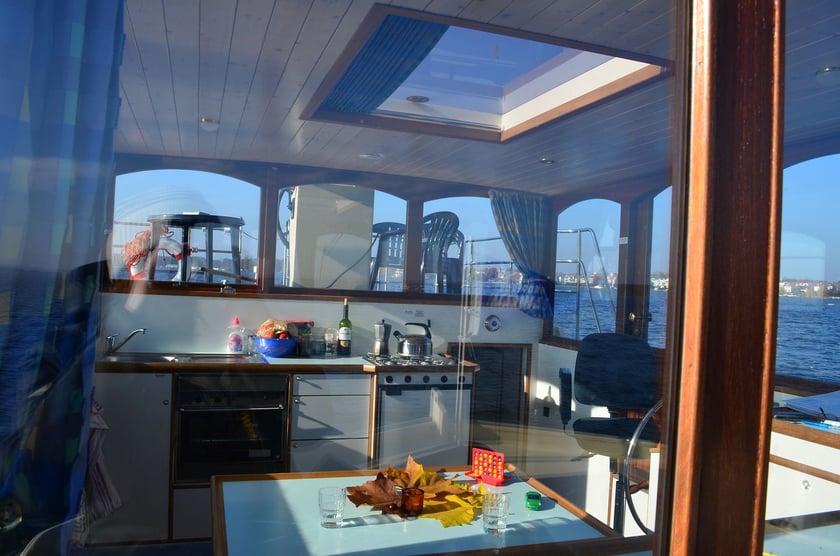
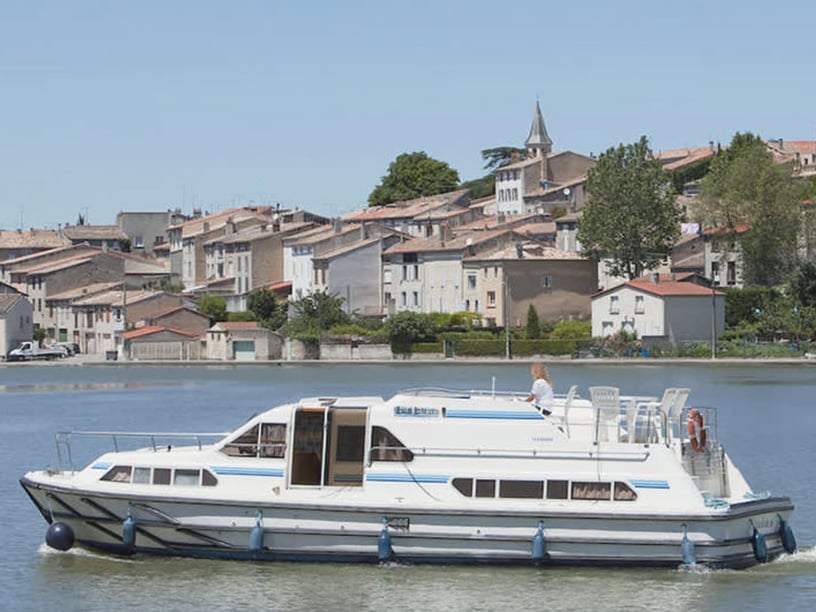
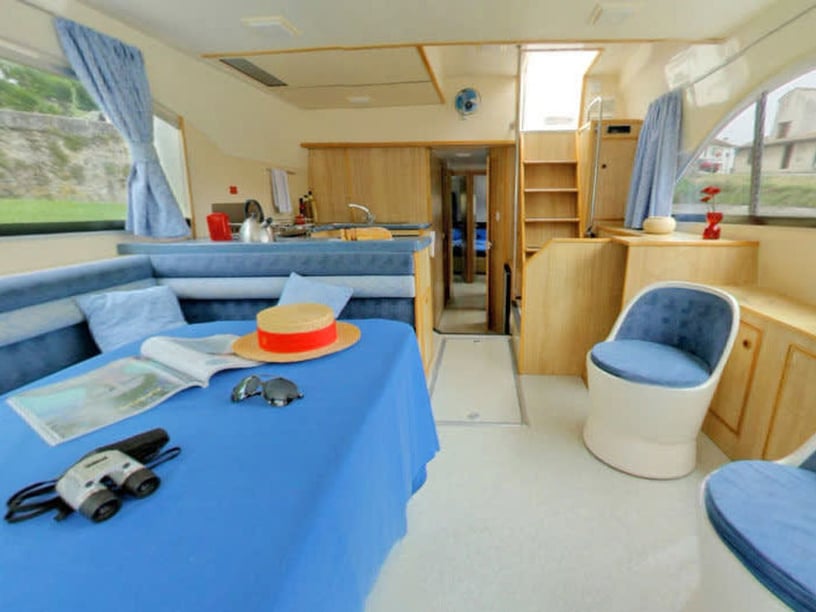
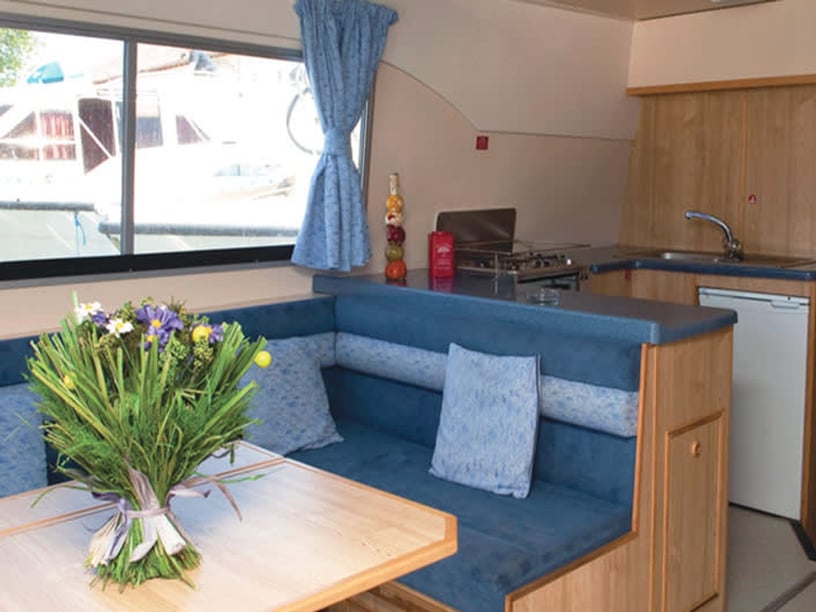
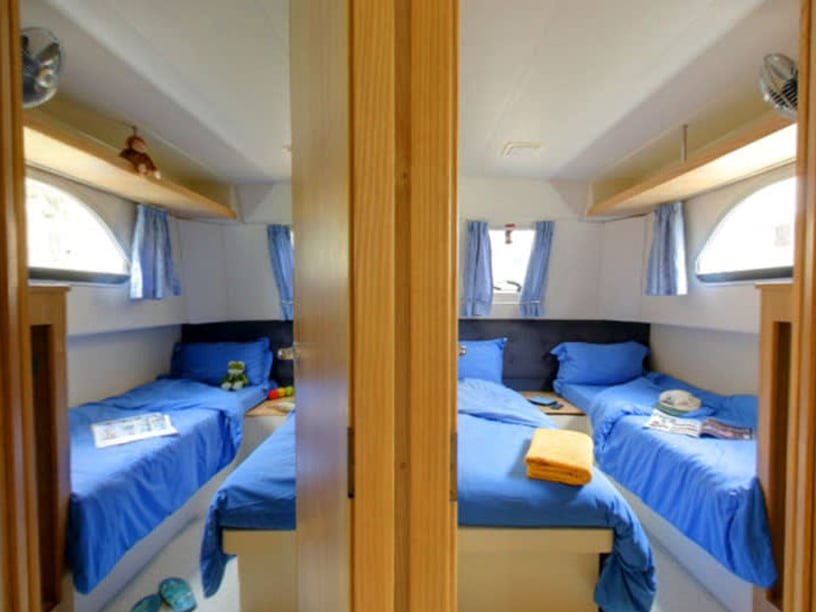
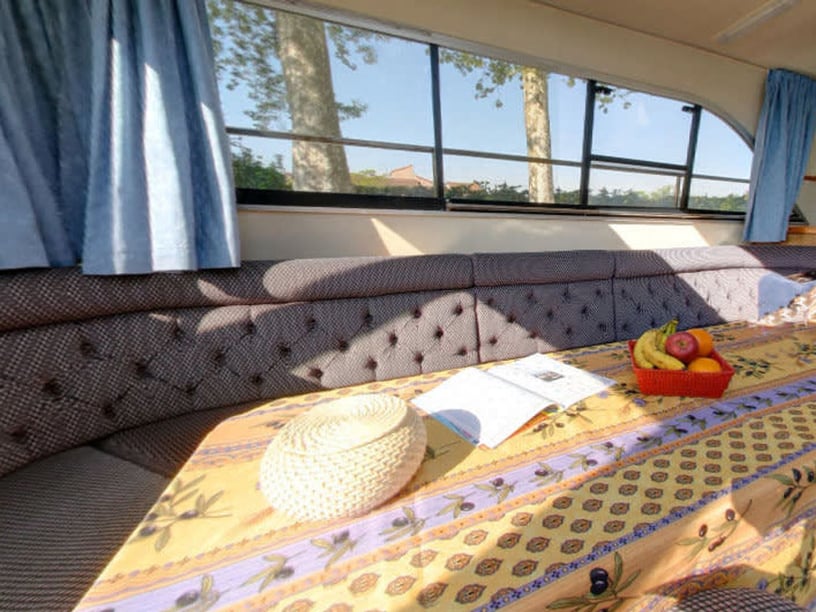
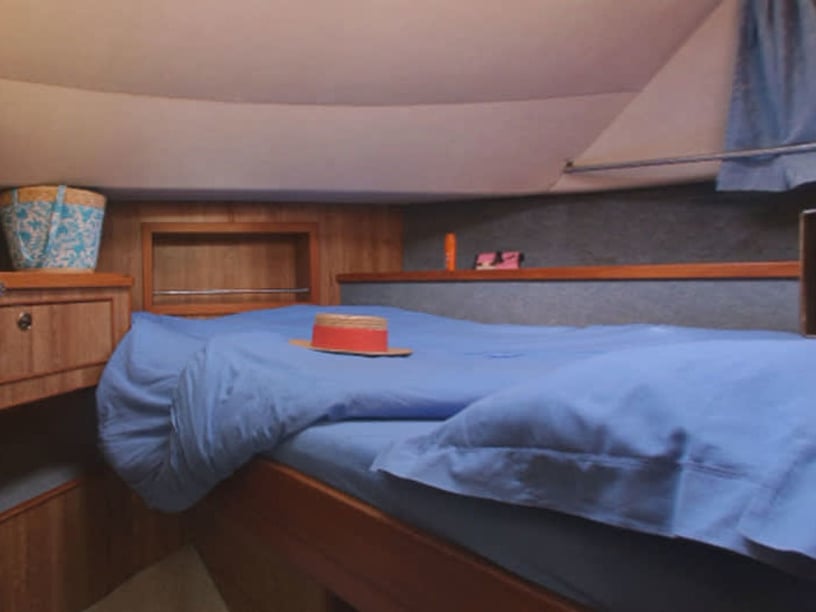
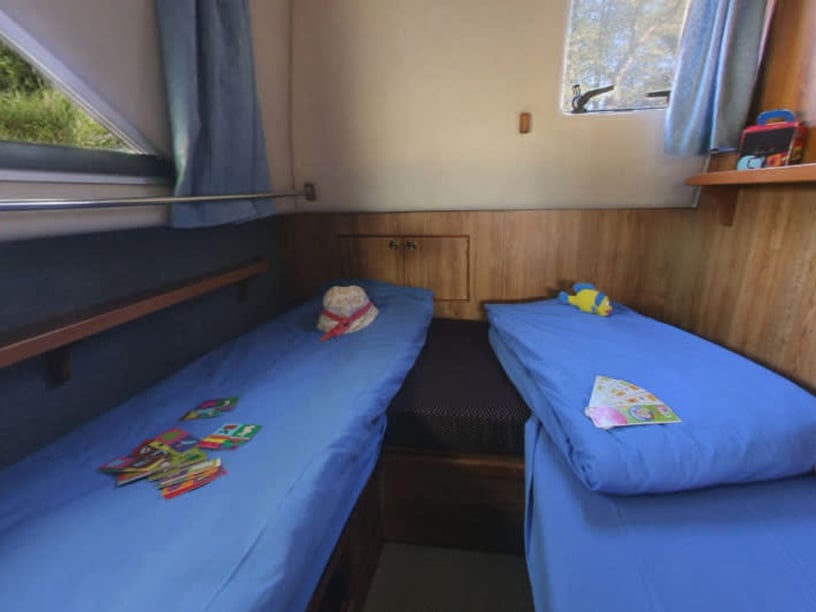
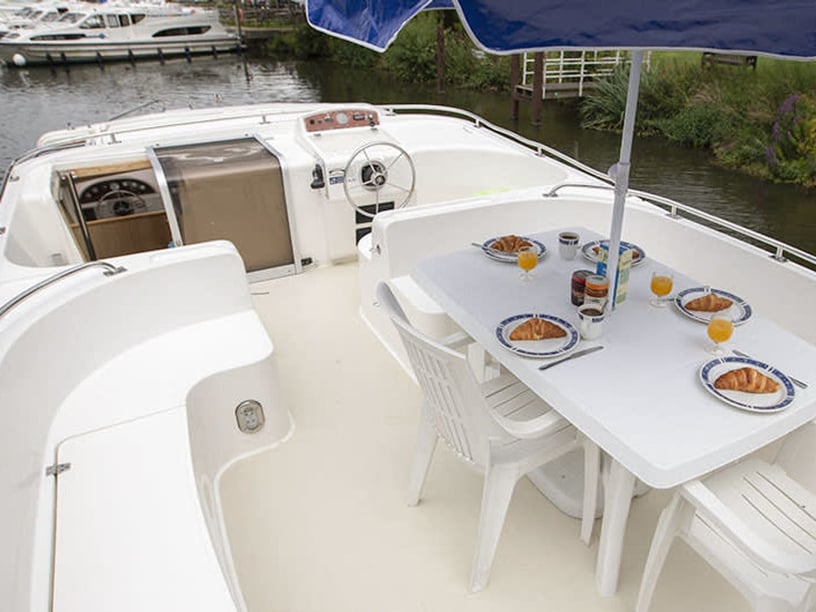
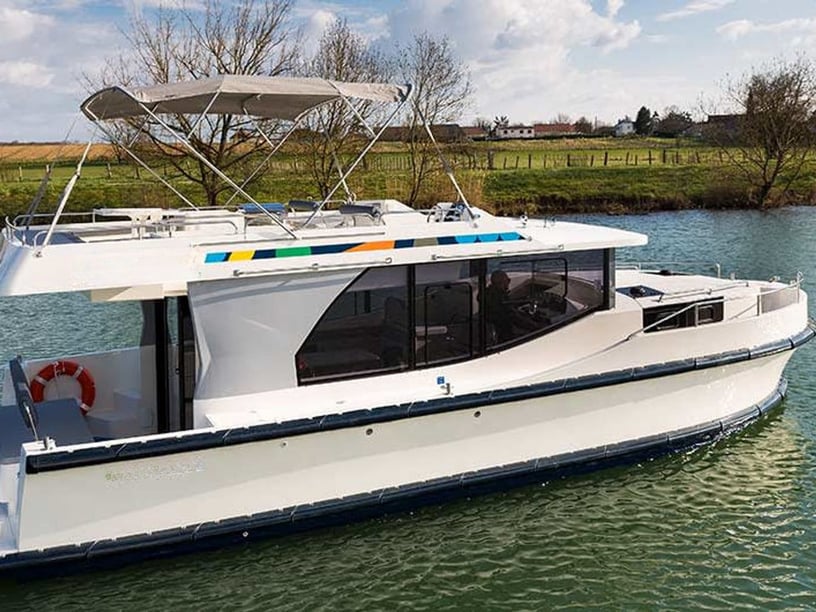
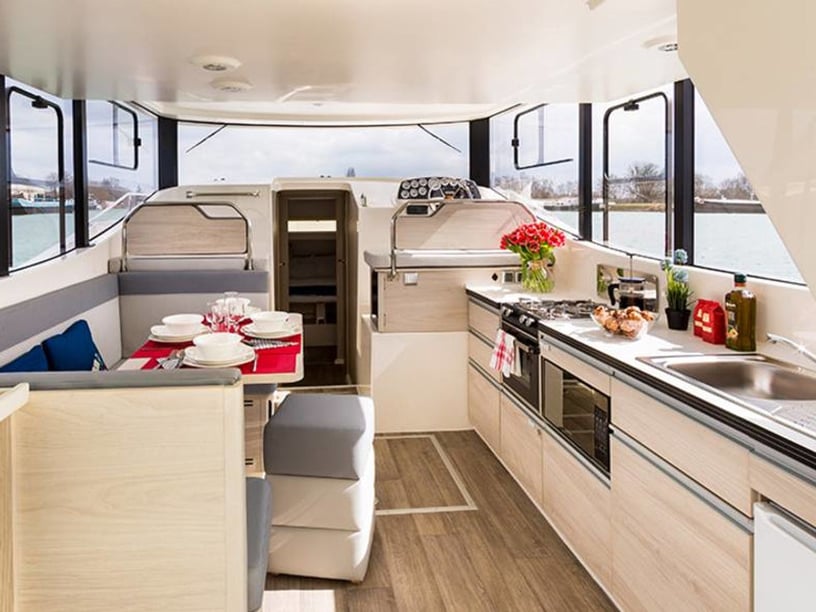
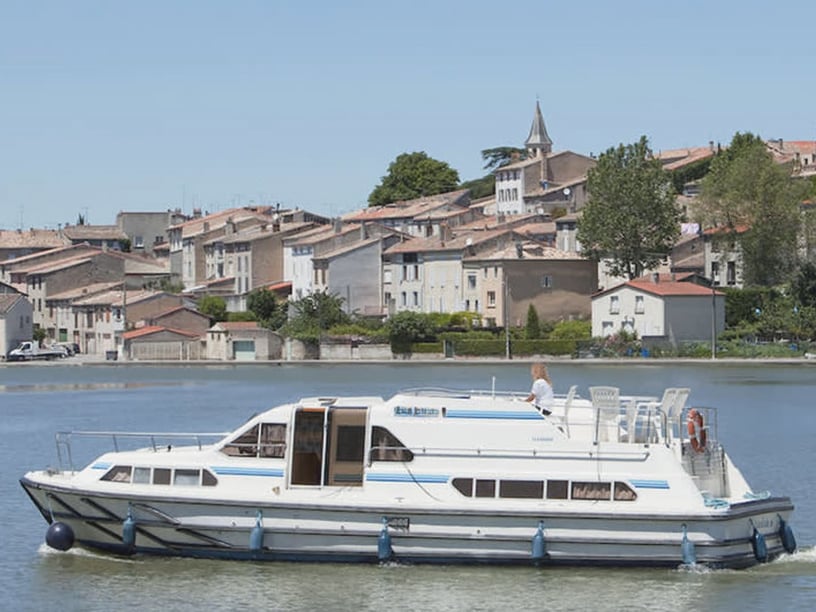
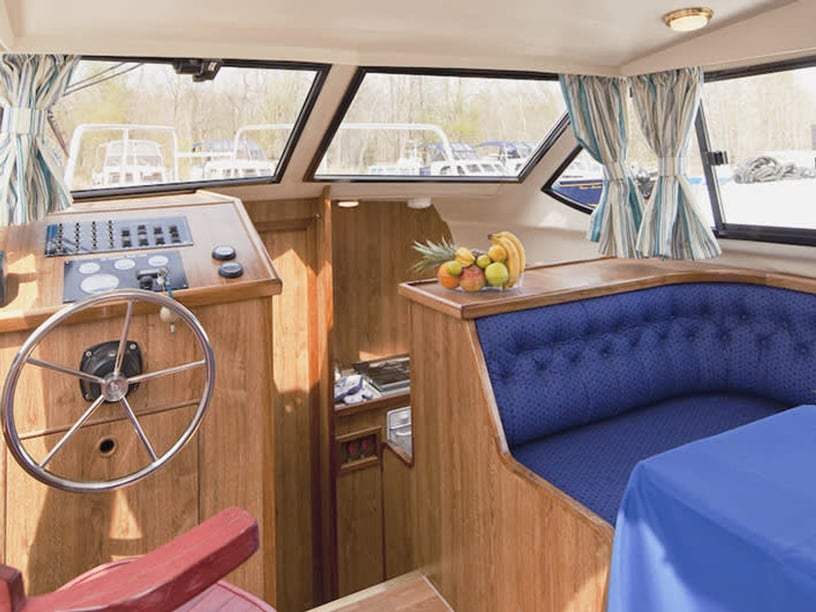
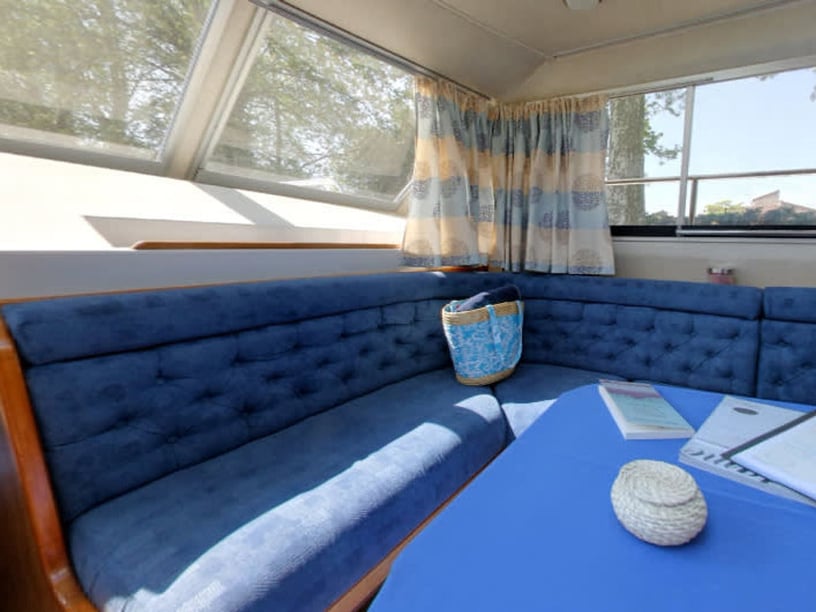
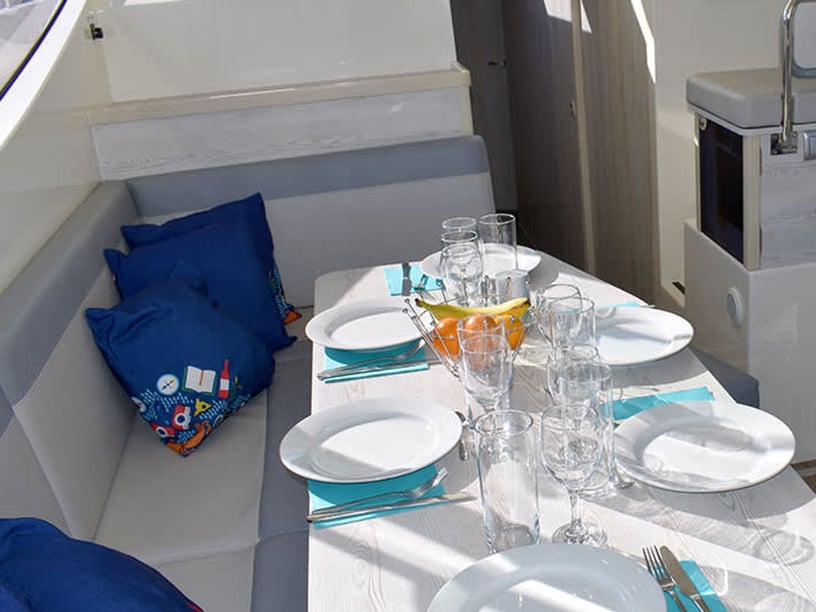
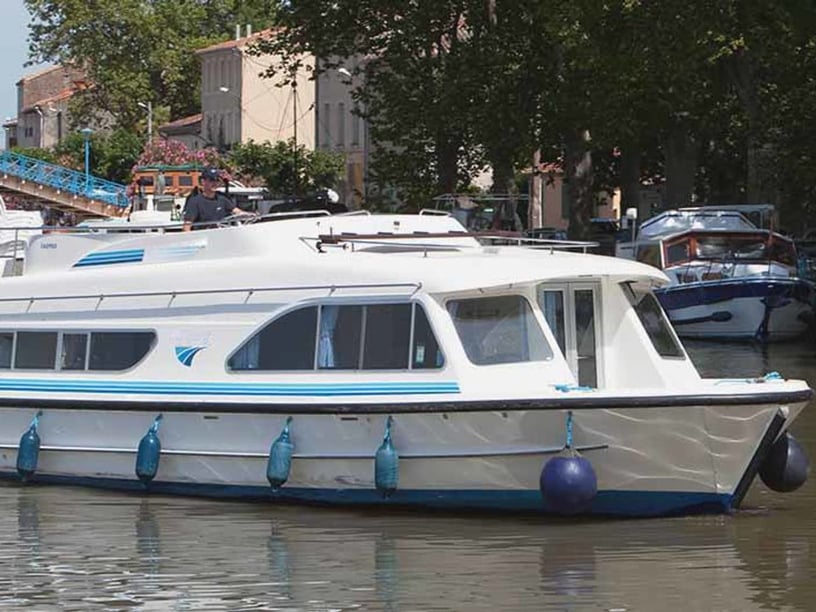
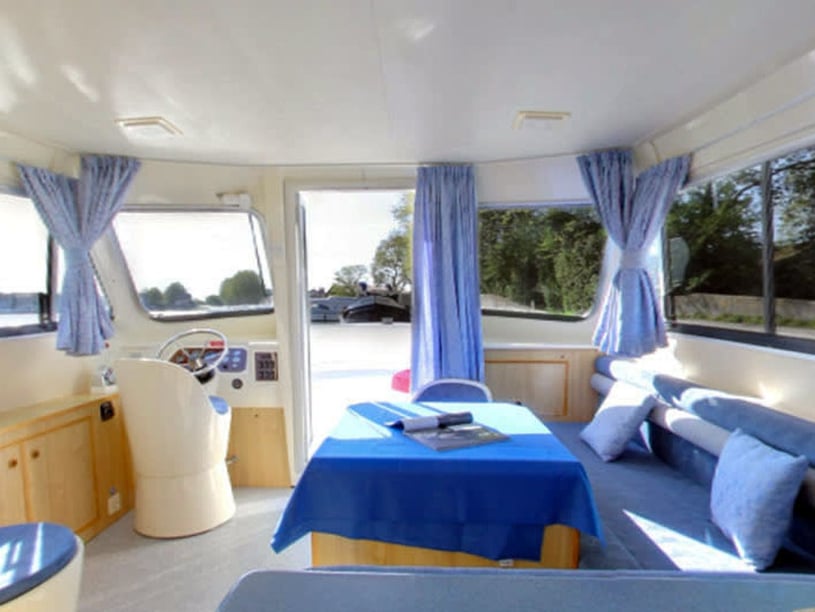
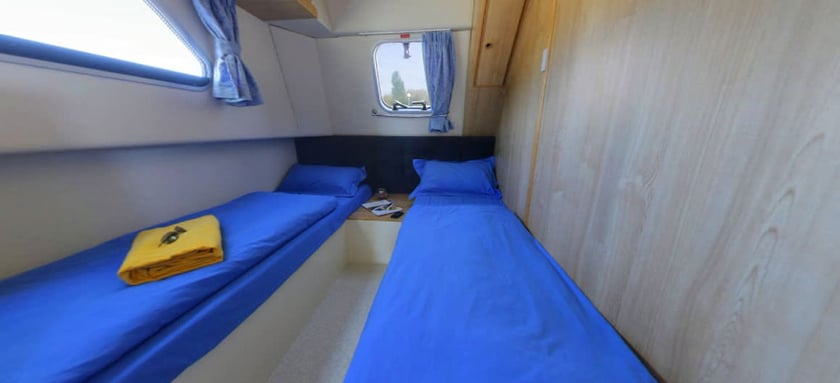
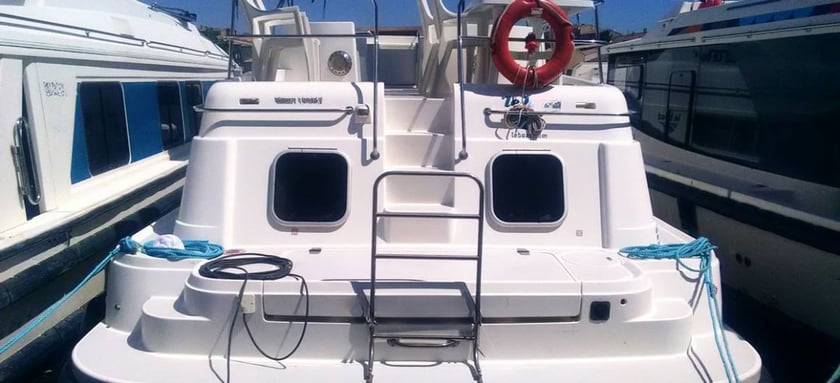
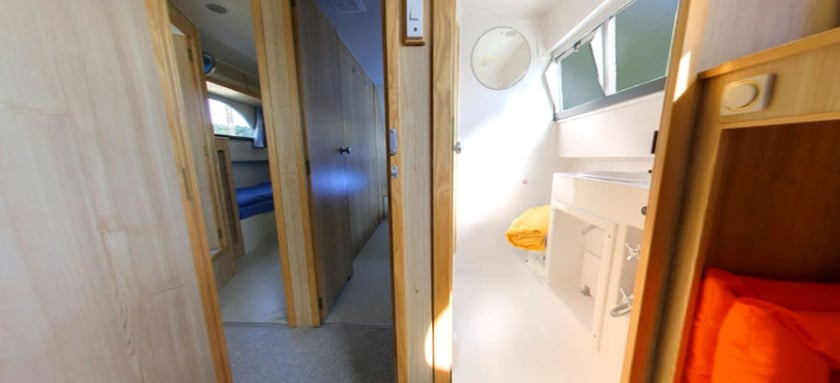
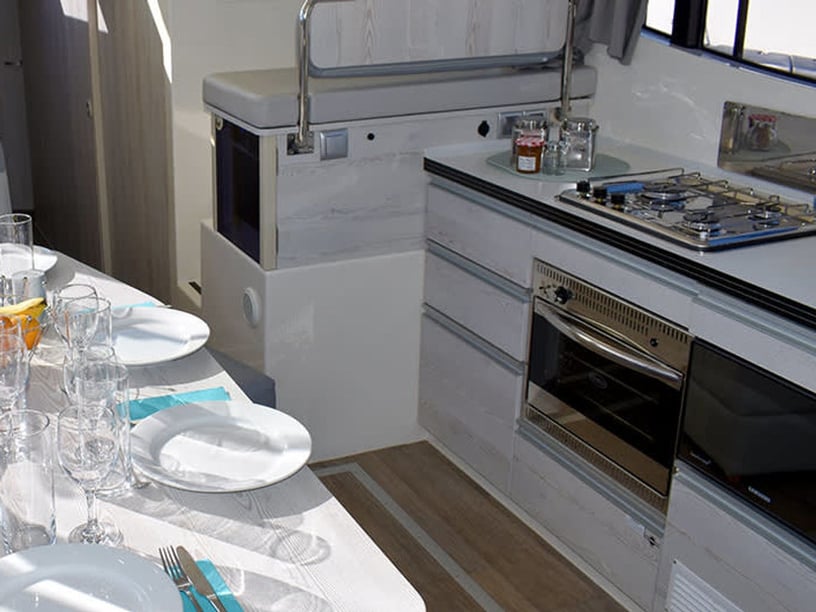
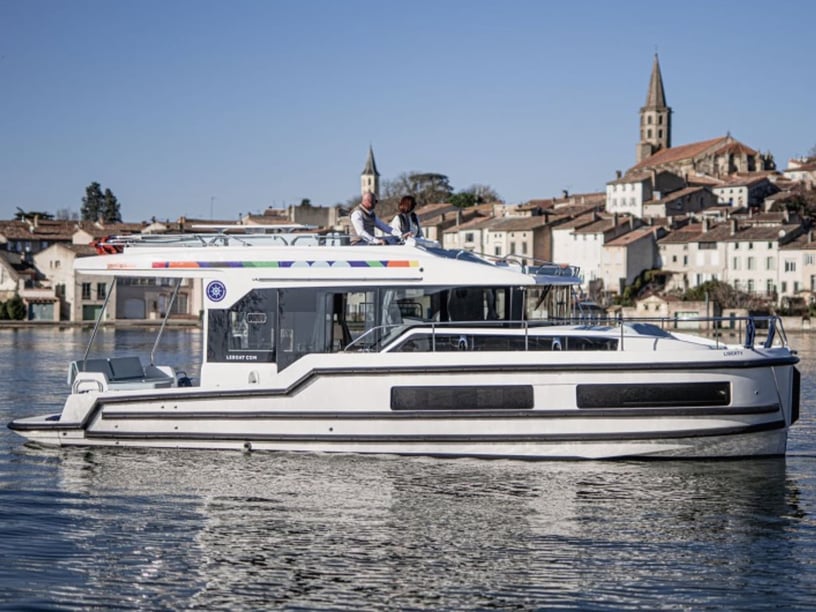
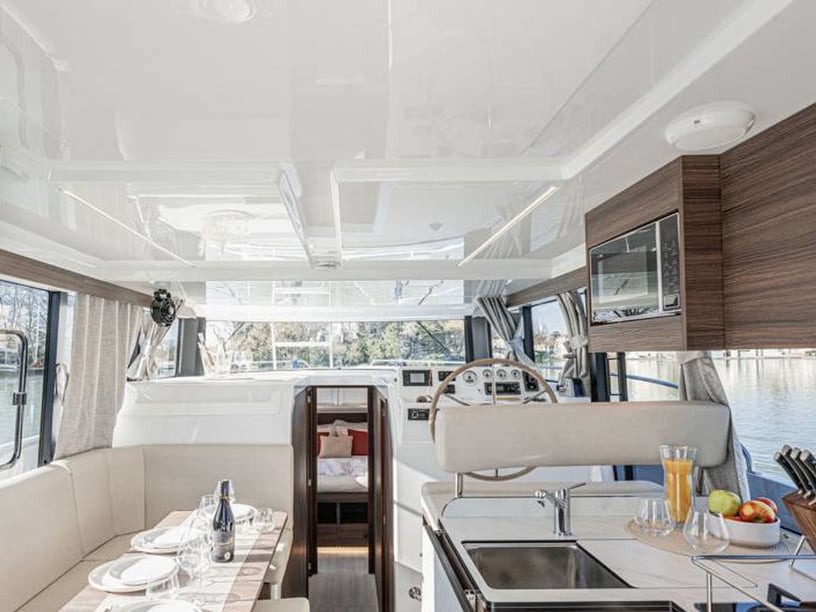
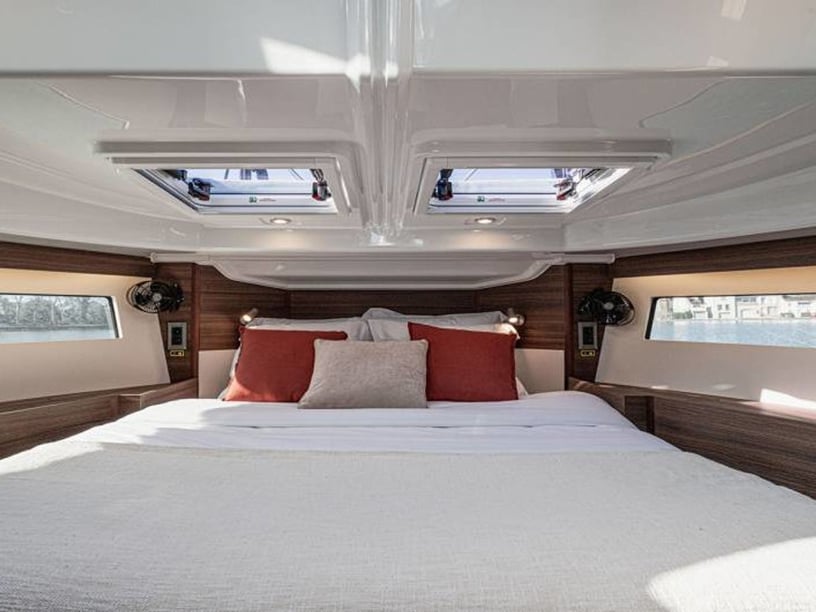
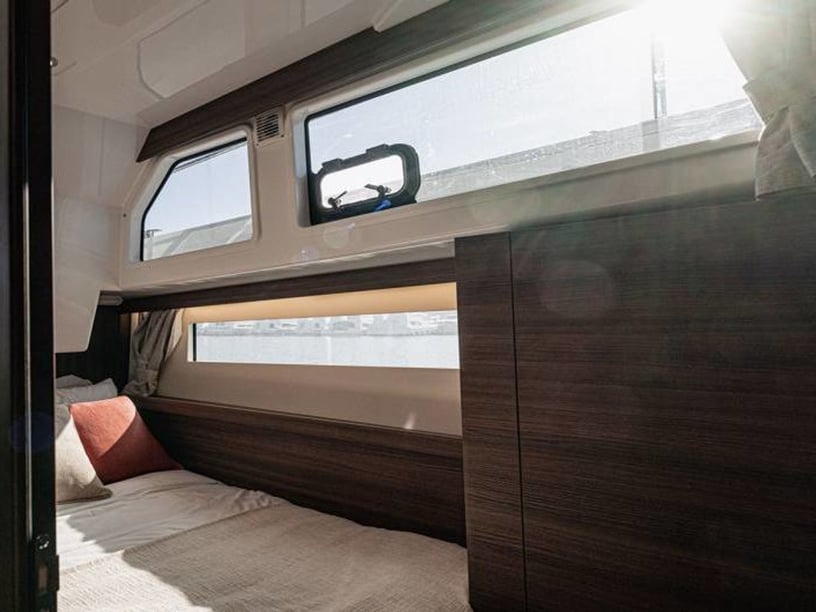
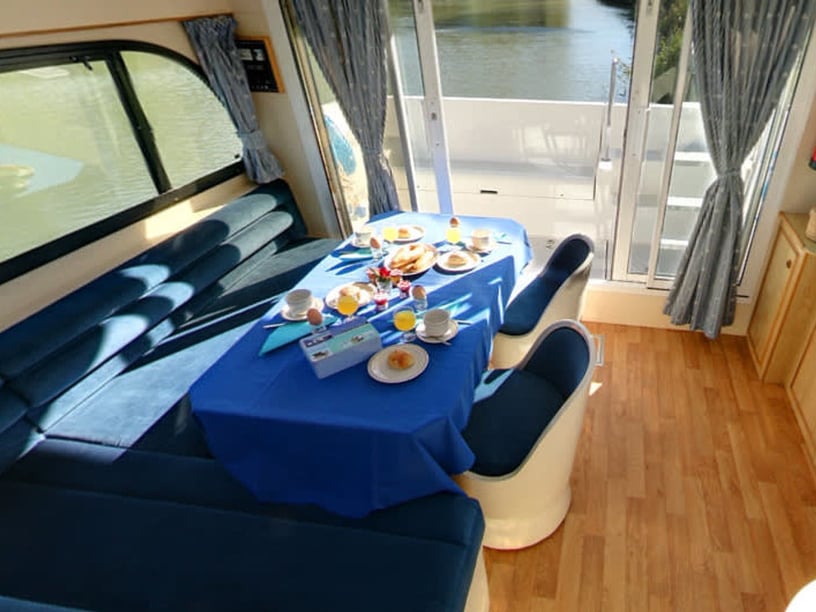
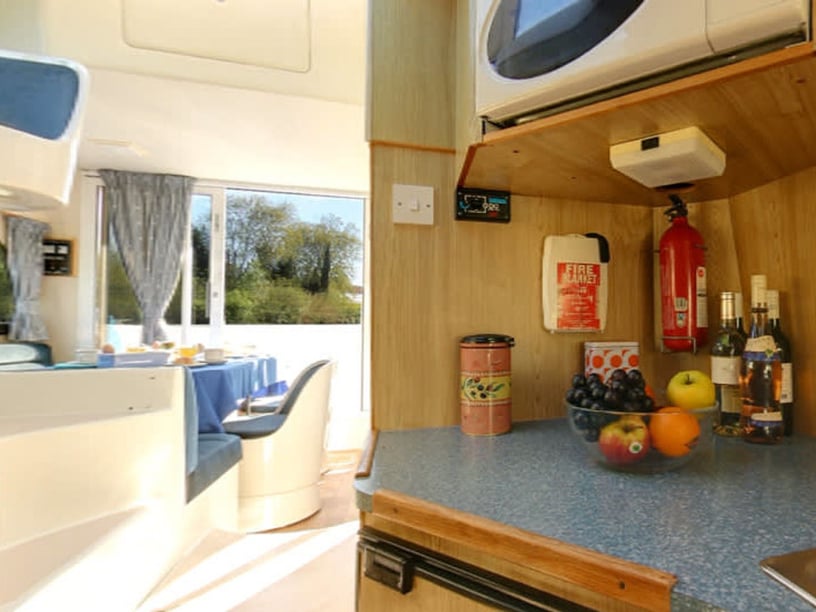
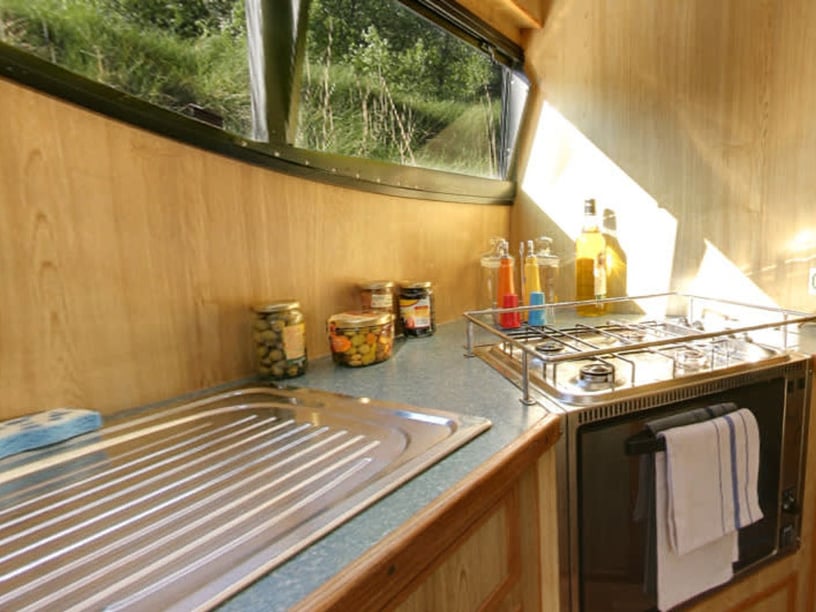
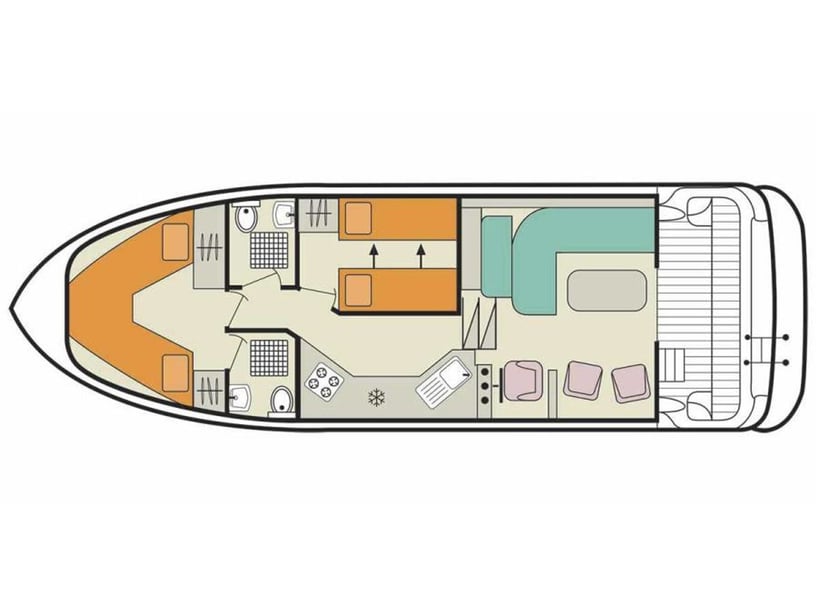
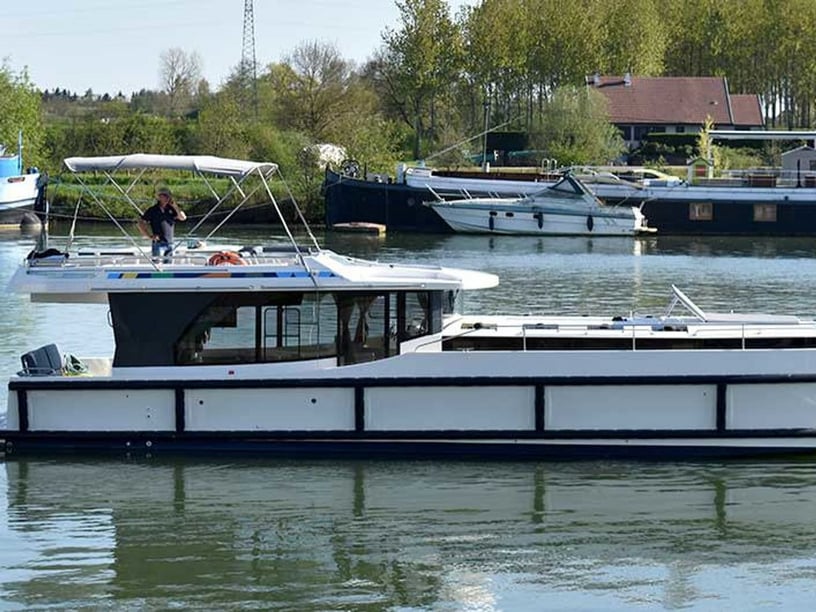
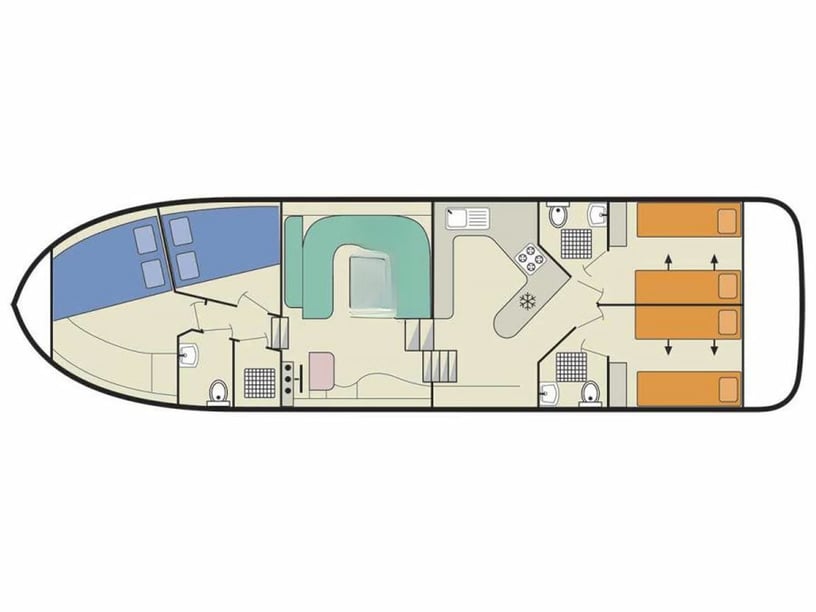
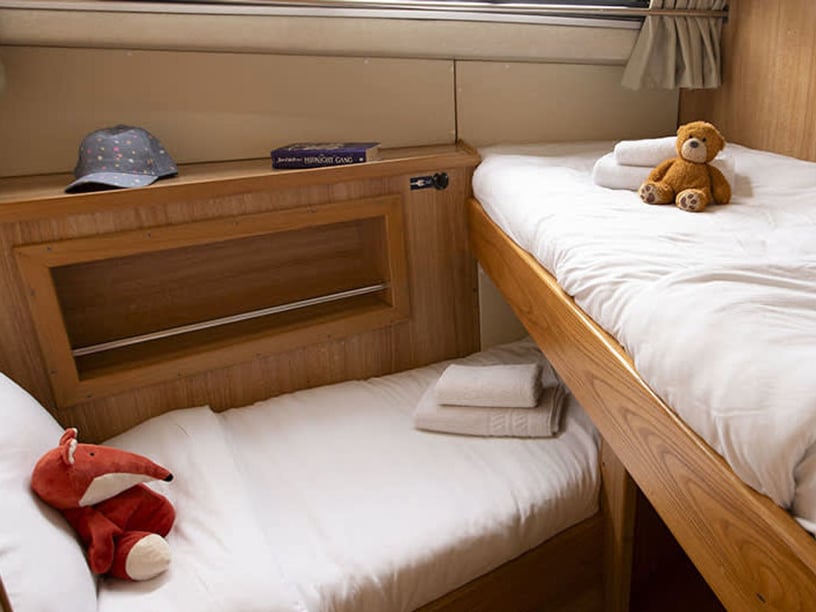
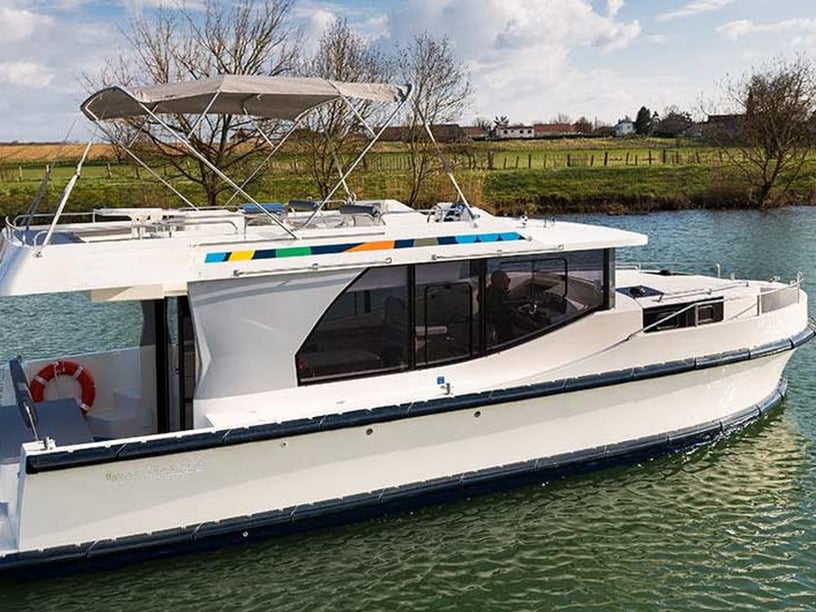
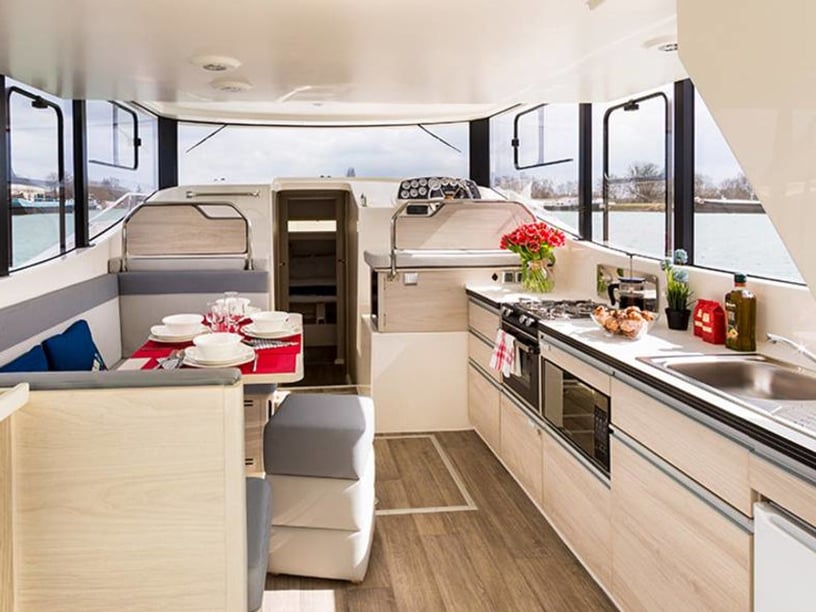
When considering boat rental in Niderviller, choose the craft and itinerary around canal travel rather than open-water performance. Maneuverability, bridge clearance and comfort for the full duration of the trip are more relevant than sailing capability. Allow time at the start for the boat briefing and for everyone aboard to understand basic handling, tunnel signals and lock procedures.
Many locally hired canal boats may be operated without a prior boating license after instruction, subject to the selected craft and applicable rules. This should always be confirmed for the individual booking. Travelers planning to continue toward Germany should also check whether different licensing, insurance or documentation requirements apply to the cross-border portion of the route.
Before departure, review current VNF navigation notices for operating hours, maintenance closures and water-management restrictions affecting locks, tunnels or the inclined plane. Build some flexibility into the itinerary rather than relying on a fixed arrival time each day. Rain is possible in every season, so suitable clothing remains useful even during summer, while cooler-weather crews should prepare for colder mornings on deck.