Yacht charter in Sablé-sur-Sarthe
A yacht charter in Sablé-sur-Sarthe is an inland boating experience shaped by calm river passages, locks and frequent stops in small heritage settlements. The town stands where the Erve and Vaige meet the Sarthe, with its château and historic center overlooking the urban quays. From here, the navigable lower Sarthe runs through wooded banks and farmland before connecting with the wider Maine river basin.
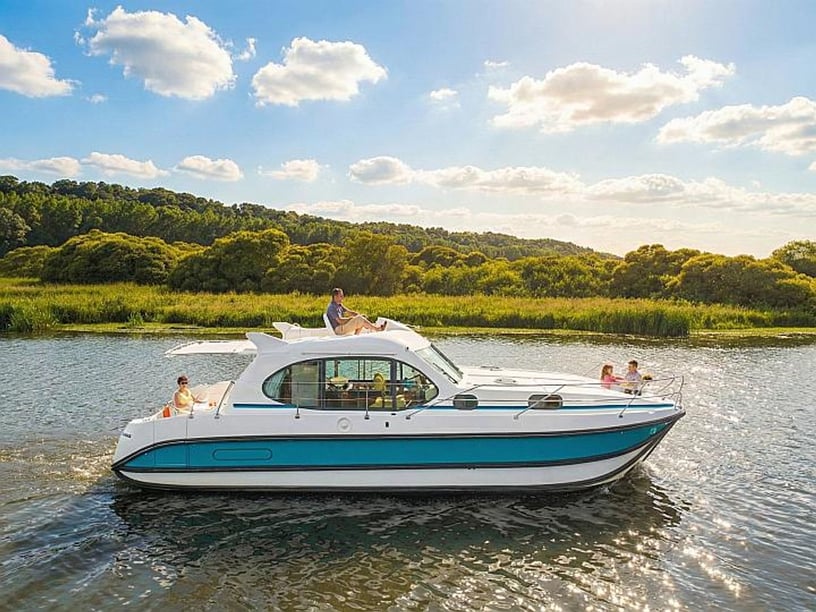
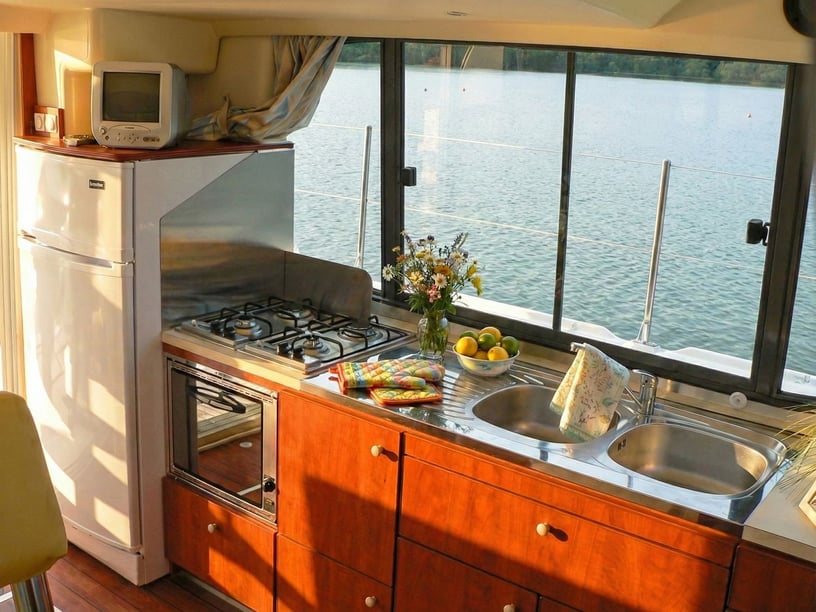
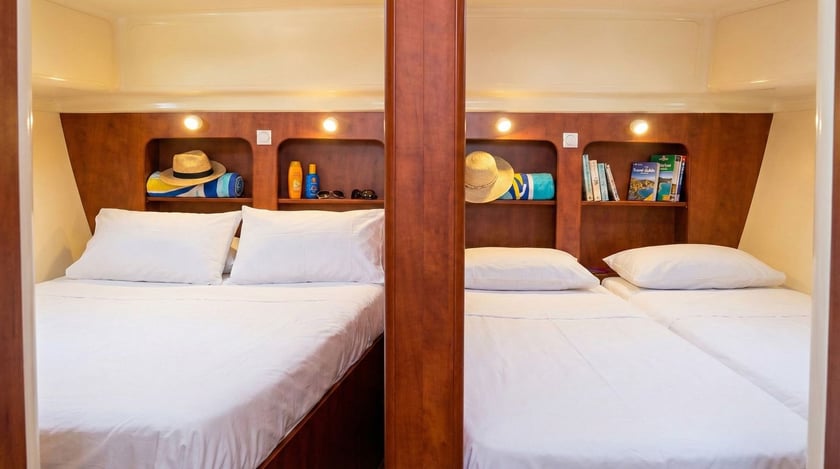
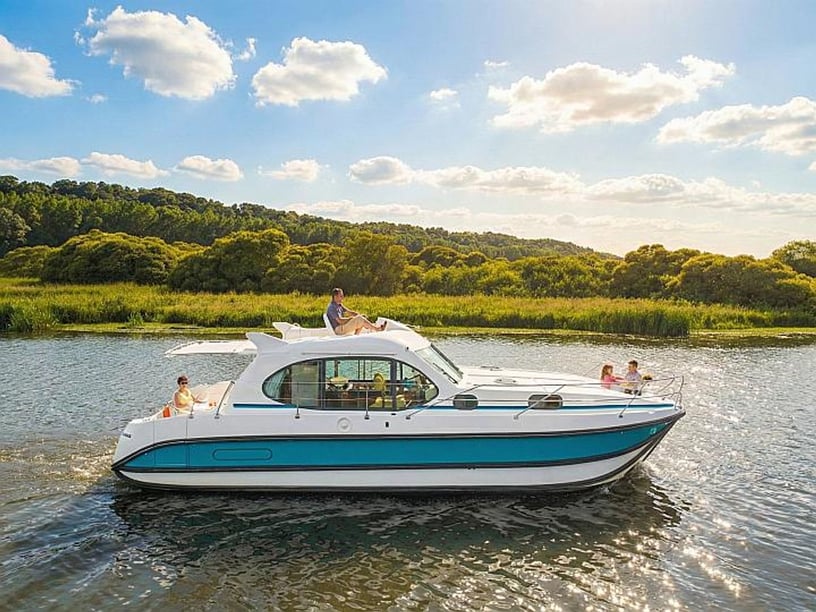
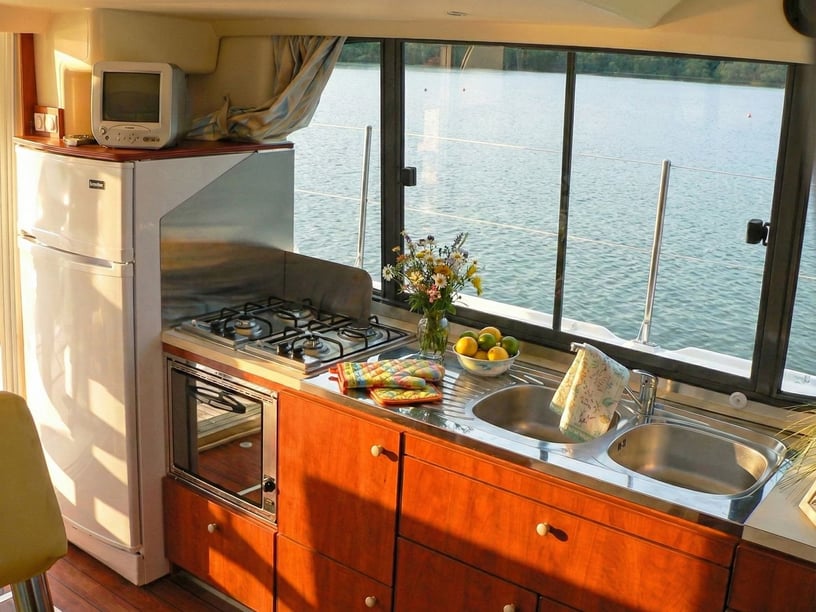
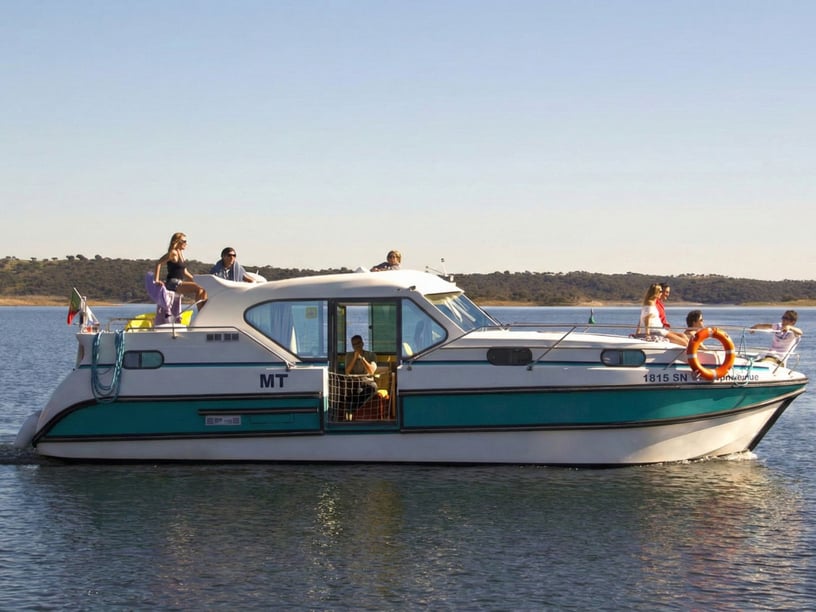
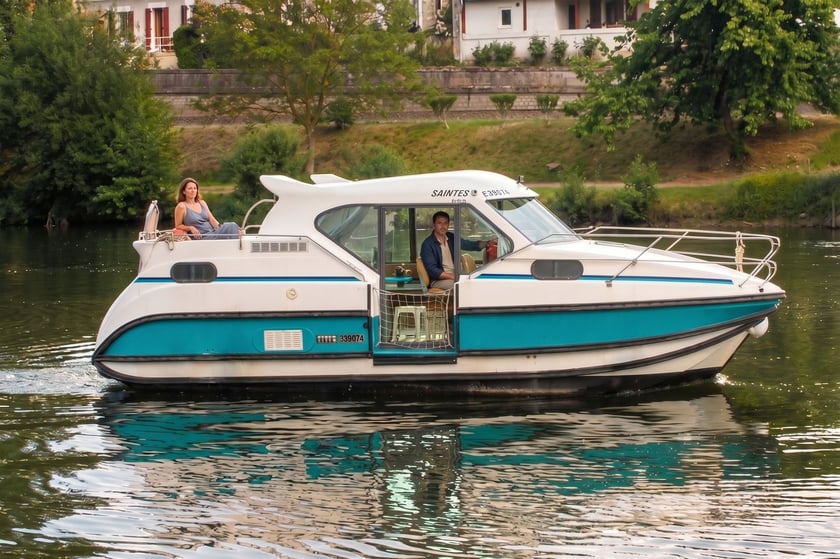
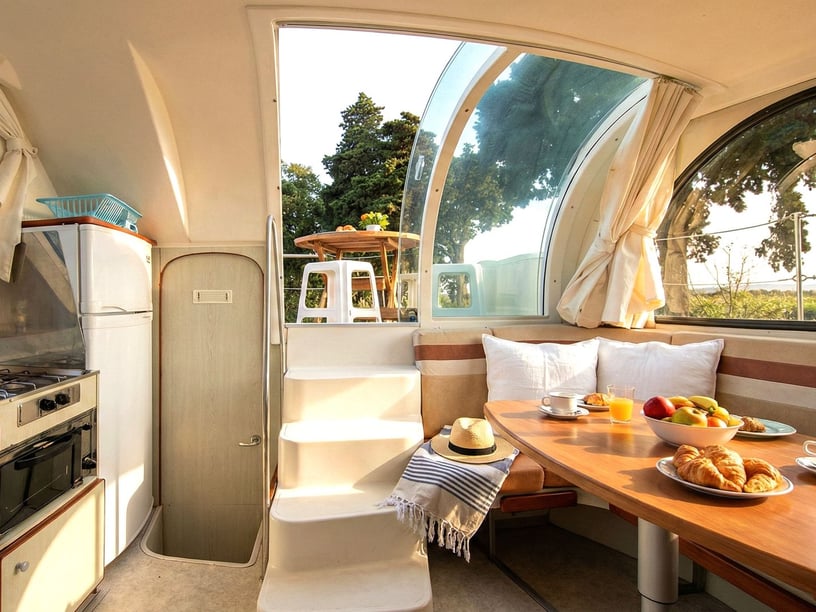
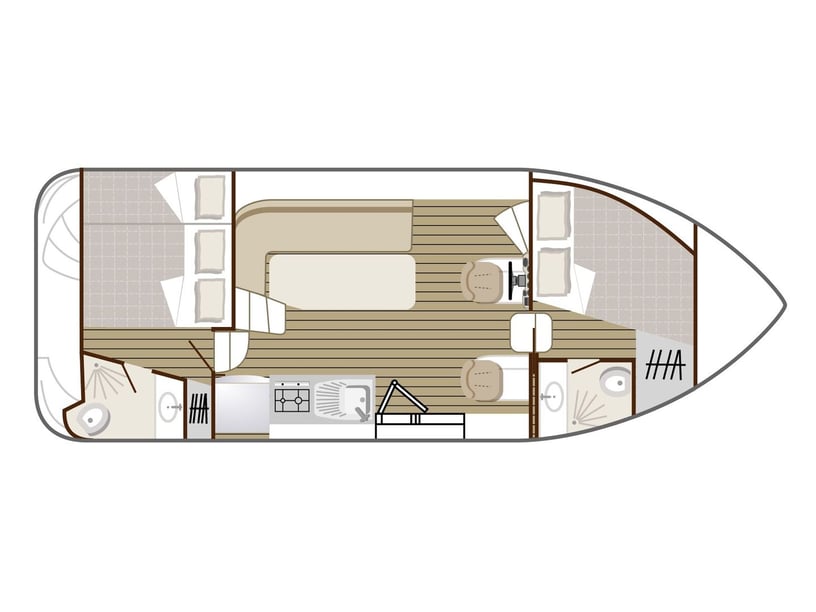
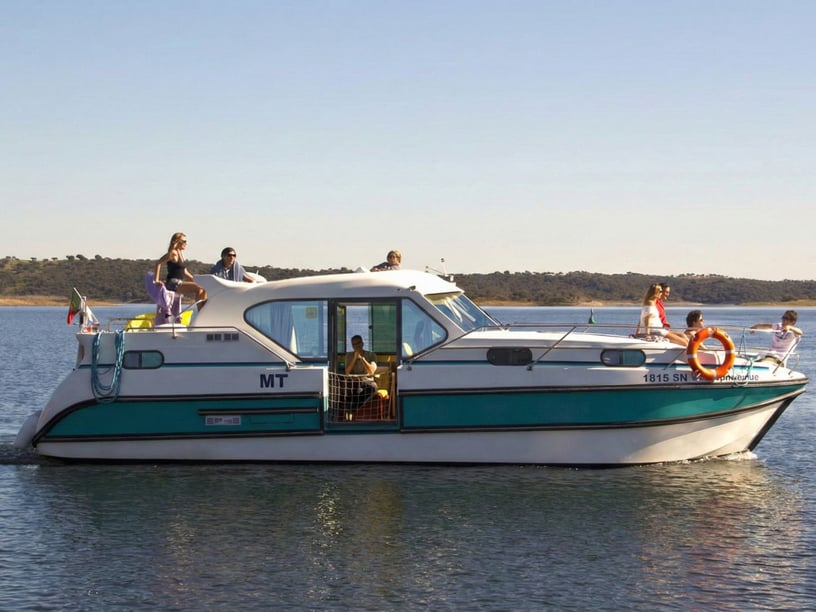
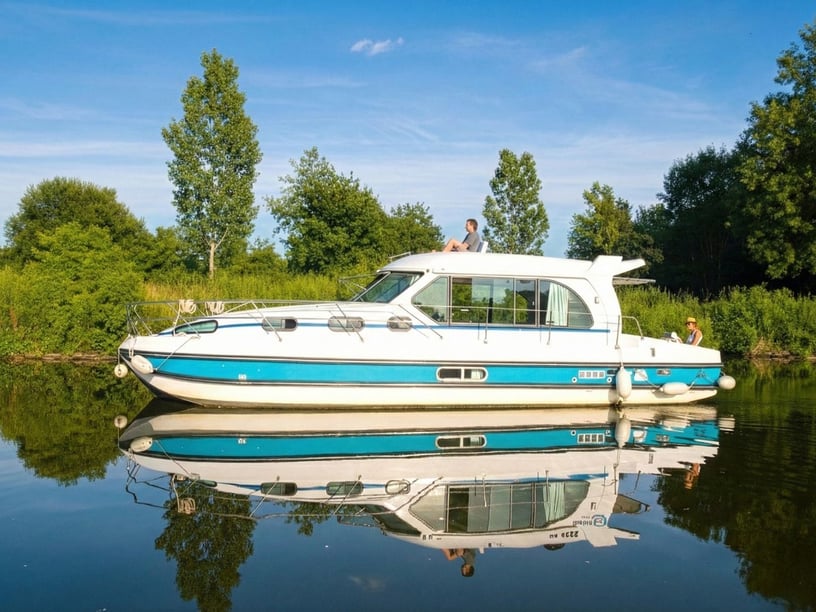
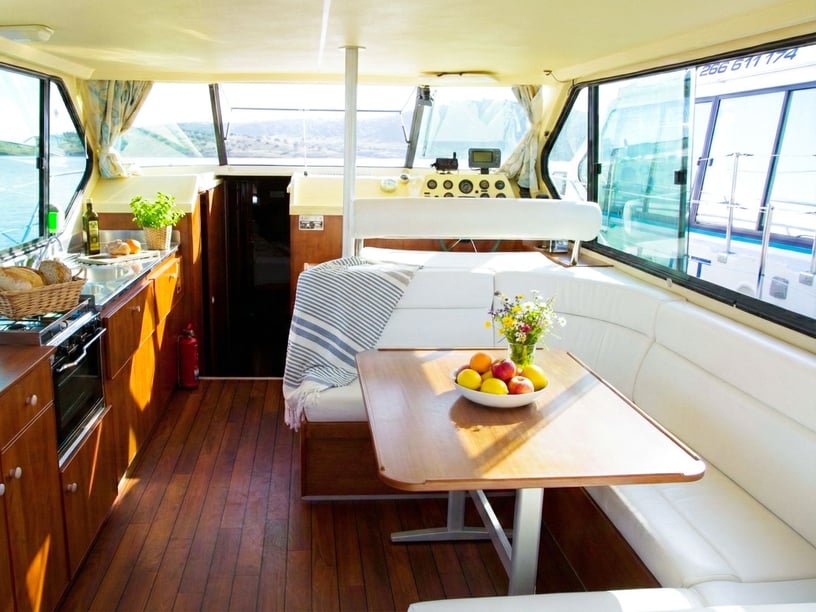
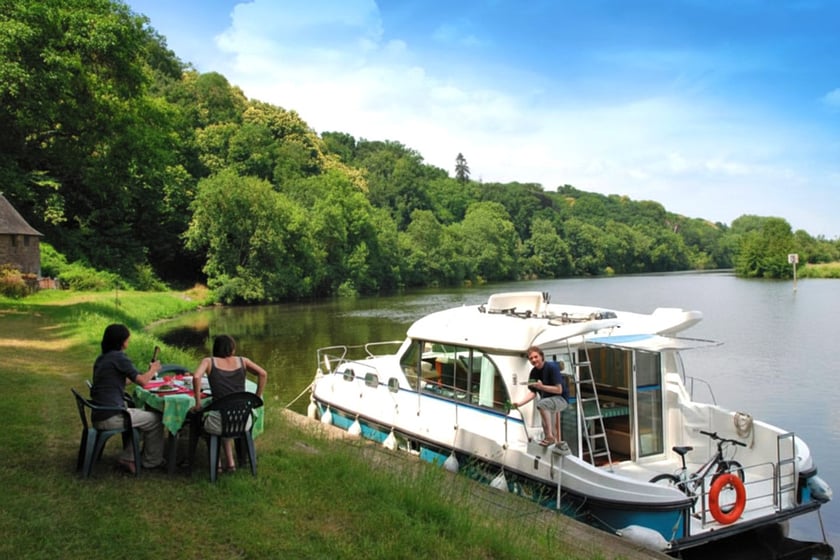
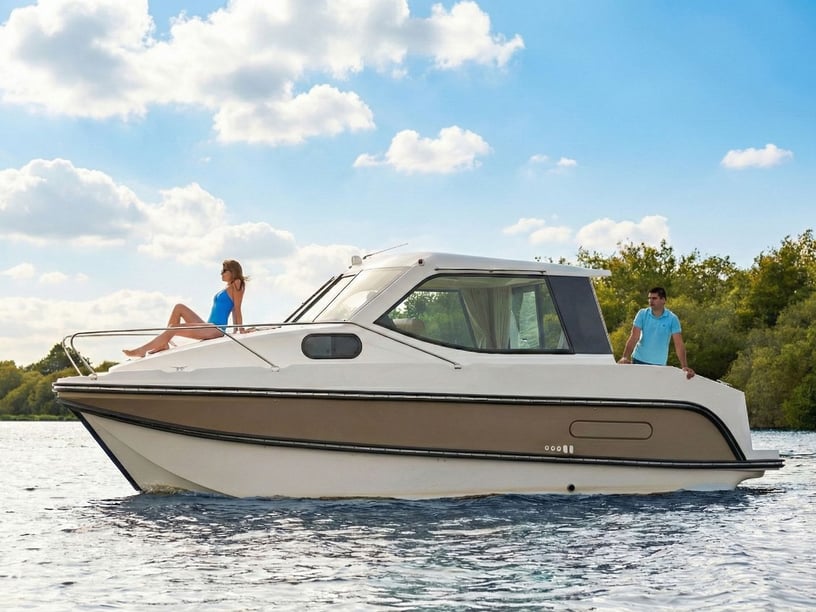
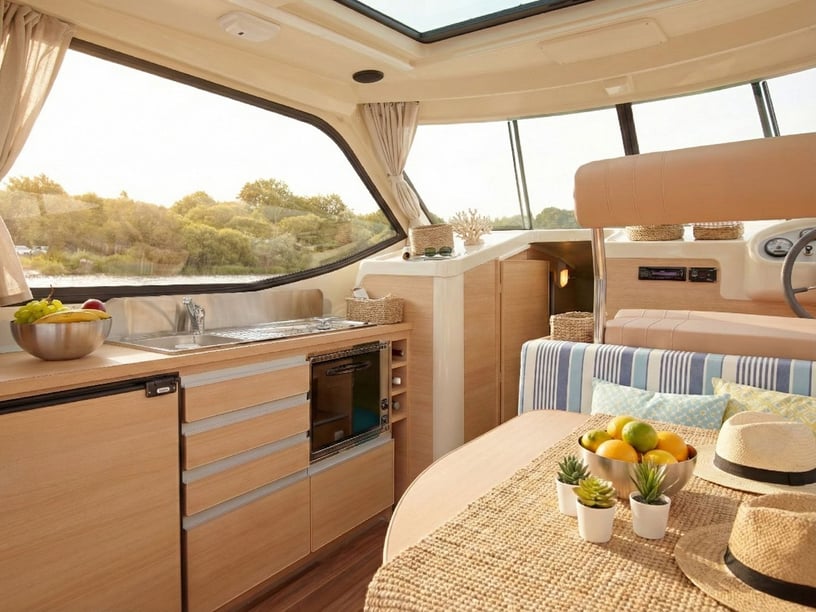
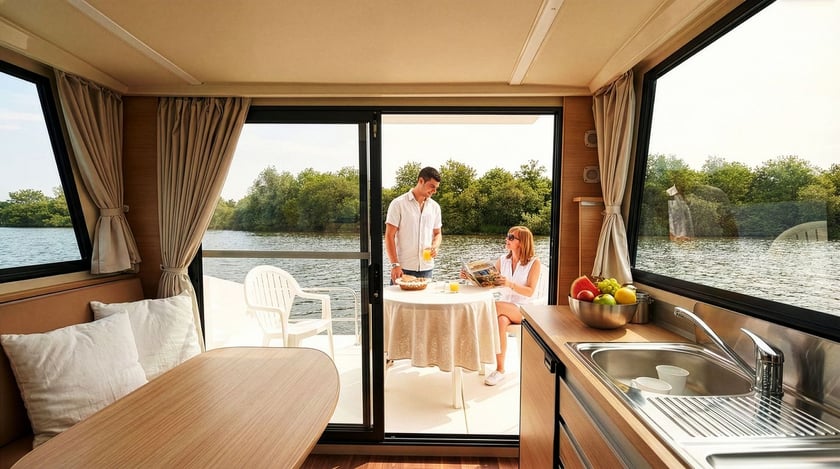
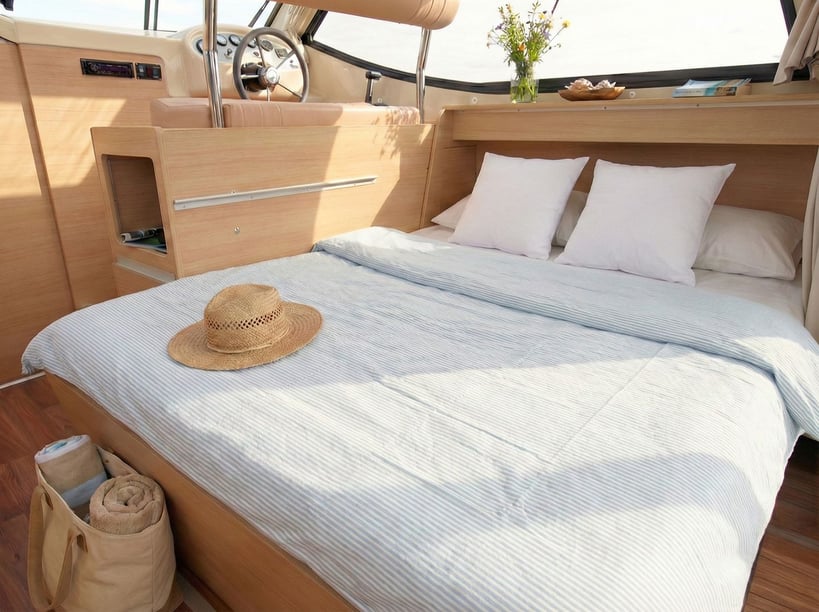
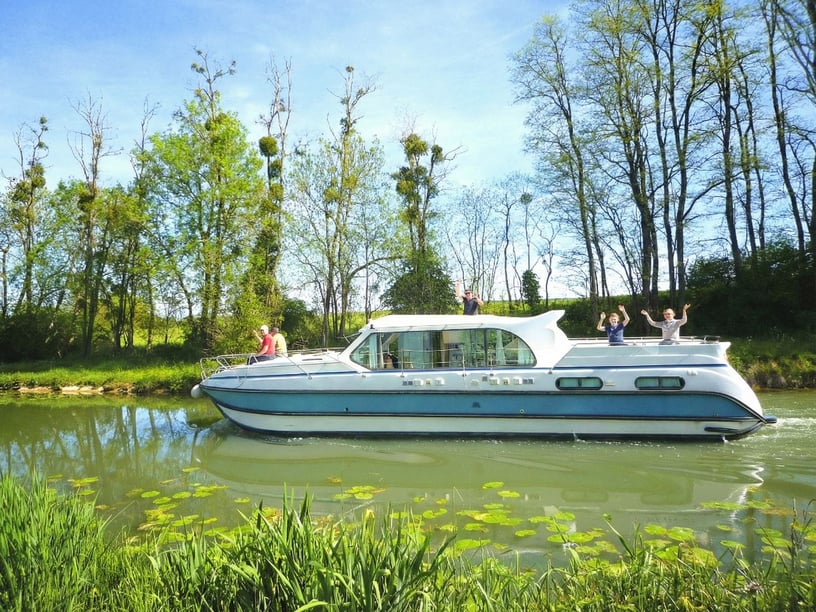
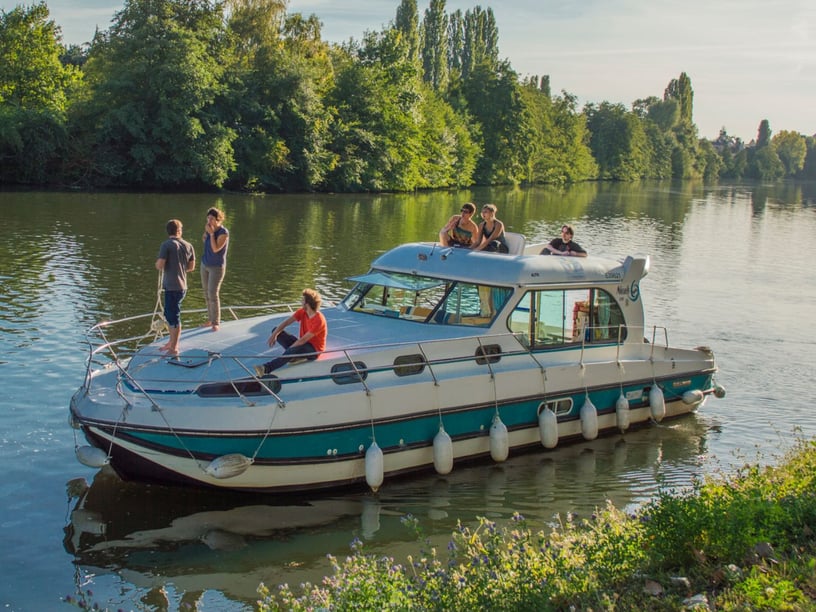
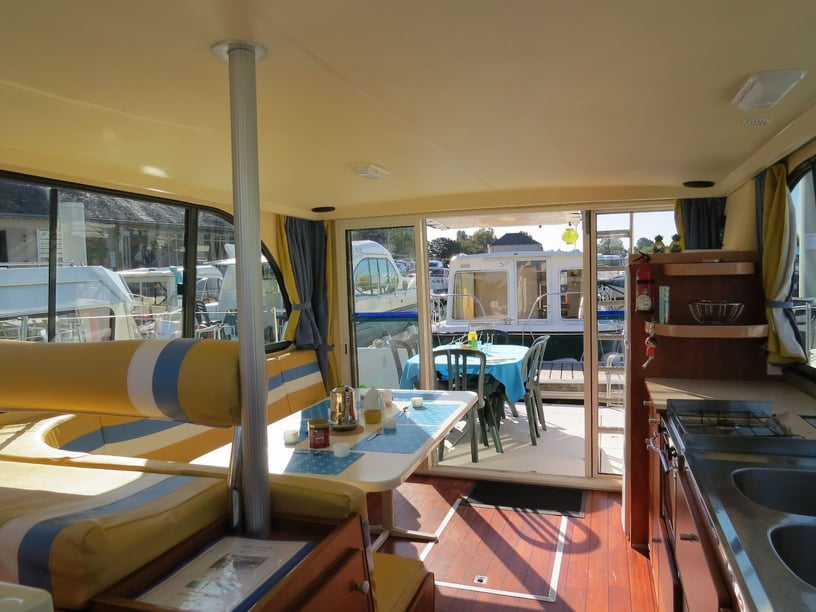
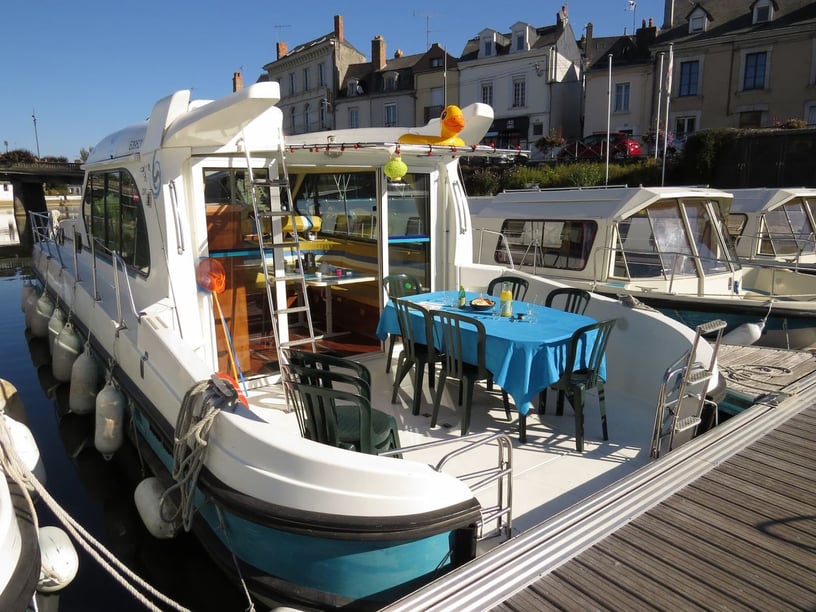
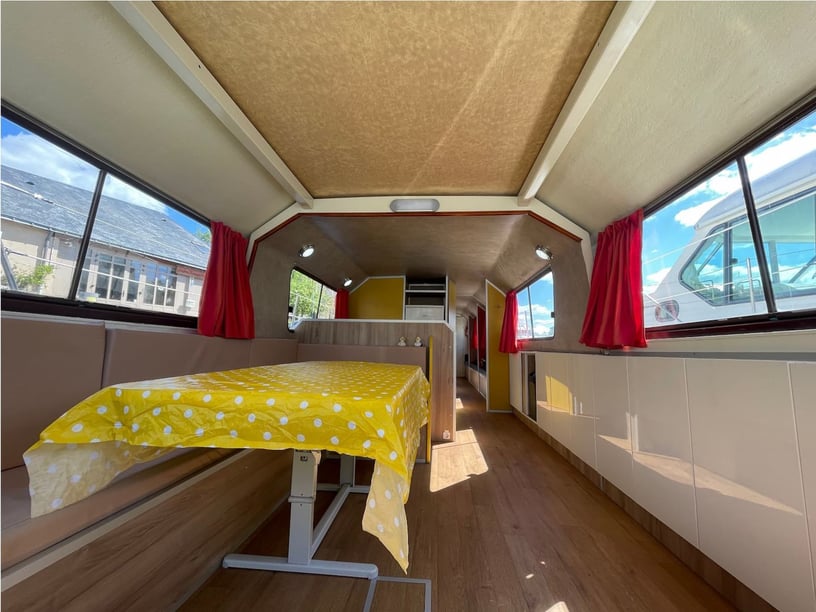
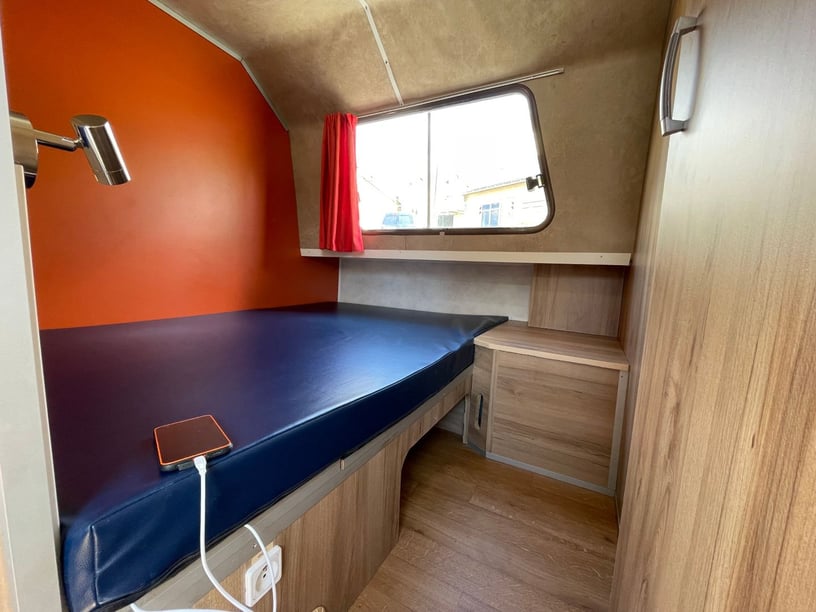
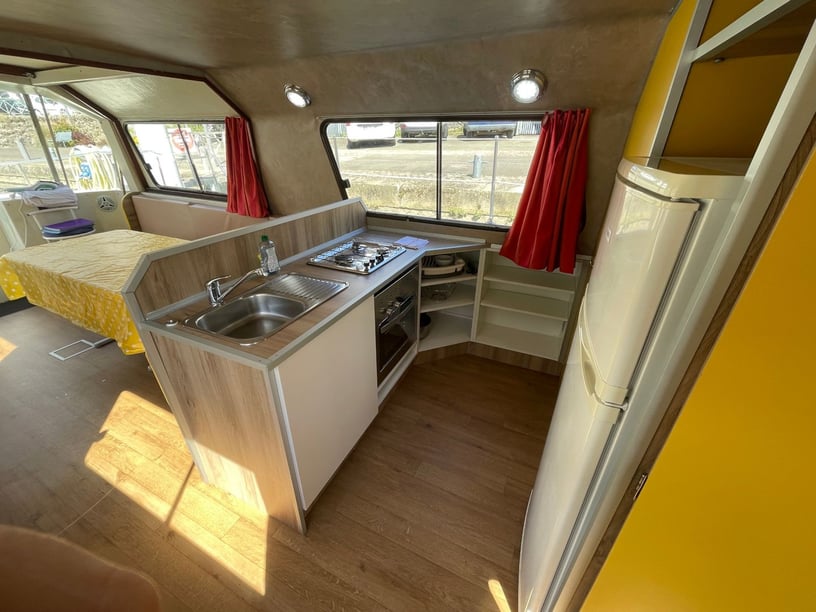
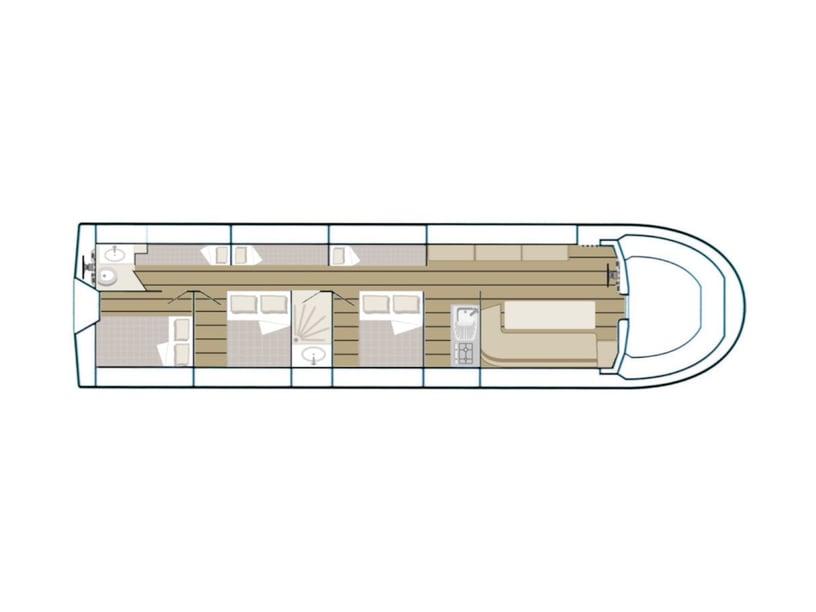
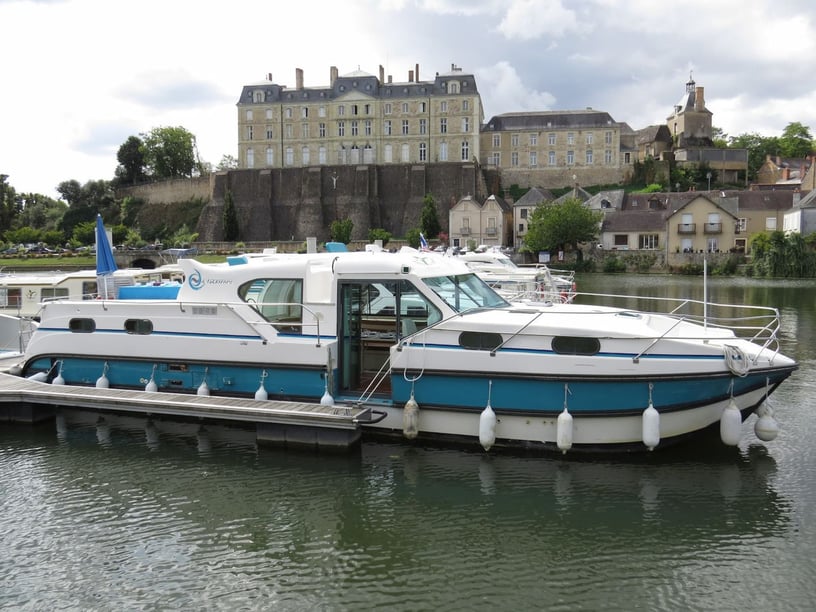
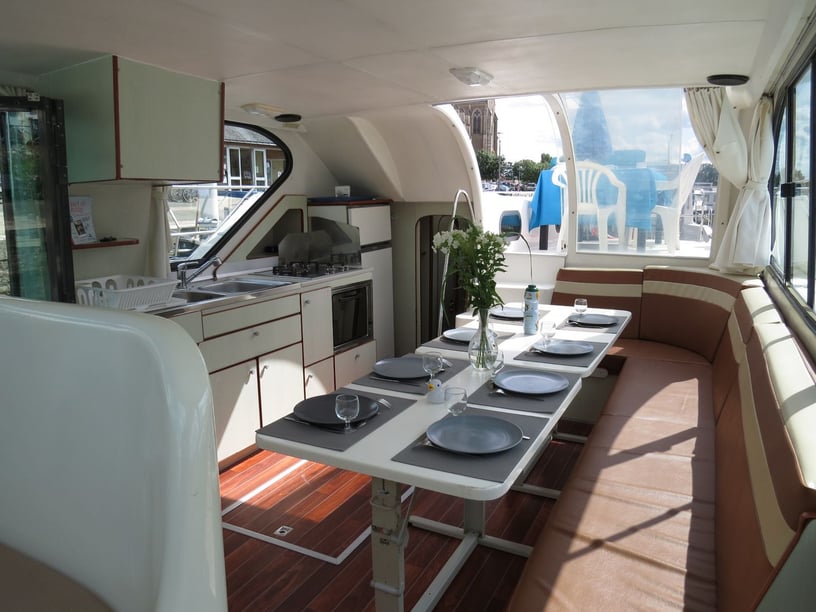
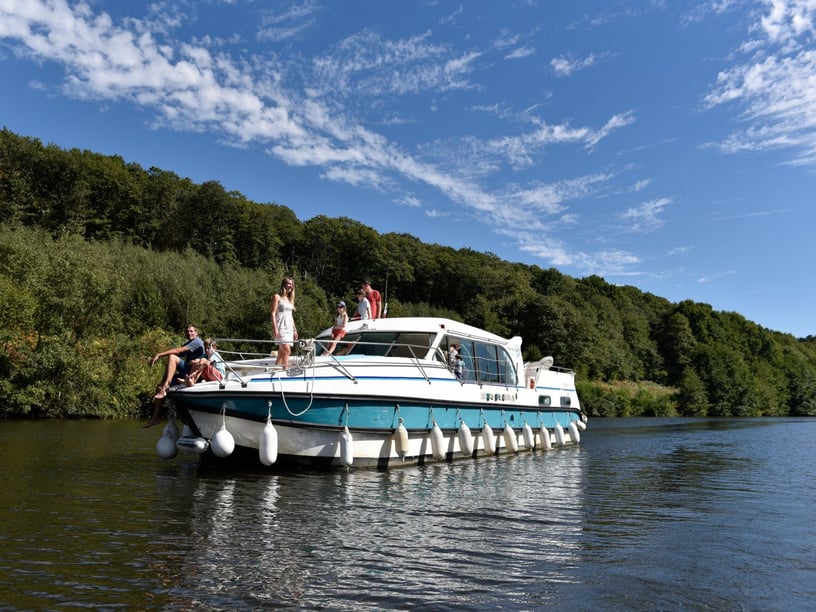
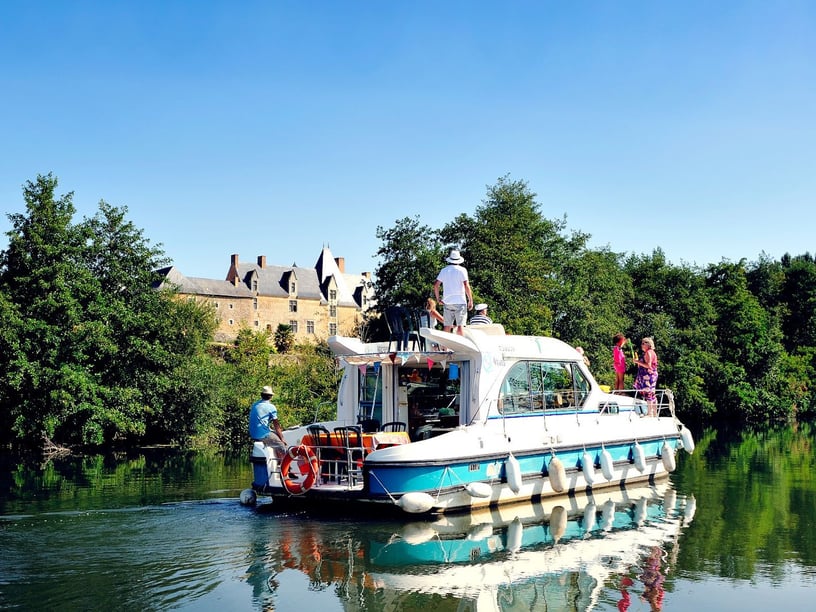
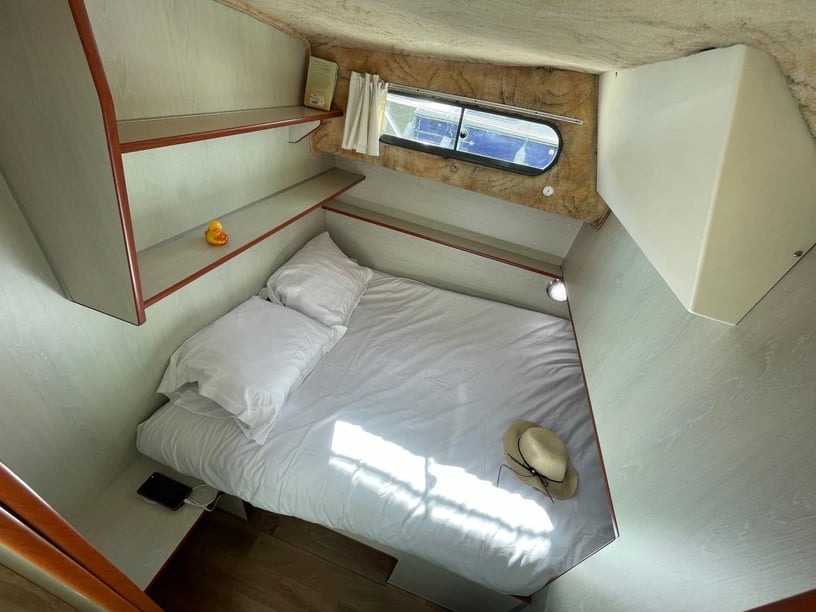
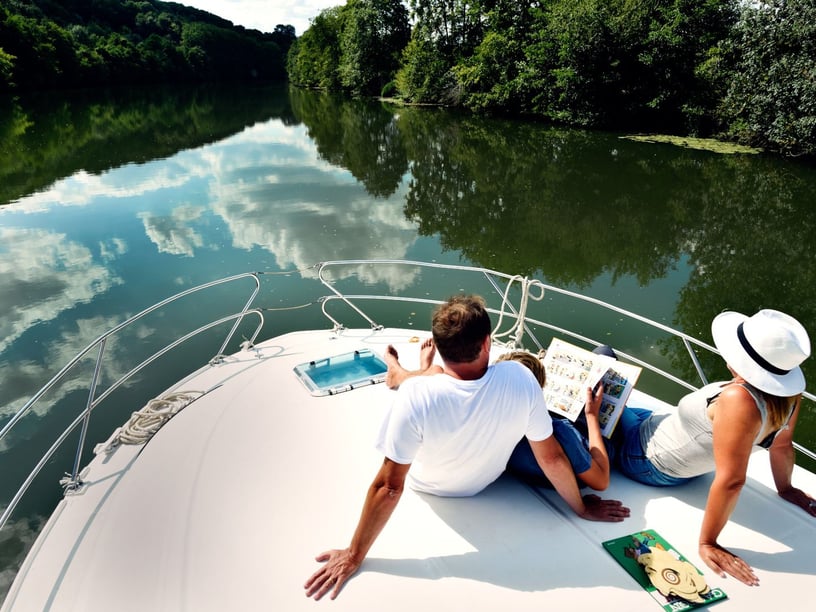
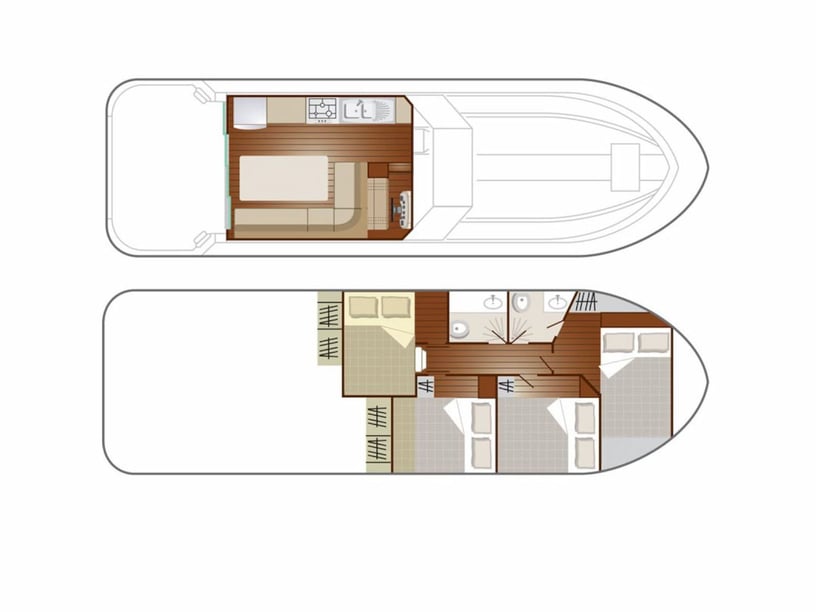
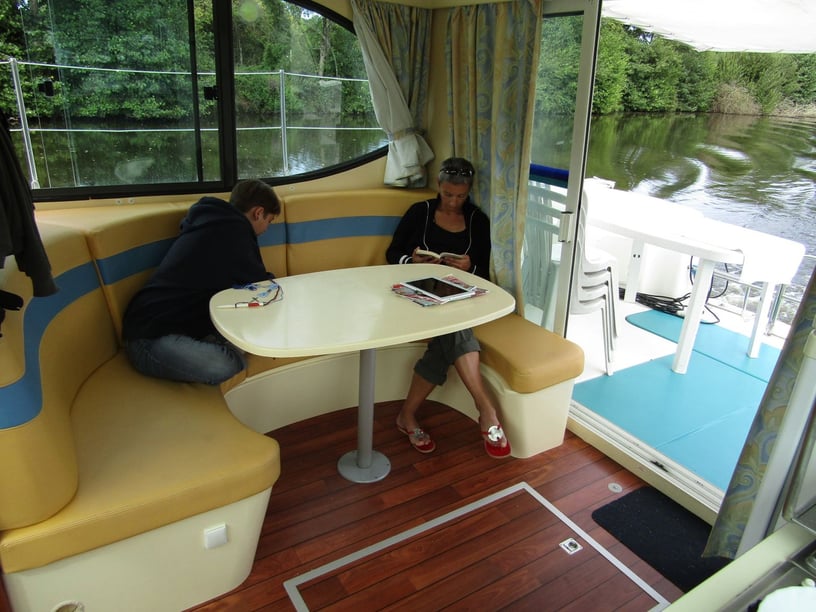
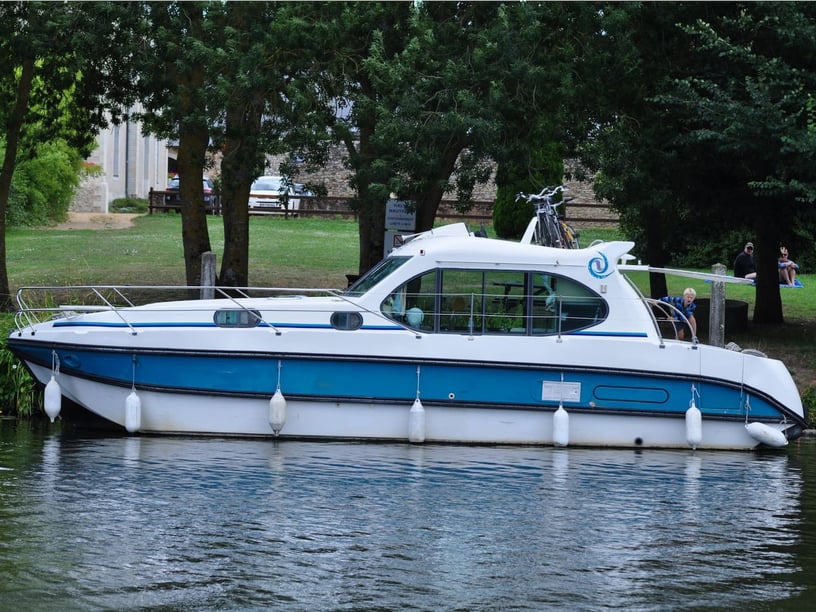
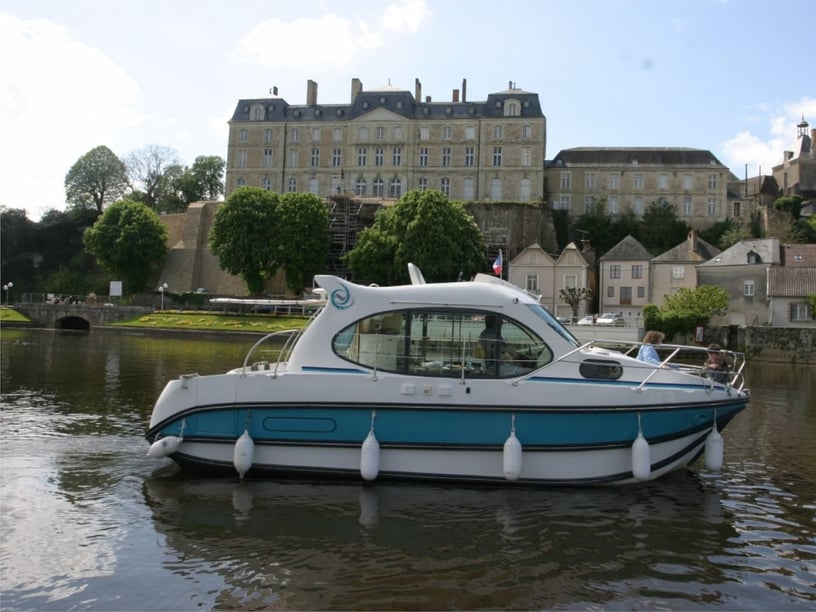
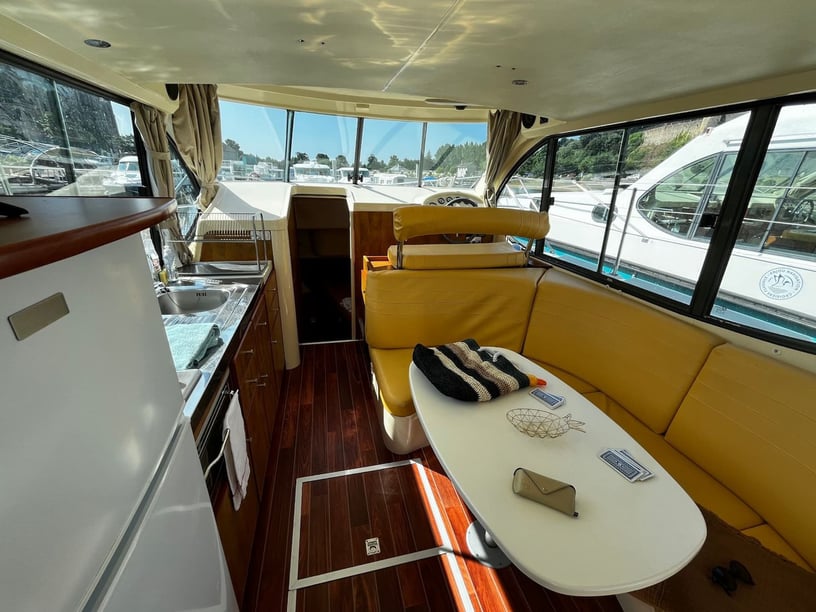
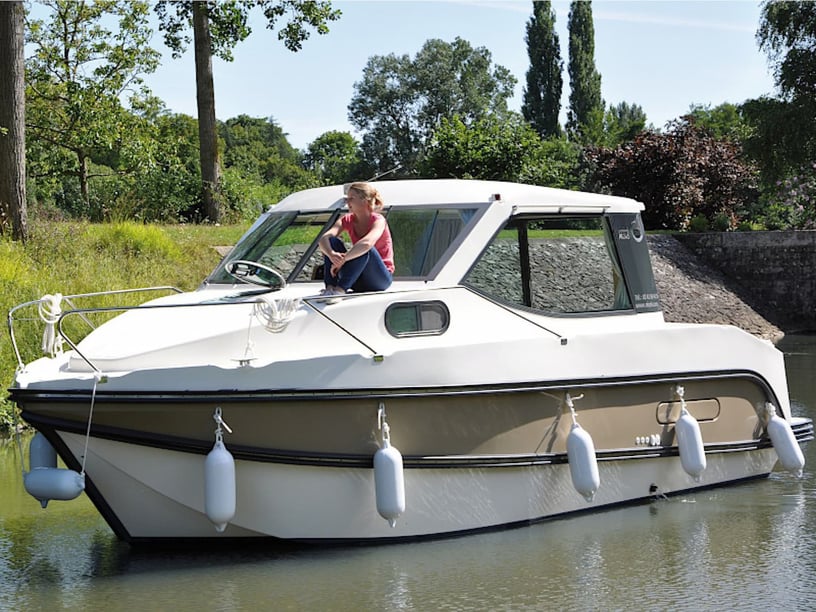
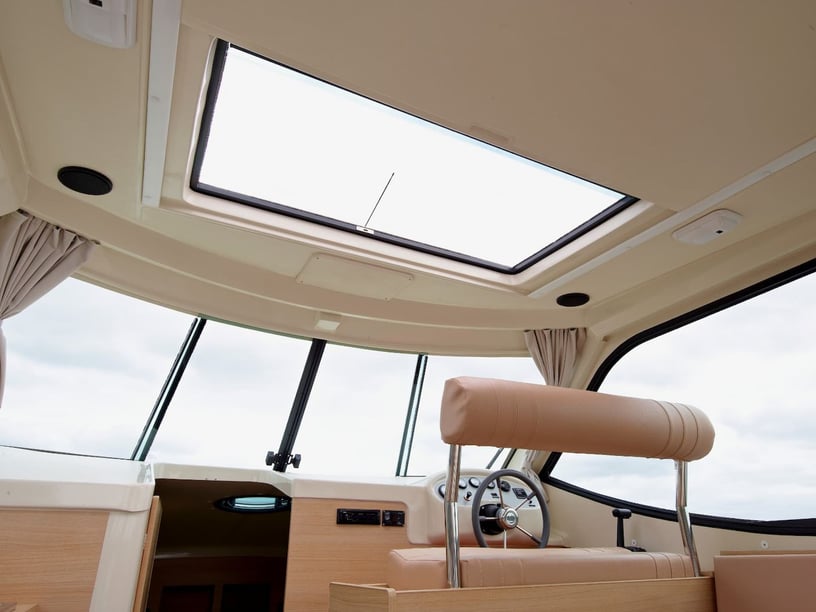
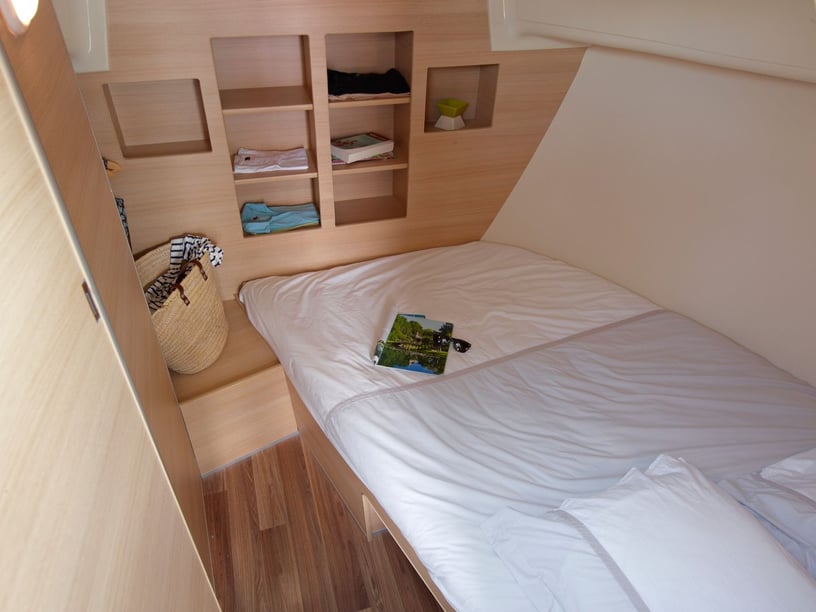
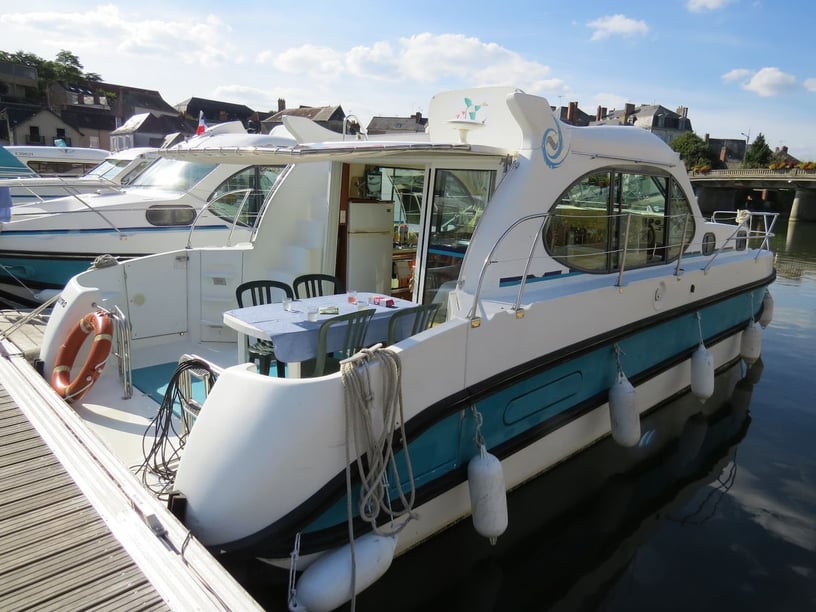
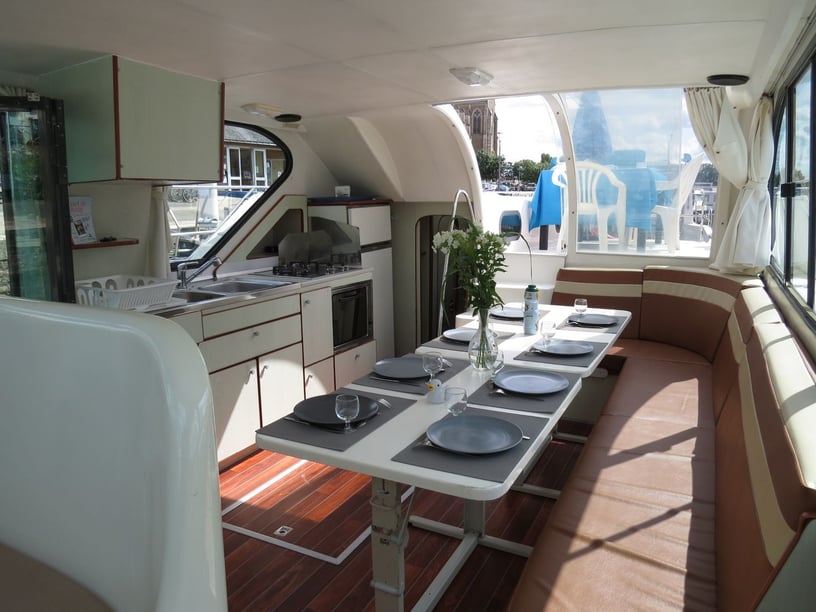
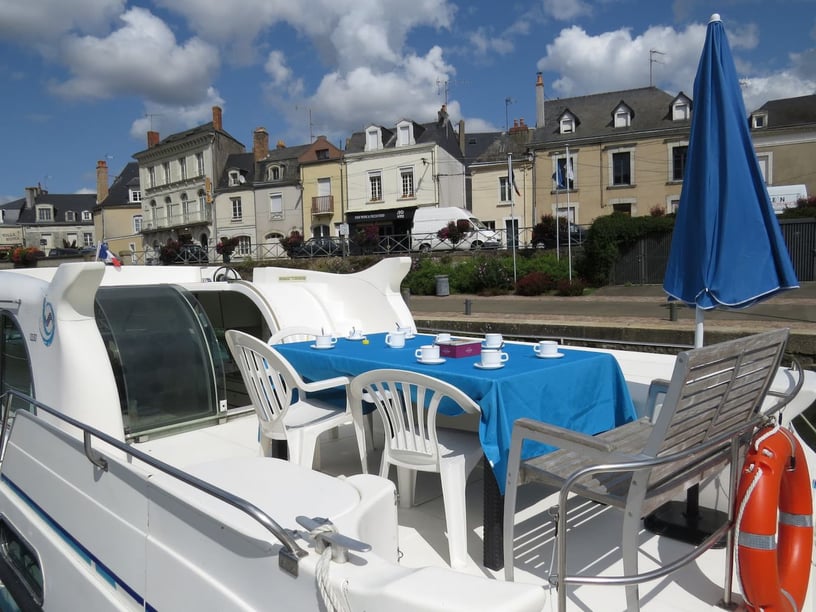
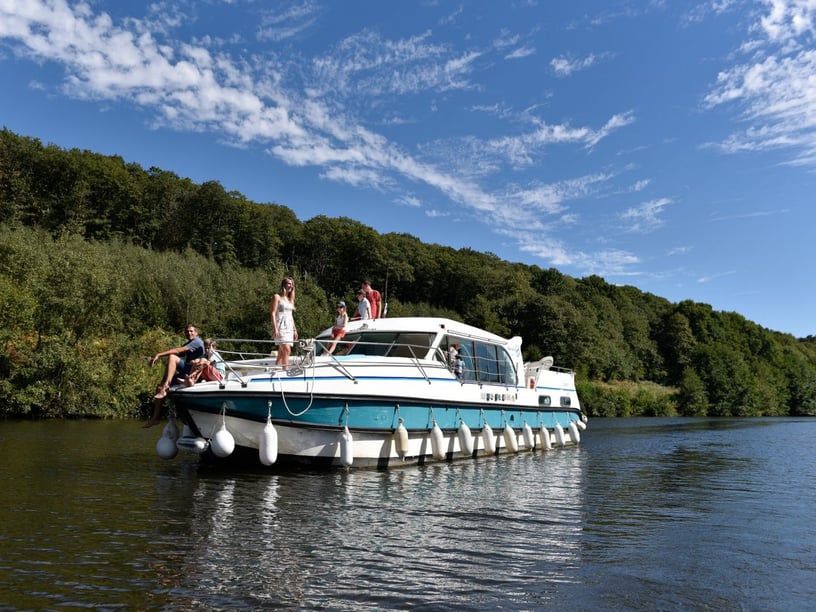
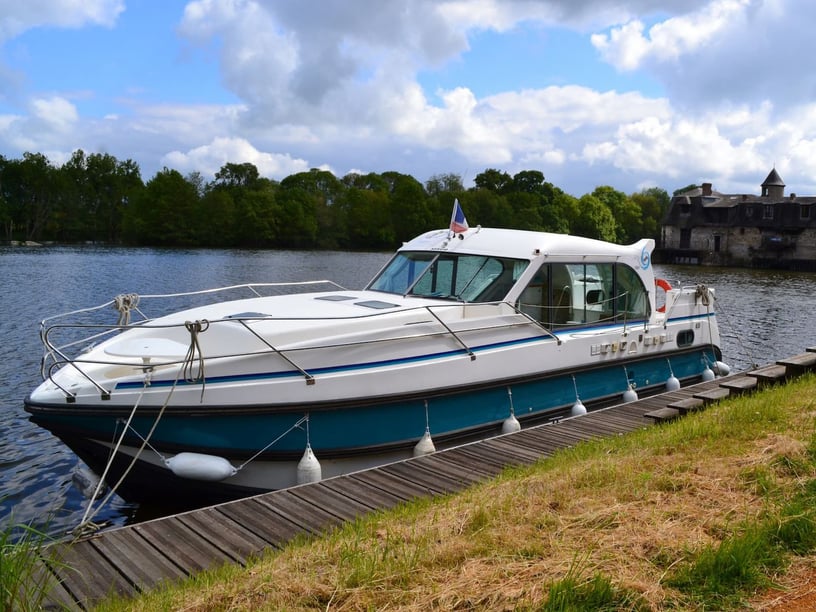
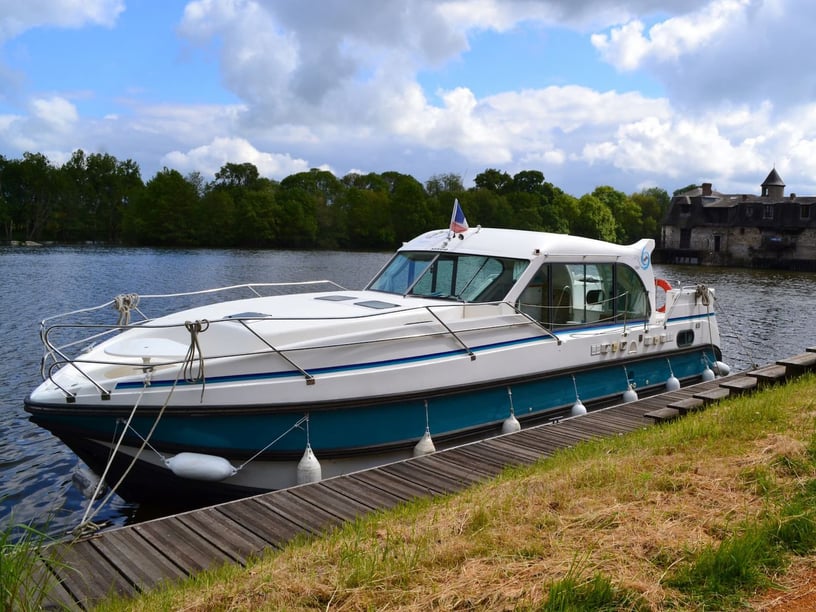
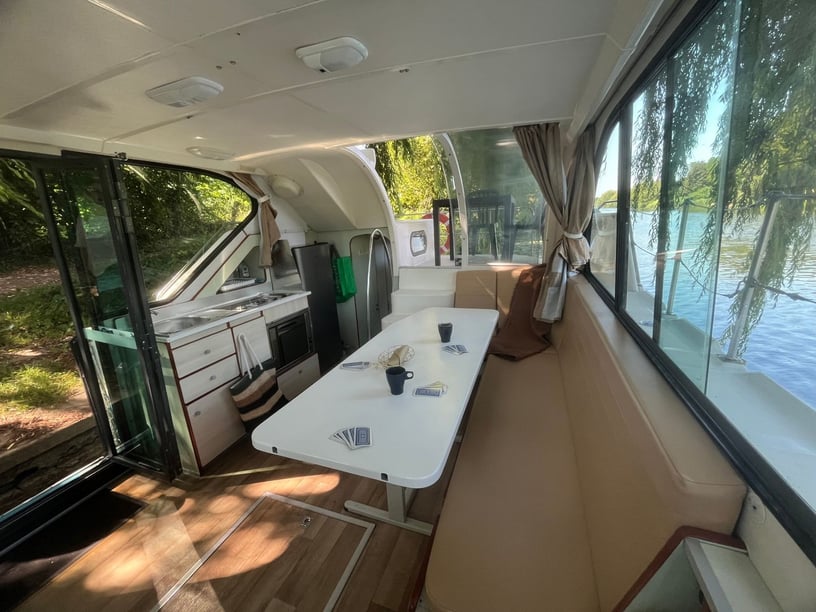
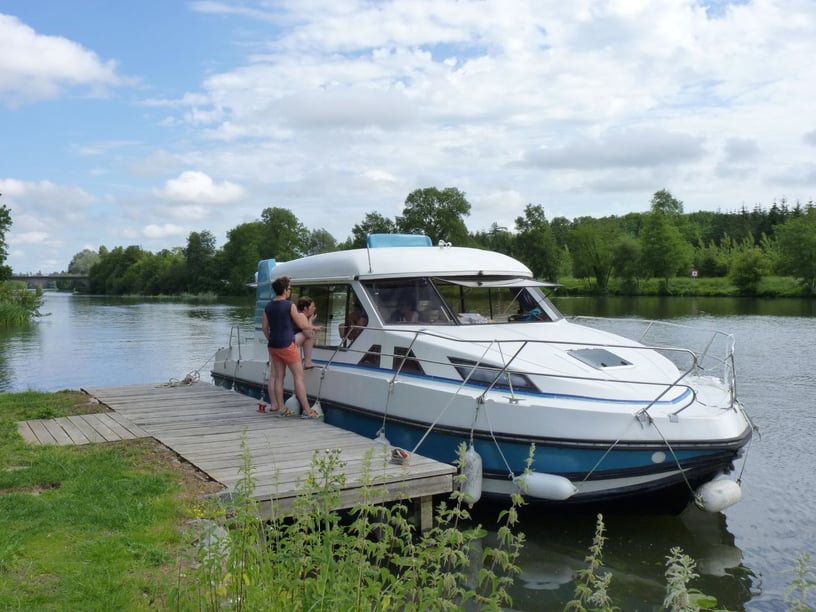
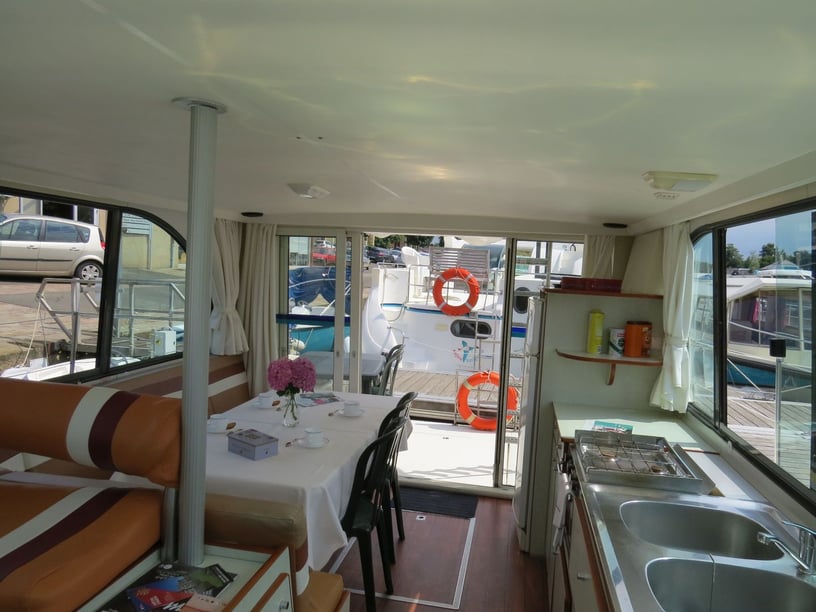
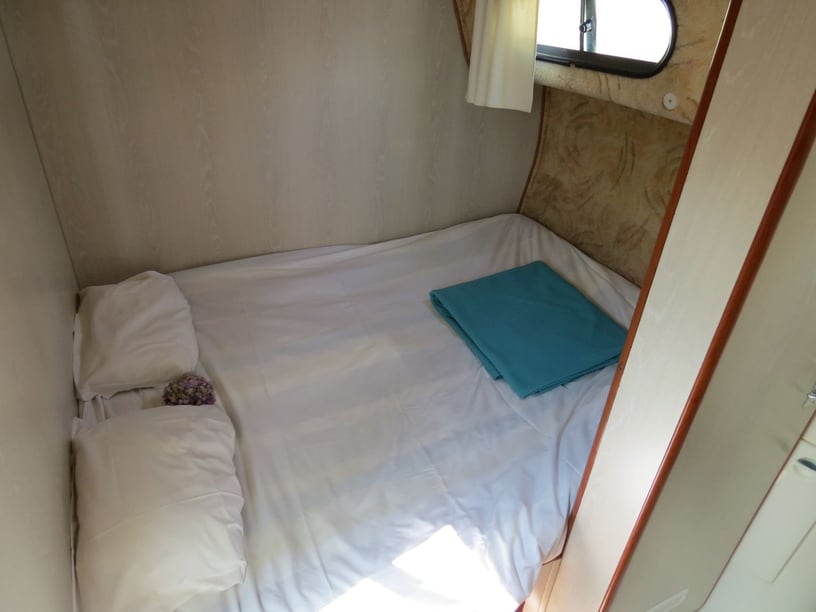
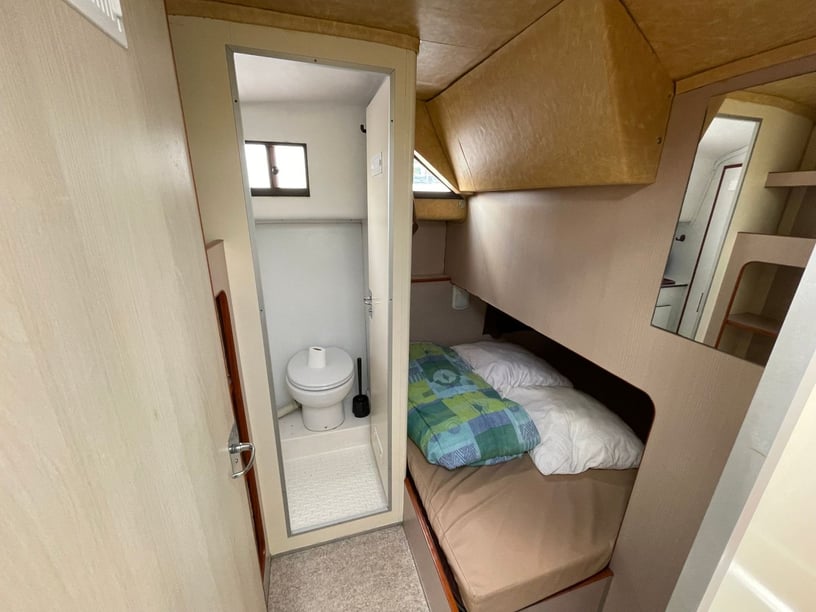
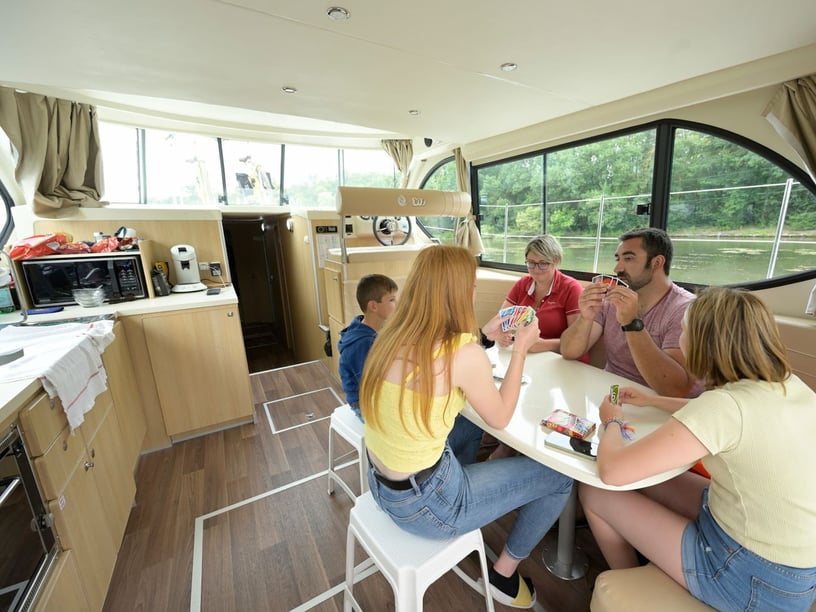
Rather than open-water sailing, boat rental in Sablé-sur-Sarthe primarily means slow motor cruising, often aboard a self-drive houseboat. Days can combine short passages, lock operation, cycling and visits ashore. This makes Sablé particularly relevant to travelers seeking an accessible introduction to inland cruising or a quieter alternative to coastal itineraries. For a broader comparison of maritime and river destinations, see yacht charter options across France.
Places to explore along the Sarthe
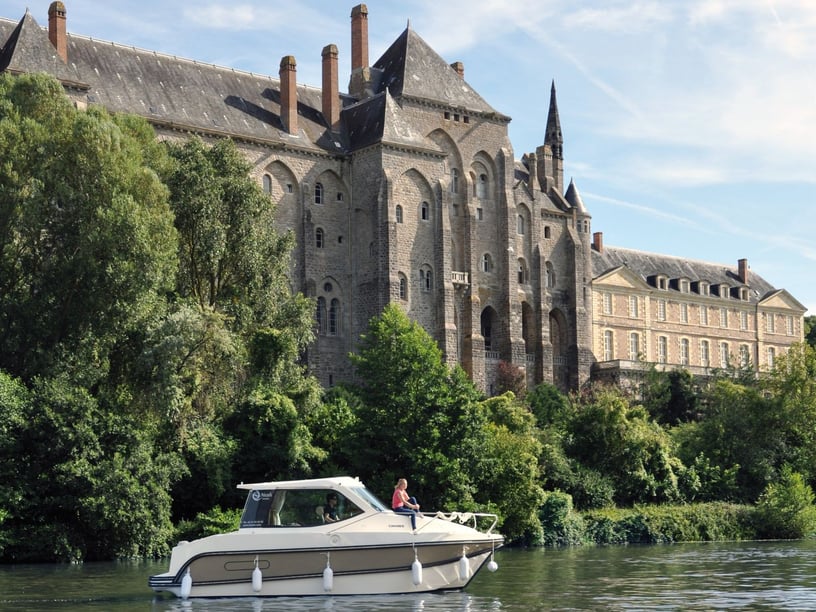
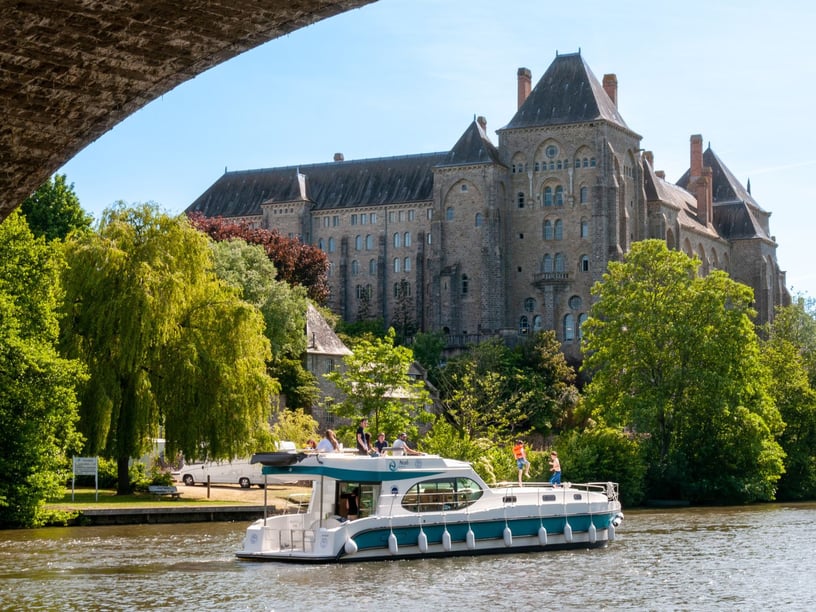
Solesmes is one of the most distinctive stops near Sablé. Its Benedictine abbey stands beside the river and is closely associated with Gregorian chant and the 19th-century Benedictine revival. The abbey’s riverside position allows it to become part of the cruise itself rather than simply an excursion reached by road.
Continuing along the Sarthe, Juigné-sur-Sarthe provides a practical river stop after a lock passage. Longer itineraries can incorporate Avoise, Malicorne-sur-Sarthe and Parcé-sur-Sarthe. Malicorne is especially relevant for its ceramics heritage and museum, while Avoise can serve as a starting point for a bicycle trip to Asnières-sur-Vègre and the Manoir de la Cour. These places suit the river’s unhurried rhythm: cruise for a manageable stretch, secure the boat and spend part of the day exploring ashore.
What cruising on the lower Sarthe is like
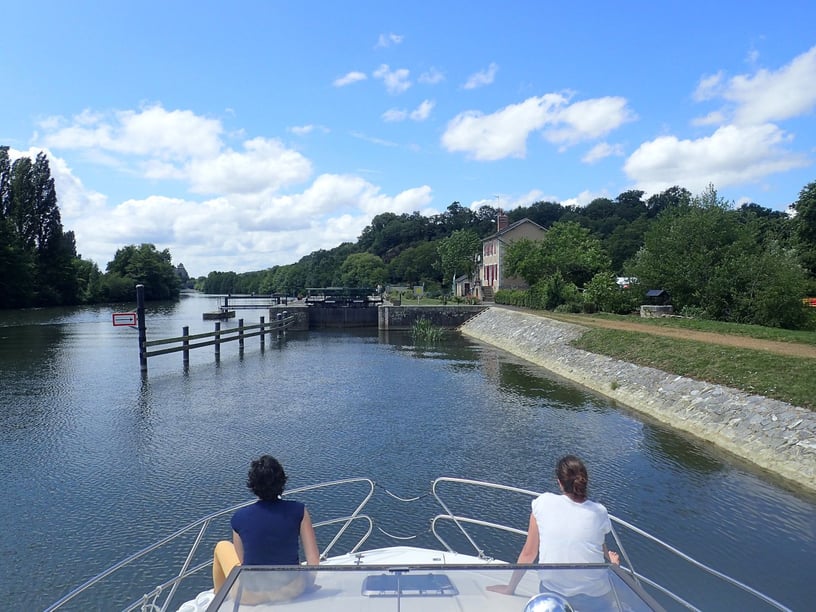
The Sarthe is generally calm and sheltered, with little open-water exposure and less influence from wind than a coastal cruising ground. Passages are typically short and interrupted by locks, so the experience is active without demanding advanced sailing skills. First-time crews can usually settle into the routine after the boat operator’s handover and practical instruction.
Locks are a defining part of the journey. The navigable section between Le Mans and Pincé has 16, and Sablé has the only automatic lock; the other 15 are manual. Crew members should therefore expect to help with regular lock passages rather than spend entire days underway.
Although the river is rated as an easy boating environment, it retains a partly natural character. Debris, shoaling and changing water levels can occasionally affect navigation, while dry periods may lead to local draught restrictions. These conditions make current navigation notices important even when the water appears placid.
Best time for a Sablé-sur-Sarthe charter
The usual leisure-cruising season runs from late March or April through October, with April to September the most consistently recommended period. May through September brings the greatest boating activity, and summer generally offers the most reliable weather for combining cruising with cycling and village visits.
April and October sit at the quieter edges of the season. They can still suit flexible travelers, but weather and visitor services may be less consistent. Winter activity is substantially reduced. Although the automated lock at Sablé can support year-round passage when conditions permit, that does not mean the full river itinerary or associated services will operate as they do in the main season.
River routes from Sablé-sur-Sarthe
For a short introduction, the route from Sablé to Solesmes and Juigné-sur-Sarthe combines a close view of the abbey, a lock passage and the possibility of an overnight river stop. It provides a manageable sample of the lower Sarthe without requiring a long holiday.
An established three-day out-and-back itinerary continues through Avoise, Malicorne-sur-Sarthe and Parcé-sur-Sarthe before returning to Sablé. It works well for travelers who want to balance time at the helm with heritage, ceramics and cycling ashore.
Crews with more time can travel upstream toward Le Mans, a journey commonly treated as a week-long extension. The lower Sarthe also connects downstream with the Maine, Mayenne and Oudon network, opening the possibility of a broader inland cruise where time and navigation conditions allow.
Life on and beside the river
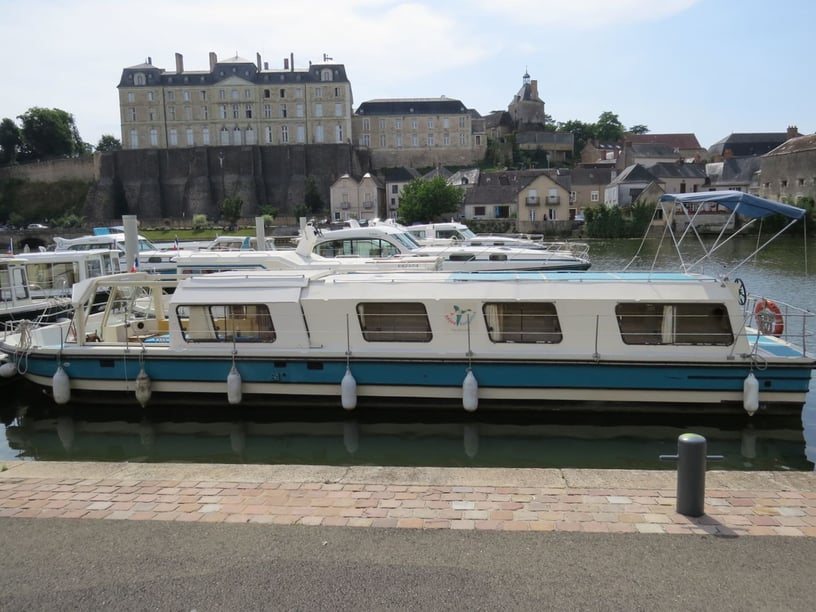
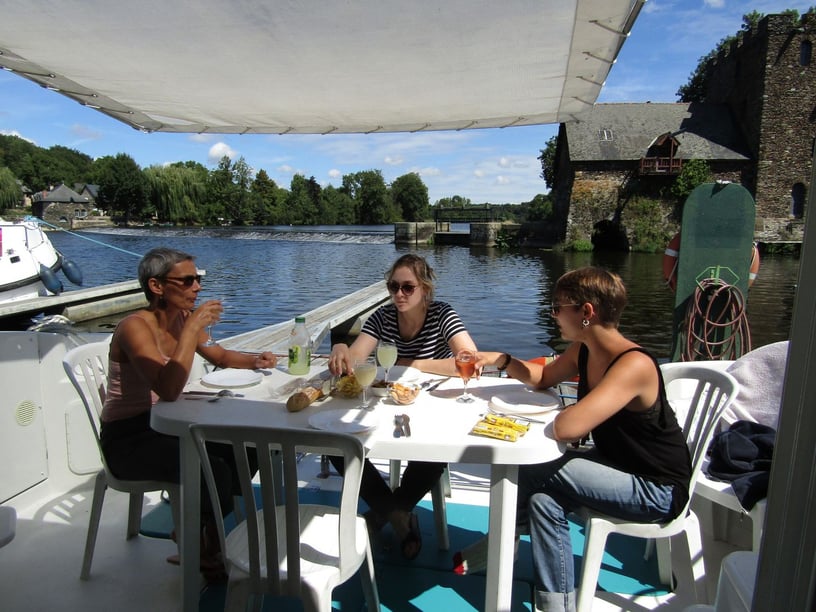
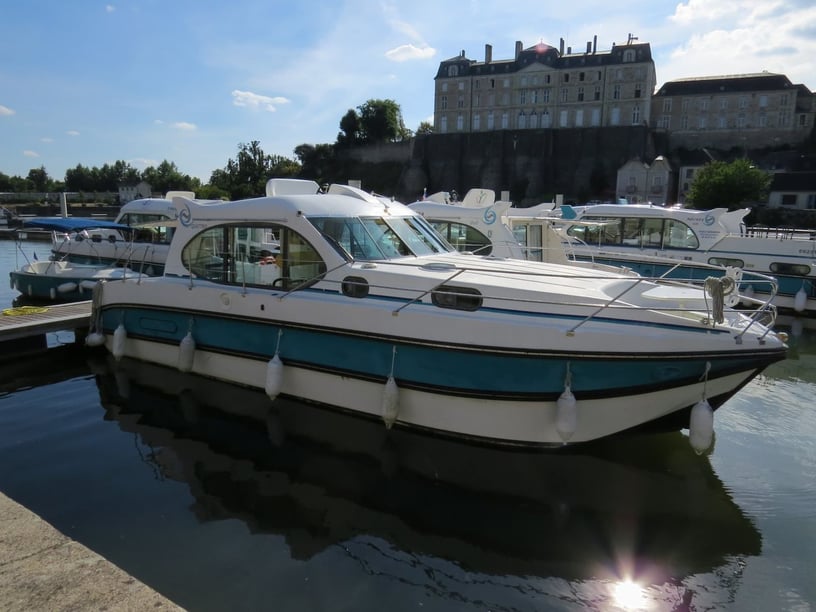
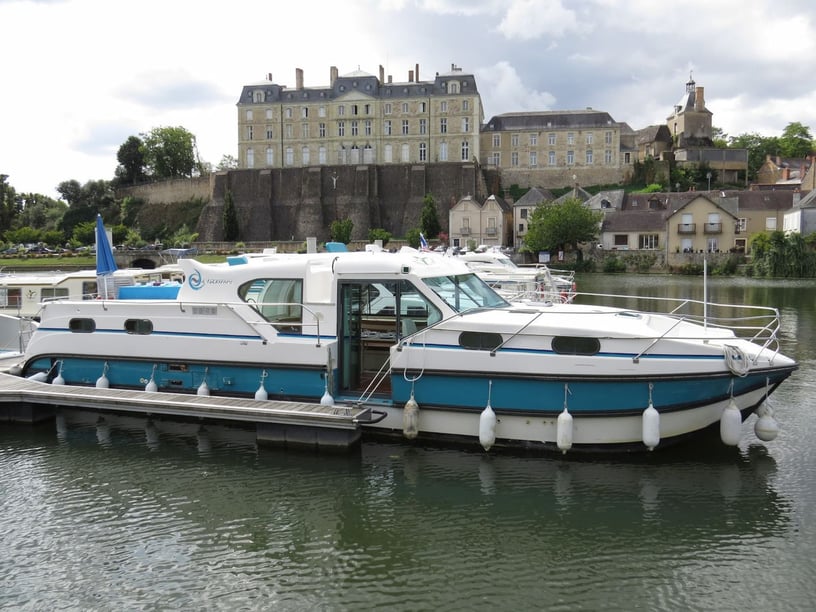
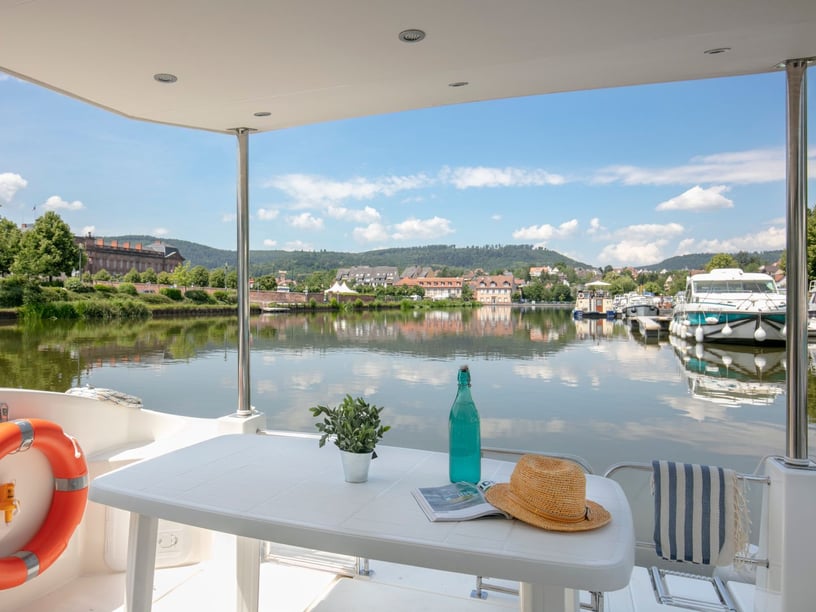
A charter here is as much about stopping as moving. In Sablé, the port lies below the Château de Sablé, an 18th-century building occupying the site of the town’s earlier stronghold. The historic center, château park, Église Notre-Dame and Musée du Petit Sablé can all add context before or after the cruise.
Bicycles are particularly useful because towpaths and local roads extend the practical reach of each river stop. They also help crews visit attractions set back from the water, including Asnières-sur-Vègre from Avoise. Food traditions provide another link to the town: the Petit Sablé butter biscuit is locally associated with the Marquise de Sablé and the royal court in 1670.
Travelers not ready for a self-drive holiday can still experience the setting on passenger excursions past the château and Solesmes Abbey, with some trips continuing toward Avoise.
Reaching the port and starting a trip
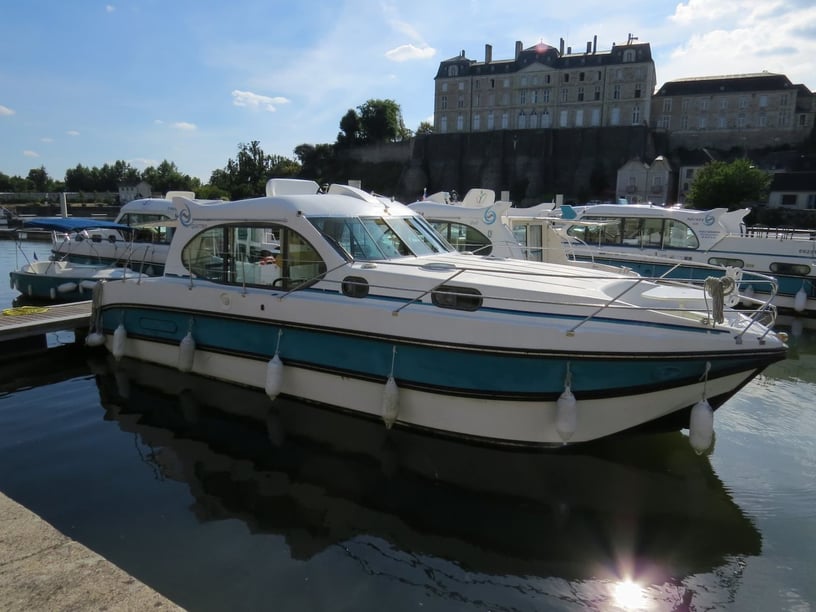
Sablé-sur-Sarthe functions as both a place to explore and an established departure point for inland boat trips. Departures use the Port de plaisance de Sablé-sur-Sarthe on Quai National, directly beneath the town’s château.
The town has TGV and TER rail connections with Paris, Angers, Nantes, Le Mans and Rennes, and the river port is within walking distance of the station. Nantes Atlantique Airport is the relevant airport for travelers arriving by air. By road, the area is accessible through connections with the A11 Paris–Nantes and A81 Le Mans–Rennes motorways.
Planning an inland charter
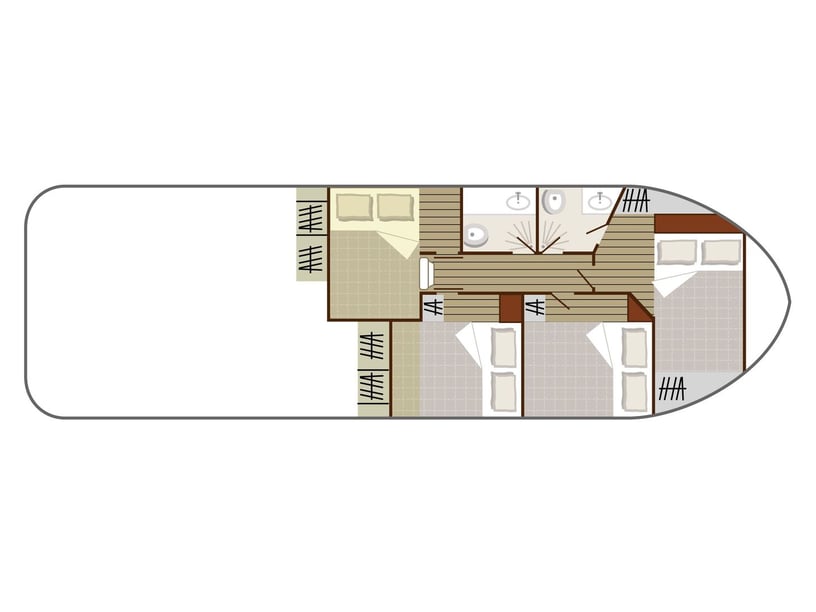
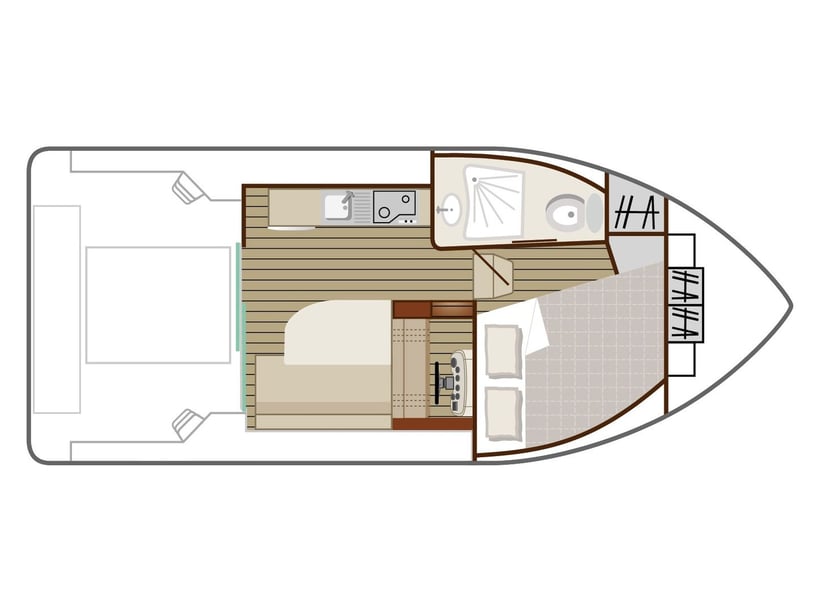
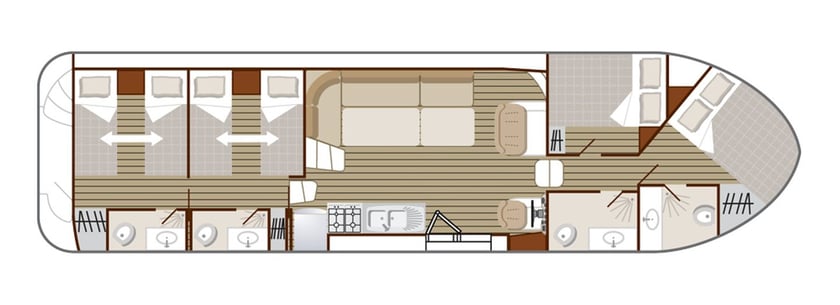
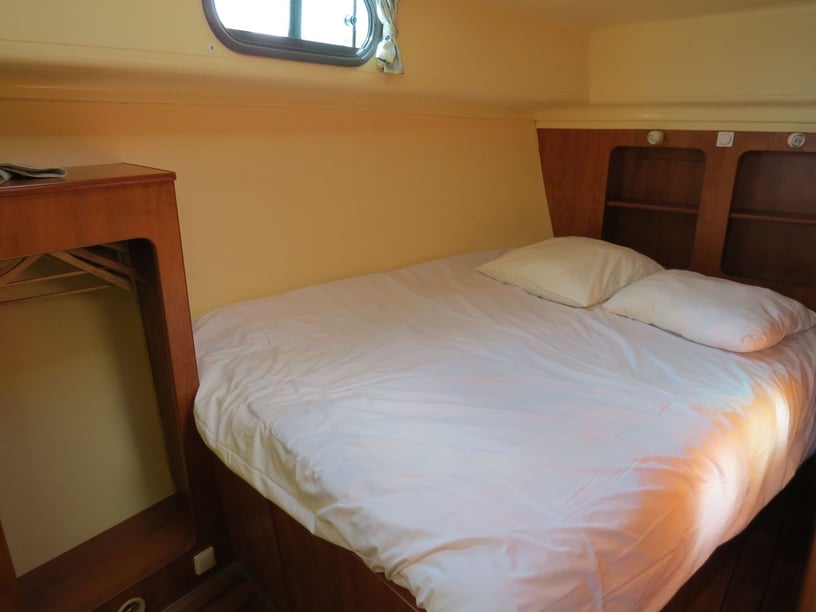
Choose a Sablé-sur-Sarthe charter with the expectations of an inland river journey rather than a conventional sailing-yacht holiday. Typical self-drive hire boats can be operated without a boating licence after the operator’s handover and practical instruction, but every crew should be comfortable sharing lock duties and following river procedures.
Lock passage is limited to daylight and prohibited during thunderstorms, so daily distances should remain flexible. The maintained navigation depth is generally 1.10 metres, but crews should check current notices for shoaling, debris, water-level restrictions and maintenance closures. These checks are especially important after unusual weather or during dry periods.
Swimming is prohibited on the public Sarthe waterway and its navigation canals except during specifically authorized events. Plan the trip instead around cruising, shore visits, cycling, fishing where appropriate and time in the riverside settlements. When choosing an itinerary, allow enough time for manual locks and unhurried stops; trying to cover excessive distance would work against the character of this cruising area.