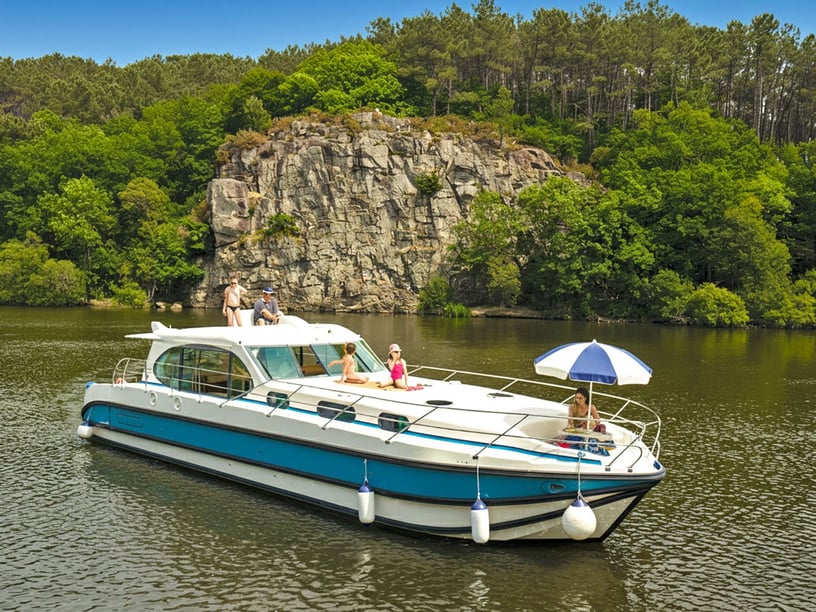
Yacht charter in Cahors and the Lot Valley
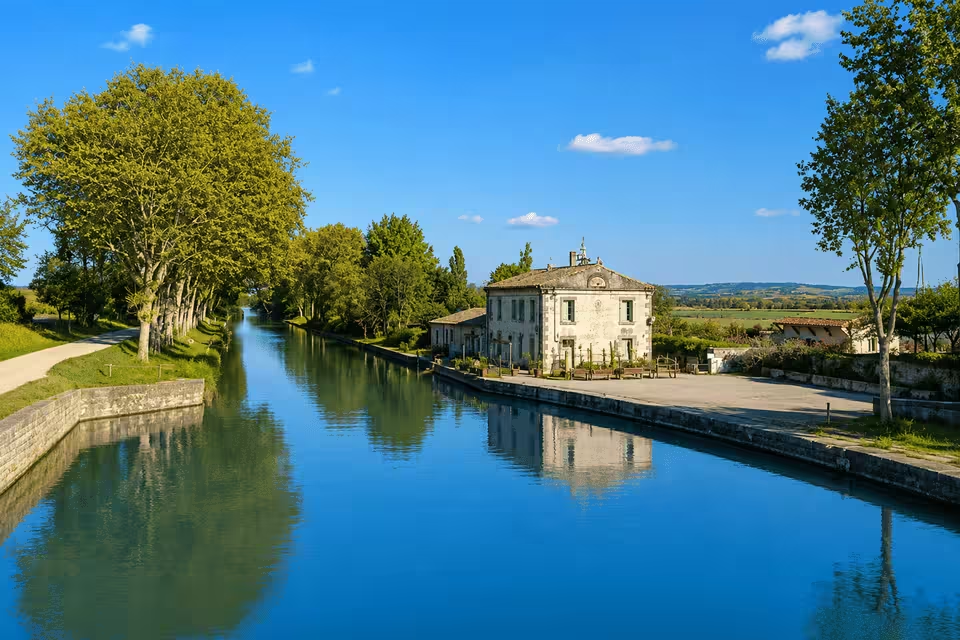
Cahors offers an inland interpretation of a yacht charter, centered on slow motor-houseboat cruising rather than open-water sailing. The historic city sits within a tight meander of the navigable Lot in southwestern France, making it both a useful cruising base and a substantial stop on journeys through the valley.
The setting changes noticeably on either side of the city. To the west, the river crosses the vineyard country associated with Cahors Malbec. Upstream, it winds between wooded limestone slopes, cliffs and compact villages. Within Cahors itself, river moorings provide access to medieval streets, markets and monuments, so time aboard can be balanced easily with exploring on foot. Travelers considering other waterways and coastlines can also compare broader yacht charter options in France.
Places to explore along the Lot
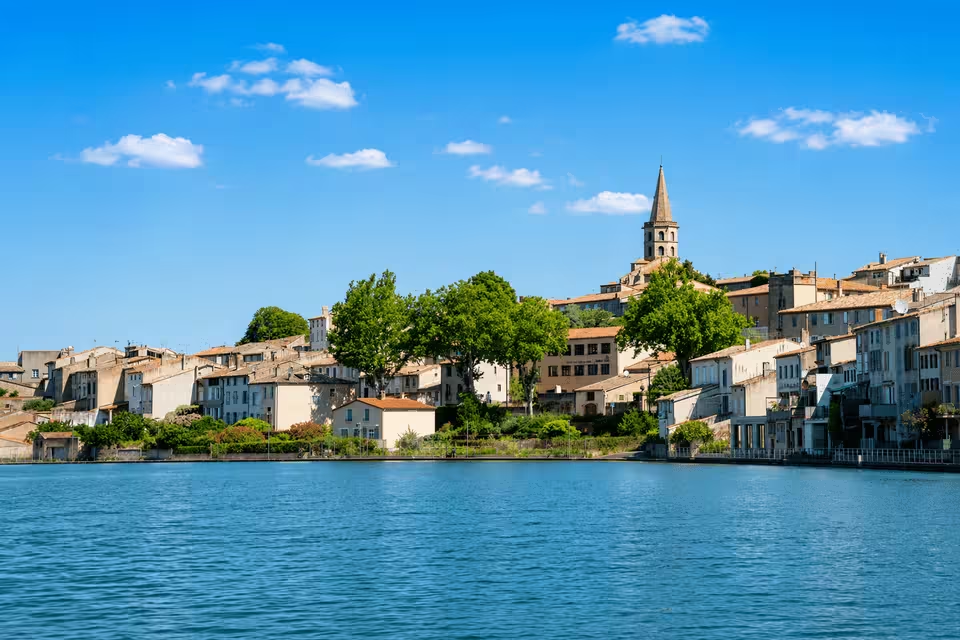
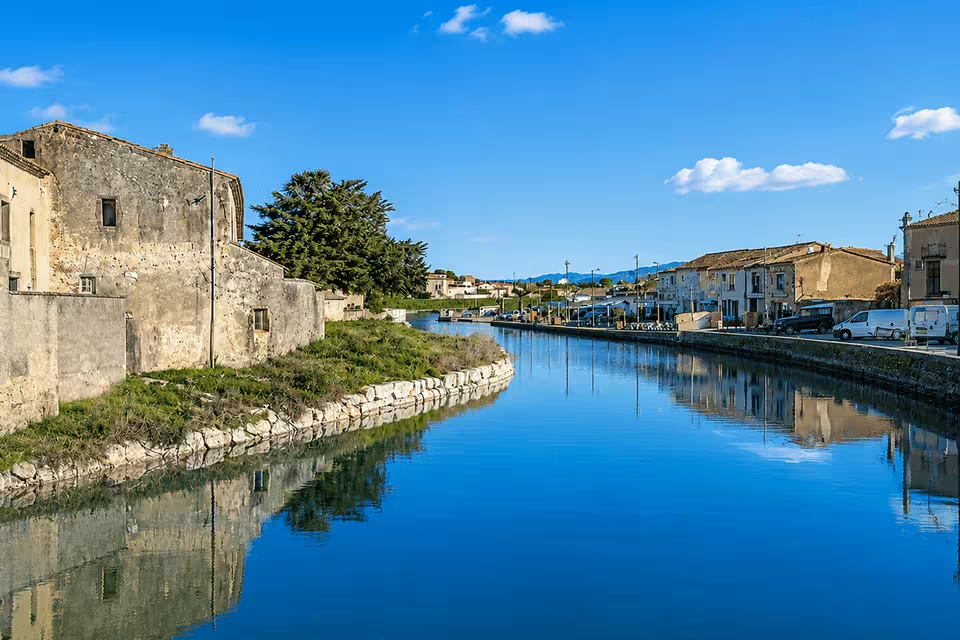
West of Cahors, Douelle and Luzech introduce the broader valley and its vineyards. This direction suits travelers who want the region’s food-and-wine identity to remain central to the journey, with the river forming a natural route through the Cahors appellation landscape.
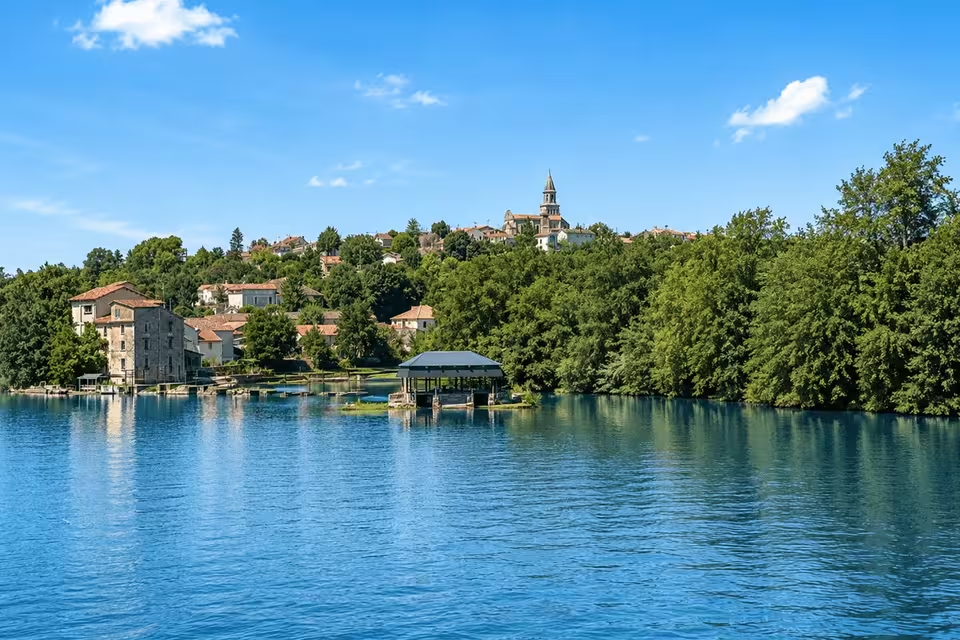
The upstream reaches have a different character. Beyond Vers, the route continues through Bouziès toward Saint-Cirq-Lapopie and Larnagol, where limestone cliffs and wooded slopes close in around the winding river. Saint-Cirq-Lapopie is particularly relevant as a shore destination on established houseboat itineraries, while the succession of smaller settlements gives the route a rural rhythm.
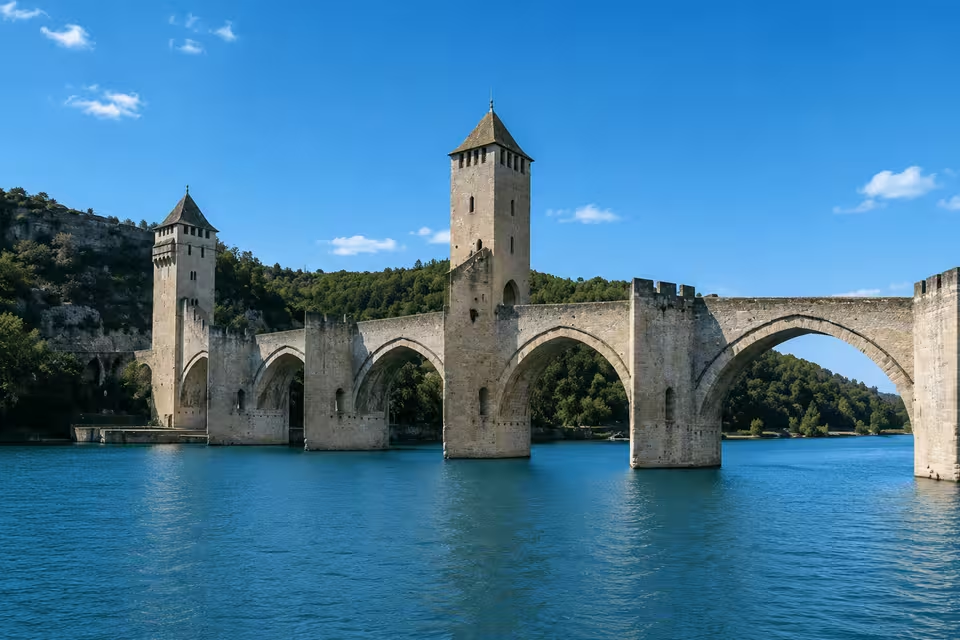
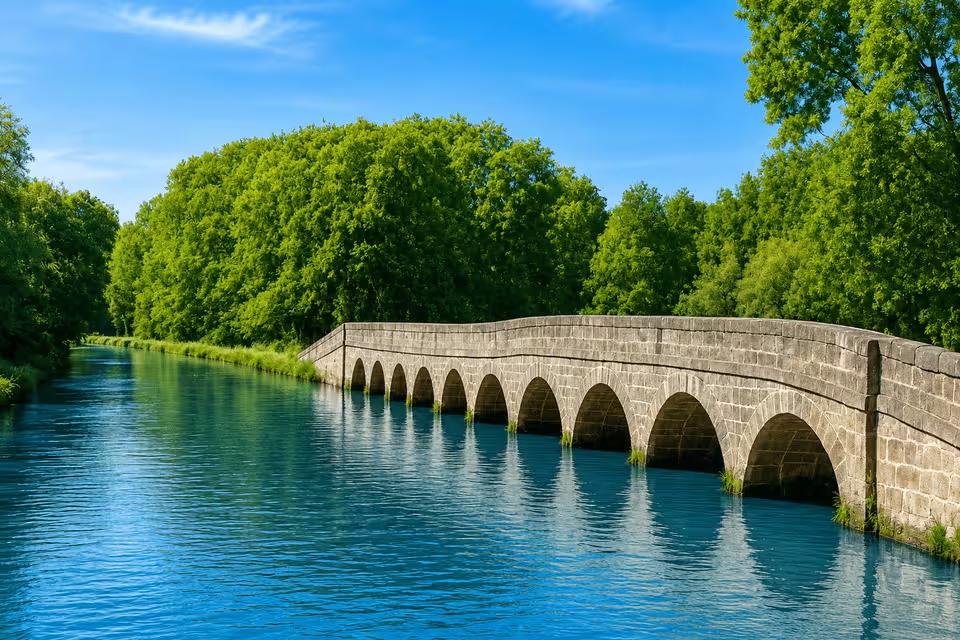
Cahors itself is more than a point of departure. Its pronounced river loop offers water-level views of Pont Valentré and places the old city within easy reach of the river.
What cruising around Cahors is like
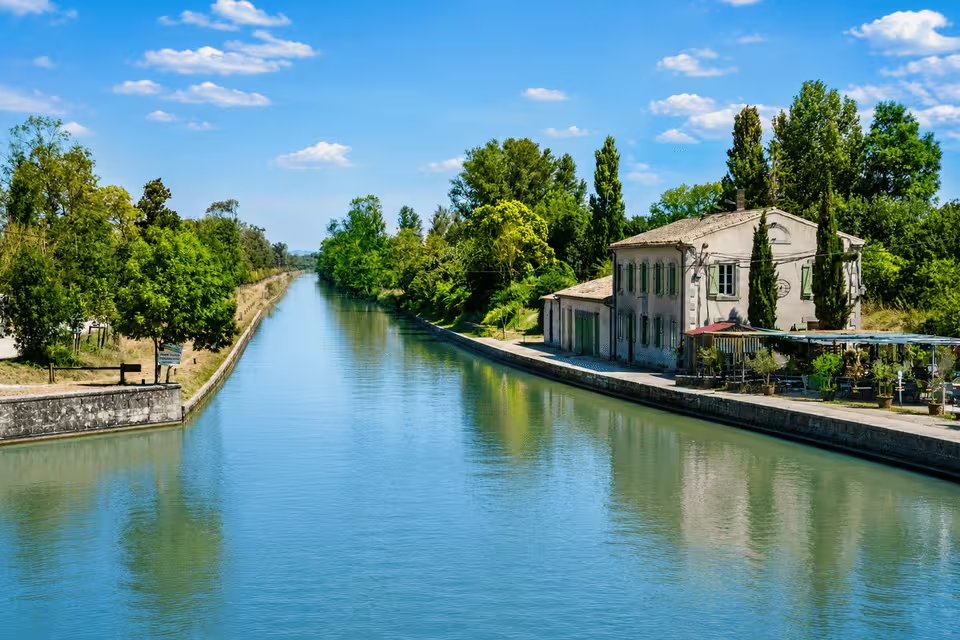
Cruising around Cahors is sheltered, non-tidal and generally calm. Sustained wind, waves and open-water exposure are not the main concerns; steering a motor houseboat around bends and managing the river’s infrastructure are more important. The route includes weirs and numerous locks, most of which are manual and unattended.
This makes the experience moderately demanding despite the tranquil water. Crews need to approach locks carefully, go ashore when required and operate gates and mechanisms themselves. The process is hands-on and can become part of the journey, but it also affects daily distances and should be included in route planning.
River current varies with conditions, and navigation may be restricted when flow is unsuitable. Most trips therefore follow out-and-back patterns from Cahors or use the city as a major intermediate stop. This format allows travelers to choose between the vineyard reaches to the west, the cliff-lined upper Lot, or a route combining both.
When to cruise the Lot
Official navigation normally runs from April through November when river flow permits, although rental fleets and sightseeing cruises are concentrated between April and October. Late spring through early autumn generally offers the most comfortable combination of warmer temperatures and longer days.
May, June and September fall within the main active season while avoiding the principal visitor peak of July and August. The two midsummer months are comparatively warm and sunny, but hot days make shade, drinking water and sun protection particularly important when operating locks or exploring ashore. April and October can provide quieter shoulder-season cruising, accompanied by cooler conditions and a greater chance of rain. River levels and current navigation notices remain important at any time of year.
Route ideas from Cahors
For a short introduction, the Cahors urban river loop follows the city’s meander, passes through the Coty lock and gives a clear view of fortified Pont Valentré from the water. It works as a local sightseeing journey rather than a full valley itinerary.
An established longer option heads upstream from Cahors through Vers and Bouziès to Saint-Cirq-Lapopie and Larnagol before returning. This concentrates on the Lot’s limestone-cliff scenery and riverside villages. Travelers with more time can combine both sides of the city by cruising west toward Luzech, returning through Cahors, and then continuing upstream toward Larnagol. Because these are out-and-back journeys with repeated manual locks, plans should allow more time than distance alone might suggest.
History, markets and wine beside the river
The defining experience is the connection between river travel and Cahors’ historic center. Pont Valentré, with its fortified towers, is seen from an unusual low angle on the water. Along with Saint-Étienne Cathedral, it forms part of the UNESCO-listed Routes of Santiago de Compostela in France. Old Cahors, the city’s Secret Gardens, Place Chapou and Les Halles can all add cultural or gastronomic time ashore.
The cruise also follows a waterway once used for commerce. Flat-bottomed gabares carried wine, timber, coal and other goods along the Lot toward the Garonne and Bordeaux before railway transport contributed to the decline of river traffic. Leisure navigation returned in 1990 after decades of closure.
Today, the surrounding vineyards keep wine central to the destination’s identity. A charter can therefore combine practical lock work and quiet river passages with markets, regional dining and visits to settlements shaped by the valley.
Reaching Cahors and joining the river
Cahors is accessible by road from the A20 motorway and has a central station on the Paris–Toulouse rail corridor, with Intercités and regional connections toward Toulouse and Brive. The principal regional air gateways are Toulouse-Blagnac Airport and Brive–Vallée de la Dordogne Airport; onward travel normally requires a road transfer or rental car.
Port Saint-Mary functions as the principal local houseboat and river departure point. Sightseeing services may also use the Allées des Soupirs landing stage near Pont Valentré. Cahors can consequently serve as a starting base, a turnaround point or an urban stop within a wider Lot Valley itinerary.
Planning a Cahors boat rental
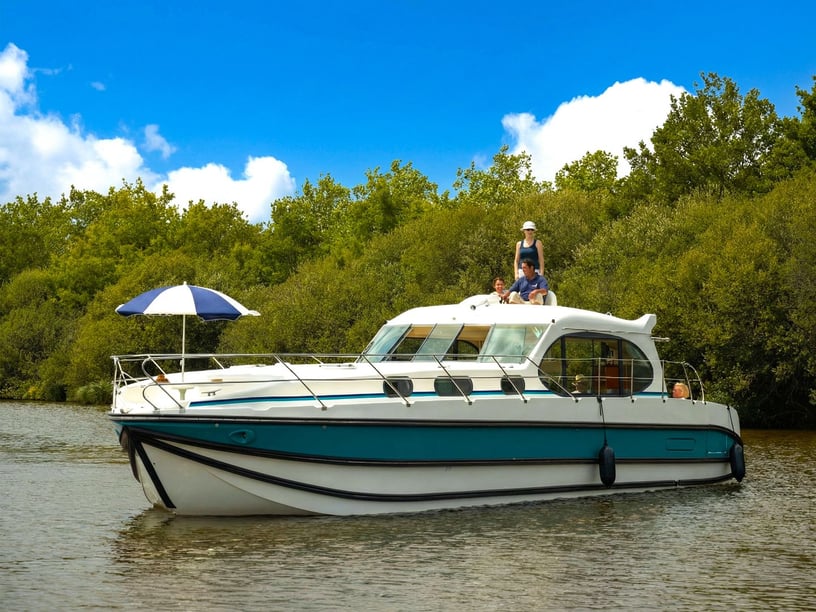
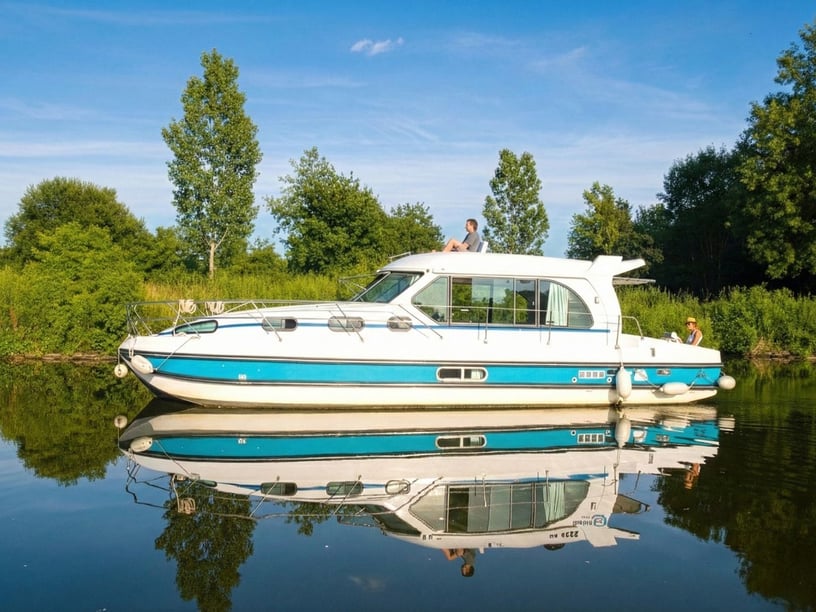
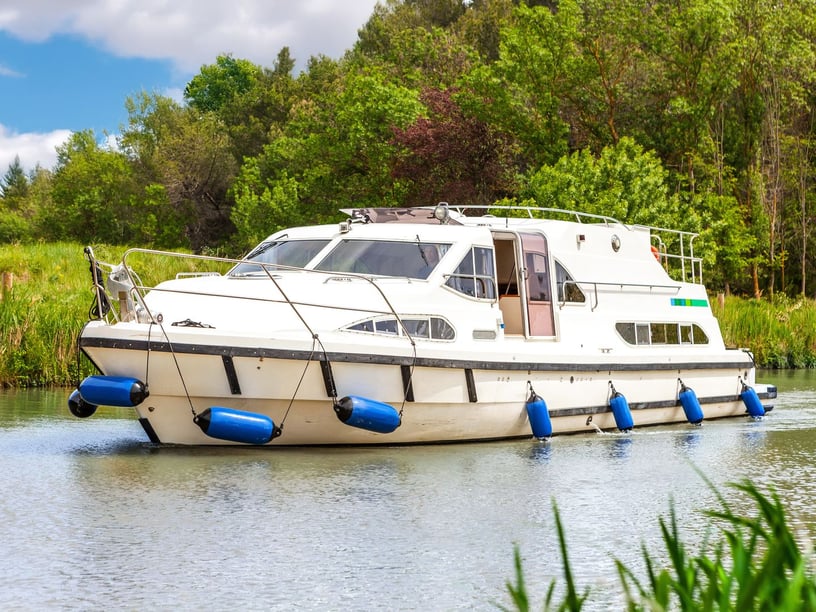
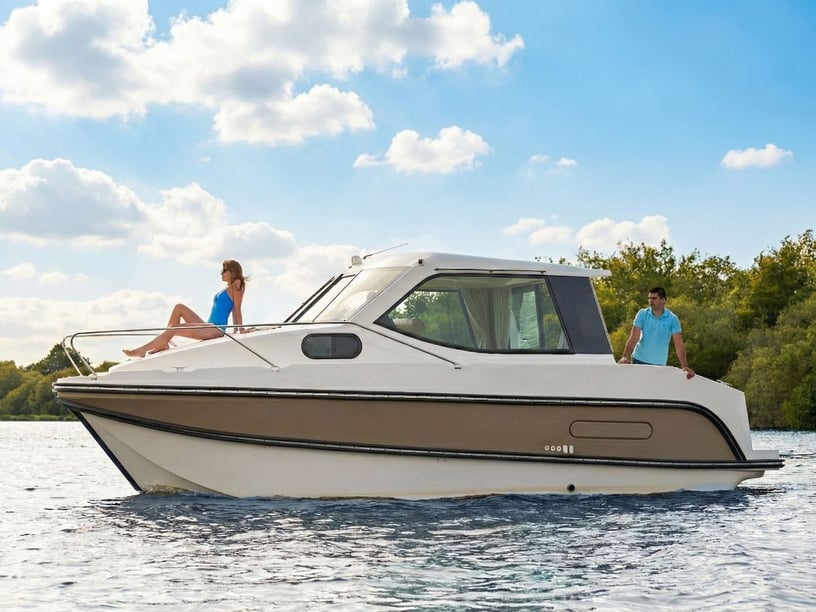
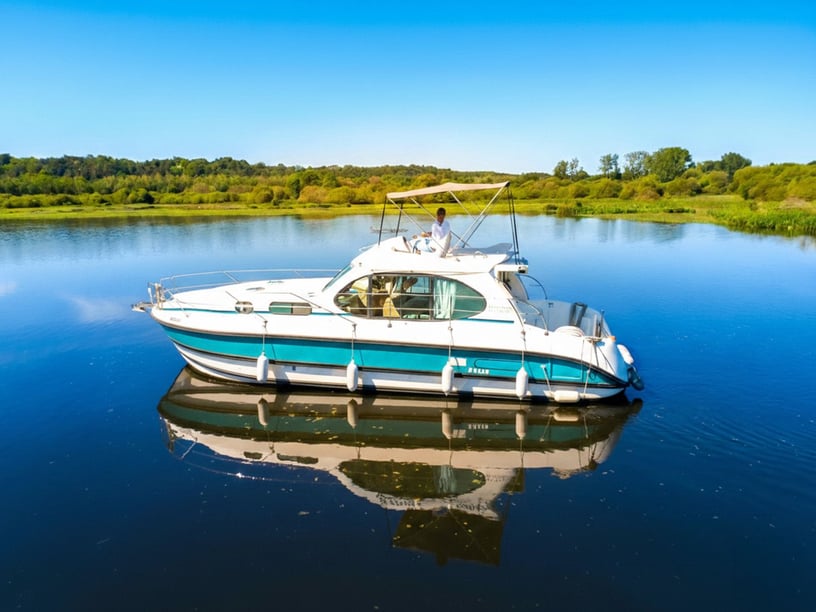
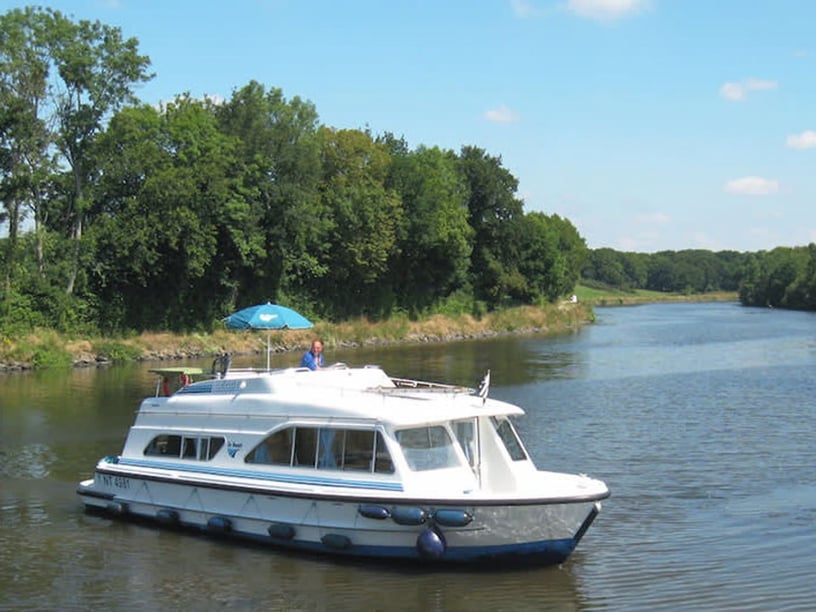
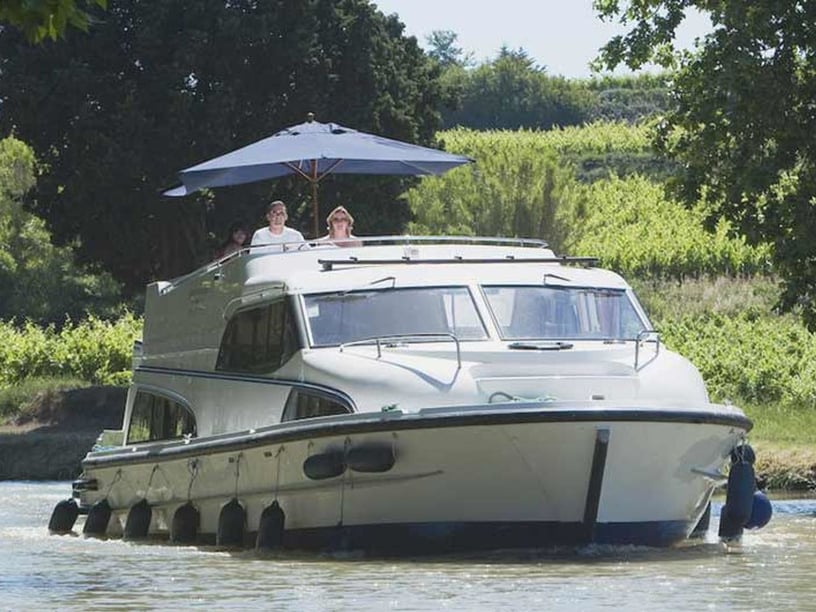
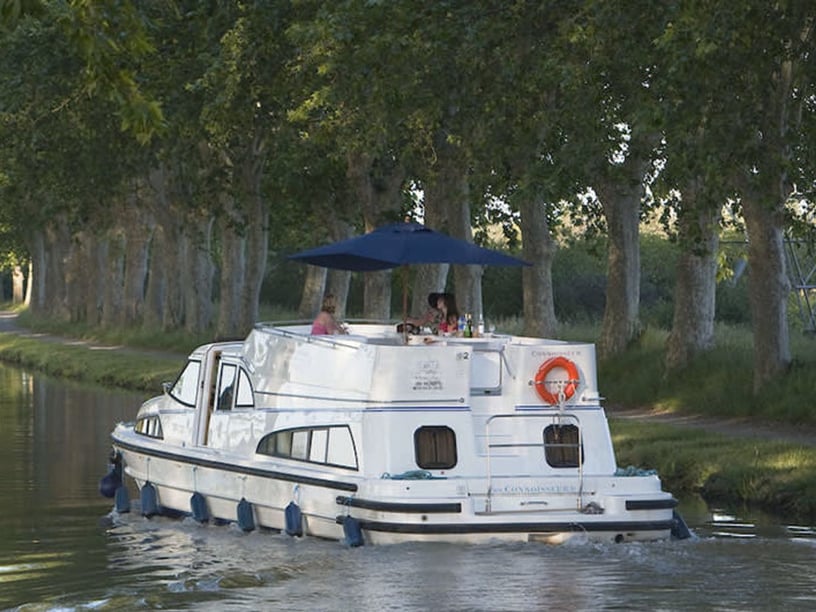
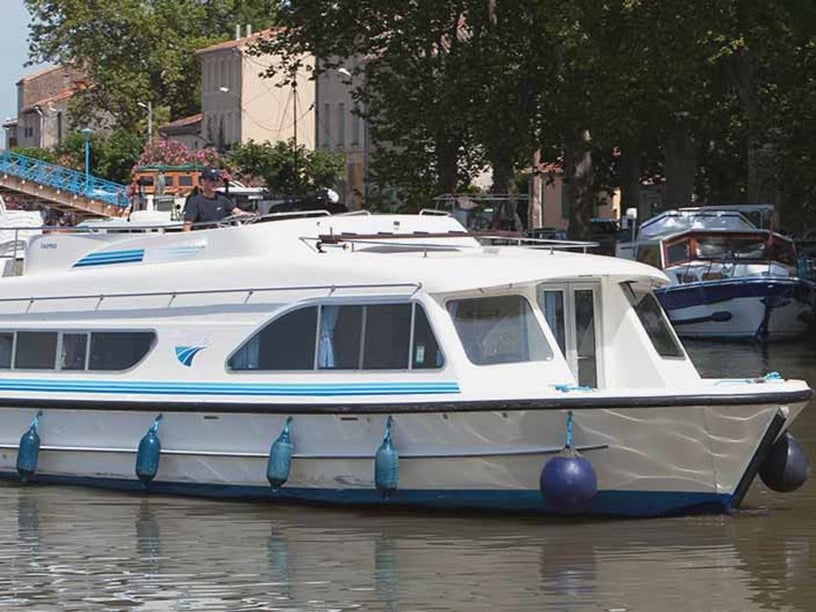
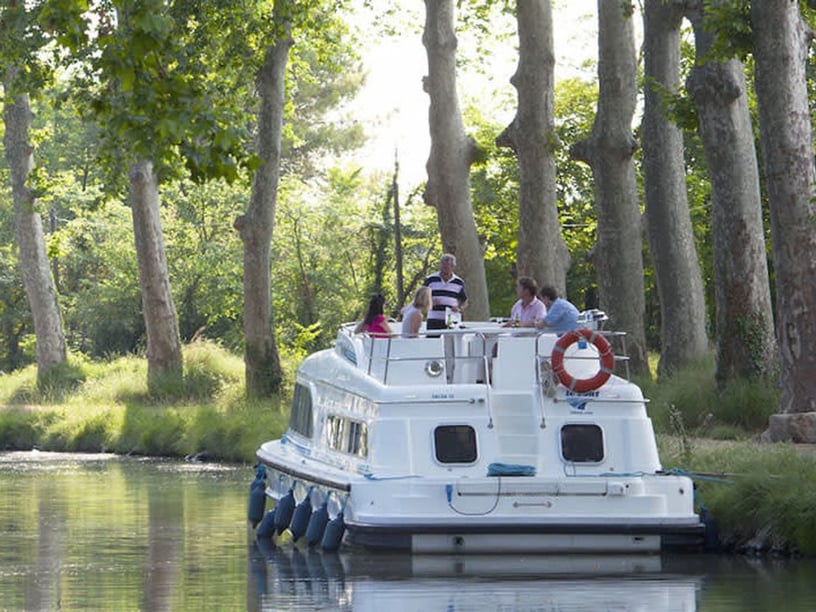
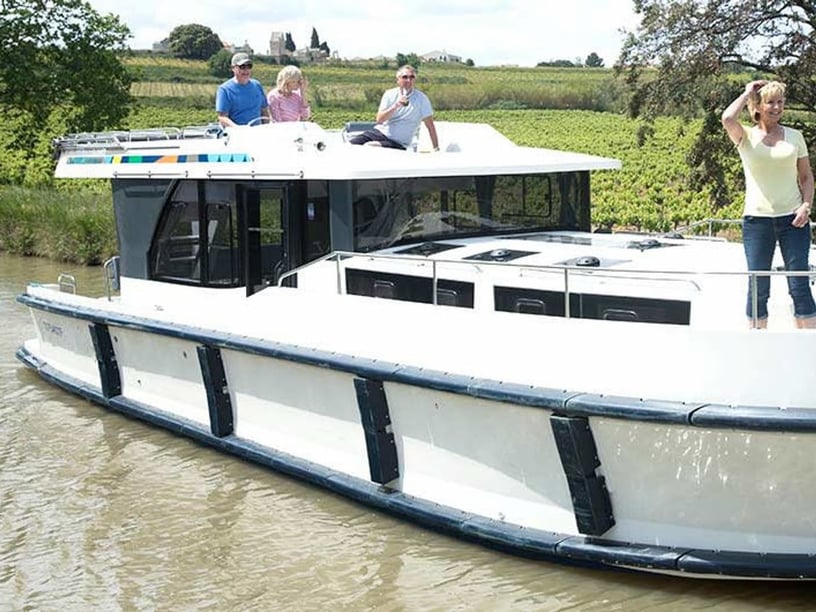
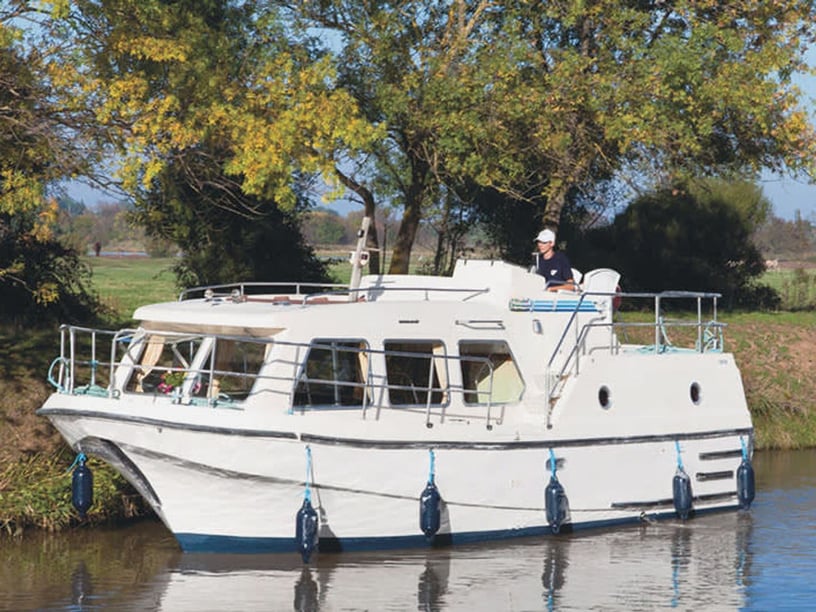
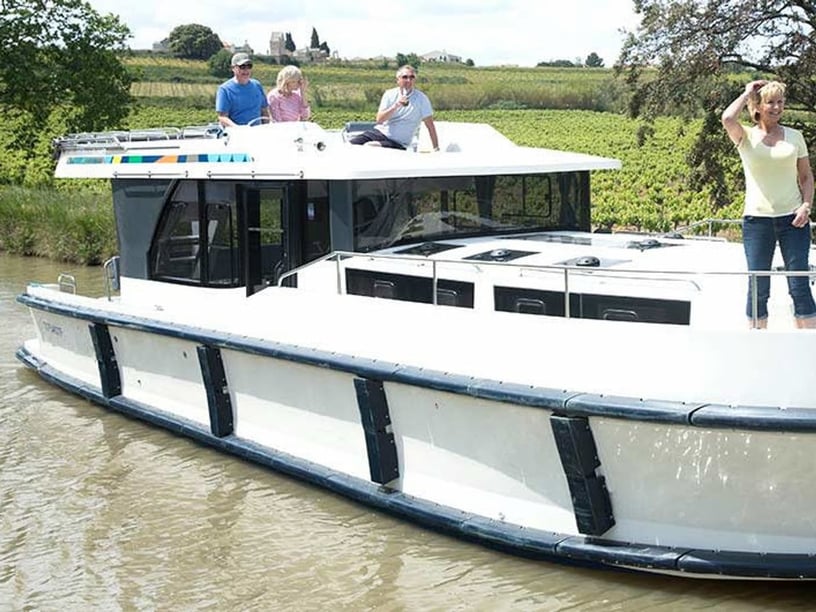
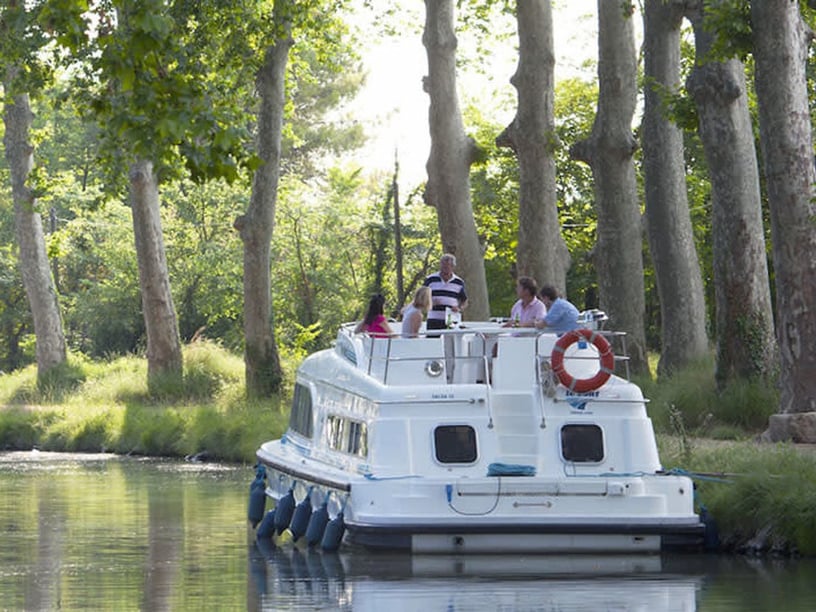
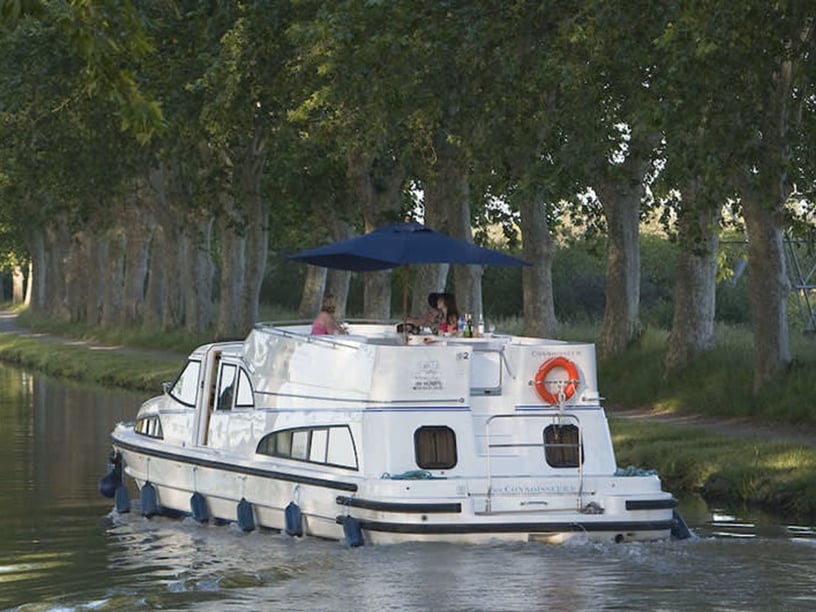
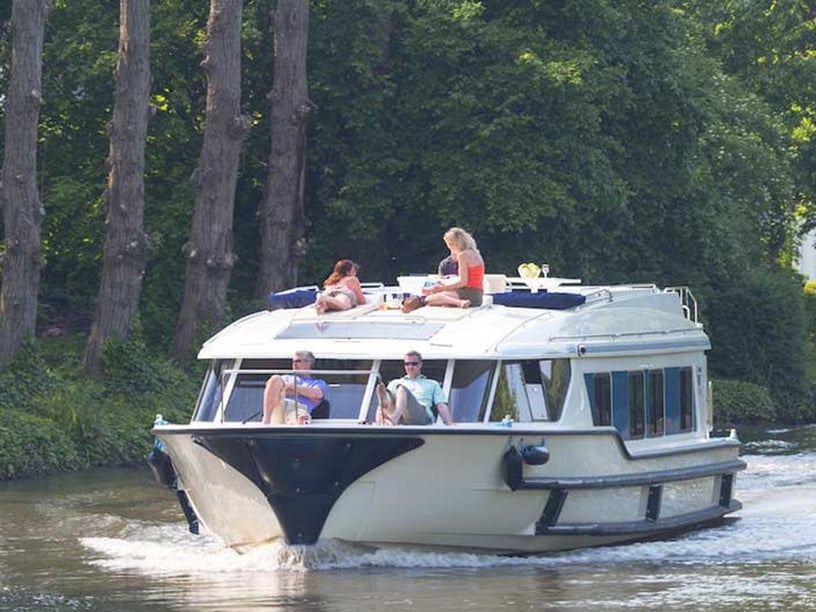
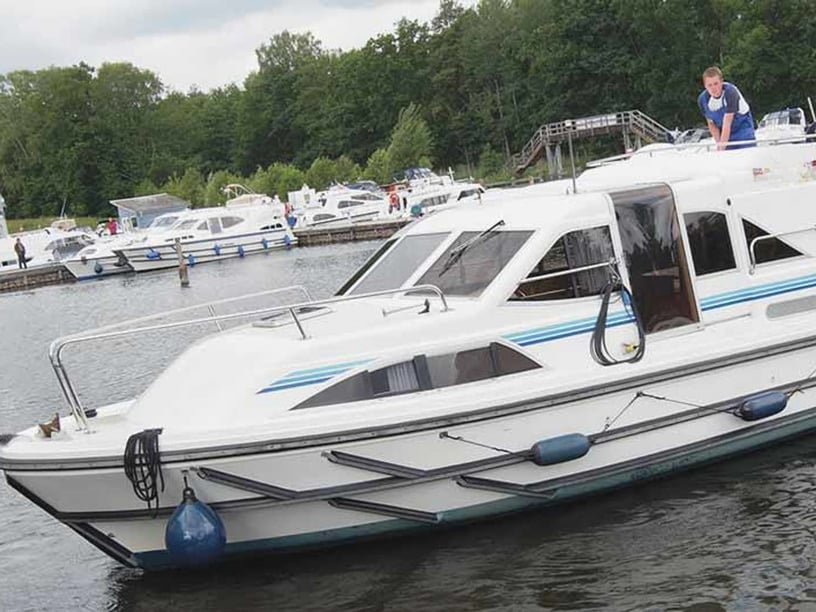
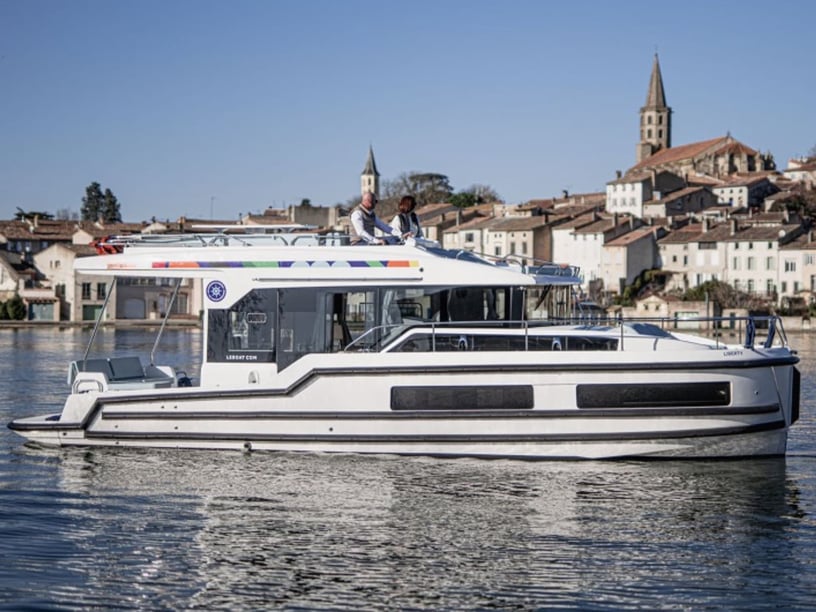
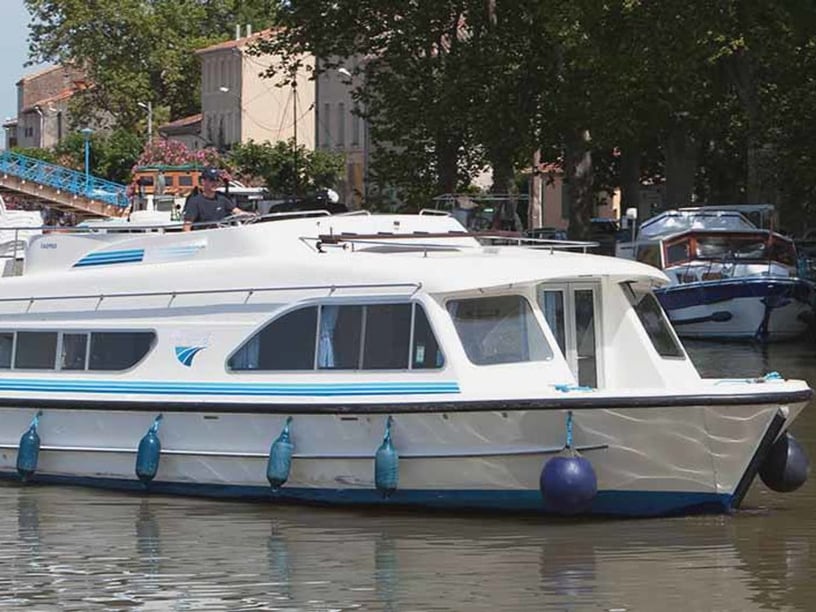
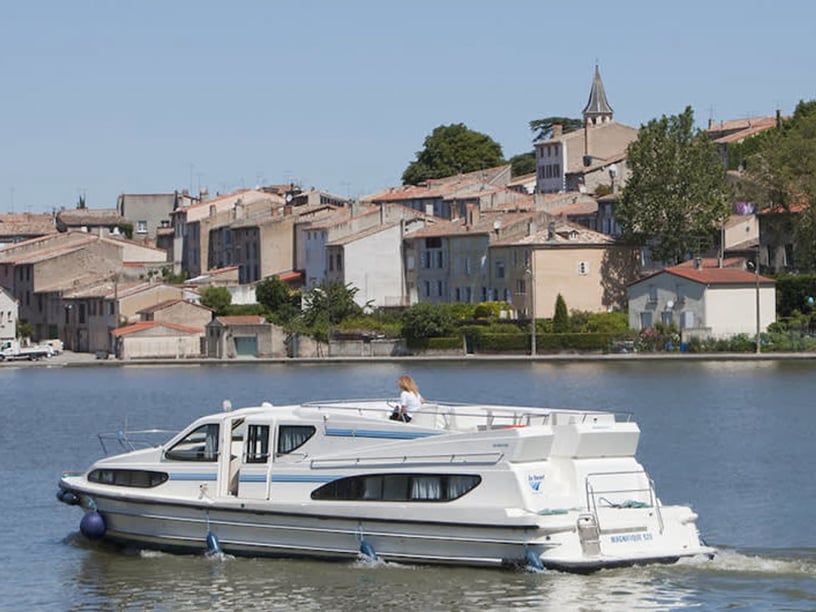
When comparing Cahors boat rental options, first recognize that the local experience is designed around motor houseboats rather than sailing yachts. Many rental houseboats can be operated without a boating license after a compulsory handover and operating briefing. Travelers should still be comfortable with slow maneuvering and willing to share practical tasks.
Crew organization matters because most locks are manual. It is useful to decide in advance who will steer, handle lines and operate lock mechanisms, while keeping the physical abilities of all travelers in mind. Daily route estimates should include time for repeated lock passages, stops ashore and the return leg of an out-and-back itinerary.
Before departure, check official navigation notices, weather information and river levels, as unsuitable flow can restrict navigation. In summer, carry sufficient drinking water and sun protection for lock work and shore visits. For spring or autumn travel, allow for cooler, wetter conditions and confirm the operating dates of the chosen rental service or passenger cruise.