Yacht charter in Lattes
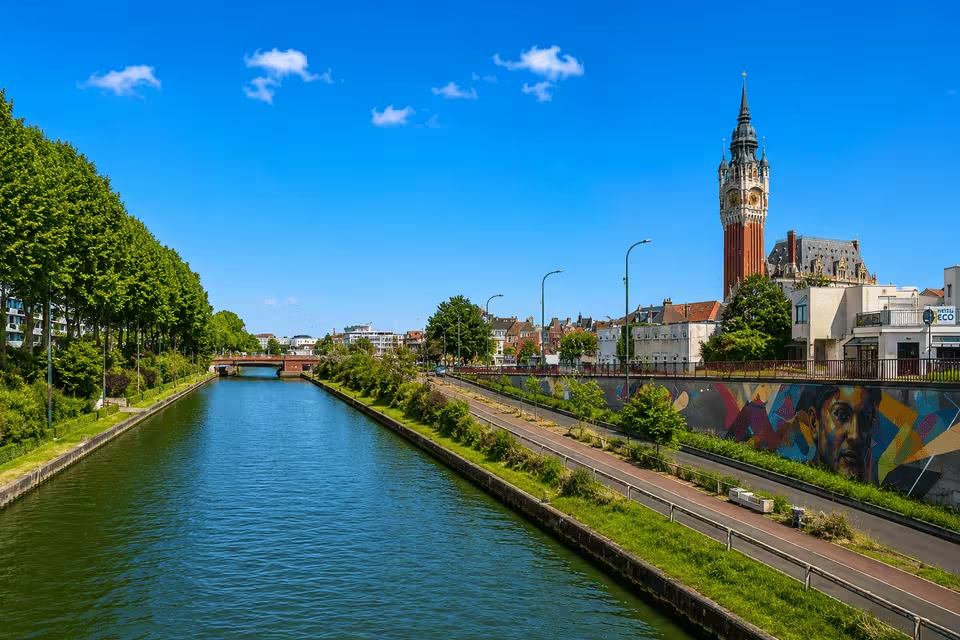
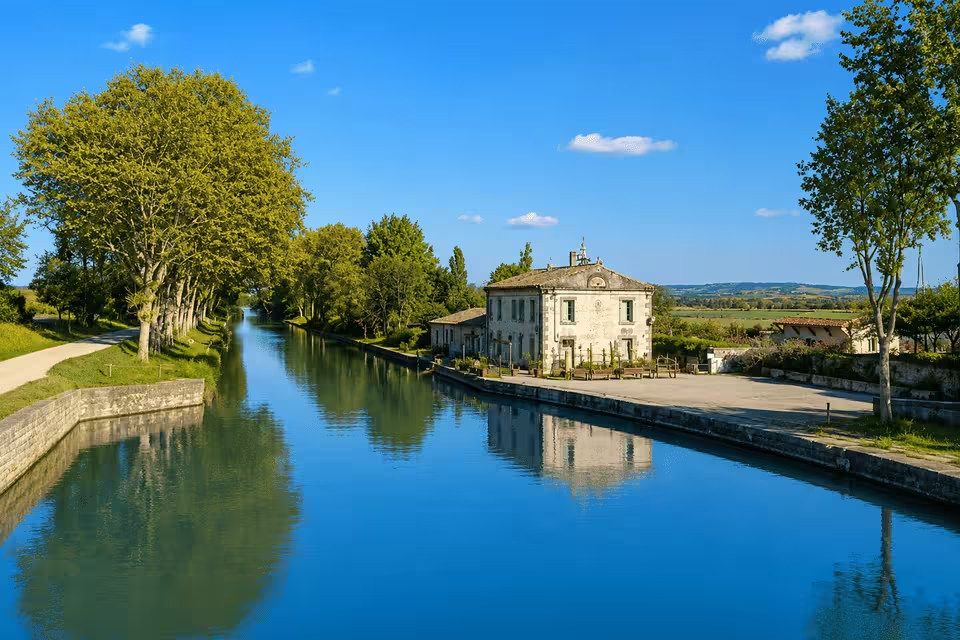
Immediately south of Montpellier, Lattes occupies a low-lying landscape shaped by the River Lez, the Étang du Méjean and the wider Palavas lagoon complex. Port Ariane, a sheltered freshwater basin connected to the Canal du Rhône à Sète, is the focal point for boating.
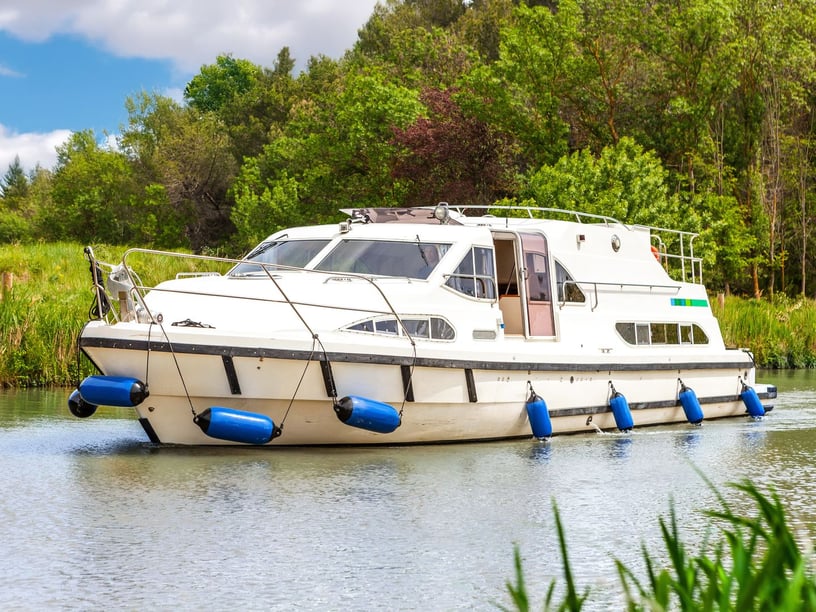
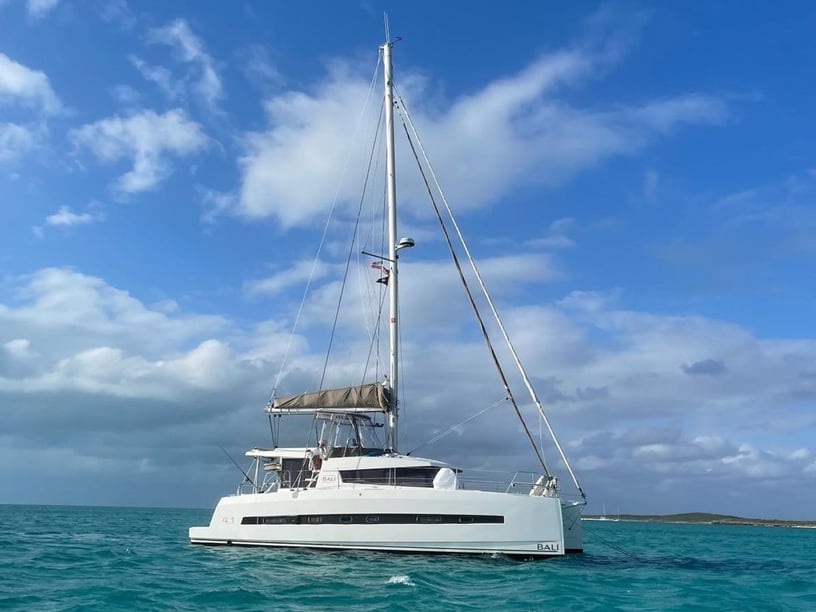
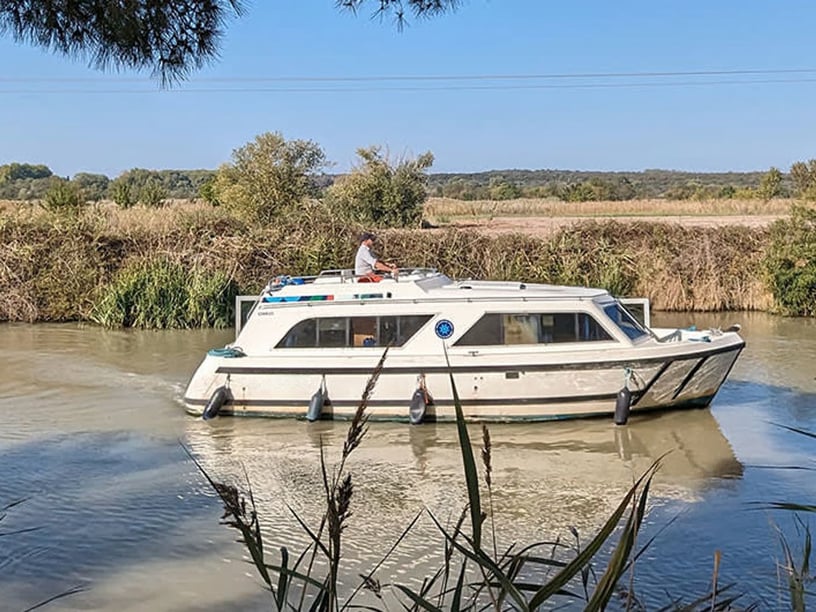
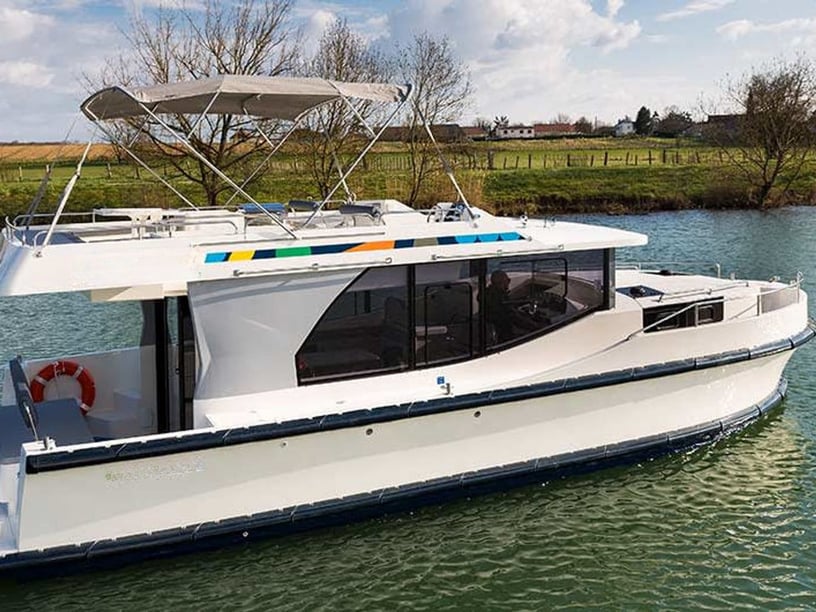
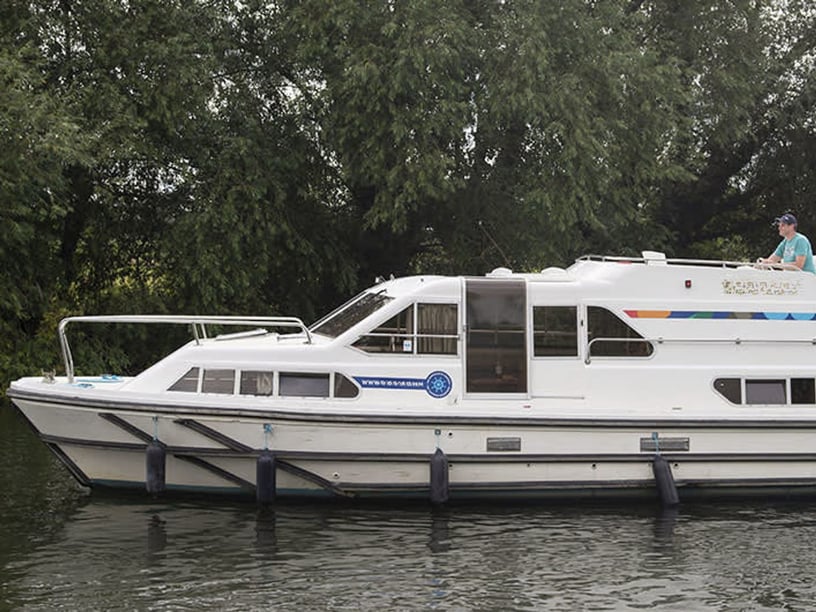
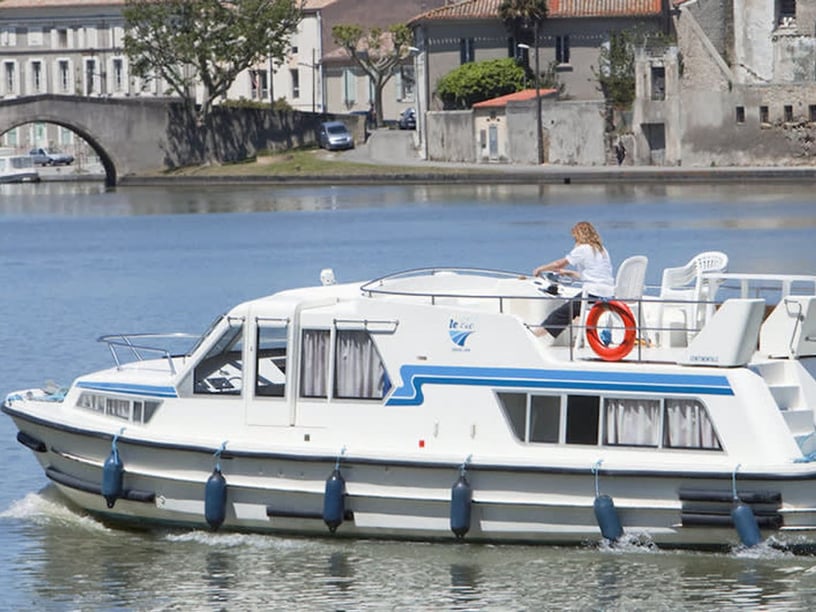
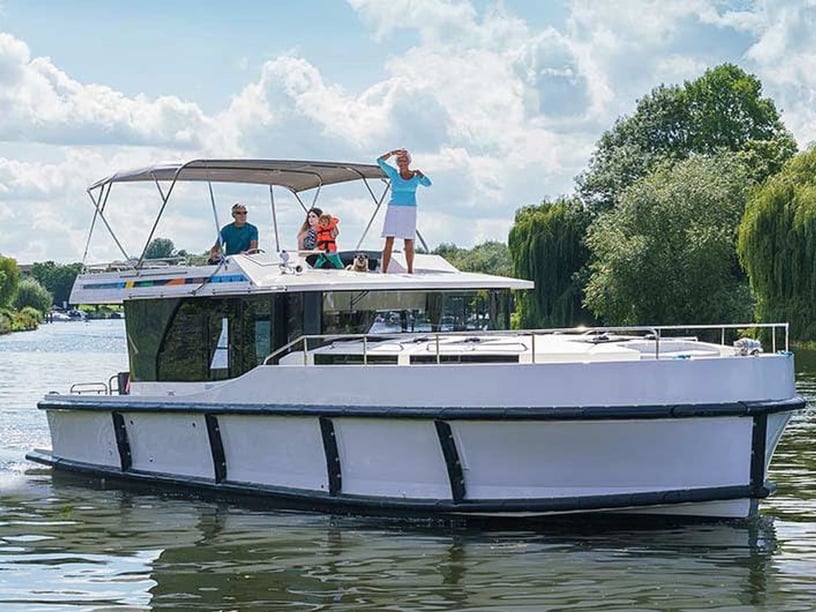
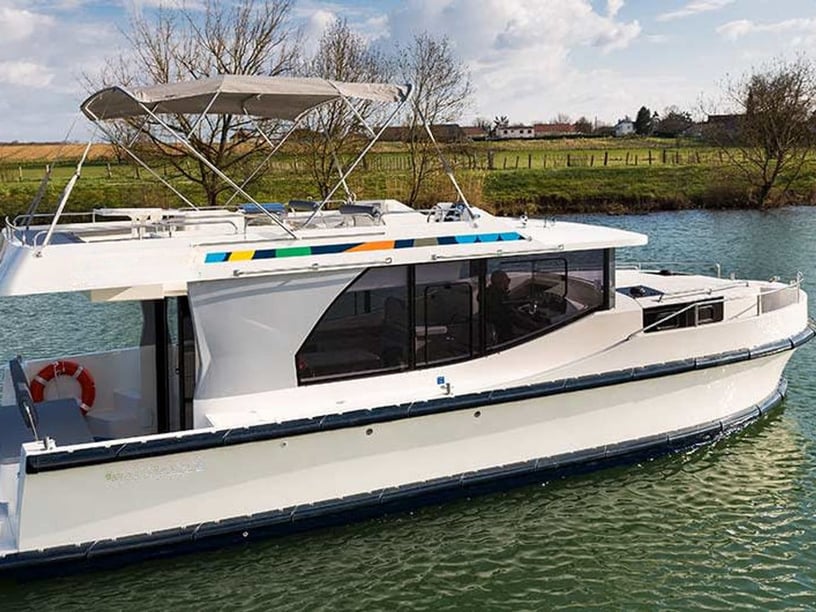
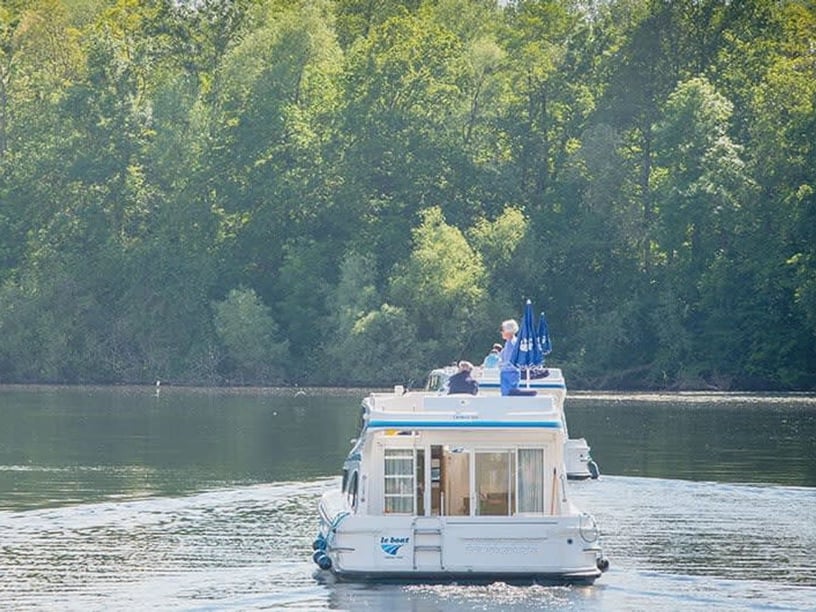
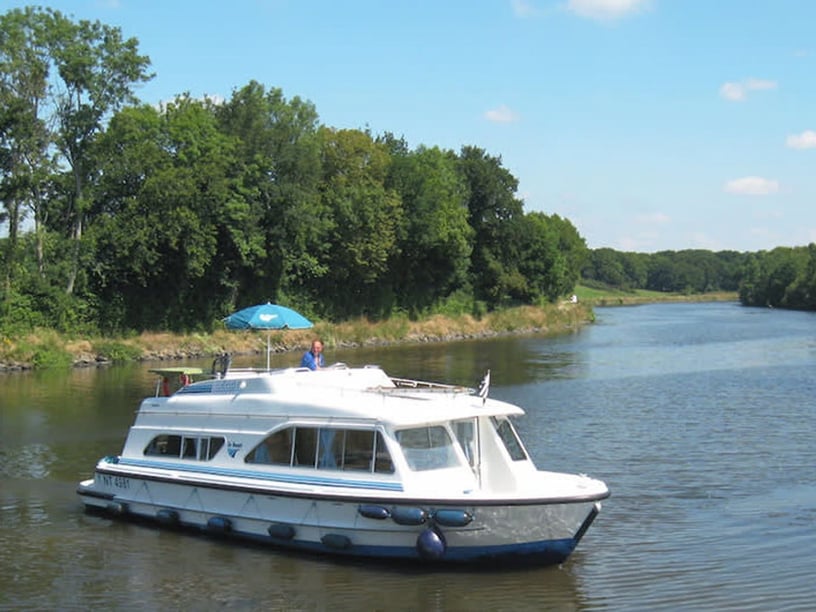
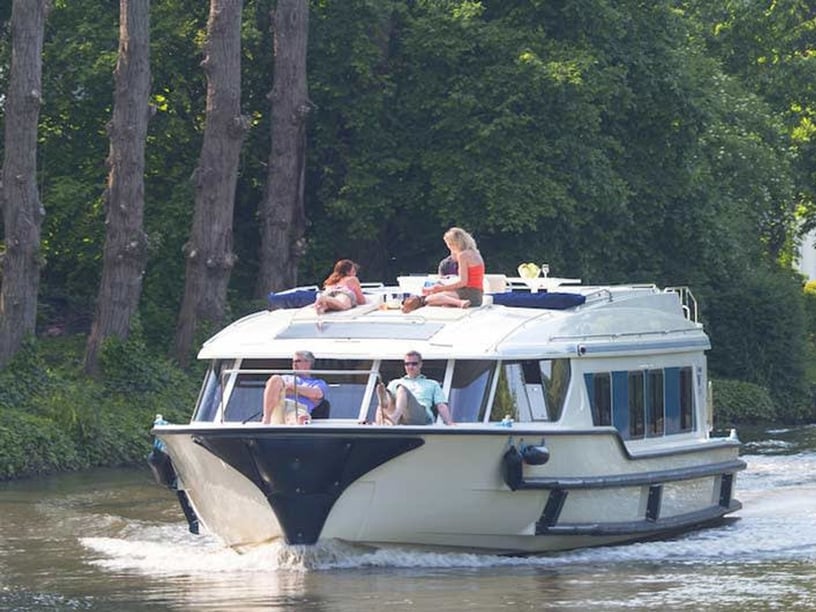
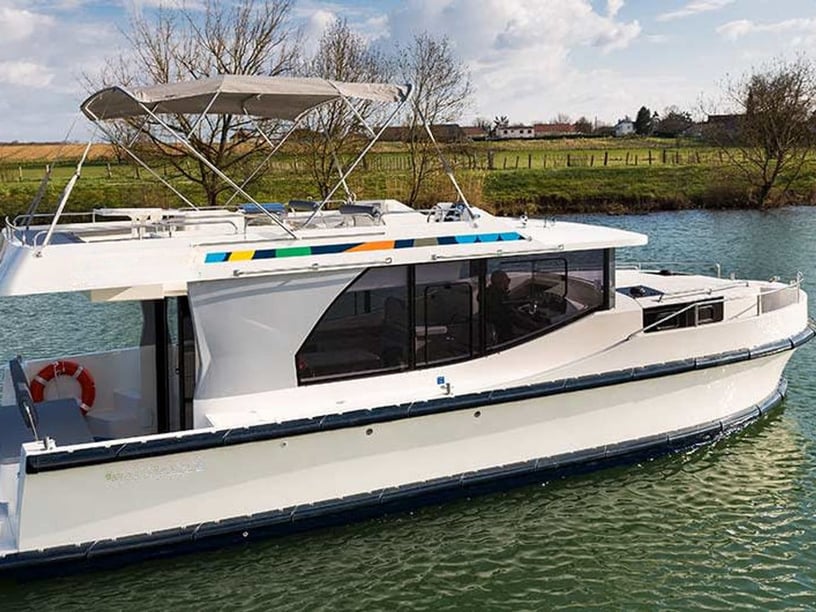
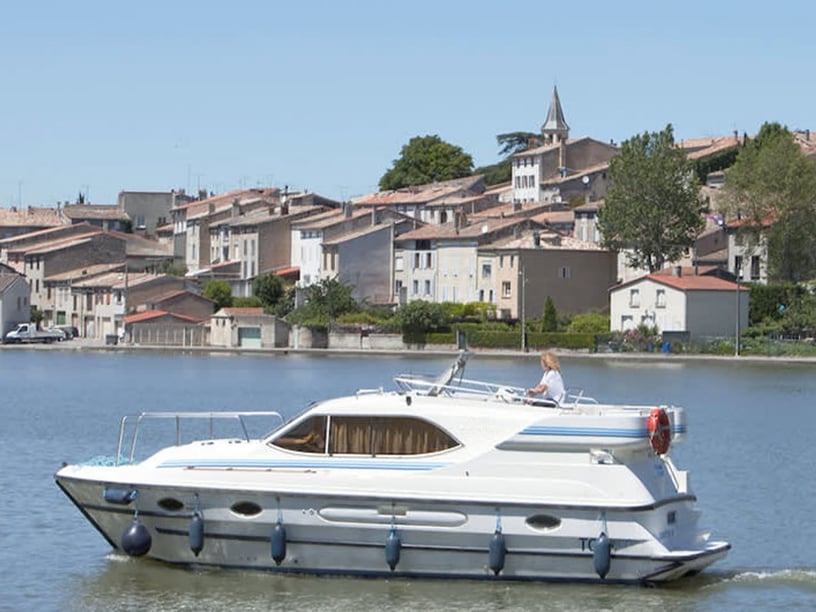
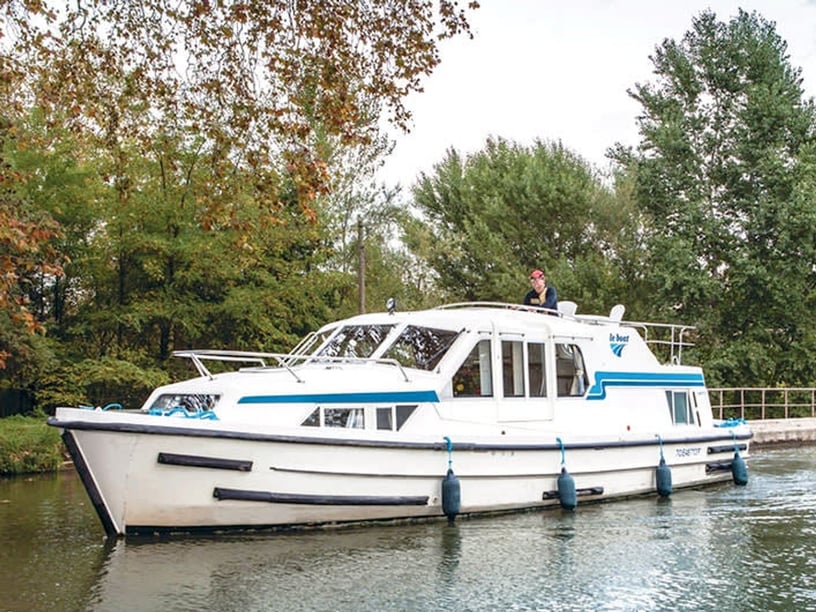
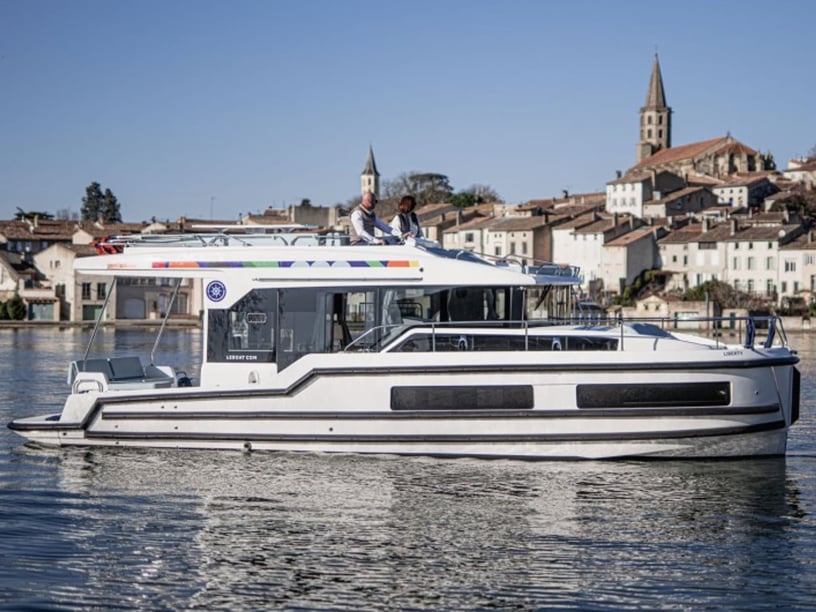
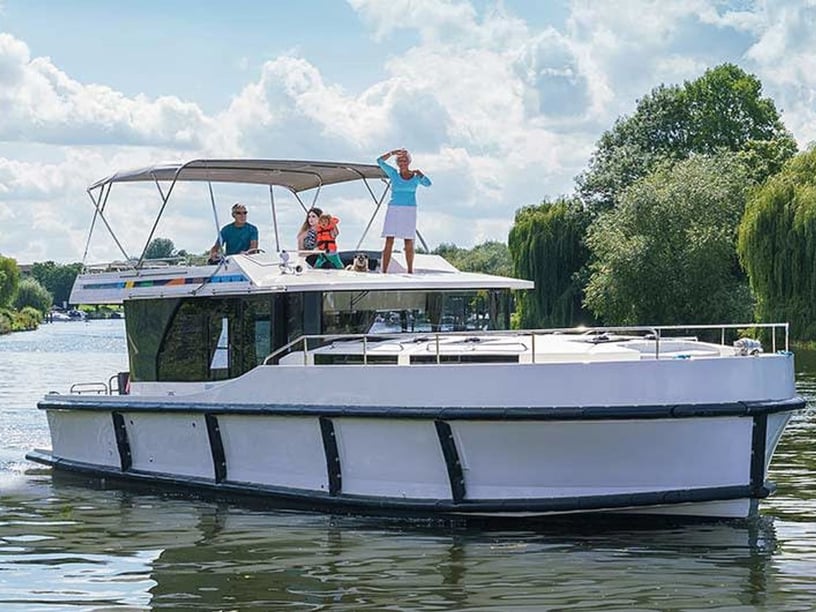
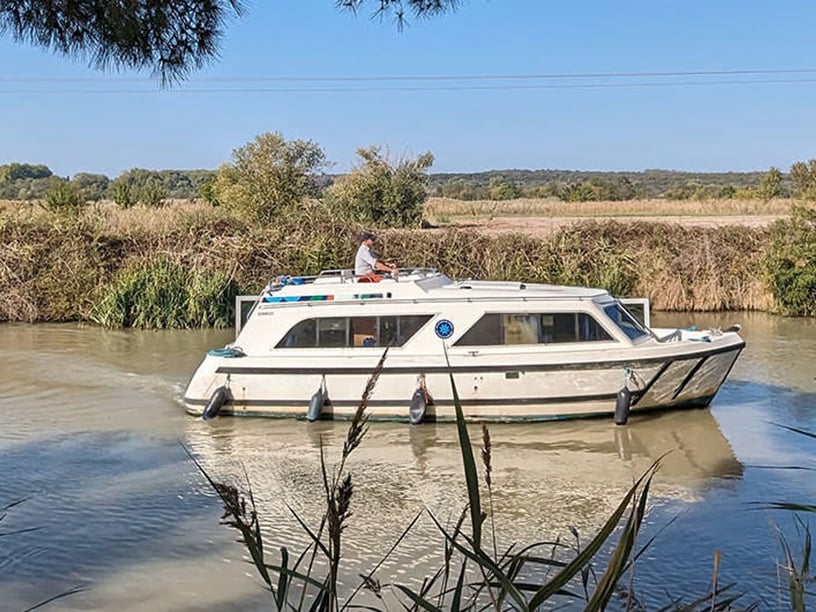
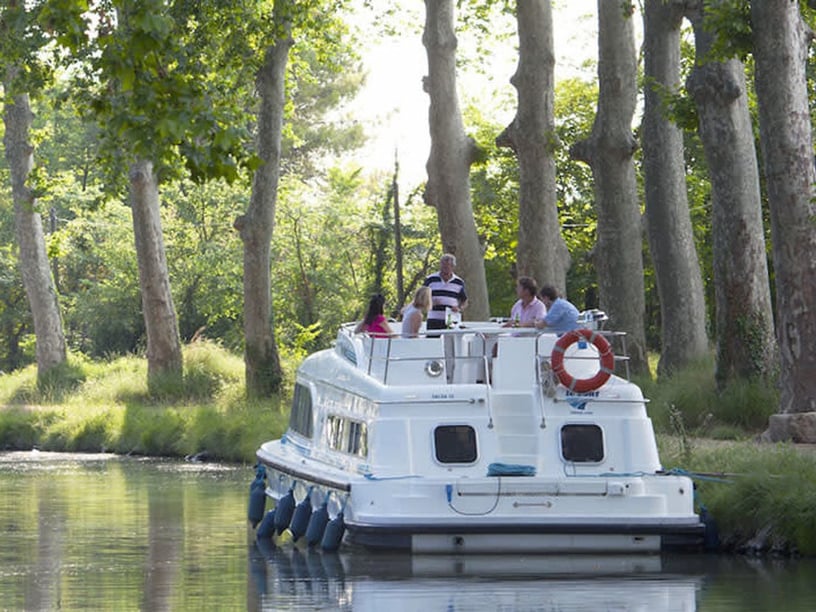
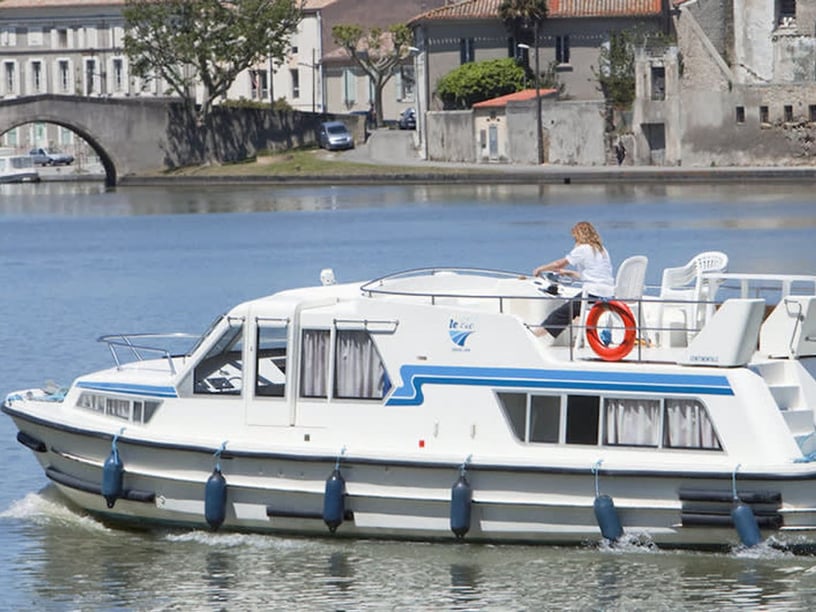
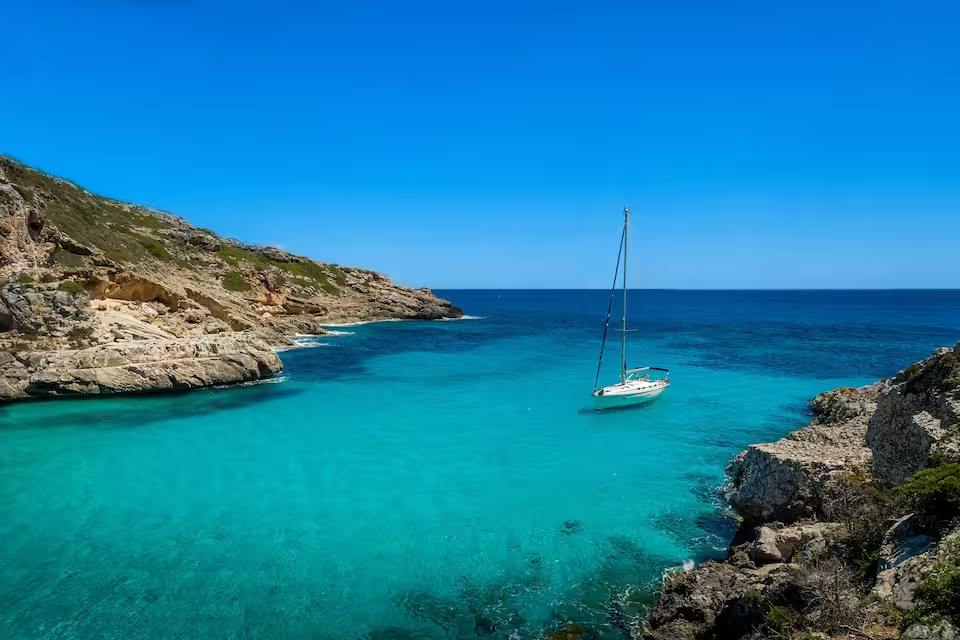
A yacht charter in Lattes is therefore different from a conventional open-sea sailing holiday. The immediate experience is based on slow river and canal cruising, with reed beds, salt marshes and lagoon scenery replacing exposed coastal passages. Low bridges and draft restrictions favor houseboats and low-profile motor craft rather than mast-up sailing yachts. Lattes works best as a gateway to the waterways between the Camargue and the Étang de Thau, as well as a convenient base for combining boating with Montpellier and the Mediterranean coast.
Places to explore from Lattes
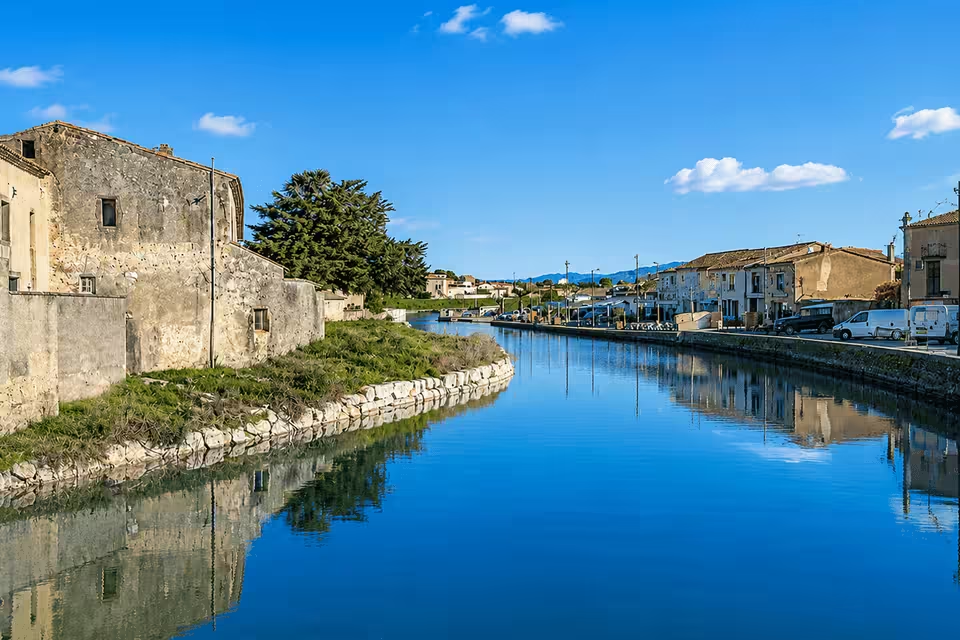
From Port Ariane, the Lez leads toward the Canal du Rhône à Sète and a choice of eastbound or westbound cruising areas. To the east, the canal passes through the Palavas-les-Flots and Carnon sector before continuing toward Aigues-Mortes and the Camargue. This direction suits travelers interested in wetland landscapes, historic waterside settlements and longer journeys through the Rhône-Sète network.
Westbound routes connect Palavas-les-Flots with Frontignan and Sète. Beyond Sète, the Étang de Thau opens another established cruising area, with possible extensions toward Marseillan and Agde. These routes bring greater variety than the immediate river section, but bridge schedules and the operating characteristics of the chosen boat need to be considered. The protected Étang du Méjean beside Lattes is best visited as an ecological site ashore rather than treated as unrestricted cruising or anchoring water.
What cruising around Lattes is like
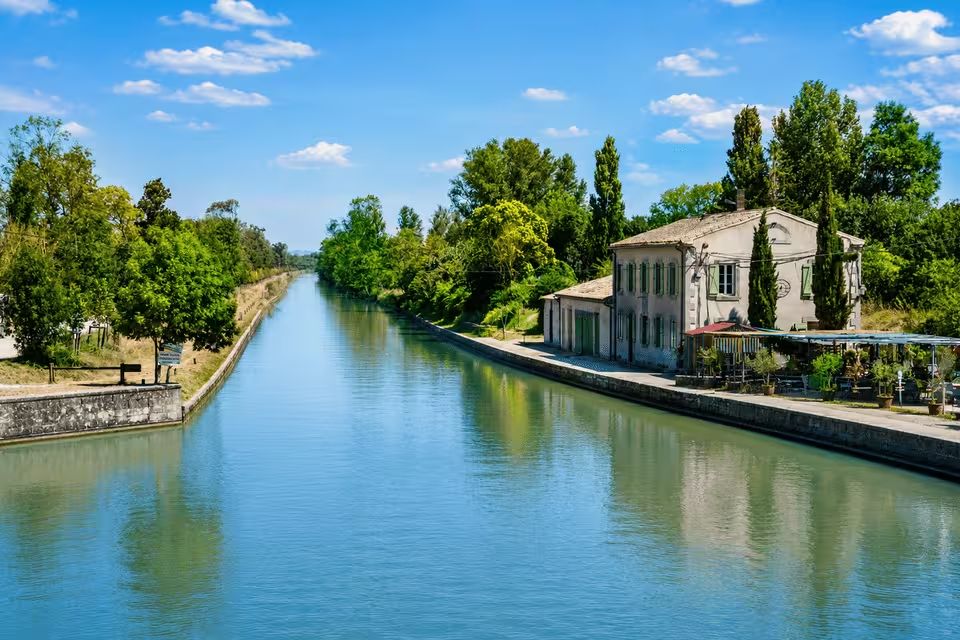
Cruising starts in the protected water of Port Ariane and continues down the Lez through a lock before joining the Canal du Rhône à Sète. Mediterranean swell is largely absent from the port, river and canal, but navigation takes place at low speed within confined channels. This makes the journey feel more like an inland waterway holiday than a coastal yacht passage.
The principal constraints are clearance, depth and waterway operations. Port Ariane publishes a maximum navigation draft of 1.30 meters on the Lez and an air-draft limit of 3.40 meters, so boat dimensions matter more here than offshore performance. Commercial vessels also use the canal, requiring leisure craft to keep clear of the navigable channel. Strong regional winds may make exposed lagoon or coastal extensions uncomfortable even when inland sections remain relatively sheltered. Conditions and restrictions should therefore be assessed for the full intended route, not only the departure basin.
The best time to charter
The principal practical boating season runs from April to October, with May, June and September identified as particularly suitable months. These periods combine generally favorable cruising conditions with milder temperatures than the hottest part of summer. Spring also brings the landscape into focus, while September can offer warm conditions after the main summer period.
July and August are active summer months, typically hot, sunny and comparatively dry. Travelers comfortable with higher temperatures may enjoy the long summer days, but should plan time ashore and daily cruising accordingly. Early autumn is milder, although the risk of heavy rain increases as the season progresses. Winter cruising is quieter and possible in principle, but cooler weather, shorter operating windows and less consistent visitor activity make it less straightforward. Lock, bridge and waterway schedules should always be checked for the intended dates.
Route ideas from Port Ariane
A manageable return route follows the Lez and the Canal du Rhône à Sète east through the Palavas and Carnon area to Aigues-Mortes. It provides a clear introduction to the waterway and combines protected navigation with access to a historic Camargue gateway.
For a westbound journey, the established route continues through Frontignan to Sète and the Étang de Thau, with possible extensions toward Marseillan and Agde before returning. Passage beyond Frontignan requires attention to scheduled openings of the movable bridge. Travelers with more time can consider a longer Camargue circuit from Lattes through Aigues-Mortes toward Beaucaire and Fourques. Such an itinerary requires closer coordination with operating schedules and current navigation notices than a shorter out-and-back trip.
Nature, history and time ashore
The appeal of a Lattes charter lies partly in the rapid transition from Montpellier’s urban fringe to reed beds, salt marshes and lagoon habitats. Wildlife watching can be combined with a visit to the Maison de la Nature and the Protected Natural Site of Méjean, where the wetland environment is explored ashore without entering ecologically restricted waters by boat.
Lattes also has an unusually deep connection with river trade. Ancient Lattara developed as a Mediterranean trading port from the late sixth century BCE, linking local communities with Etruscan, Greek, Iberian and Roman networks. The Henri Prades Museum and archaeological site interpret this history close to modern Port Ariane. Cycling along the Lez provides another way to divide a trip between cruising and land-based exploration, with waterside connections toward Montpellier and Palavas-les-Flots.
Reaching Lattes and Port Ariane
Port Ariane is the principal local departure point. It is an inland, lock-controlled basin rather than an exposed Mediterranean marina, making Lattes both a place to begin a canal journey and a gateway to the connected lagoon and coastal-waterway network. Palavas-les-Flots and Carnon provide additional port context closer to the coast, depending on the planned route and vessel.
Lattes is readily reached from Montpellier by road and via the A709 corridor. Tram line 3 serves Lattes Centre, within walking distance of Port Ariane. Rail travelers can arrive through Montpellier Saint-Roch or Montpellier Sud de France and continue by tram, bus, taxi or road transfer. Montpellier Méditerranée Airport is also nearby and linked with the metropolitan transport network.
Planning the right charter for Lattes
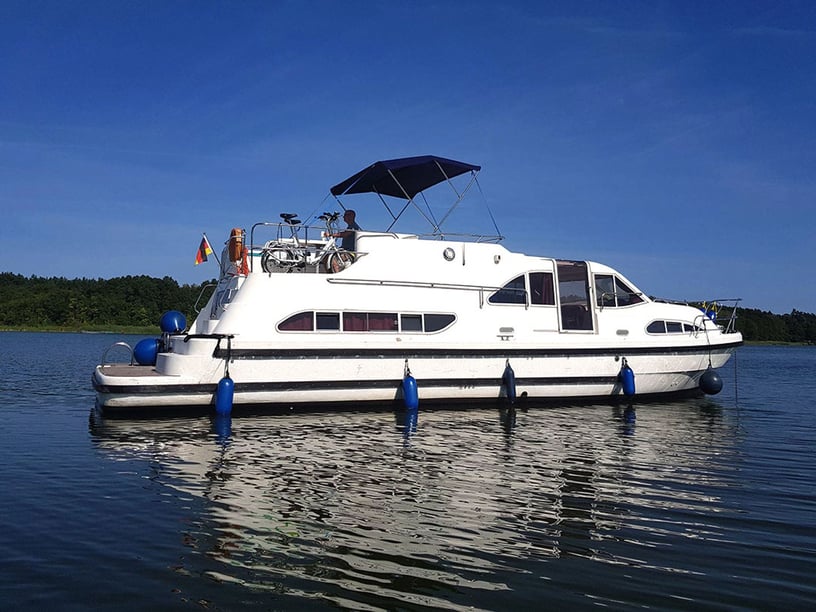
The first decision is whether the priority is inland cruising or open-sea sailing. Boat rental in Lattes is most naturally suited to the River Lez and Canal du Rhône à Sète, where a houseboat or suitably low-profile powered craft can accommodate the published draft and clearance limits. Travelers considering a motorboat charter in Lattes should verify the exact vessel dimensions against the entire intended route, including bridges and locks.
Lock passage downstream of Port Ariane should be arranged with the harbor master’s office. Westbound itineraries also depend on Frontignan bridge openings, while current navigation notices may affect locks, channel conditions or operating hours elsewhere. Check these details with VNF and the relevant harbor offices before departure.
Travelers comparing Lattes with broader yacht charters in France should recognize its distinct character: this is primarily a sheltered river-and-canal starting point, not a conventional base for mast-up Mediterranean sailing. Choosing the boat around clearance, draft and route length is therefore more important than selecting for offshore speed or sailing performance.