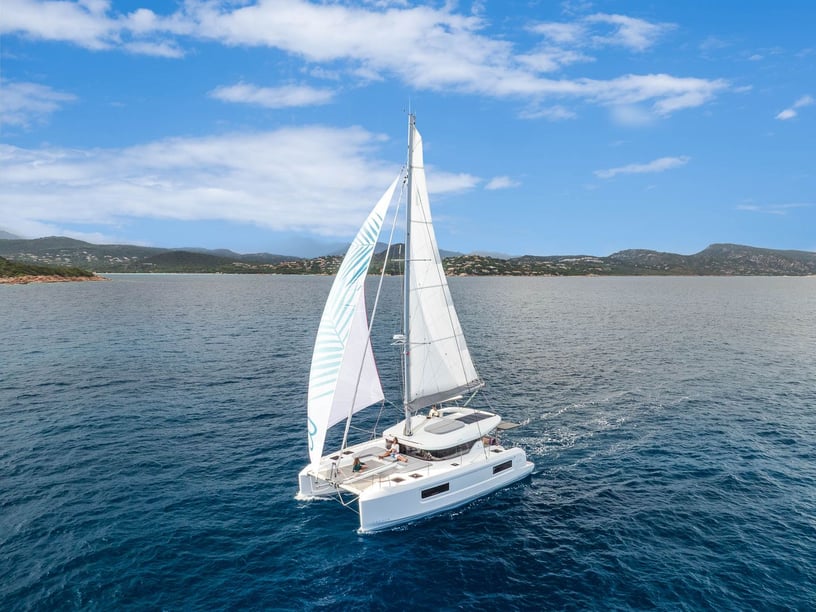
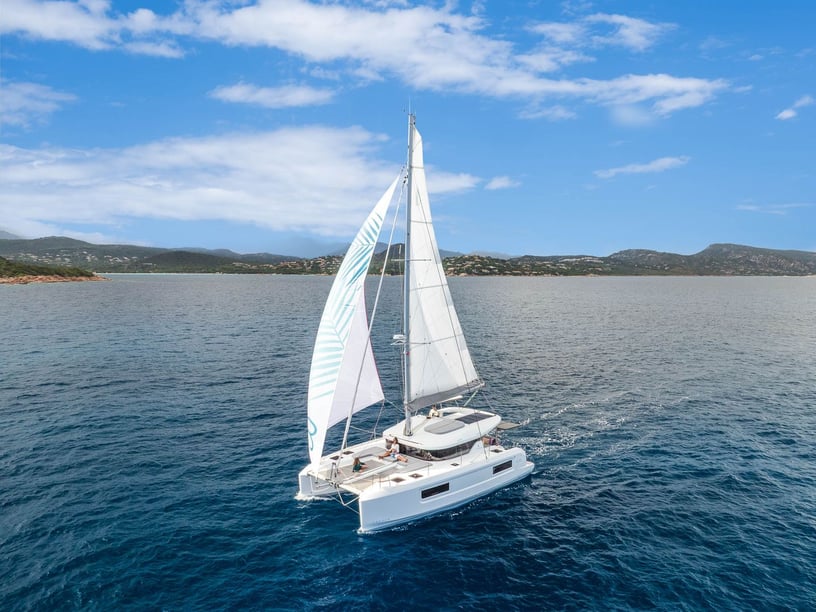
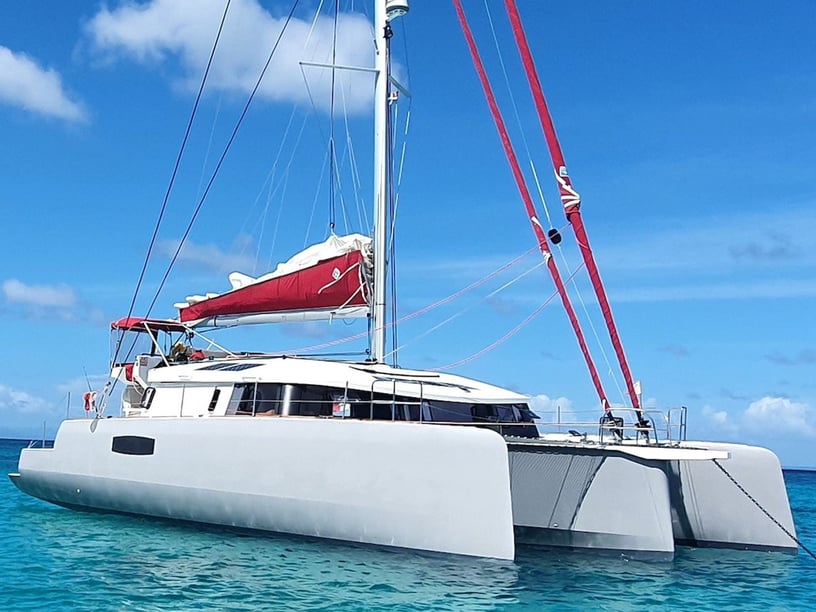
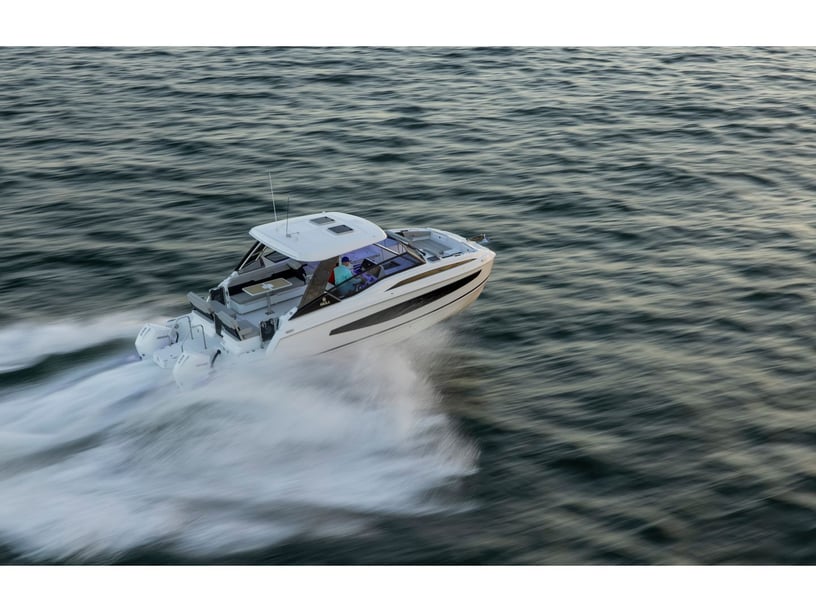
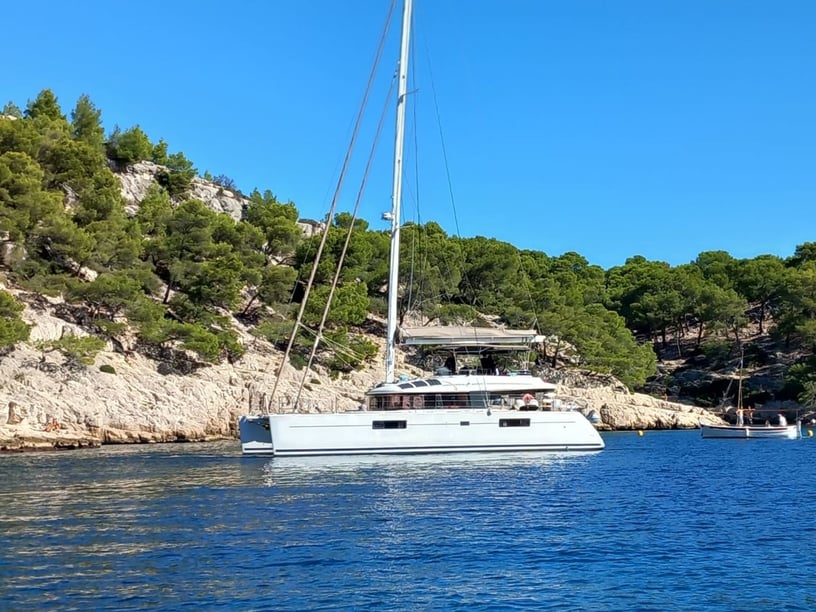
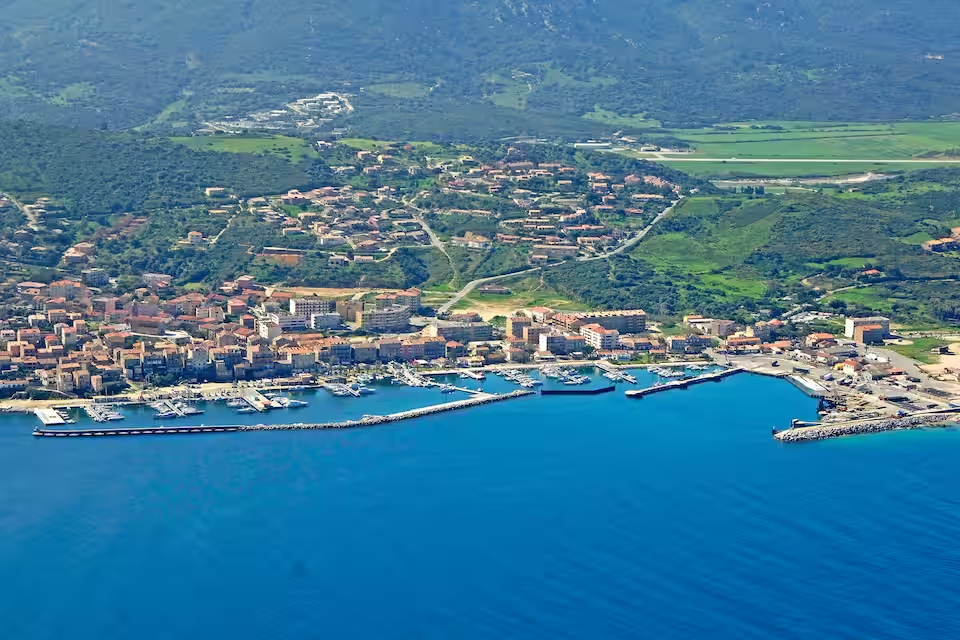
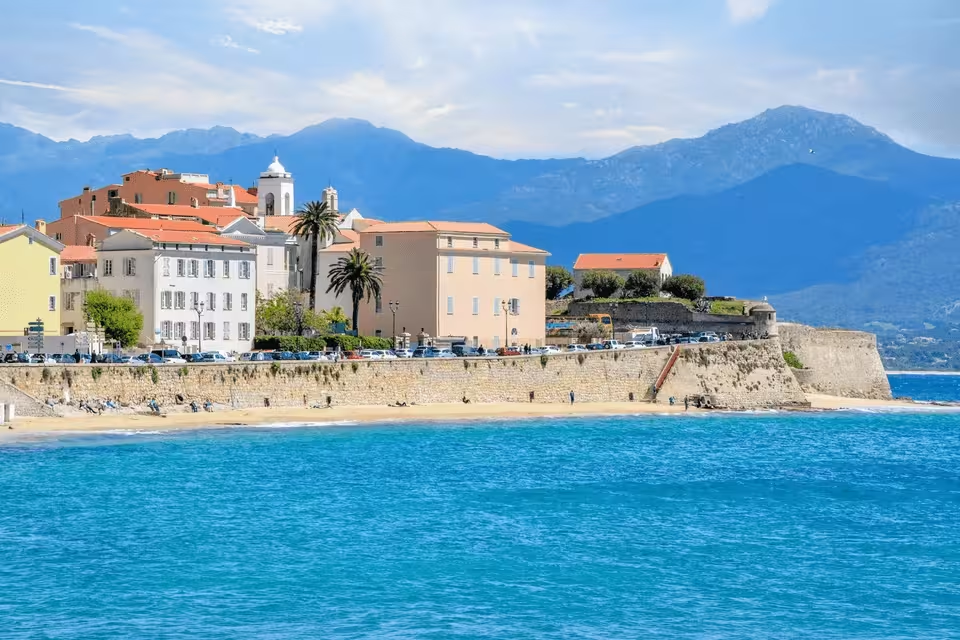
Yacht charter in Porto Vecchio
Porto Vecchio stands at the head of a deep gulf on Corsica’s southeastern coast, where sheltered water, beach-lined bays and a historic town meet. Its marina lies below a Genoese citadel, making it possible to combine cruising with restaurants, waterfront walks and time among the old ramparts.
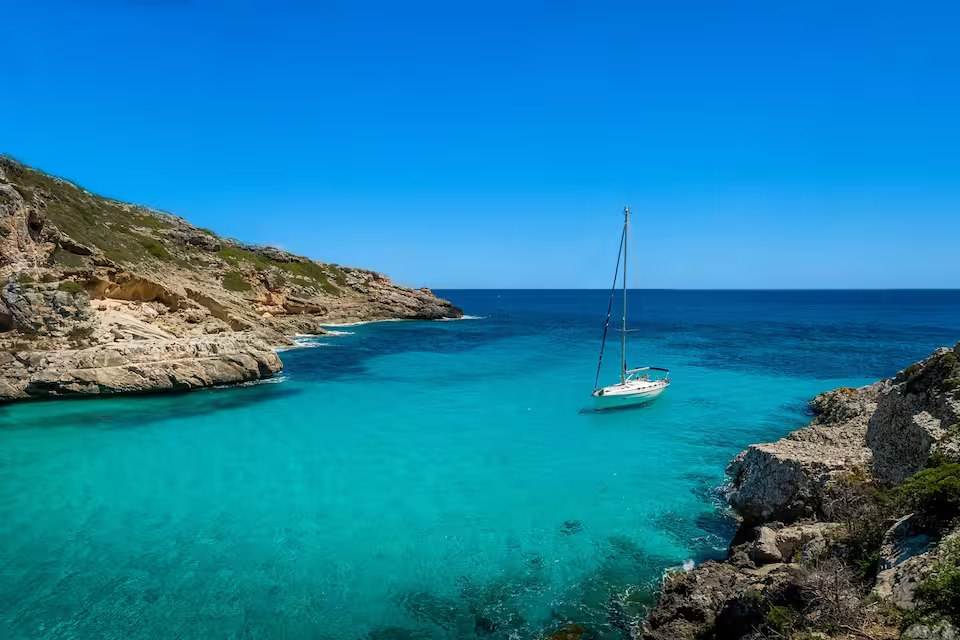
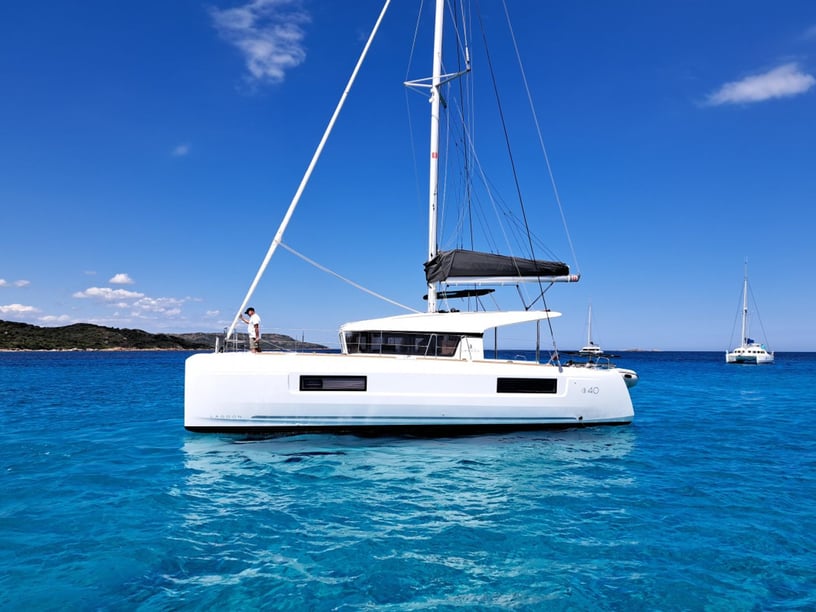
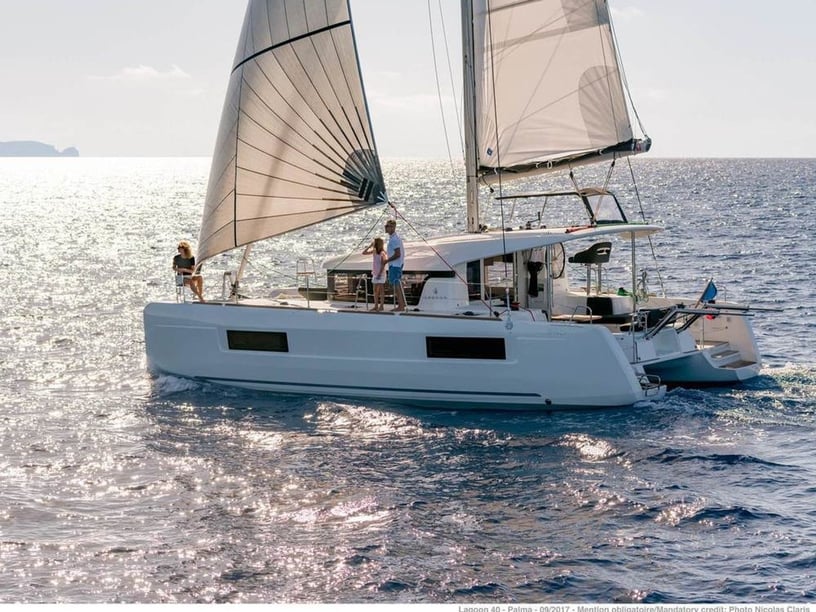
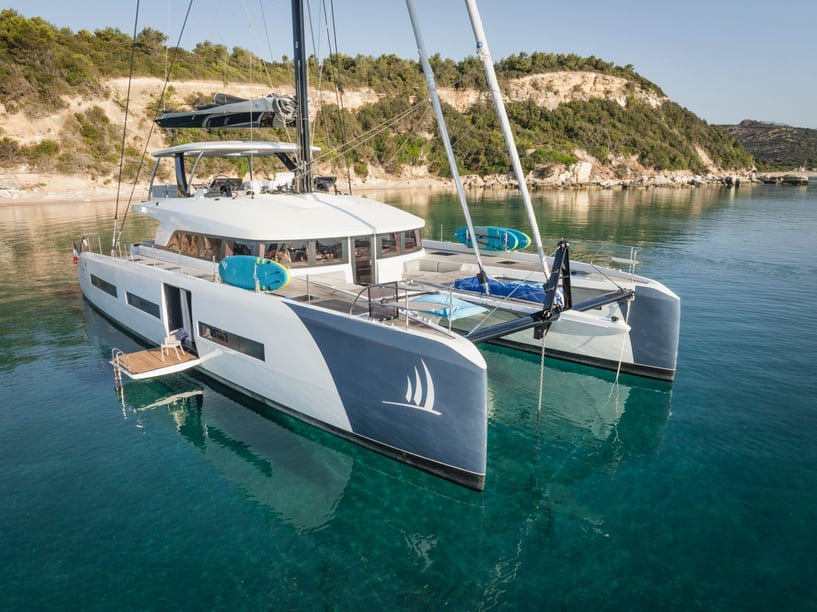
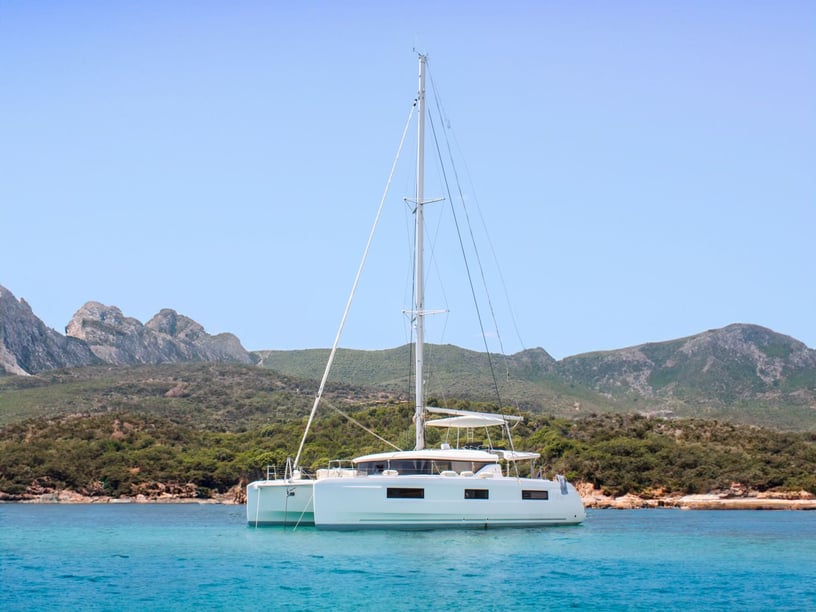
A yacht charter in Porto Vecchio can focus on short outings within and around the gulf or extend south toward the Cerbicale and Lavezzi islands and Bonifacio. This range is a defining feature: the inner gulf offers comparatively protected cruising, while passages beyond Punta Chiappa lead into more exposed coastal and island waters. Within the broader choice of yacht charters in France, Porto Vecchio is especially relevant to travelers interested in beaches, swimming, snorkeling and substantial cultural interest ashore.
Bays, islands and coastal places to explore
Palombaggia is one of the most recognizable areas near Porto Vecchio, with pale sand, shallow water and a coast backed by maquis and umbrella pines. Offshore, the Cerbicale Islands mark the transition from beach-oriented coastal cruising to protected island waters. Landing, anchoring and other activities around these areas are governed by current environmental rules.
Santa Giulia Bay is another natural focus for swimming and relaxed time on the water. Its lagoon-backed setting differs from the deeper Gulf of Porto-Vecchio, while Cala Rossa and Saint-Cyprien provide further bay-to-bay possibilities north of town. These places suit itineraries built around relatively short movements rather than long daily passages.
Farther south, the Lavezzi Islands and Bonifacio can form part of a more ambitious trip. Their protected waters, rocky island scenery and proximity to the Bouches de Bonifacio make them compelling, but weather, sea state and reserve regulations determine which stops are practical.
What cruising around Porto Vecchio is like
Cruising conditions change noticeably between the inner gulf and the open coast. The Gulf of Porto-Vecchio provides more shelter, although individual bays protect differently depending on wind direction. Beyond Punta Chiappa and its lighthouse, passages toward the offshore islands and the strait are more exposed and require greater attention to forecasts and sea conditions.
Wind occurs throughout the year, with strong-gust days generally less frequent in August and more common from late autumn through spring. Mediterranean weather can still change quickly in summer. Marked rocks around the gulf entrance, variable bay shelter and heavy seasonal harbor traffic mean that protected water should not be mistaken for uniformly simple navigation. Current charts, official approach guidance and a route suited to the crew’s experience remain important.
The best time for a Porto Vecchio yacht charter
The main recreational boating season generally runs from May through October. June and September are particularly suitable months, combining generally favorable weather with active marine services. They can work well for travelers who want a full coastal itinerary without choosing the hottest and busiest part of summer.
July and August are the driest, hottest and most active months, bringing greater demand and heavier harbor traffic. May and October sit around the edges of the principal season and require closer attention to conditions and operating schedules. From November through March, cooler weather, increased rainfall, more frequent strong gusts and reduced visitor services make ordinary leisure cruising less practical. April is transitional rather than a dependable extension of summer.
Route ideas from Porto Vecchio
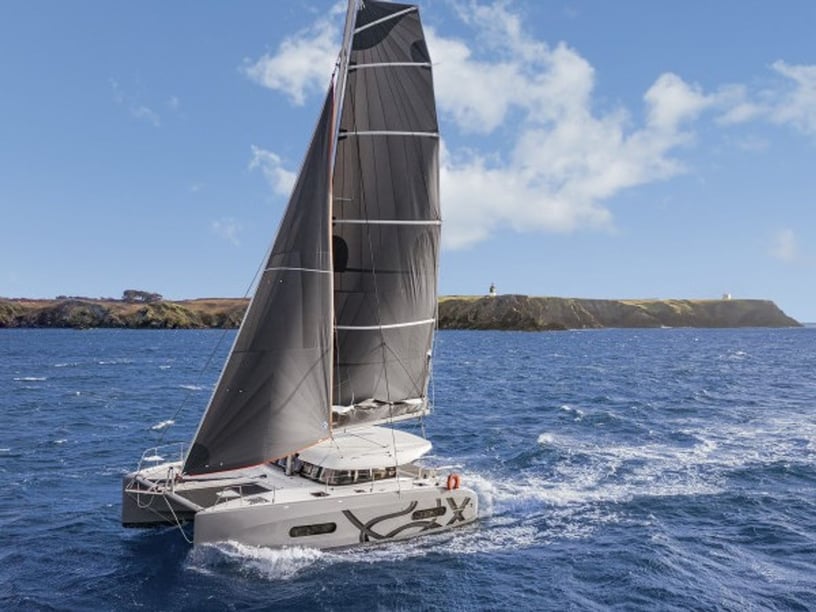
A well-established longer excursion links Porto Vecchio with the Cerbicale Islands, the Lavezzi Islands and Bonifacio. It combines coastal sailing with opportunities for swimming or snorkeling and views of the Bonifacio shoreline. Exact stops must remain flexible because wind, sea state and nature-reserve controls can alter the plan.
Shorter itineraries can stay closer to the gulf, linking Porto Vecchio with Palombaggia or Santa Giulia, or heading north between Cala Rossa, Saint-Cyprien and Pinarello. This approach leaves more time for swimming and going ashore, while reducing the need for exposed passages.
Experiences on the water and ashore
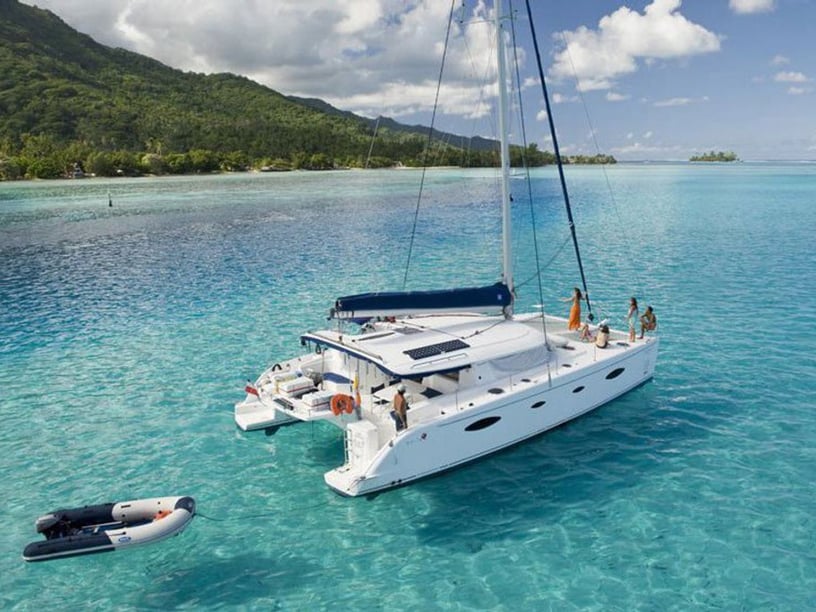
A charter here can alternate between bay-based swimming, snorkeling near the island coast and evenings in town. Organized seasonal moorings in nearby bays support this style of cruising, allowing an itinerary to revolve around a few carefully chosen stops rather than constant movement.
Porto Vecchio also rewards time ashore. The citadel rises directly above the marina, and its ramparts, Genoese Gate and five bastions preserve the town’s defensive character. Around the old port, the former salt marshes recall the industry that gave Porto Vecchio its nickname, the Salt City; cork processing was another important part of the port economy. This close relationship between marina, historic center and surrounding bays makes it practical to combine beach time with cultural visits.
Getting there and possible departure points
Figari–Sud Corse Airport is approximately 25 kilometers from Porto Vecchio. A year-round daily shuttle is described as taking roughly 30 minutes, while taxis, road transfers and car rental provide alternatives. Porto Vecchio’s commercial port also offers maritime access from mainland France.
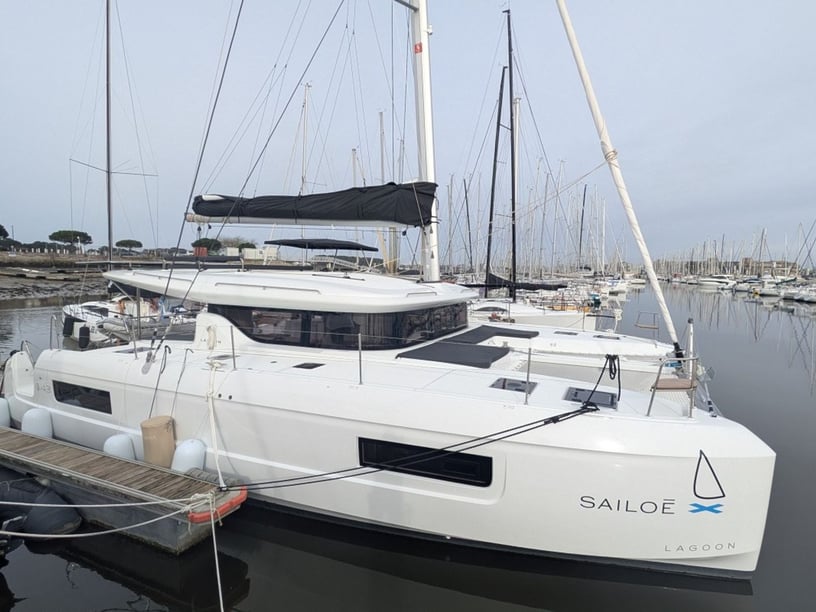
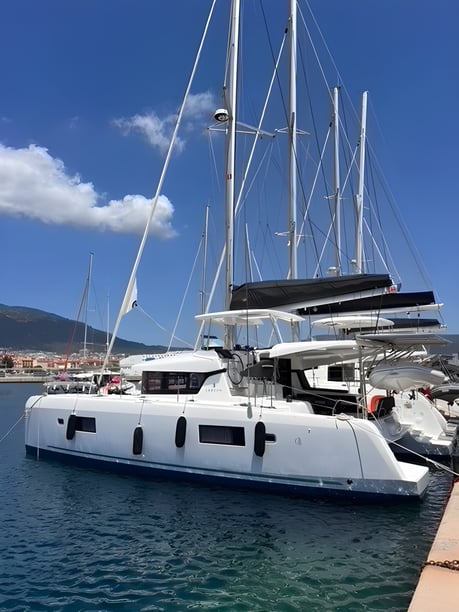
Porto-Vecchio Marina, serving leisure craft and fishing boats, is the principal harbor in town and a practical point for trips into the gulf or along the southeastern Corsican coast. Marina di Santa Giulia and the Petraggione launching area are additional departure locations for the surrounding waters. Porto Vecchio therefore works as both a place to begin a trip and a destination worth including for its waterfront, citadel and dining ashore.
Planning your charter
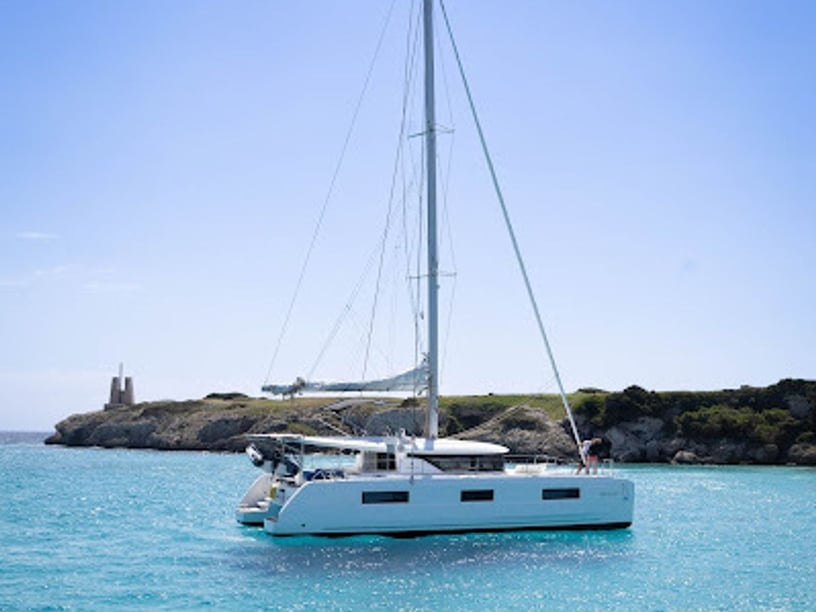
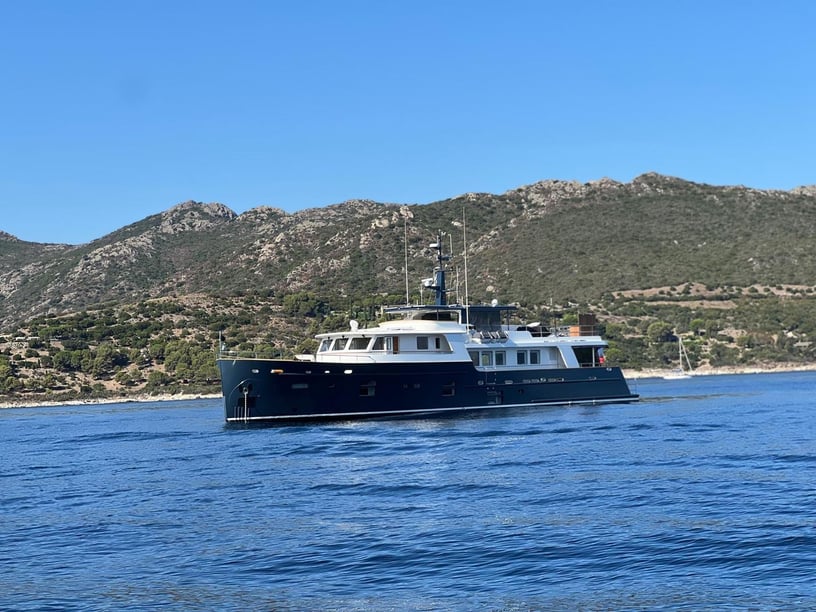
When comparing Porto Vecchio boat rental or yacht charter choices, start with the intended cruising area. A beach-focused day within and around the gulf has different demands from a route toward the Lavezzi Islands and Bonifacio, where exposure and protected-area rules become more significant. Match the boat and charter format to the planned distance, the crew’s boating experience and the amount of time you want to spend swimming or ashore.
In summer, arrange harbor plans early because traffic and berth demand can be heavy. The marina asks arriving vessels to make contact on VHF channel 9 approximately 30 minutes before arrival, and designated approaches and speed limits apply. Current nautical charts and official instructions are important around the marked rocks and headlands at the gulf entrance, particularly after dark.
Check current anchoring, landing, fishing and diving regulations before departure. Organized moorings should be used where available, and anchoring on Posidonia seagrass should be avoided; the marina recommends choosing sand.