Yacht charter in Castelnaudary
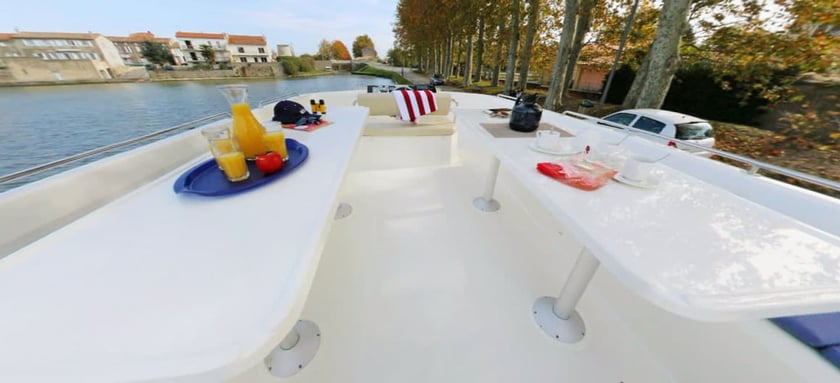
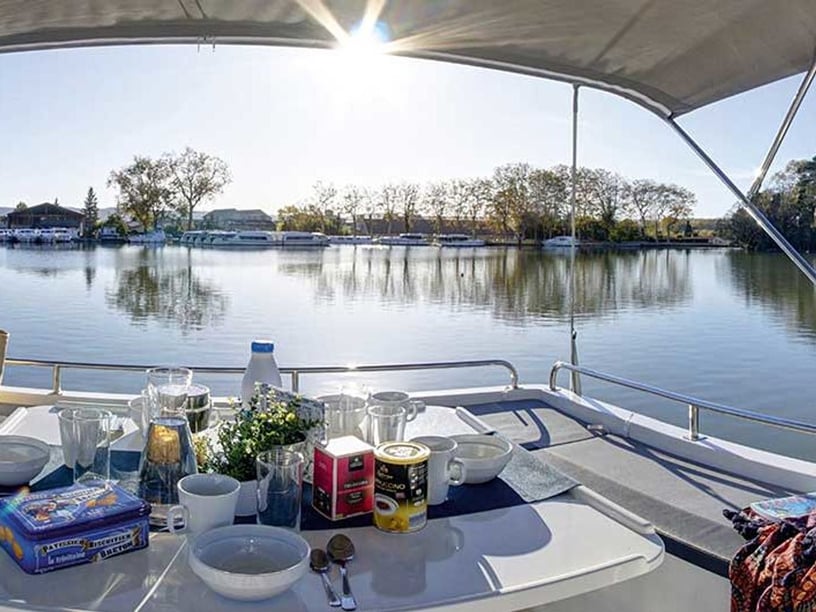
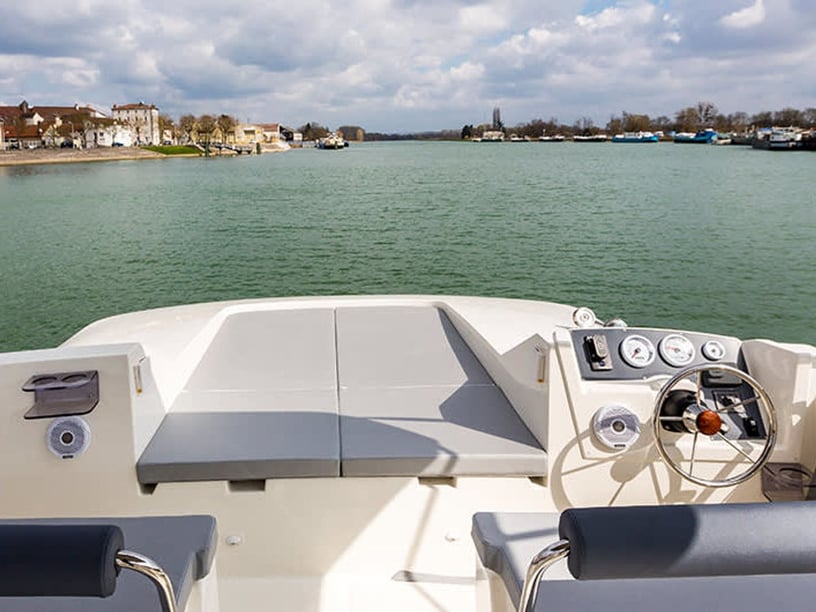
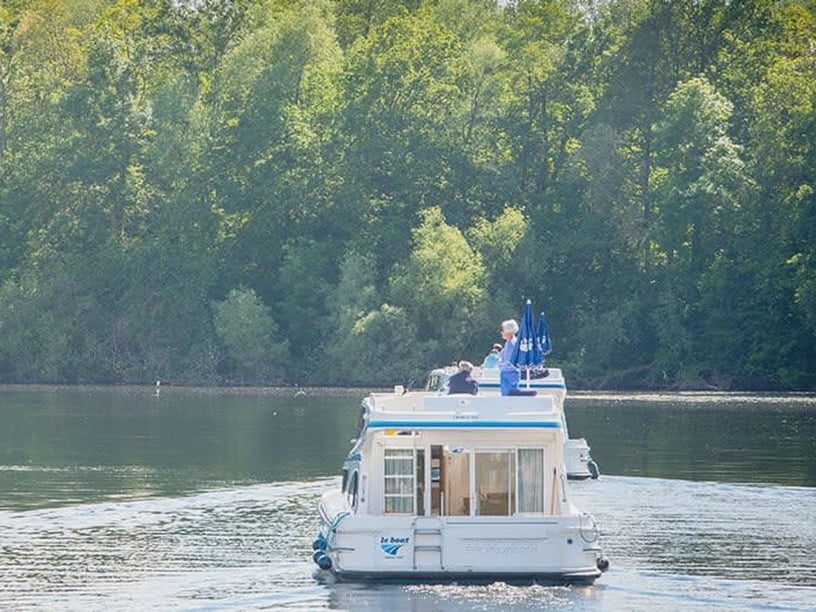
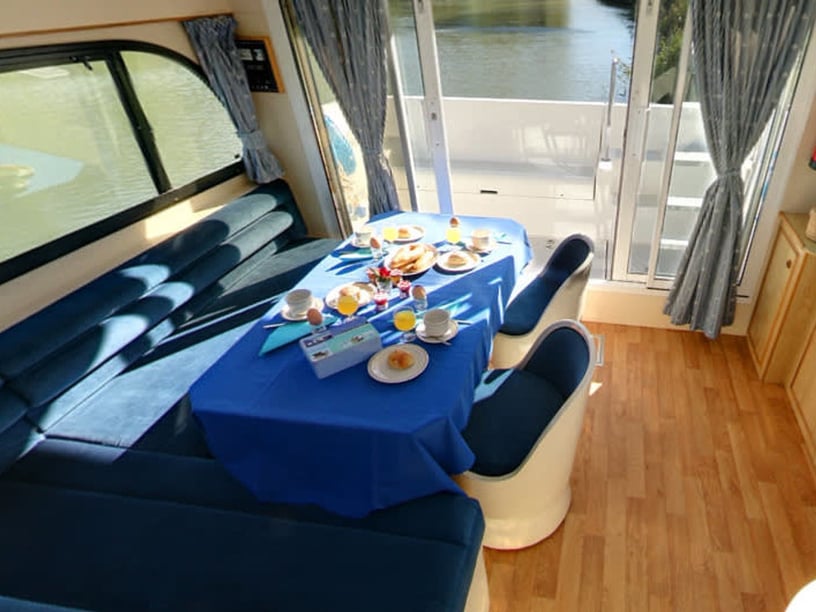
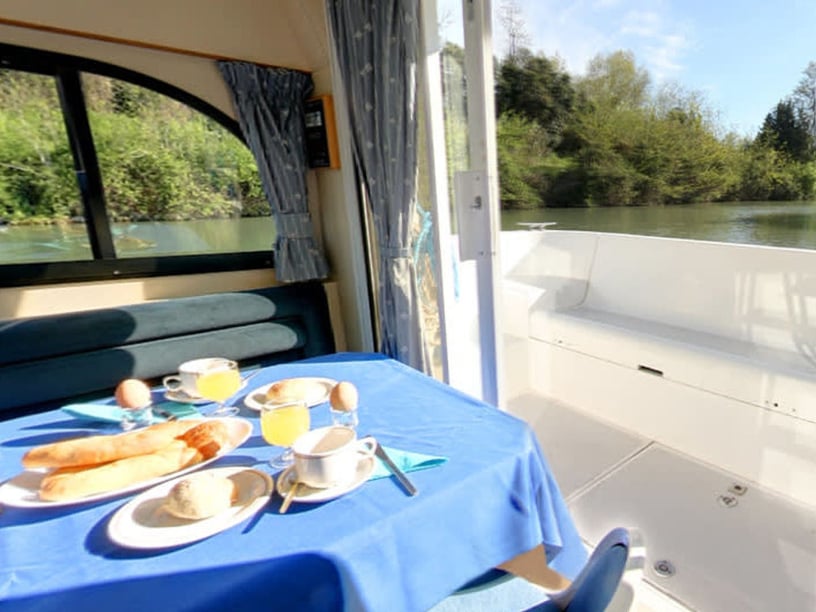
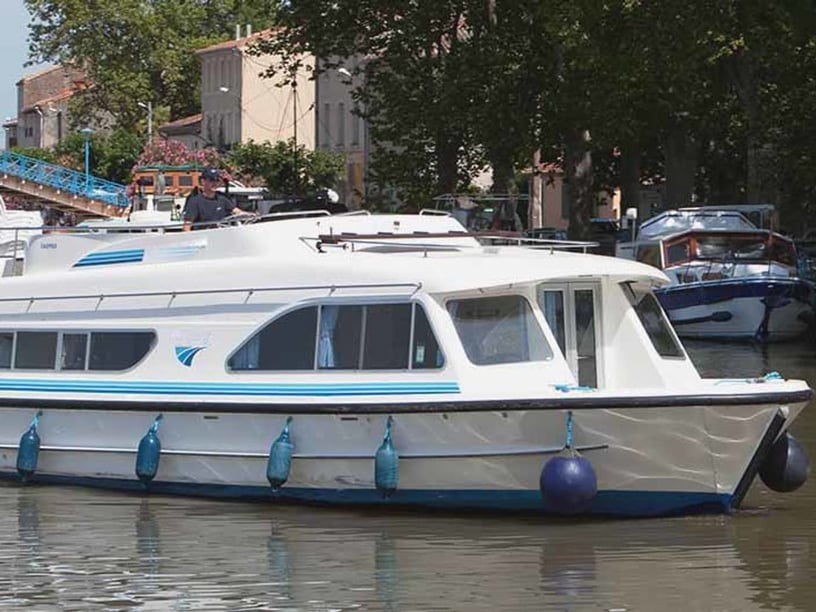
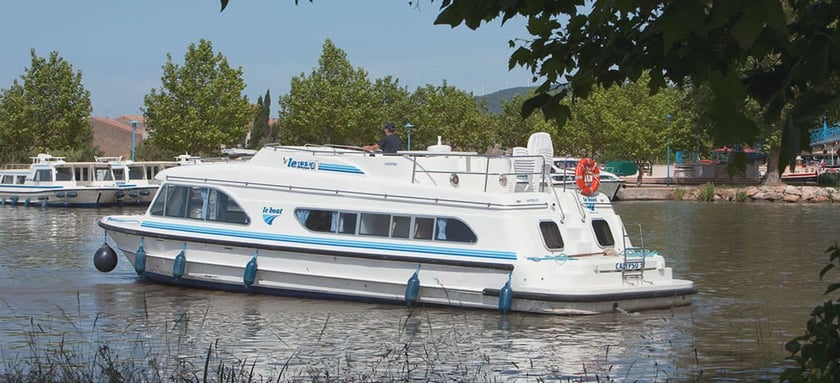
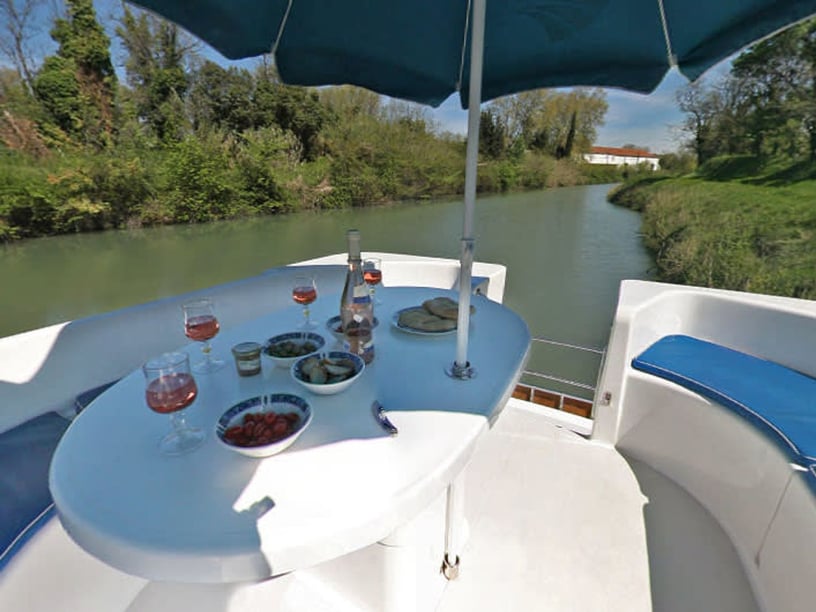
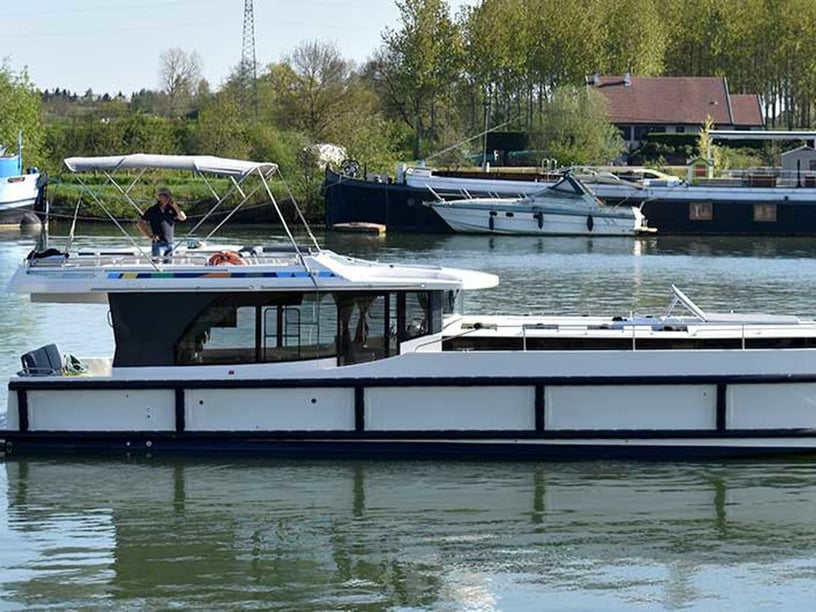
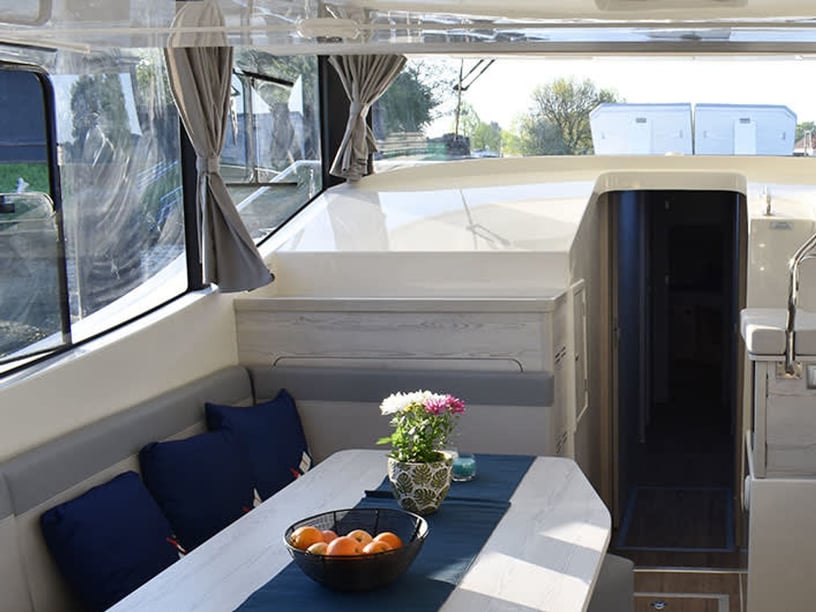
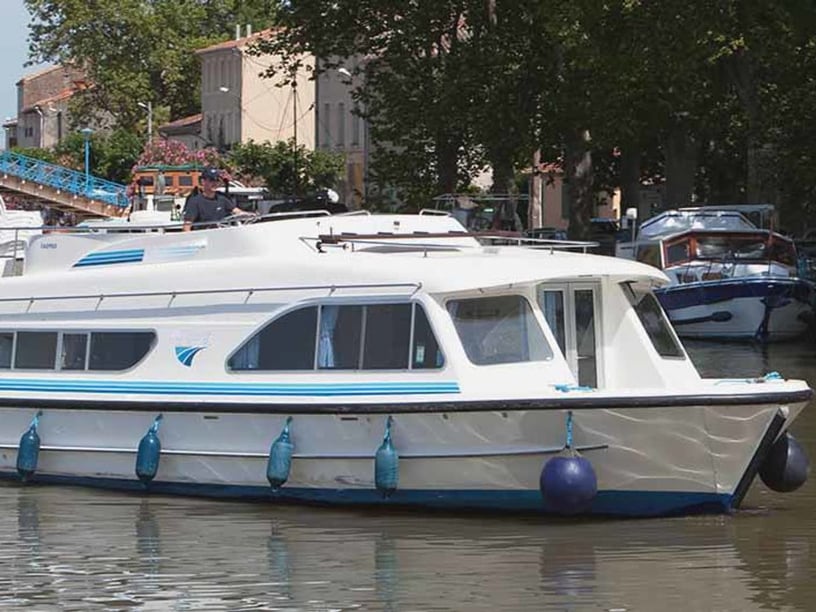
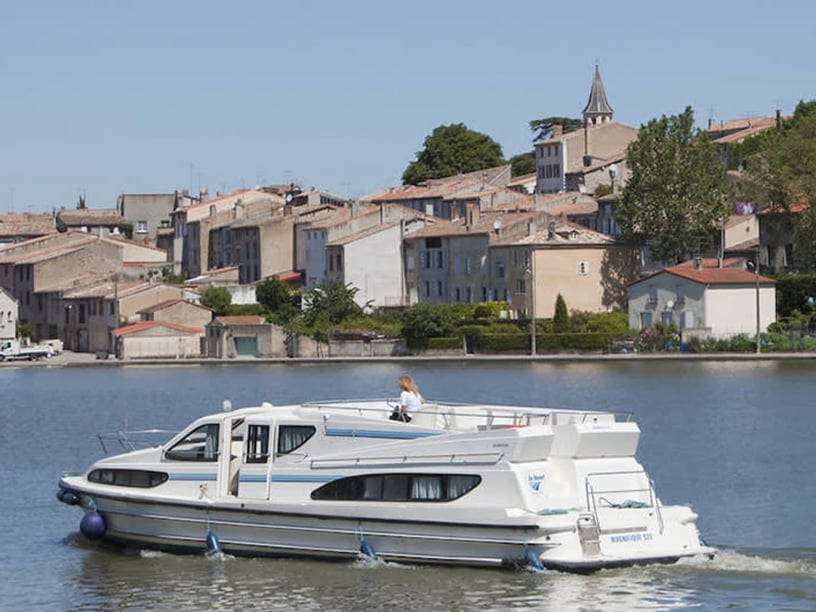
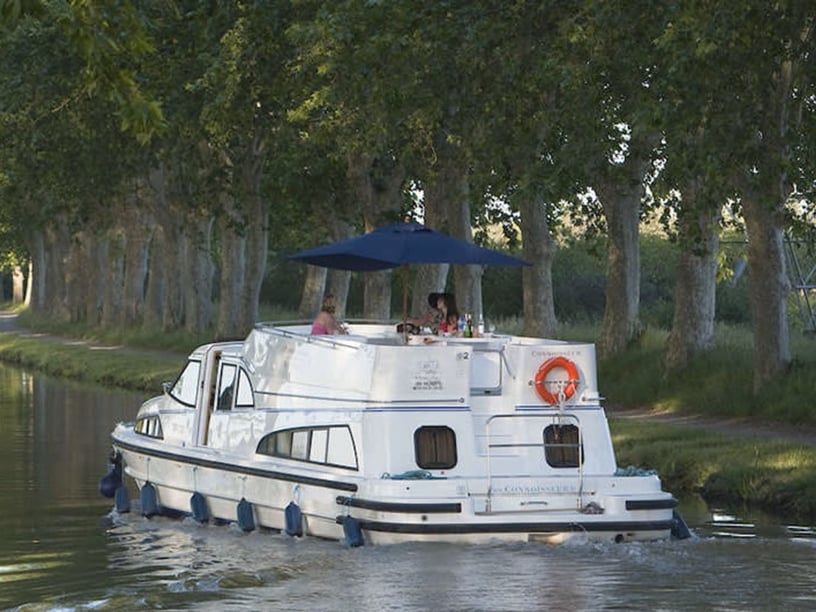
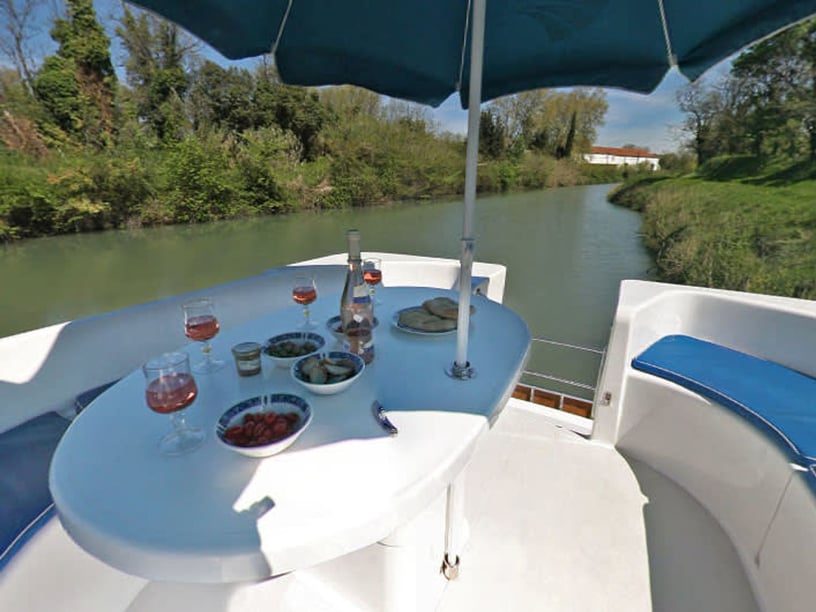
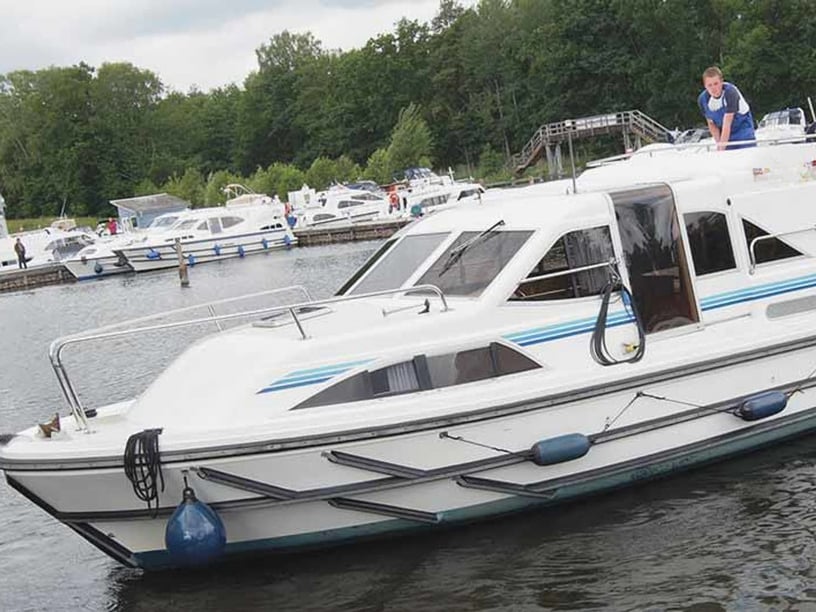
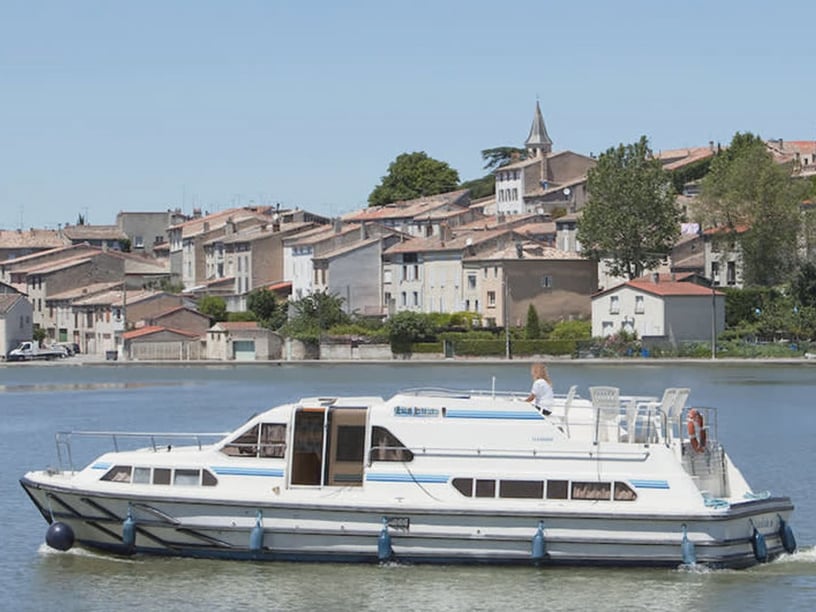
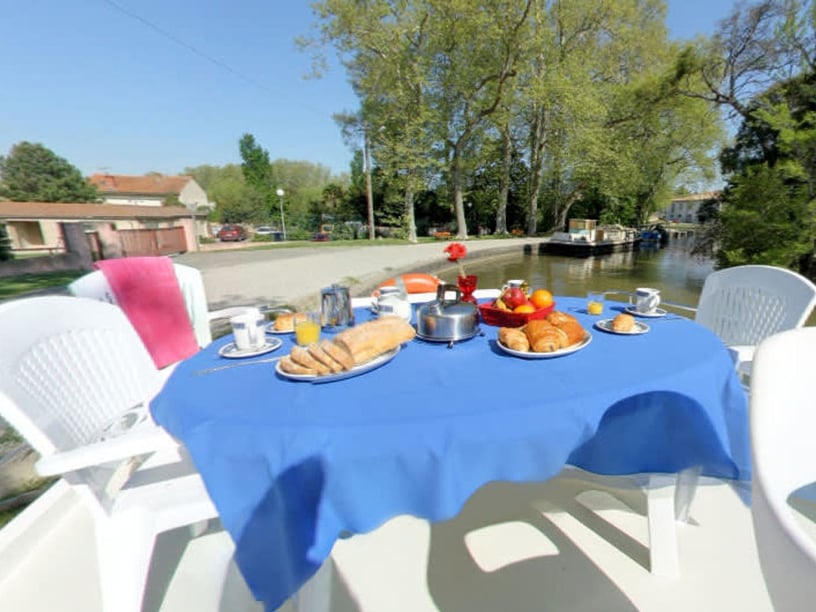
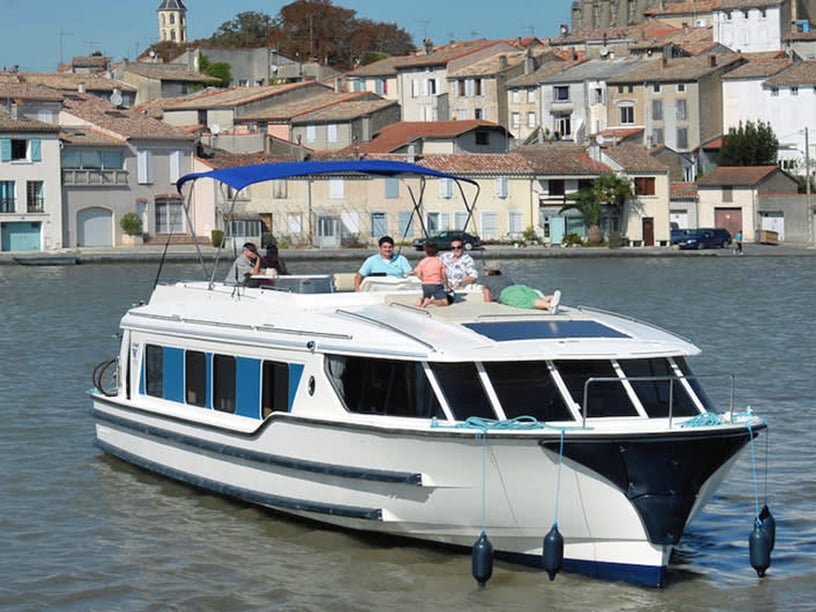
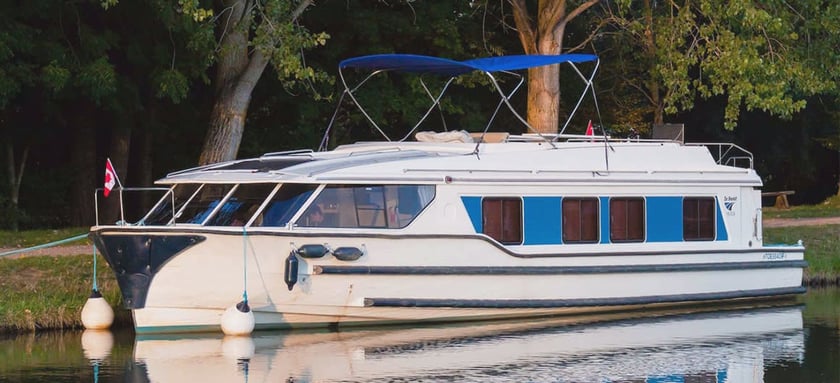
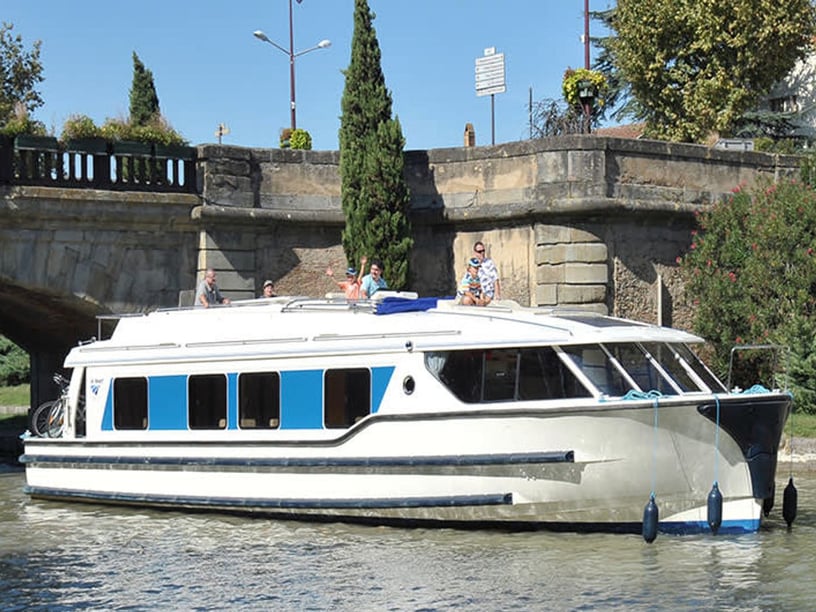
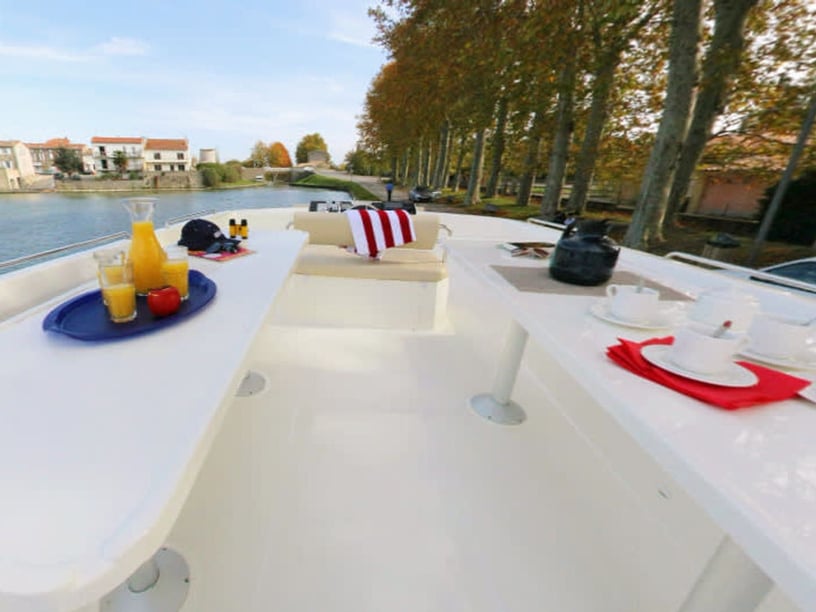
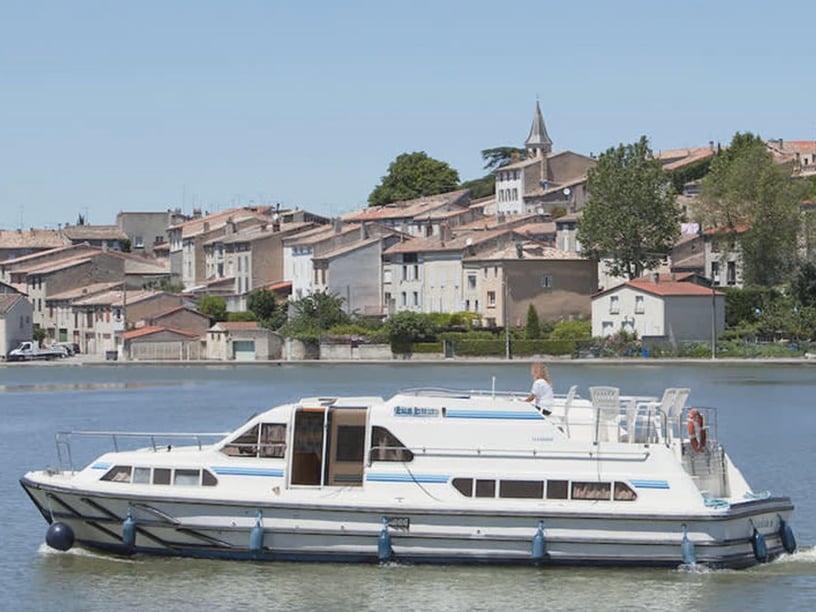
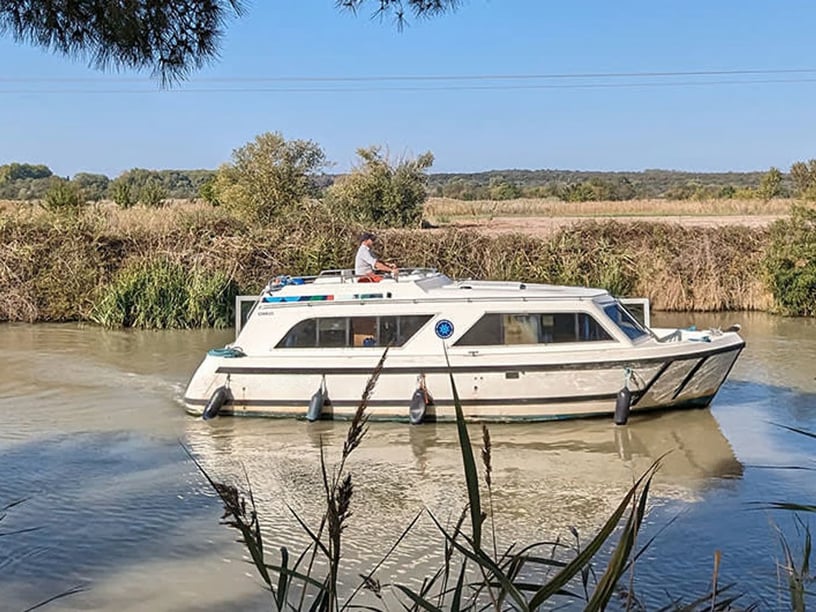
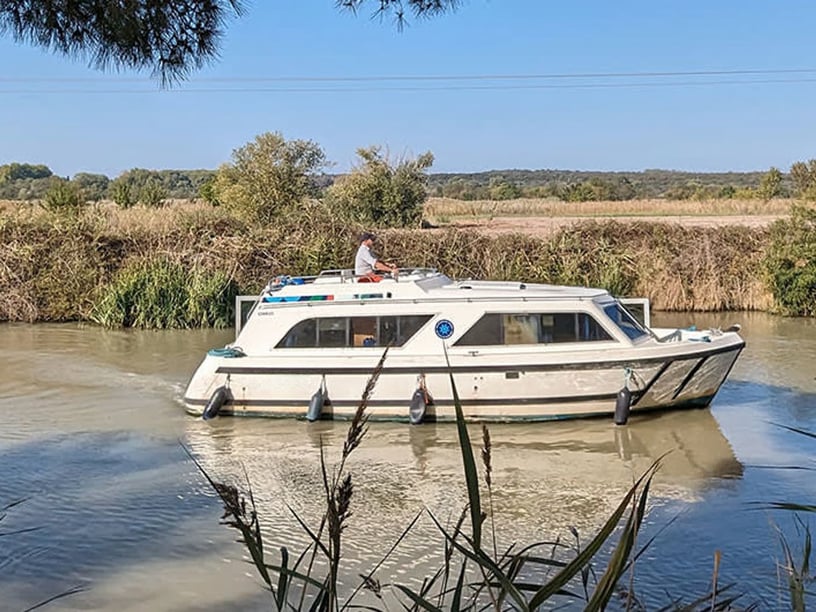
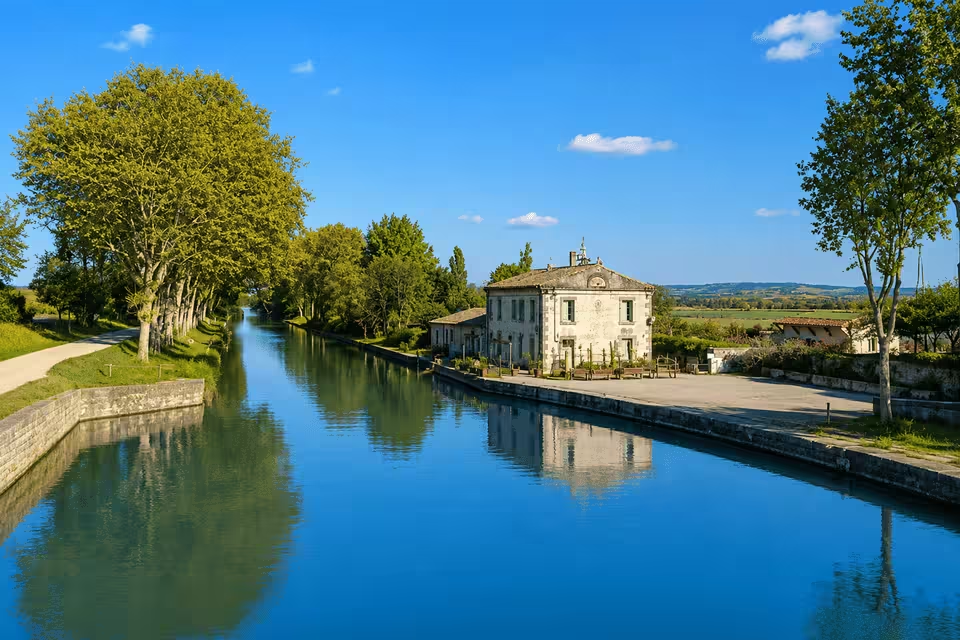
A yacht charter in Castelnaudary is an inland journey rather than a coastal sailing holiday. The town lies on the Canal du Midi between Toulouse and Carcassonne, where the waterway passes through the Petit Bassin marina and the much broader Grand Bassin before descending through the Saint-Roch locks. There are no open-sea passages, tides or beaches; boating here centers on low-speed motorized cruising aboard cabin cruisers, hotel barges and smaller craft.
This setting suits travelers who want canal heritage, countryside and time ashore to be integral to the trip. The town is walkable from the water, and its history as a grain-trading center is closely connected to both the Canal du Midi and its cassoulet tradition. Travelers considering other inland or coastal styles can also compare yacht charter destinations across France.
Places to explore from the canal
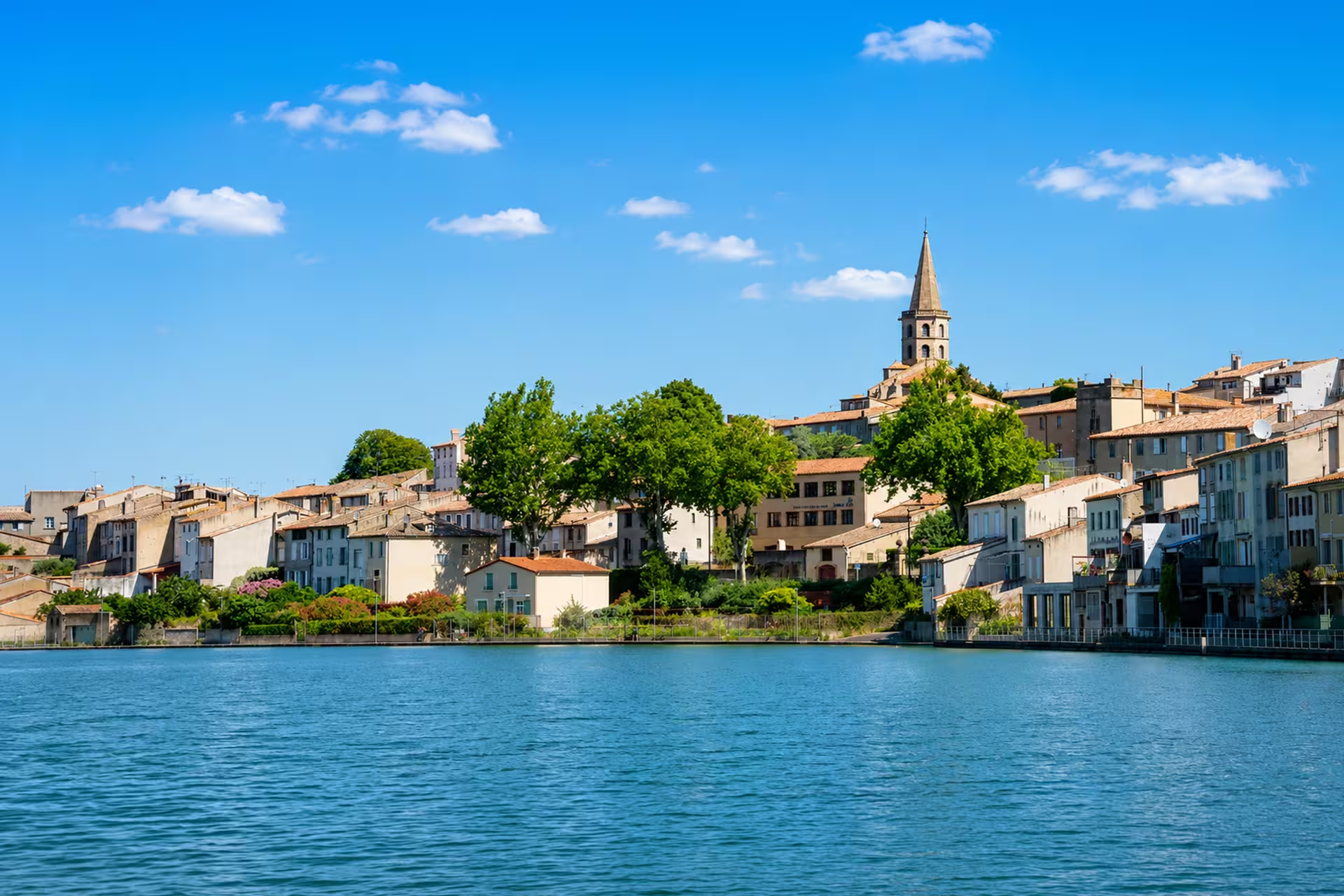
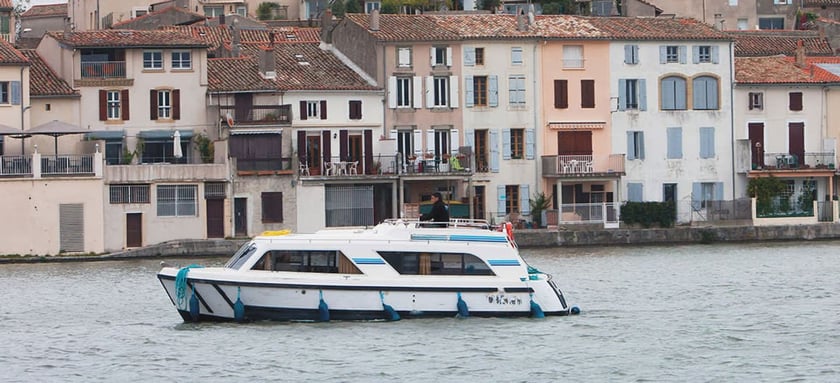
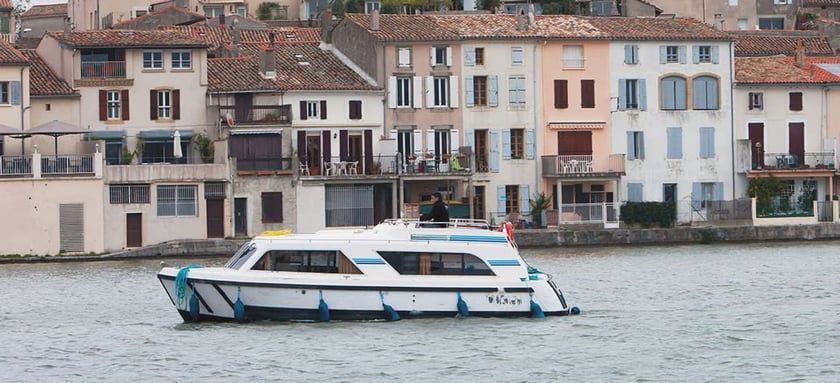
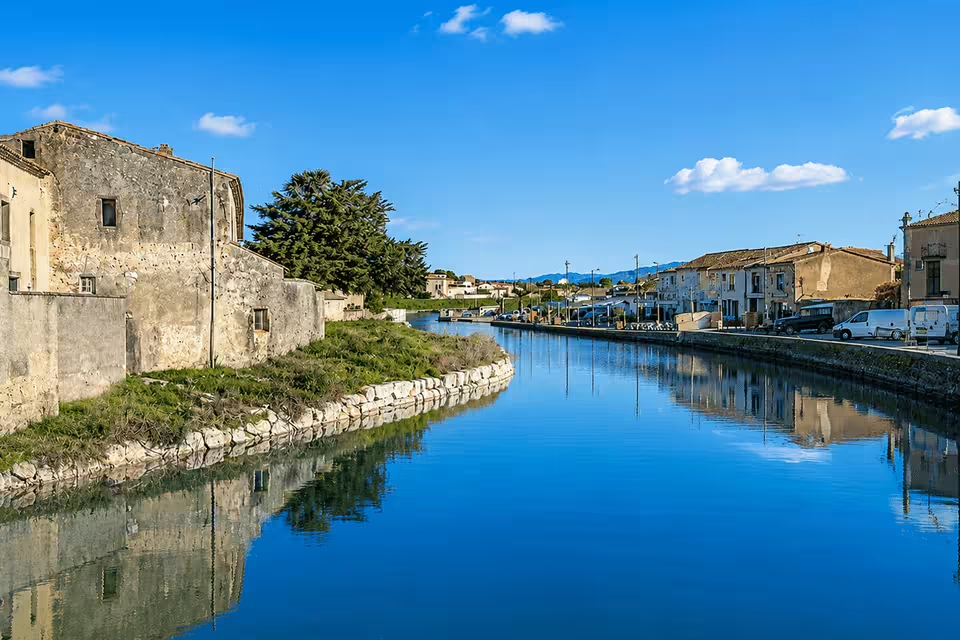
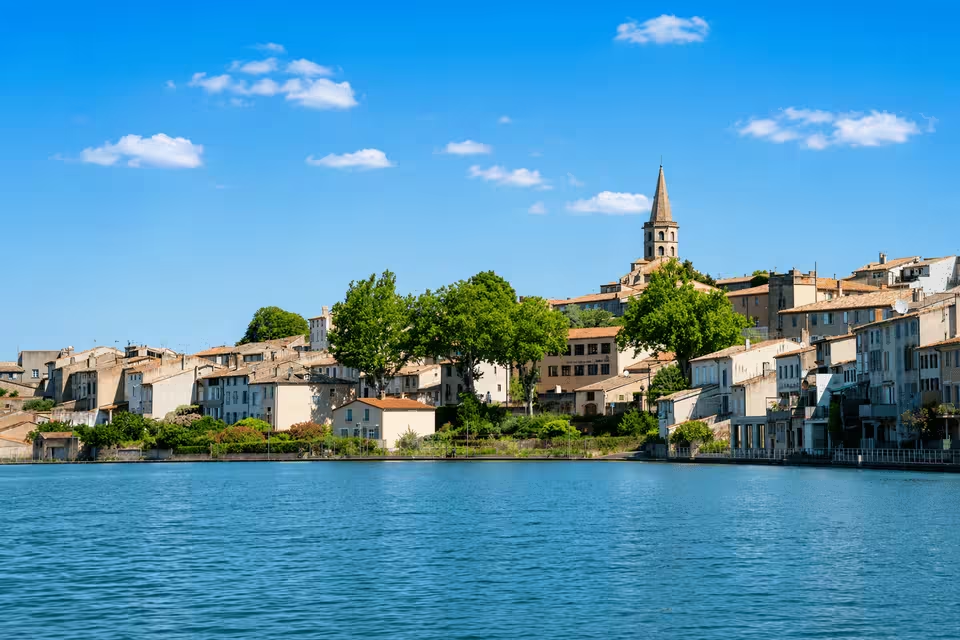
The Grand Bassin is the defining waterside landmark in Castelnaudary. This broad historic basin opens below the town and includes Île de la Cybèle, created around 1750 to reduce the effects of strong local winds. At its eastern end, the four consecutive chambers of the Saint-Roch lock flight lower boats by nearly ten meters and provide a close view of the canal’s engineering.
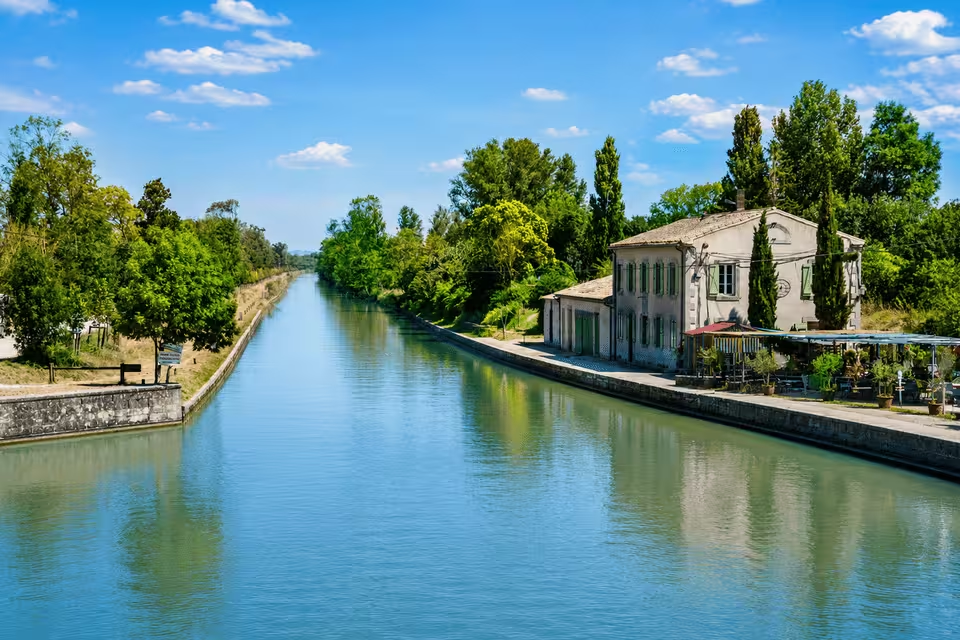
West of town, Port Ségala and Seuil de Naurouze lead toward the canal’s summit and the Atlantic–Mediterranean watershed. The Riquet Obelisk adds historical context to a stop there. Heading east, the canal crosses the Lauragais countryside toward Bram and, on a longer trip, Carcassonne. These places are connected by the waterway itself, so the journey between them—through locks, beneath bridges and beside the towpath—is as important as the stops.
What cruising around Castelnaudary is like
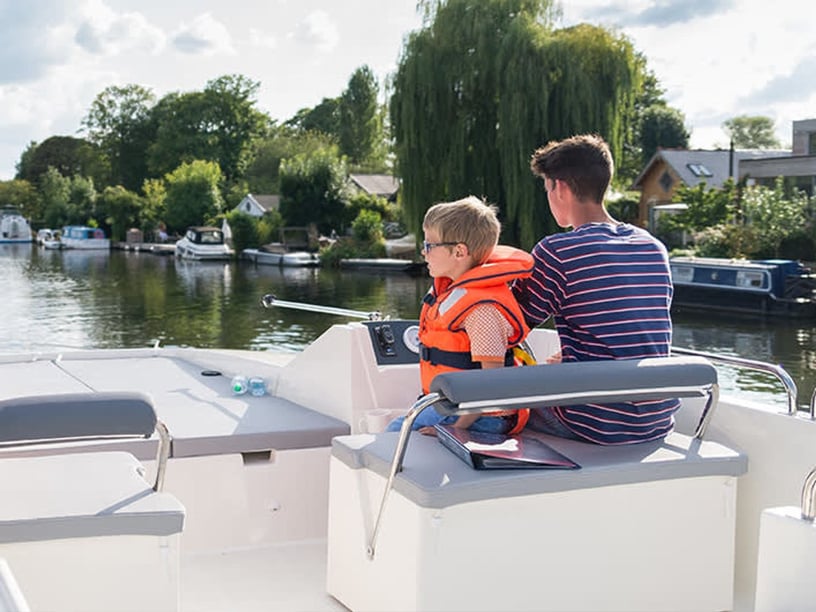
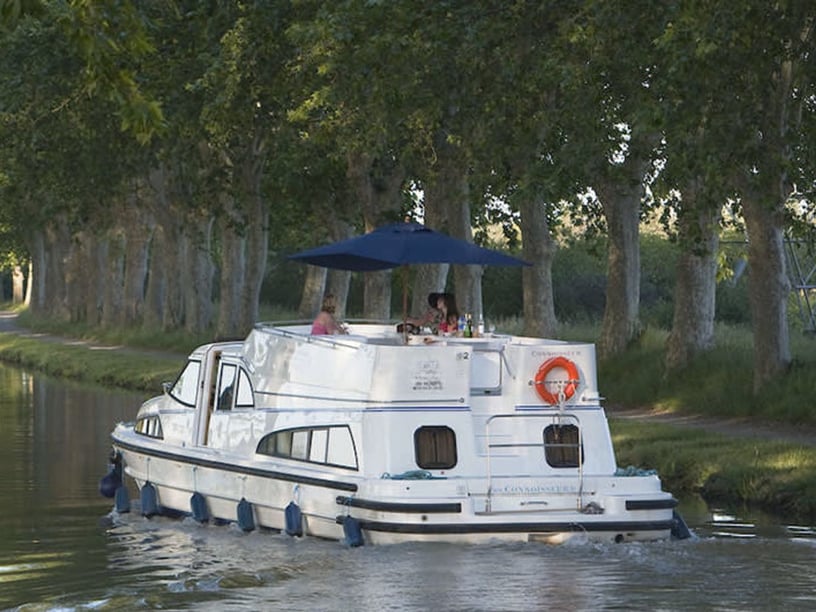
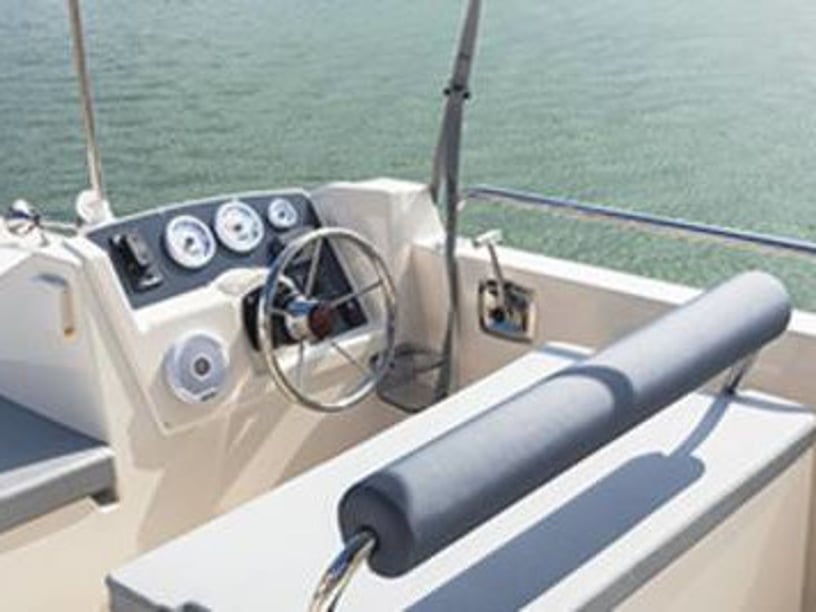
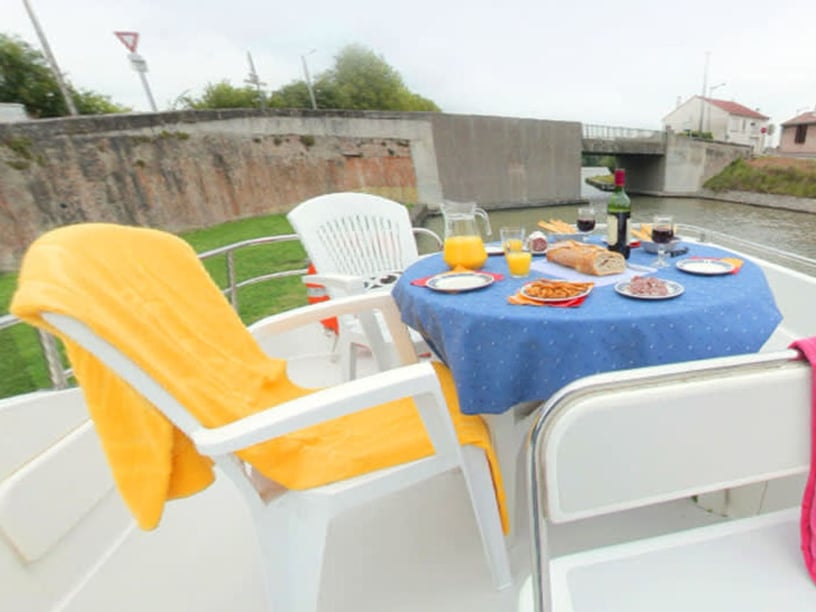
Cruising around Castelnaudary takes place on flat, sheltered canal water. The usual challenges are not waves or offshore navigation but precise low-speed maneuvering at locks, bridges, moorings and narrow sections. Lock procedures also shape the day: progress is intentionally measured, and crews need to allow time for handling lines and for possible queues during busy summer periods.
The main exposure occurs in the Grand Bassin. The Lauragais corridor is affected by the northwesterly Cers and southeasterly Autan, and either can make maneuvering less comfortable on this wider stretch of water. Conditions are generally easier once back on the narrower canal.
The overall boating difficulty is considered easy, making the area approachable for newcomers when the vessel and charter arrangement are suitable. Even so, a clear briefing and attention around locks remain important. This is scenic cruising at walking pace, with frequent interaction between boat, towpath and nearby settlements.
Best time for a Castelnaudary charter
Routine recreational navigation generally runs from April through October. May and September are particularly suitable months: temperatures tend to be milder than in midsummer, while the canal is usually less crowded than during the busiest weeks. They are useful choices for travelers who want comfortable time on deck and a steadier rhythm through the locks.
July and August bring warm to hot, relatively dry conditions and the highest level of boating activity. This can mean more company at moorings and additional waiting time at locks. April and October sit at the edges of the main season and can work for quieter travel, although rain and wind are more variable.
From November through March, normal navigation is generally closed or restricted for winter maintenance. Annual closures, water-management measures and temporary navigation notices can alter passage plans, so current VNF information should be checked before committing to dates.
Canal routes from Castelnaudary
For a short introduction, boats can leave the Port de Castelnaudary, cross the Grand Bassin and approach the Saint-Roch lock flight. Small electric craft also use the roughly five-kilometer canal pound between Saint-Roch and La Planque, offering a local outing without committing to a longer itinerary.
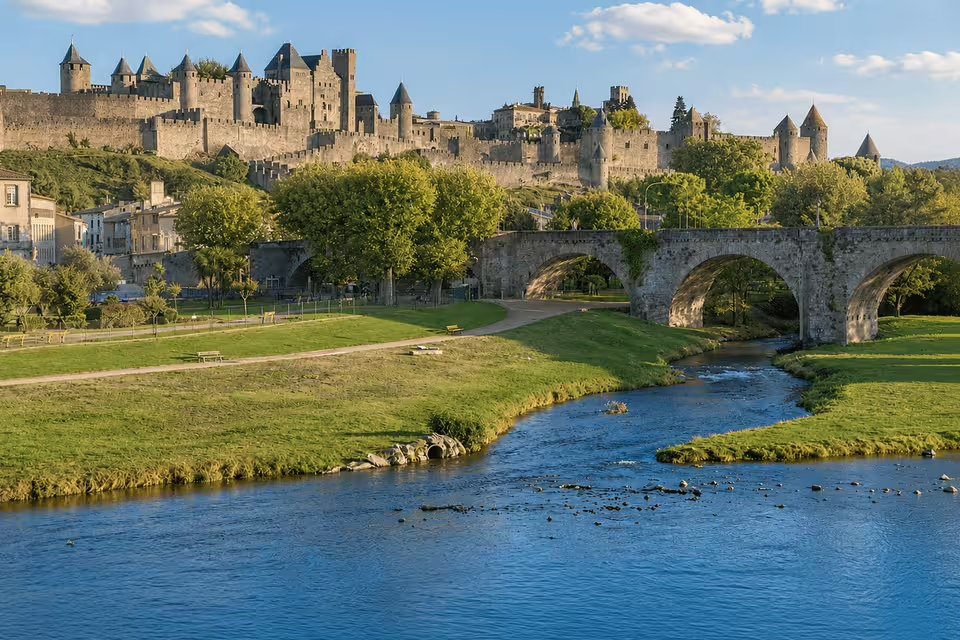
A westbound cruise leads toward Port Ségala and Seuil de Naurouze, with Toulouse possible on a more extended journey. Eastbound itineraries follow the Lauragais landscape through Bram toward Carcassonne. Route planning should be based on lock operating arrangements and realistic daily progress rather than road distances: frequent locks, mooring stops and time ashore naturally limit how far a crew travels each day.
Canal heritage, town walks and cassoulet
A Castelnaudary charter combines boating with a strong sense of canal history. The section from Toulouse reached the town in 1674, and the completed Canal du Midi was formally inaugurated here in 1681. Passing through the Grand Bassin and Saint-Roch locks therefore places travelers inside the infrastructure that shaped the town’s commercial development.
Time ashore can include the Collégiale Saint-Michel, the Moulin de Cugarel and the Chapelle Notre-Dame-de-la-Pitié. Walking or cycling beside the towpath offers another way to experience the Lauragais landscape between cruising stages.
Food is equally central to the destination. Castelnaudary is closely associated with cassoulet, traditionally prepared in an earthenware cassole. A meal in town fits naturally into the slower canal schedule, particularly when the boat is moored overnight in or near the basin.
Reaching the port and starting your trip
Castelnaudary can serve as both a departure point and an overnight stop on a wider Canal du Midi itinerary. The principal boating facilities are the Port de plaisance de Castelnaudary in the Petit Bassin and the adjoining Grand Bassin. Their position below the historic town makes it practical to combine embarkation or mooring with sightseeing and dining ashore.
By land, Castelnaudary has a railway station on the Toulouse–Carcassonne–Narbonne corridor, with regional connections from Toulouse and Carcassonne. Drivers can reach the town via the A61 motorway or D6113. Carcassonne Airport and Toulouse-Blagnac Airport are the relevant air gateways, though onward ground transport is required from both.
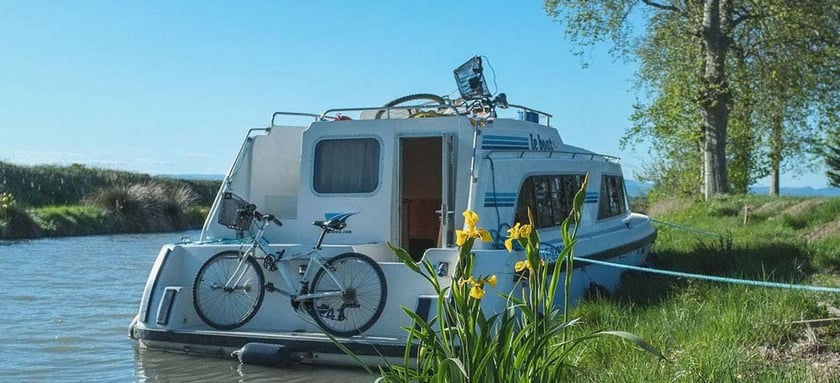
Travelers arriving by bicycle can also follow the canal towpath. The exact starting berth and check-in arrangements should always be confirmed with the boat operator before travel.
Practical planning for an inland charter
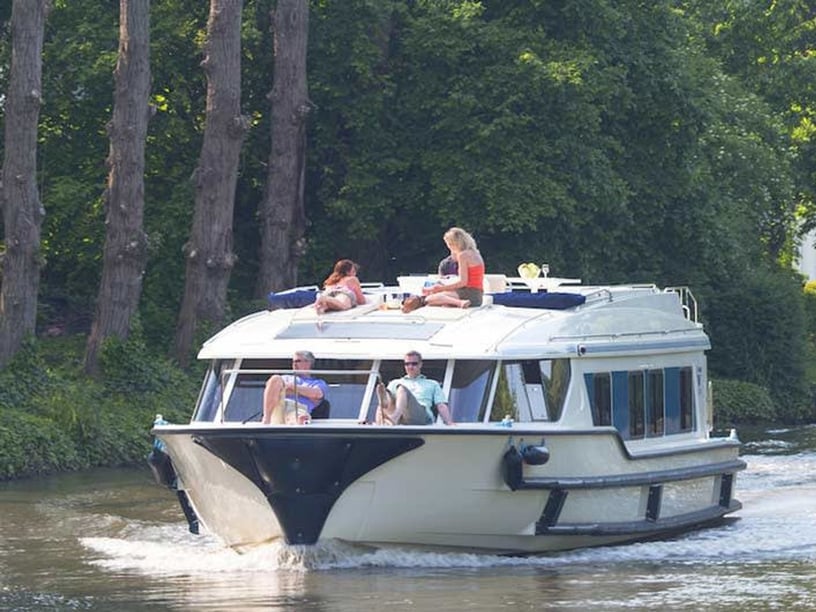
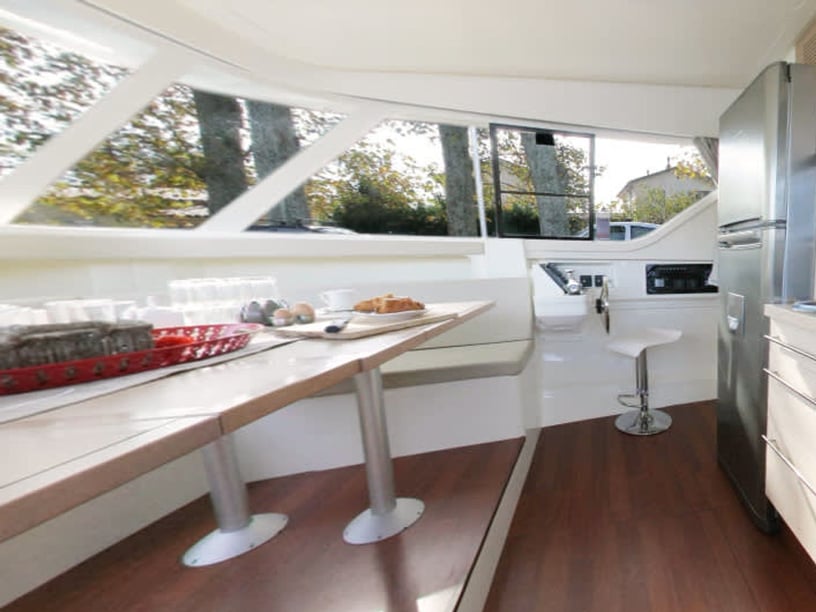
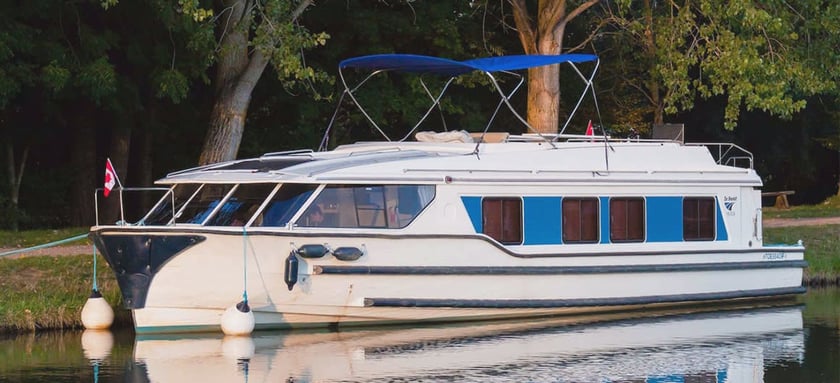
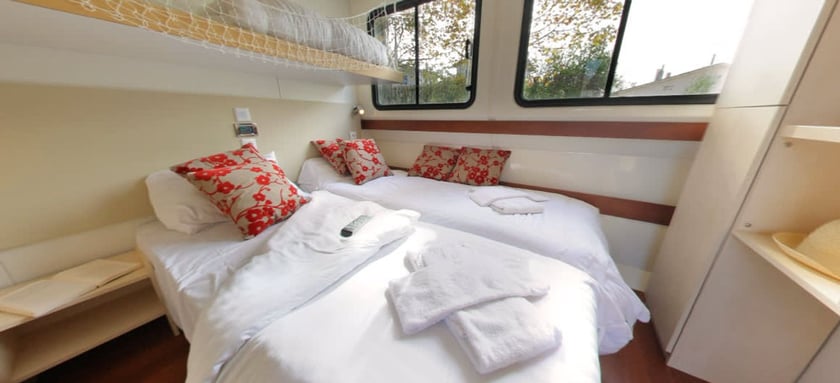
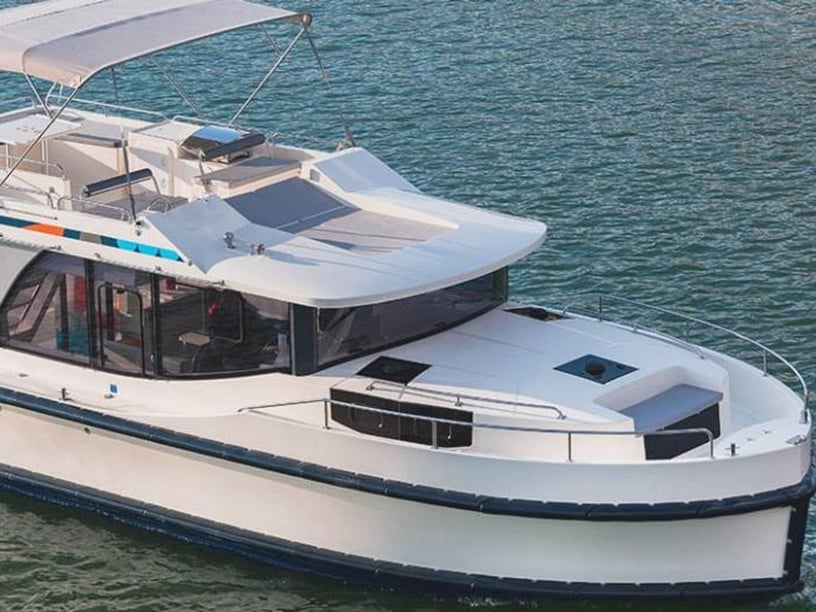
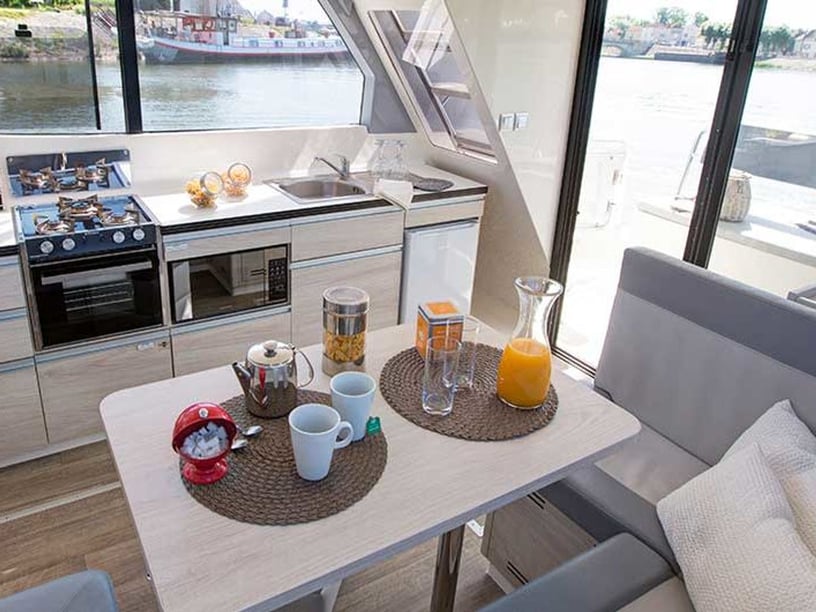
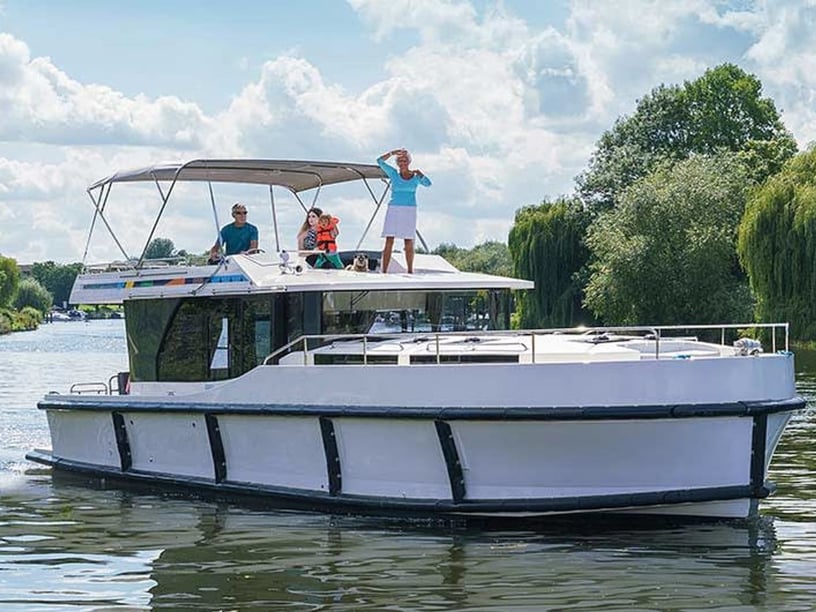
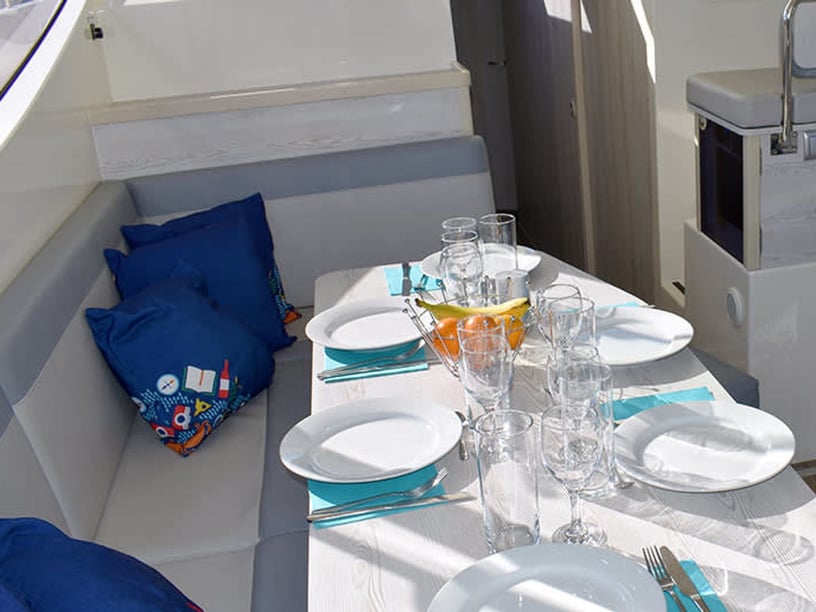
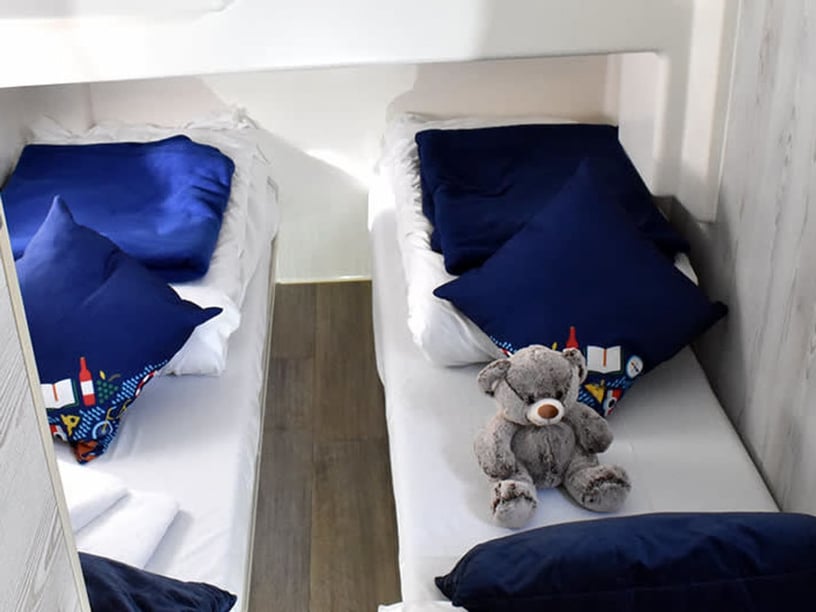
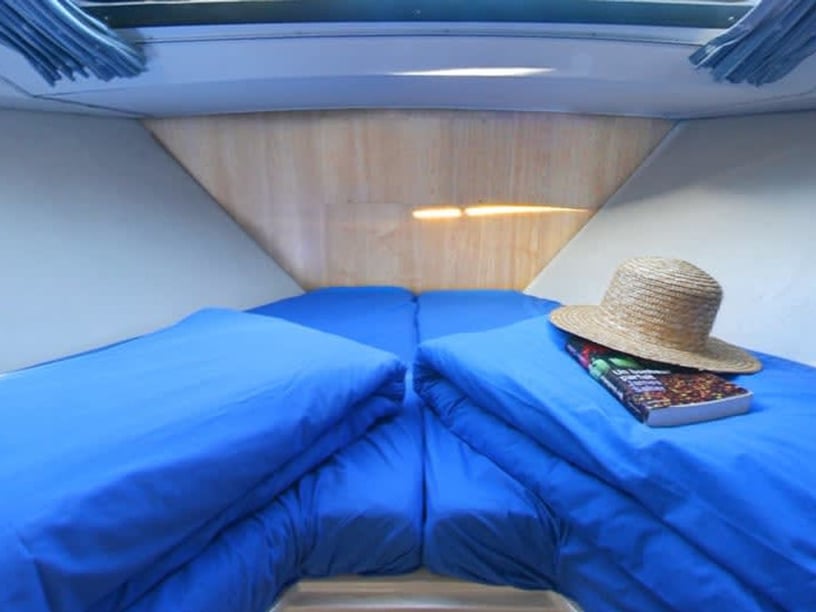
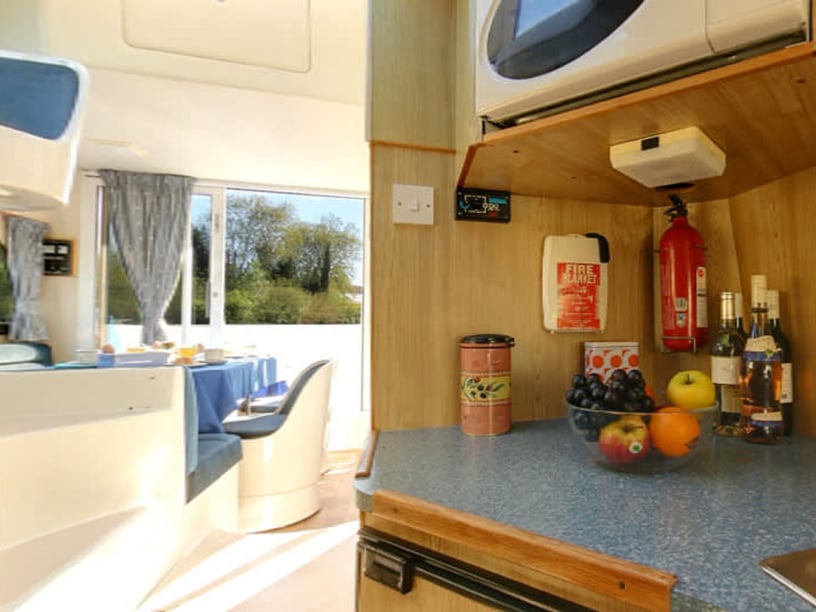
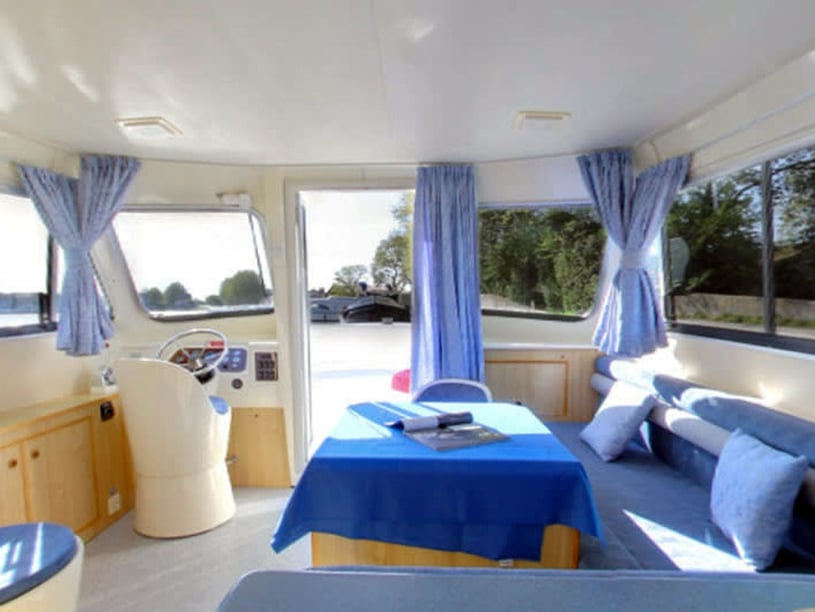
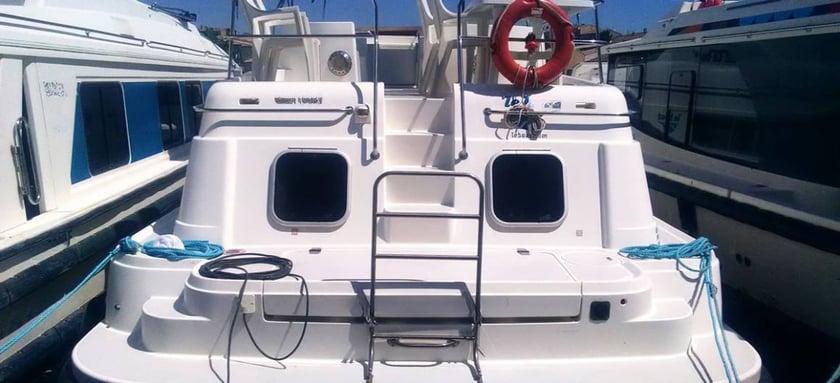
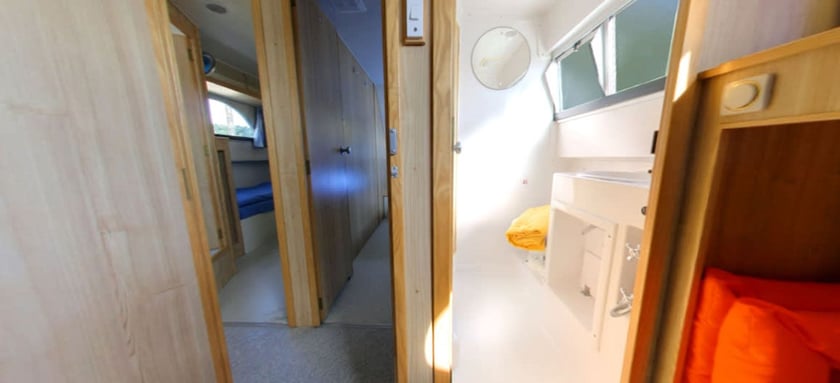
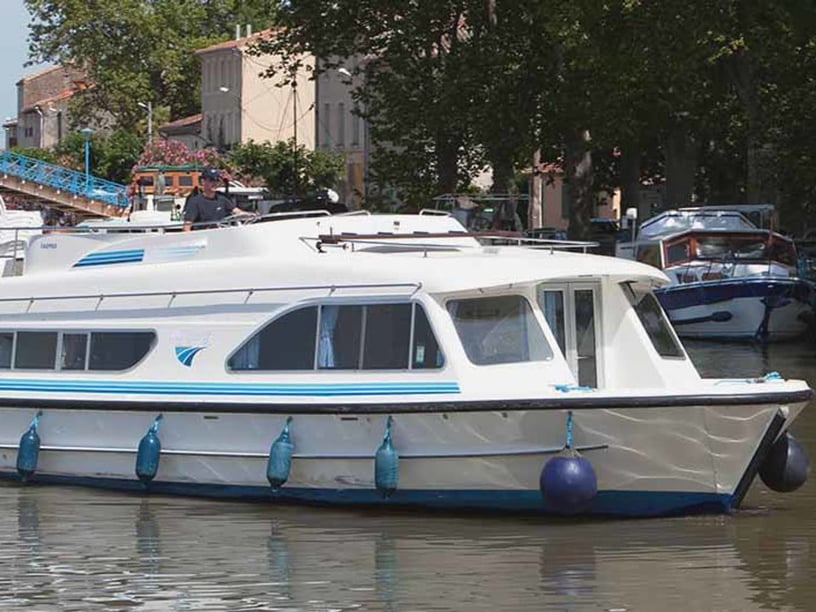
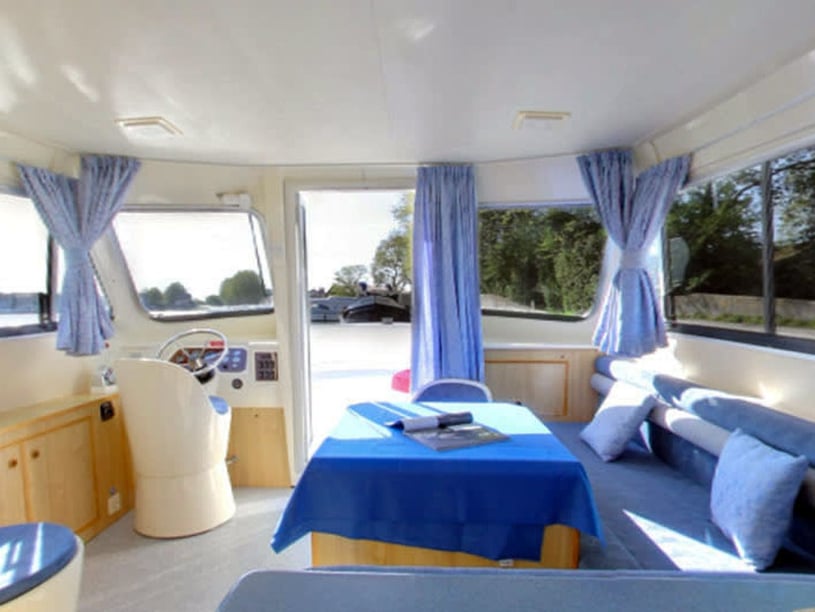
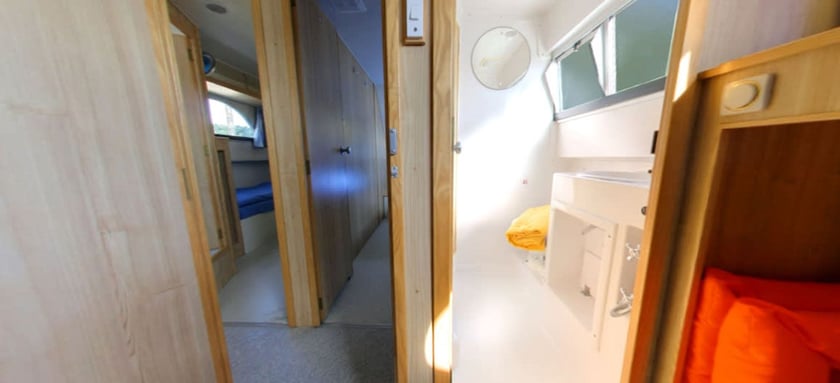
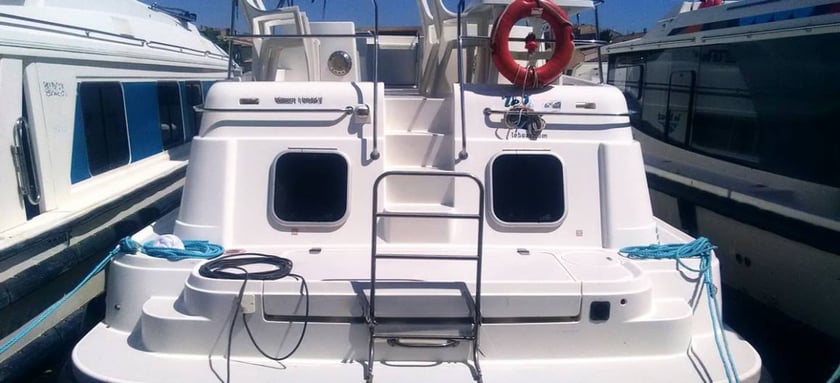
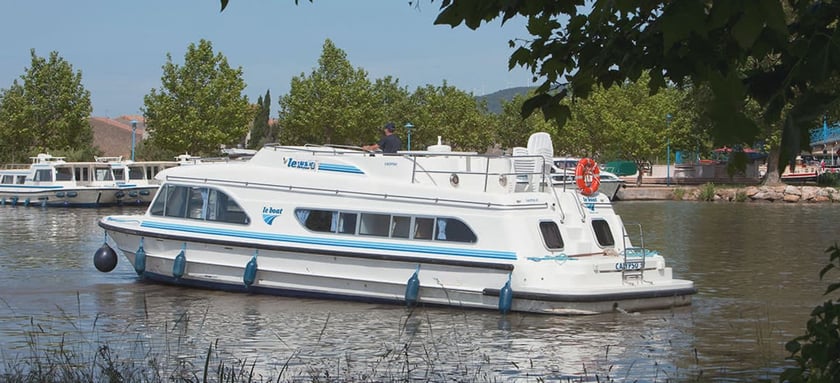
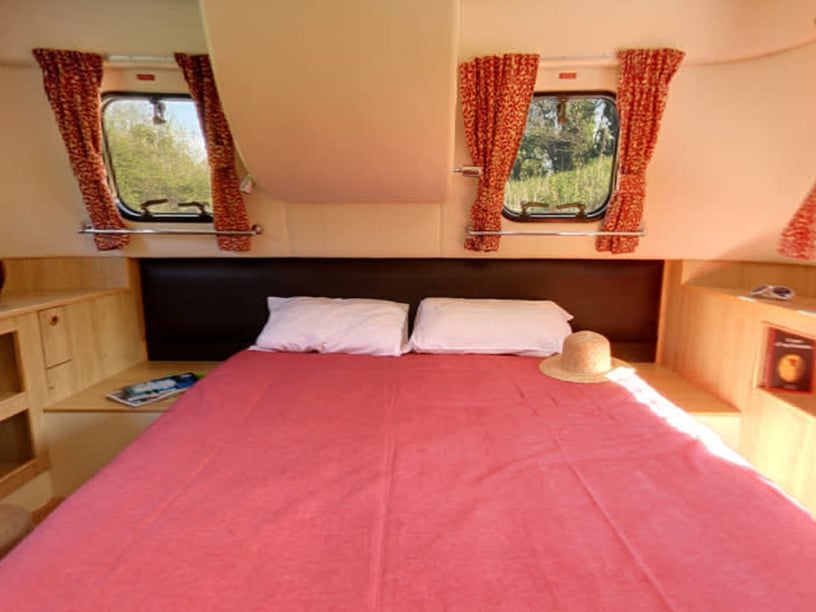
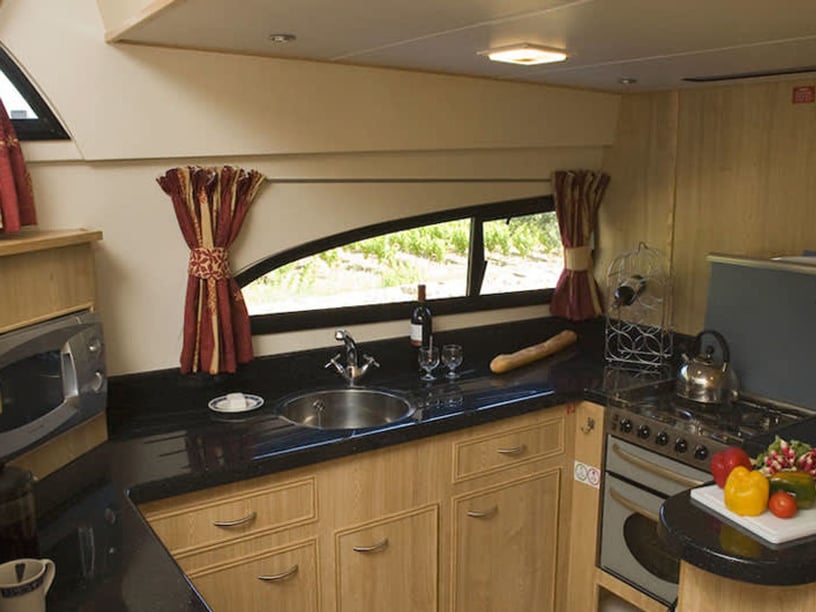
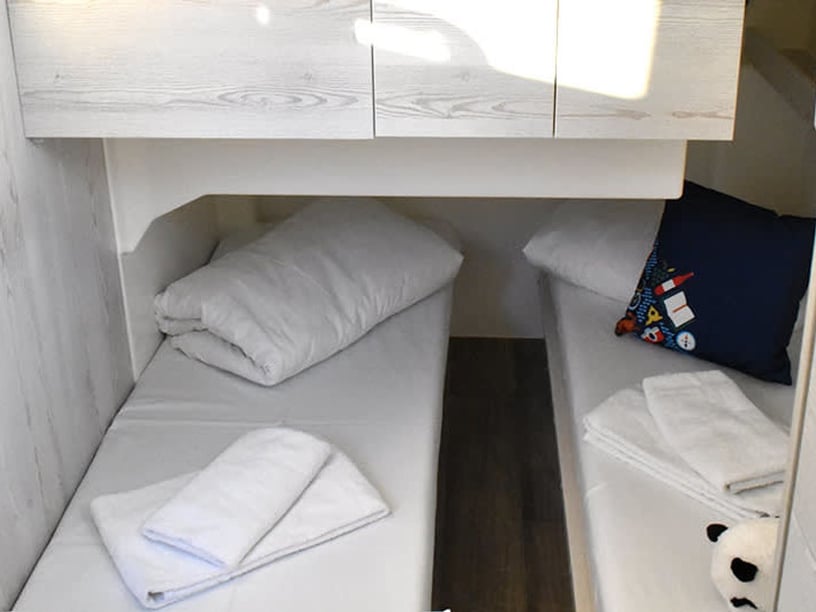
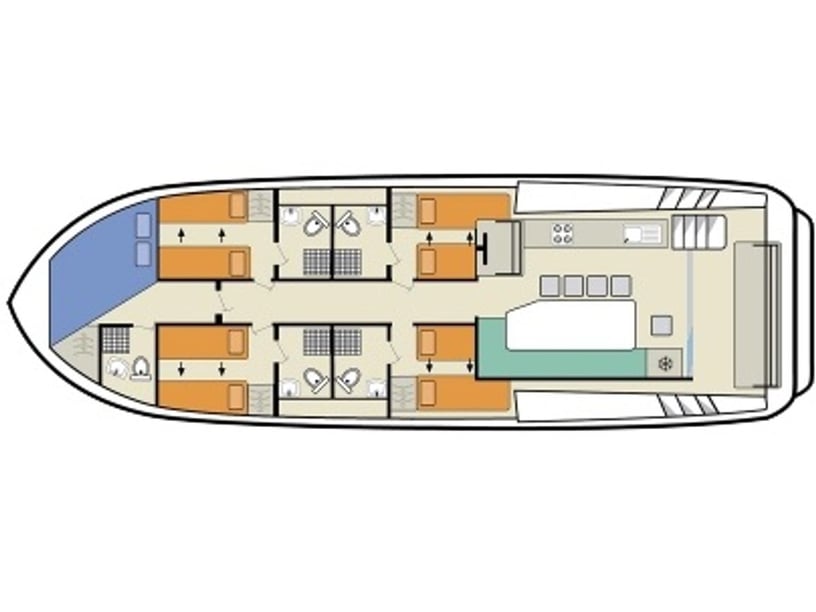
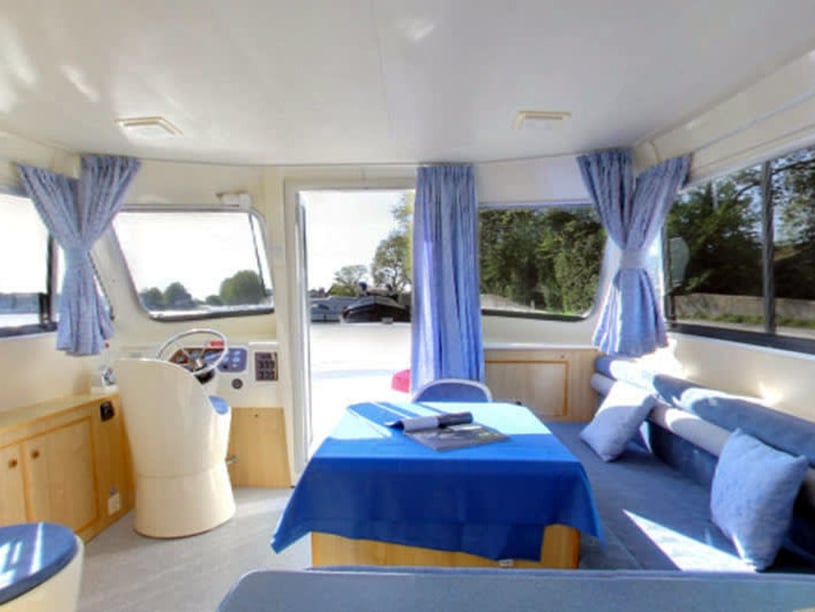
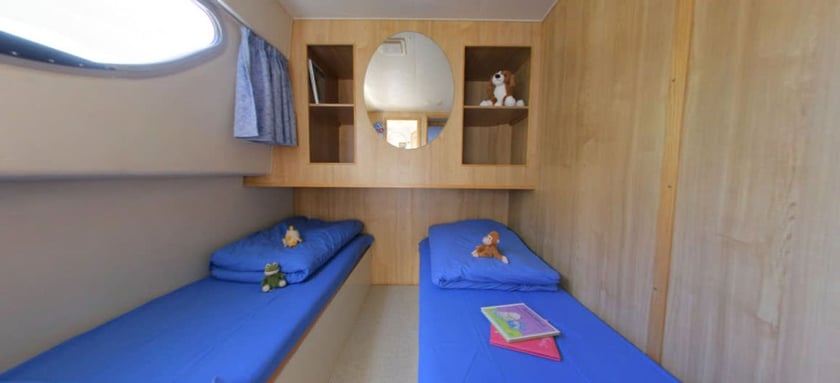
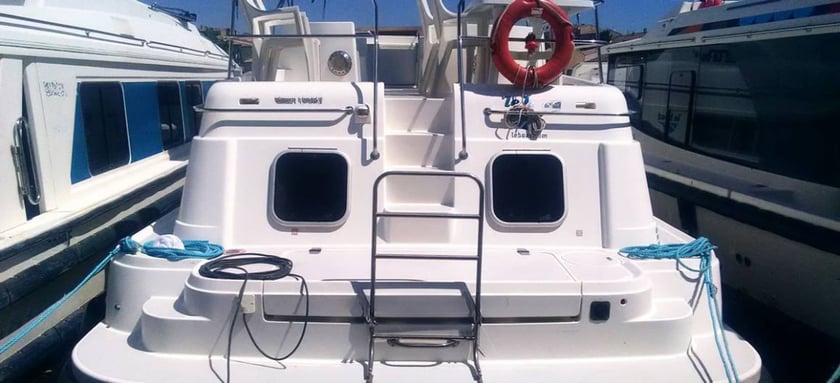
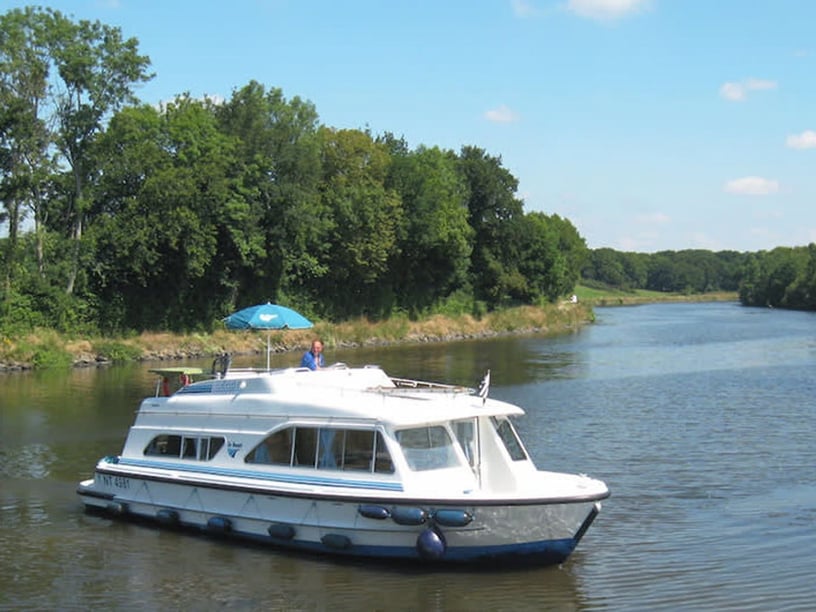
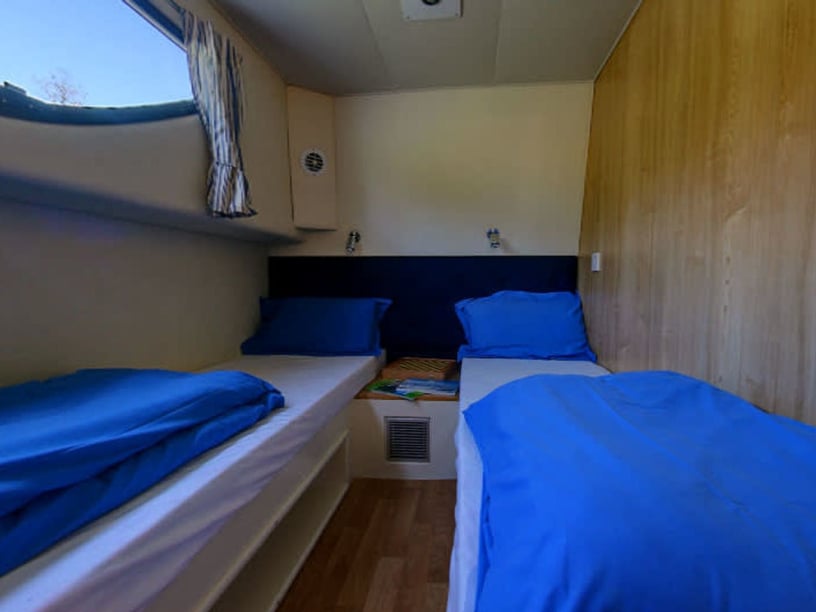
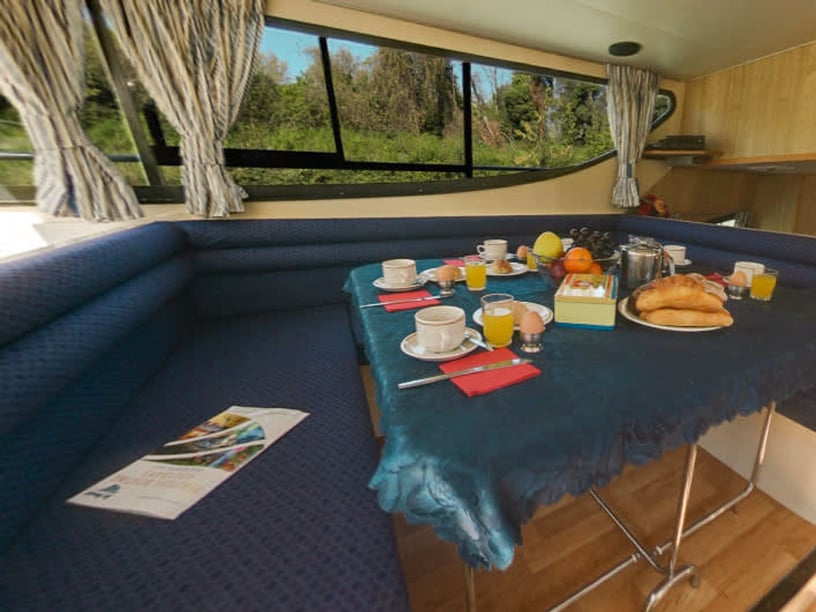
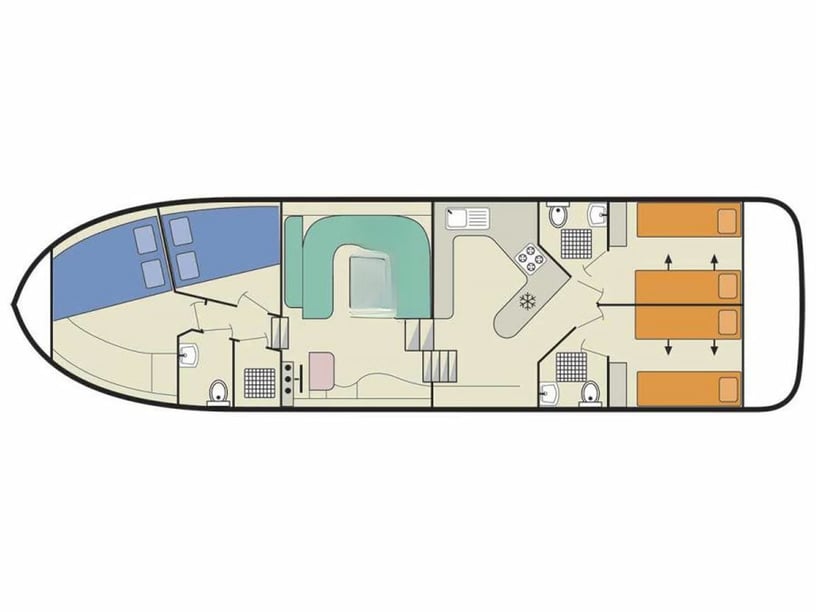
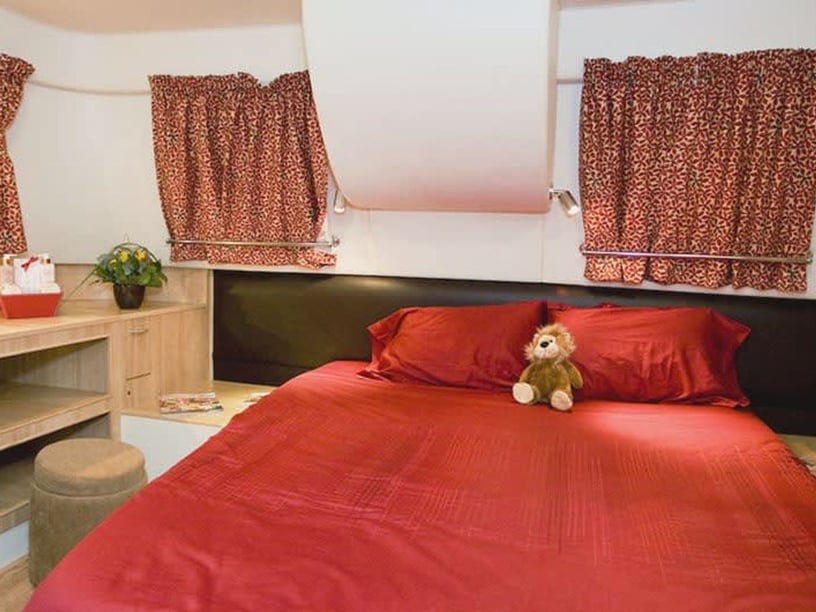
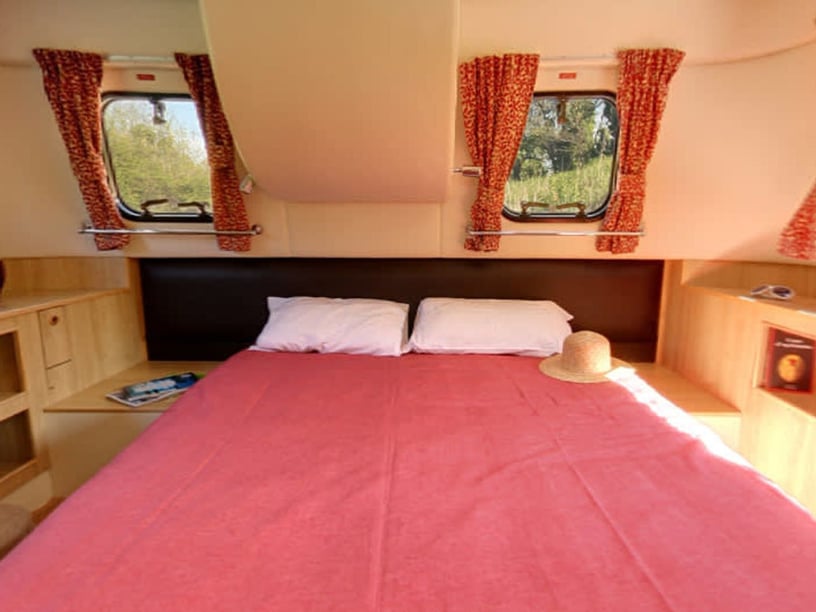
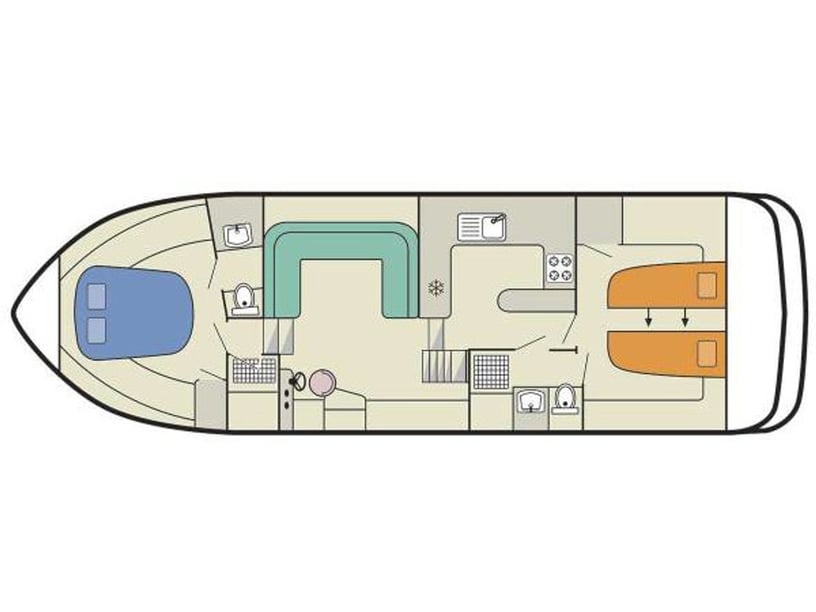
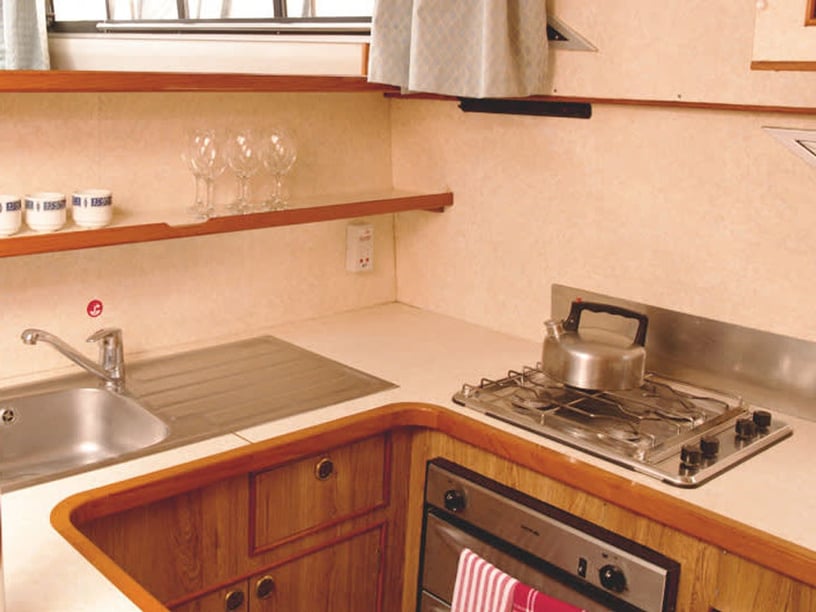
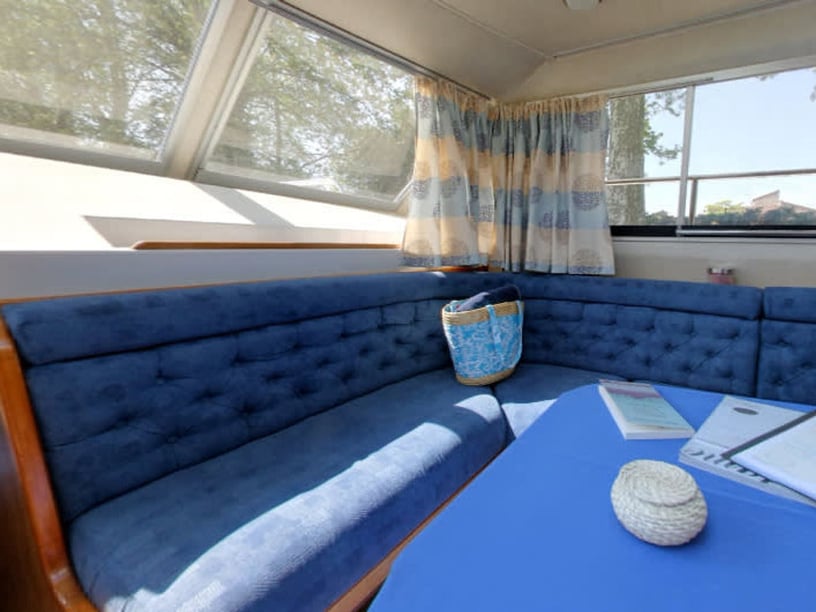
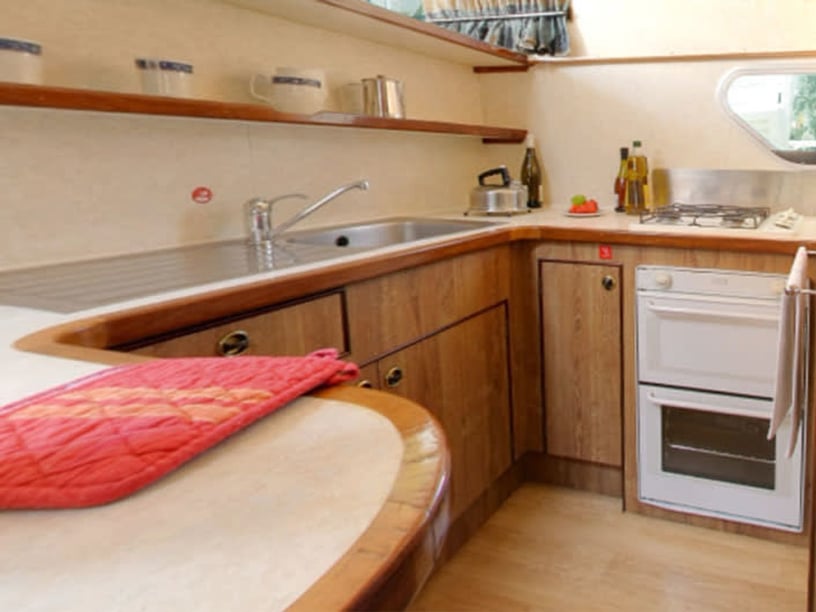
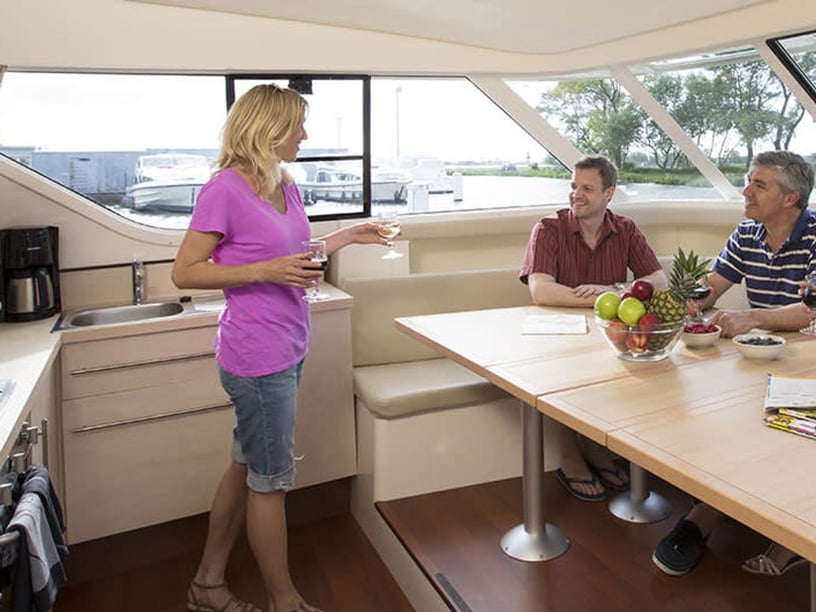
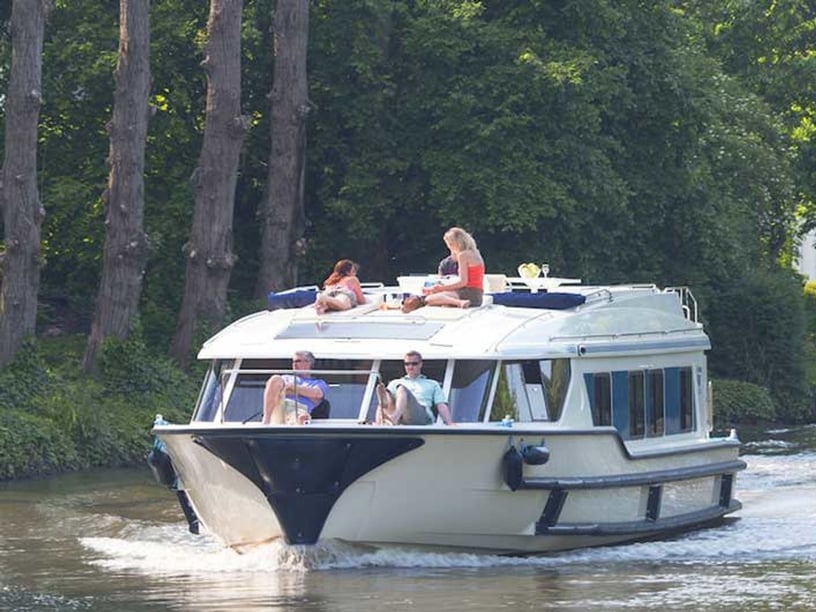
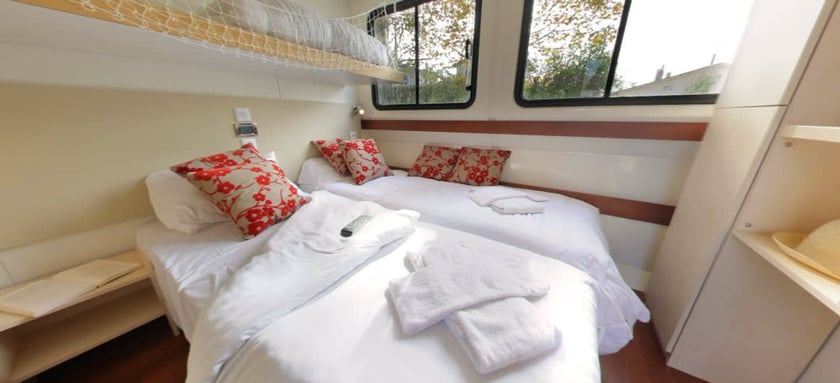
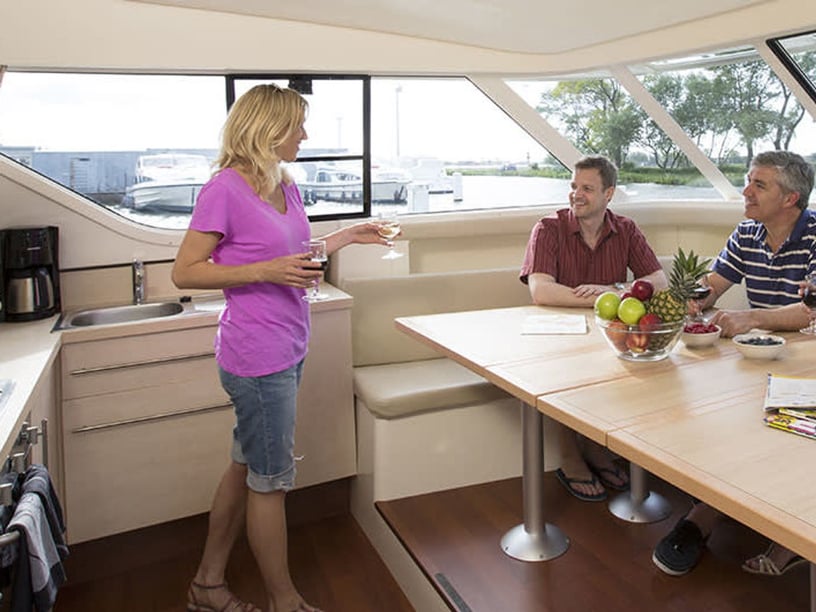
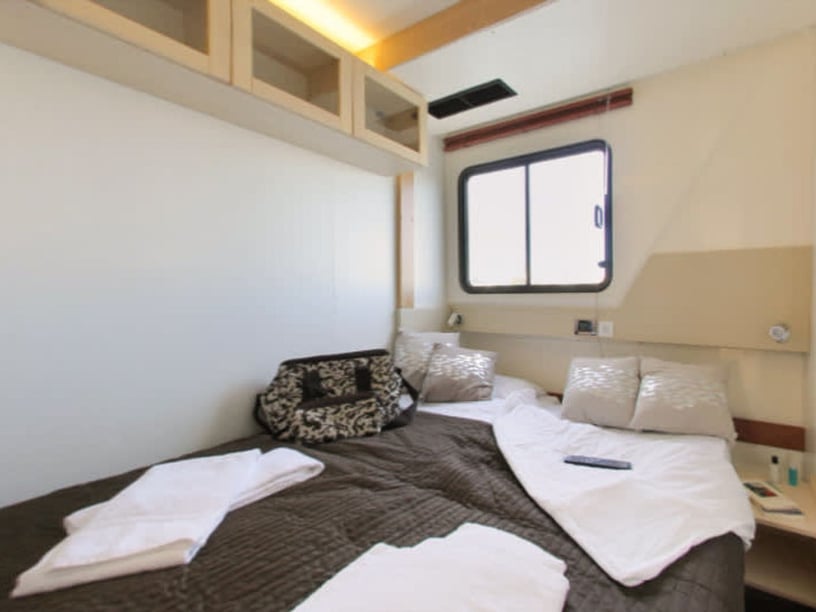
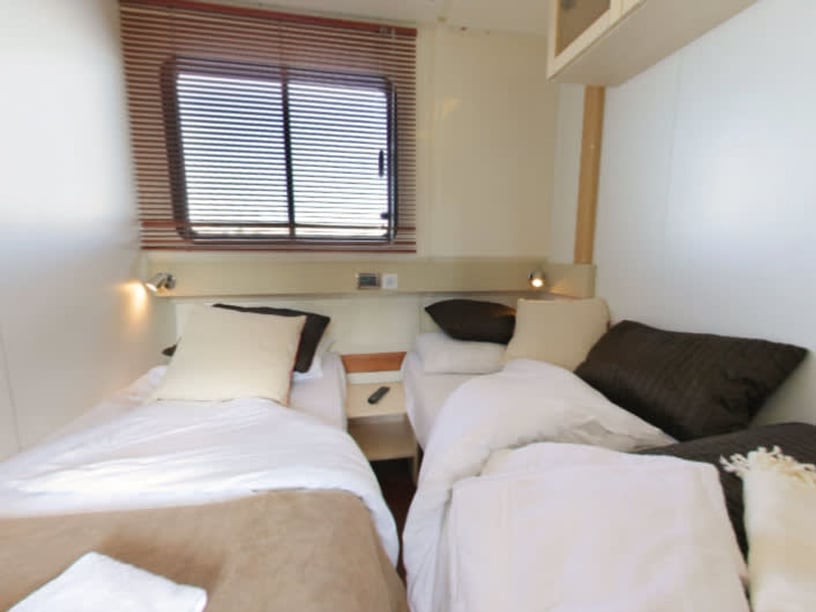
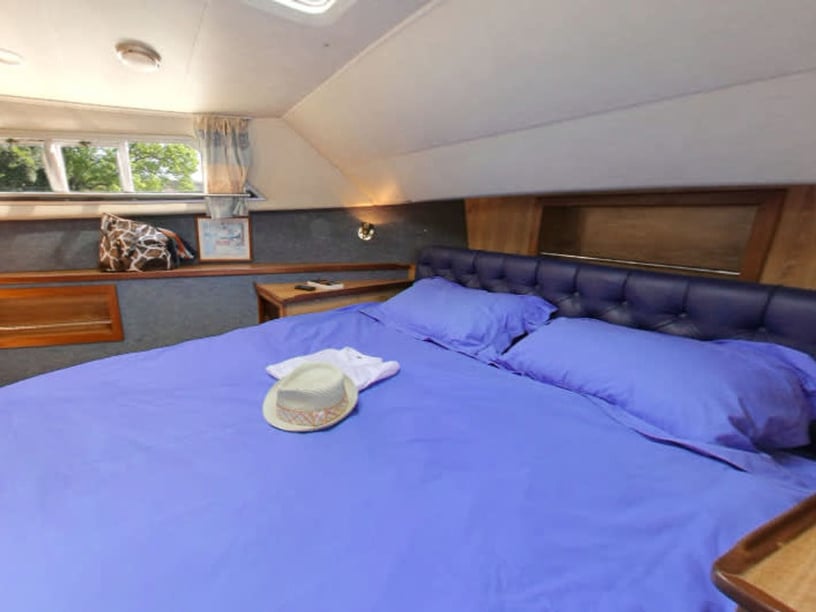
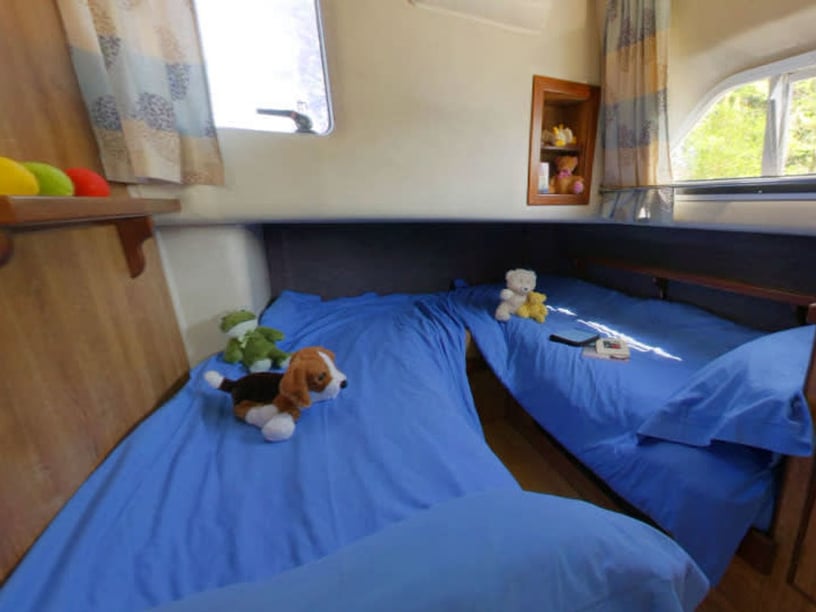
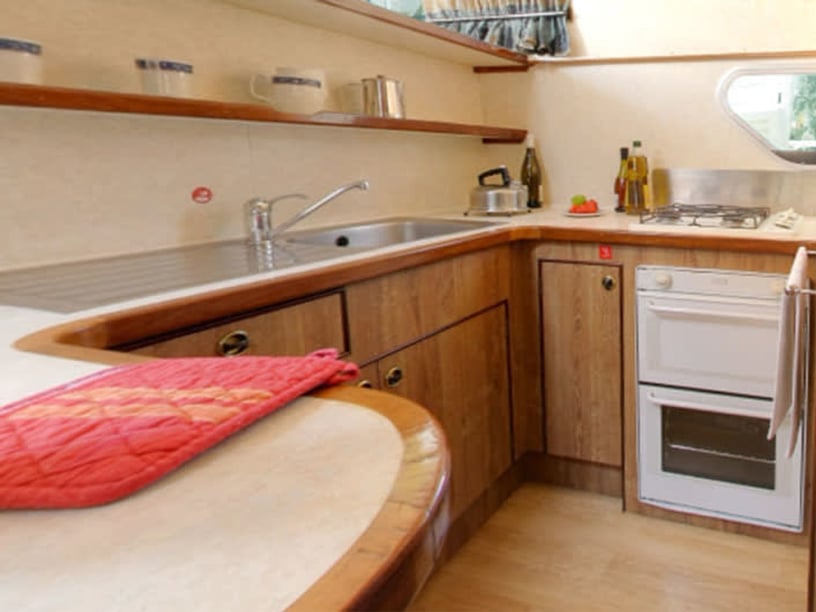
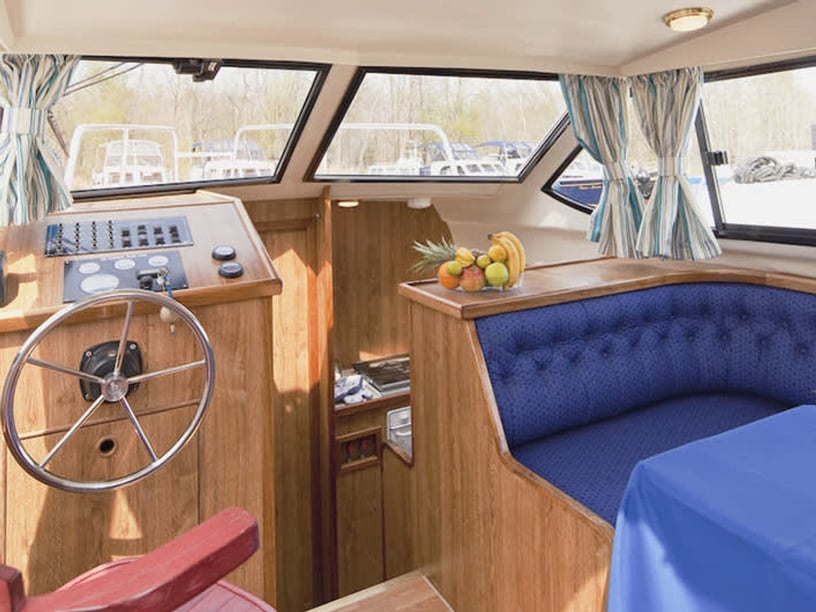
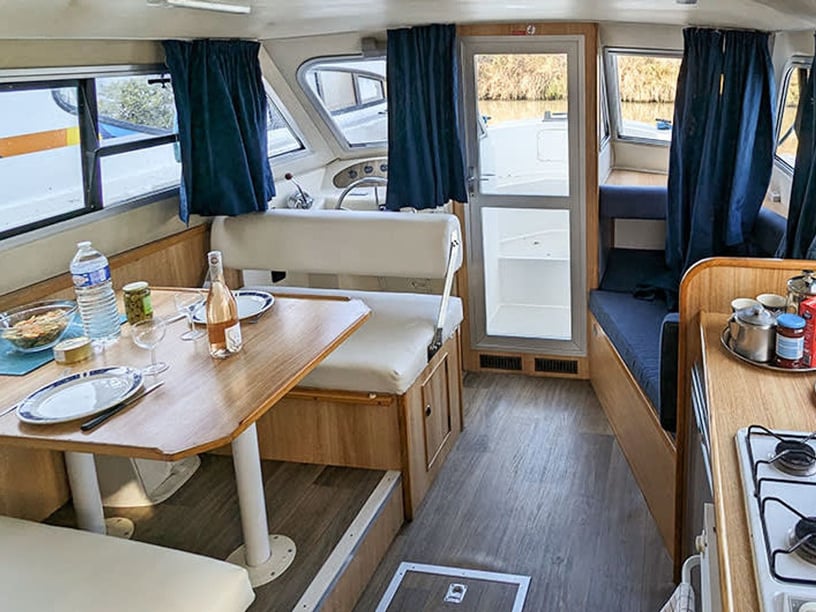
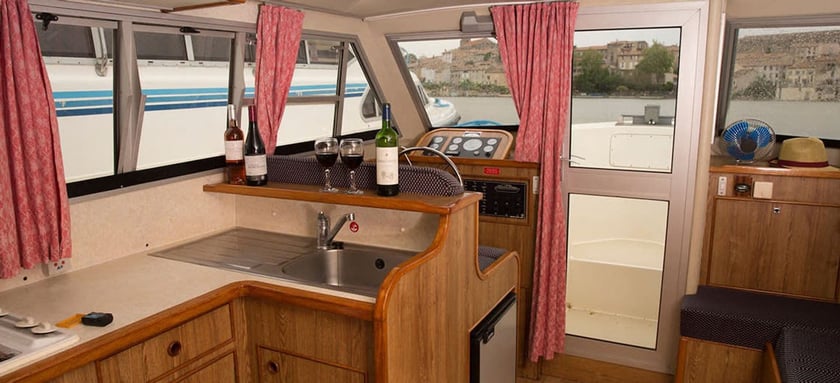
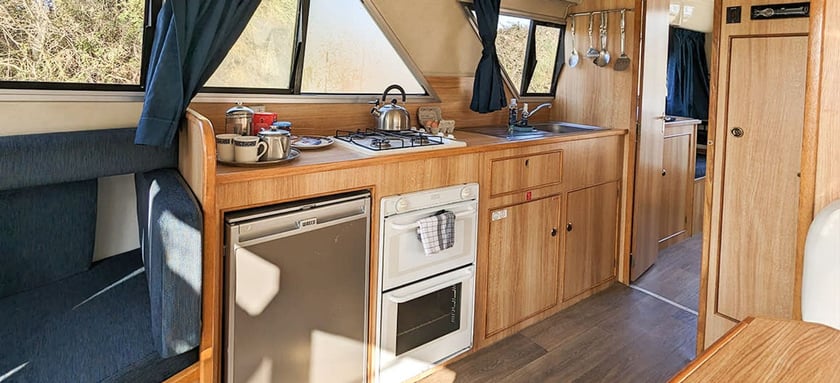
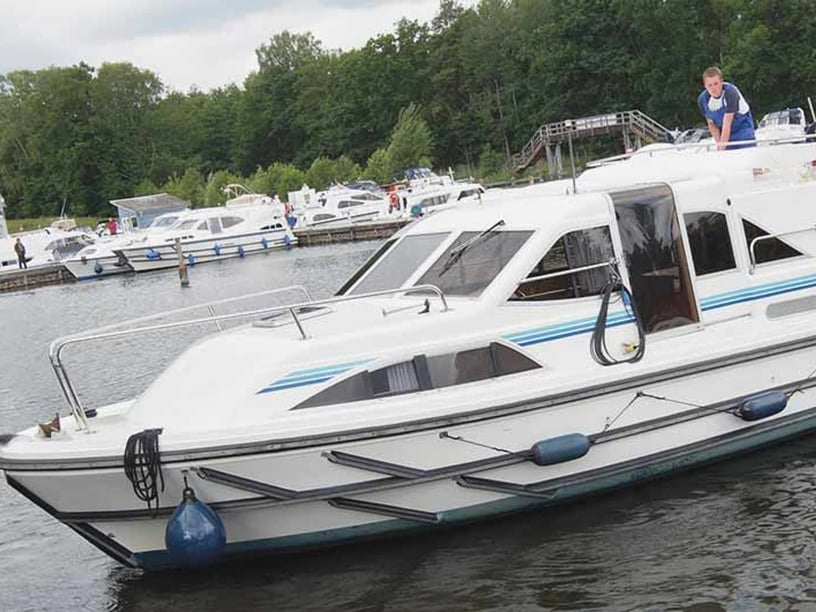
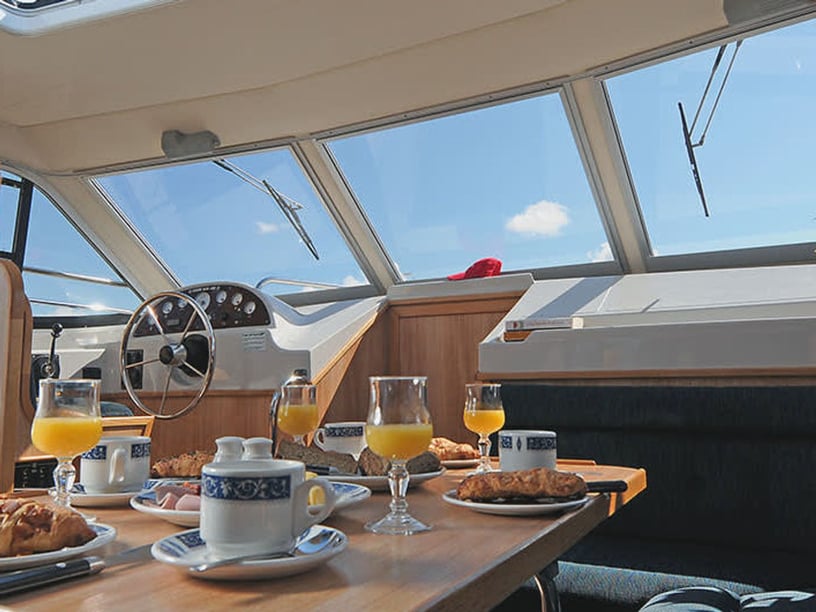
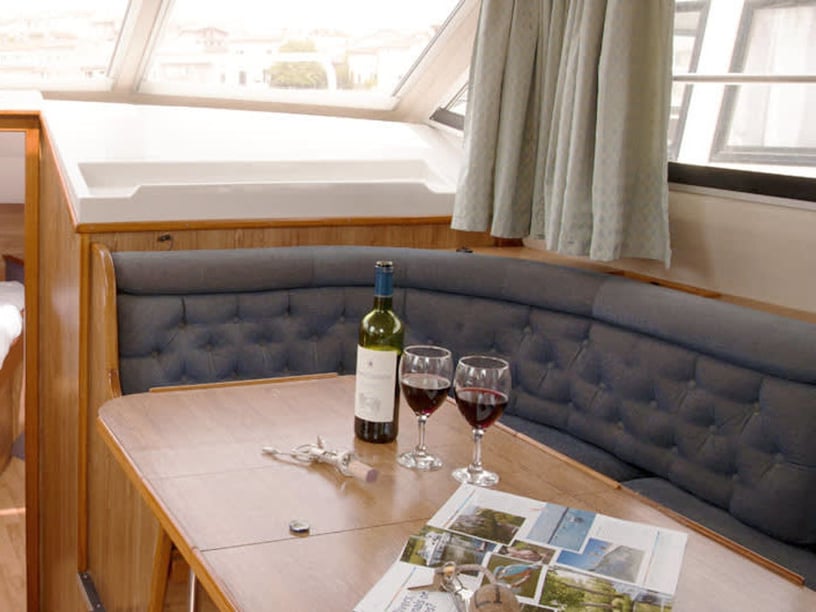
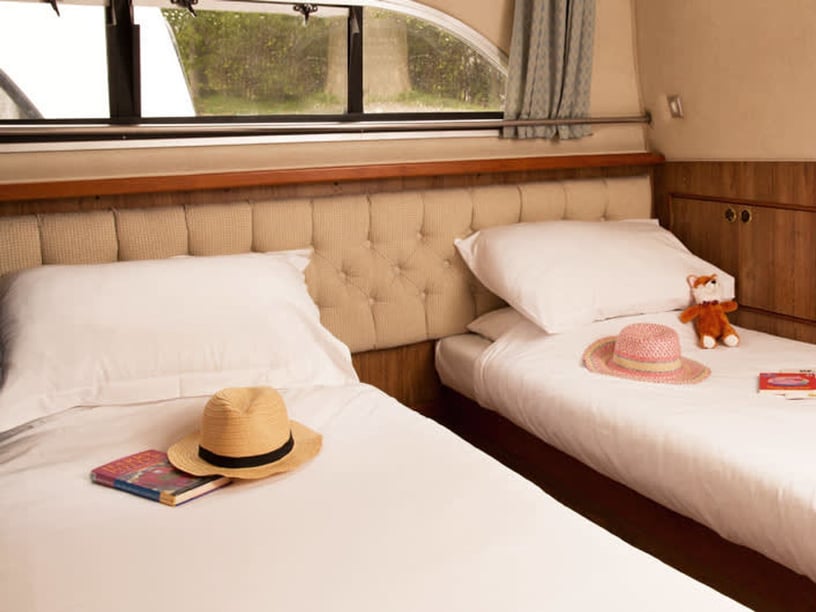
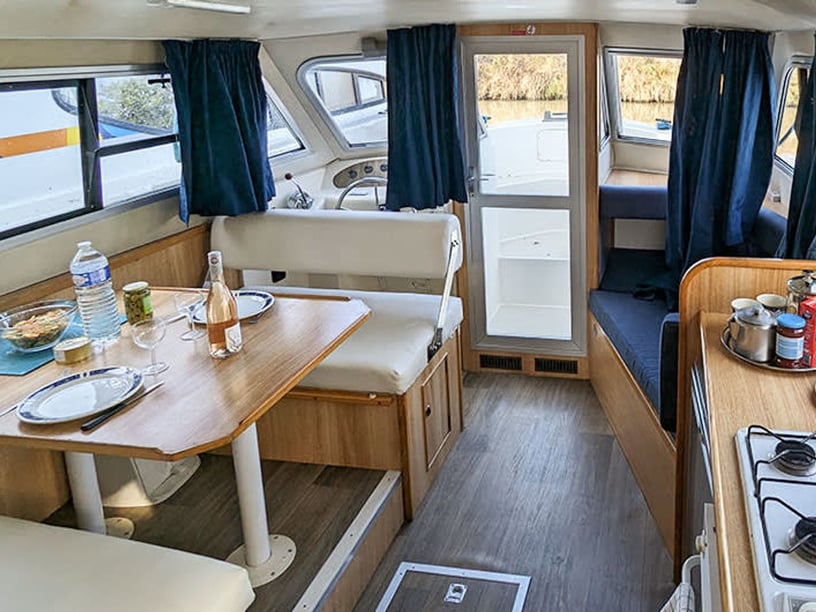
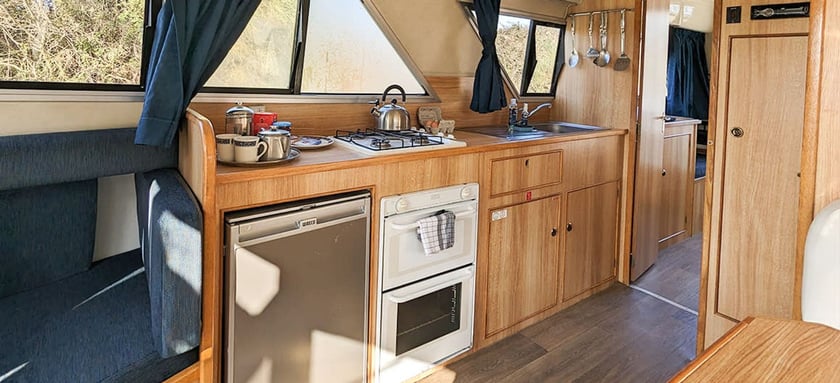
Boat rental in Castelnaudary should be planned as canal cruising, not as conventional yacht sailing. Motorized cabin cruisers are suited to multi-day itineraries, while small electric boats are more appropriate for short local trips. Hire boats operated through an authorized rental company can generally be used without the renter holding an inland boating licence, but this does not apply automatically to private vessels. The operator should confirm the applicable requirements and provide instruction for the specific boat.
Build flexibility into each day for lock handling, queues and mooring. Use designated ports, docks or suitable banks, and never secure a boat to canal-side trees. Swimming in the Canal du Midi is prohibited, so the trip’s rhythm centers on cruising, walking, cycling and visits ashore rather than swimming stops.
Wind forecasts deserve attention, particularly when entering or leaving the exposed Grand Bassin. Before departure, check current VNF notices for lock closures, maintenance work, water availability and temporary restrictions. These operational details can affect the viable route more than distance alone.