20 sailboats
Beneteau
Popular models: First 31.7, Oceanis 40.1, and Oceanis 38.1
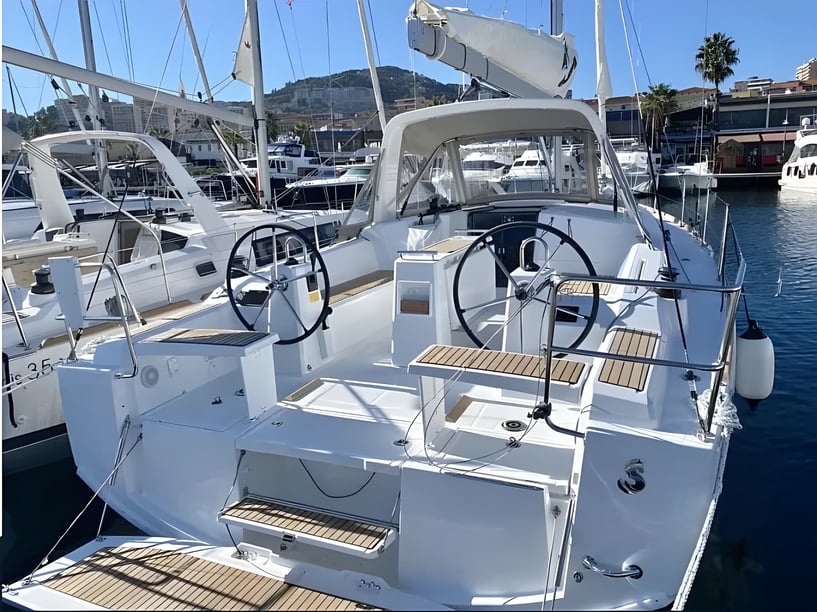
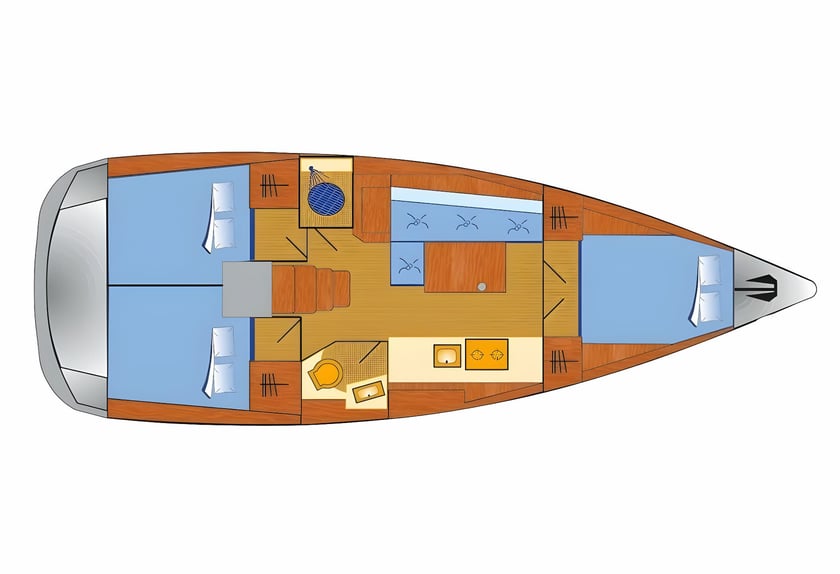
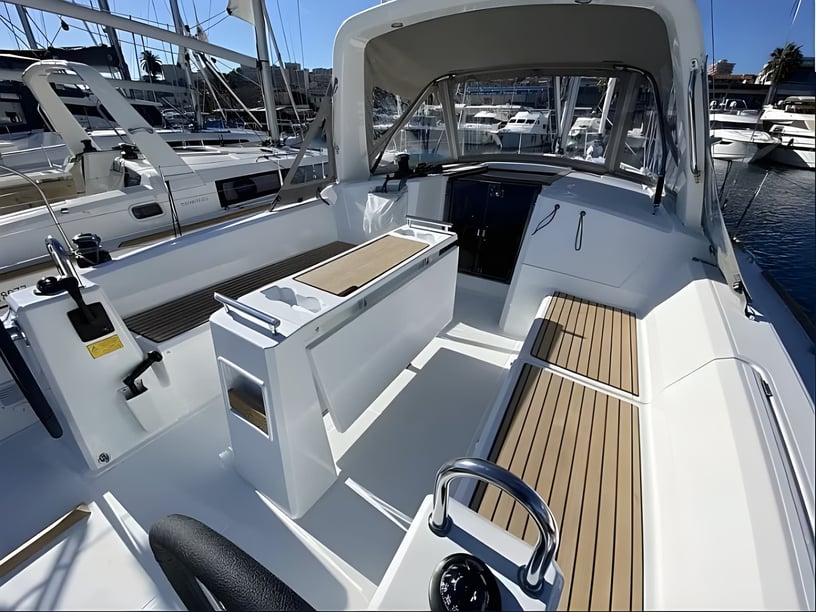
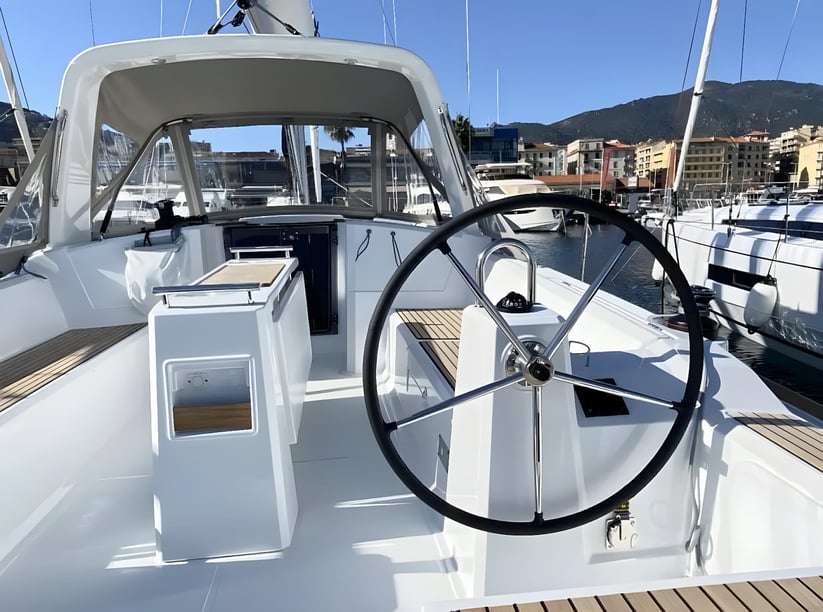
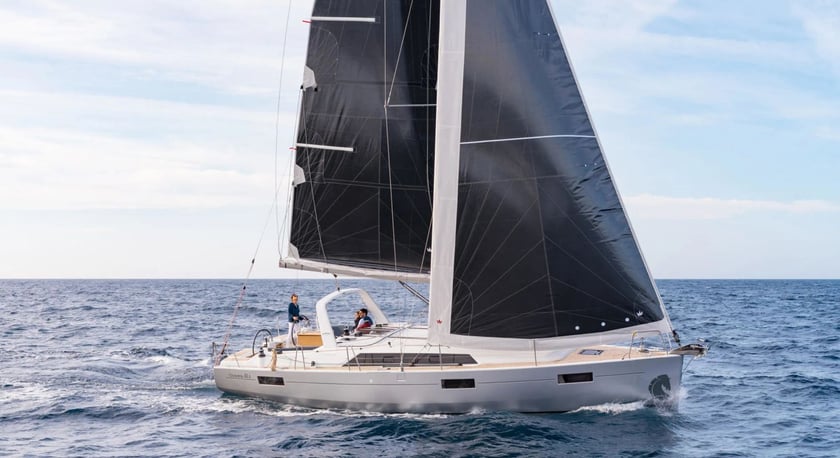
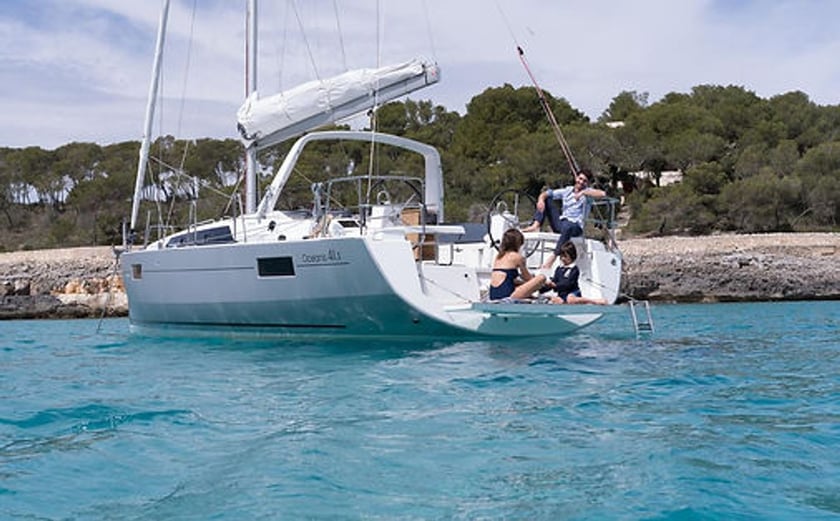
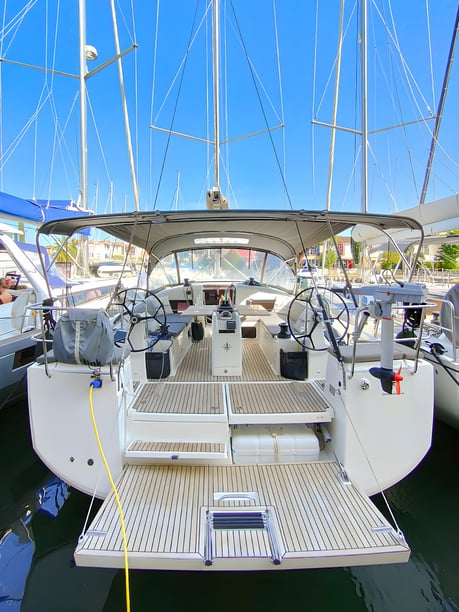
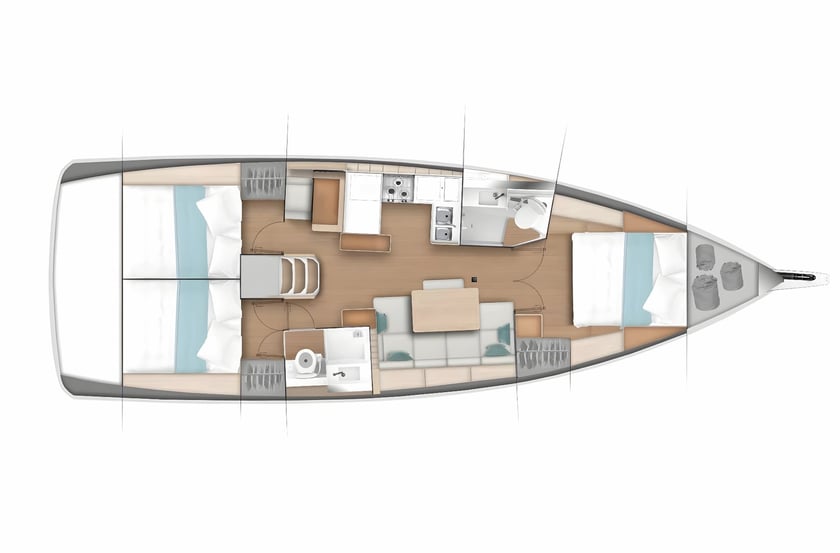
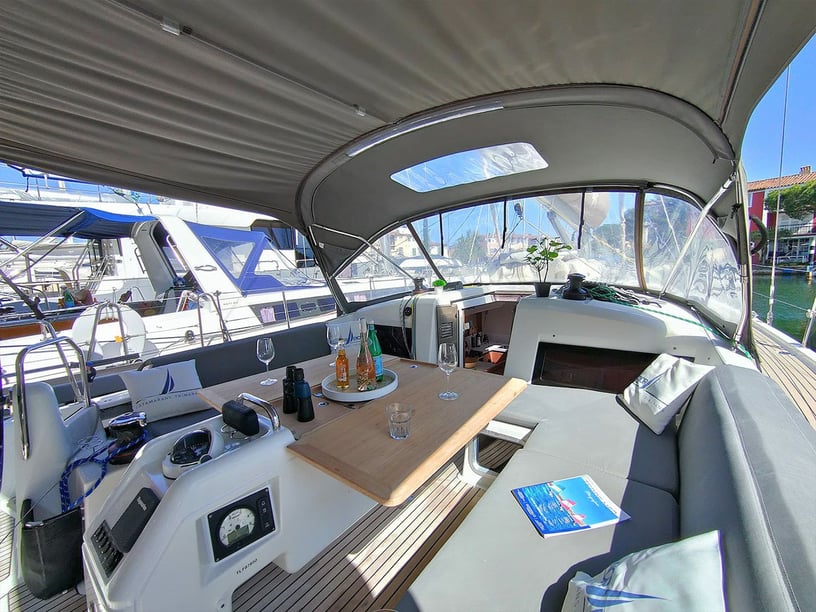
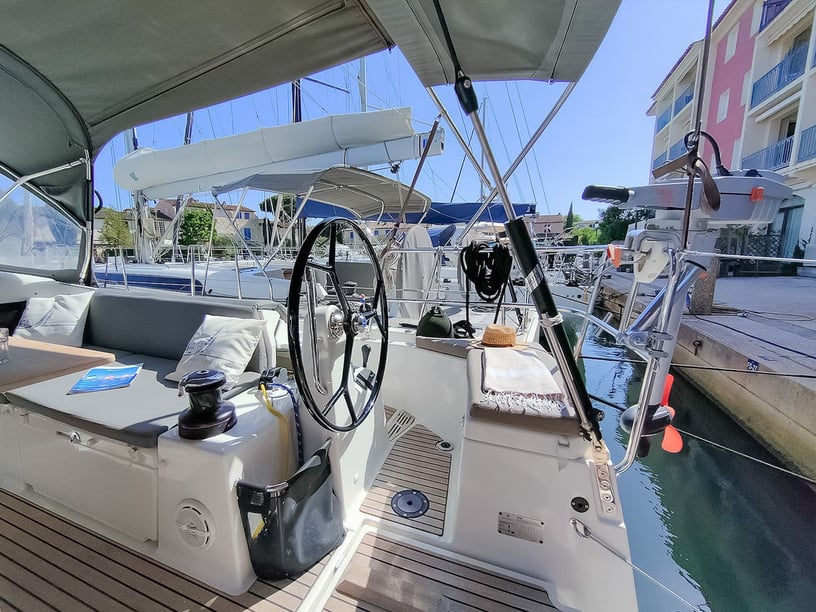
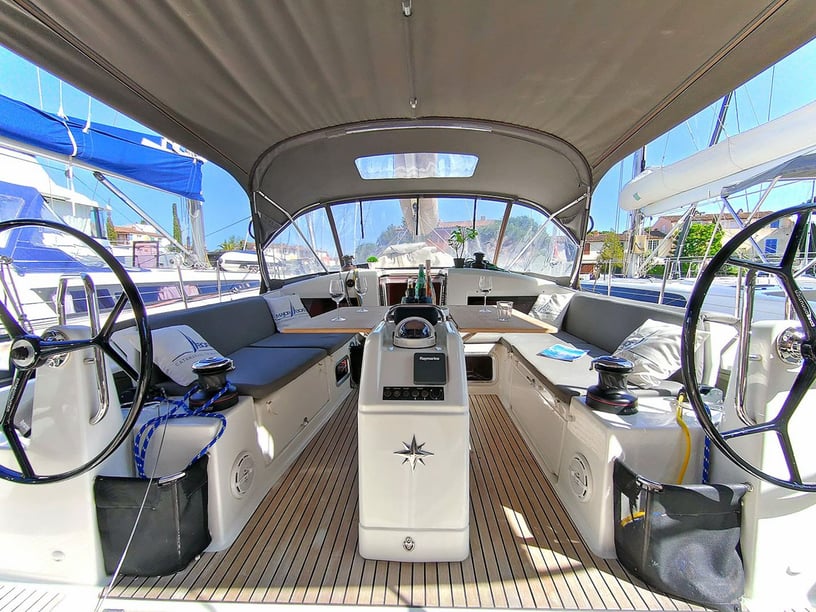
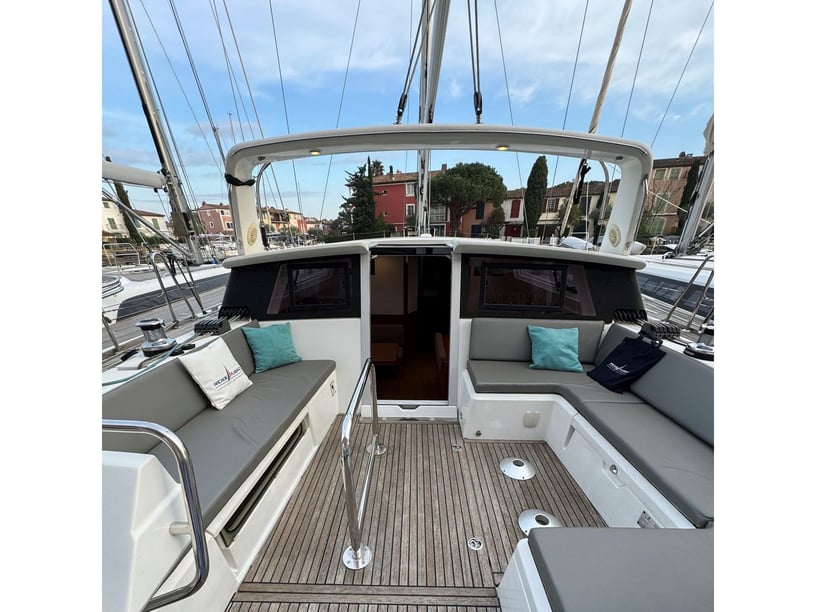
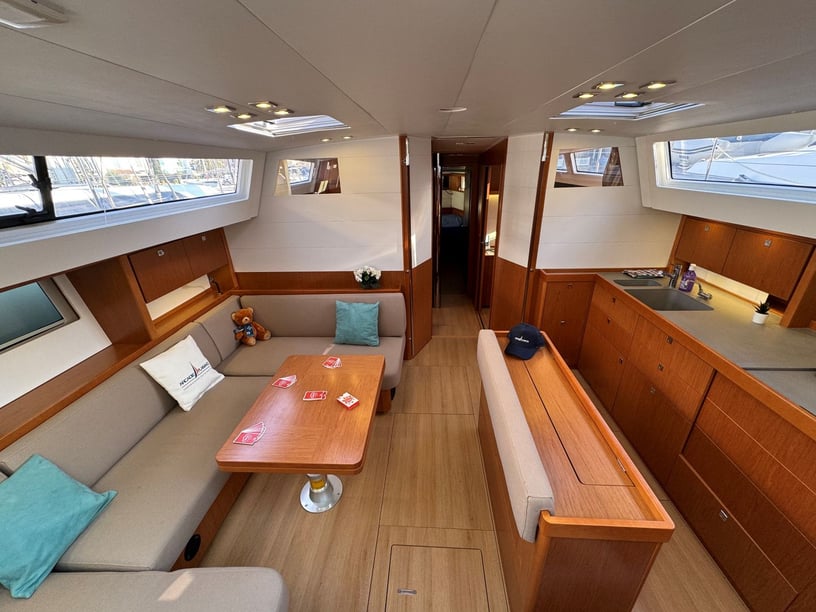
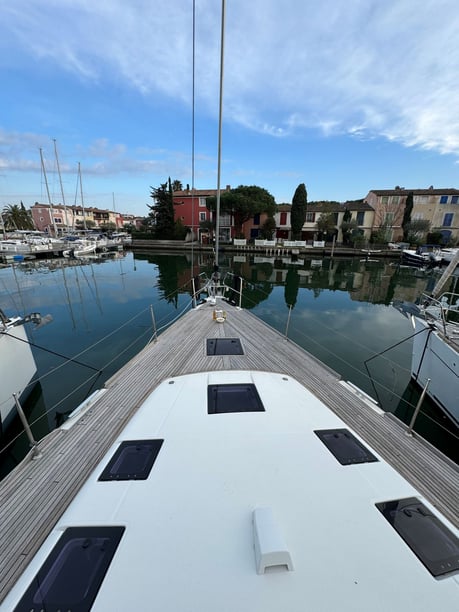
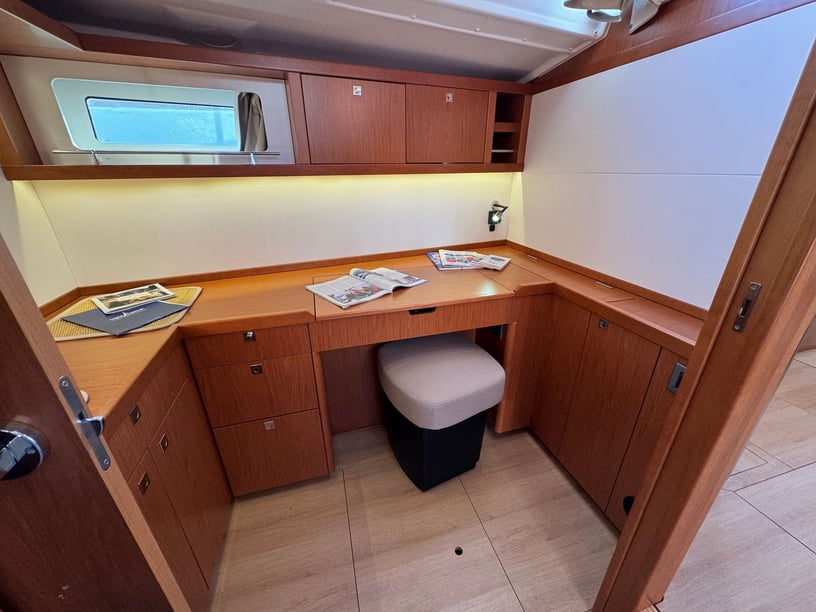
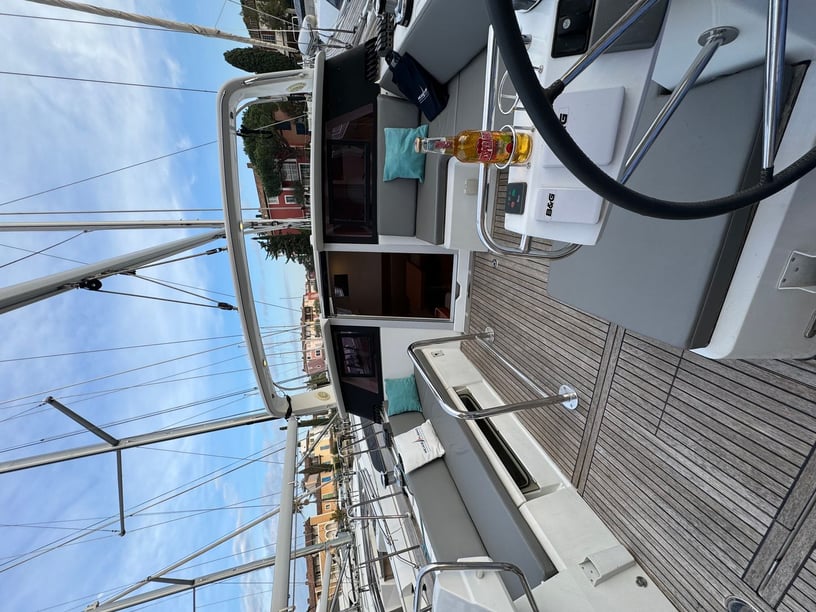
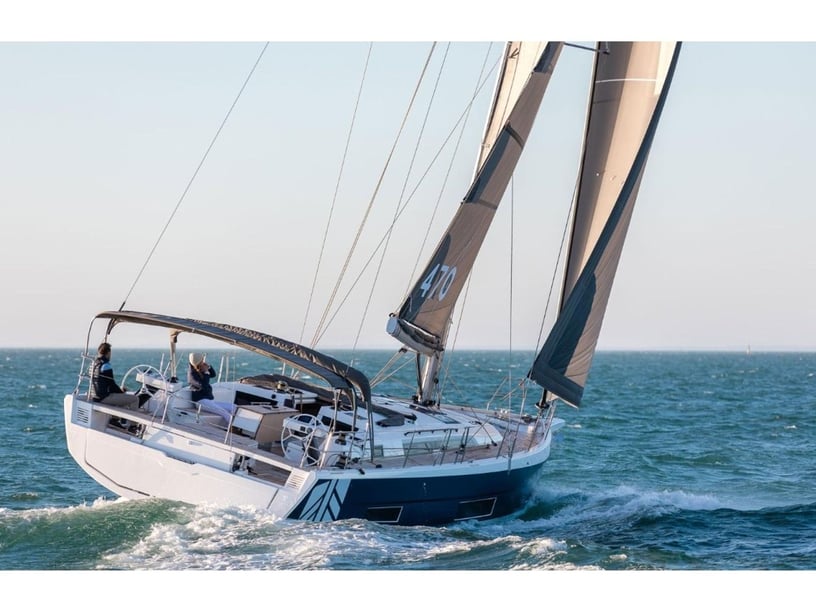
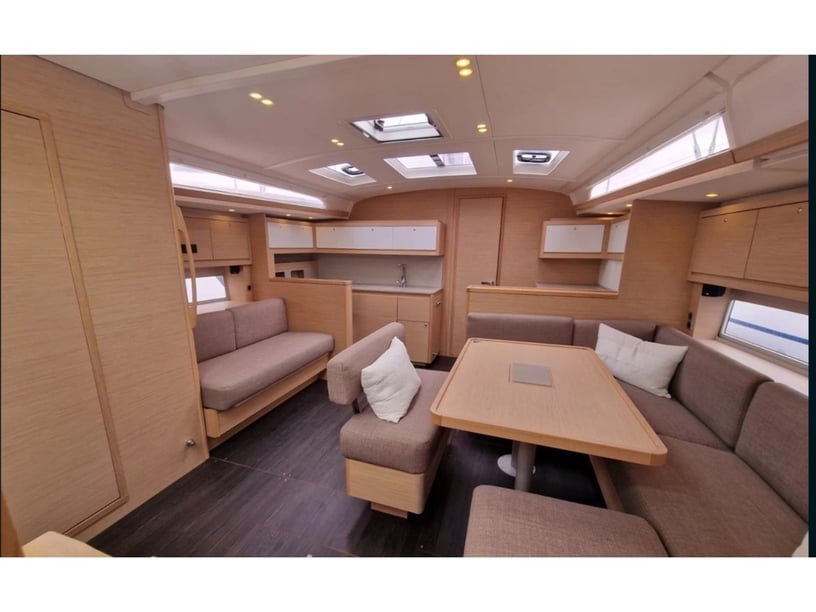
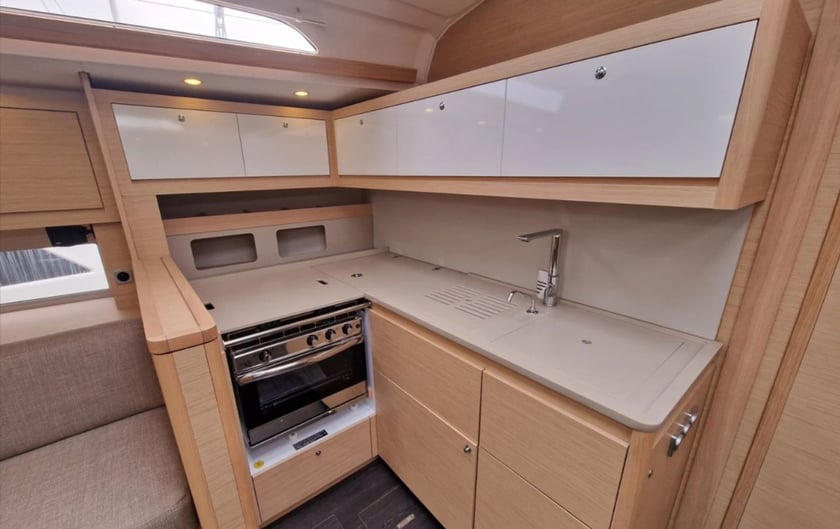
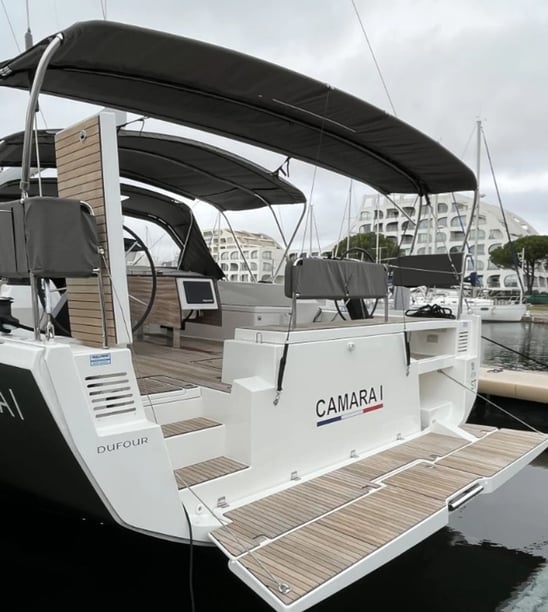
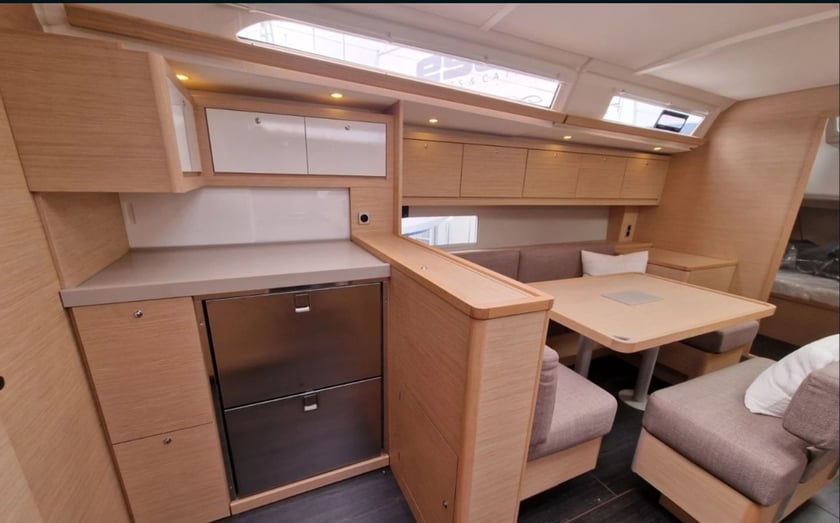
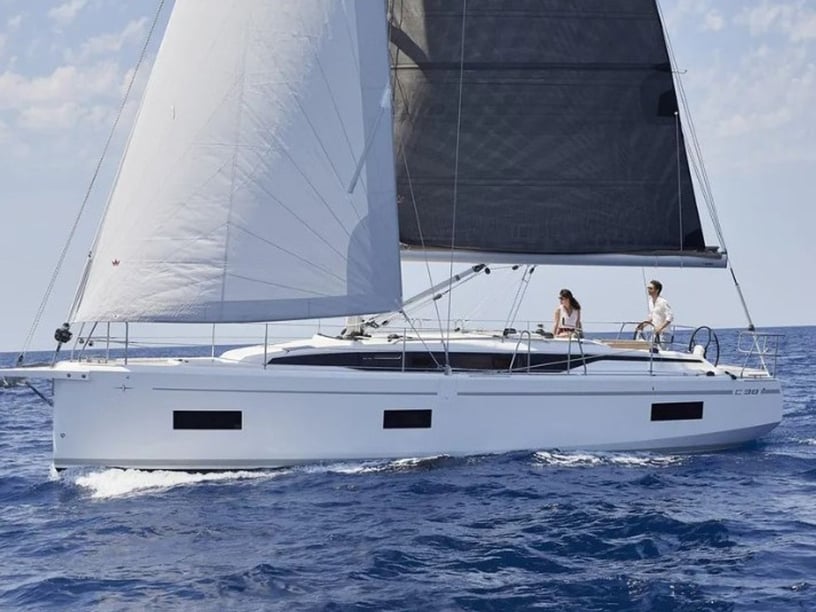
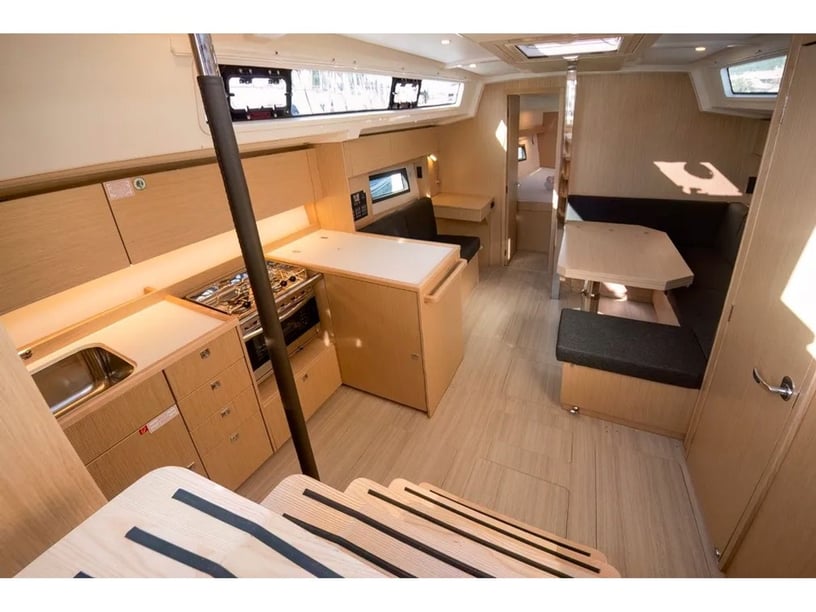
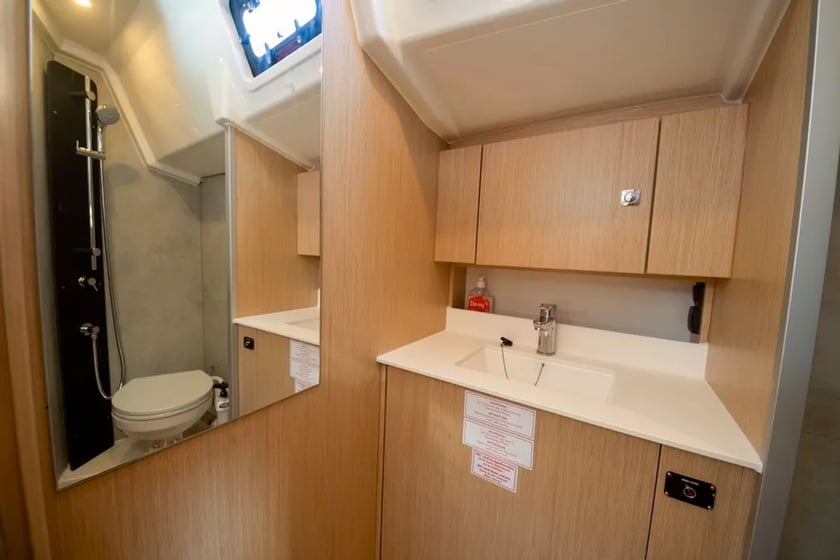
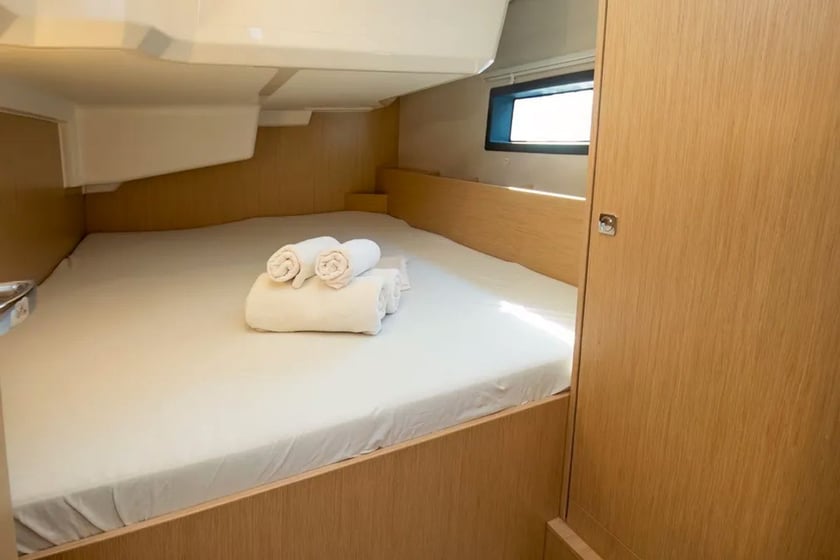
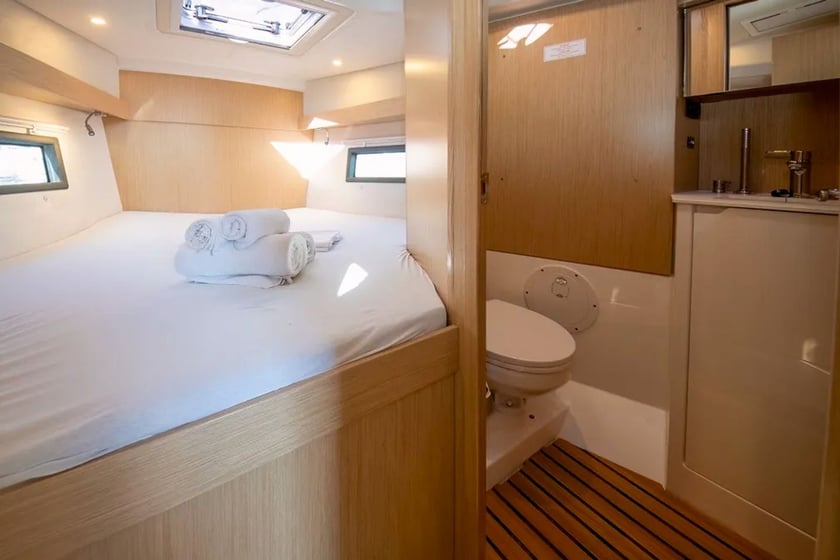
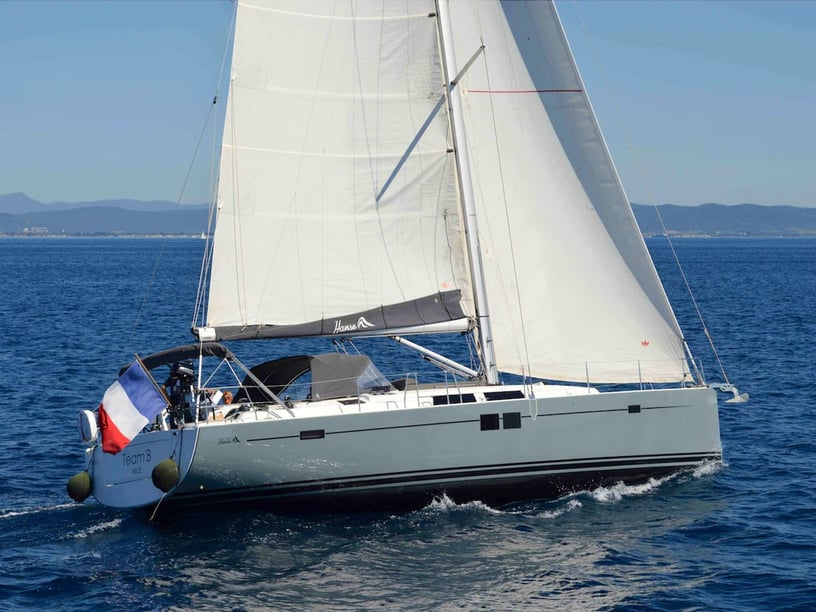
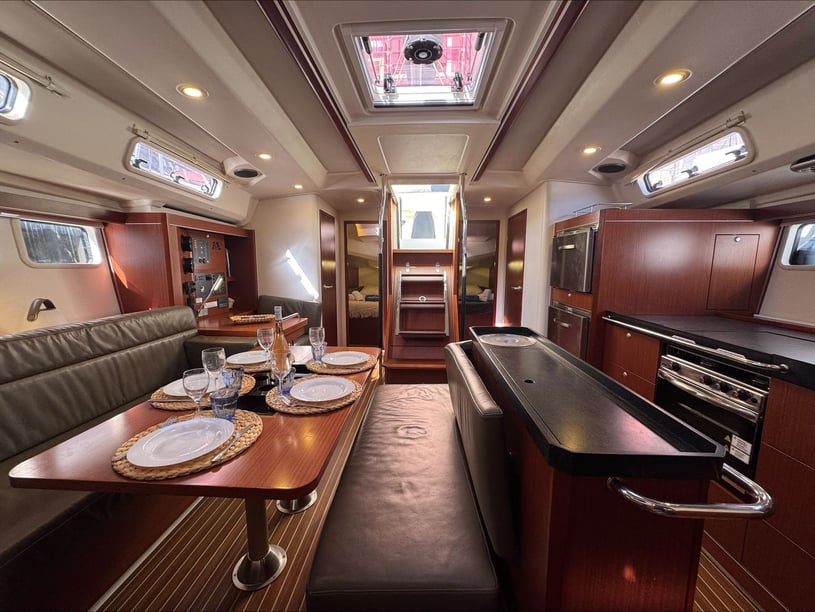
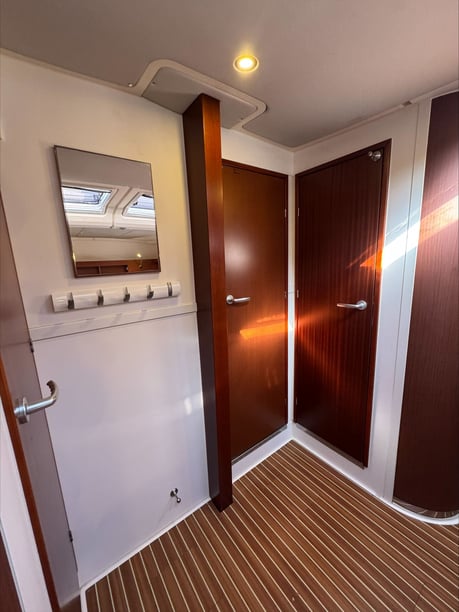
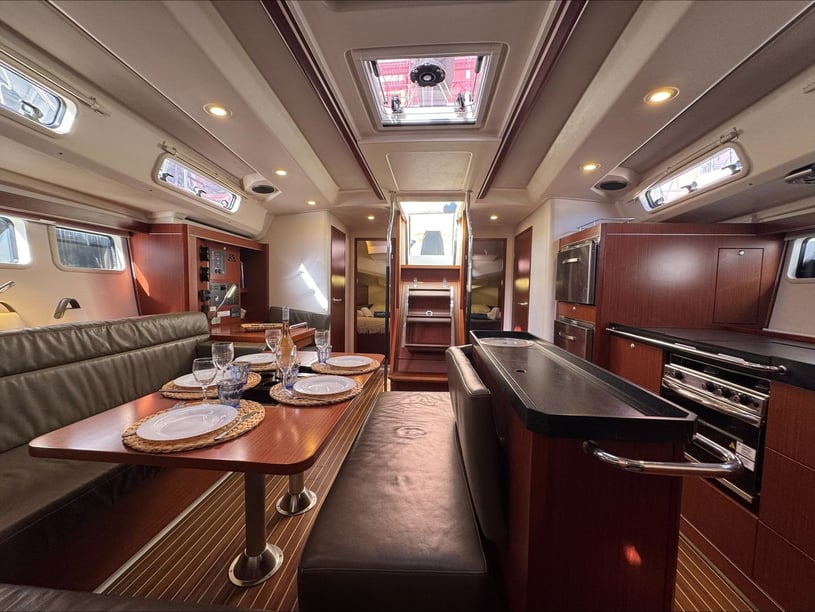
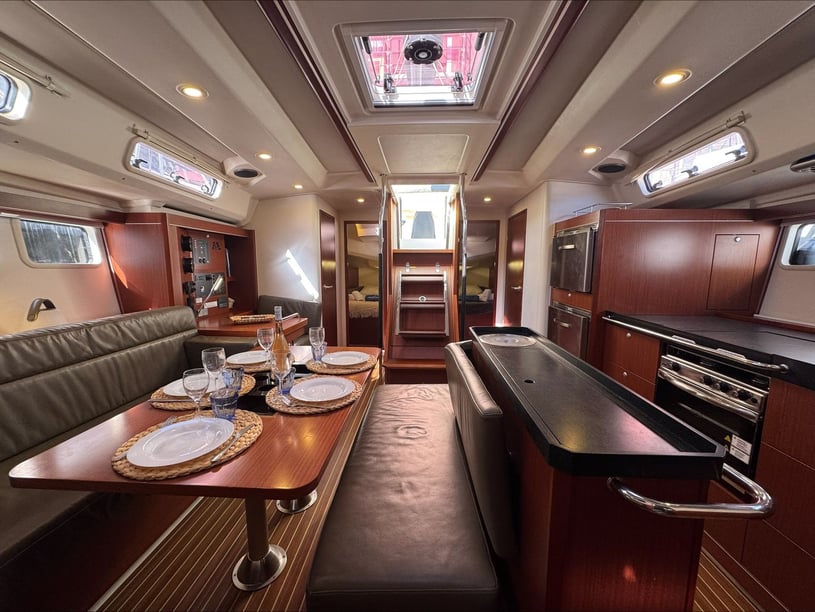
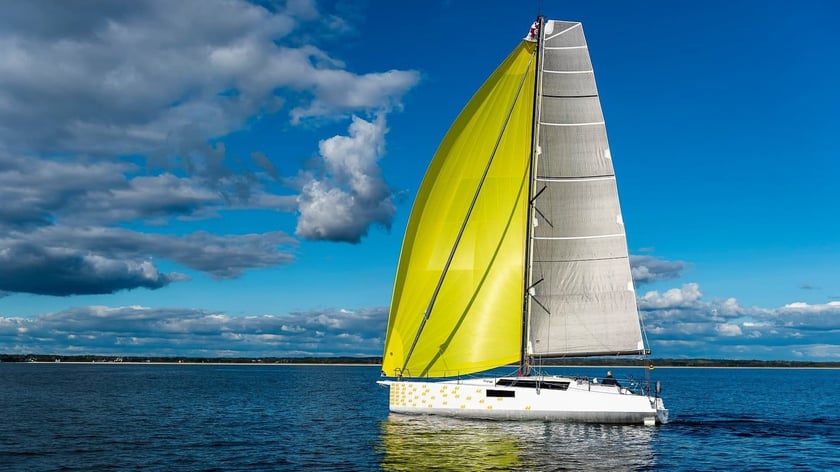
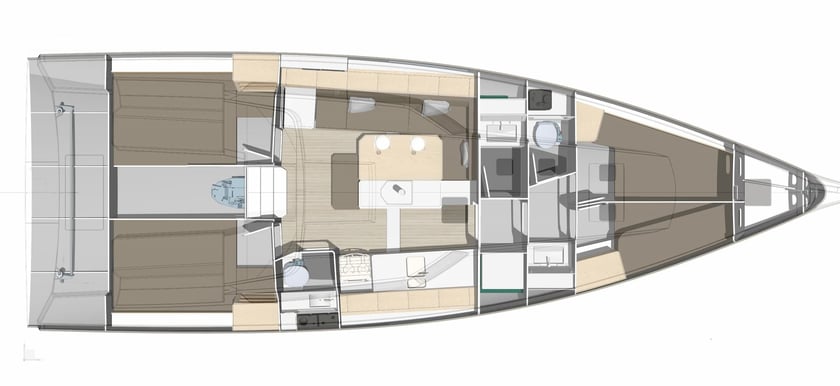
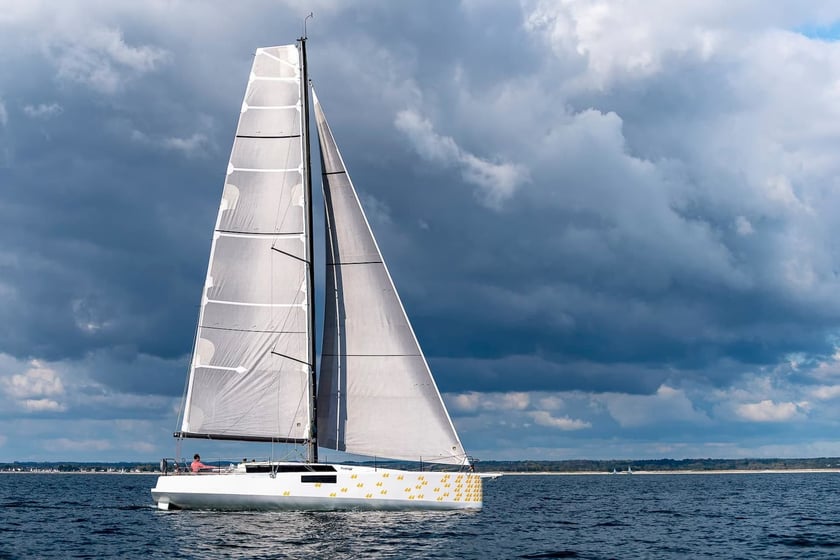
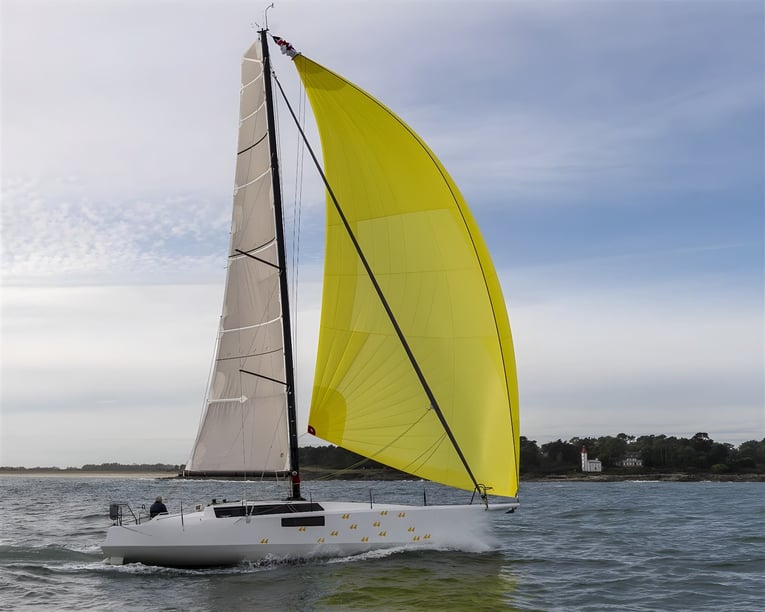
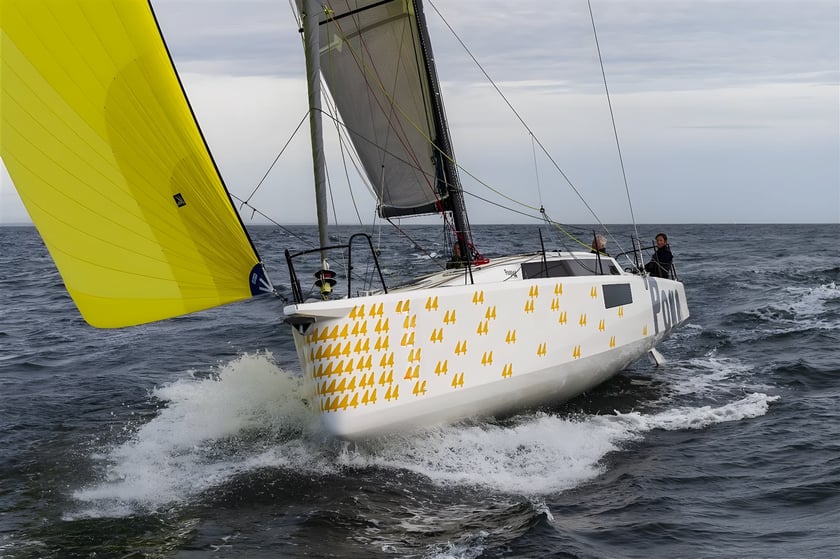
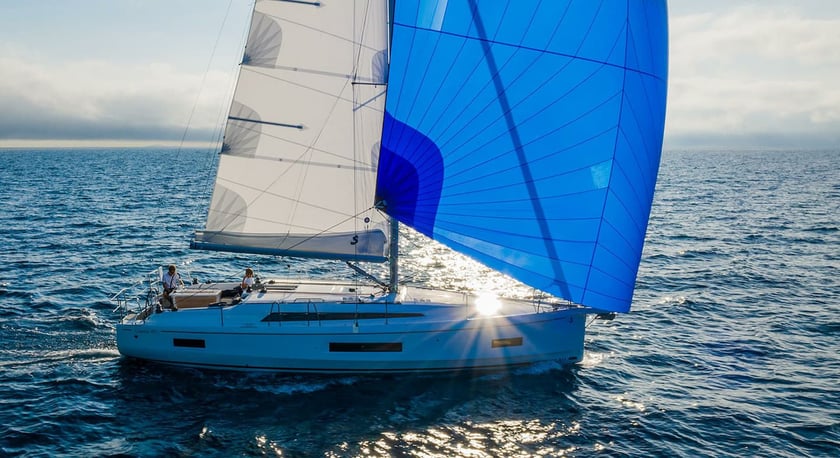
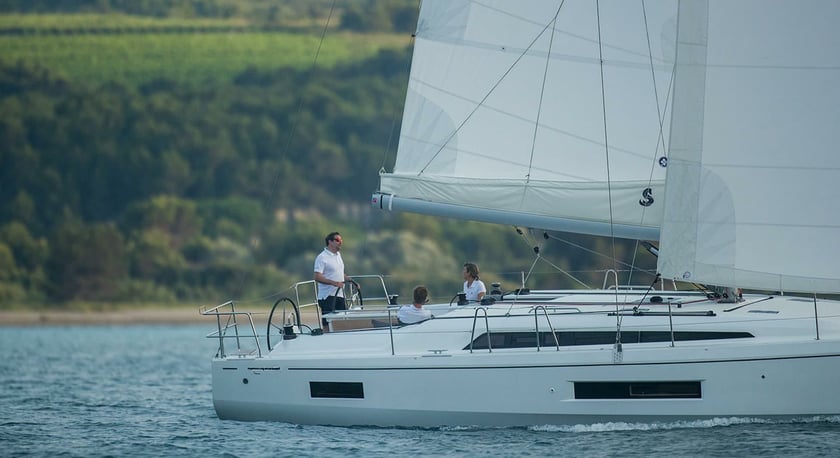
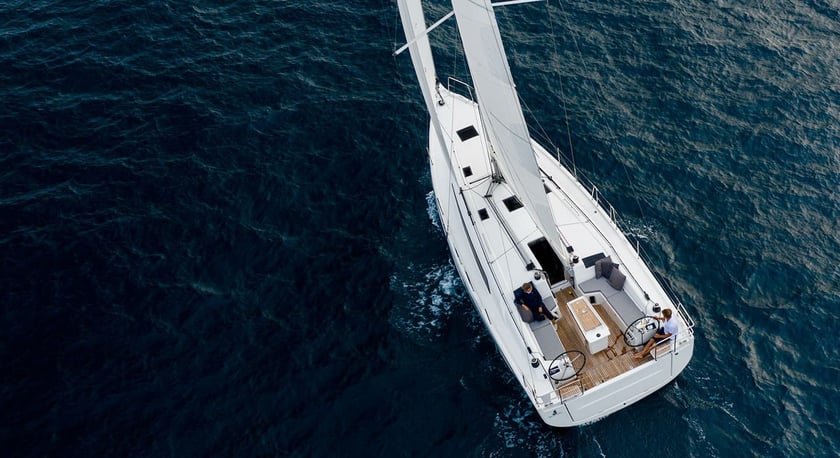
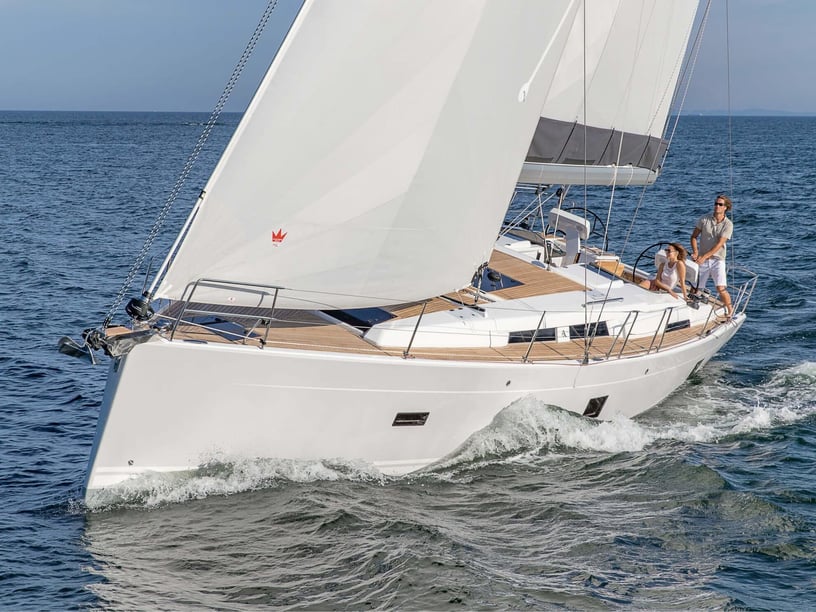
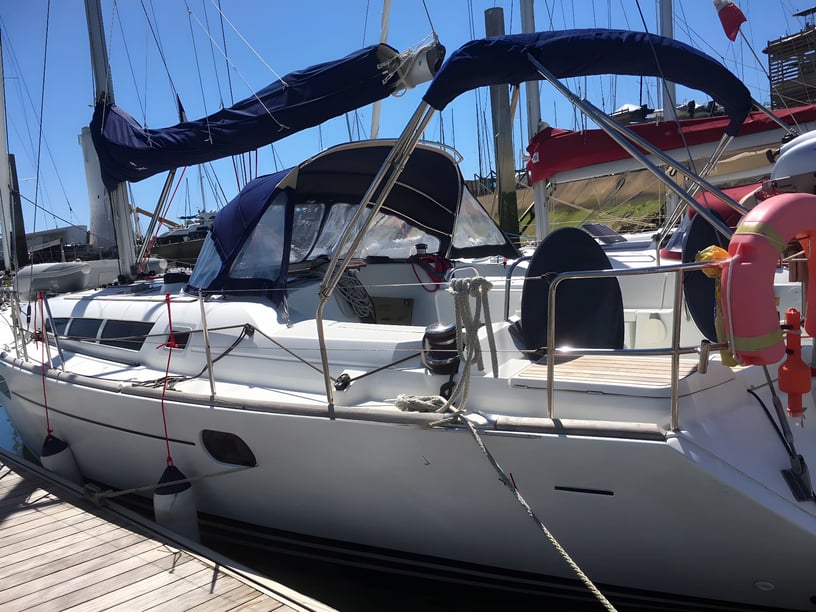
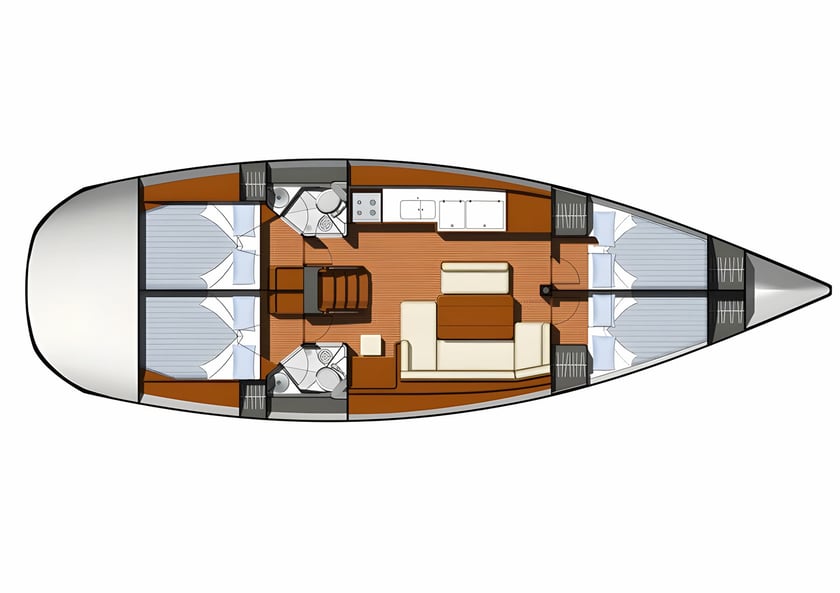
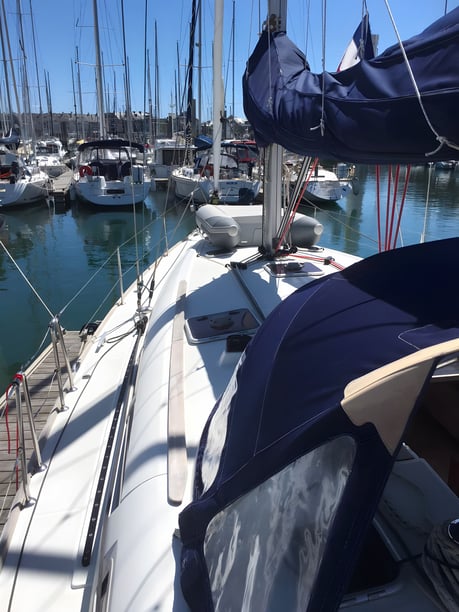
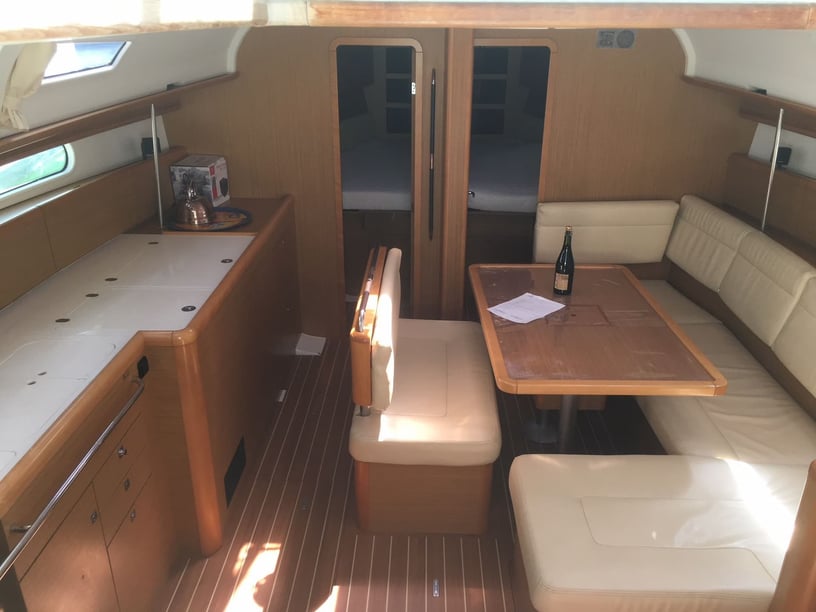
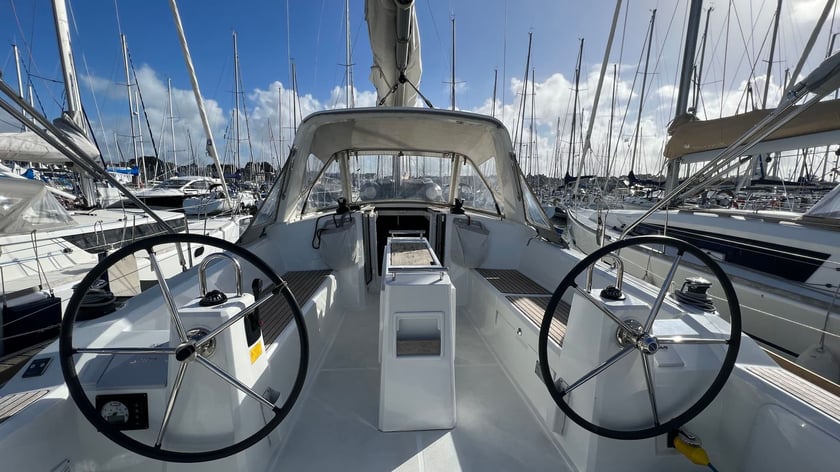
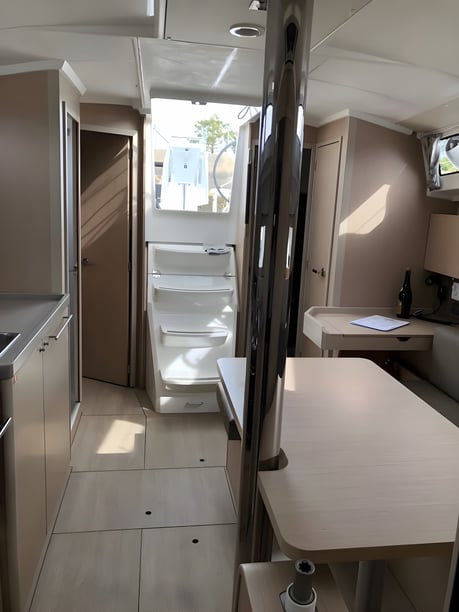
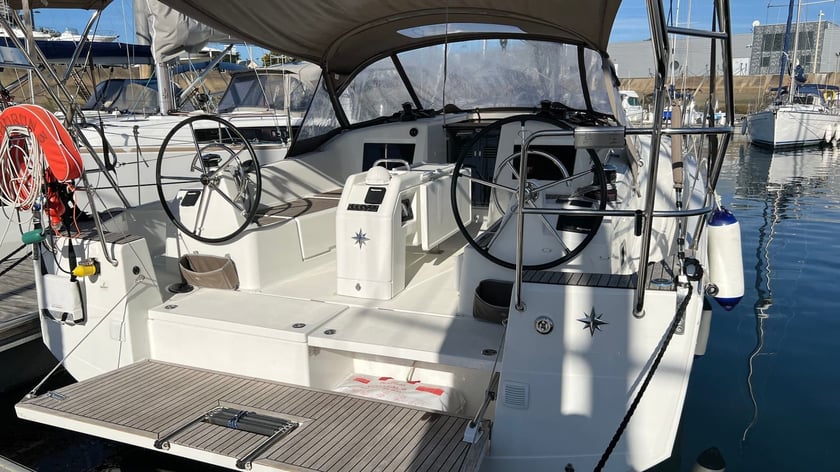
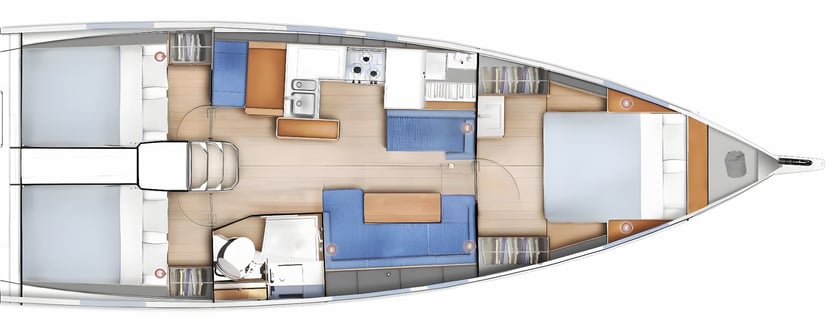
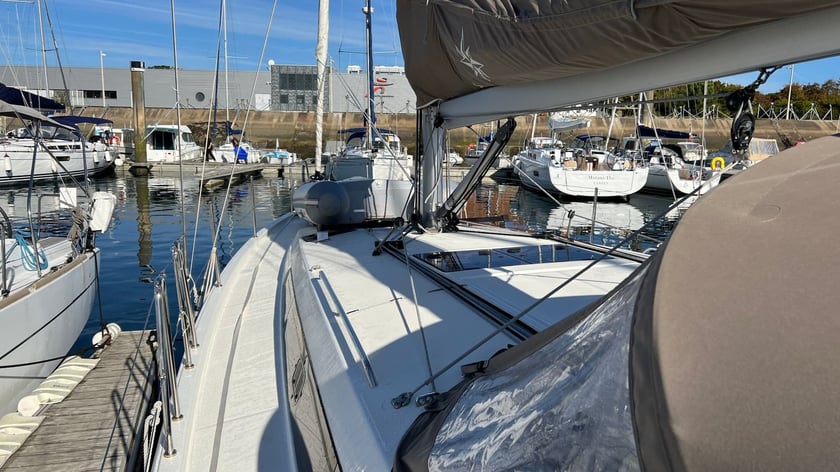
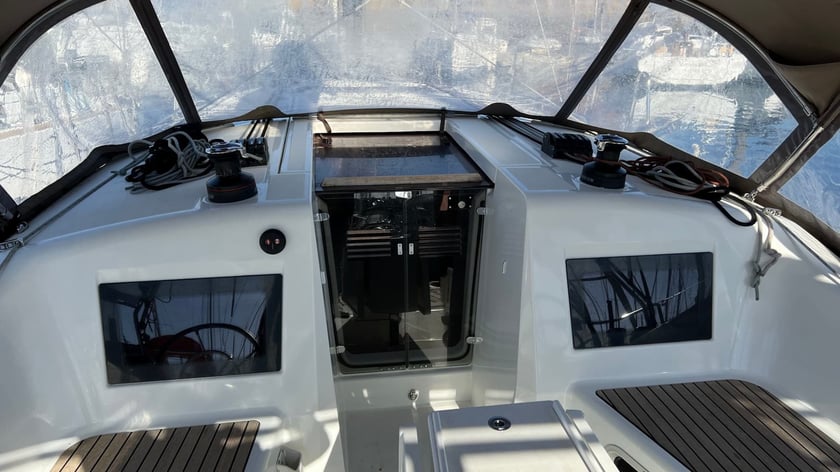
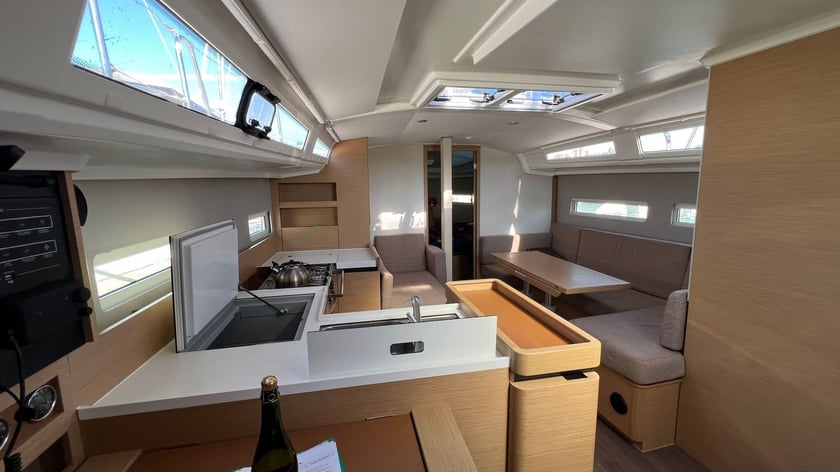
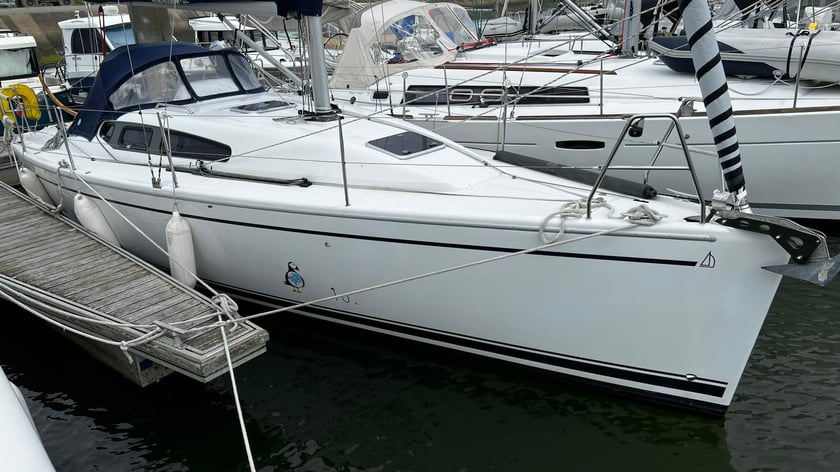
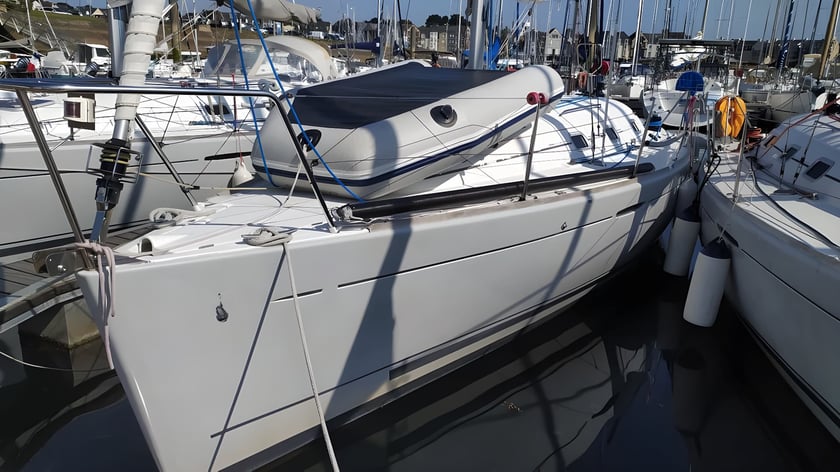
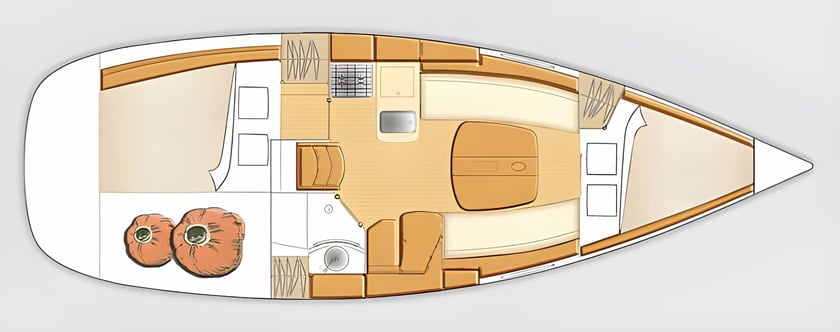
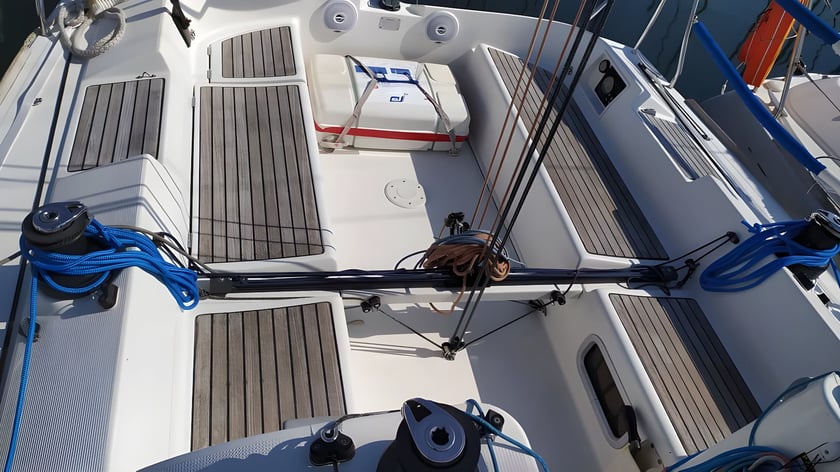
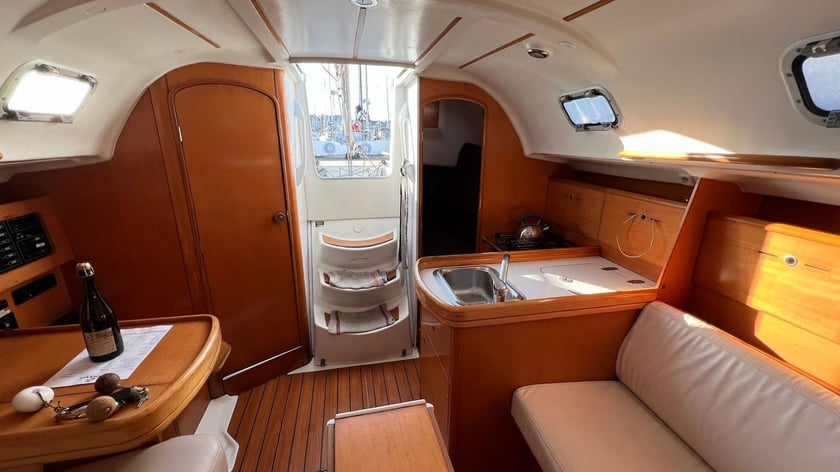
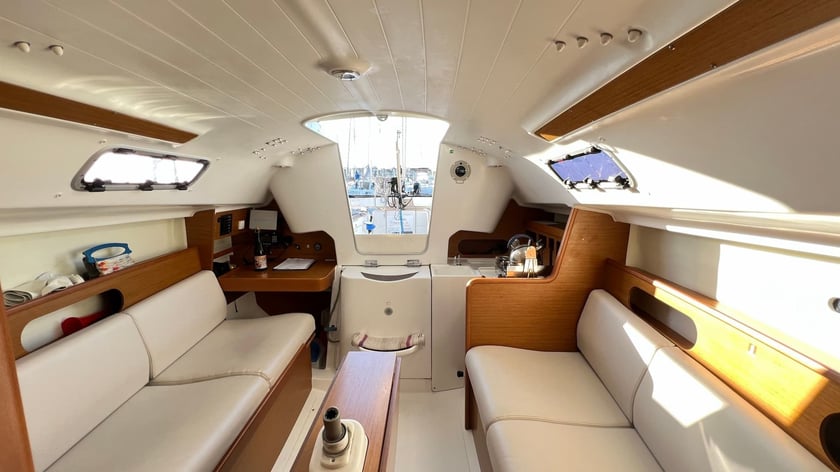
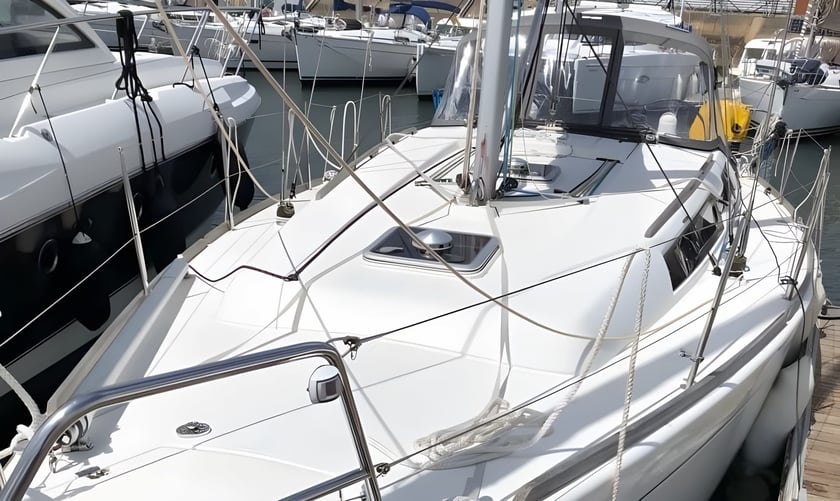
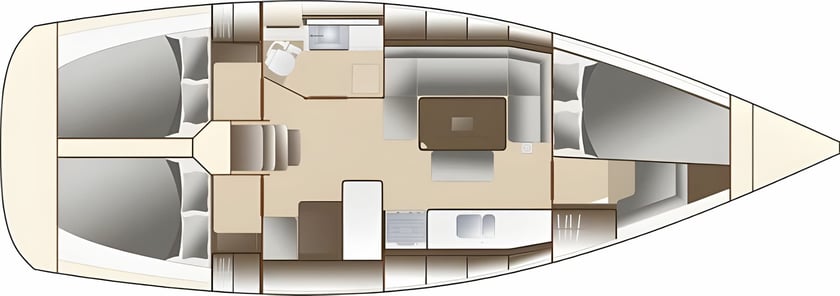
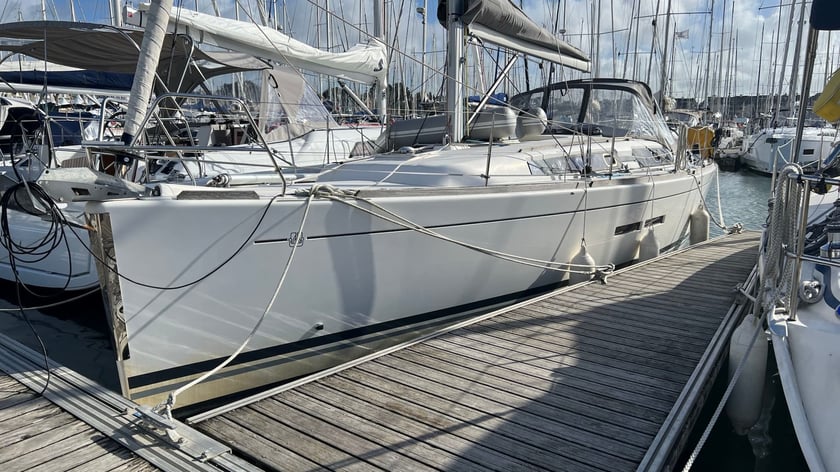
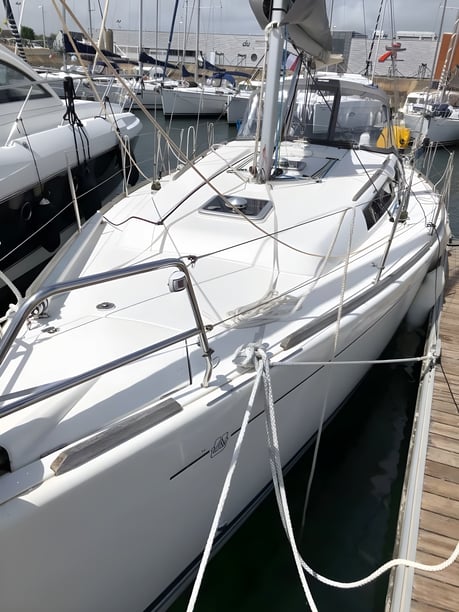
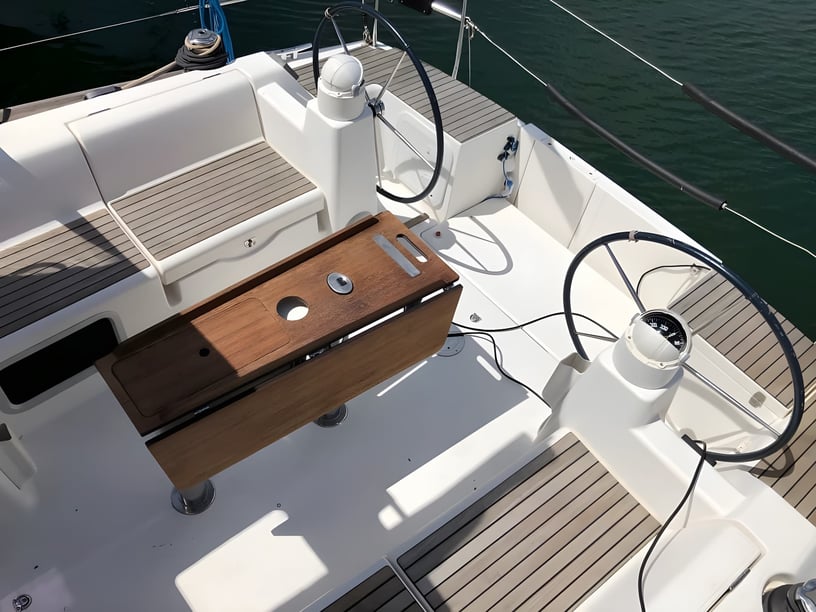
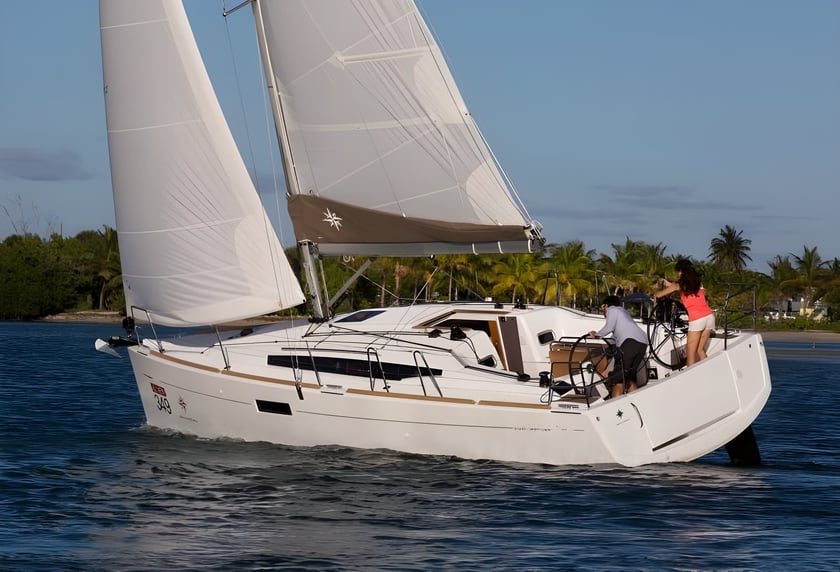
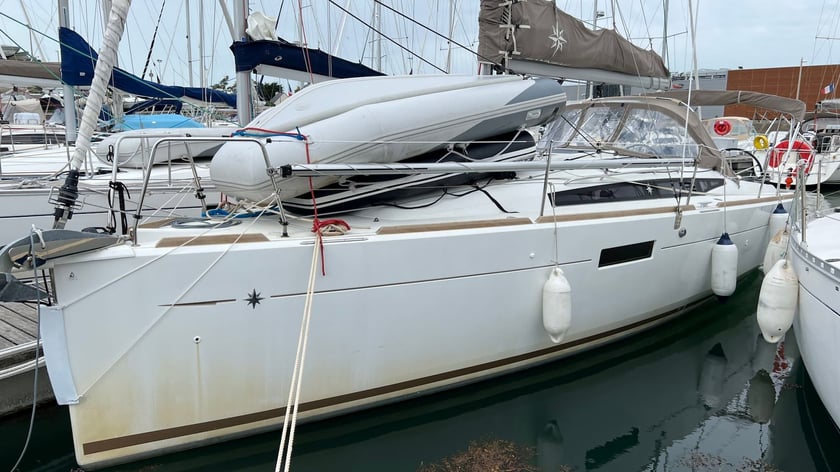
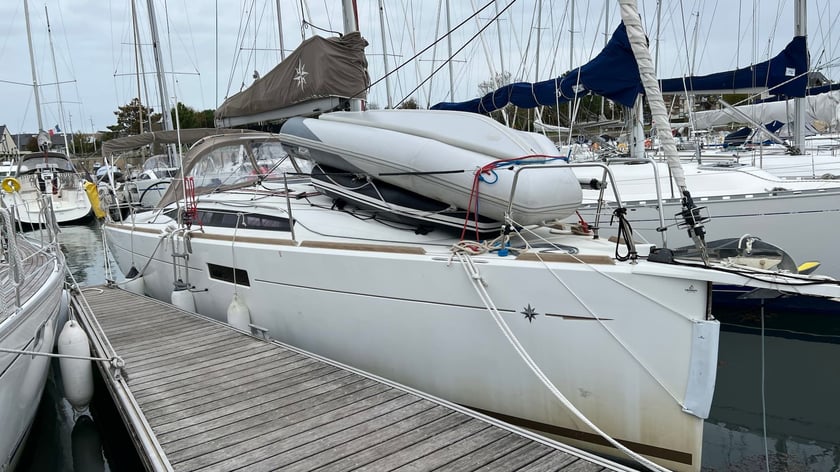
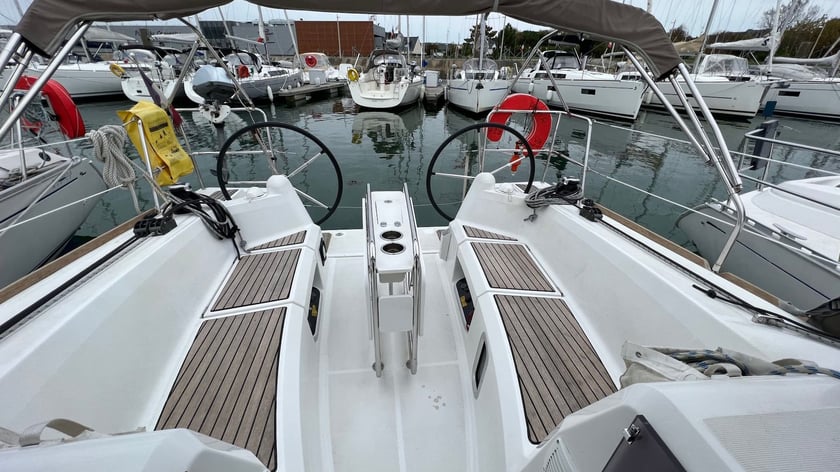
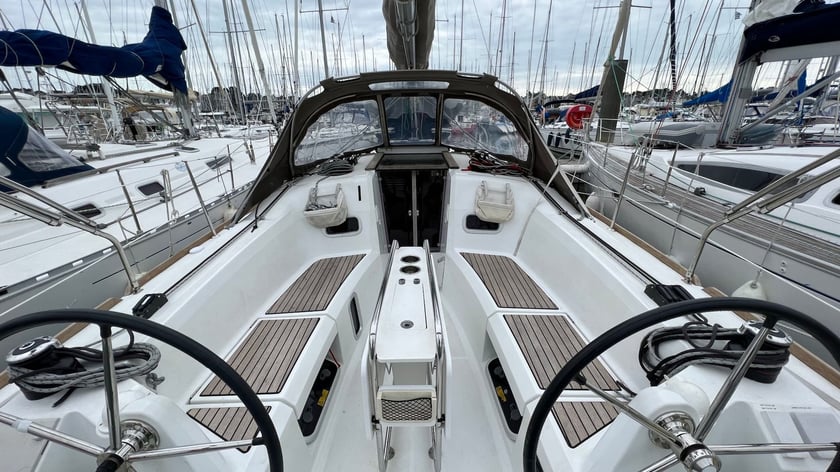
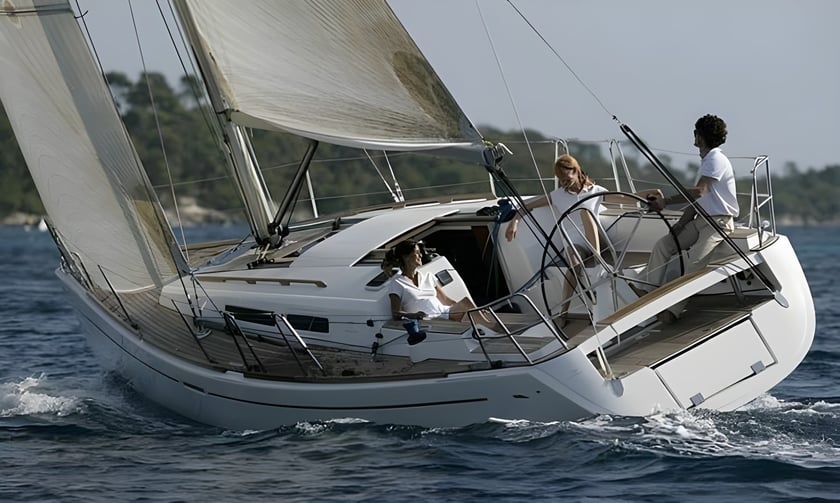
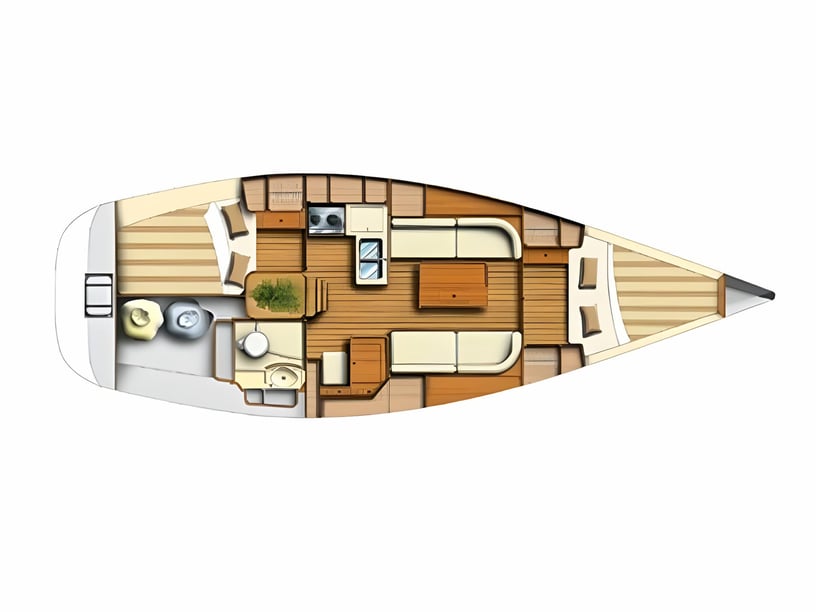
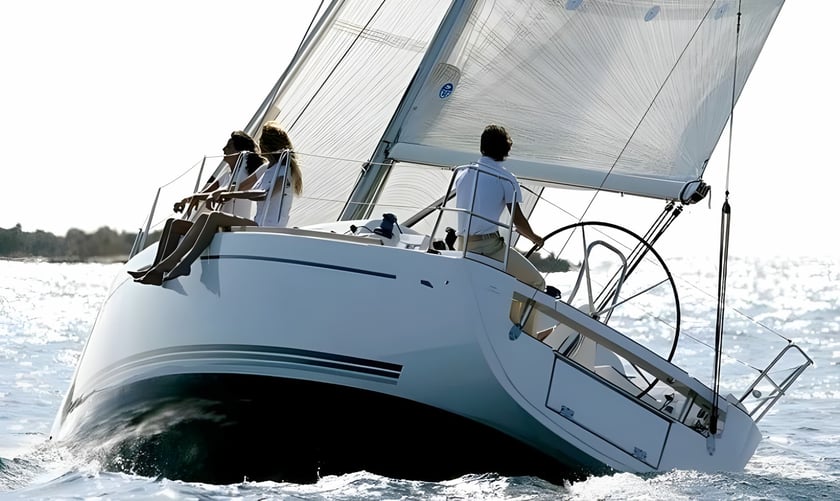
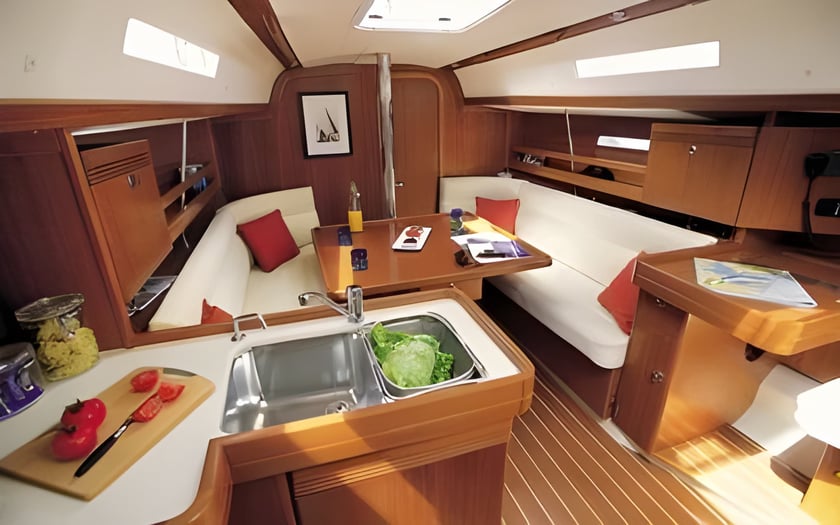
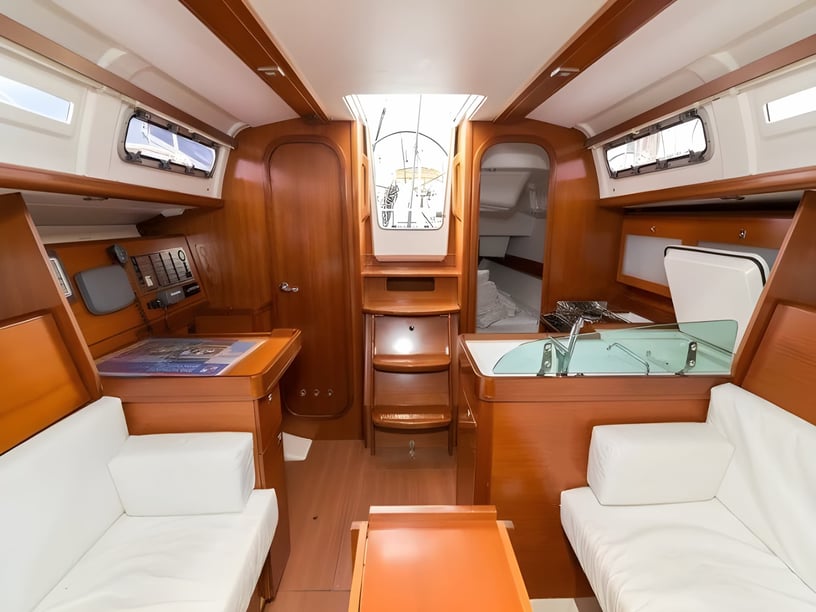
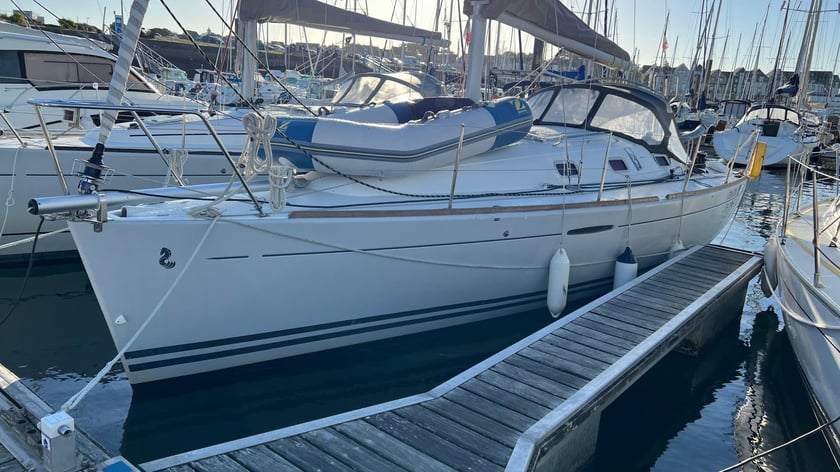
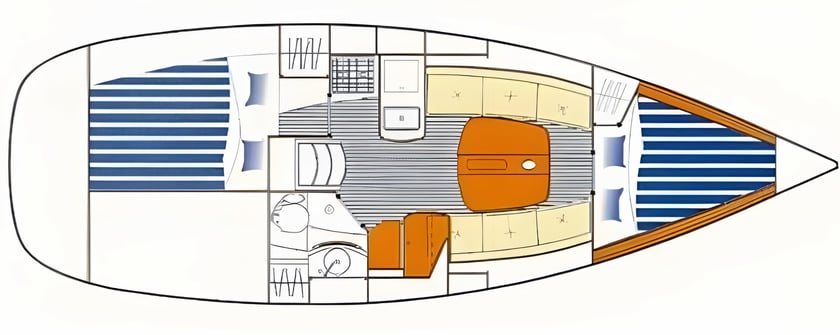
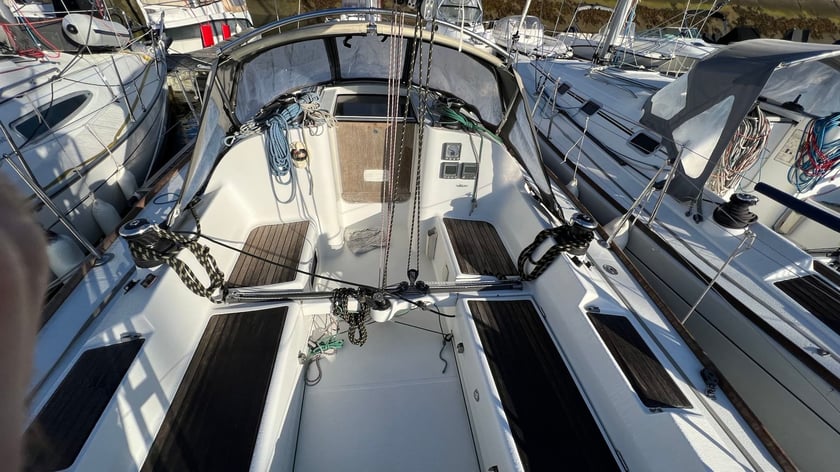
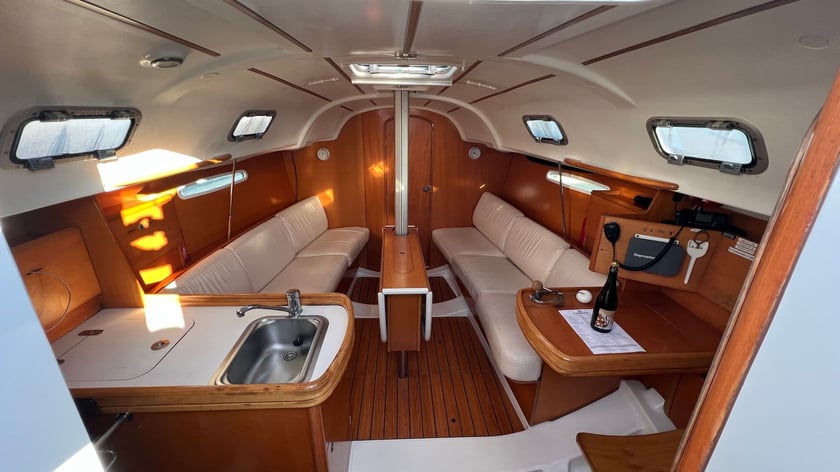
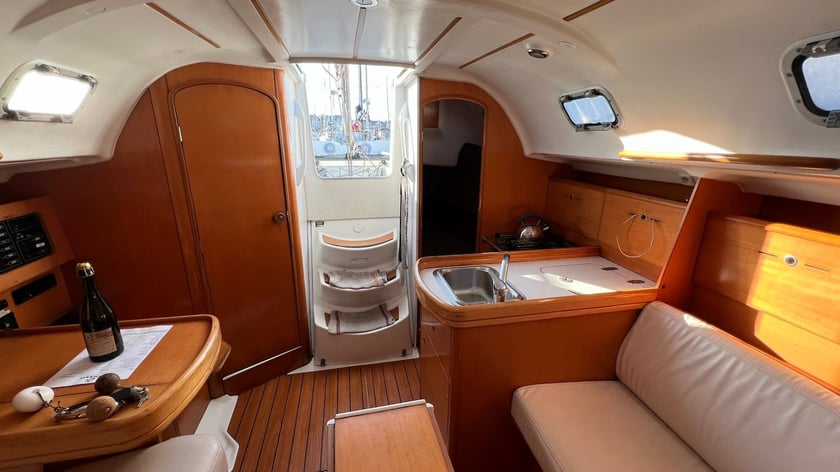
Explore popular sailboat brands and models available for charter in France.
Popular models: First 31.7, Oceanis 40.1, and Oceanis 38.1
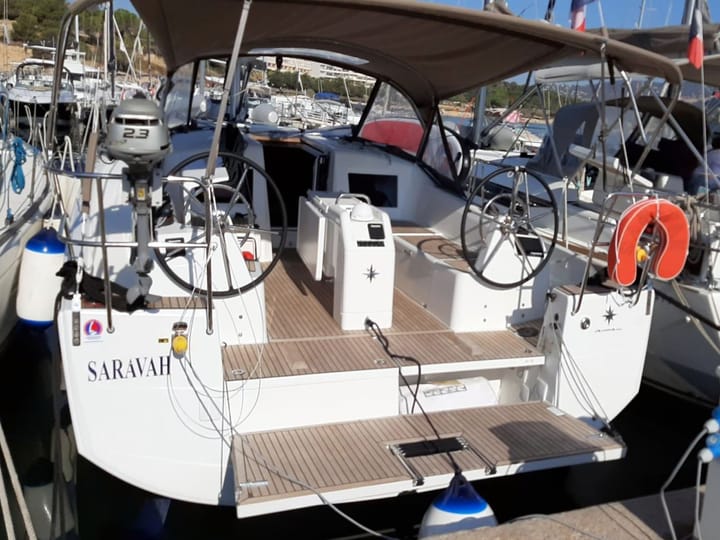
Popular models: Sun Odyssey 410, Sun Odyssey 349, and Sun Odyssey 379

Popular models: 36, 44, and 12.5
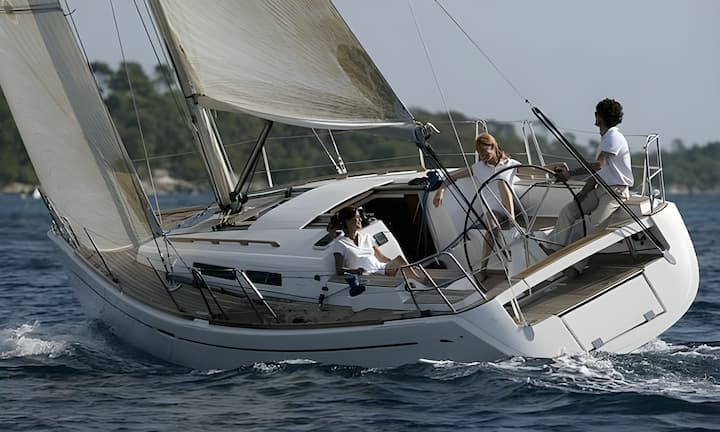
Popular models: 382 Grand Large, 34, and 445 Grand Large

Popular models: RM 1180, RM 890, and 880
Trusted by thousands of travelers booking boat rentals every year.
Compare the available sailboat charter options in France based on your experience and travel style.
A professional skipper handles navigation while you relax and enjoy the trip. No boating experience is required.
Operate the boat yourself for maximum independence. A valid boating licence may be required depending on local rules.
Explore sailboat rental options in France by trip length, including multi-day charter and weekly charter.

Multi-day trips with sailboats in France for 2–3 day routes, overnight stays and multiple stops.

Week-long trips with sailboats in France for longer routes and multiple stops.
from €141 per day
from €356 per day
from €385 per day
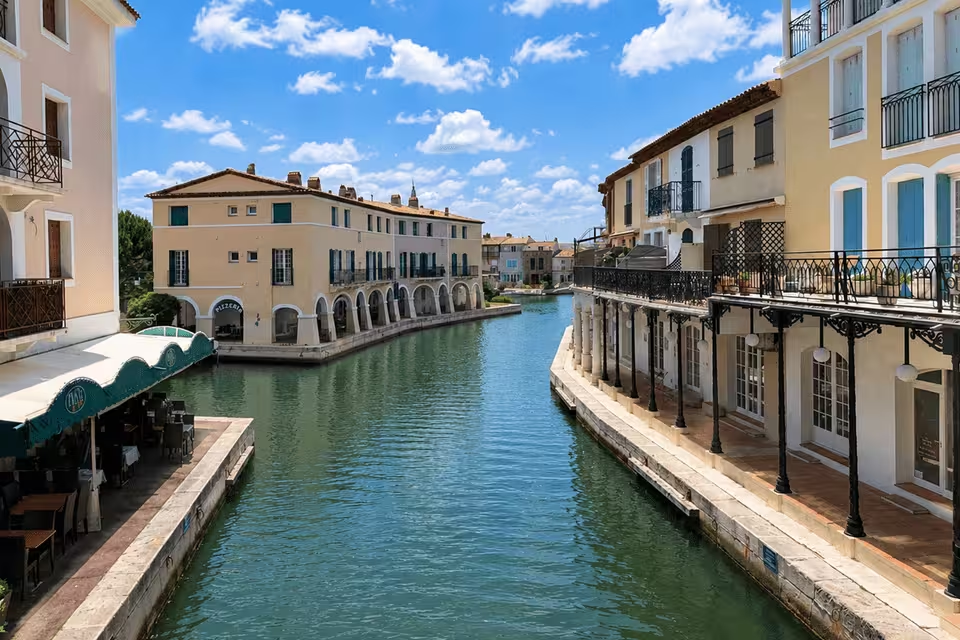
from €417 per day
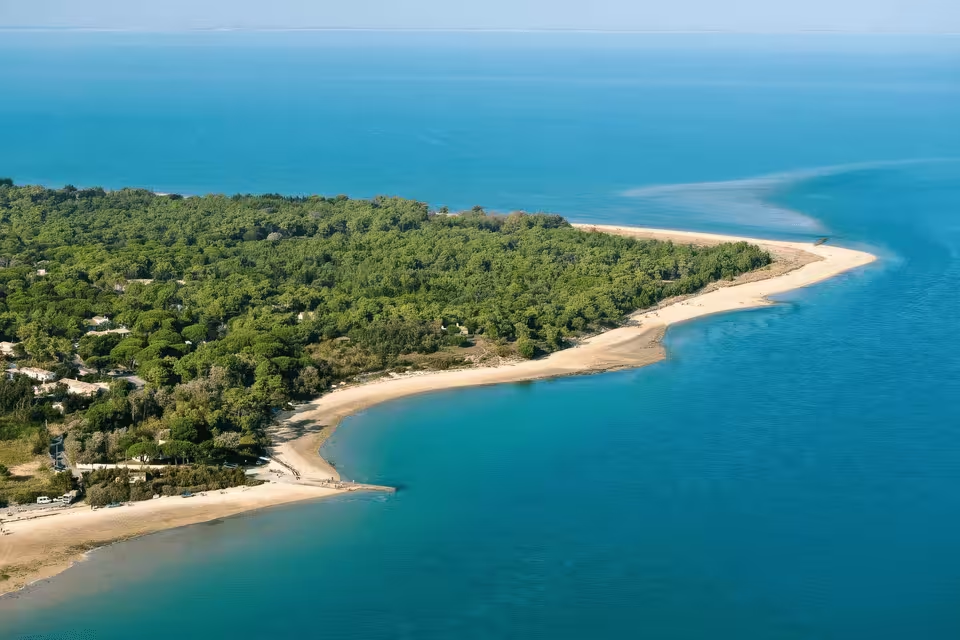
from €456 per day
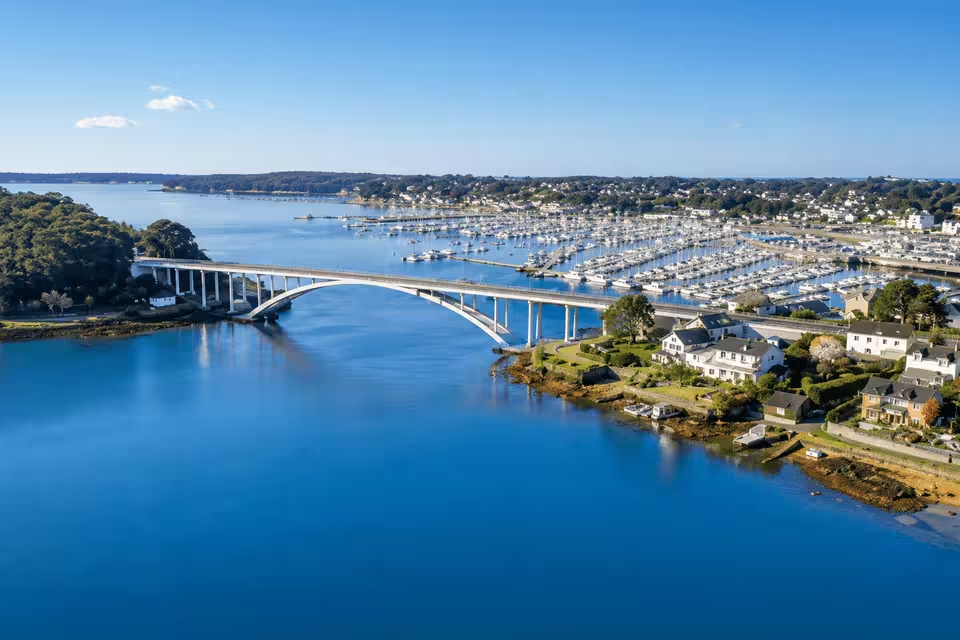
from €489 per day
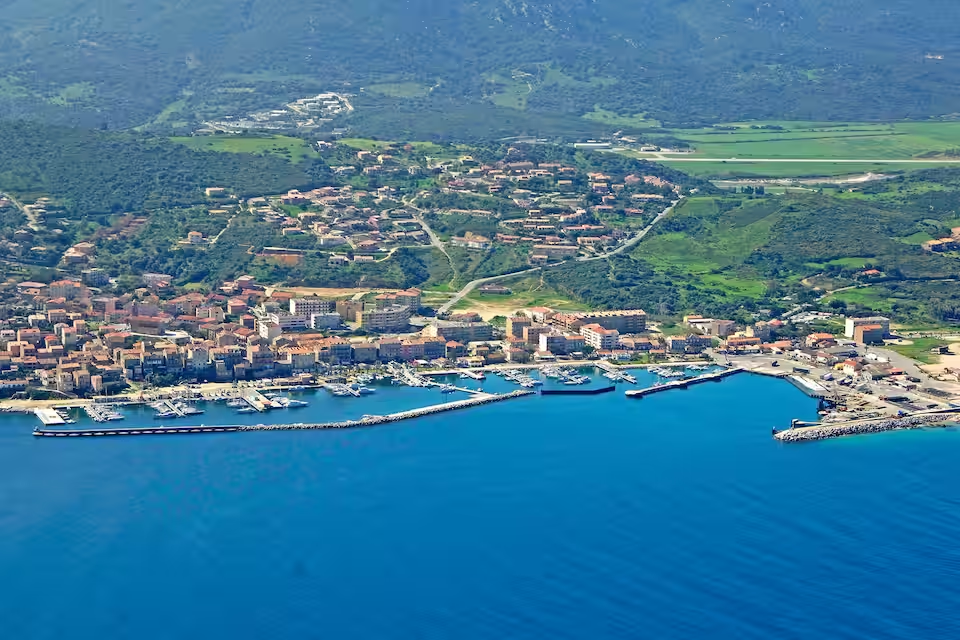
from €358 per day
from €167 per day
from €1,266 per day
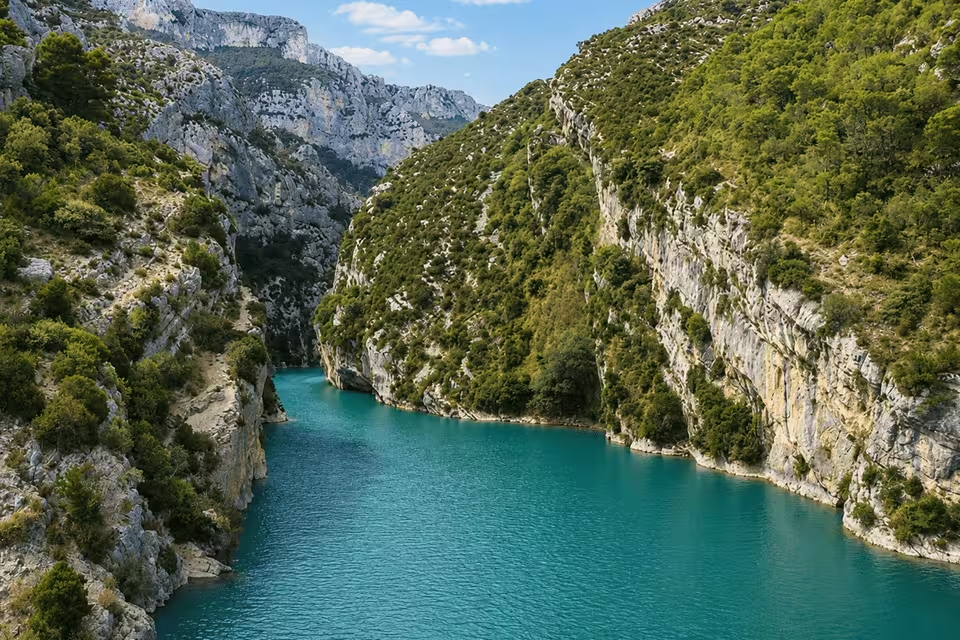
A sailboat charter in France can take several distinct forms. The Channel and Atlantic coasts offer tidal passages, rocky headlands, offshore islands and historic ports, while the Mediterranean is generally suited to shorter coastal legs and island stops. Corsica combines sheltered gulfs with exposed capes and longer distances between harbors.
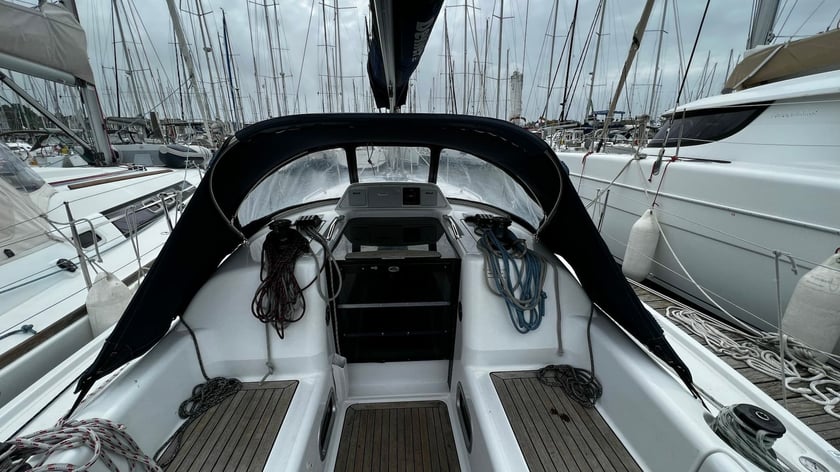
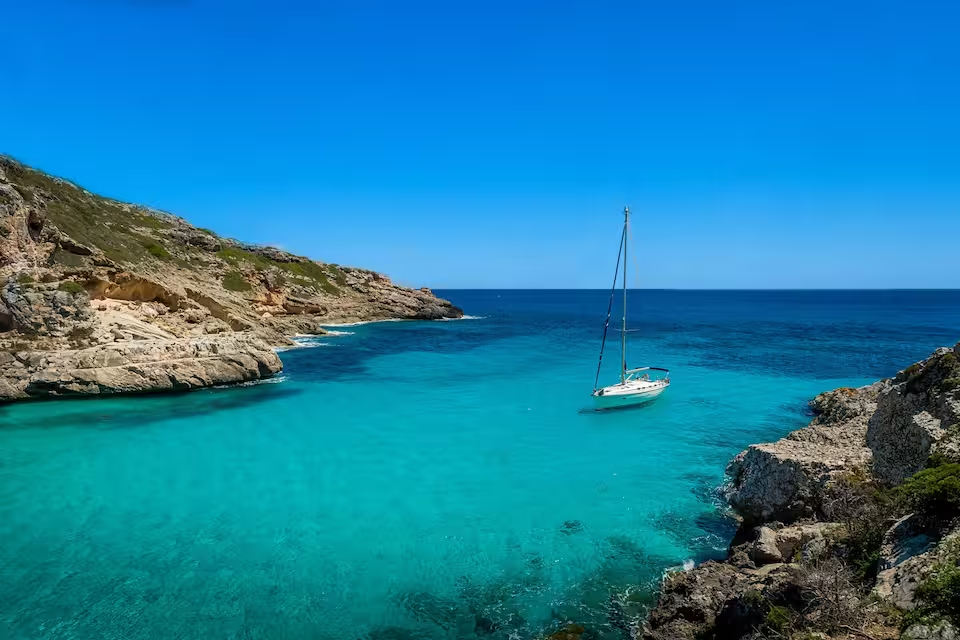
Charter sailboats are typically monohulls with a cockpit and compact accommodation below deck. They heel naturally under sail and offer a more active connection to wind and water than wider, comfort-led vessels. A trip can balance sailing with anchoring, swimming and time ashore, although the day’s plan remains shaped by weather, tides and distance. Travelers comparing sailboats with other vessel styles can also explore yacht charter options in France.
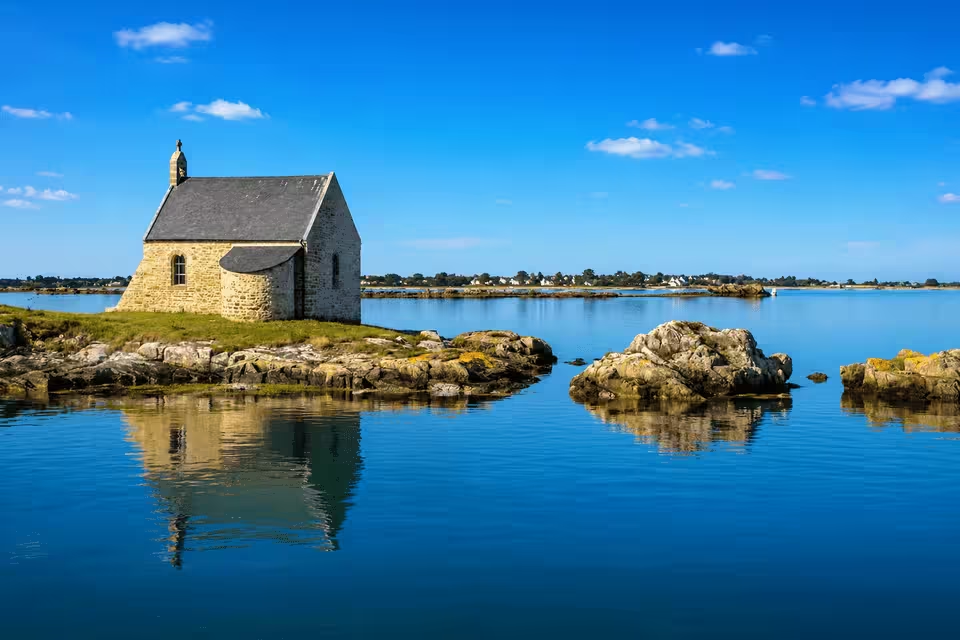
Western France works particularly well for travelers who enjoy tidal sailing and varied port calls. The Gulf of Morbihan provides a relatively enclosed setting for cruising among Île aux Moines, Île d’Arz and smaller islands. Farther south, La Rochelle opens onto the protected waters between Île de Ré and Île d’Oléron, with Île d’Aix and Fort Boyard forming recognizable landmarks along the route.
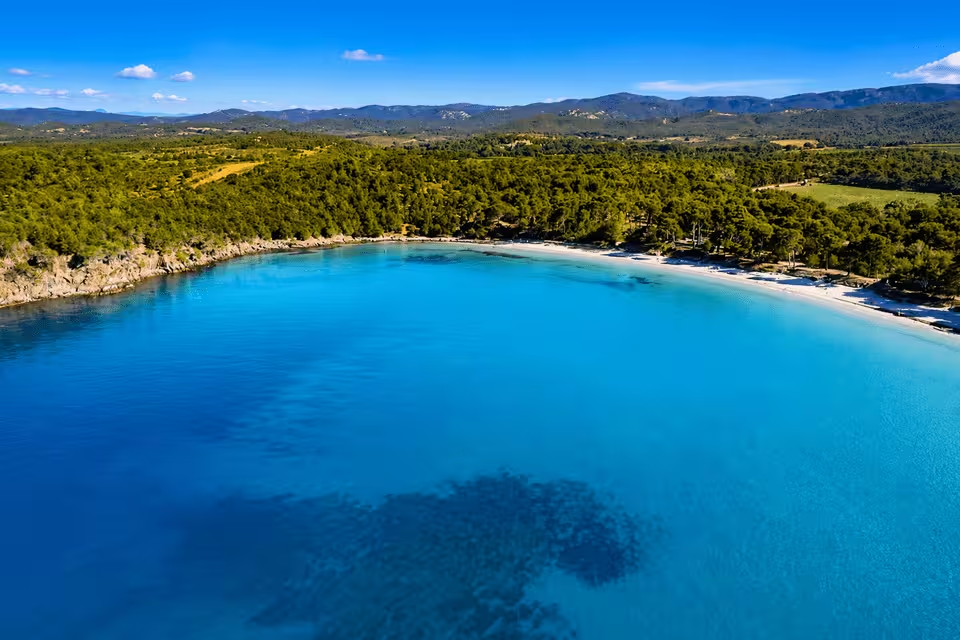
On the Mediterranean coast, Marseille can be combined with the Frioul Islands and the limestone Calanques toward Cassis. From Hyères, an island circuit can include Porquerolles and Port-Cros. Corsica is better approached as a multi-stage cruise: routes from Ajaccio toward Girolata, Scandola and Calvi combine deep gulfs and rugged coast, while a full circumnavigation requires more time and careful planning around exposed capes.
Protected areas, including the Calanques and Port-Cros, have local rules for navigation, landing and anchoring. Mediterranean crews should also use suitable sandy ground or designated moorings rather than anchoring in protected Posidonia seagrass.
The main recreational season runs from late spring to early autumn. May through September generally offers the strongest combination of warmth and suitable boating conditions, while July and August bring the height of summer activity. April and October can suit flexible travelers, particularly in the Mediterranean, but conditions are less consistent. Winter is cooler and more unsettled, especially on the Channel and Atlantic coasts.
Regional differences matter more than a single national forecast. Brittany, Normandy and the Atlantic coast require close attention to tidal height, tidal streams, shoals and changing ocean weather. Mediterranean tides are weak, but the mistral in Provence and the tramontane around Roussillon and the western Gulf of Lion can produce strong gusts for several days. Spring and autumn may also bring thunderstorms, humid onshore winds and intense rainfall, so itineraries should retain room for weather-driven changes.
A bareboat charter gives experienced sailors the greatest independence, but suitable competence and, depending on the operator, documented qualifications may be required. A skippered charter removes responsibility for operating the yacht while preserving the private, whole-boat experience. Remember that a professional skipper may need a dedicated cabin or sleeping space, affecting the accommodation available to guests.
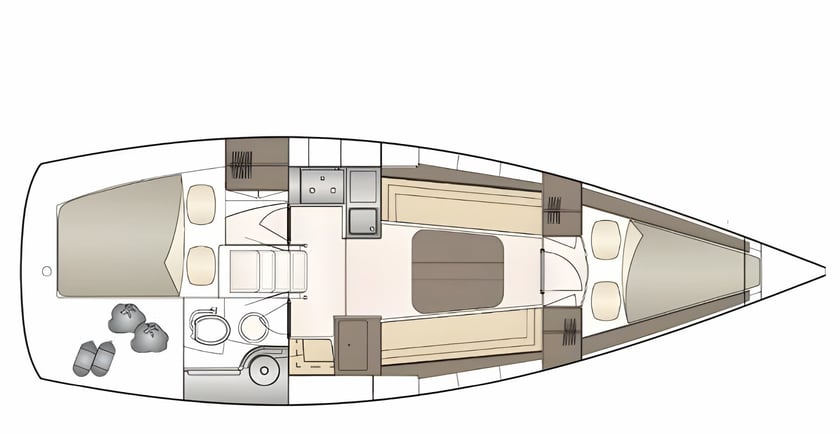
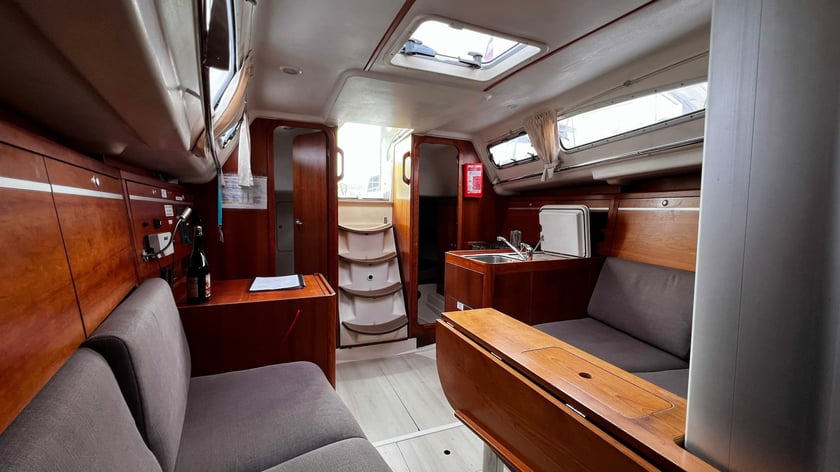
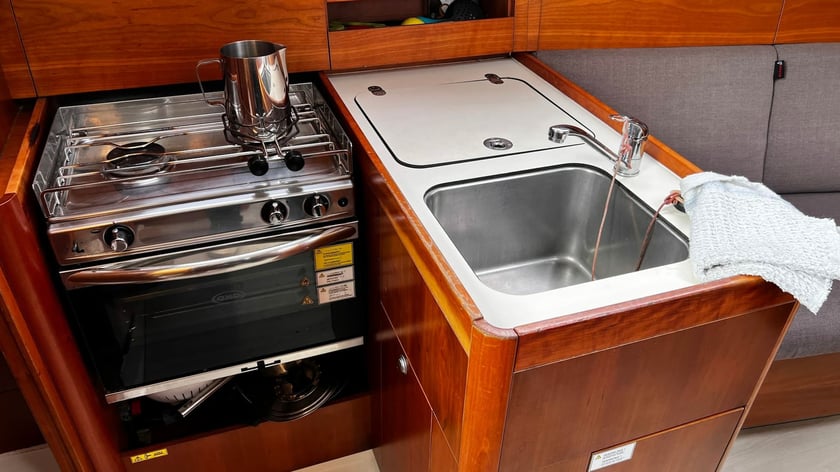
When comparing sailboats, consider the number and arrangement of cabins rather than capacity alone. Cockpit space, headroom, storage, bathroom facilities and galley layout become increasingly important on a multi-day trip. Larger yachts may provide more accommodation but can also be more demanding to handle. Monohulls generally offer less horizontal living space than similarly sized catamarans, and their natural heel under sail is part of the experience.
Match the yacht to the intended coast as well as the group. Tidal Atlantic passages place different demands on a crew than short Mediterranean hops or longer stages around Corsica. Travelers still deciding whether this style suits them can consult the general sailboat charter guide.
The France selection on viravira.co currently includes 84 sailboats. Available capacities range from 4 to 12, while cabin configurations extend from 1 to 7. This range allows travelers to compare compact yachts for smaller groups with larger layouts designed for longer stays aboard.
Sailboats associated with eligible completed bookings had an average vessel capacity of 8; this describes the boat’s capacity rather than the number of guests who traveled. Eligible sailboat listings currently start from 141 €, with the final choice best assessed against layout, charter format, departure area and the conditions expected on the selected coast.


See key details for sailboats in France, including popular locations, typical capacity, average length, charter type and starting prices.
/ night
sailboats available
€141
€1,954
/ night
sailboats available
€185
€1,820
/ night
sailboats available
€489
€1,958
/ night
sailboats available
€217
€2,147
/ night
sailboats available
€185
€1,755
Prices vary by yacht type, size, season and charter type. Additional costs such as fuel, skipper fees and security deposit may apply.
Last updated at September 20, 2026
Learn everything you need to know about sailboat rental in France, including costs, yacht types, charter options and sailing requirements.
How much does sailboat charter cost in France?
What is the price difference between high and low season for sailboat charter in France?
How many people can join a sailboat charter in France?
Can I charter sailboats without a skipper in France?
How much does a skipper cost per day for sailboat charter in France?
Do I need a licence to charter sailboats in France?
Which sailboat brands are most popular in France?