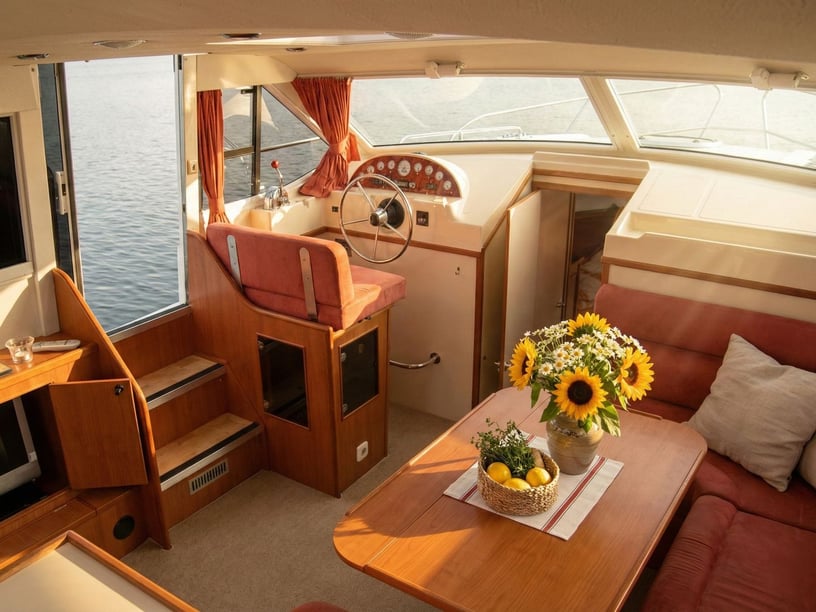
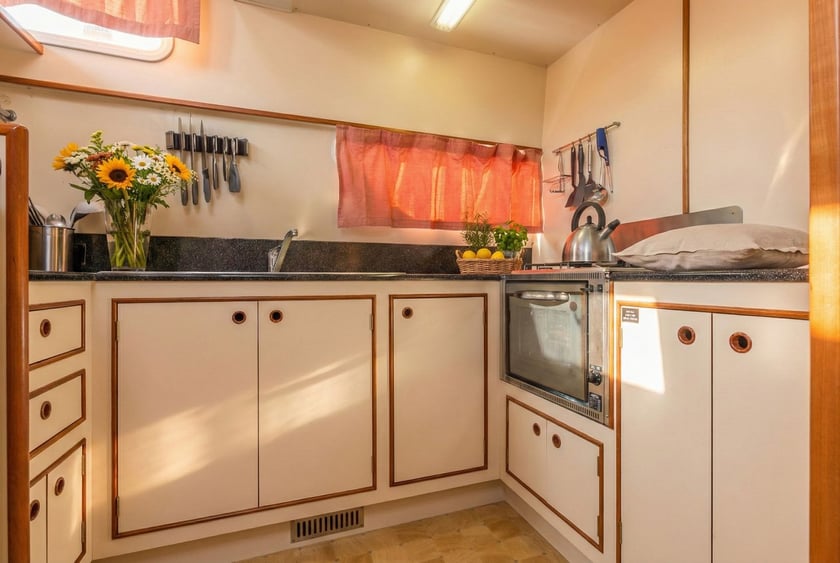
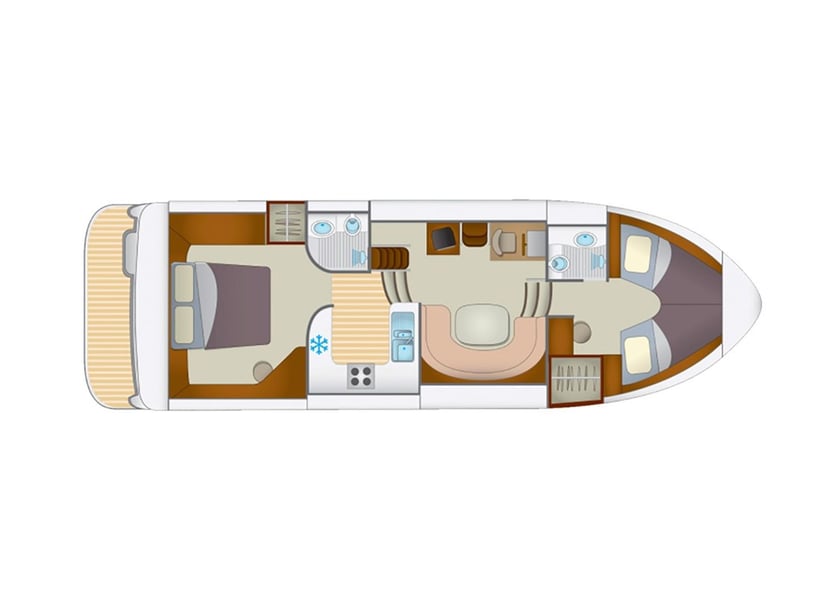
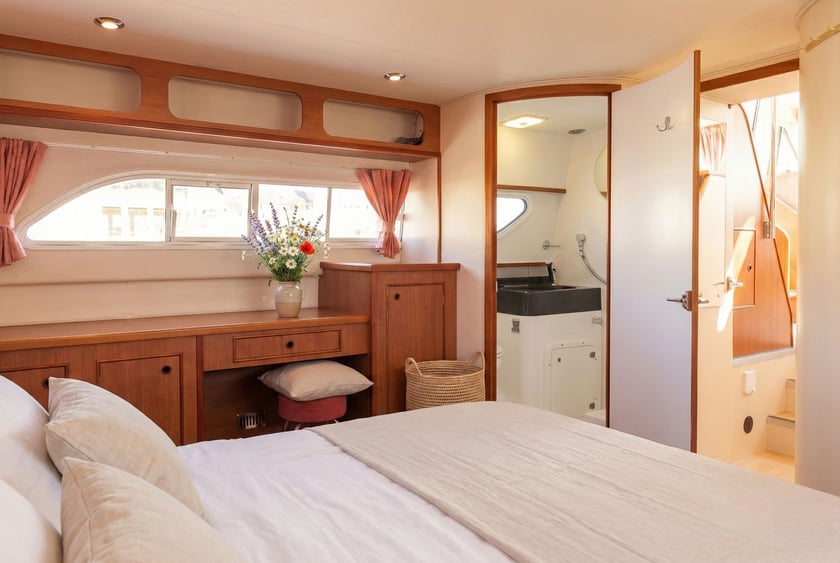
Yacht charter in Scey-sur-Saône-et-Saint-Albin
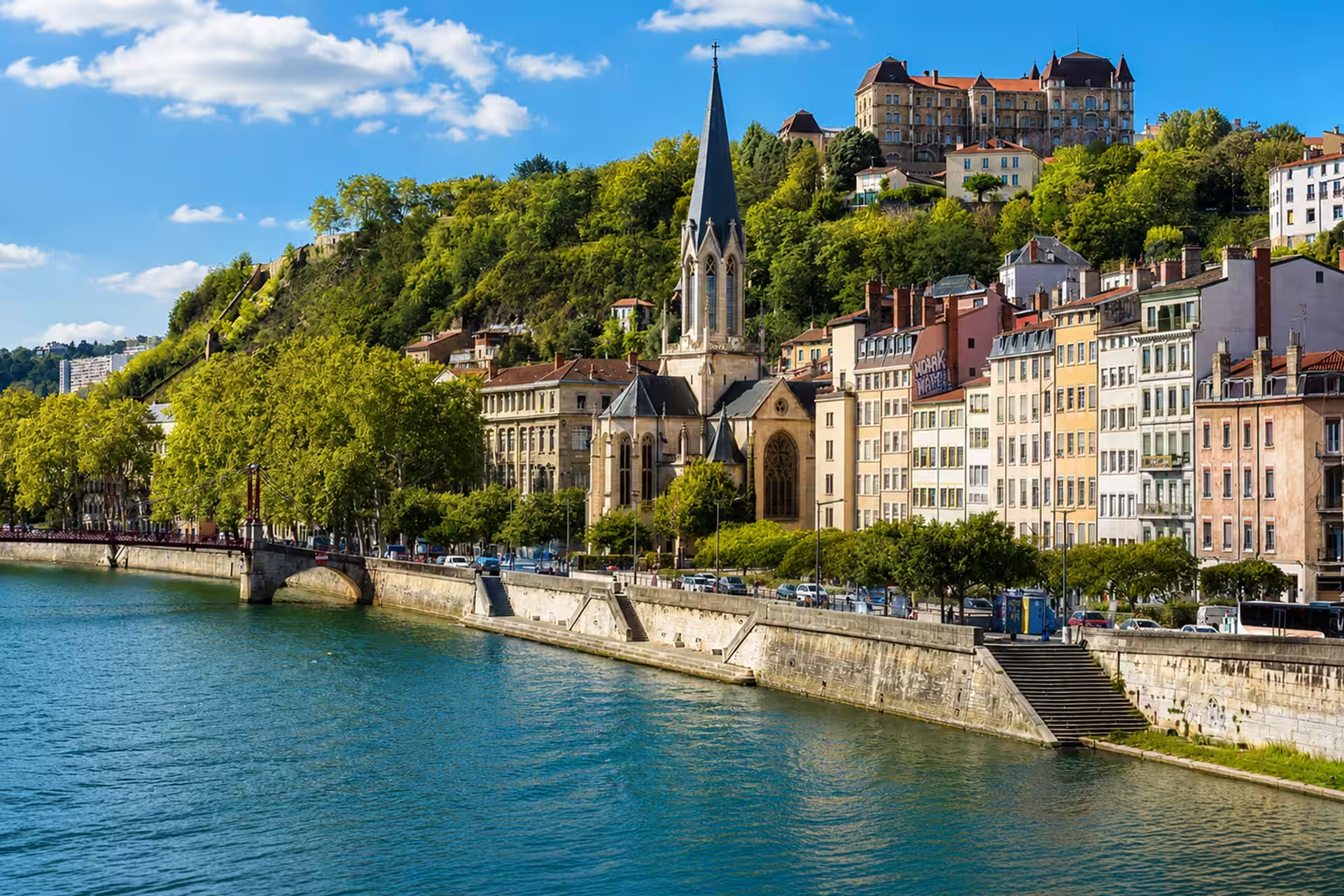
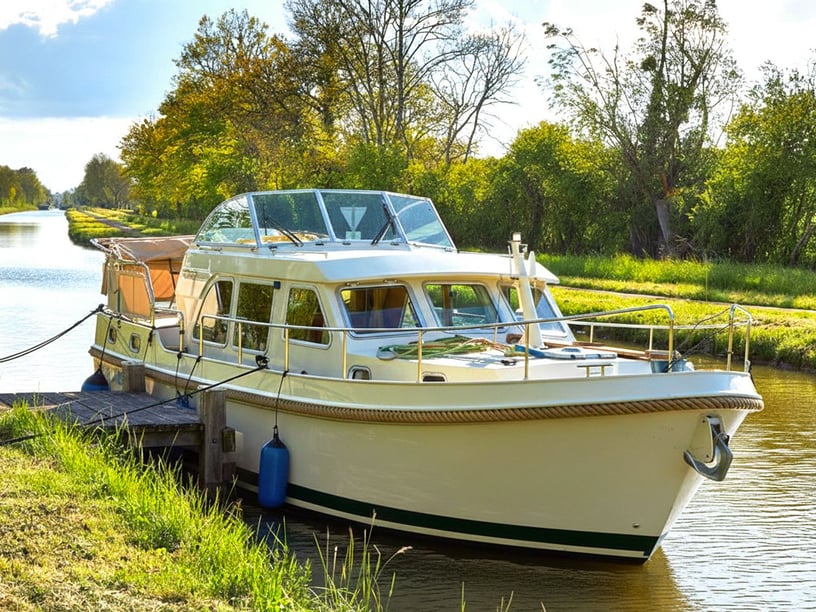
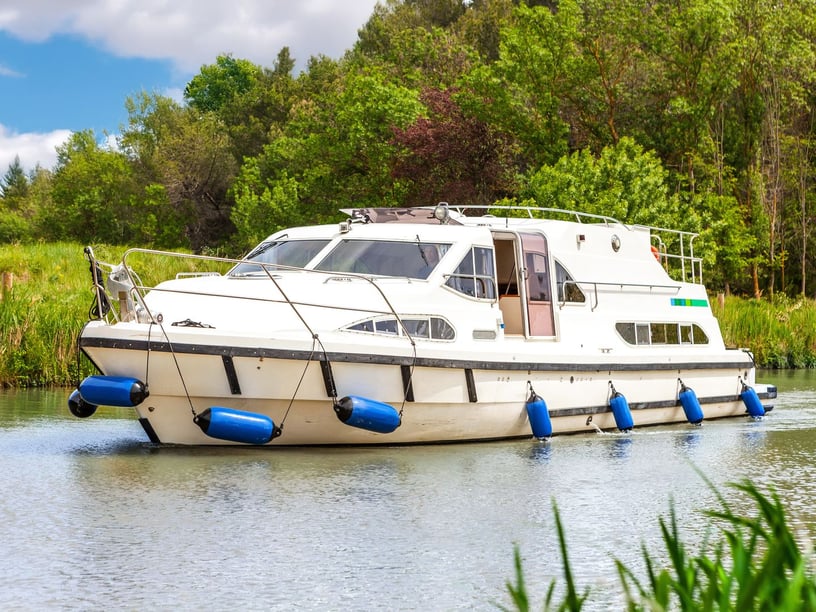
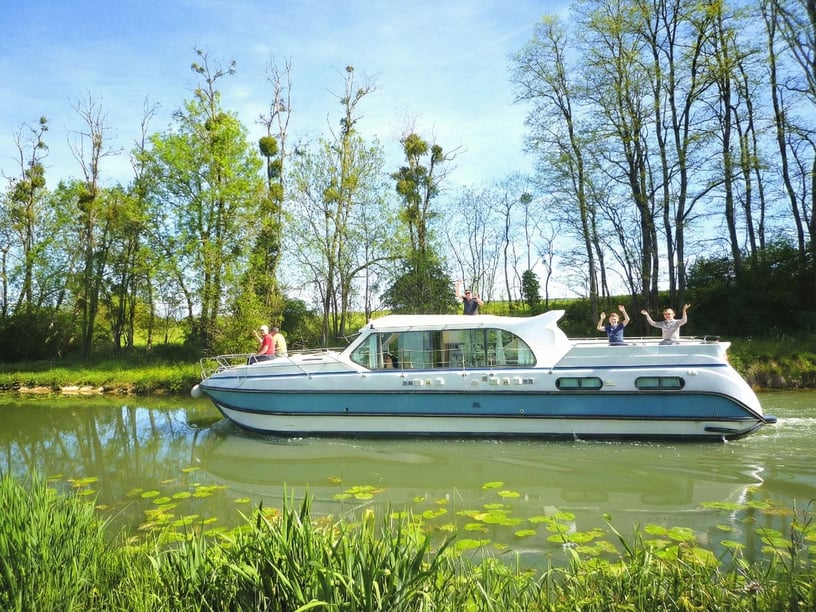
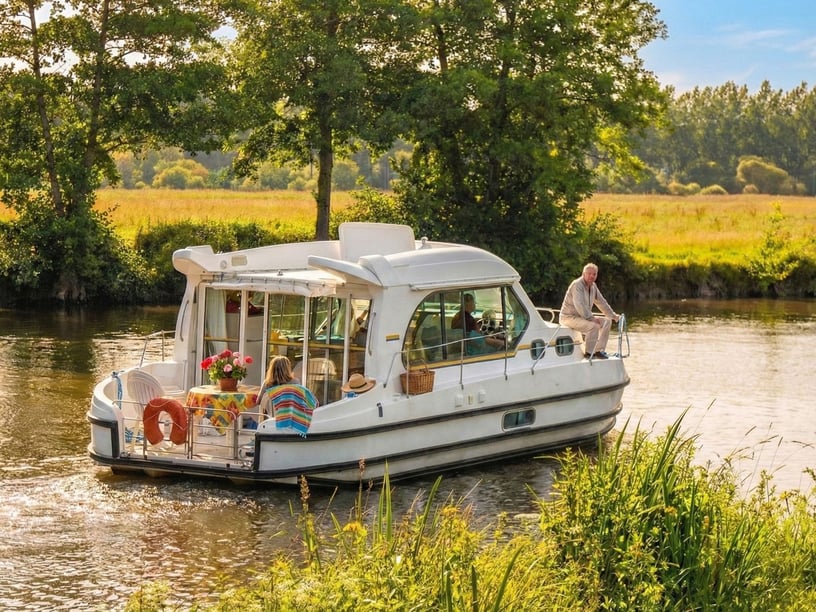
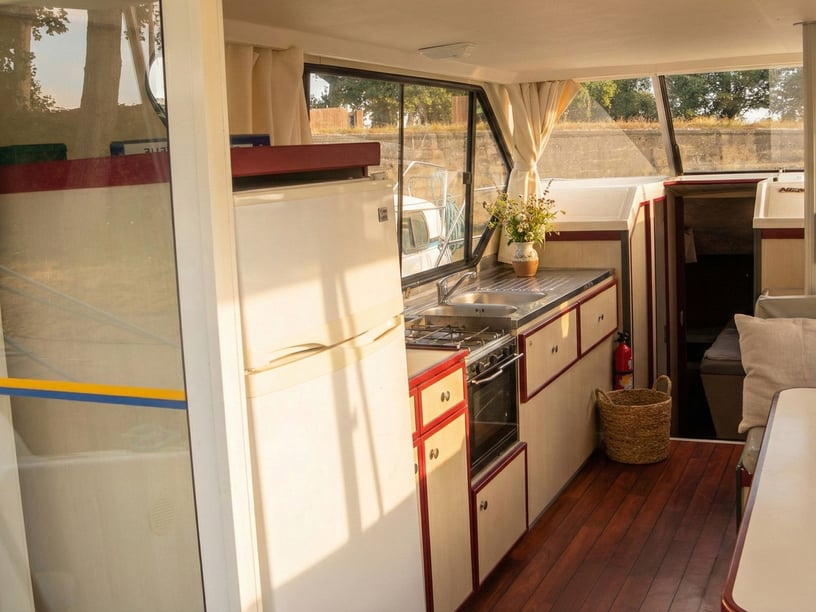
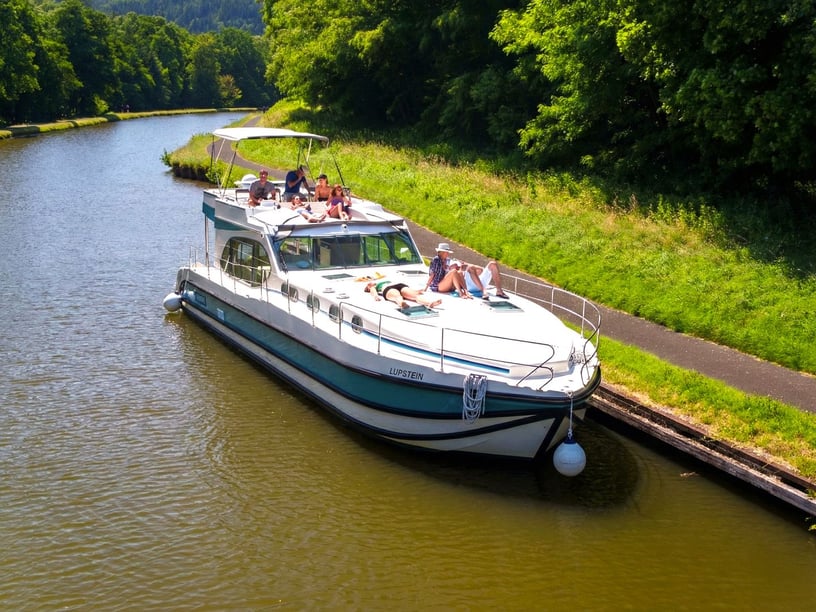
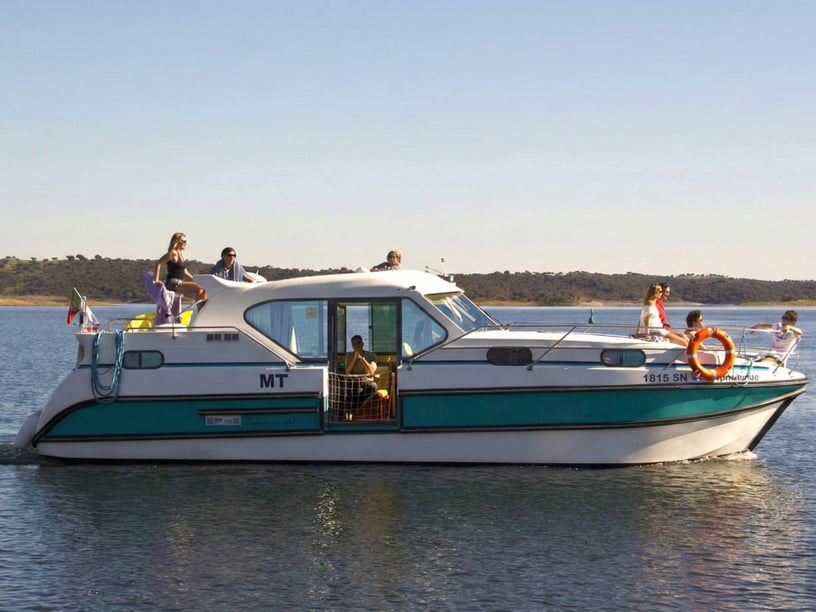
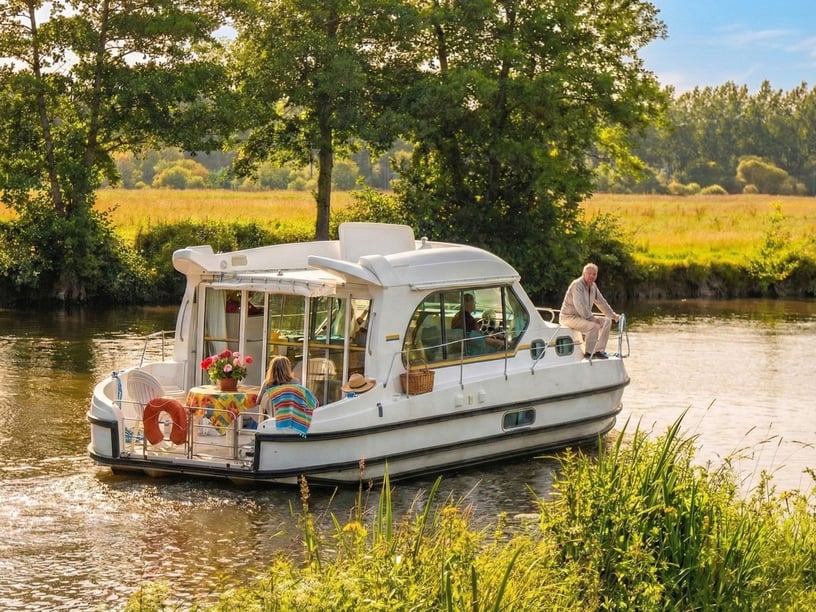
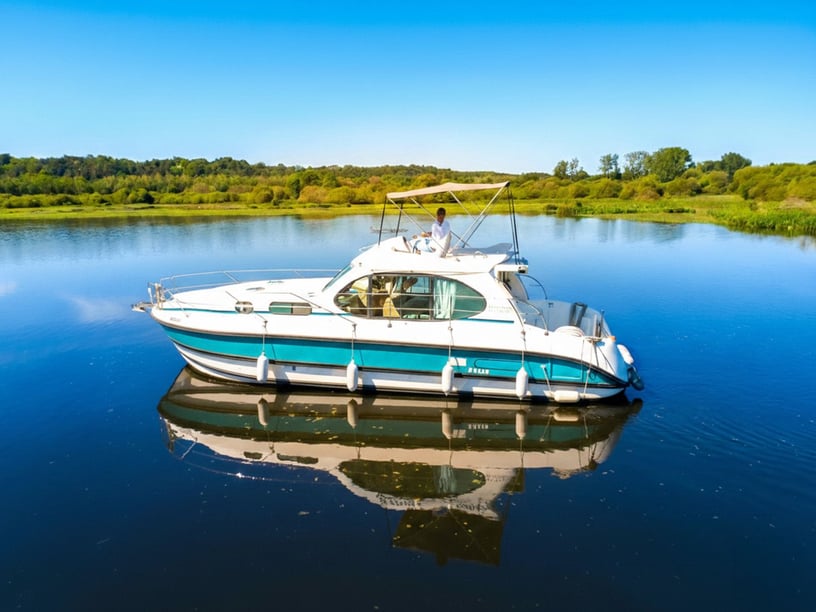
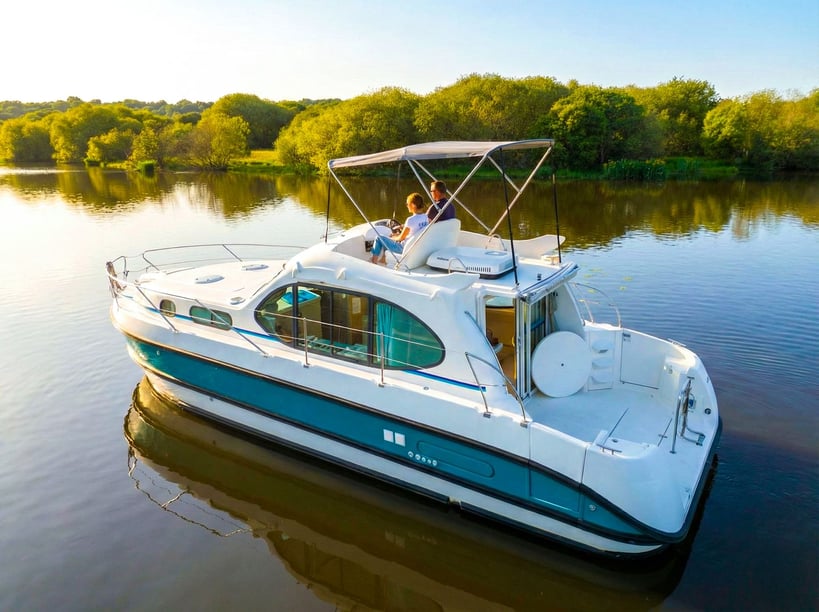
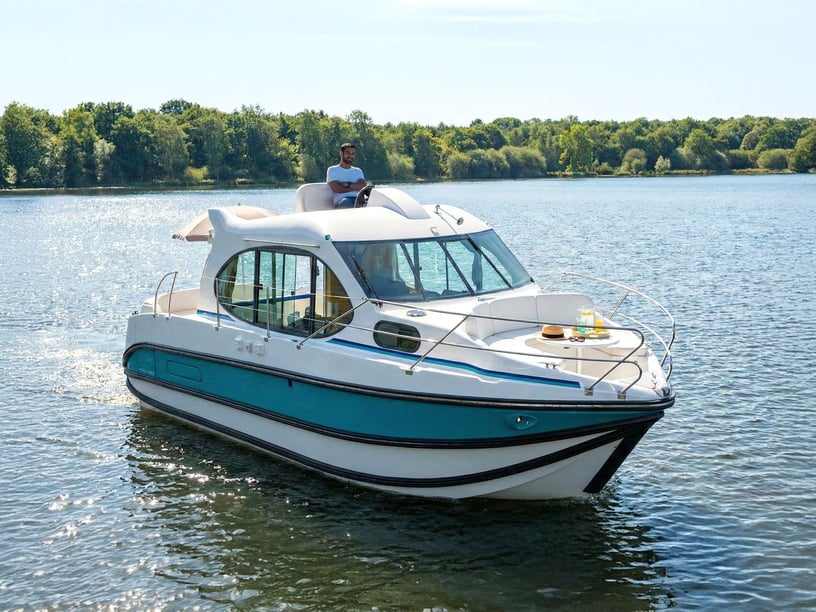
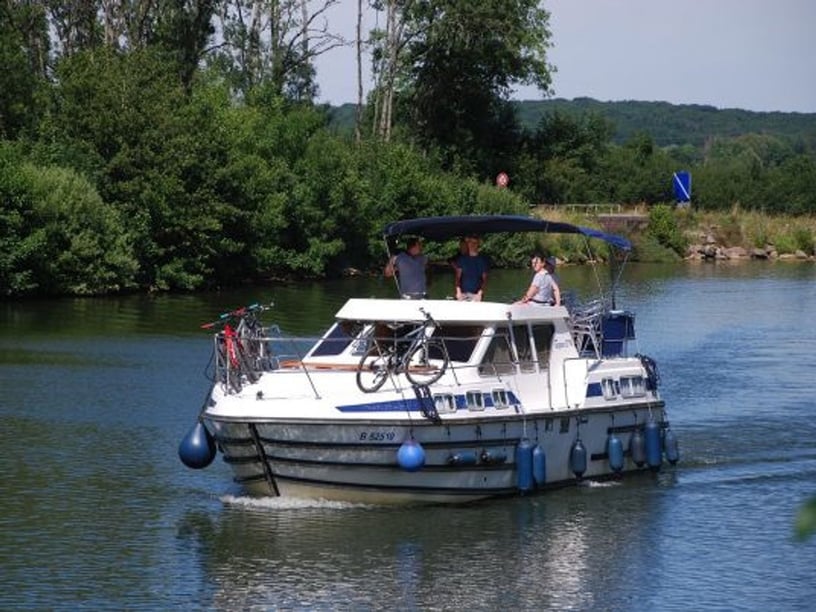
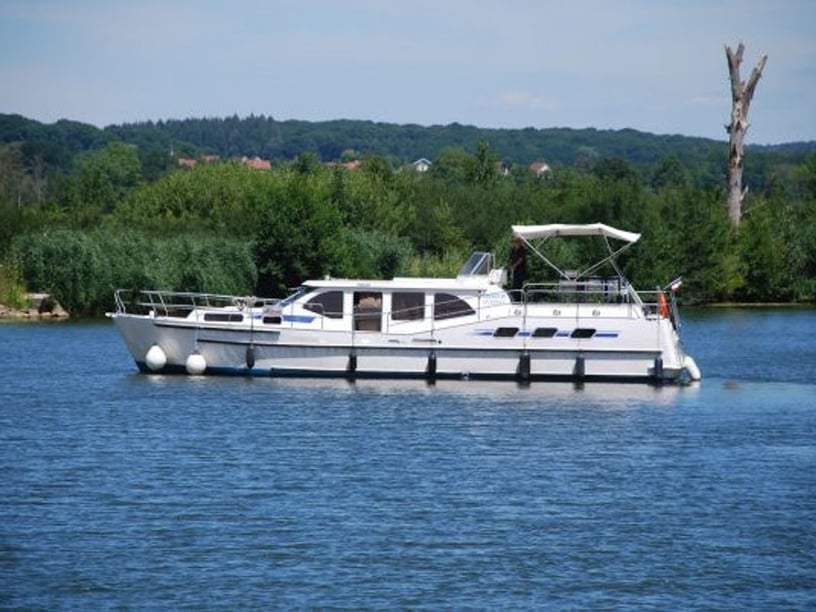
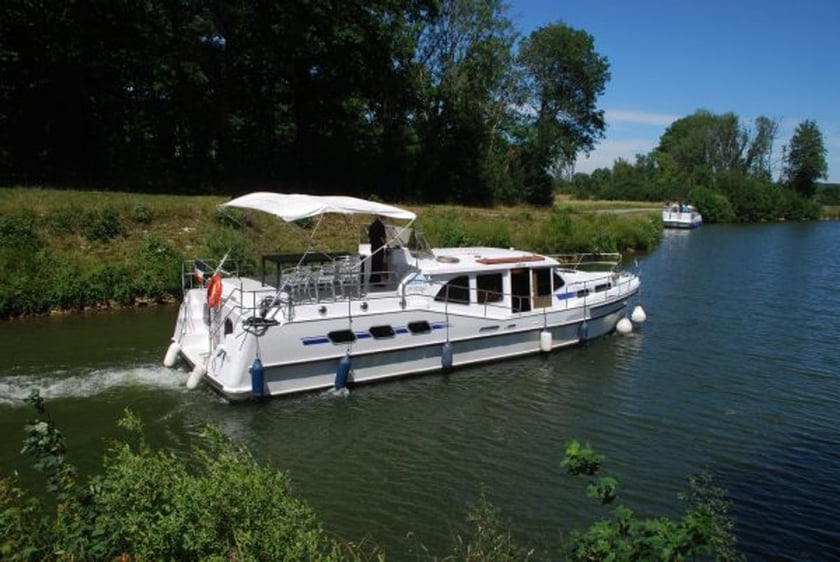
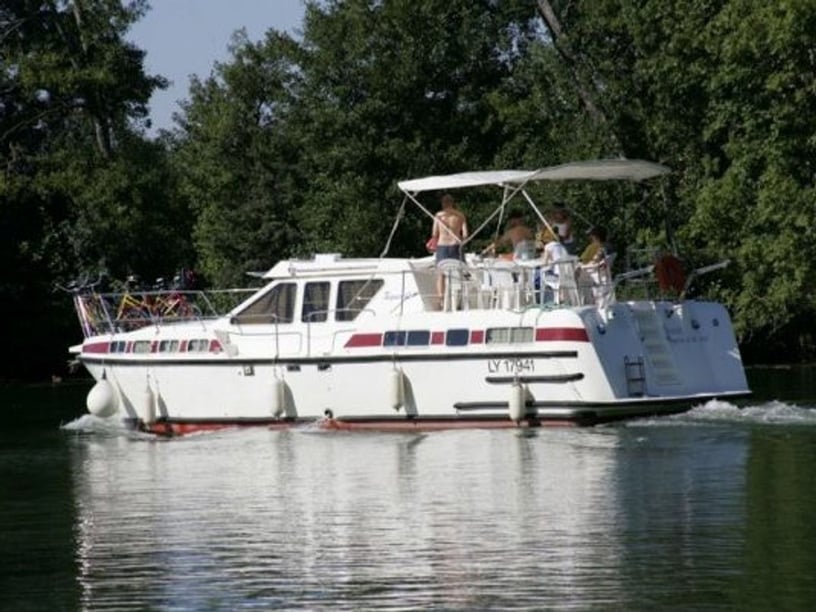
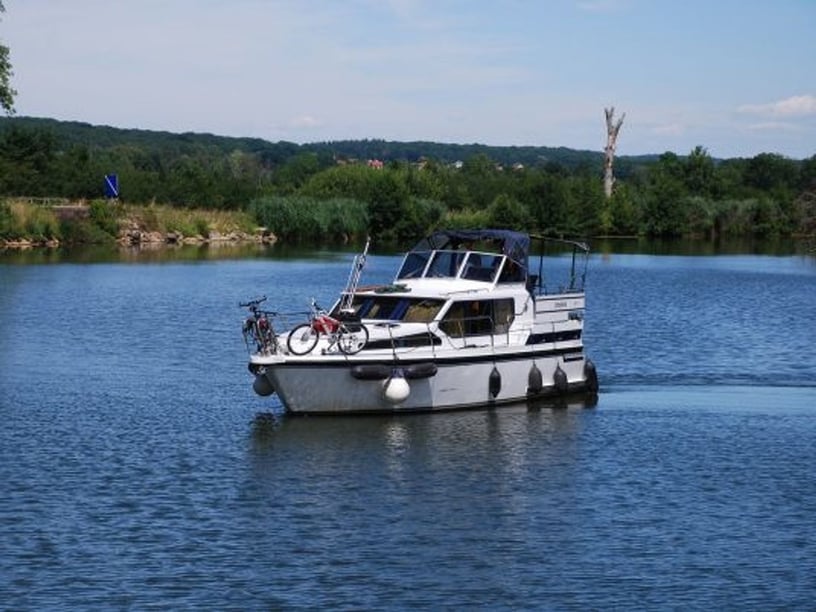
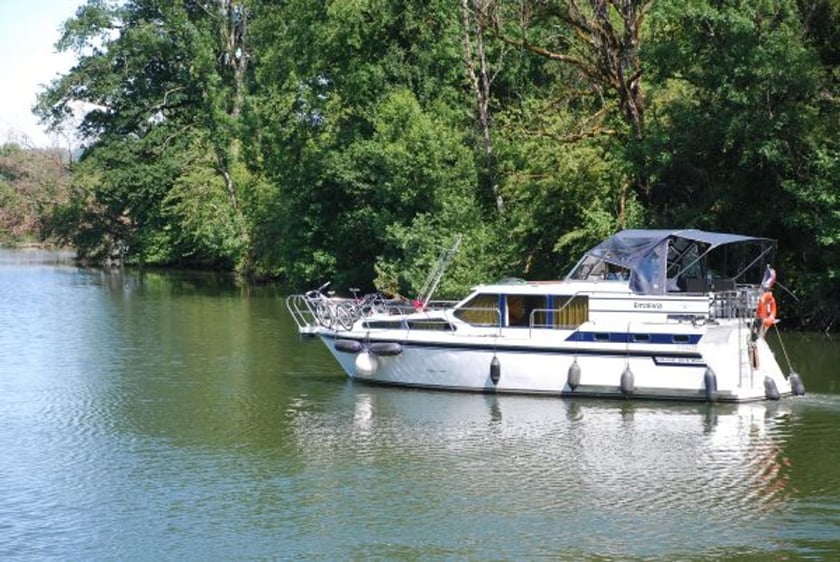
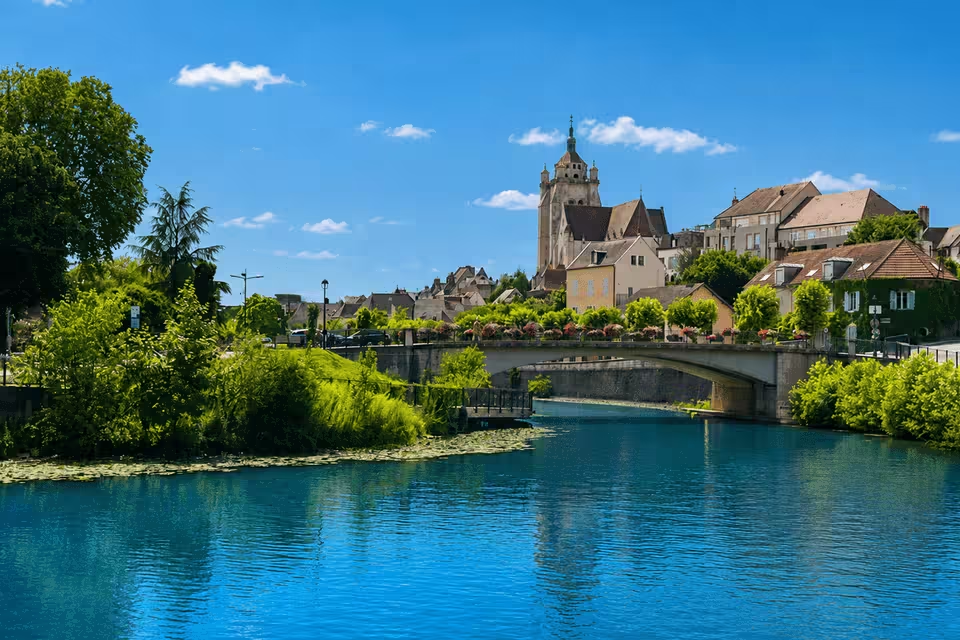
A yacht charter in Scey-sur-Saône-et-Saint-Albin is an inland cruising experience shaped by the Petite Saône rather than open-water sailing. The locality sits beside broad river meanders in Haute-Saône, with wooded slopes, a sandy floodplain and a marina close to the town. Motorboats and houseboats are more characteristic here than sailing yachts, and journeys follow a network of locks, designated river stops and navigable waterways.
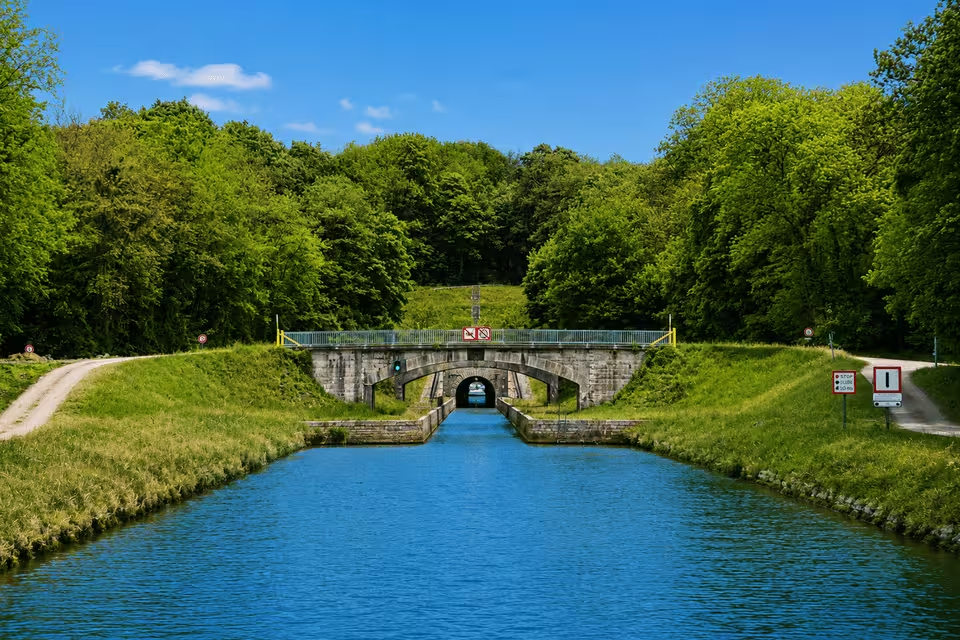
The defining landmark is the Saint-Albin diversion canal and its 681-meter tunnel, created to bypass a large bend in the Saône. This combination of sheltered cruising and nineteenth-century engineering gives the destination a distinct identity among yacht charter destinations in France. It particularly suits travelers who prefer an unhurried itinerary with time for riverside walks, cycling and visits to small Comtois settlements.
Places to explore along the Petite Saône
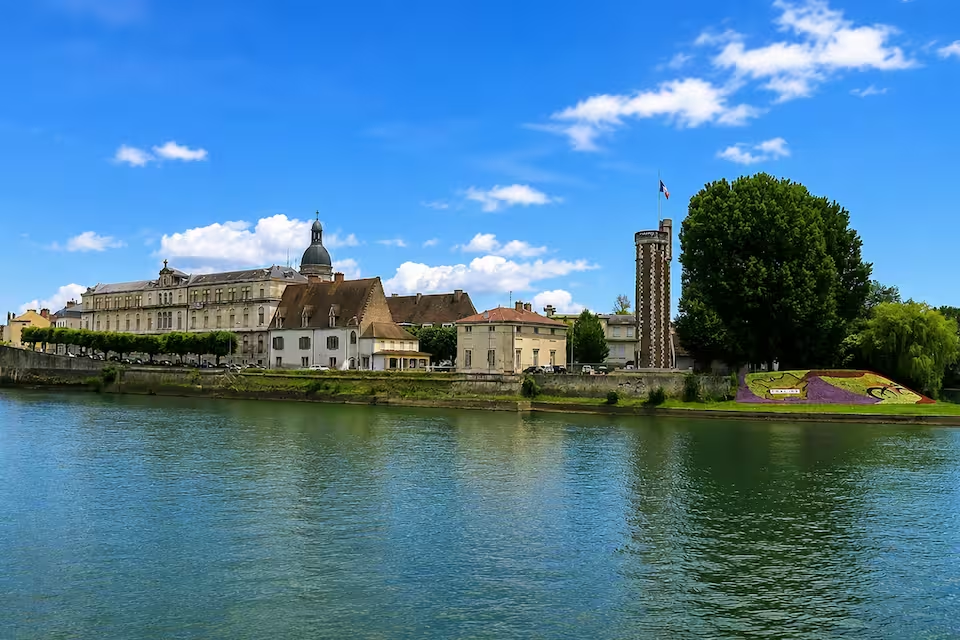
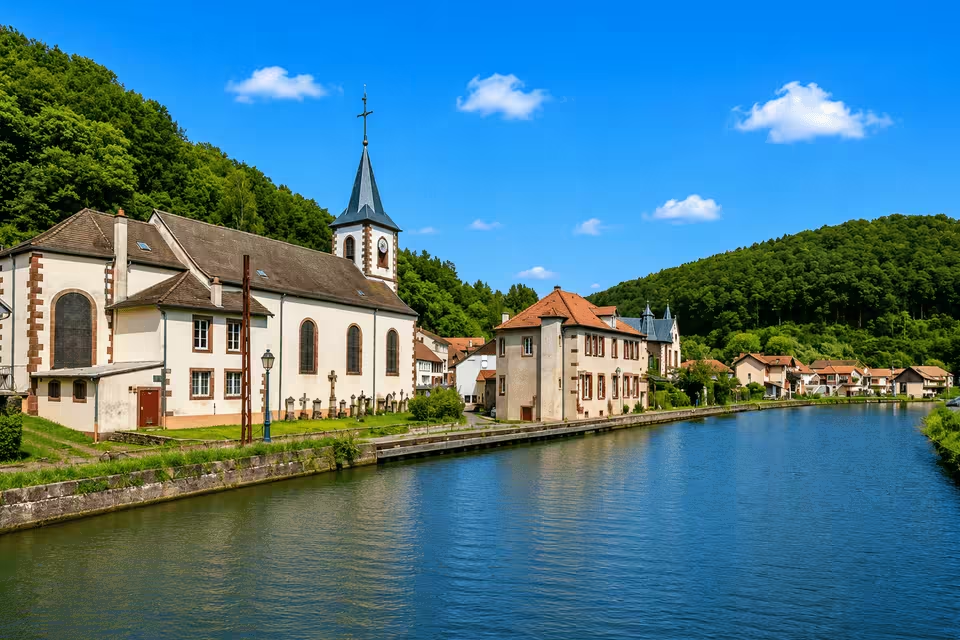
Scey-sur-Saône itself is worth exploring before or after departure. The marina lies near the riverfront, while the town contains the Church of Saint-Martin, former château stables, washhouses and reminders of the Bauffremont estate. At nearby Saint-Albin, the canal, locks and tunnel form the most recognizable part of the local waterway landscape.
Upstream, Port-sur-Saône is a natural stage on the way toward Corre and the Canal des Vosges. Downstream, Rupt-sur-Saône and Ray-sur-Saône introduce more of the valley’s villages and historic river scenery. Savoyeux and Gray can be incorporated into longer trips, allowing travelers to combine rural reaches with established stops farther along the Saône.
Cruising conditions on the Petite Saône
Cruising around Scey-sur-Saône is generally easy and sheltered, but the practical considerations differ from those of a coastal yacht charter. Wind and waves are less important than river current, water level, locks and confined passages. Automated structures help organize progress, while ports, pontoons and river stops provide the framework for overnight itineraries.
The Saint-Albin tunnel is narrow and operates as a signal-controlled, one-way passage. Crews must wait for the appropriate light and maintain careful control through the channel; stopping, reversing, turning and overtaking inside are prohibited. These requirements make the tunnel memorable without turning the wider route into technically demanding navigation.
Conditions can still change. Flooding may close protected reaches, while low water can lead to traffic grouping or other operating measures. The overall pace therefore rewards flexible planning rather than ambitious daily distances.
The best time for a river charter
The main practical boating season runs from late March through October, when automated structures normally operate during daytime hours. June, July, August and September are the most suitable months overall, combining warmer weather with the strongest level of recreational activity and visitor services.
May also belongs to the active cruising period, while April and October sit at the margins of the main season and may appeal to travelers comfortable with cooler or more changeable conditions. Rain is possible throughout the year. Winter is cold and frequently frosty, and navigation may require advance arrangements in addition to being affected by maintenance closures, high water and reduced services.
River routes from Scey-sur-Saône
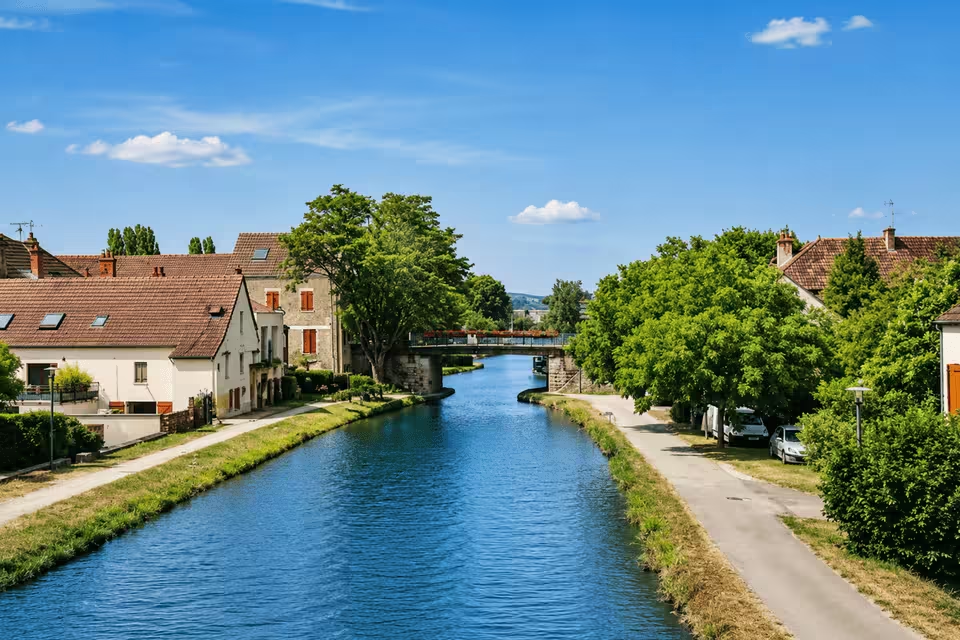
A short local itinerary can focus on the Saint-Albin canal, passing through the tunnel and its two locks before returning to the Scey area. It is a useful introduction to the waterway’s automated infrastructure and can be paired with time ashore in the town and along the towpath.
For a longer downstream journey, the route continues toward Rupt-sur-Saône, Ray-sur-Saône, Savoyeux and Gray, with the possibility of extending toward Auxonne and connected waterways. Heading upstream leads through Port-sur-Saône to Corre. From there, longer charters can continue onto the Canal des Vosges toward Fontenoy-le-Château and Épinal. The appropriate route depends on charter duration, operating notices and the time needed for locks rather than distance alone.
Life on and beside the river
The appeal of cruising from Scey-sur-Saône lies in the close connection between the boat, the river landscape and activities ashore. Days can alternate between slow passages through wooded meanders, lock transits and stops in small stone-built settlements. The sheltered environment is well suited to families and travelers who value scenic cruising over open-water sailing.
At Saint-Albin, the boating route meets the Voie Bleue towpath cycle itinerary, making cycling or walking a natural addition to the trip. Historical interest extends beyond the tunnel: Saint-Albin developed around an Augustinian priory, while Scey preserves the Church of Saint-Martin and remains of an estate that shaped the town for centuries. The tunnel itself reflects the nineteenth-century effort to make navigation on the Saône more reliable.
Reaching the marina and starting a charter
Road travel is the most practical way to reach Scey-sur-Saône, particularly when carrying luggage for a multi-day boat rental. The locality is approximately 21 kilometers from Vesoul, which provides the principal nearby TER rail connection. The Mobigo LR602 coach corridor linking Gray, Combeaufontaine and Vesoul also serves Scey-sur-Saône, although a car or taxi can simplify the final transfer.
The Port de plaisance de Scey-sur-Saône is the local departure point and an established pleasure-boat mooring area with basic boating services. It is approximately 800 meters from the town center. Scey consequently works both as a river-cruising base and as a place to spend time ashore before departure.
Planning your Scey-sur-Saône charter
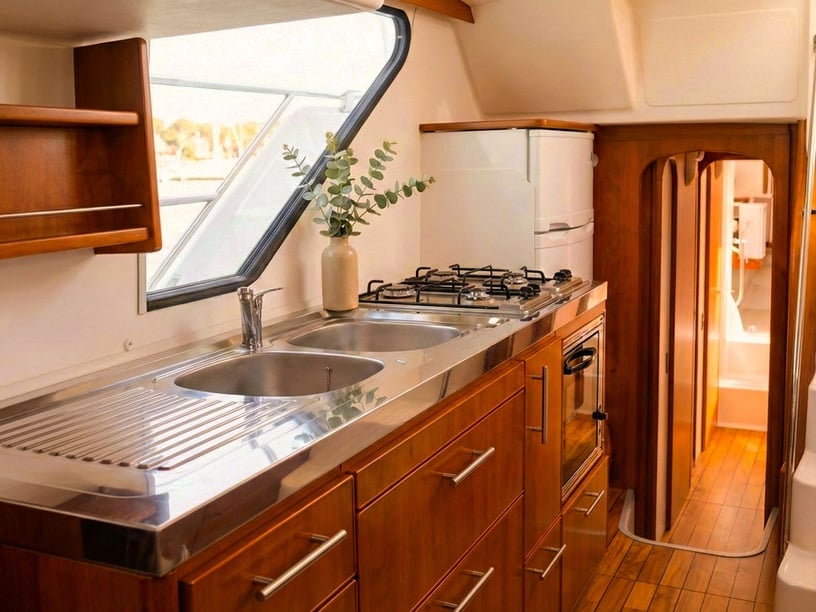
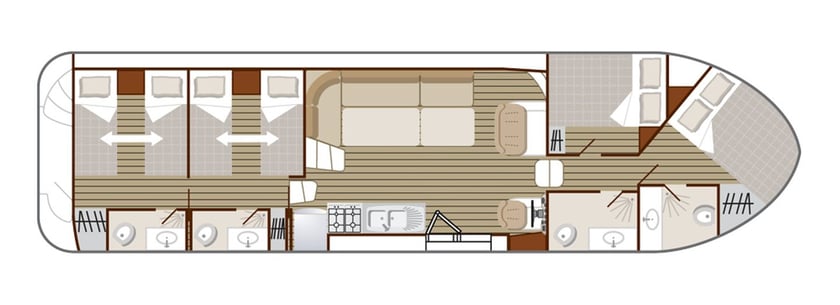
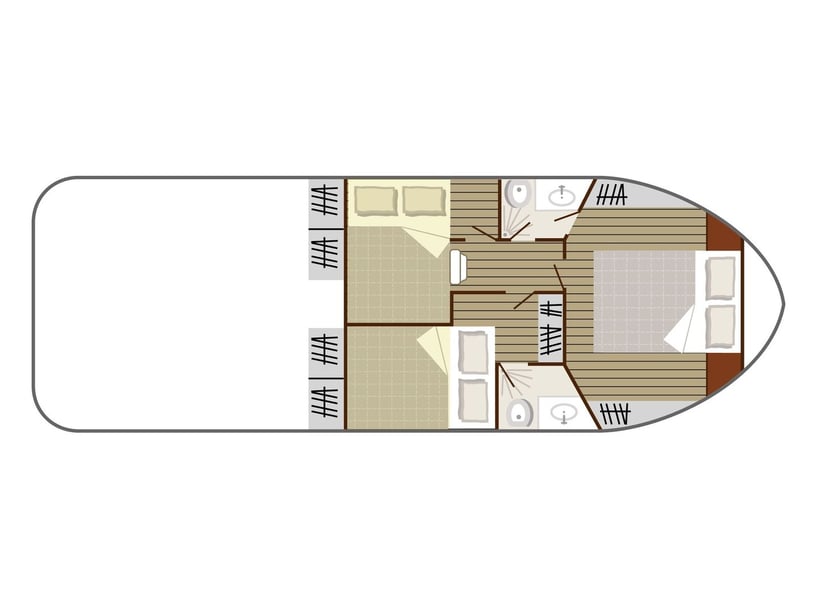
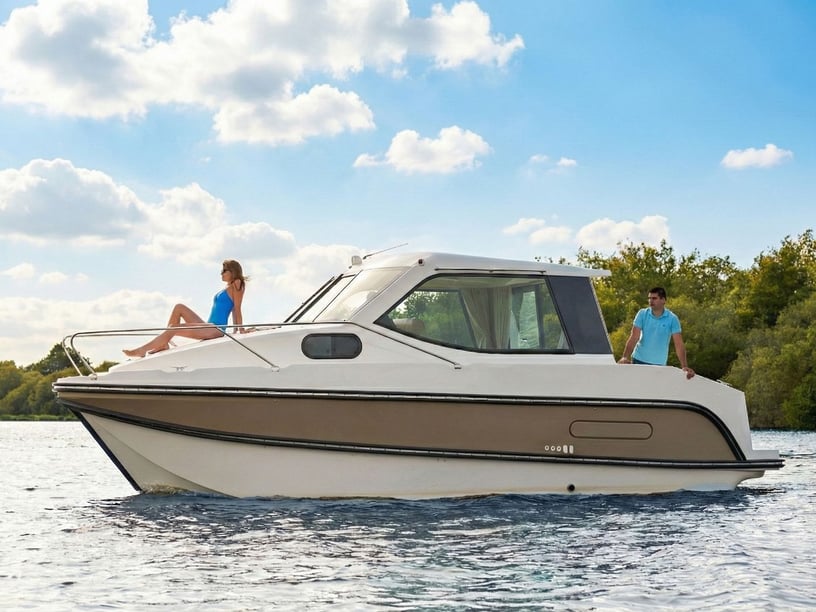
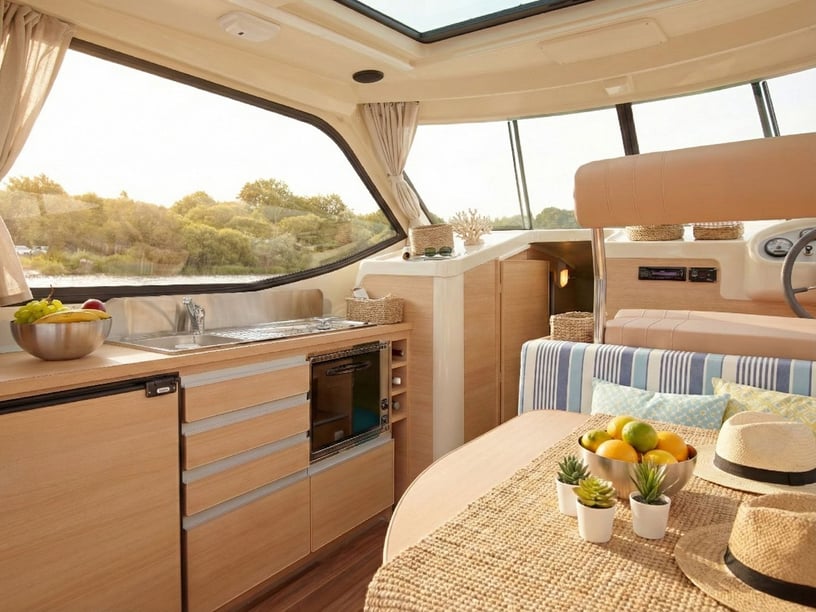
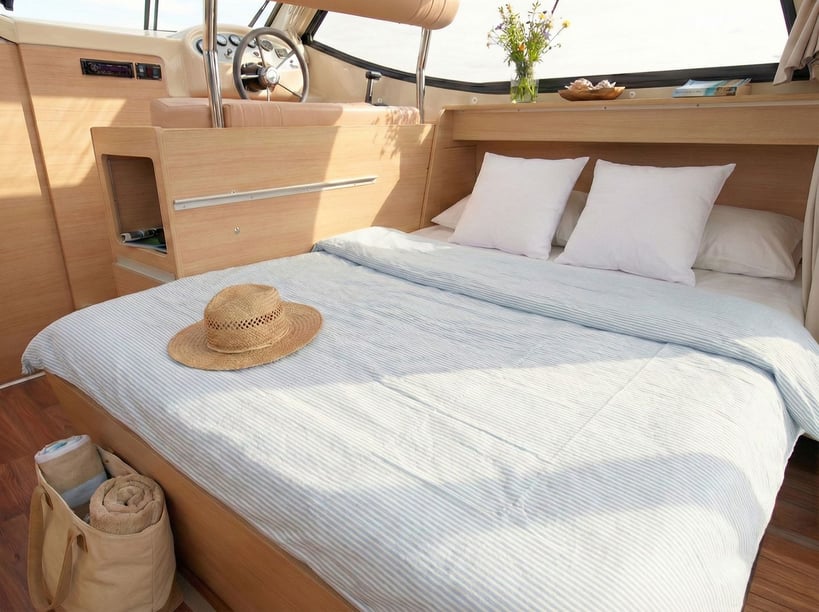
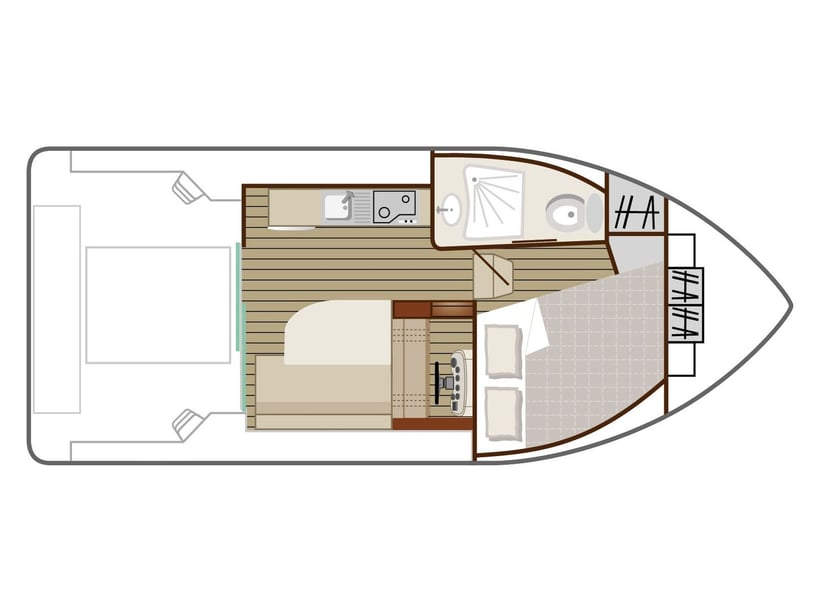
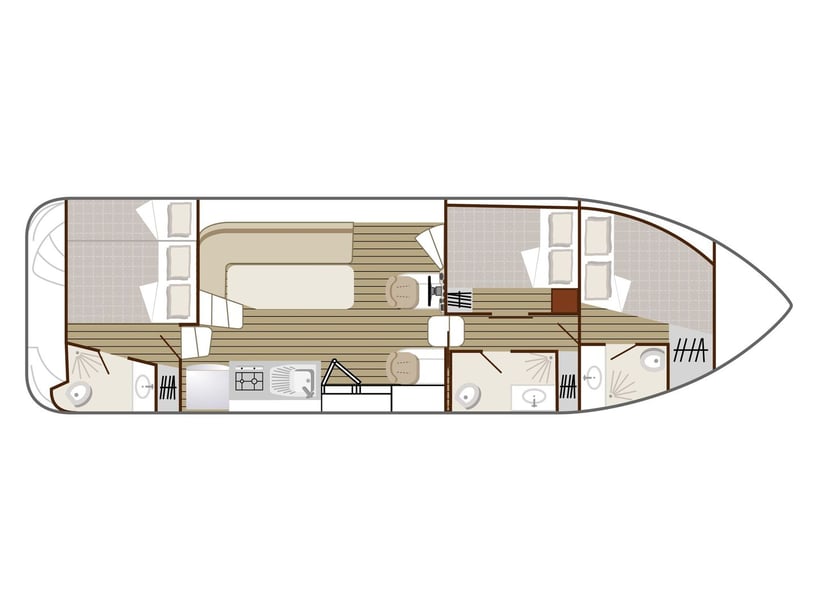
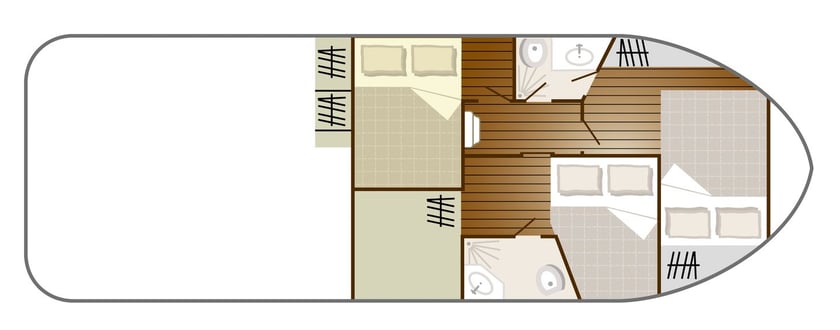
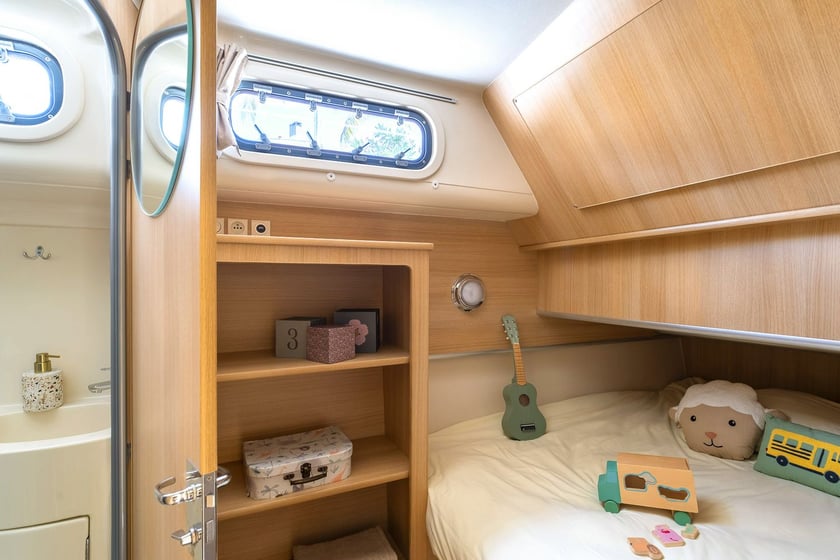
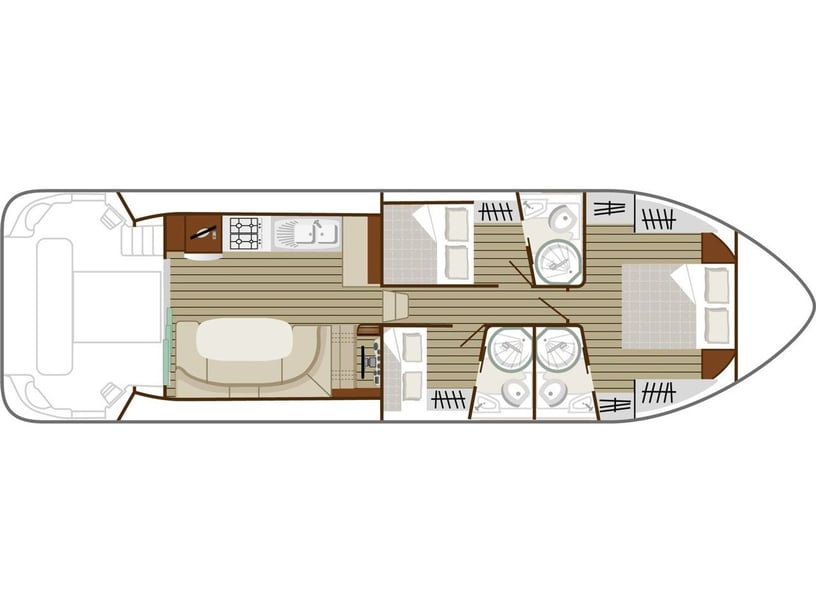
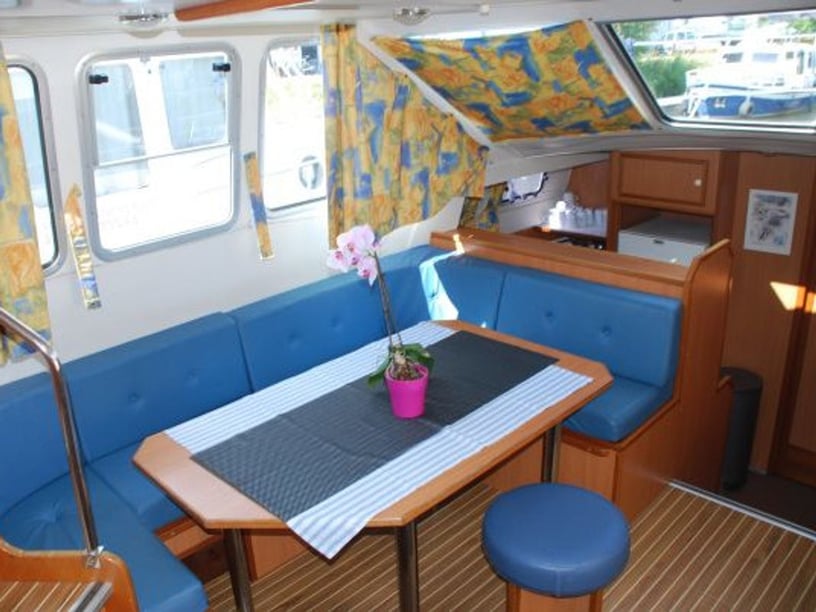
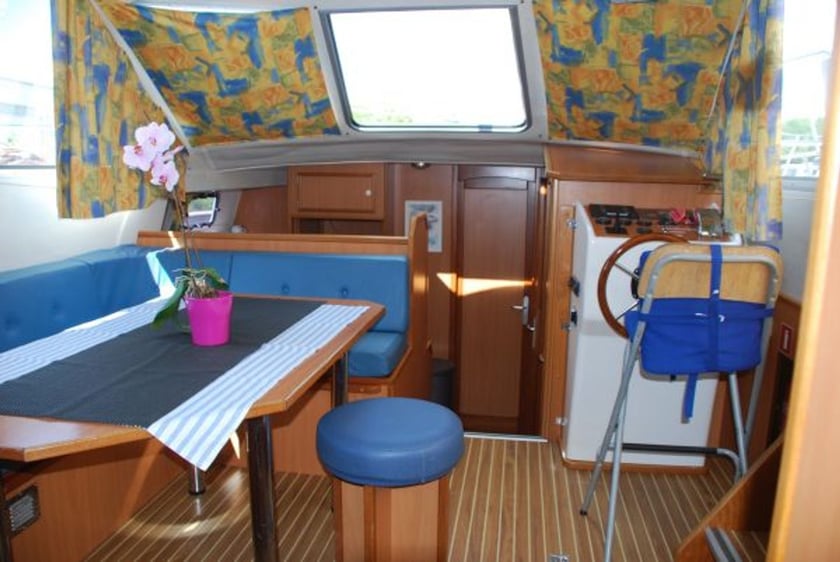
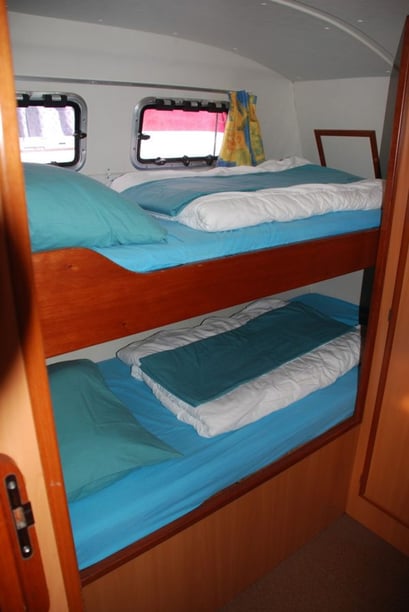
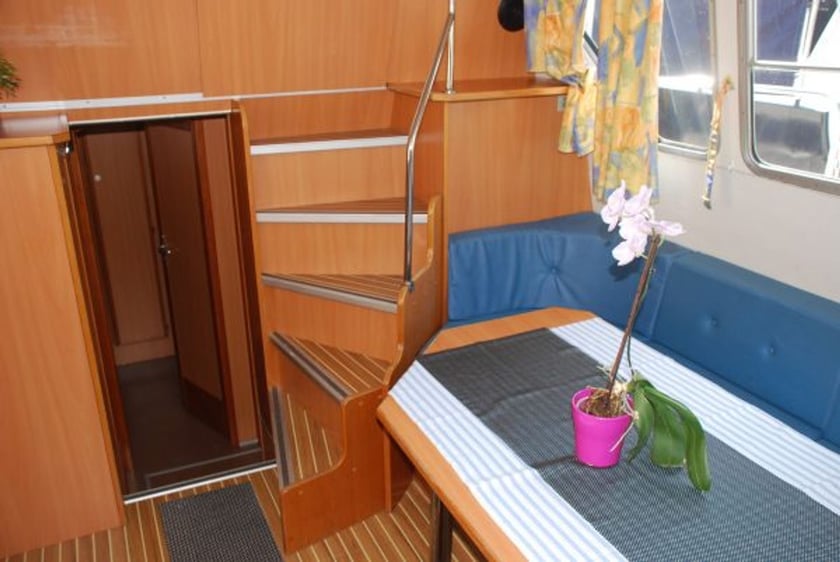
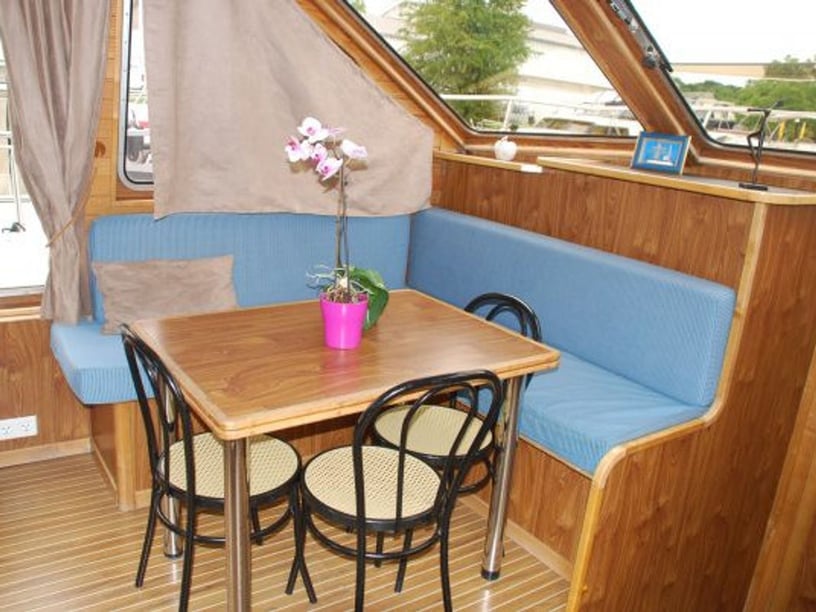
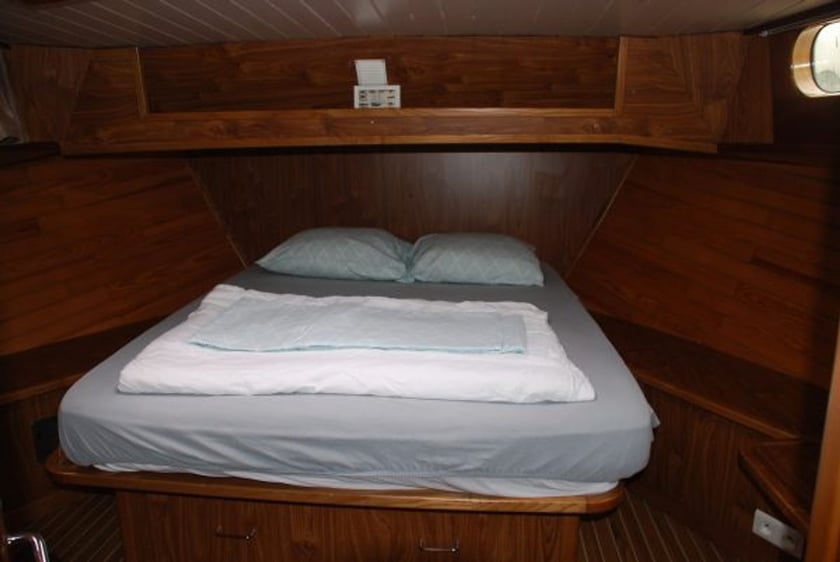
When comparing options for a Scey-sur-Saône yacht charter, focus on boats designed for inland waterways. Confirm that the vessel’s dimensions are compatible with the intended route, particularly the Saint-Albin tunnel, which has stated limits of approximately 3.5 meters vertical clearance and 1.8 meters navigable depth. The local experience is primarily motorized river cruising, so handling at low speed, locks and moorings matters more than sailing performance.
Plan overnight stops in advance because anchoring on the Petite Saône is prohibited except in a defined emergency. Designated ports, pontoons and river stops should therefore shape the itinerary. Before departure, consult current VNF navigation notices for flood restrictions, low-water measures, maintenance work and operating arrangements. Travelers planning outside the main late-March-to-October period should also verify access to locks and tunnels in advance, as winter navigation is generally request-based.