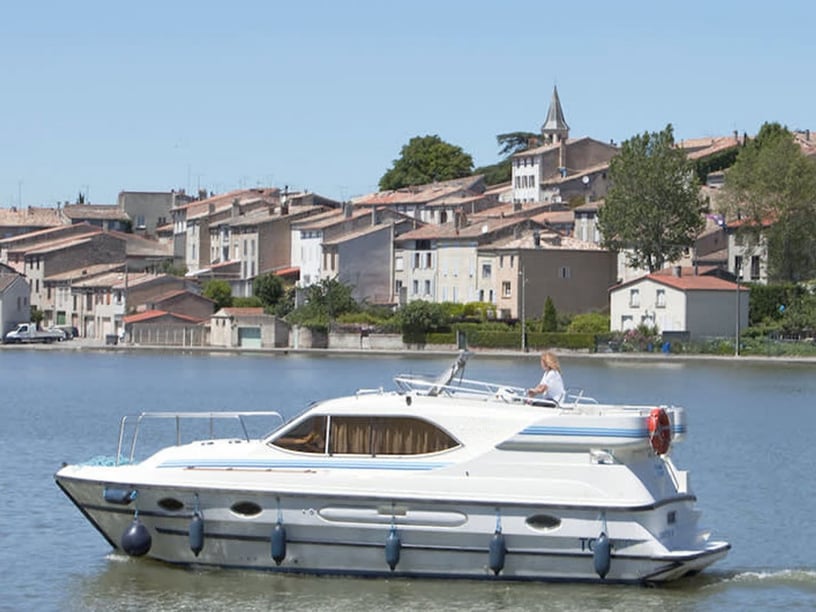
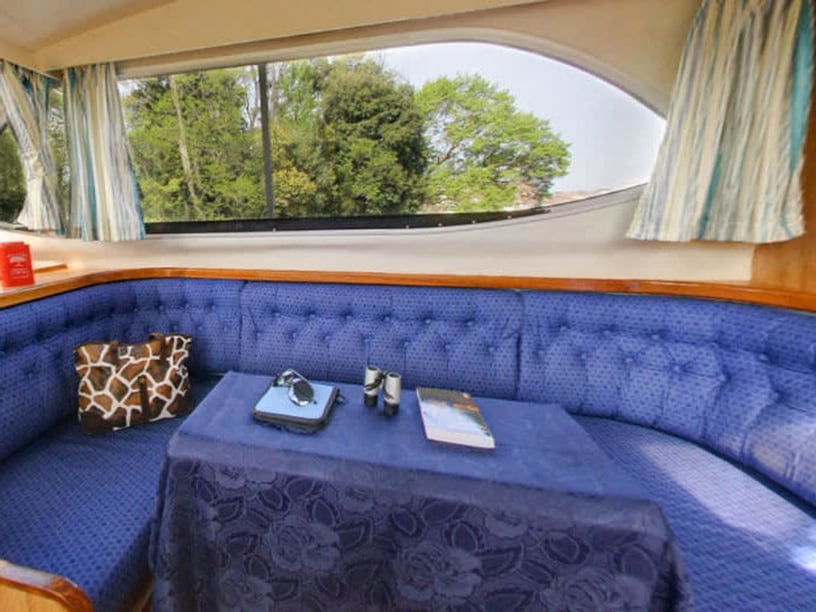
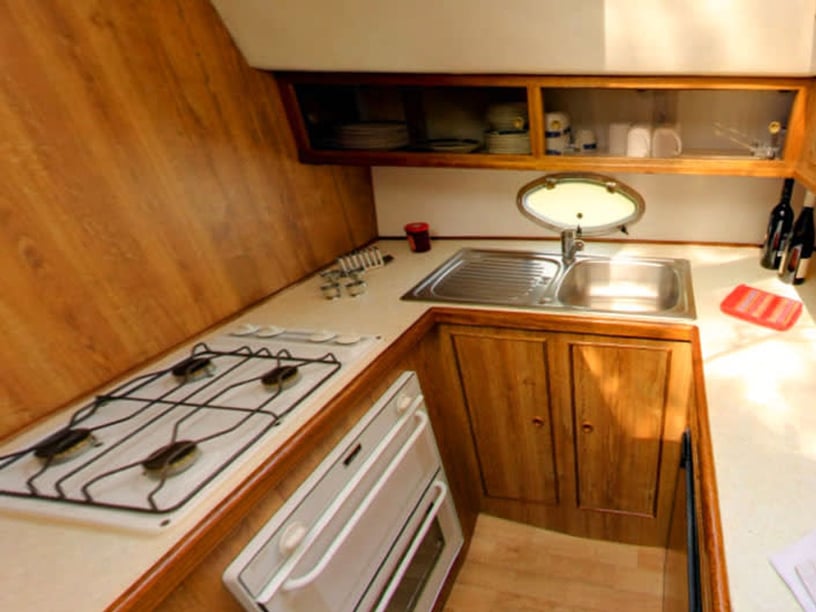
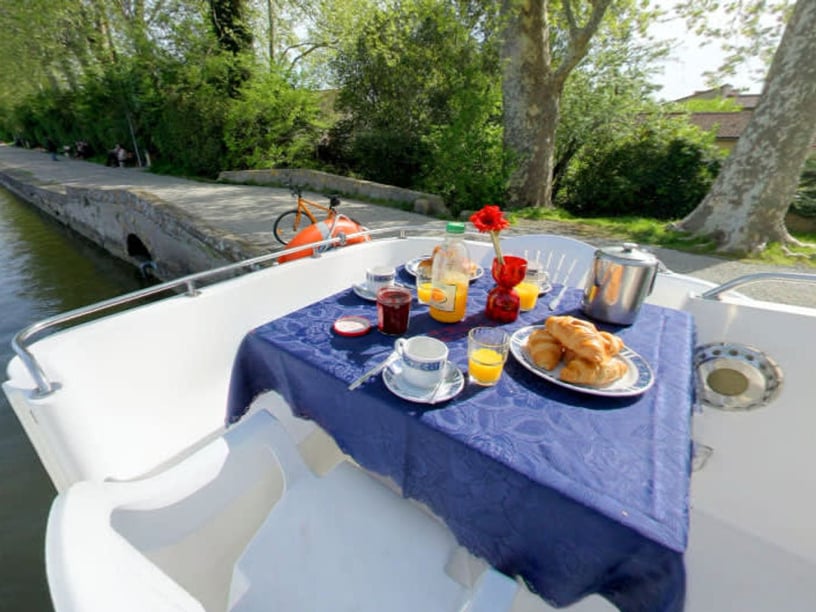
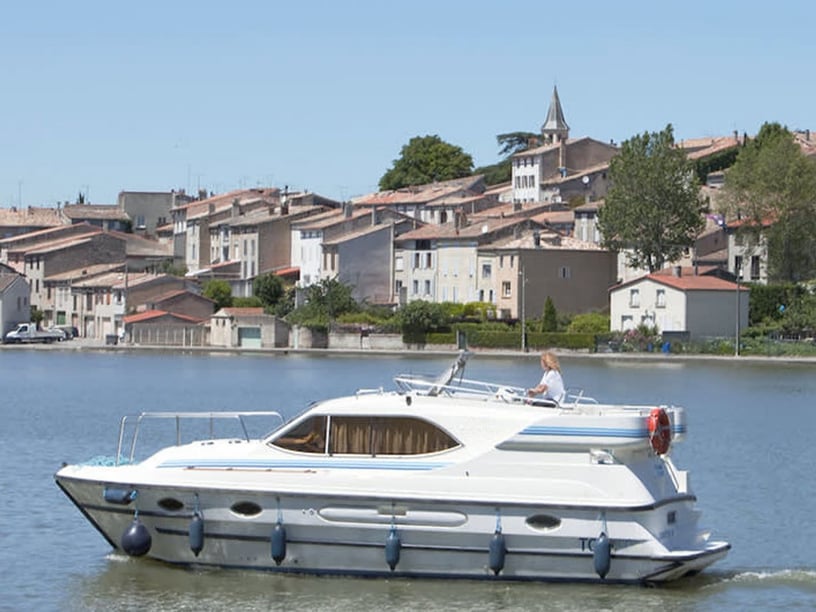
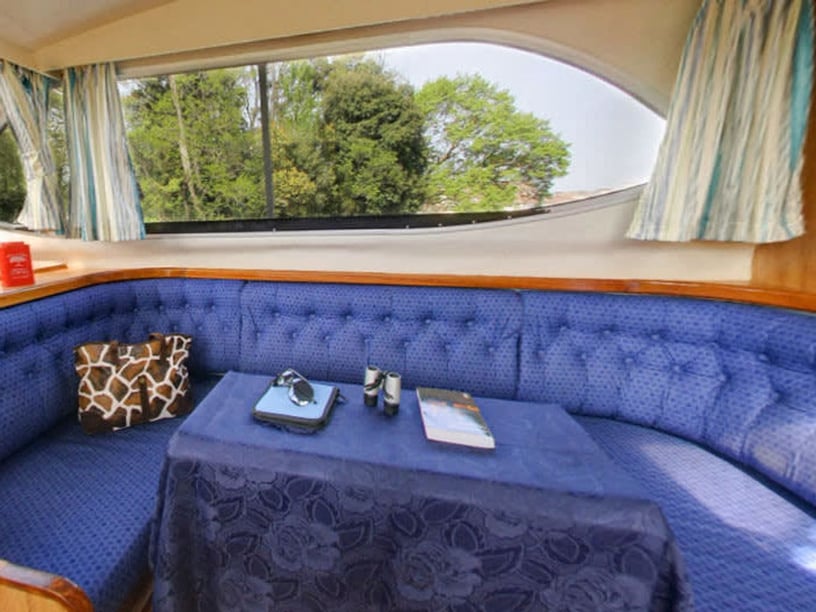
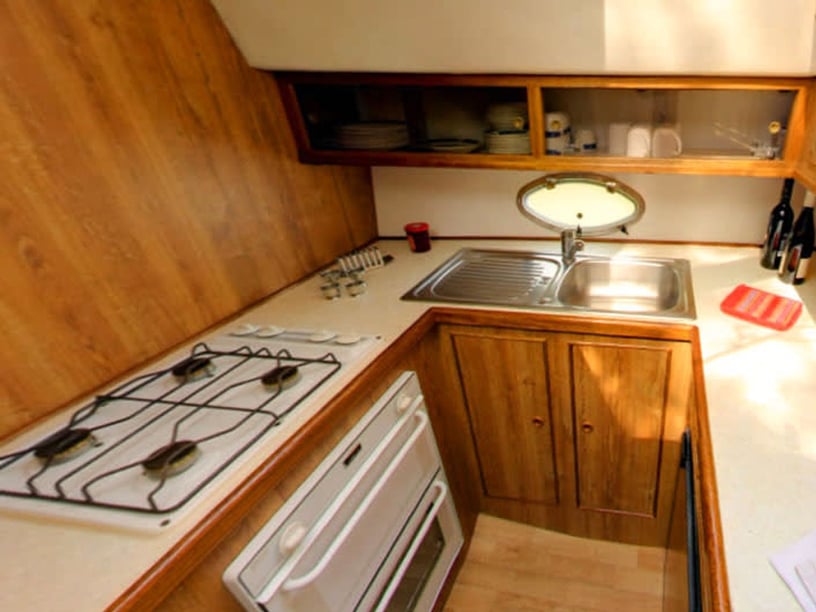
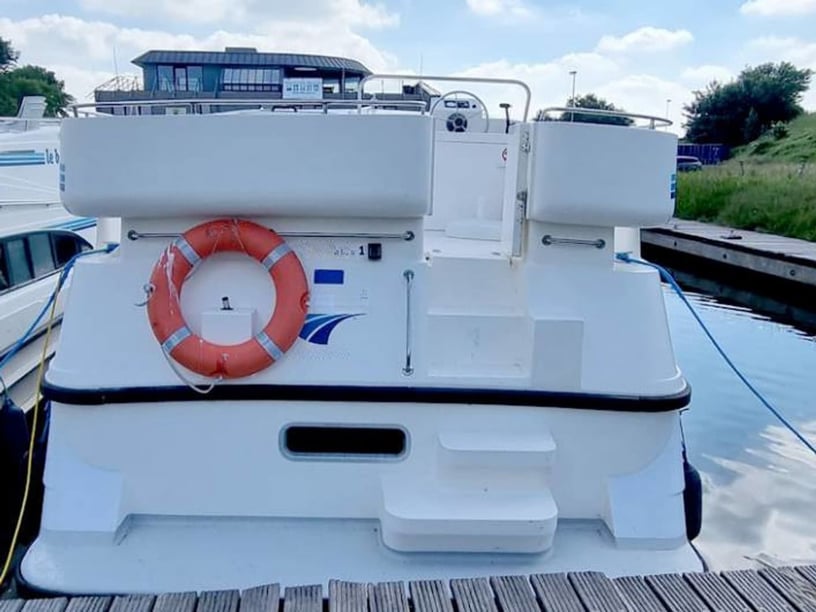
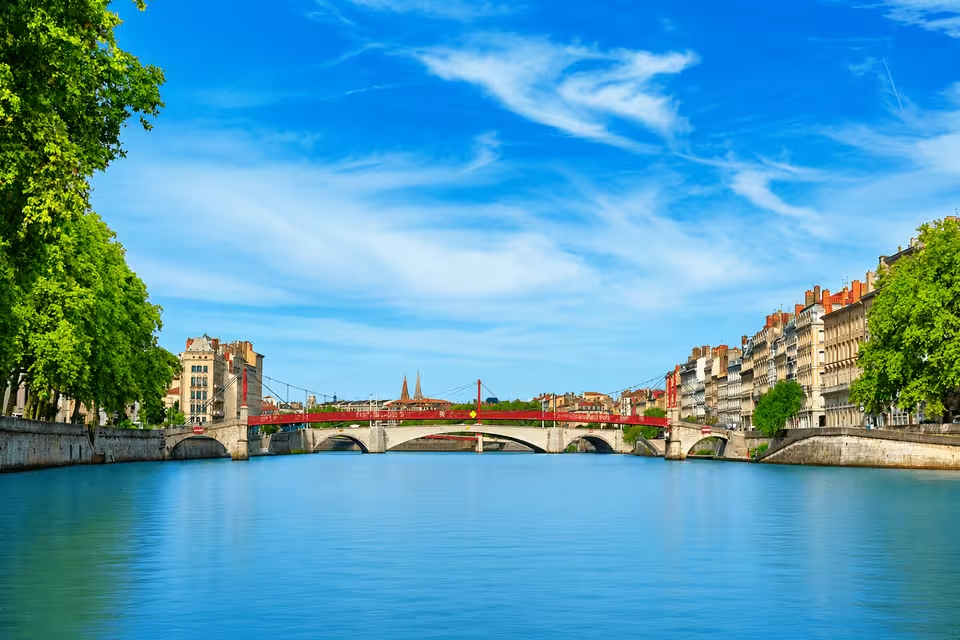
Yacht charter in Saint-Jean-de-Losne
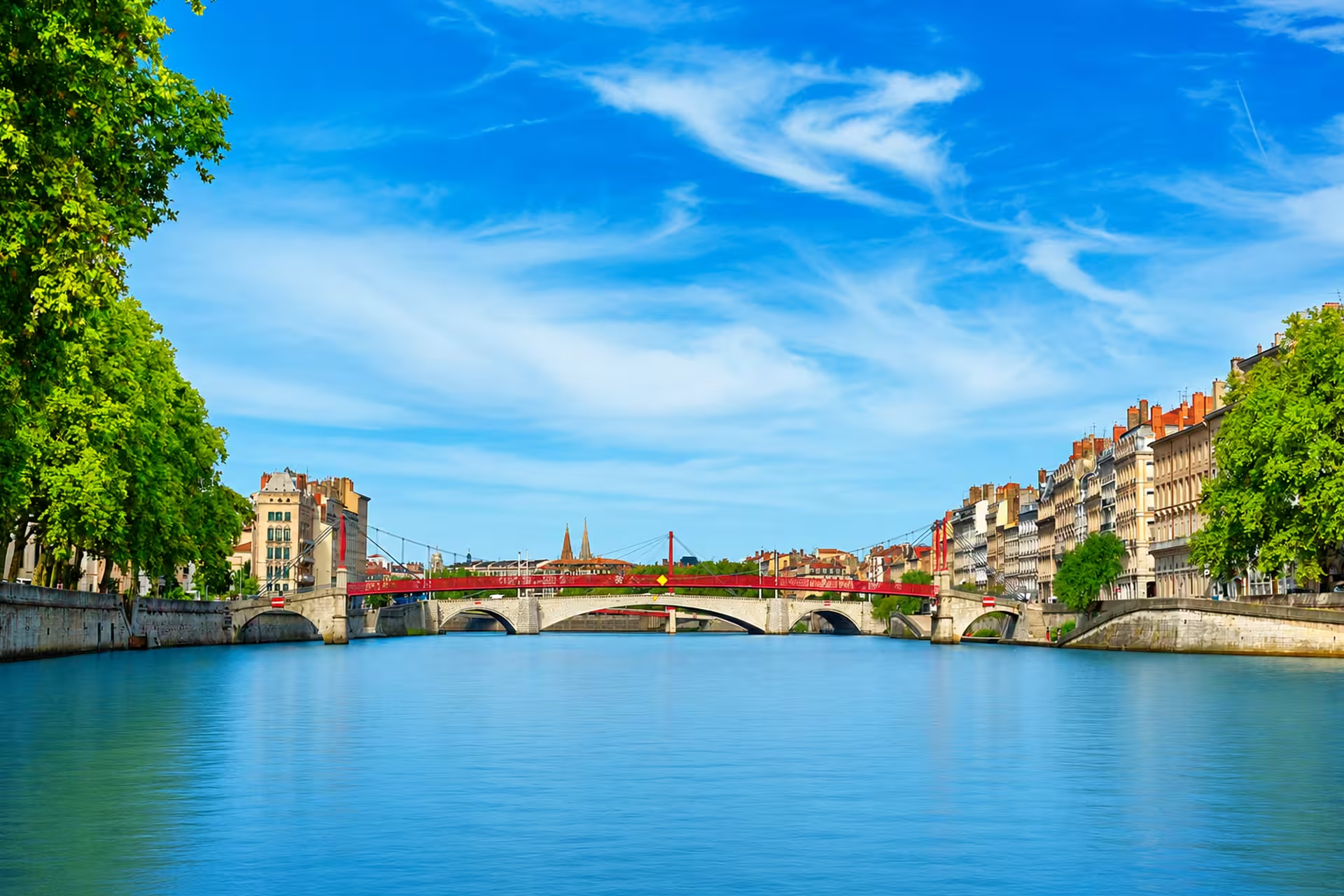
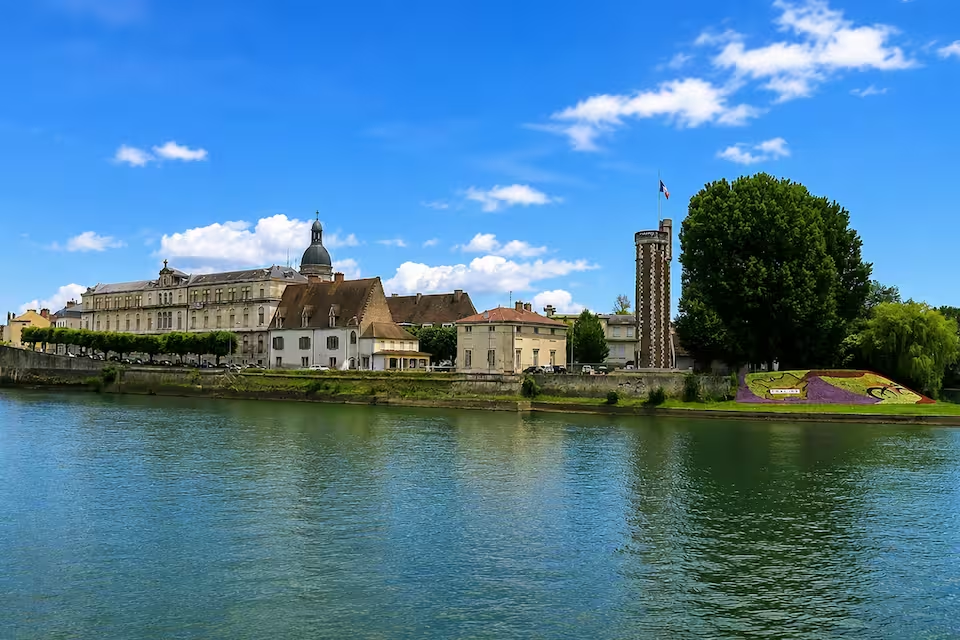
A yacht charter in Saint-Jean-de-Losne is an inland boating experience rather than a conventional sailing holiday. The town stands on the right bank of the Saône, between the River Ouche and the entrance to the Canal de Bourgogne. The Canal du Rhône au Rhin branches from the Saône nearby, making this compact Burgundy town a useful junction for several contrasting waterways.
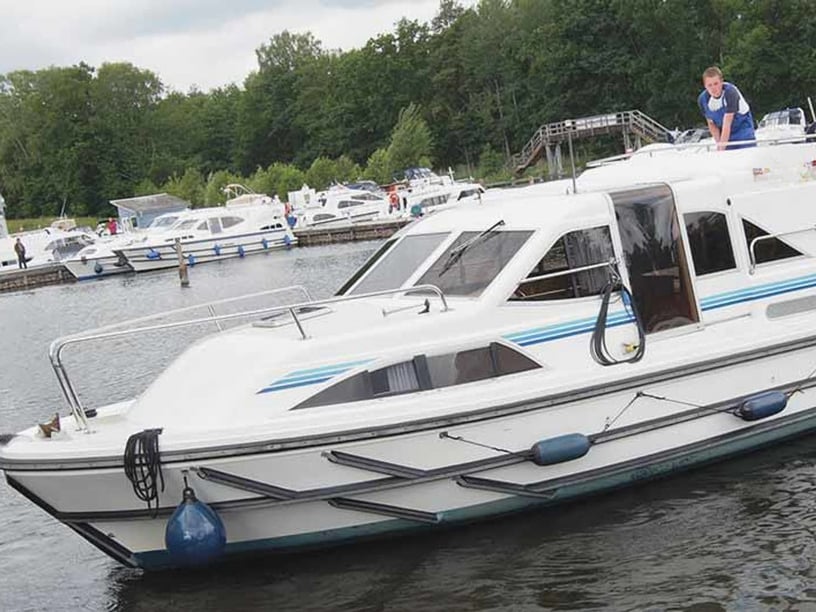
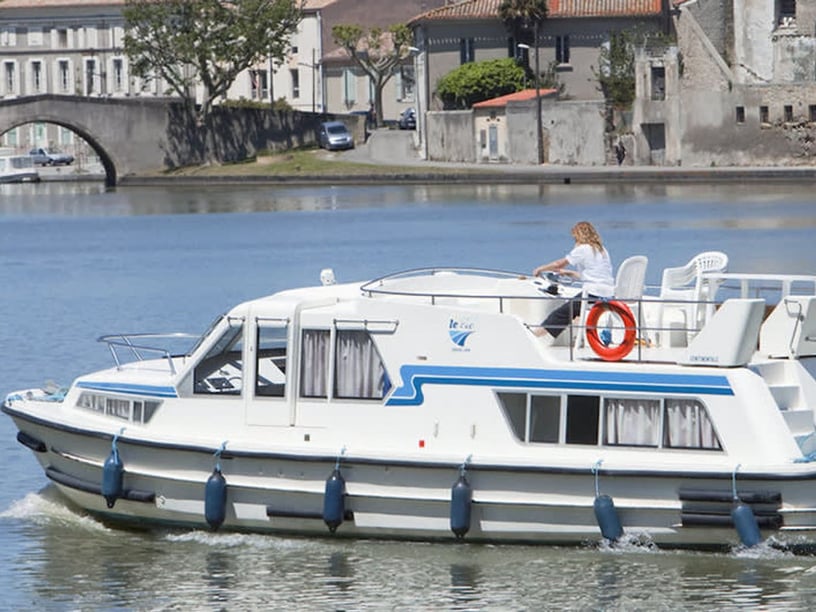
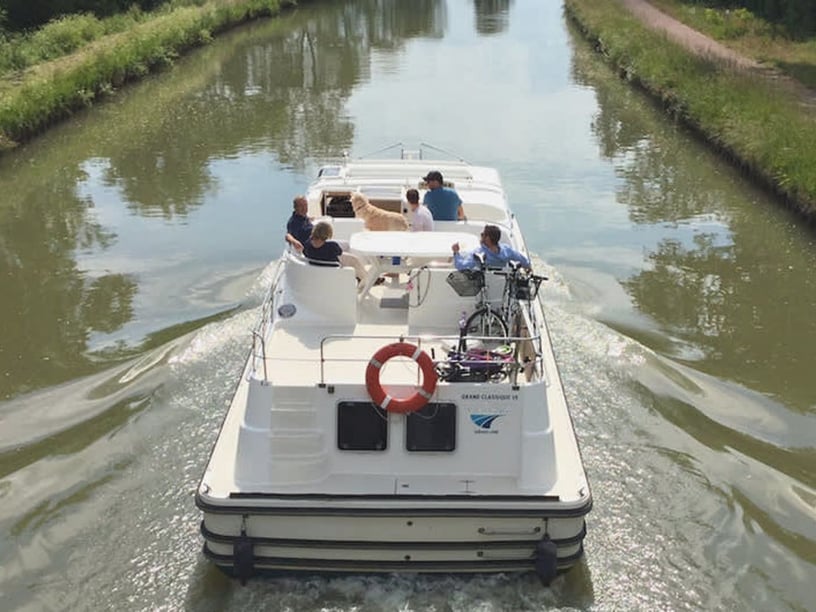
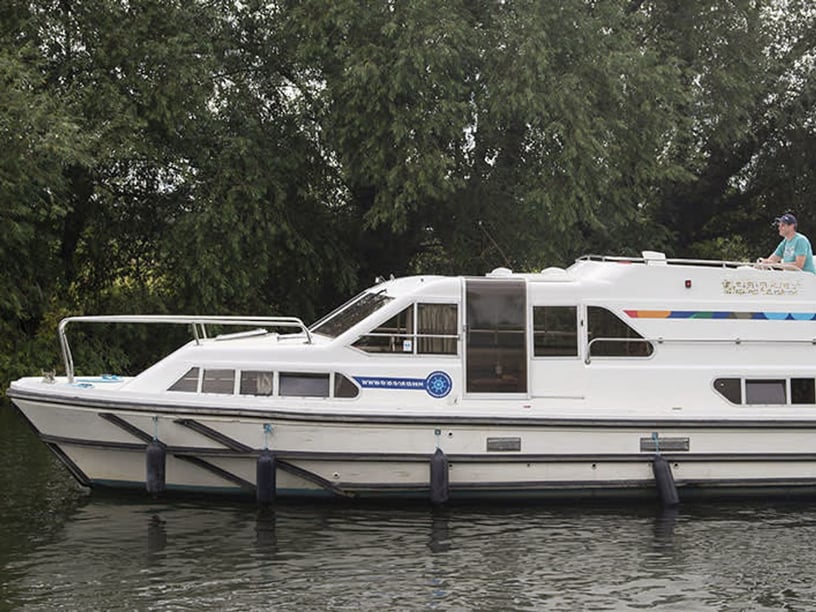
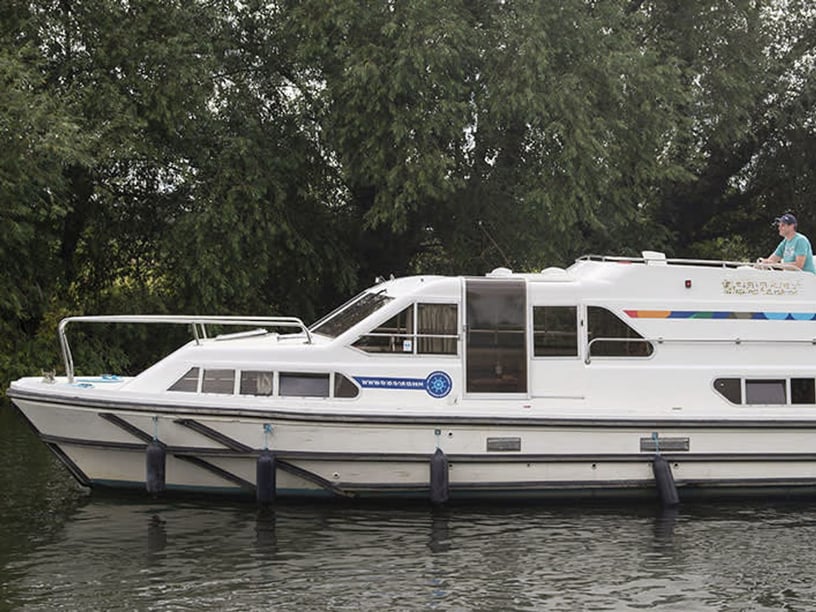
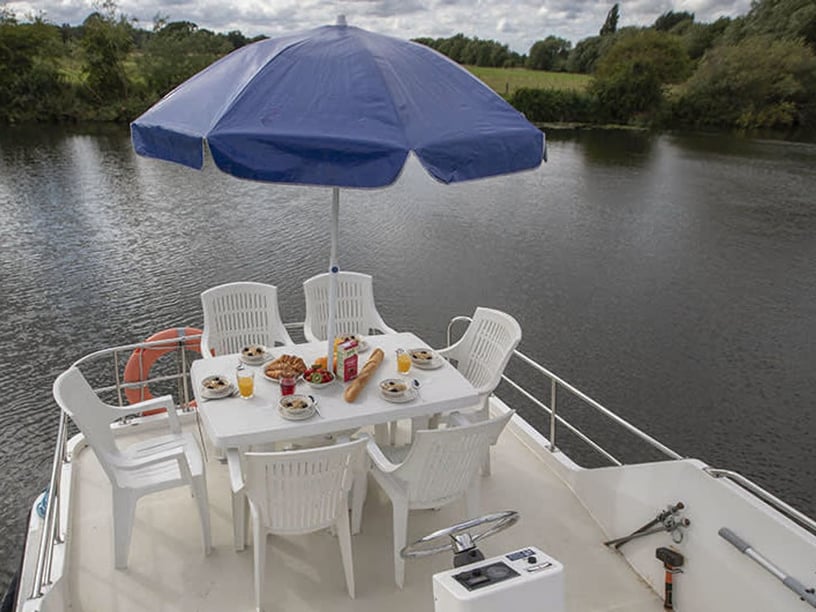
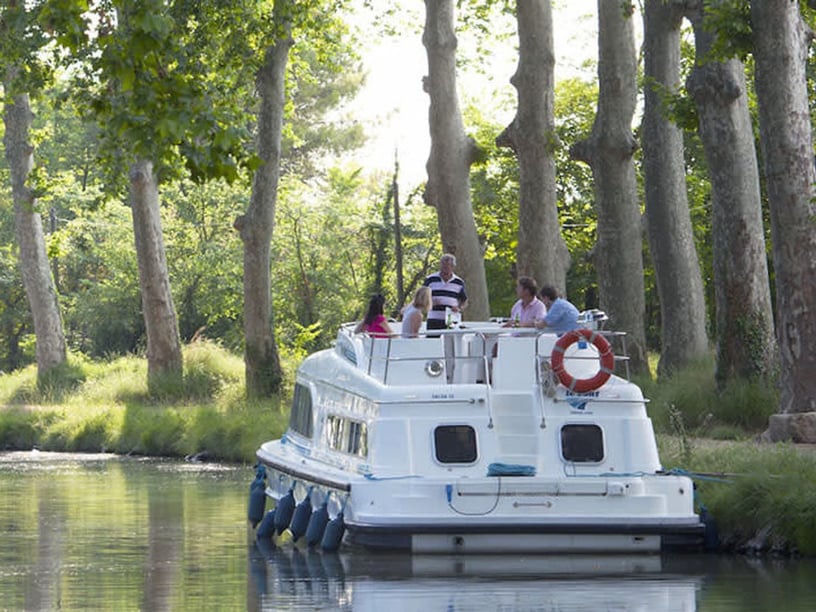
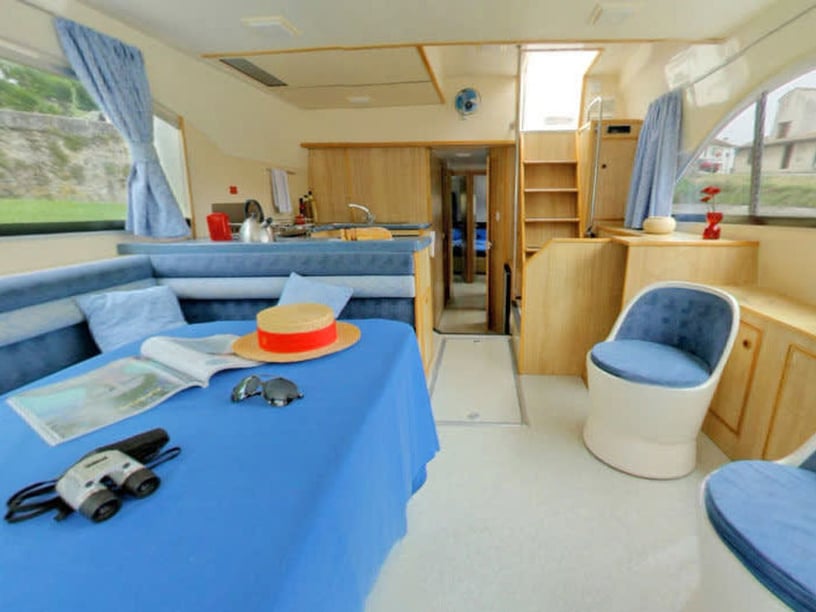
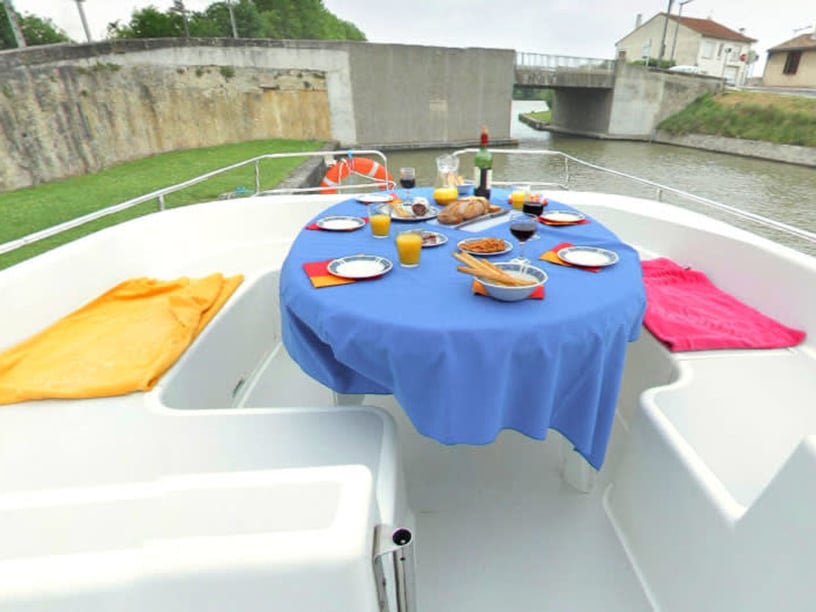
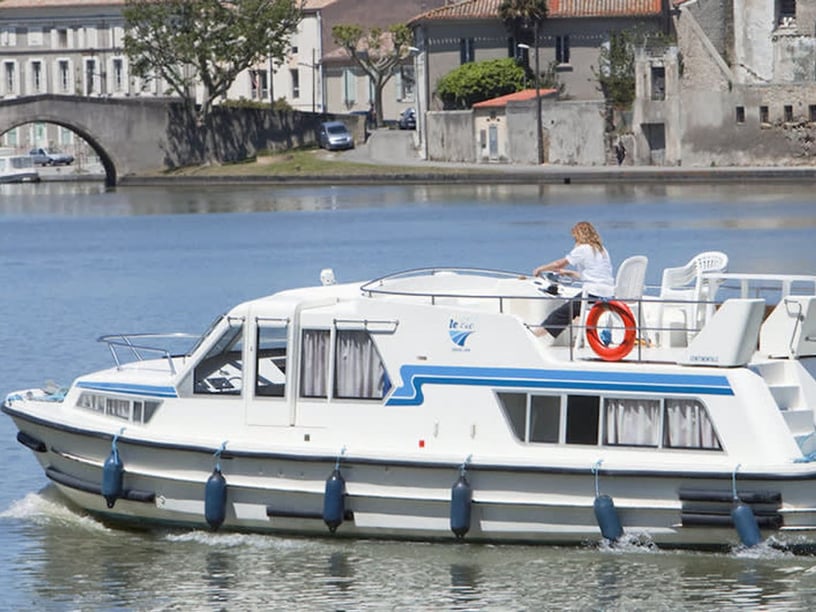
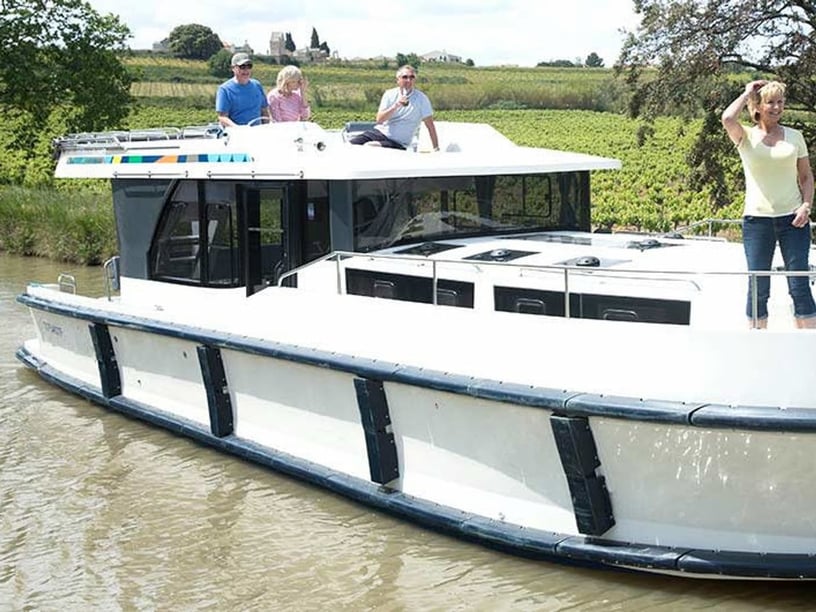
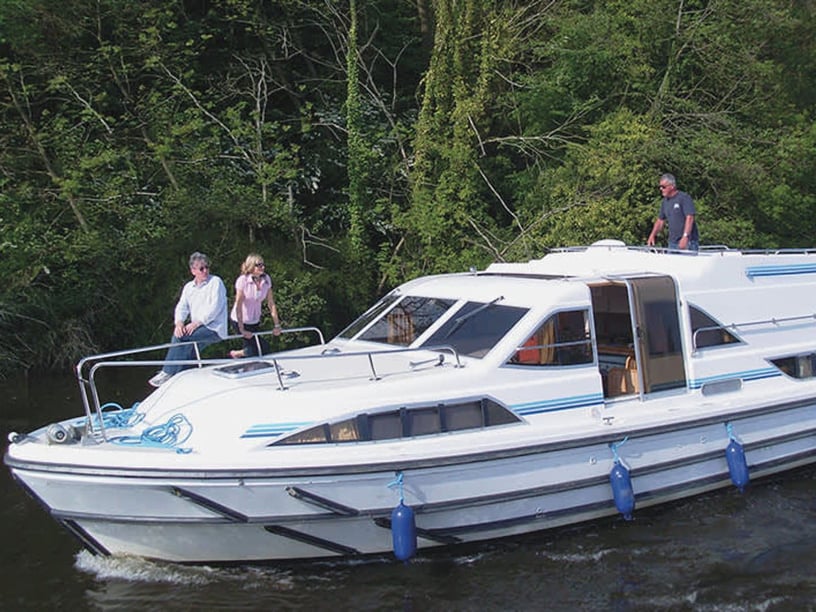
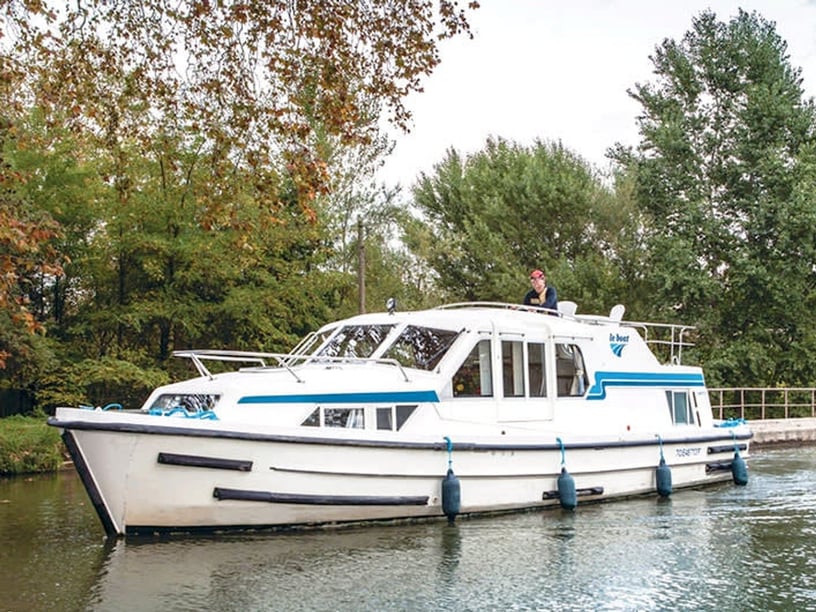
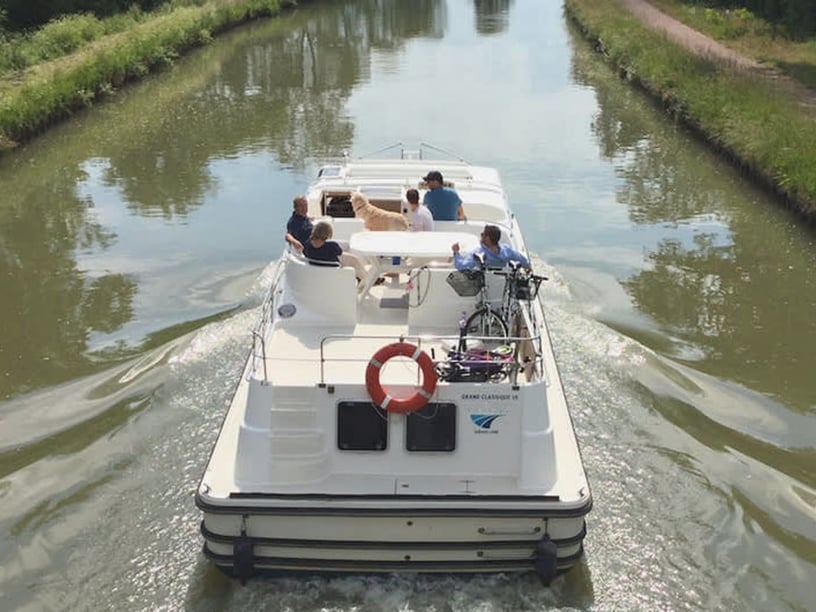
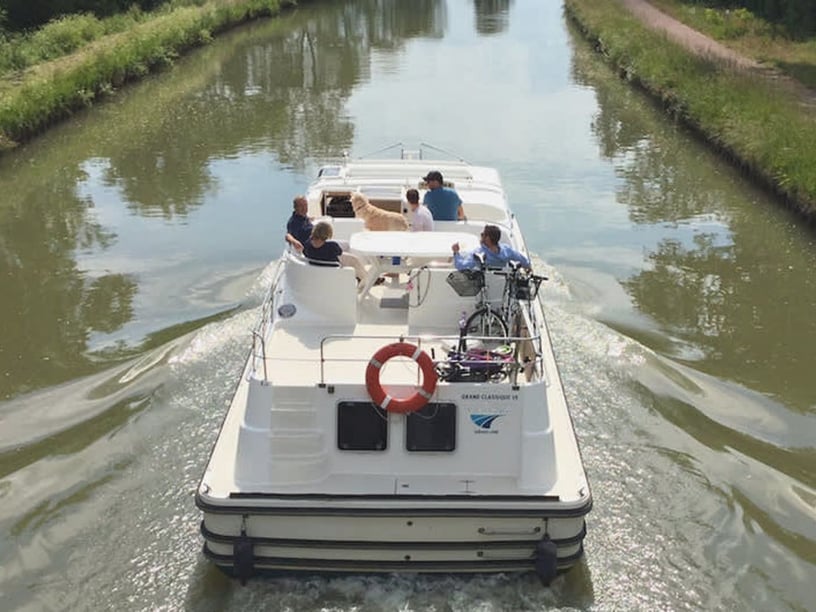
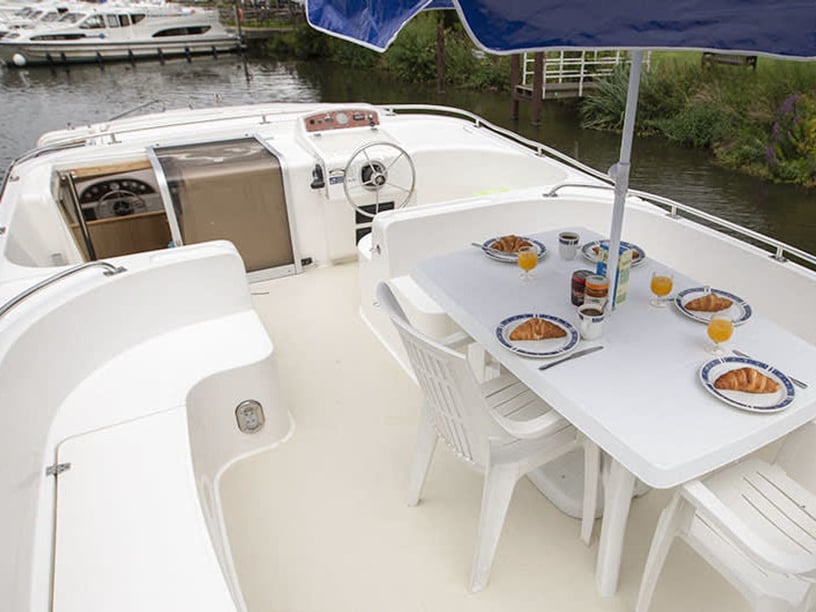
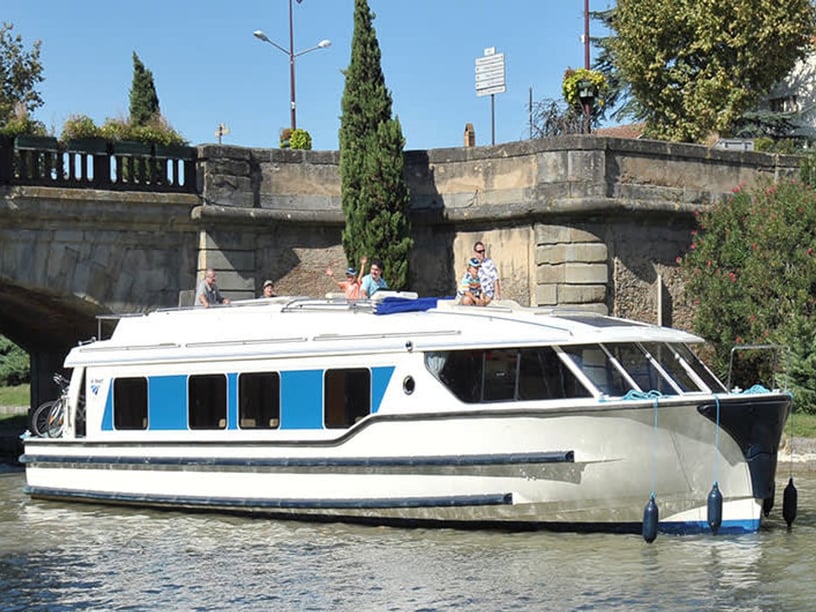
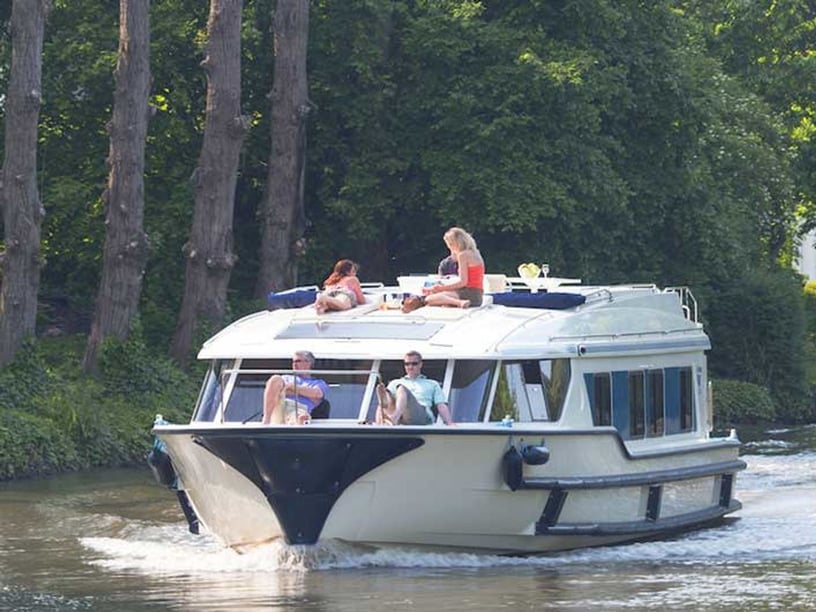
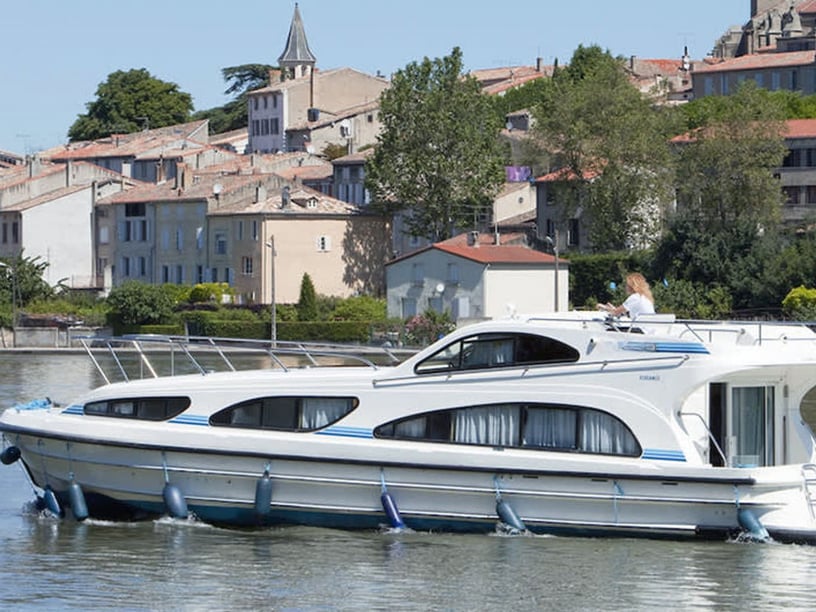
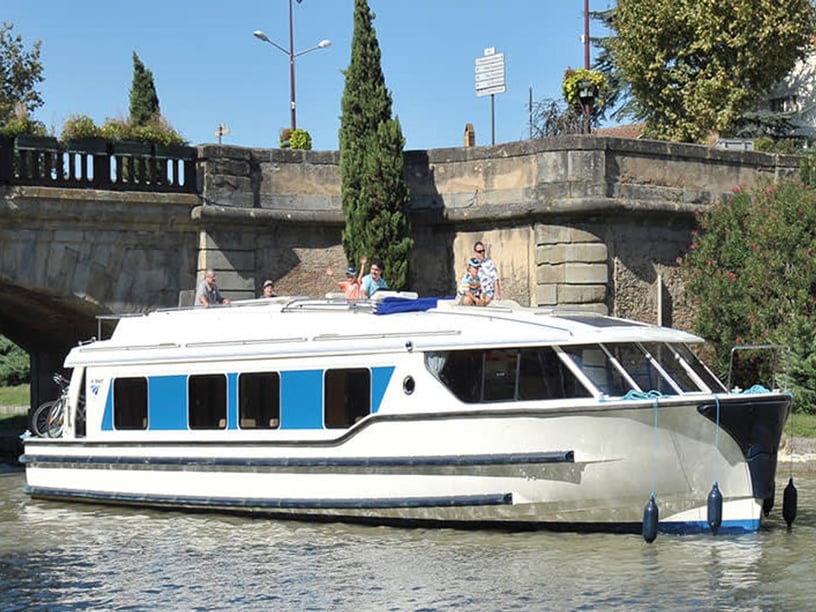
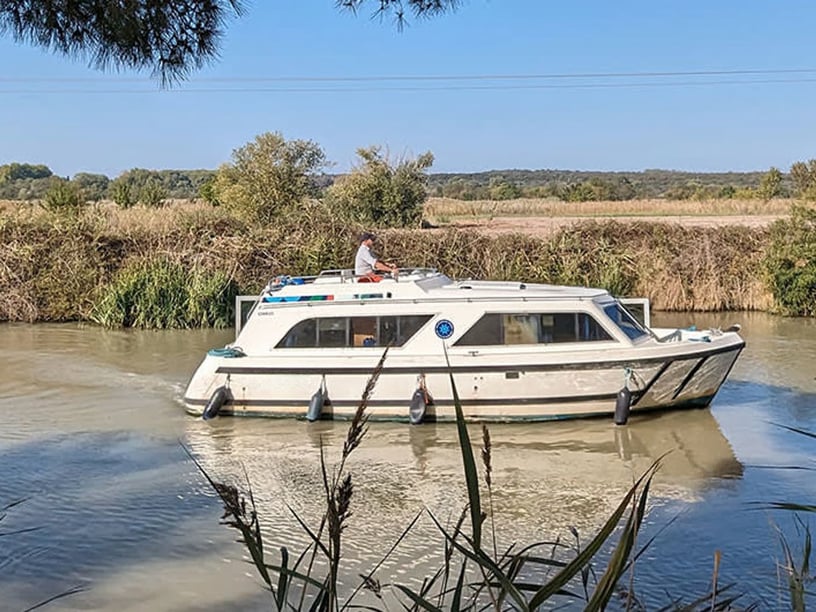
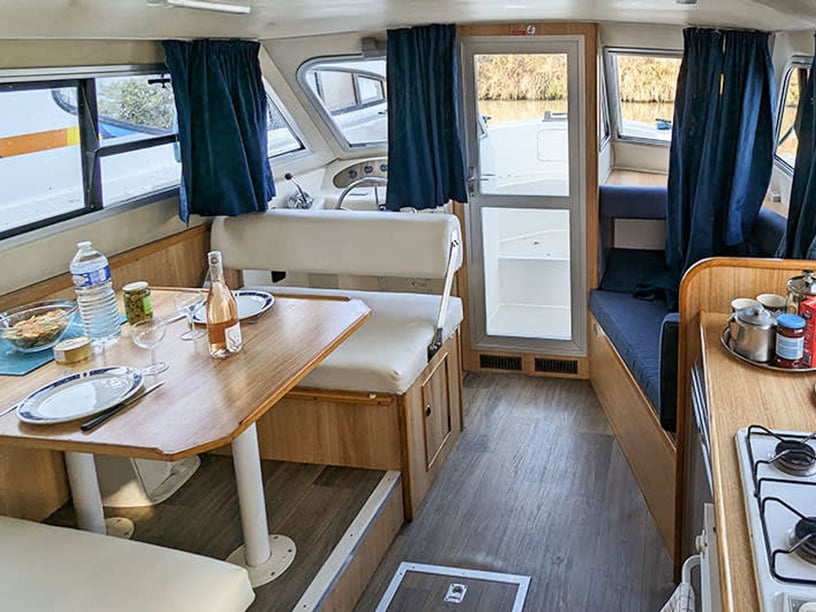
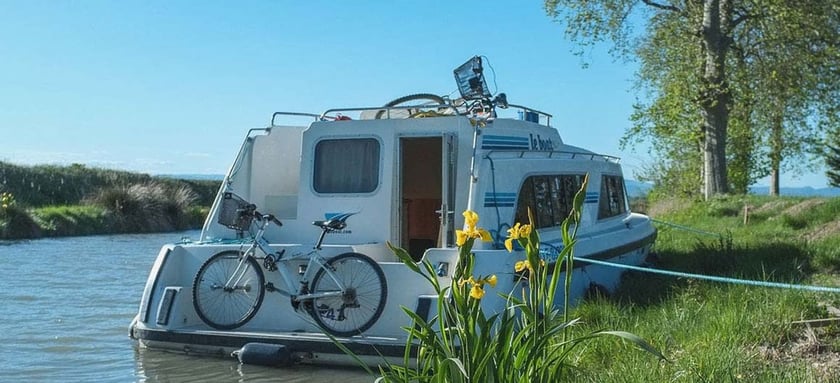
Most trips here take place aboard motor cruisers, barges and hire houseboats. The broad Saône allows comparatively open river cruising, while the canals offer sheltered passages shaped by locks, operating schedules and unhurried progress. Saint-Jean-de-Losne also has a strong boating infrastructure, shared with neighboring Saint-Usage and Losne, including moorings, chandlers, repair workshops and the large 19th-century gare d’eau. Travelers considering a wider yacht charter in France will therefore find a distinctly river-focused option here.
Places to explore by boat
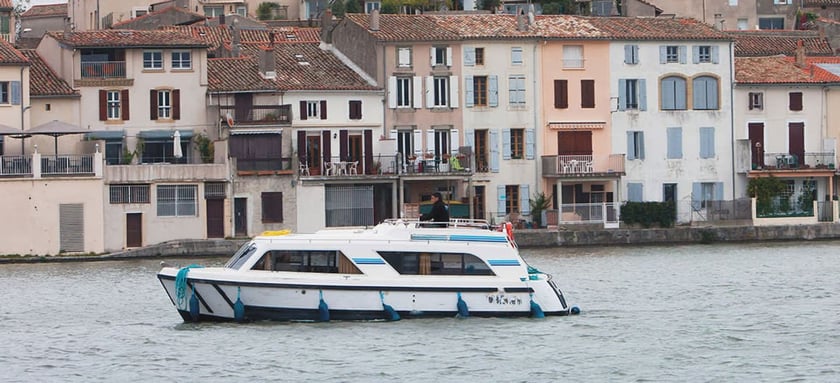
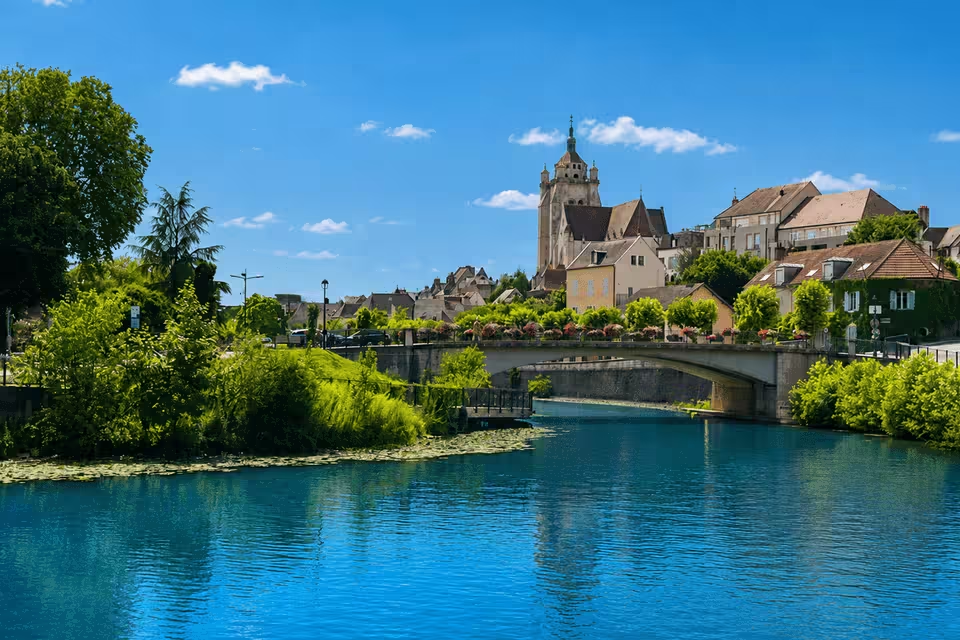
The immediate boating area extends beyond the historic center into Saint-Usage and Losne, where many port and technical services are located. The stepped quays of Quai National and the port promenade provide an introduction to the town’s relationship with the Saône before a longer cruise begins.
Downstream, Seurre is a natural stop on the Grande Saône and can be combined with Verdun-sur-le-Doubs and Chalon-sur-Saône on a return journey. These river passages suit travelers who prefer longer cruising stretches and fewer locks than on the neighboring canals.
For a more lock-oriented itinerary, boats can turn toward Dole via the Canal du Rhône au Rhin. Dijon lies in the other direction along the Canal de Bourgogne. Although the distance to Dijon is not great, the numerous locks make it a more time-intensive journey than the map alone might suggest.
What cruising here is like
Around Saint-Jean-de-Losne, the Saône is broad and generally calm. It has relatively few locks compared with the adjoining canals, so days can include longer periods underway with fewer interruptions. Saint-Jean-de-Losne is conventionally regarded as the transition between the Petite Saône upstream and the Grande Saône downstream, reinforcing its role as a route-planning point rather than a self-contained cruising ground.
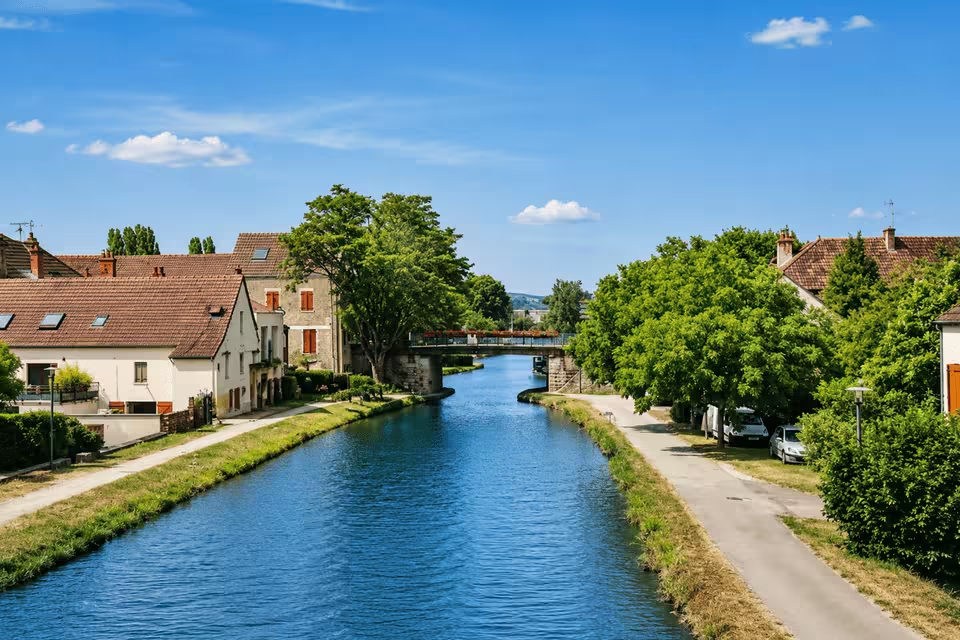
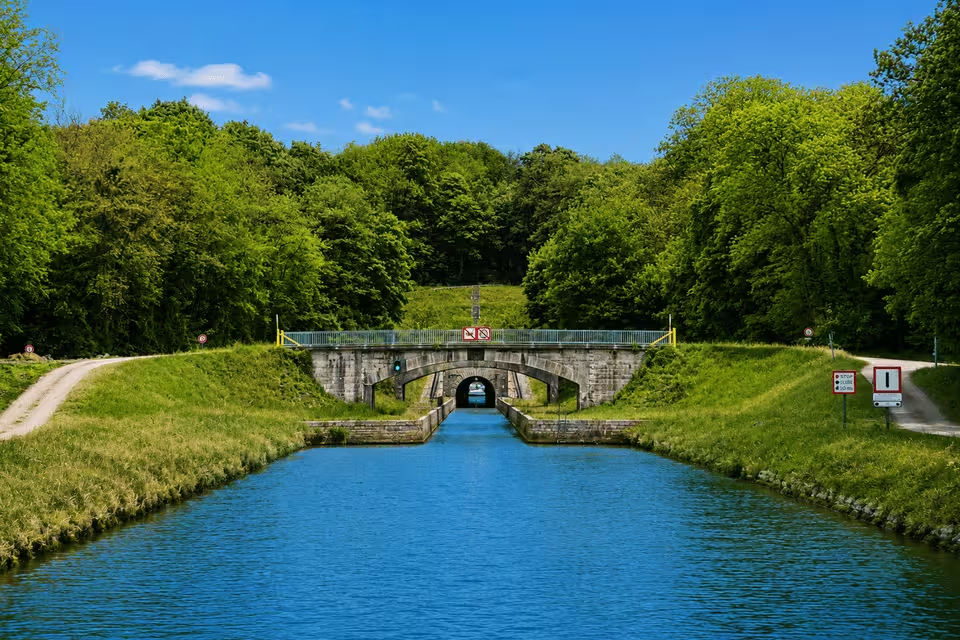
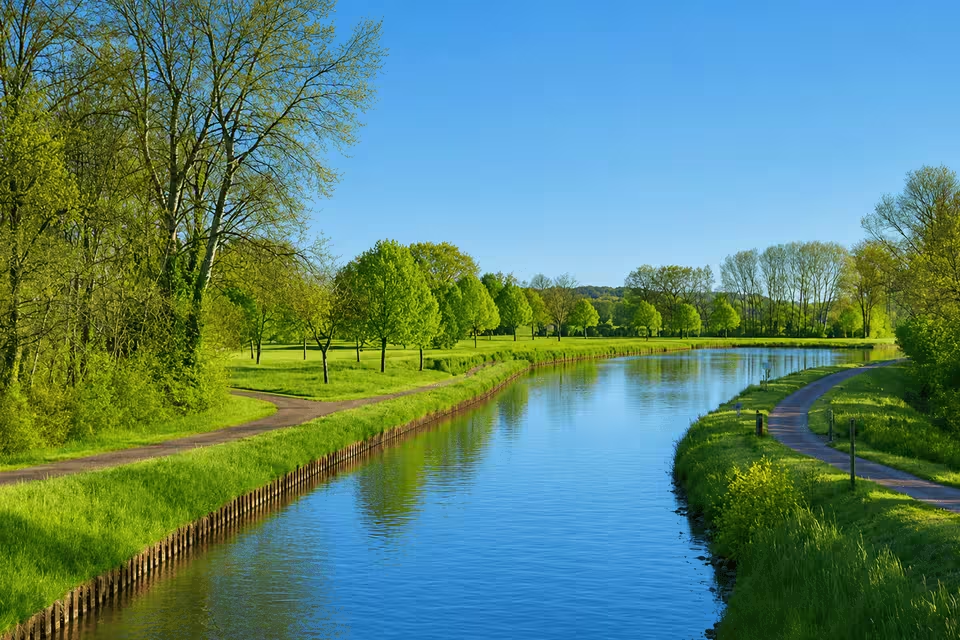
The canals create a different rhythm. They are sheltered and slow-paced, but repeated lock passages require time and participation. Travelers should expect the route, rather than speed or distance, to determine how much ground can realistically be covered each day. Lock operating hours, maintenance closures and restrictions related to water availability can all influence an itinerary.
River conditions also matter. High water can strengthen the Saône’s current, and formal restrictions may suspend recreational navigation. This is not detailed pilotage for guests to manage alone, but it is an important reason to keep plans flexible and check current navigation information before departure.
Best time for a Saint-Jean-de-Losne charter
The principal recreational cruising season runs approximately from April through October. May, June and September are identified as particularly suitable months. May brings the boating season into full flow, June combines warm conditions with long cruising days, and September remains within the main season while avoiding the height of midsummer activity.
June through September is generally the busiest period, with July and August firmly within the summer high season. April and October can work for travelers seeking a quieter shoulder-season trip, although cooler conditions and reduced service schedules require closer planning. Winters are cold, cloudier and less suited to recreational cruising; hire activity and canal services are also reduced.
Operating periods differ between the Canal de Bourgogne and the Canal du Rhône au Rhin, so the best timing depends partly on the intended route rather than weather alone.
River and canal route ideas
Three main directions give Saint-Jean-de-Losne its appeal as an inland cruising junction. A trip toward Dole joins the Canal du Rhône au Rhin at Saint-Symphorien-sur-Saône and continues through a sequence of locks. This route suits travelers who enjoy canal landscapes and do not mind making lock handling part of the day.
Following the Grande Saône downstream opens a route through Seurre and Verdun-sur-le-Doubs toward Chalon-sur-Saône. With fewer locks than the canal alternatives, it places more emphasis on river cruising and allows distances to be covered more freely when conditions permit.
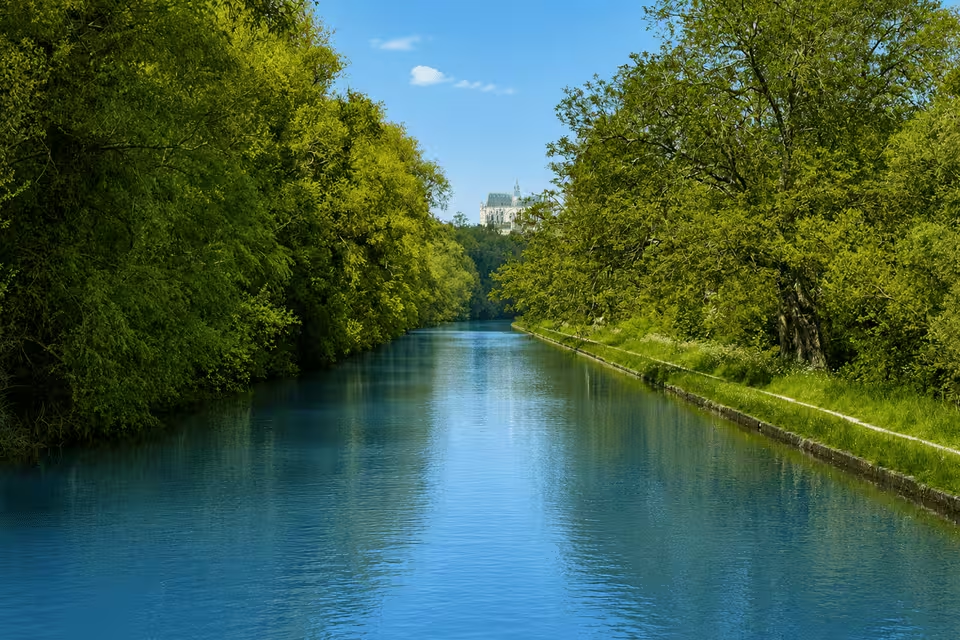
The Canal de Bourgogne leads toward Dijon through the Ouche valley. It is geographically compact but notably lock-intensive, so it calls for a more conservative itinerary. Whichever direction is chosen, a return route should allow contingency time for lock schedules, water conditions and temporary navigation restrictions.
History, food and life ashore
Time ashore reveals why boating remains central to Saint-Jean-de-Losne’s identity. The Musée de la Batellerie occupies a 15th-century mariners’ house and traces roughly two centuries of local barging history. The gare d’eau, historic quays and Péniche Aster provide further links to the commercial river traffic that shaped the town.
The compact center also includes the Église Saint-Jean-Baptiste and the Monument de la Délibération. Local history remembers the town’s resistance during the siege of 1636 as the Belle Défense, reflecting its former strategic position between Burgundy and Franche-Comté.
A charter can also incorporate Burgundy’s food culture. Pôchouse, associated with the Val de Saône, combines freshwater fish with white Burgundy wine. Together, riverside walks, local meals and short cultural visits add variety to days otherwise organized around cruising and locks.
Access, ports and departure points
Saint-Jean-de-Losne functions as both a place to explore and a practical departure area. Its boating facilities are spread across Saint-Jean-de-Losne, Saint-Usage and Losne rather than concentrated within one municipal center. Important locations include the Gare d’Eau, Port de Plaisance de Saint-Jean-de-Losne/Saint-Usage, H2O Port de Plaisance, Blanquart Yachting and Port de l’Ancienne Écluse.
Regional trains serve Saint-Jean-de-Losne station near the port area in Saint-Usage, with connections toward Dijon and Bourg-en-Bresse. Dole and Dijon offer broader rail links, while Dole–Jura is the relevant airport. By road, travelers can approach from the A36 via the Seurre exit or from the wider A39 corridor.
Because individual boats and operators may use different port areas, confirm the precise handover location before arranging onward transport.
Planning the right inland charter
When comparing yacht charter or boat rental in Saint-Jean-de-Losne, begin with the waterway rather than the nominal distance. A Saône itinerary generally offers more open cruising and fewer locks, while a canal route involves slower progress, frequent lock handling and closer attention to operating hours. Travelers who want a relaxed but participatory holiday may enjoy the canal routine; those prioritizing longer stretches underway may prefer the river.
Boat dimensions also need to suit the chosen itinerary. Draft, air draft and overall dimensions should be checked against canal requirements, especially where bridges and locks constrain passage. Provisioning, moorings and technical services are distributed across the three adjoining settlements, so it is useful to identify facilities along the planned route before departure.
Finally, consult current VNF navigation notices for lock periods, maintenance, water levels and restrictions. Build flexibility into the schedule, particularly when river levels are high or when a lock-intensive journey toward Dijon or Dole forms part of the plan.