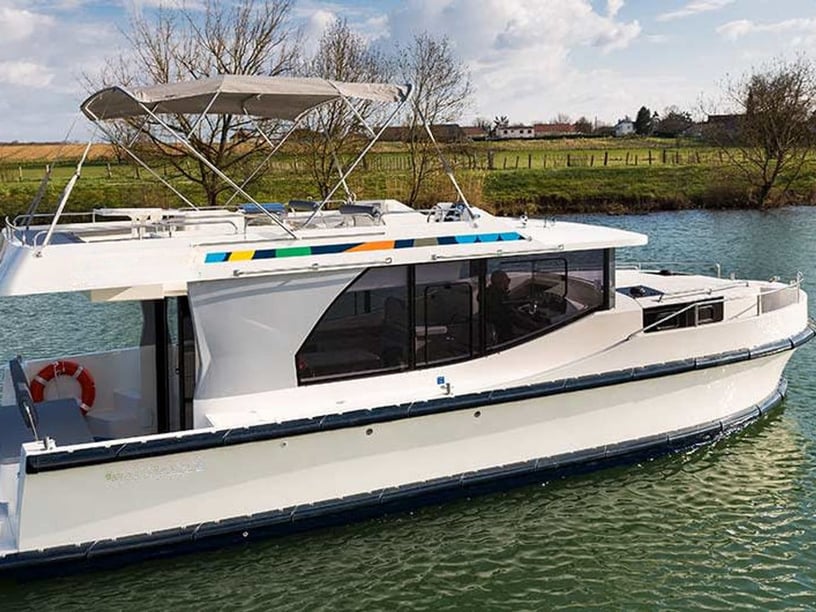
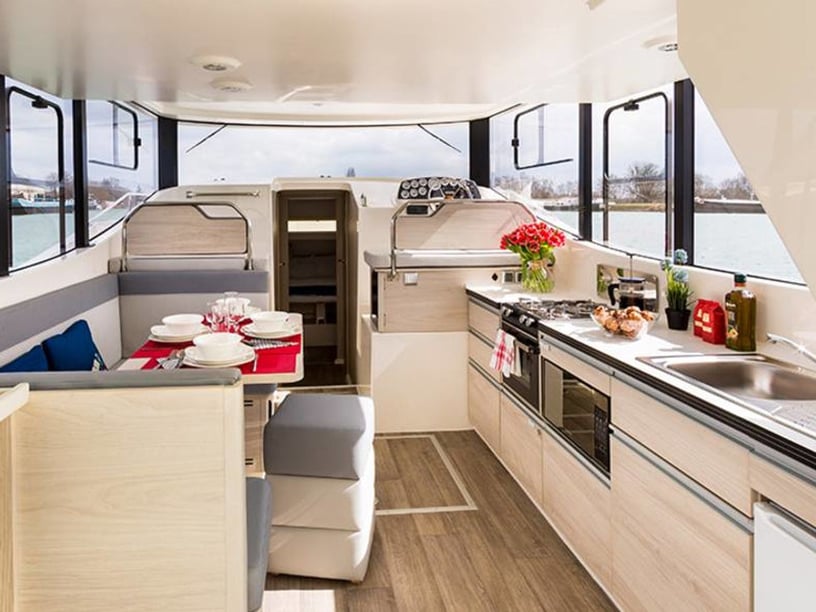
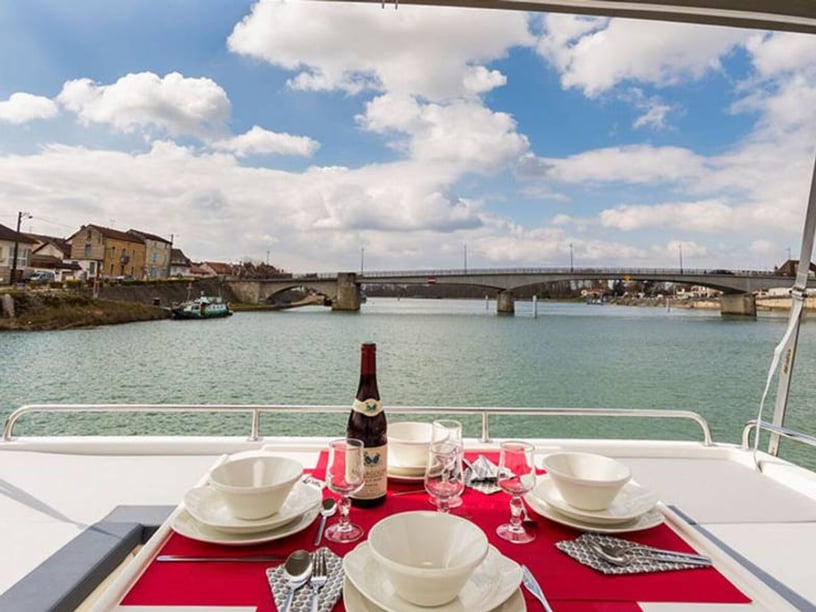
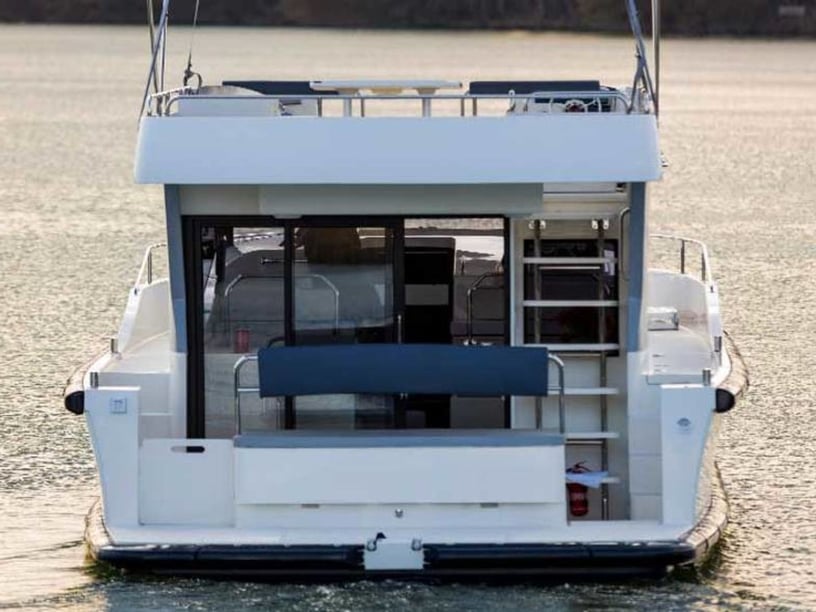
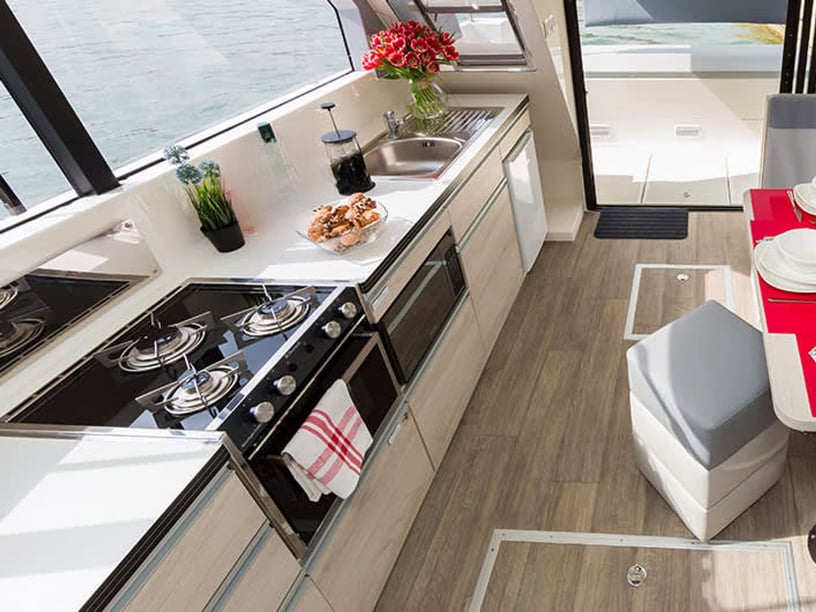
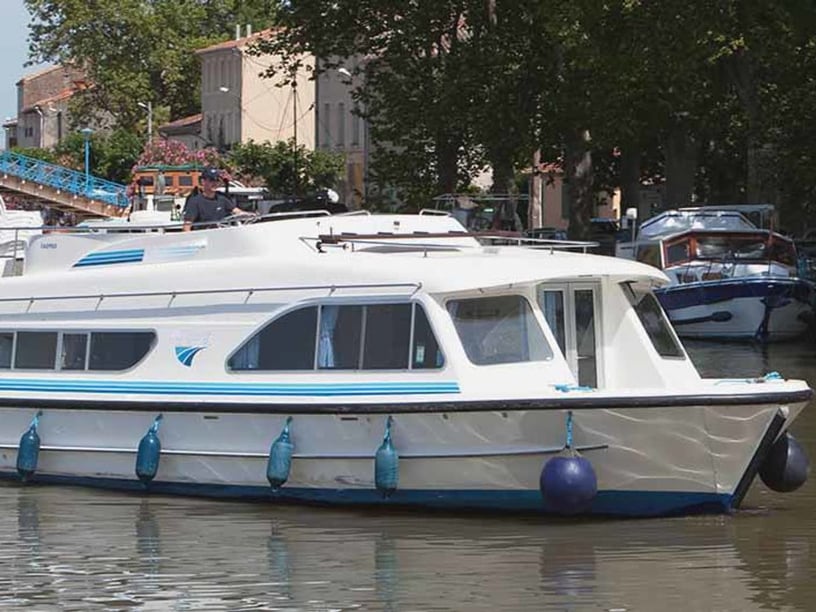
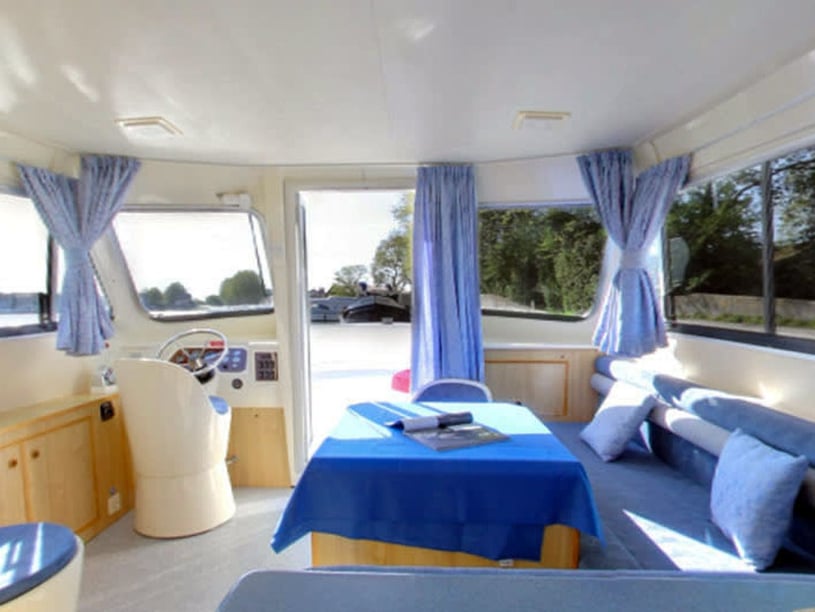
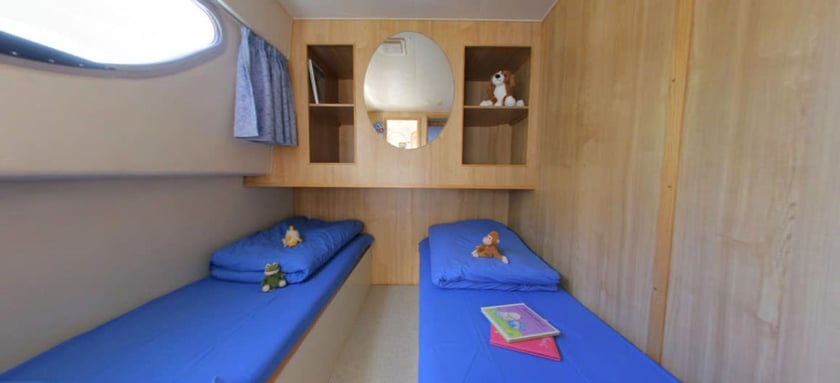
Yacht charter around Portiragnes
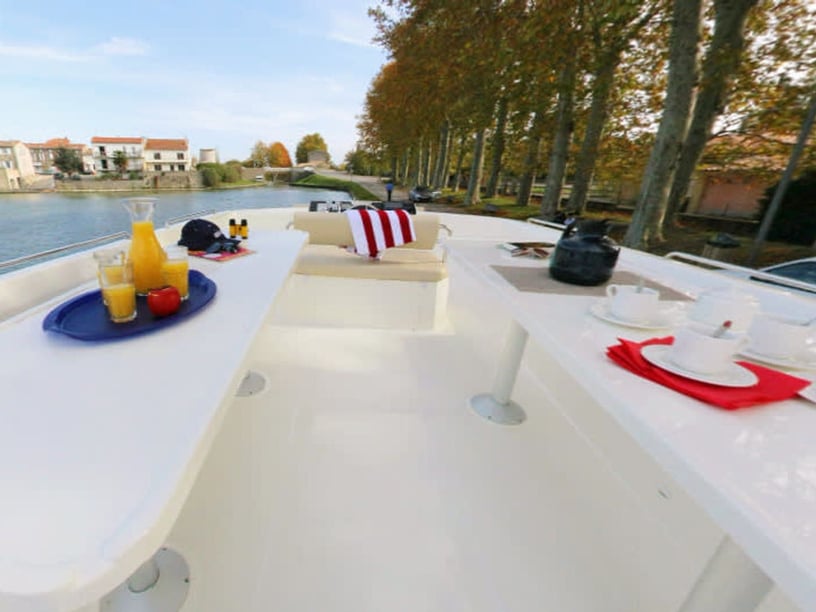
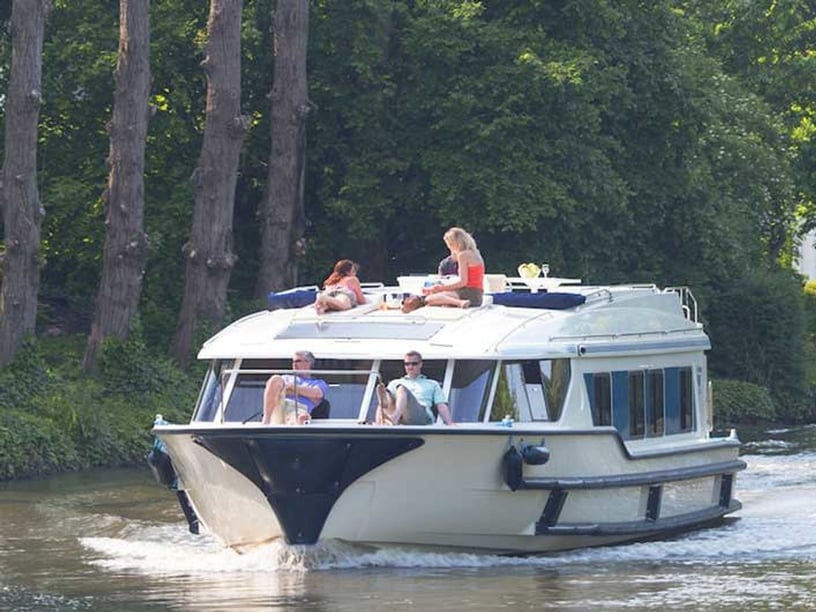
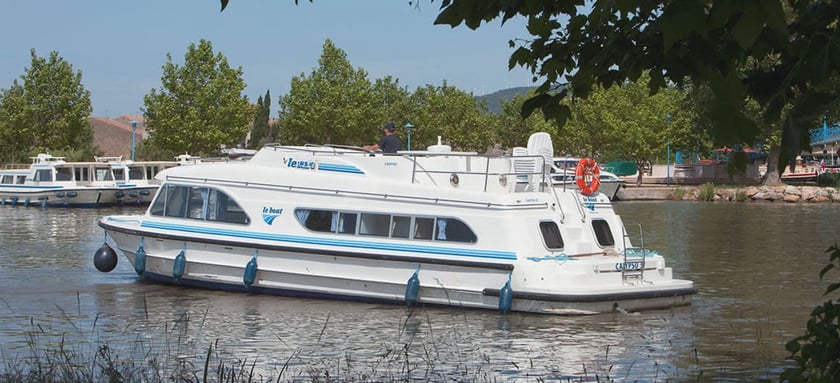
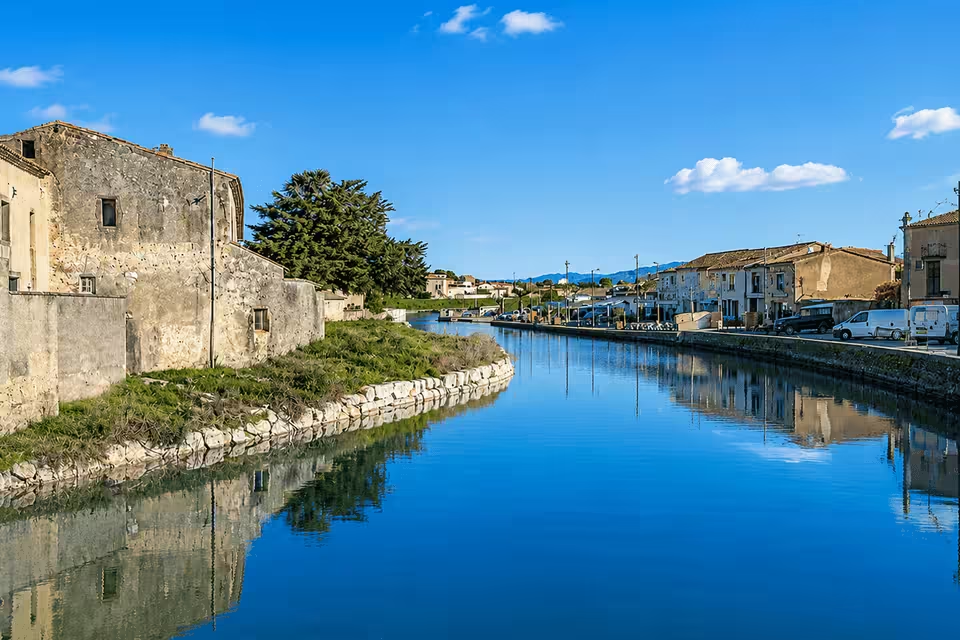
Portiragnes occupies a low coastal plain in Hérault, where the Canal du Midi passes close to Mediterranean beaches, dunes and protected wetlands. This geography gives a yacht charter around Portiragnes two distinct dimensions: sheltered inland navigation from Port Cassafières and sea-going trips beginning at nearby Gulf of Lion ports.
The inland village retains its stone architecture, vineyards and Occitan character, while Portiragnes-Plage has a relaxed, family-oriented beach atmosphere. Portiragnes is therefore as relevant as a place to explore and combine with a coastal holiday as it is a departure area for canal cruising. Travelers considering a broader itinerary can also compare options for yacht charter in France.
Places to explore from Portiragnes
Portiragnes-Plage is the locality’s main Mediterranean setting, with long sandy beaches and a gently shelving shore suited to swimming and family beach time. Behind the coastline, the Grande Maïre wetland creates a contrasting landscape of lagoons, salt meadows, dunes and reed beds. Its protected habitats are best explored from marked routes rather than by leaving designated access areas.
On the Canal du Midi, Vias and Agde are natural eastbound points of interest. Agde’s Round Lock marks an important junction, while cruising farther leads toward Les Onglous, Marseillan and the Étang de Thau. To the west, Béziers brings major canal engineering into the journey through the Orb canal bridge and the Fonseranes lock complex. For Mediterranean yacht trips, Cap d’Agde and Valras-Plage are the most relevant nearby harbor areas.
Canal cruising and Gulf of Lion sailing
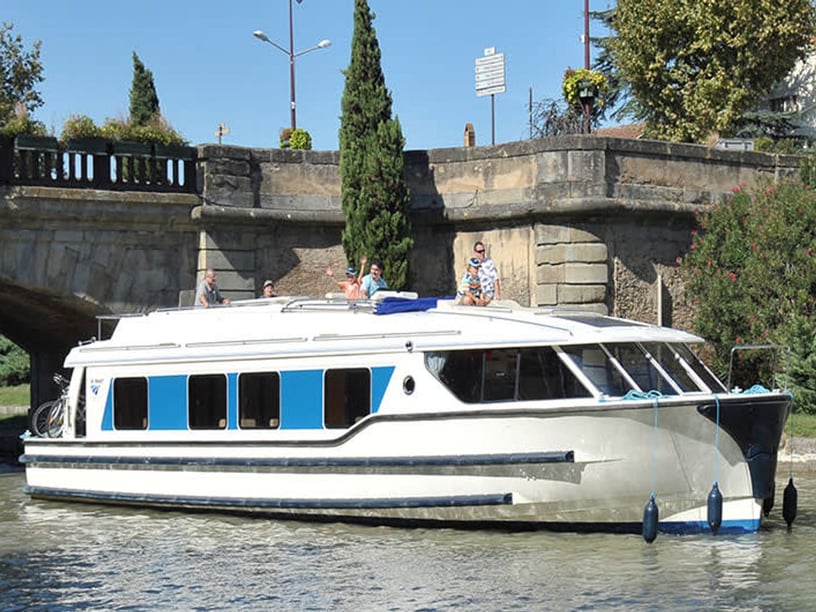
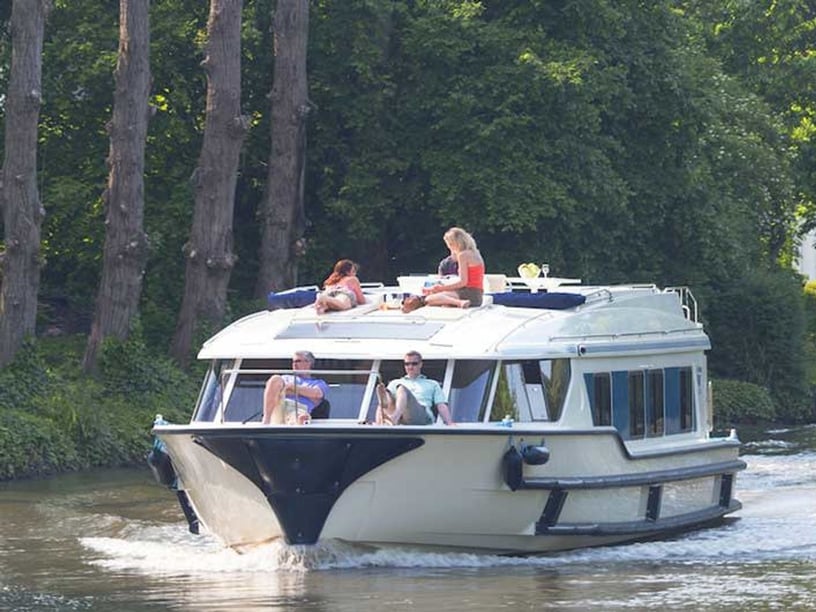
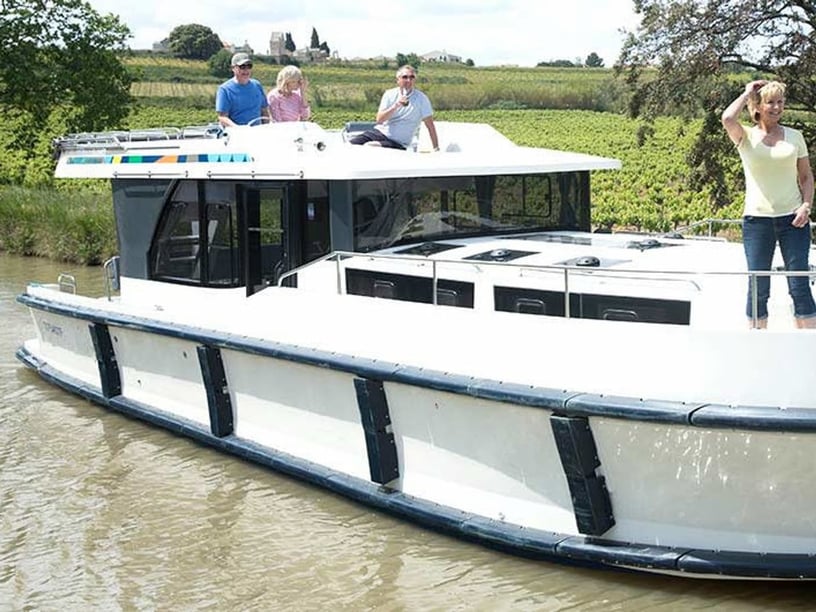
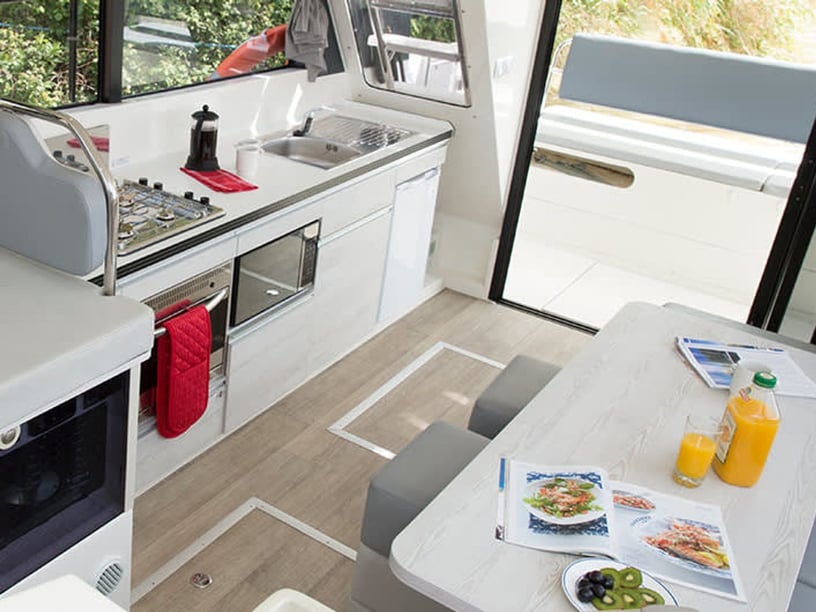
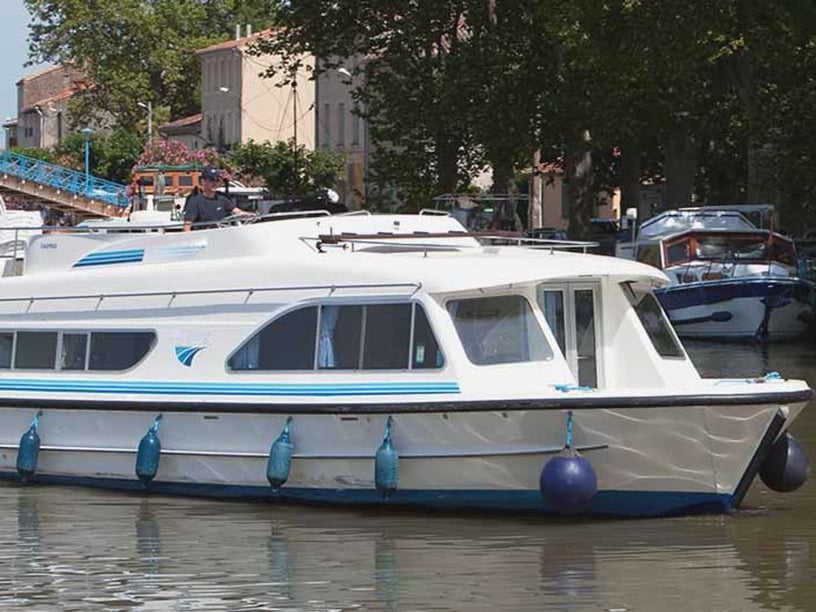
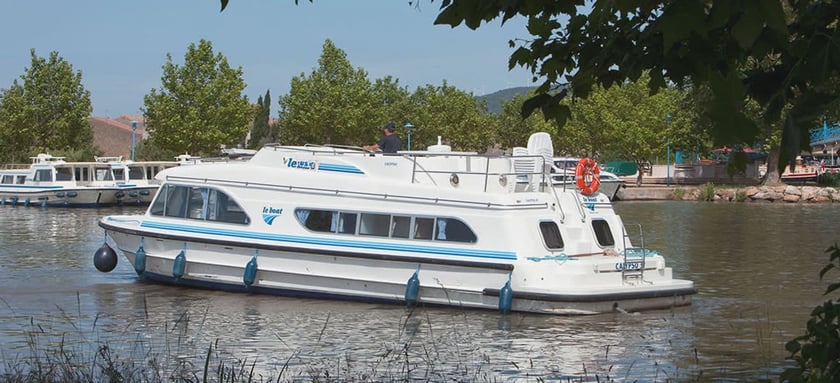
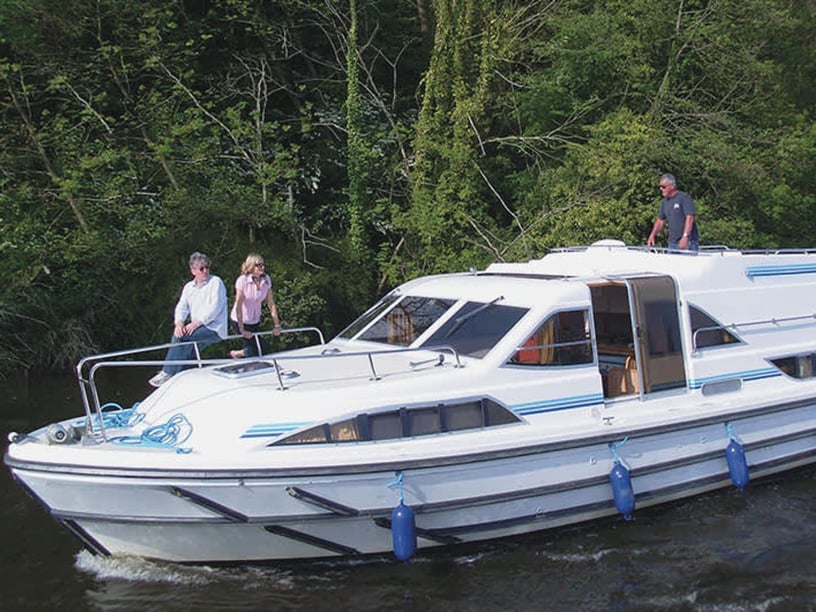
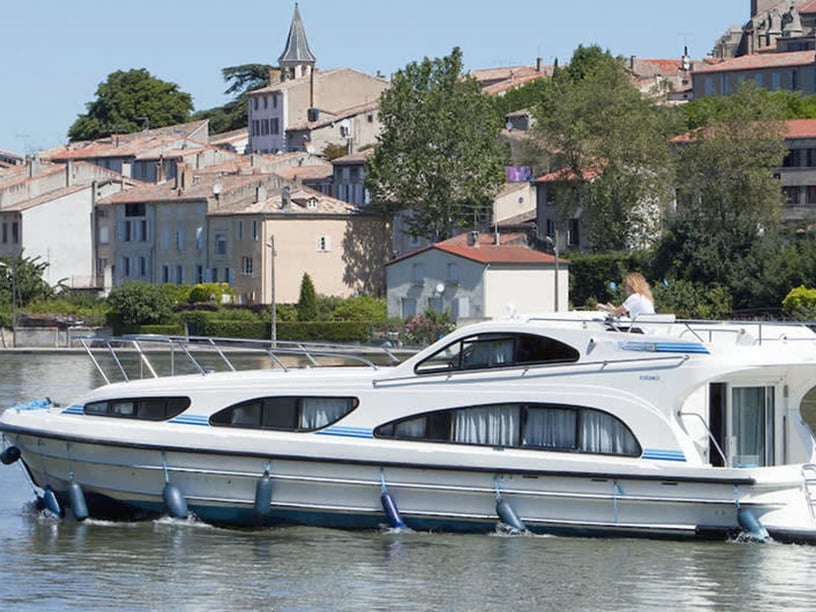
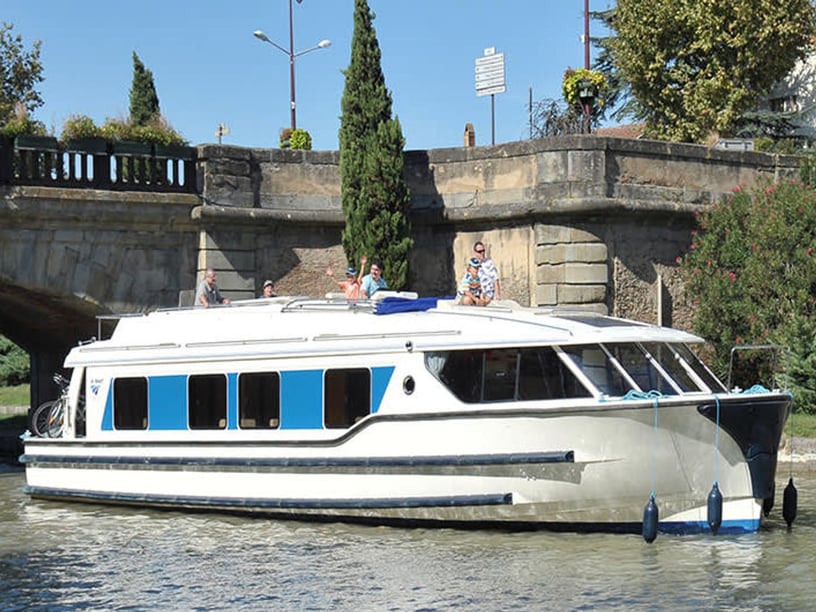
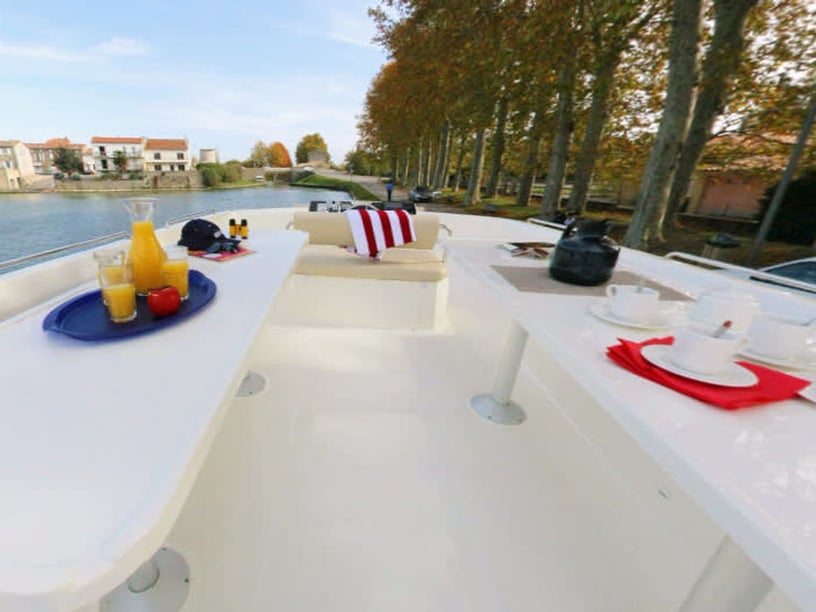
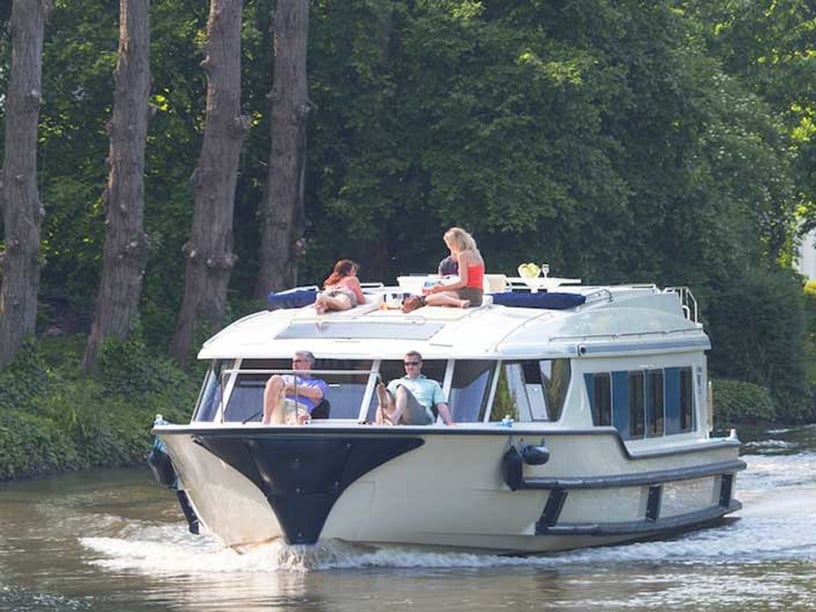
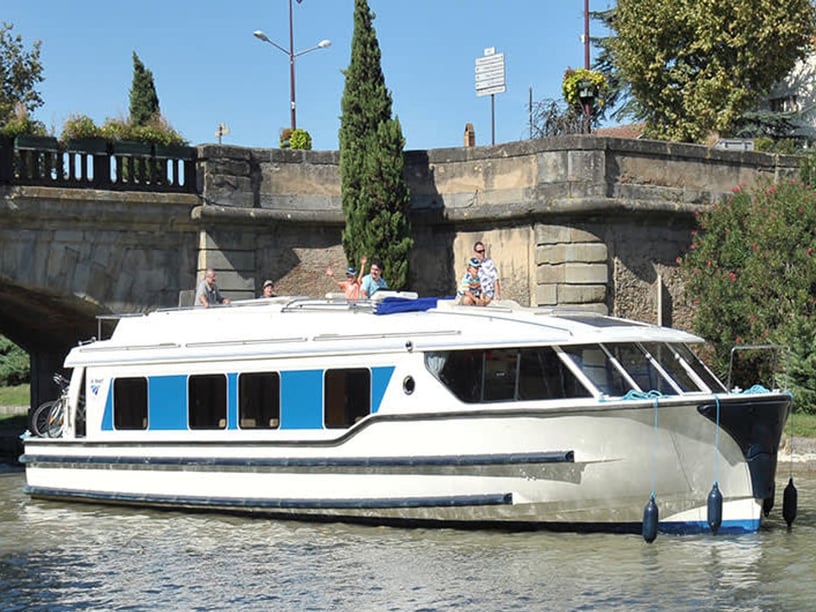
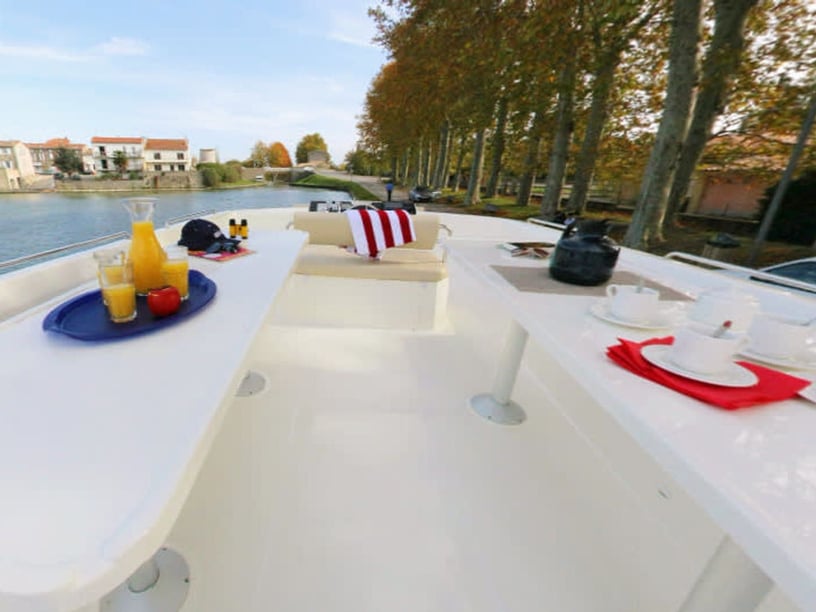
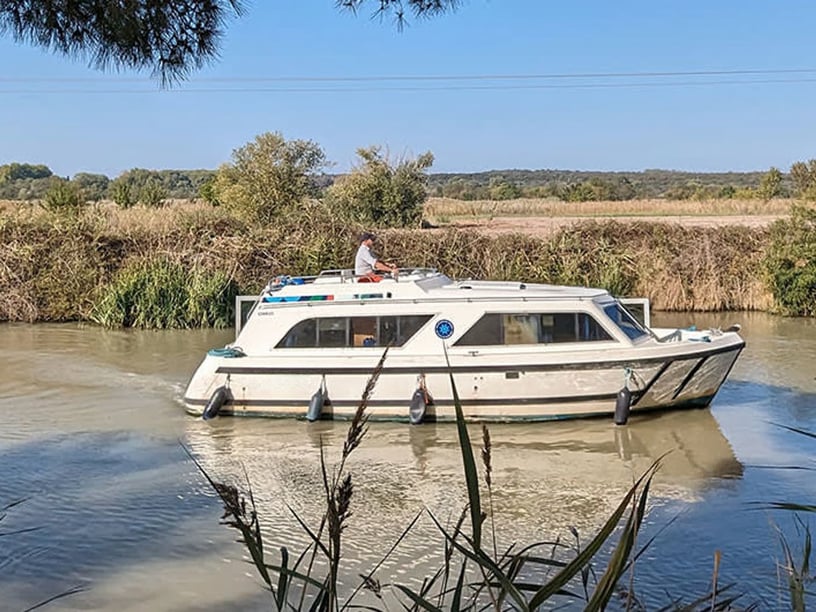
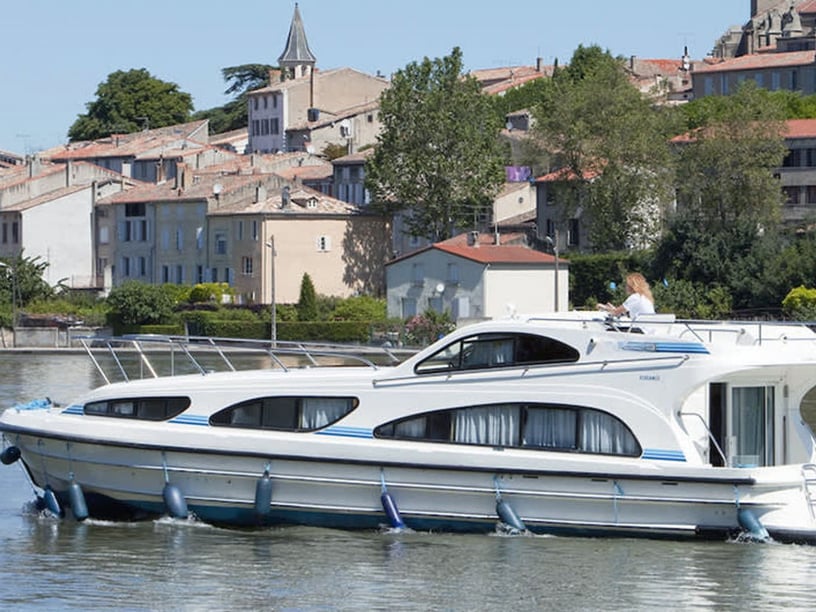
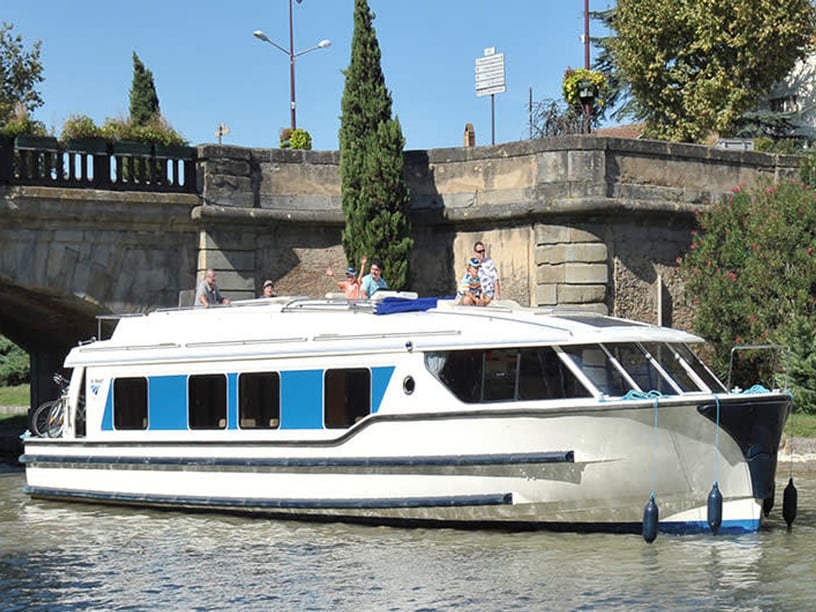
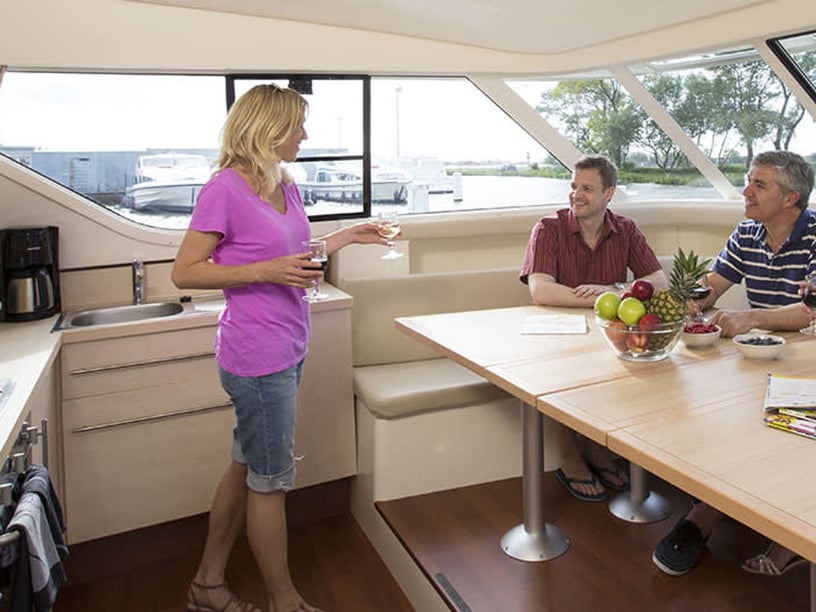
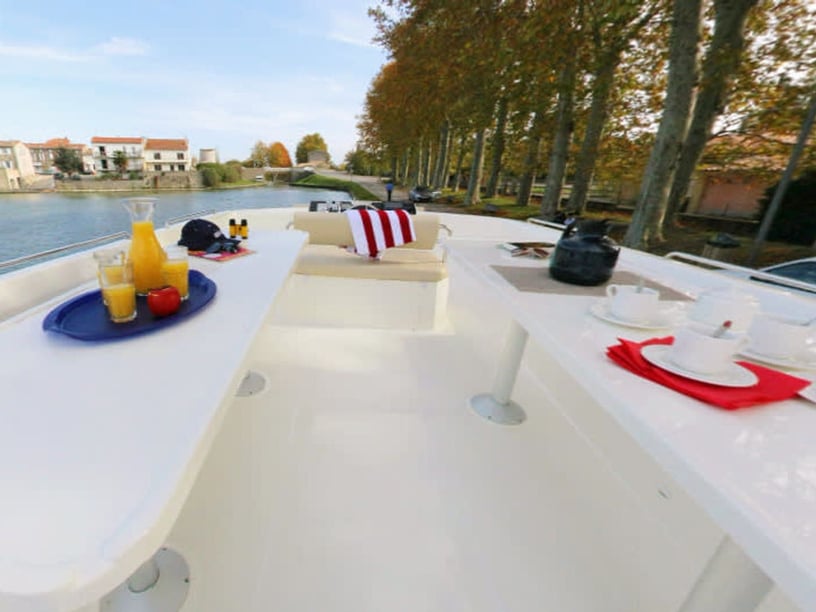
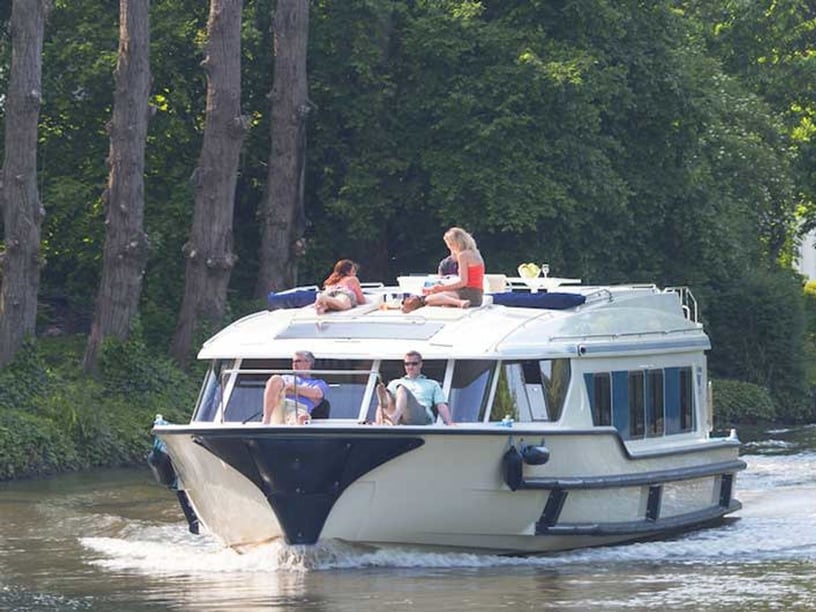
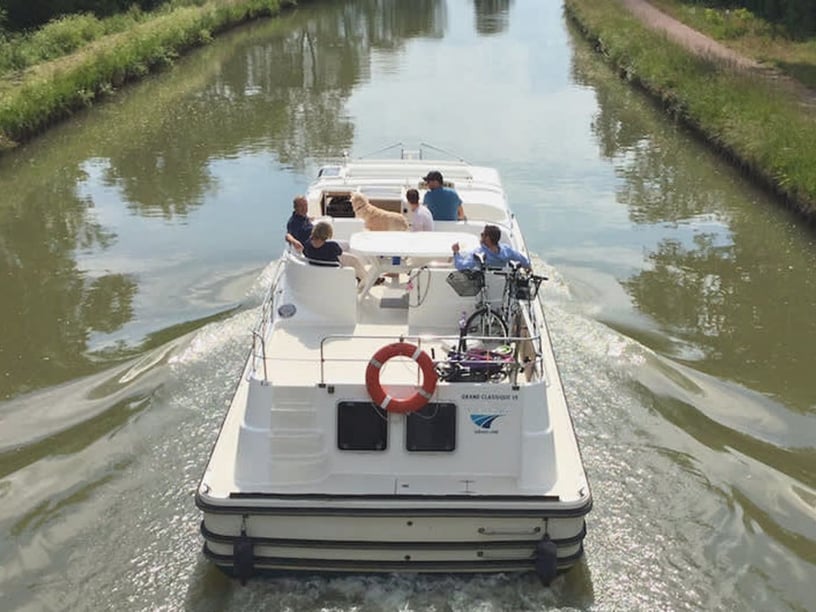
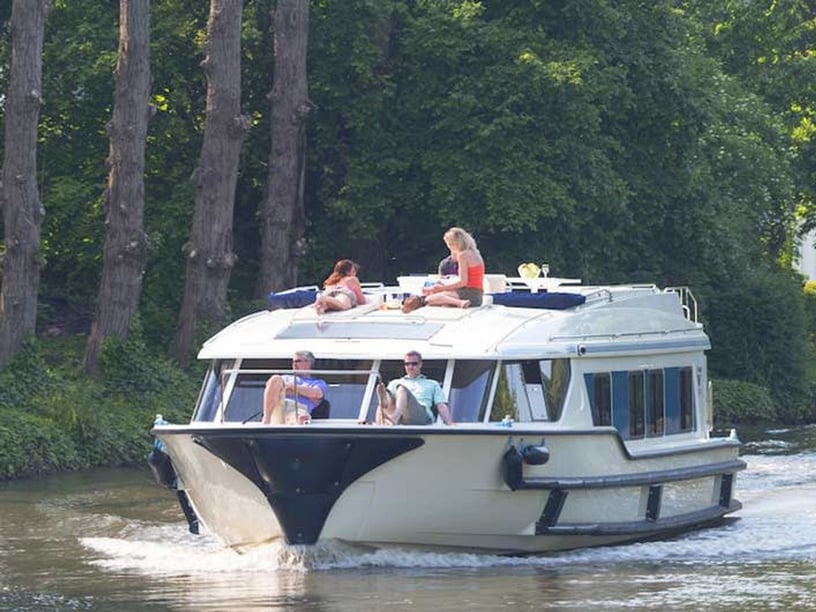
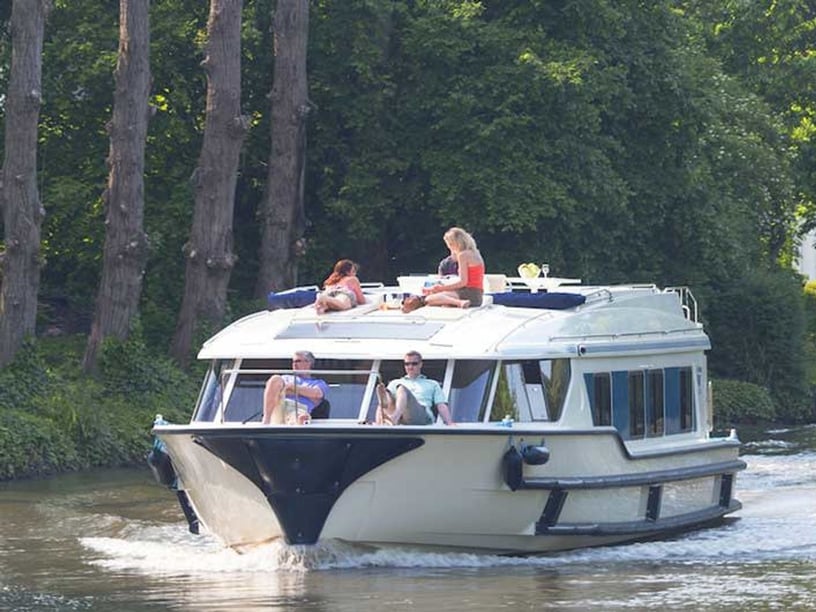
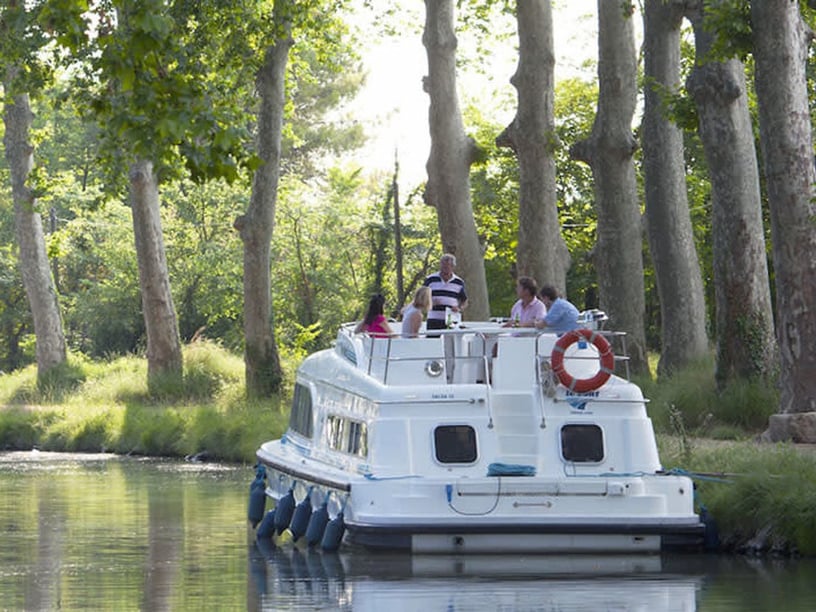
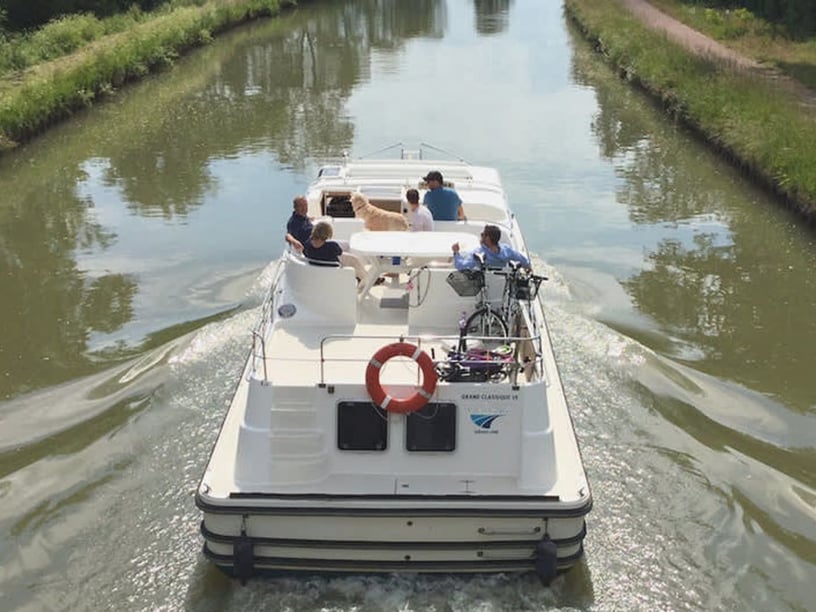
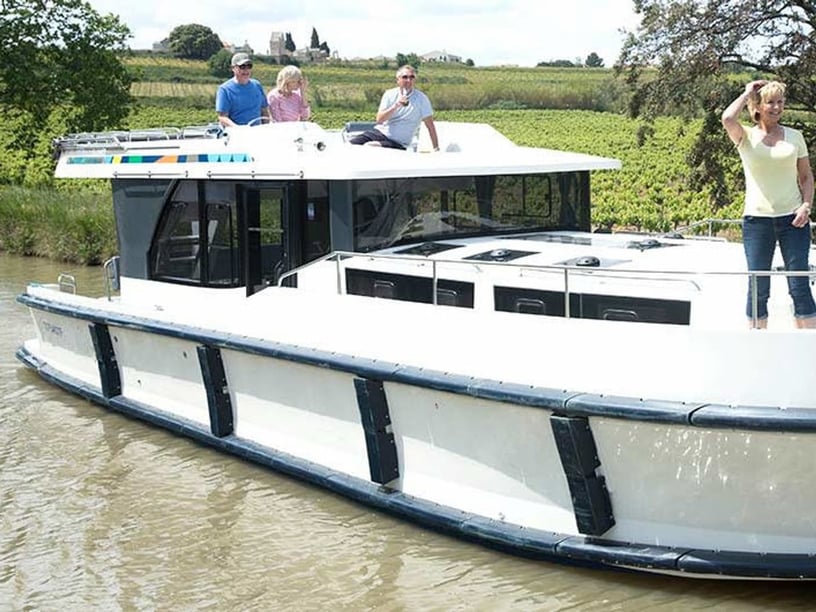
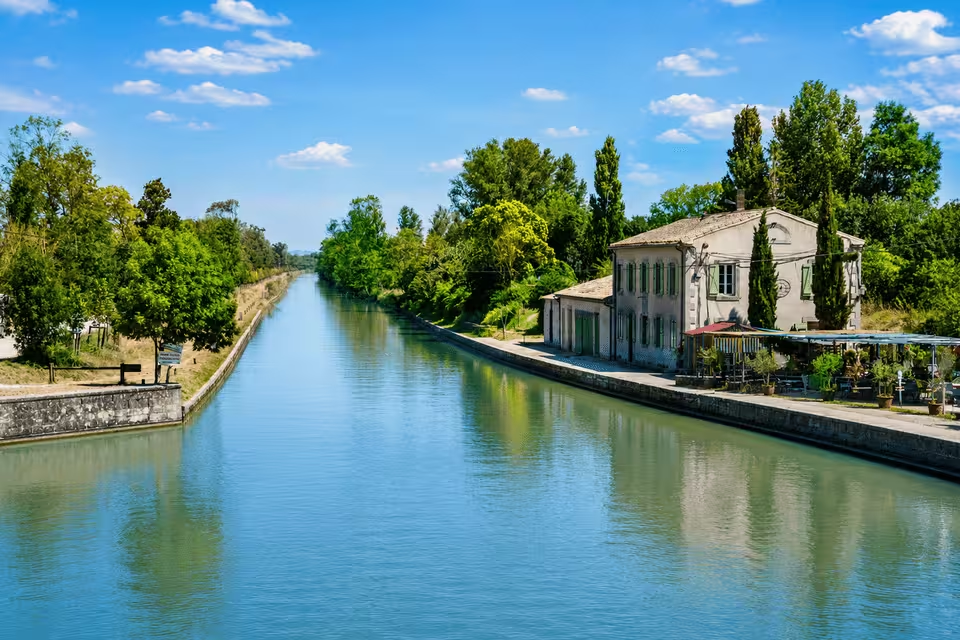
Cruising from Port Cassafières is slow, sheltered and shaped by the operating rhythm of the Canal du Midi. Conditions are generally calm, but the crew must still handle locks, bridges, passing boats and tight maneuvering spaces. This makes the experience more about measured progress through the Languedoc landscape than open-water sailing.
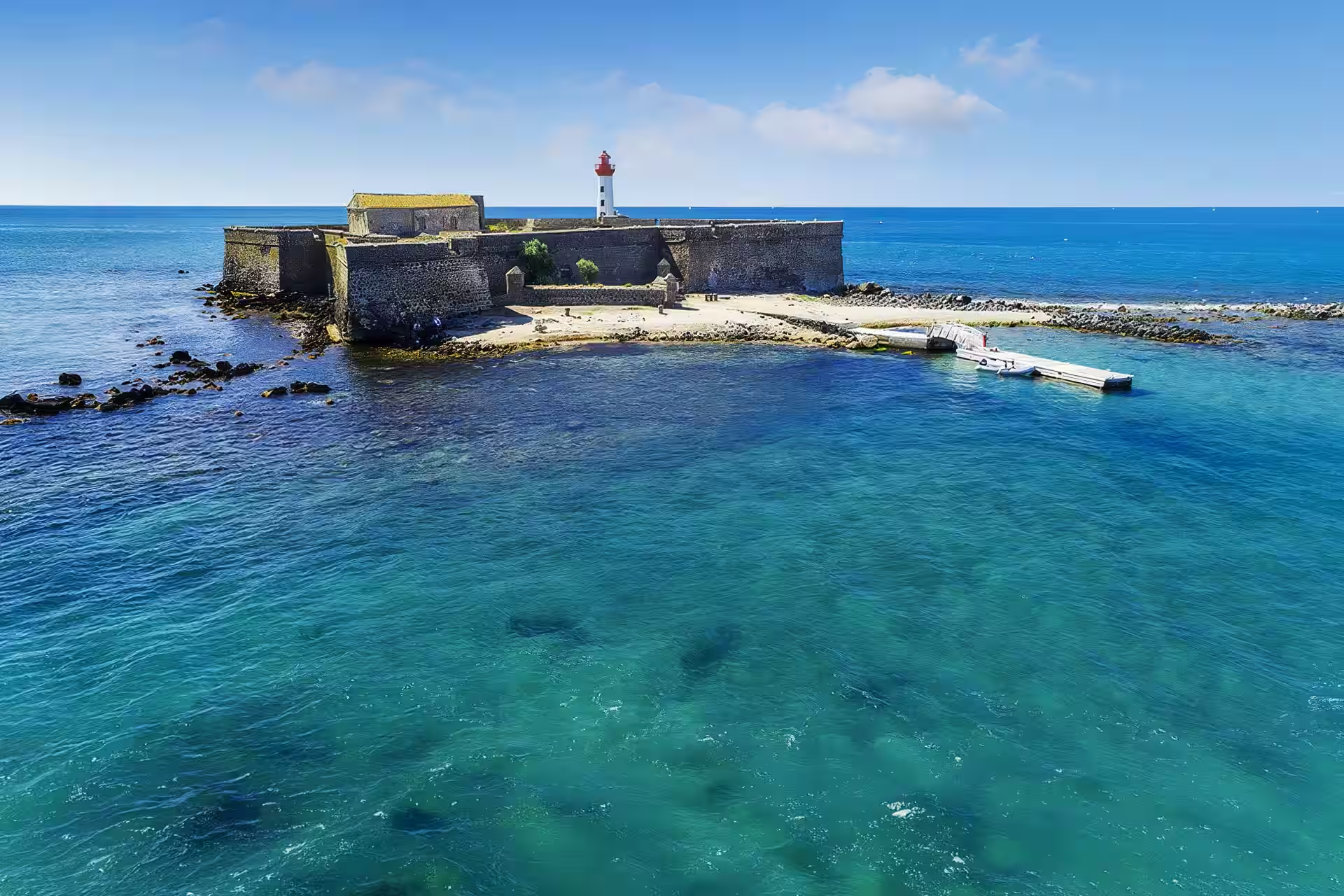
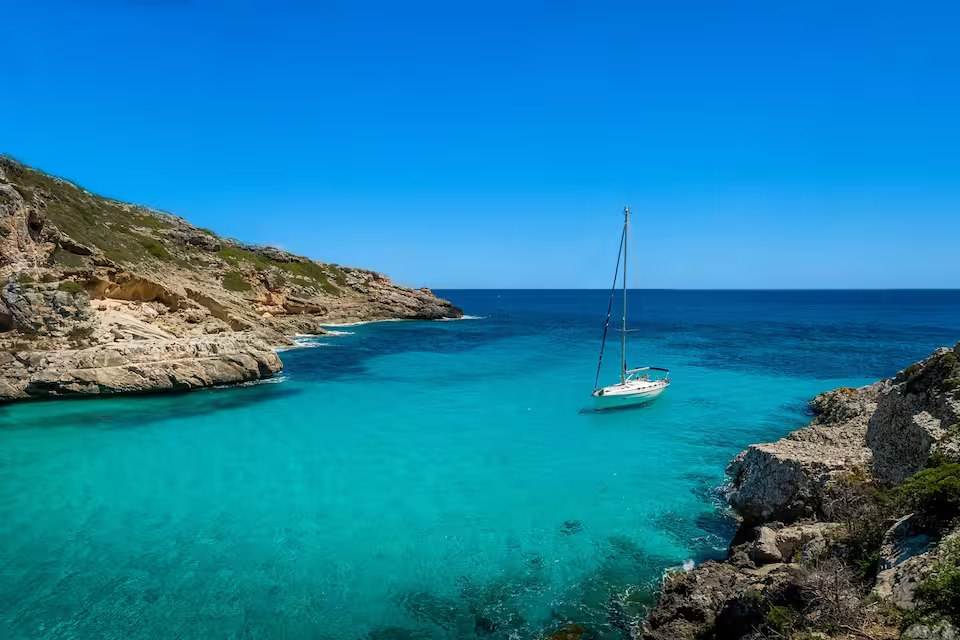
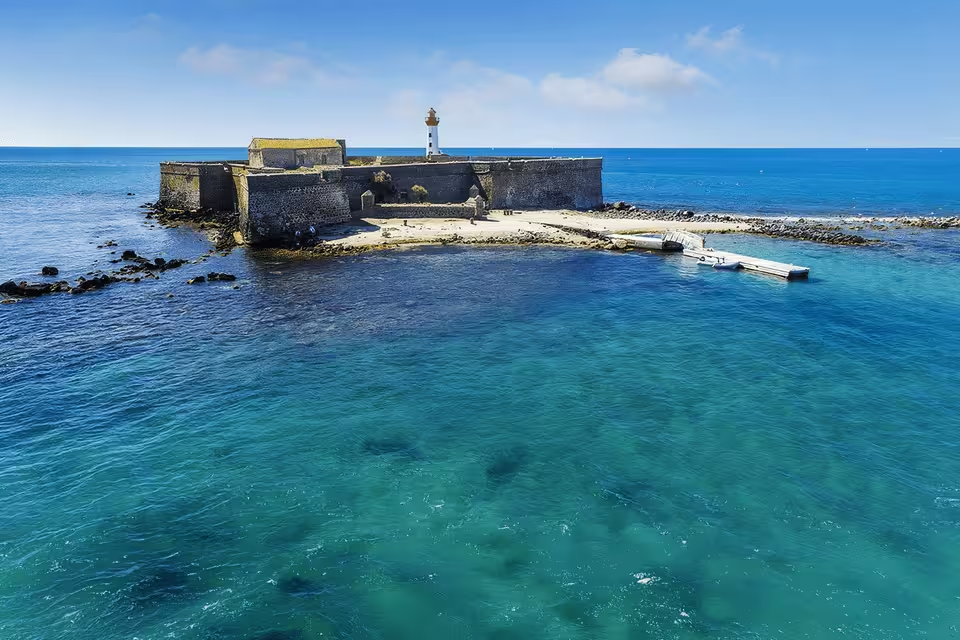
The Mediterranean side is very different. Portiragnes faces the open Gulf of Lion and has no local sheltered sea-yacht harbor. Sea-going yachts normally operate from Cap d’Agde or Valras-Plage, where route planning must account for exposed coastal conditions. The dry northwesterly tramontane is particularly frequent in winter and spring. Easterly and southeasterly winds can bring rain and significant swell, while strong thunderstorms and rougher episodes are more likely in spring and autumn. Travelers should therefore distinguish clearly between a protected canal charter and an offshore yacht itinerary when choosing their trip.
The best time to charter
Normal Canal du Midi cruising runs from April through October. June, July, August and September are particularly suitable months, with hot, generally drier summer weather supporting both boating and time at Portiragnes-Plage. July and August are the busiest period, so locks, waterways and resort areas tend to feel more active.
Spring can provide quieter canal cruising, although wind and rain are less consistent than in midsummer. September remains one of the most suitable months and is generally calmer in terms of visitor pressure than July and August. October is part of the shoulder season, with a greater chance of unsettled conditions. During much of winter, free canal navigation is normally suspended or available only by prior arrangement because of maintenance operations.
Cruising routes from Port Cassafières
A westbound return cruise toward Béziers follows the Canal du Midi across the coastal plain, passing Villeneuve-lès-Béziers before reaching the Orb canal bridge and the Fonseranes locks. It suits travelers interested in historic waterway structures and a route that can be adapted to the available time without changing to open-water navigation.
The principal eastbound route runs from Port Cassafières past Vias and the unusual Libron engineering works to Agde. From the Round Lock, crews may continue toward Les Onglous and Marseillan on the Étang de Thau, subject to current navigation conditions and restrictions. These itineraries are canal and lagoon journeys; Mediterranean yacht routes should instead be planned from an appropriate maritime port such as Cap d’Agde or Valras-Plage.
Nature, beaches and history ashore
A charter stay around Portiragnes can combine unhurried cruising with swimming, beach time and wildlife watching. The transition from the canal to the Grande Maïre’s dunes, reed beds and salt meadows is one of the locality’s defining features. The wetland landscape is also associated with Camargue horses, cattle raising and local taurine traditions.
Going ashore in the inland village adds historical context. Saint-Félix Church includes late-12th-century transitional architecture and later medieval work, while the Jean Saluste Archaeological Museum provides another cultural stop. The Canal du Midi itself, inscribed on the UNESCO World Heritage List in 1996, is more than a transport corridor: its locks, bridges and engineering structures form a central part of the experience.
Access, ports and departure points
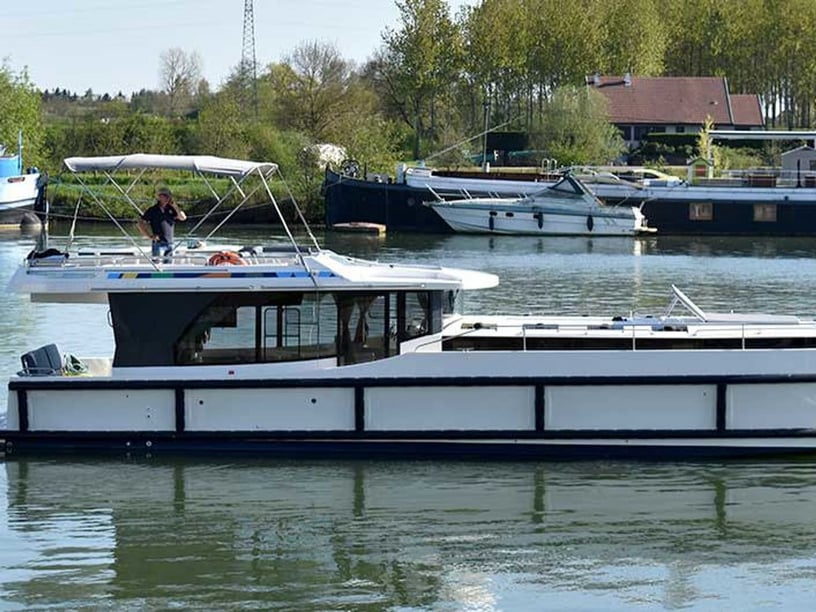
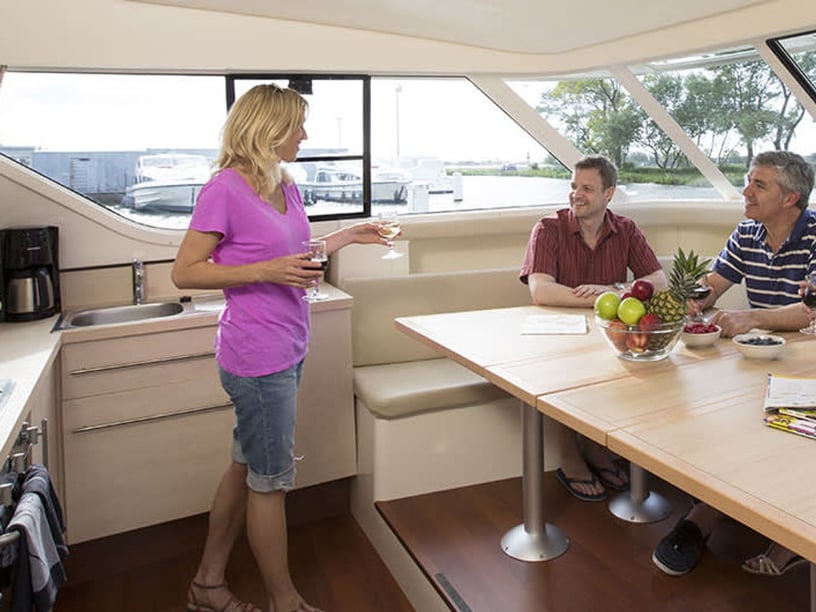
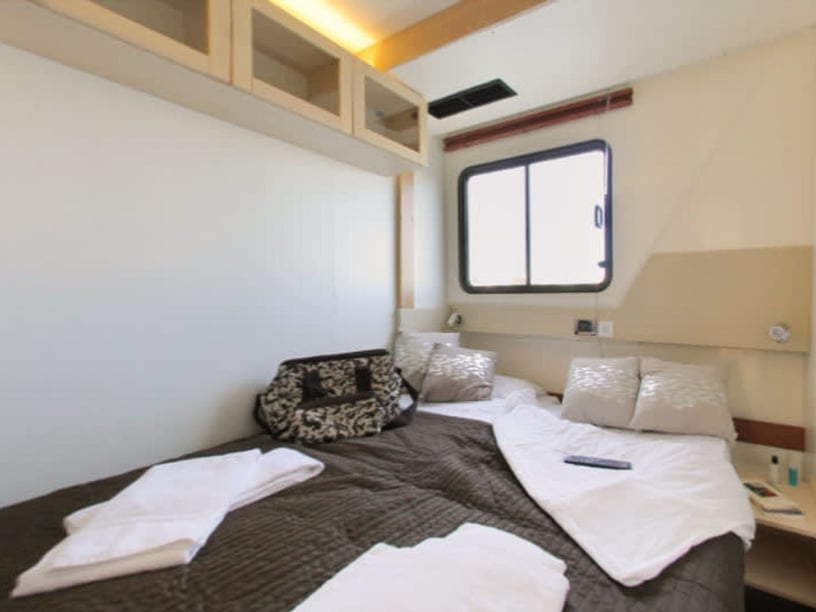
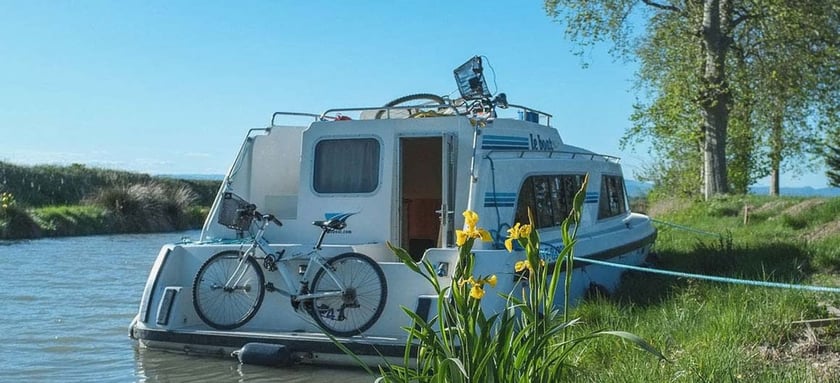
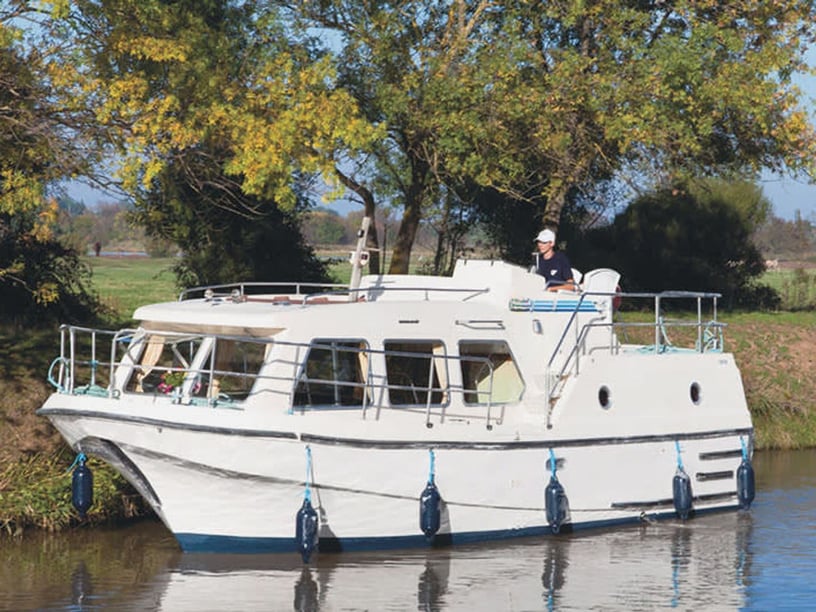
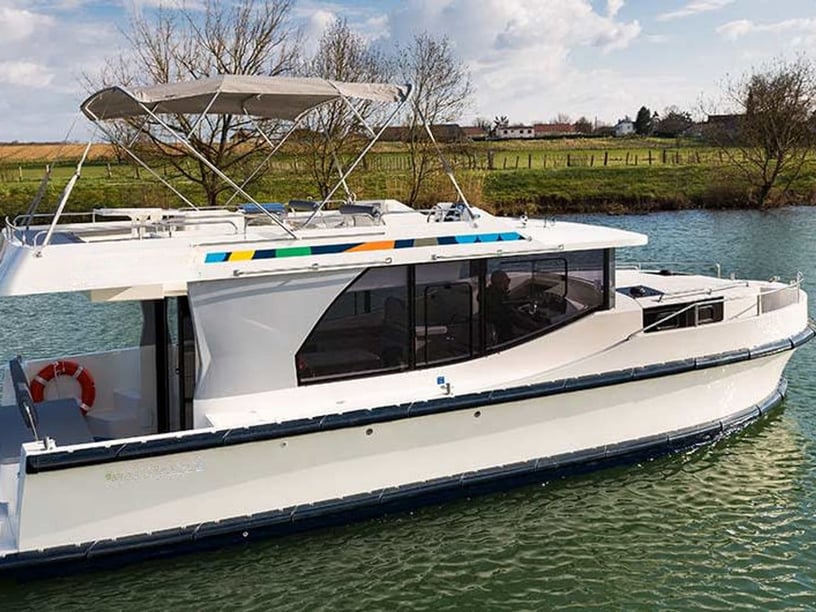
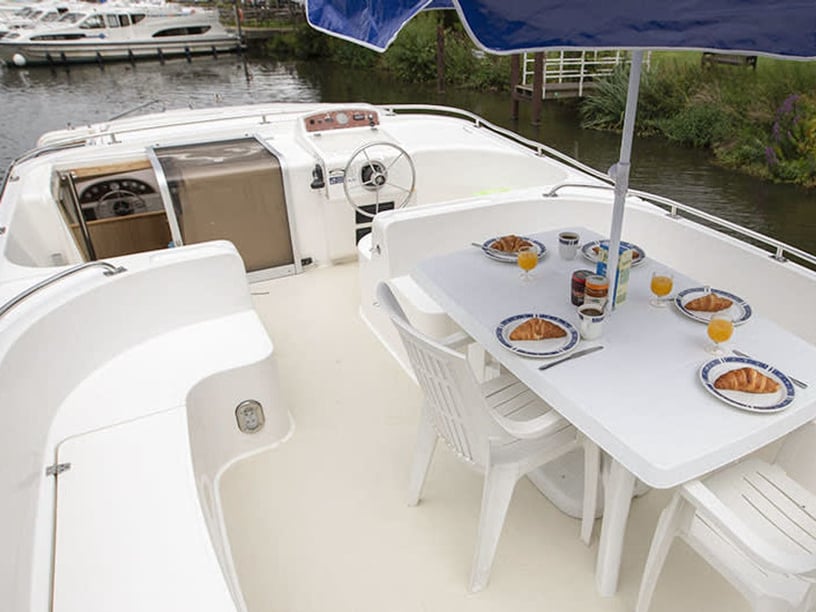
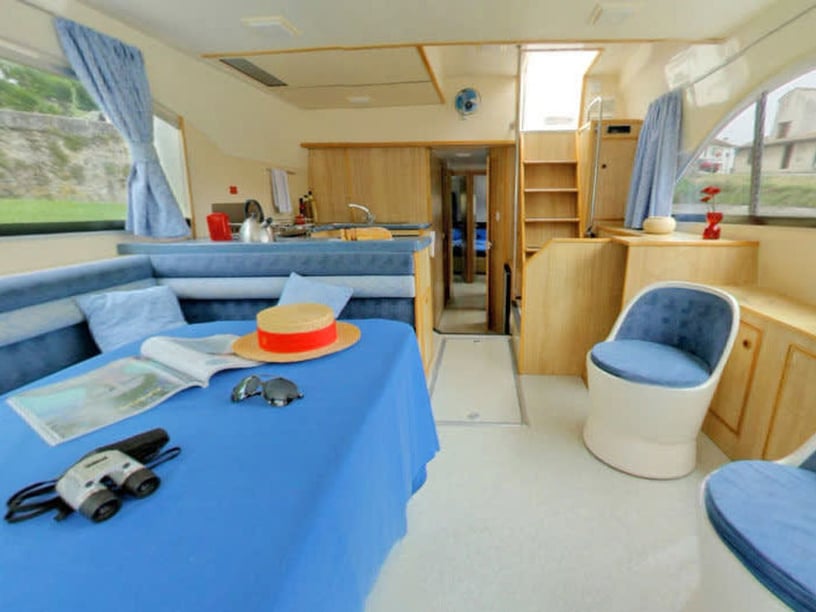
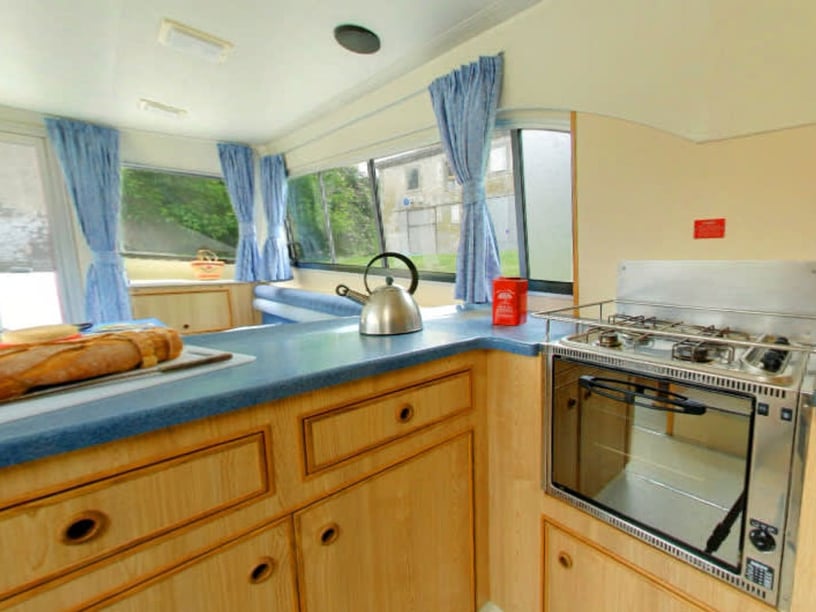
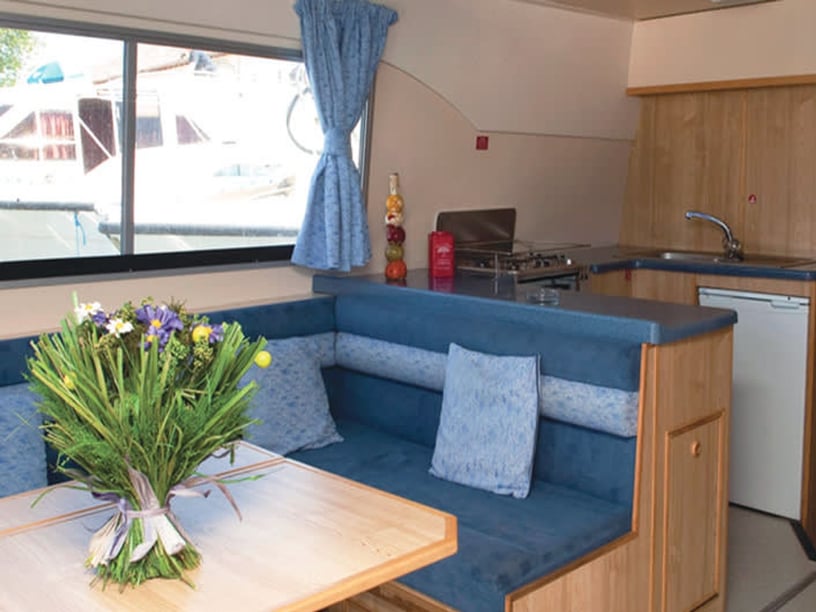
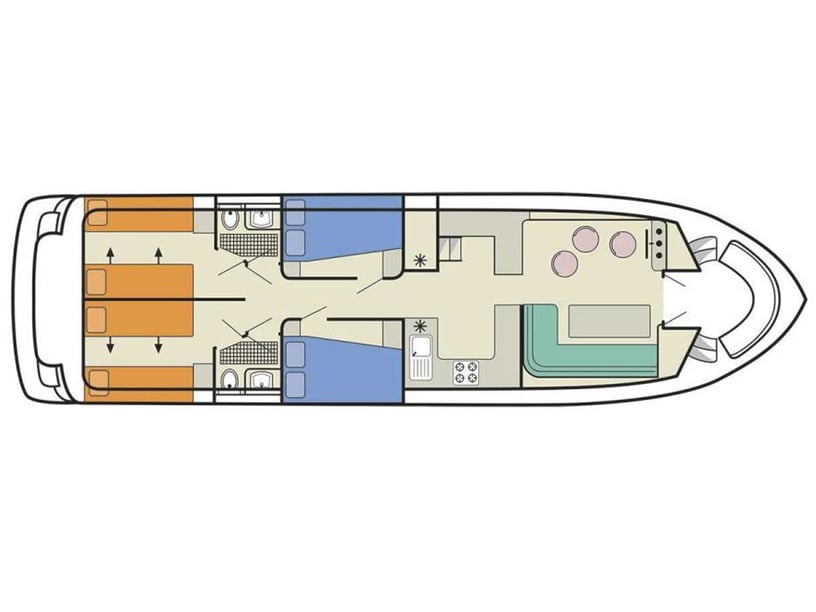
Port Cassafières is Portiragnes’ principal boating base and serves recreational houseboat cruising on the Canal du Midi. It lies in a side basin rather than a maritime marina, so travelers arranging a sea-going yacht charter should look to the ports of Cap d’Agde or Valras-Plage. Portiragnes can consequently function as a canal departure point, a beach and wetland destination, or a base for reaching nearby coastal harbors.
Béziers Cap d’Agde Airport is the closest airport and lies within the locality. Montpellier-Méditerranée Airport provides another arrival option. Béziers and Agde are the nearest principal railway stations, with onward travel by regional bus, taxi or road transfer. Drivers generally approach through the A9 and A75 corridors.
Planning the right Portiragnes charter
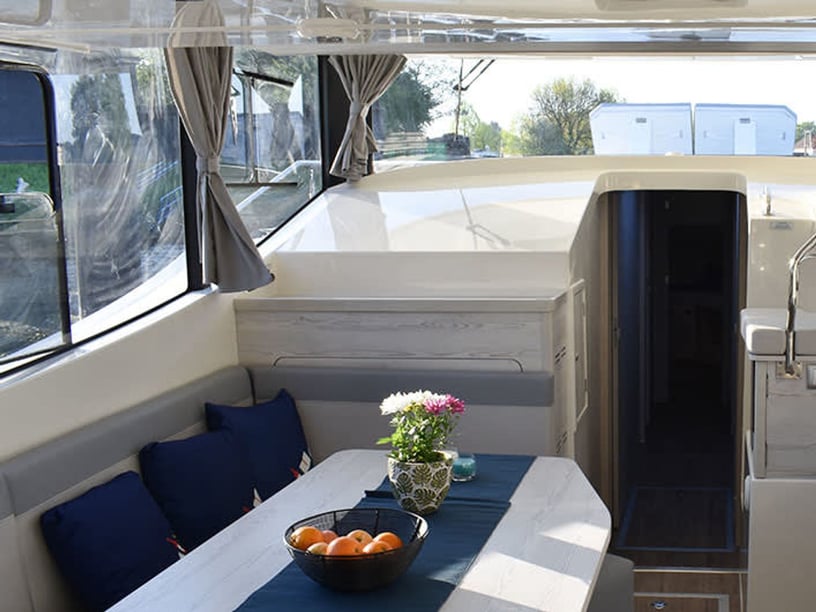
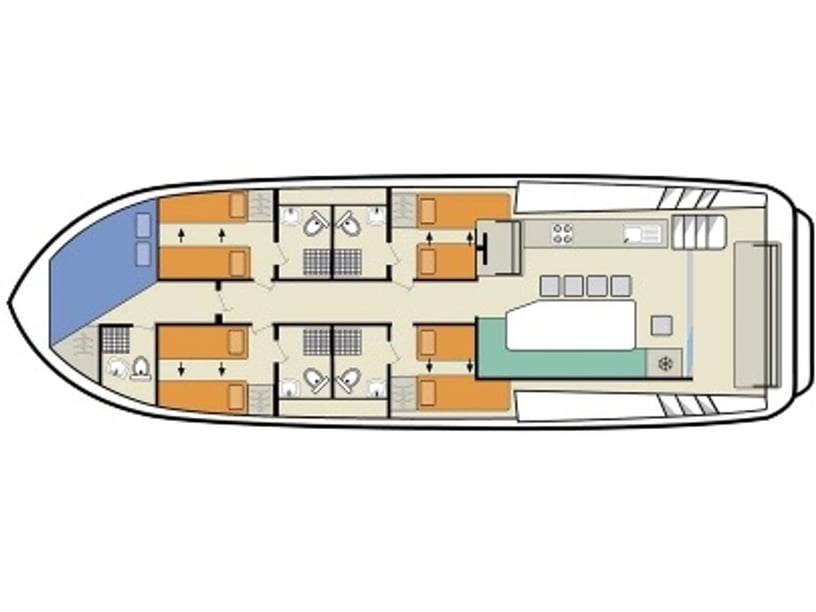
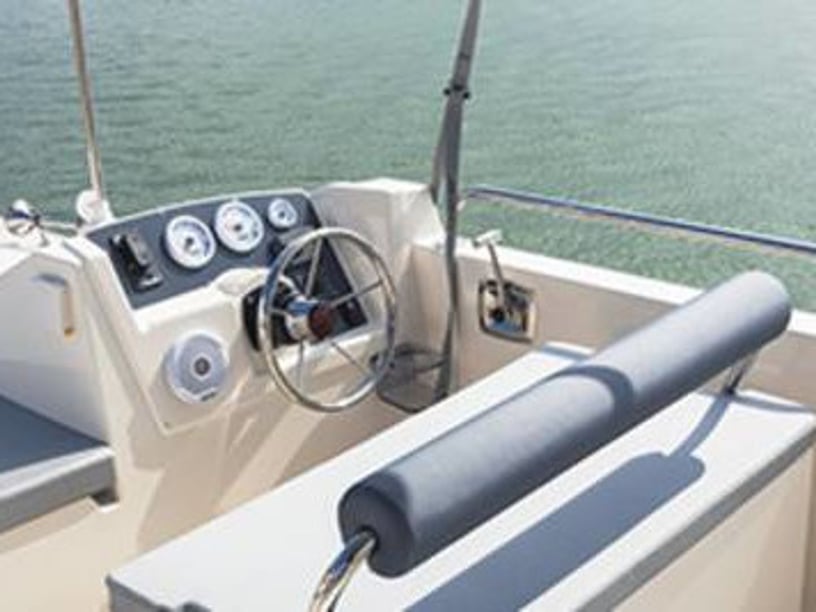
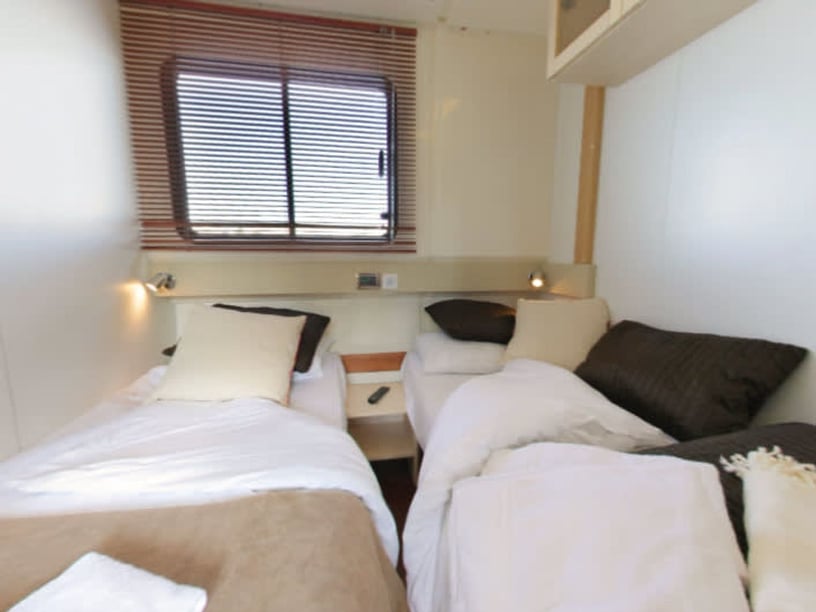
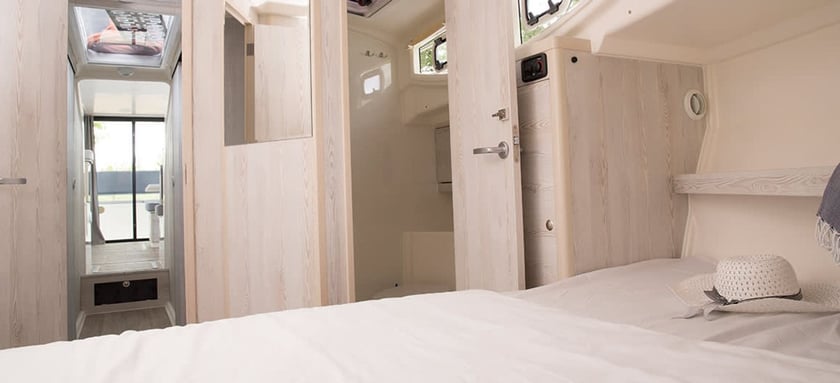
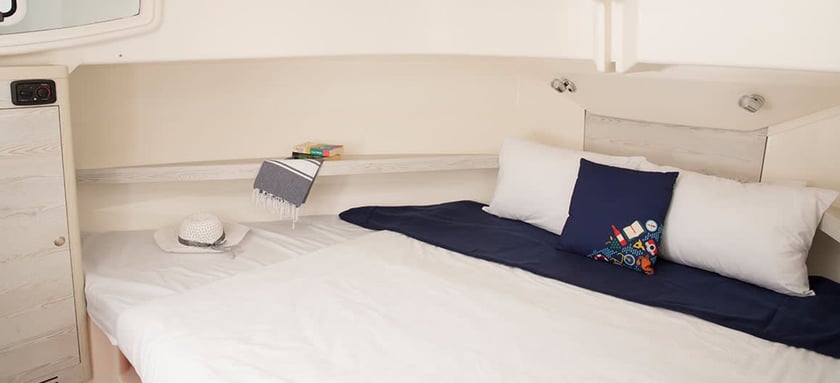
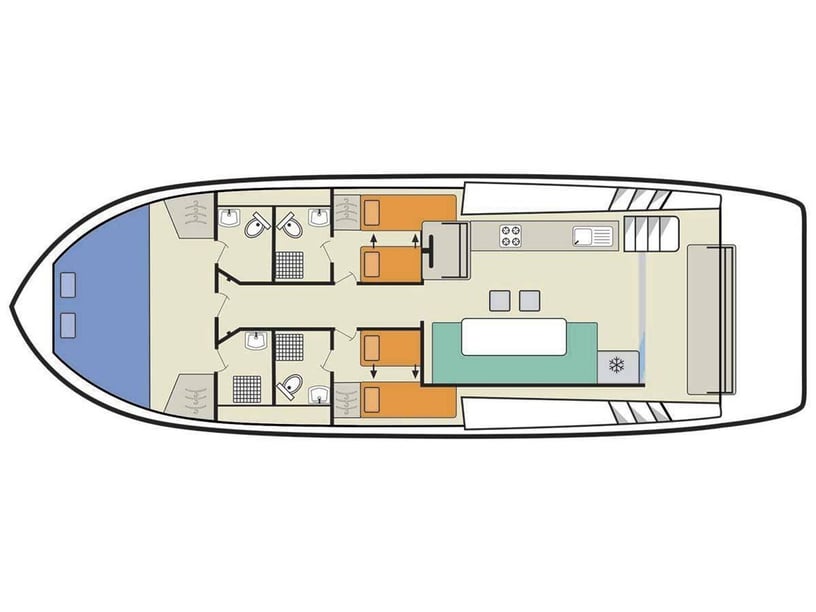
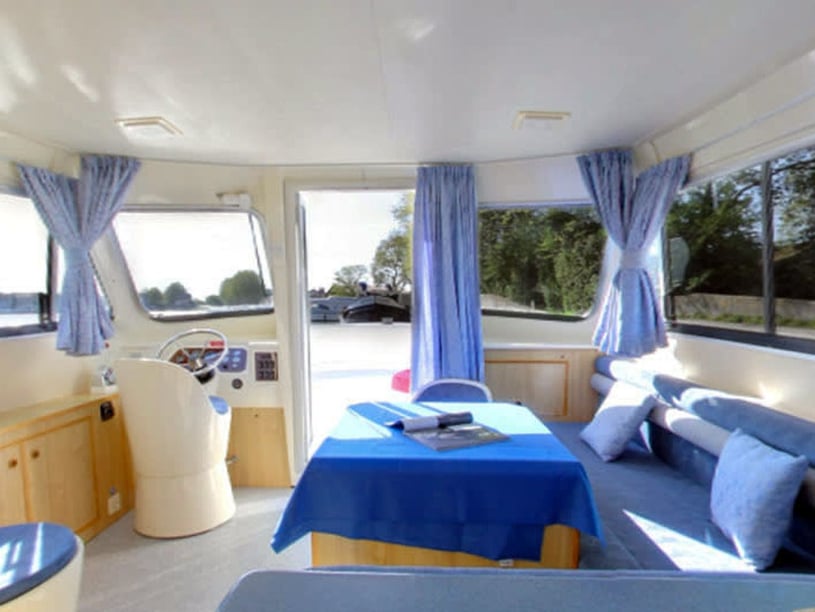
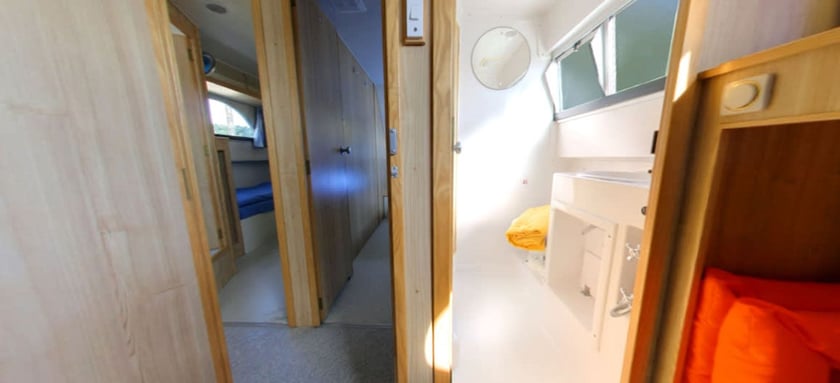
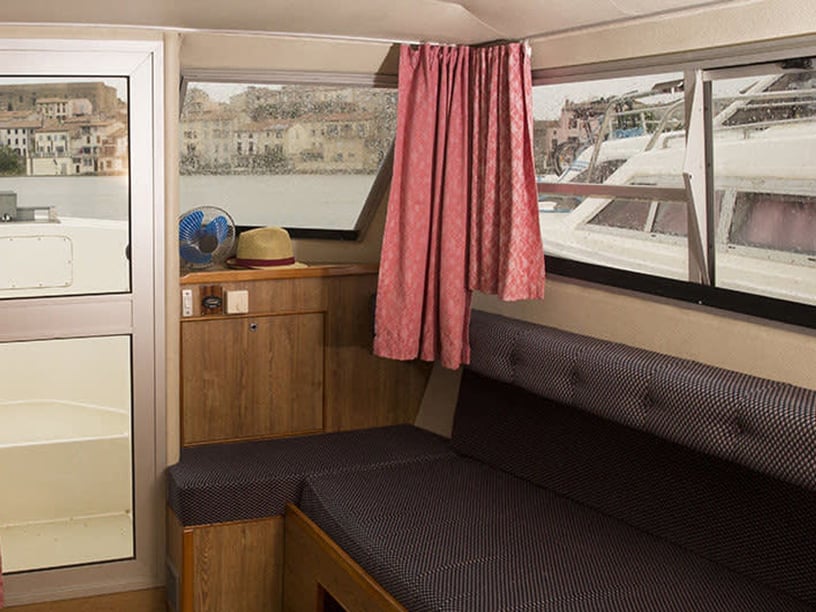
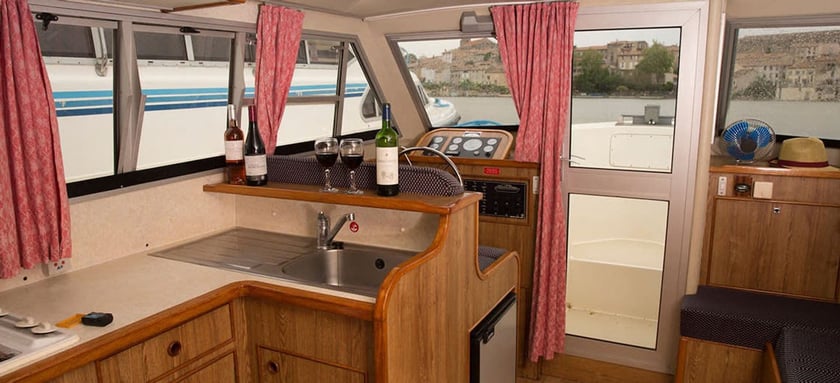
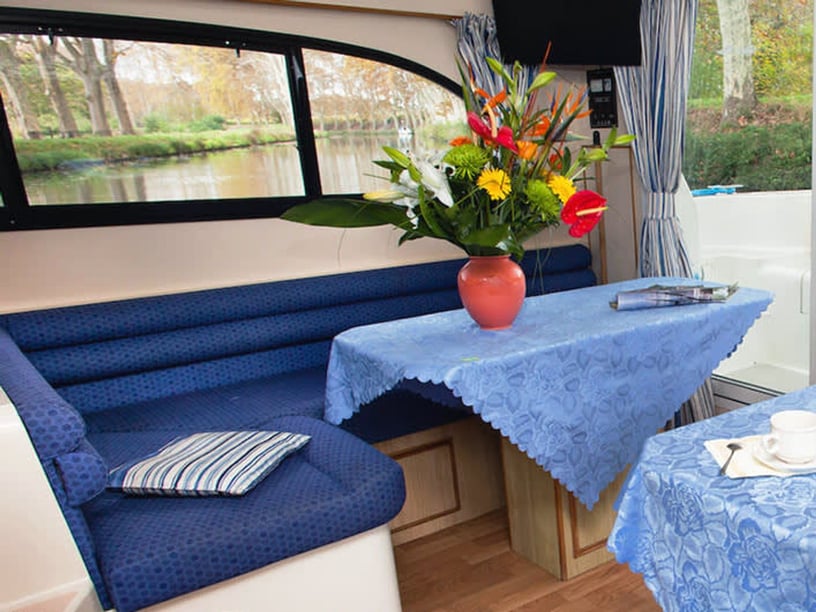
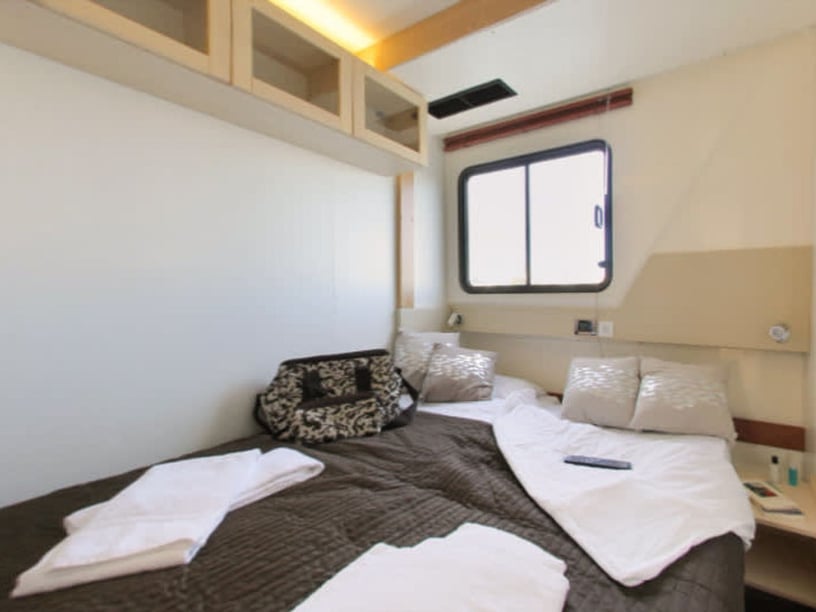
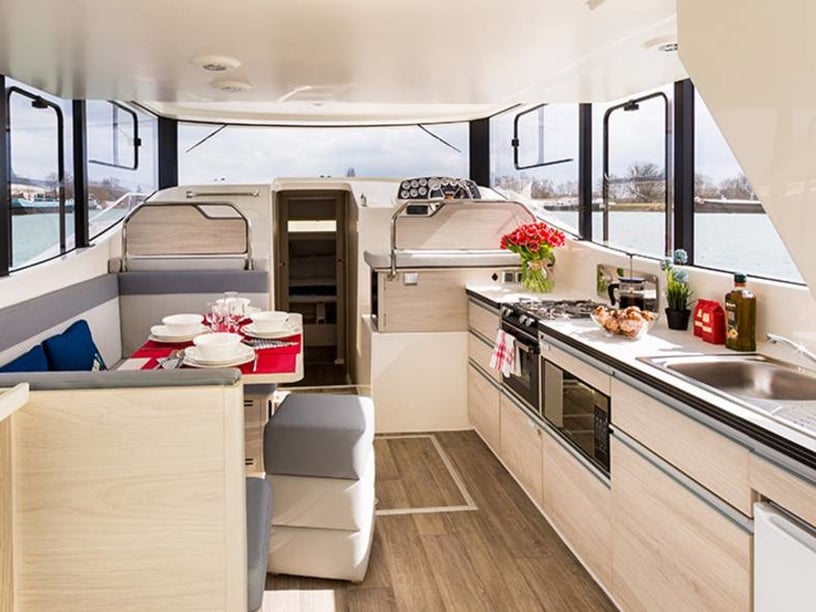
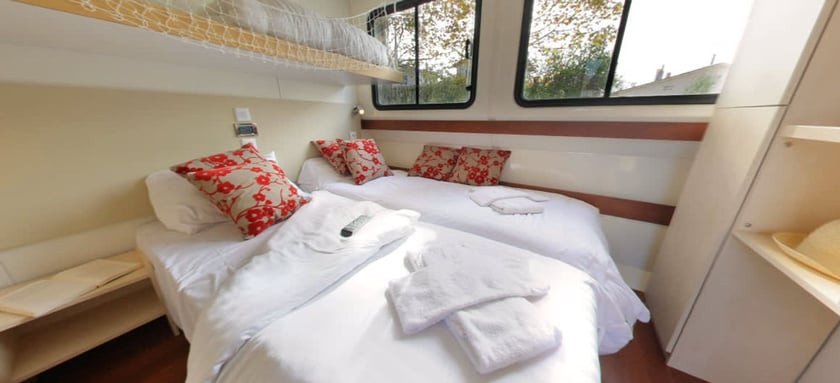
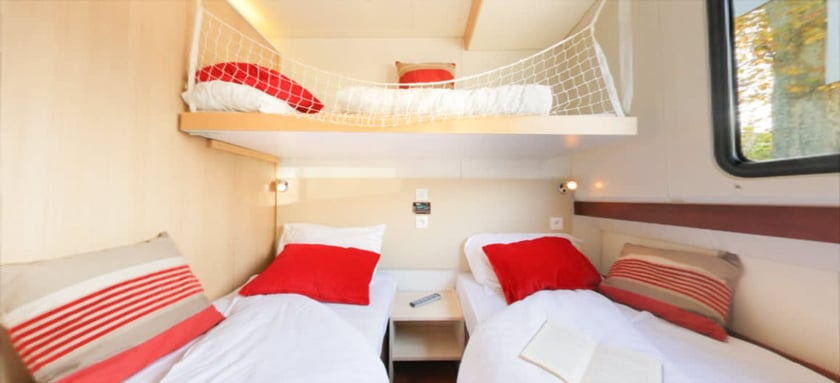
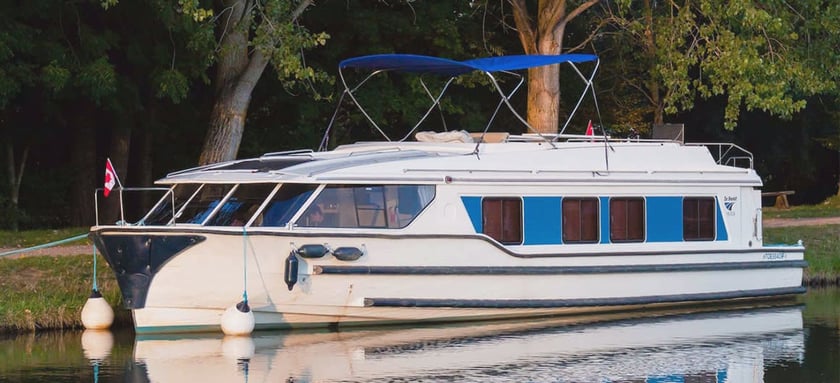
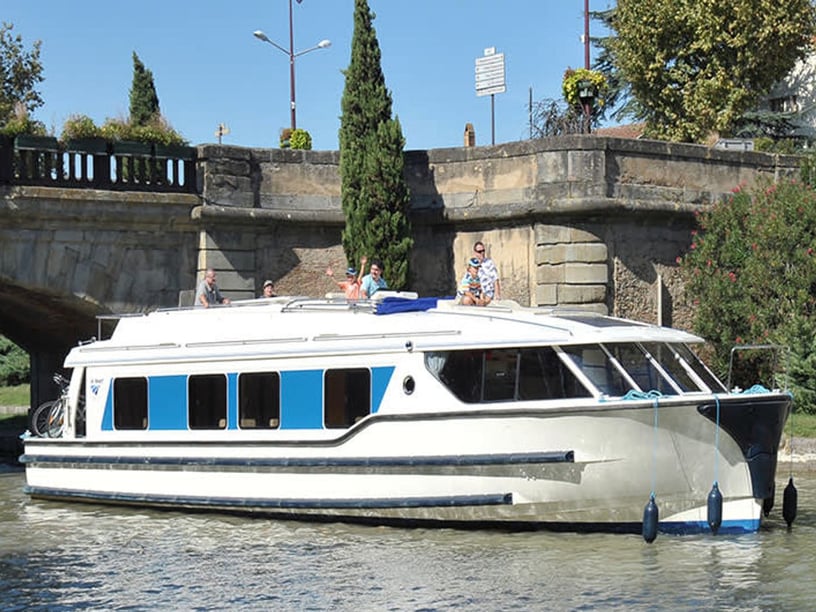
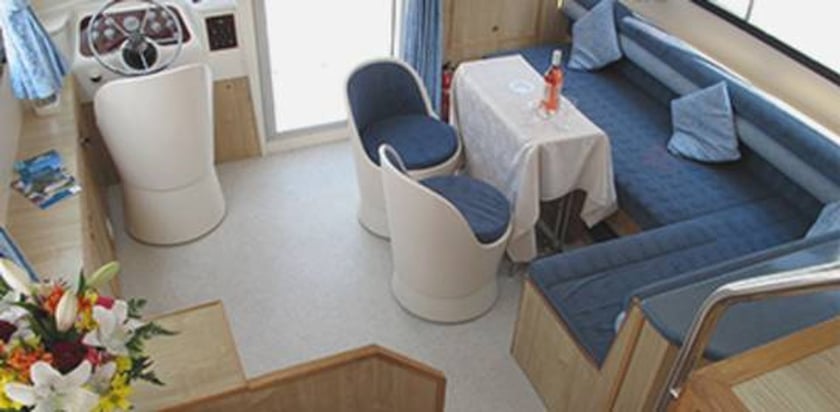
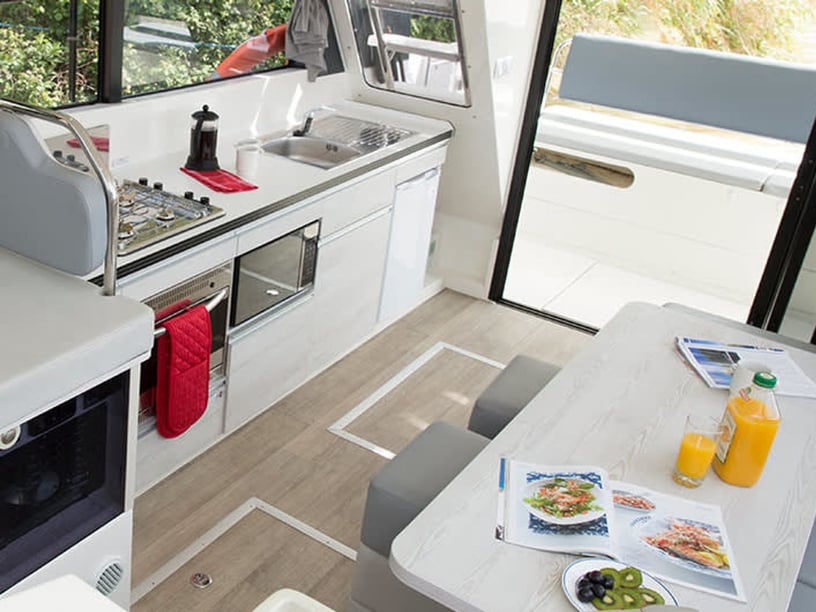
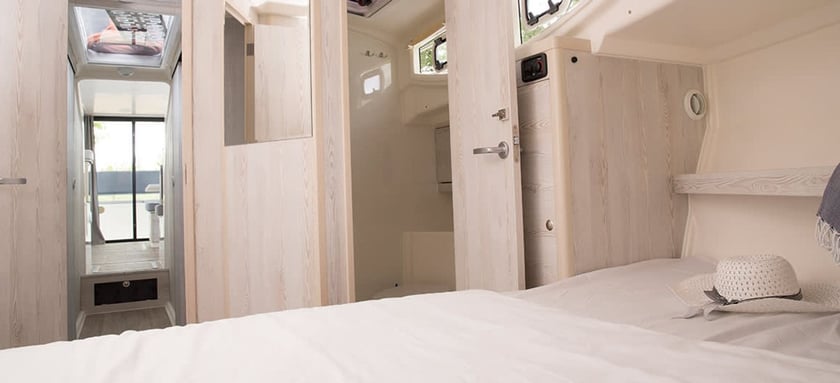
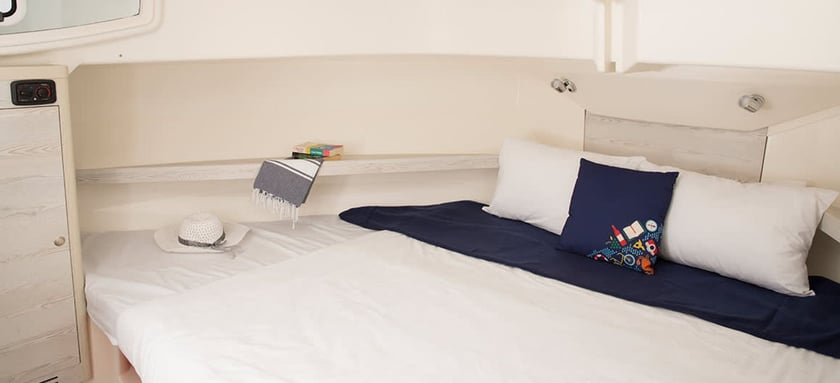
The first decision is whether the trip should focus on inland waterways or the Mediterranean. When comparing Portiragnes boat rental options, check the actual departure point and operating area: Port Cassafières is suited to houseboats and canal itineraries, while sea-going yachts generally depart from nearby maritime ports. Some houseboats can be operated after an introductory briefing without a conventional boat licence, but crews still need to be comfortable managing locks and confined maneuvering.
Before departure, review current VNF notices, lock operating periods, waterway restrictions and any winter maintenance closures. For coastal boating, follow marked access channels, buoyed areas and local safety signs within the 300-metre coastal zone. Weather forecasts matter particularly for Gulf of Lion trips because the tramontane, easterly swell and thunderstorms can alter plans. Visitors should also respect marked routes and conservation guidance around the protected dunes and wetlands.