Understanding yacht charter
A yacht charter gives you private use of a boat for an agreed period, whether that means an afternoon on the water or a longer journey with overnight stays. Unlike a fixed cruise itinerary, the experience can often be shaped around your group, chosen destination and preferred balance of cruising, swimming, anchoring and time ashore. The exact route remains subject to weather, local rules and the captain’s judgment.
The first decisions are practical: where and when to travel, how long to charter, which boat suits the group and whether you need a skipper or a complete crew. You should also consider how much living space you want, whether sailing itself is part of the appeal and how actively you wish to participate. A suitable yacht rental is therefore not simply the largest or fastest boat; it is the one whose layout, operating style and service level match the trip you have in mind.
Choosing a yacht or boat type
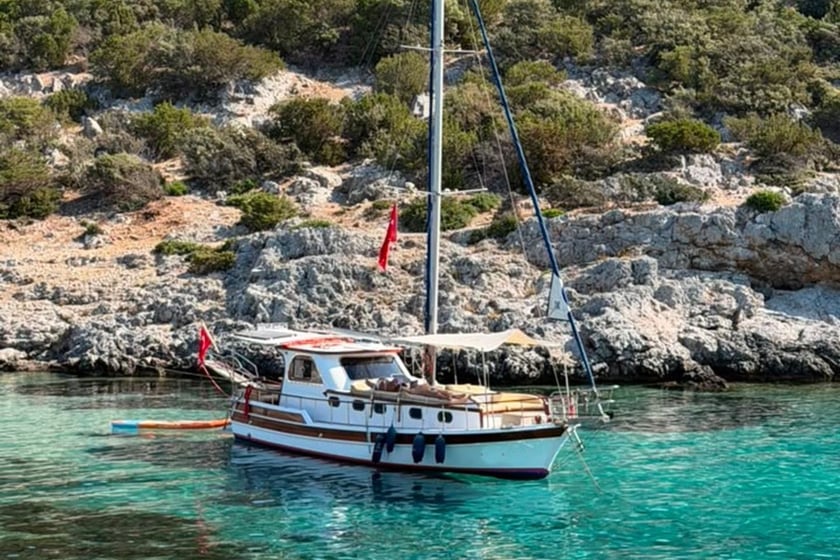
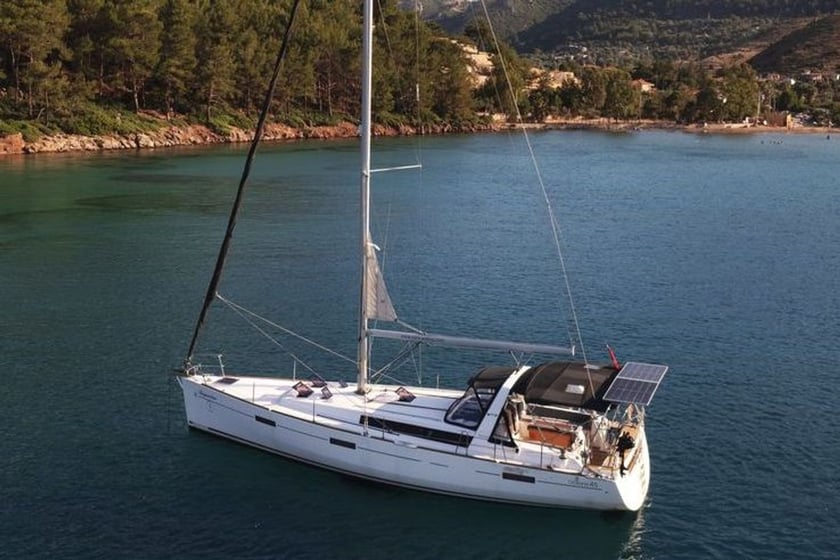
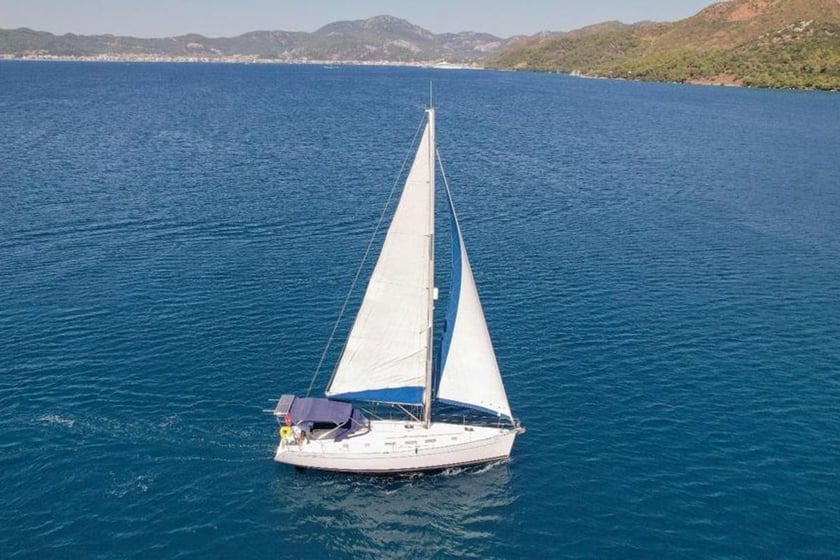
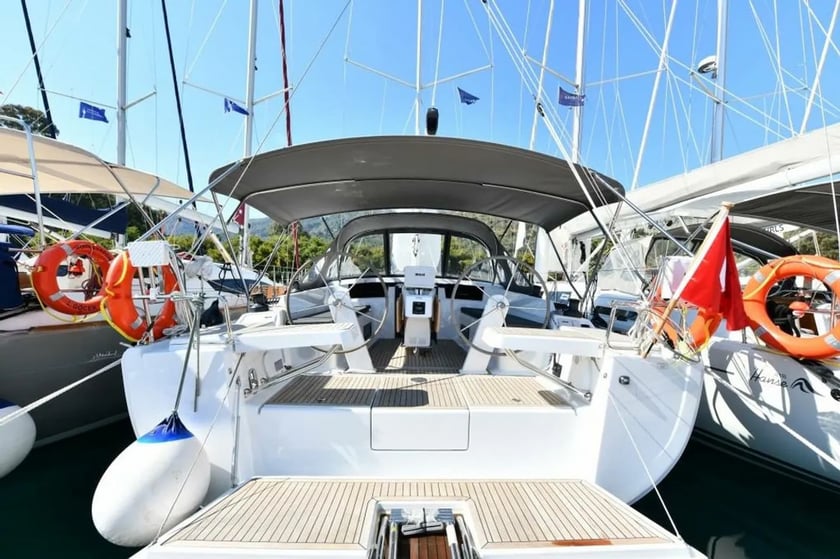
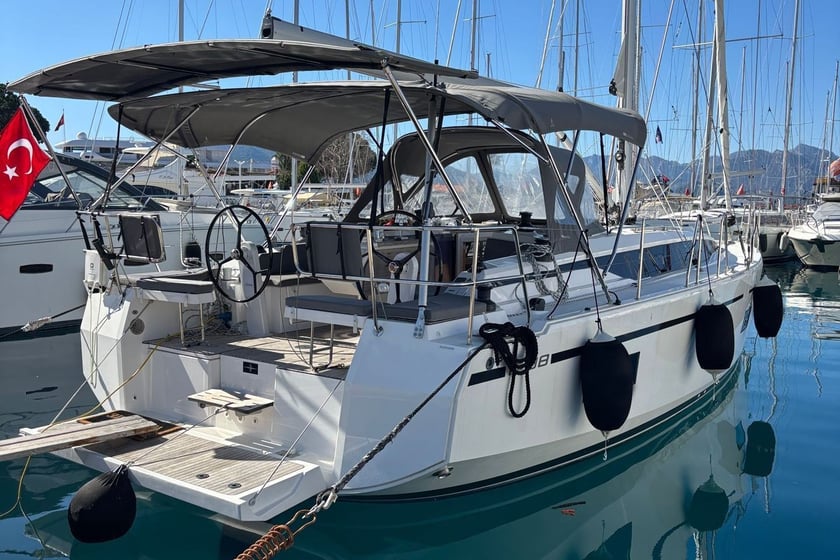
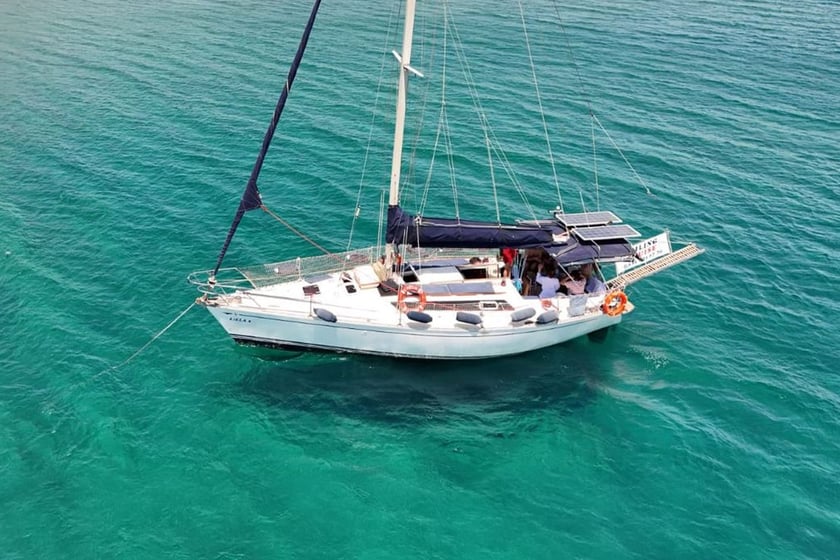
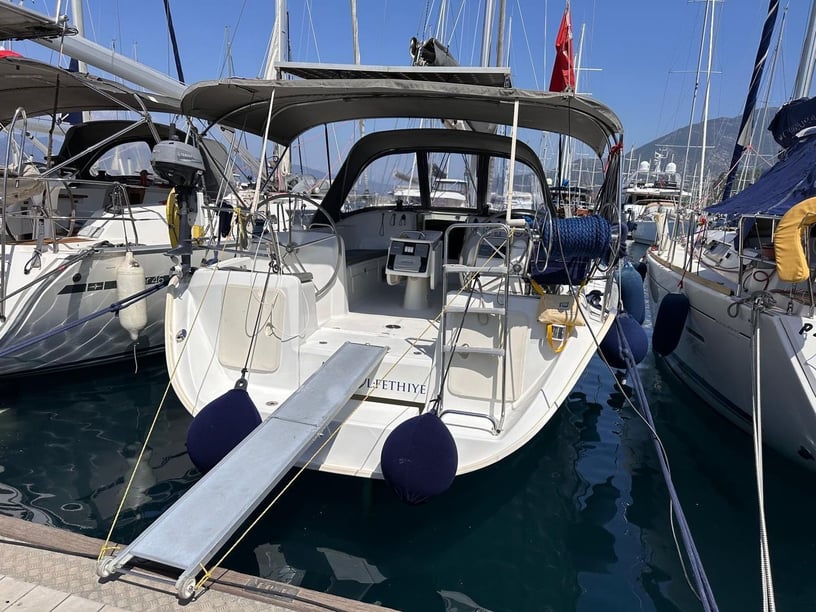
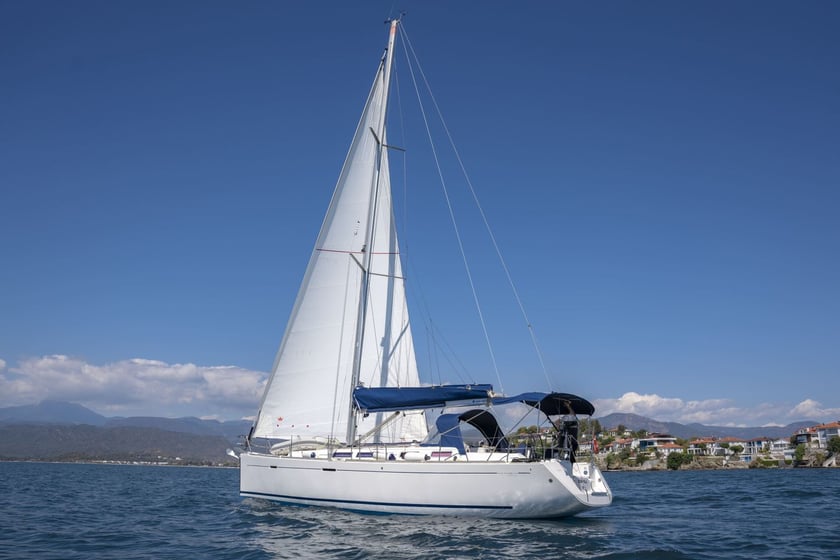
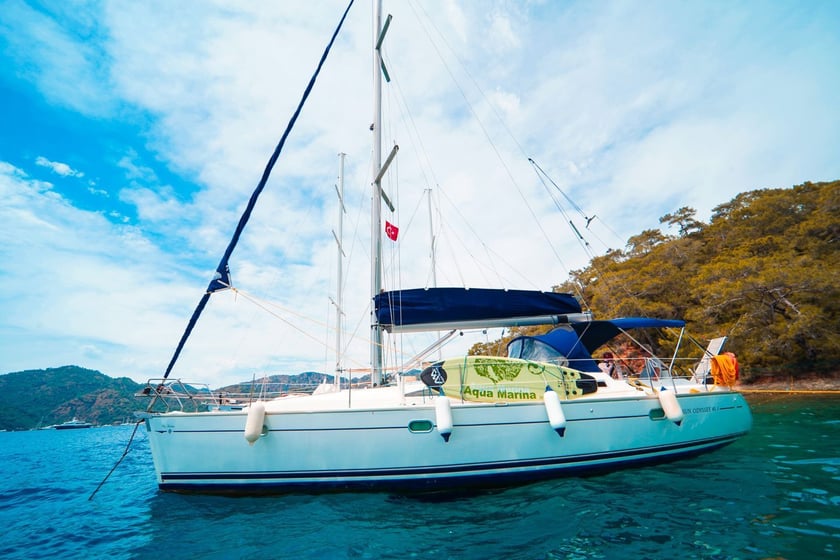
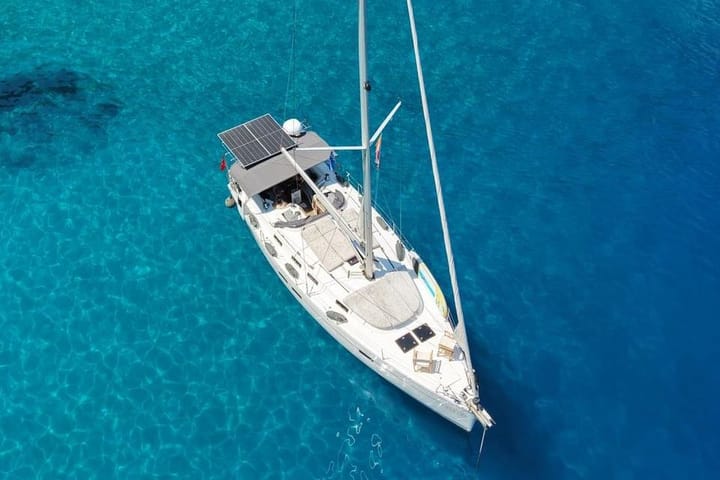
Boat design has a direct effect on the pace and character of a charter. A sailboat charter suits travelers who want the passage itself to be part of the experience. Monohull sailboats generally provide a more traditional feeling under sail, but they can heel and may offer less deck space than a similarly sized multihull. Cabin arrangements vary, so check both sleeping capacity and the number of bathrooms rather than relying on overall length alone.
A catamaran has two hulls and typically offers broad deck areas, generous shared space and limited heeling. This can work well for families or groups who value room to spread out, though marina requirements and charter costs may differ from those of a monohull.
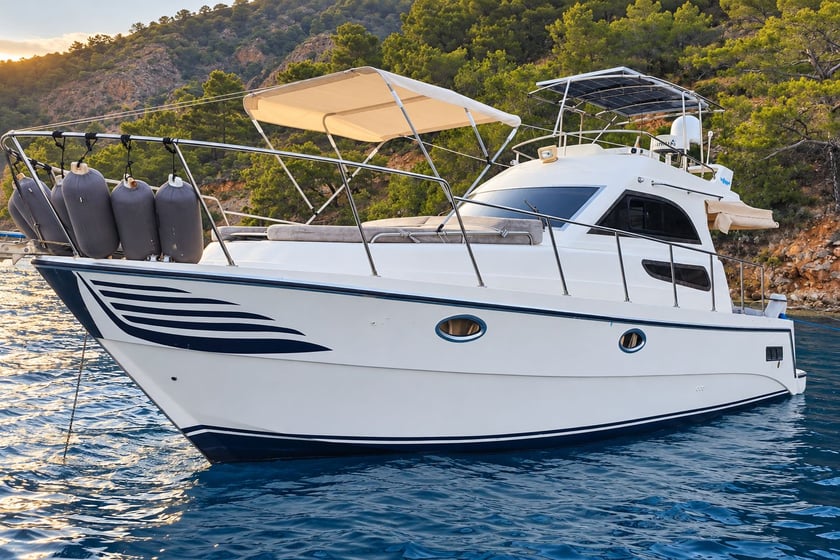
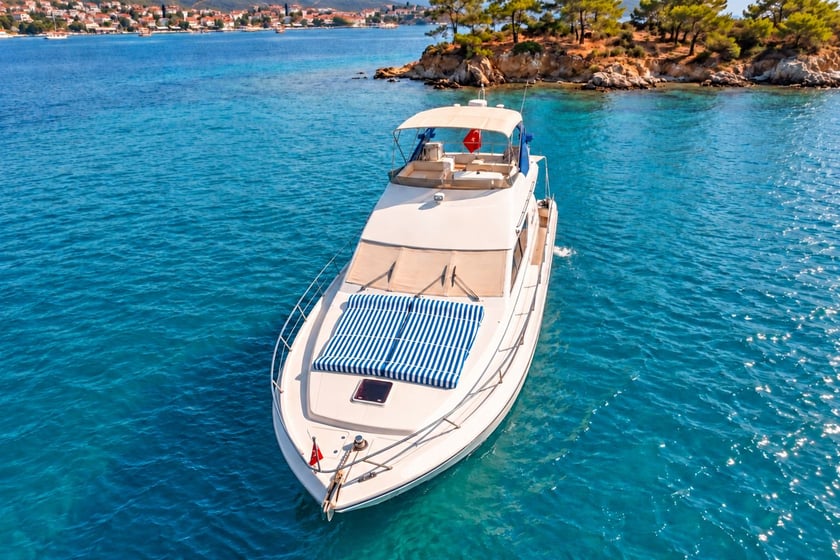
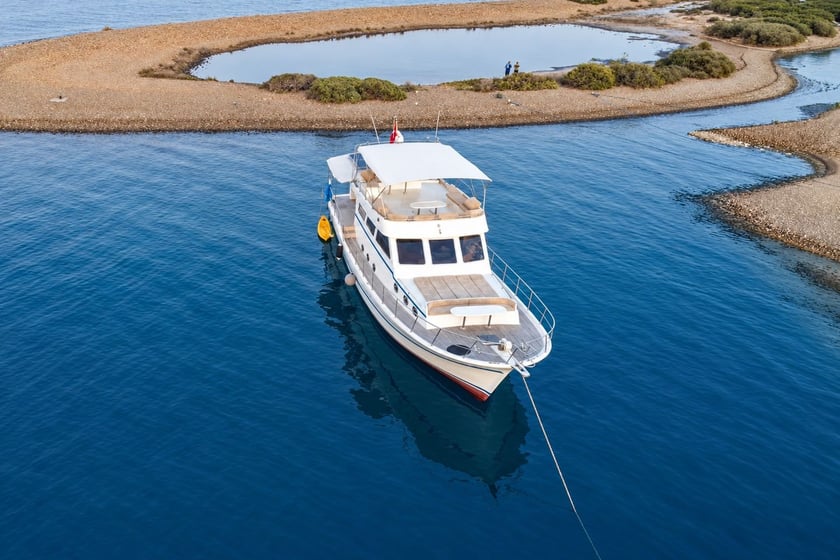
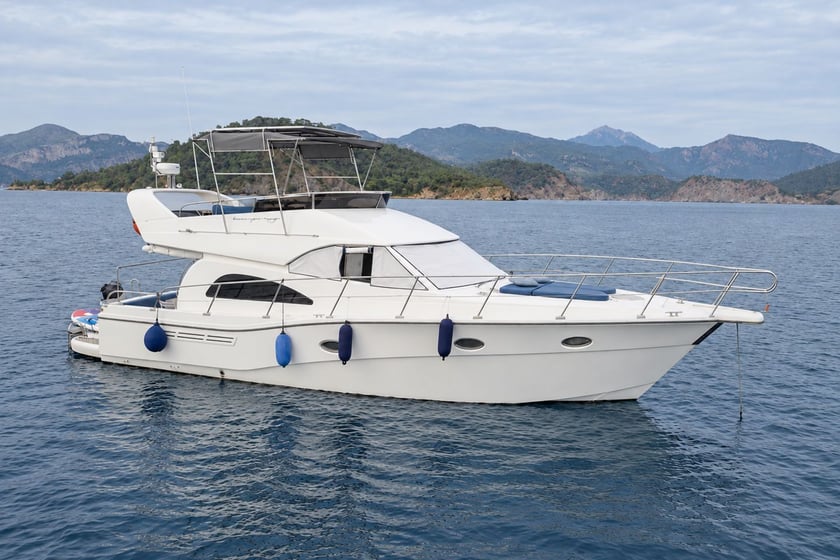
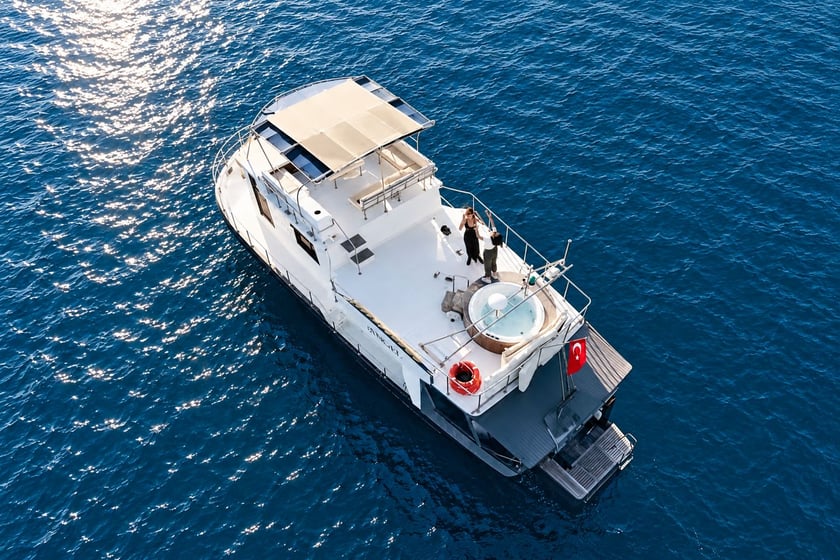
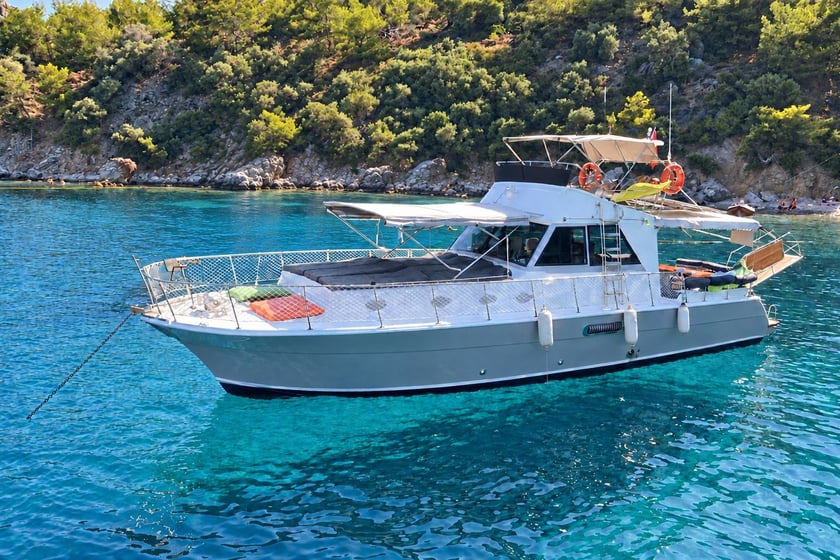
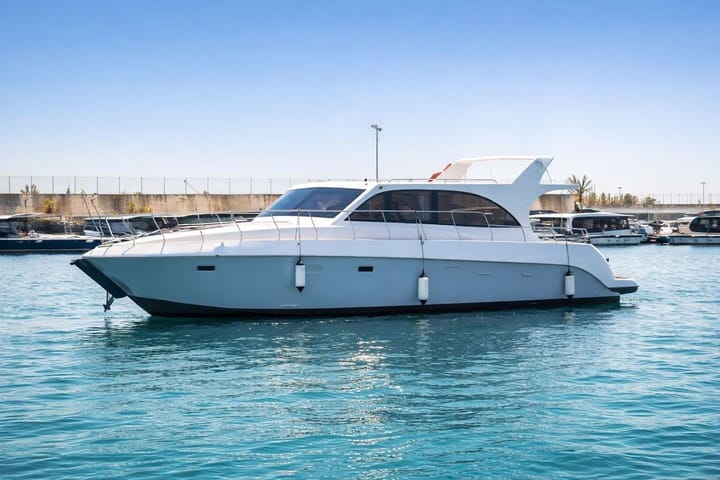
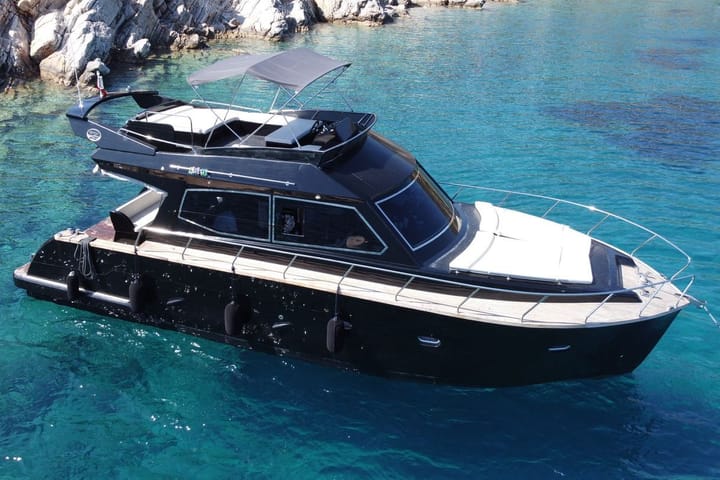
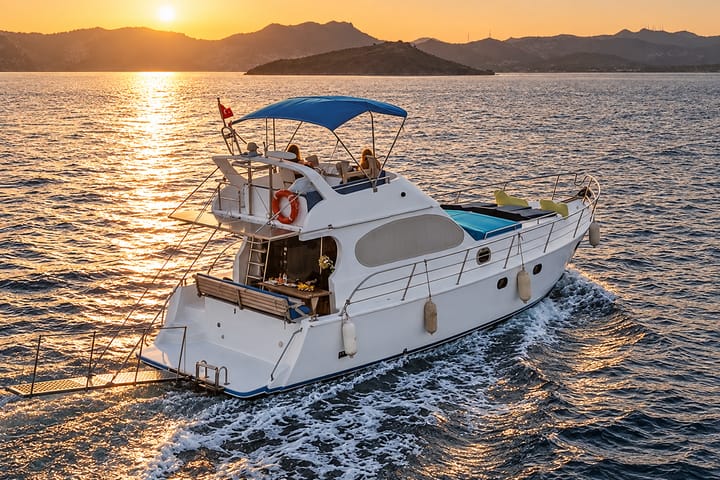
Travelers who prioritize speed, interior comfort and covering more distance may prefer a motor yacht. Fuel use can be a significant part of the trip budget, particularly when the planned itinerary involves substantial cruising. Smaller motorboats and RIBs are more commonly considered for day trips, coastal transfers or time focused on swimming rather than overnight accommodation.
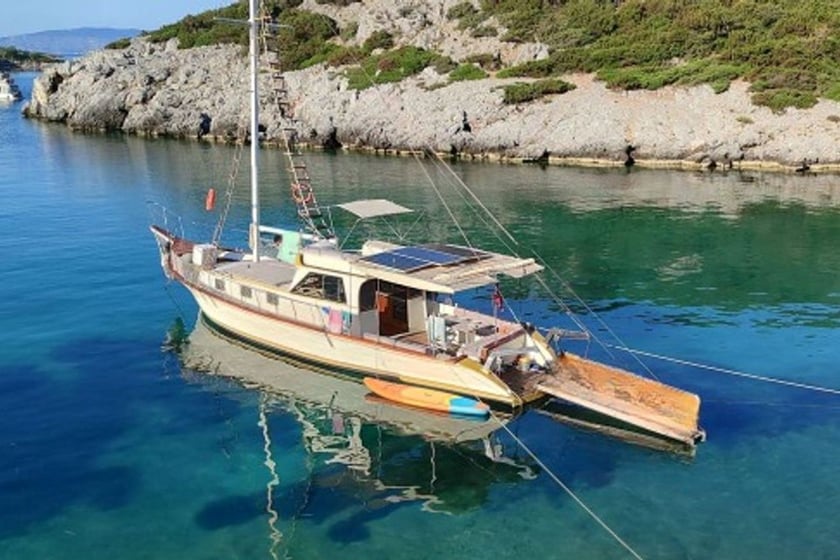
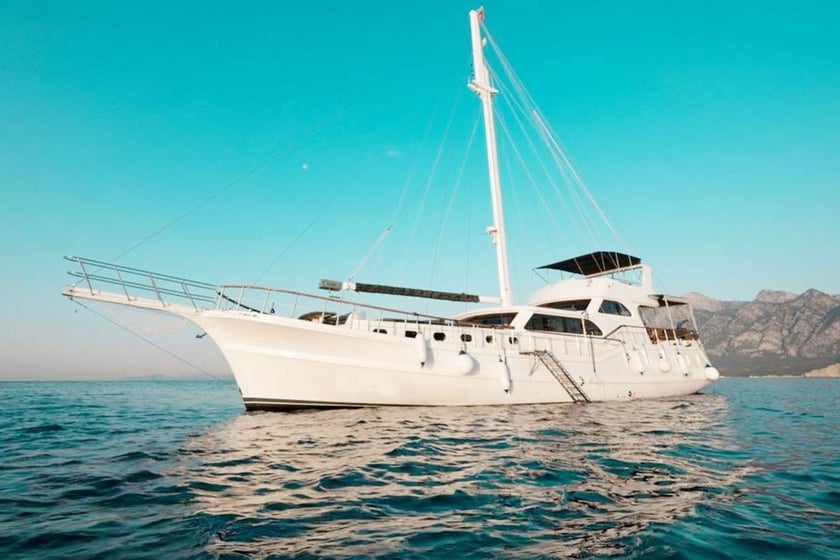
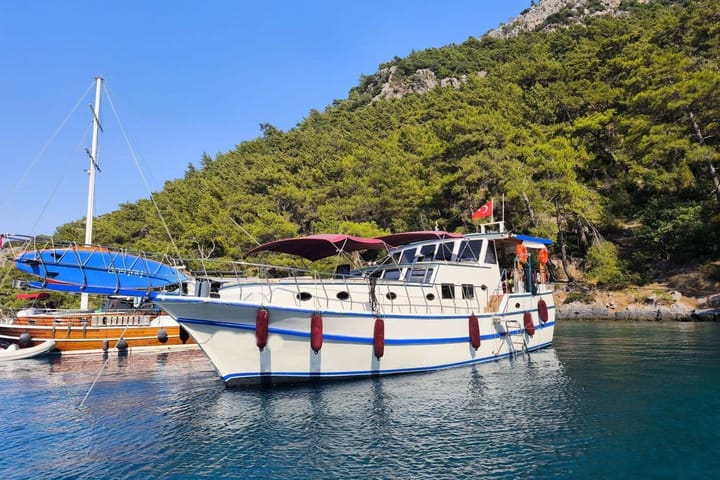
A gulet charter represents another cruising format to explore, particularly when travelers want to compare crewed options and spacious communal living. Whatever the category, examine the actual layout, shaded areas, galley facilities, storage and access to the water. Two boats with similar capacity figures can feel very different once luggage, crew and daily routines are taken into account.
Bareboat, skippered and crewed charters
Charter format determines who operates the boat and how responsibility is divided. With a bareboat charter, the guests take responsibility for navigation and day-to-day operation. The designated skipper must have the experience and qualifications required by the operator and local authorities. This format offers considerable independence, but it also involves route planning, weather decisions, mooring and onboard systems.
A skippered charter includes a professional who handles the vessel. It can suit travelers who want itinerary flexibility without taking command themselves. Guests should still discuss route expectations, daily distances and the skipper’s accommodation before confirming the booking.
A fully crewed charter may add personnel responsible for service, meals or other onboard duties. Crew composition and inclusions differ, so confirm exactly what is provided. Daily charters concentrate the experience into a few hours, while overnight trips add cabins, provisioning and a more varied cruising rhythm. Privacy also changes with the format: more crew can mean more service, but fewer guest-only areas.
Where to plan a yacht charter
There is no single universal yacht charter season or style. Weather patterns, cruising distances, infrastructure and local regulations vary by destination, so location-specific research is essential before choosing dates or a route.
Travelers can continue with dedicated charter pages for places such as Athens, Split, Palma de Mallorca, Nassau and Phuket. Other starting points include inland waterways, island bases, city marinas and smaller coastal settlements. Rather than selecting a destination by name alone, compare transfer logistics, suitable trip length, local operating requirements and the type of boat or charter format relevant to your plans.
How to match the charter to your group
Begin with the number of guests, then look beyond the advertised capacity. Day capacity does not necessarily indicate how many people can sleep comfortably. Review the number and arrangement of cabins, whether berths are fixed or converted from seating areas, bathroom provision and any cabins reserved for crew.
Trip length should influence the choice as well. A compact boat may be practical for a day on the water but restrictive during a week with luggage and provisions. Groups expecting long meals and relaxed time at anchor may prioritize cockpit and deck space; those planning longer passages may care more about cruising performance and sheltered interiors.
Be realistic about experience. Bareboat charter is appropriate only when the responsible person can meet operational and qualification requirements. Otherwise, compare skippered or crewed options. Families, mixed-age groups and first-time guests should also consider boarding access, movement around the deck and how much privacy the layout provides. Discuss priorities within the group before searching: disagreements about budget, sailing time or onboard service are easier to resolve on land.
Practical booking and planning points
Before confirming a yacht charter or boat rental, read the individual offer carefully. Check the charter period, embarkation and return times, departure point, security-deposit terms and cancellation conditions. Identify what the quoted price includes and which costs may be separate, such as fuel, skipper or crew fees, provisioning, cleaning, local taxes and marina or mooring charges.
For an overnight trip, review bedding, towels, cooking equipment, water and power arrangements, as well as rules concerning food and drinks. If meals are part of a crewed charter, communicate dietary needs in advance. Also confirm luggage guidance; soft bags are often easier to store than rigid suitcases, but requirements depend on the boat.
Route ideas should remain flexible. Conditions can alter the distance that is comfortable or safe to cover, and the skipper may need to change stops. Check destination-specific weather patterns rather than applying one region’s season to another. Bareboat guests should verify licensing, documentation, insurance conditions and local regulations. All travelers should confirm passport or visa requirements, transfer times and the correct marina or meeting point before departure.
Comparing charter options on viravira.co
When considering options on viravira.co, compare each listing according to the same core criteria: boat type, charter format, permitted capacity, sleeping layout, departure point, dates and stated inclusions. Where provided, review the equipment, crew arrangement, pricing conditions and guest feedback in context rather than using one feature as the sole basis for a decision.
A useful shortlist should contain boats that genuinely fit the group and itinerary, not simply those with the highest capacity. Confirm unresolved details before committing, especially crew accommodation, mandatory extras, qualification requirements and the distinction between day use and overnight occupancy. This makes comparisons across different yacht and boat categories more meaningful.






























Verified
Preet R.November 2026
We spent a wonderful week in the Saronic Gulf aboard this nearly new Lagoon 43 – the boat was spotless, spacious and comfortable for our group of 12, and everything we needed was on board. The owner, ...
Listing owner: DamianosAthens / Greece