Yacht charter across the Caribbean
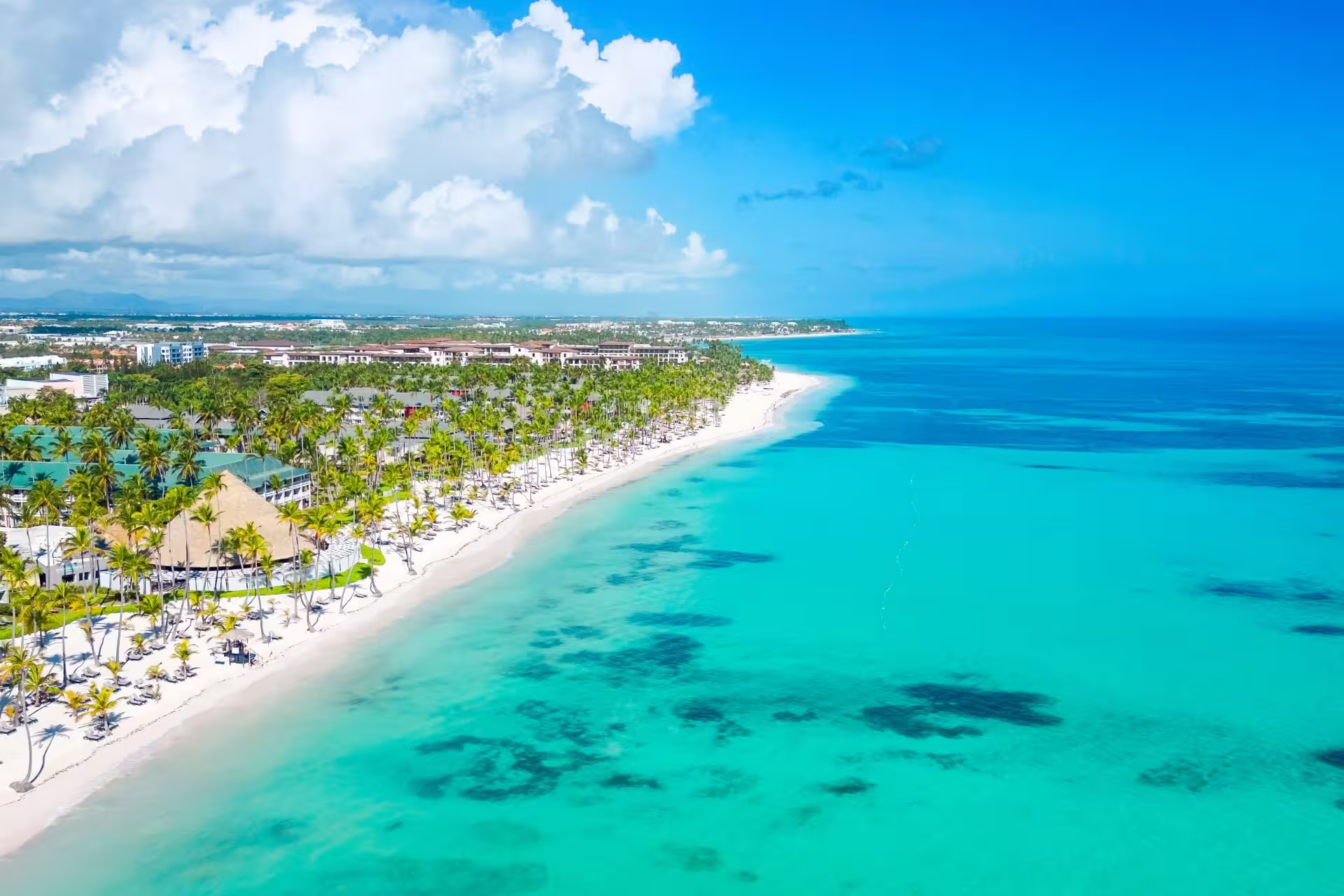
A Caribbean yacht charter is not one uniform experience but a choice between distinct cruising grounds spread across a vast maritime region. The geography ranges from the mountainous islands and deep channels of the Lesser Antilles to the coral cayes, lagoons and barrier reefs of the western Caribbean. This variety makes the choice of starting point as important as the yacht itself.
In the Virgin Islands, compact island groups and relatively sheltered passages support an easy rhythm of short cruises, swimming stops and nights at different anchorages. Farther south, the Windwards and Grenadines bring longer, more exposed sailing between volcanic islands. Belize places greater emphasis on reefs, shallow banks and marine reserves. Throughout the region, traveling by yacht connects beaches and anchorages with historic ports, multilingual communities and coastal landscapes that can be difficult to combine on a land-based itinerary.
Choosing a Caribbean cruising area
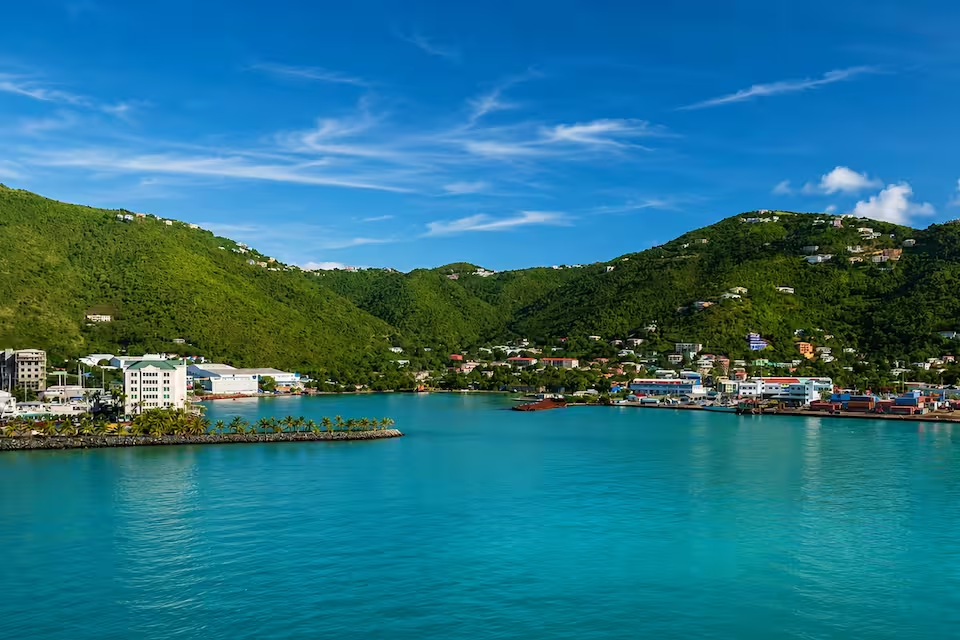
The Virgin Islands are a natural choice for travelers who value compact island-hopping. From Road Town and Tortola, a classic circuit can include Norman Island, Cooper Island, Virgin Gorda and Jost Van Dyke. Numerous protected anchorages and short, often line-of-sight passages distinguish this area from the more open cruising farther south.
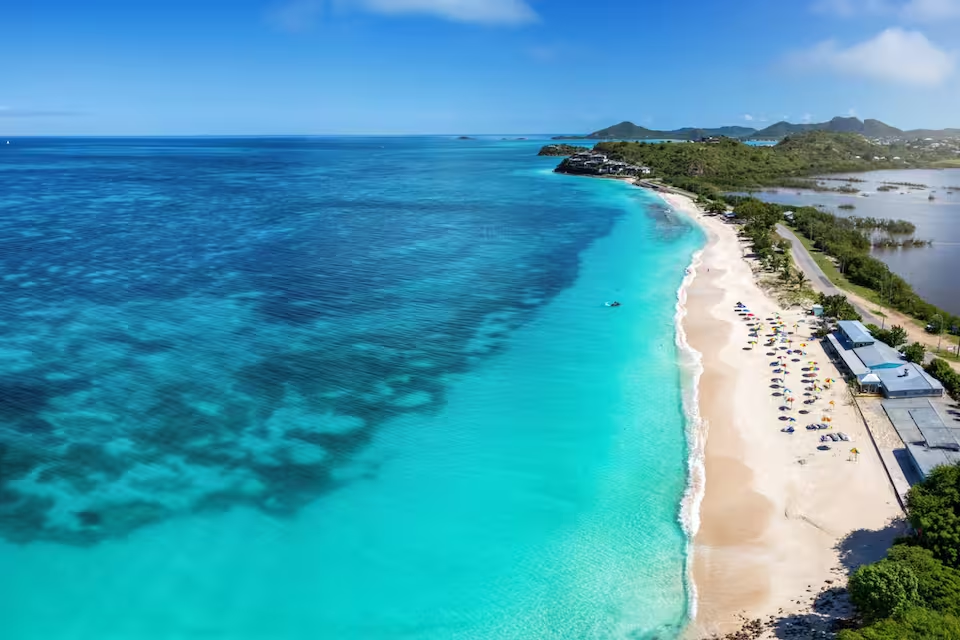
The northern Leewards combine manageable international crossings with developed harbor towns. St Martin/Sint Maarten can connect with Anguilla and St Barthélemy, while longer trips may continue toward Saba, St Eustatius, St Kitts and Nevis. Antigua offers another important focus, with English Harbour, Falmouth Harbour and the historic setting of Nelson’s Dockyard.
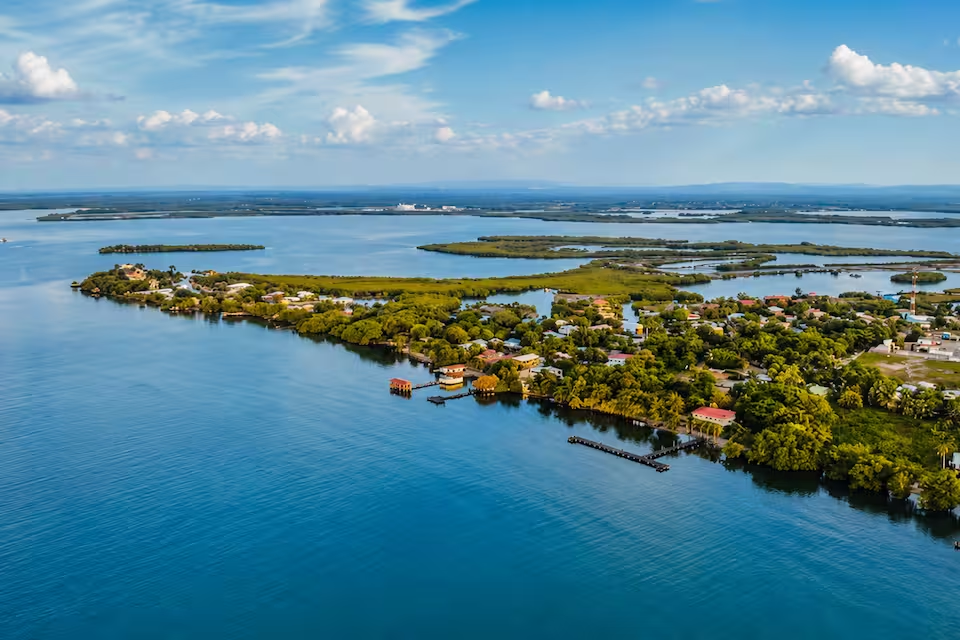
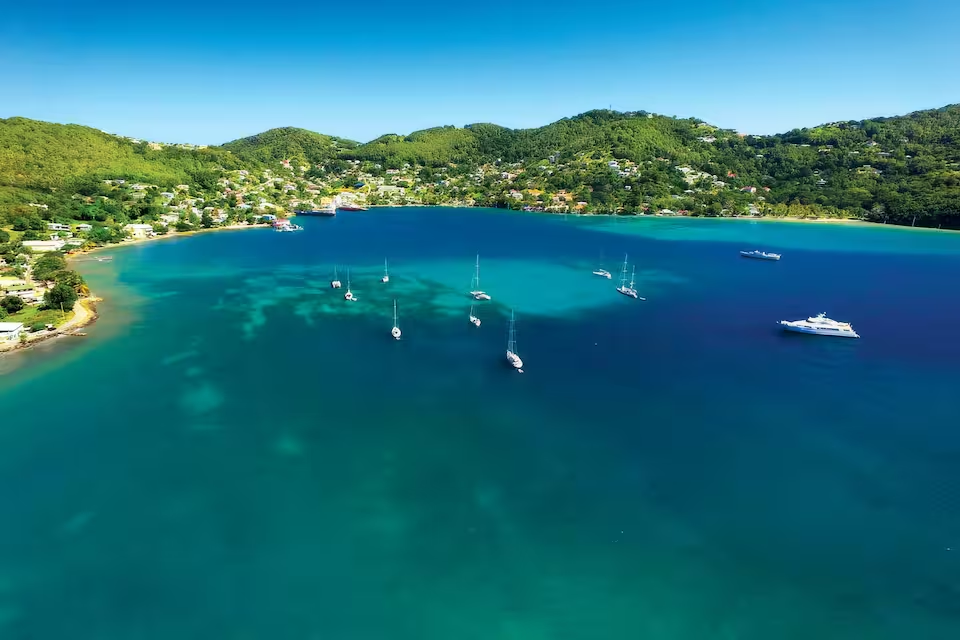
The Windwards and Grenadines suit travelers seeking stronger sailing and dramatic high-island scenery. Routes from Saint Lucia pass the Pitons before reaching Bequia, Mustique, the Tobago Cays and Mayreau; Grenada provides access from the south. Guadeloupe and Martinique support their own island-hopping possibilities, while eastern Puerto Rico links Fajardo with Culebra and Vieques. In the west, Placencia is a gateway to Belize’s cayes and reef-focused cruising.
What sailing in the Caribbean is like
Easterly and northeasterly trade winds shape much of the Caribbean sailing experience. They can provide reliable sailing, but they also make eastbound passages more demanding. Leeward coasts commonly offer greater shelter, whereas channels between high islands can produce accelerated winds and rougher seas.
The practical experience changes considerably by area. Parts of the Virgin Islands feature short passages and frequent anchorage choices. The gaps between the Windward Islands and through the Grenadines are generally more open, so route planning and weather conditions play a larger role in the day. In Belize and other reef-rich waters, shallow banks, coral heads and currents require careful chart work, local guidance and daylight approaches.
Trade winds do not eliminate weather variability. Squalls, tropical waves, heat and rainfall become more frequent in the wet season, while northern cruising grounds can experience winter fronts and northerly swell. Travelers should therefore compare itineraries by exposure and passage length rather than assuming conditions are identical throughout the region.
Best time for a Caribbean yacht charter
Across much of the island Caribbean, the principal recreational charter season runs from December through April. This period generally aligns with drier weather and established winter trade winds. January, February and March are identified as particularly suitable months, making them strong choices for travelers who prioritize the region’s main sailing season.
May is commonly a usable shoulder month, although conditions vary between cruising grounds. November is also transitional but brings greater weather uncertainty. The official Atlantic hurricane season extends from June through November, with the greatest climatological activity from mid-August to mid-October. Wetter conditions, tropical waves and cyclone risk reduce recreational charter activity during this period.
Boating does continue in some southern and western subregions, but that does not create a single low-season rule for the whole Caribbean. Current forecasts, insurance or charter restrictions and local hurricane procedures should guide any summer or autumn plans. Northern islands may also encounter winter fronts, so short-range forecasts remain important even during the main season.
Caribbean yacht charter routes
A week in the British Virgin Islands can follow a compact loop from Tortola through Norman Island, Cooper Island, Virgin Gorda and Jost Van Dyke. Anegada is generally better suited to a longer itinerary, allowing additional time for the passage and its different reef-and-bank setting.
For a more passage-oriented trip, the southern route from Saint Lucia toward Grenada links the Pitons, Bequia, Mustique, the Tobago Cays, Mayreau and Union Island. A loop beginning near St. George’s can instead explore Carriacou and the southern Grenadines before returning through other Grenadian islands.
Elsewhere, Guadeloupe itineraries can combine Les Saintes and Marie-Galante, with La Désirade or Petite-Terre added when conditions and timing are suitable. Eastern Puerto Rico offers a more concentrated route from Fajardo to Culebra and Vieques. Because many routes cross national or territorial boundaries, time for authorized customs and immigration clearance should be built into the plan.
Life on and off the water
Swimming, snorkeling and diving are central to many Caribbean yacht itineraries, but the setting changes from one cruising ground to another. Stops may range from volcanic bays beneath steep island landscapes to coral cayes, offshore atolls and reef-fringed marine reserves. The Baths on Virgin Gorda, the Pitons of Saint Lucia, the Tobago Cays Marine Park and the Belize Barrier Reef represent different expressions of this varied geography.
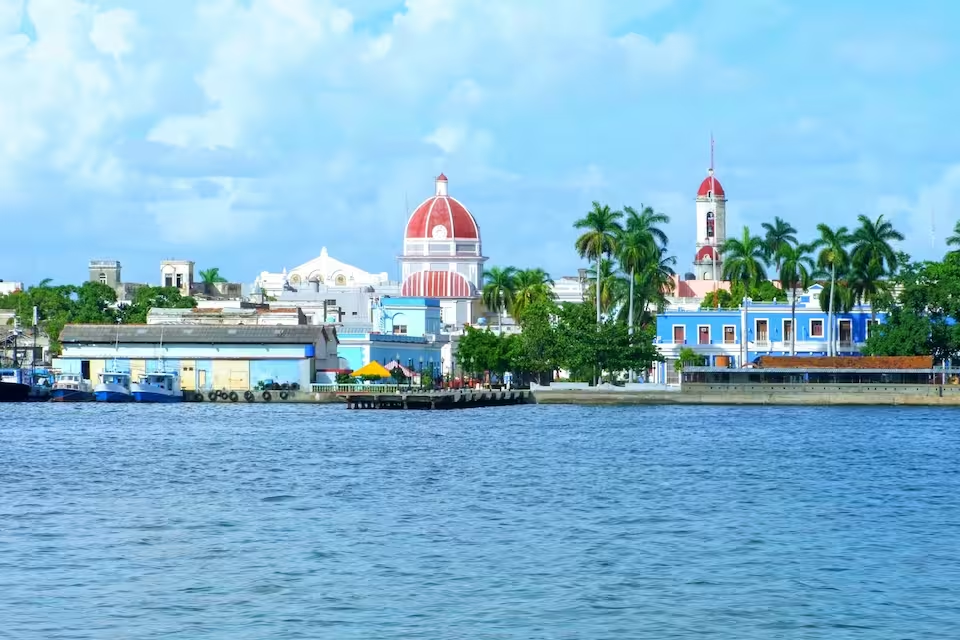
Time ashore adds historical and cultural depth. English Harbour reflects the region’s naval history, while San Juan’s fortifications were developed around a strategically important Spanish harbor. Willemstad presents another distinct port-city heritage. These places should not be treated as expressions of a single Caribbean culture: languages, cuisines and traditions vary markedly between islands and territories.
Food can also change along a route. French, Spanish, Dutch and English-speaking centers have their own culinary character, while roti and curry reflect South Asian influence, particularly in the eastern and southern Caribbean. Bequia’s continuing associations with fishing, inter-island trade and traditional boatbuilding add a specifically maritime shore experience.
Gateways and departure bases
Major cruising grounds are reached through international gateways including Puerto Rico, St Martin/Sint Maarten, Antigua, Guadeloupe, Martinique, Saint Lucia, Grenada and Belize. Depending on the embarkation point, an international flight may be followed by a regional flight, ferry, water taxi or road transfer. Smaller islands and cayes often have limited direct air access, so the most appealing route is not always the simplest one logistically.
Common starting areas include Nanny Cay and Road Town on Tortola, Fajardo and Marina Puerto del Rey in Puerto Rico, Simpson Bay and Marigot on St Martin/Sint Maarten, Le Marin in Martinique, Rodney Bay in Saint Lucia and Port Louis Marina in Grenada. Placencia serves western reef itineraries. For a one-way charter, compare the arrival and departure gateways carefully; a route ending on another island may require separate regional travel arrangements.
Planning the right charter
Begin by choosing the cruising environment rather than trying to cover the Caribbean as a whole. Travelers who prefer shorter passages and frequent stops may favor the Virgin Islands. Those comfortable with more exposed sailing can consider the Windwards and Grenadines, while reef-focused itineraries require particular attention to shallow water, coral heads and daylight navigation. The proposed yacht, skipper arrangements and itinerary should all match these conditions and the group’s experience.
When comparing Caribbean boat rental and charter proposals, review realistic passage times, overnight stops and any border crossings. Multi-island routes may require customs and immigration clearance at authorized ports. Cruising permits, visitor fees, mooring rules and anchoring restrictions differ between jurisdictions, and marine reserves or privately managed waters may prohibit anchoring in designated areas.
Also confirm current charts and local cruising guidance, especially in reef areas. During the June-to-November hurricane season, check forecast procedures, shelter plans and any charter or insurance restrictions. Languages, currencies, electrical standards and road-driving conventions can change during a single itinerary, so practical preparations should reflect every territory visited rather than only the embarkation island.















Verified
Tiffany M.01 Feb 2026
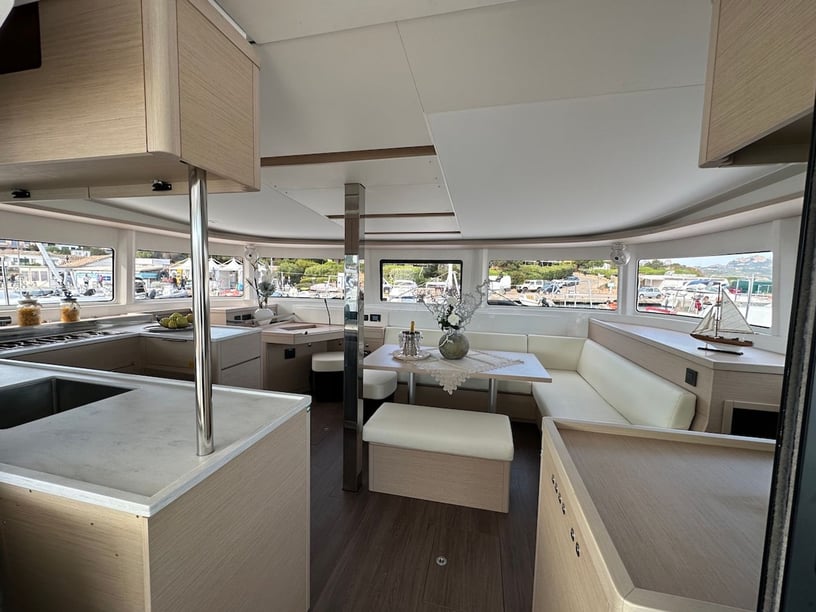
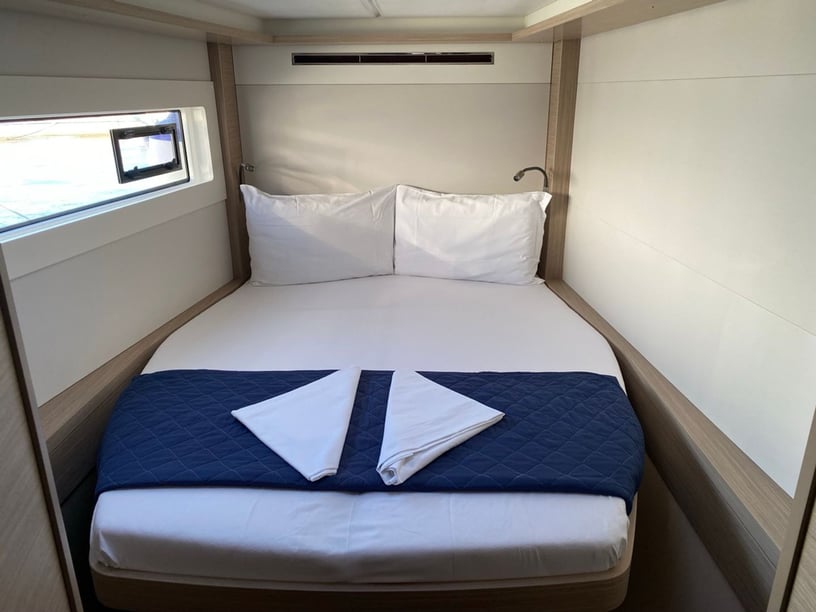
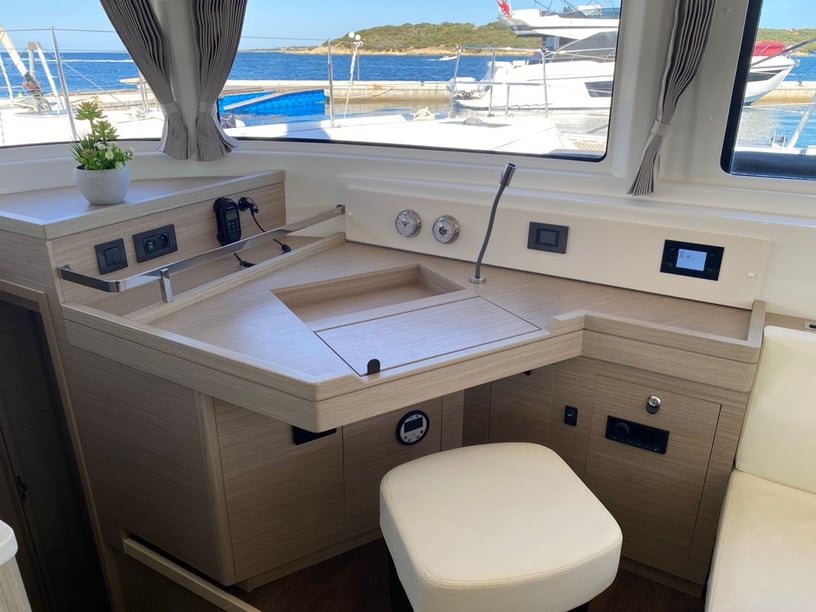
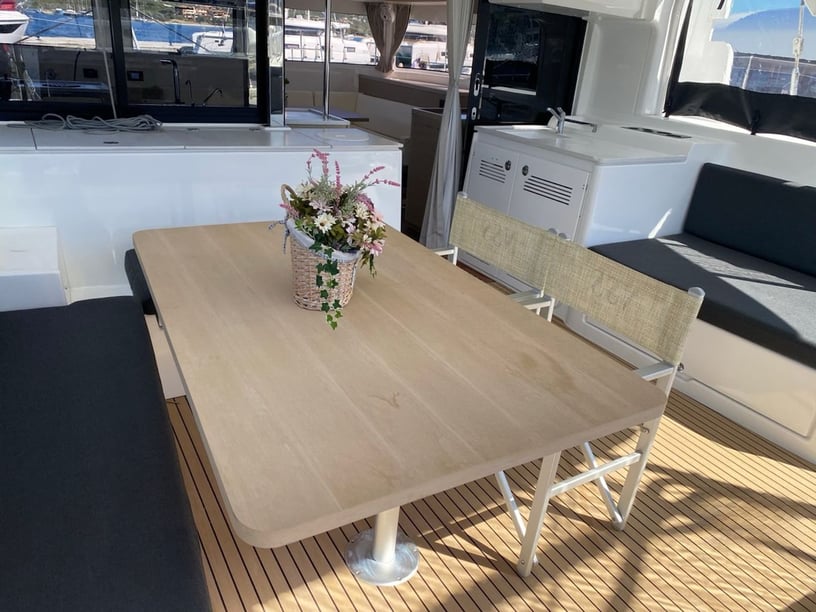
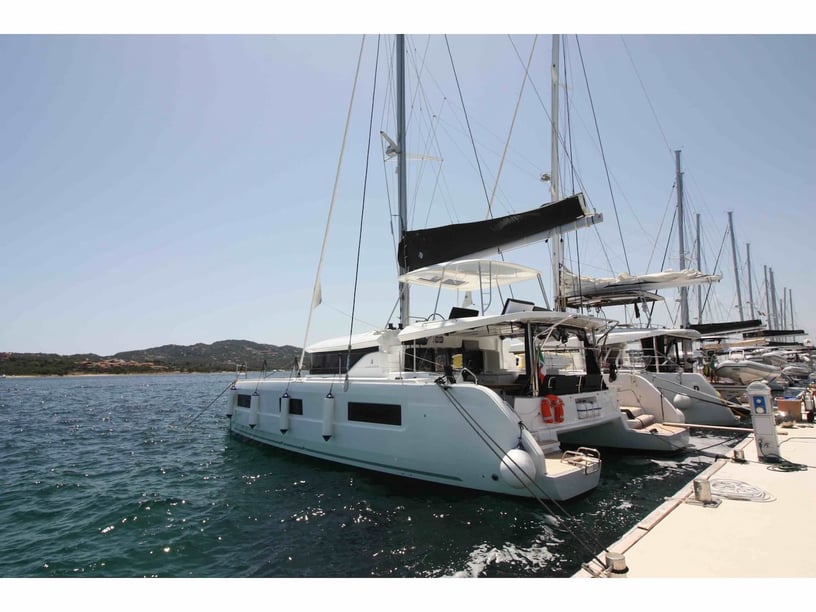
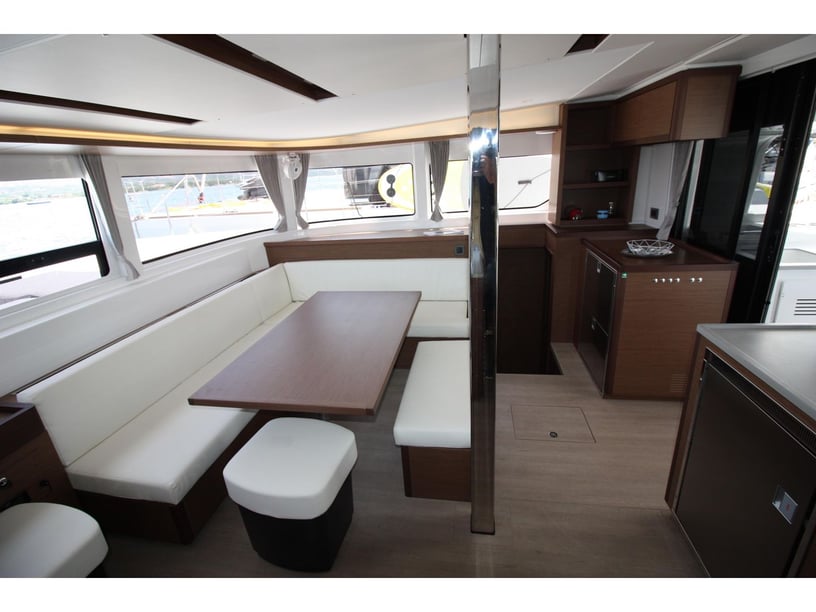
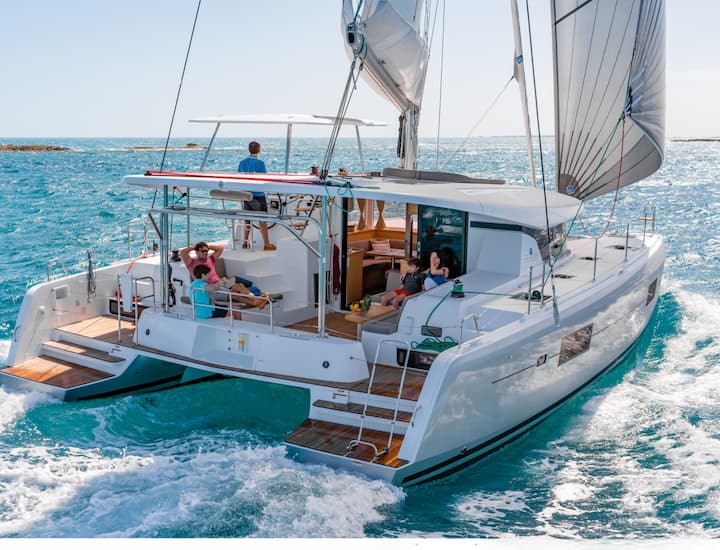
Everyone at the marina was very friendly and helpful. The boat we had originally booked was not available, but we were given a slightly newer catamaran with the same size and specifications, which wor...
Listing owner: JoskoMartinique / Martinique