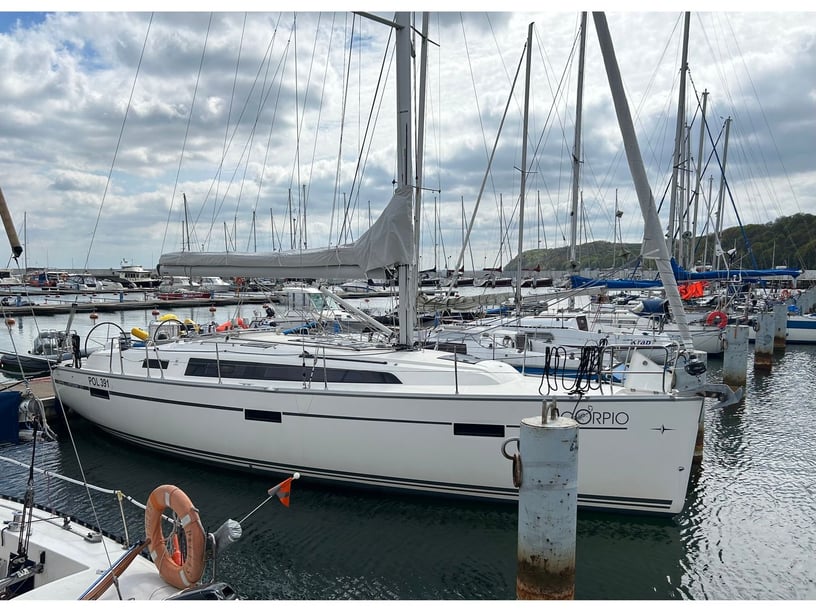
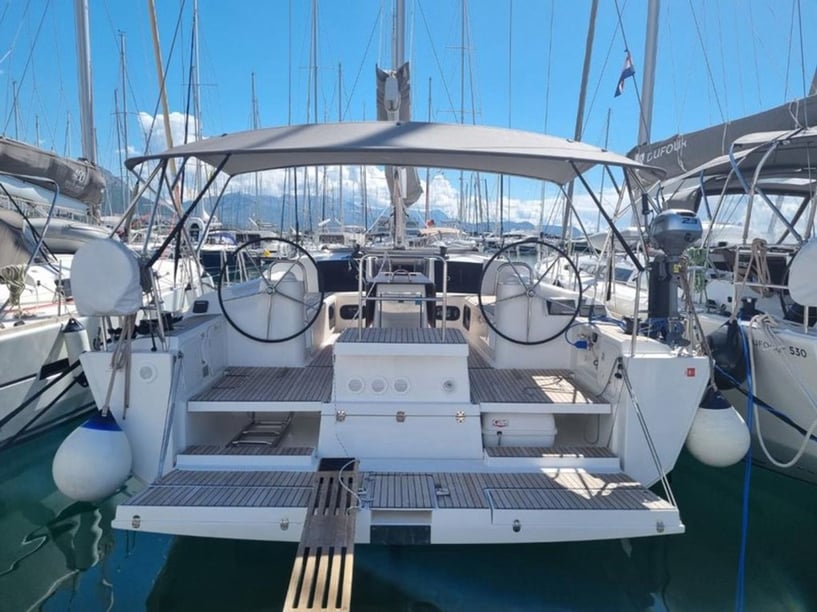
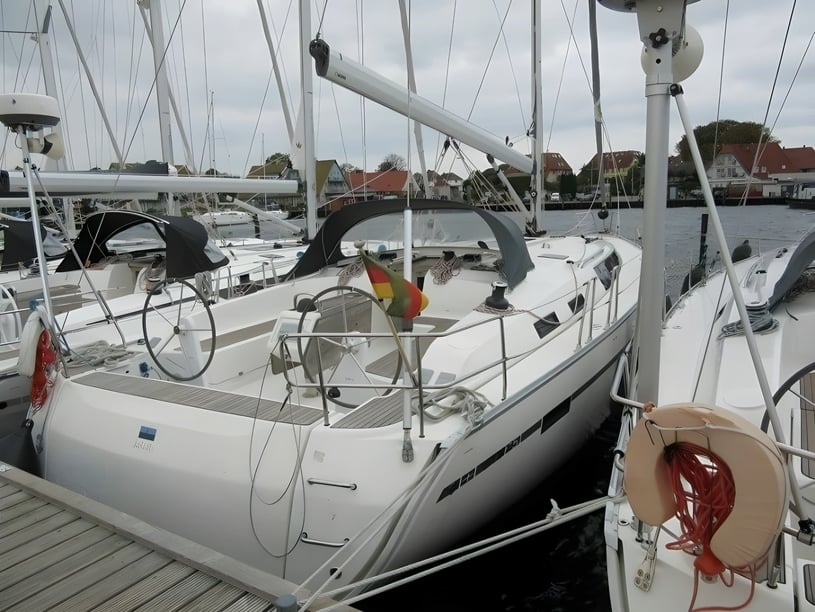
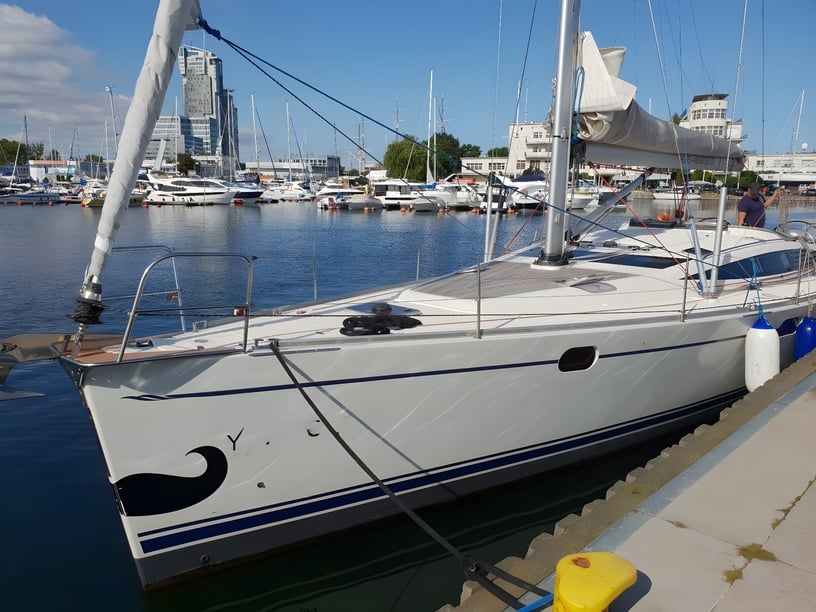
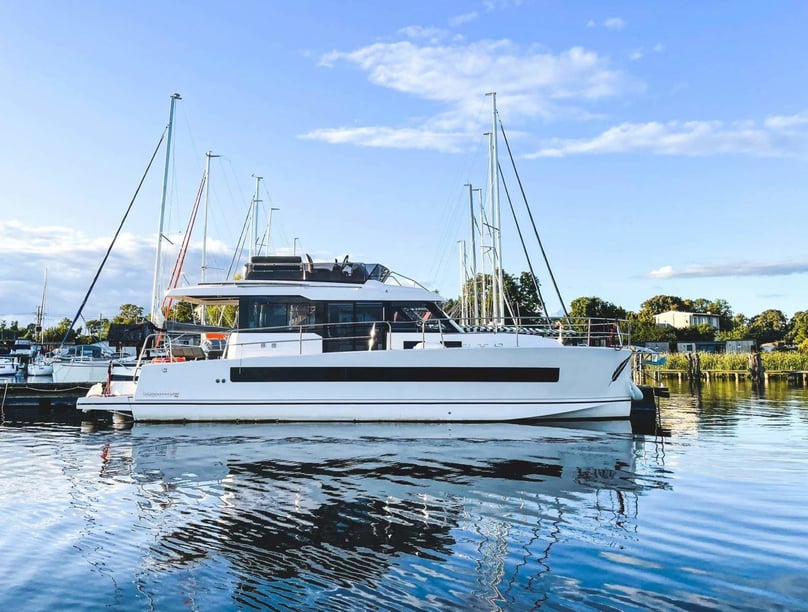
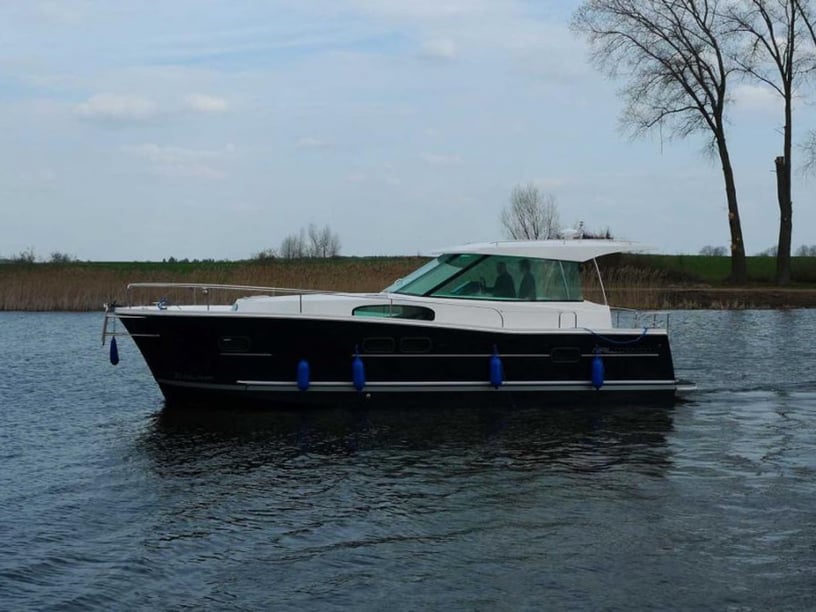
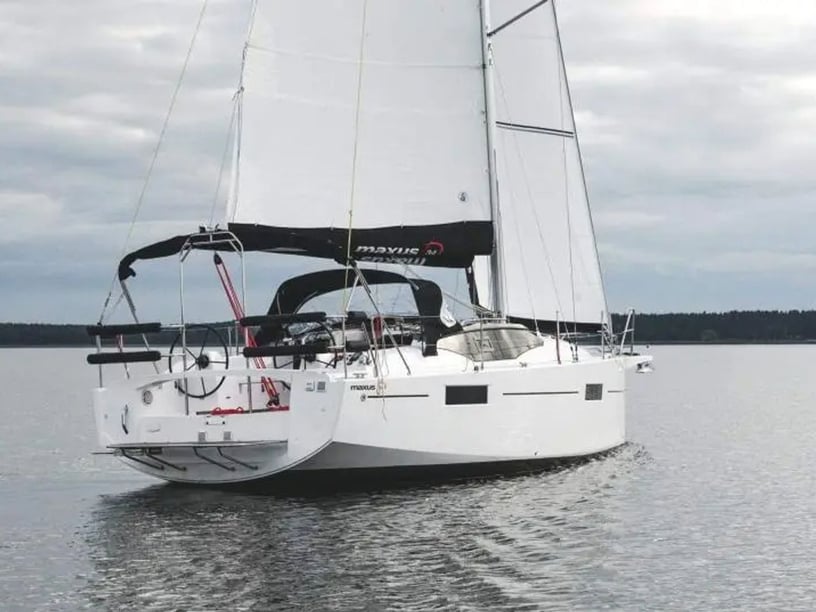
Yacht charter in Poland
A yacht charter in Poland can take several distinct forms. The country combines Baltic coastal sailing with sheltered lagoons, river-and-canal routes and the interconnected lakes of Masuria. This variety allows travelers to choose between short lake passages, port-to-port coastal cruising and slower journeys shaped by locks, bridges and historic waterways.
The principal regions feel markedly different. The Great Masurian Lakes offer forested shores, islands, frequent harbors and towns connected by lakes and canals. On the Baltic, the Gulf of Gdańsk brings together major maritime cities, the Hel Peninsula and the shallower Bay of Puck. Farther west, Szczecin and the Oder estuary connect inland waterways with the Szczecin Lagoon and open sea. The Vistula delta adds another dimension, combining rivers, canals, medieval sites and lagoon navigation.
Exploring by yacht makes these contrasts central to the trip. One itinerary may emphasize easy access to towns and lakeside stops, while another requires experience with exposed coastal conditions and changing Baltic weather.
Choosing a charter area
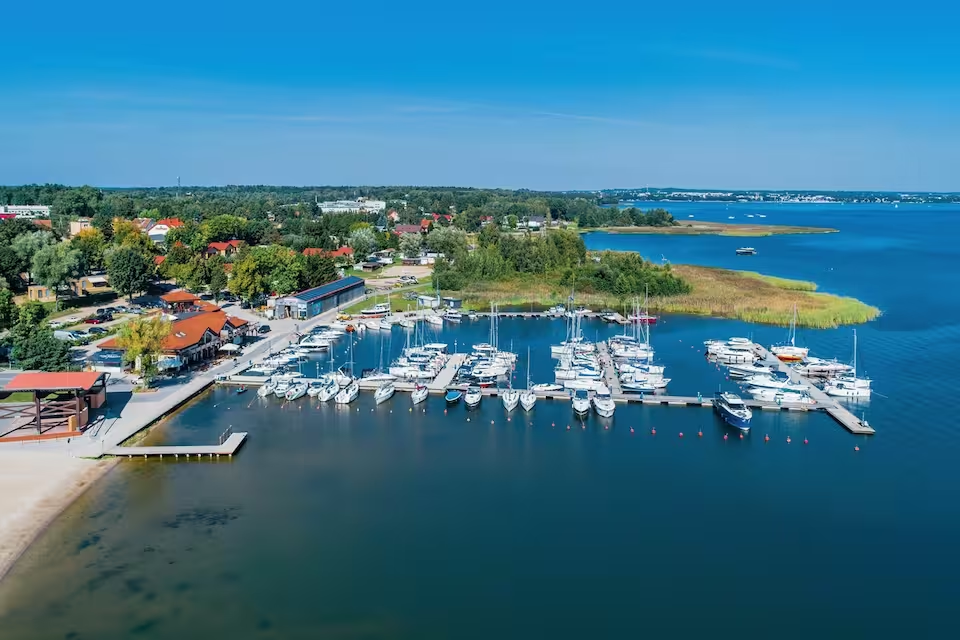
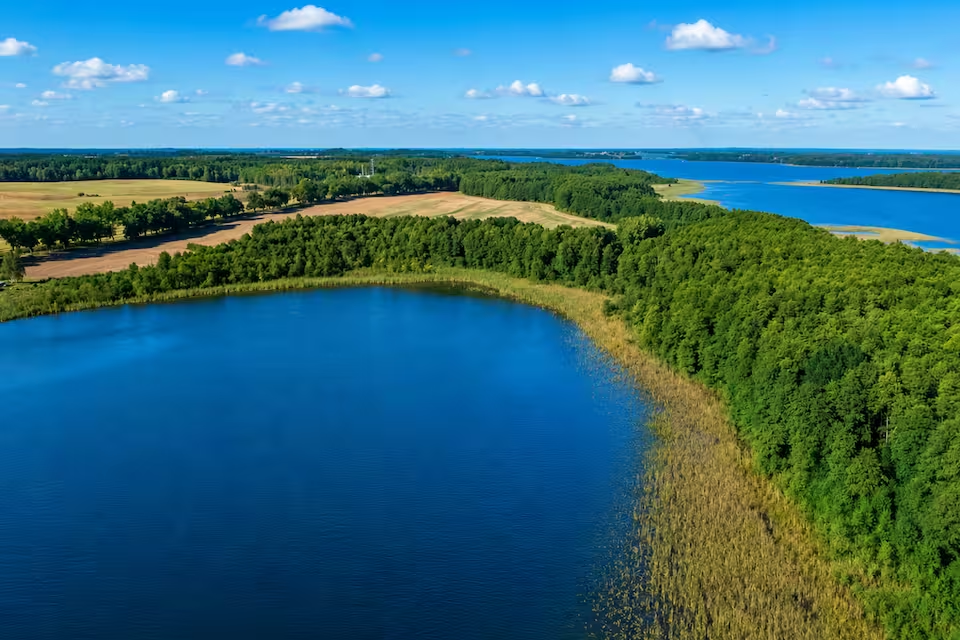
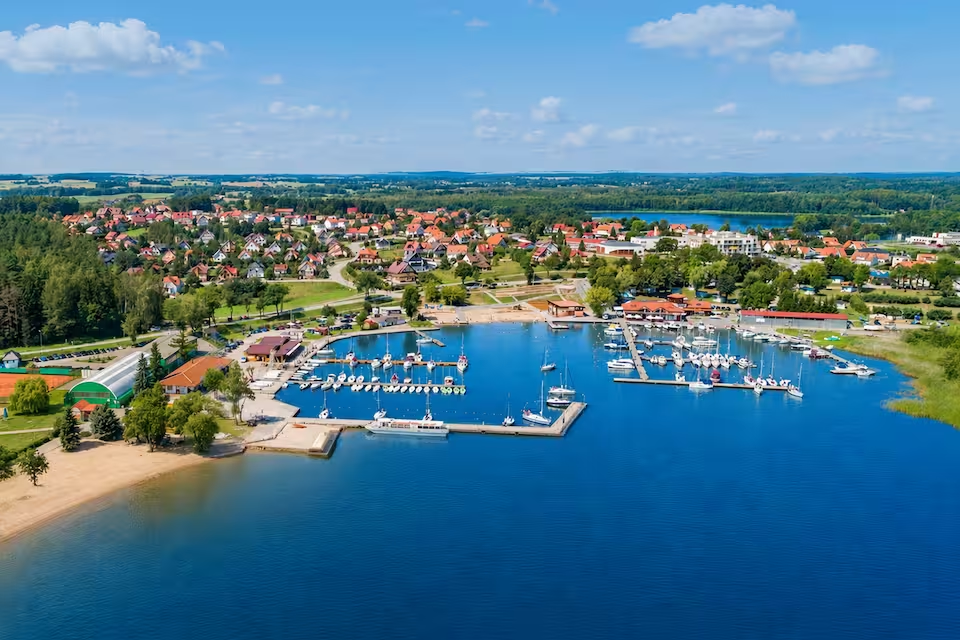
The Great Masurian Lakes are Poland’s largest and most established inland sailing region. The main route links Węgorzewo, Giżycko, Mikołajki and Ruciane-Nida, with branches toward Ryn and Pisz. Short passages and numerous harbors make it possible to divide the day between sailing and going ashore. Broad lakes such as Mamry, Niegocin and Śniardwy provide more open stretches, while canals connect the principal sections of the route. Masuria suits travelers who prefer line-of-sight navigation, natural surroundings and regular access to small towns.
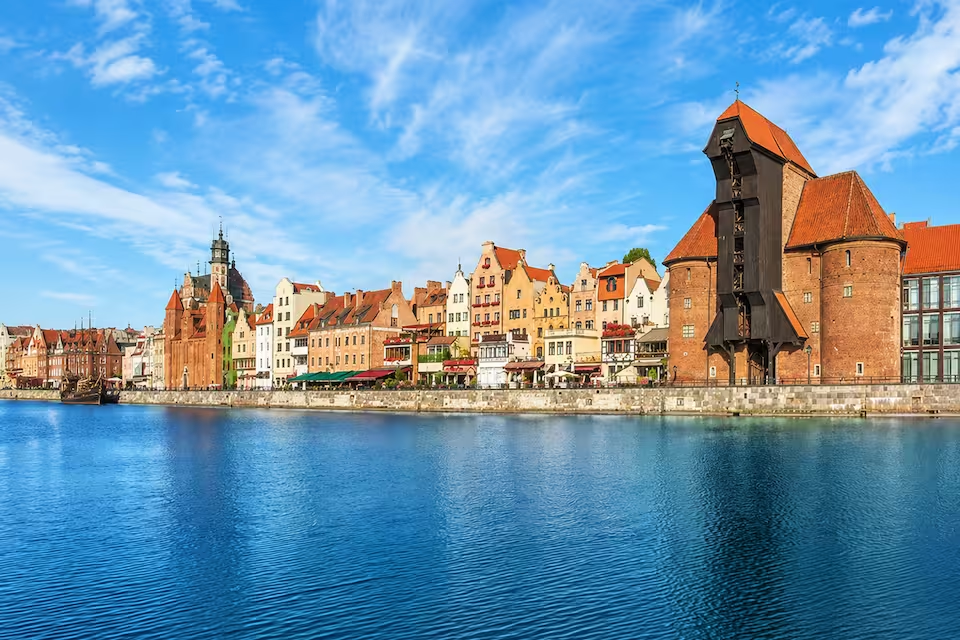
The Gulf of Gdańsk is a stronger choice for a coastal itinerary. Gdańsk and Gdynia offer urban waterfronts and maritime history, while Puck, Jastarnia and Hel create options for shorter passages around the bay and peninsula. The Hel Peninsula separates the exposed Baltic shore from the shallower, more sheltered Bay of Puck, so conditions and vessel requirements vary even within this compact area.
West Pomerania centers on Szczecin, Lake Dąbie, the Szczecin Lagoon and the route toward Świnoujście. Marked channels connect an inland port city, lagoon waters and the Baltic, supporting trips that combine sheltered navigation with the possibility of more exposed coastal legs.
The Vistula delta and Żuławy waterways suit a slower, infrastructure-led journey. Routes from Gdańsk or Elbląg pass through rivers, canals and locks, with access to Malbork and the Vistula Lagoon. Draft, mast height and operating schedules matter more here than on a straightforward coastal passage.
What sailing in Poland is like
Conditions depend heavily on the chosen region. The Baltic coast is the most exposed environment: wind and sea state can change quickly, and strong onshore winds may create choppy conditions in the Gulf of Gdańsk or difficult approaches along the open coast. Crews planning coastal legs should be comfortable making route and timing decisions around forecasts rather than treating an itinerary as fixed.
Puck Bay, the Szczecin Lagoon and the Vistula Lagoon offer more shelter, but they also contain extensive shallow areas. Following marked channels and matching the yacht’s draft to the route are important. Delta waterways introduce additional considerations, including locks, bridges and limits on beam, length or mast height.
Masuria is generally less exposed than the Baltic, yet its larger lakes should not be underestimated. Mamry, Niegocin and Śniardwy can develop significant waves, while thunderstorms and sudden violent squalls are a recognized hazard. Warning lights on the principal lakes alert crews to strong wind and approaching storms. For travelers, this means that even an inland charter benefits from flexible daily plans and close attention to local forecasts.
The best time for a Poland yacht charter
The main recreational boating season runs from early May through the end of September. June, July and August are the most suitable months overall, combining the most comfortable temperatures, long daylight hours and the broadest period of seasonal activity across marinas and navigation infrastructure.
May and September can still work for a yacht charter, but conditions are cooler and less consistent. They are better suited to travelers prepared for greater weather flexibility and the possibility that some marinas, locks, bridges or related services may follow reduced schedules.
Timing also depends on the cruising area. Inland lakes and sheltered waterways usually allow more protection from sea conditions, although thunderstorms remain important in summer. Baltic itineraries are more exposed to changing wind and waves. Outside the main season, cold weather, ice and reduced services sharply limit normal recreational boating, even though experienced sea-going crews may occasionally cruise parts of the coast when conditions permit.
Established routes and itinerary ideas
In Masuria, the Węgorzewo–Giżycko–Mikołajki–Ruciane-Nida corridor forms the backbone of many trips. Branches toward Ryn or Pisz allow the route to be adjusted to the available time without leaving the interconnected lake system.
The West Pomeranian Sailing Route links Świnoujście, Wolin, Stepnica, Szczecin, Lake Dąbie and Nowe Warpno. It is useful for travelers who want to combine inland and lagoon cruising, with an open-Baltic section included only when the yacht, crew and weather are suitable.
Around the Gulf of Gdańsk, relatively short passages can connect Gdańsk, Gdynia, Puck, Jastarnia and Hel. This arrangement balances city visits with smaller peninsula ports and lets crews choose between the more protected bay and more exposed waters.
The Great Żuławy Loop follows connected rivers and canals through Gdańsk, Elbląg, Malbork, Biała Góra and Tczew. A shorter loop combines delta waterways with part of the Vistula Lagoon. The Elbląg Canal offers a particularly unusual inland alternative, carrying suitable boats over dry land on wheeled platforms at five historic inclined planes. Vessel dimensions and operating schedules should be checked before committing to these routes.
Experiences on and off the water
A Polish yacht charter can combine sailing with beaches, nature, engineering heritage and substantial time in historic towns. On the Baltic, the Hel Peninsula, long sandy shores and coastal dune landscapes contrast with the working-port character of Gdańsk, Gdynia and Szczecin. Gdańsk’s waterfront reflects its Hanseatic history, shipbuilding traditions and association with the Solidarity movement. In Gdynia, the sailing ship Dar Pomorza and destroyer ORP Błyskawica are preserved as museum vessels.
The Żuławy waterways bring cultural sites directly into the cruising route. Malbork Castle stands beside the Nogat, while the Elbląg Canal’s inclined planes turn historic infrastructure into part of the journey itself.
Masuria offers a different rhythm, centered on forested lake shores, islands and repeated stops in small sailing towns. Giżycko adds Boyen Fortress, while waterfront meals may feature local freshwater fish such as pike-perch or bream. Along the coast, Baltic fish is a common focus. These shore experiences make it possible to alternate active sailing days with history, food and relaxed exploration.
Reaching the main departure areas
For the eastern Baltic coast, Gdańsk Lech Wałęsa Airport and the Tri-City rail network provide access to Gdańsk, Gdynia and the Gulf of Gdańsk. Common departure points in this region include Gdańsk, Gdynia and Puck.
Solidarity Szczecin–Goleniów Airport serves western Poland, with onward road and rail connections to Szczecin and Świnoujście. Other possible western starting points include Kamień Pomorski and Kołobrzeg.
Olsztyn-Mazury Airport is the regional gateway for the Great Masurian Lakes, while Warsaw Chopin Airport is a common alternative for an overland transfer. Węgorzewo, Giżycko, Mikołajki and Ruciane-Nida are among the principal lake departure points. Local transfers are often necessary because smaller marinas are not always directly served by major rail or airport connections.
Planning the right yacht charter
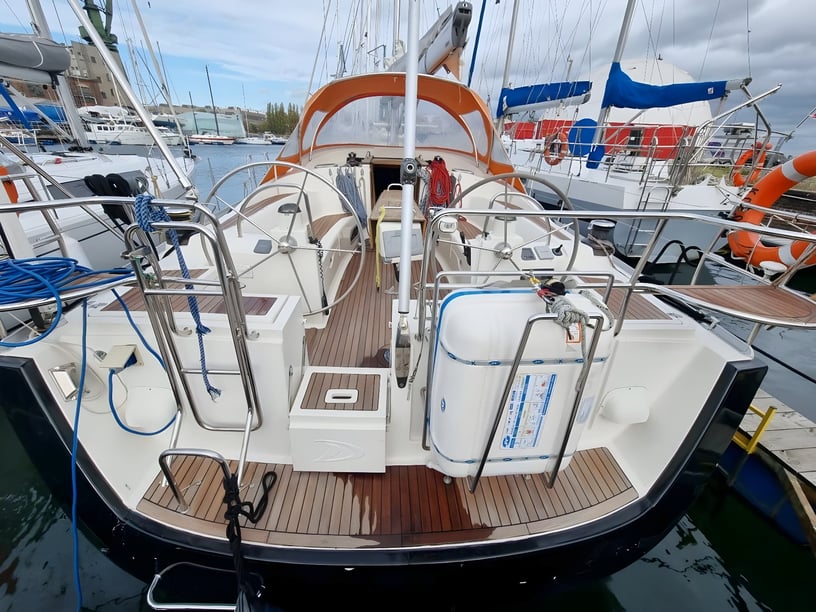
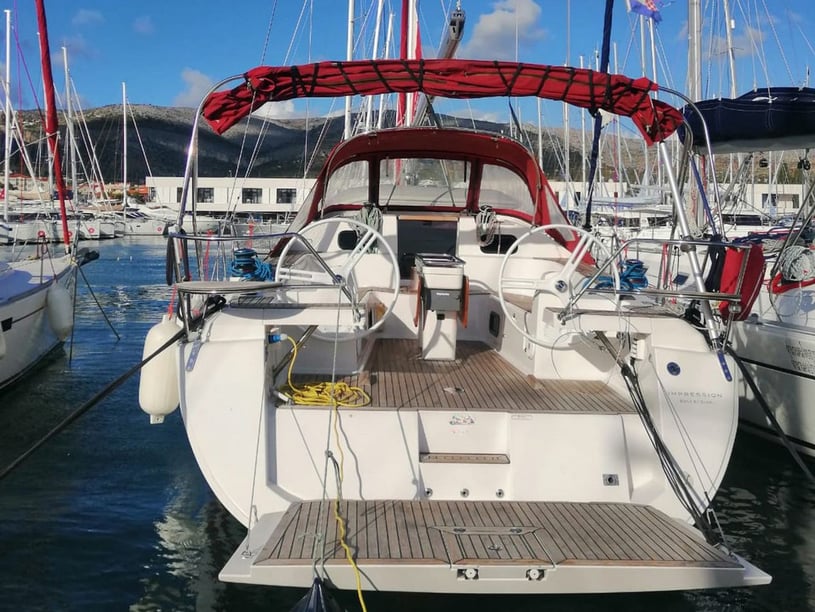
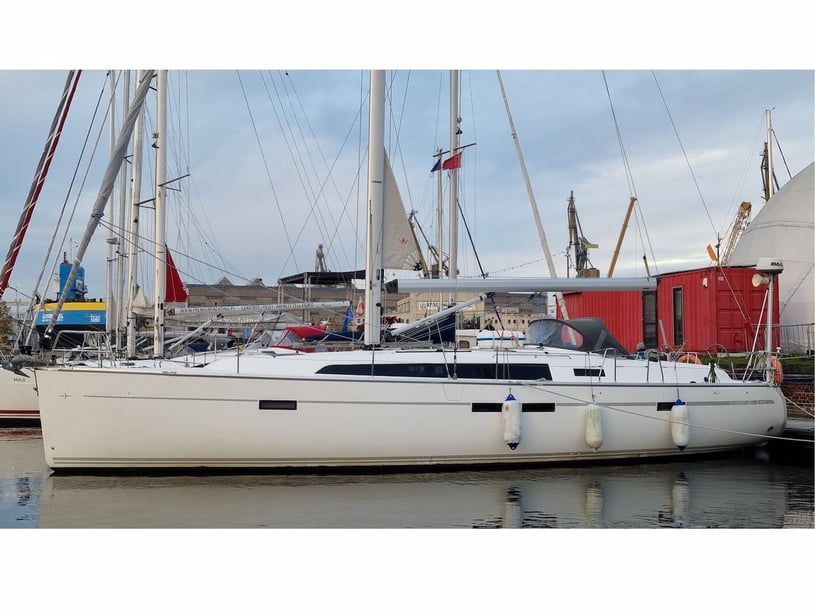
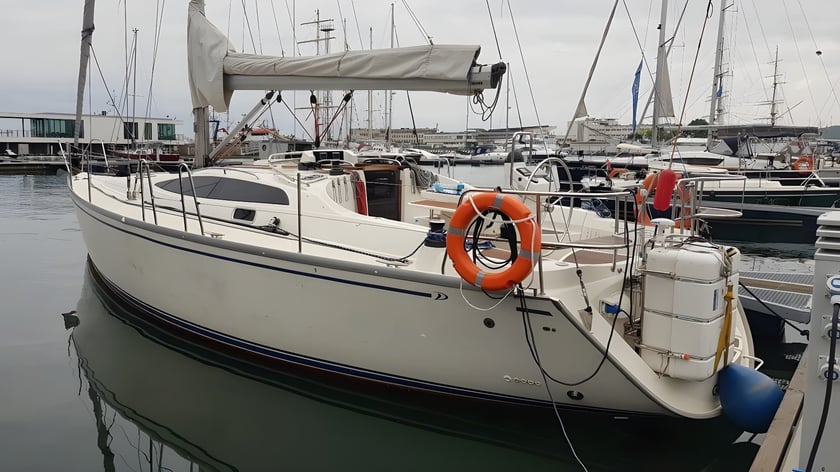
Begin by choosing the cruising environment rather than the vessel alone. A yacht suited to open Baltic passages may not be the best match for shallow lagoons or routes involving low bridges and locks. For Masuria, consider how draft and mast arrangements affect canal connections and harbor access. On the Żuławy and Elbląg waterways, confirm permitted dimensions and infrastructure schedules before finalizing the route. Travelers specifically interested in wind-powered cruising can also compare options for sailboat charter in Poland.
Crew experience should match the itinerary. Coastal passages require greater readiness for changing sea conditions and port approaches, while inland routes still demand competent handling during squalls and around navigation infrastructure. Registration, safety-document and crew-qualification requirements vary between inland and sea-going vessels, so the rules should be confirmed for the chosen yacht and operating area.
Current charts, navigation warnings and weather information are essential. In Masuria, crews should understand the warning-light system. On the lagoons and Bay of Puck, draft awareness and marked channels are central planning considerations. Protected wetlands, coastal areas and lakes may also regulate anchoring, landing, fishing, motoring or access.
When comparing boat rental in Poland, allow for flexible passage plans rather than trying to cover several widely separated regions in one trip. Masuria, the Gulf of Gdańsk, West Pomerania and the Vistula delta each provide enough variety to form a focused charter in their own right.