Yacht charter in Montenegro
A yacht charter in Montenegro brings together two contrasting cruising environments along roughly 293 km of Adriatic coastline. In the northwest, the mountain-ringed Bay of Kotor offers relatively sheltered passages between historic waterfront towns, islands and swimming coves. Beyond the Luštica Peninsula, the coast opens towards Budva, Bar and Ulcinj, where itineraries are more exposed to Adriatic wind and swell.
This compact geography gives travelers considerable flexibility. Several days can be devoted entirely to the Bay of Kotor, with short passages and frequent opportunities to go ashore. A longer charter can combine the bay with fortified towns, pebble coves and beaches along the open coast. Ulcinj and the Ada Bojana delta add a different landscape of long sandy shores, wetlands and river channels in the far south.
Time on the water is closely connected with life ashore. Medieval walls, former seafaring settlements, modern marinas, urban ports and small fishing communities can all form part of the same trip, making Montenegro particularly suitable for travelers who want to balance cruising and swimming with history and coastal culture.
Principal cruising areas
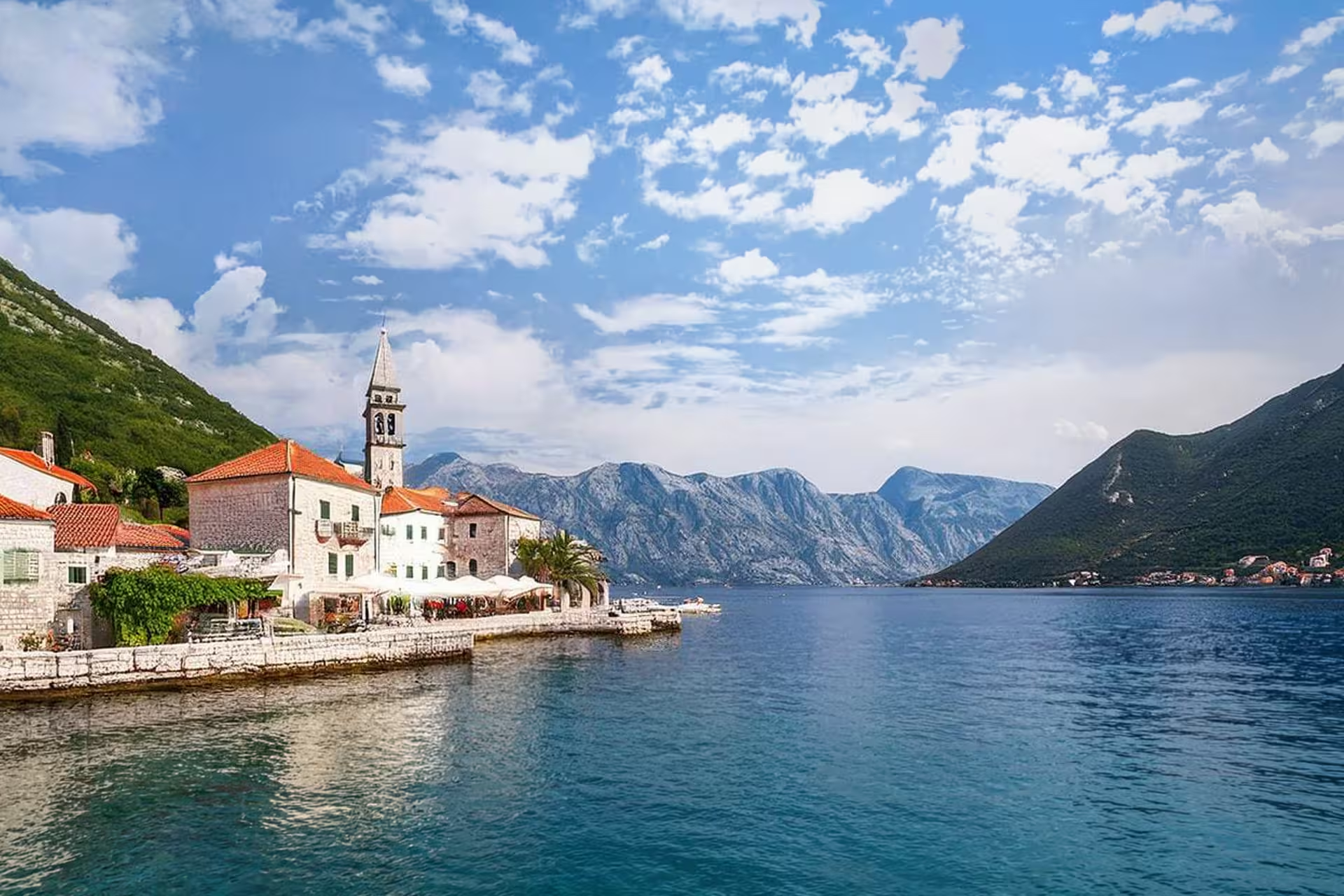
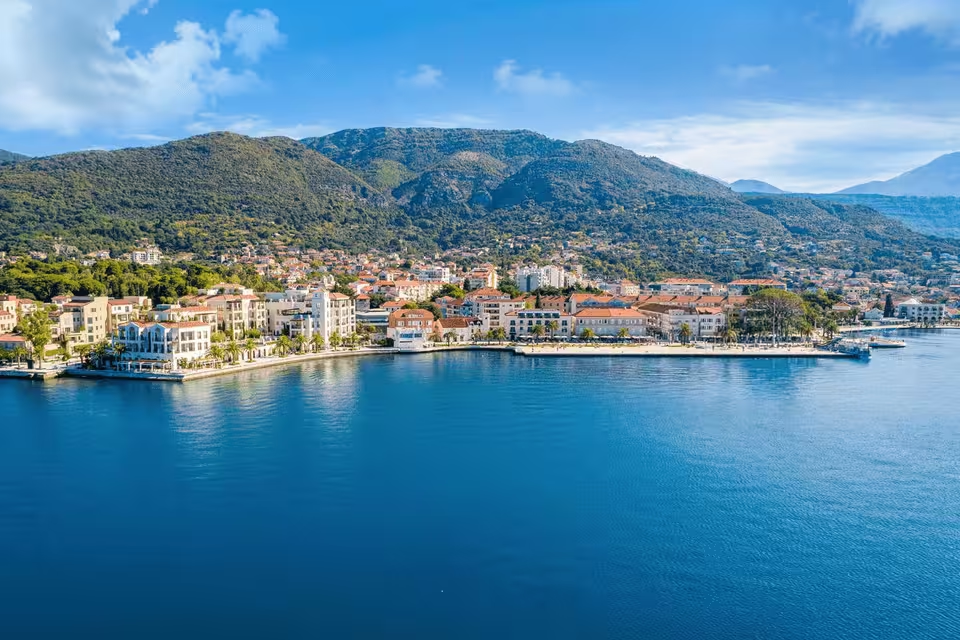
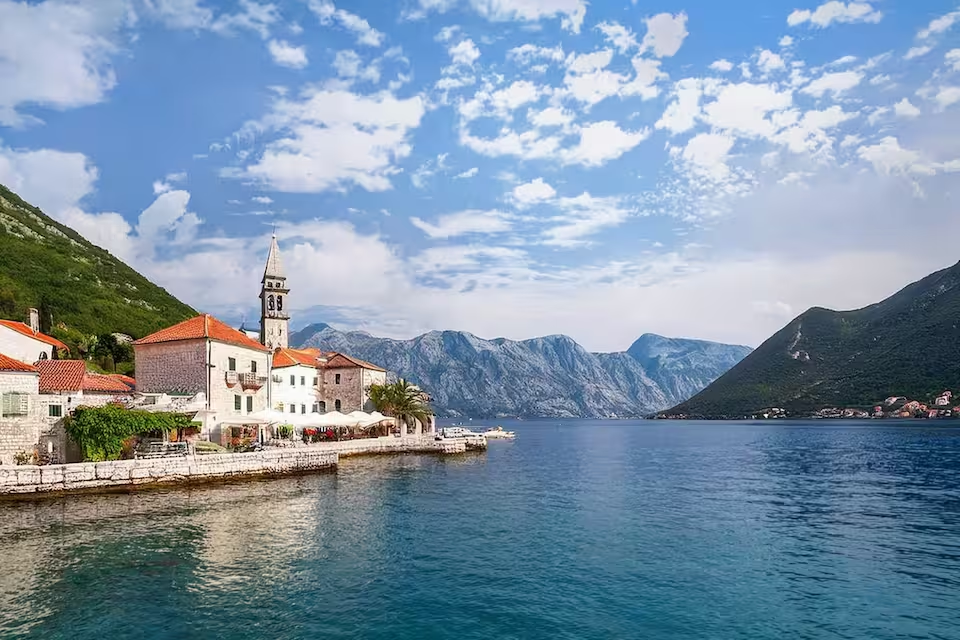
The Bay of Kotor is Montenegro’s most concentrated cruising area. Its linked bays of Herceg Novi, Tivat, Risan and Kotor create a varied setting for short passages, while the surrounding mountains give each section a distinct sense of enclosure. Tivat is a practical starting point for exploring the inner bay and the Luštica Peninsula. Farther inland, Kotor places yachts close to the old town and fortifications, while nearby Perast provides access to Our Lady of the Rocks and views across the narrower part of the bay.
The western side, including Herceg Novi, suits itineraries that combine the bay entrance with Žanjica Cove, Mamula Island and the Blue Cave. It can also work as a transition between local bay cruising and the open Adriatic.
South of Luštica, Budva is the main historic and urban stop on the central coast. Budva Bay, Sveti Nikola Island and nearby Sveti Stefan can be incorporated into an itinerary, but this coastline is less enclosed than the Bay of Kotor. Bar provides another urban port and access to Stari Bar inland. Ulcinj is the most distinctive southern extension, with an old town, the long sands of Velika Plaža and the Ada Bojana delta. It is best suited to trips with enough time and suitable conditions for the longer open-coast passages.
What cruising Montenegro is like
Inside the Bay of Kotor, distances between towns, coves and islands are generally short. This supports an unhurried charter rhythm: a morning passage can be followed by swimming, lunch at anchor and an afternoon or evening ashore. The bay provides more shelter than the outer coast, but it should not be treated as uniformly calm. Narrow passages, steep mountain gaps and the Bay of Risan can produce locally accelerated winds.
Summer commonly brings the northwesterly maestral sea breeze. The bura, a gusty northeasterly wind, can strengthen suddenly around mountains and gaps, while jugo and other southerly systems bring cloud, rain and swell. These southern winds can make exposed ports and anchorages around Budva, Bar and Ulcinj uncomfortable. A charter covering the open coast therefore benefits from a flexible itinerary and regular checks of current forecasts.
Within the bay, ferry traffic at Verige, aquaculture installations and confined channels require attention from the skipper. On the outer coast, greater exposure and longer distances make weather planning more important. For travelers, the practical distinction is clear: the bay favors short, scenery-led cruising and frequent shore visits, while the open coast adds longer passages and a stronger sense of traveling along the Adriatic.
Best time for a Montenegro yacht charter
The principal recreational charter season runs from May through October. June to August usually brings the driest, sunniest and most consistently warm weather, making this the busiest part of the summer. July and August suit travelers prioritizing warm conditions and an active coastal atmosphere, but popular marinas and historic towns generally experience greater visitor pressure.
June and September are particularly suitable months. June combines established summer conditions with the beginning of the main season, while September generally retains comfortable temperatures with less visitor pressure than the height of summer. May is another useful shoulder-season option for travelers comfortable with slightly less settled conditions.
October can still support cruising, although rain and southerly weather systems become more likely. From November through March, recreational activity is substantially reduced even though major marinas may continue operating. Timing matters most on the open coast, where swell and southern winds have a greater effect on route comfort than within the comparatively sheltered Bay of Kotor.
Route ideas for different trip lengths
A Bay of Kotor circuit is well suited to a shorter charter or to travelers who prefer limited passage times. Starting around Tivat, a route can connect the Luštica Peninsula, Perast, Our Lady of the Rocks, Prčanj and Kotor. Depending on time and conditions, it can extend west towards Herceg Novi, Žanjica Cove and the Blue Cave. Because the distances are compact, the itinerary can be adjusted around swimming stops or additional time ashore.
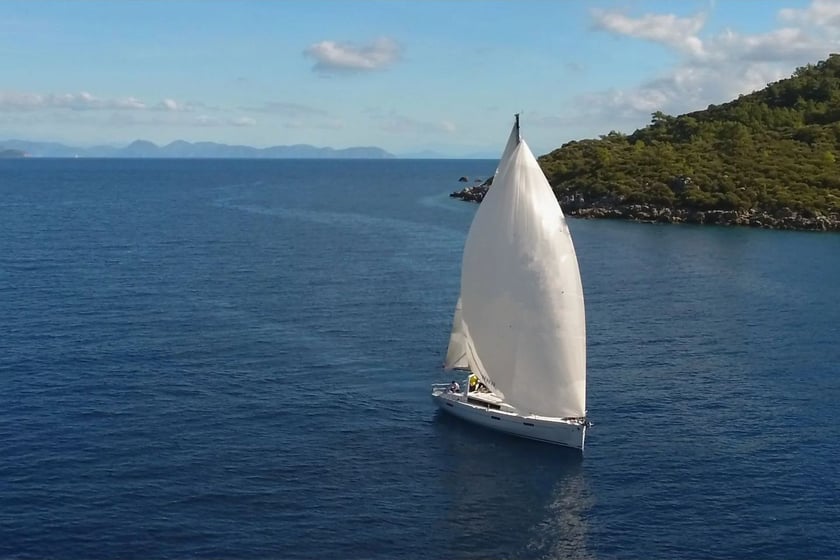
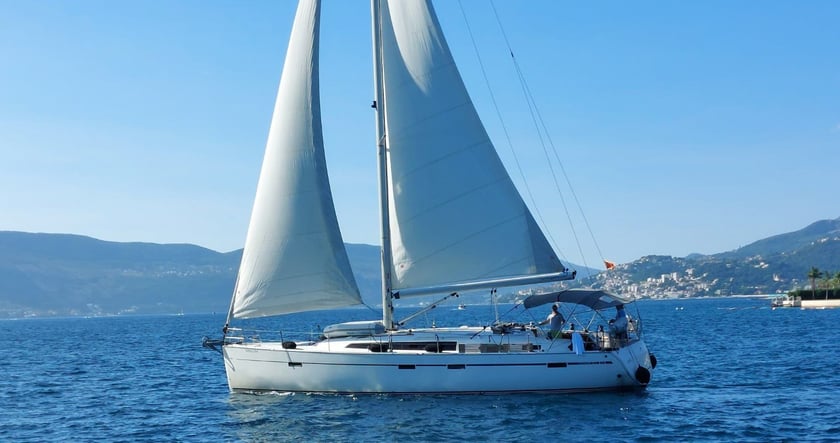
A week-long coastal cruise can combine the bay with Budva and Bar. This creates a clear progression from sheltered, mountain-enclosed waters to open Adriatic passages and central-coast towns. Ulcinj can be added as a southern extension when time and weather permit, rather than treated as an essential stop. Travelers who want to explore primarily under sail can also compare the possibilities for a sailing holiday in Montenegro.
History, swimming and coastal life
Montenegro’s strongest yacht-charter experiences come from combining time at anchor with direct access to historic settlements. The Natural and Culturo-Historical Region of Kotor has been on the UNESCO World Heritage List since 1979, and the architecture of Kotor, Perast and nearby communities reflects centuries of seafaring, ship ownership and Mediterranean trade. Our Lady of the Rocks, beside Perast, stands on an artificial islet created through the deposition of stones.
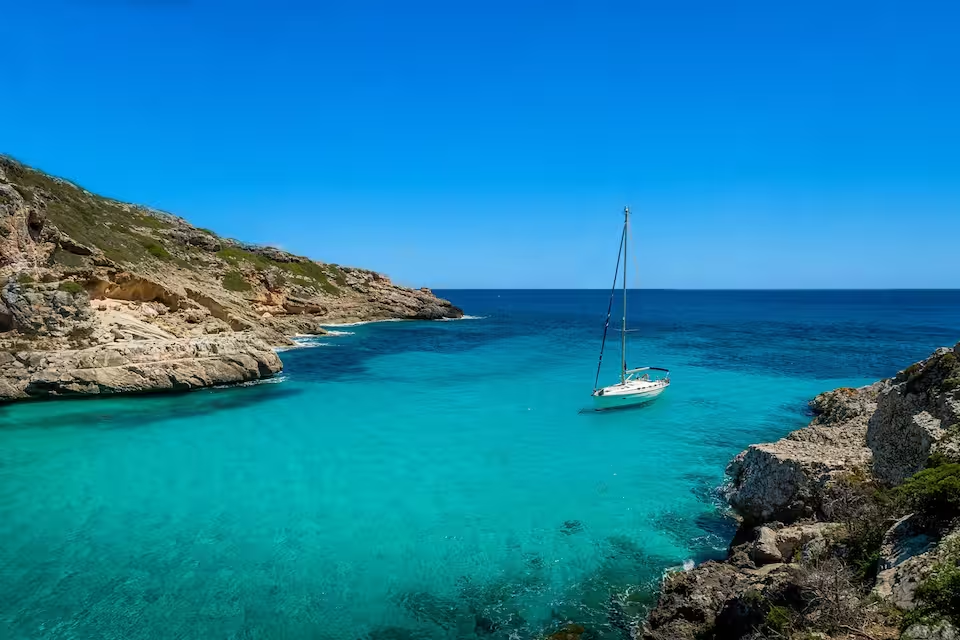
Swimming stops range from coves around the Bay of Kotor and Luštica Peninsula to more exposed bays along the central coast. The Blue Cave can be included on suitable bay itineraries, while Žanjica, Bigova and Valdanos offer different coastal settings. Farther south, the landscape changes from rocky and pebble shores to the long sands around Velika Plaža and Ada Bojana.
Going ashore adds further variety. Budva, Bar and Ulcinj preserve layers of Illyrian, Greek, Roman, Venetian and Ottoman influence, expressed through walls, churches, palaces and mosques. Meals along the coast commonly feature fish, seafood, squid and risotto, allowing dining in waterfront towns to become a natural part of the cruising day rather than a separate excursion.
Airports and departure points
Tivat Airport offers the most direct access to the Bay of Kotor and its principal marinas. Common starting points in this area include Porto Montenegro in Tivat, D-Marin Portonovi at Kumbor and Marina Kotor. Luštica Bay Marina and Lazure Marina also serve the northern cruising area.
Podgorica Airport is useful for reaching the country more broadly, particularly Budva, Bar and Ulcinj. Departures from Port and Marina Budva or Marina Bar may suit travelers planning to spend more time on the open coast. Dubrovnik Airport in Croatia is an alternative for Herceg Novi and the northern side of the bay, although the transfer requires an international land-border crossing.
The Adriatic Highway connects the main coastal destinations, while the Kamenari-Lepetane ferry crosses the Verige area. Transfer time should be considered when selecting a departure base, especially if flights and yacht check-in are scheduled for the same day.
Planning the right charter
Begin by choosing the cruising area rather than trying to include every part of the coast. The Bay of Kotor alone can fill several days and is a strong choice for short passages, historic towns and frequent stops. Travelers wanting a broader national itinerary should allow enough time for Budva and Bar, while keeping Ulcinj conditional on weather and the preferred pace of the trip.
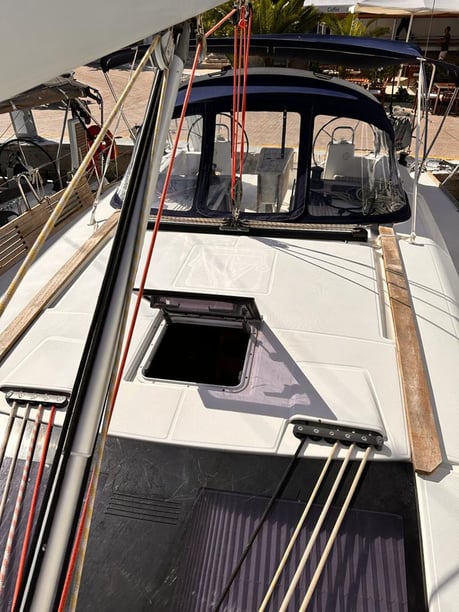
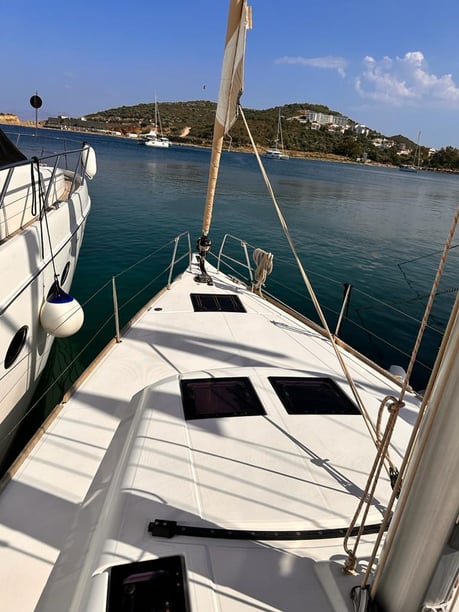
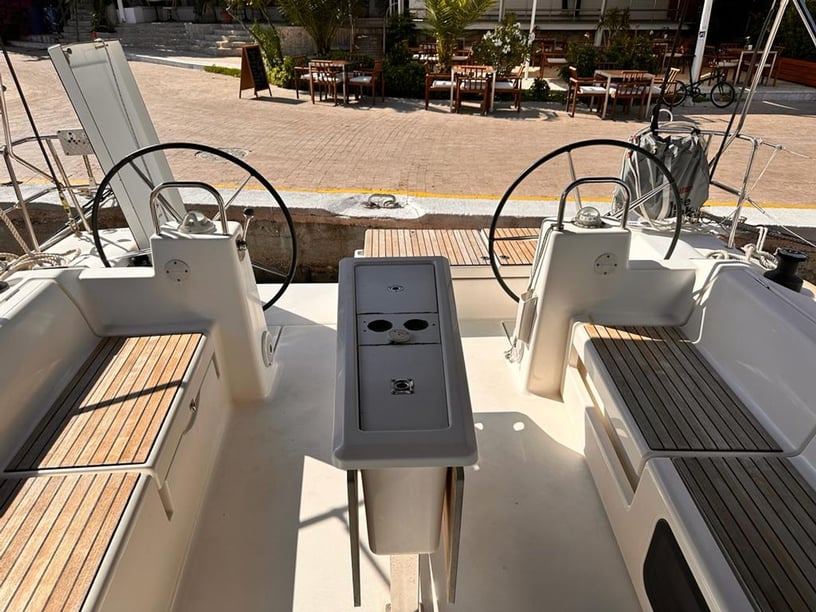
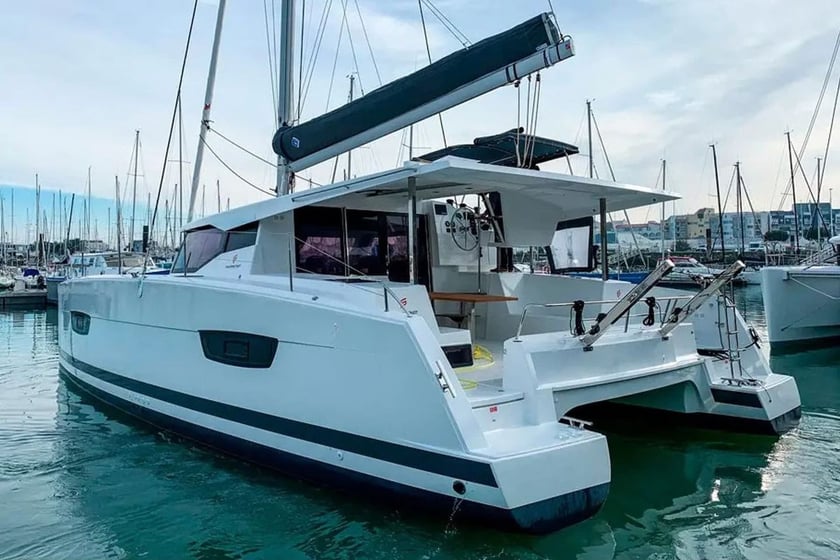
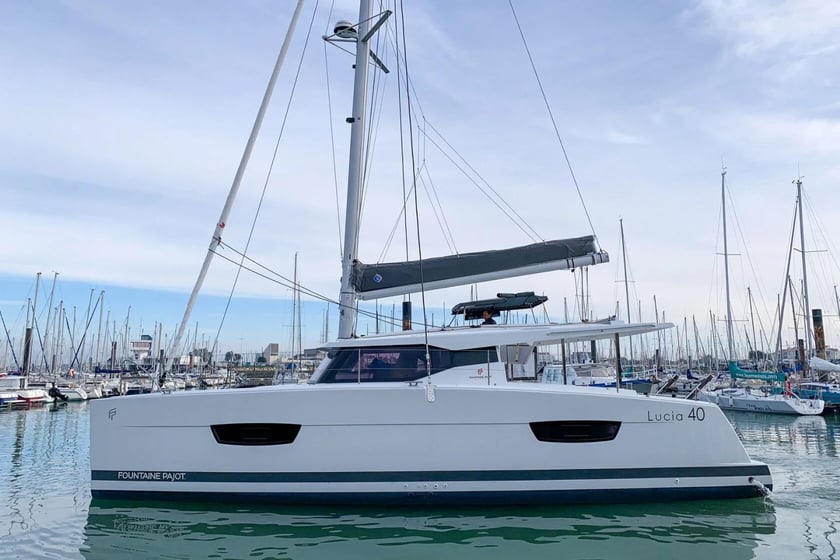
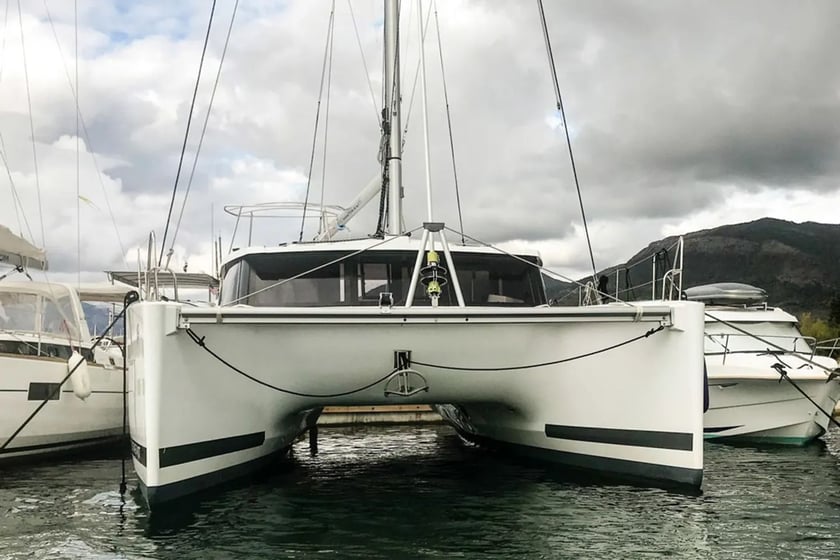
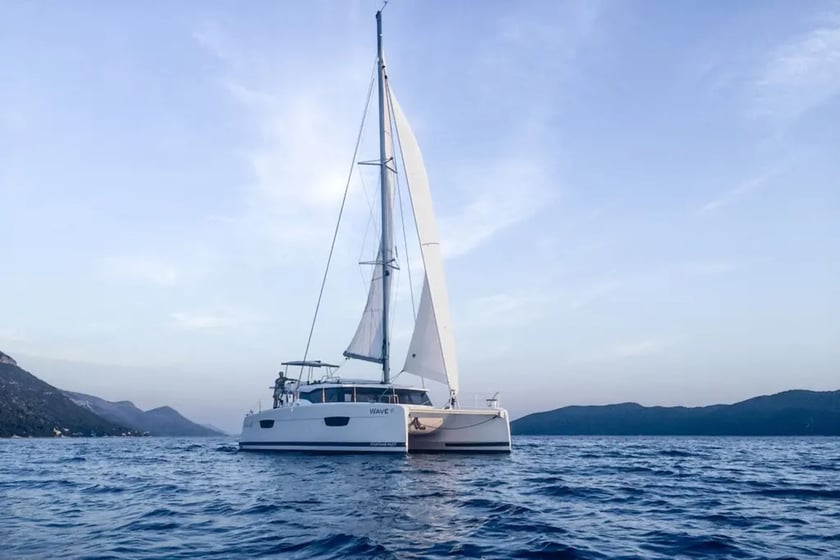
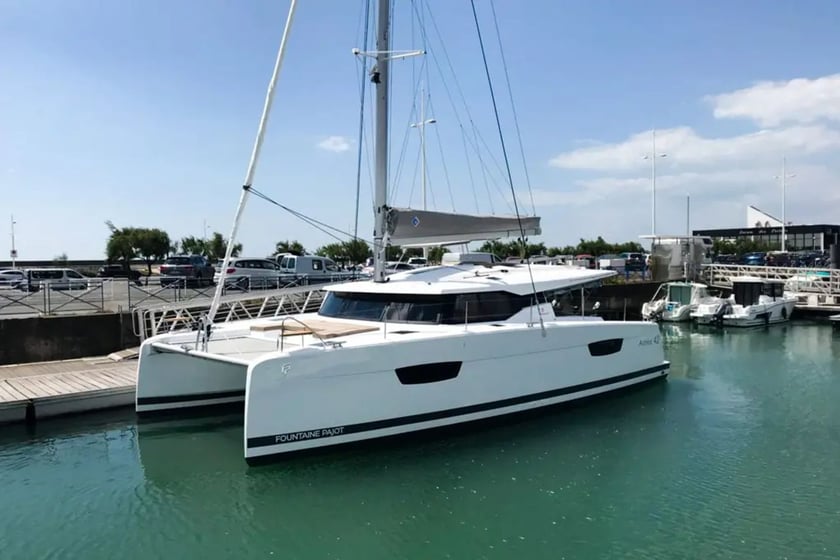
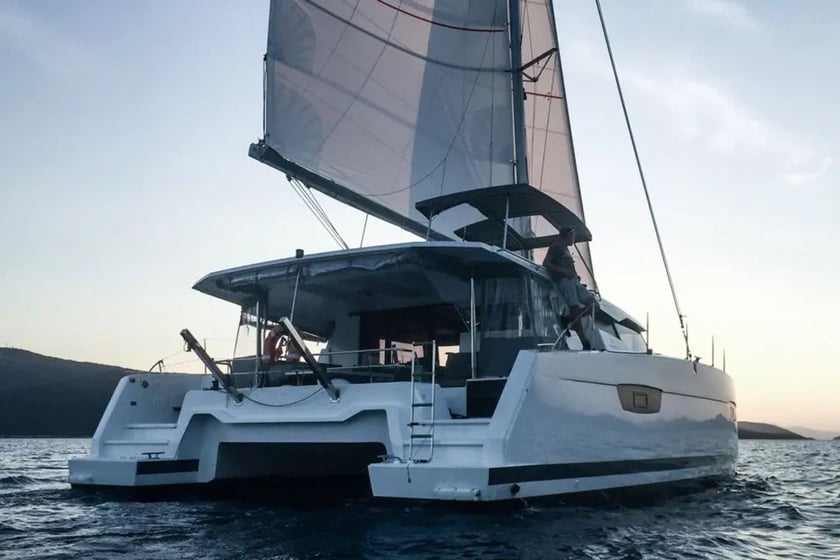
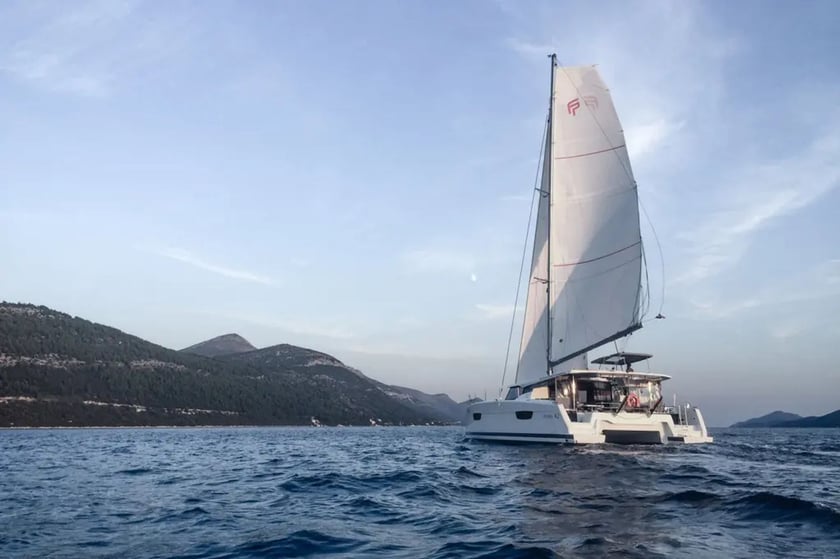
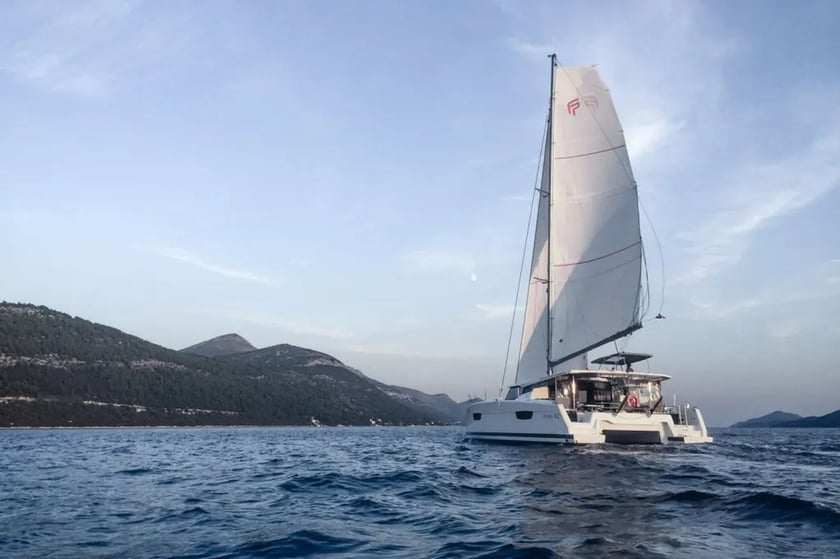
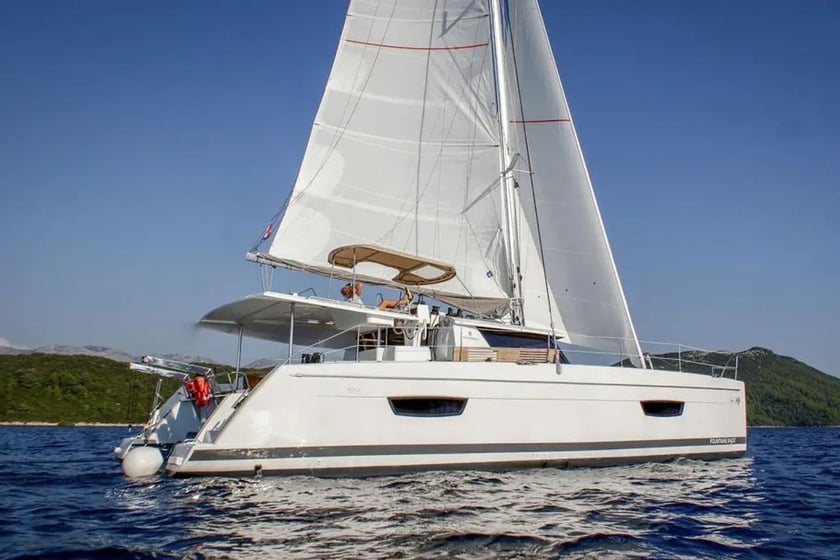
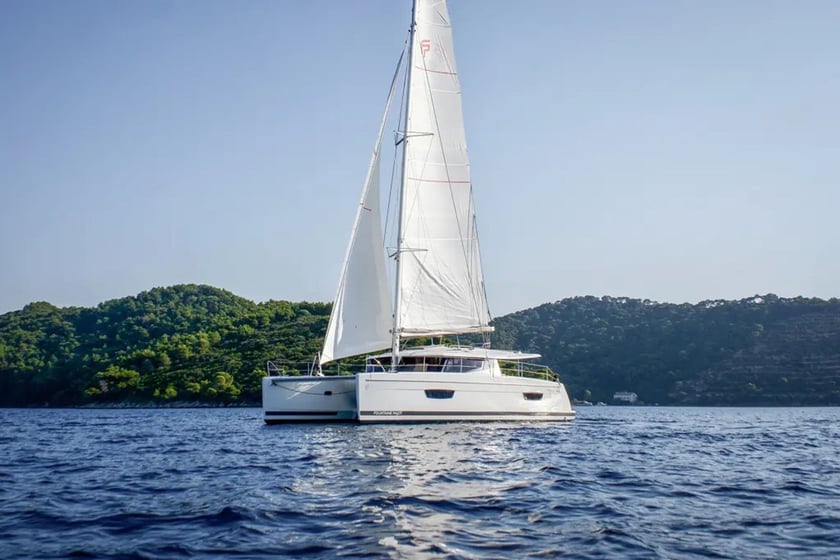
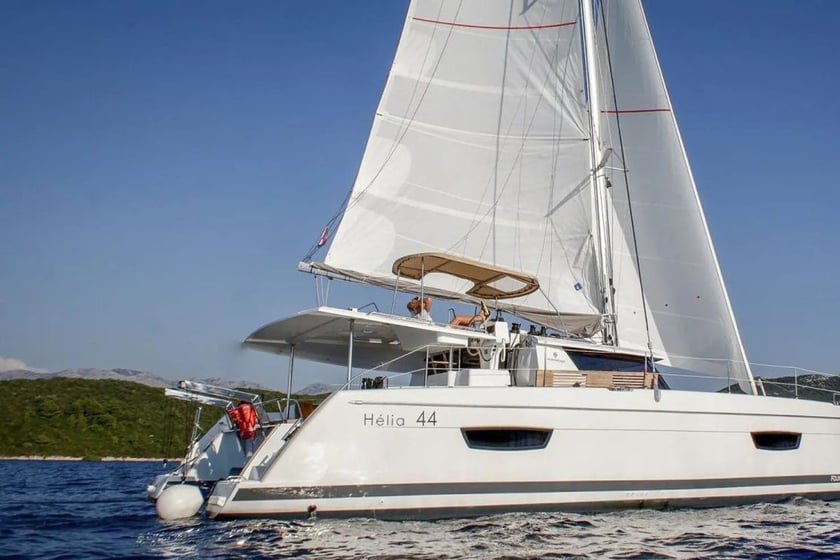
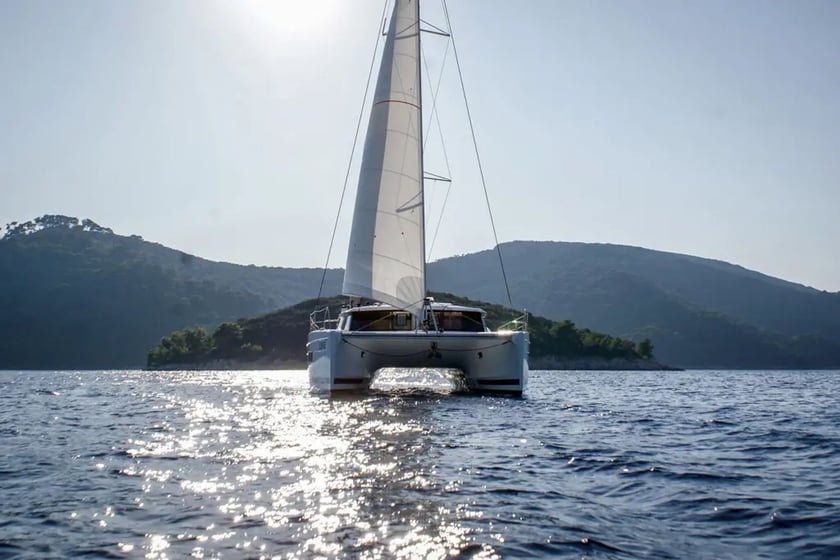
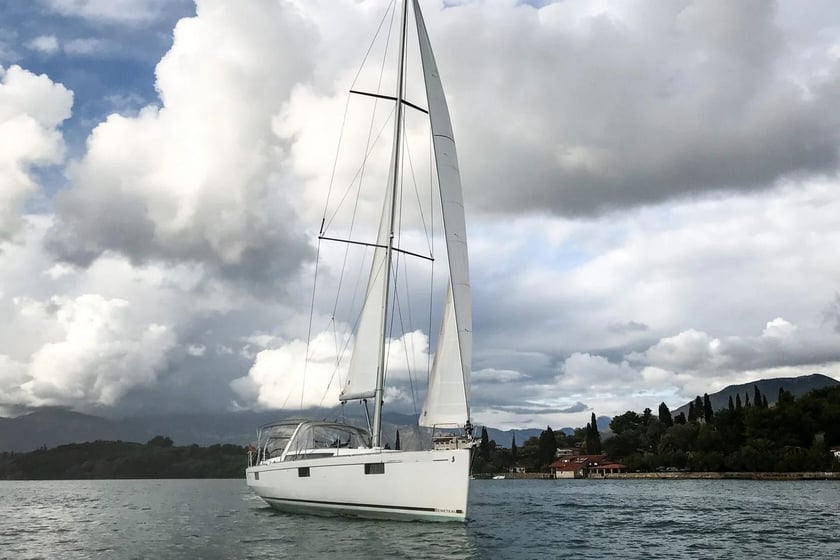
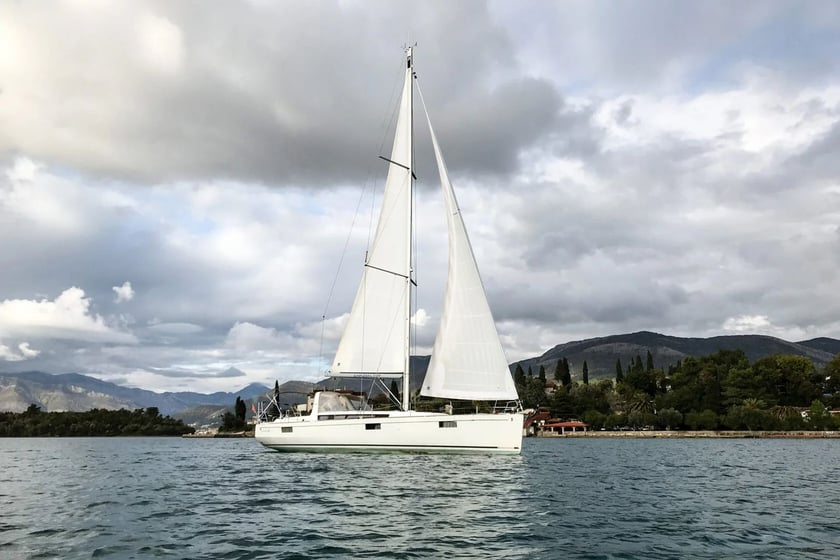
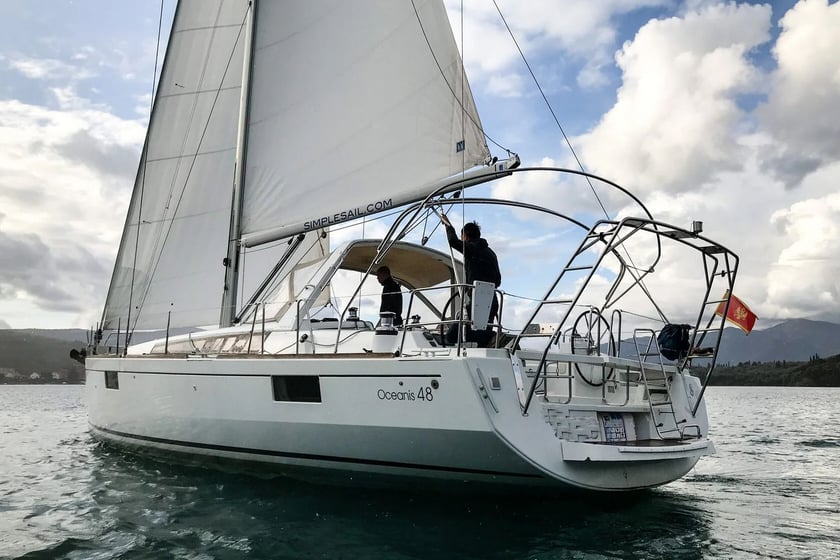
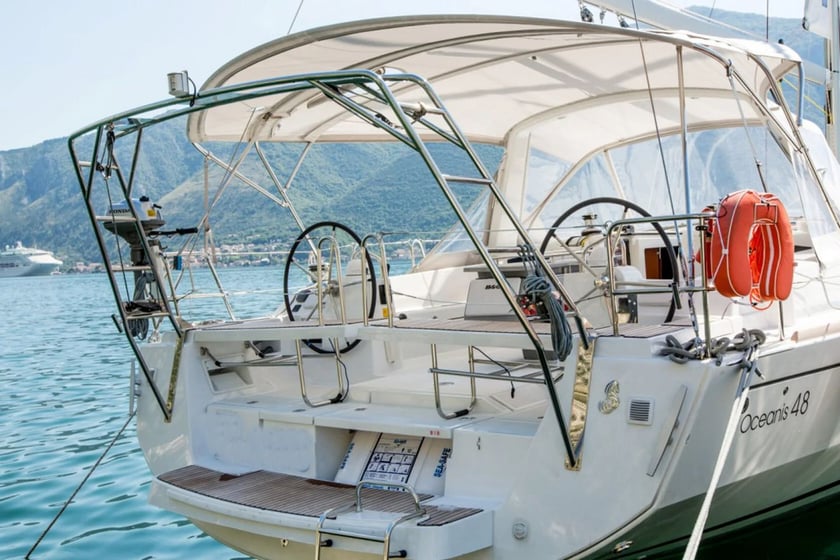
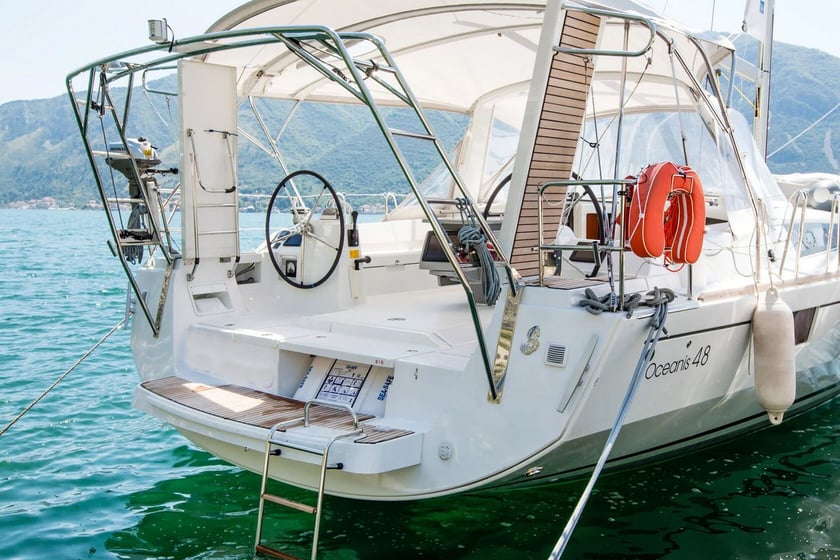
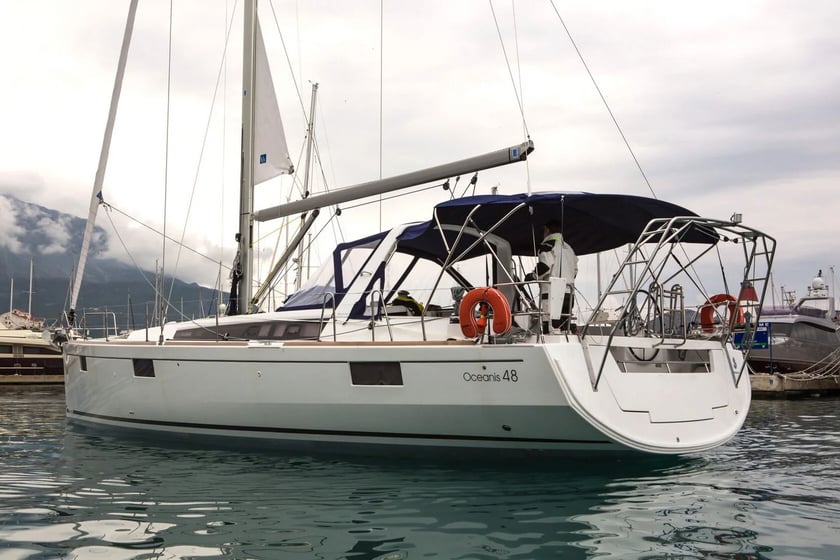
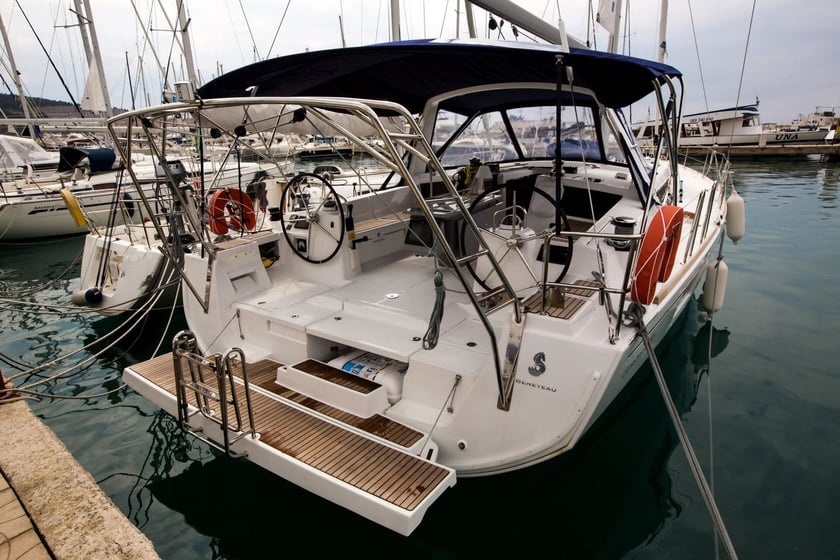
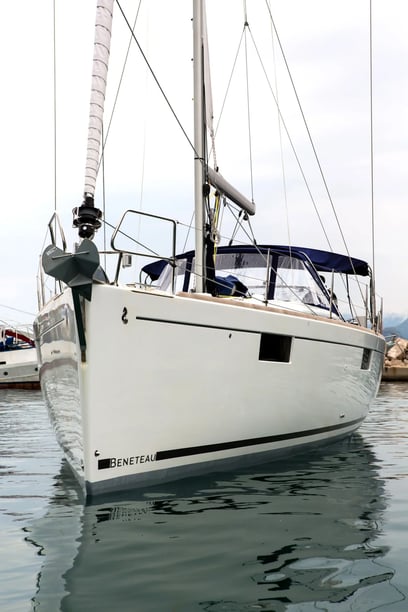
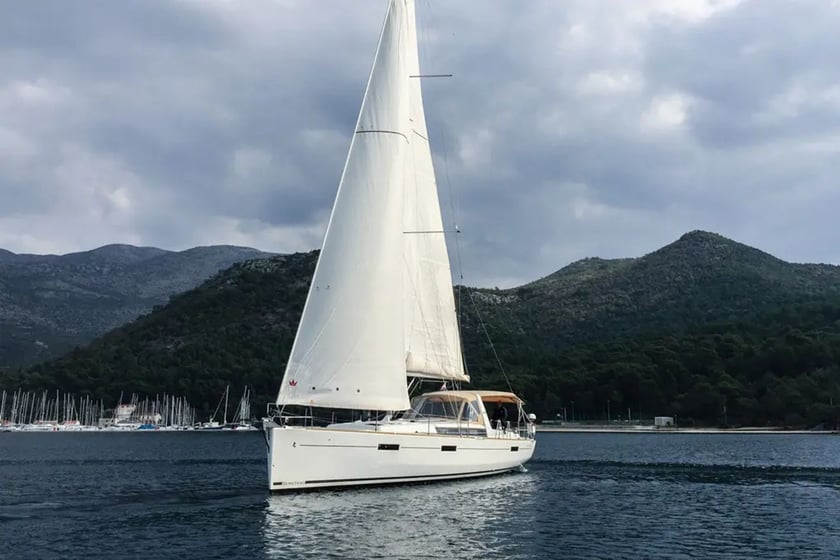
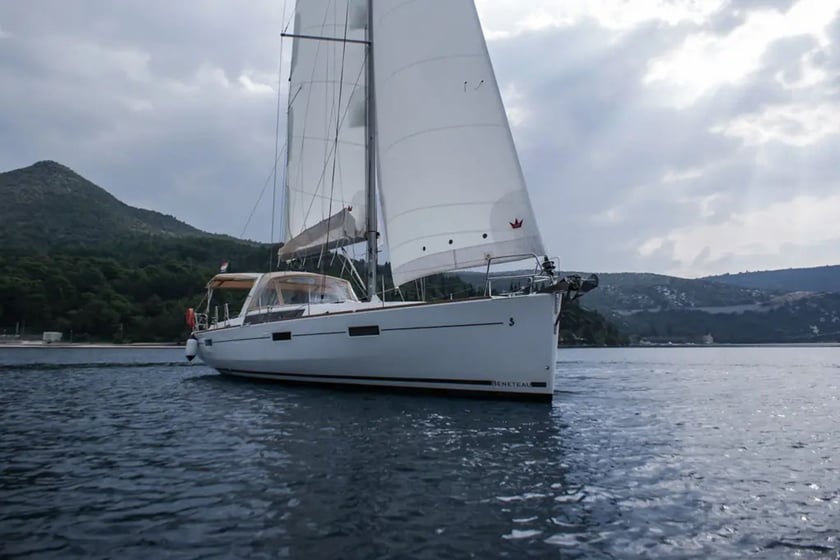
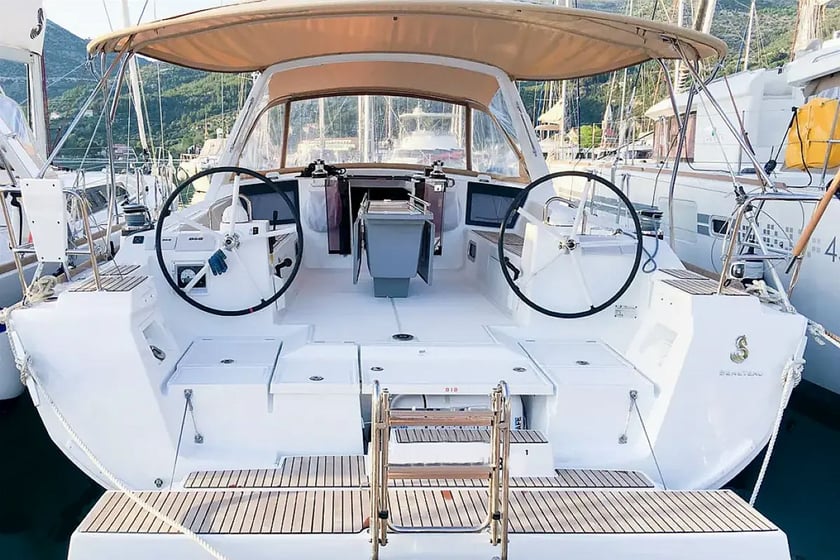
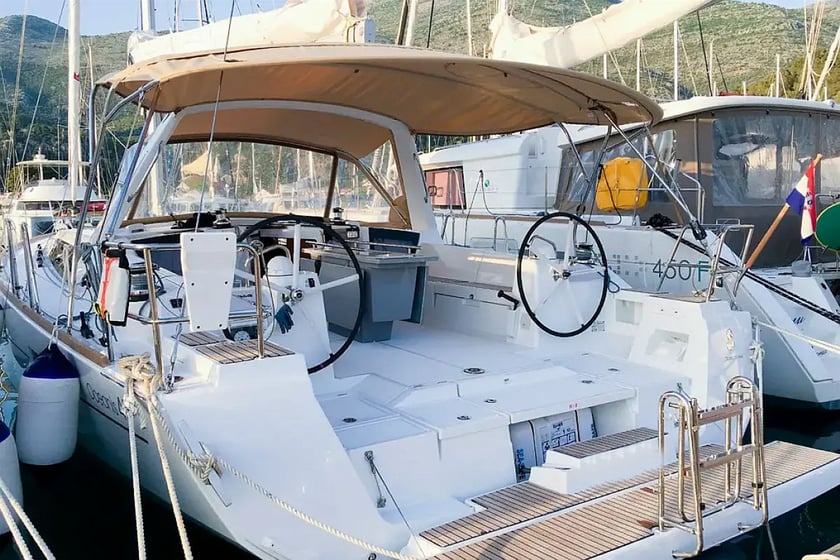
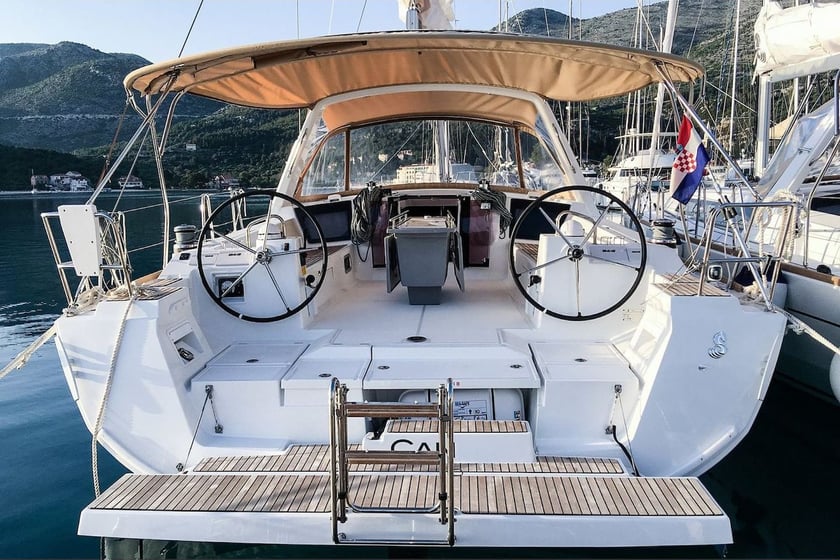
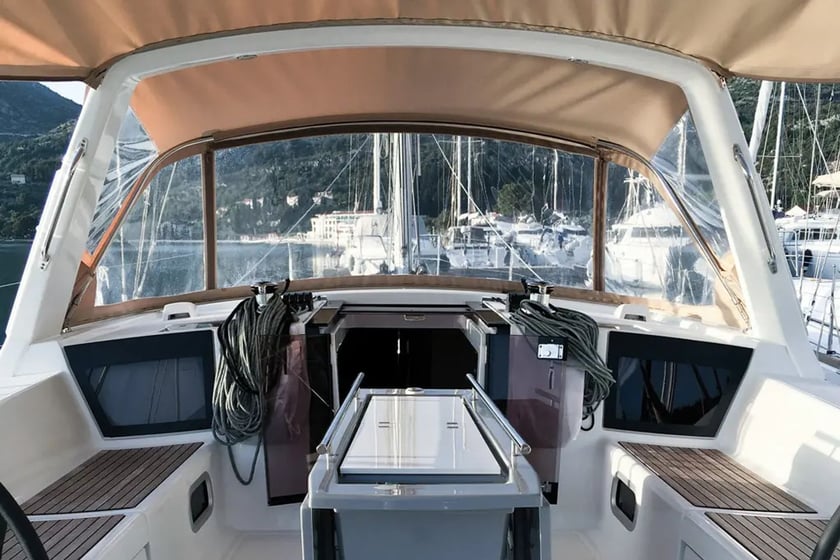
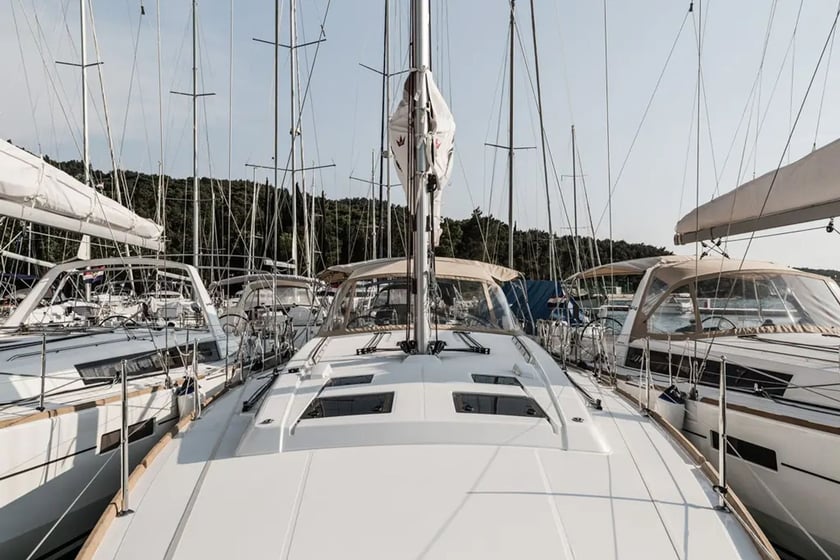
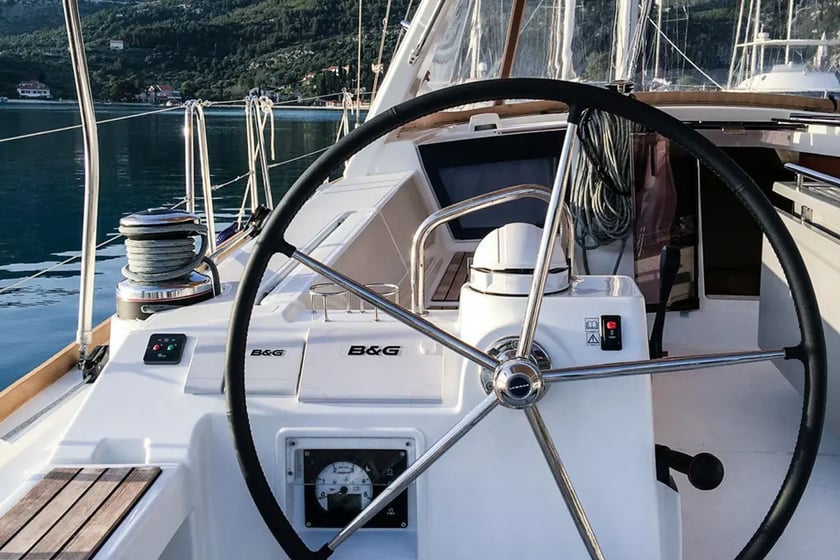
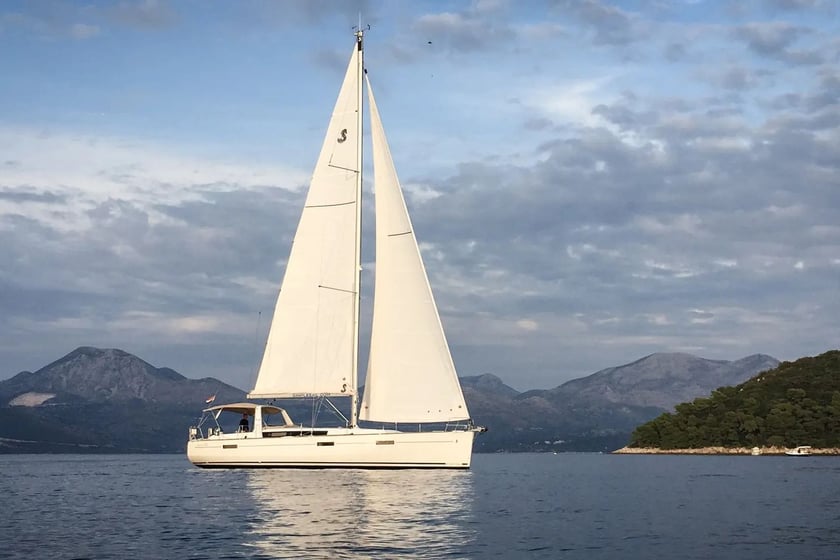
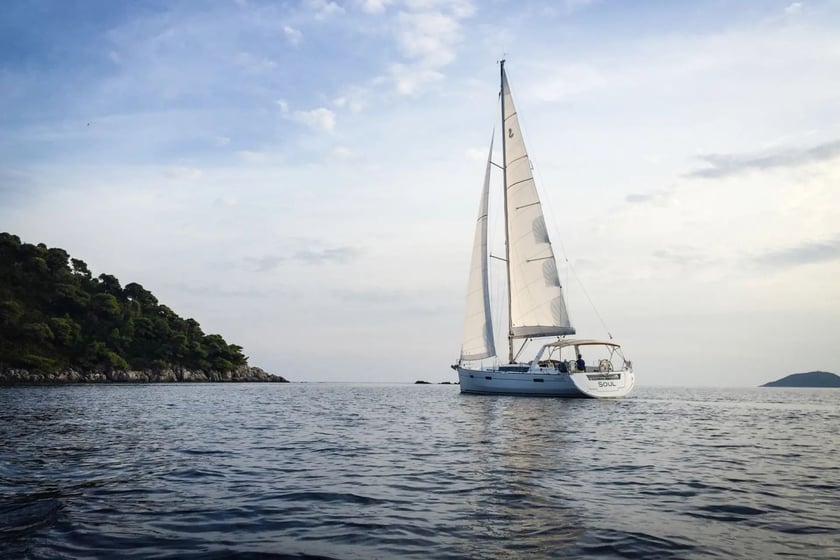
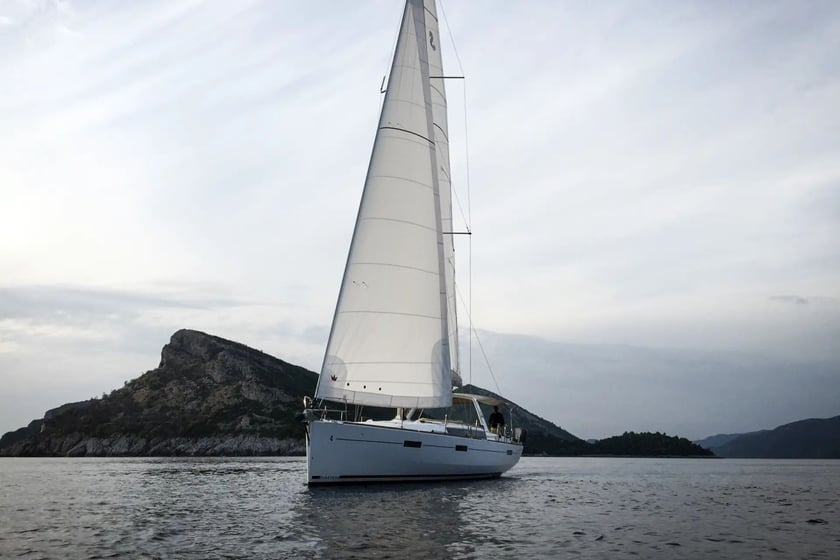
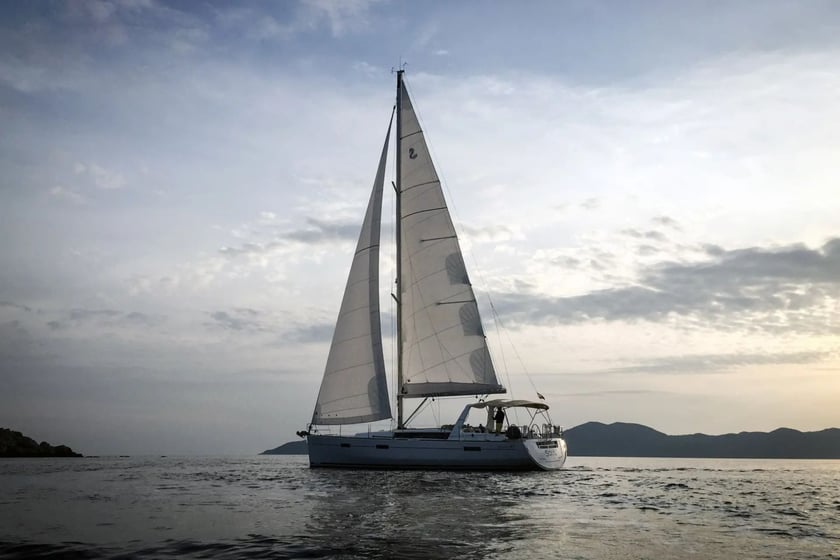
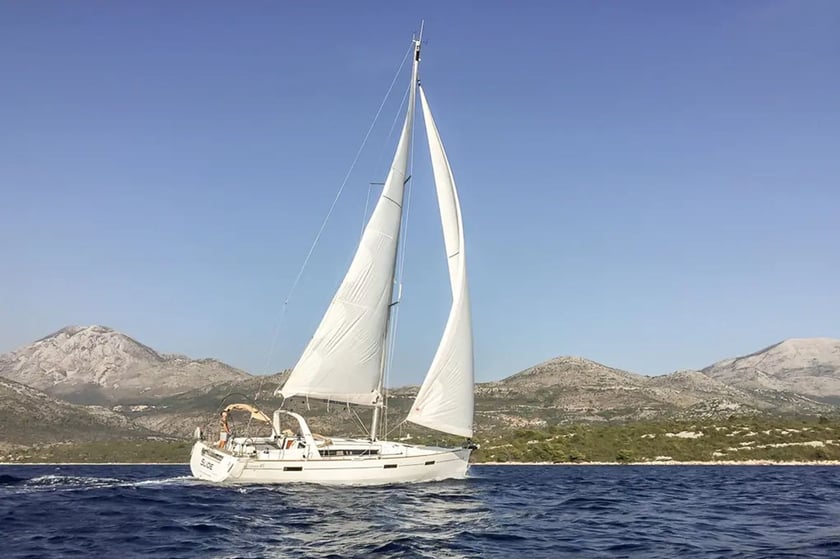
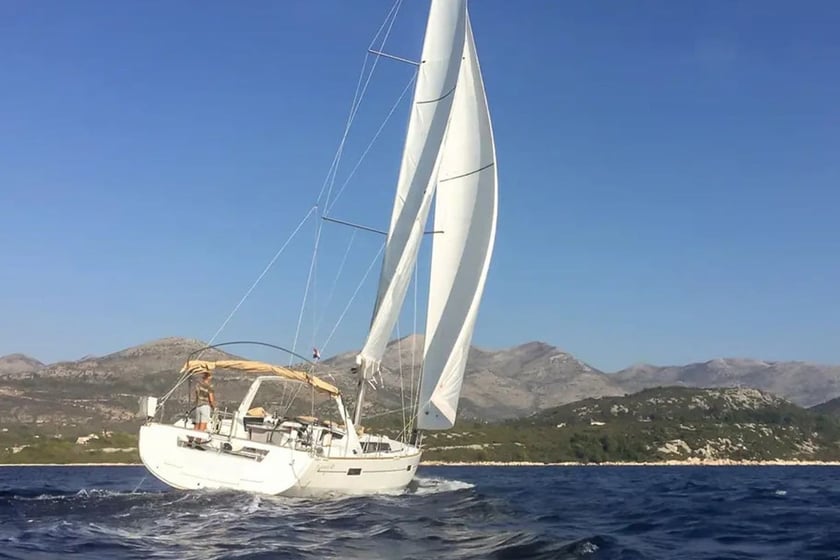
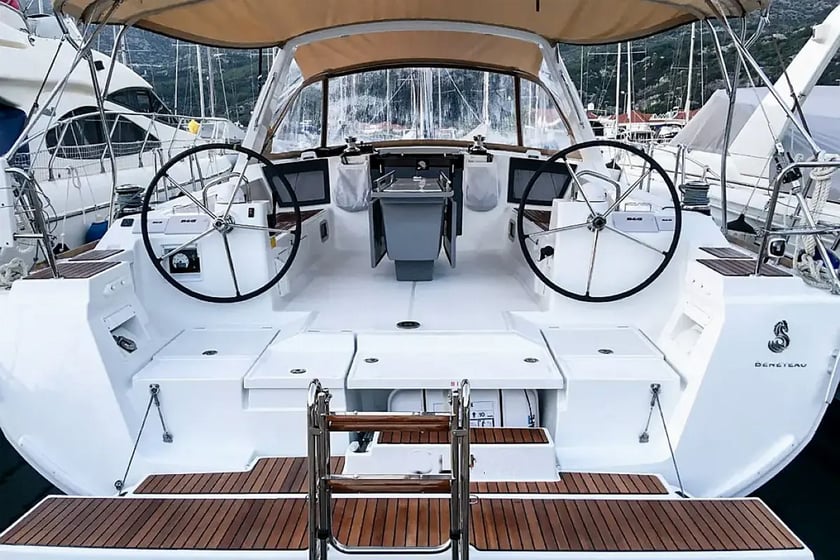
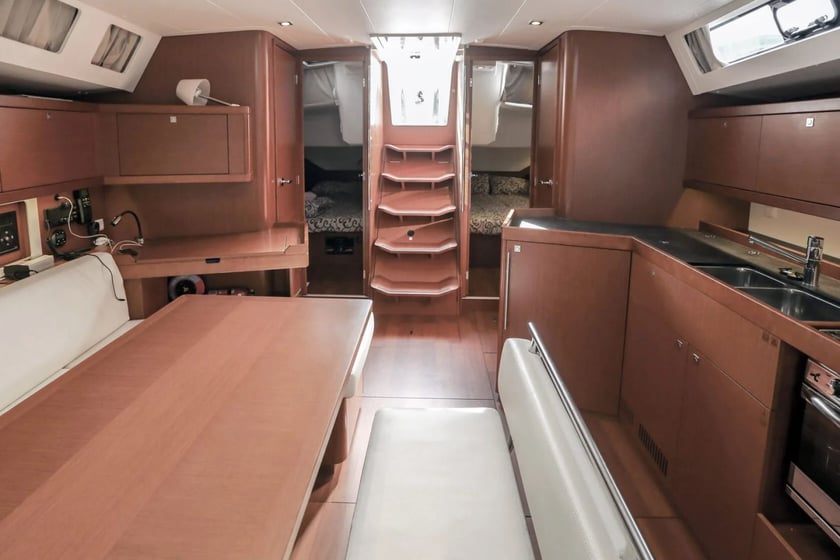
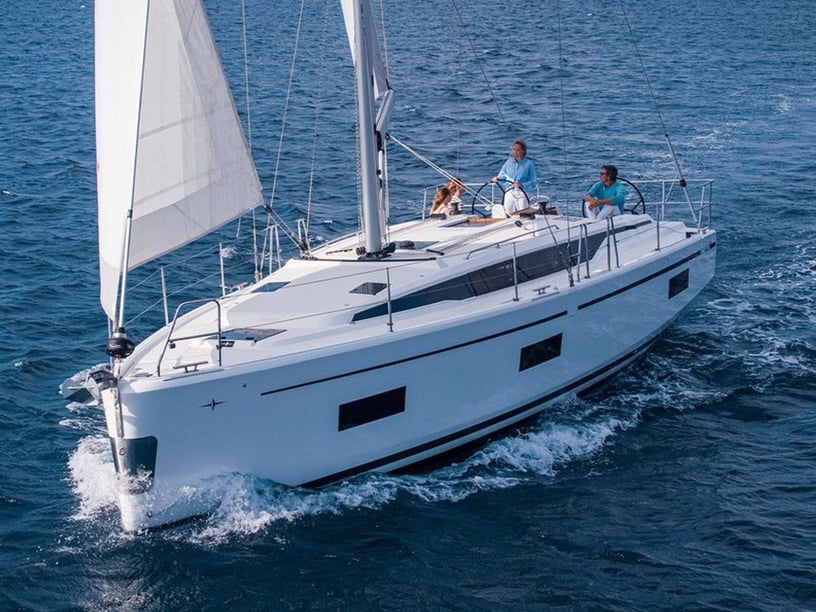
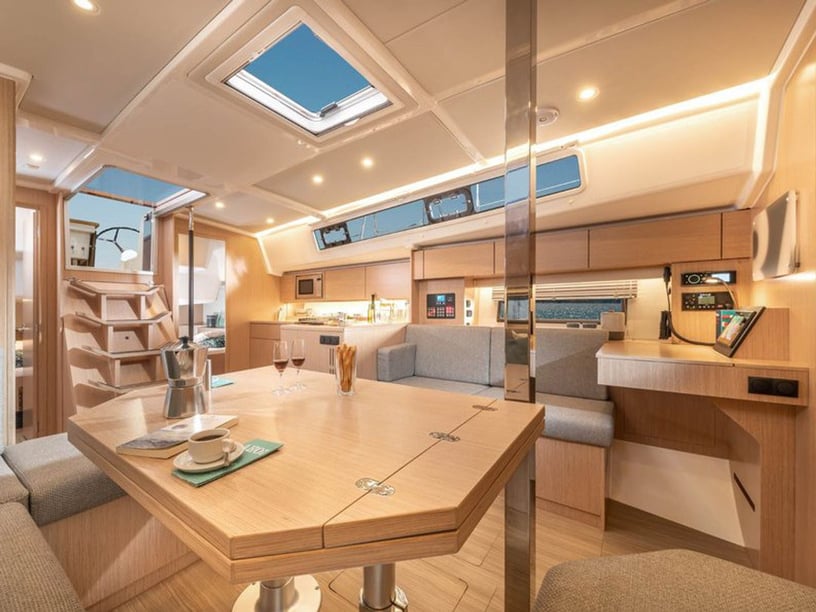
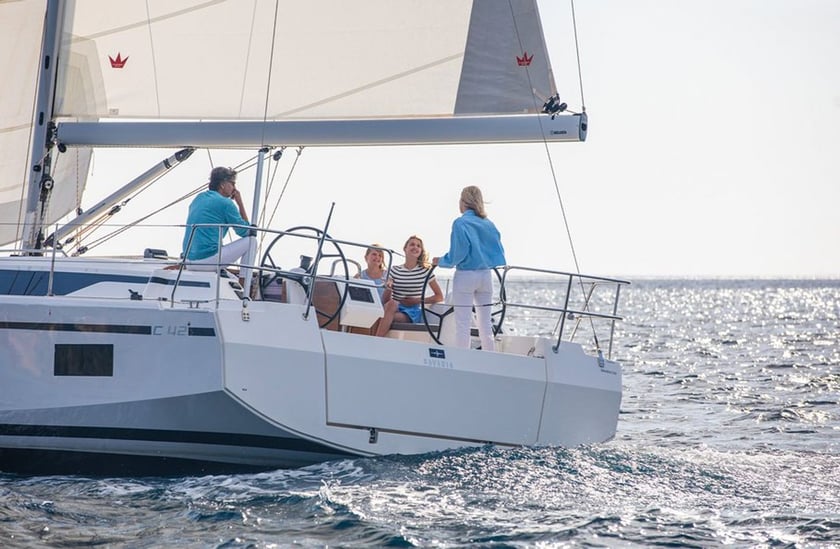
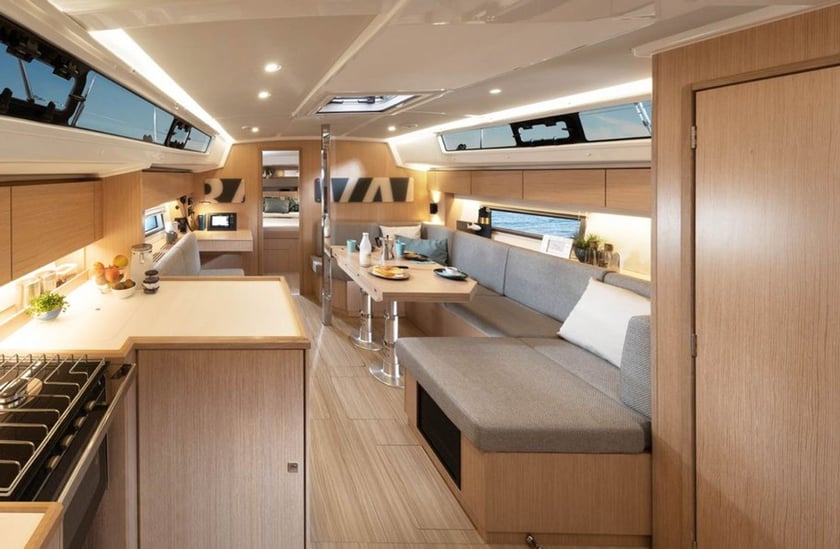
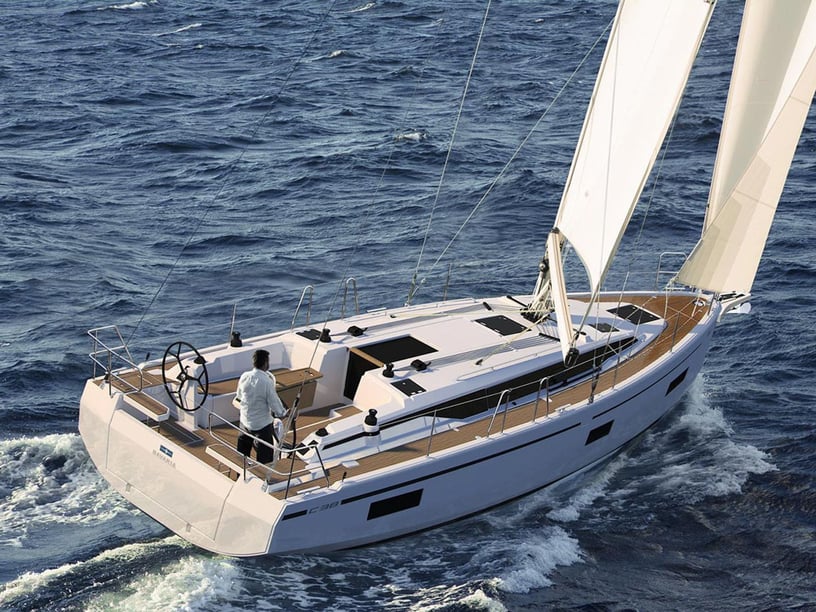
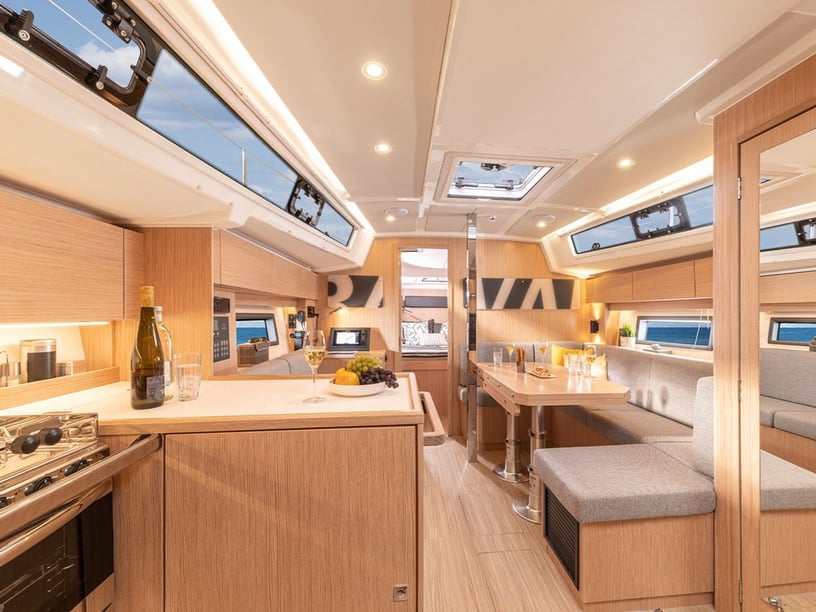
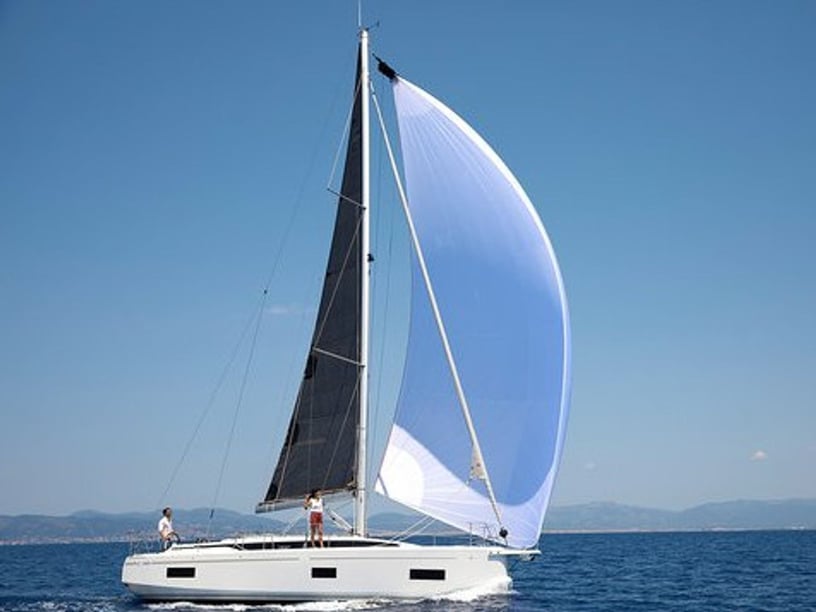
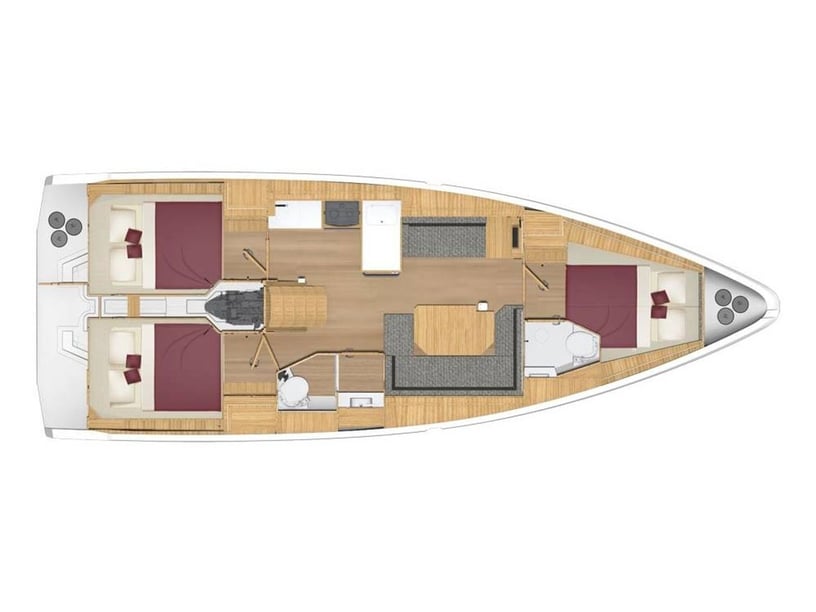
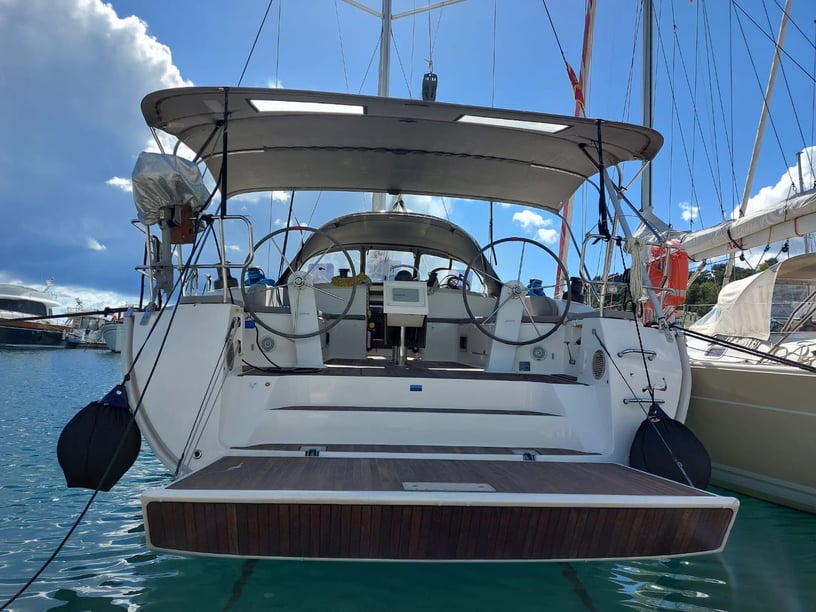
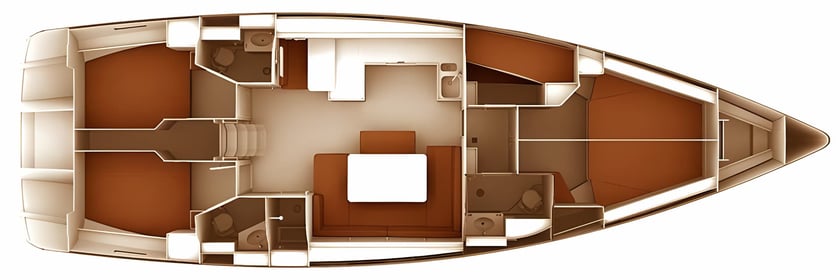
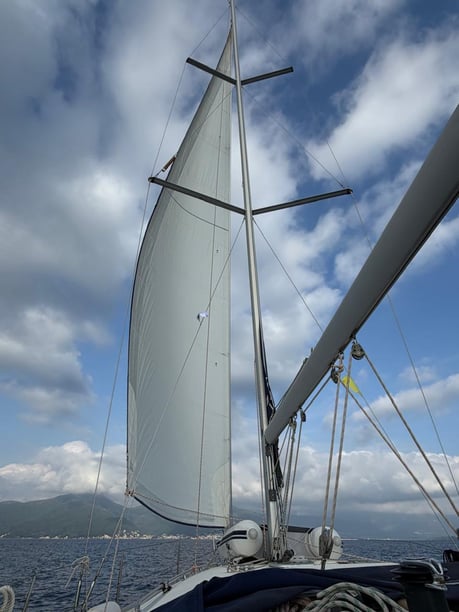
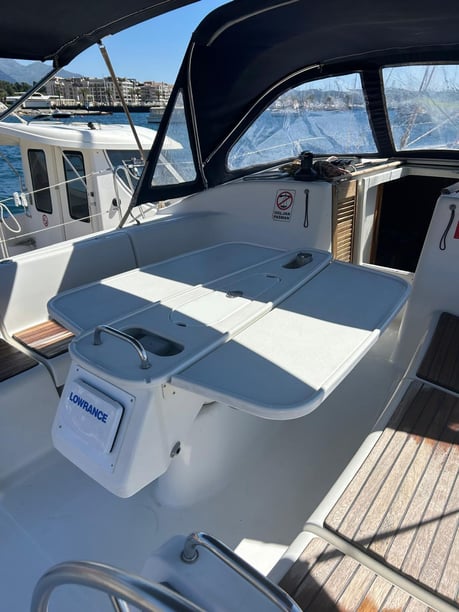
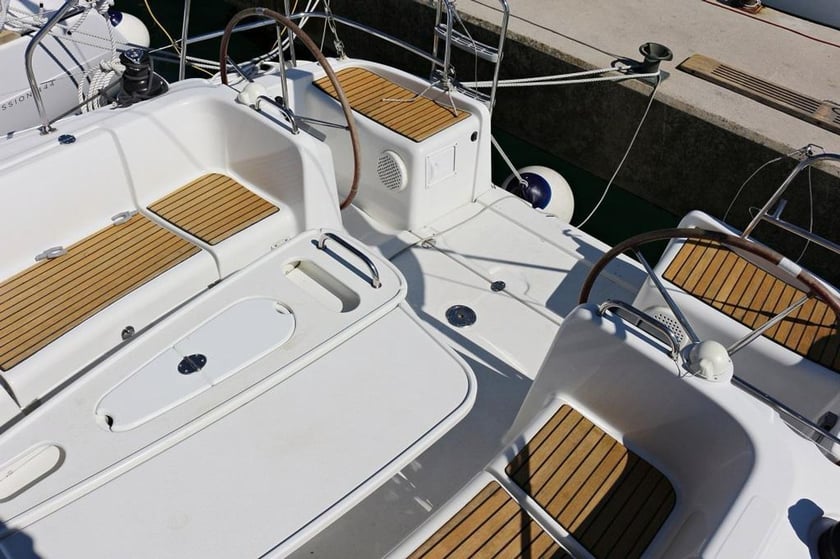
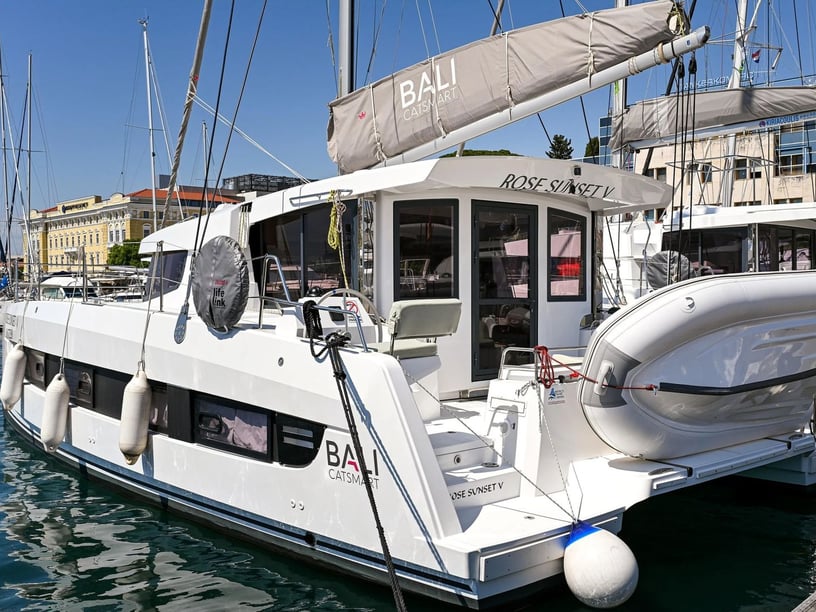
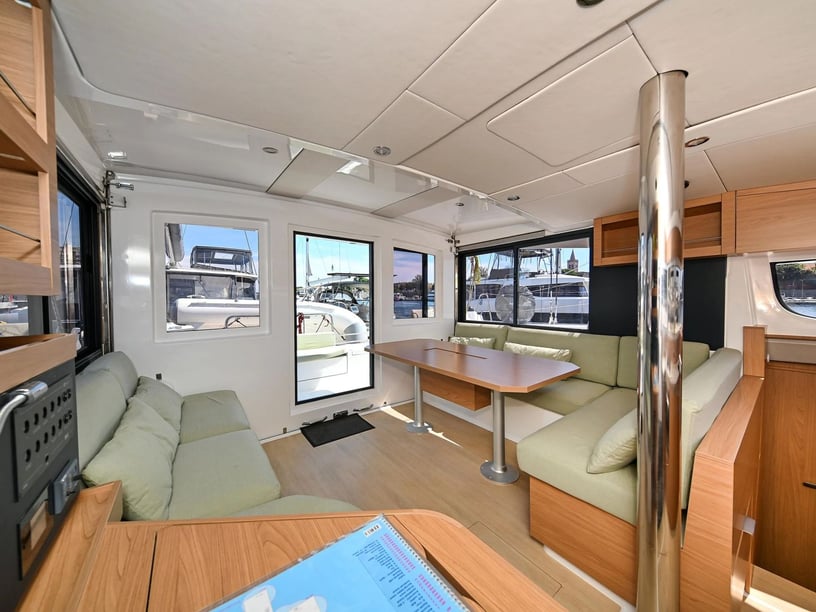
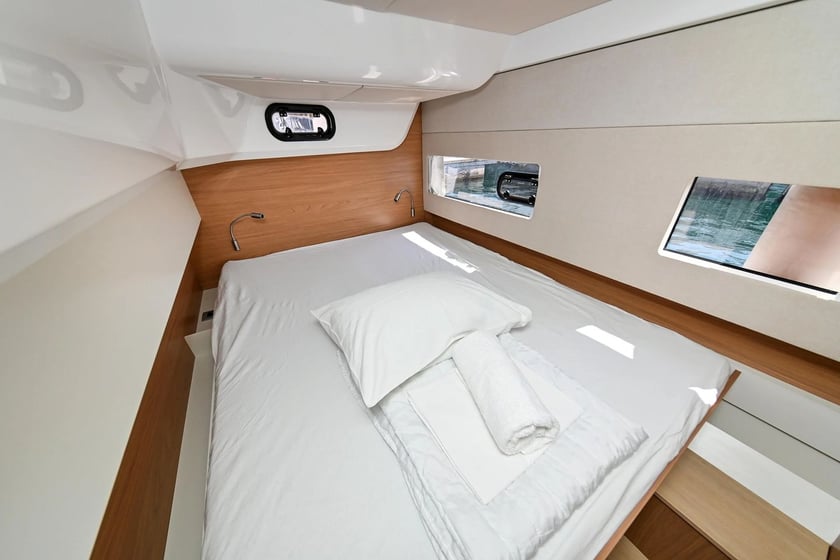
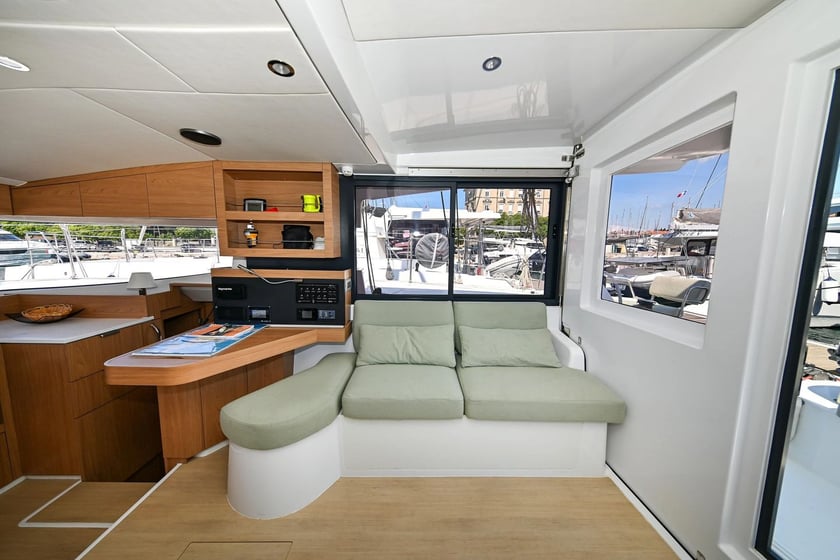
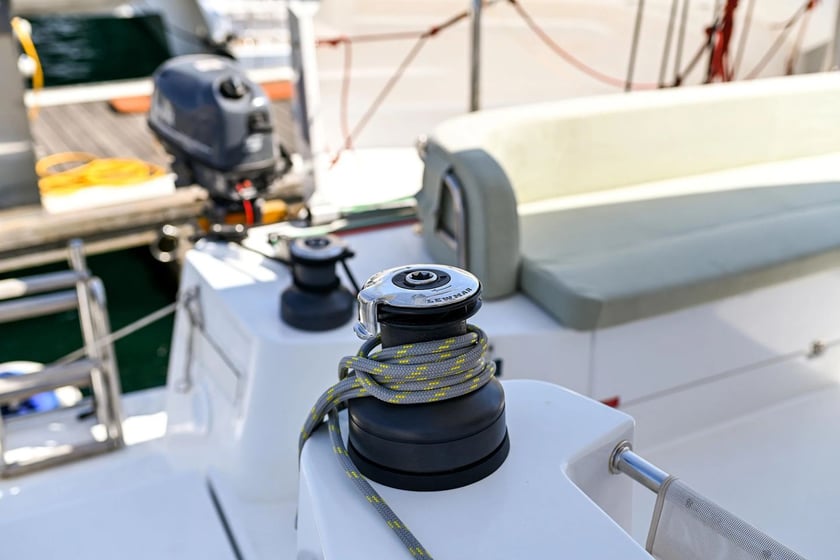
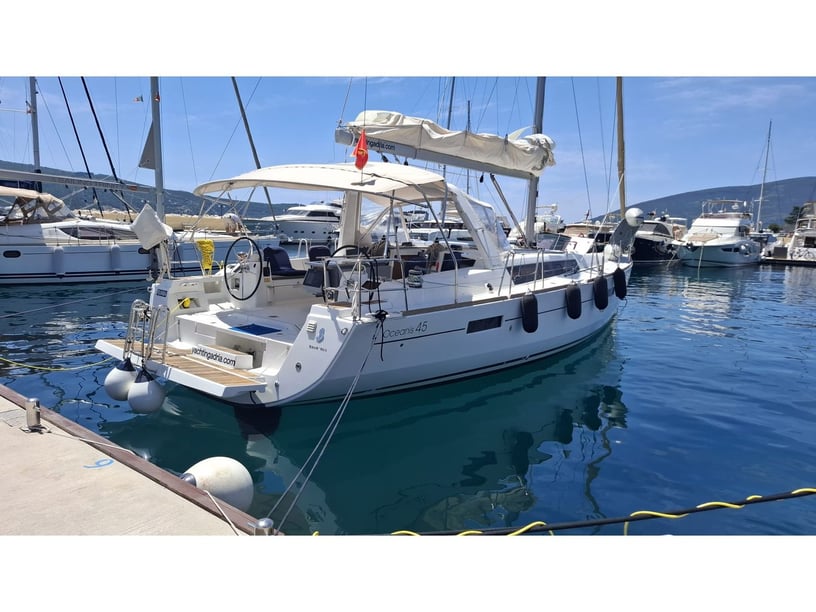
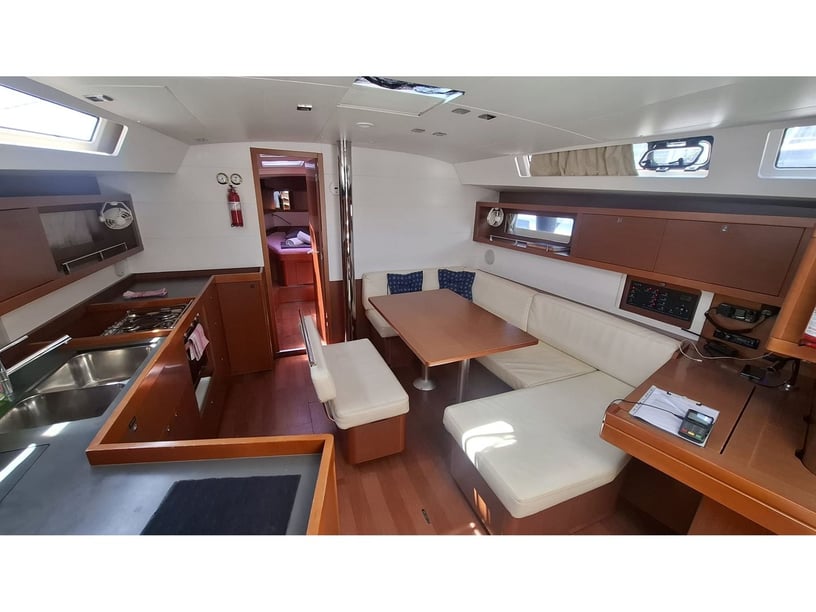
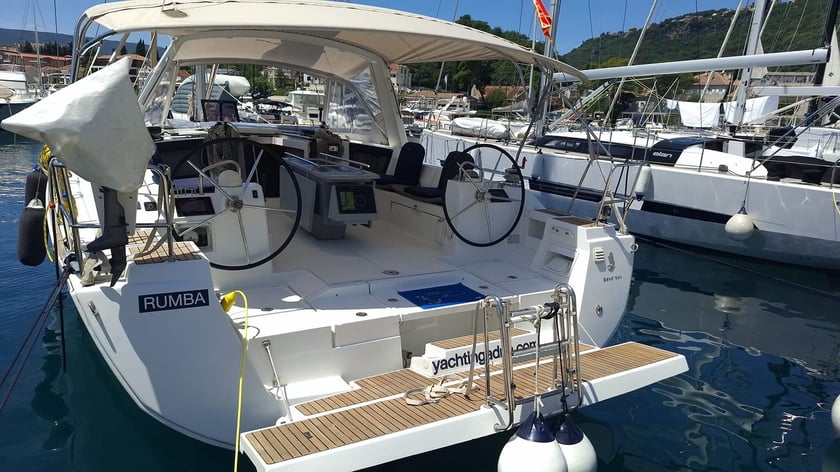
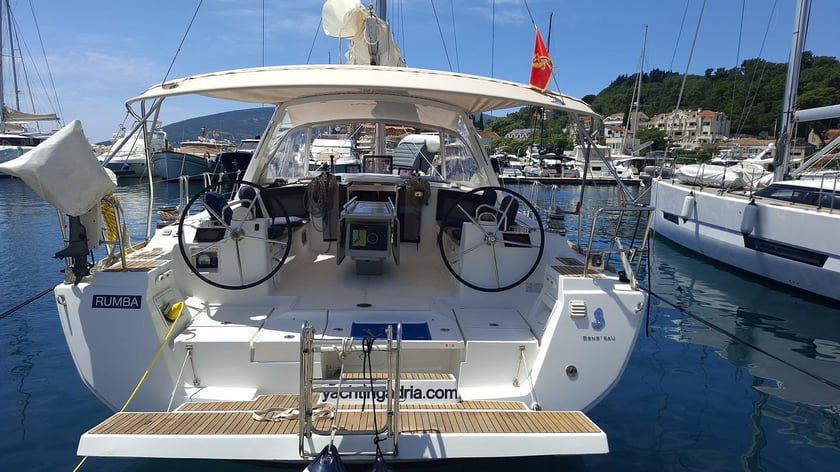
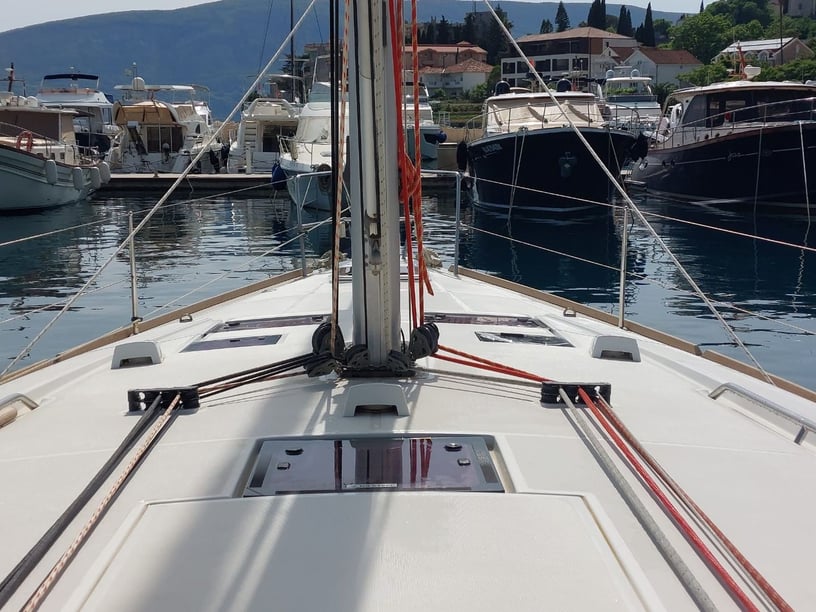
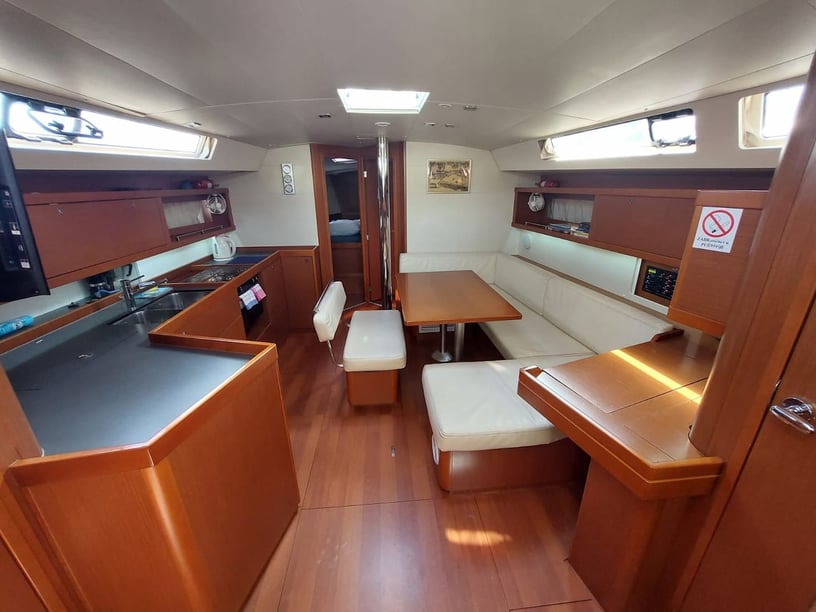
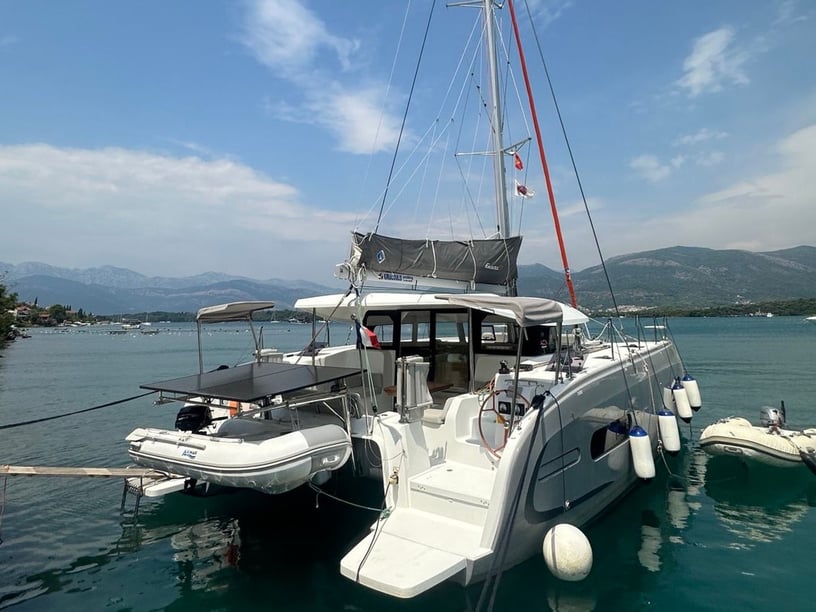
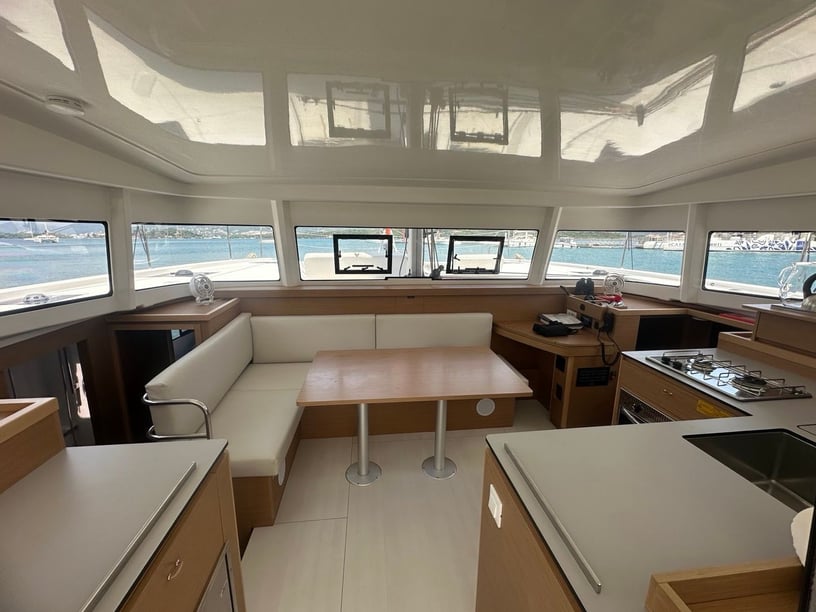
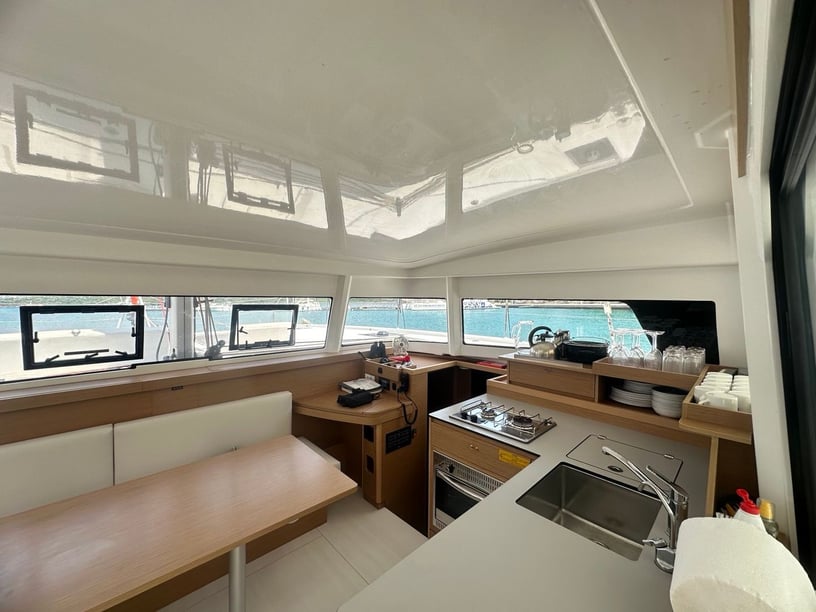
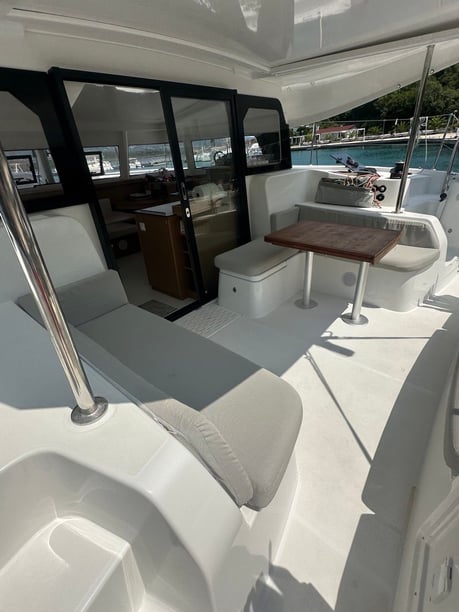
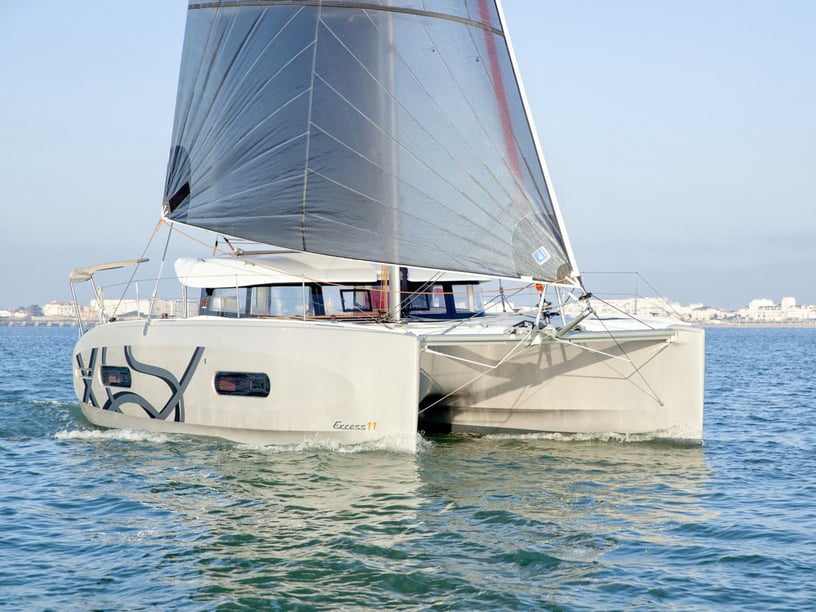
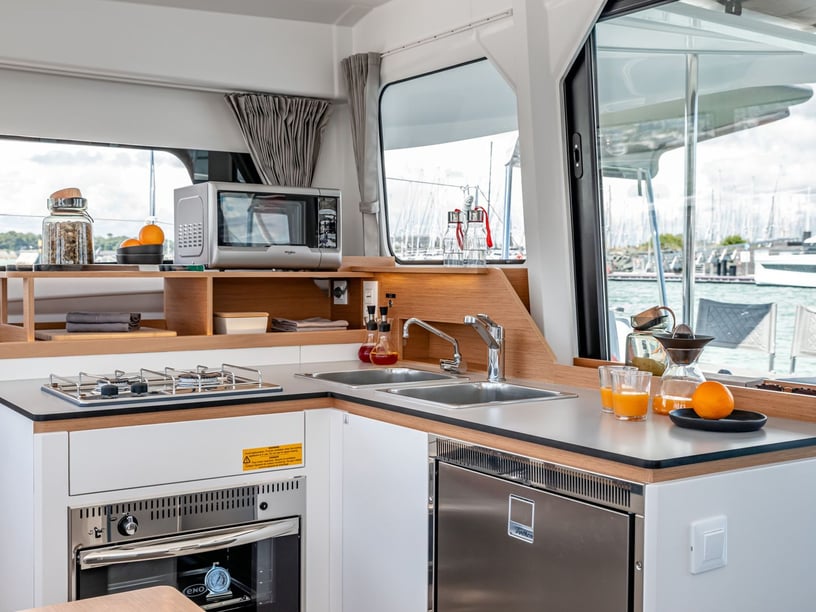
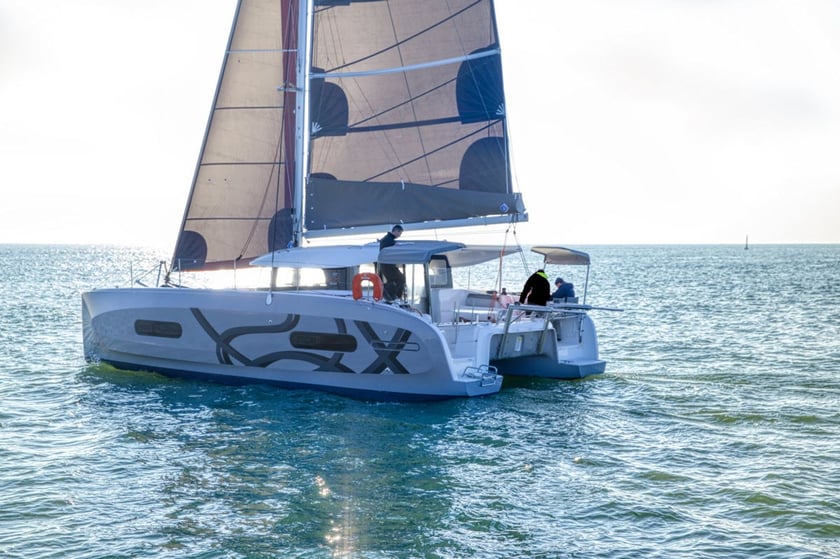
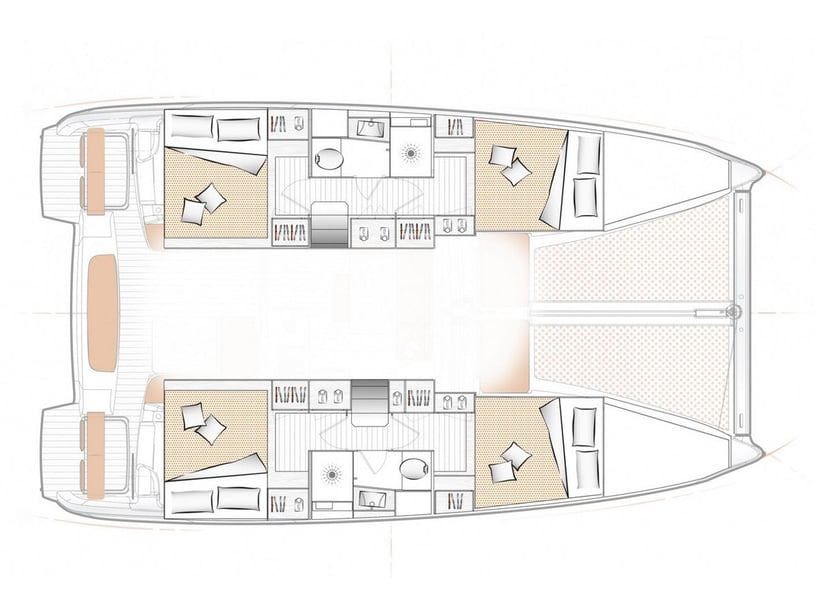
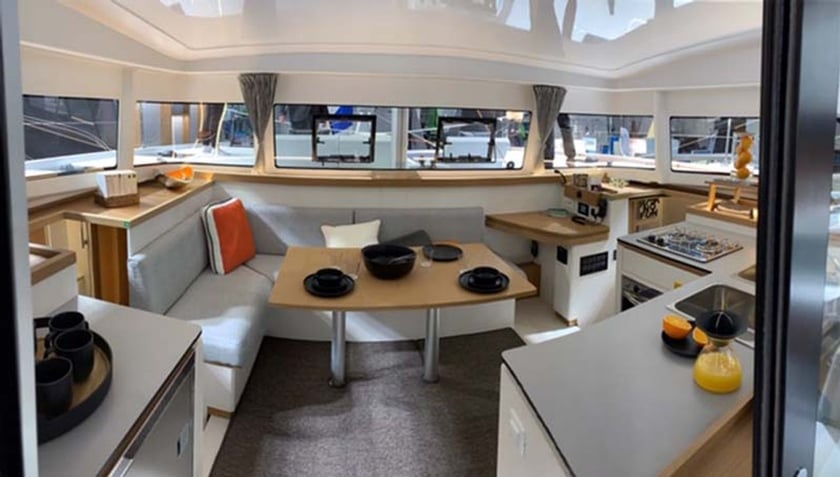
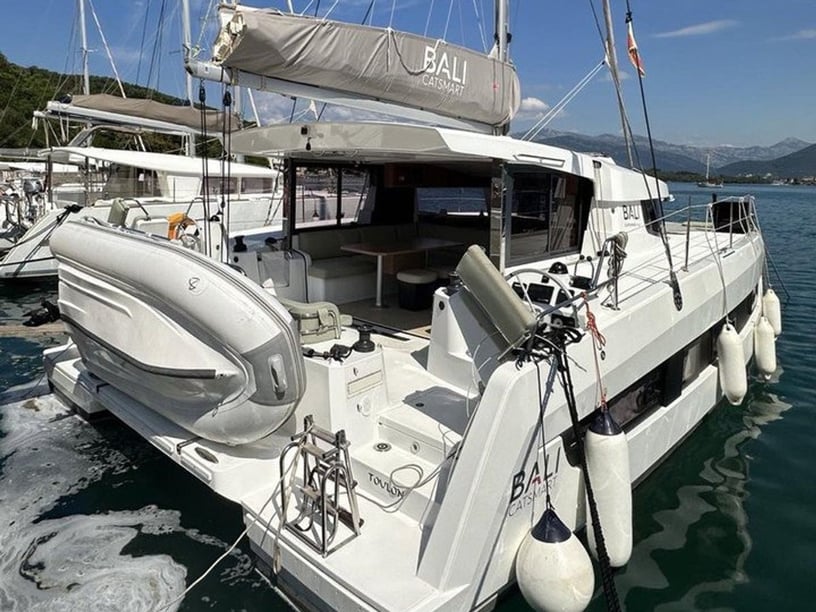
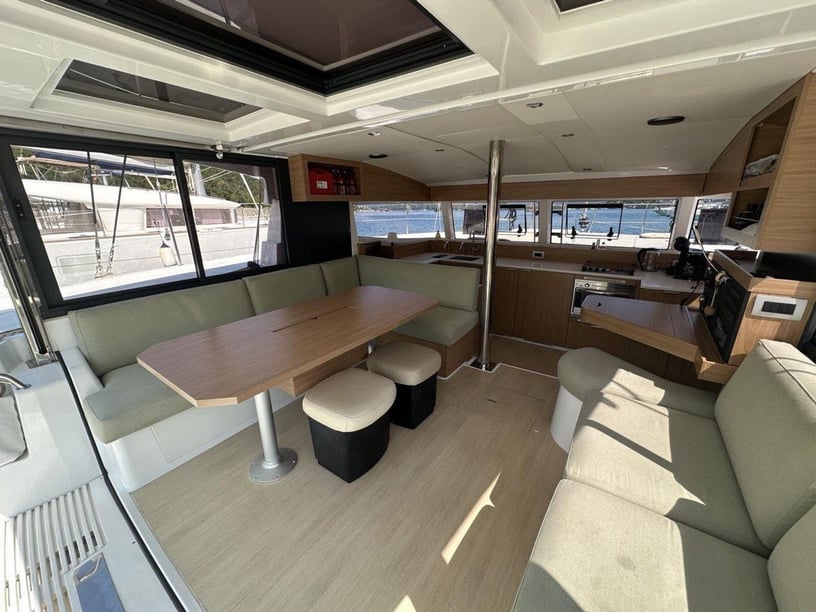
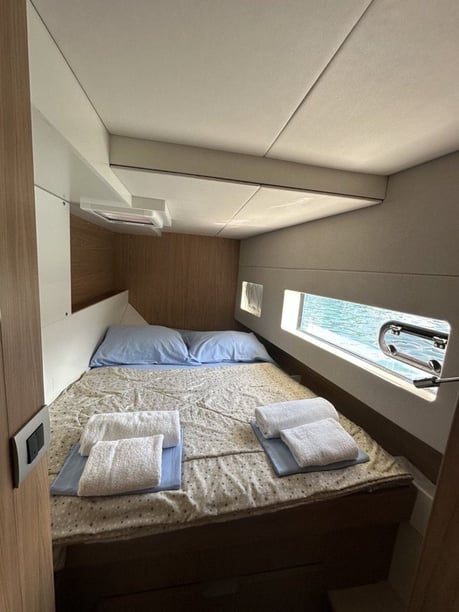
When comparing yacht charter or boat rental in Montenegro, confirm the charter format, sleeping arrangements, onboard capacity and skipper requirements before booking. Boat design also affects the experience: a sailboat charter in Montenegro emphasizes sailing and passage planning, while a catamaran charter may appeal to travelers prioritizing living space. Those focused on faster transfers between stops may wish to compare a motor yacht charter. The appropriate choice depends on group needs, route ambitions and expected time underway.
Foreign vessels arriving from abroad must complete formalities at an authorized maritime border crossing. Registration, insurance, crew and passenger documentation, and any required navigation authorization should be checked against current Montenegrin rules. Operating hours and entry procedures should also be verified before arrival.
Finally, leave room for weather-related changes, particularly outside the Bay of Kotor. Current forecasts, official charts, notices to mariners and port instructions should guide operational decisions. Tourism cruising guides are useful for orientation, but they do not replace current official information or the judgment of the skipper.













Verified
Christian M.25 Aug 2025
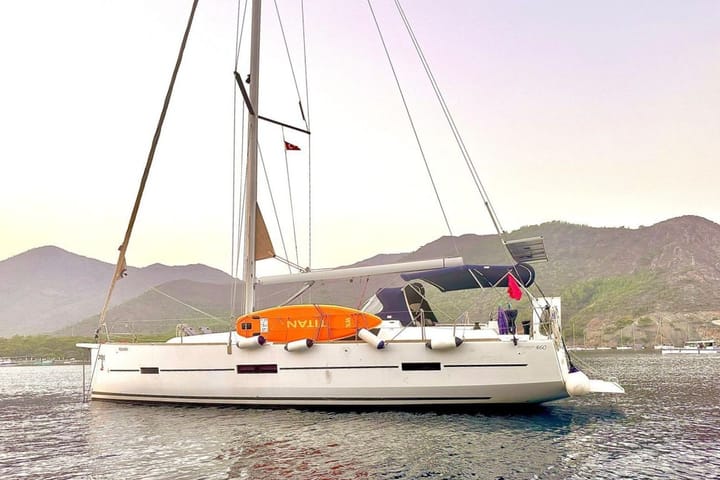
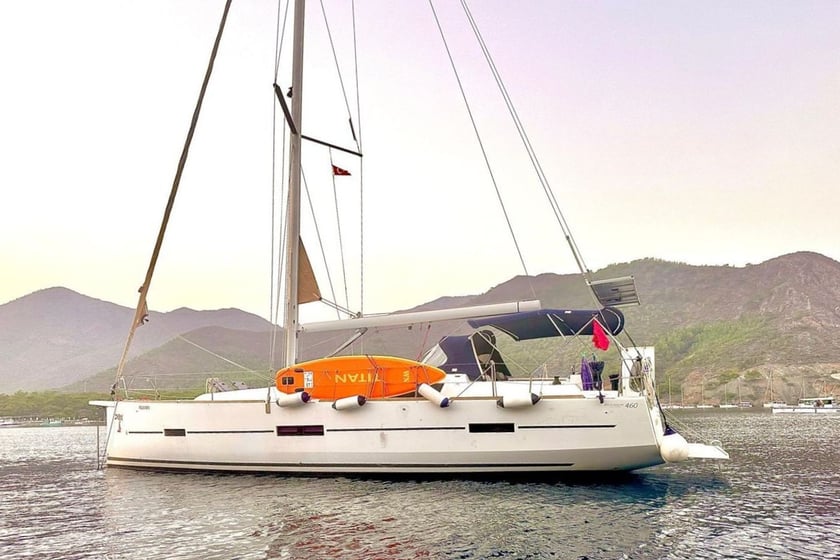
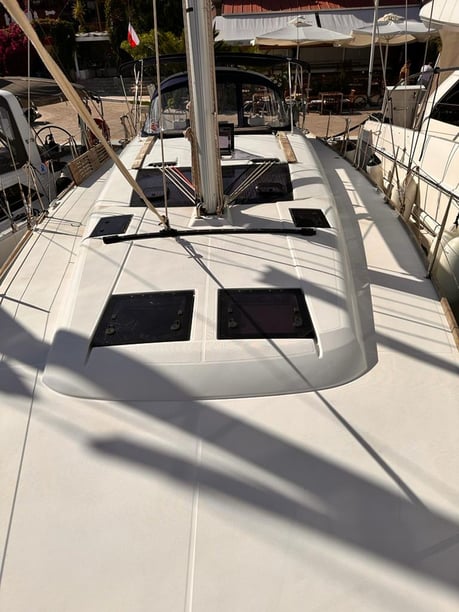
We had a fantastic week with Serhan on his Dufour 460! Serhan is a professional in all senses and provided a wonderful experience. If you want to relax, he will show you the most peaceful places to sw...
Listing owner: SerhanTivat / Montenegro