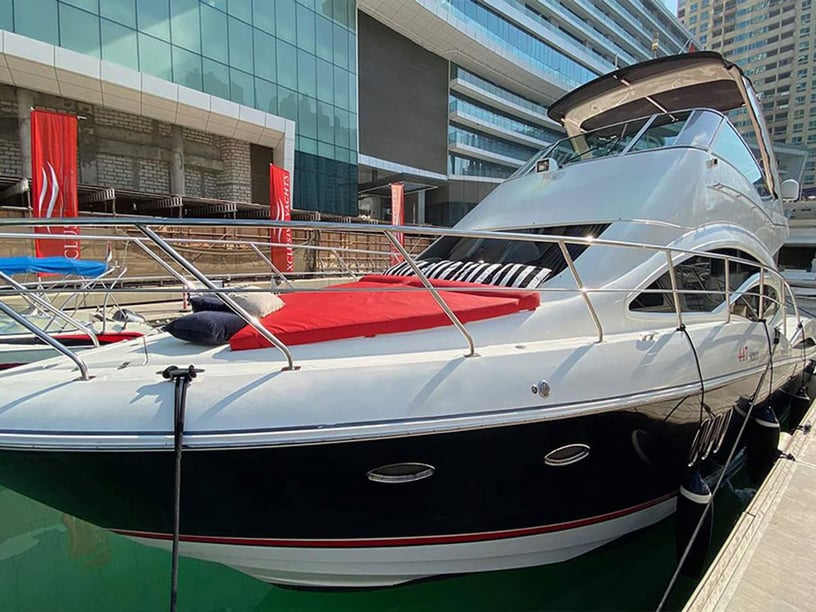
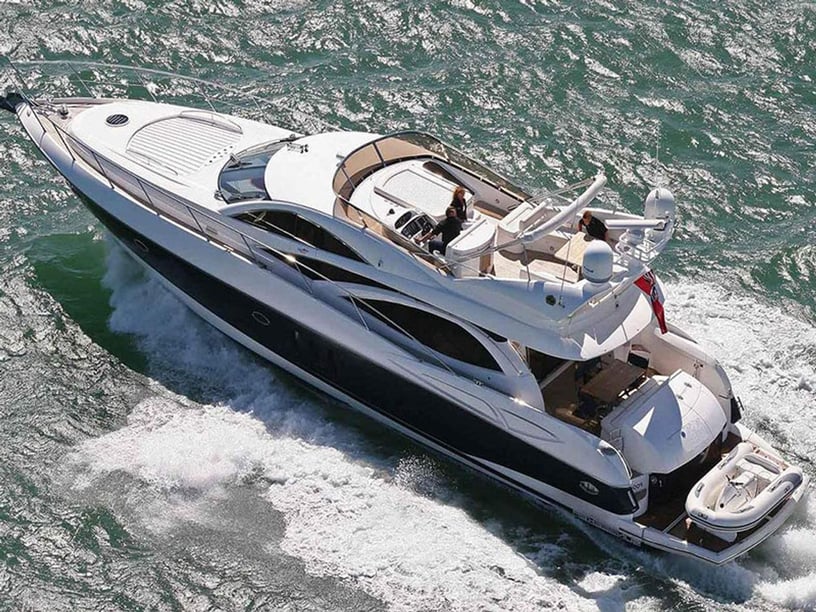
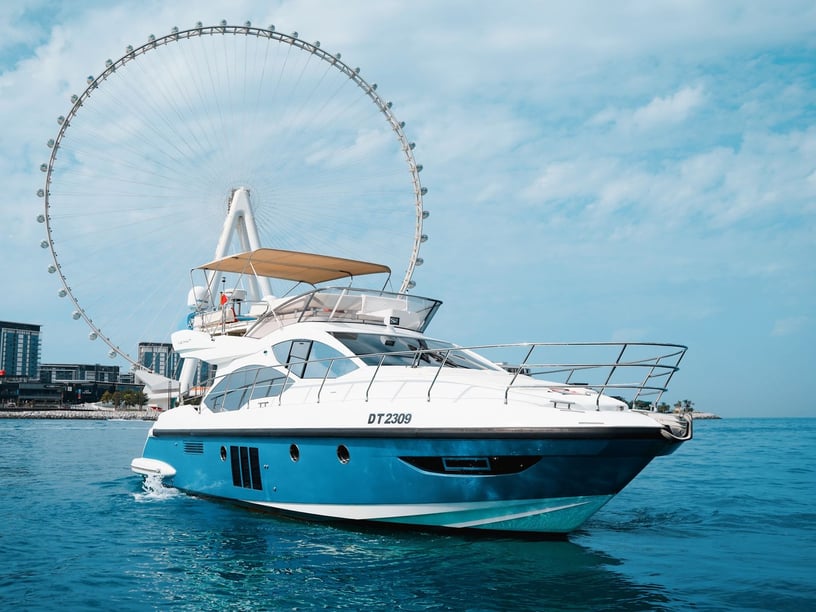
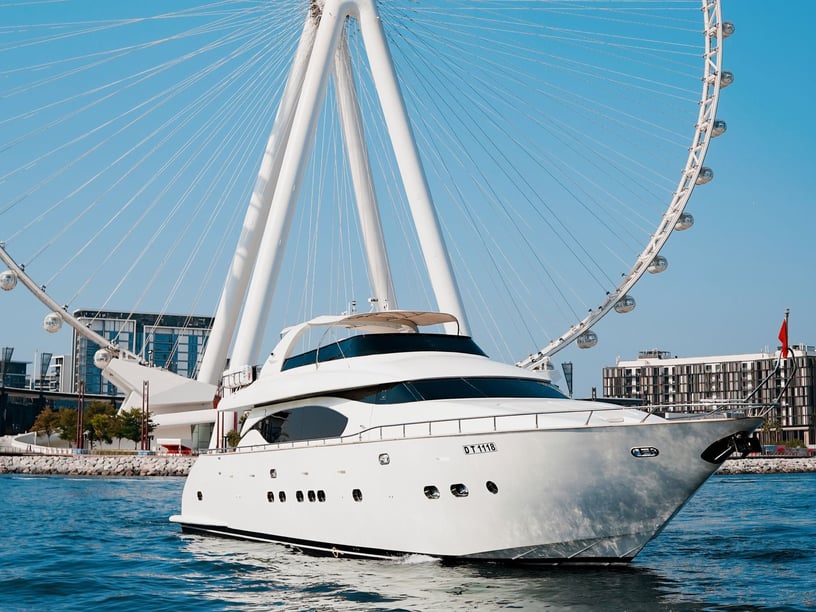
Yacht charter in the Gulf
A yacht charter in the Gulf can take several distinct forms, from a few hours along a city waterfront to island trips, mangrove cruising and journeys through the mountain-framed inlets of Musandam. Modern marinas sit beside low desert coasts, tidal flats and shallow archipelagos, while traditional dhows remain a visible link to the region’s history of fishing, pearling and maritime trade.
The Gulf is not one continuous charter ground. Leisure boating is concentrated around hubs such as Dubai, Abu Dhabi, Doha, Bahrain and Khasab, each with different geography and trip styles. Dubai and Doha are particularly associated with urban coastal cruises; Abu Dhabi and Bahrain offer more island-based itineraries; and Musandam brings deeper inlets and more exposed conditions near the Strait of Hormuz. These differences make the choice of departure area as important as the choice of yacht.
Where to charter in the Gulf
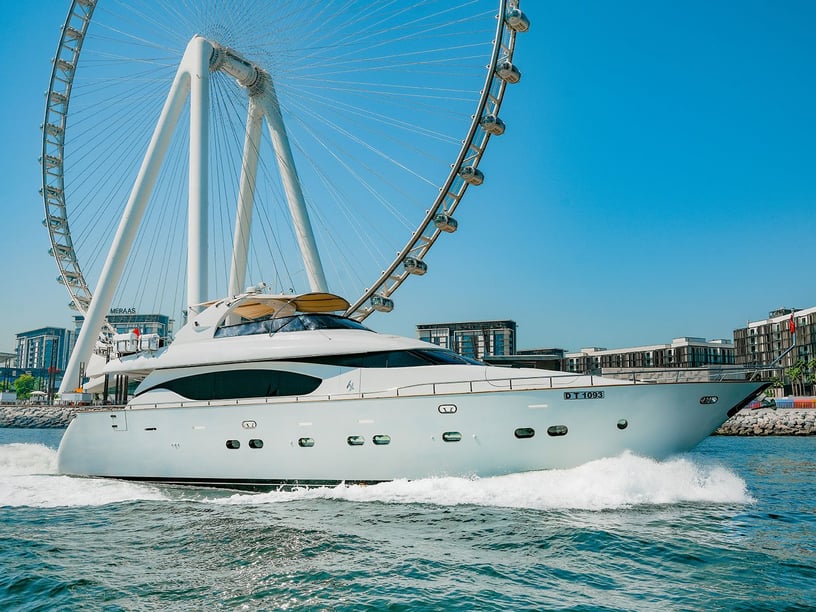
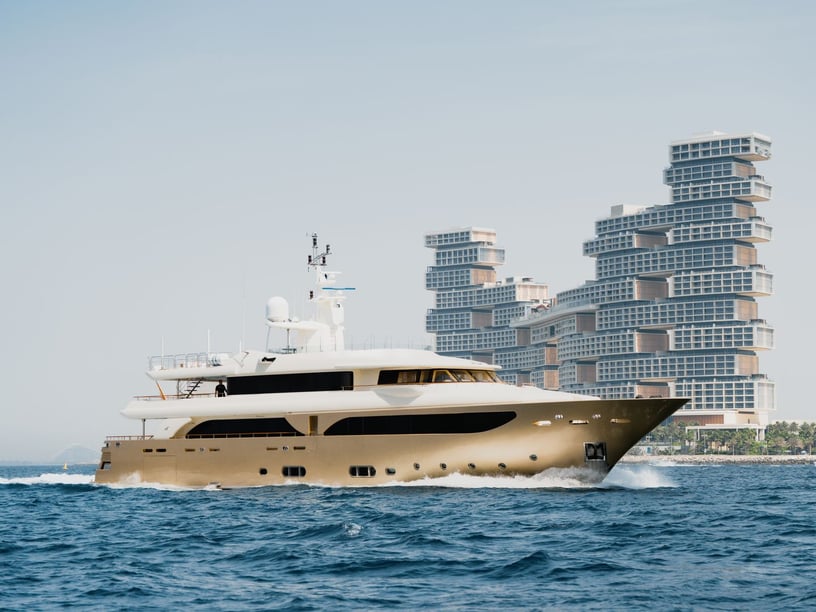
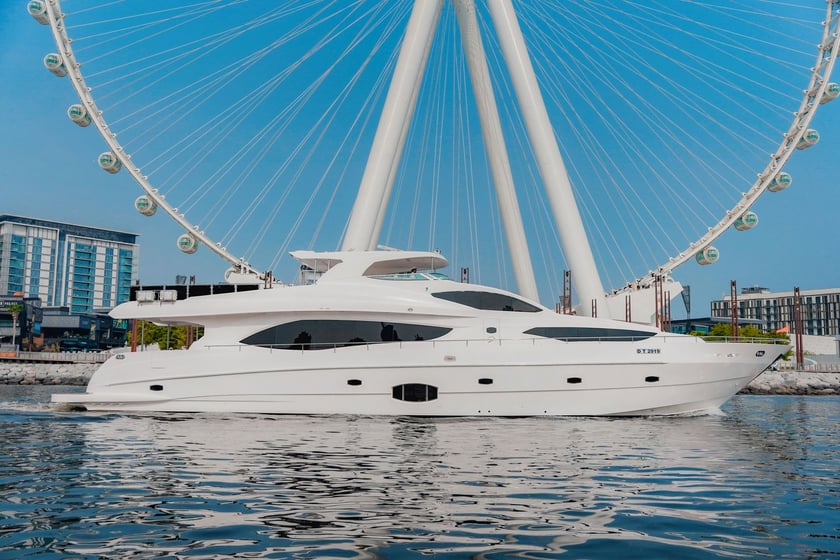
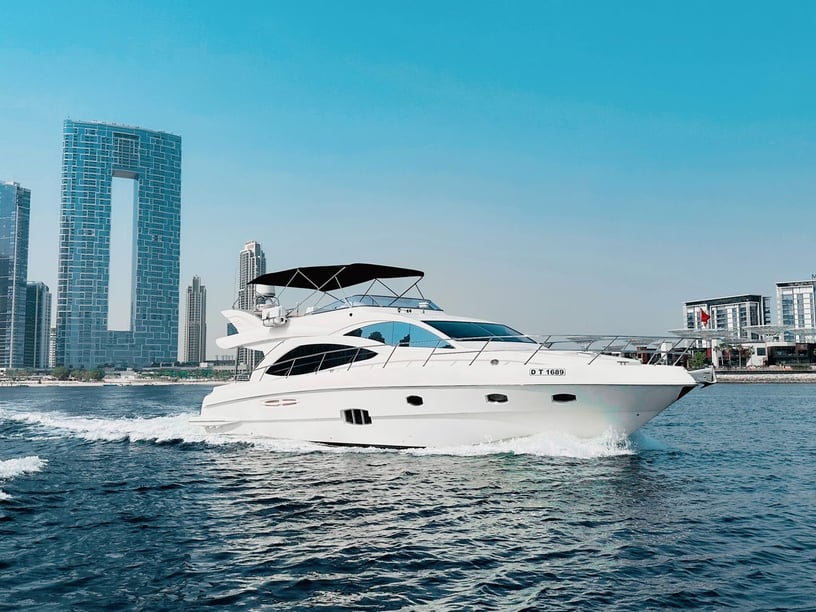
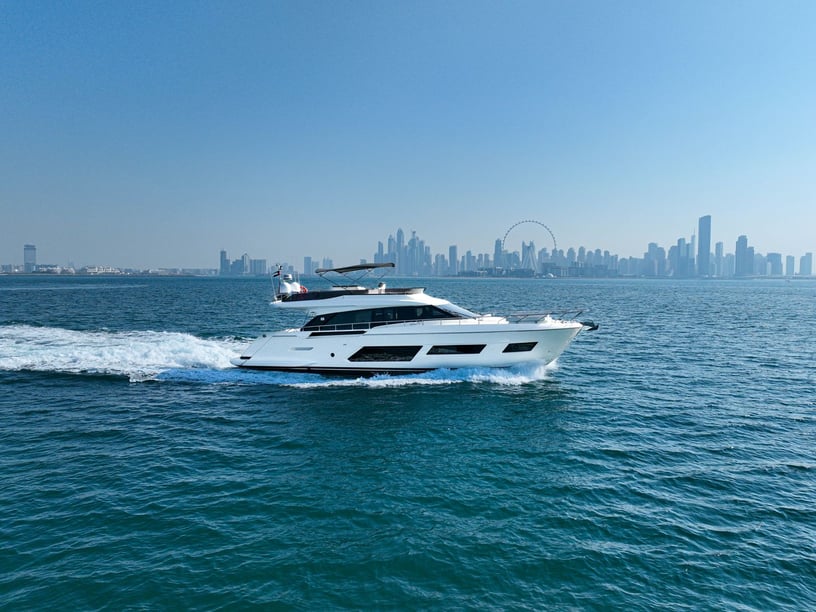
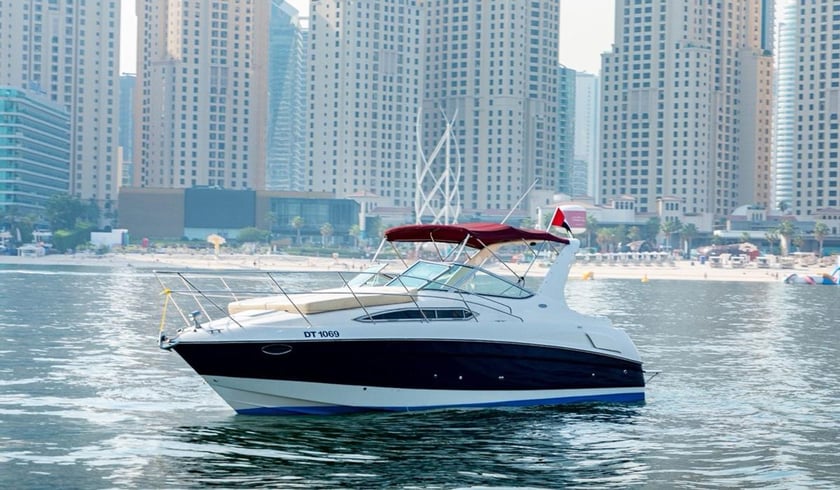
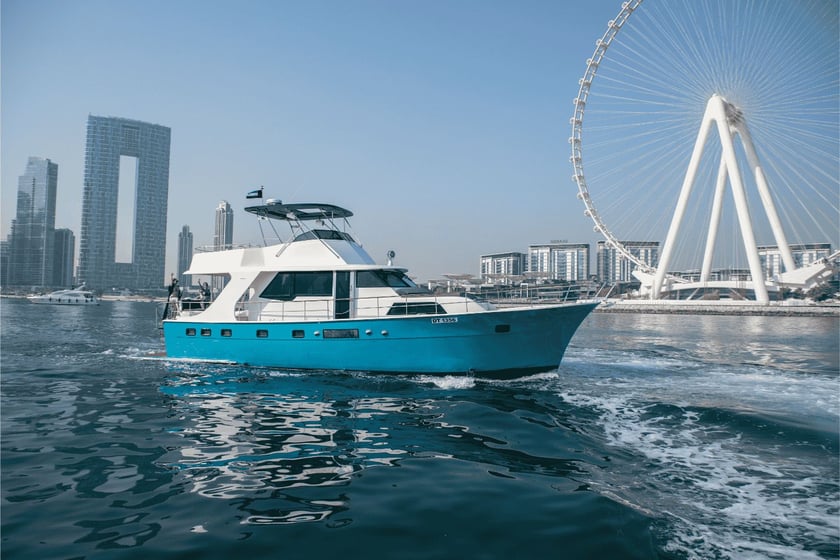
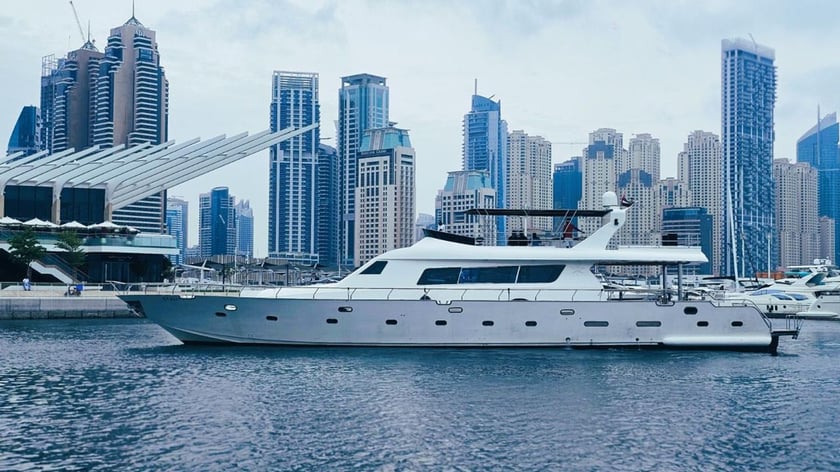
Dubai suits travelers who want the city to remain central to the day. Departures from Dubai Marina or Dubai Harbour commonly follow the coast past Bluewaters Island, Palm Jumeirah and the Jumeirah waterfront. This is primarily an urban yachting experience, with recognizable architecture and developed marina districts shaping the route.
Abu Dhabi has a different character. Its low-lying archipelago, mangrove channels and numerous islands support trips that divide time between cruising, swimming and stopping near beaches. Yas Marina and other city marinas provide access to these waters, but shoals, channels and restricted areas mean itineraries must be planned with local depth and navigation constraints in mind.
In Qatar, Doha Bay combines city views with short outings from the Corniche or Old Doha Port. Al Safliya Island is an established day-trip destination, while The Pearl Island and Porto Arabia form another important waterfront setting. Bahrain also favors short island excursions. Trips from Amwaj Island to Jarada Island are distinctive because Jarada is a tidal sandbank that appears at low tide and is submerged again as the water rises.
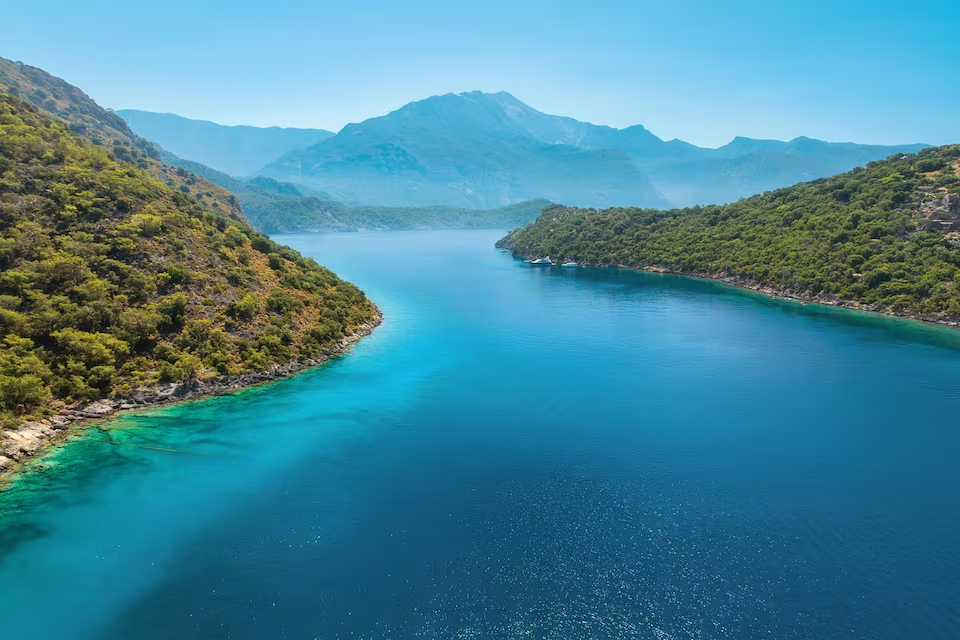
Khasab and the Musandam Peninsula offer the region’s strongest contrast. Traditional dhow cruises enter Khor ash Sham and nearby khors beneath rugged mountains. These waters feel geographically removed from the Gulf’s low desert shores, although their proximity to open water and the Strait of Hormuz brings greater exposure and significant commercial traffic.
What cruising conditions are like
Most Gulf charters are local coastal circuits, city cruises or short island trips rather than long passages between countries. Much of the inner Gulf is shallow, with shoals, sandbanks, dredged channels and industrial or commercial zones. Tides and yacht draft therefore matter around mangroves, tidal islands and shallow approaches, even when the distances involved appear modest.
Northwesterly winds are common, while local sea breezes can influence conditions during the day. Shamal events are the most important weather consideration: they can bring strong winds, dust, reduced visibility and short, steep seas. Forecasts should be checked closely because these conditions can alter a swimming stop, island visit or coastal route at short notice.
Conditions also vary across the region. Abu Dhabi and Bahrain emphasize shallow island geography, while Dubai and Doha generally favor defined urban routes. Musandam and the Strait of Hormuz are more exposed, with deeper inlets, open-water influences and dense shipping near the strait. This makes local route knowledge and an appropriately planned charter especially valuable there.
The best time for a Gulf yacht charter
The principal recreational boating season runs broadly from November through April, when daytime temperatures are generally more comfortable. March, April, November and December are identified as particularly suitable months, giving travelers options on either side of the cooler midwinter period.
October and May may still work for boating, but they are warmer and conditions are less consistently comfortable. From June through September, extreme heat and humidity substantially reduce activity along the Arabian coast. Summer can also bring dusty shamal conditions, making reliable onboard cooling, hydration and sun protection essential for any trip that does operate.
Regional variation remains important. The northern Gulf is cooler but more exposed to winter fronts and occasional rain, while Musandam has its own open-water and strait conditions. A favorable regional season therefore does not replace checking the forecast for the specific departure area.
Established routes and trip ideas
Gulf itineraries are usually best designed around one hub. In Dubai, a coastal cruise can connect Dubai Marina or Dubai Harbour with Bluewaters Island, Palm Jumeirah and the Jumeirah shoreline. Abu Dhabi trips commonly leave Yas Marina or another city base for nearby mangrove channels, beaches and low islands, creating a day centered more on nature and swimming than on covering distance.
From Doha, boat and dhow trips cross Doha Bay, often using Al Safliya Island as the principal stop. Bahrain’s established excursion to Jarada Island is similarly compact but must be timed around the tide. At the Gulf’s eastern gateway, Khasab departures explore Khor ash Sham and other Musandam inlets.
Combining several countries into one yacht itinerary is a different proposition. The Gulf spans multiple maritime jurisdictions, so registration, visas, customs clearance, crew documents and cruising permits must be verified separately for every country. For most travelers, choosing one well-matched base is more straightforward than treating the region as a seamless cross-border route.
Experiences on and beyond the water
A Gulf charter can balance time aboard with swimming, island stops and visits to waterfront districts. Around Abu Dhabi, Qatar and Bahrain, low islands, sandbanks and mangrove-fringed channels create a quieter counterpoint to the major cities. In Dubai and Doha, the yacht becomes a vantage point for seeing engineered islands, corniches and contemporary skylines before going ashore for dining or an evening in the marina district.
The region’s maritime history adds depth to these trips. For centuries, coastal communities were shaped by fishing, natural-pearl harvesting, dhow construction and trade with Persia, India and East Africa. Bahrain’s UNESCO-listed pearling property preserves merchant buildings, coastal structures and offshore oyster beds associated with that economy. Muharraq’s Pearling Path and Qal’at al-Bahrain can therefore complement a day on the water.
Traditional wooden dhows and Iranian lenj vessels also reflect connections across the wider Indian Ocean. Dhow racing, boatbuilding displays and maritime festivals continue this heritage, while Khasab’s dhow cruises place a traditional vessel type within Musandam’s mountain landscape.
Airports, marinas and departure points
There is no single gateway for a Gulf yacht charter. Dubai International Airport serves departures from Dubai Marina and Dubai Harbour, while Zayed International Airport provides access to Yas Marina and Abu Dhabi’s city marinas. Hamad International Airport is the main arrival point for Doha, with departures commonly associated with the Corniche, Old Doha Port and Porto Arabia Marina.
Bahrain International Airport is convenient for Manama, Muharraq and Amwaj Marina. Kuwait City and the Dammam–Al Khobar area have their own international gateways for northern and western Gulf trips. Khasab can be reached by air or by road through the UAE, subject to border formalities.
When comparing bases, consider the transfer as well as the cruising area. A central marina may be best for a short city itinerary, whereas island, mangrove or Musandam trips may require more travel before boarding.
How to plan the right charter
Start by choosing the experience rather than simply searching for a Gulf boat rental. A short urban cruise, a swimming-focused island day and a Musandam journey require different route planning. Confirm the intended stops, expected time underway and whether the schedule allows for tide-dependent destinations. Around shallow islands and mangroves, the yacht’s draft and local depth constraints can influence where it can safely go.
For longer or cross-border plans, check yacht registration, crew documentation, visas, customs procedures and cruising permits for each jurisdiction. Major ports, oil and gas areas, shipping lanes and speed-controlled waterways are common, so an itinerary should follow current local maritime rules and navigational warnings. Near the Strait of Hormuz, vessel-traffic requirements and commercial shipping are especially significant.
Weather planning should include heat as well as wind. Ask how shade, drinking water and onboard cooling are managed, particularly outside the main November-to-April season. Travelers comparing yacht charter options should also clarify the departure marina, cancellation or route-change arrangements for strong winds, and whether the proposed itinerary is appropriate for children, swimming plans and the group’s preferred time ashore.