Yacht charter in Brazil
A yacht charter in Brazil can take several very different forms. The country’s Atlantic seaboard includes tropical reefs and mangroves, island-filled bays backed by Atlantic Forest, historic ports, cooler southern lagoons and long sections of exposed coastline. Rather than treating Brazil as one continuous cruising ground, it is more useful to choose a regional base and build a trip around its local conditions.
The southeast offers some of the most accessible island-hopping, especially around Angra dos Reis, Ilha Grande and Paraty. Bahia combines sheltered cruising in Todos os Santos Bay with the cultural and culinary life of Salvador and the Recôncavo. Ilhabela, Rio de Janeiro and Santa Catarina provide further regional alternatives. More remote destinations such as Abrolhos and Fernando de Noronha involve regulated access and open-water considerations, making them specialist experiences rather than straightforward extensions of a coastal charter.
Brazil’s principal yacht charter areas
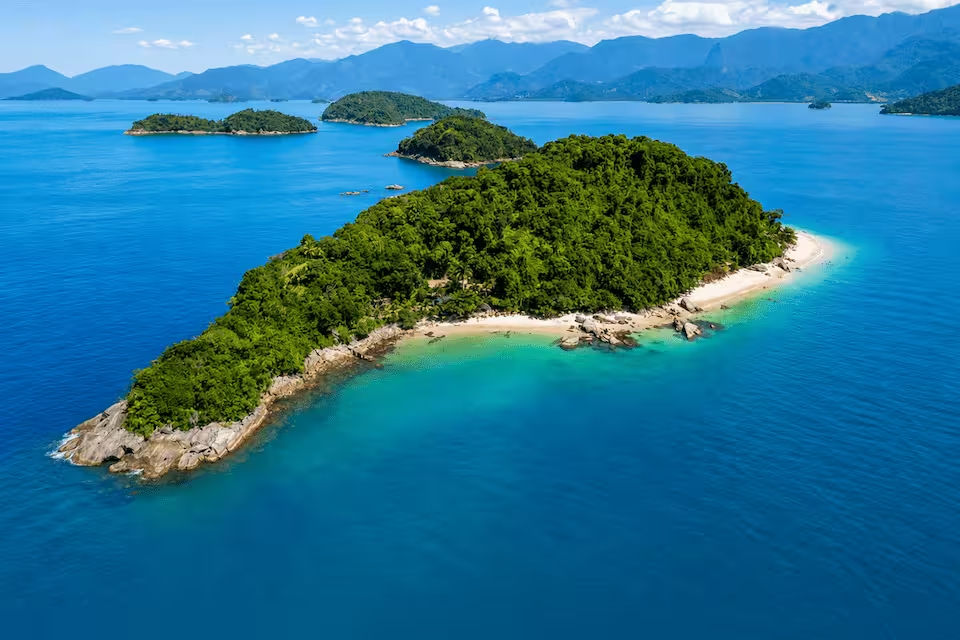
The Costa Verde between Angra dos Reis, Ilha Grande and Paraty is a natural choice for travelers who want short passages, beaches and protected anchorages. Its many islands and coves allow an itinerary to alternate between cruising, swimming and time ashore without requiring a long coastal passage. Paraty also adds a historic center connected to the colonial-era Gold Route, while nearby Saco do Mamanguá offers sheltered water bordered by Atlantic Forest scenery.
Farther northeast, Salvador is the gateway to Todos os Santos Bay. Circuits can include Itaparica, Ilha dos Frades and landing points around the Recôncavo. The bay’s established network of marinas and piers supports varied itineraries, while Salvador brings Afro-Brazilian heritage, historic architecture and distinctive Bahian food into the shore experience.
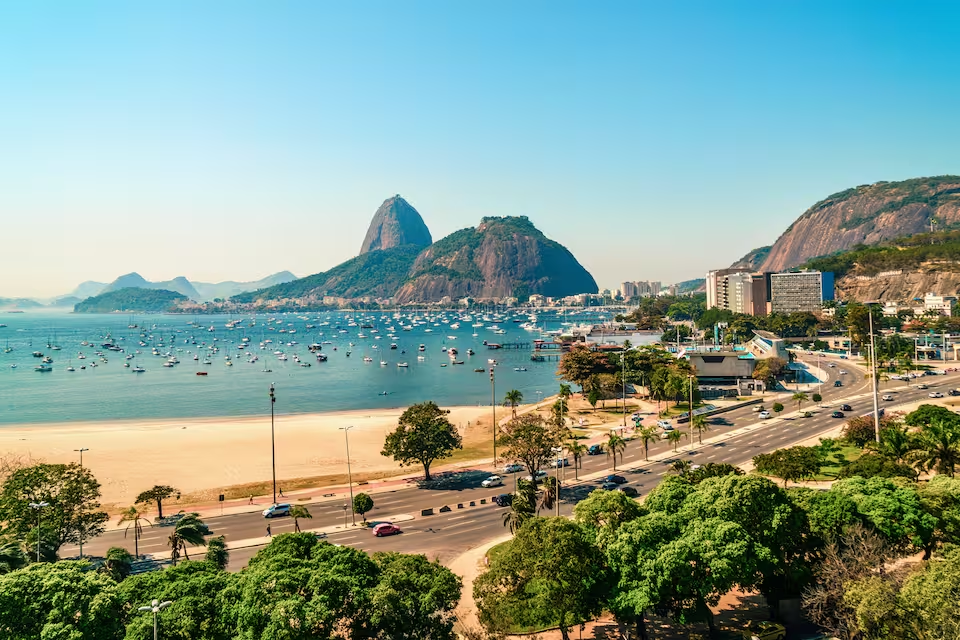
Ilhabela and the São Sebastião Channel suit trips that combine sheltered channel sailing with access to more isolated beaches, including Bonete and Castelhanos. Rio de Janeiro and Guanabara Bay place urban landmarks and marina access at the center of the trip. In the south, Florianópolis, Baía Norte, Baía Sul, Itajaí, Porto Belo and Bombinhas offer a cooler-weather alternative with lagoons, islands and more exposed coastal conditions.
Abrolhos and Fernando de Noronha are marine-focused destinations with protected environments. Visits are regulated, and reaching Abrolhos from Caravelas may involve a day trip or multi-day liveaboard journey depending on the vessel and sea state.
What cruising in Brazil is like
Sailing conditions depend heavily on the chosen region. Ilha Grande Bay, Paraty Bay and Todos os Santos Bay provide comparatively sheltered cruising, with opportunities for short, line-of-sight passages between islands and anchorages. By contrast, journeys between regional hubs, offshore archipelagos and exposed sections of coast require more careful weather, range and harbor planning.
Trade winds influence much of the northern and eastern coastline, while local sea breezes matter around bays and ports. In the southeast and south, cold fronts can bring abrupt wind shifts, squalls, reduced visibility and rougher seas, including during otherwise favorable recreational periods. Fog occurs more often along the southern coast in autumn and winter.
Water temperatures are not uniform either. Wind-driven upwelling around Cabo Frio and Cabo de Santa Marta can bring notably colder water to parts of the coast. These contrasts make local forecasts and route-specific advice more meaningful than any countrywide sailing classification. A sheltered island itinerary and an offshore passage in Brazil should be approached as fundamentally different charter experiences.
When to charter a yacht in Brazil
Brazil has no single national yacht charter season. Tropical northeastern areas can support boating through much of the year, although rainfall and trade-wind strength vary by location. Around Salvador, timing should therefore be assessed against conditions within Todos os Santos Bay and any intended coastal extension rather than a countrywide calendar.
In the southeast, recreational boating takes place year-round. Summer brings warmer conditions but also heavier showers and thunderstorms. Spring and autumn can provide useful transitions between peak summer heat and the stronger influence of winter frontal systems. On the southern coast, the main beach and recreational sailing period generally runs from November through March; winter is cooler and fronts can have greater consequences for an itinerary.
Broadly, January through May and September through December form the more active part of the annual pattern, while June to August are less central to the principal season. This distinction should not replace local planning: a suitable month for sheltered cruising near Paraty may not offer the right conditions for Santa Catarina, Abrolhos or another offshore destination.
Cruising routes and itinerary ideas
A multi-day Costa Verde itinerary can connect Angra dos Reis, Ilha Grande and Paraty through a sequence of islands, coves and sheltered bays. The area lends itself to flexible pacing: longer stops can be devoted to beaches or walks ashore, while short cruising legs make it possible to adjust the plan around weather and group preferences.
A more focused alternative stays within Paraty Bay and Saco do Mamanguá, combining protected water with access to Paraty’s historic center. From Salvador, circuits through Todos os Santos Bay can link Ilha dos Frades, Itaparica and other Recôncavo landing points without requiring a long journey along exposed coast.
Around Ilhabela, itineraries may use the São Sebastião Channel for shelter before continuing to beaches reached more readily by boat. Abrolhos trips depart from Caravelas on authorized vessels and require a suitable open-water window. Fernando de Noronha boat circuits generally follow the archipelago’s mar-de-dentro coast from Porto de Santo Antônio under rules designed to protect the marine environment. These remote trips should be planned independently rather than added casually to a mainland itinerary.
Experiences on the water and ashore
Brazil’s most distinctive charter experiences come from the close relationship between its waterways, landscapes and coastal communities. In the southeast, Atlantic Forest mountains descend toward bays dotted with islands, supporting days organized around short cruises, swimming, beaches and secluded anchorages. Ilha Grande and Saco do Mamanguá are particularly suited to this slower island-and-cove rhythm.
Time ashore can add substantial historical context. Paraty developed as the coastal endpoint of the Caminho do Ouro, while Salvador was Brazil’s first capital and a major port on Todos os Santos Bay. Salvador’s African, Indigenous and European influences remain visible in its architecture, religion, music and food. Dishes such as moqueca, acarajé and vatapá make a stop in Bahia more than a logistical break between sailing legs.
Traditional coastal identities also vary by region, from caiçara communities in the southeast to jangadeiros, marisqueiras and other artisanal fishing groups. In protected oceanic areas, the emphasis shifts toward marine life, diving and carefully managed access. Fernando de Noronha and Abrolhos support reef communities, seabirds, sea turtles, dolphins and seasonal whale activity, although current park rules may limit landing, anchoring, fishing or diving.
Getting to the main departure areas
Brazil’s principal charter regions are reached through different air and road gateways. Rio de Janeiro’s Galeão and Santos Dumont airports provide access to the city’s marinas and onward road connections along the Rio-Santos highway toward Angra dos Reis and Paraty. São Paulo/Guarulhos is another gateway for the northern São Paulo coast, including São Sebastião; Ilhabela is then reached by ferry.
Salvador International Airport serves Todos os Santos Bay, with departures commonly associated with Bahia Marina, the Salvador Nautical Terminal and Itaparica. Florianópolis airport supports trips around Santa Catarina Island, while Navegantes is convenient for Itajaí and nearby coastal areas.
Common starting points include Angra dos Reis, Paraty, Marina da Glória in Rio de Janeiro, Ilhabela, São Sebastião, Salvador, Florianópolis and Marina Itajaí. Abrolhos trips leave from Caravelas. Fernando de Noronha is primarily reached by air, with local boat circuits departing from Porto de Santo Antônio.
Planning the right Brazil charter
Begin by choosing a cruising region rather than trying to cover Brazil’s coast in one trip. Distances between hubs can be long, marina and maintenance services are concentrated around established centers, and exposed stretches make fuel range, safe harbors and weather windows important. Searching for boat rental in Brazil is therefore only a starting point; the intended route, level of shelter and time available should determine the appropriate charter format.
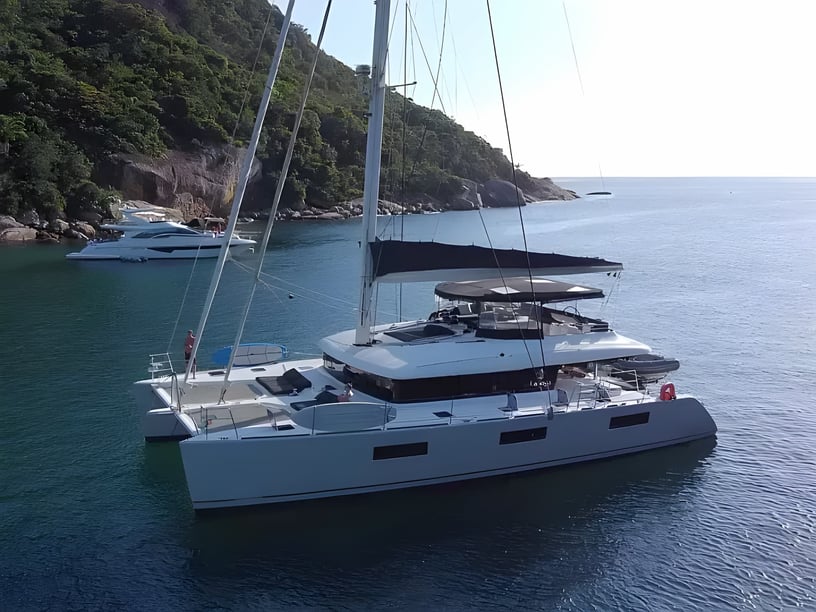
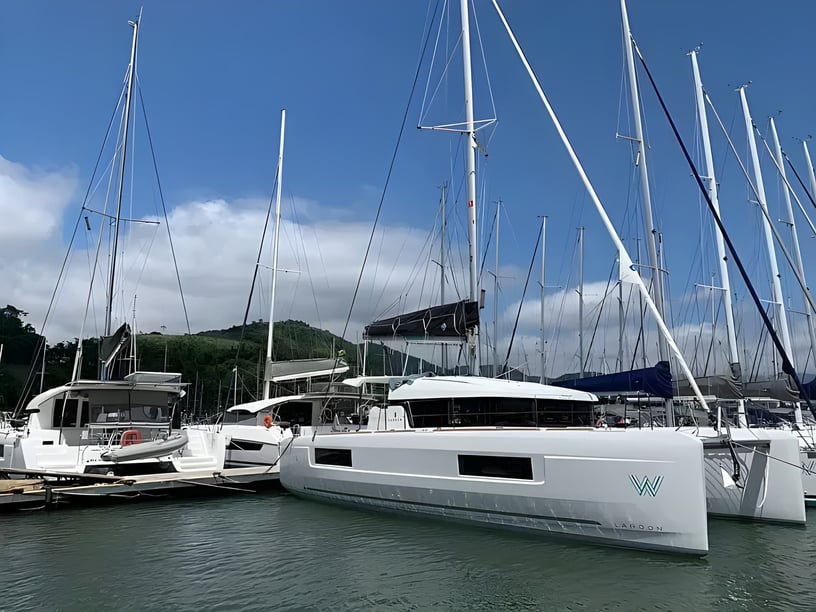
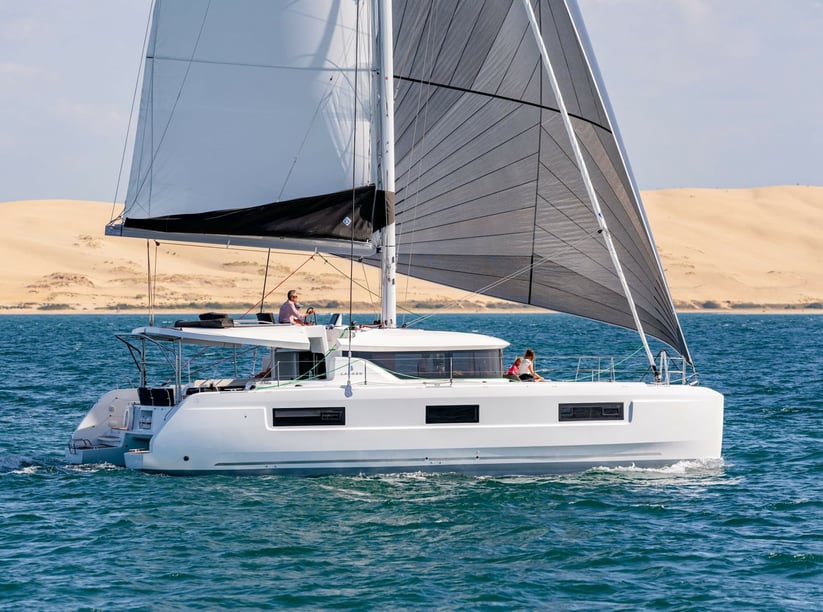
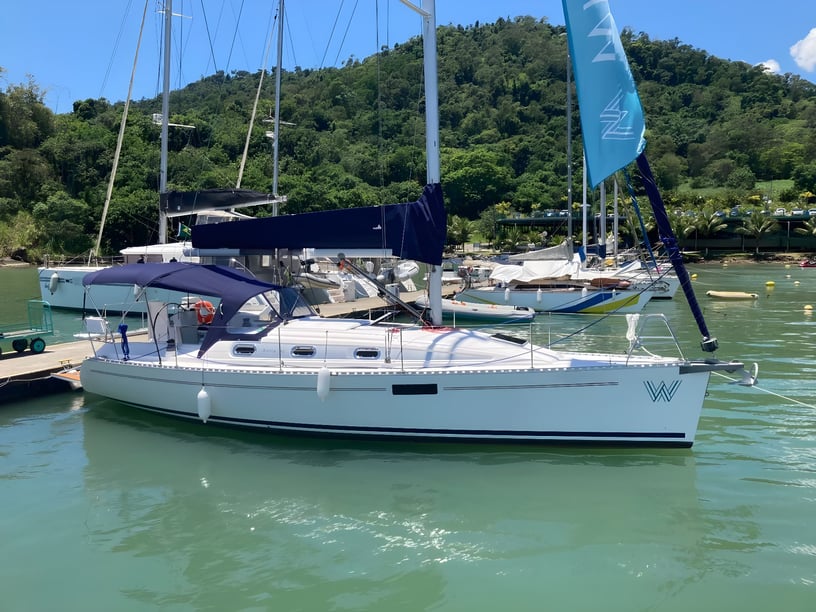
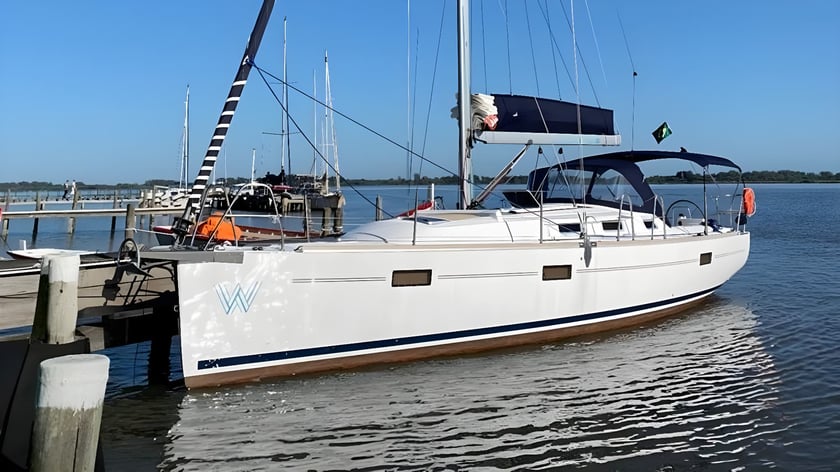
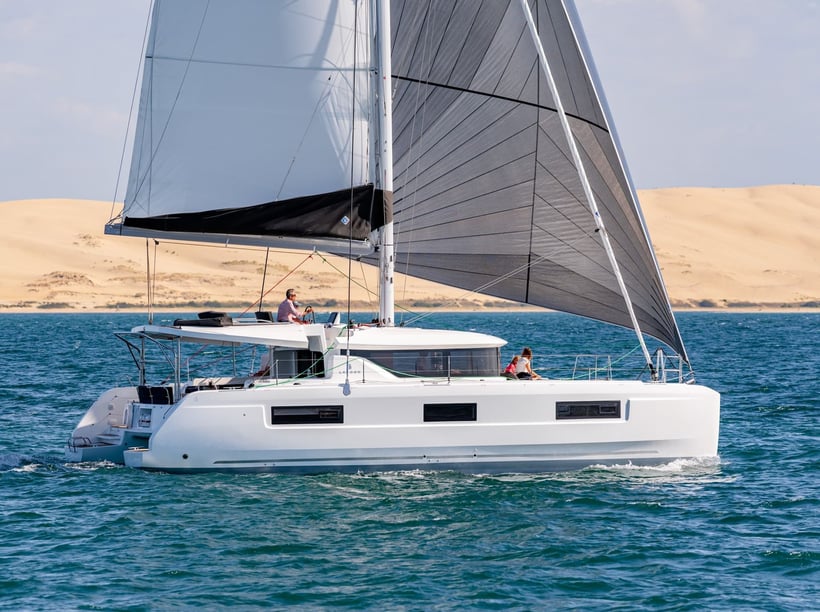
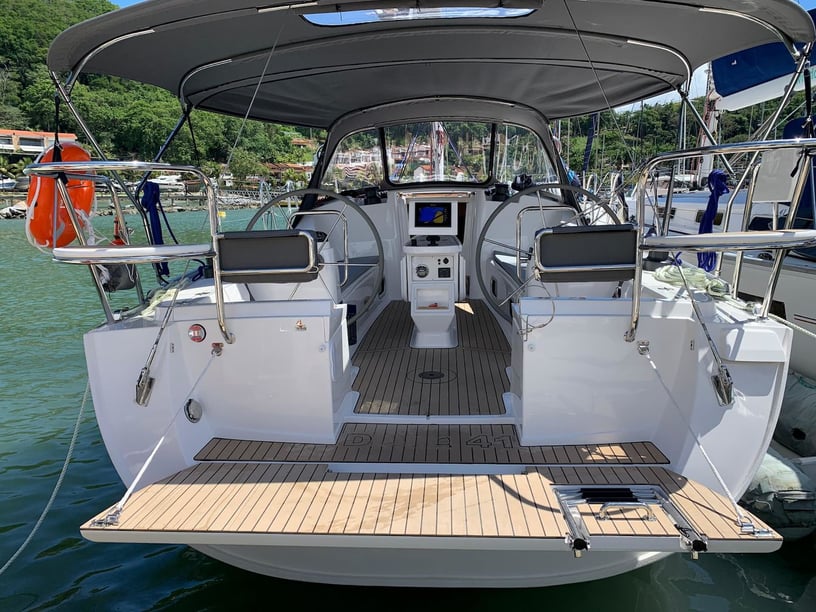
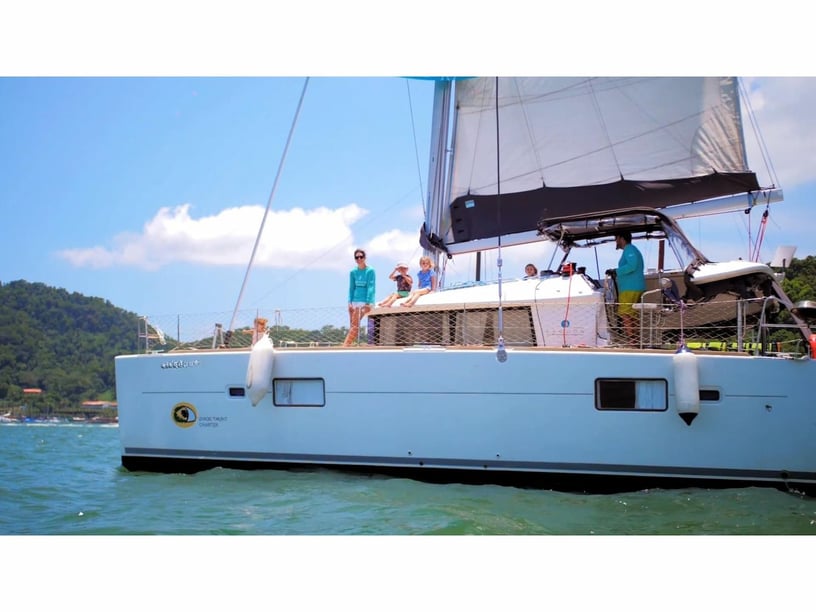
For an island-based itinerary around Angra dos Reis or Paraty, prioritize a vessel and schedule suited to frequent anchoring and short passages. Offshore plans require closer attention to sea conditions, vessel range and crew experience. Travelers comparing travel styles can also consider a catamaran charter in Brazil or a sailboat charter in Brazil in relation to their chosen route and group’s expectations.
Marine parks, ecological stations and wildlife refuges may regulate anchoring, landing, fishing, diving and commercial visits. Check current zoning and authorization requirements before departure. Current Brazilian Navy charts, tide information, marine forecasts and bad-weather warnings are essential planning references, particularly in the south and southeast. Portuguese is the principal working language in marinas, ports and dealings with local authorities, so confirming how communication will be handled is also a practical part of arranging the charter.