Yacht charter in Martinique
A yacht charter in Martinique brings together contrasting coastlines, short island passages and the option of longer open-water sailing. This volcanic French Caribbean island lies between Dominica and Saint Lucia. Its mountainous, rainforest-covered north rises around Mount Pelée, while the lower and drier south contains many of its established boating areas.
Most charters begin in Le Marin, a protected southern bay with extensive provisioning, berthing and technical services. From here, travelers can make relatively short hops around the southwest, continue north along the Caribbean coast or explore the reef-lined Atlantic side. Inter-island passages to Saint Lucia and Dominica extend the possibilities for crews seeking more time offshore.
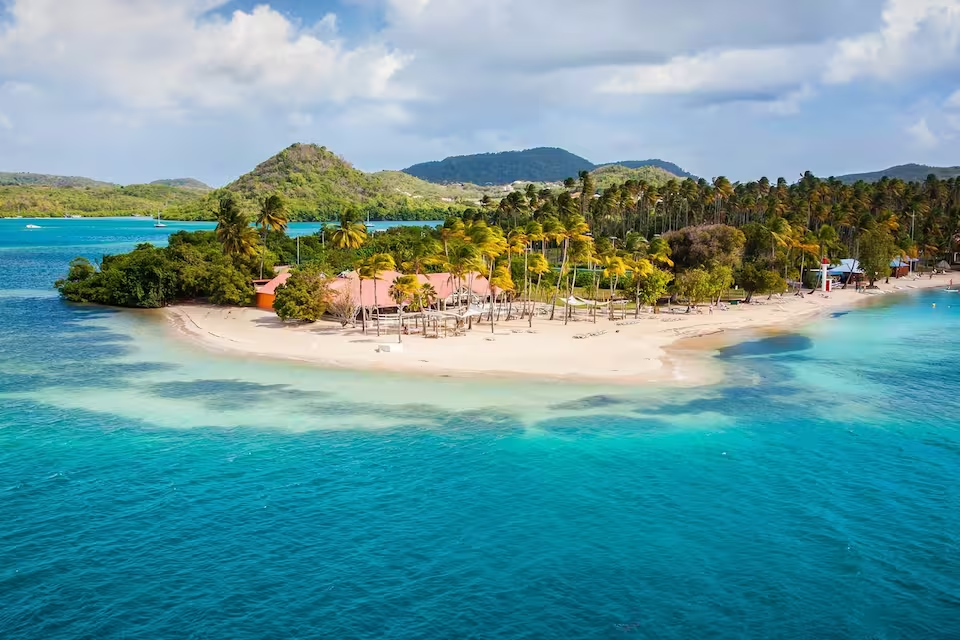
The variety is central to Martinique’s appeal by yacht. A trip can combine beaches and sheltered anchorages with fishing villages, historic ports, rum estates and volcanic scenery. The west coast generally provides the gentler coastal-cruising experience; the Atlantic side reveals mangrove-fringed bays, islets and shallow white-sand shoals but calls for more careful navigation.
Martinique’s principal cruising areas
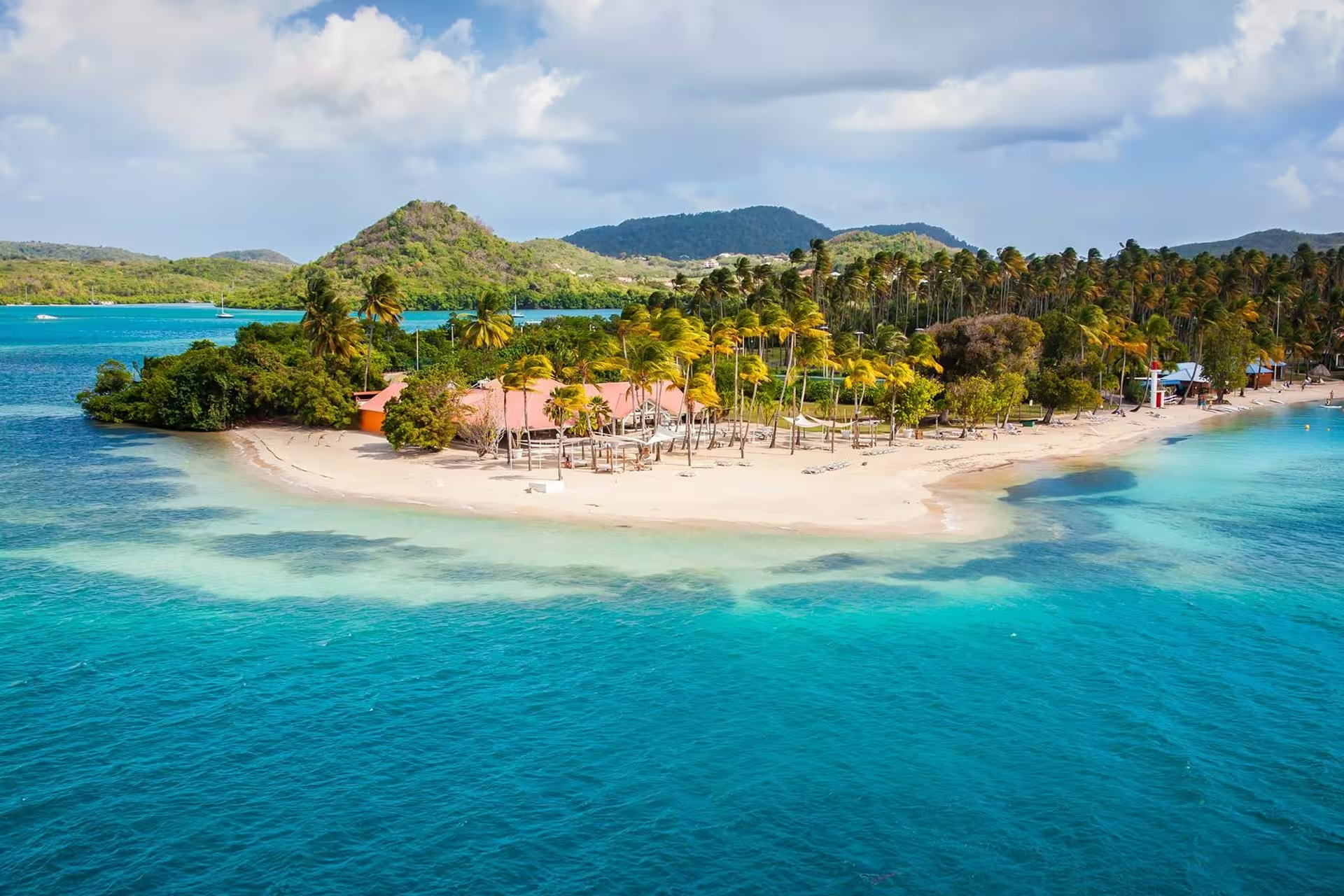
The south and southwest form the most accessible introduction to Martinique. Le Marin is the main charter center, while nearby Sainte-Anne offers a convenient first or final stop close to southern beaches. Continuing west brings Diamond Rock, Le Diamant and Les Anses-d’Arlet into the route. Grande Anse d’Arlet, Anse Dufour and Anse Noire provide opportunities to anchor, swim and go ashore without committing to long daily passages.
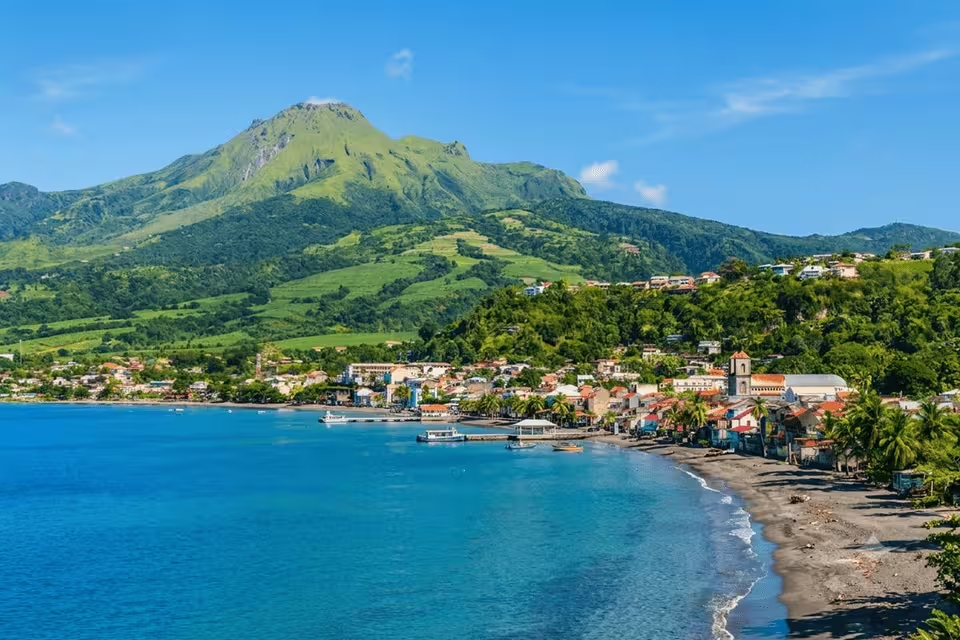
Farther north, the Caribbean coast becomes steeper and more volcanic. Saint-Pierre sits below Mount Pelée and adds a powerful historical dimension: the town was destroyed by the volcano’s 1902 eruption. Nearby coves, including Anse Couleuvre, reflect the darker sands and rugged terrain of northern Martinique. This area suits travelers who value dramatic landscapes and history alongside sailing, though the legs are more open than those around the southwest.
Baie de Fort-de-France and Les Trois-Îlets offer a different rhythm, combining protected waters with access to Fort-de-France, waterfront dining and cultural sites. They work well as intermediate stops on a west-coast circuit.
On the Atlantic side, Le François and Le Robert lead into an intricate landscape of reefs, mangroves, islets and shallow fonds blancs. The Îlets du François and Îlets du Robert are markedly different from the deep volcanic bays of the west. They reward careful exploration, but shallow water, coral heads and exposed approaches make local conditions and route planning especially important.
What sailing in Martinique is like
Easterly trade winds shape the yacht charter experience throughout the year. On the leeward Caribbean coast, the island provides shelter from the full force of the Atlantic swell, supporting manageable coastal stages between southern beaches, Fort-de-France and the northern volcanic shore. Conditions become more exposed around headlands and on passages beyond the island’s protection.
The Atlantic coast presents a more technical environment. Reefs shelter some bays and islet fields, but approaches can be exposed and the water around shoals and coral heads requires close attention. Travelers interested in this side of Martinique should consider the experience of their crew and the value of local knowledge when choosing a charter arrangement.
Open-water passages to Saint Lucia or Dominica add stronger swell and sustained time under way. From roughly mid-December to late April, winds commonly come from the northeast to east-northeast at around 15–20 knots, with stronger episodes possible in January and February. From May to November, they tend to become more southeasterly and often ease to around 12–15 knots. These patterns make the choice between sheltered coastal cruising and an inter-island itinerary an important early planning decision.
The best time for a Martinique yacht charter
The principal recreational sailing season runs from December through May. February to April is the driest period, and March and April are identified as particularly suitable months. They generally combine dry weather with fewer of the stronger wind episodes that can affect January and February, making them appealing for travelers who want active trade-wind sailing without targeting the windiest part of the season.
December through February remains a popular period for Caribbean cruising, but crews should be prepared for stronger trades, especially during January and February. May and June are transitional and can still provide usable sailing days as winds tend to ease, although rainfall becomes more important.
From July through October, heavier rain, less consistent weather and tropical-cyclone risk reduce recreational activity. The Atlantic hurricane season officially extends from June through November, with the greatest climatological activity from mid-August to mid-October. November begins the transition back toward the main season, but weather systems and storm procedures still require careful attention.
Route ideas from Le Marin
A south-and-west-coast circuit is the most straightforward way to experience Martinique’s contrasts without adding an international passage. From Le Marin, a route can connect Sainte-Anne, Diamond Rock and Les Anses-d’Arlet before continuing to Saint-Pierre. Fort-de-France or Les Trois-Îlets can then provide an urban and cultural stop on the return south. Daily distances can be kept relatively moderate, leaving time for swimming and visits ashore.
An island-wide circuit introduces the more intricate Atlantic coast. From Sainte-Anne, boats may continue toward Baie des Anglais, the Îlets du François and Havre du Robert, then round toward Tartane and the northern coast before returning along the Caribbean side. This route demands more careful assessment of reef passages, exposed approaches and weather than a west-coast itinerary.
For a longer sailing holiday, a return passage between Le Marin and Saint Lucia can combine a Martinique west-coast stop with Rodney Bay or Marigot Bay and the Pitons. Because this involves customs and immigration formalities as well as open-water sailing, it needs more preparation than an island-only charter.
Life on the water and ashore
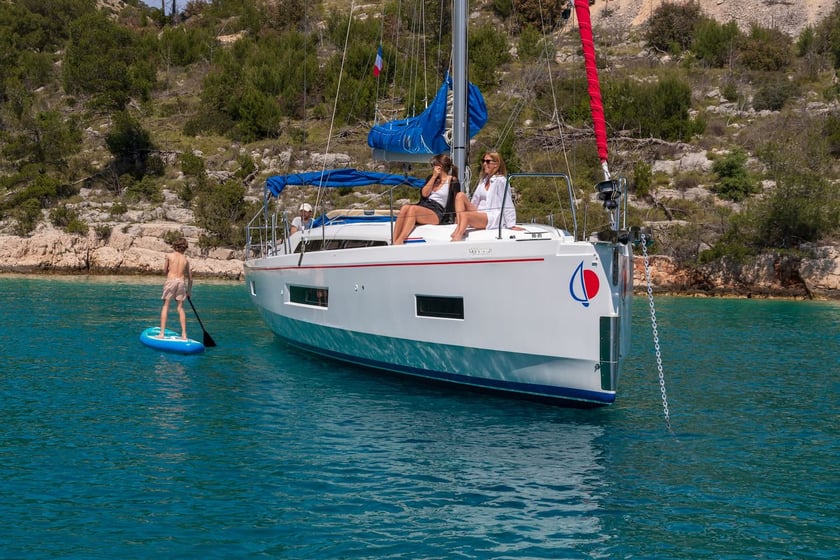
A Martinique charter can alternate naturally between sailing, swimming and time ashore. The southwest lends itself to beach stops and protected anchorages, while the northern Caribbean coast adds black-sand coves and views toward Mount Pelée. The Atlantic islets offer a separate environment of shallow fonds blancs and mangrove-edged bays rather than the steep volcanic scenery found in the west.
Food and rum culture give shore visits a strong local identity. French and Creole cooking can form part of evenings in coastal settlements, while rhum agricole estates provide insight into a spirit made from fresh sugarcane juice. Rhum Agricole Martinique has held an Appellation d’Origine Contrôlée since 1996.
History is equally visible from the water. Diamond Rock was fortified by British forces and commissioned as HMS Diamond Rock during the Napoleonic Wars. In Saint-Pierre, the ruins and memorial associated with the 1902 eruption explain one of the island’s defining events. Martinique’s living maritime culture also includes the traditional yole; its construction and sailing practices were selected by UNESCO for its Register of Good Safeguarding Practices in 2020.
Getting to the charter bases
Martinique Aimé Césaire International Airport is at Le Lamentin, near Fort-de-France and the main road network. Taxis and rental cars are commonly used to reach Le Marin and other boating areas. Transfers to southern marinas should allow for traffic and the island’s winding roads.
Port de Plaisance du Marin is the principal departure base and the center of most charter activity. Other possible starting areas include Fort-de-France and Marina de l’Étang Z’Abricots, Marina de la Pointe du Bout at Les Trois-Îlets, and the waterfronts of Le François and Le Robert. Passenger sea shuttles also connect Fort-de-France with several communities around Les Trois-Îlets, which can be useful when arranging shore time before or after a charter.
Planning the right charter
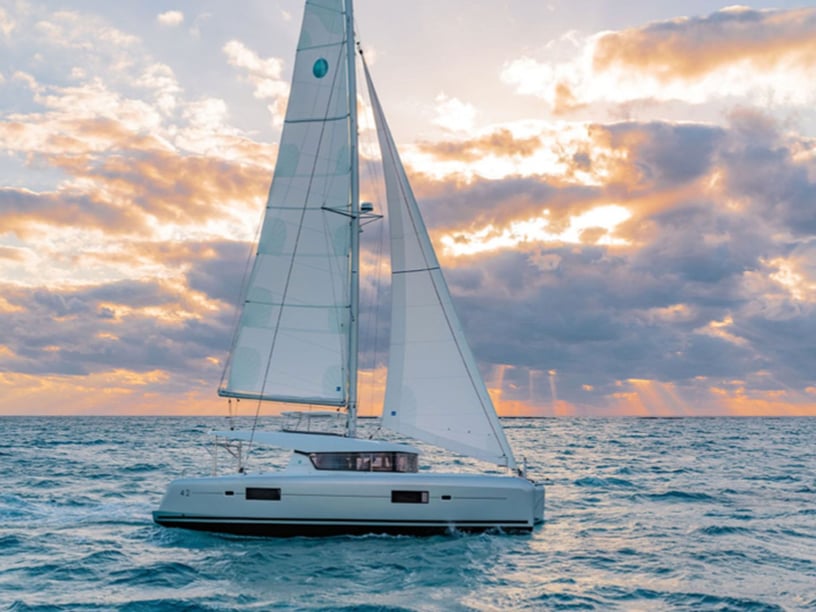
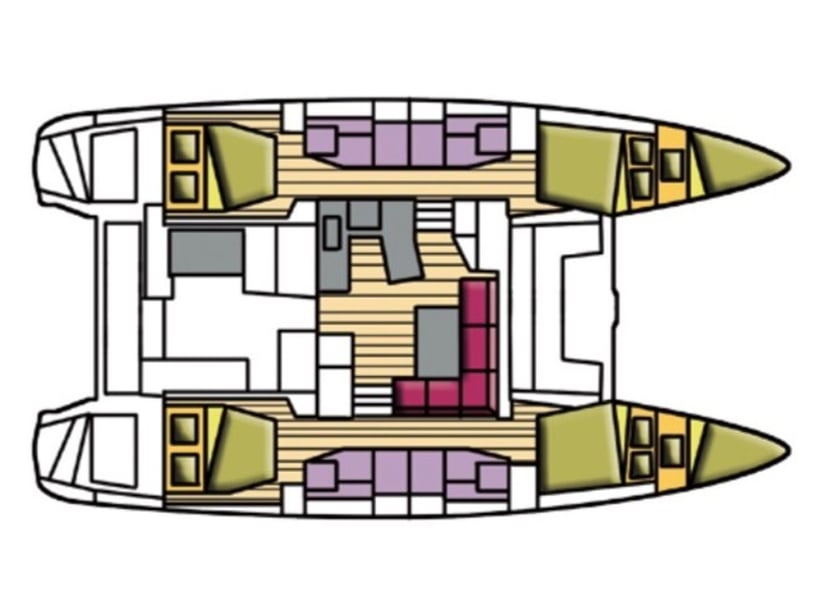
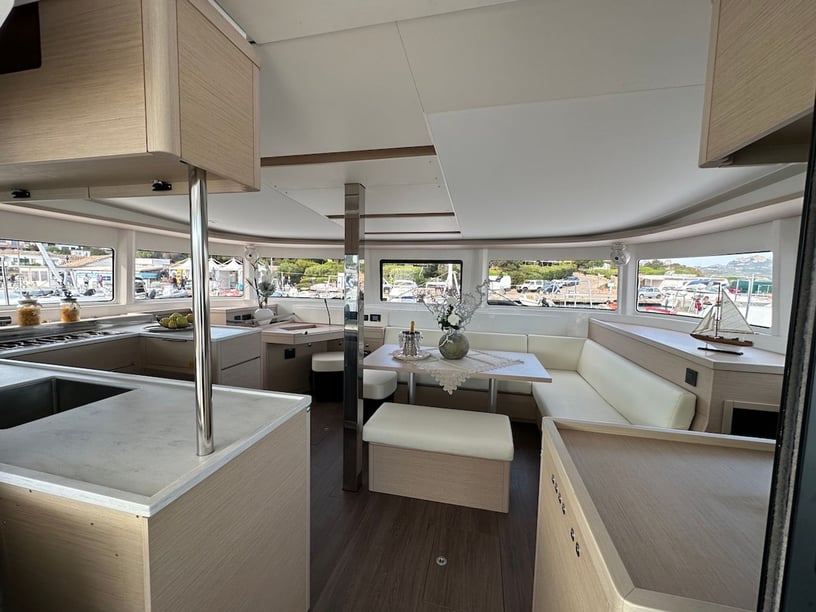
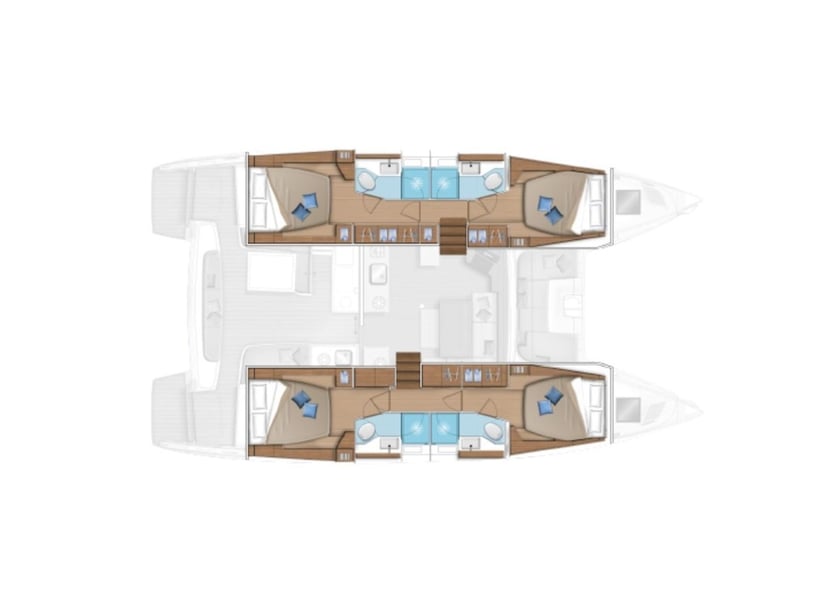
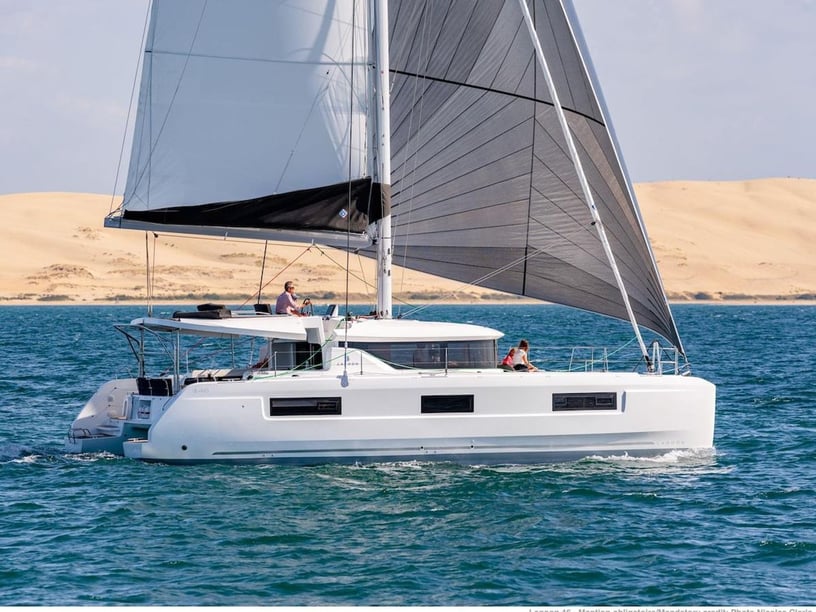
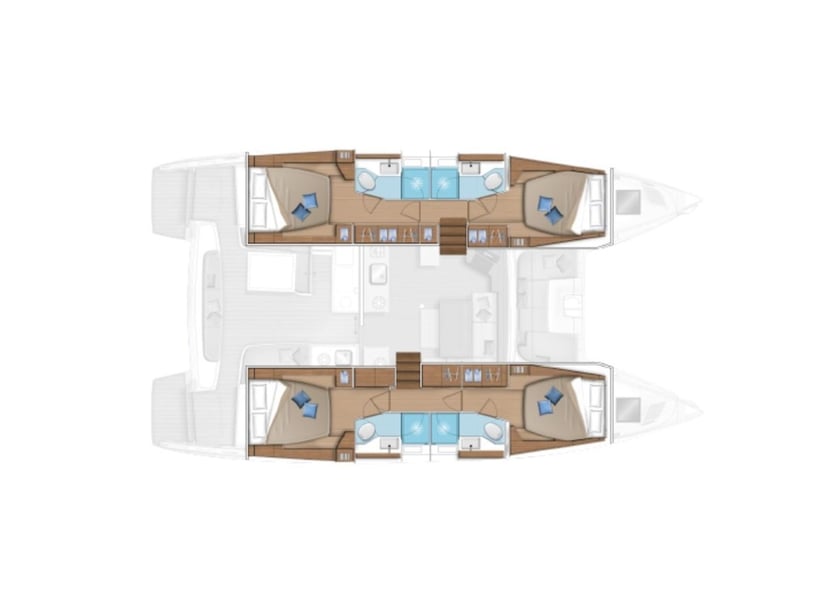
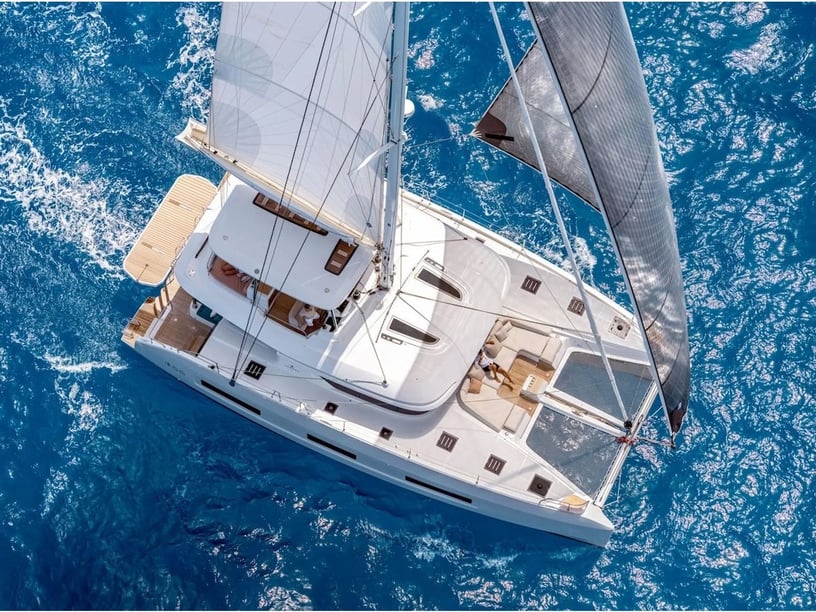
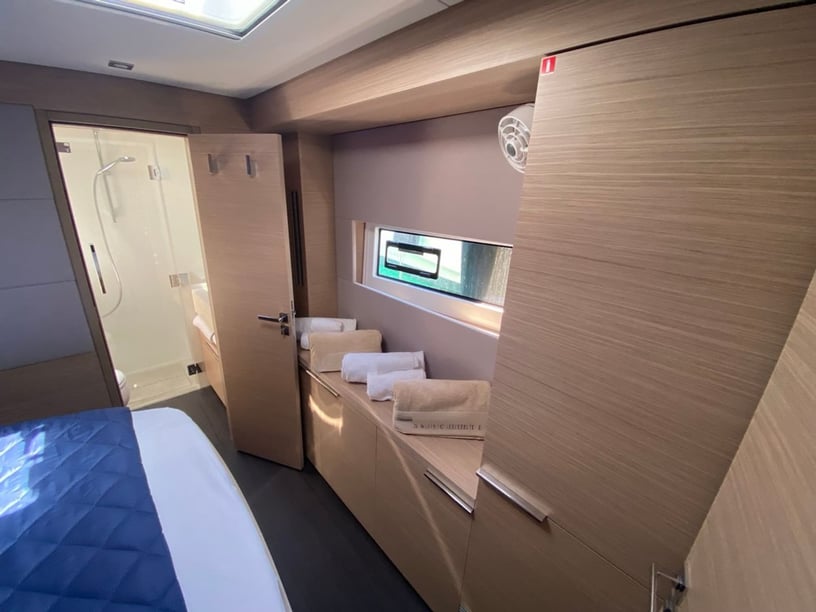
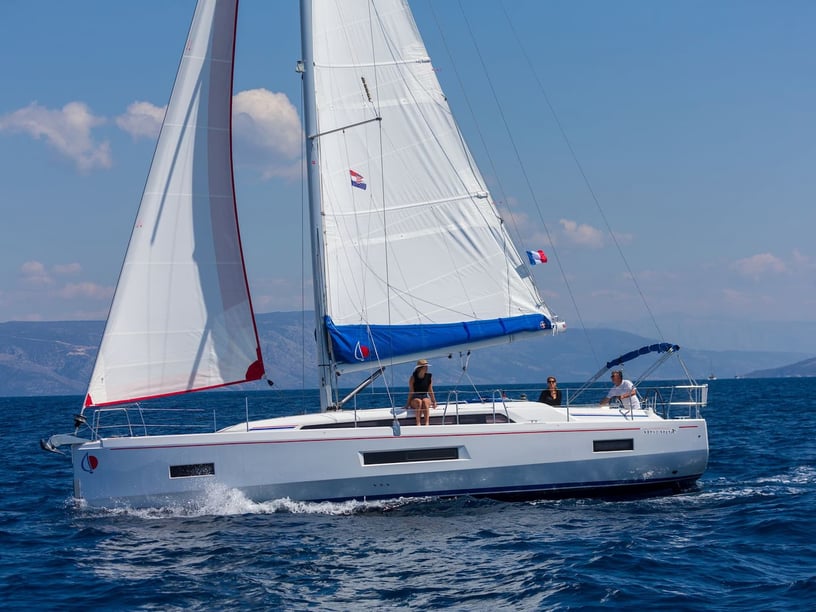
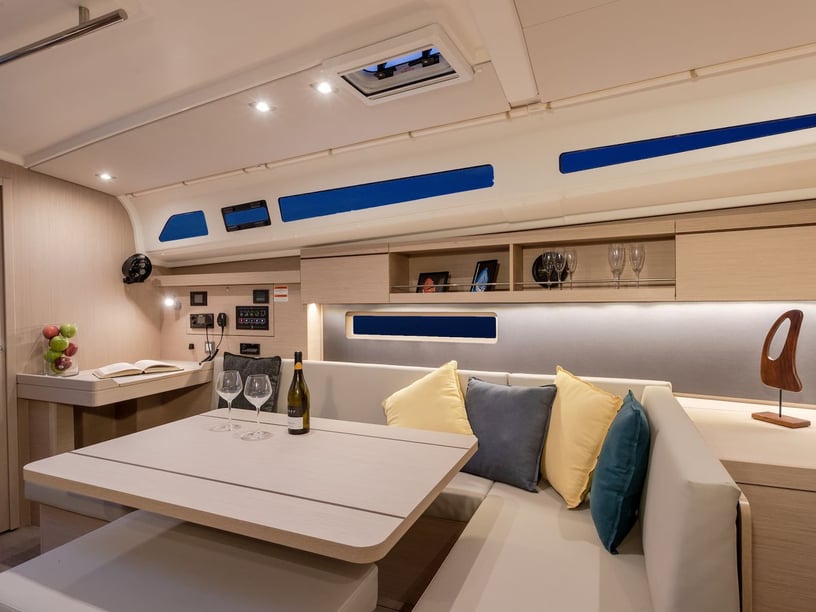
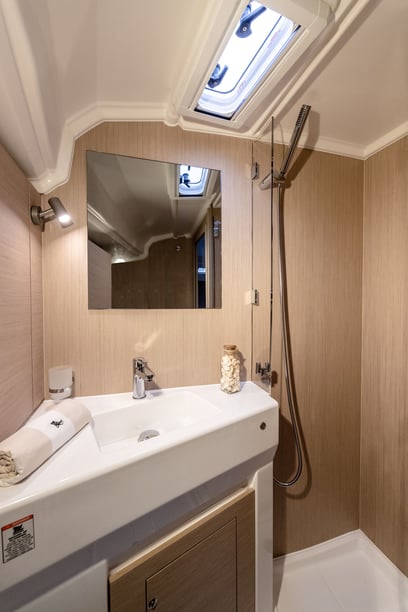
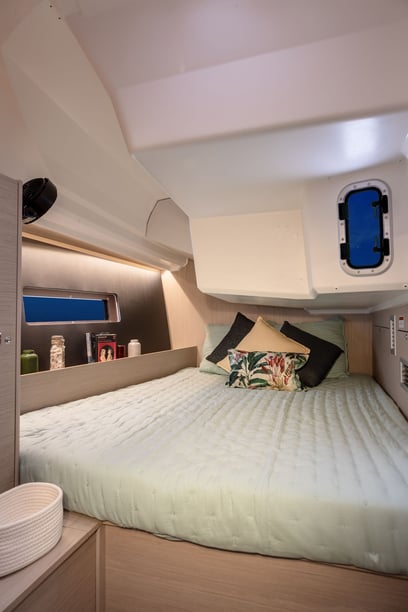
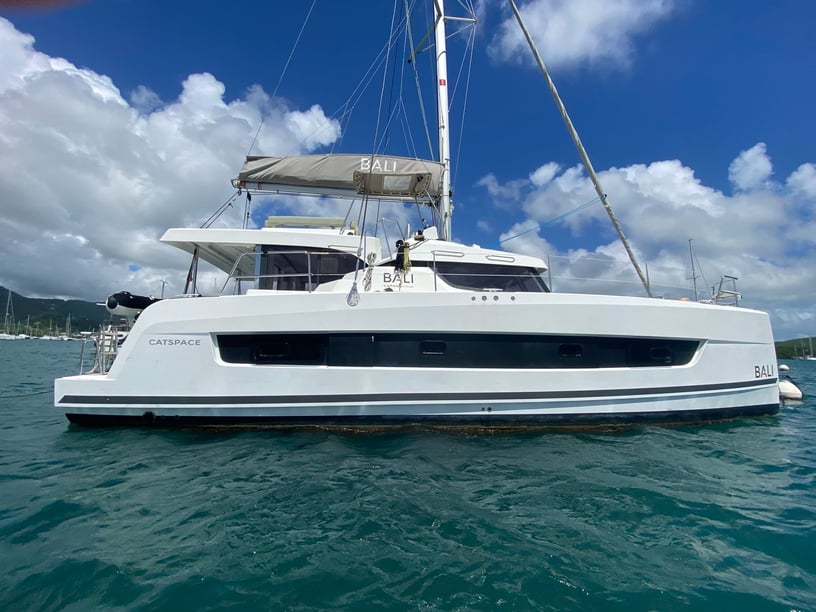
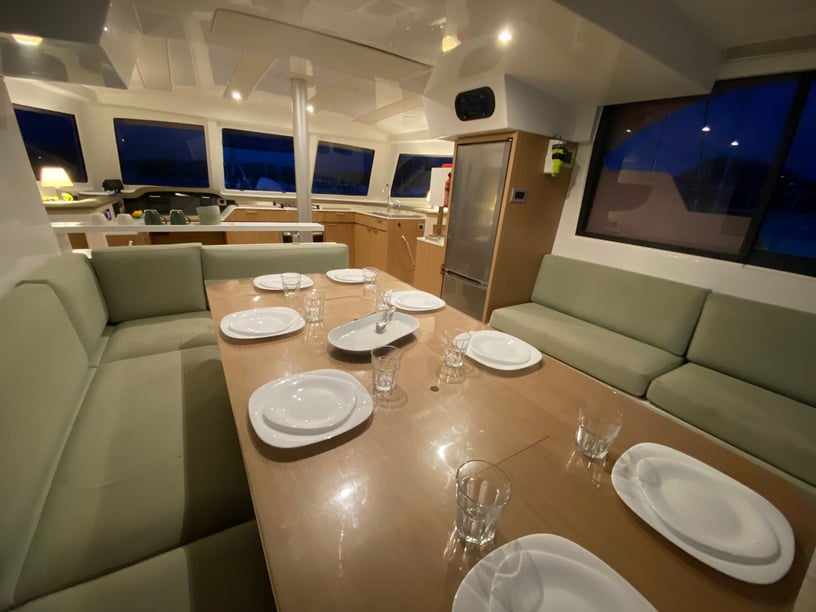
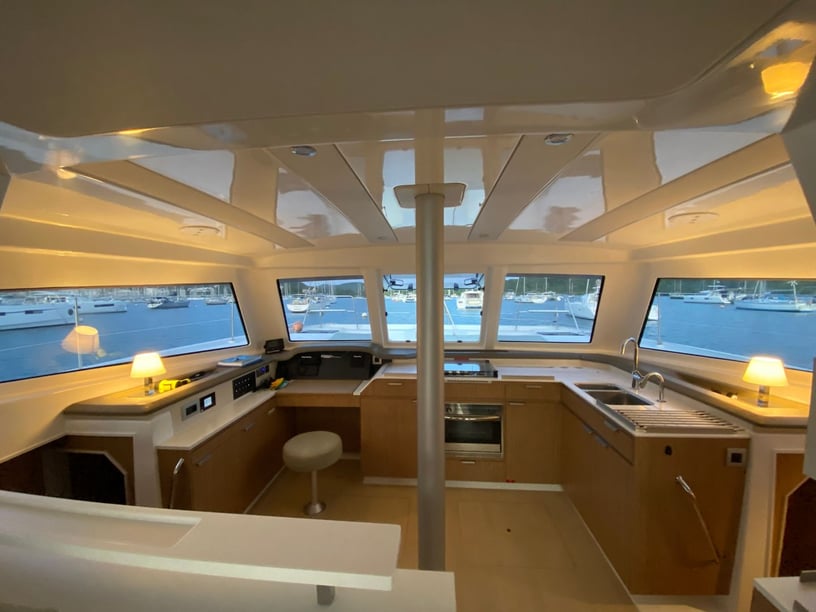
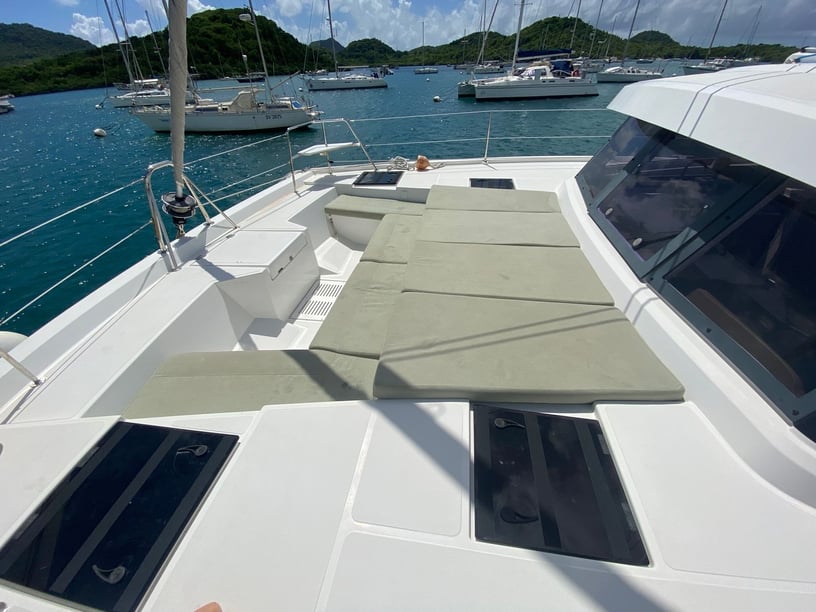
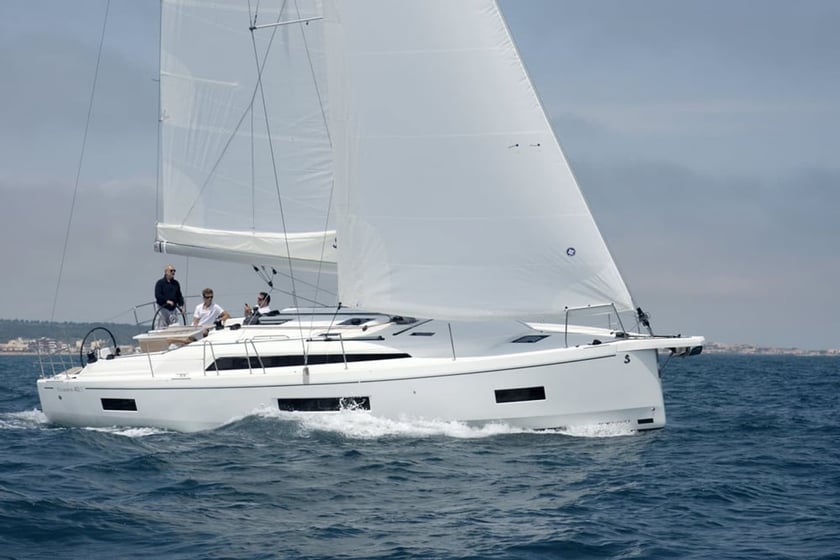
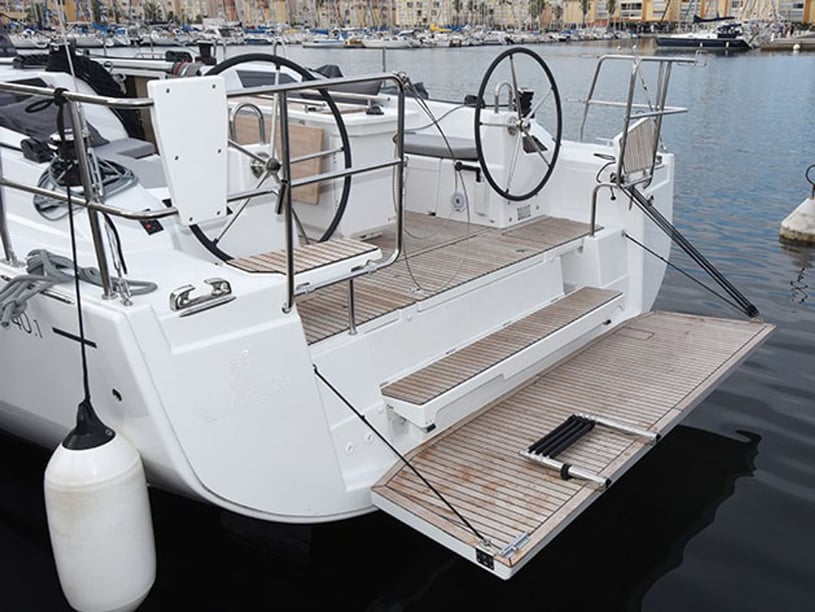
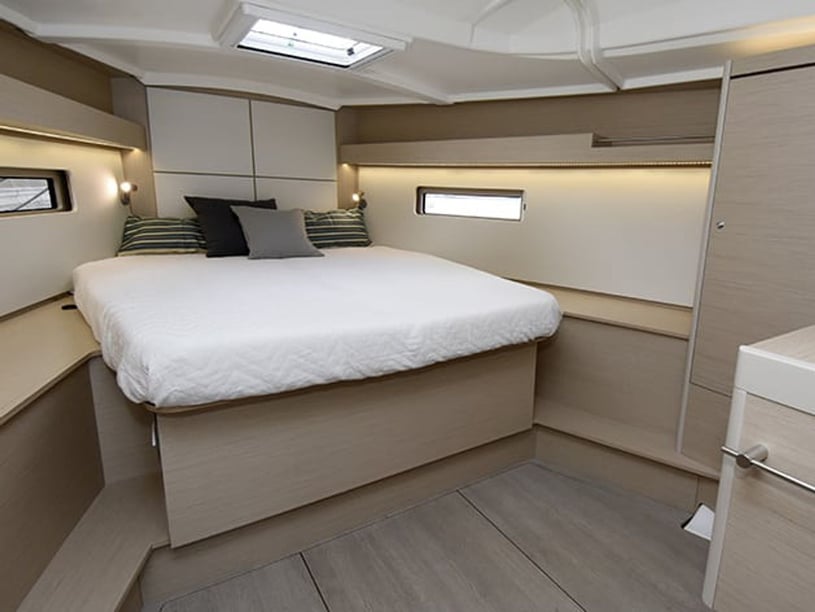
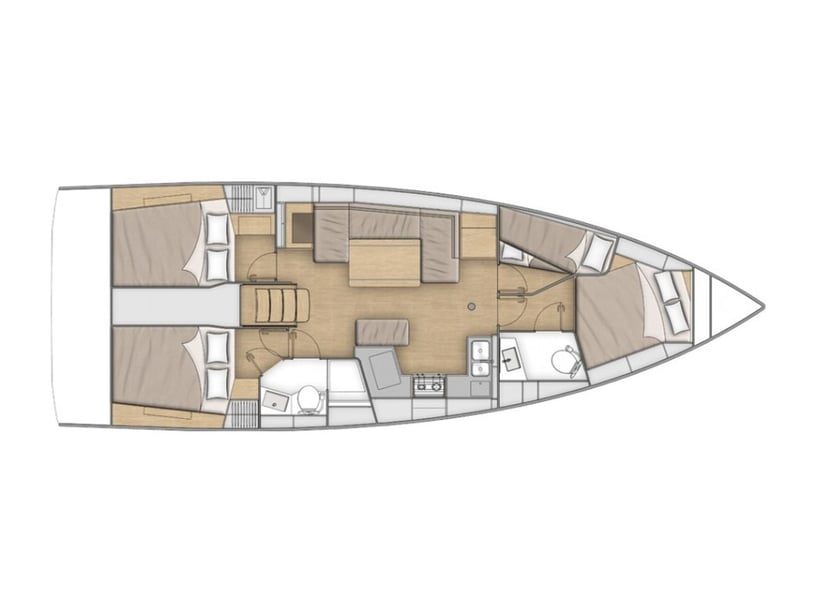
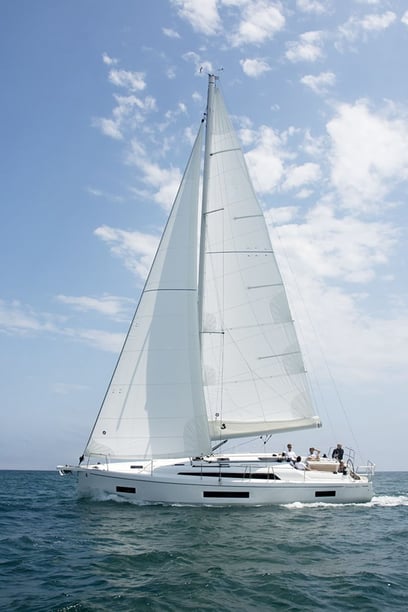
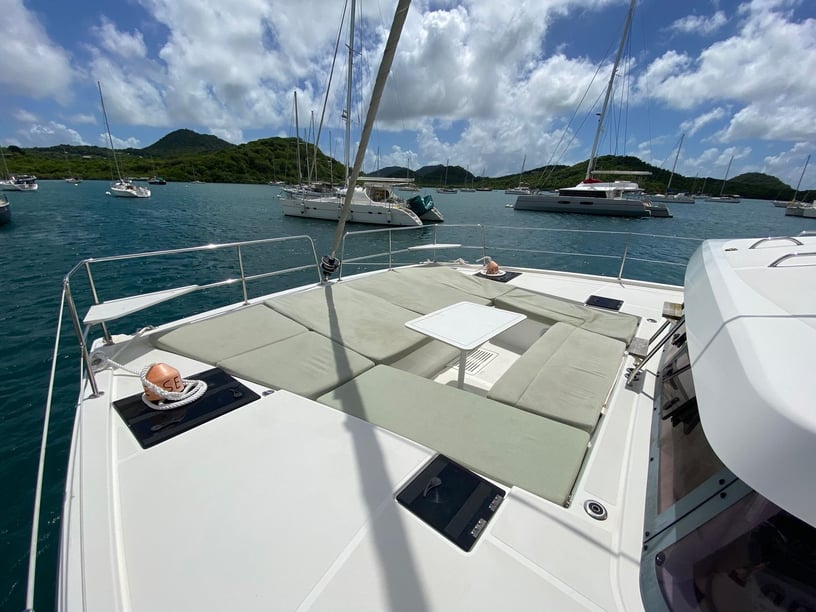
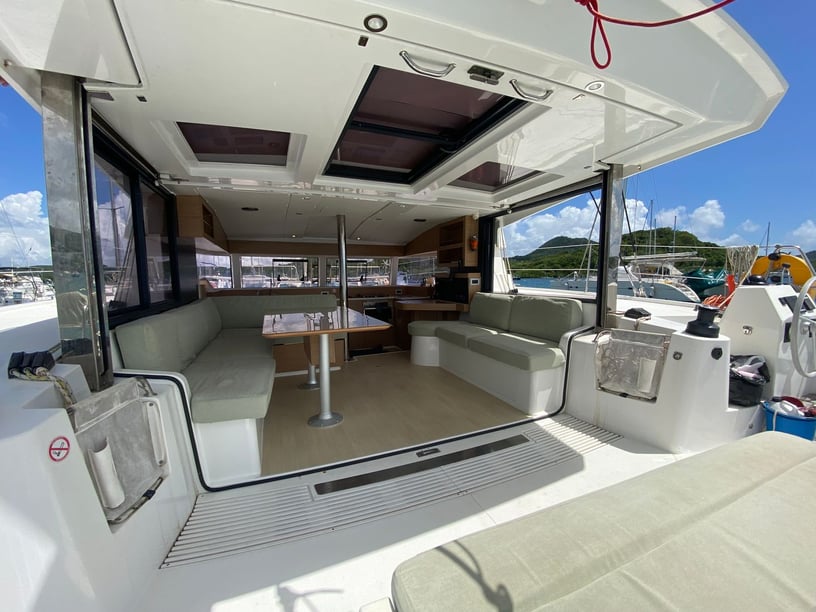
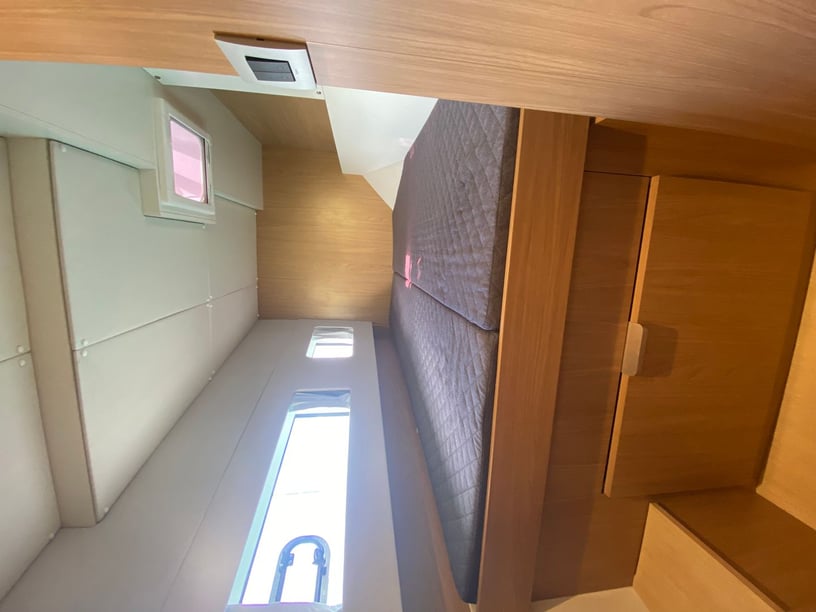
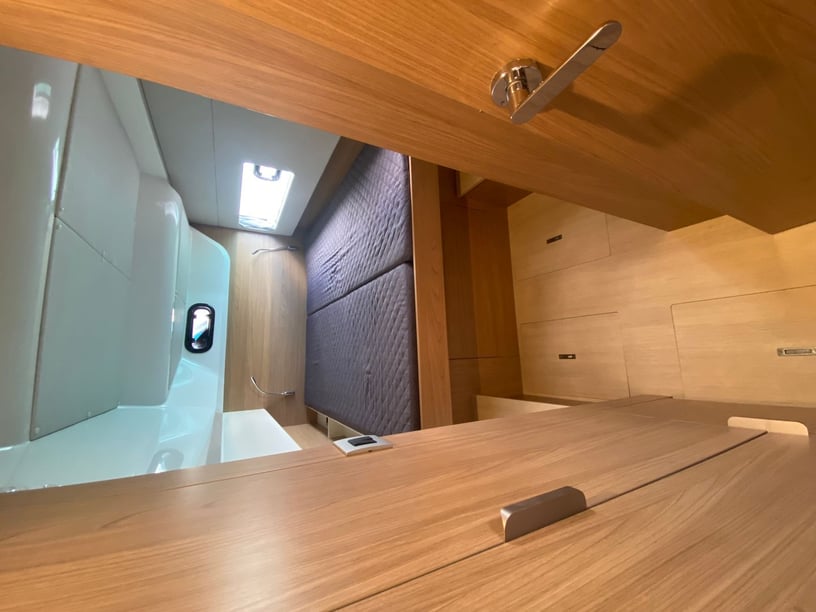
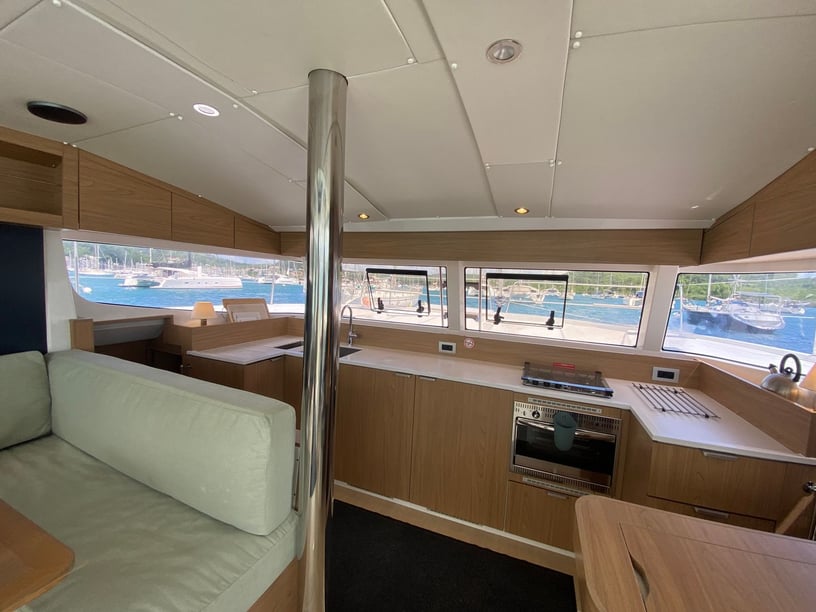
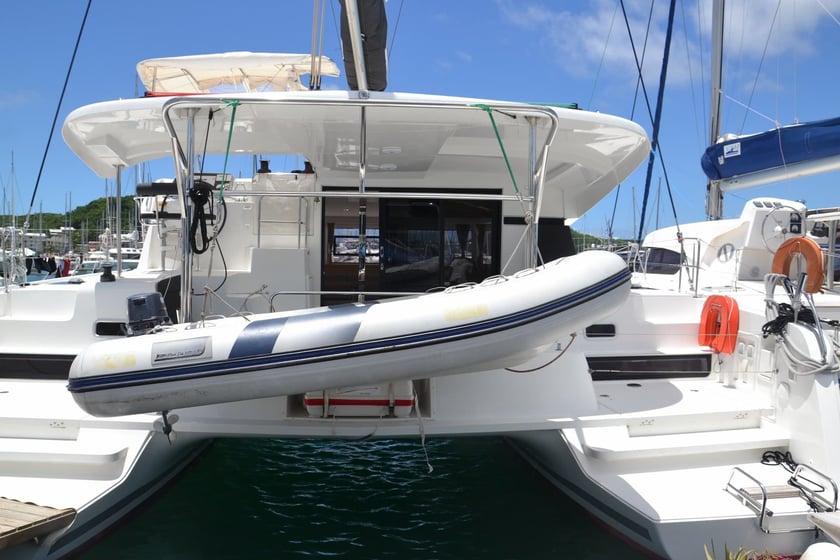
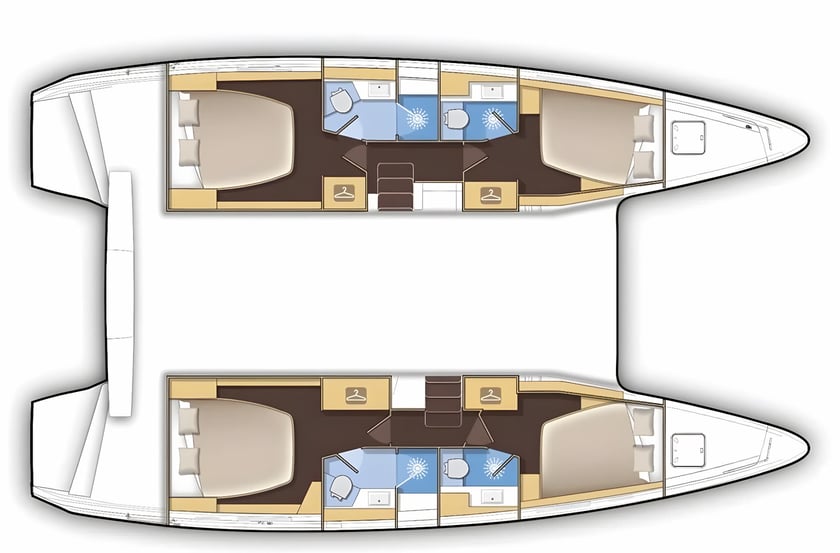
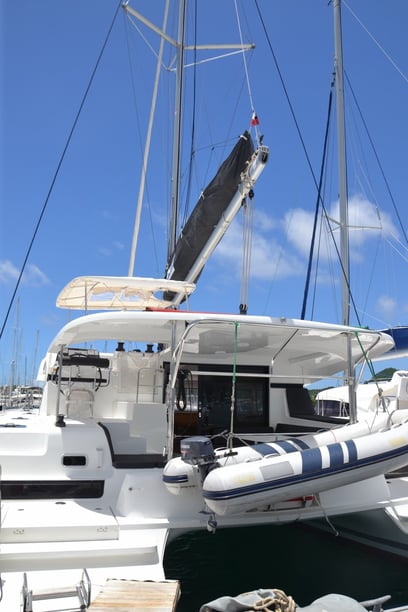
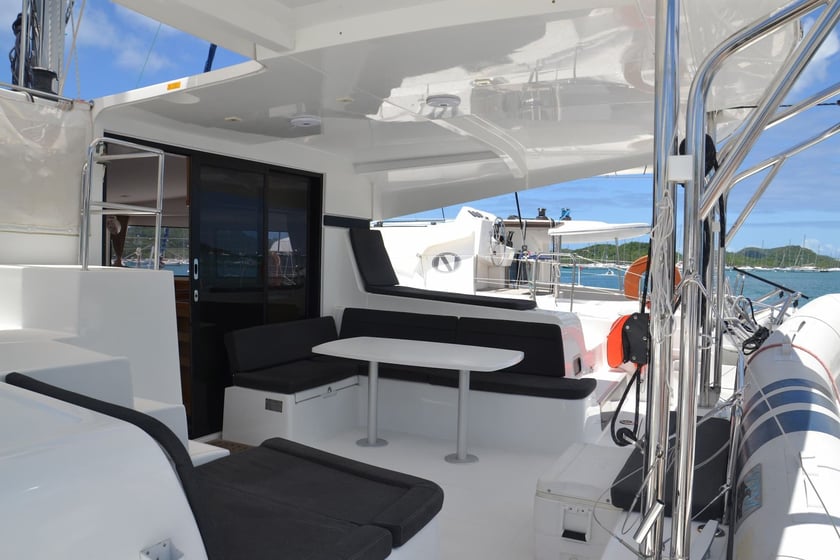
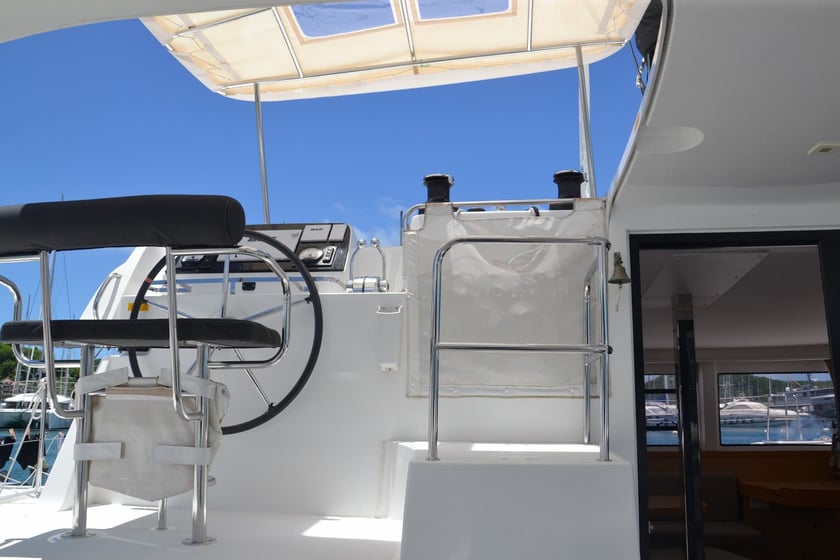
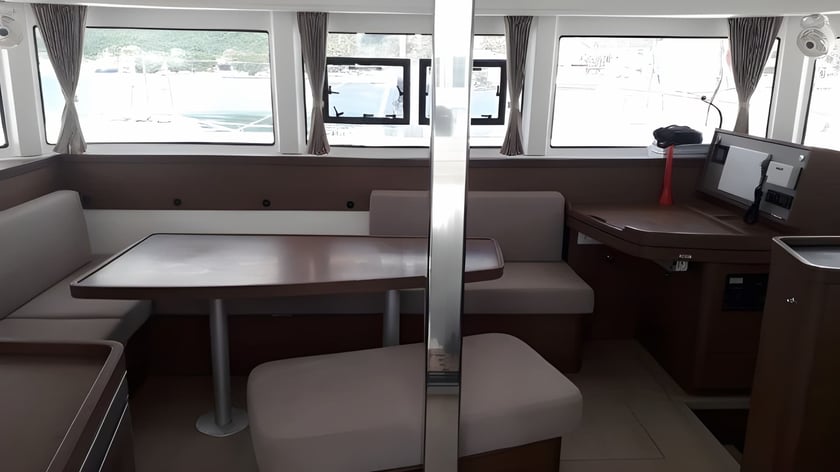
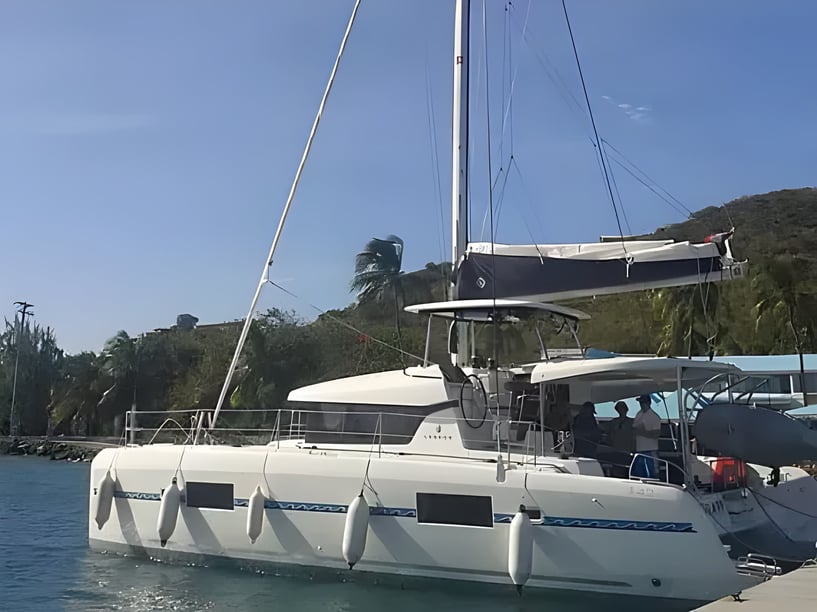
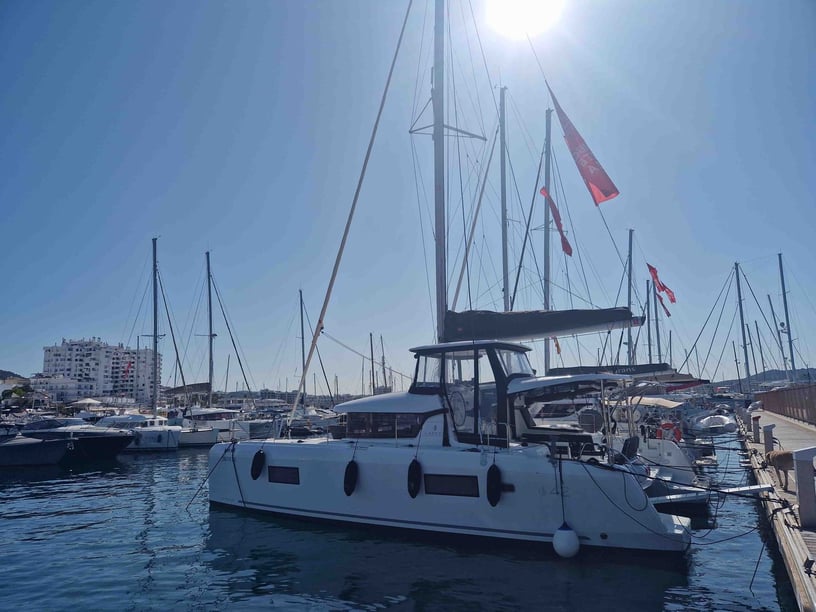
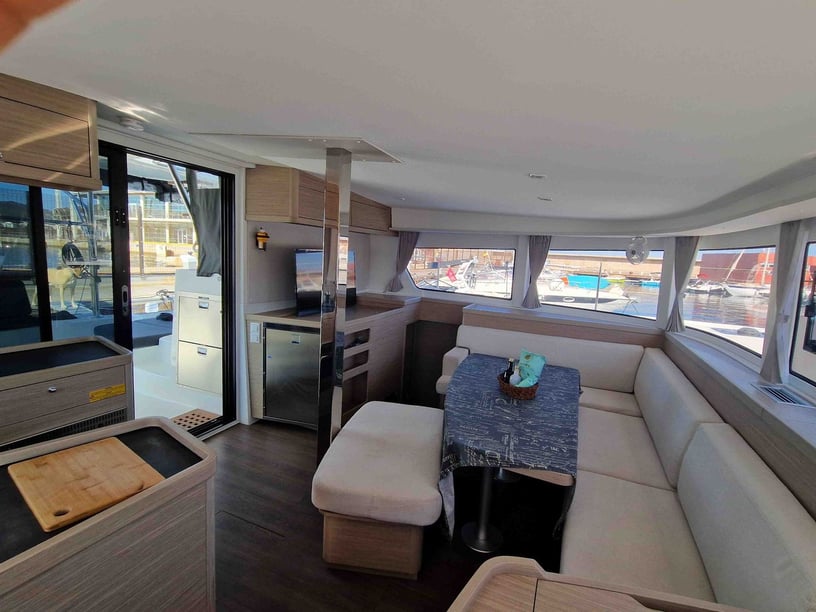
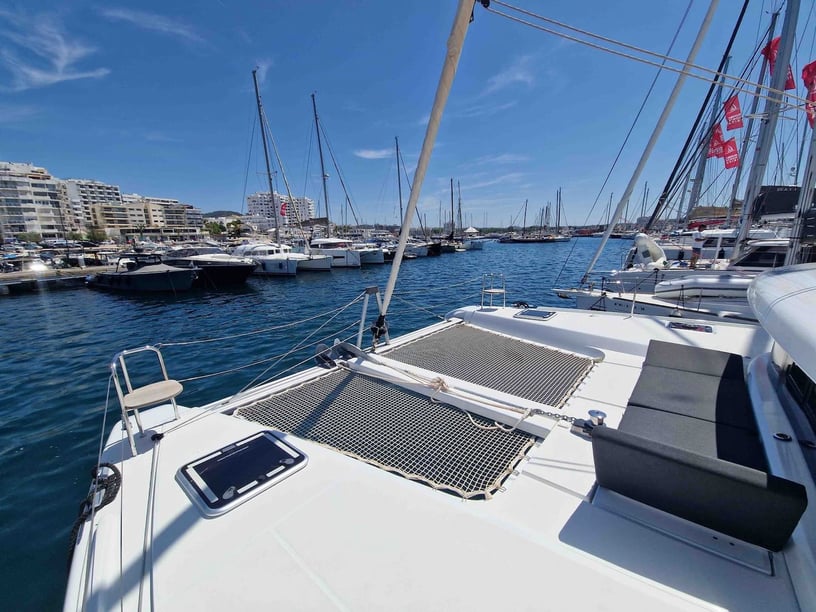
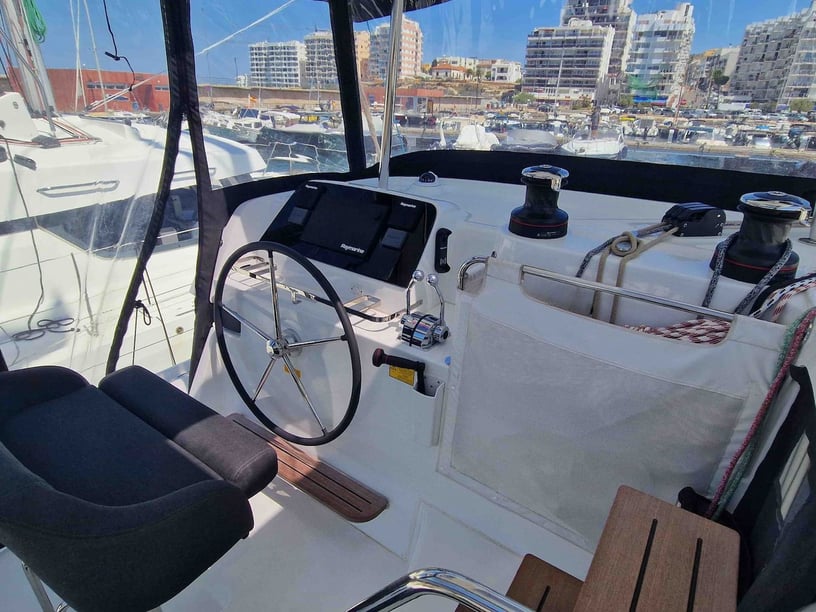
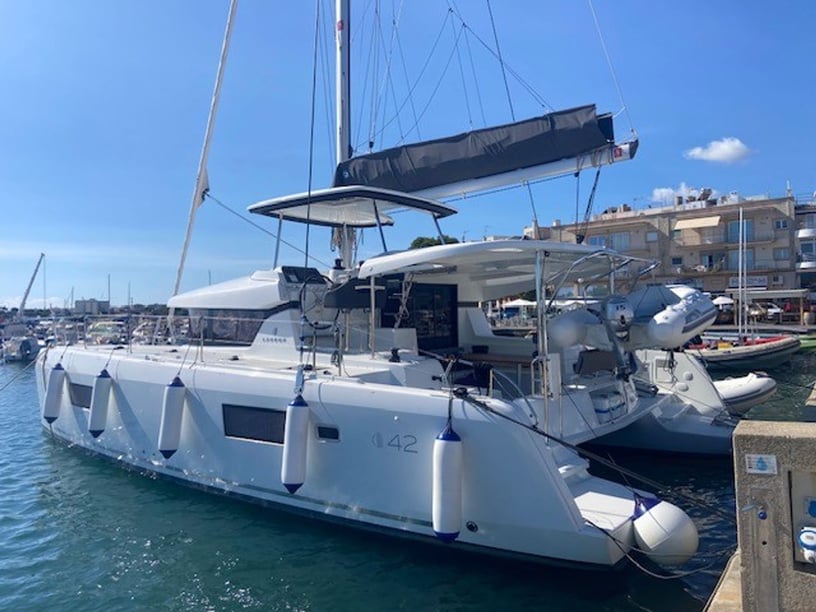
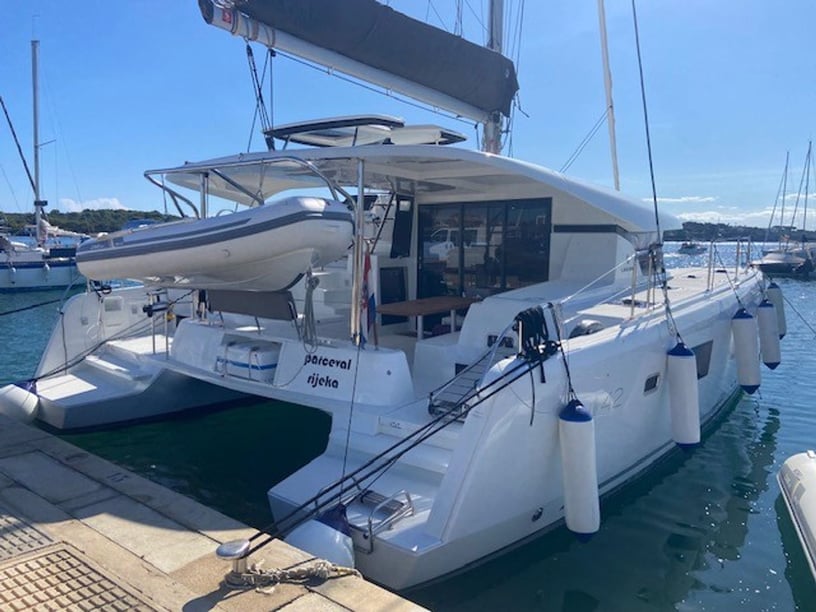
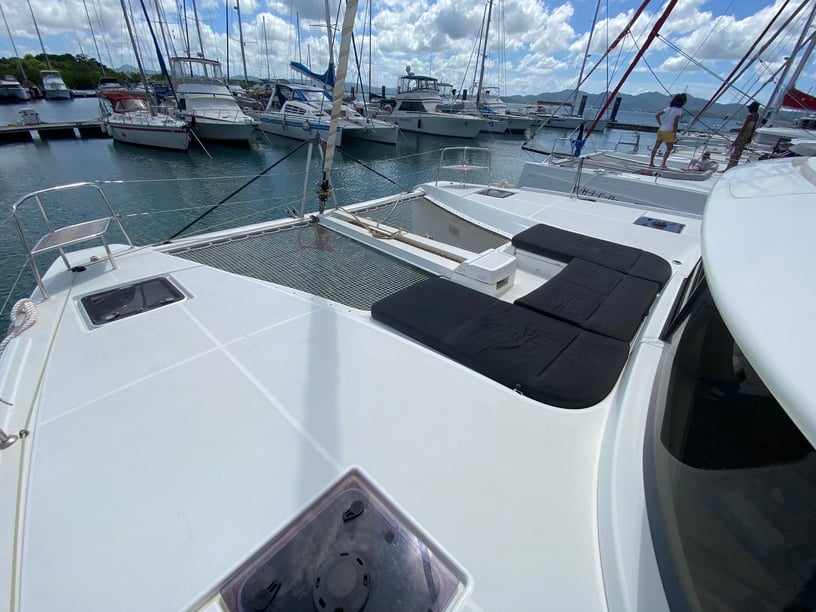
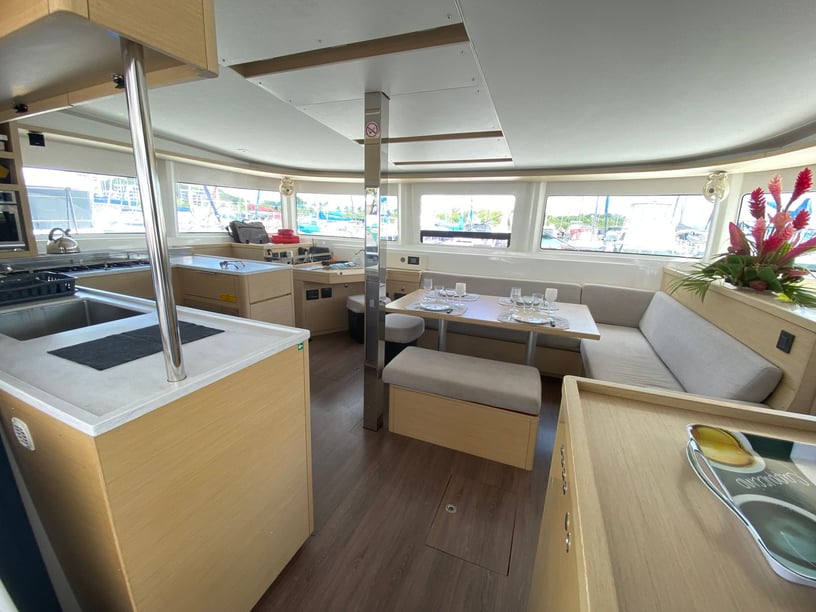
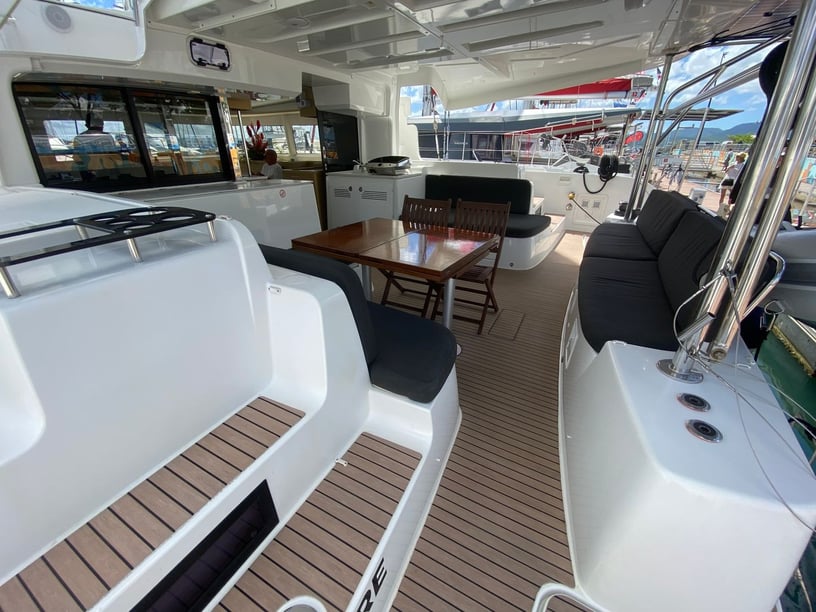
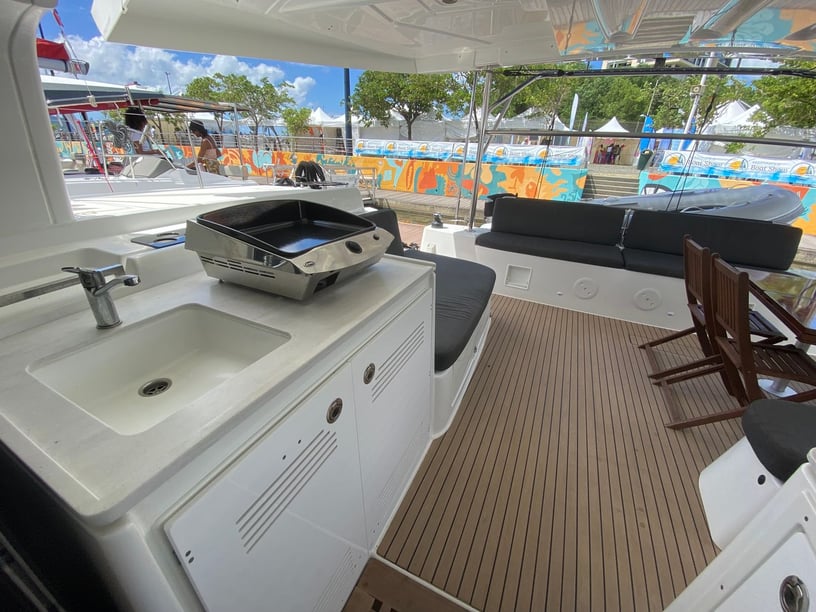
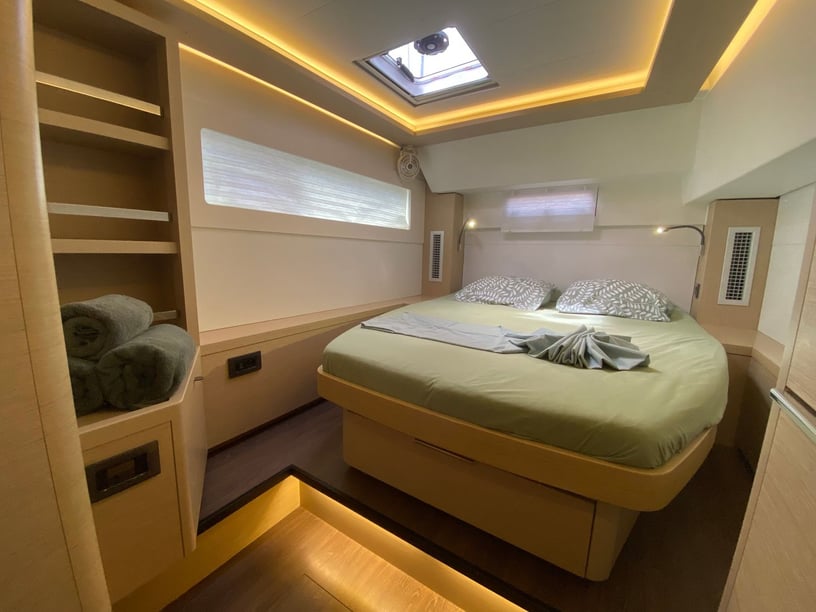
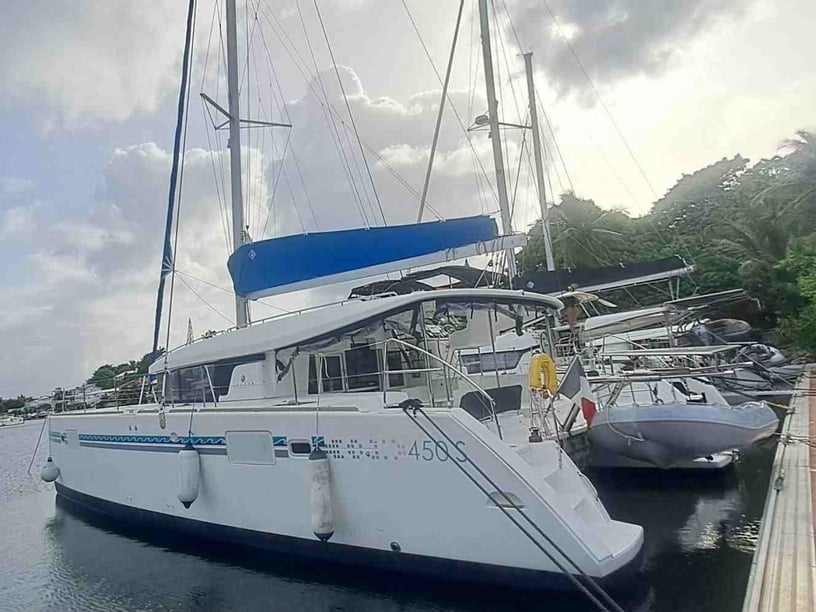
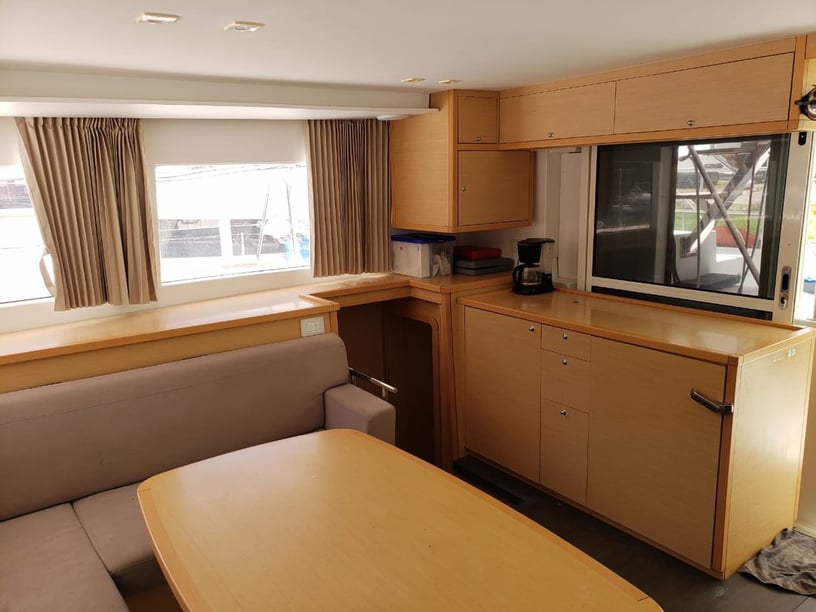
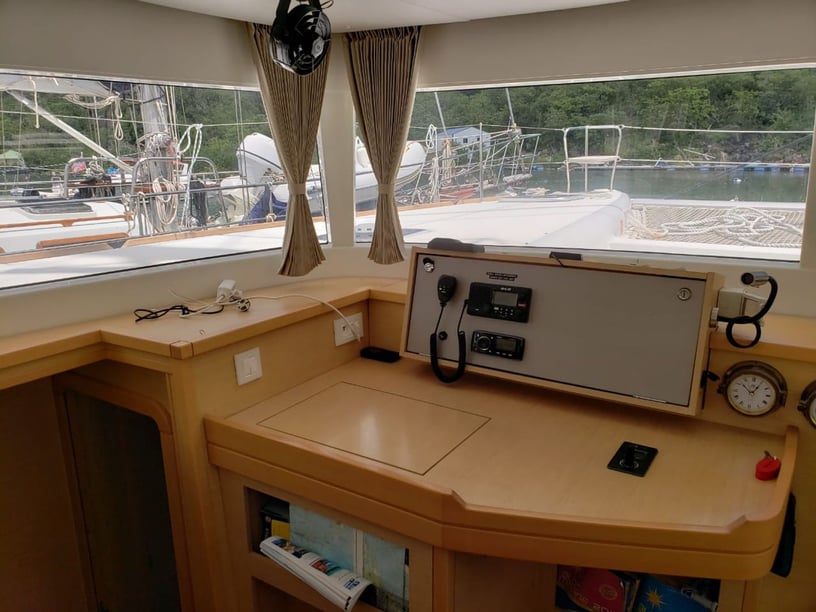
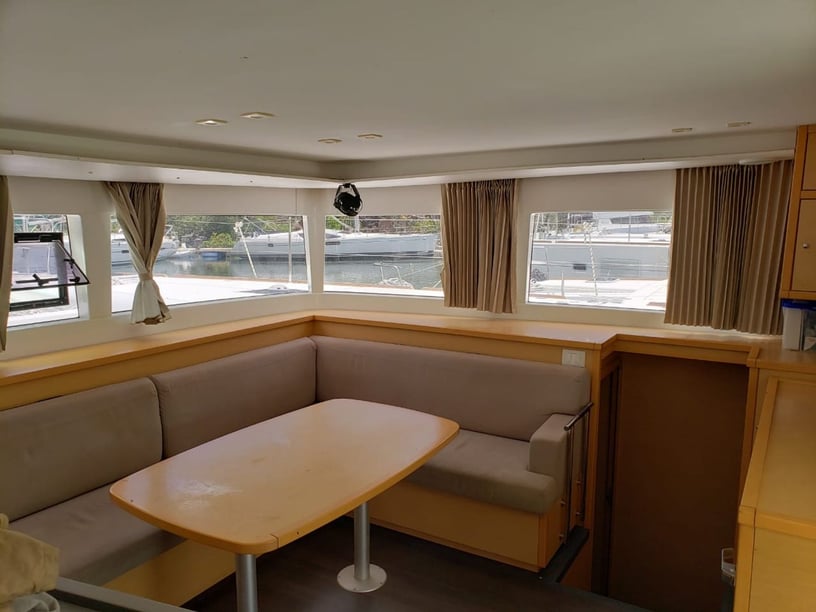
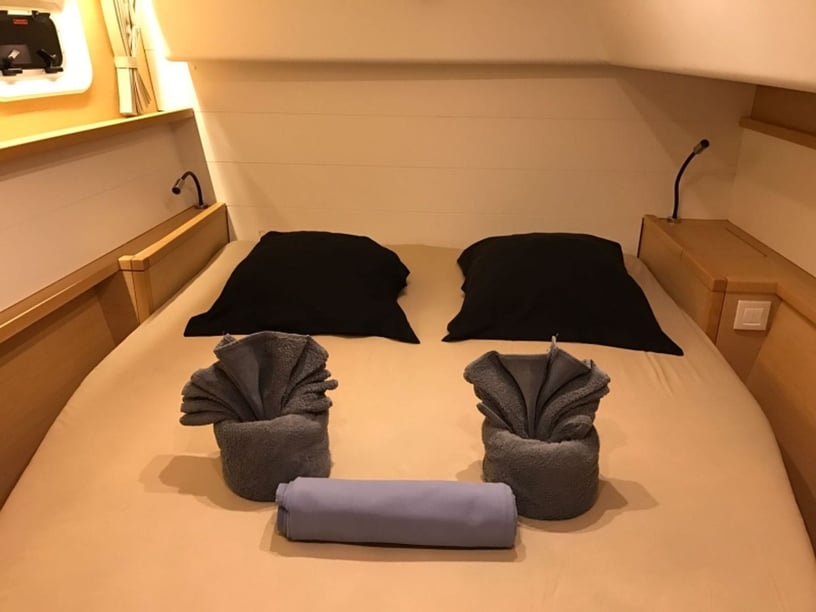
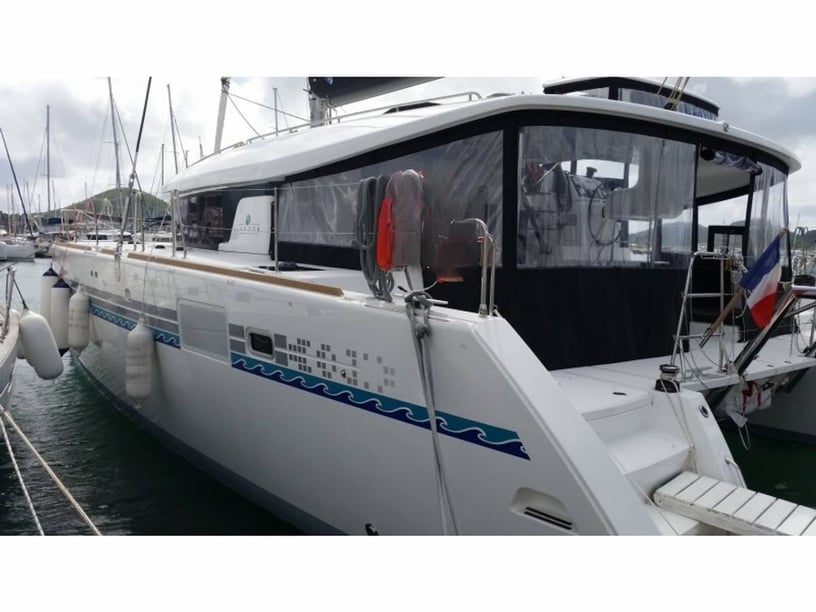
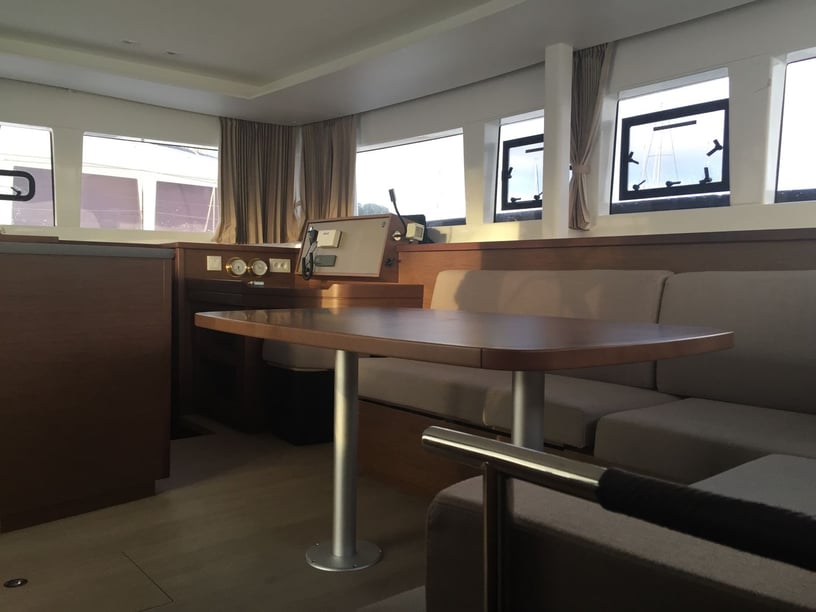
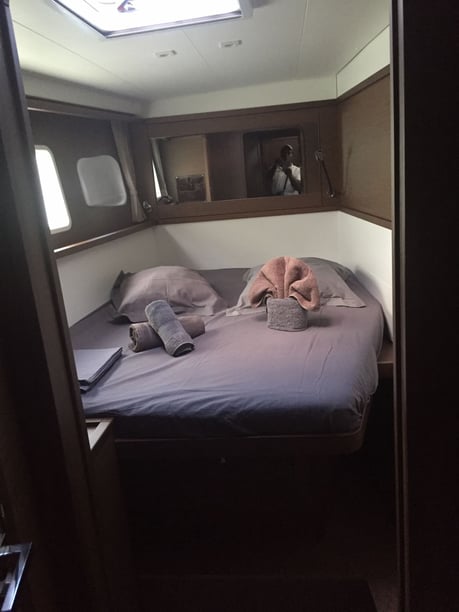
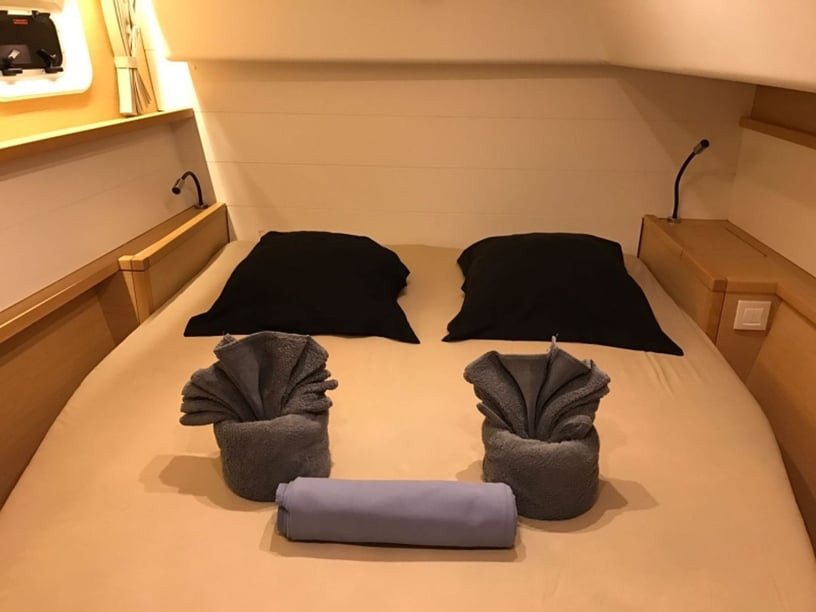
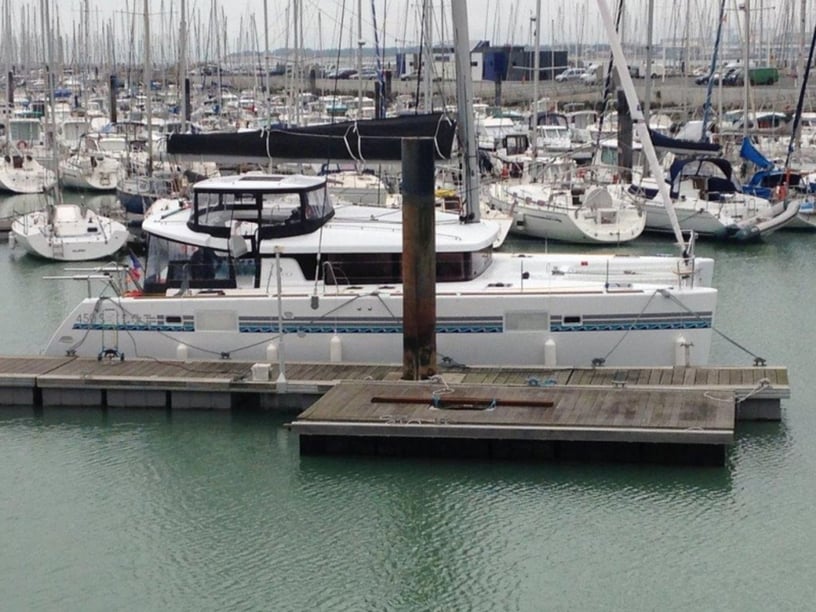
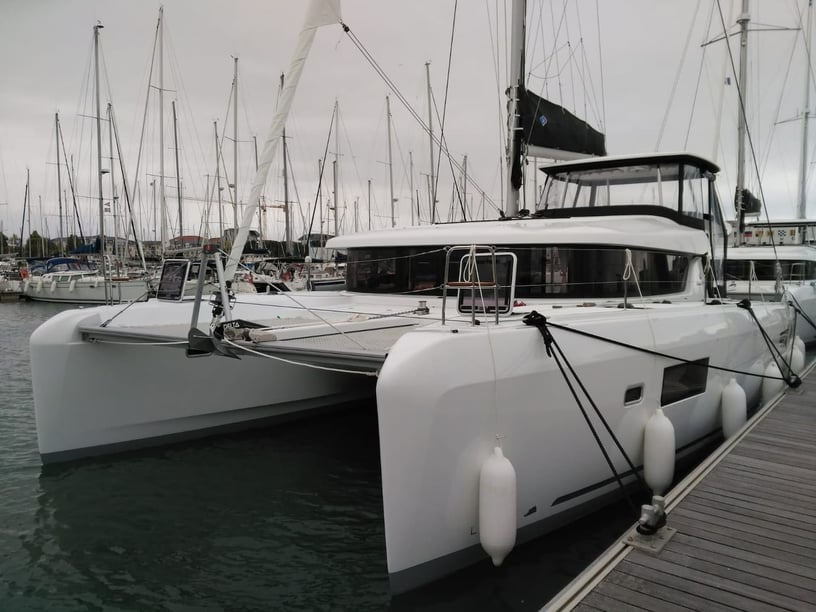
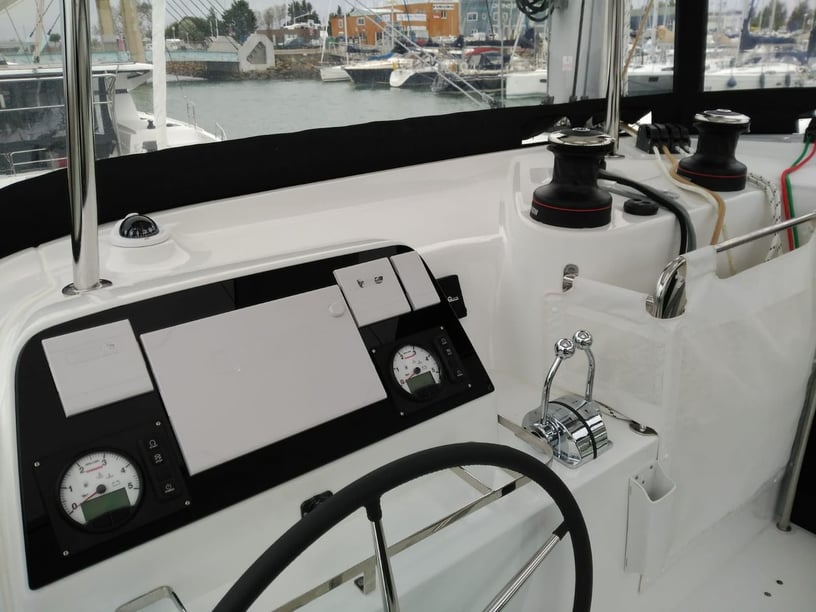
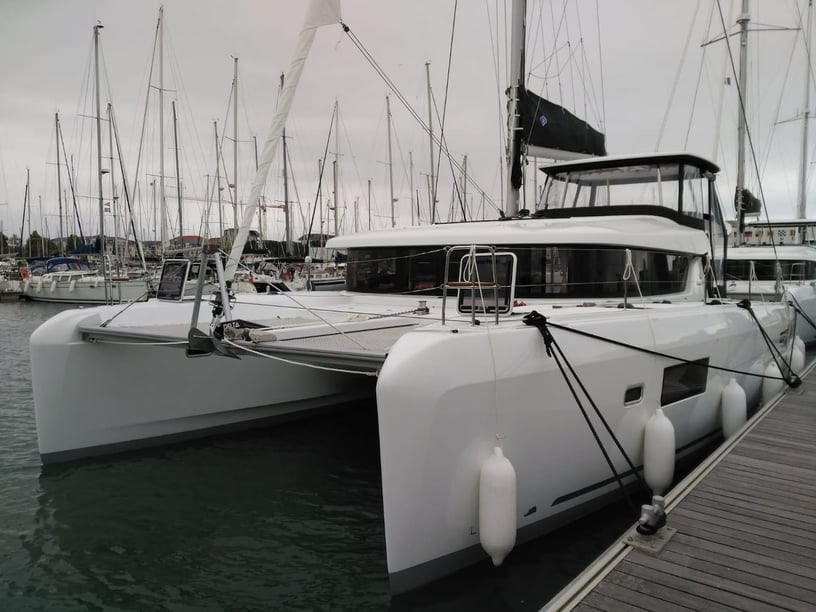
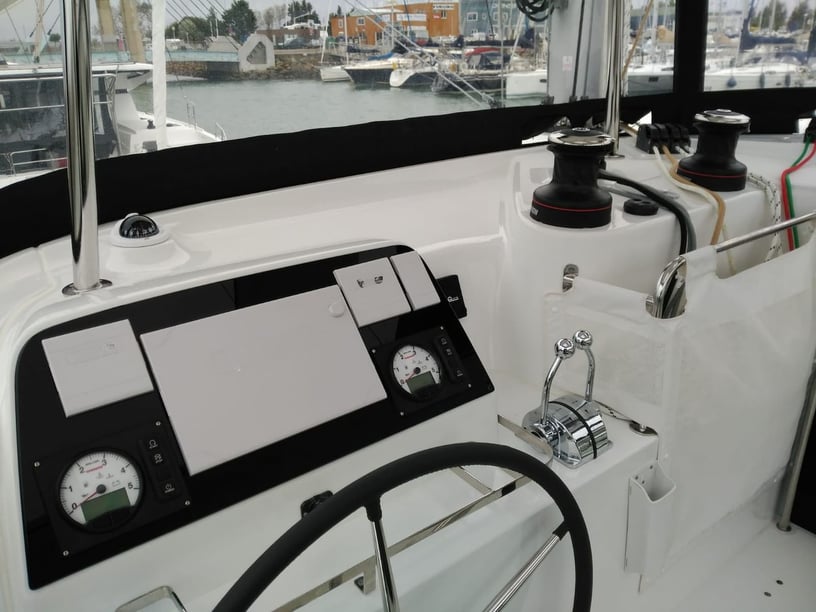
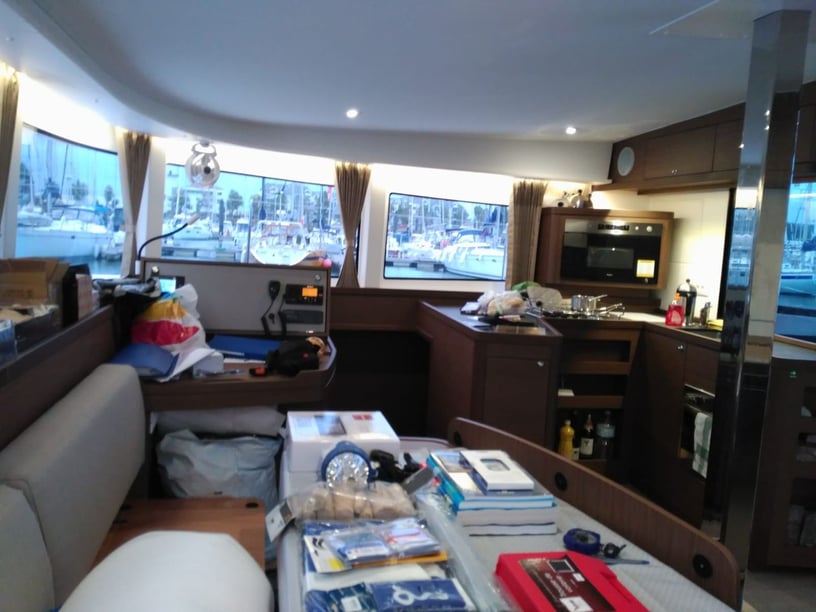
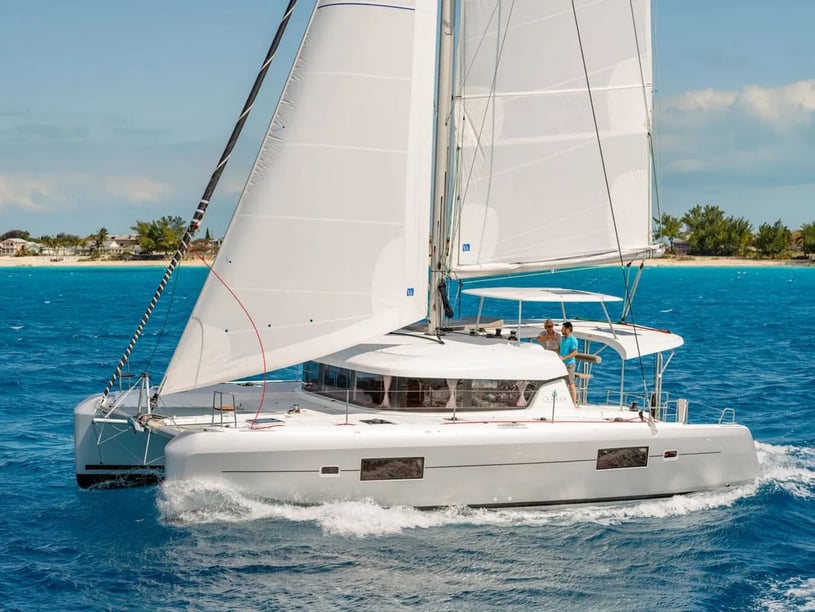
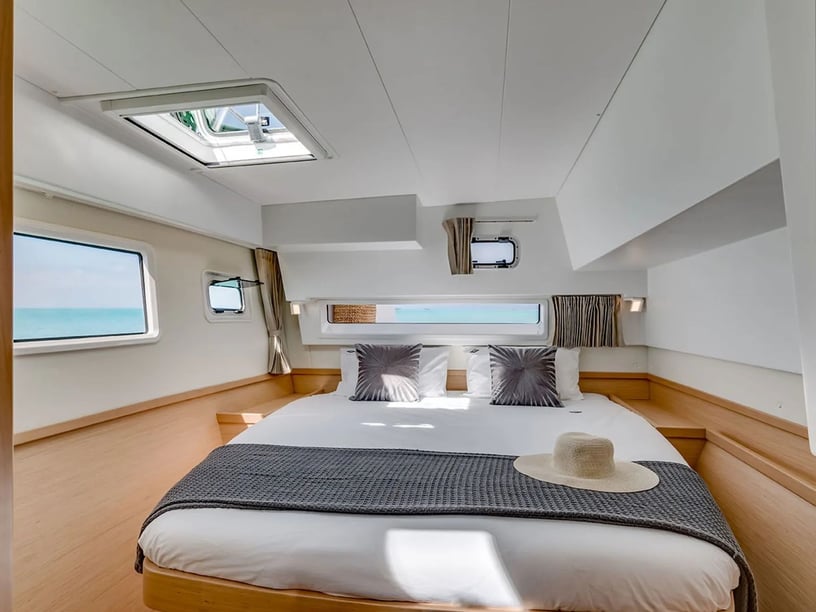
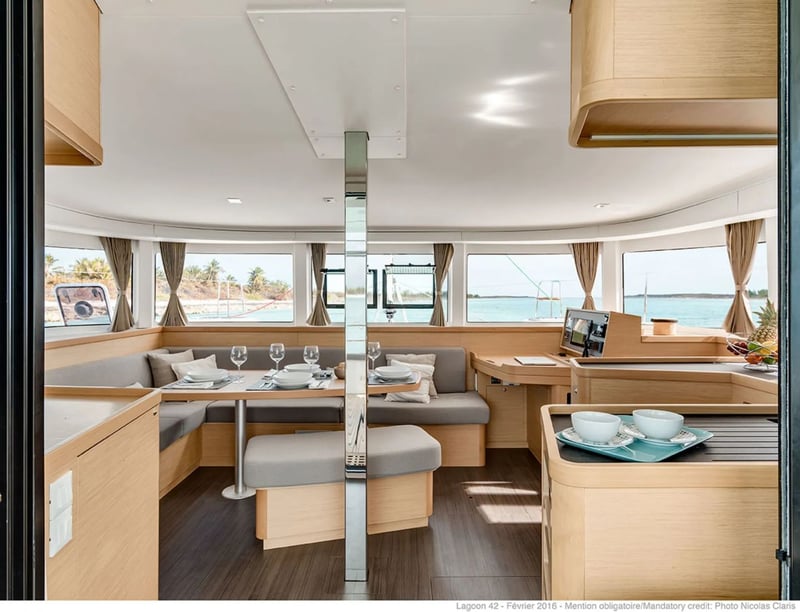
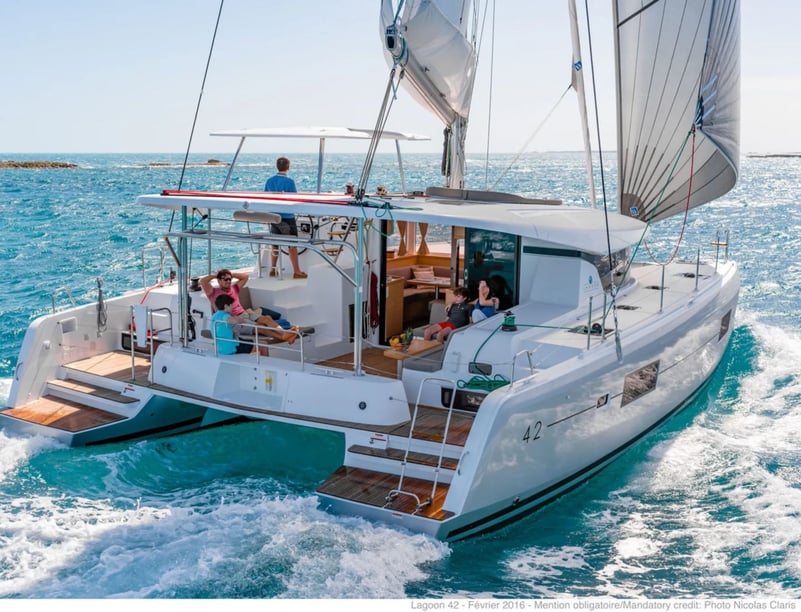
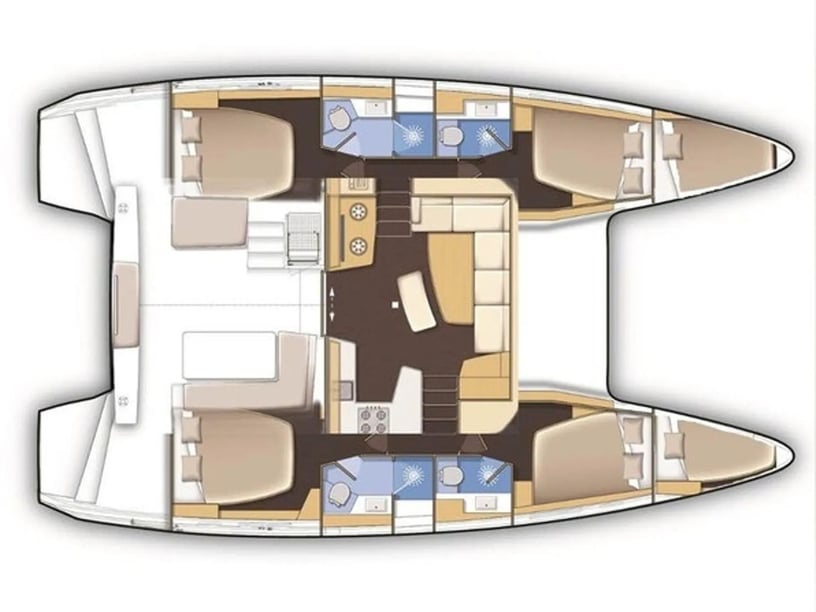
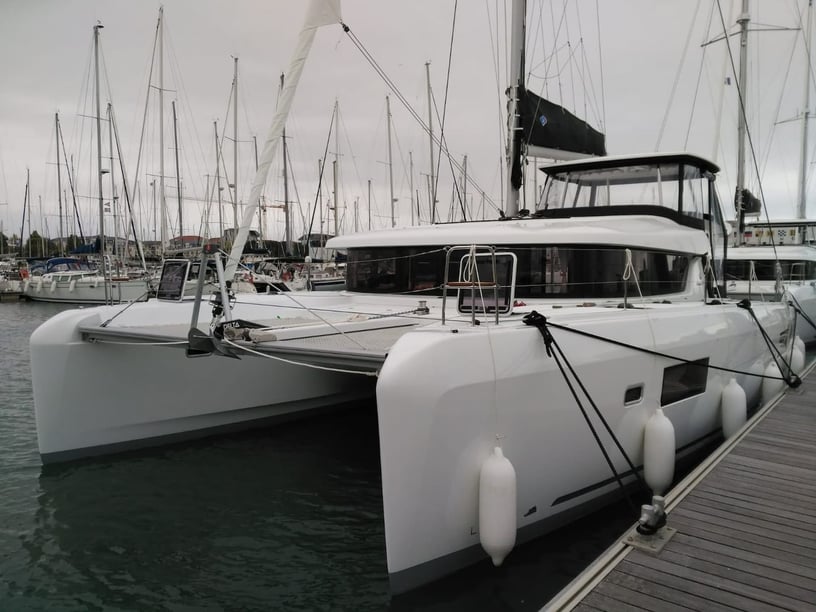
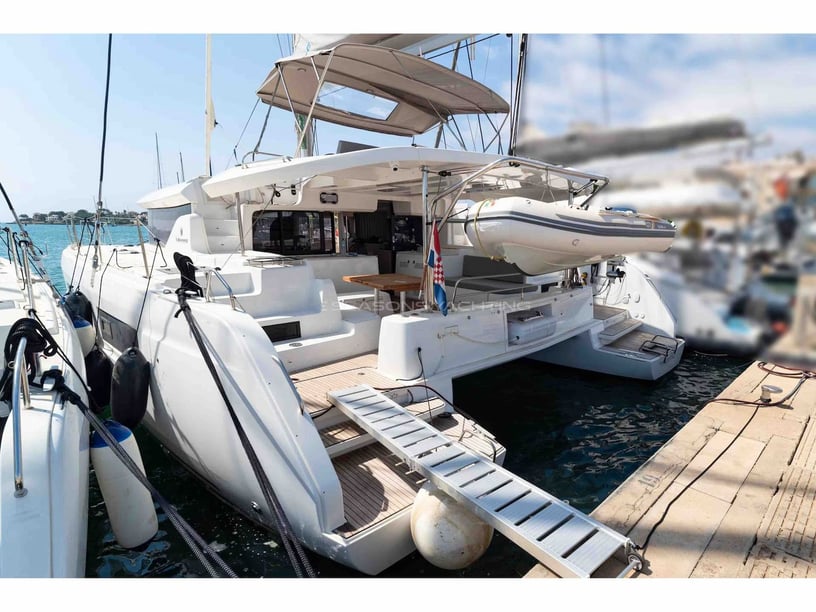
Begin by deciding whether the trip will focus on sheltered west-coast cruising, the more demanding Atlantic side or an international passage. This choice affects the sailing experience required, the value of local knowledge and how much time should be reserved for weather changes and formalities. Travelers comparing yacht styles can review options for a sailboat charter in Martinique or a catamaran charter in Martinique, while keeping route conditions and group needs central to the decision.
Anchoring is regulated in several coastal areas, and boats must avoid damaging protected coral. Current charts and local rules should be checked, with designated moorings used where provided. International itineraries require customs and immigration clearance at departure and arrival; Martinique is outside the Schengen Area, so entry requirements depend on nationality and the wider route.
For travel from June through November, storm plans, marina policies and insurance conditions deserve particular scrutiny. At any time of year, provisioning and technical preparation are easiest to organize around Le Marin. Crews planning reef-lined Atlantic waters or longer passages should leave room in the itinerary for conditions to determine the day’s route rather than treating every planned stop as fixed.