Yacht charter in Cape Verde
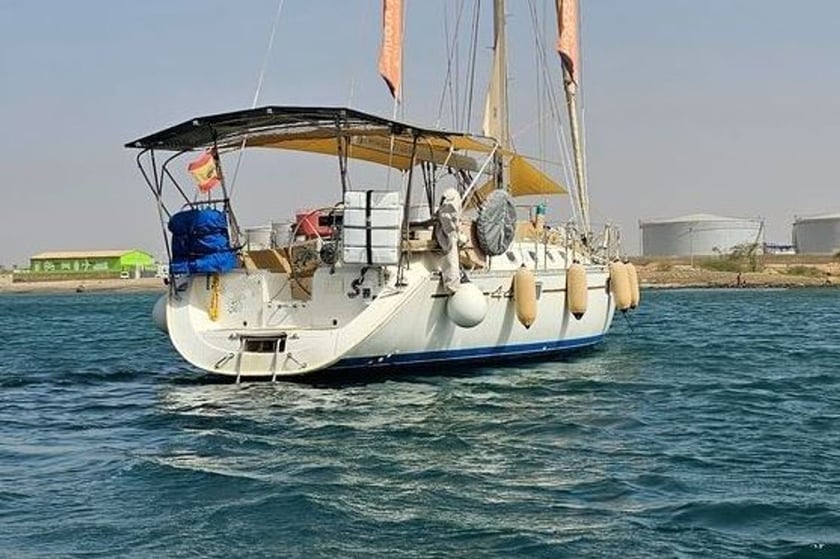
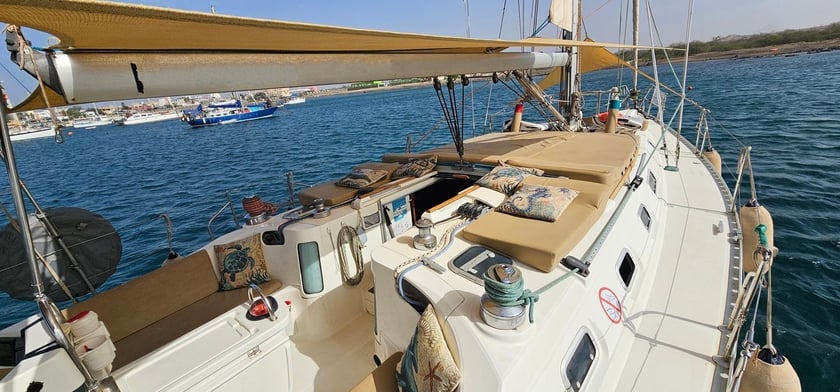
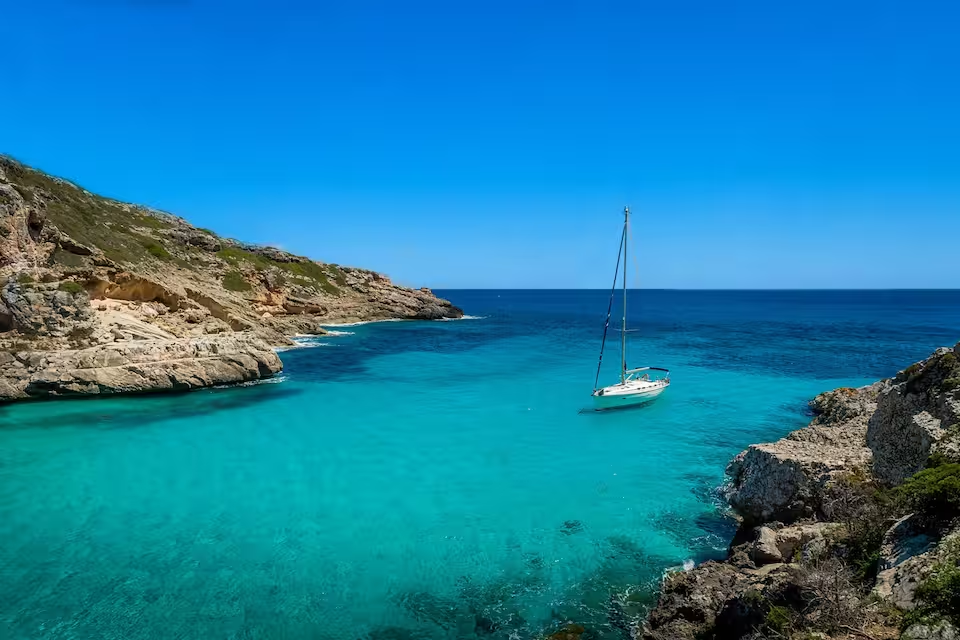
A yacht charter in Cape Verde is an open-ocean journey through ten volcanic islands, nine of them inhabited, about 455 kilometres west of the African coast. Rather than offering a chain of closely spaced marinas, the archipelago combines substantial Atlantic passages with contrasting landfalls: high volcanic terrain in Santo Antão and Fogo, long sandy coasts in Sal and Boa Vista, and port culture in Mindelo and Praia.
The experience is shaped by the trade winds and by the distance between islands. Days under sail may be a major part of the trip, with time ashore used for beaches, hiking, historic sites and island towns. Porto Grande at Mindelo is the principal sheltered yachting hub, while many other stops involve commercial ports or anchorages with more limited services. Cape Verde therefore suits travelers who value purposeful sailing and varied island geography more than a sheltered marina-to-marina holiday.
Choosing a cruising area
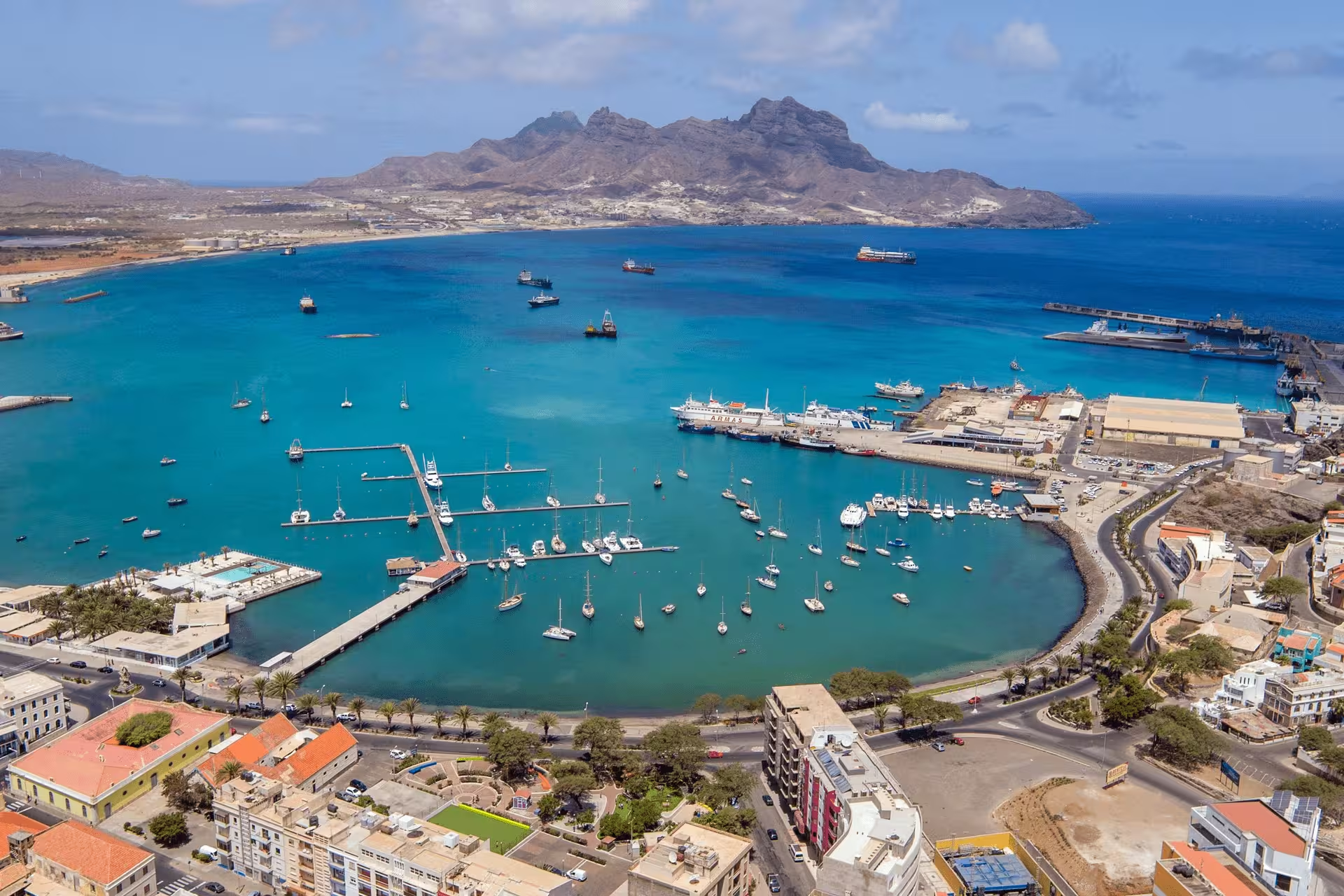
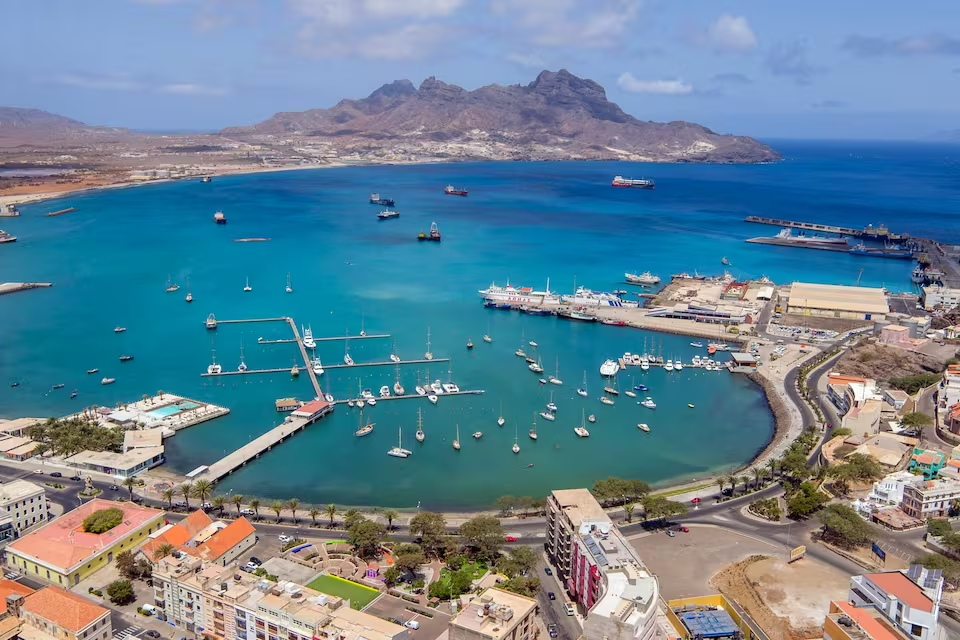
The northern Barlavento islands form one of the clearest cruising areas. Mindelo on São Vicente provides the main base, with routes extending toward mountainous Santo Antão, uninhabited Santa Luzia and São Nicolau. This area combines the archipelago’s strongest concentration of yacht facilities with rugged landscapes and established inter-island circuits. Santo Antão is especially appealing for hiking ashore, while Mindelo adds waterfront life and a strong musical identity.
Farther east, Sal and Boa Vista are lower, drier and known for extensive sandy coasts. On Sal, Palmeira is an established port of entry and departure point, while Santa Maria provides access to the island’s beach-focused south. These islands can suit trips that place beaches, diving or wind sports high on the agenda, although exposed approaches, reefs, shoals and fewer yacht services require careful planning.
The southern Sotavento group offers a different balance. Santiago combines Praia with historic Cidade Velha, Fogo provides a dramatic volcanic landfall, and Brava is reached only by sea. Cruising here can connect cultural and hiking highlights, but the exposed legs and limited shelter make flexibility particularly important.
What sailing in the archipelago is like
Cape Verde is an advanced sailing area. Northeasterly trade winds prevail for much of the year, and Atlantic swell remains part of the experience between islands. Mountainous terrain can produce abrupt wind shadows, downdrafts and acceleration zones around headlands and in channels. The waters between São Vicente and Santo Antão are a notable example, where conditions can change sharply over a relatively short distance.
Many passages are exposed, and wind opposing the swell can create rough seas. Outside Mindelo, shelter and yacht-specific infrastructure are comparatively limited; some stops rely on commercial ports or anchorages affected by swell. This makes conservative passage planning more important than maintaining a fixed itinerary.
For experienced sailors, these conditions provide sustained trade-wind sailing and genuine ocean passages between distinctive landfalls. Travelers without suitable offshore experience should pay close attention to the skipper arrangement and the crew’s local and open-water competence when comparing charter formats.
The best time for a Cape Verde yacht charter
The principal recreational sailing period runs from roughly November through April or May, when dry weather and established trade winds generally predominate. November to March are particularly suitable months, and April also remains a strong choice. The trade winds tend to be most powerful from November through March or April, so this period can offer rewarding sailing but also more demanding passages.
May and June often retain dry conditions with somewhat lighter winds, which may appeal to crews seeking a less forceful trade-wind pattern. From July through October, humidity rises and occasional squalls and tropical disturbances become more relevant. Rainfall is usually most concentrated around September, while August to October are the least consistently favorable months for charter planning because tropical waves and disruptive swell or storm conditions are possible.
From December to February, Saharan dry haze can reduce visibility and occasionally affect flights as well as small-boat navigation.
Route ideas for island-hopping
A northern circuit can begin at Mindelo and connect Santa Luzia, Tarrafal de São Nicolau and stops around Santo Antão before returning to São Vicente. The precise order is normally adapted to wind, swell and landing conditions rather than fixed in advance. This route combines the most established yachting base with nature, volcanic scenery and substantial sailing legs.
A longer westbound itinerary can start around Sal and continue through Boa Vista, São Nicolau and Santa Luzia before reaching Santo Antão and Mindelo. It links the flatter, beach-lined eastern islands with the mountainous west, but the distances and exposed waters call for sufficient time and contingency days.
In the south, a route between Brava, Fogo and Santiago can combine the volcanic landscapes of Fogo with Praia and Cidade Velha. These legs have limited shelter, so plans need to remain responsive to forecasts. Cape Verde also has a longstanding role on the Canary Islands–Cape Verde–Caribbean route, with Mindelo commonly used for provisioning, repairs and final preparations before an Atlantic crossing.
Life on board and ashore
The main distinction of a Cape Verde yacht trip is the contrast between time at sea and markedly different island landfalls. Sal and Boa Vista bring long beaches and opportunities for swimming, diving and wind sports when local conditions allow. Santa Luzia, the only uninhabited island among the ten main islands, is protected as a nature reserve and adds a remote dimension to northern itineraries. The surrounding waters are frequented by dolphins, rays, sea turtles and seasonally occurring whales, although sightings cannot be assumed.
Volcanic islands provide a more land-oriented counterpoint. From Fogo, travelers can explore Pico do Fogo and Chã das Caldeiras; Santo Antão is known for the Paul Valley and Cova crater. Santiago adds the Historic Centre of Cidade Velha and Fortaleza Real de São Filipe, reflecting the archipelago’s complex role in Atlantic maritime history.
Mindelo is the cultural anchor for many voyages. Music is central to the city’s identity, including morna, while meals ashore may introduce cachupa, a maize-and-bean stew prepared in numerous local variations, and grogue, the traditional sugarcane spirit.
Air access and departure points
International flights are concentrated on Sal, Santiago, Boa Vista and São Vicente. Cesária Évora International Airport on São Vicente offers the most direct air-and-port combination for northern cruising, with Mindelo, Marina Mindelo and Porto Grande forming the archipelago’s principal yacht-service and departure hub.
For the eastern islands, Amílcar Cabral International Airport on Sal connects with Porto da Palmeira and the coastal areas around Santa Maria. Aristides Pereira International Airport serves Boa Vista. In the south, Nelson Mandela International Airport provides access to Praia, an established port of entry and a practical starting point for Santiago, Fogo and Brava itineraries.
Domestic flights and passenger ferries connect the principal island groups, but Santo Antão and Brava have no airports and must be reached by sea. Ferry services and other inter-island connections are weather-sensitive, so generous transfer margins are advisable.
Planning the right charter
When comparing yacht charter or boat rental in Cape Verde, begin with the demands of the route rather than the number of islands on the itinerary. Confirm the skipper arrangement, offshore experience requirements and how the operator handles changes caused by wind, swell or unsuitable landing conditions. A shorter route with contingency time is generally more useful than a crowded schedule dependent on calm passages.
Facilities also influence the choice of cruising area. Mindelo offers the strongest concentration of marina, repair and provisioning support, whereas many other islands depend on commercial ports or simpler anchorages. Fresh water is scarce across the country and largely produced by desalination, making onboard water capacity and careful consumption relevant considerations for longer trips.
Visiting yachts should use designated ports of entry and verify current immigration, customs and port-clearance procedures before arrival. Mindelo, Palmeira and Praia are established entry points. Current charts and conservative navigation are especially important around Boa Vista and lesser-used anchorages, where reefs, shoals and wreck hazards may affect approaches. Travelers should also avoid scheduling tightly timed flights or ferry transfers immediately after an exposed final passage.