Yacht charter in Germany
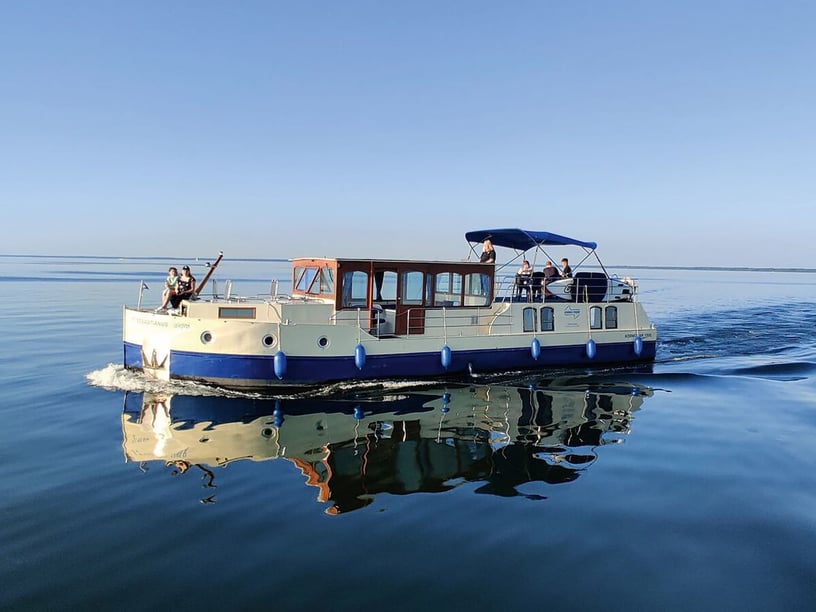
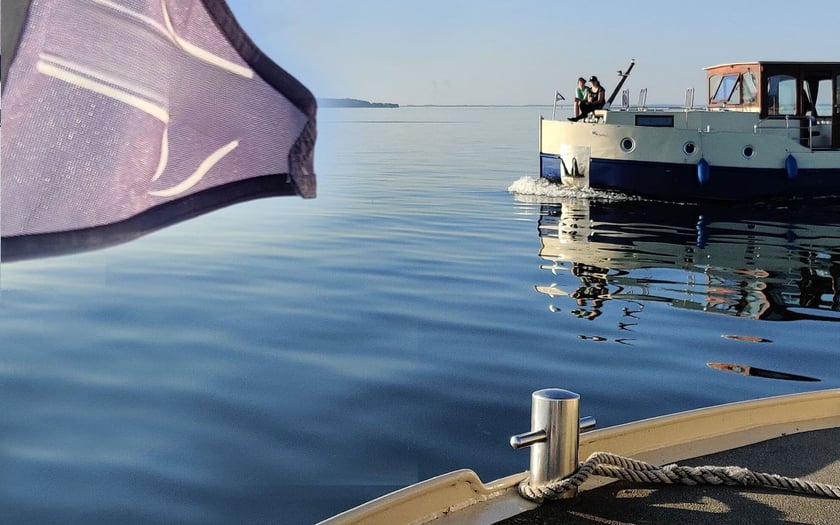
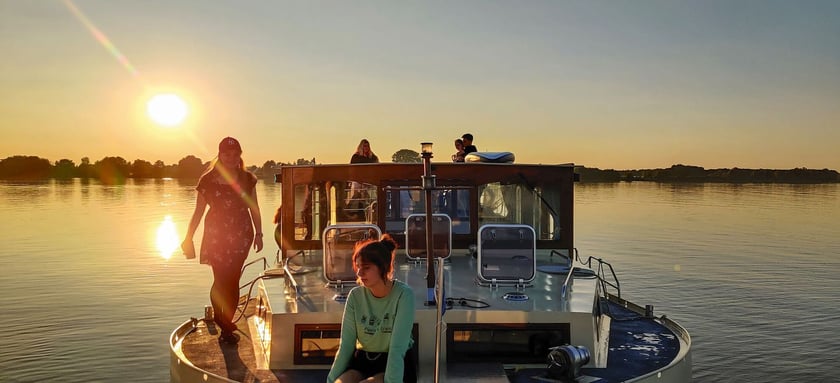
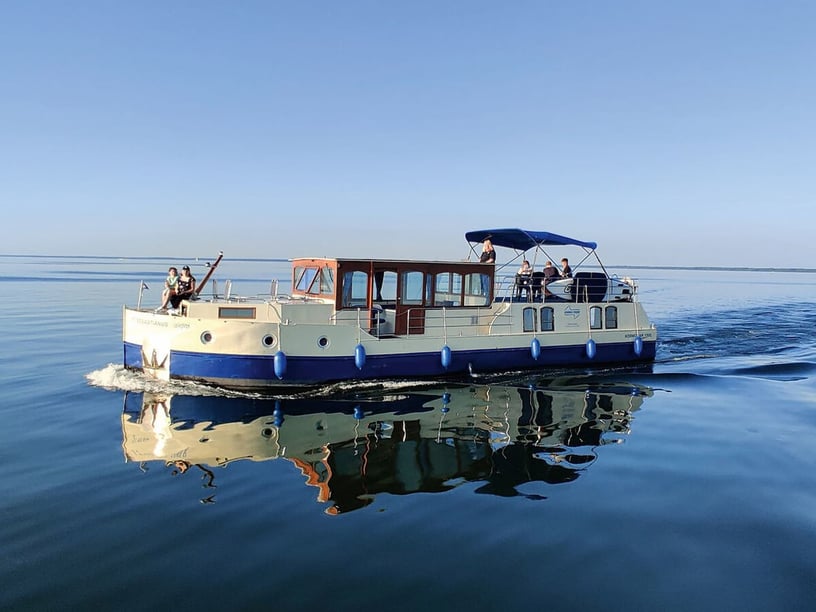
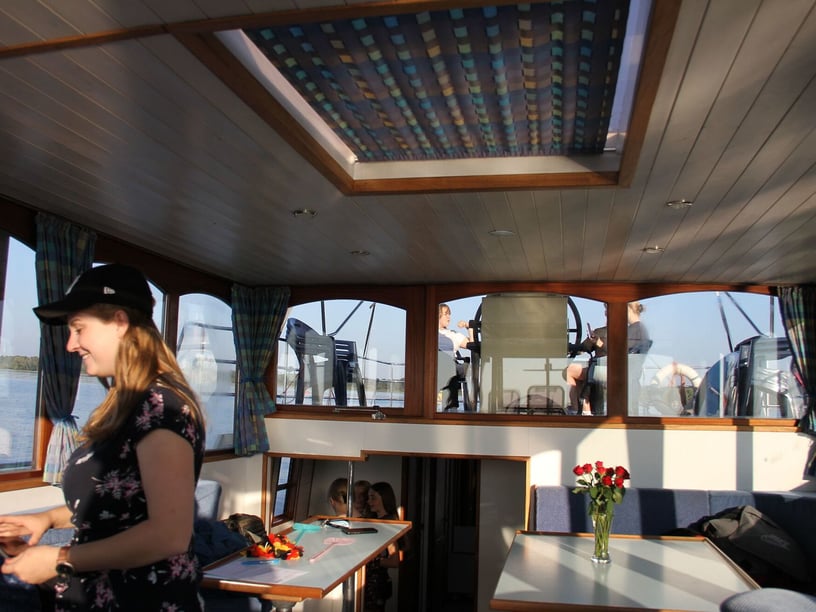
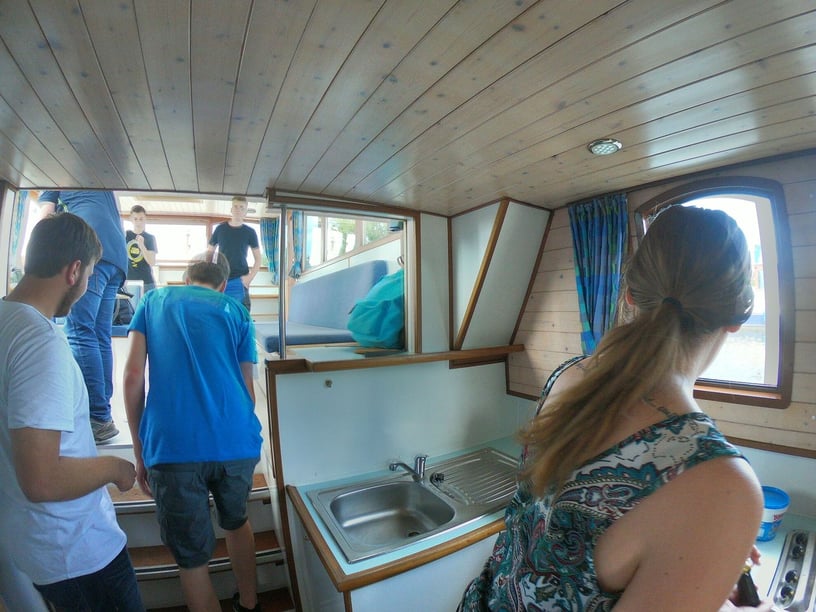
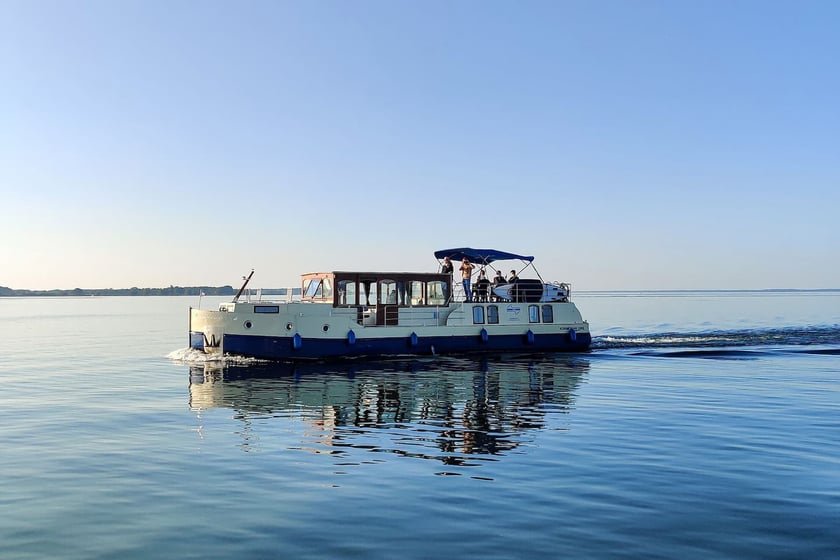
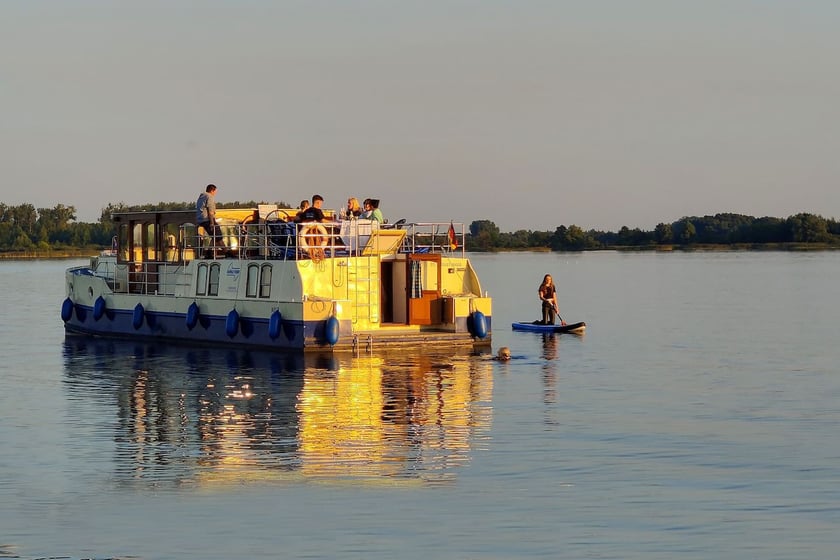
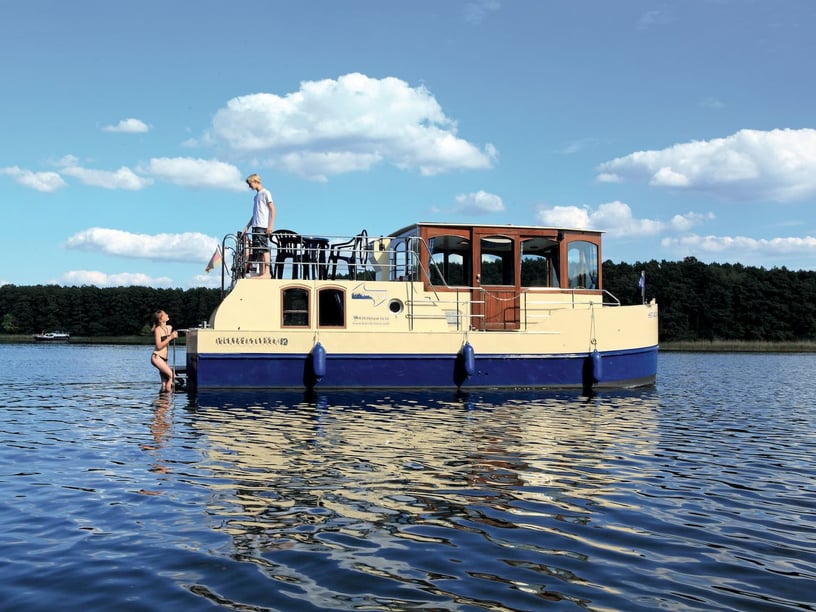
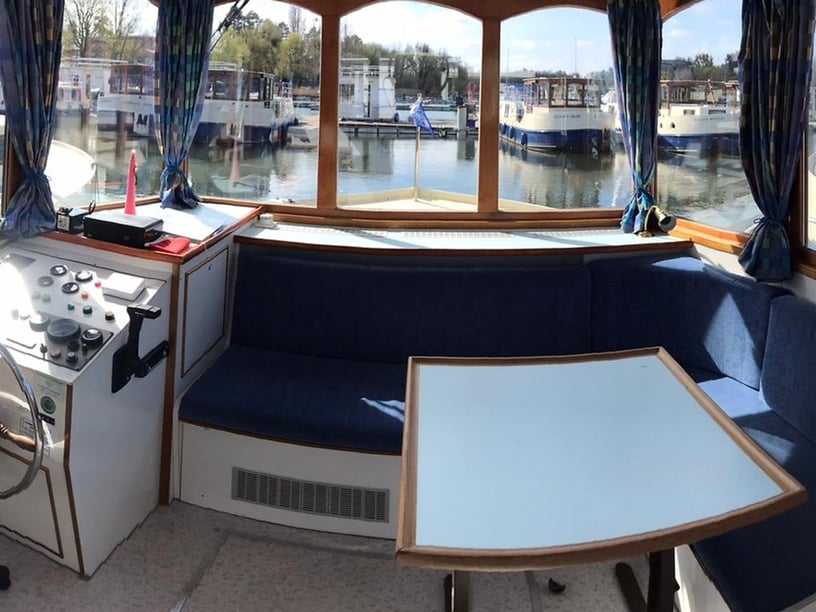
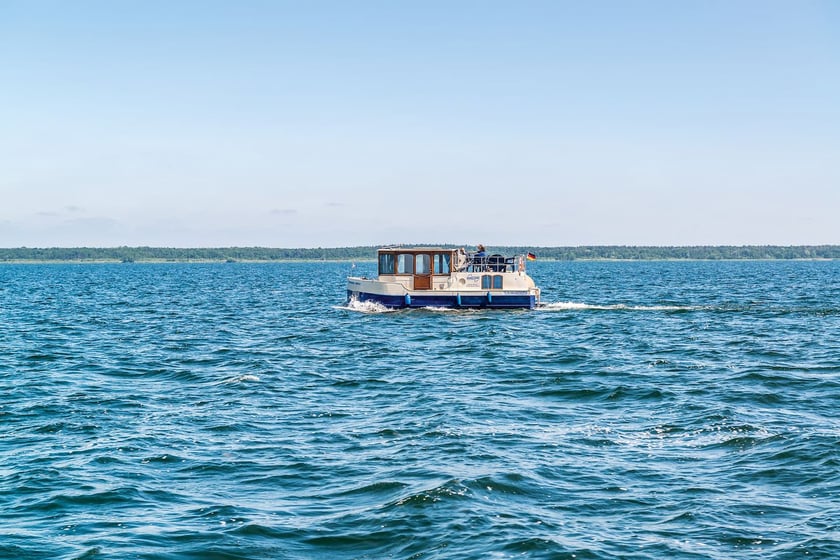
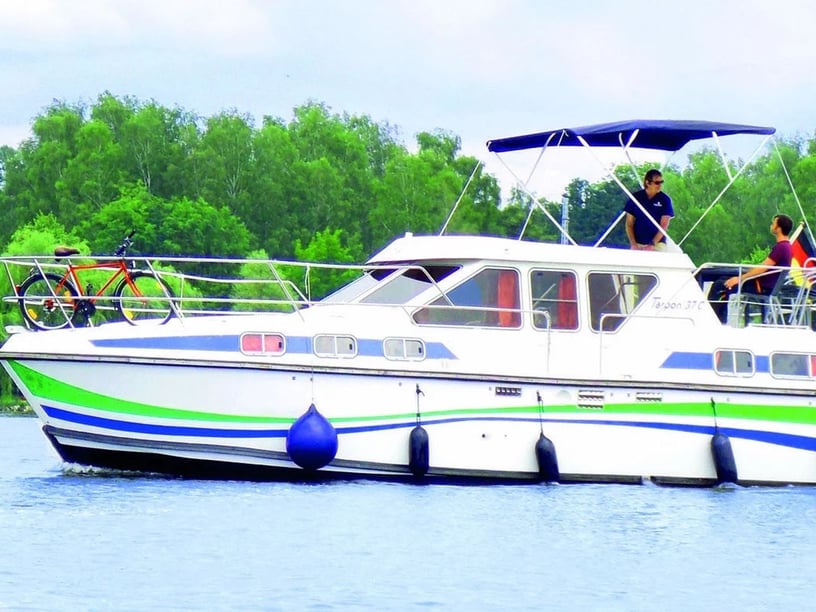
A yacht charter in Germany can take several very different forms. The North Sea offers tidal passages among barrier islands, sandbanks and the Wadden Sea, while the Baltic combines open coastal sailing with bays, islands and shallow lagoons. Inland, interconnected lakes, rivers and canals create a more sheltered setting for motor cruising, sailing and houseboat-style trips.
This variety makes choosing the right region especially important. Baltic itineraries often follow relatively short stages between established harbours and historic coastal towns. North Sea cruising demands closer coordination with tides and weather, whereas the Mecklenburg Lake District and Havel waterways favor a slower rhythm shaped by lakes, locks and waterside communities. Across these areas, time afloat can be combined with beaches, protected landscapes, maritime cities and Hanseatic architecture.
Germany’s principal charter areas
On the western Baltic, Flensburg, Kiel, Heiligenhafen and Lübeck-Travemünde provide access to a coast of fjord-like inlets, broad bays and frequent harbours. Routes can run through Kiel Bay and around Fehmarn or continue toward the Danish islands. The comparatively compact distances suit port-to-port cruising, with options to balance sailing time against stops in seaside towns.
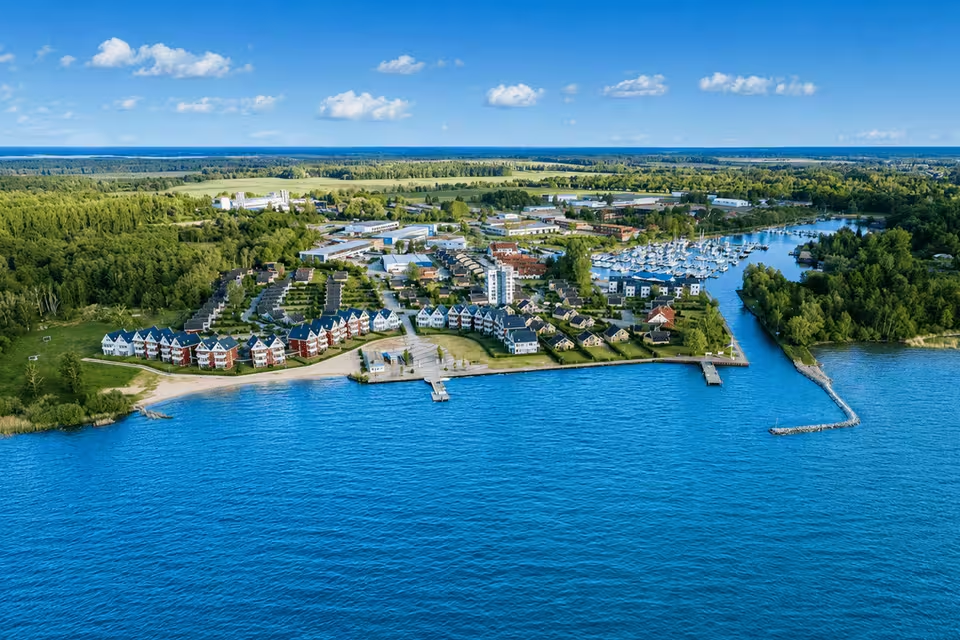
Farther east, the Mecklenburg-Vorpommern coast extends from Wismar and Rostock-Warnemünde toward Stralsund, Rügen and Usedom. This region combines exposed Baltic passages with the more protected Strelasund, Bay of Greifswald and Bodden lagoons. Rügen is particularly varied: its east and north coasts face open water, while Hiddensee and the inland-facing sounds and lagoons provide more sheltered alternatives. Shallow depths remain an important consideration even away from the exposed coast.
The North Sea is a distinctly different charter ground. Cuxhaven, Wilhelmshaven and Husum lead toward the East and North Frisian islands, the Halligen and, for suitably experienced crews, Heligoland. The Wadden Sea’s drying channels, mudflats and shifting shoals create a landscape that rewards careful tidal planning rather than spontaneous route changes.
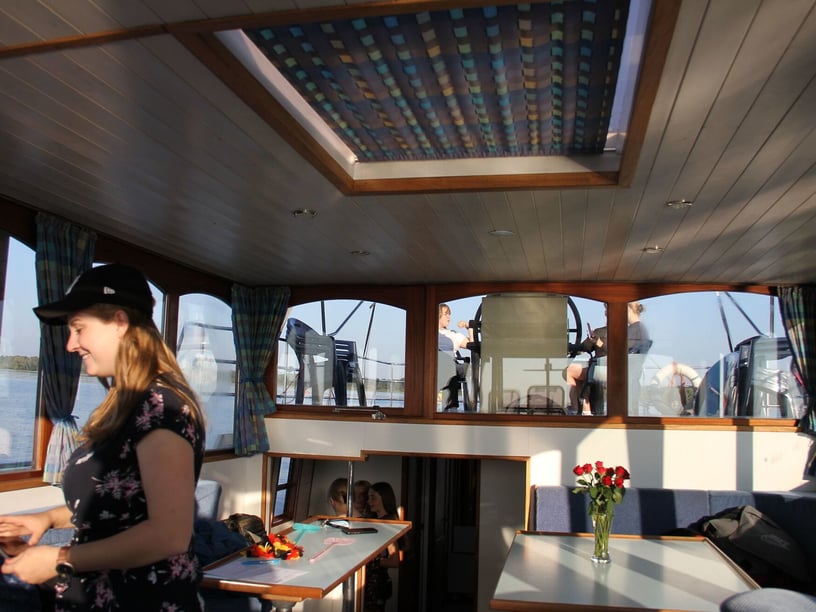
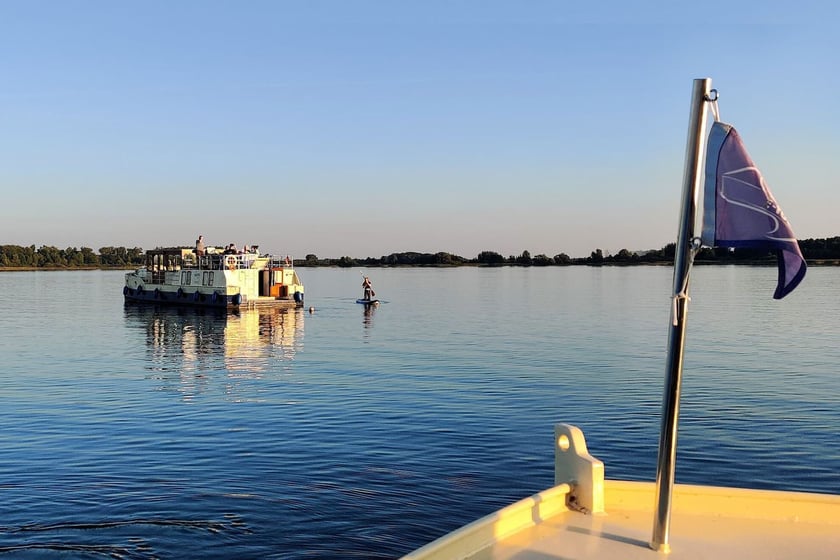
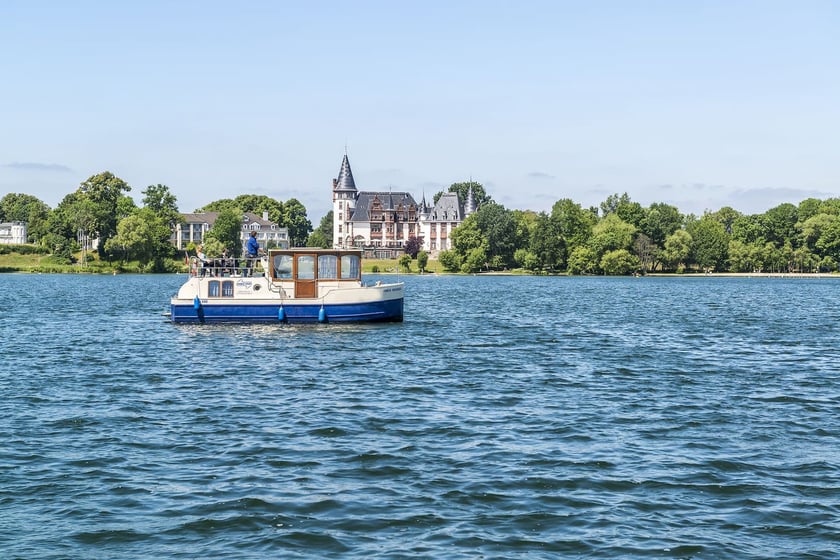
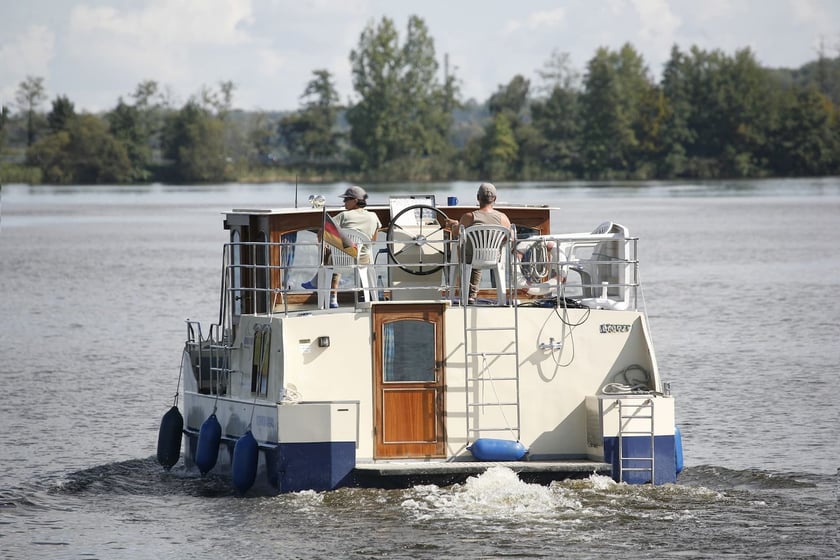
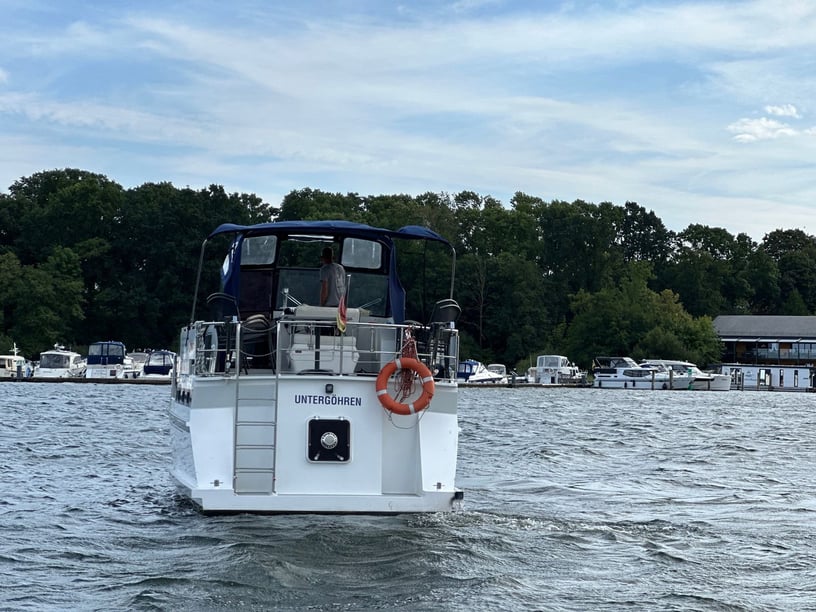
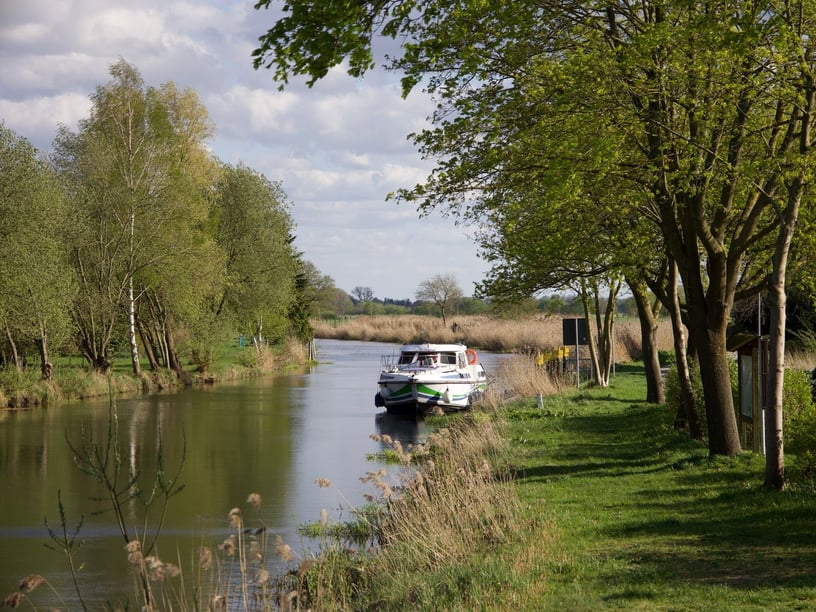
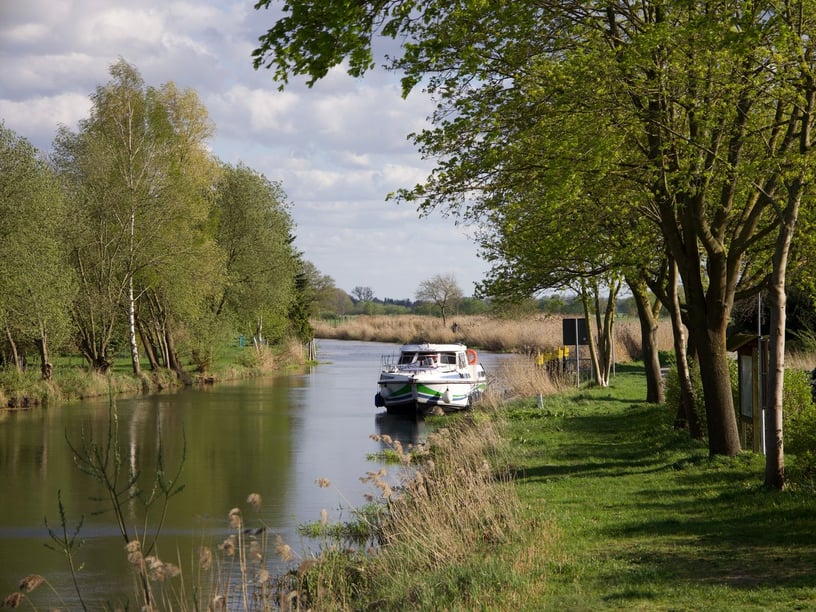
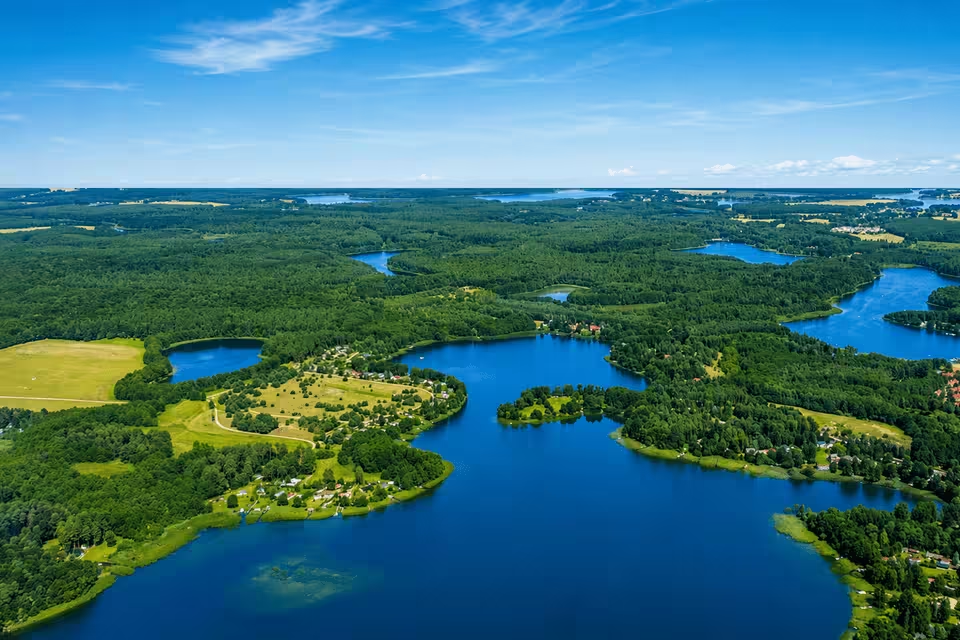
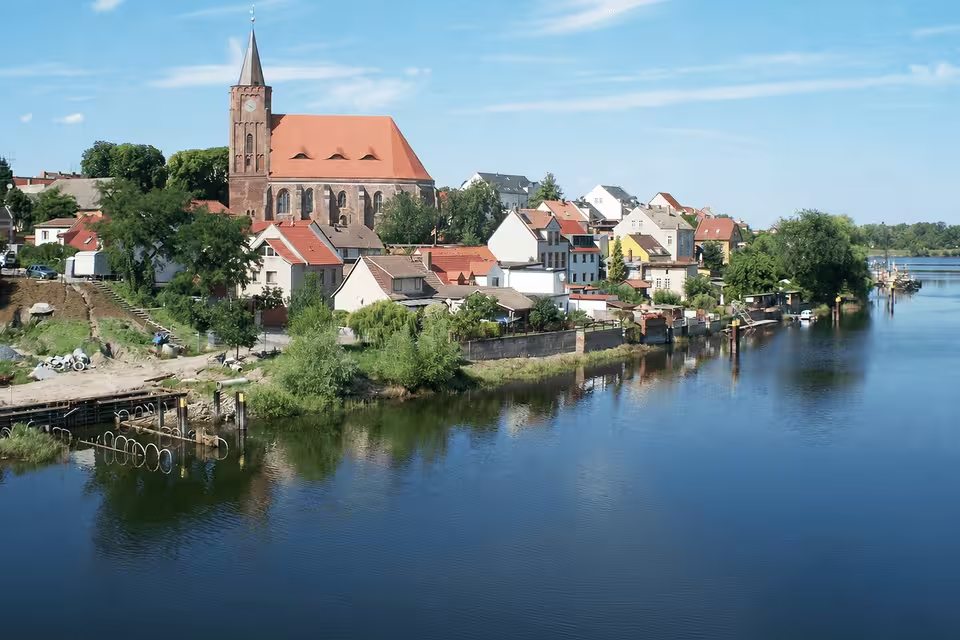
For sheltered inland cruising, the Müritz and Mecklenburg Lake District connect through the Upper Havel waterways toward Brandenburg and Berlin. This area suits travelers more interested in lakes, canals and unhurried stops than open-sea passages. The German shore of Lake Constance provides another inland option, separate from the northern waterway network.
What sailing in Germany is like
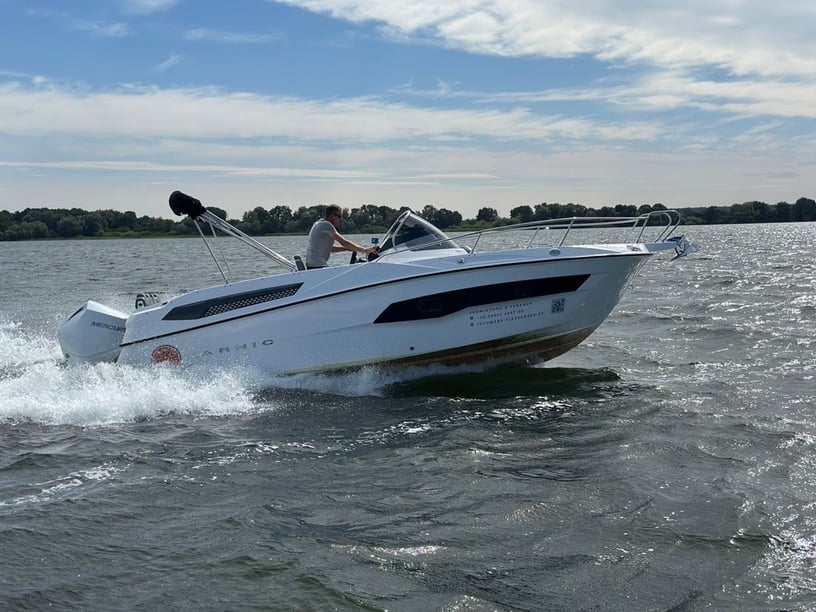
Westerly winds are common on both German coasts, but the resulting experience differs considerably. The Baltic has little astronomical tide, simplifying port-to-port timing compared with the North Sea. Wind can still alter water levels, however, and fresh conditions may produce a short, uncomfortable sea on exposed coasts and in shallow lagoons. The western Baltic offers frequent harbours, while eastern routes mix open water with protected sounds and Bodden passages.
North Sea itineraries must account for significant tidal streams, changing depths and harbour approaches that can become rough when wind opposes the current. Shoals and drying channels also limit when certain passages are practical. This makes the area better suited to crews comfortable with tide tables, current charts and flexible scheduling.
Inland waters are generally more sheltered, but they are not free of operating considerations. Local winds, shallow areas, locks, bridges and commercial traffic can shape the day. The contrast is useful when choosing a trip: open-sea sailing emphasizes weather and passage planning, while inland cruising places more focus on waterway procedures and a measured pace.
The best time for a Germany yacht charter
The principal recreational boating season runs from May through September, with June, July and August forming the busiest summer period. July, August and September are identified as particularly suitable months overall. The Baltic and sheltered inland waters may remain practical from April into October, although spring and autumn bring cooler conditions, shorter days and a greater chance of reduced marina, lock or tourism services.
For North Sea island cruising, July through September generally provides the most consistently suitable window. Even then, individual passages remain dependent on tides and weather. Outside summer, colder water and more variable conditions become increasingly important. Occasional winter ice can also affect sheltered Baltic and inland areas, making the low season unsuitable for most leisure charter plans.
Ideas for charter routes
A western Baltic itinerary can begin around Flensburg or Kiel and continue through Kiel Bay toward Fehmarn, Heiligenhafen, the Bay of Lübeck and Travemünde. The concentration of ports allows crews to adjust daily distances without abandoning the broader route, and an extended trip can continue toward the Danish islands.
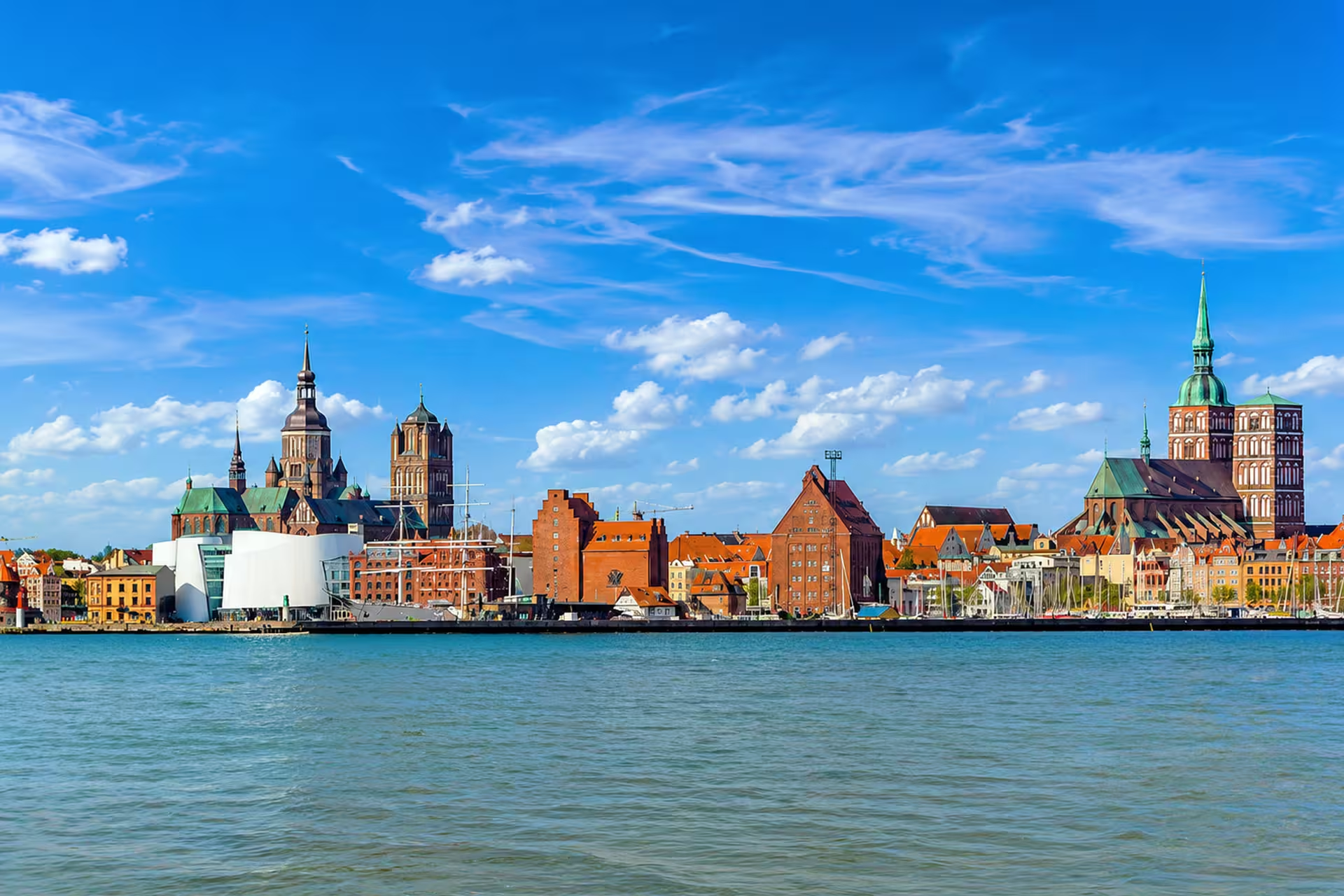
On the eastern Baltic, a one-way or return journey between Wismar, Rostock-Warnemünde, Stralsund, Rügen and Usedom combines historic ports with open coastal legs. Around Rügen, the exposed northern and eastern shores can be used in suitable weather, while Hiddensee, the Bodden, Strelasund and the Bay of Greifswald form the more sheltered side of a circuit.
North Sea island-hopping links mainland ports with the Frisian islands and Halligen. These routes should remain flexible because tide, wind and depth determine practical departure times. Inland, the Müritz and Mecklenburg Lake District can be connected with the Upper Havel waterways, creating longer journeys toward Brandenburg and Berlin without entering coastal waters.
Nature, beaches and maritime culture
Germany’s cruising areas place protected landscapes and cultural stops close to the water. In the North Sea, the UNESCO-listed Wadden Sea is defined by islands, tidal channels, mudflats and sandbanks. Wildlife watching can become part of the passage, but navigation, anchoring and shore access may be restricted in protected zones.
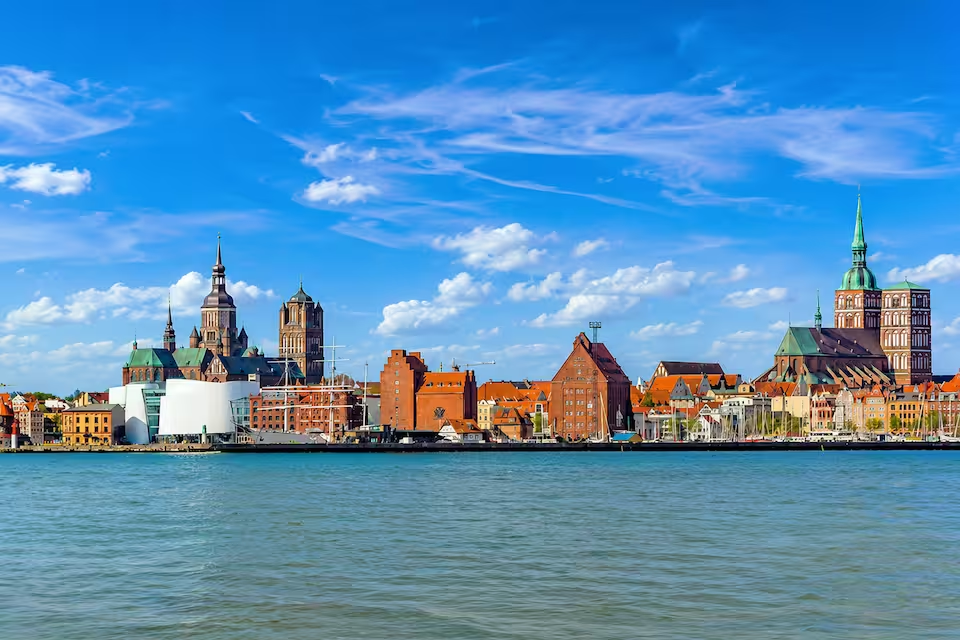
The Baltic offers sandy beaches, island landscapes and historic ports. Rügen combines lagoon cruising with access to Jasmund National Park and the Königsstuhl chalk cliffs. Stralsund and Wismar reflect the coast’s Hanseatic past through their historic centers, harbours and Brick Gothic architecture. Traditional Zeesboote, recognizable by their reddish-brown sails, preserve a fishing heritage closely associated with the Bodden lagoons.
A charter can also coincide with Germany’s public sailing culture. Kiel Week centers on Kiel Fjord and the regatta harbour at Schilksee, while maritime festivals in Rostock maintain the connection between working ports and recreational sailing. Swimming and beach stops are possible during summer, but the water remains cool compared with southern European charter regions.
Reaching the main departure areas
Hamburg and Bremen are the principal air and rail gateways for the North Sea and western Baltic, with onward road or rail connections to ports such as Cuxhaven, Wilhelmshaven, Flensburg and Kiel. Baltic departures also commonly use Kiel-Schilksee, Heiligenhafen, Lübeck-Travemünde, Rostock-Warnemünde, Stralsund and Kröslin.
Berlin and Rostock provide access to the Mecklenburg-Vorpommern coast and inland lake districts. Waren on the Müritz and Neustrelitz are established starting points for lake and waterway itineraries. Several large Baltic islands have fixed road or rail connections, while offshore and car-free North Sea islands rely on ferries. For Lake Constance, Friedrichshafen Airport provides direct access to the German shore.
Planning the right charter
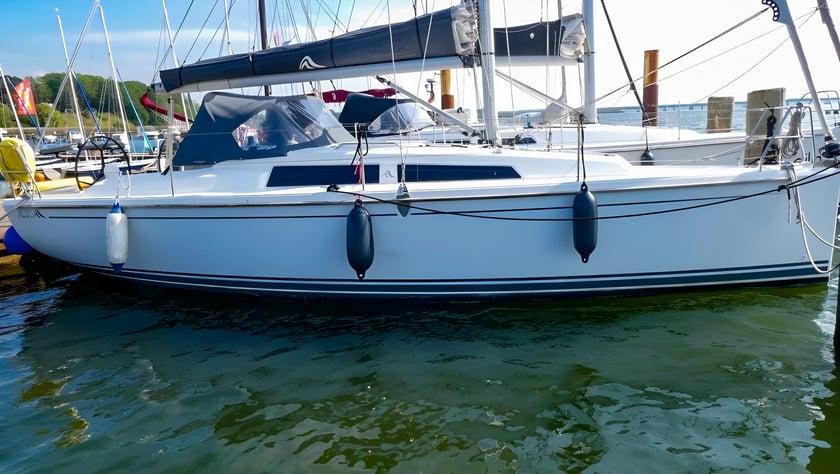
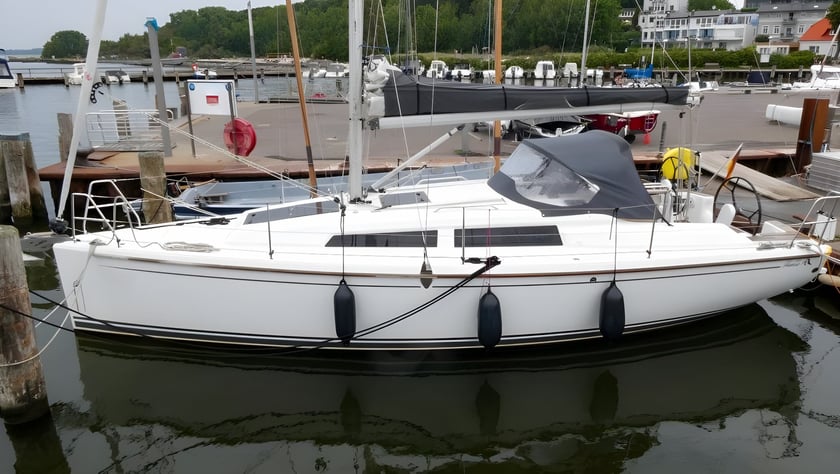
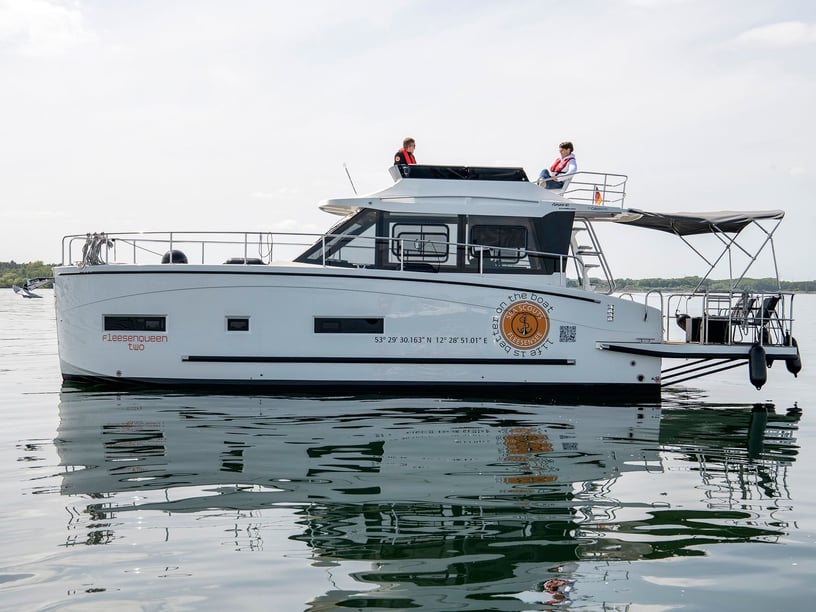
When comparing yacht charter or boat rental in Germany, begin with the cruising environment rather than distance alone. A Baltic sailboat trip, a tidal North Sea itinerary and an inland motor cruise require different experience and preparation. Travelers focused on wind-powered coastal cruising can also explore the dedicated sailboat charter options for Germany.
For the North Sea, confirm that the skipper and crew are comfortable using official tidal predictions, current nautical charts and realistic margins for changing depths and cross-currents. Draft is also important in Wadden Sea channels and shallow Baltic lagoons. On inland routes, check planned locks, bridge operations and any restrictions created by commercial traffic.
Licensing, qualification and radio requirements differ between maritime and inland waters and may also depend on vessel characteristics. Requirements should be verified through ELWIS and with the relevant charter operator before departure. Protected areas can restrict navigation, anchoring or shore access, so current charts and local notices remain essential.
Finally, plan for cooler water even in summer and carry suitable clothing and personal flotation equipment. Outside the main season, confirm marina opening periods, lock services and shoreside facilities before fixing the route.