Yacht charter in Sweden
A yacht charter in Sweden can take several quite different forms. The country has long Baltic and North Sea coastlines, thousands of islands and skerries, major inland lakes and a canal route crossing southern Sweden. A trip might involve short passages through a sheltered archipelago, a more exposed coastal cruise, an open-water crossing to Gotland or a lock-controlled journey along the Göta Canal.
This variety is central to the appeal of exploring Sweden by yacht. The Stockholm area is known for intricate passages between wooded islands, while the west coast combines bare granite shores, fishing communities and saltier marine conditions. Farther north, the High Coast and Gulf of Bothnia offer a more remote setting and a shorter operating season. Long summer daylight gives crews considerable flexibility, whether the day is divided between cruising, anchoring in natural harbours and visiting waterfront settlements.
Sweden’s principal cruising areas
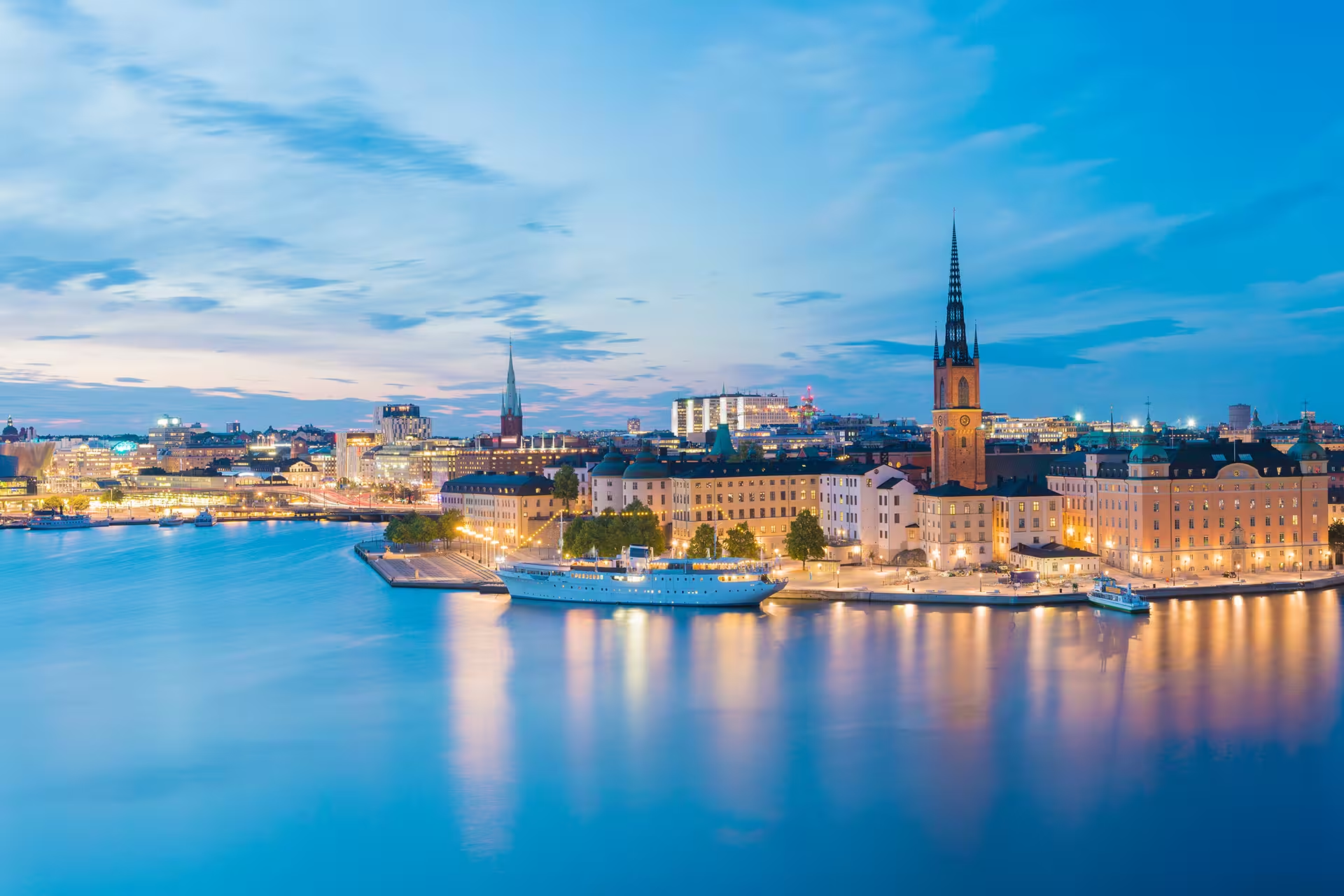
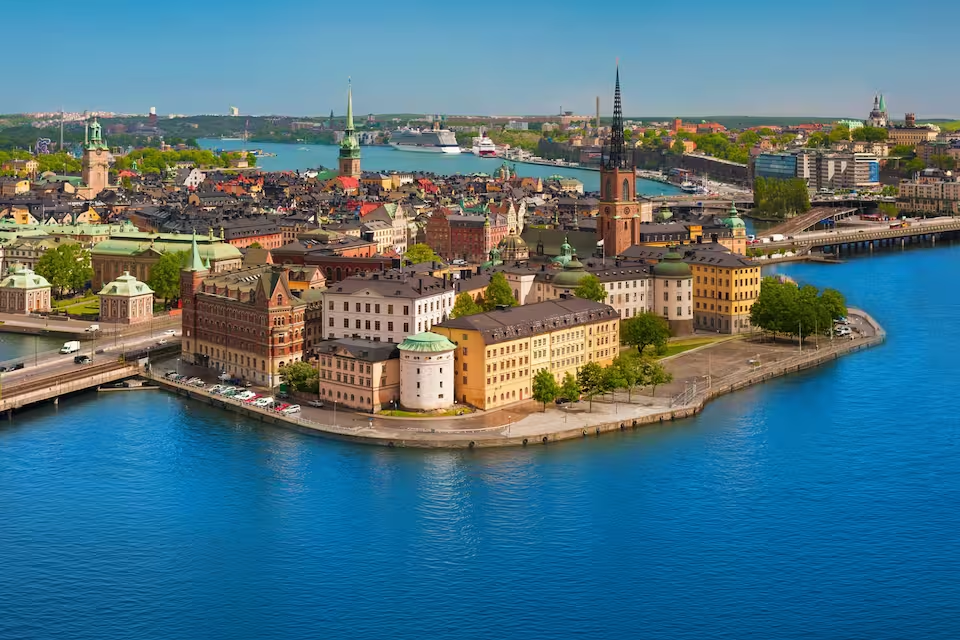
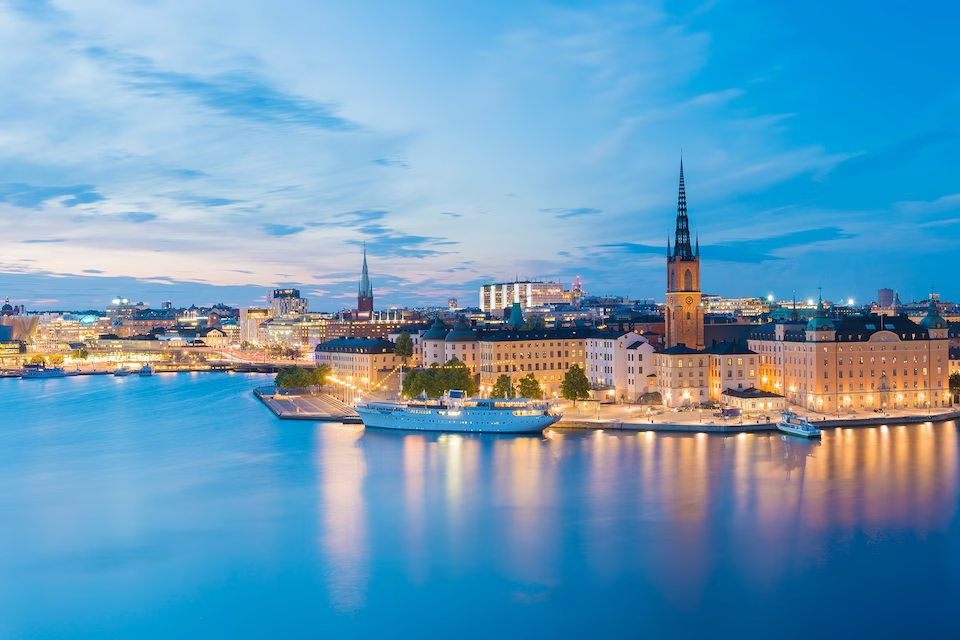
The Stockholm Archipelago is one of the most accessible introductions to Swedish cruising. Routes can begin in or near Stockholm and continue through Vaxholm and Grinda toward Sandhamn and the outer islands. Inner waters provide comparatively sheltered passages, while the outer archipelago feels more open and requires closer attention to conditions. Historic sites around Lake Mälaren, including the Viking-Age trading centre of Birka, can add an inland cultural dimension.
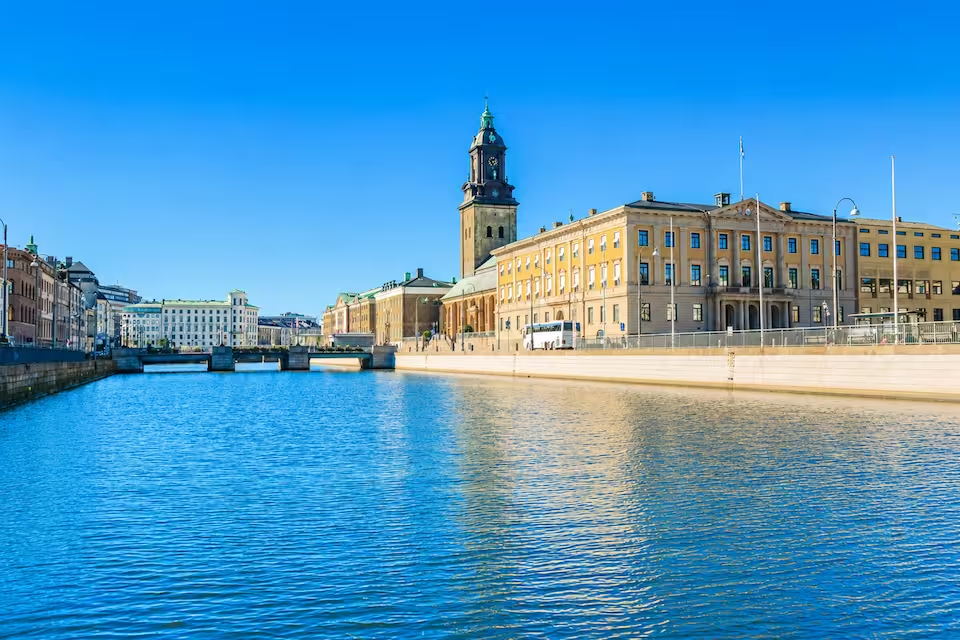
On the west coast, Gothenburg is a principal gateway to the Gothenburg and Bohuslän archipelagos. Northbound cruising links Marstrand, Lysekil, Smögen and Fjällbacka with Strömstad and the Koster Islands. Smooth granite, compact fishing villages and red waterfront boathouses give this coast a markedly different character from the greener Baltic islands. It is well suited to travelers who want coastal culture and seafood stops alongside time at anchor, although its exposure to the Kattegat and Skagerrak must be considered.
Gotland and Öland suit trips involving more open Baltic passages. Visby provides medieval and Hanseatic history ashore, while southeastern Sweden offers the Blekinge Archipelago and Karlskrona’s naval heritage. The High Coast, around the Ulvön Islands and Trysunda, has deeply indented shores and an actively rising post-glacial landscape. Inland, the Göta Canal connects Mem on the Baltic side with Sjötorp on Lake Vänern, creating an alternative to a conventional coastal charter.
What sailing in Sweden is like
Swedish waters range from line-of-sight island hopping to exposed offshore passages. Marked channels are extensive, but sheltered does not necessarily mean simple: dense skerries, isolated rocks, shoals and narrow approaches make accurate pilotage and regular position checks important. This is especially relevant in the Baltic archipelagos, where routes may weave closely between islands.
Conditions differ significantly by region. Inner Stockholm and other Baltic archipelagos offer more protection from open sea states, whereas Bohuslän and the Gothenburg coast are more exposed to weather from the Skagerrak and Kattegat. Crossings to Gotland and Öland, routes around the outer west coast and northern coastal cruising require greater allowance for open-water conditions.
For travelers, these differences influence both itinerary and charter style. A sheltered archipelago route can emphasize short passages and frequent stops, while an offshore itinerary calls for more conservative weather planning. Current Swedish Maritime Administration charts and SMHI marine forecasts are important throughout, as conditions can vary substantially between the west coast, Baltic coast and Gulf of Bothnia.
The best time for a Swedish yacht charter
The principal yacht charter season runs from June through September, with June, July and August identified as the most suitable months nationally. These months combine the longest daylight with generally more comfortable temperatures, and guest harbours, restaurants, fuel points and island services are most widely available during the core summer period.
May can work in southern or sheltered areas, but temperatures remain cool and some services may not yet be operating fully. September is a shoulder-season month: cruising can still be possible, although weather becomes less consistent and seasonal facilities may begin to reduce their hours. Northern waters generally have a shorter practical season than southern Sweden.
Winter is unsuitable for ordinary recreational cruising in many areas because of cold, short daylight, limited services and ice. Ice particularly affects northern Baltic waters, sheltered bays and some inland waterways. The Göta Canal follows its own seasonal operating schedule, normally from May into September, so its current dates should be checked separately.
Ideas for yacht charter itineraries
A classic Stockholm itinerary links the capital with Vaxholm, Grinda and Sandhamn. It can remain within relatively sheltered waters or extend into the outer archipelago when conditions and crew experience permit. This format works well for a trip built around manageable passages, natural anchorages and regular opportunities to go ashore.
On the west coast, a northbound route from Gothenburg or Marstrand can continue through Lysekil, Smögen and Fjällbacka toward Strömstad and the Koster Islands. The sequence combines granite archipelagos with established fishing settlements, but the itinerary should retain flexibility for stronger winds and sea states.
The Göta Canal offers a different rhythm. The passage between Mem and Sjötorp crosses southern Sweden through canals and inland waters, with a possible continuation across Lake Vänern and through the Trollhätte Canal and Göta River to Gothenburg. Lock schedules, booking arrangements and vessel limits shape this journey more than open-sea mileage. Farther north, a High Coast trip can focus on the Ulvön Islands, Trysunda and the indented shoreline around Örnsköldsvik.
Culture, nature and life ashore
A Sweden yacht charter is as much about the spaces between ports as the ports themselves. Extensive skerry networks create opportunities to pause in natural harbours and secluded anchorages, while long summer days allow time for unhurried passages and shore visits. The contrast between bare west-coast granite and forested Baltic islands becomes particularly clear from the water.
Maritime history appears in several forms. Visby retains medieval walls, warehouses and a street pattern shaped by its role as a Hanseatic trading centre. Karlskrona was founded in 1680 as a planned naval base and remains closely associated with Sweden’s fleet. Around Lake Mälaren, Birka recalls Viking-era trade, while the early-19th-century Göta Canal reflects a later period of ambitious inland navigation.
Food is especially integral to west-coast cruising. Prawns, mussels, oysters, lobster and other seafood are part of Bohuslän’s culinary identity, making fishing villages natural stops during a coastal itinerary. Nature-focused highlights include Kosterhavet National Park and the High Coast, where continuing land uplift gradually changes the relationship between shorelines, islands and inlets.
Reaching the main departure areas
Stockholm and Gothenburg are the principal international gateways for the country’s major east- and west-coast cruising regions. Stockholm Arlanda Airport serves the capital, while Göteborg Landvetter Airport provides access to Gothenburg and Bohuslän. Rail and road links connect the principal coastal cities, and local ferries reach many inhabited archipelago islands.
Common eastern starting points include Stockholm, Vaxholm, Sandhamn and Nynäshamn. On the west coast, departures may be organized around Gothenburg, Marstrand or Strömstad. Visby serves Gotland, while Karlskrona is a useful base for southeastern waters. For the Göta Canal, Mem and Sjötorp mark the Baltic and Lake Vänern ends of the classic crossing. Travelers heading farther north may use regional airports such as Umeå or Luleå, depending on the intended cruising area.
Planning your charter
Choosing between yacht charter and boat rental in Sweden begins with geography. Travelers seeking short passages and frequent island stops may prefer a sheltered archipelago itinerary. Those considering Bohuslän, Gotland, Öland or the High Coast should allow more flexibility for exposed conditions and longer distances. Canal cruising requires a vessel compatible with current dimensional limits and an itinerary organized around locks and operating times.
Navigation experience is another important consideration. Skerries and shallow rocks demand careful use of current coastal, archipelago and harbour charts, even where the water appears protected. Chart corrections, Notices to Mariners and marine forecasts should be reviewed before departure. The skipper should also understand restrictions affecting bird sanctuaries, nature reserves and national parks.
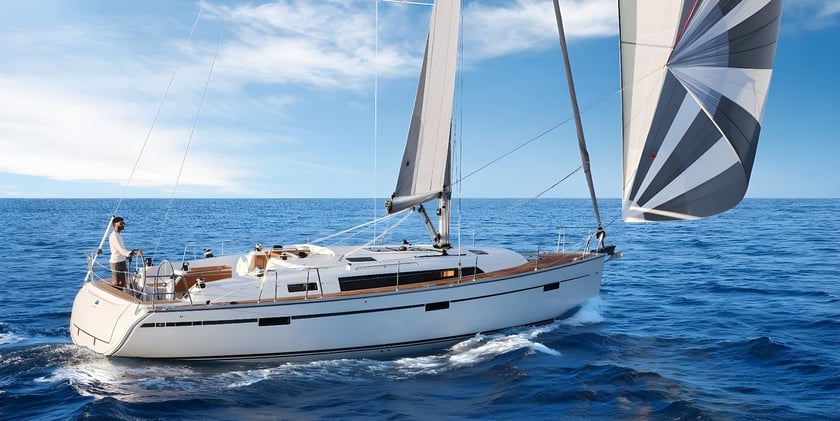
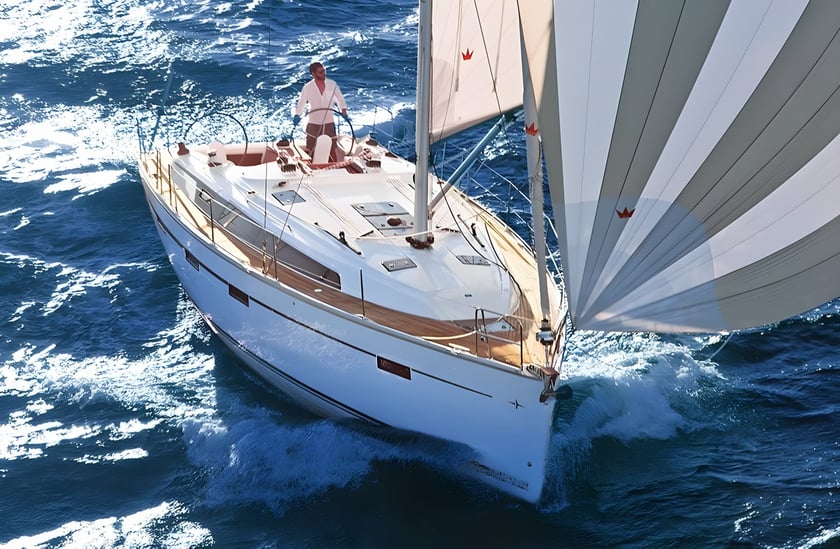
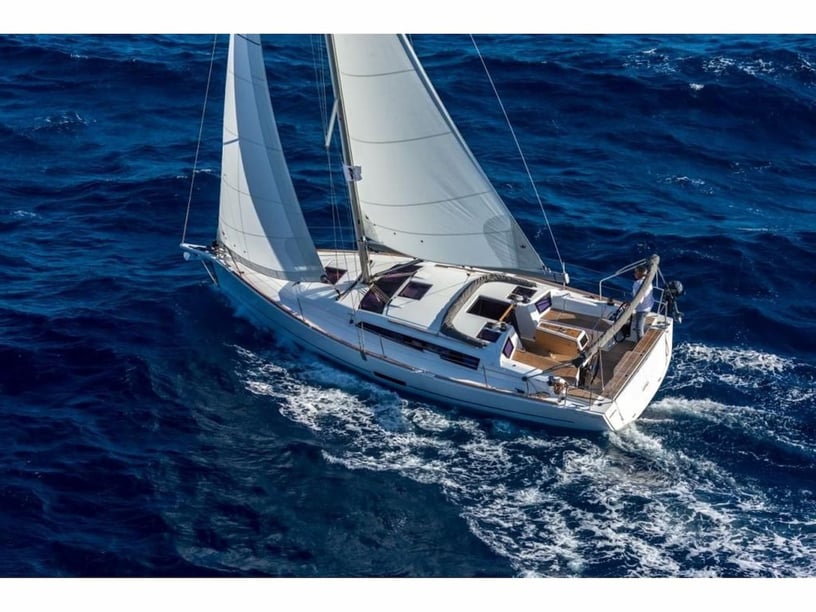
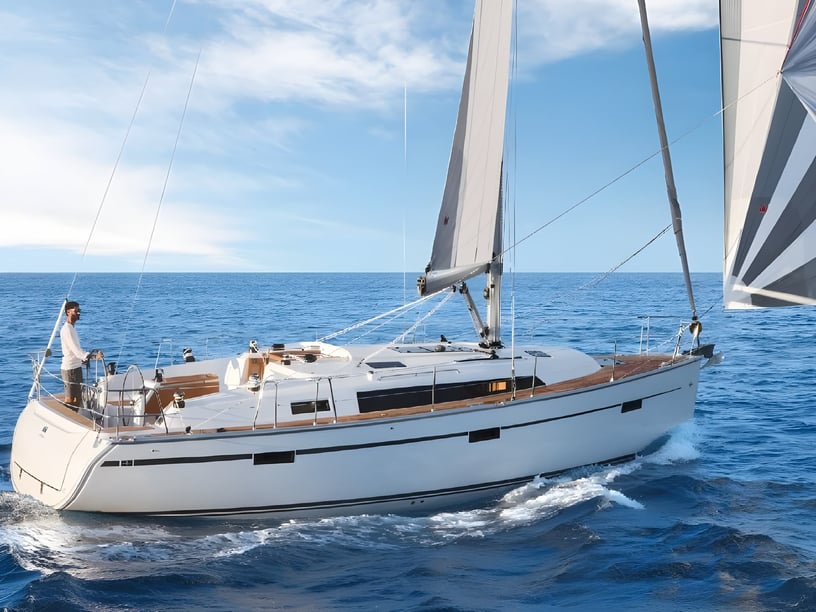
Sweden’s Right of Public Access generally permits temporary mooring away from private residential grounds, but it does not override local environmental restrictions or the need to avoid disturbance. Outside summer, reduced harbour staffing, limited fuel access and fewer open restaurants can materially affect an itinerary. Before confirming a trip, compare the crew’s experience, desired pace, seasonal services and likely exposure rather than choosing a route solely by distance. Travelers specifically interested in a wind-powered trip can also review sailboat charter in Sweden in the context of these regional differences.






Verified
Břetislav K.01 Oct 2025
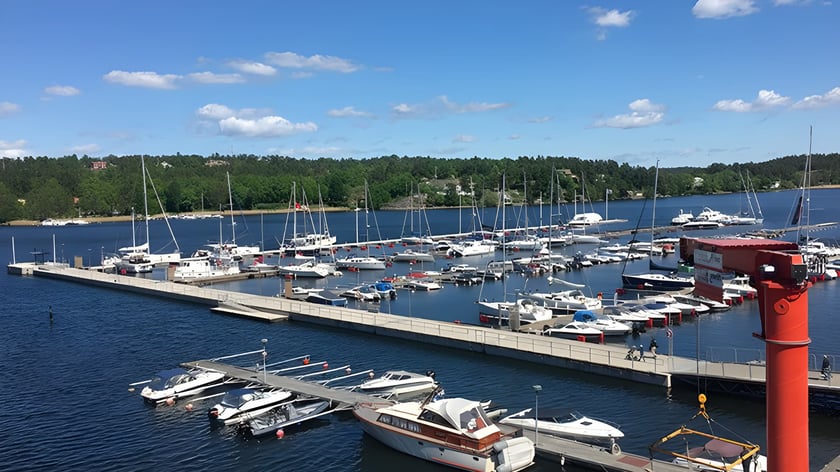
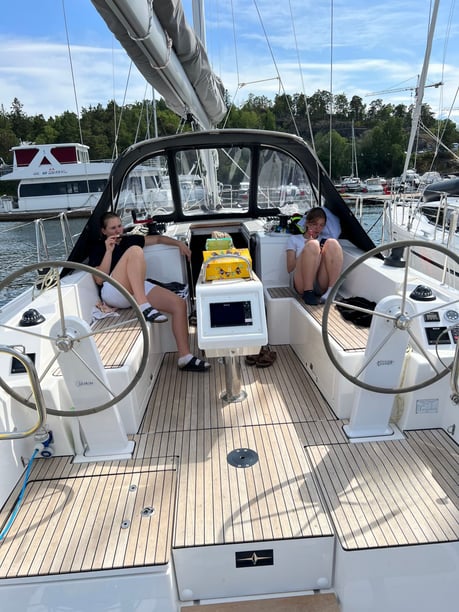
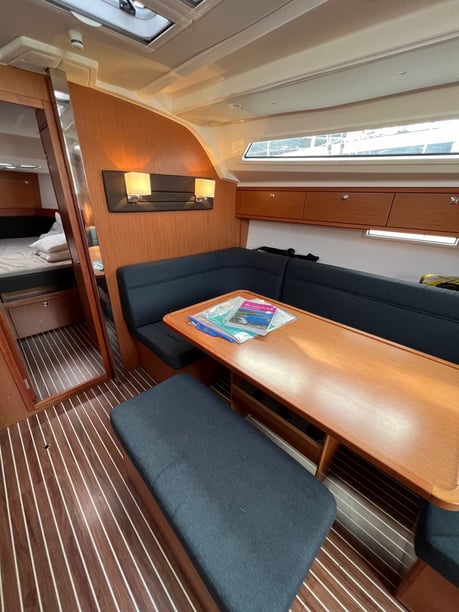
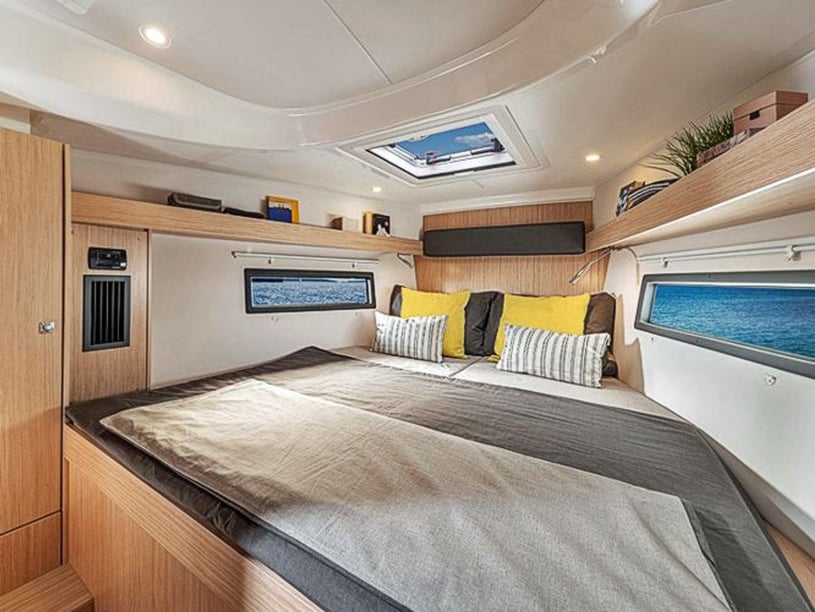
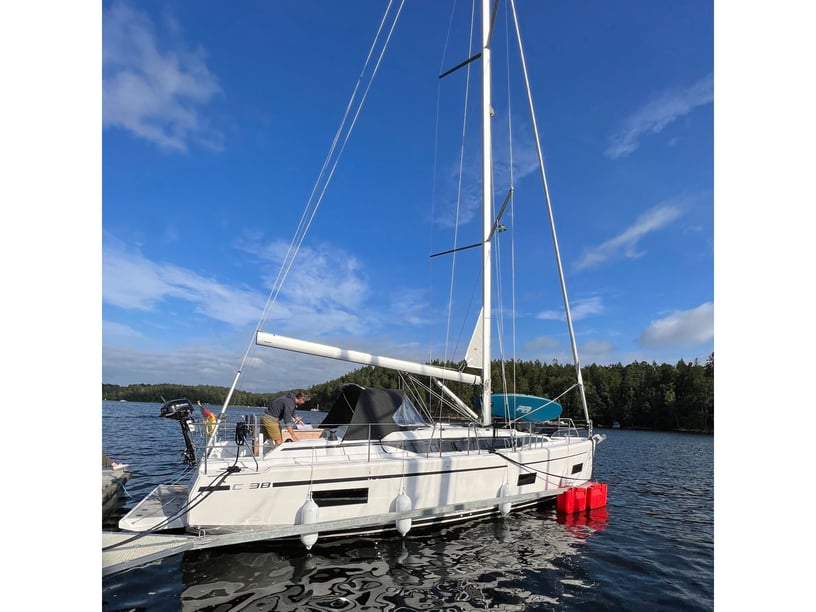
Communication was excellent during both the handover and return of the boat, and the approach at the marina was fair. I also appreciate having a supermarket within walking distance of the marina.
Listing owner: PerStockholm - Saltsjöbaden / Sweden