Yacht charter in Portugal
A yacht charter in Portugal is not a single, uniform coastal experience. The country combines an exposed Atlantic mainland, sheltered river estuaries, the south-facing Algarve and the volcanic archipelagos of Madeira and the Azores. Each area calls for a different approach to route length, weather and time spent offshore.
The Algarve lends itself to relatively short coastal passages, with marinas, cliff-backed bays and access to the channels and barrier islands of the Ria Formosa. Around Lisbon and Setúbal, estuaries and nearby bays provide more protected local cruising than the open west coast. Madeira and the Azores bring a stronger ocean-sailing character, including deep water, volcanic shorelines and passages between islands.
Time ashore is an important part of the journey. Historic ports, working harbours, seafood-focused towns and places associated with Portuguese ocean navigation add cultural depth to days spent swimming, cruising or exploring coastal landscapes.
Choosing a Portuguese cruising area
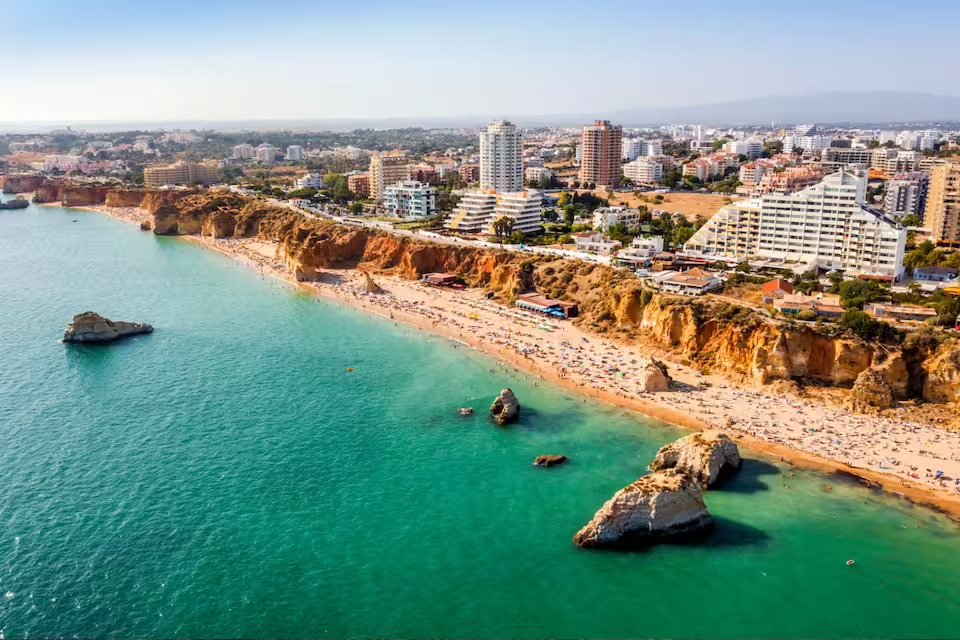
The Algarve is the clearest choice for travelers seeking a sequence of coastal stops. Sagres and Cape St. Vincent mark its more exposed western end. Farther east, Lagos and Portimão provide access to golden cliffs, sea caves and bays, while Albufeira and Vilamoura continue the marina-linked route. Around Faro, Olhão and Tavira, the emphasis changes to the tidal channels, salt marshes and barrier-island beaches of the Ria Formosa.
The Lisbon region suits shorter trips that combine city time with sailing. Cascais opens onto its own bay and sits near the Tagus, while Sesimbra, the Arrábida coast and the Sado Estuary offer another cluster of sheltered waters and natural landscapes. North of Lisbon, the mainland coast becomes more passage-oriented, with ports such as Peniche, Leixões and Viana do Castelo acting as important stopping points along an exposed shore.
Madeira and Funchal suit travelers comfortable with an ocean setting and pronounced local weather differences around mountainous islands. The Azores are more remote still. Horta is a natural base for the central islands of Faial, Pico and São Jorge, while Ponta Delgada and Angra do Heroísmo offer other starting points within the archipelago.
What sailing in Portugal is like
Portugal faces the Atlantic, and this shapes the yacht charter experience even when the coastline appears close and accessible. Along the mainland west coast, Atlantic swell and prevailing northerly or northwesterly summer winds make many trips feel like passage sailing between refuge ports. Winds often strengthen during the afternoon, so departure timing and realistic daily distances matter.
The Tagus, Sado and sheltered bays around Cascais and Sesimbra offer a different rhythm, with more scope for local cruising. In the Algarve, conditions around Sagres and Cape St. Vincent are generally more exposed than those farther east. The Ria Formosa is protected from the open sea by barrier islands, but its tidal channels and shifting sediment require current local information.
Madeira and the Azores should not be treated as extensions of mainland coastal cruising. Inter-island legs cross open ocean, and swell, cloud, wind and mountainous terrain can create substantial local variation. These areas can be rewarding for experienced sailors, but less experienced groups may prefer professional support rather than planning independent passages.
The best time for a Portugal yacht charter
June, July, August and September are the most broadly suitable months for yacht charter across Portugal. On the mainland, this period offers the strongest overlap of warm, dry weather and the principal recreational boating season. It is still important to allow for Atlantic swell and afternoon winds, particularly on west-facing coasts and around exposed headlands.
April, May and October form the shoulder season. They can work well for the Algarve and sheltered-estuary cruising when forecasts provide a suitable weather window, but conditions are less consistent than in summer. Winter sailing is more limited along the exposed mainland and in the Azores because Atlantic systems can bring rougher seas.
Madeira supports boating throughout the year, although year-round access does not remove its exposure to ocean weather. In the Azores, June through September or early October generally brings warmer conditions, longer sunny periods, calmer winds and clearer water. Timing should therefore be assessed by cruising area rather than by applying one national calendar to every route.
Route ideas for a yacht charter
An Algarve itinerary can link Lagos, Portimão, Albufeira and Vilamoura, with shorter passages allowing time for cliff-lined bays and visits ashore. Continuing east changes the character of the trip: excursions from Faro, Olhão or Tavira explore the Ria Formosa’s channels and barrier islands rather than following a conventional open-coast route. From Vila Real de Santo António, the Guadiana River offers an alternative inland journey toward Alcoutim.
From Peniche, the Berlengas crossing combines a nature-reserve visit with diving opportunities, but it depends on suitable sea conditions. Around Madeira, a trip may pair coastal cruising with the passage to Porto Santo when weather permits.
In the Azores, a central-group circuit can run from Horta to Pico and São Jorge, sometimes extending to Terceira before returning to Faial. These are genuine offshore legs rather than short hops in protected water, so itinerary flexibility is essential. Horta also serves as an established Atlantic stop for yachts continuing through the archipelago or toward mainland Portugal.
Coastal nature, culture and food
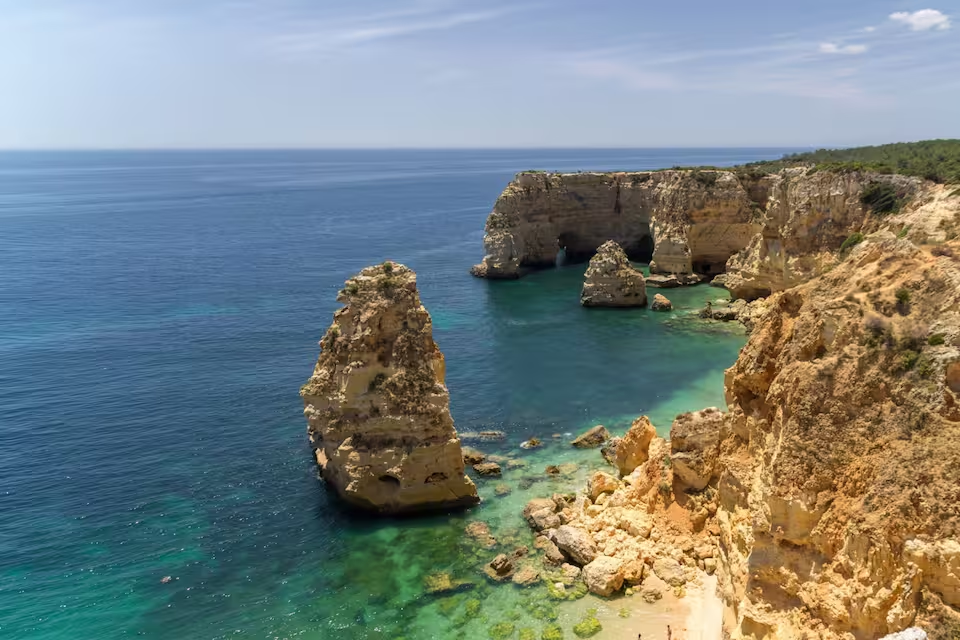
Portugal’s contrasting shores make the experience on deck as varied as the sailing itself. In the western and central Algarve, cruising beneath the cliffs near Ponta da Piedade reveals caves, coves and small beaches from a perspective unavailable on an inland journey. Farther east, the Ria Formosa replaces rocky scenery with lagoon channels, salt marshes and long barrier-island beaches.
Near Setúbal, the Arrábida landscape and Sado Estuary combine natural surroundings with access to coastal settlements. The Berlengas add a more exposed nature-reserve setting, while Madeira’s Ponta de São Lourenço and Porto Santo Beach show two different sides of the archipelago.
Atlantic maritime culture is especially visible in the islands. Visiting crews traditionally leave painted emblems and vessel names on Horta Marina’s breakwaters. On Pico, vineyards are divided into small plots protected by black volcanic-stone walls, and Angra do Heroísmo reflects centuries as an Atlantic port of call.
Meals ashore are another recurring part of a charter. Grilled fish, caldeirada, shellfish and Algarve cataplana connect the journey to working harbours and regional coastal traditions.
Airports and departure points
Lisbon, Porto and Faro are the principal gateways to mainland cruising areas. Lisbon Airport provides access to the Tagus, Cascais, Sesimbra and Setúbal; Faro Airport is the most practical gateway for Algarve bases from Lagos eastward to Vila Real de Santo António. Porto Airport connects with Leixões and other northern ports, although west-coast itineraries require closer attention to ocean conditions and refuge harbours.
Common Algarve starting points include Lagos, Portimão, Albufeira, Vilamoura, Sagres, Faro, Olhão and Tavira. Cascais Marina, Sesimbra Harbour and Setúbal or Tróia serve the Lisbon and Sado areas.
Madeira is reached through Madeira Cristiano Ronaldo Airport, with departures possible from Funchal, Quinta do Lorde or Porto Santo. The Azores have air gateways at Ponta Delgada and Horta, among others. Regional flights and selected maritime services connect some islands, but seasonal ferry patterns should not be used as substitutes for independent yacht-passage planning.
Planning the right charter
For travelers comparing boat rental in Portugal, the first decision should be the cruising area rather than the boat alone. A short Algarve coastal trip, a local charter around Cascais, and an Azores island circuit have very different requirements. Consider how much time the group wants to spend under way, whether open-ocean passages are acceptable and how important frequent marina stops or time ashore will be.
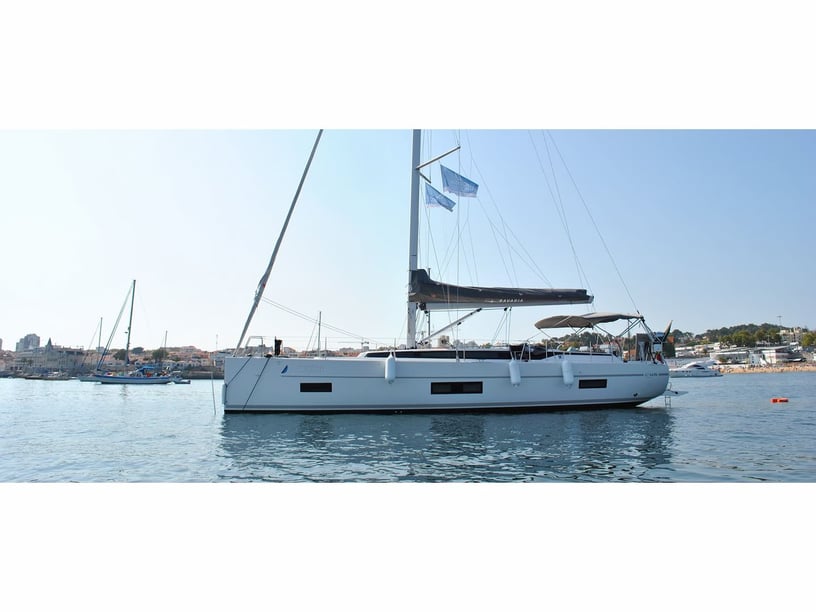
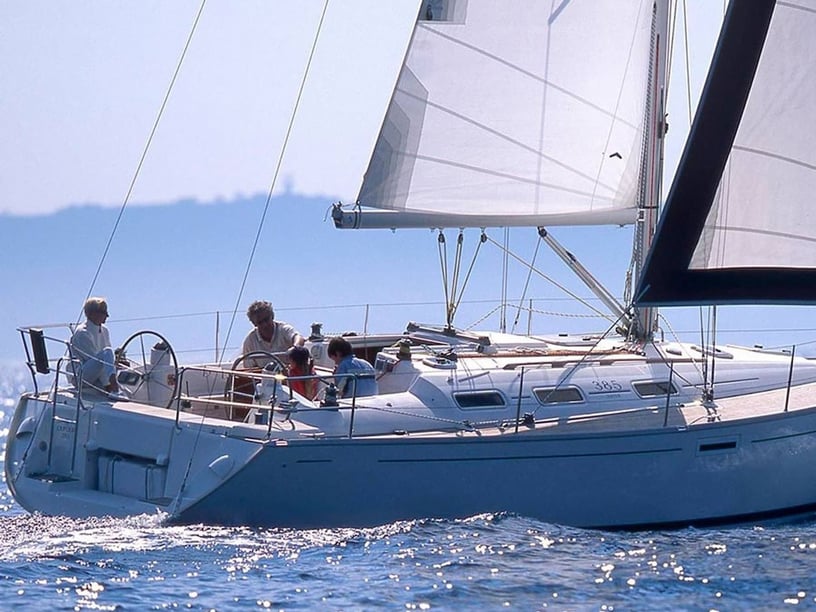
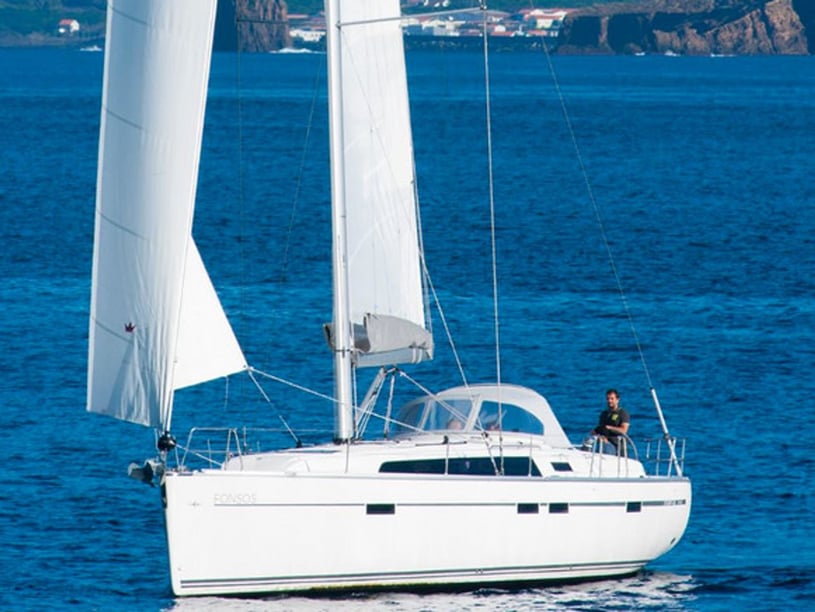
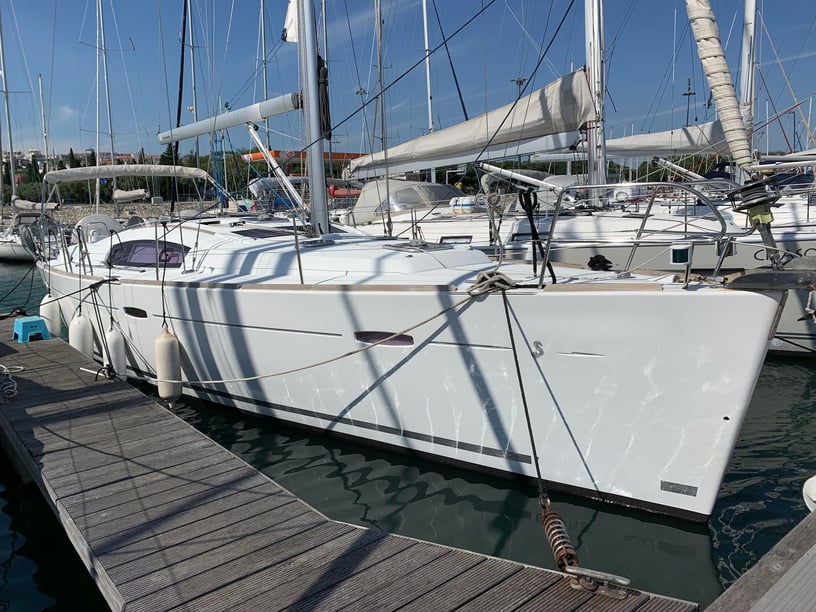
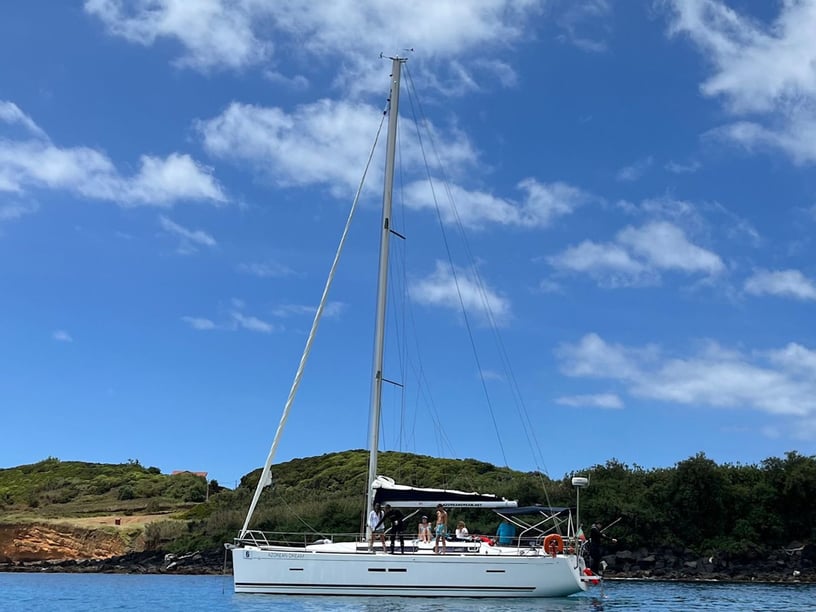
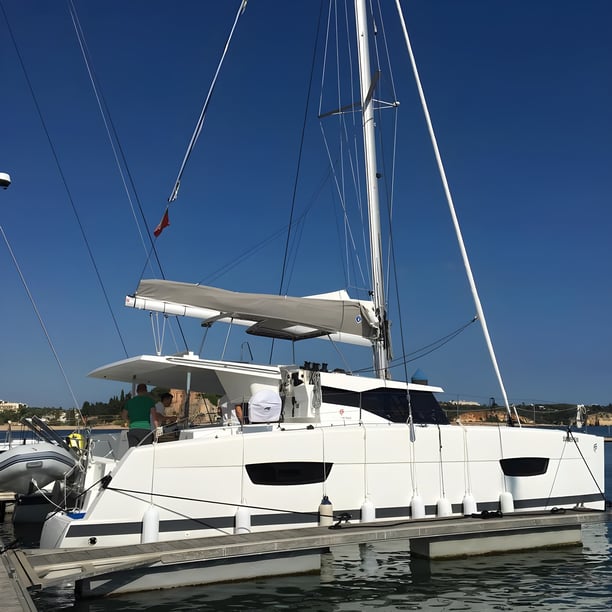
Experience level should shape the charter format. Exposed headlands, Atlantic swell and inter-island passages may call for a professional skipper or crew, especially for groups without offshore experience. Travelers considering a sailing-focused trip can review sailboat charters in Portugal, while those prioritizing space and stability can compare catamaran charter options. The appropriate choice still depends on the intended waters, route and forecast.
Before departure, consult current marine forecasts, official navigation information and harbour-master advice. River bars, estuary entrances and lagoon channels can be affected by tide, swell and shifting sediment. Access and anchoring rules should also be checked for protected areas such as the Berlengas and parts of the Ria Formosa. Building flexibility into the itinerary is particularly important around exposed mainland coasts, Madeira and the Azores.






Verified
Nico V.01 May 2026
We had a really great time on board. The snacks and drinks were perfect, we could play our own playlist, and we had a lot of fun. The boat was also very spacious.
Porto / Portugal