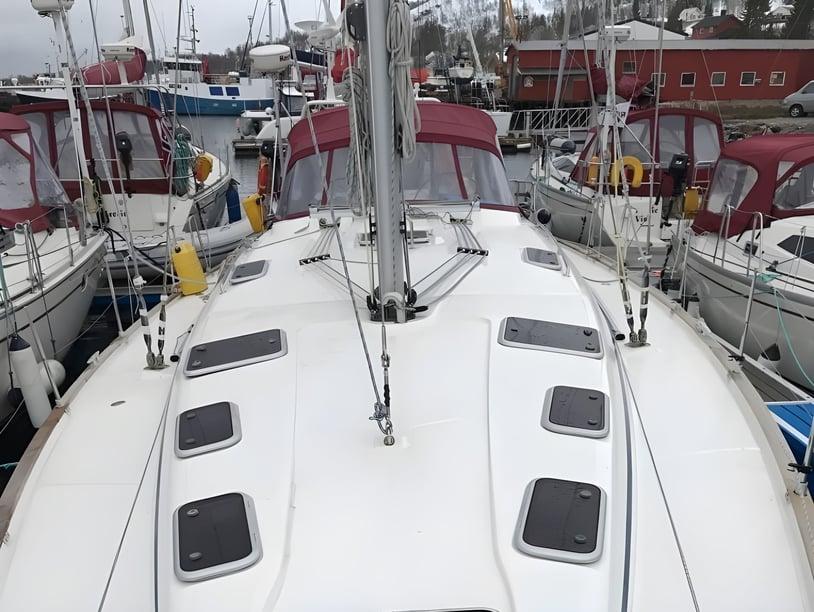
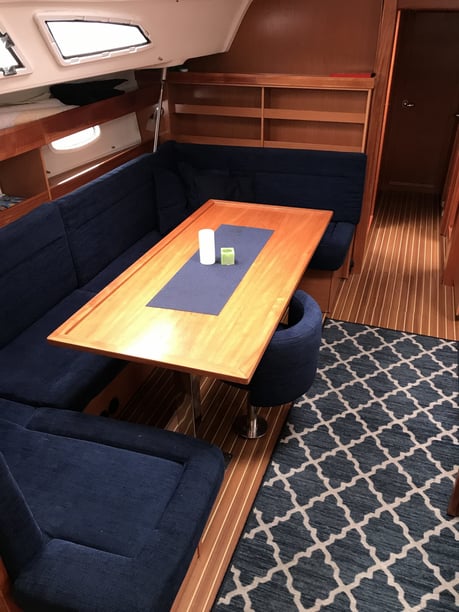
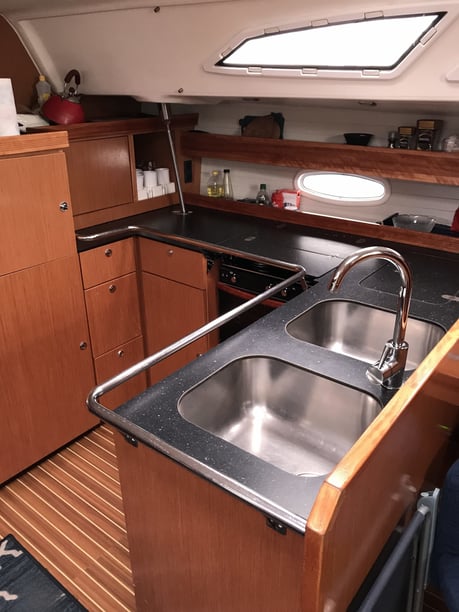
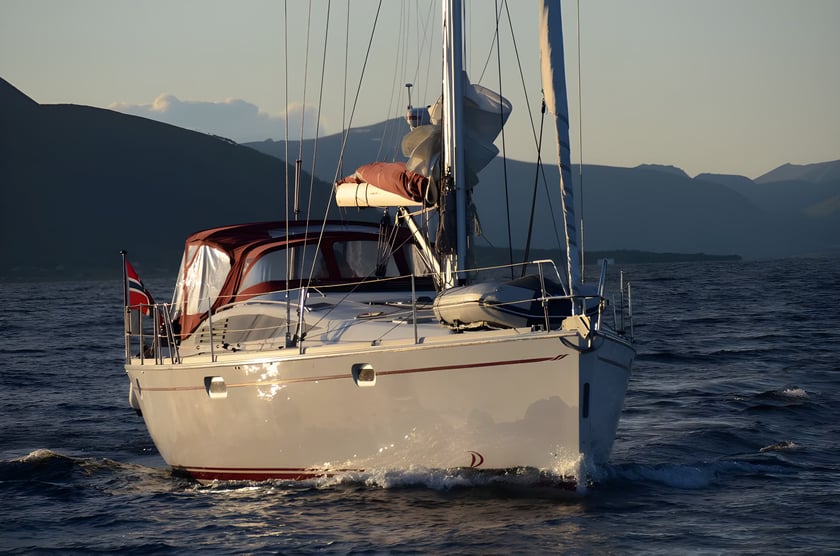
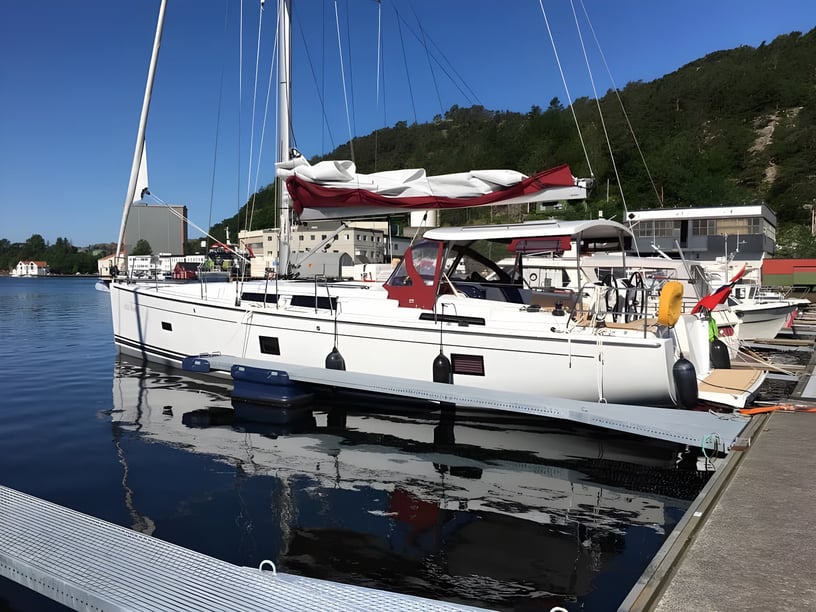
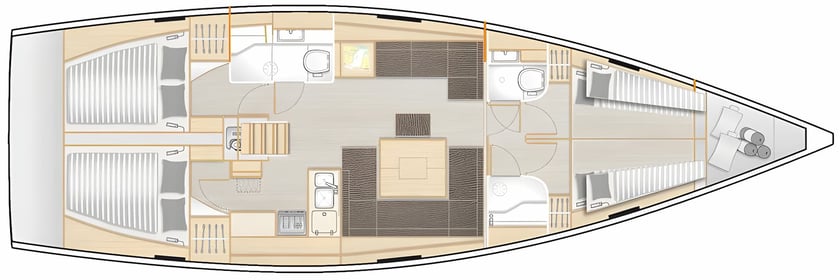
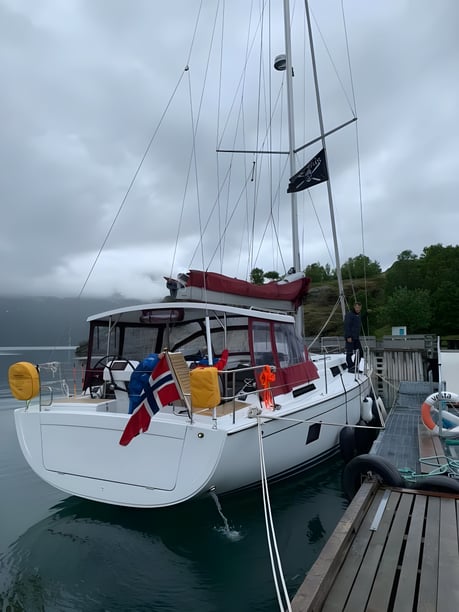
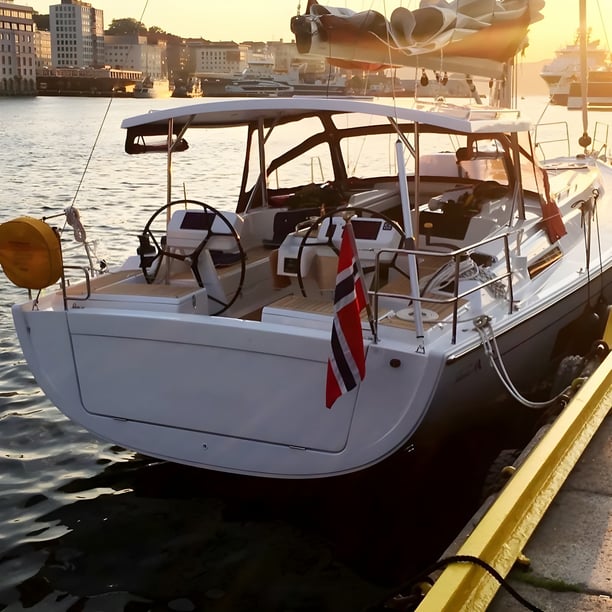
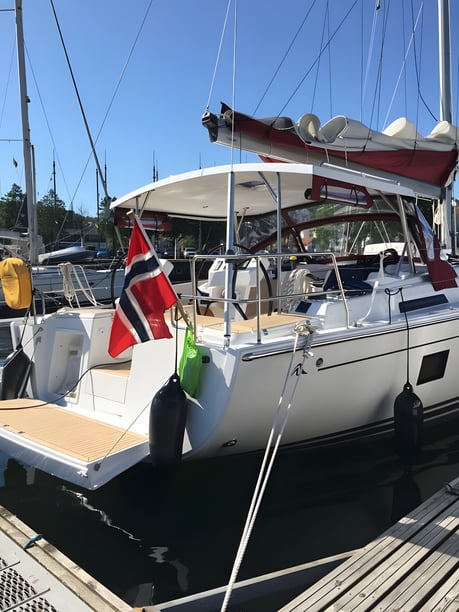
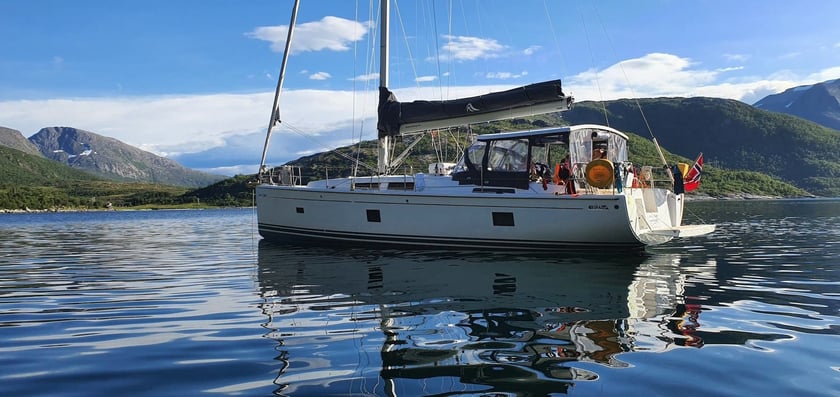
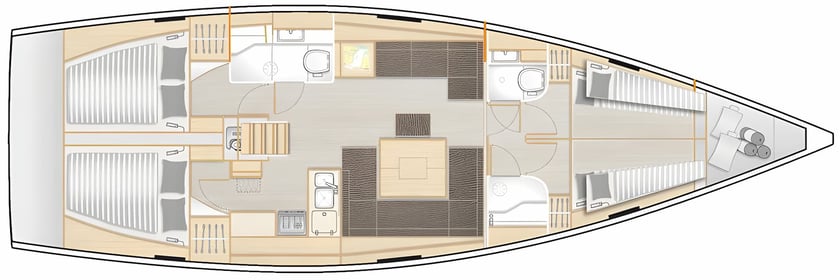
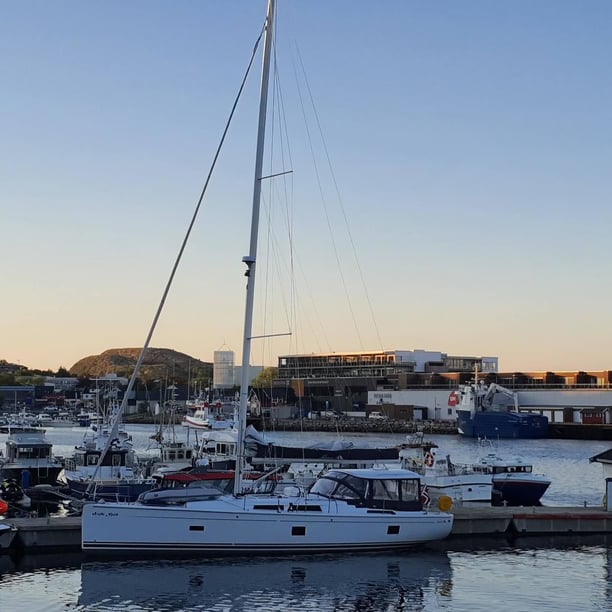
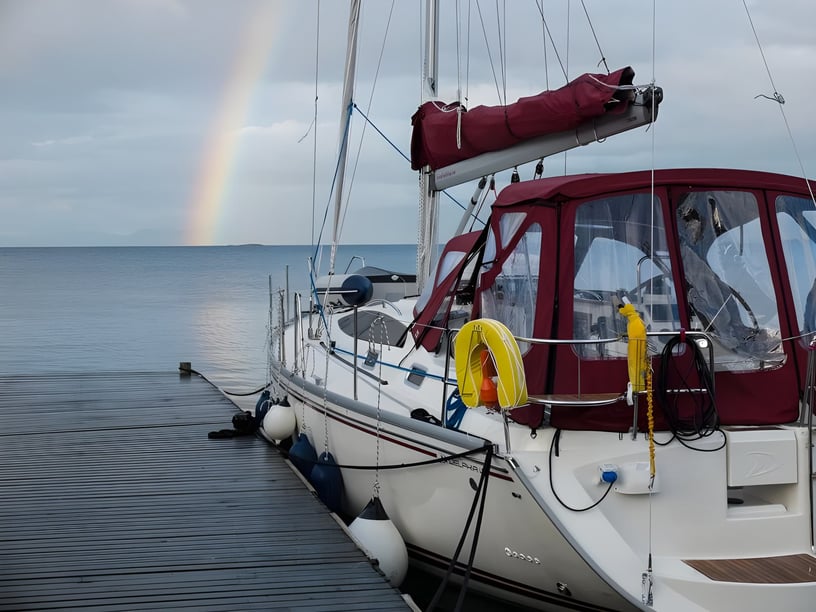
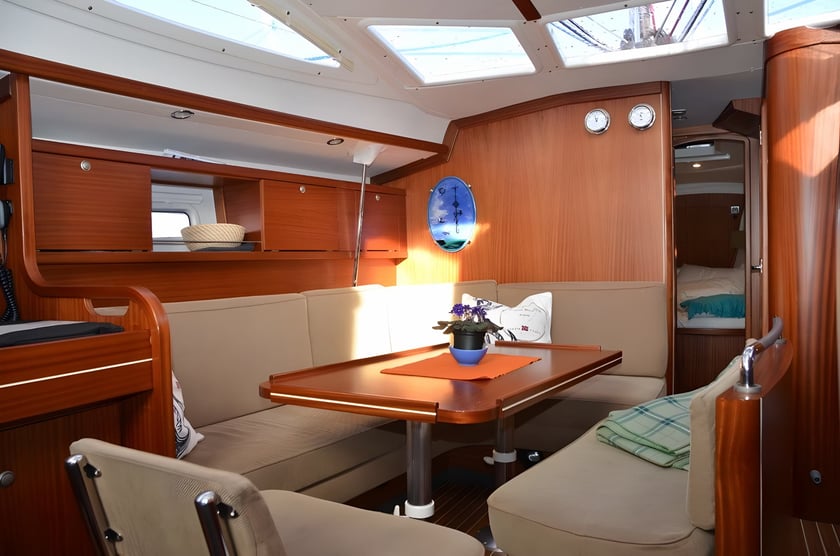
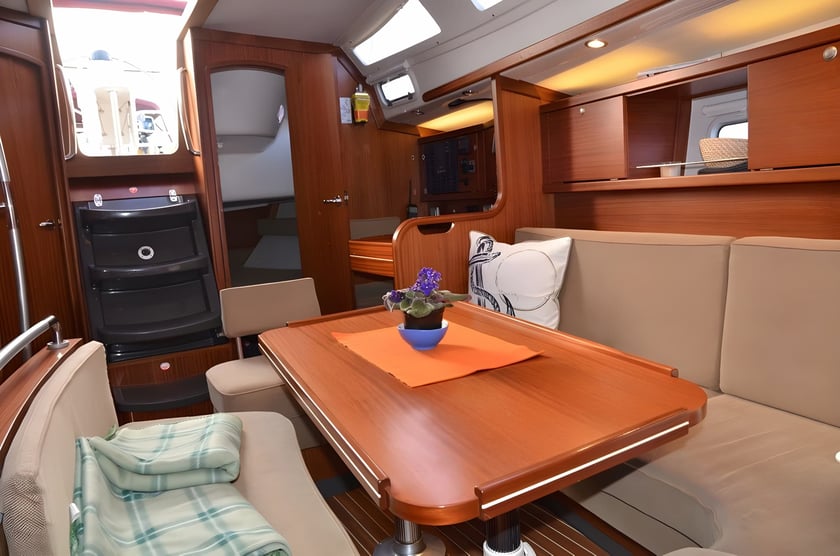
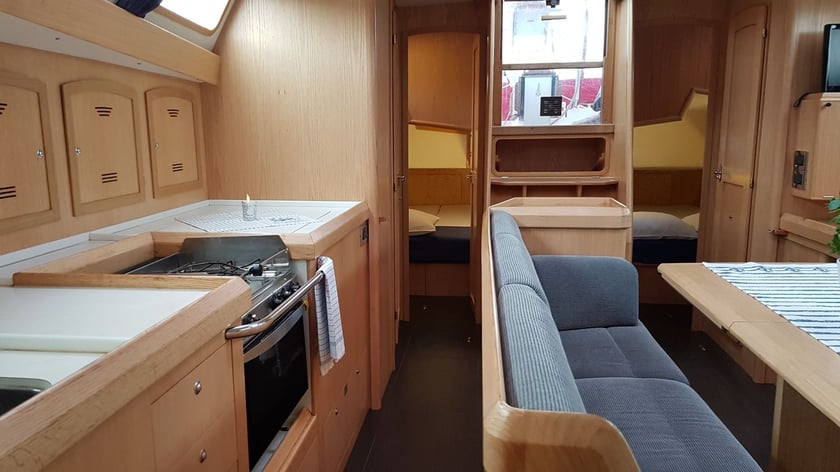
Yacht charter along Norway’s coast
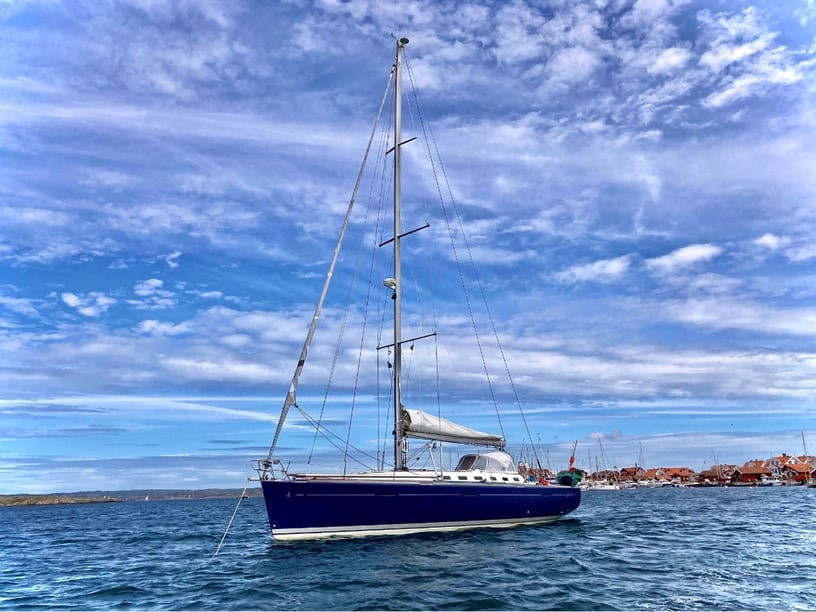
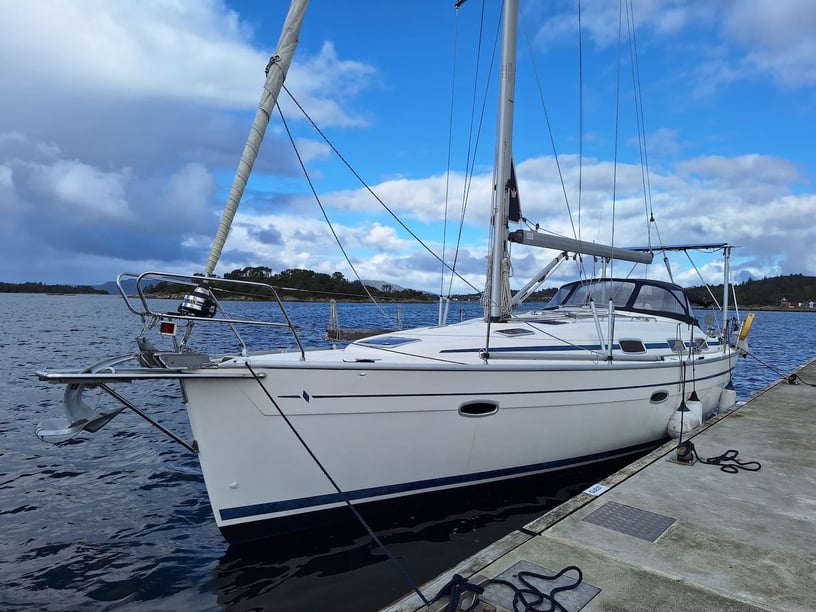
A yacht charter in Norway can take many forms, from short passages through the sheltered islands of Oslofjord to deep-fjord cruising, remote island-hopping and more demanding Arctic sailing. The country’s deeply indented coast faces four seas and is broken up by thousands of skerries, islands and narrow sounds. This creates extensive protected waterways, but also leaves some headlands and crossings exposed to open-ocean conditions.
Exploring by yacht reveals how closely Norway’s communities are tied to the water. Historic ports, fishing villages and modern waterfront cities can be combined with natural harbours, mountain-backed fjords and islands that remain most easily reached by boat. Trips differ considerably by region: southern itineraries can focus on compact archipelagos and coastal settlements, while western and northern voyages often cover greater distances and demand more careful planning. Choosing the right area is therefore as important as choosing the yacht or charter format.
Norway’s principal cruising areas
Oslofjord is one of the most accessible areas for a first Norwegian charter. Routes can begin among Oslo’s inner islands before continuing south past coastal settlements, historic Oscarsborg Fortress and the archipelagos toward Hvaler. Passages are relatively compact, and the south generally enjoys Norway’s warmest and most stable summer conditions. It suits travelers who want to combine island stops with urban time and shorter cruising days.
The west coast offers the country’s best-known city-and-fjord combinations. From Stavanger, yachts can enter the Ryfylke waterways and continue through Høgsfjorden into Lysefjord, associated with Preikestolen. Bergen provides access to the coastal channels leading toward Sognefjord, Flåm and Nærøyfjord. Farther north, Ålesund is a starting point for Geirangerfjord or Hjørundfjord, pairing the Sunnmøre coast with steep mountain scenery. These areas reward travelers looking for dramatic inland fjords, although exposed entrances can be wetter and windier than the inner waterways.
Helgeland, between Sandnessjøen and Bodø, has a more remote island-hopping character. Vega, Lovund and Træna are among the established stops, with working communities spread across the outer coast. Beyond Bodø, crossing Vestfjorden leads toward Lofoten and fishing villages including Henningsvær, Nusfjord and Reine. The crossing and greater exposure require suitable conditions and experience.
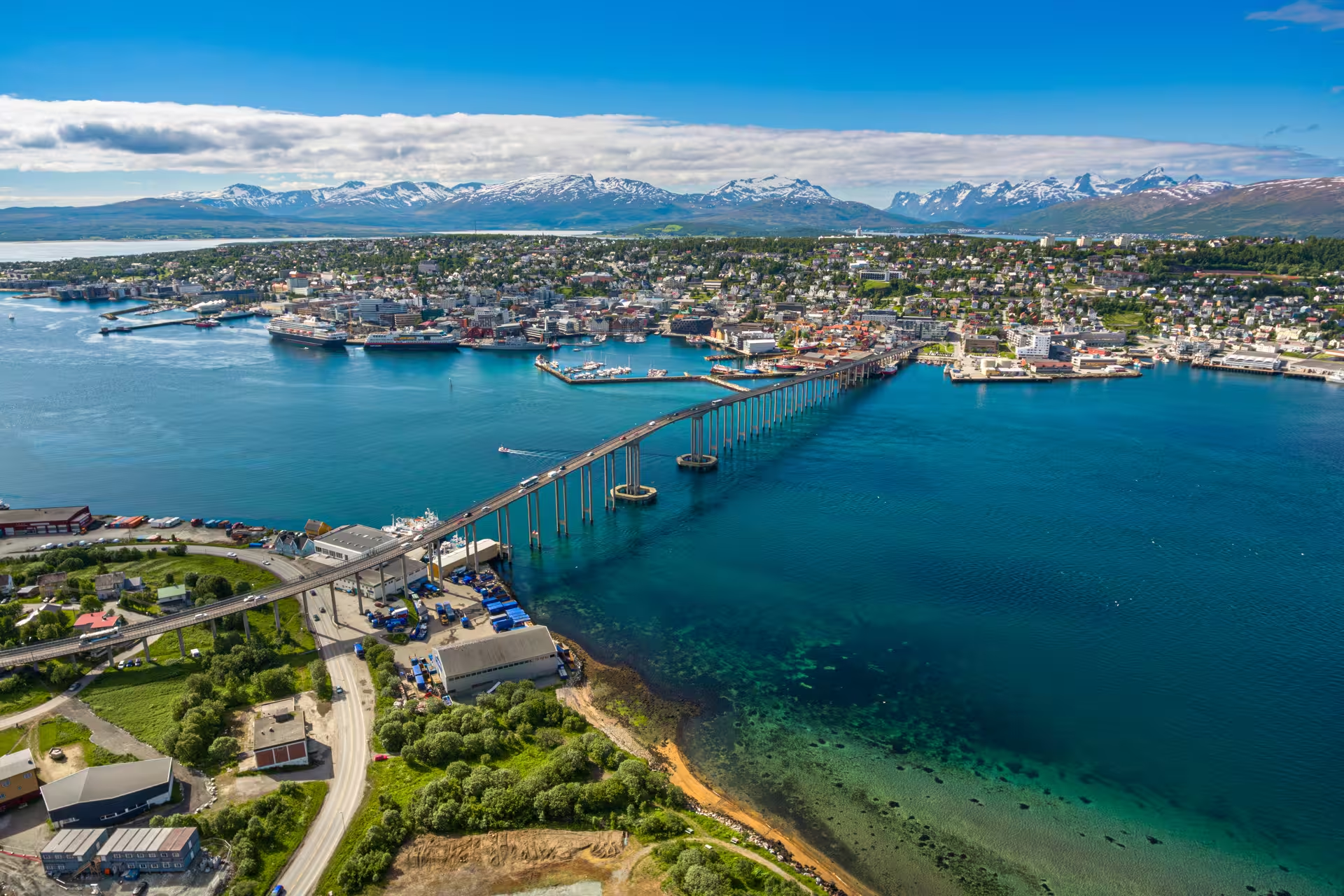
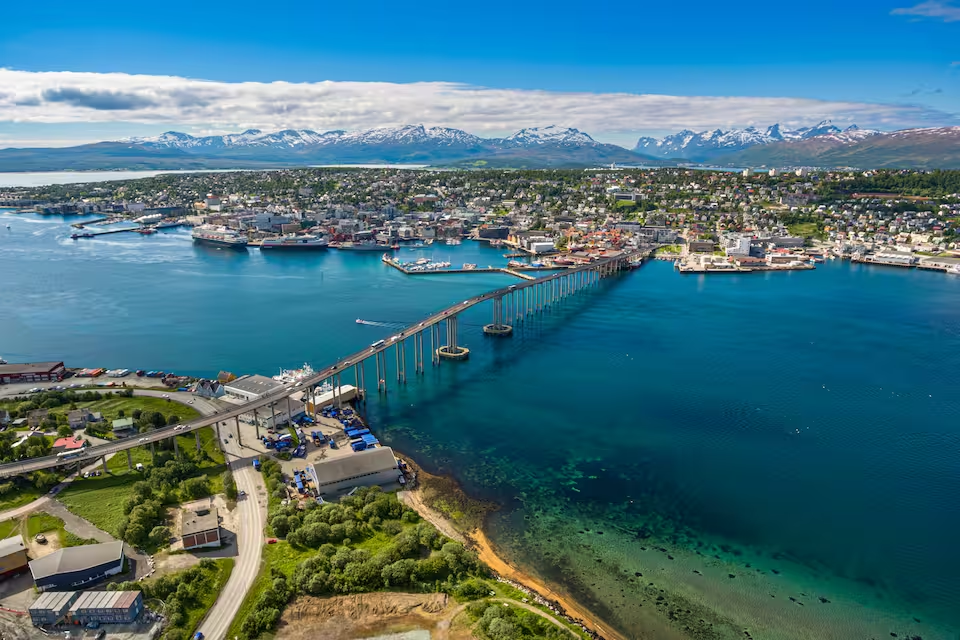
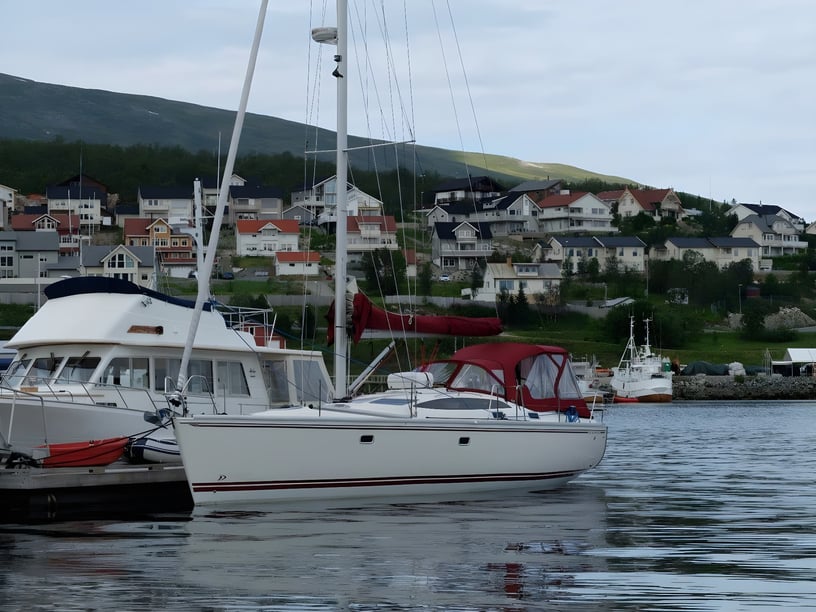
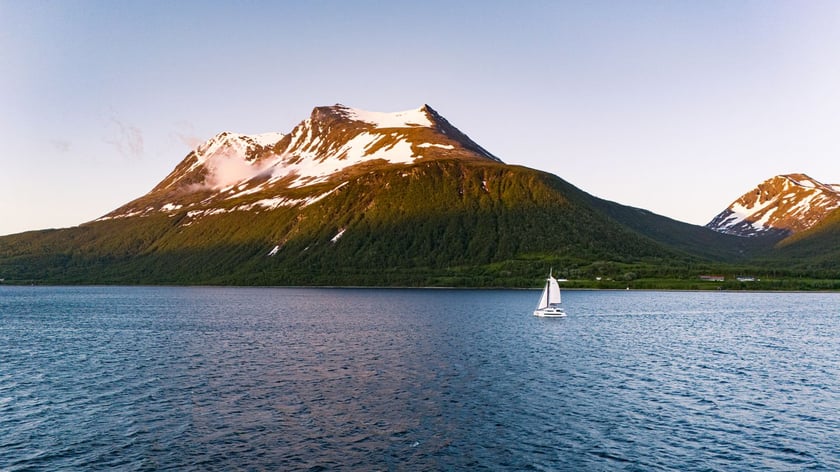
Farther north, Tromsø is a practical gateway to Arctic coastal cruising. Long summer daylight and, during part of the season, the midnight sun distinguish the experience, but cooler and rapidly changing weather makes route flexibility especially important.
What cruising in Norway is like
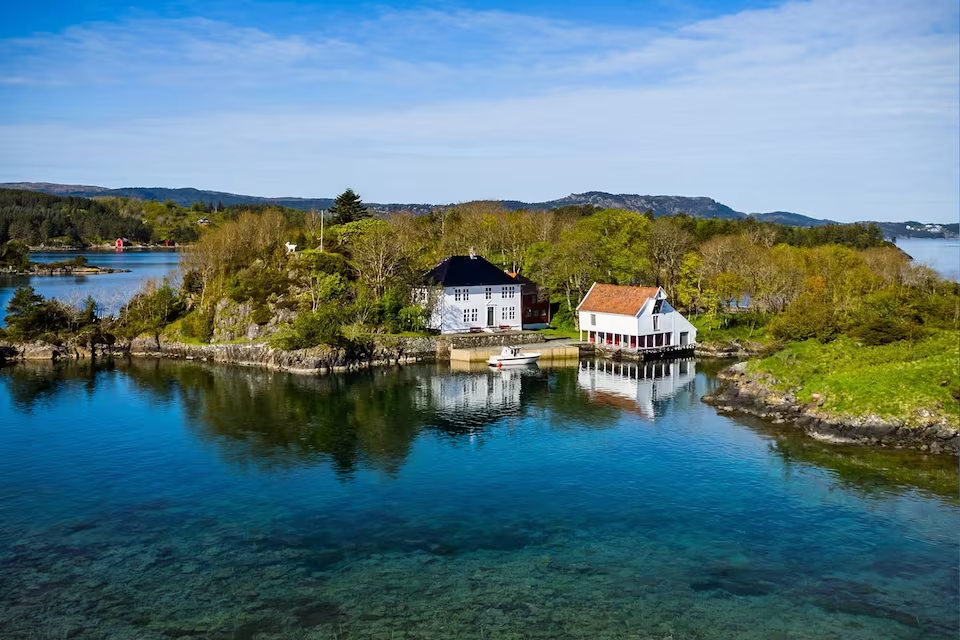
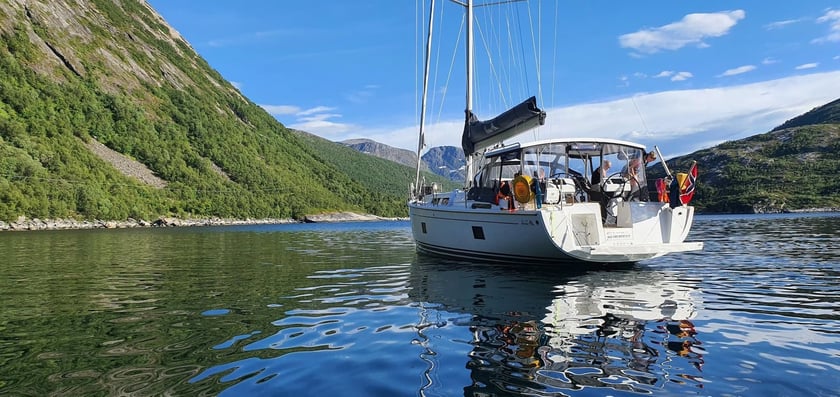
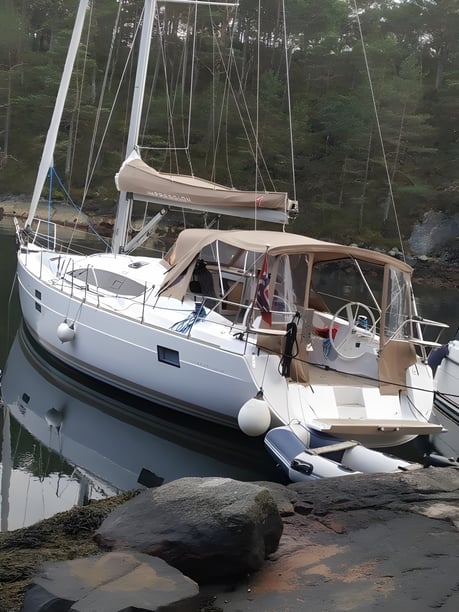
Norway’s coastal geography can provide remarkable shelter. Skerry belts, narrow sounds and deep fjords allow yachts to travel through protected water and use natural harbours or guest harbours along the way. A day may involve a short passage between islands, an anchorage beneath steep terrain and an evening ashore in a small port. This sheltered character should not, however, be confused with uniformly easy sailing.
Conditions change sharply between inner and outer waters. Southern Norway and the inner Oslofjord usually have the most settled summer weather. The western coast is wetter and windier, while inner fjords may be considerably calmer than their entrances. Mountains can accelerate or redirect the wind, and narrow passages may have significant local currents. In the north, temperatures are cooler, forecasts can change quickly and open legs such as Vestfjorden deserve particular care.
Large distances also shape the charter experience. A route that looks direct may involve exposed headlands, tidal streams or limited services between stops. Current forecasts, suitable nautical charts and realistic passage planning are essential. Travelers considering a sailboat charter in Norway should match the cruising area to the skipper’s experience; a skippered arrangement may be more appropriate for unfamiliar, exposed or winter conditions.
The best time for a Norway yacht charter
June, July and August are the principal months for yacht charter in Norway. These months offer the longest practical cruising window, extended daylight and the broadest range of operating shore services. They are also the most suitable months across the country as a whole, including northern areas where the boating season is shorter.
May and September can work for shoulder-season trips in southern and western waters. Harbours and cruising areas may be quieter, but weather and services are less consistent, so itineraries need greater flexibility. The far north and exposed outer coast generally have a narrower practical summer window than Oslofjord or sheltered western waters.
Winter cruising is a specialist undertaking. Cold temperatures, limited daylight, stronger weather systems and reduced leisure-boating activity make it more appropriate for experienced or skippered trips. Travelers drawn by Arctic scenery should also distinguish mainland northern cruising from Svalbard, whose high-Arctic waters require separate expedition-level planning.
Route ideas for a Norwegian charter
For a compact introduction, an Oslofjord itinerary can move from the capital’s inner islands south through coastal communities and archipelagos toward Hvaler. The route allows relatively short passages and makes it easy to balance time aboard with historic and urban stops.
On the west coast, Stavanger to Lysefjord combines protected waterways with one of Norway’s major mountain fjords. From Bergen, a longer route can follow the coastal channels north before entering Sognefjord and continuing toward Flåm. Starting from Ålesund opens two contrasting options: Geirangerfjord, known for its steep enclosed landscape, or Hjørundfjord beneath the Sunnmøre mountains.
Helgeland itineraries usually focus on island-hopping between Sandnessjøen and Bodø, linking Vega, Lovund, Træna and other outer-coast communities. Farther north, Bodø to Svolvær involves the more exposed crossing of Vestfjorden before continuing among Lofoten’s fishing villages. This is a more weather-dependent choice than sheltered southern cruising.
Norway’s long coast should not be compressed into an overambitious schedule. The established Coastal Express route between Bergen and Kirkenes illustrates the scale of the country and its historic dependence on maritime connections. For a yacht itinerary, concentrating on one region usually leaves more time for flexible passages, anchorages and worthwhile stops ashore.
Life on the water and ashore
A Norwegian charter is as much about the relationship between coast and community as it is about the scenery. Natural harbours and secluded anchorages can be combined with guest harbours beside city centers or working fishing ports. Hiking ashore is a strong part of the experience, particularly where fjords and islands give direct access to mountain landscapes.
Maritime history remains visible throughout the coast. Bergen’s Bryggen developed as a Hanseatic trading district connected to the stockfish trade from northern Norway. In Lofoten, rorbuer, stockfish racks and active harbours reflect fishing traditions that continue today. The Vega Archipelago presents a different coastal landscape, shaped by fishing, farming and the traditional protection of nesting eider ducks.
Food also follows the geography. Stockfish, clipfish, skrei, shellfish and other locally landed seafood are closely connected to Norway’s coastal settlements. Depending on the route, travelers can combine meals ashore with wildlife watching, fishing, historic waterfronts and quiet island stops. This variety gives each cruising region a distinct rhythm rather than a single standard Norway yacht charter experience.
Reaching the main departure areas
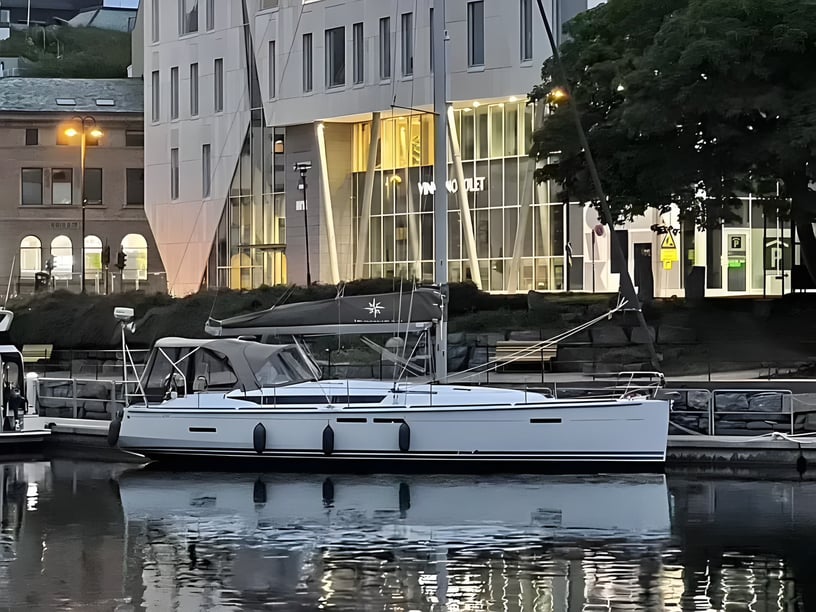
Oslo is Norway’s principal international and domestic air gateway and the natural access point for Oslofjord cruising. The capital’s Aker Brygge area places visiting yachts close to the city waterfront. Kristiansand provides another southern departure point, with its own airport and guest harbour.
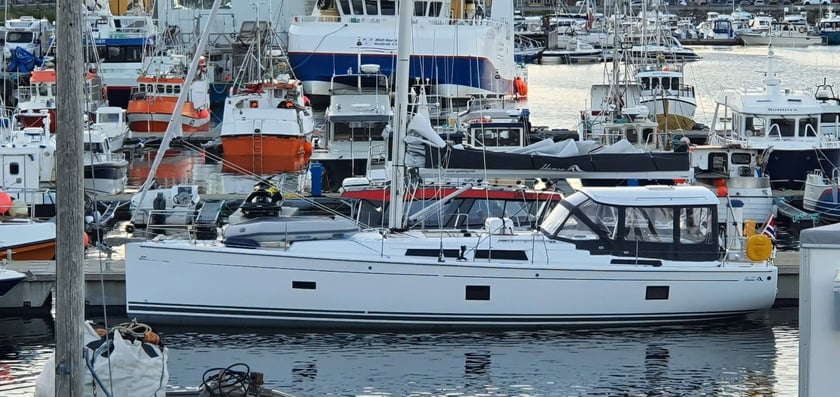
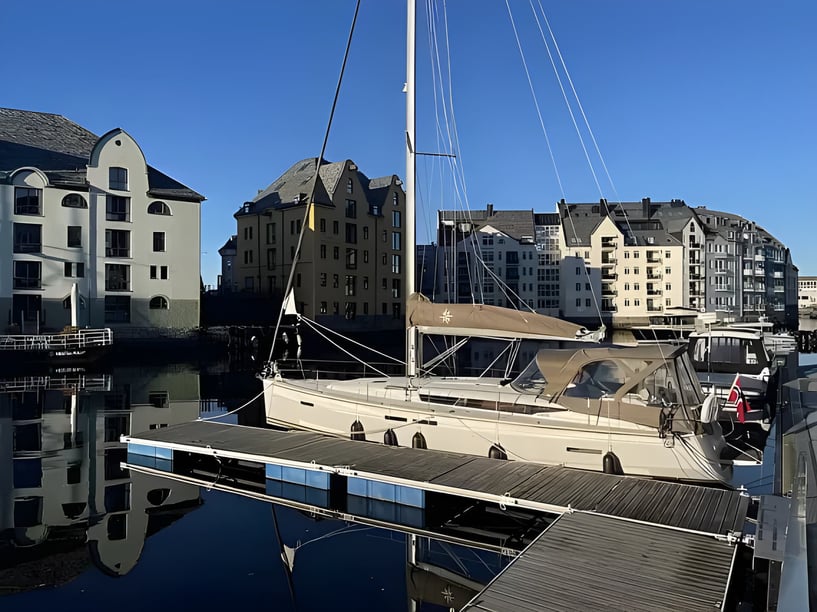
Regional airports make the western and northern cruising areas easier to reach. Stavanger, Bergen, Ålesund and Trondheim are served by air as well as road or rail connections from elsewhere in southern Norway. Common coastal starting points include Stavanger’s Vågen and Børevigå guest harbours, Bergen’s Vågen and the guest marina at Brosundet in Ålesund.
For Helgeland, Lofoten and the Arctic coast, domestic flights are particularly important. Sandnessjøen, Bodø, Svolvær, Tromsø and Kirkenes can all function as departure points. Ferries, express boats and the Coastal Express also connect islands and communities that are indirect or time-consuming to reach by road.
Planning the right charter
When comparing yacht charter or boat rental in Norway, begin with the cruising region rather than trying to cover the entire coastline. A yacht and crew suited to Oslofjord’s short, sheltered passages may not be the right choice for Vestfjorden, the outer Helgeland coast or a longer northern itinerary. Consider expected passage lengths, exposure, guest-harbour access and the experience of whoever will operate the vessel.
Qualification requirements vary according to the vessel, the operator’s age and the origin of the certificate. Foreign skippers and renters should confirm the applicable rules with the Norwegian Maritime Authority and the vessel provider before departure. All recreational boats must carry accessible flotation equipment for everyone aboard, and flotation devices must be worn outdoors while boats under eight metres are underway.
Norway’s intricate inshore geography makes detailed, current nautical charts important. Before each passage, check coastal forecasts, wave information, water-level predictions and tide or current data. Local speed limits and harbour rules vary, especially in populated or narrow waterways. In remote northern and outer-coast areas, plan fuel, provisions and shore services conservatively. Travelers hoping to land on undeveloped islands should also check charted bird sanctuaries and protected-area restrictions.