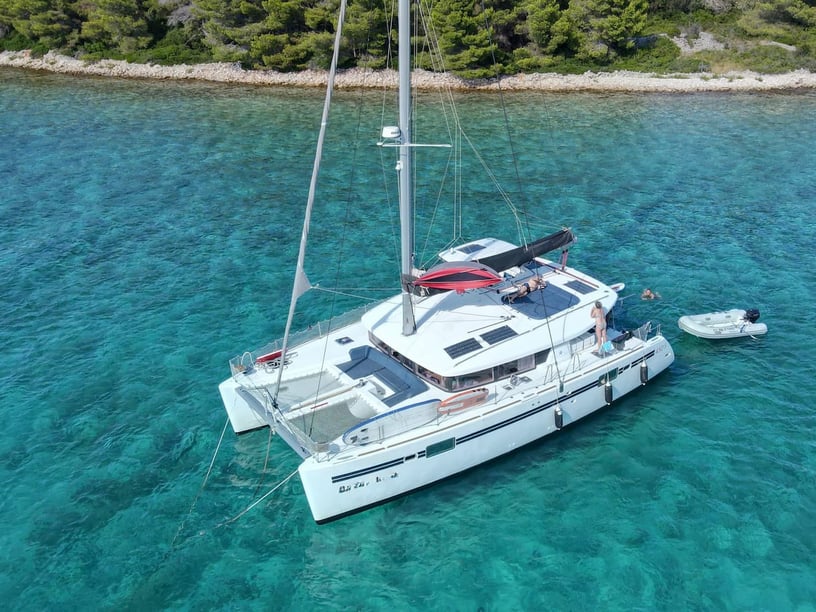
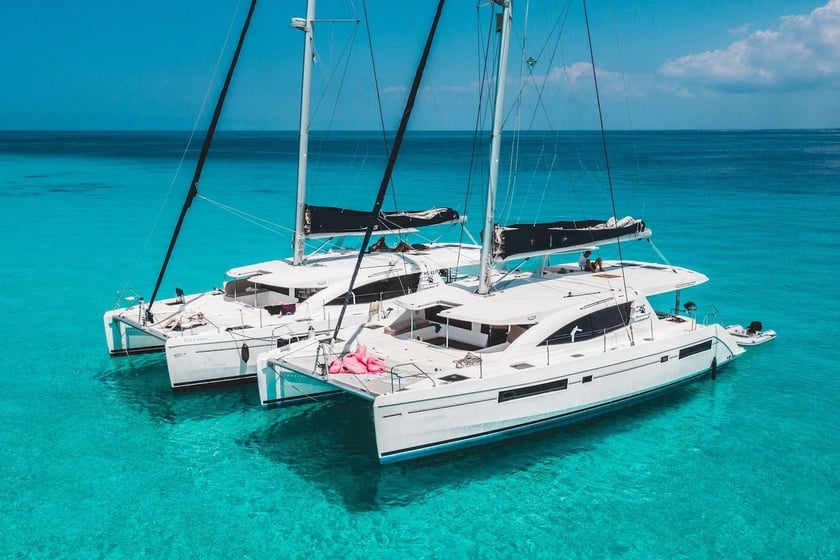
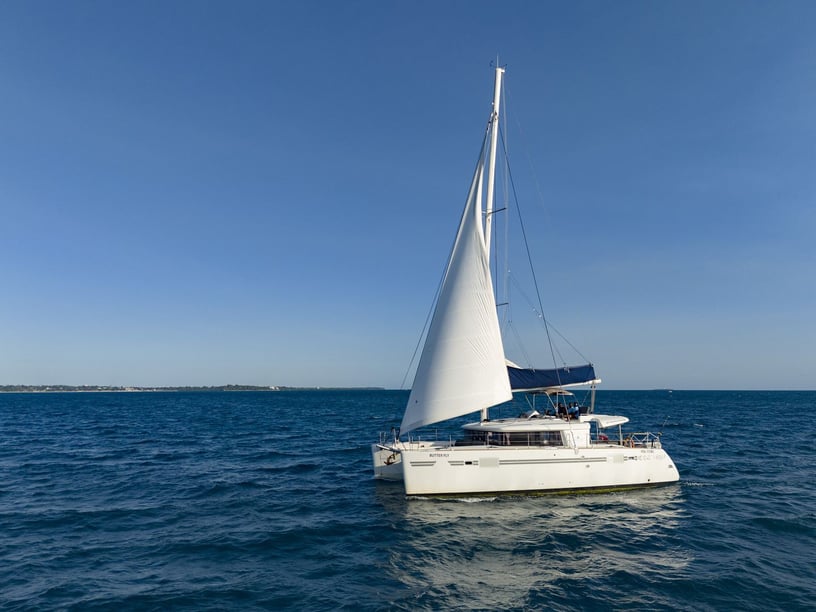
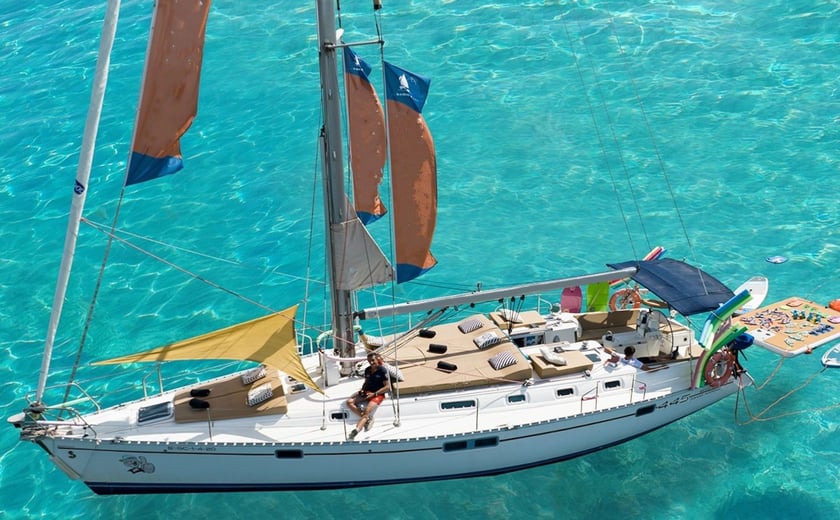
Yacht charter across Africa’s contrasting coasts
A yacht charter in Africa is best understood as a choice between distinct cruising regions rather than a single continent-wide itinerary. The Mediterranean, Atlantic, Red Sea and Indian Ocean coasts each have their own weather systems, landscapes and boating traditions. Options range from short passages between the Seychelles Inner Islands to exposed Atlantic sailing in Cape Verde, dhow journeys along the Swahili coast and open-water cruising around South Africa’s Cape Peninsula.
These geographic divisions make the first planning decision especially important: travelers should choose a specific coast or island group before comparing routes and charter formats. Tropical archipelagos such as Seychelles and Bazaruto suit trips shaped by island stops, beaches, reefs and swimming. Cape Verde appeals more to sailors comfortable with trade winds and exposed inter-island passages, while Tunisia and parts of Egypt provide a more marina-oriented starting point. Around Cape Town, urban waterfronts sit close to demanding open-ocean conditions.
Exploring by yacht also reveals connections that are less apparent on a land-based trip. Historic ports, marine parks, traditional boats and remote islands can become part of one journey, although the experience varies greatly by region. Travelers using the broad search term yacht charter Africa should therefore compare local conditions carefully rather than treating the continent as one continuous cruising ground.
Principal charter areas and how they differ
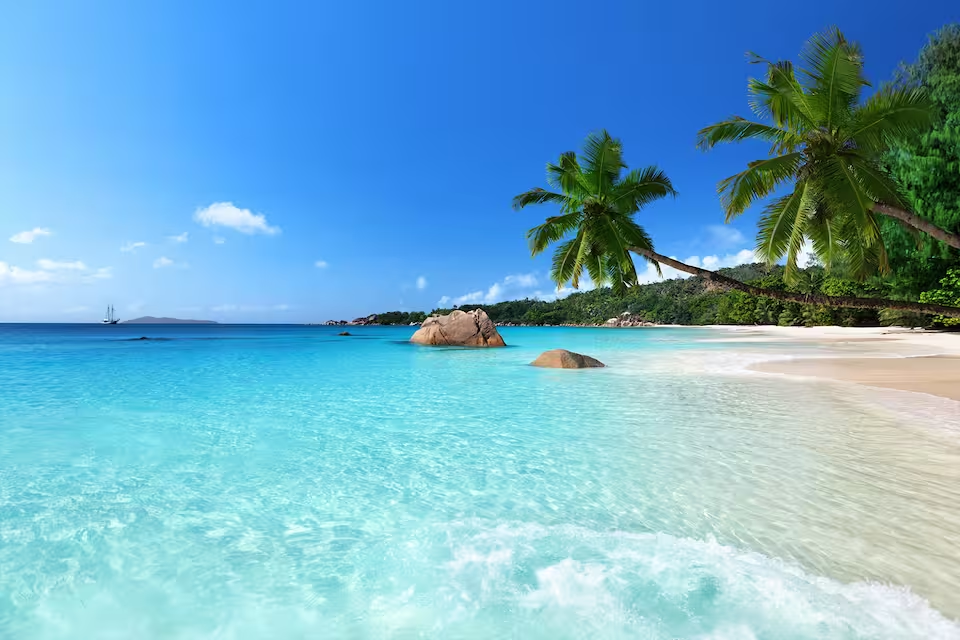
The Seychelles Inner Islands are among the clearest choices for relatively compact island cruising. Mahé, Praslin, La Digue and nearby islands can be linked by short, largely line-of-sight passages. Granitic scenery, beaches and protected marine areas give the route a strong balance of time under way and time at anchor. Mahé, home to Victoria and Eden Island Marina, is the principal gateway.
Farther west in the Indian Ocean, Vilankulo opens onto Mozambique’s Bazaruto Archipelago. Trips here revolve around Bazaruto, Benguerra, Magaruque, reefs and sandbank areas. Shallow water, tidal channels and limited infrastructure distinguish it from a conventional marina circuit. Mauritius, particularly Port Louis and Grand Baie, offers another island-based setting, with established waterfront facilities and opportunities to combine cruising with the island’s multicultural food traditions.
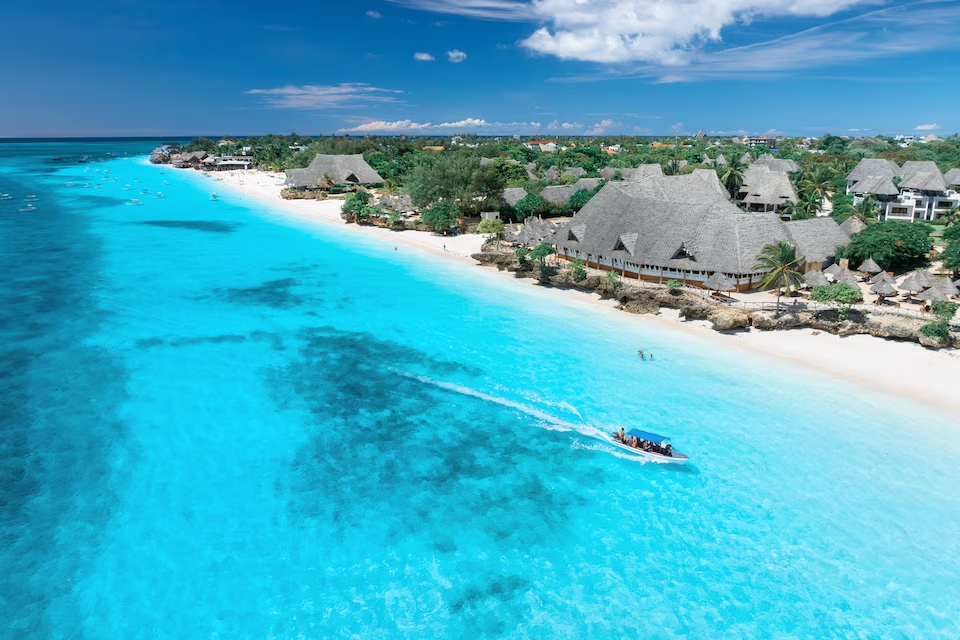
The East African coast has a different character. Zanzibar combines access to the Zanzibar Archipelago with the historic streets of Stone Town, while Lamu is a base for traditional dhow sailing among channels, islands and boat-accessed settlements. These areas are closely connected to the Swahili maritime world and suit travelers who want coastal culture to be central to the trip.
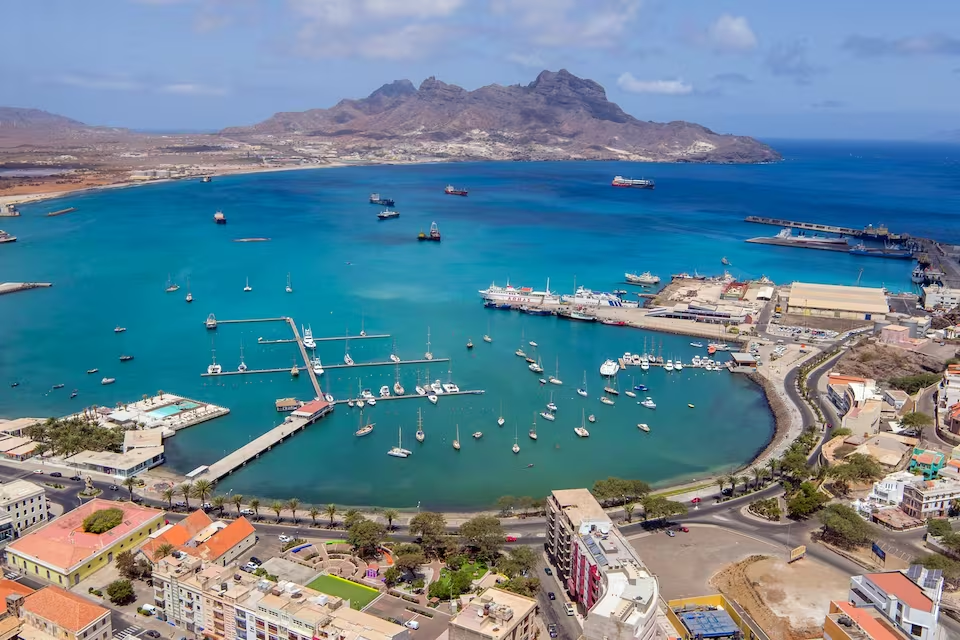
Cape Verde offers volcanic Atlantic islands and persistent trade-wind sailing, with Mindelo and Marina Mindelo serving as important bases. Passages are generally more exposed than those in Seychelles. At Africa’s southern end, Cape Town provides access to Table Bay, the Cape Peninsula and False Bay, but routes around Cape Point require a more weather-conscious approach.
Mediterranean Tunisia and Egypt’s Red Sea coast provide further alternatives. Hammamet, Monastir, Hurghada, Port Ghalib and Sharm el-Sheikh are useful marina-based gateways, with North African coastal cruising contrasting sharply with the reef-lined, desert-backed character of the Red Sea.
What sailing conditions are like
There is no typical African sailing day because the principal charter regions are governed by different wind and sea systems. In Seychelles, shorter passages and visual navigation between the main islands can create an accessible cruising rhythm, although stronger southeast trades bring rougher seas at certain times. Bazaruto and Lamu may appear sheltered, but reefs, shallow channels, tides and limited buoyage demand careful local pilotage.
Cape Verde’s northeast trade winds produce a more energetic sailing environment, and inter-island legs cross exposed Atlantic water. Around Cape Town, strong southeasterlies, winter fronts and ocean swell can interrupt plans even when distances look manageable on a map. Cape Point and the waters farther east are substantially different from a sheltered tropical island circuit.
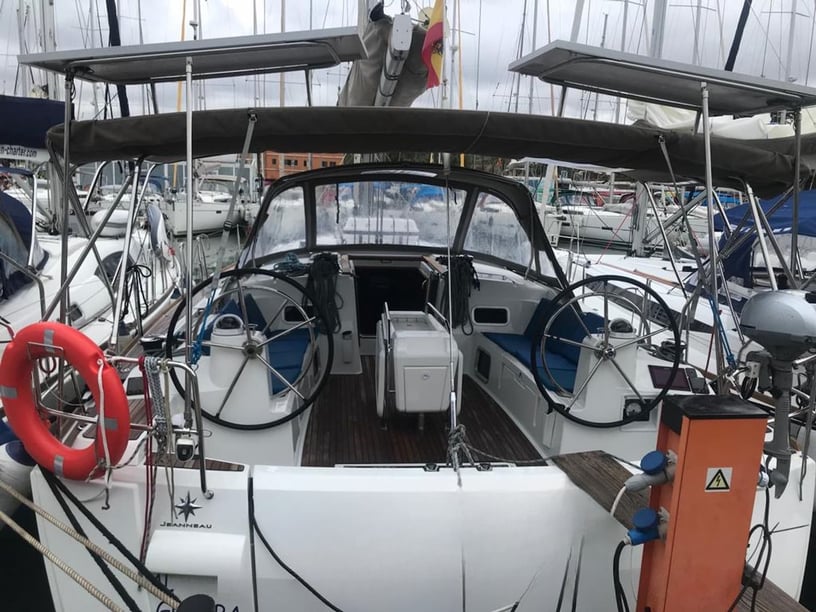
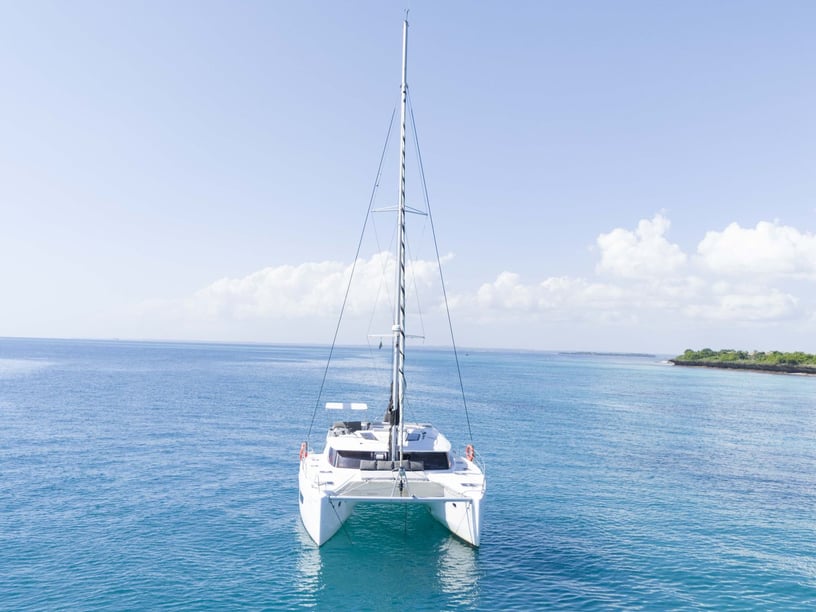
The northern Red Sea commonly experiences northerly winds, while the East African coast is influenced by seasonal monsoon-related changes in wind and current. Local acceleration zones, lee shores and reef passages may matter as much as the regional forecast. These differences should guide the choice of vessel and charter arrangement. Travelers seeking a sailing-focused trip can explore sailboat charter in Africa, while those prioritizing space and stability at anchor may wish to compare catamaran charter options across Africa.
When to plan an African yacht charter
Timing must be chosen for the specific cruising area. Mediterranean North Africa generally favors the warmer, drier part of the year. Cape Verde supports boating through much of the year, though parts of the dry season bring stronger northeast trade winds and potentially more demanding passages.
In Seychelles, the transitional periods around April and October commonly bring calmer conditions. By contrast, the stronger southeast trades can make July and August rougher. Along parts of East Africa, June to October is generally the more settled dry-season period, but local monsoon and rainfall patterns still differ between the coast and island groups.
Southwest Indian Ocean destinations monitor tropical-cyclone conditions from November into mid-May. This is relevant when considering Mauritius, Madagascar and nearby waters, and should be assessed for the intended route rather than applied uniformly. Cape Town boating often concentrates in the austral spring and summer, although strong southeasterly winds can still cause delays. The Red Sea can be used in most months, but summer heat and wind exposure may affect comfort and itinerary choice. Flexible dates and contingency time are valuable wherever local weather can disrupt a planned passage.
Route ideas for different styles of trip
A Seychelles circuit linking Mahé, Praslin, La Digue and nearby marine parks is well suited to travelers who prefer several short passages rather than long days offshore. In Mozambique, a trip from Vilankulo through the Bazaruto Archipelago connects islands, reef areas and sandbanks, with navigation shaped by shallow water and tides.
Lamu offers a culturally focused alternative. Traditional dhow trips use the historic town as a base for exploring the archipelago’s channels, islands and coastal settlements. This format places maritime heritage and time ashore alongside the boating experience.
More experienced crews may look toward routes with greater exposure. Cape Verde involves open inter-island sailing under trade winds. From Cape Town, a Cape Peninsula circuit can run from Table Bay through Hout Bay, around Cape Point and into False Bay. Longer passages toward Knysna require careful planning around Cape Point and Cape Agulhas. These are not interchangeable with protected island-hopping routes; vessel capability, crew experience and weather flexibility become central considerations.
Coastal culture, wildlife and time ashore
African yacht charters can combine swimming, snorkeling and beaches with places shaped by centuries of maritime exchange. In the western Indian Ocean, coral reefs and marine habitats support sea turtles, dolphins, whales, whale sharks and regionally important dugong habitat. Marine parks may regulate anchoring, fishing and diving, so these environments are best approached as protected places rather than unrestricted cruising grounds.
Culture ashore can be equally important. Stone Town’s architecture reflects African, Arab, Indian and European interaction around the Indian Ocean, while Lamu’s dhow tradition remains part of the contemporary coastal experience. Mauritius adds cuisine influenced by African, Indian, Chinese and European communities. On the Atlantic coast, Essaouira’s history as an international trading port connects Morocco with both Europe and the Saharan hinterland.
Farther south, Cape Town itineraries can incorporate Table Mountain, Cape Point and Robben Island, whose history includes its use as a prison, hospital and military base and its close association with apartheid. These visits give a charter greater historical depth without reducing the journey to a sequence of beach stops.
Gateways, marinas and departure points
Most charter areas are reached through a coastal airport followed by a road, ferry, domestic flight or local boat transfer. Seychelles International Airport provides access to Mahé, while Vilankulo Airport serves the Bazaruto gateway. Zanzibar is reached through Abeid Amani Karume International Airport, and Lamu commonly involves a connection through Manda Airport. Cape Verde’s Mindelo is served by Cesária Évora International Airport.
For Red Sea trips, Hurghada, Sharm El Sheikh and Marsa Alam are the main air gateways, with departures possible from Hurghada, Sharm el-Sheikh and Port Ghalib. Tunisian cruising commonly begins around Hammamet or Monastir. Cape Town International Airport connects conveniently with the V&A Waterfront and other local marinas.
Because the principal regions are separated by very long distances, flying between them is generally more practical than repositioning a recreational yacht. Travelers should choose one regional base for a typical holiday rather than attempting to connect several African coasts by sea.
Choosing and planning the right charter
Begin by matching the charter area to the group’s experience and priorities. Shorter island passages may suit travelers interested in swimming, snorkeling and frequent stops, while Cape Verde or South African routes call for greater comfort with exposed water and weather-dependent plans. In shallow reef areas, local knowledge and appropriate pilotage are particularly important. Travelers comparing boat rental in Africa should assess the exact operating area, not only the vessel’s size or onboard features.
Charter format also matters. A crewed arrangement can be useful where local reefs, tides, permits or sparse infrastructure complicate a route. For an independent charter, skipper qualifications and documented experience may be relevant, but requirements differ by country and port. Customs, immigration, vessel-import rules and cruising permits also vary, even between neighboring destinations.
Check whether marine-park entry, anchoring, fishing or diving requires permits or designated moorings. Fuel, repairs, marina facilities and search-and-rescue coverage can be limited outside the main hubs, so remote itineraries need more conservative planning. Current charts, local briefings and route-specific weather information are essential.
Before settling on one region, travelers can compare its demands with the broader range of yacht charter destinations. The most suitable African itinerary is usually the one built around a clearly defined coast or archipelago, an appropriate season and a vessel and crew arrangement matched to local conditions.