Yacht charter across the Indian Ocean
A yacht charter in the Indian Ocean can mean anything from short island hops in Seychelles to a liveaboard journey through the Maldivian atolls or a remote cruise off northern Madagascar. The region stretches between eastern Africa, southern Asia, Southeast Asia and western Australia, encompassing coral atolls, mountainous islands, continental coasts and long open-water passages.
This scale is fundamental to planning. The Indian Ocean is not one continuous cruising ground, and its principal yachting areas are separated by distances normally covered by air rather than yacht. Most travelers choose one region and build an itinerary around its geography: compact inter-island cruising in Seychelles, reef and atoll navigation in the Maldives, lagoon trips around Mauritius, archipelago cruising from Nosy Be or coastal and island routes from Phuket and Fremantle. Exploring by yacht brings reefs, offshore islands, secluded anchorages and maritime communities into the same journey, but the experience differs markedly from one area to another.
Where to charter in the Indian Ocean
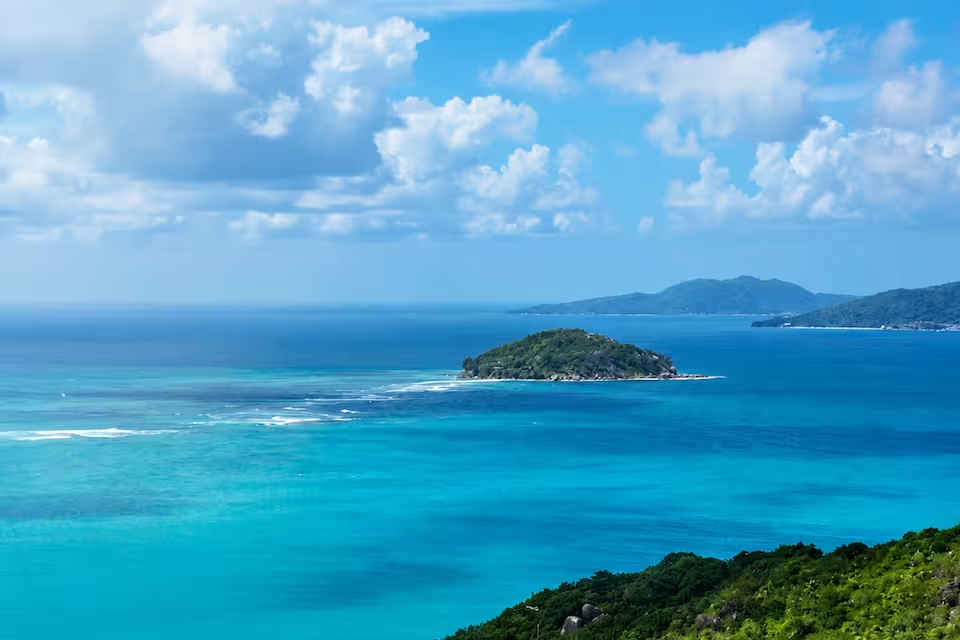
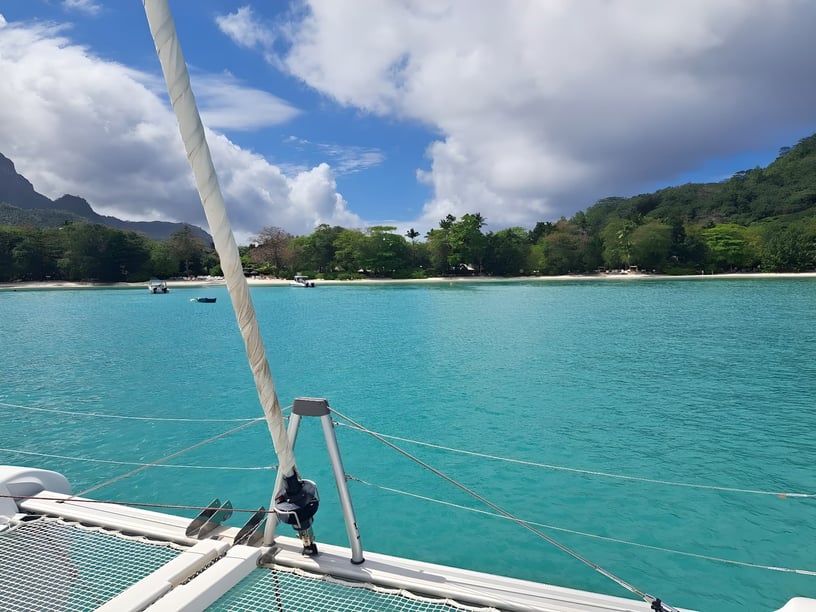
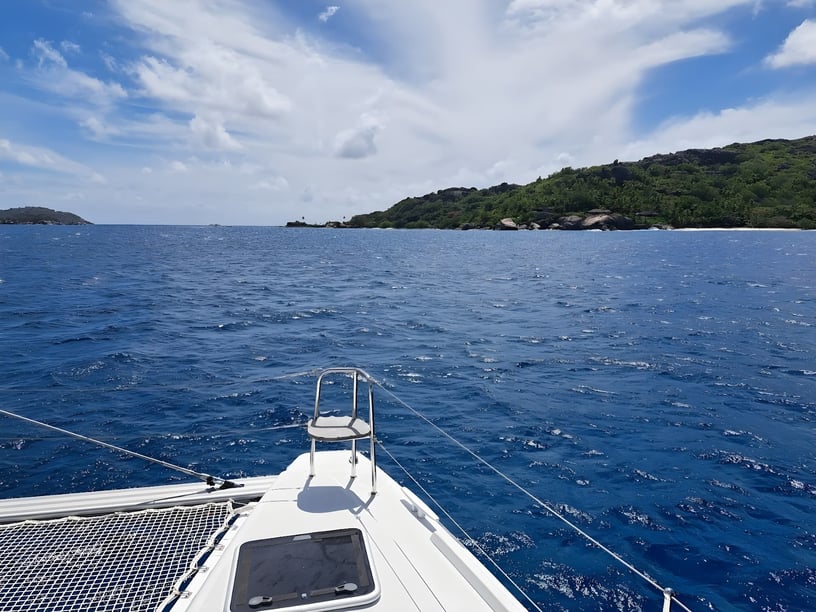
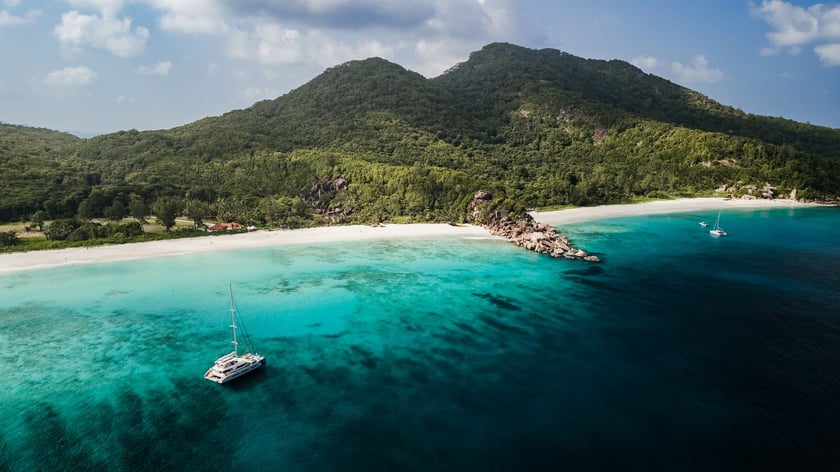
Seychelles offers one of the region’s clearest contrasts. From Mahé, yachts can follow a relatively compact Inner Islands circuit through Praslin, La Digue, Curieuse and neighboring islands. These are mountainous granitic islands, whereas the Outer Islands and Amirantes are predominantly low-lying and coralline. Reaching those remote groups involves a more expeditionary style of cruising and greater self-sufficiency.
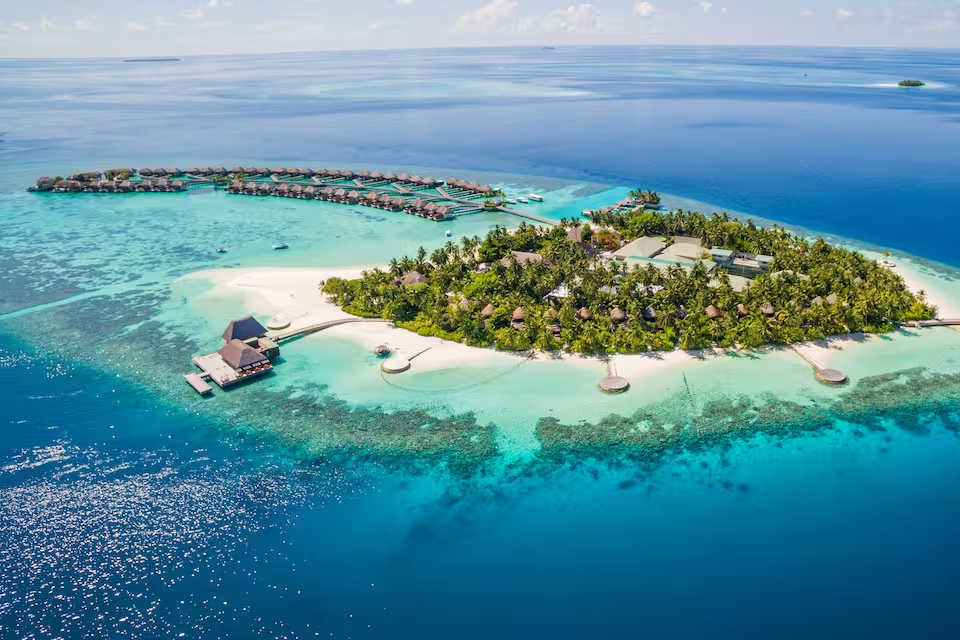
The Maldives is defined by atolls, lagoons, reef passes and sandbanks. Central liveaboard itineraries commonly connect the Malé area with Ari and Vaavu atolls, making Malé and Hulhumalé practical gateways. This area suits travelers who want the trip to revolve around time on the water, snorkeling, diving and moving between reefs rather than frequent visits to large coastal towns.
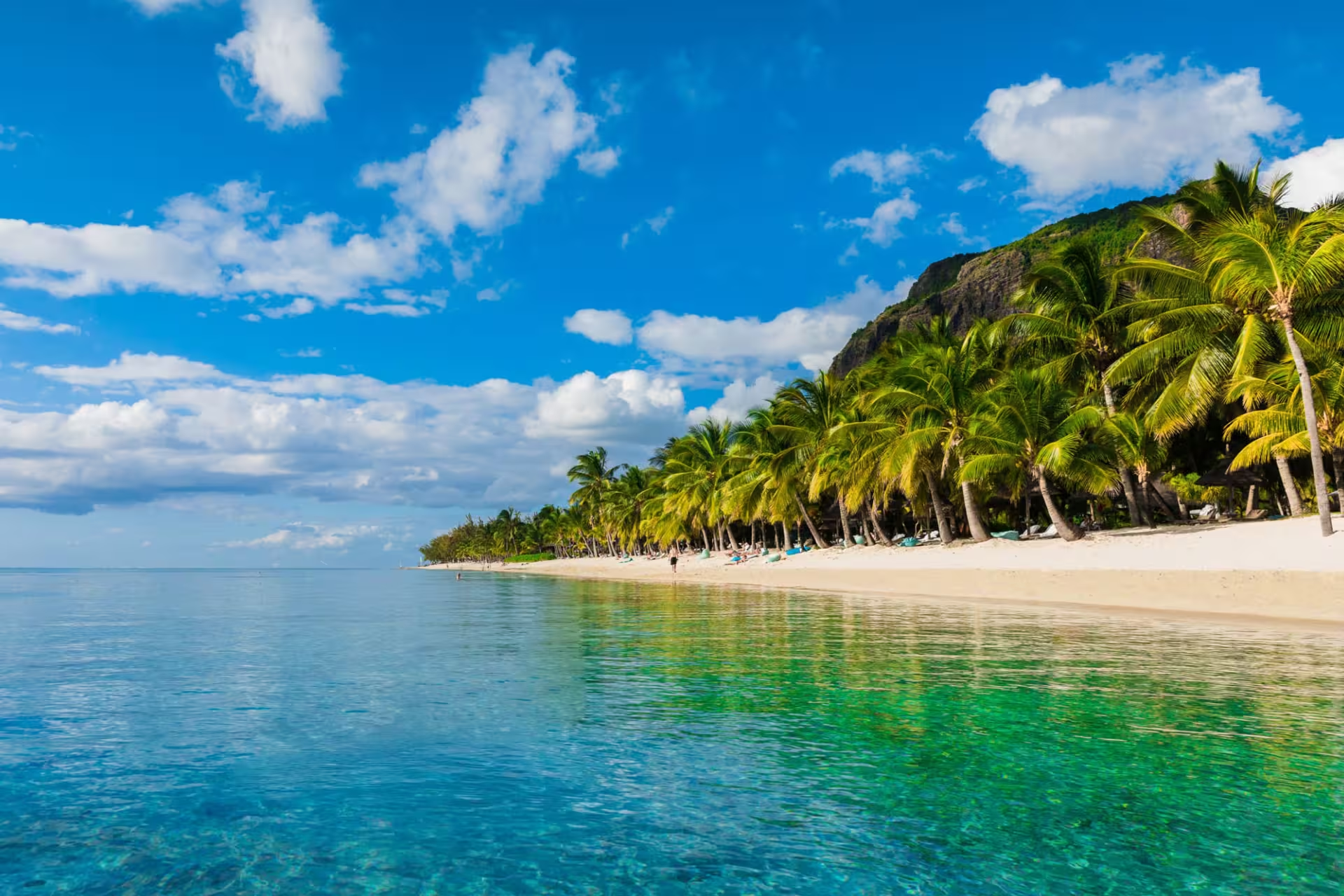
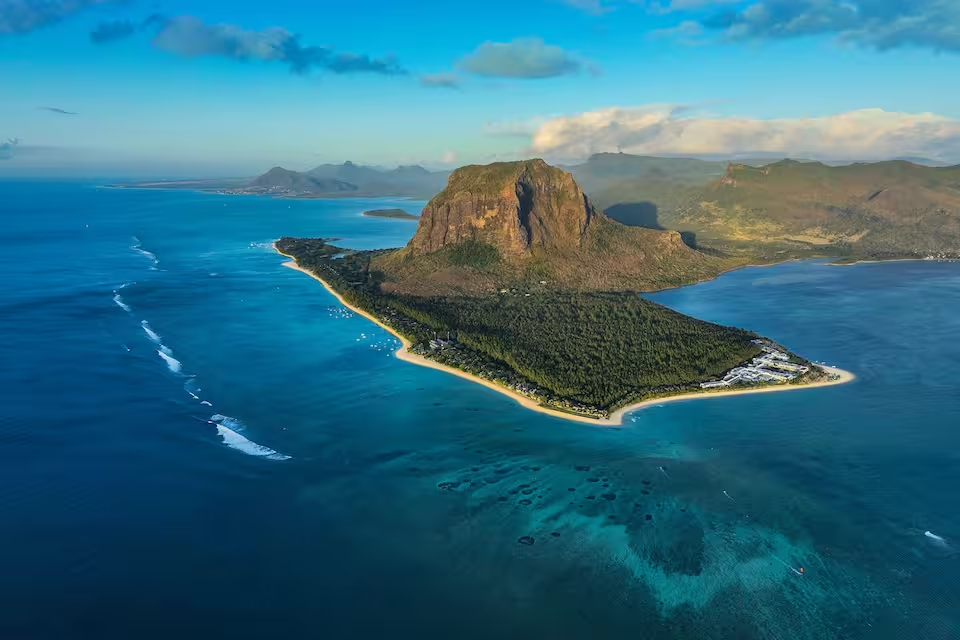
In the southwest, Mauritius supports lagoon and offshore-islet trips from Grand Baie and the Rivière Noire area, including Black River. Réunion’s volcanic coast is served by departure points around Le Port and Saint-Gilles-les-Bains. Farther west, Nosy Be opens onto the Mitsio and Radama archipelagos, where distances, support and conditions call for more careful preparation. Zanzibar combines near-island and sandbank cruises with dhow traditions and time ashore in historic Stone Town.
Other distinct choices include Phuket and Krabi for Andaman island hopping, Sri Lanka for monsoon-dependent cruising from different coasts, and Fremantle for coastal sailing toward Rottnest Island, also known as Wadjemup.
What sailing conditions are like
Indian Ocean sailing ranges from sheltered lagoons and short passages to exposed trade-wind routes and advanced blue-water crossings. Coral geography shapes the experience in the Maldives and many tropical archipelagos: shallow entrances, reef channels and current-affected passes make accurate charts, suitable timing and local knowledge important. Seychelles combines manageable distances among parts of the Inner Islands with much more demanding passages toward its remote outer groups.
Seasonally reversing monsoon winds are the basin’s defining weather mechanism, but their effects are regional rather than uniform. Seychelles generally has lighter northwesterly winds from about November to March and stronger southeasterly trades from May to September. The Mascarenes experience persistent southeast trades, while East African waters alternate between monsoon patterns. Swell, exposure and available shelter can therefore change significantly between islands and coasts.
Local island hopping and offshore passages should be treated as different types of charter. The latter demand more experience, a suitably self-sufficient vessel and realistic expectations about fuel, repairs, provisioning and emergency support.
When to plan an Indian Ocean charter
There is no single best season for yacht charter across the Indian Ocean. Timing should be chosen only after selecting the cruising area, because monsoons, trade winds and cyclone exposure vary across the basin.
In Seychelles, the transition periods around April to May and October to November are particularly valued for calmer conditions. From May to September, the stronger southeast trades create a different, windier experience. The Maldives is generally driest from January to March; its wetter southwest monsoon runs approximately from mid-May into November. Zanzibar’s principal dry-weather travel period is June to October.
Mauritius is warmer and wetter from November to April, while June to September is cooler and drier, although winter trade winds and swell can be strong. Northern Madagascar cruises commonly operate from roughly April to December. Thailand’s Andaman coast generally enters its main season in November, whereas the usable side of Sri Lanka changes with the island’s two monsoon systems.
Cyclone risk also needs regional attention. The southwest Indian Ocean tropical-cyclone season broadly extends from November into May, affecting planning around the Mascarenes and neighboring waters. In the north, cyclonic disturbances are more associated with pre-monsoon and post-monsoon periods. Current regional marine forecasts remain essential whatever dates are chosen.
Representative cruising routes
A Seychelles Inner Islands circuit can link Mahé, Praslin, La Digue, Curieuse and nearby islands without turning the holiday into an ocean passage. In the Maldives, a week-long liveaboard commonly moves through central atolls around Malé, Ari and Vaavu, with the itinerary structured around reefs, lagoons and dive or snorkeling sites.
From Nosy Be, cruises may head north toward the Mitsio Archipelago or south toward the Radama islands. Mauritius lends itself to lagoon and offshore-islet trips rather than connections across the wider ocean, while Zanzibar supports dhow, sandbank and near-island excursions. On the basin’s eastern and southeastern margins, established options include Phuket–Krabi island hopping and the Fremantle–Rottnest Island route.
These itineraries are alternatives, not stages of one practical yacht holiday. Combining separate regions usually means returning to shore and flying to another gateway.
Life on the water and ashore
Swimming, snorkeling, diving and visits to beaches are central to many Indian Ocean charters, particularly around coral atolls and reef-fringed islands. A typical day may divide time between a passage, an anchorage and activities in the water, although the balance depends on local distances and conditions. Seychelles adds the contrast of granitic Inner Island scenery, while the Maldives emphasizes low atolls, lagoons and sandbanks.
The region’s maritime culture is equally distinctive. Predictable monsoon reversals once supported seasonal trade between East Africa, Arabia, India and Sri Lanka, shaping Swahili ports, South Asian trading cities and Creole island societies. Stone Town reflects Zanzibar’s Swahili heritage and dhow traditions, while Galle is both a historic fortified city and an established Sri Lankan port for visiting pleasure yachts.
Protected natural areas and marine parks, including Nosy Tanikely and sites such as Hanifaru Bay, require attention to local access and conservation rules. Remote places such as Aldabra demand especially careful consideration of permits, operating constraints and environmental protection.
Gateways, marinas and departure points
Access is decentralized. Seychelles International Airport connects with departure points around Victoria and Eden Island Marina on Mahé. In the Maldives, Velana International Airport serves the Malé and Hulhumalé area, after which travelers may continue by road, speedboat, domestic flight or seaplane. Marine transfers are a normal part of reaching boats and distant atolls.
Mauritius charters commonly begin around Grand Baie or La Balise Marina at Rivière Noire, with the international airport on the island’s southeast side. Other regional gateways include Roland Garros Airport for Réunion, Fascene Airport for Nosy Be, Zanzibar’s international airport, Phuket International Airport and Perth Airport for Fremantle departures.
Transfers should be checked against embarkation times rather than estimated from a map. Islands within one cruising area may be connected by ferry or speedboat, but flights are generally the practical way to move between the Indian Ocean’s separate charter regions.
How to choose and plan your charter
When comparing Indian Ocean boat rental options, choose the cruising region before deciding on an itinerary or vessel format. Consider passage length, reef navigation, exposure, access to sheltered anchorages and how much time you want to spend ashore. A compact Inner Islands trip and an Outer Islands expedition may start from the same gateway but require very different levels of experience and preparation.
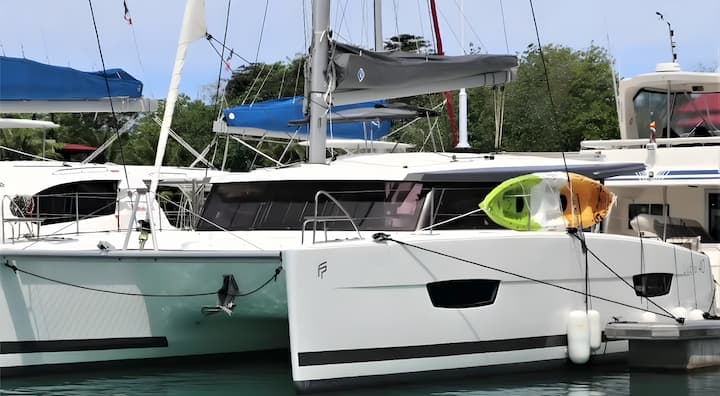
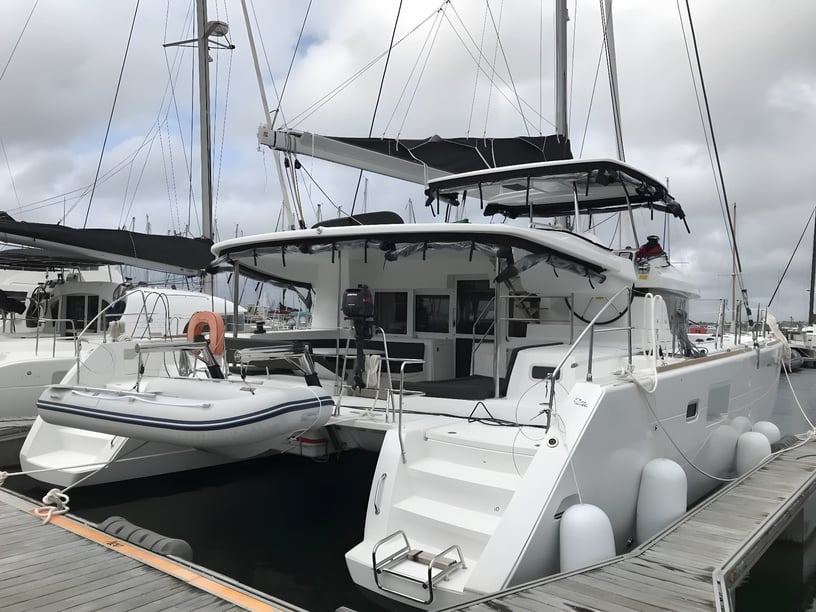
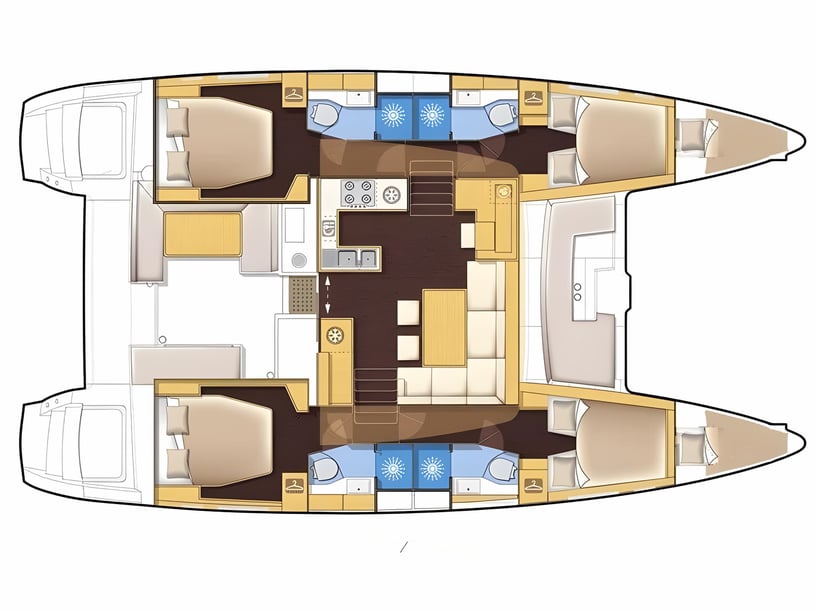
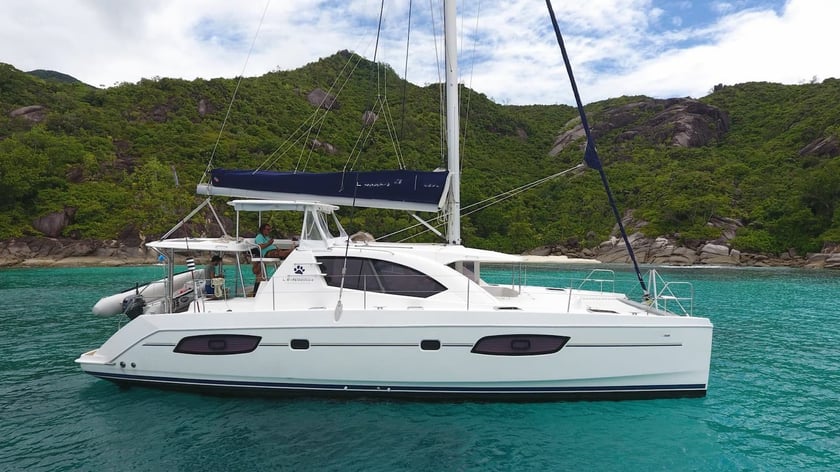
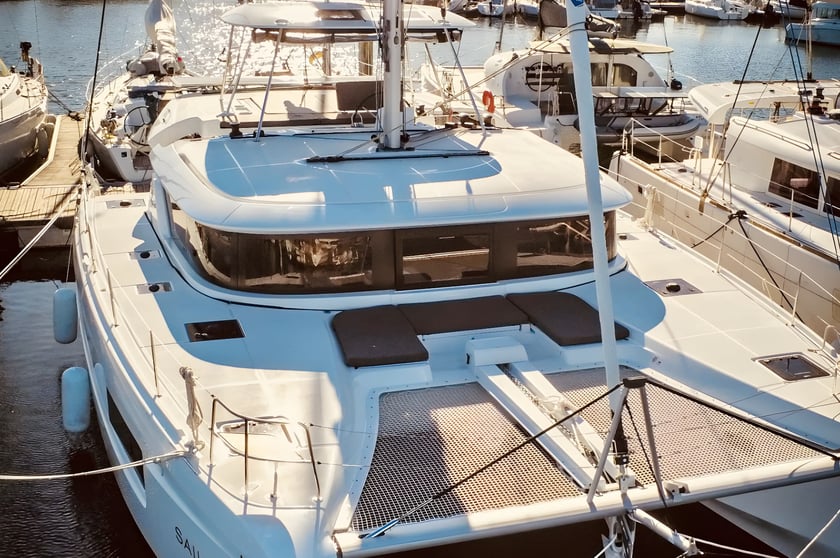
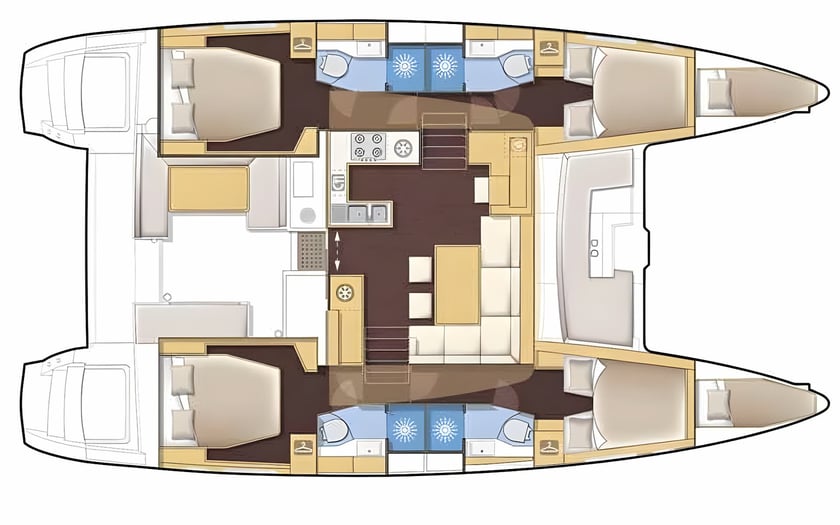
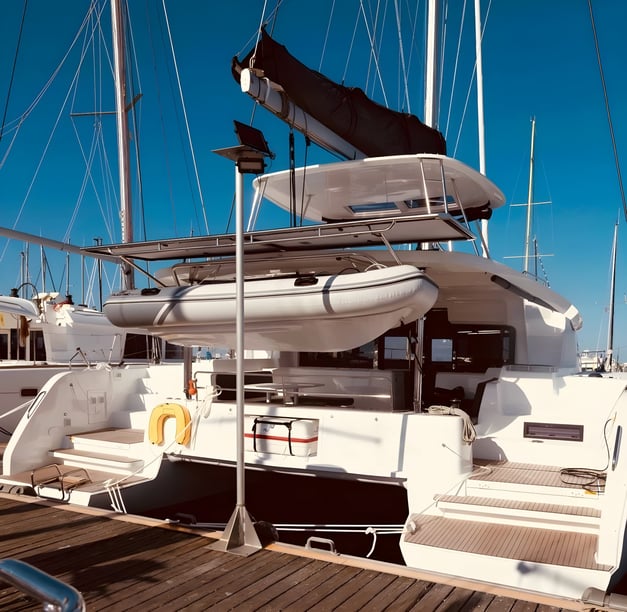
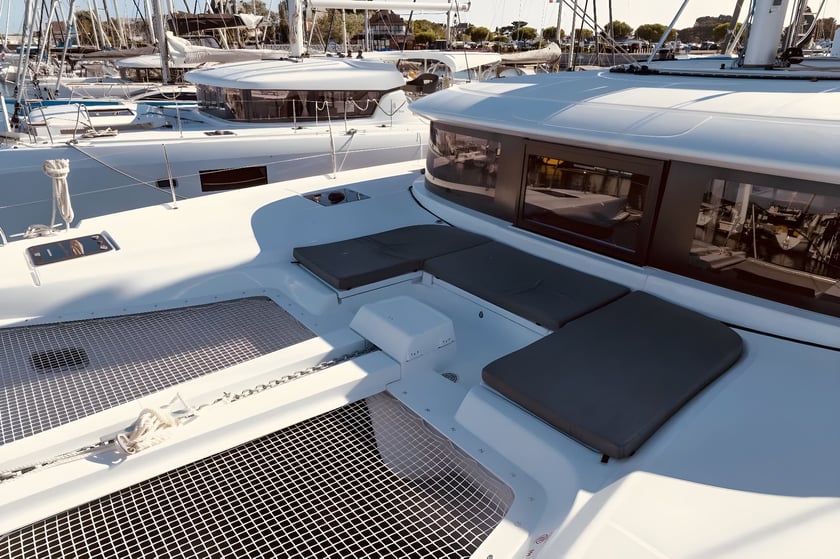
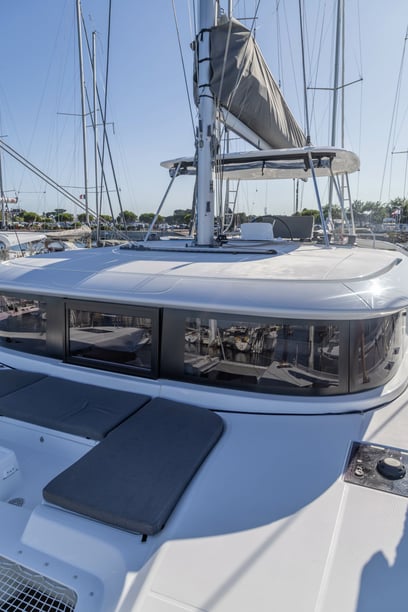
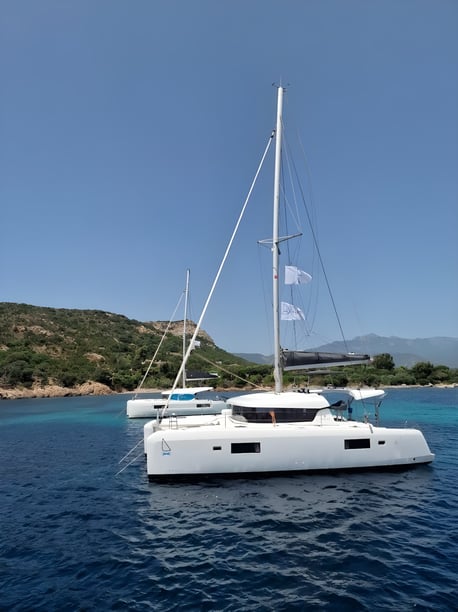
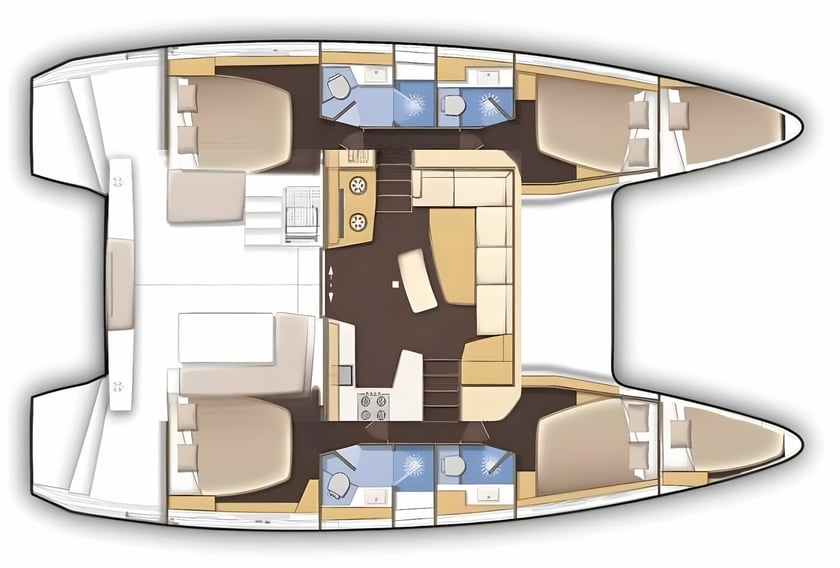
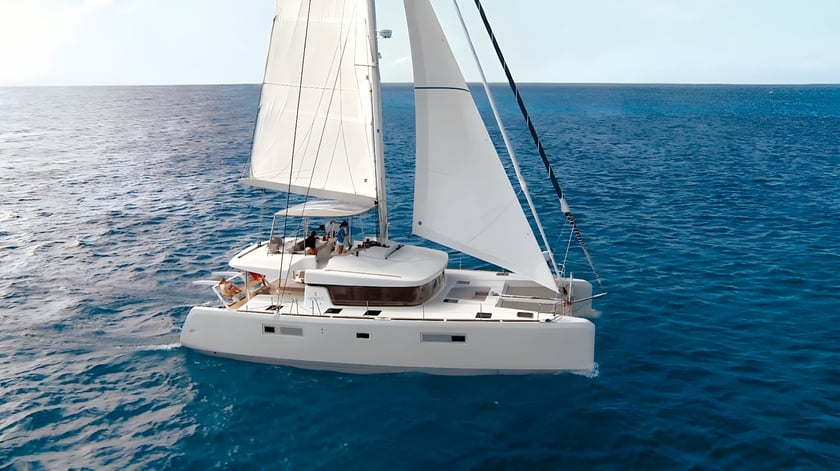
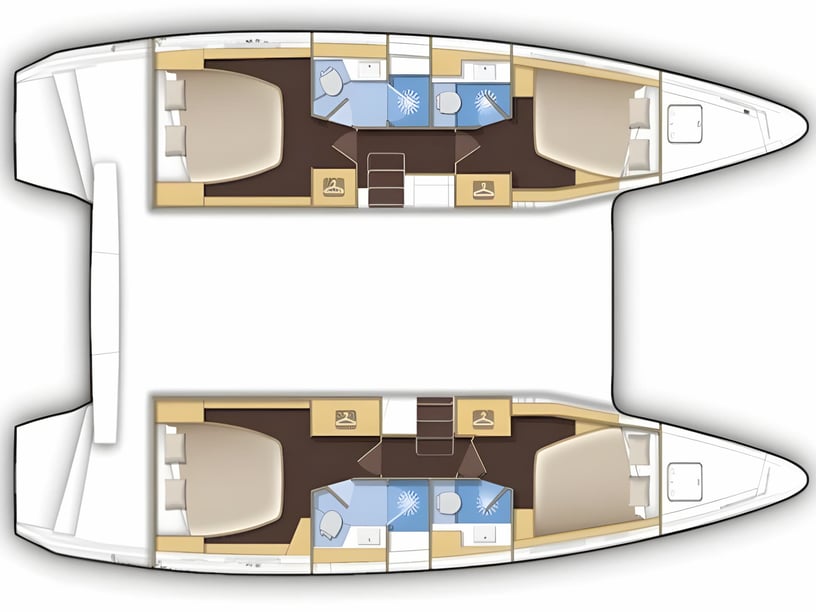
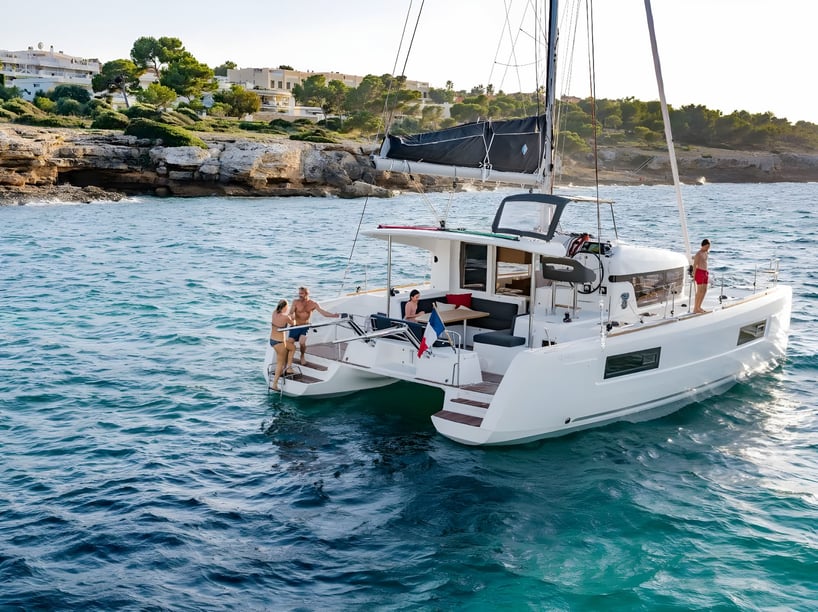
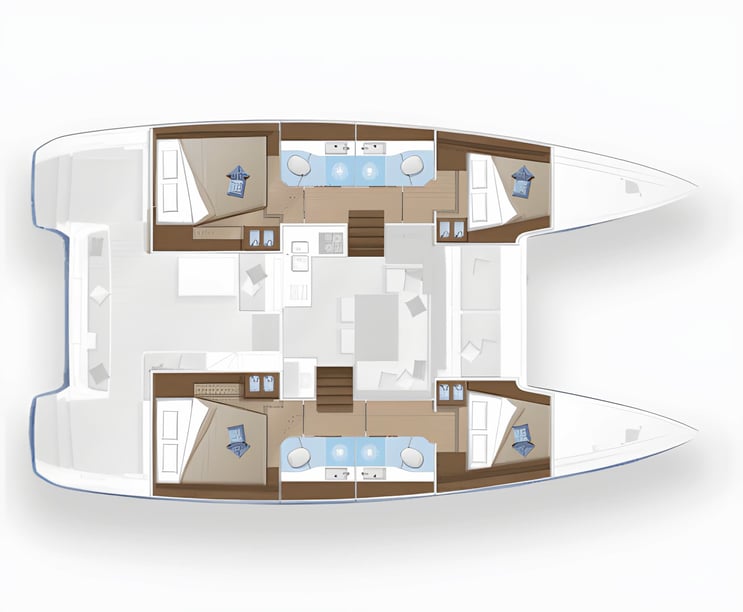
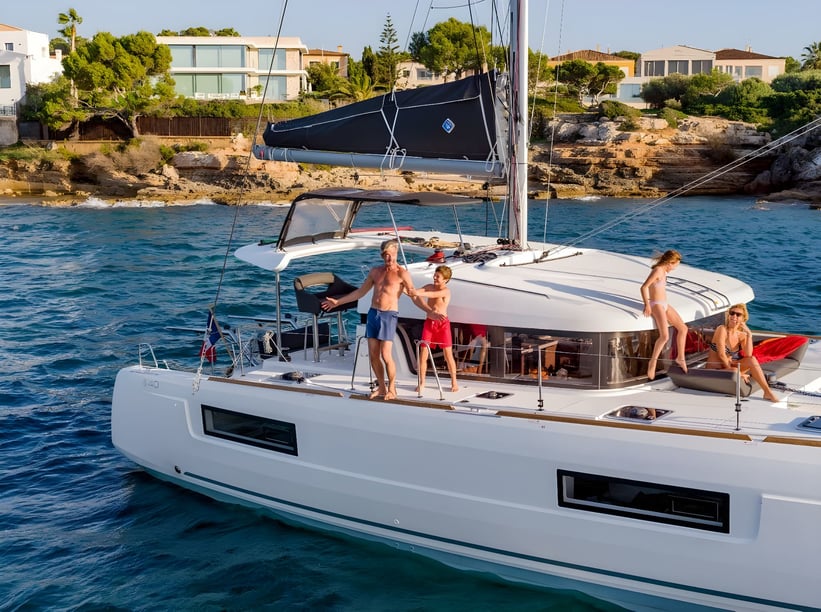
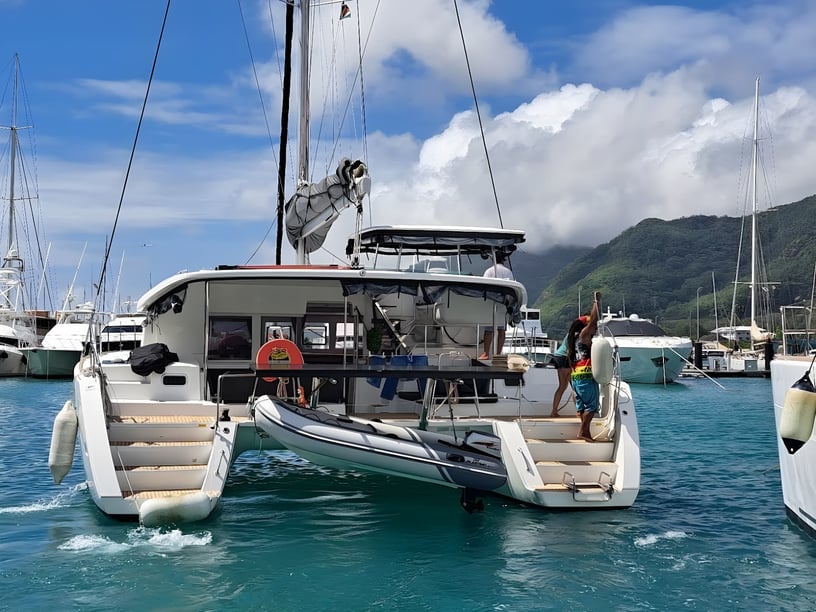
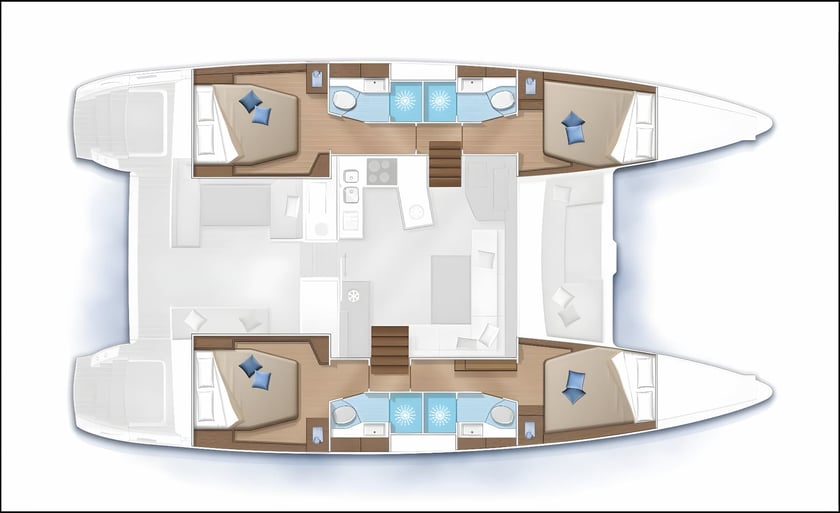
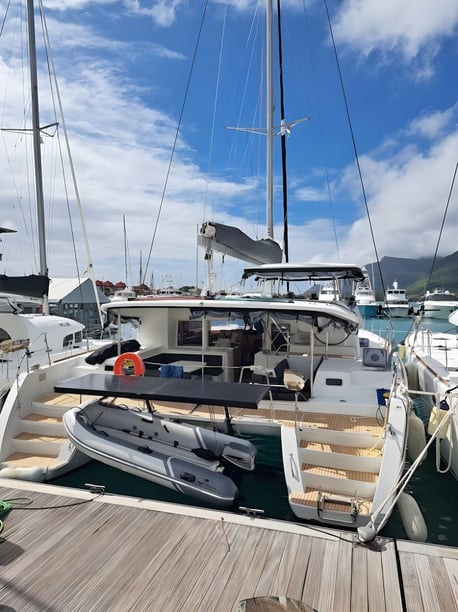
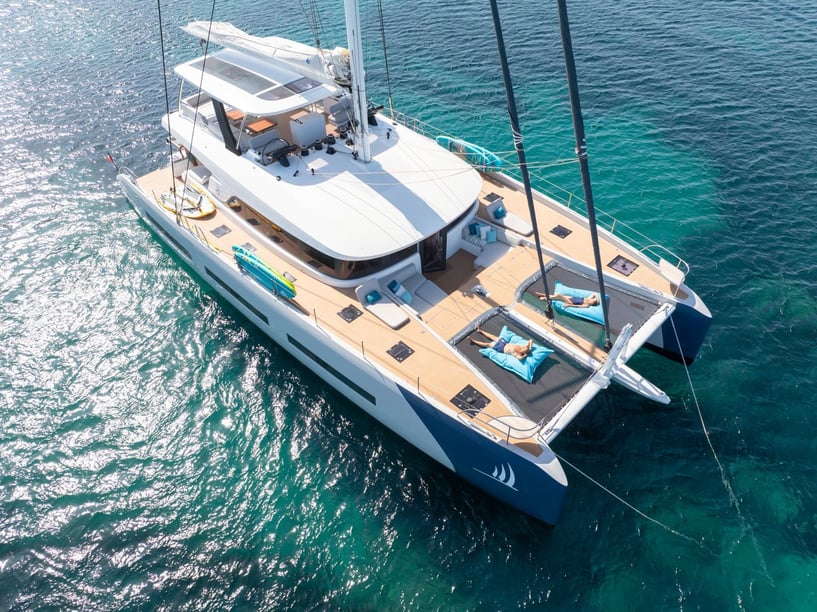
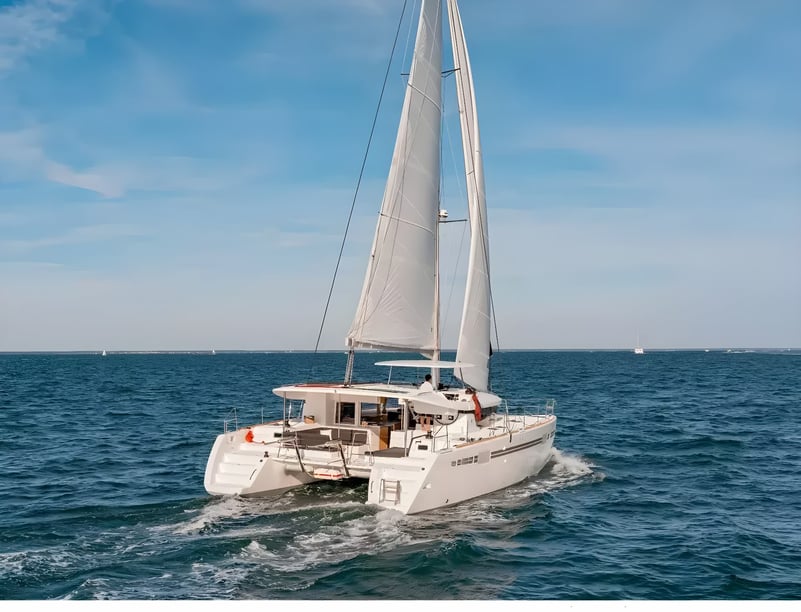
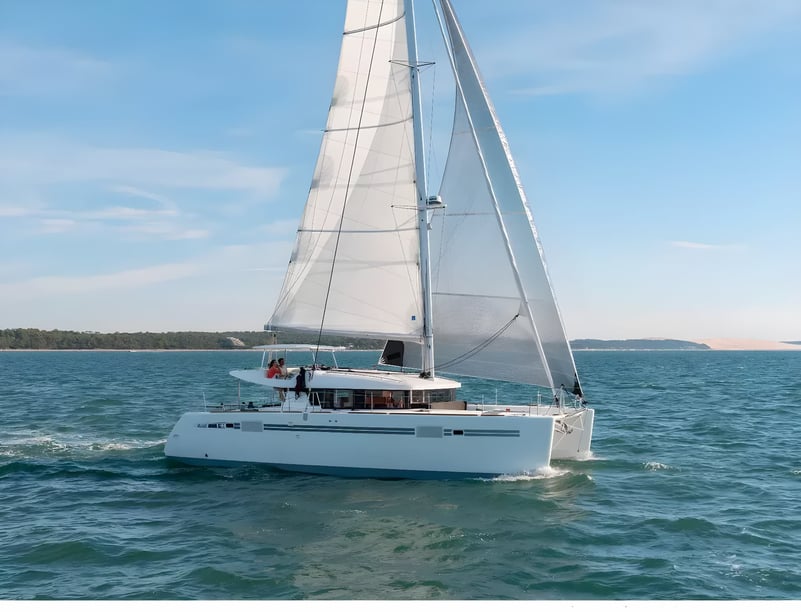
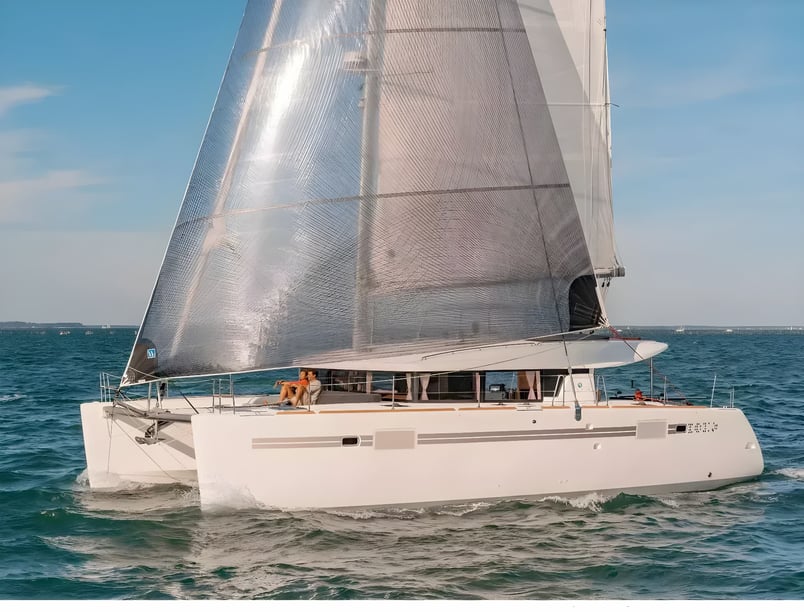
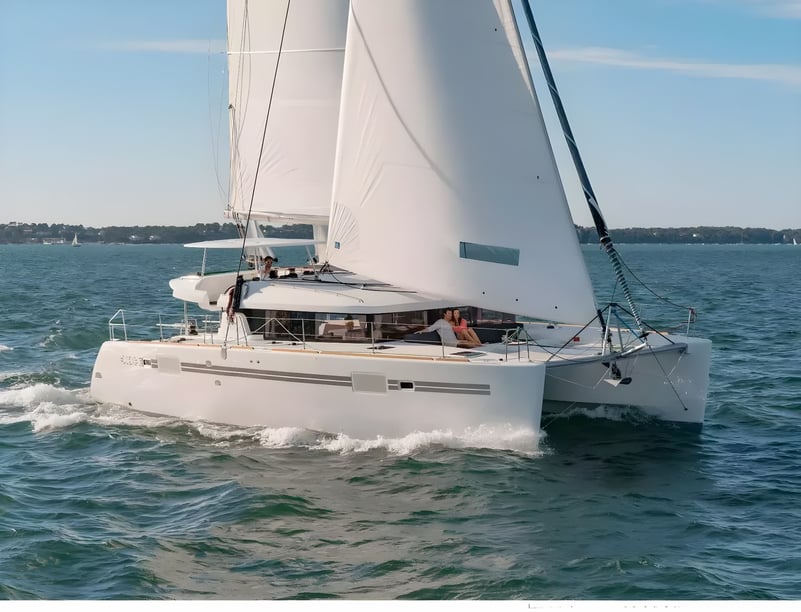
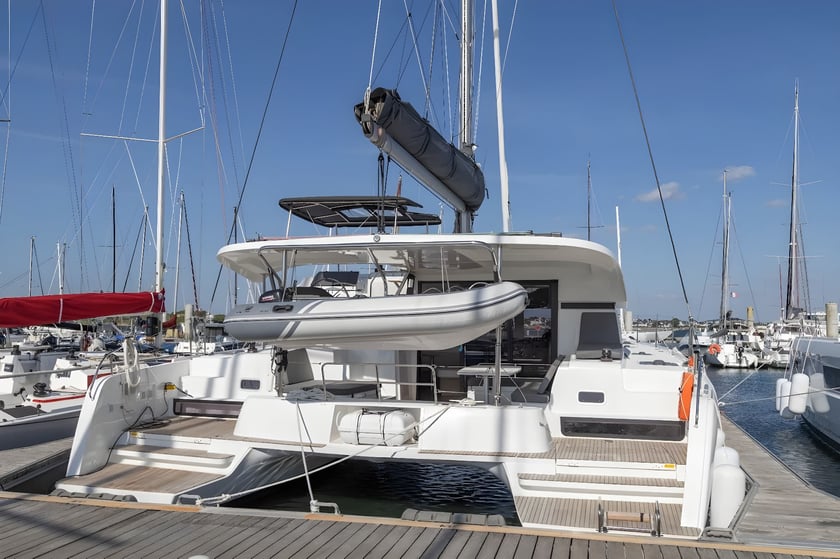
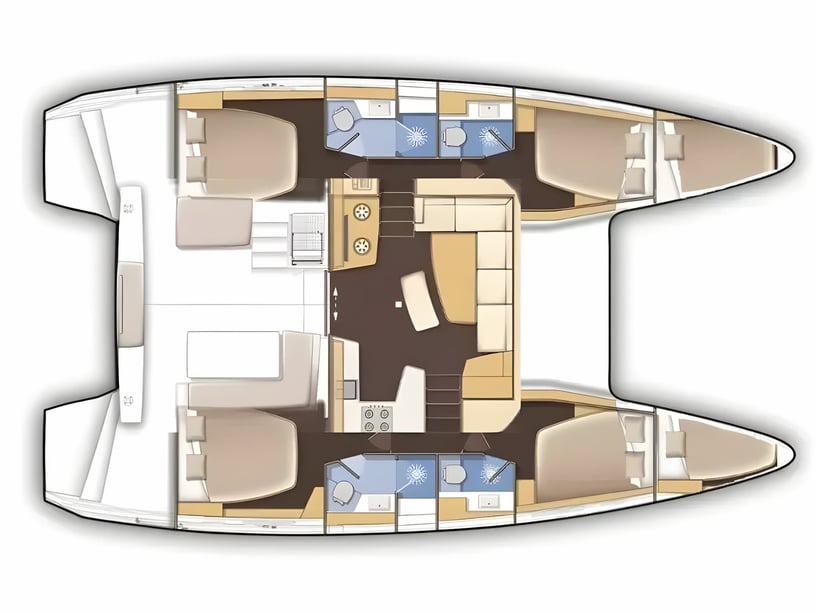
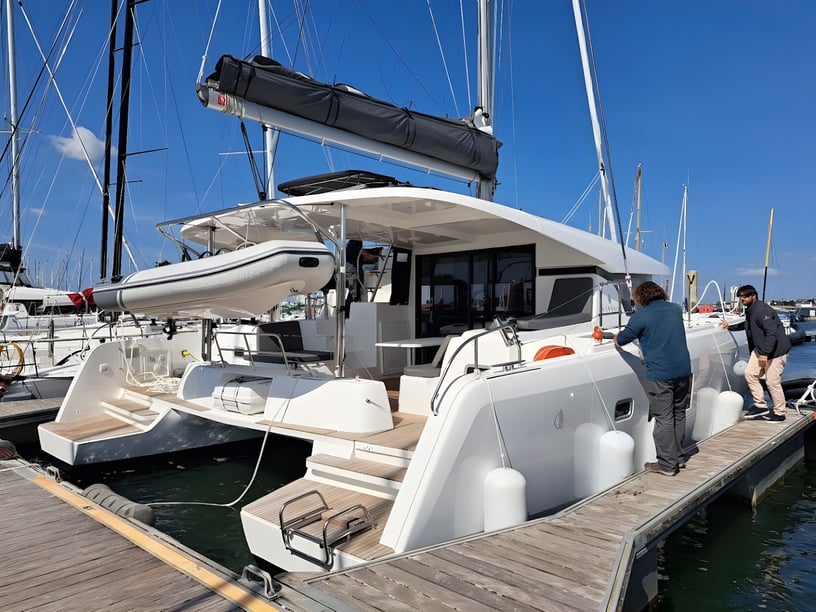
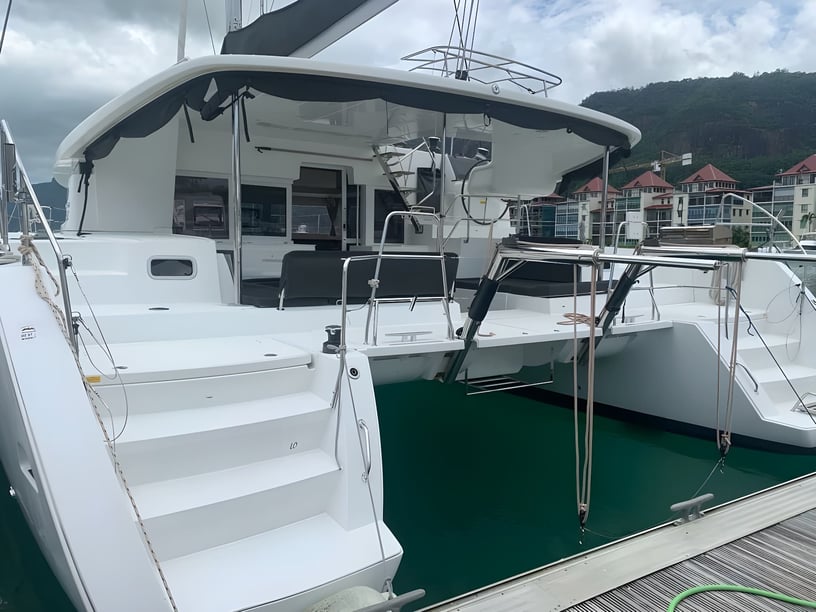
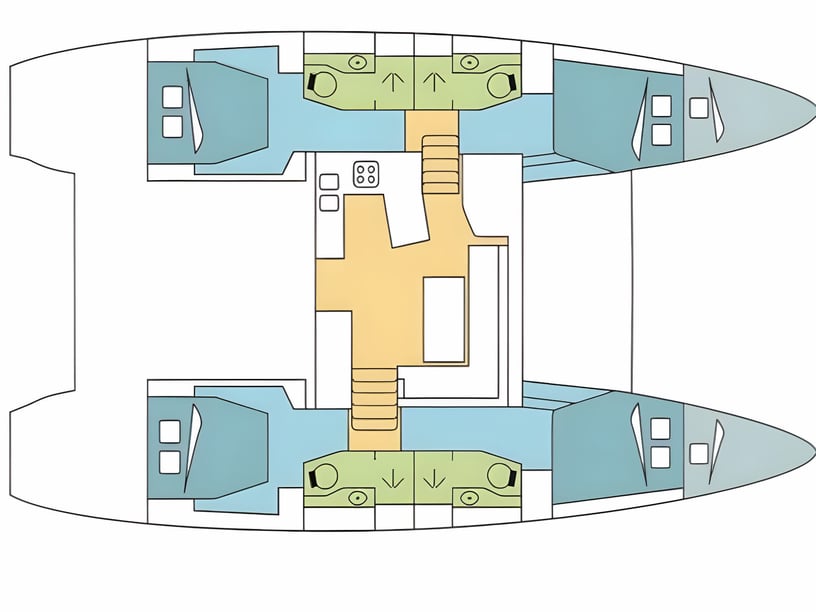
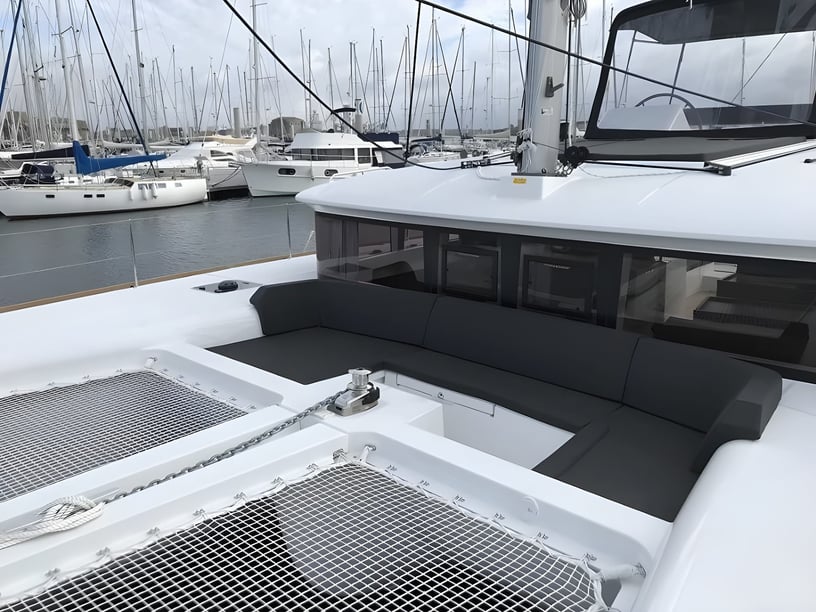
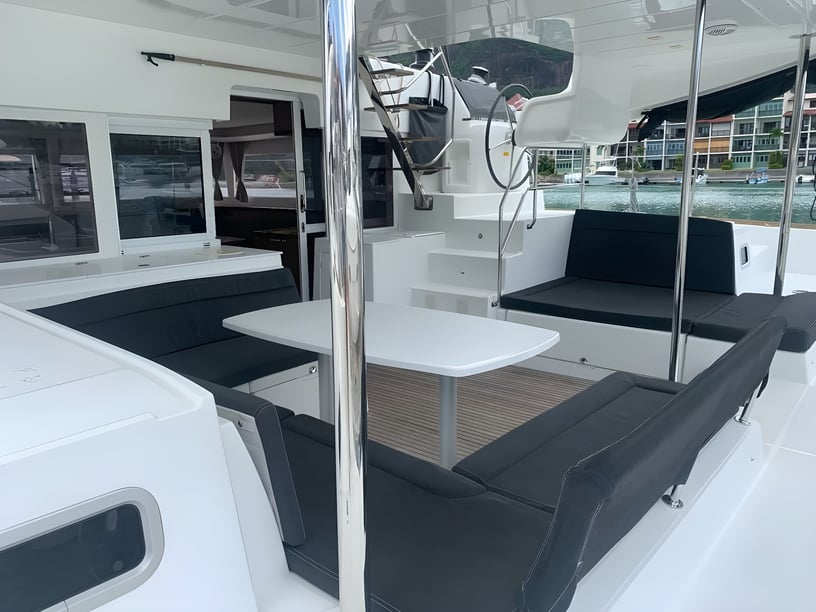
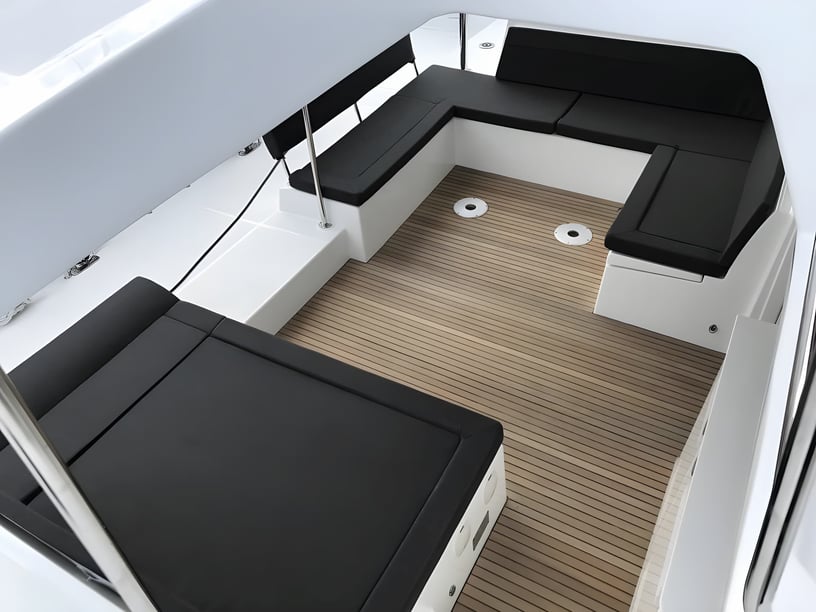
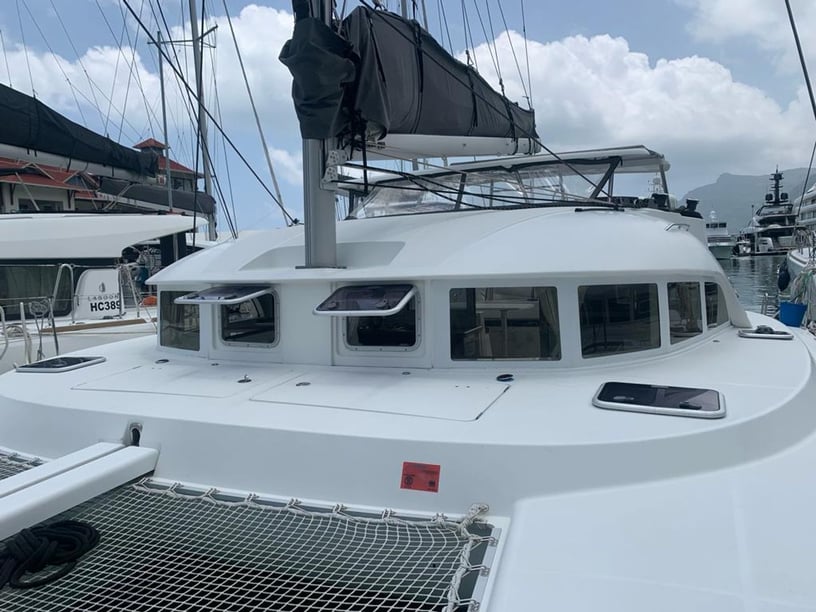
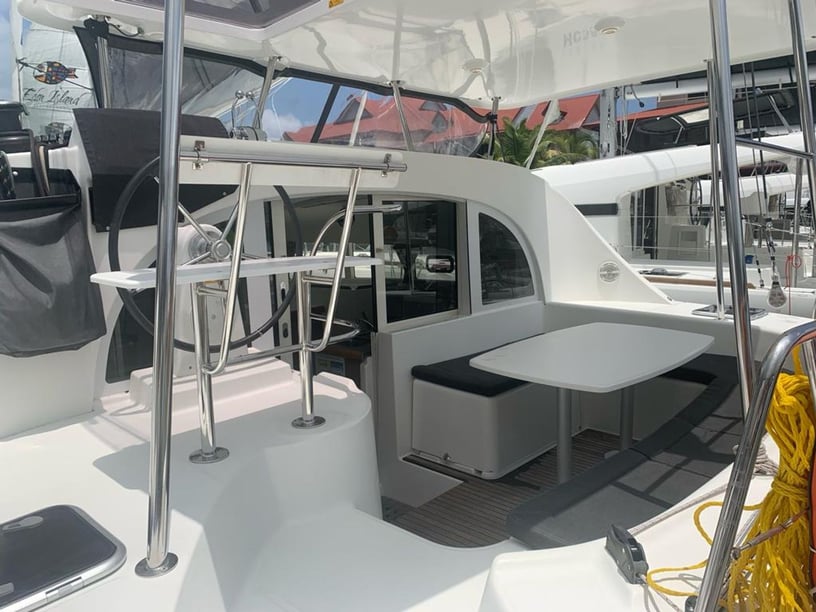
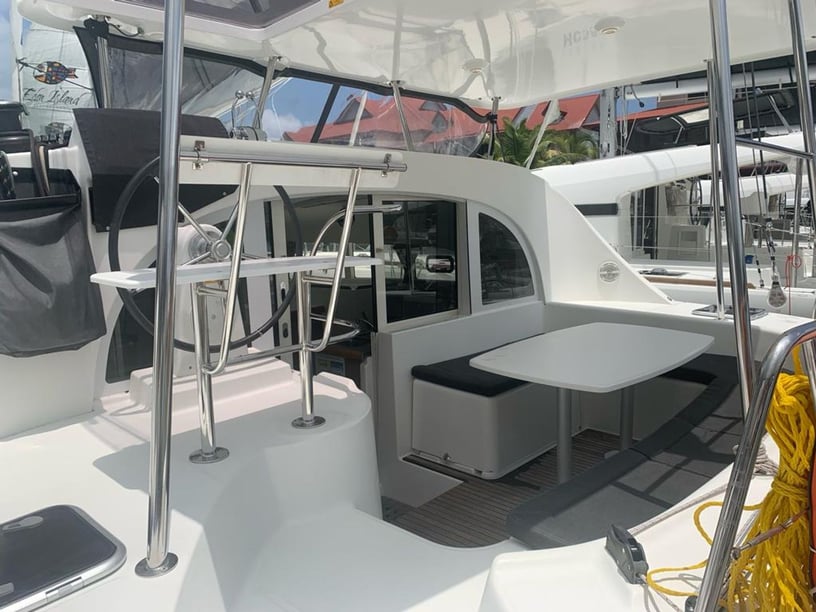
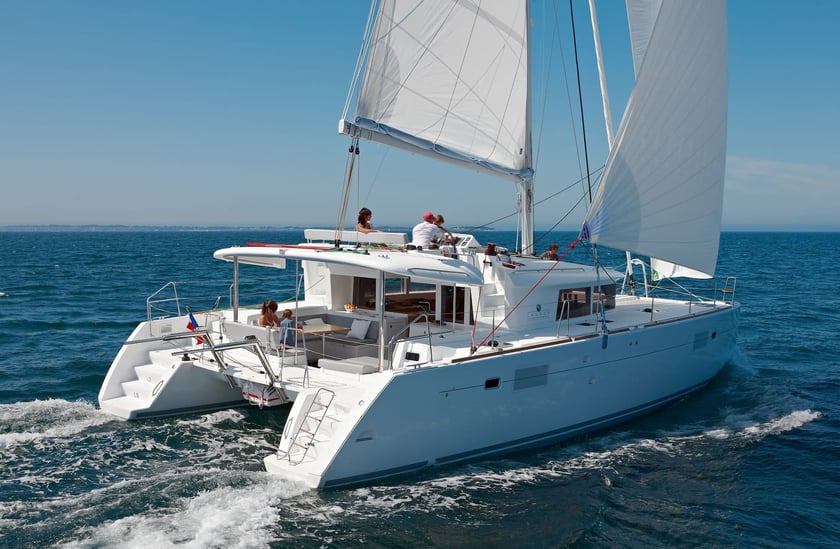
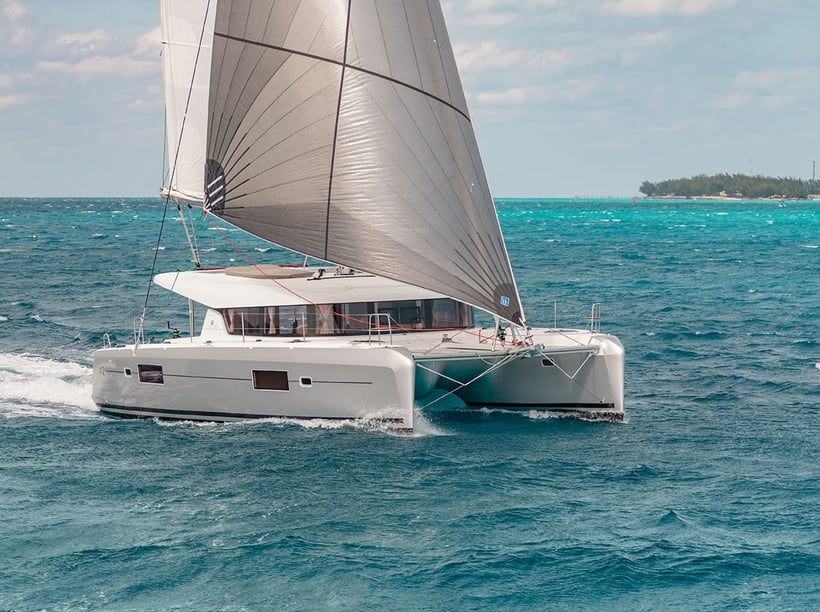
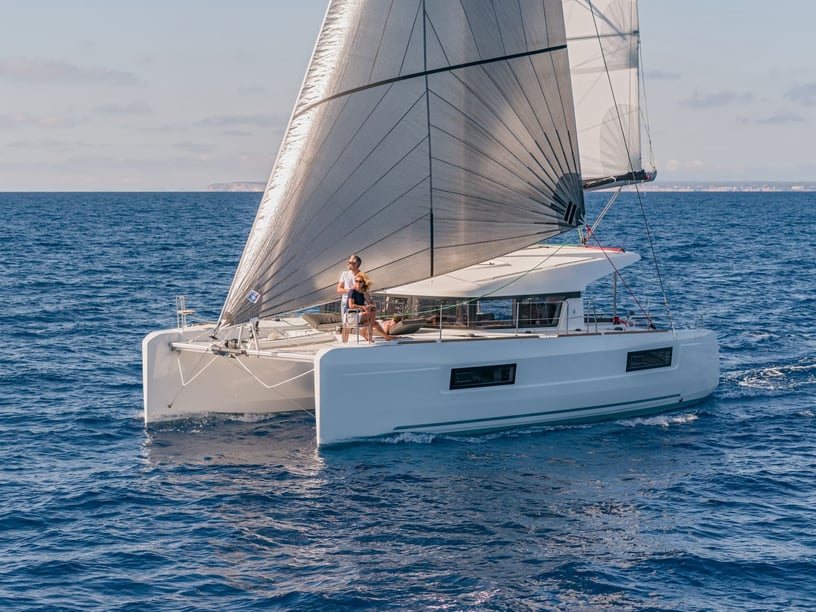
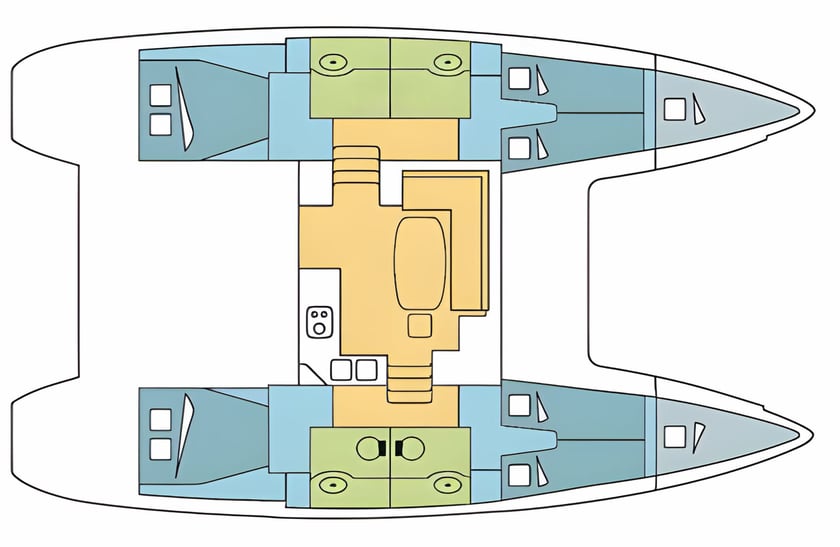
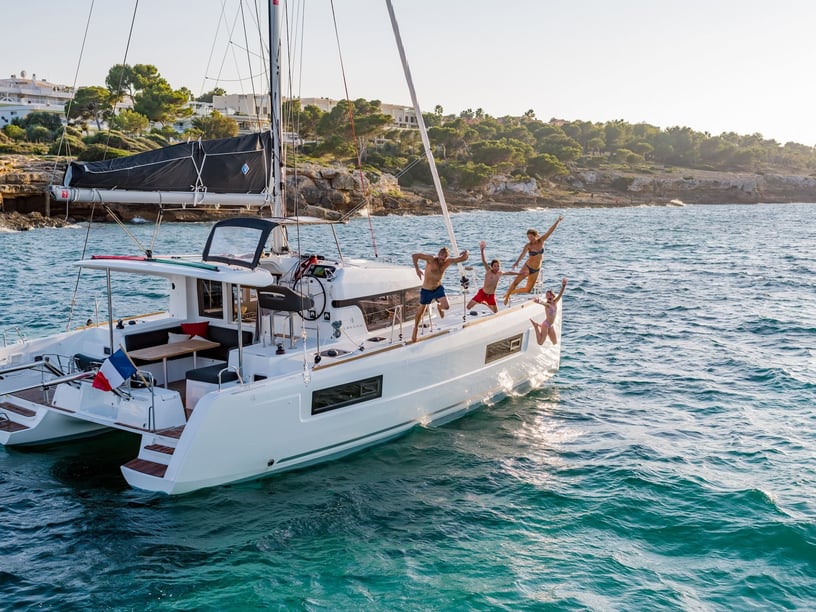
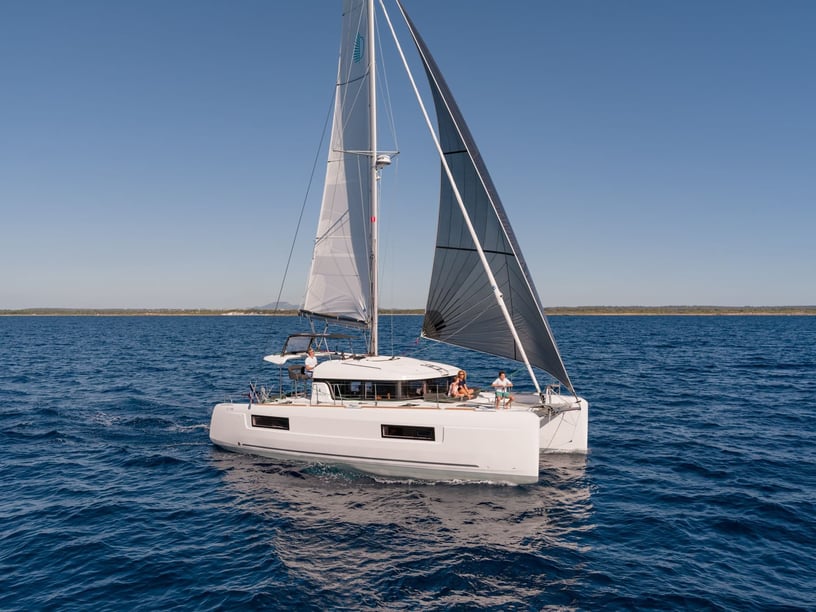
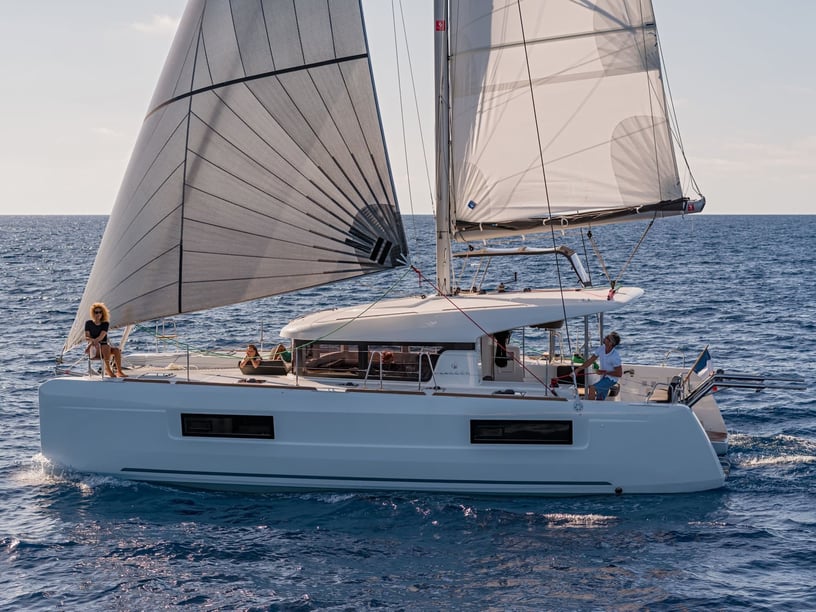
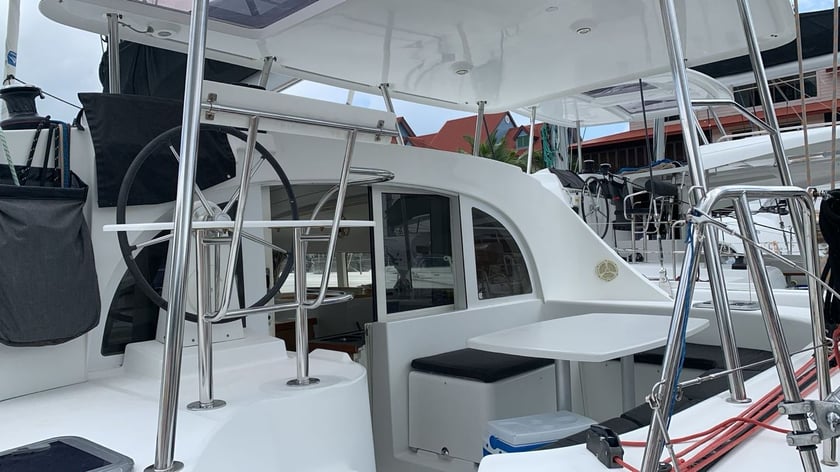
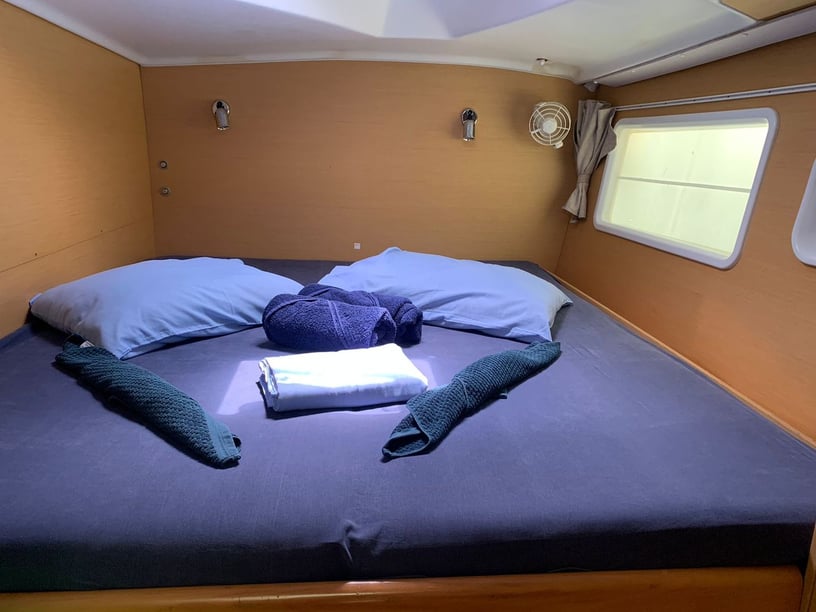
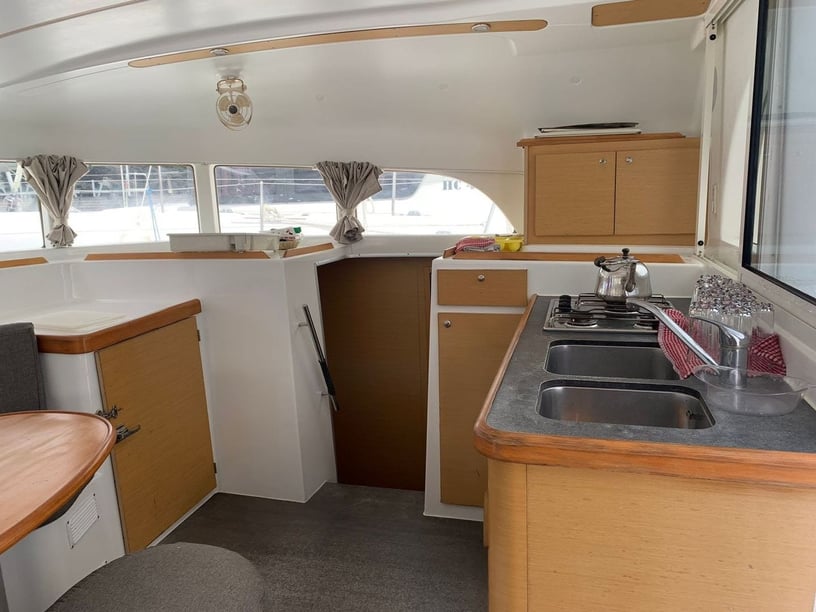
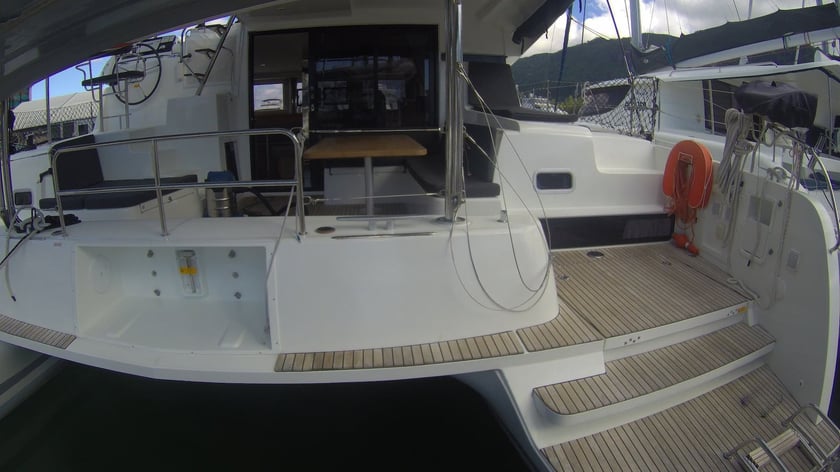
Travelers comparing vessel styles can explore the characteristics of an Indian Ocean catamaran charter or a sailboat charter, while the broader yacht charter guide explains the main planning considerations. The appropriate level of onboard support should reflect local currents, coral passages, offshore distances and the travelers’ own boating experience.
Before confirming a route, check entry formalities, customs procedures, cruising permits, fishing restrictions and marine-protected-area rules for the specific country or territory. Provisioning, fuel, repairs and emergency support may be limited in remote archipelagos. Arrival transfers, realistic passage times and current regional weather forecasts should all be incorporated into the plan rather than treated as last-minute details.









Verified
Адам А.01 Mar 2026
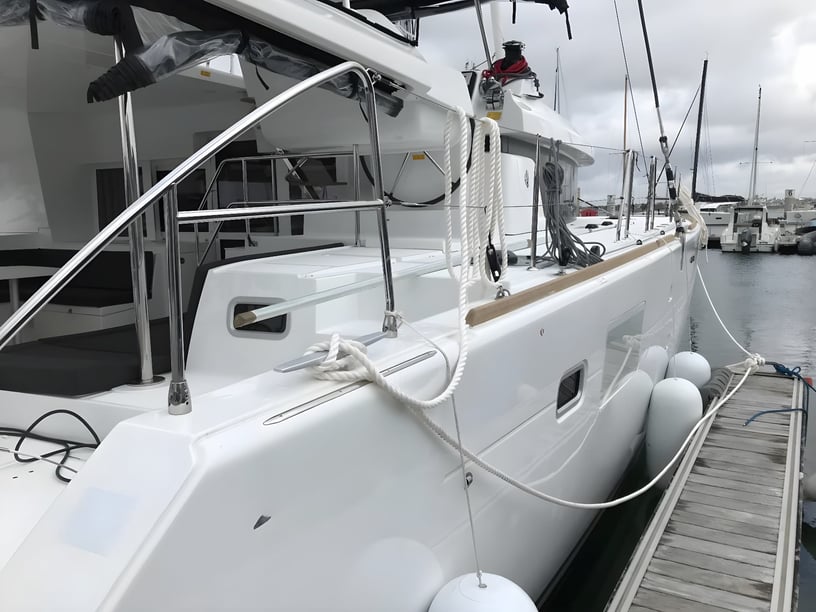
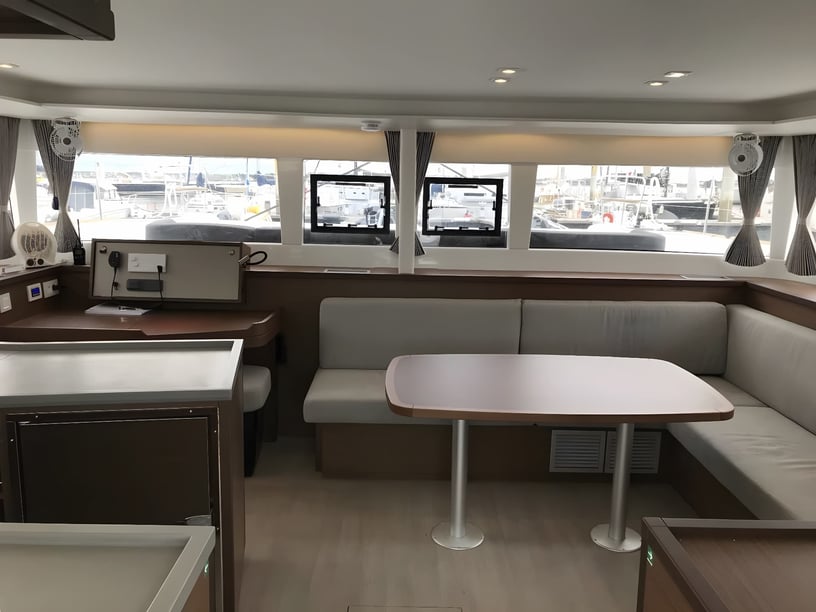
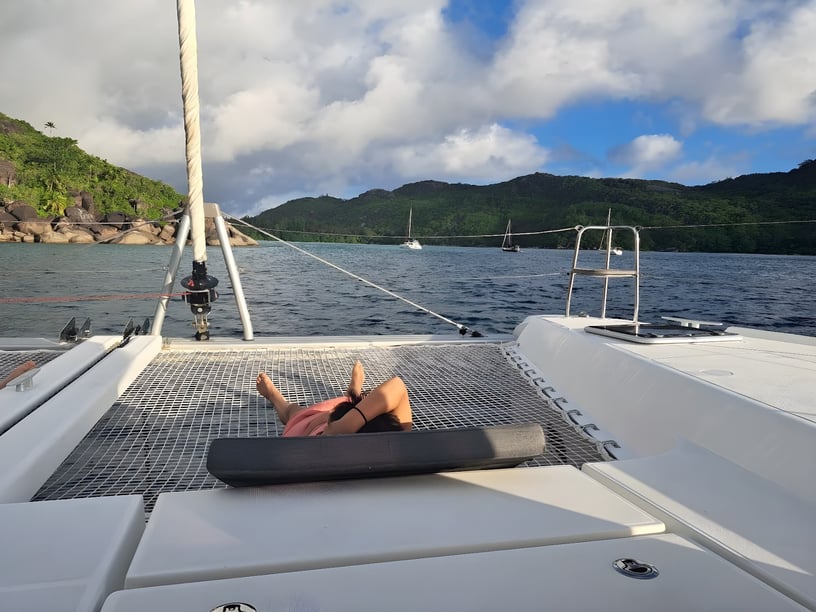
It was a nice, new boat and we had a really enjoyable trip. We also had a good experience with the charter company.
Mahe, Victoria / Seychelles