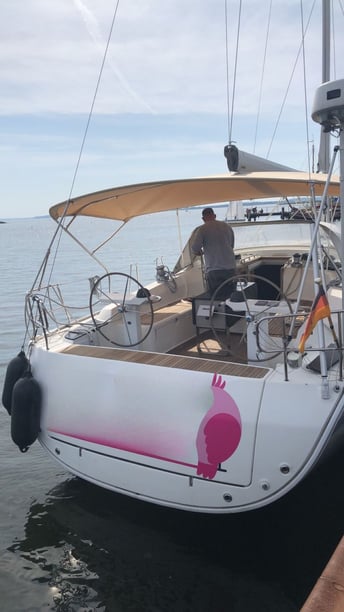
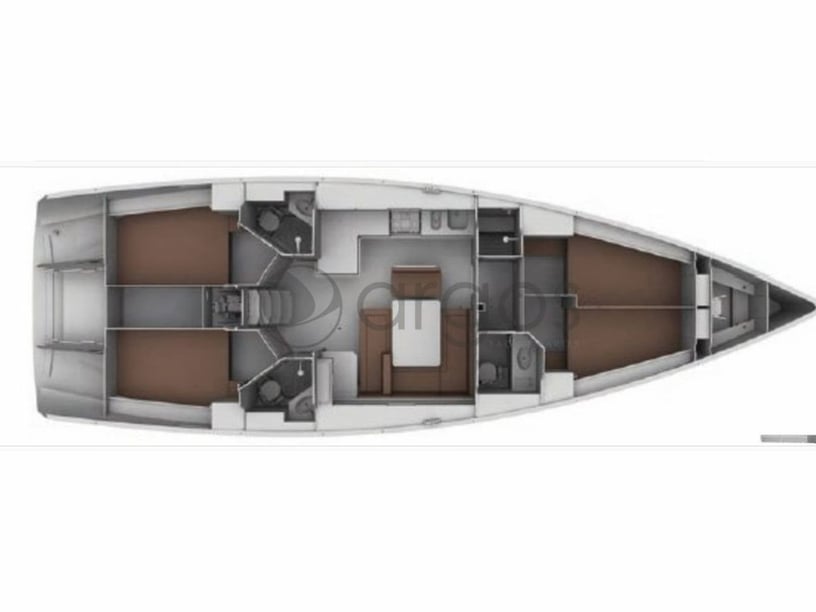
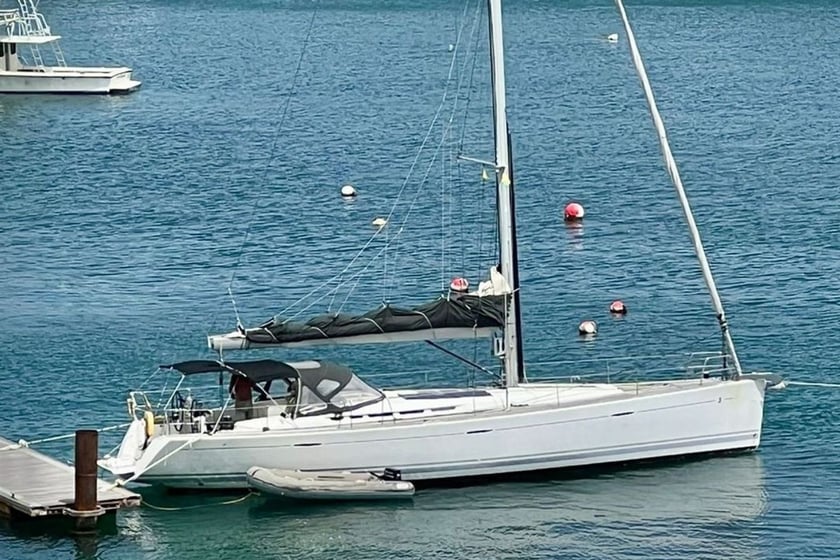
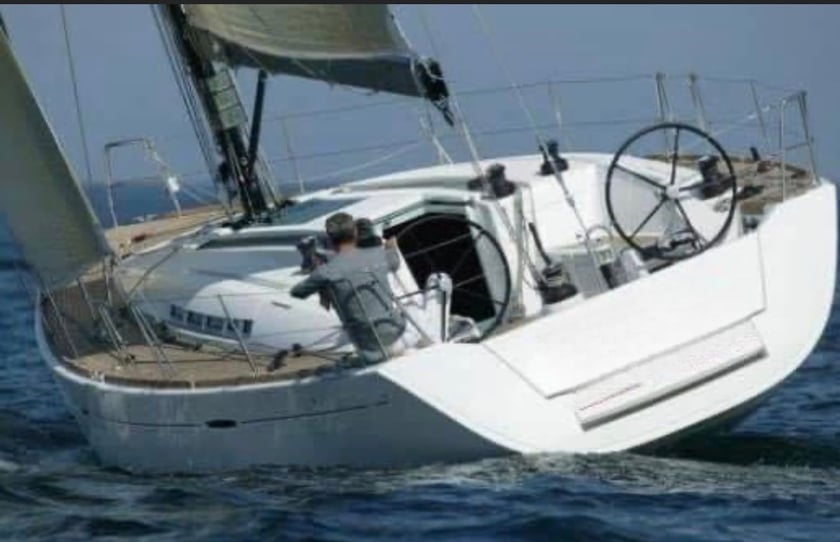
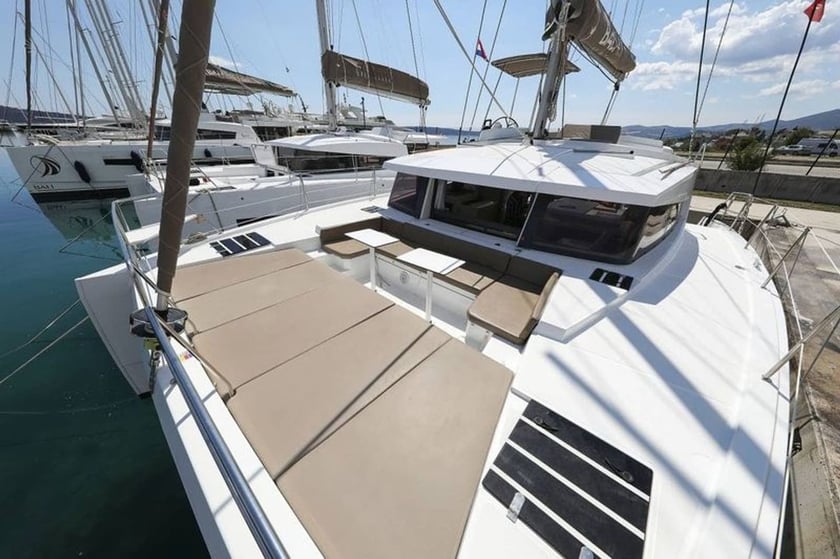
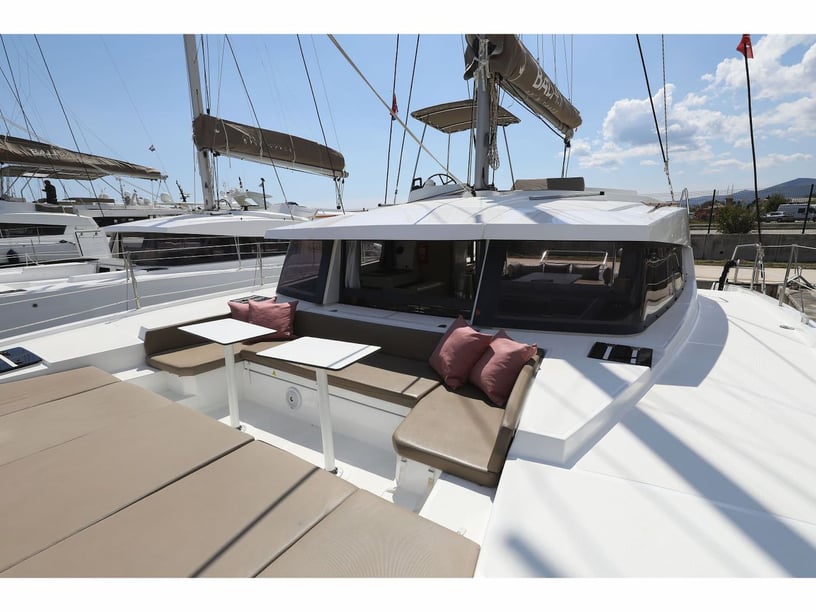
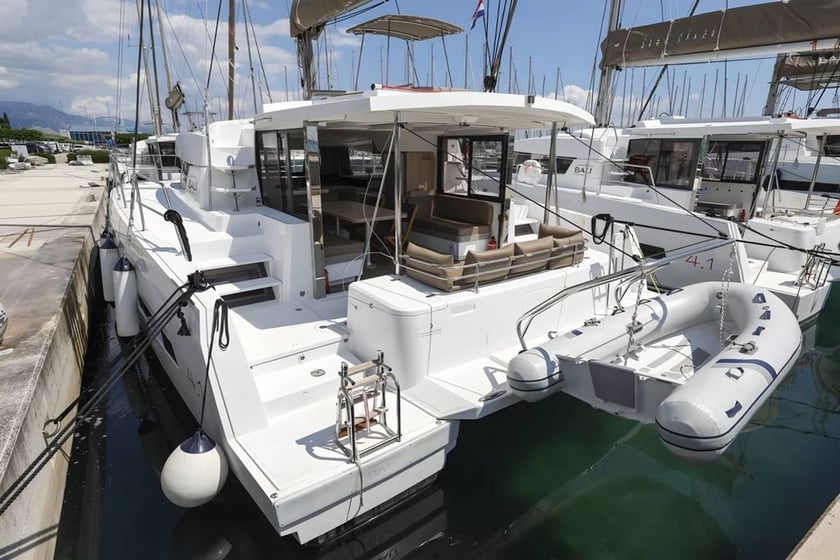
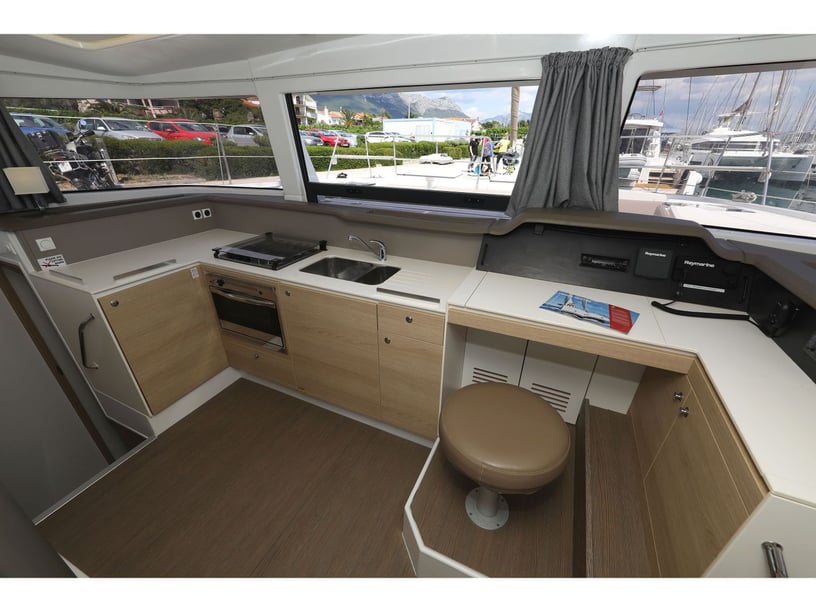
Yacht Charter in Saint Vincent and the Grenadines
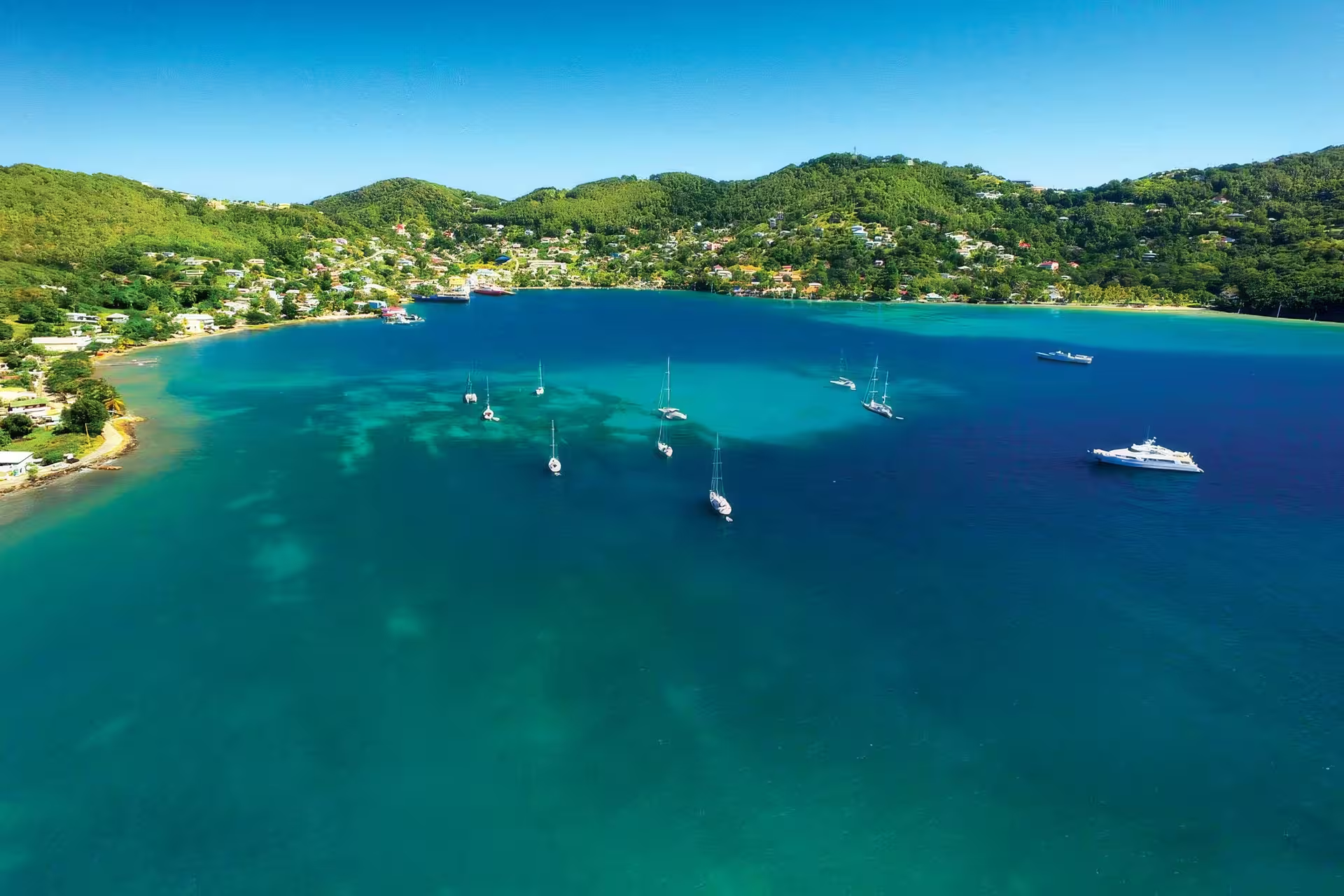
A yacht charter in Saint Vincent and the Grenadines is shaped by the country’s long, southwest-running island chain. Mountainous, comparatively wet Saint Vincent gives way to smaller and generally drier Grenadine islands, with regular passages linking established harbors, village islands, reef lagoons and undeveloped cays. This geography makes progressive island-hopping the defining format of a trip.
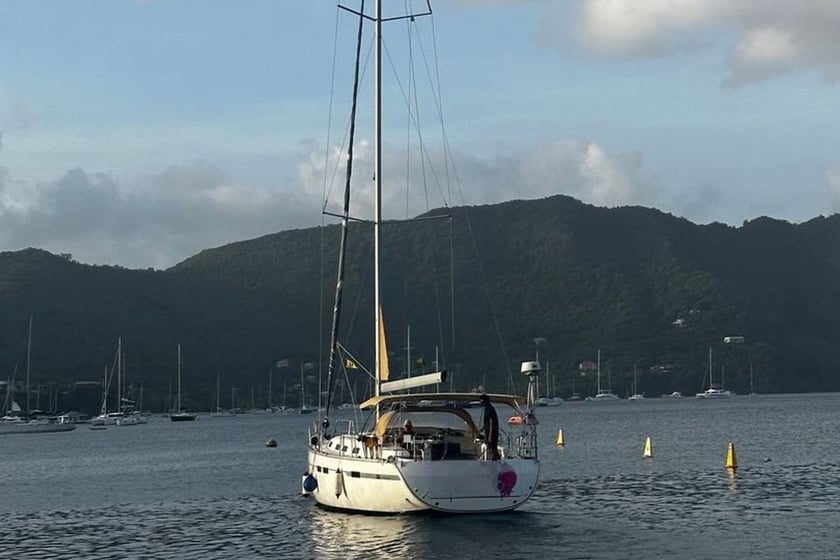
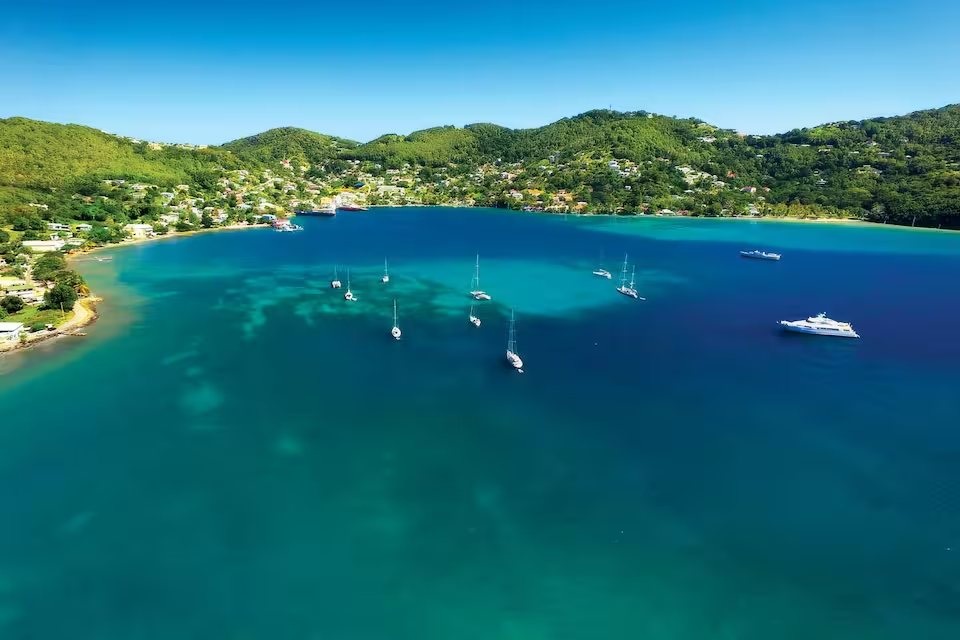
Exploring by yacht reveals contrasts that are difficult to experience on a land-based visit. A journey might move from the services and green volcanic scenery of Saint Vincent to Bequia’s sailing culture, the resort settings of Mustique and Canouan, the village scale of Mayreau and the protected waters of the Tobago Cays. Union Island then provides a practical southern hub. Natural anchorages are central to the experience, although the region also has marinas and harbors where crews can provision, refuel or pause between more remote stops.
Principal Islands and Cruising Areas
Saint Vincent is the main international gateway and a useful northern starting point. Blue Lagoon Marina near Calliaqua is one of the country’s principal departure bases. The island’s steep, lush character differs markedly from the lower Grenadines, while leeward bays such as Cumberland Bay and Wallilabou Bay offer access to its Caribbean-facing coast.
Bequia is a natural early stop or an alternative place to begin. Port Elizabeth sits beside Admiralty Bay, an active anchorage with marina facilities and a strong maritime identity. The island’s traditions of wooden boatbuilding, fishing, model-boat making and regatta racing give it a distinctive place within the wider cruising region.
Farther south, Mustique and Canouan provide a more resort-oriented contrast. Mustique is a private island, while Canouan combines reef-fringed waters with marina facilities at Sandy Lane Yacht Club. Mayreau is smaller and more village-focused, with limited services but access to Salt Whistle Bay and Saline Bay.
The Tobago Cays are the natural centerpiece for many itineraries. Their reef-protected lagoon, uninhabited cays and turtle habitat favor time spent snorkeling, swimming and at anchor rather than going ashore for extensive services. Union Island, particularly Clifton Harbour, is a practical base for the southern Grenadines and for reaching Chatham Bay, Palm Island and Petit St. Vincent.
What Sailing Here Is Like
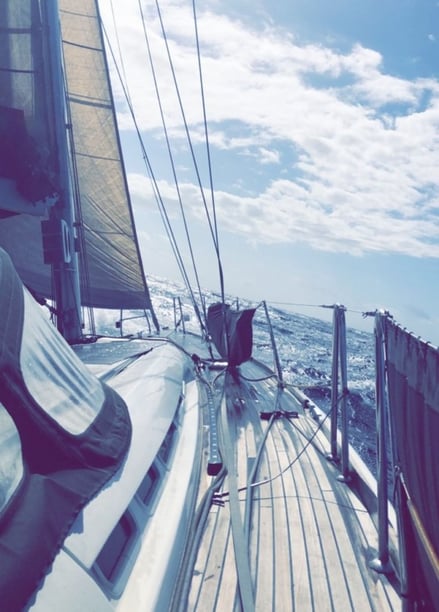
The island chain supports multi-day cruising with frequent day passages, but conditions are not uniformly sheltered. Easterly to northeasterly trade winds predominate, and many bays on the Caribbean-facing leeward sides provide protection. Between islands, however, yachts enter open water where winds may strengthen and seas can become choppy, particularly during winter trade-wind surges.
These conditions give the destination a moderate level of sailing difficulty. Travelers can expect a more active passage-making experience than in a cruising area formed entirely by enclosed waters. Route timing and crew experience therefore matter, especially when moving through exposed channels.
Reef-fringed areas add another consideration. Approaches around the Tobago Cays and parts of Canouan require careful pilotage, current charts and good visibility. Saint Vincent is substantially wetter than the lower Grenadines, so cloud and rainfall can also vary along the route. In practical terms, a charter may combine brisk open-water sailing with quieter periods in protected bays and lagoons.
Best Time for a Yacht Charter
December through May is the principal recreational boating season, when rainfall is generally lower and trade-wind conditions are more dependable. Activity is highest from December through April, while February, March and April are identified as particularly suitable months. These months favor travelers who want to make full use of the island chain, although exposed crossings can still be lively when the trades strengthen.
May remains within the normal dry season but acts as a transition toward wetter conditions. From June through November, tropical waves, squalls, heavier rainfall and Atlantic storm risk make flexible planning more important. June, July, October and November can still support local sailing when forecasts are favorable, while activity is typically lowest in August and September.
Conditions may differ noticeably within the country at the same time: mountainous Saint Vincent commonly receives more rain than the lower, drier Grenadines. Anyone traveling in the wetter season should monitor official marine forecasts and tropical-weather advisories closely.
Yacht Charter Routes
A classic Grenadines circuit begins from Saint Vincent or Bequia and runs south through Mustique, Canouan and Mayreau to the Tobago Cays and Union Island. The return north creates a logical round-trip structure, with a balance of open-water passages, serviced harbors and quieter anchorages. The route suits travelers who want to experience the full contrast between volcanic Saint Vincent and the smaller Grenadine islands.
A southern circuit from Canouan or Clifton can devote more time to Mayreau, the Tobago Cays, Union Island, Palm Island and Petit St. Vincent. Distances within this cluster allow shorter island passages and more time for snorkeling or remaining at anchor. It can also reduce the number of longer north-to-south crossings.
Whichever outline is chosen, weather, reef visibility and clearance requirements should remain part of the schedule. A flexible itinerary is more useful than a rigid day-by-day plan in this exposed, trade-wind cruising area.
Life at Anchor and Ashore
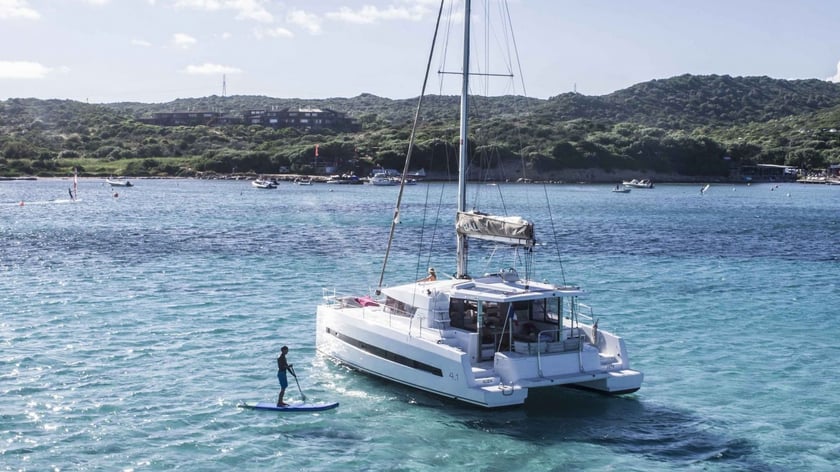
Much of the charter experience revolves around the transition from sailing to time in the water. The Tobago Cays Marine Park is the clearest example: Horseshoe Reef helps shelter a lagoon shared by uninhabited cays and turtle habitat, making snorkeling and swimming central reasons to stay. Boats must use designated moorings or anchor on suitable sandy ground, never on coral or seagrass.
Elsewhere, the character of an anchorage changes with the island. Salt Whistle Bay on Mayreau brings beach time close to a small island community, while Chatham Bay on Union Island offers a more secluded setting than busy Clifton Harbour. Bequia combines beaches, anchoring and an active maritime community around Port Elizabeth.
Going ashore also introduces the country’s cultural depth. Indigenous Kalinago and Garifuna resistance, colonial history, slavery, emancipation and independence have all shaped modern Saint Vincent and the Grenadines. Fishing, inter-island travel, regattas and boatbuilding maintain a direct connection with the sea, giving a yacht journey cultural context beyond its beaches and reefs.
Getting There and Choosing a Departure Point
Argyle International Airport on Saint Vincent is the principal international gateway. From there, Blue Lagoon Marina near Calliaqua provides a practical base for a full north-to-south itinerary. Domestic flights connect Saint Vincent with Bequia, Canouan, Union Island and Mustique, while ferries run from Kingstown to Bequia and several southern islands.
Port Elizabeth and Bequia Marina suit travelers who want to begin directly in the Grenadines. Canouan’s airport and Sandy Lane Yacht Club make the island another possible starting point, particularly for routes centered on Mayreau and the Tobago Cays. Farther south, Union Island Airport, Clifton Harbour and Anchorage Yacht Club support departures around the southern group.
Smaller islands may require a yacht, water taxi or private boat transfer. Access plans should therefore be coordinated with the intended departure base rather than treating all islands as equally connected.
Planning the Right Charter
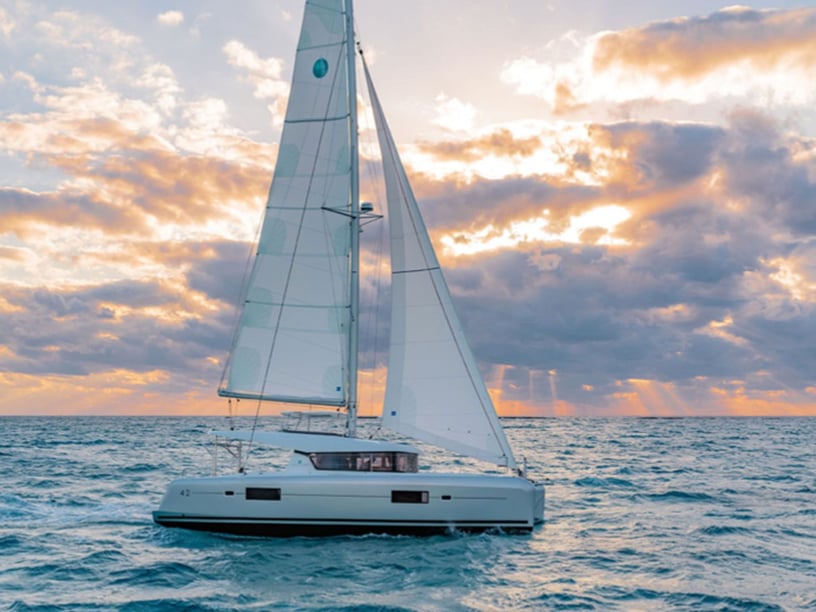
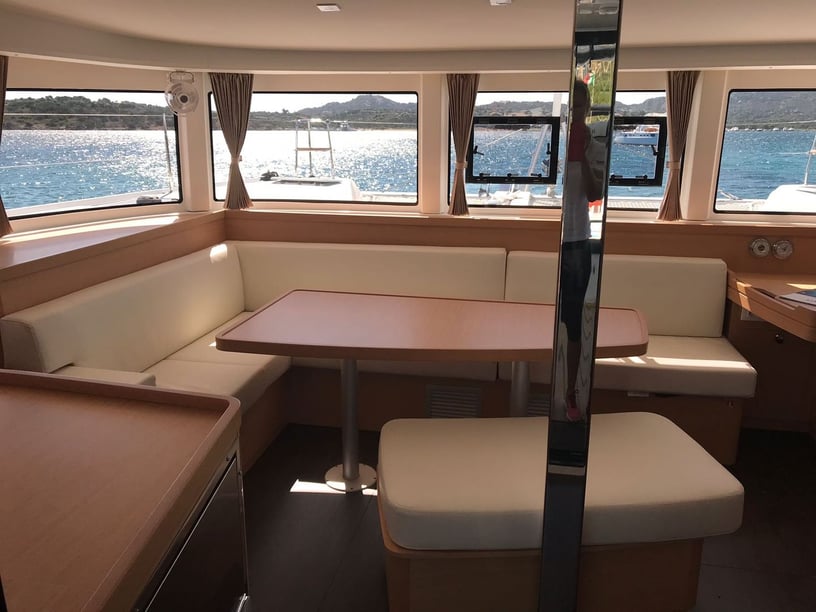
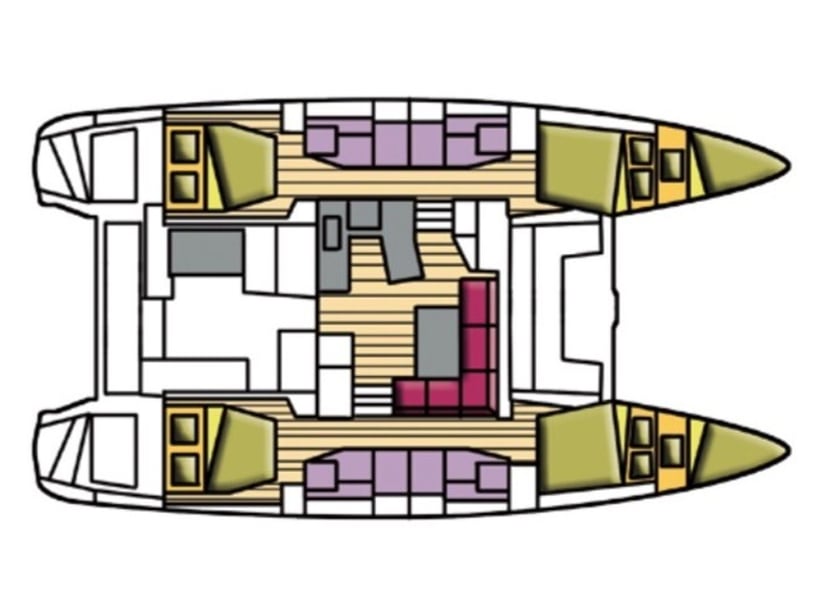
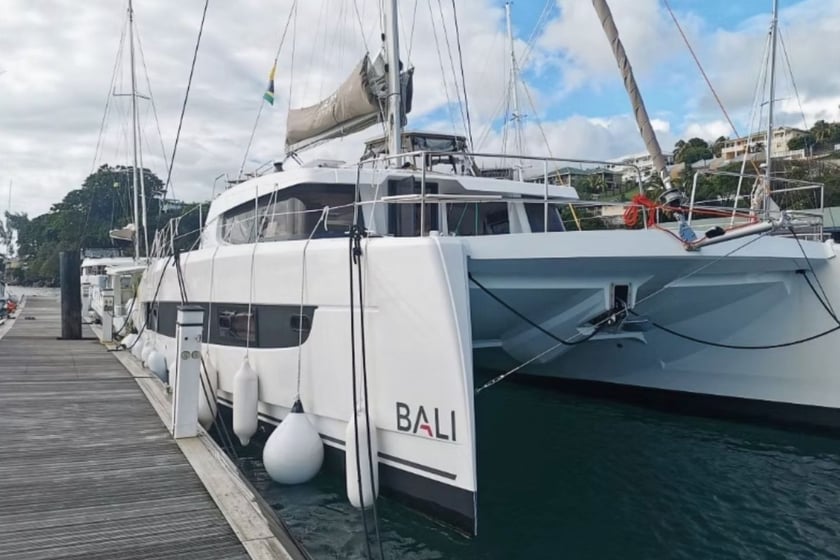
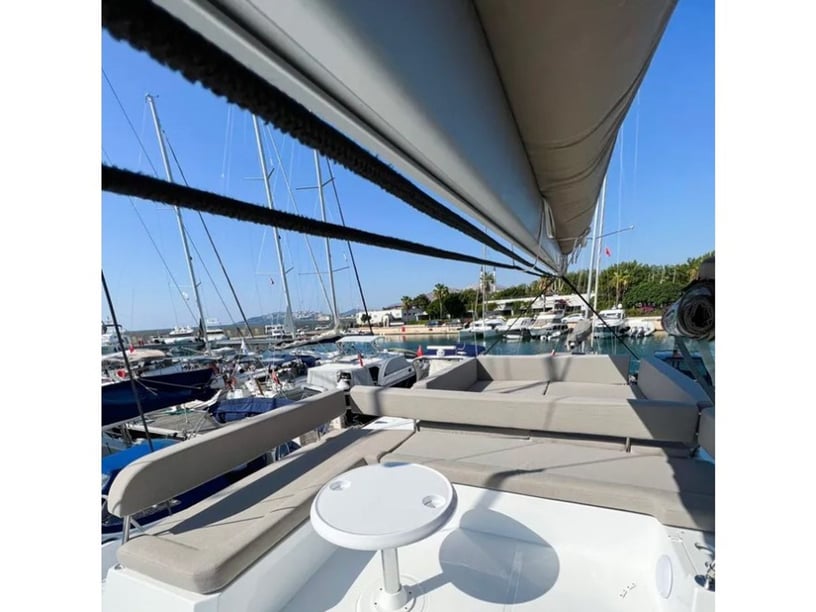
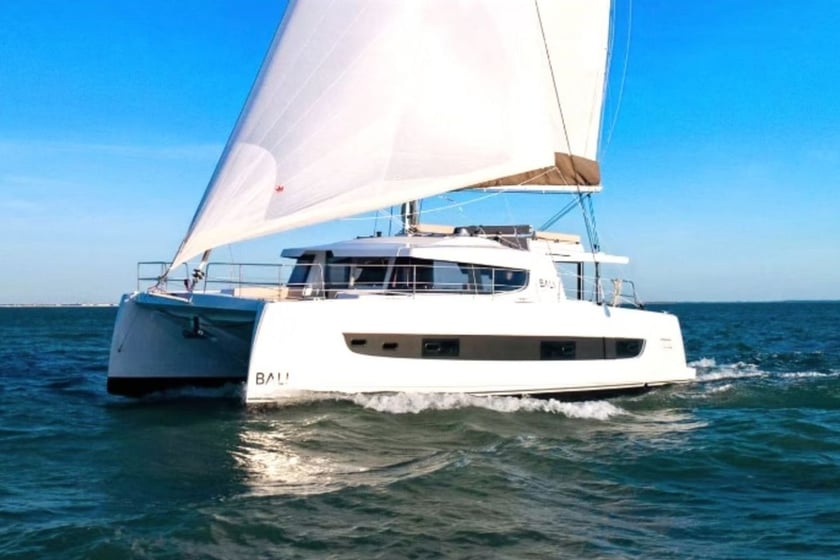
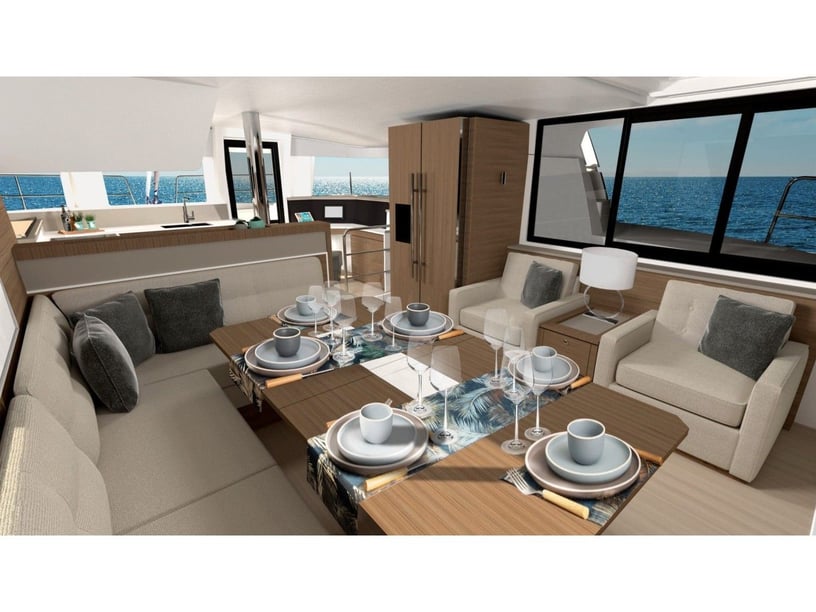
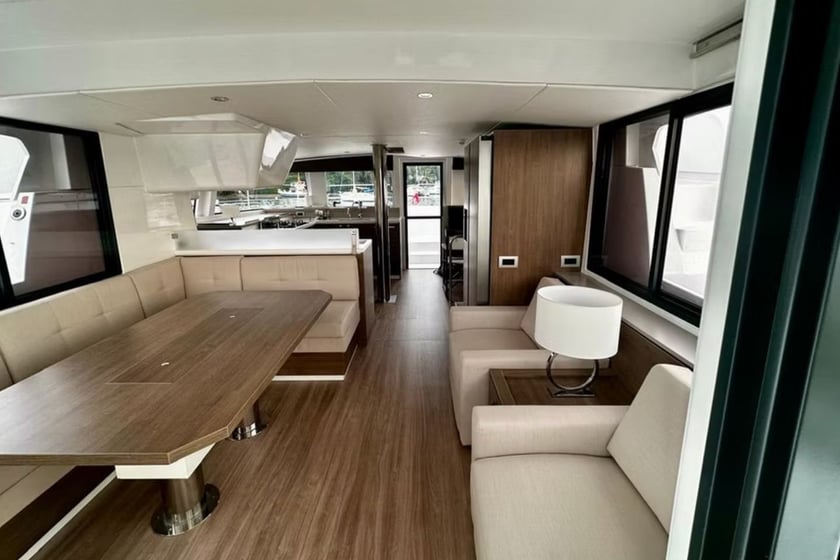
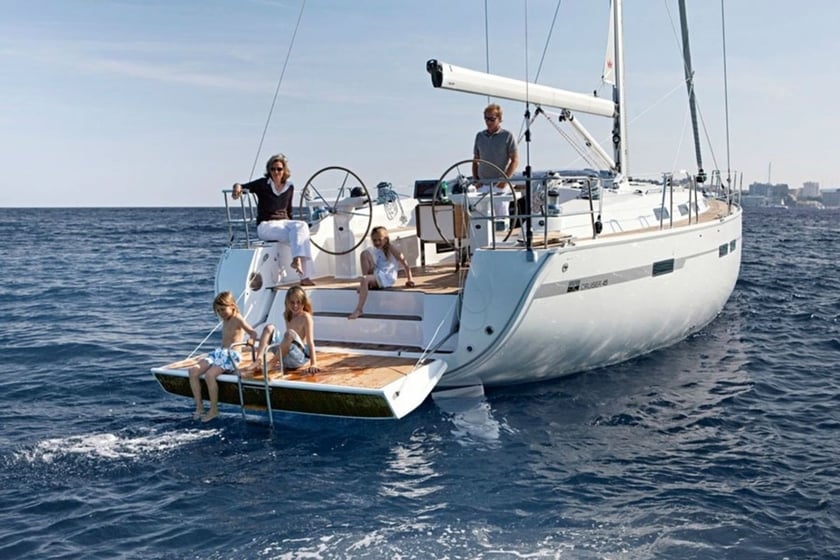
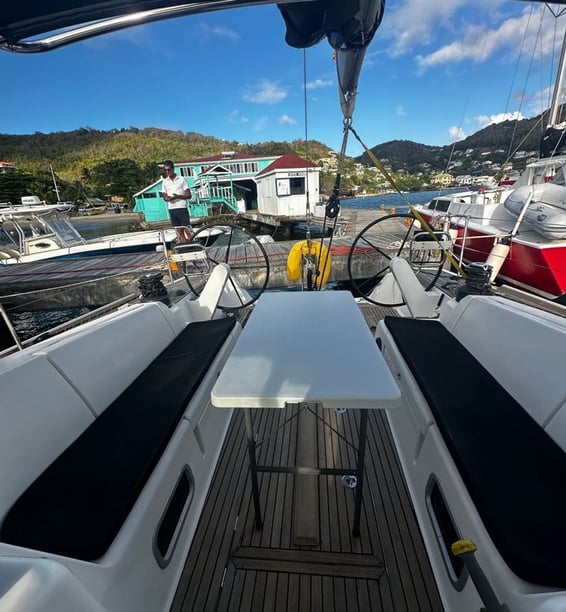
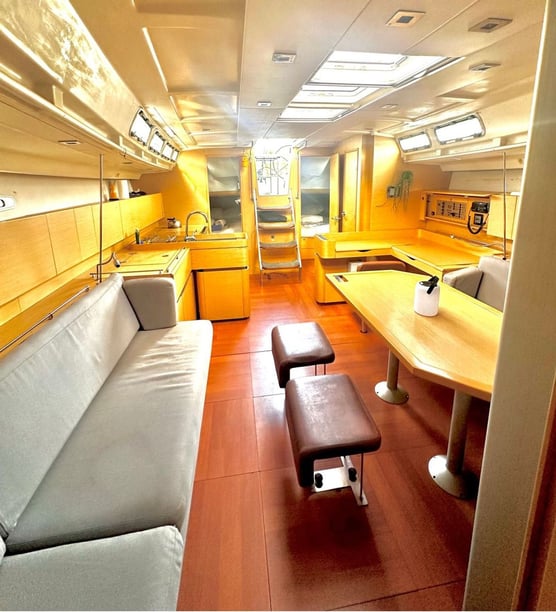
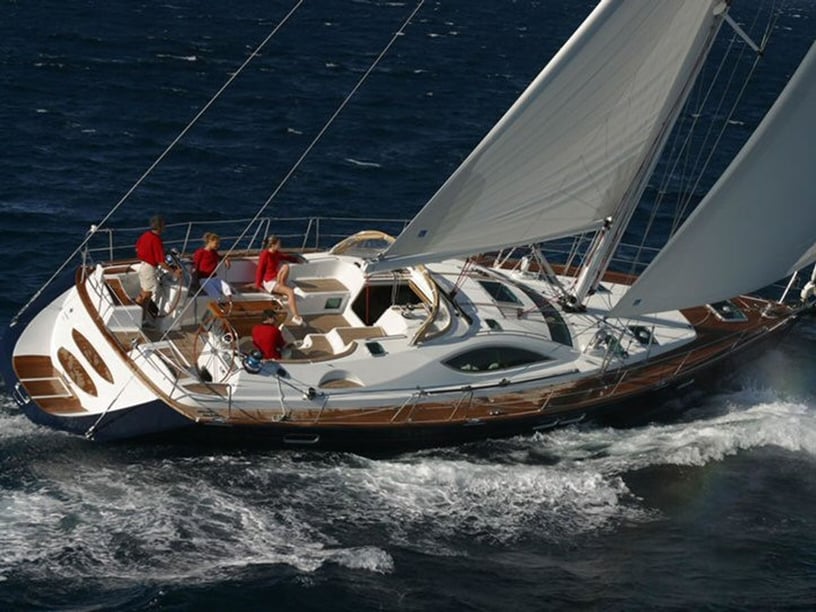
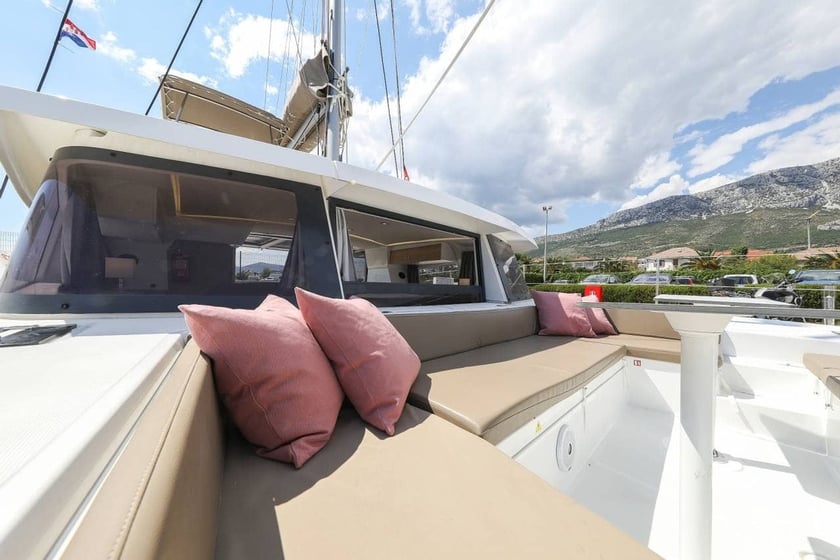
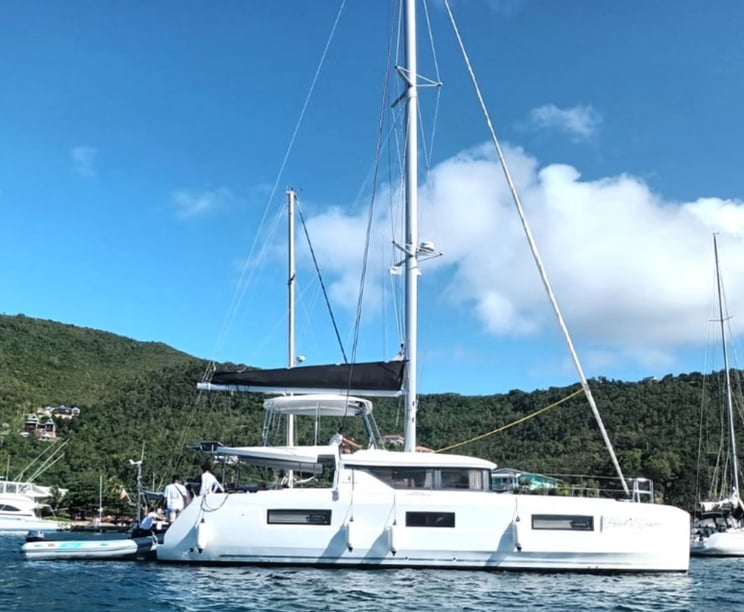
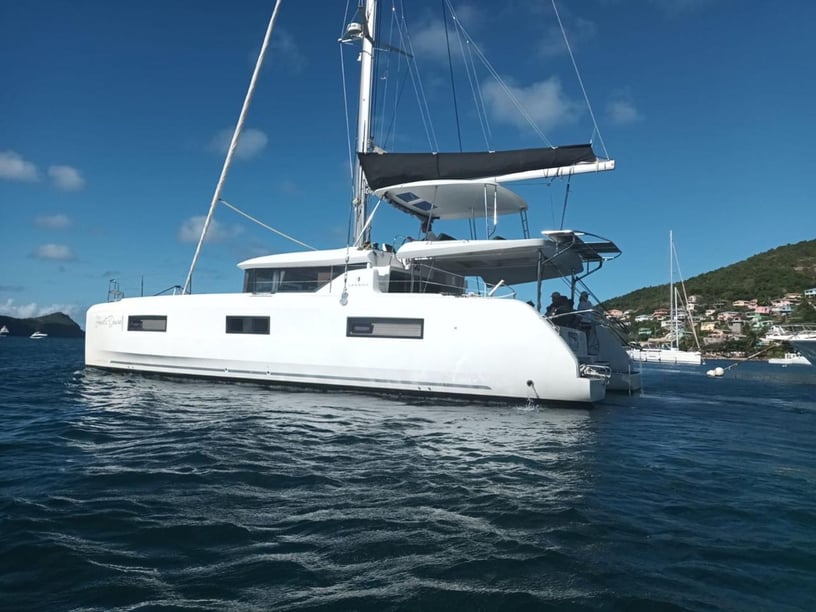
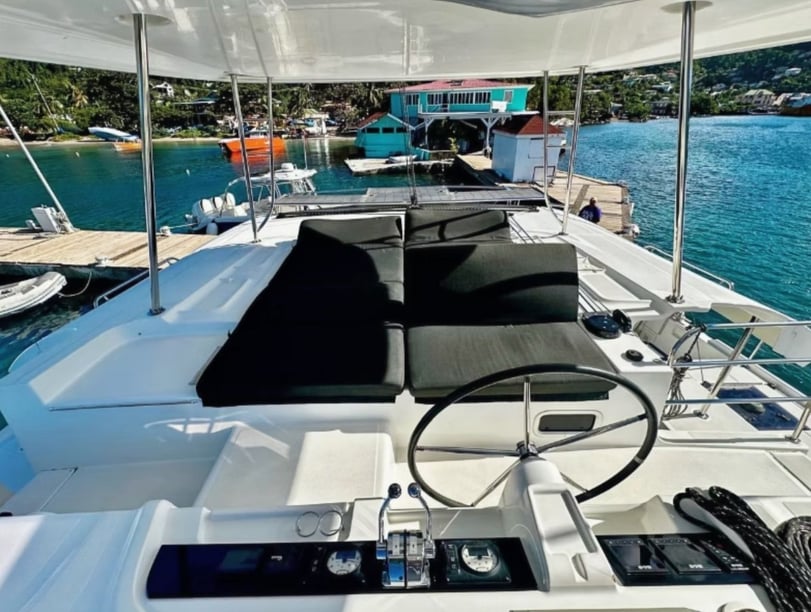
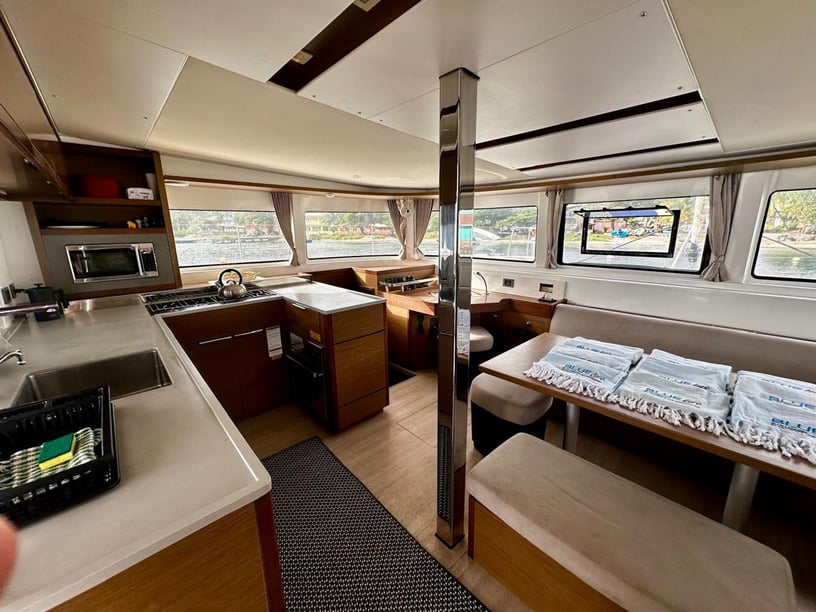
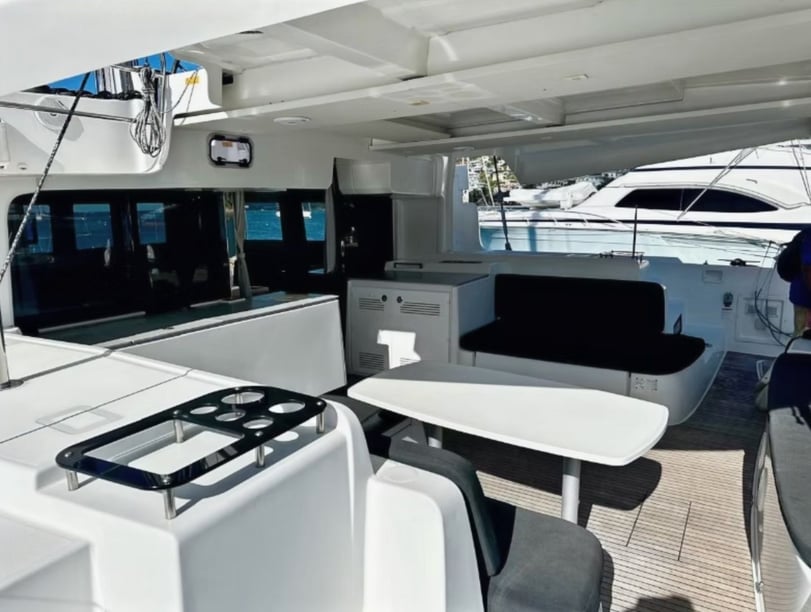
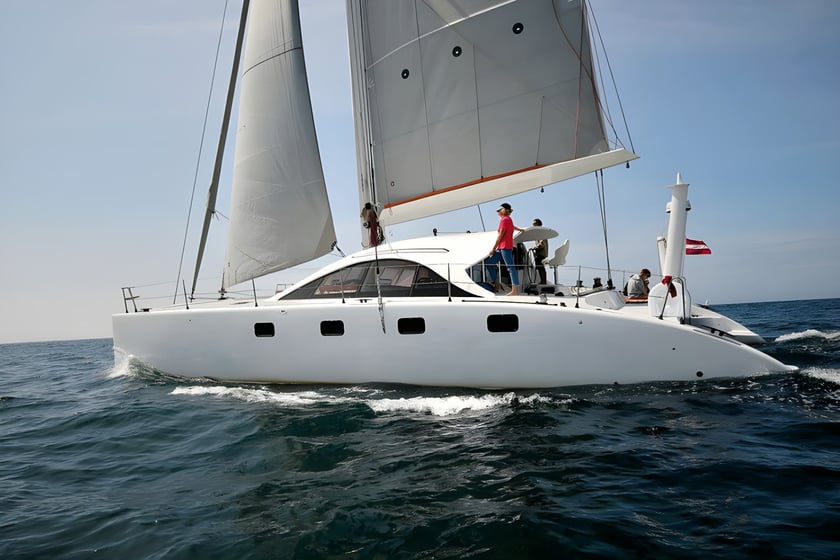
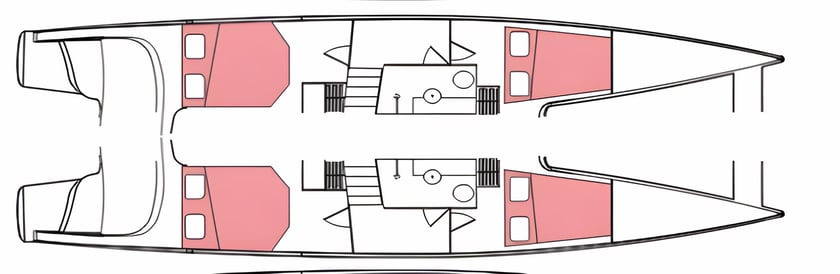
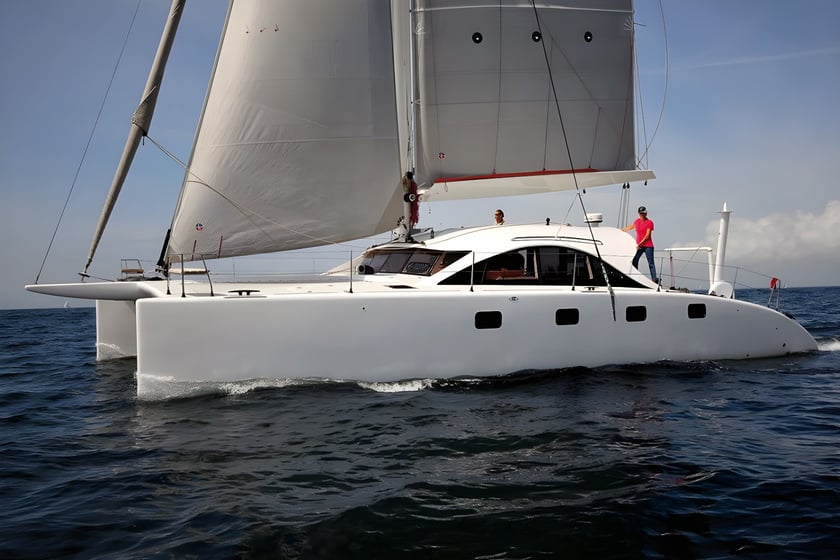
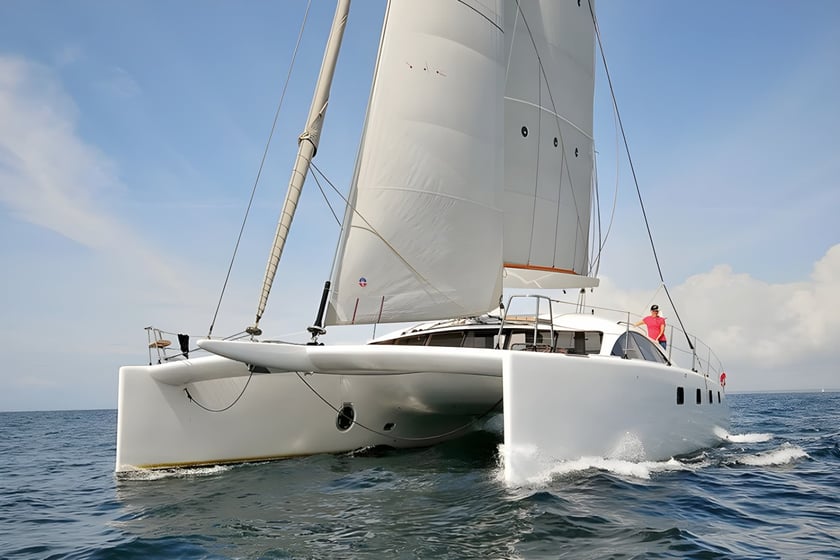
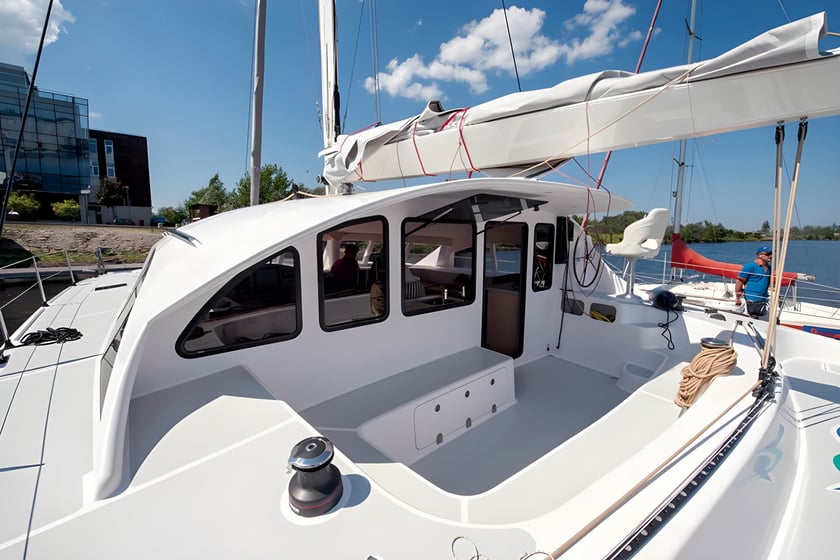
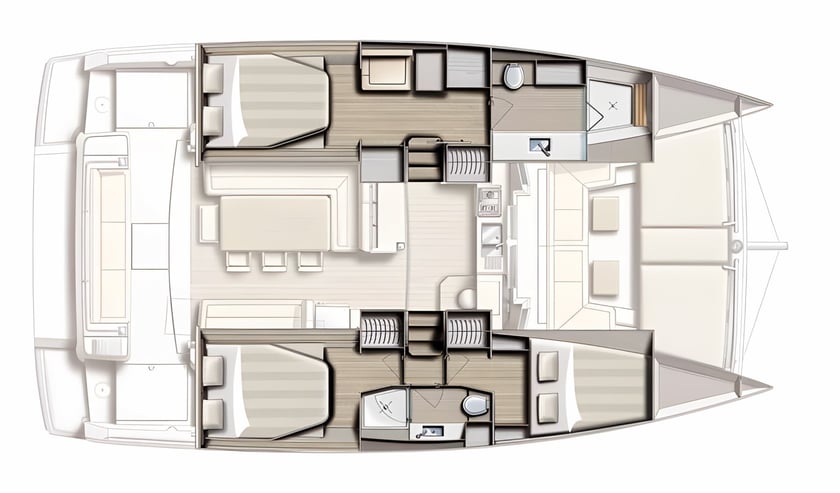
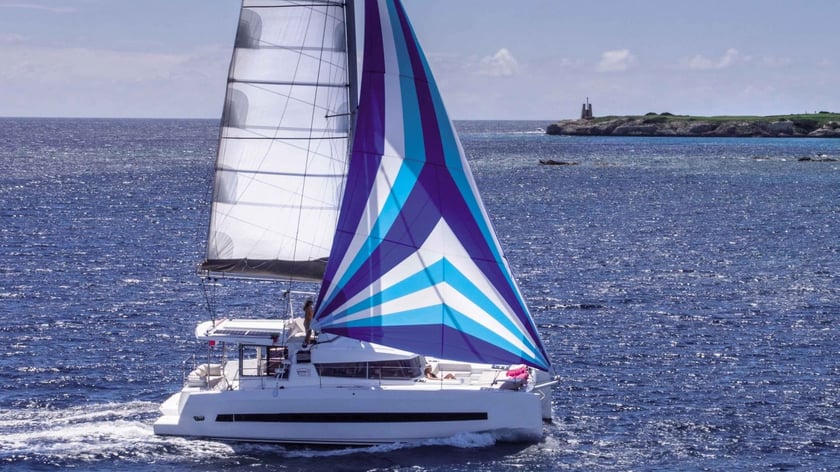
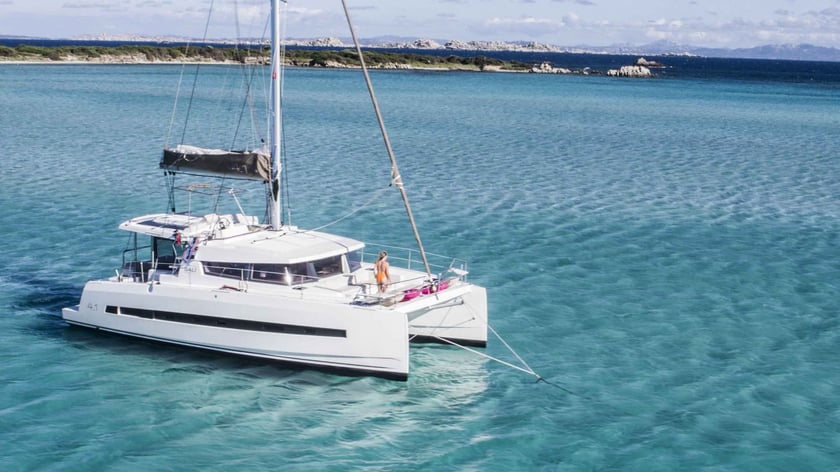
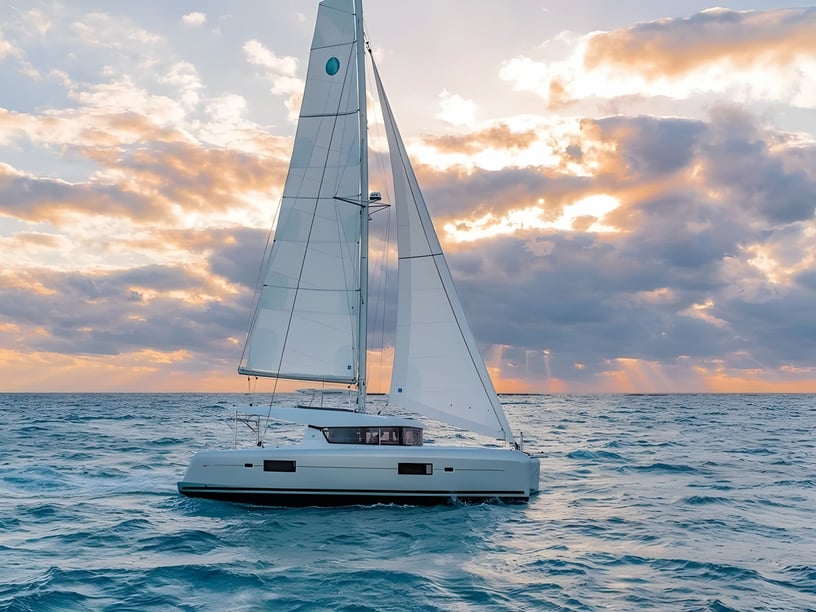
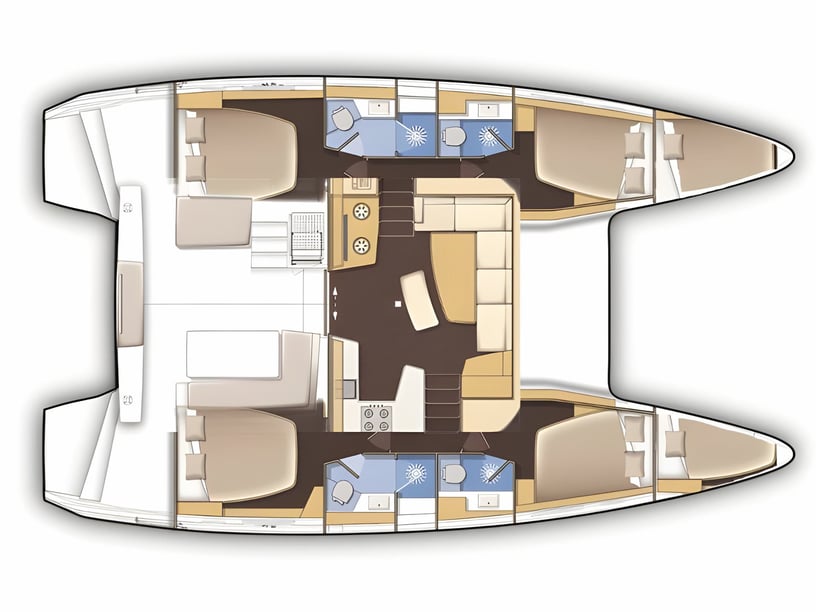
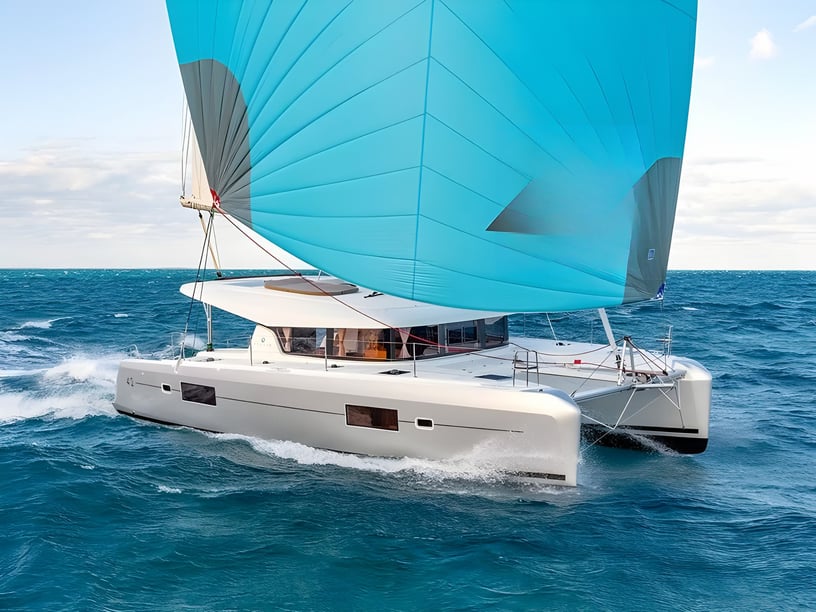
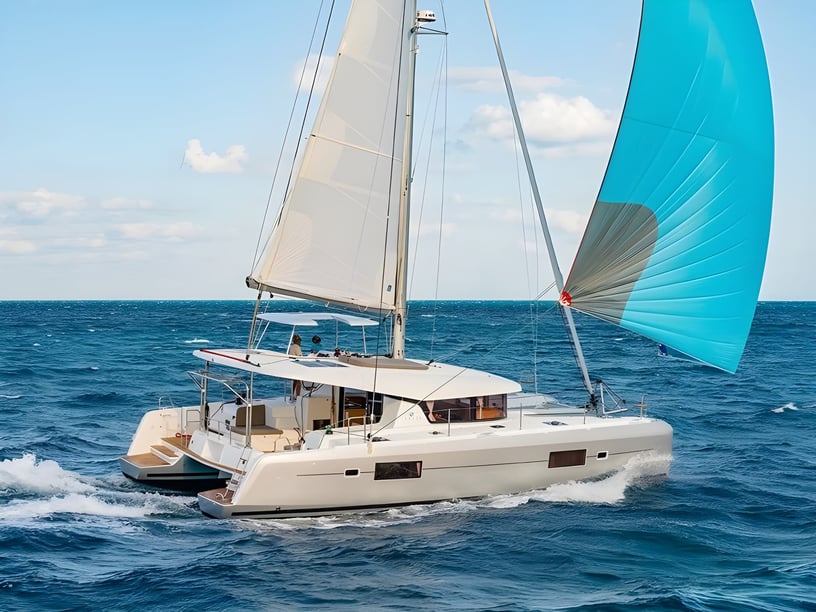
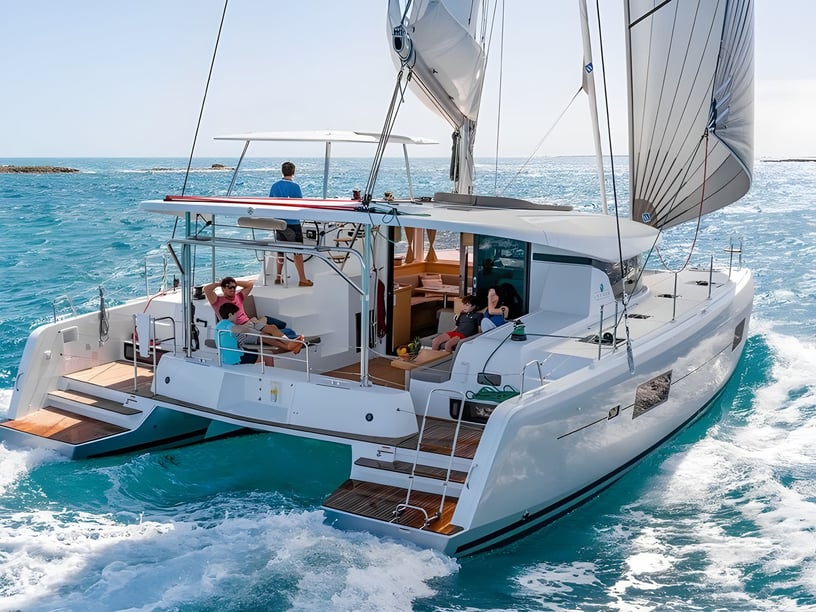
Route length and sailing conditions should guide the choice of charter format. Travelers planning the complete island chain need to allow for open-water passages and changing conditions, while a southern-Grenadines itinerary can emphasize shorter transfers and longer stays around reefs and anchorages. Those comparing a sailboat charter with a catamaran charter should consider the balance they want between passage-making, onboard space and time in shallow, reef-fringed cruising areas.
Provisioning, fuel, water and repair services are concentrated around Saint Vincent, Bequia, Canouan and Union Island. Facilities are more limited on smaller islands such as Mayreau, so supplies should be planned before leaving the main service centers. Reef approaches are best undertaken in good visibility with current nautical charts and local guidance where appropriate.
Yachts arriving from another country must first proceed to a designated port of entry and complete clearance; departure clearance is also required. National cruising, licensing or tax formalities should be checked with the relevant authorities before departure. Whether arranging a yacht charter or boat rental in Saint Vincent and the Grenadines, these operational details are best settled before fixing the route.