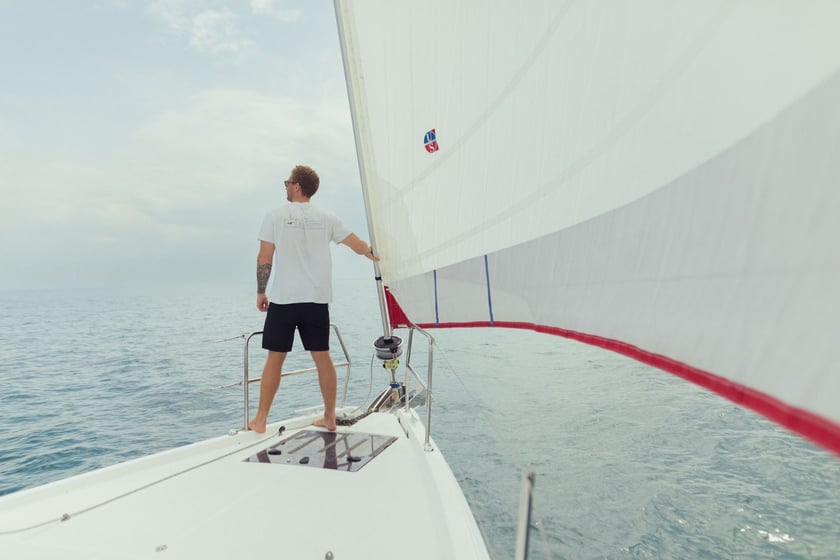
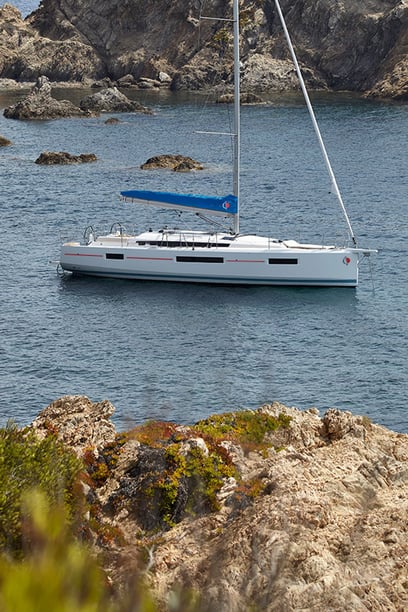
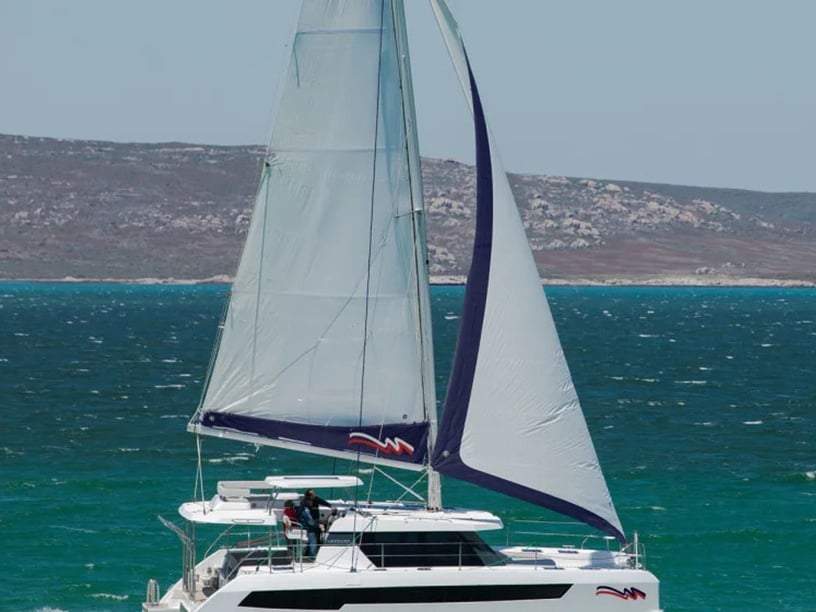
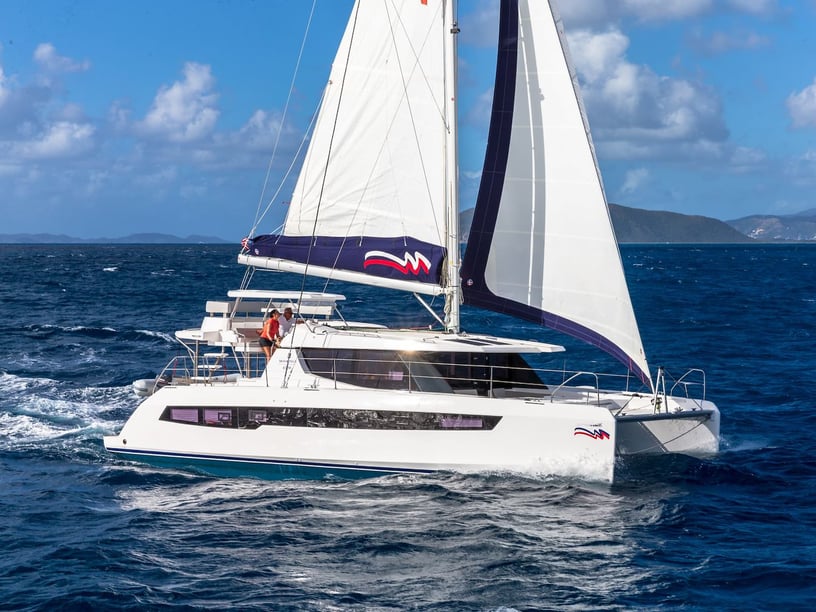
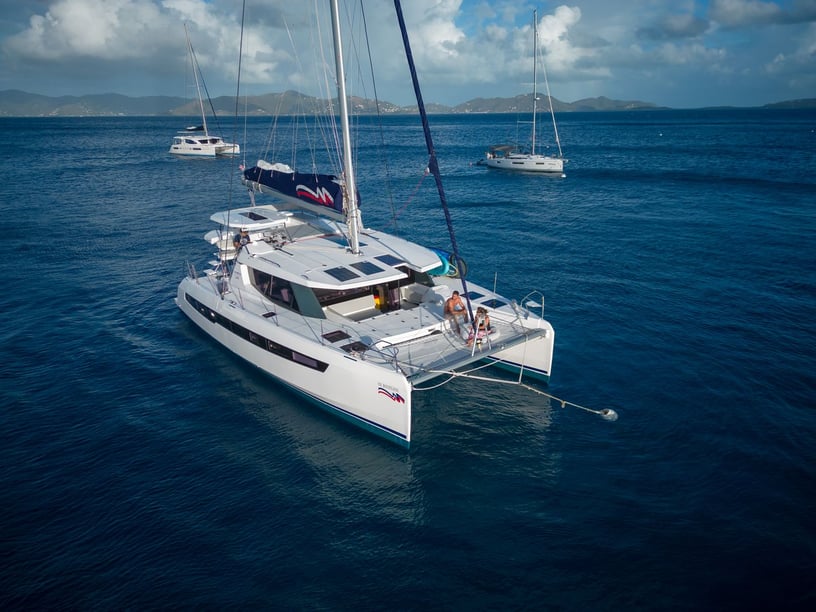
Yacht charter in Saint Martin
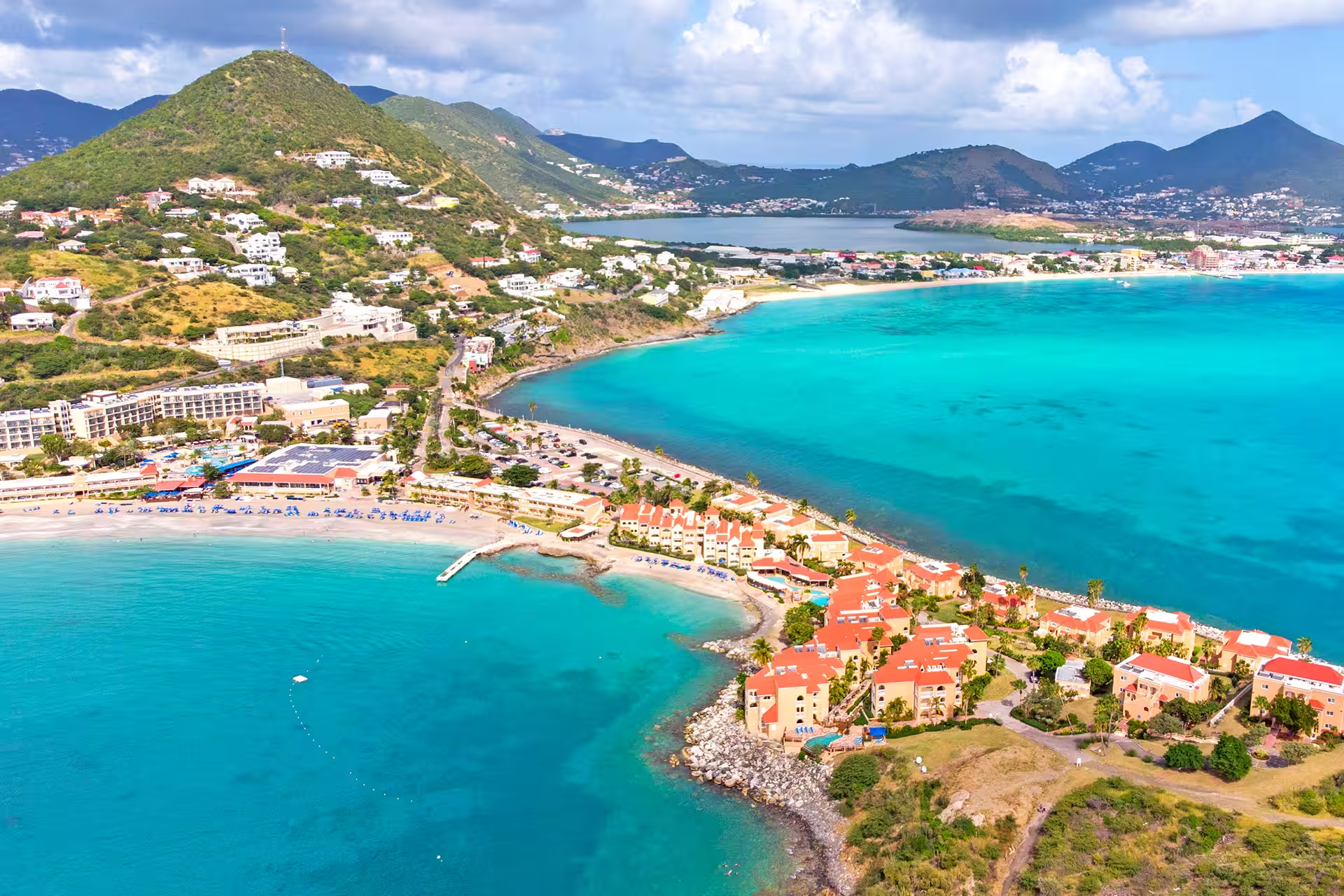
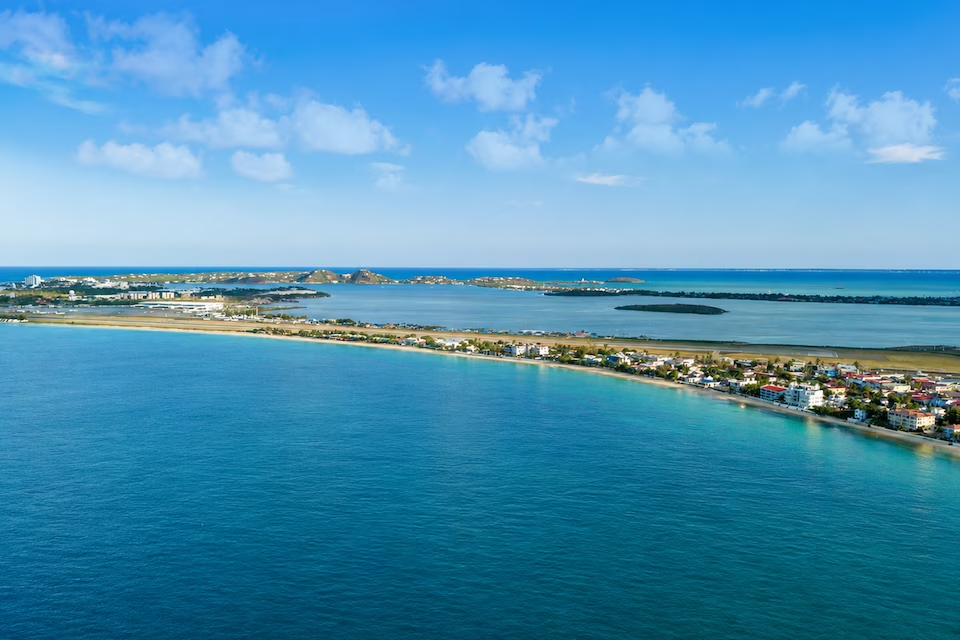
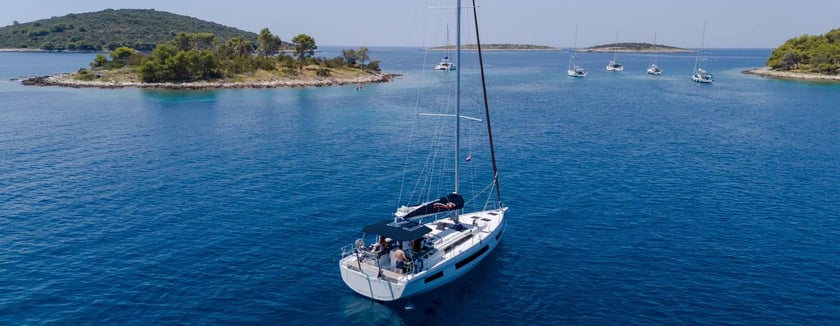
French Saint Martin occupies the northern part of an island shared with Dutch Sint Maarten. Its yacht charter landscape brings together the sheltered western coast, Simpson Bay Lagoon, Atlantic-facing bays and protected offshore islets. This variety allows a trip to combine short local cruises with more exposed passages to neighboring islands.
Marigot and Anse Marcel provide marina access, while Grand Case adds a roadstead anchorage and a strong French-Caribbean food culture. On the northeastern side, Pinel Island and Tintamarre offer beaches, snorkeling areas and managed moorings within the Saint Martin National Nature Reserve. Conditions there are more exposed to the trade winds and Atlantic swell, so visits depend more heavily on the weather.
A yacht charter in Saint Martin can remain focused on the French coastline or become the starting point for a wider northern Leeward Islands itinerary. Anguilla and Saint Barthélemy are reached by short open-water passages, although crossing between jurisdictions introduces customs and immigration requirements.
Principal cruising areas
Marigot is one of the territory’s principal maritime centers. Marina Fort Louis, the yacht anchorage, commercial harbor and passenger ferries all sit around the bay, making the town a practical place to begin or finish a charter. Fort Louis overlooks the waterfront, while the market and town center make it easy to add time ashore.
Grand Case offers a different rhythm. Boats anchor off a waterfront known for French-influenced restaurants and informal Creole barbecue venues called lolos. It suits travelers who want dining ashore to form a central part of the trip, but the roadstead can become uncomfortable when northerly Atlantic swell wraps around the island in winter.
Farther north, Anse Marcel combines marina access with a useful overnight stop. Cul-de-Sac is the natural approach for trips toward Pinel Island, while Tintamarre lies farther offshore within the nature reserve. Both Pinel and Tintamarre are primarily fair-weather destinations rather than all-conditions anchorages.
Orient Bay and the northeastern coast feel more exposed than Marigot or Grand Case. Reefs, trade winds and Atlantic swell make route and anchorage selection especially important. This side is better suited to itineraries that can adapt their order to daily conditions.
What sailing around Saint Martin is like
Cruising conditions range from protected lagoon and bay sailing to open-water passages between islands. Easterly and northeasterly trade winds predominate, giving the west coast a generally more sheltered character. Marigot and Grand Case can therefore work well as staging points, although northerly swell may still affect these west- and northwest-facing roadsteads.
The east and northeast coasts are more directly exposed to the trades. Reef-fringed approaches, swell and changing light require greater care, particularly around the offshore islets. Pinel and Tintamarre are best treated as weather-dependent stops rather than fixed commitments.
Overall sailing difficulty is moderate. Local line-of-sight cruising can keep distances manageable, but a route to Anguilla or Saint Barthélemy moves into exposed inter-island water. Travelers should distinguish between a relaxed coastal itinerary and a multi-island circuit when assessing the experience required, the expected time under way and the need for flexibility.
Best time for a Saint Martin yacht charter
The principal recreational boating season runs from December through April. Rainfall is generally lower during this period, and reliable trade winds support both local cruising and passages to nearby islands. February, March and April are identified as particularly suitable months.
Winter trade-wind surges can strengthen the breeze, while northerly swell may occasionally make Grand Case, Marigot and other west-facing roadsteads less comfortable. Even during the main season, a flexible plan helps crews choose between the protected western coast and the more exposed northeastern islets.
May often retains favorable conditions with lower activity. June and July can still bring good sailing, but they are hotter, sometimes windier and already within the June-to-November hurricane season. August through October carry the greatest combined risk of tropical systems, heat, humidity and rainfall. November is transitional, with conditions generally improving toward the end of the month. Charters during hurricane season require close tropical-weather monitoring and realistic alternatives for shelter, cancellation or route changes.
Charter routes from Saint Martin
A local itinerary commonly links Marigot or Grand Case with Pinel Island and Tintamarre. The order should follow the wind and swell rather than a rigid schedule, with reserve moorings used where available. This approach suits travelers who want to balance sailing with swimming, snorkeling and time ashore without adding international formalities.
For a broader trip, an established week-long circuit connects Saint Martin, Anguilla and Saint Barthélemy. Possible stops include Road Bay in Anguilla and Gustavia, Colombier or Île Fourchue around Saint Barthélemy. Another option is a direct Saint Martin–Saint Barthélemy passage, potentially calling at Tintamarre or Île Fourchue when conditions permit.
Anguilla is also suitable for a shorter international extension, commonly reached from Marigot toward Road Bay or Blowing Point. All cross-border routes require the applicable clearance procedures, and onward cruising around Anguilla remains dependent on local rules and weather. A Saint Martin sailing holiday should therefore allow time for both formalities and route adjustments.
Life on the water and ashore
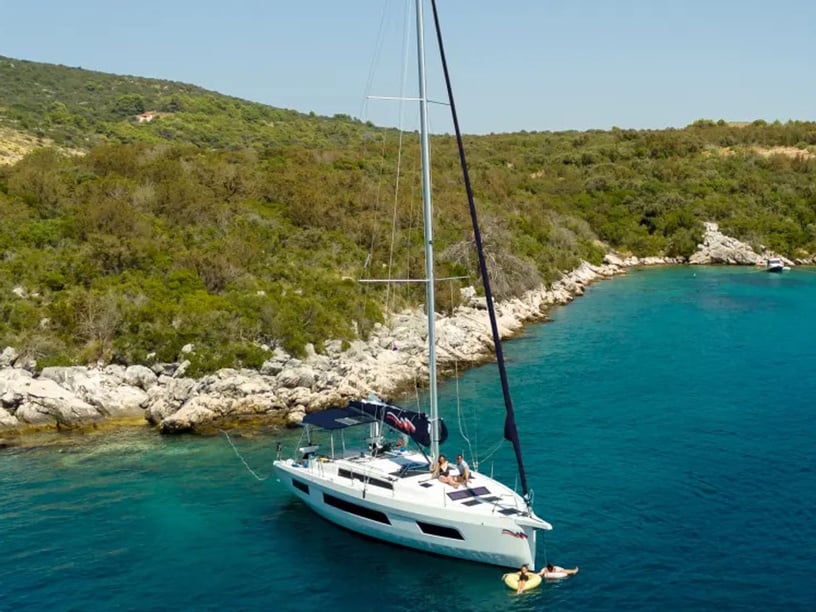
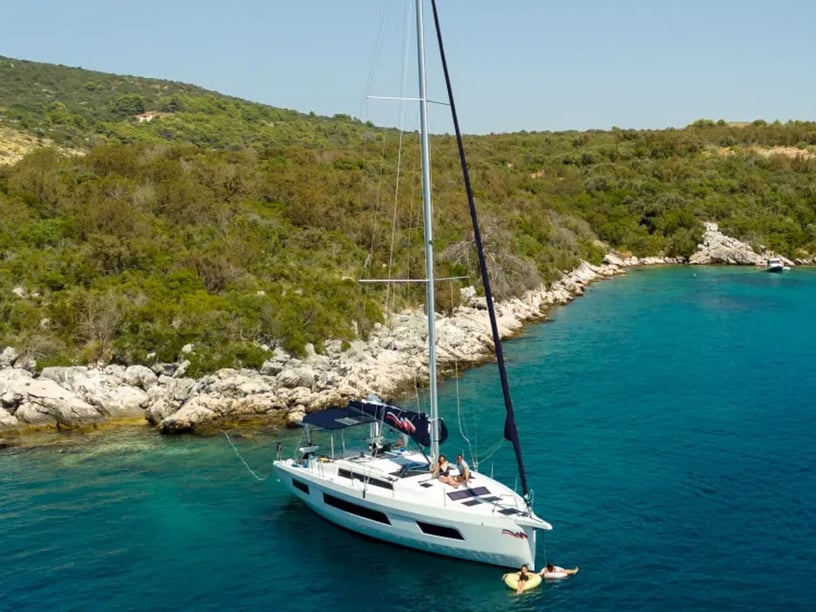
Saint Martin’s charter experience is shaped by the contrast between its working waterfronts and protected natural areas. In the northeast, the national nature reserve encompasses Pinel, Tintamarre and marine habitats that include coral communities and seagrass. These waters support snorkeling and marine-life encounters, but visiting yachts must use available mooring buoys in preference to anchoring where the seabed could be damaged.
Food is a defining part of going ashore. Grand Case combines established French-influenced restaurants with Creole lolos, while Marigot brings together its market, harbor and French-Caribbean town life. Above Marigot, Fort Louis was built in 1789 to protect the harbor and trade warehouses.
The island’s French and Dutch territories have been formally divided since the 1648 Treaty of Concordia, yet the land border is normally open without an inland checkpoint. This makes it straightforward to explore both sides by road, even though maritime entry, customs and immigration procedures remain separate.
Getting there and choosing a departure point
Most international travelers arrive at Princess Juliana International Airport on Dutch Sint Maarten and continue by road into French Saint Martin. The normally open land border simplifies the transfer, although journey times depend on the chosen harbor. Grand Case-Espérance Airport mainly handles regional Caribbean services.
Marina Fort Louis in Marigot is a central departure point, with the town’s shops, market and ferry connections close by. Marigot also has passenger services to Anguilla and Saint Barthélemy. Anse Marcel Marina provides an alternative base on the northern coast and can be convenient for routes toward Tintamarre or onward passages. Cul-de-Sac is particularly relevant for access to Pinel Island and the northeastern reserve area.
The best starting point depends less on distance alone than on the intended first leg. A west-coast itinerary favors Marigot or Grand Case, while plans centered on the northeastern islets may make Anse Marcel or Cul-de-Sac more practical.
Planning the right charter
Begin by deciding whether the priority is local coastal exploration or a multi-island passage. A Saint Martin-focused trip can emphasize short legs, reserve moorings, beaches and meals ashore. Adding Anguilla or Saint Barthélemy requires more open-water sailing, international clearance and enough flexibility to change plans when swell or trade winds affect exposed stops.
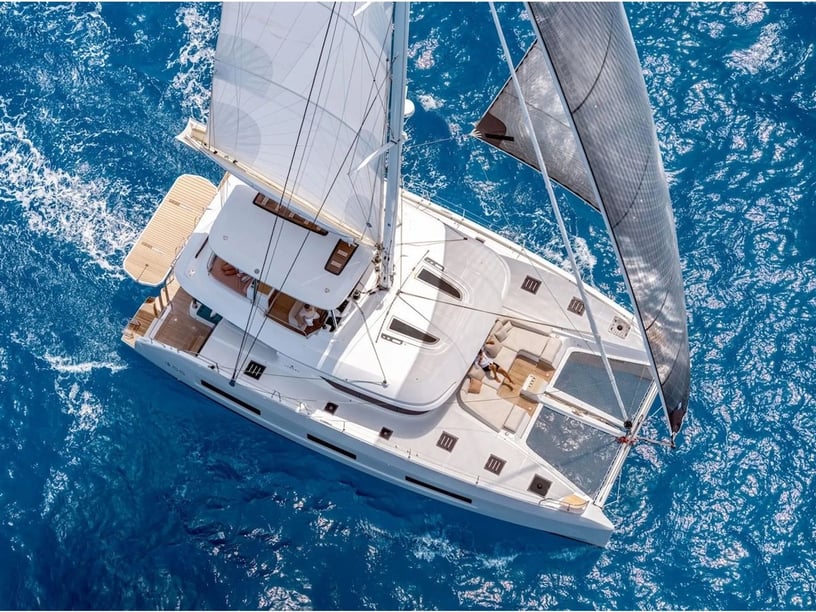
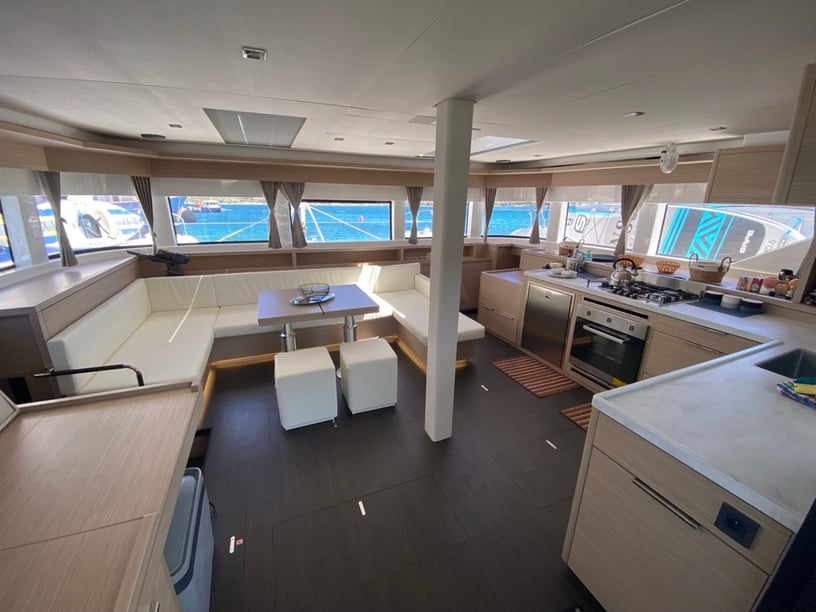
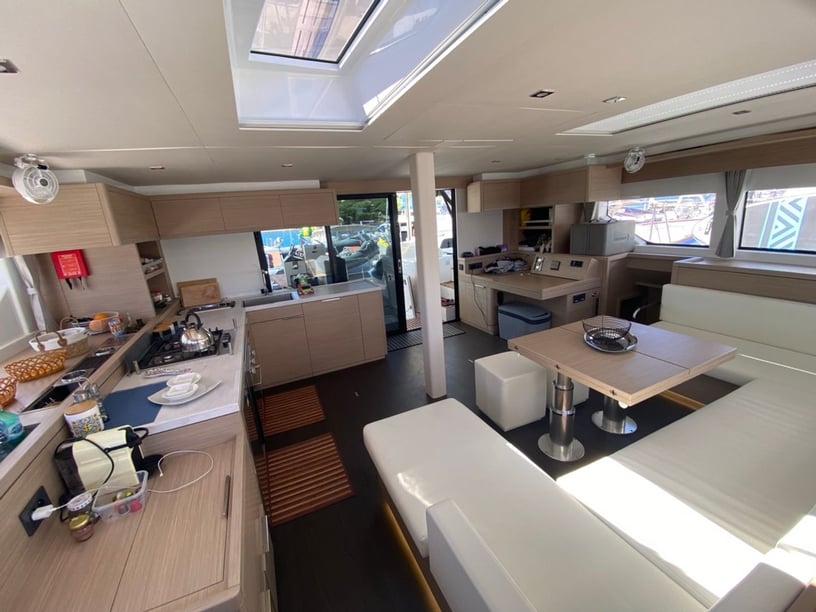
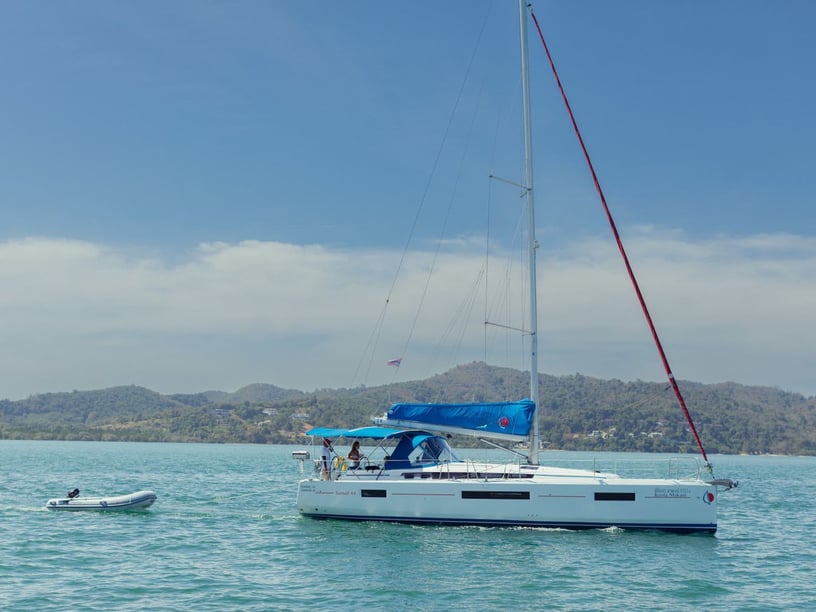
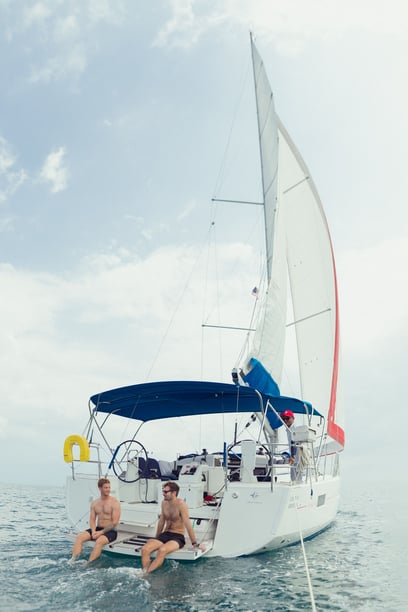
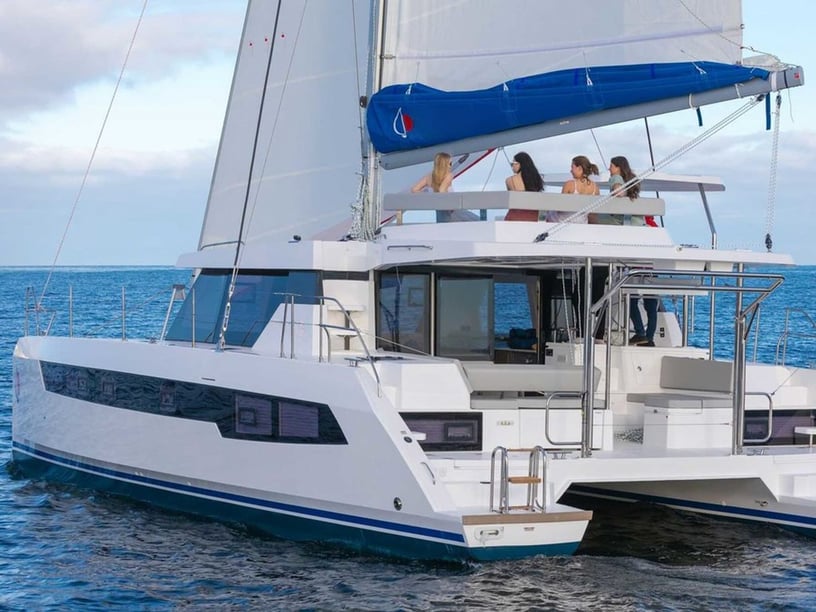
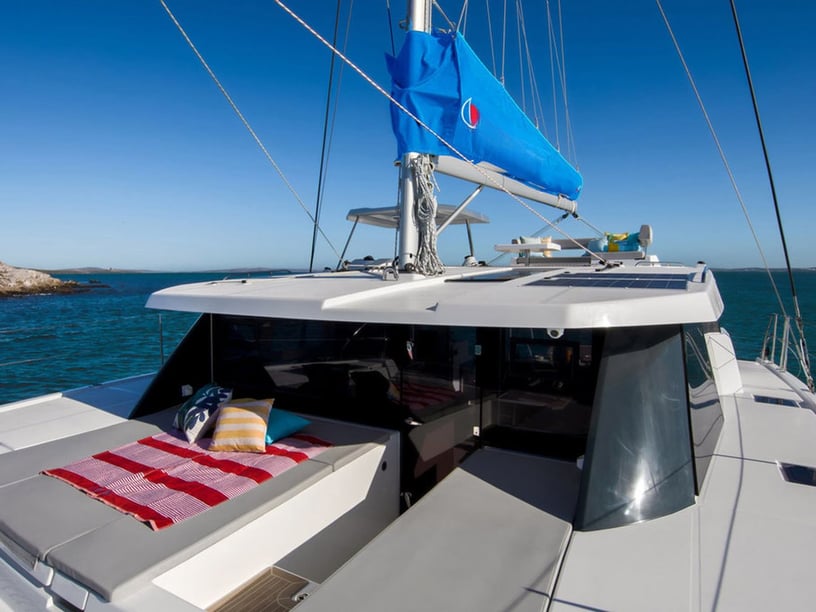
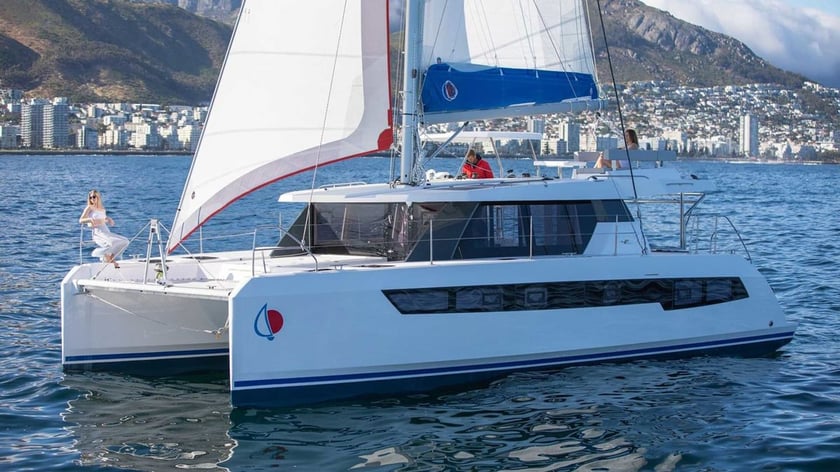
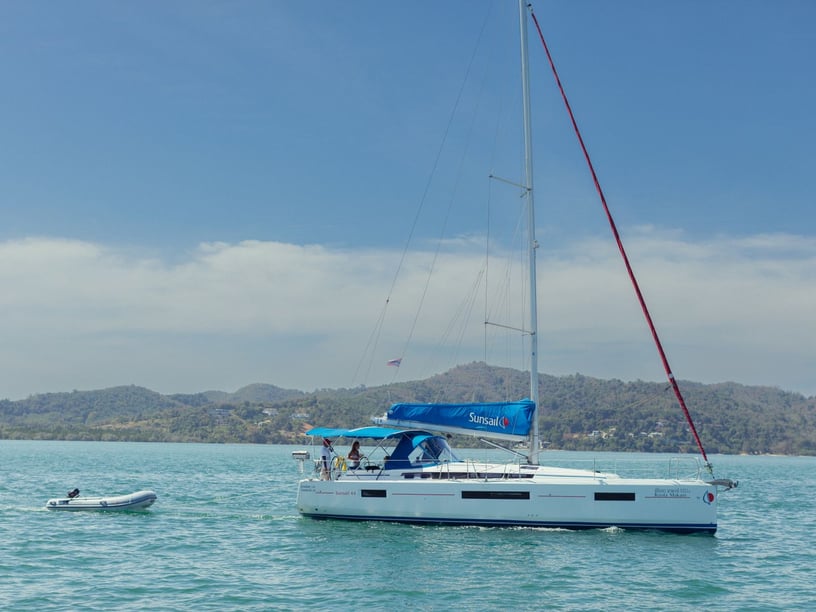
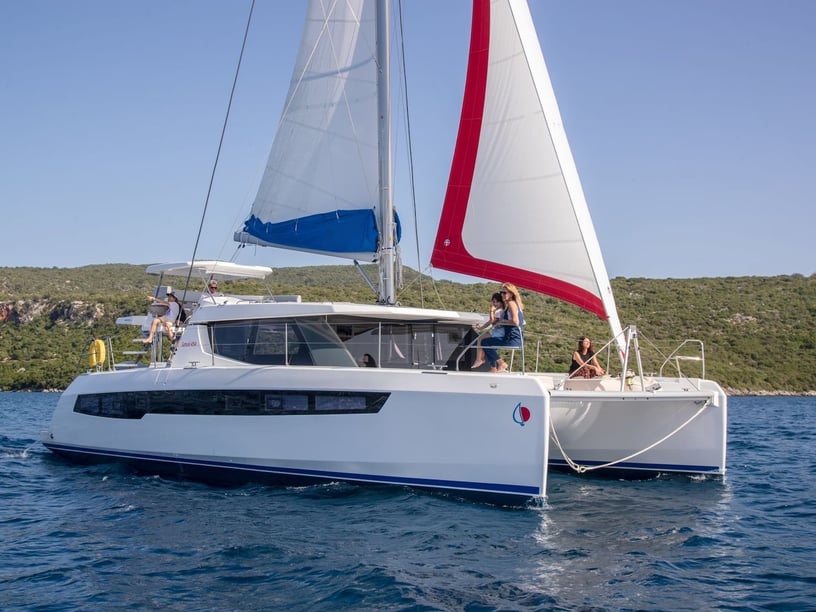
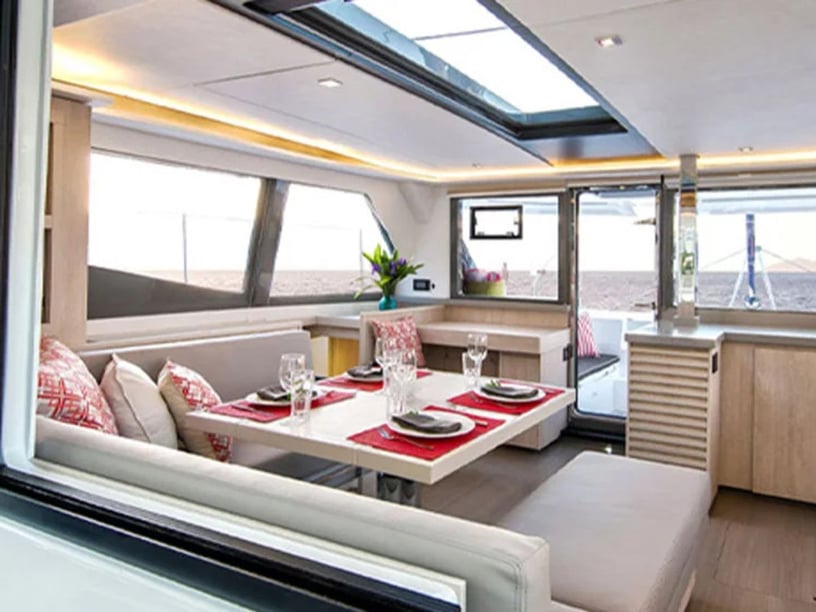
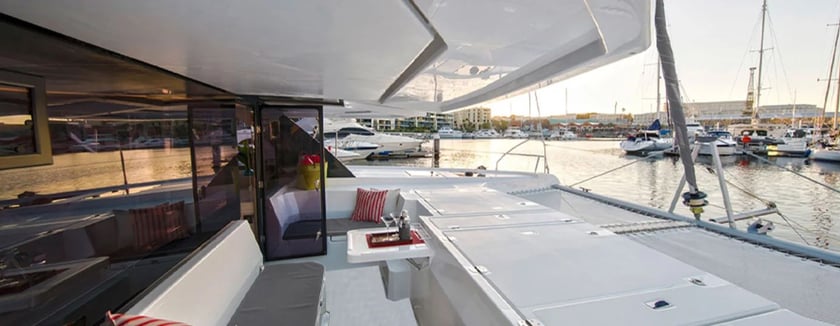
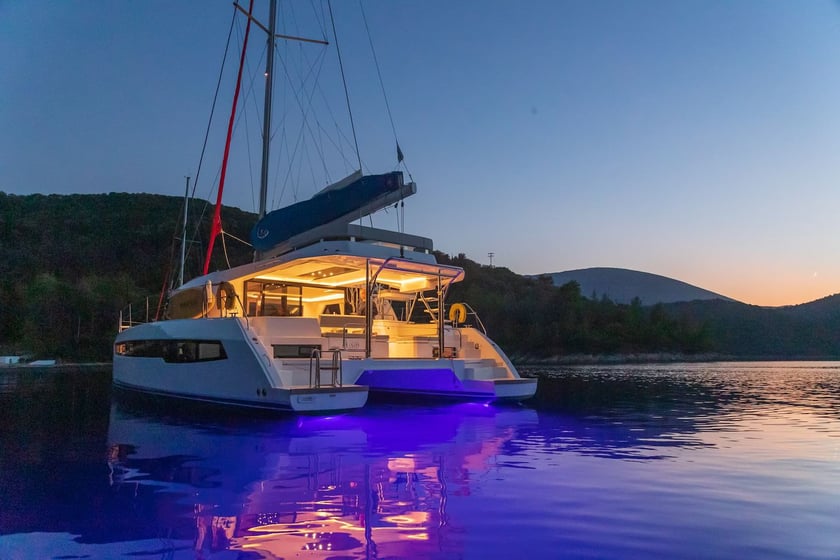
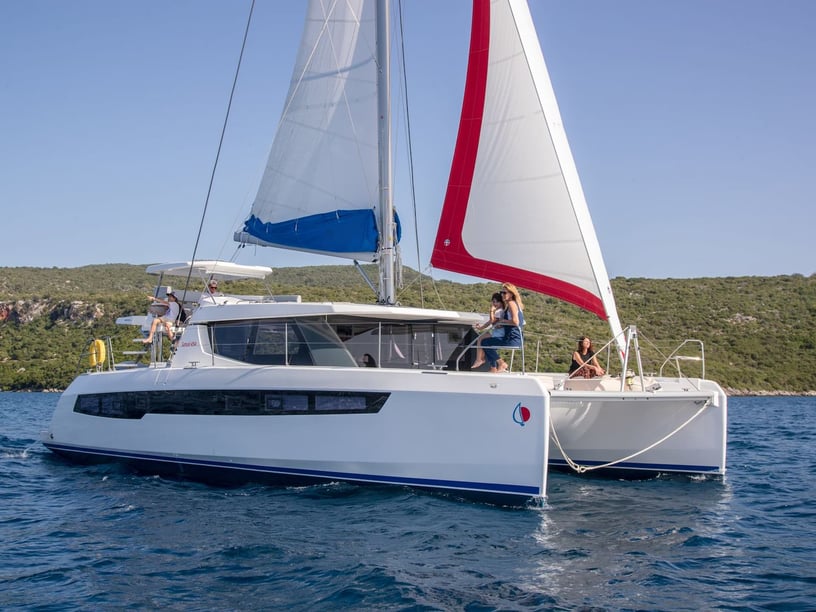
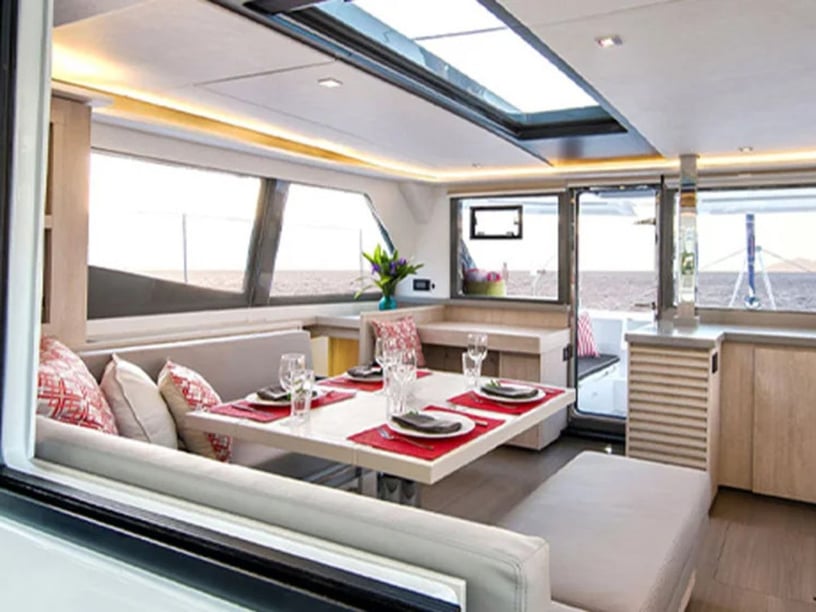
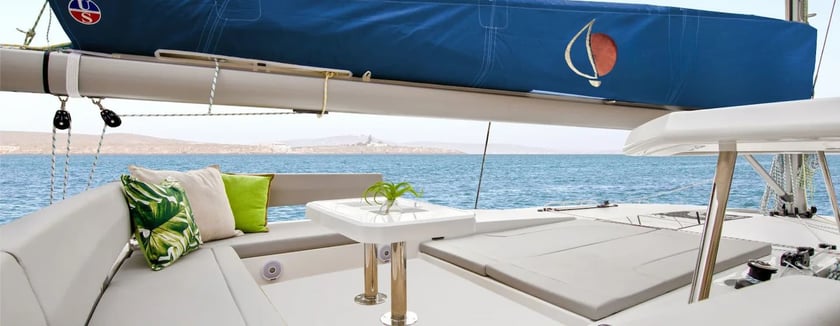
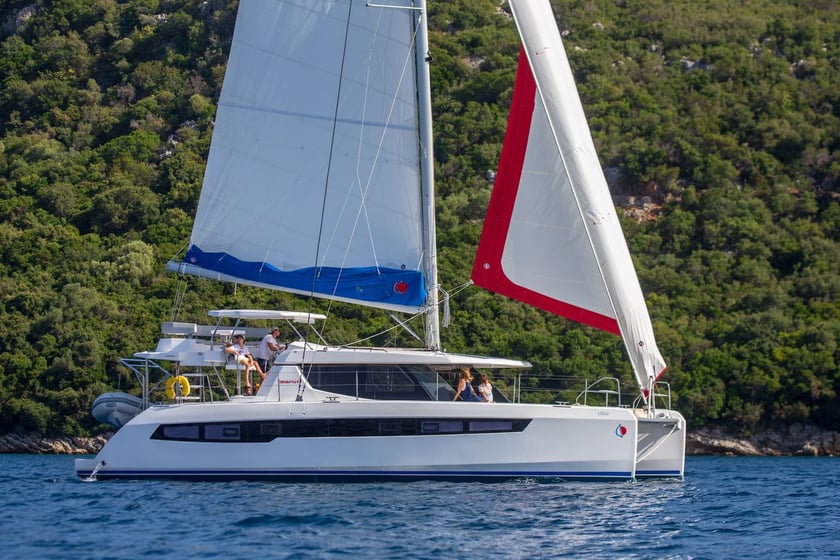
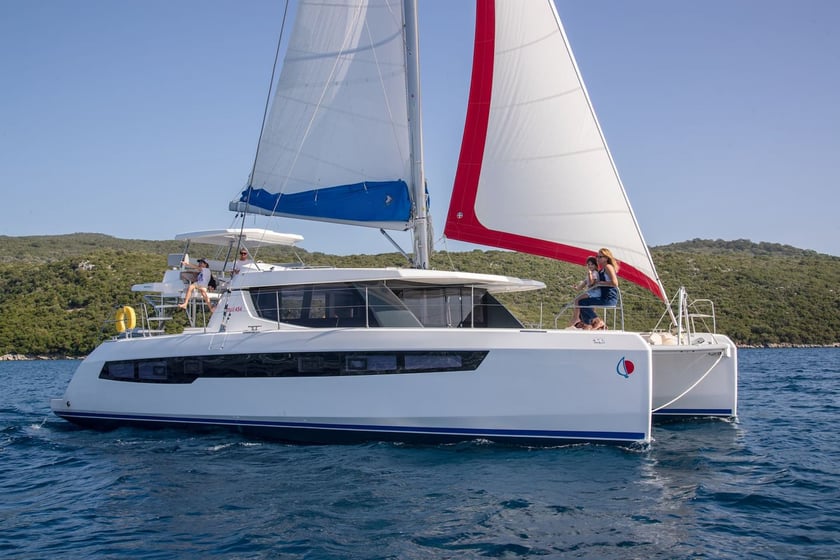
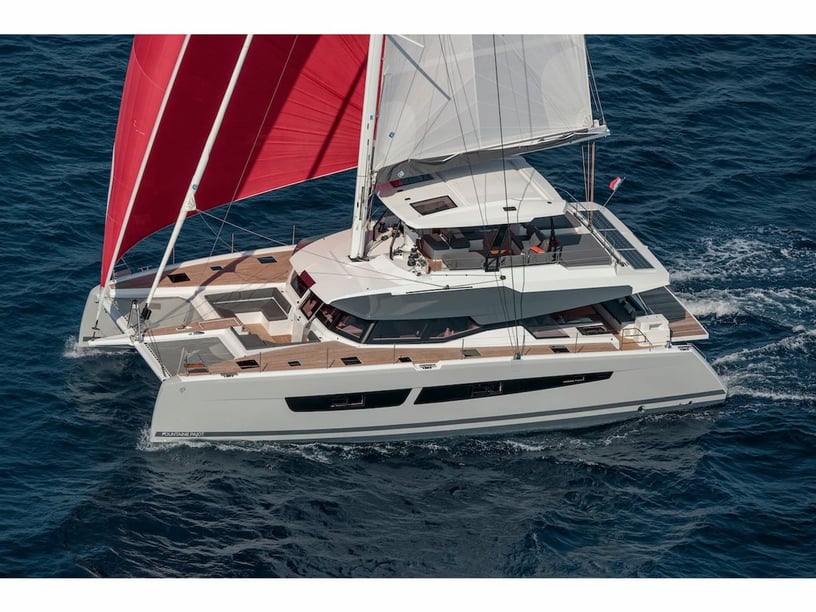
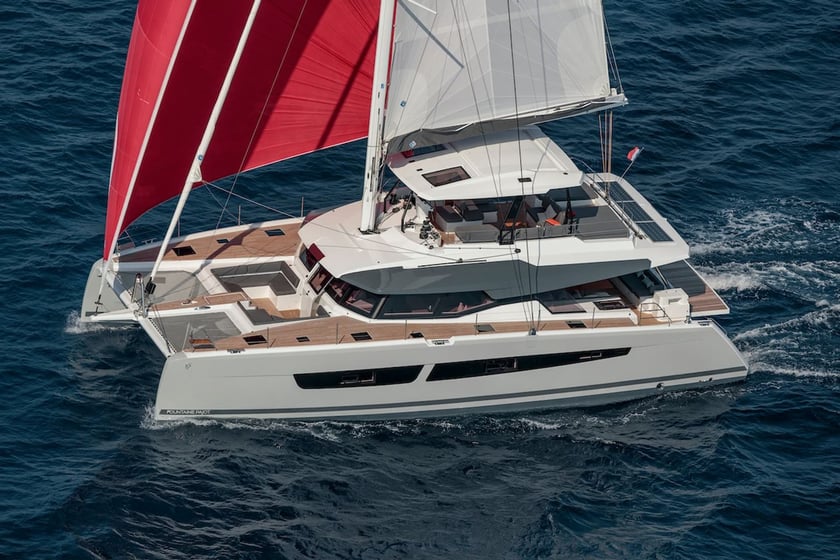
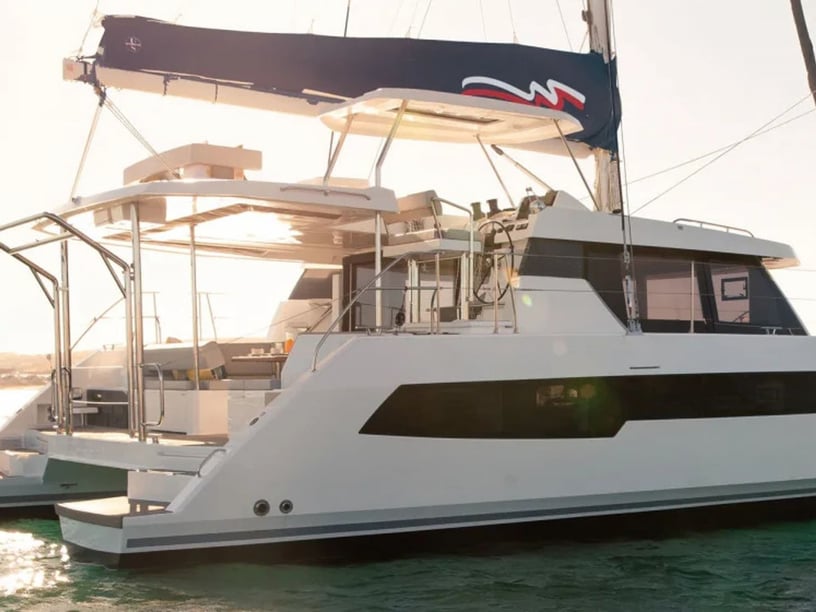
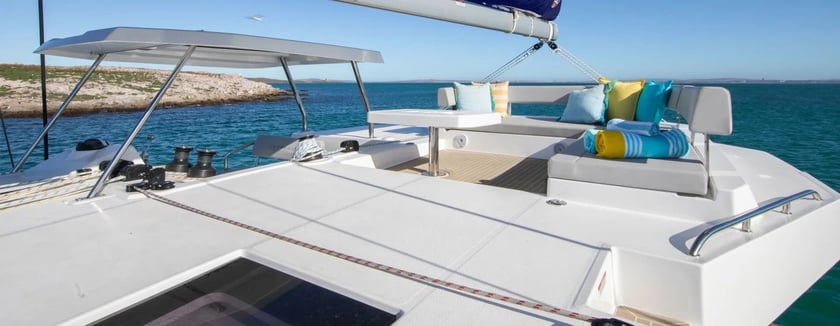
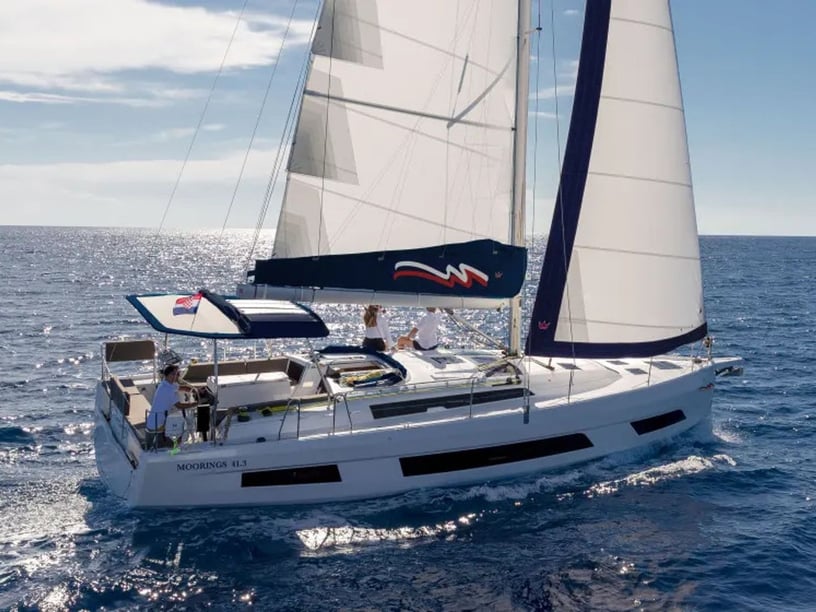
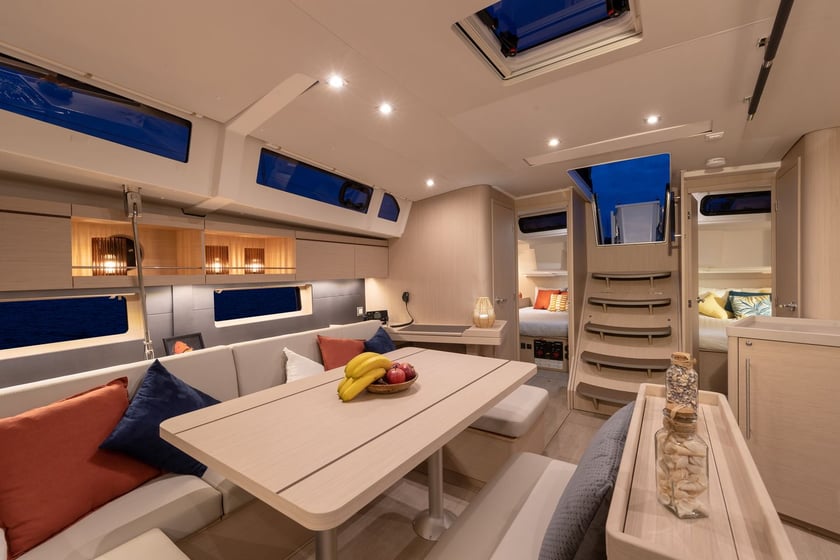
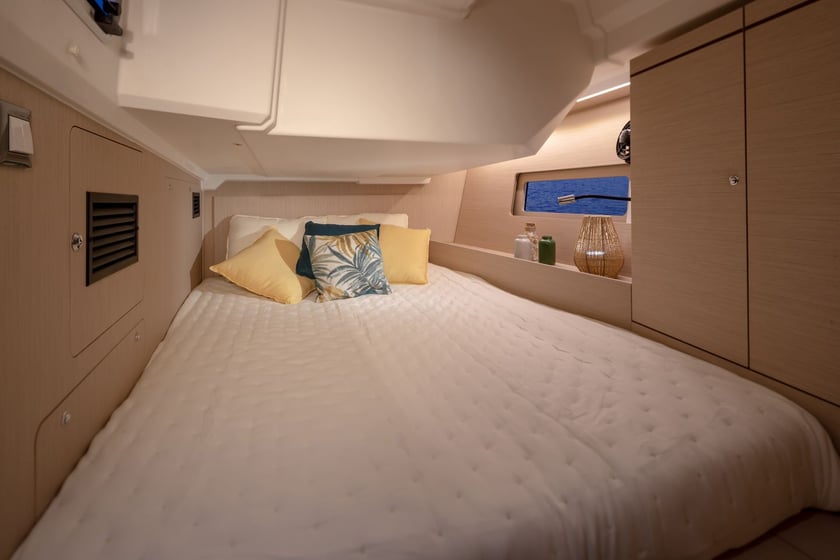
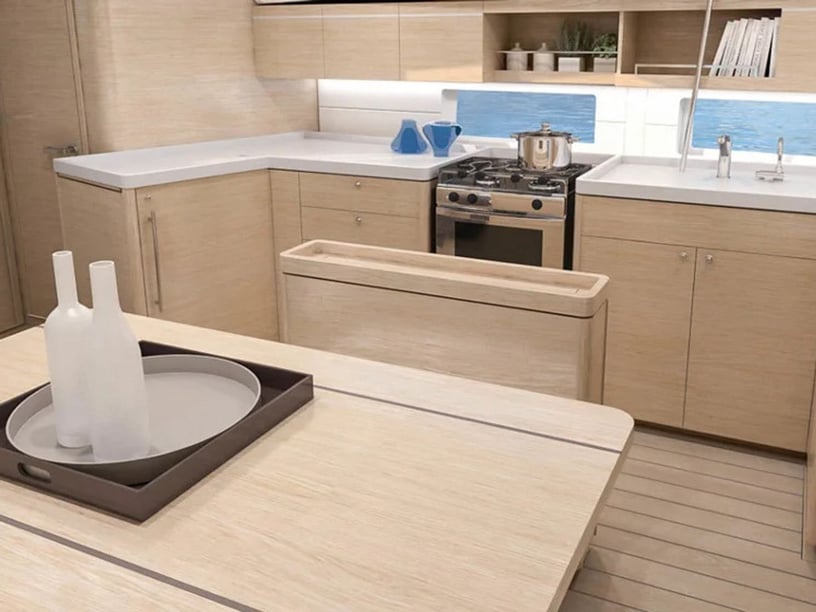
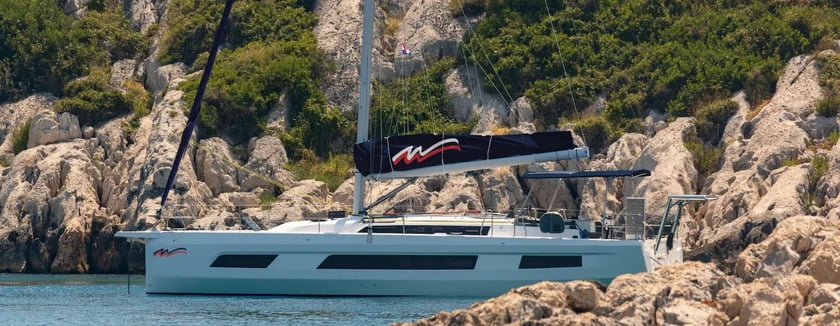
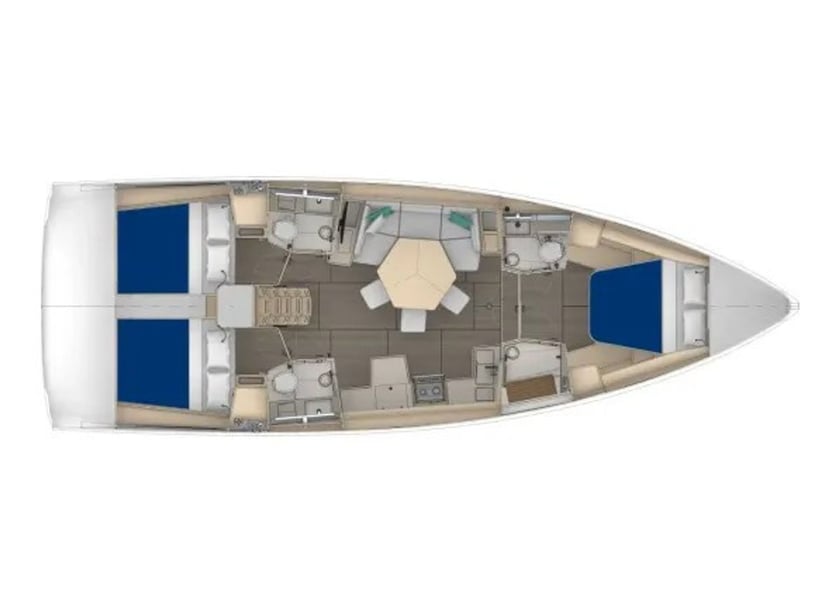
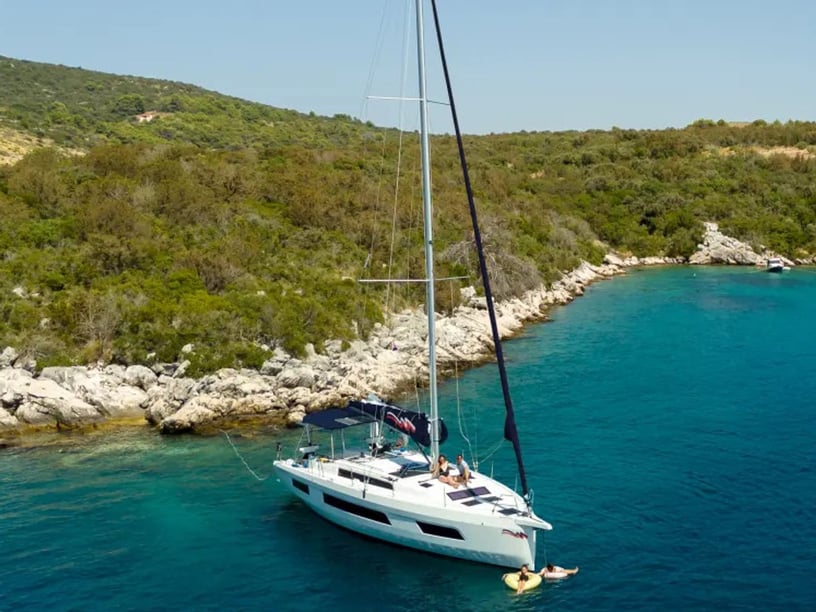
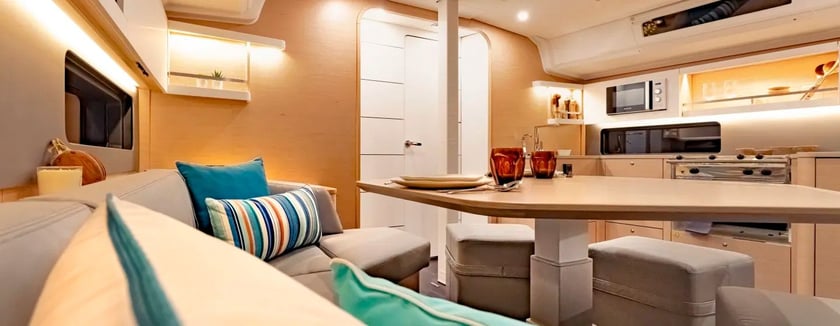
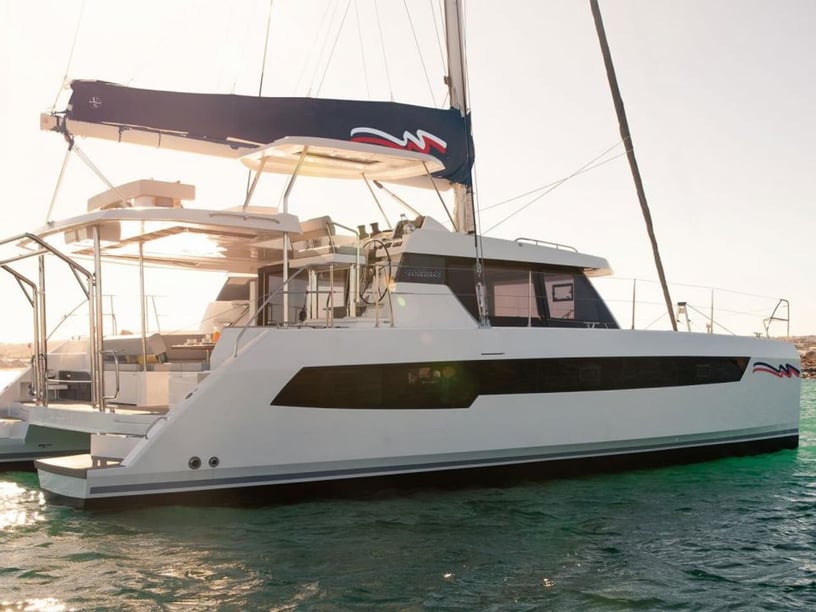
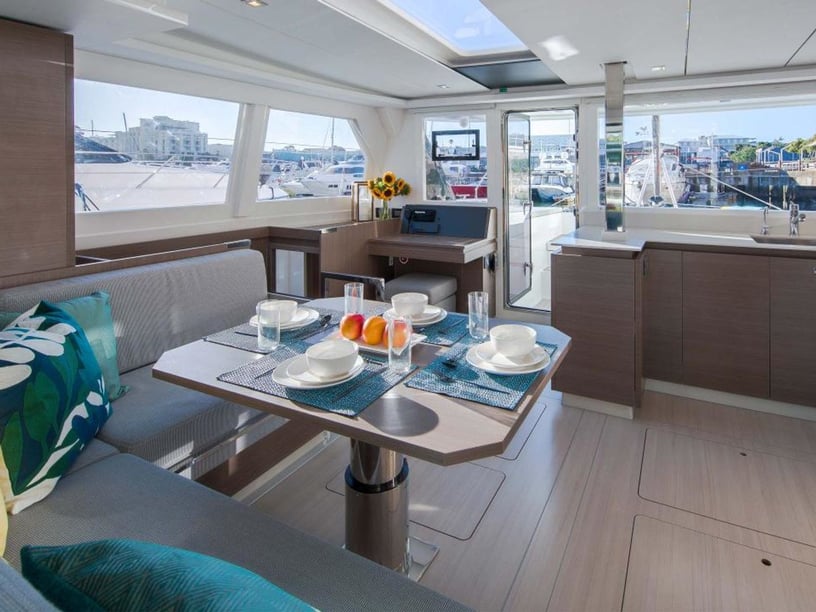
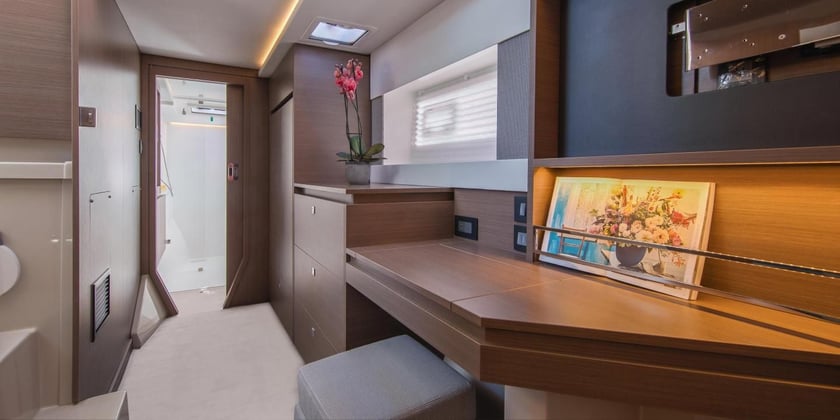
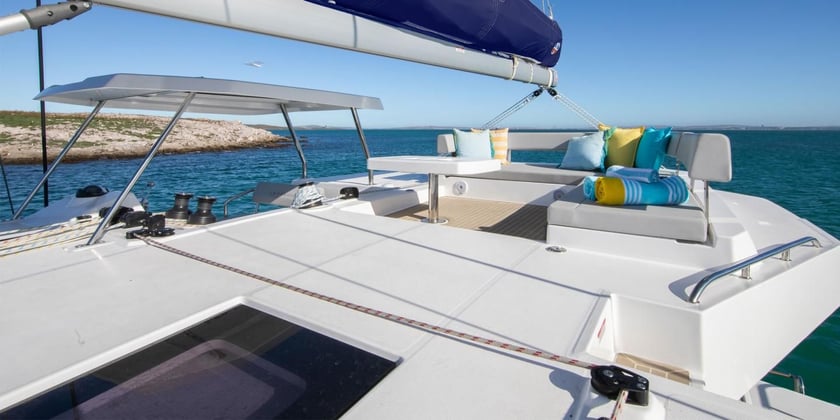
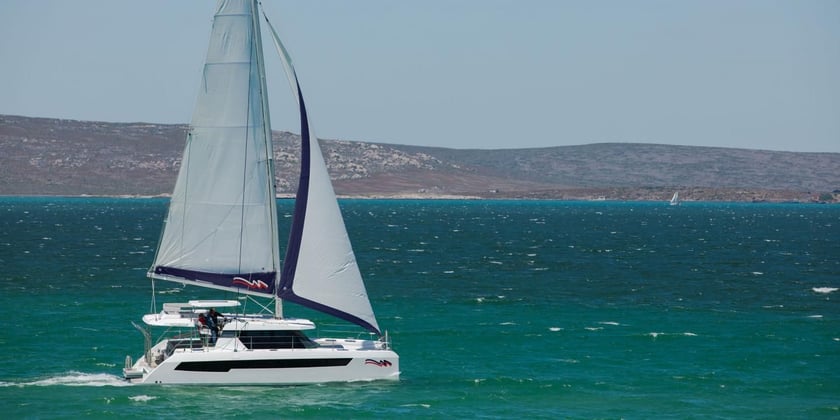
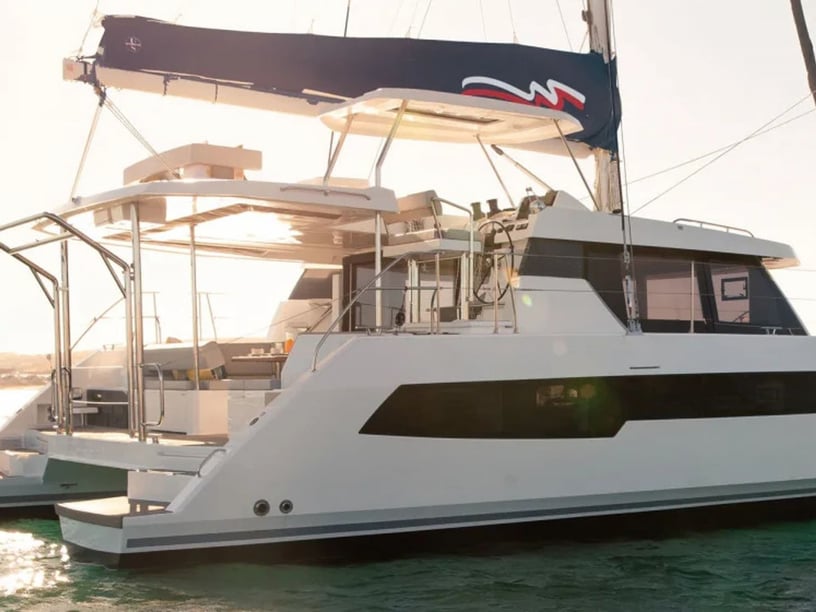
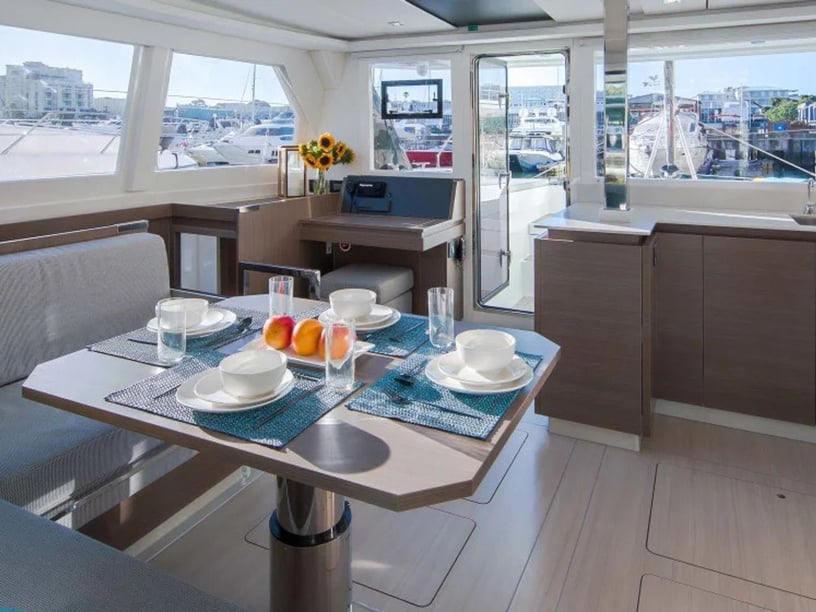
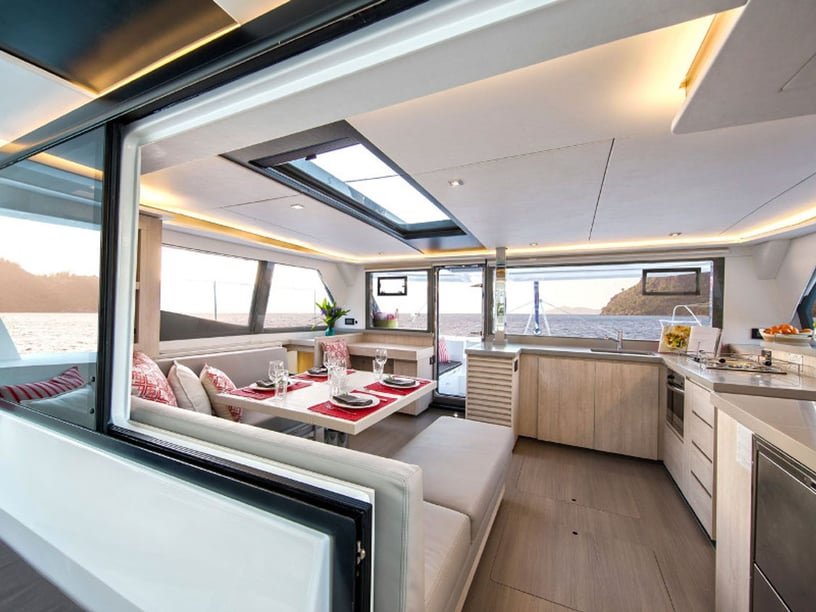
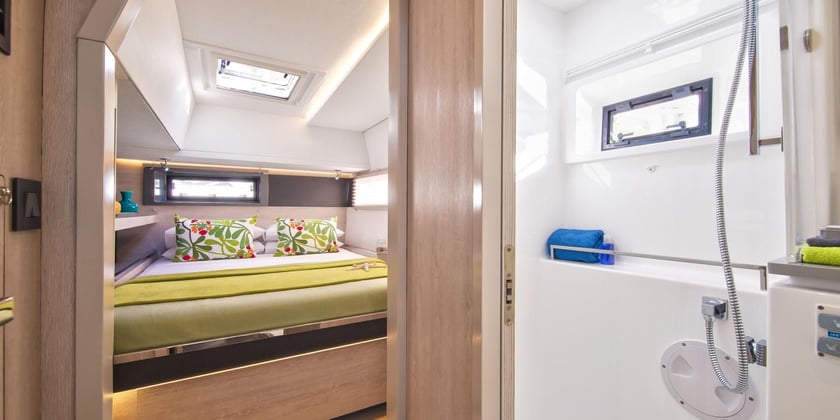
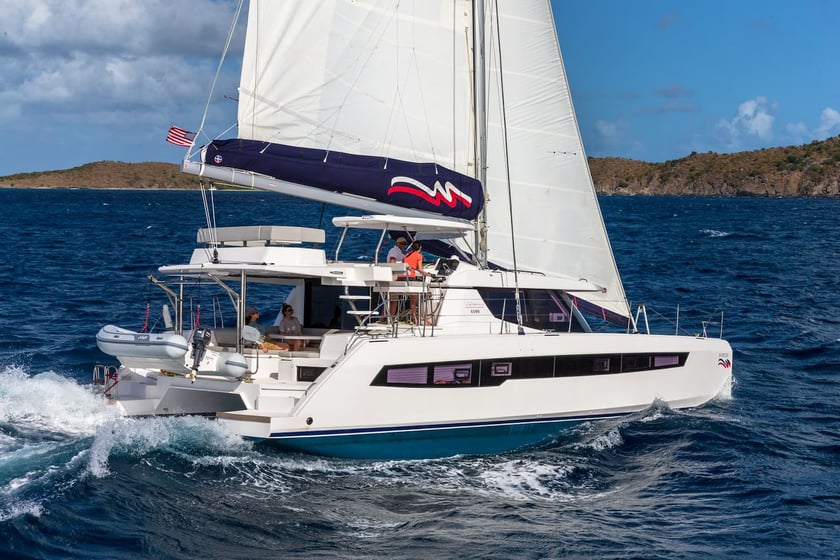
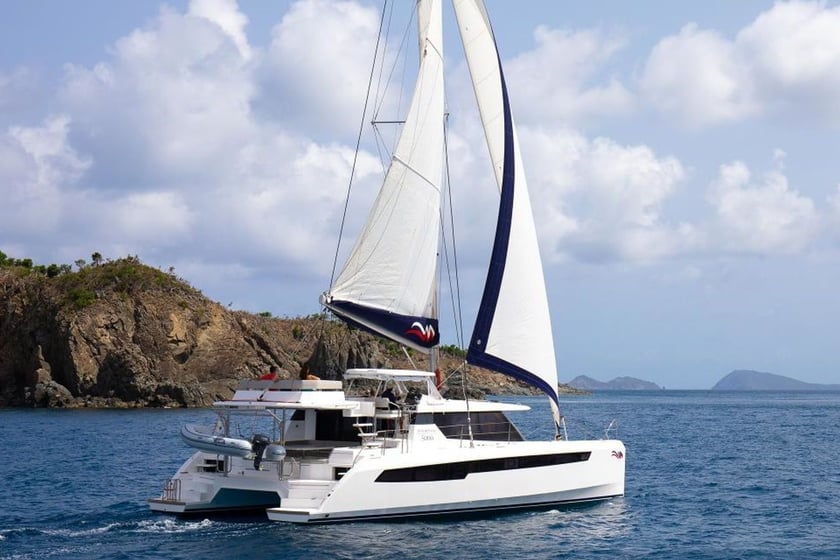
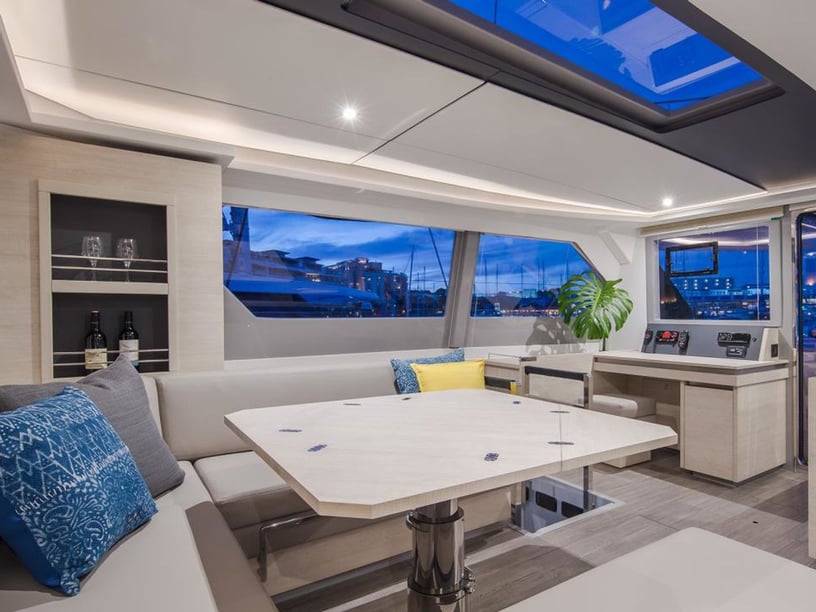
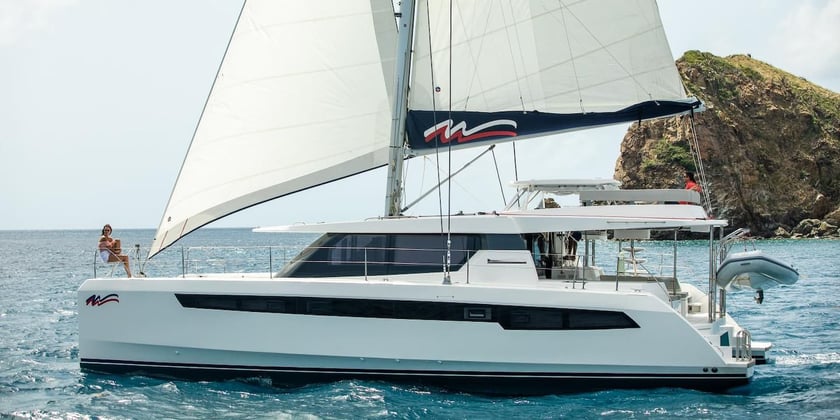
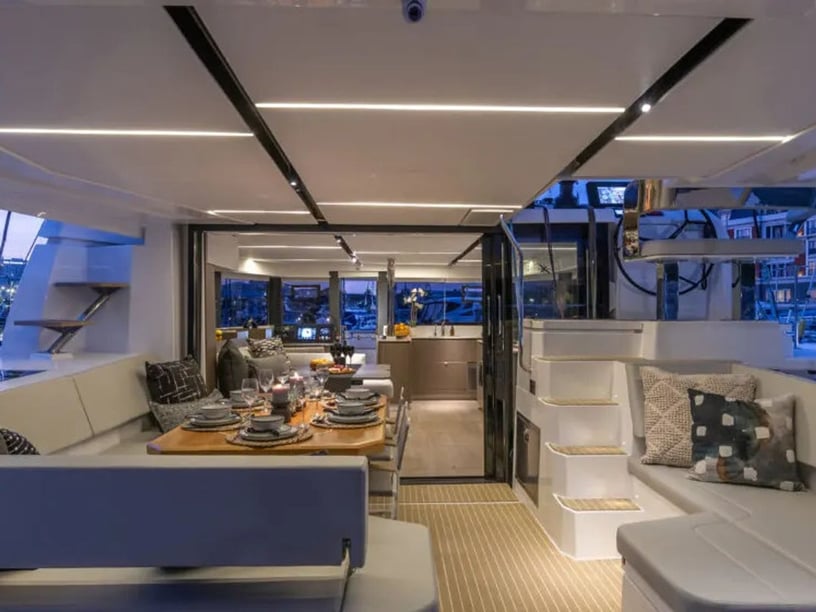
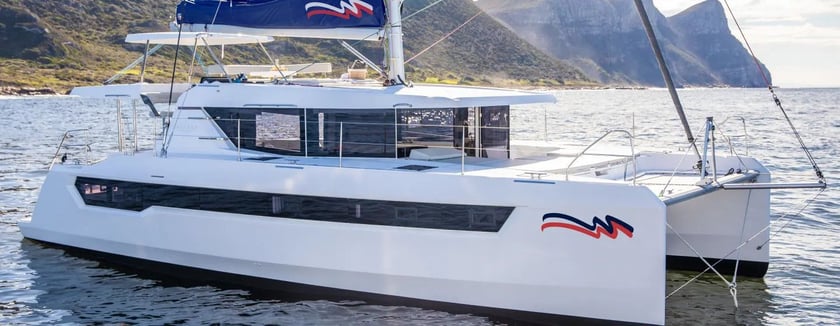
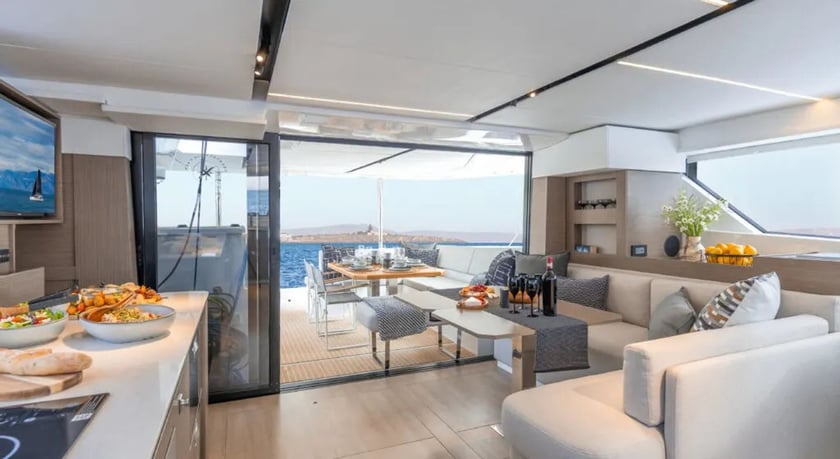
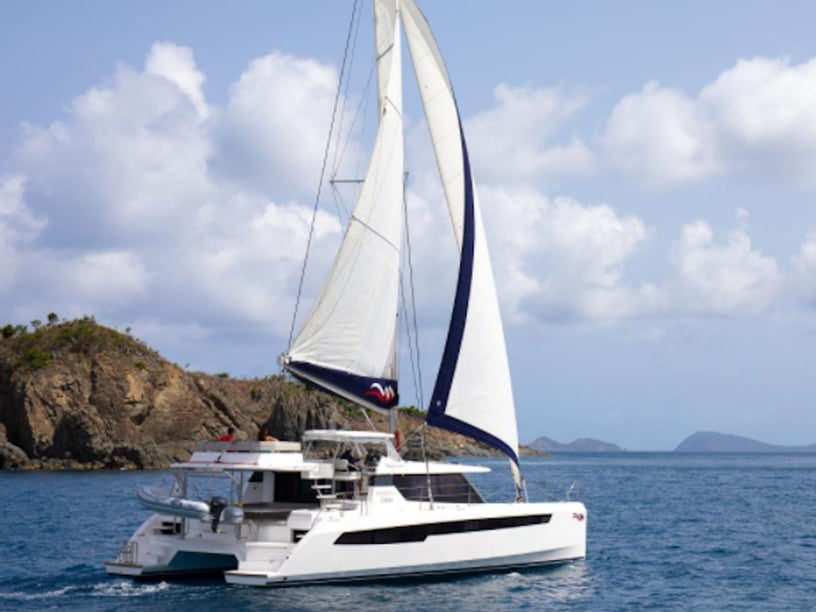
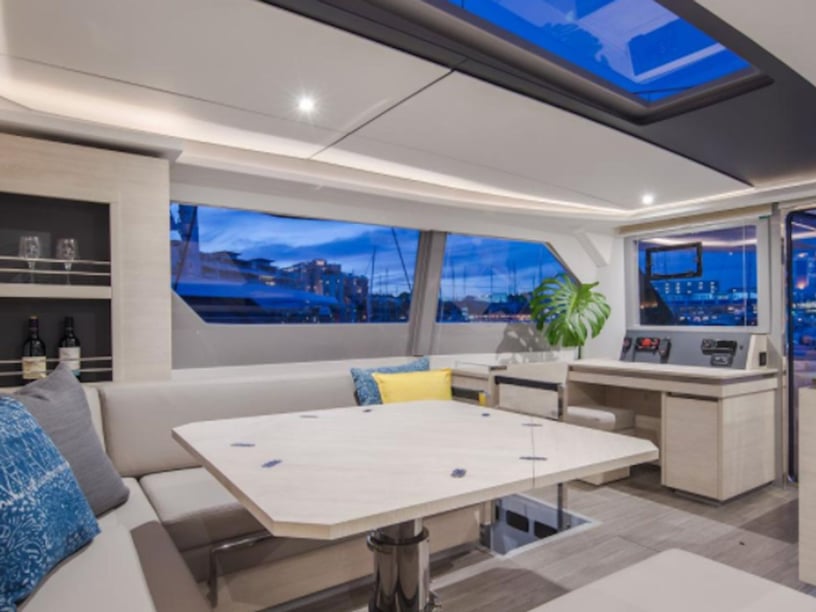
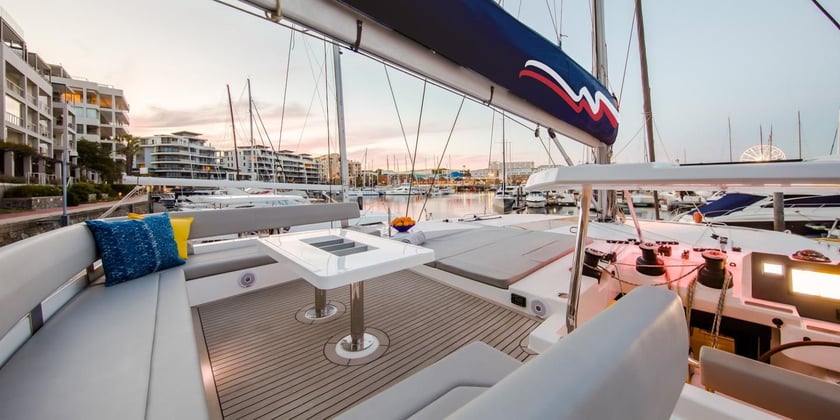
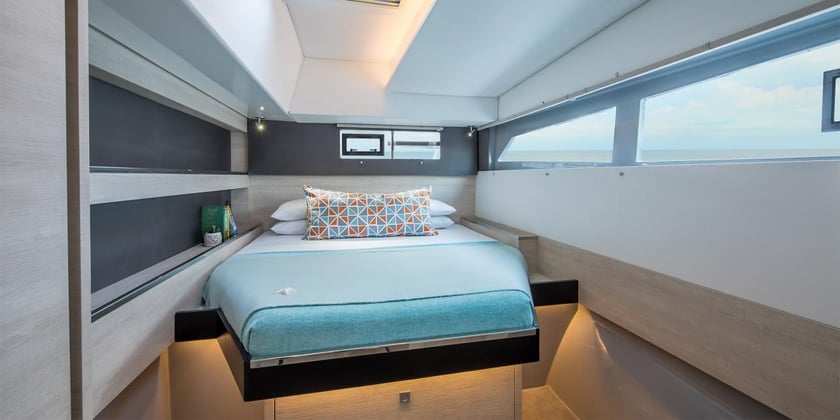
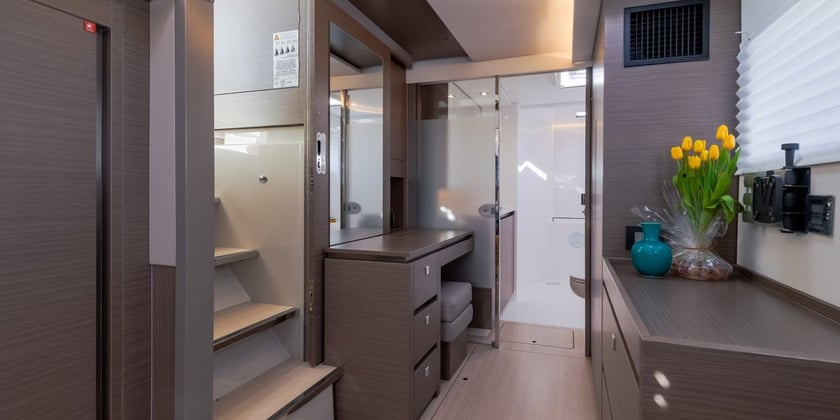
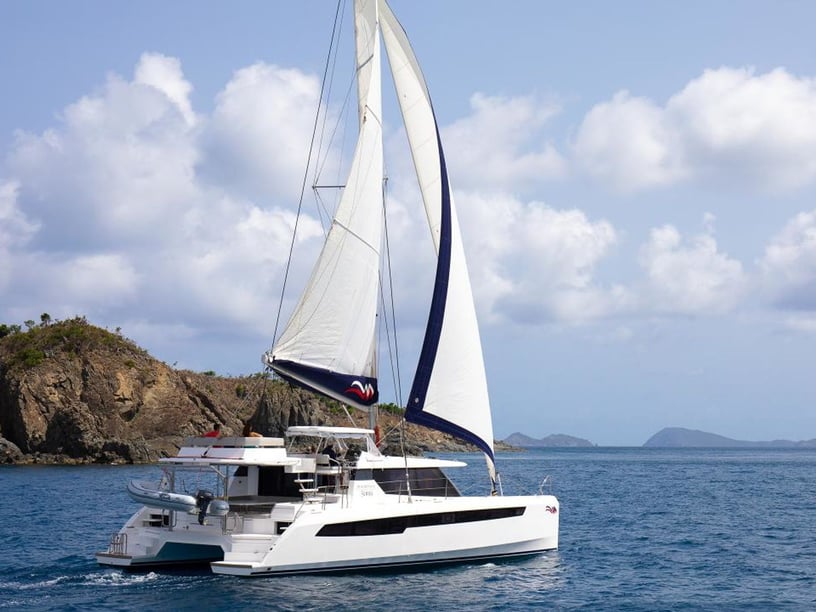
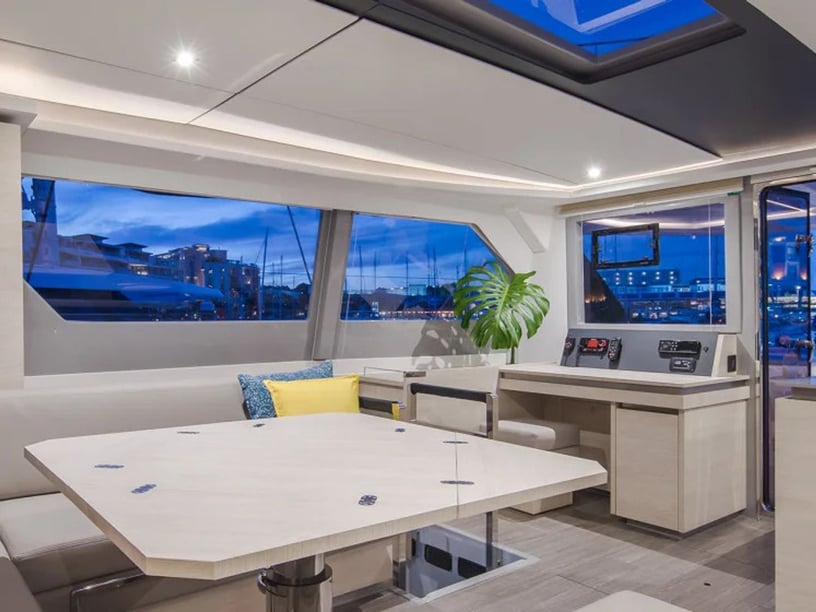
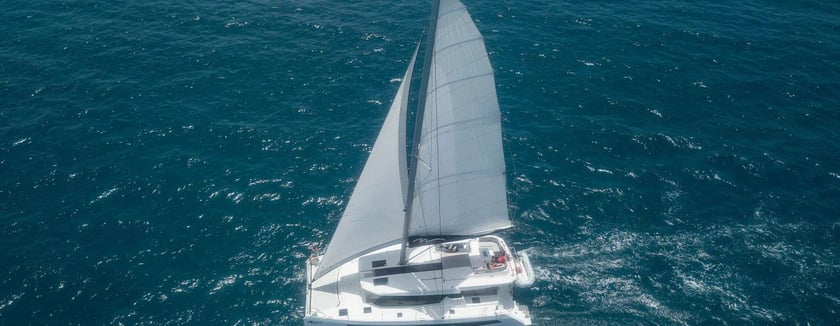
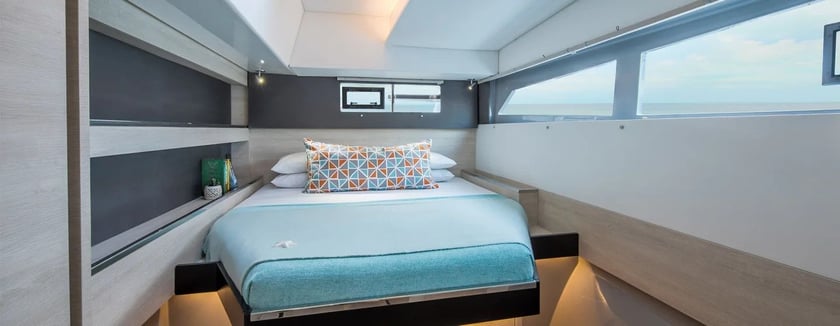
Travelers comparing a boat rental in Saint Martin should consider how the vessel and itinerary will handle the contrast between lagoon waters, western roadsteads and the Atlantic-facing northeast. Those narrowing down vessel styles can compare the dedicated pages for sailboat charter in Saint Martin and catamaran charter in Saint Martin without assuming that every boat is suitable for every route.
Nature-reserve rules also belong in the initial plan. Mooring buoys should be used where available, and overnight recreational mooring requires prior authorization and is limited to designated sites such as Tintamarre and Creole Rock. For international passages, confirm the applicable French Antilles and destination clearance procedures before departure. These operational details are most useful when settled before fixing the itinerary, rather than treated as adjustments once under way.