Mediterranean yacht charter at a glance
A yacht charter in the Mediterranean can mean island-hopping between closely spaced harbors, following a deeply indented coastline or making longer passages between major islands. The region stretches across southern Europe, North Africa and western Asia, bringing together historic ports, scattered archipelagos, sheltered gulfs and more exposed open-water cruising grounds.
The main appeal is the ability to combine time on the water with frequent stops ashore. A trip may move between swimming anchorages, fishing towns, fortified cities and waterfront restaurants without requiring long passages every day. Yet the Mediterranean is not one uniform sailing area. The protected waters of the Ionian Islands and southwest Türkiye offer a markedly different experience from the windier Cyclades or exposed channels around Corsica and Sardinia. Choosing the right cruising ground is therefore the first and most important charter decision.
Where to charter in the Mediterranean
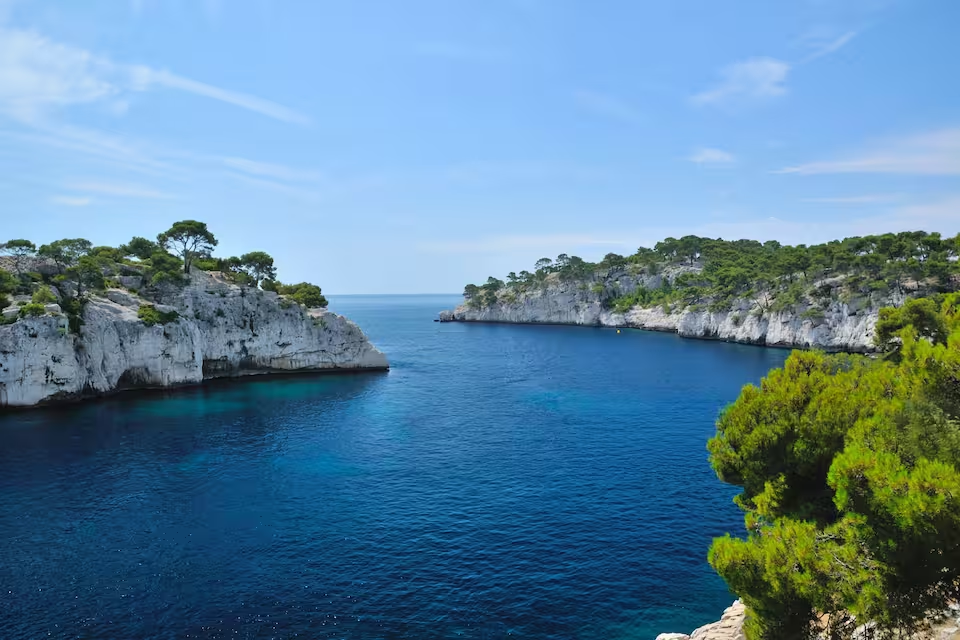
In the western Mediterranean, the Balearic Islands support varied island-hopping. Mallorca provides broad bays and an established starting point around Palma de Mallorca, while Ibiza and Formentera suit trips built around coves, beaches and lively ports. Farther north, the coast around Marseille gives access to limestone scenery and the Calanques, although the Gulf of Lion is more exposed to strong regional winds.
Corsica and Sardinia combine dramatic coastlines with passages that can be more demanding. Southern Corsica offers Ajaccio, Bonifacio and the Lavezzi Islands, while northern Sardinia connects naturally with the La Maddalena Archipelago. Bases around Olbia and Portisco are practical for exploring this island-dense corner of the region.
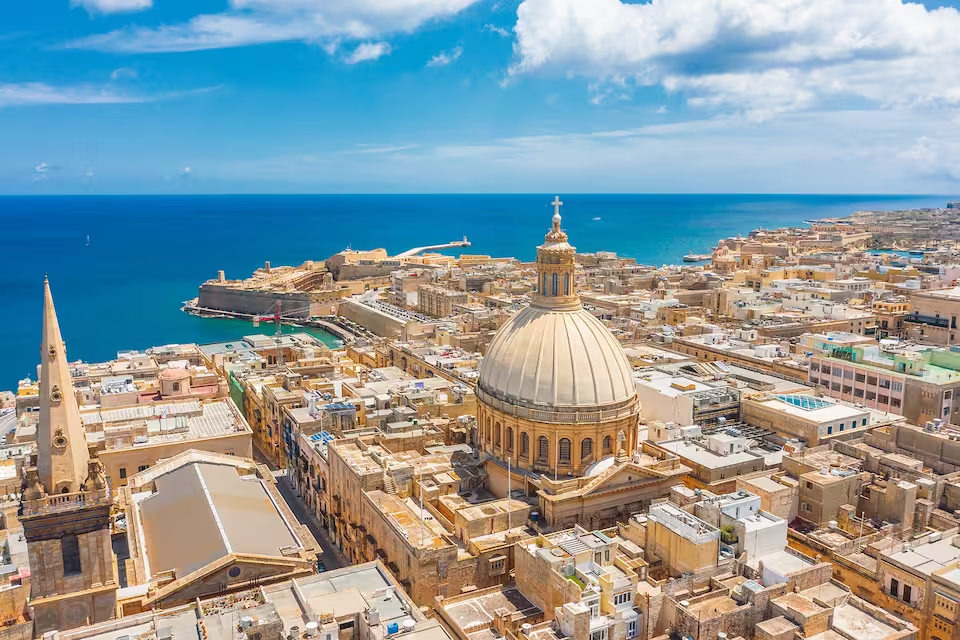
Around Sicily, charters can focus on volcanic or historic landscapes. Milazzo and Portorosa serve the Aeolian Islands, including Lipari, Salina, Stromboli and Vulcano. Western Sicily offers a different circuit through Trapani, San Vito Lo Capo and the Egadi Islands. Malta adds fortified harbors and compact island cruising around Valletta.
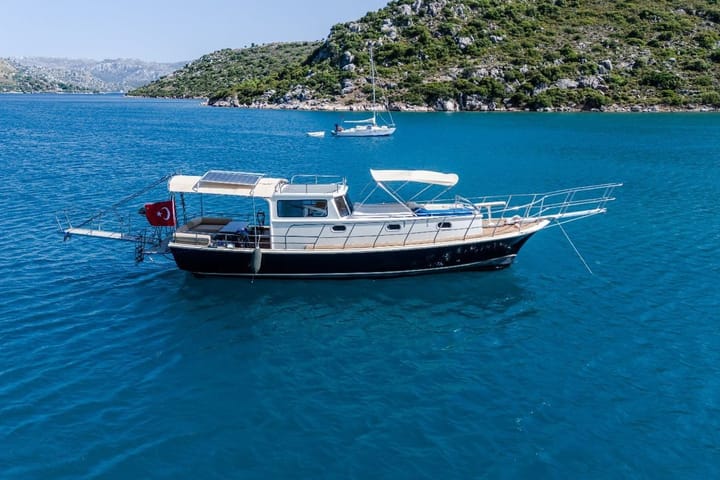
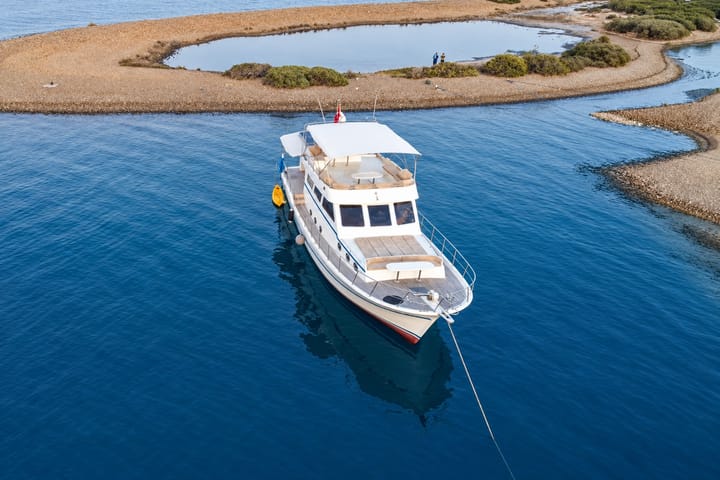
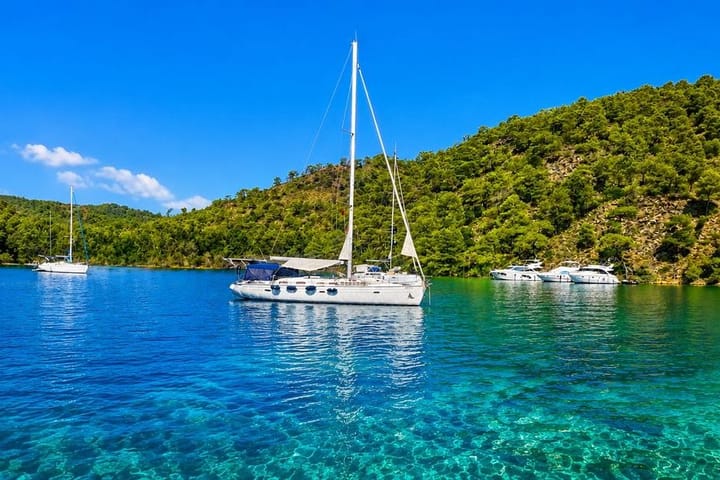
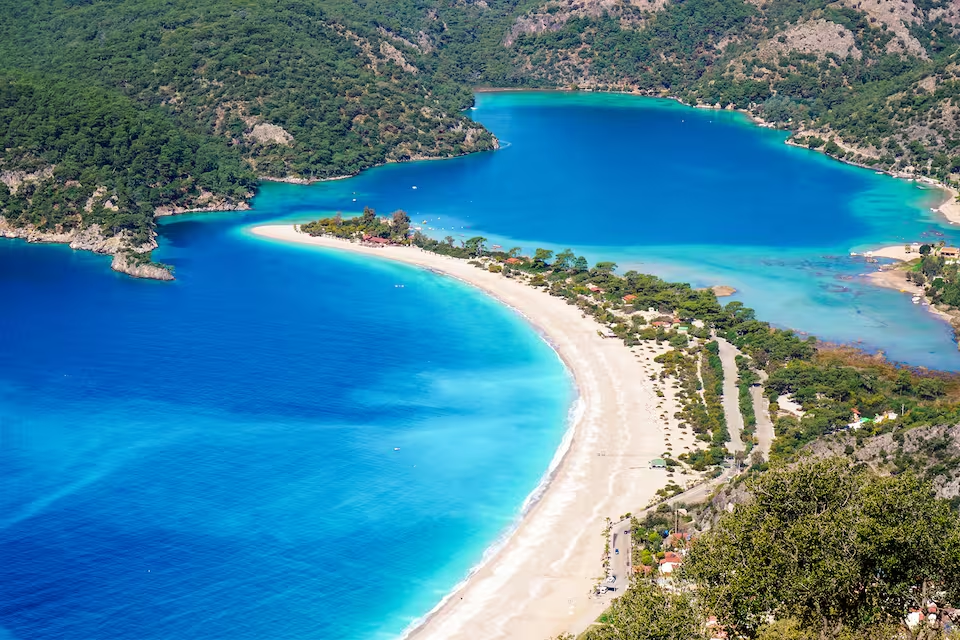
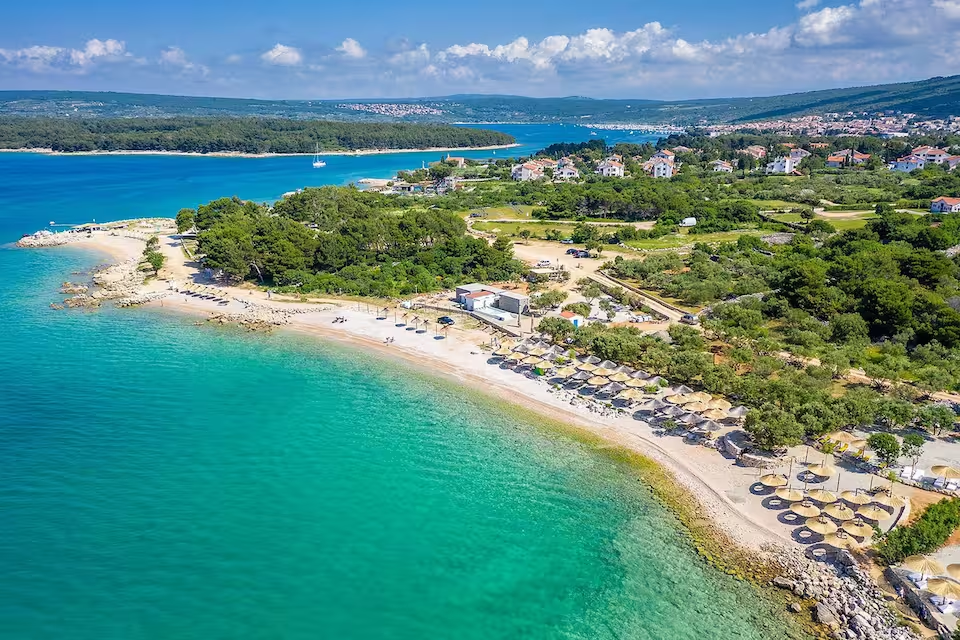
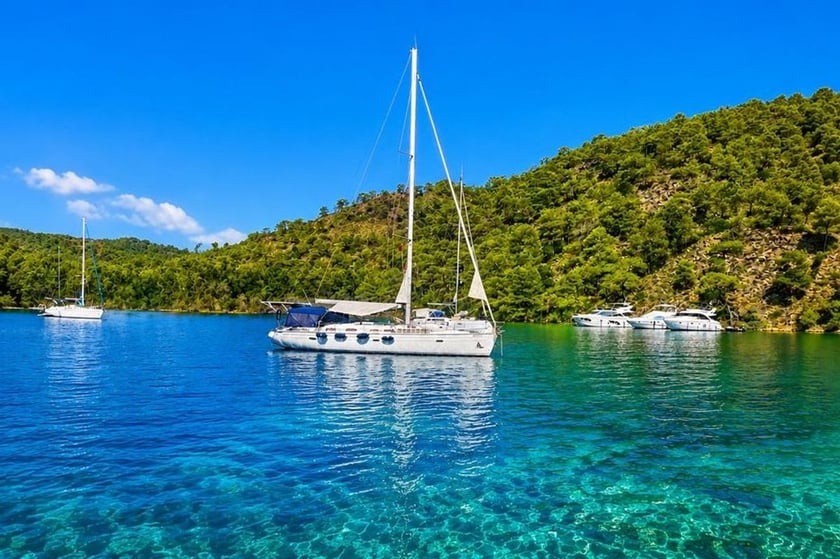
The Adriatic coast is especially suited to itineraries with regular island and town stops. Split, Trogir and Kaštela open onto the Dalmatian Islands, while Dubrovnik works well for southern coastal routes. In Greece, the Ionian Islands favor sheltered island-hopping, whereas Athens provides access to the Saronic and Argolic gulfs or the more exposed Cyclades. Southwest Türkiye, particularly Bodrum, Marmaris, Göcek and Fethiye, is known for indented bays, short coastal legs and Blue Voyage itineraries.
What Mediterranean sailing is like
Mediterranean cruising ranges from straightforward line-of-sight sailing among nearby islands to open passages requiring careful weather planning. The Ionian, Dalmatian coast and the gulfs around Göcek and Fethiye contain numerous stopping places, making it easier to build an itinerary around shorter legs. The Balearics, Corsica, Sardinia and Sicily can involve longer crossings, while channels such as the Strait of Bonifacio may be substantially more exposed.
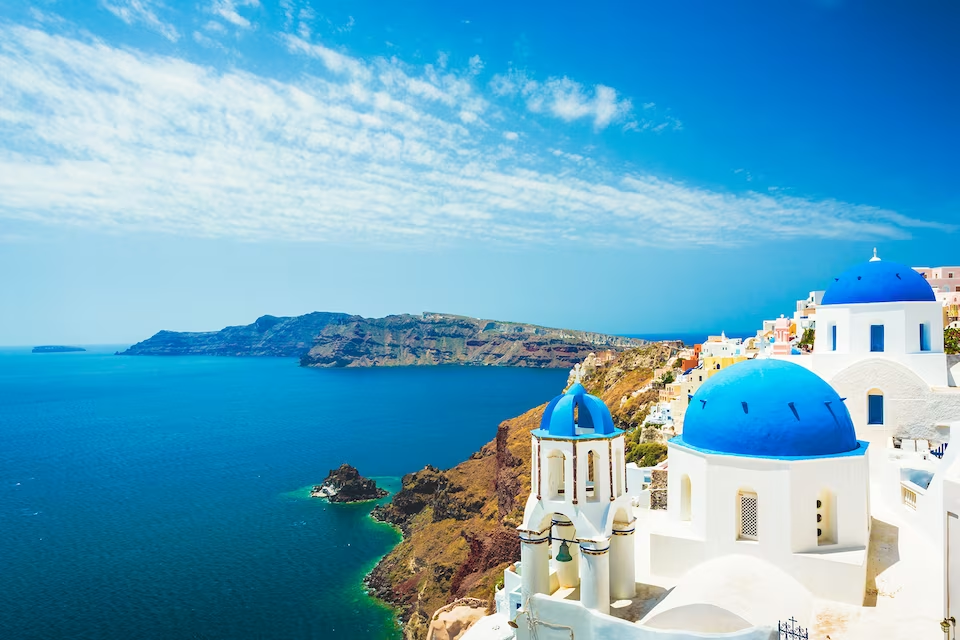
Summer weather is generally warm, dry and sunny, with local thermal breezes in many coastal areas. More powerful regional winds shape individual charter grounds. The mistral affects Provence and the Gulf of Lion, the bora can bring abrupt strong conditions to the Adriatic, and the meltemi regularly influences the Aegean. In the Cyclades, midsummer meltemi conditions can be demanding even when nearby Greek cruising areas are more protected. The tramontane and southerly sirocco are also important in parts of the basin.
These differences matter when matching a route to the crew’s experience. A sheltered archipelago with frequent harbors allows more flexibility, while exposed island chains and offshore passages require greater allowance for weather changes. Current marine forecasts and local routing knowledge remain essential everywhere.
Best time for a Mediterranean yacht charter
The principal recreational charter season generally runs from April through October. May, June and September are particularly suitable months, commonly combining warm weather with favorable sailing conditions. Spring can still bring cool sea temperatures despite comfortable air temperatures, while September often retains summer warmth after the busiest part of the season.
Activity is highest from late June through August. This period brings midsummer heat, greater demand and pressure on berths and town-quay space at popular island ports. It also coincides with stronger seasonal winds in some areas, notably the meltemi in the Aegean.
October can remain attractive around Sicily, southern Greece and southwest Türkiye, but conditions become less consistent in northern and western cruising grounds. Autumn also brings an increasing risk of heavy weather in parts of the western Mediterranean. Winter is generally cooler, wetter and more unsettled, with substantially reduced recreational activity.
Mediterranean charter route ideas
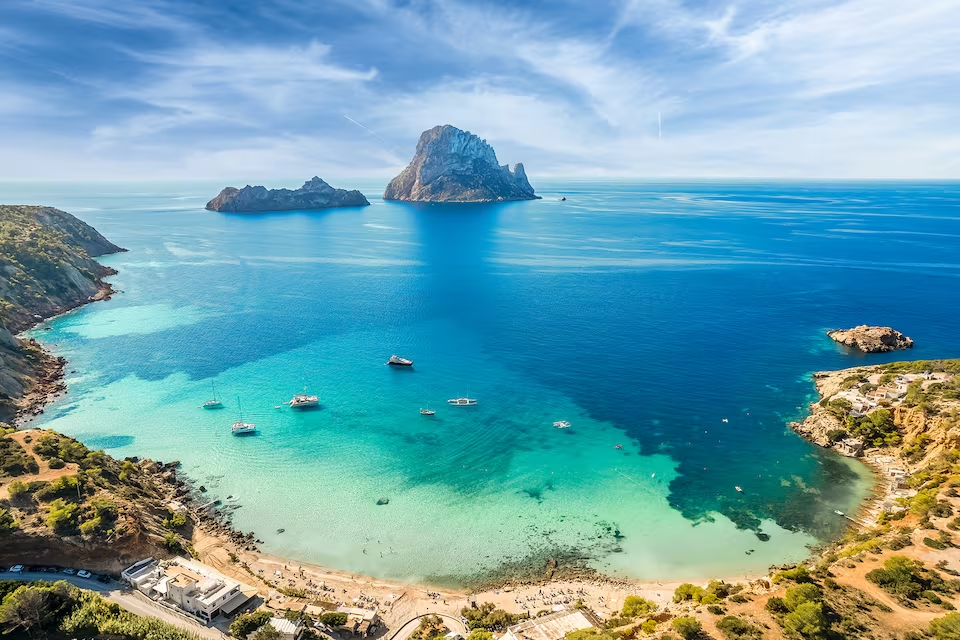
A Balearic itinerary may link Mallorca, Ibiza, Formentera and Menorca, or concentrate on the shorter circuit from Ibiza to Formentera via the waters around Es Vedrà, Ses Salines, Espalmador and Cala Saona. Around Corsica and Sardinia, one option is to follow southern Corsica from Ajaccio to Bonifacio before crossing toward the La Maddalena Archipelago.
For volcanic island scenery, charters from Portorosa or Milazzo can connect Lipari, Panarea, Stromboli, Salina, Filicudi and Vulcano. From Athens, a Saronic and Argolic route can include Aegina, Poros, Hydra and Spetses, with optional ports on the eastern Peloponnese. Ionian trips commonly begin from Corfu or Lefkada and continue through islands such as Paxos, Meganisi, Kefalonia and Ithaca.
On the Turkish coast, the Blue Voyage typically follows sheltered bays from Bodrum or Marmaris toward Göcek and Fethiye. These are route frameworks rather than fixed schedules; passage lengths and stopping points should remain adaptable to forecasts, harbor space and the preferences of the group.
Life aboard and highlights ashore
A Mediterranean charter often settles into a rhythm of cruising, anchoring for a swim and going ashore in the late afternoon or evening. Dense networks of coves and natural harbors make secluded stops possible in many areas, while established ports place travelers close to old towns, markets and historic waterfronts.
The cultural range is unusually broad. Routes can bring together the Acropolis of Athens, Diocletian’s Palace in Split, Dubrovnik’s fortified Old City, Valletta’s harbor setting and Bonifacio’s citadel above limestone cliffs. The Aeolian Islands add volcanic landscapes, while Ibiza combines coves and beaches with Dalt Vila and an important Posidonia marine environment.
Food is part of the journey rather than a separate attraction. Coastal itineraries connect local fishing traditions, seasonal produce, olive oil, markets and communal meals. Evening character varies considerably: Ibiza and larger resort ports offer active nightlife, while smaller Ionian, Dalmatian or Turkish anchorages lend themselves to quieter nights aboard or dinner in a waterfront settlement.
Access and main departure bases
The Mediterranean’s principal charter areas are served by a broad network of coastal and island airports. Palma, Athens, Split, Corfu, Olbia, Naples, Dalaman and Bodrum generally provide relatively direct connections to major marina areas. Barcelona, Nice, Marseille, Dubrovnik, Palermo, Catania, Malta, Rhodes and Kos are also useful gateways for specific cruising regions.
Common departure clusters include Palma in the Balearics; Ajaccio and Bonifacio in Corsica; Olbia and Portisco in Sardinia; Naples, Milazzo and Portorosa in Italy; Split, Trogir, Kaštela and Dubrovnik in Croatia; and Athens, Lavrion, Corfu, Lefkada, Rhodes and Kos in Greece. Bodrum, Marmaris, Göcek and Fethiye serve southwest Türkiye.
Smaller islands and secondary ports may require an onward ferry, domestic flight or longer road transfer. It is worth comparing airport access alongside the intended route, particularly for short charters where a complicated transfer can use a significant part of the first or final day.
Planning the right charter
When comparing Mediterranean boat rental and yacht charter plans, begin with the cruising ground rather than treating the entire region as interchangeable. Consider the likely passage lengths, degree of shelter, seasonal wind pattern and balance between anchorages and nights in port. Groups prioritizing short sails and frequent stops may prefer the Ionian, Dalmatian coast or southwest Türkiye; those seeking more open-water sailing can consider the Cyclades, Corsica, Sardinia or inter-island routes in the western basin.
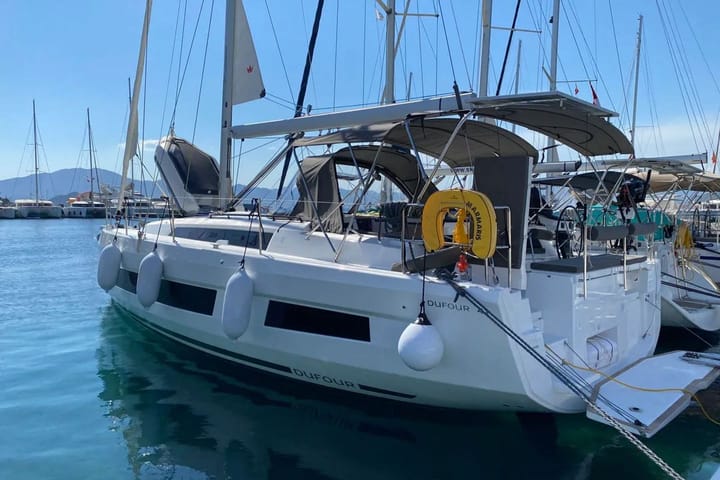
The charter format should also reflect who will manage navigation and onboard responsibilities. If chartering without professional crew, verify that the relevant qualifications are accepted in the coastal state and that the proposed route suits the skipper’s experience. Licensing, charter documentation, cruising permits, taxes and required safety equipment vary between countries and should be confirmed before departure.
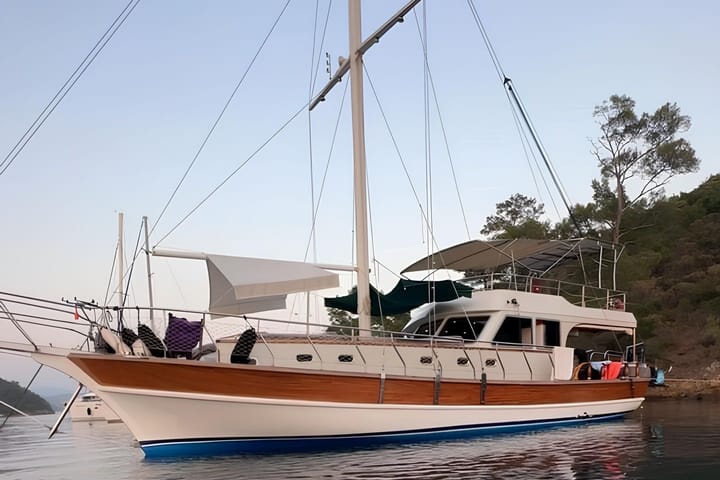
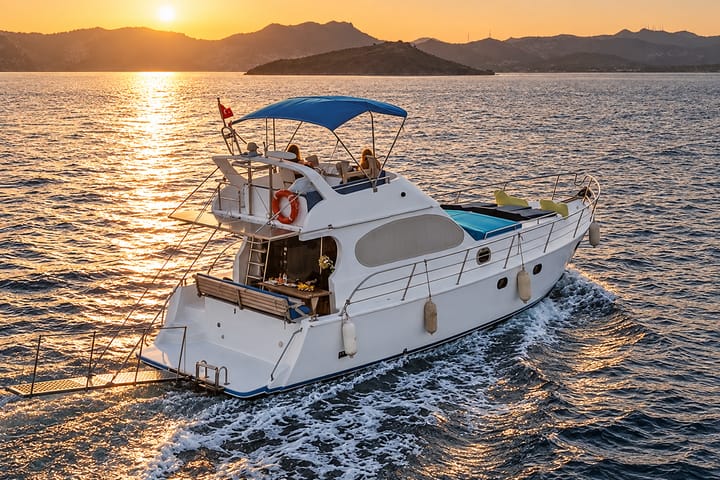
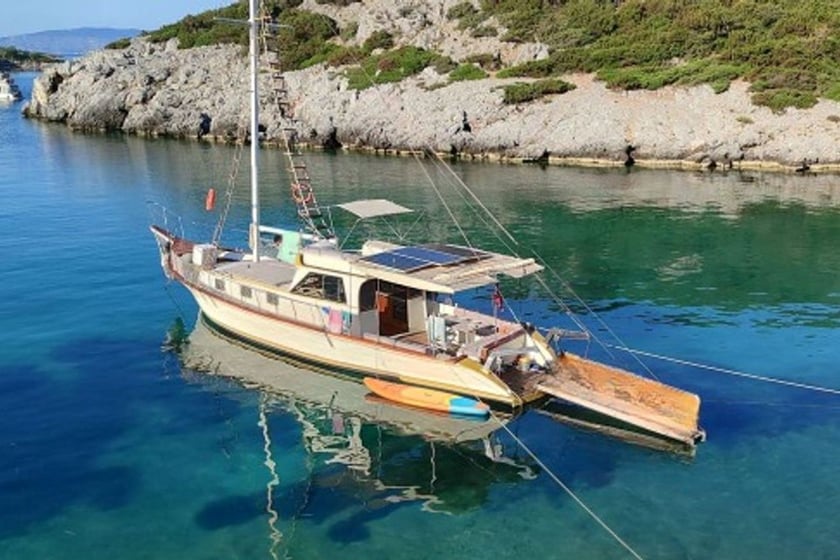
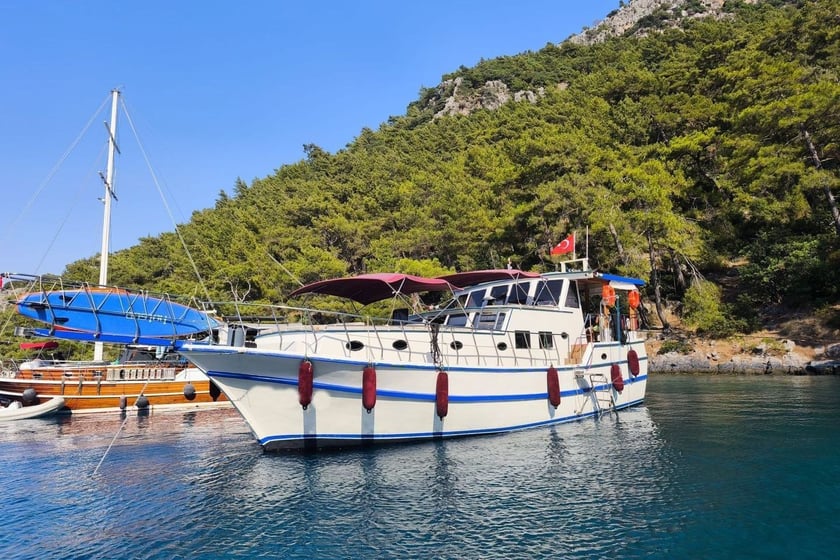
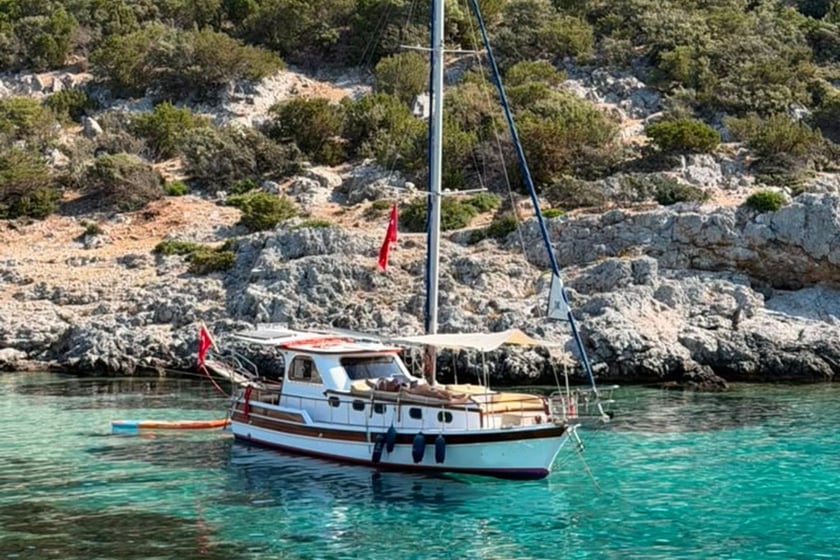
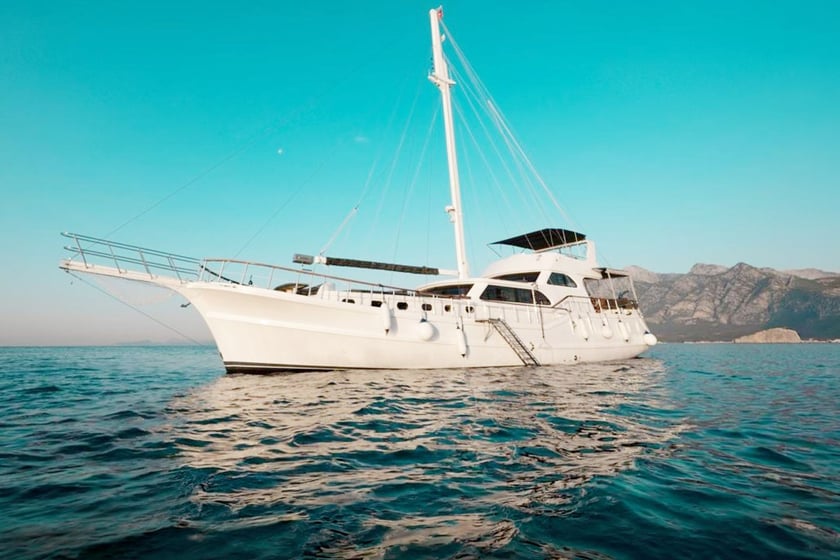
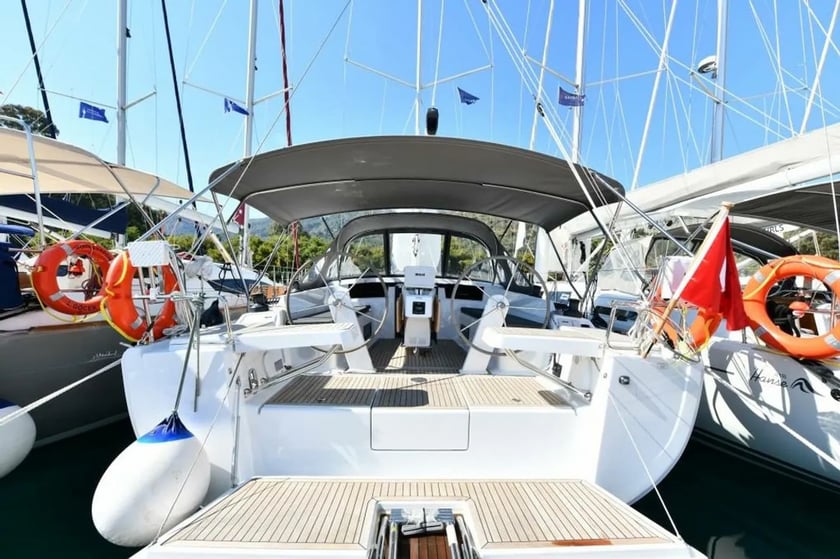
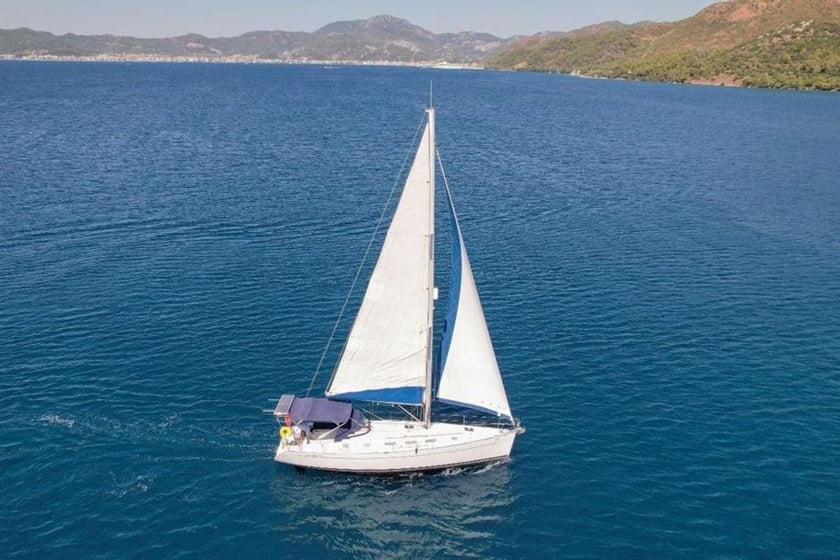
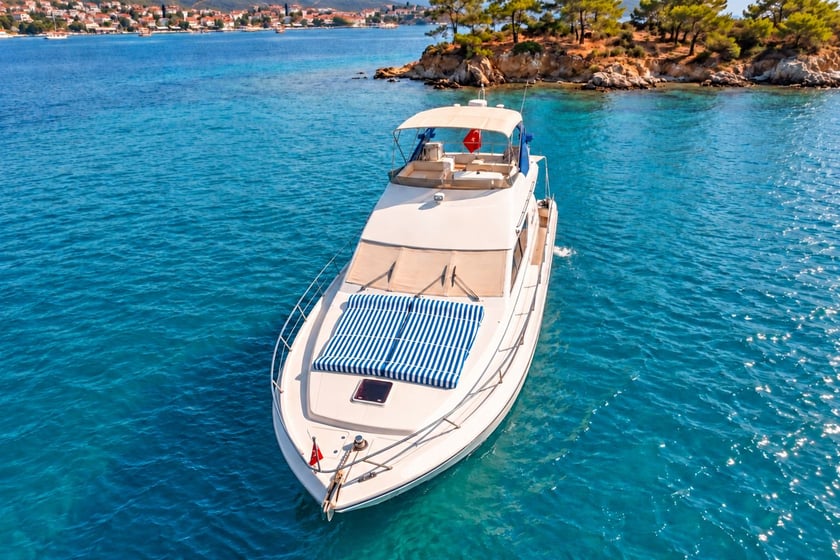
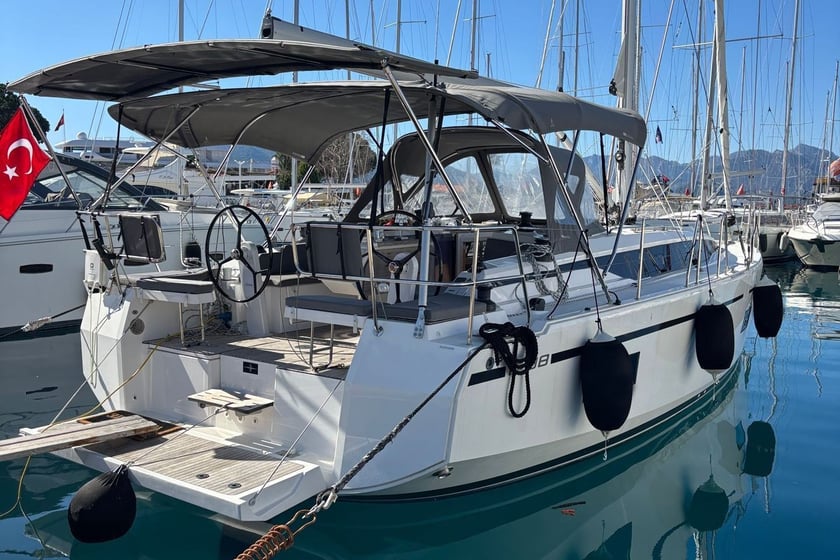
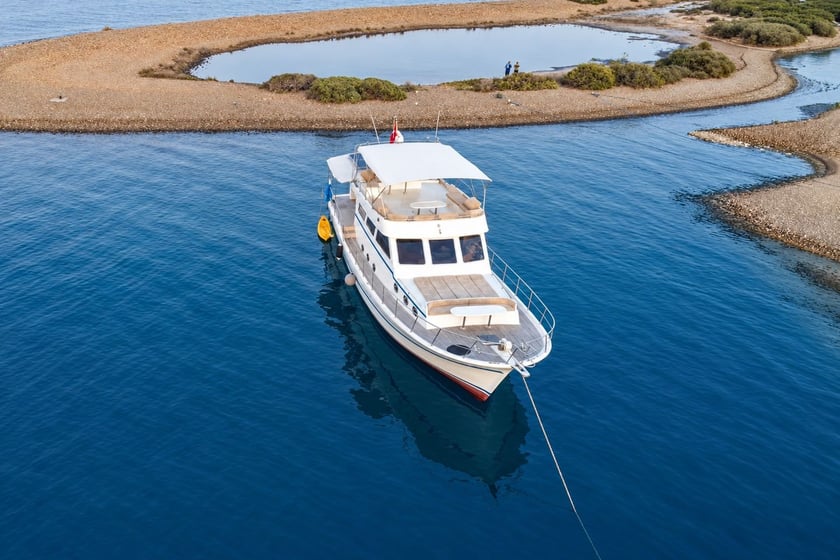
On southwest Türkiye’s Blue Voyage routes, a Mediterranean gulet charter connects with the region’s tradition of multi-day cruising aboard wooden vessels. Elsewhere, boat choice should be guided by the planned route, group needs and preferred balance between sailing and time at anchor rather than by a single Mediterranean-wide formula.
Reserve popular berths early for July and August, while keeping weather-dependent parts of the itinerary flexible. Follow local anchoring rules, use designated moorings where provided and avoid dropping anchor on protected Posidonia seagrass meadows.


















Verified
Aleksei C.23 Oct 2026
My experience with Umit deserves the highest possible rating. Communication with him was always easy and comfortable. He answered all my questions quickly, politely, and thoroughly. Check-in, check-o...
Listing owner: ÜmitGocek / Turkey