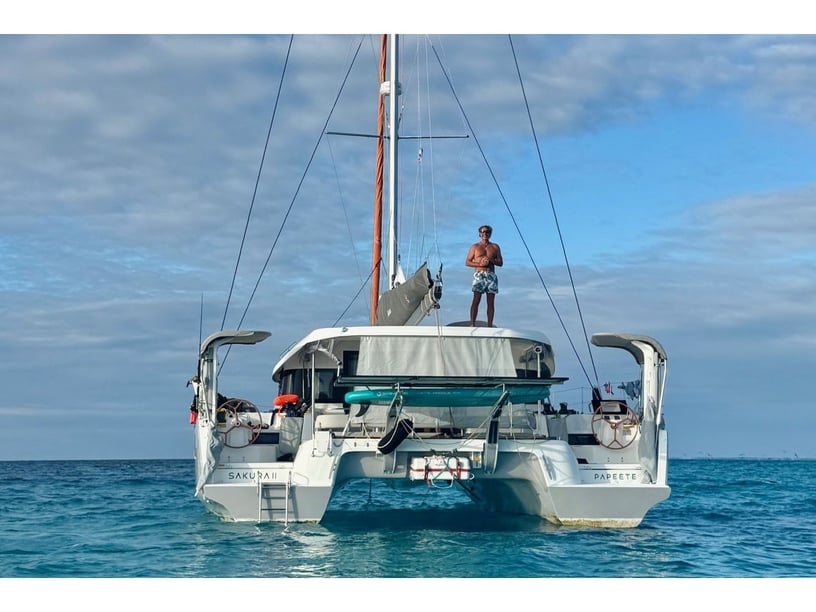
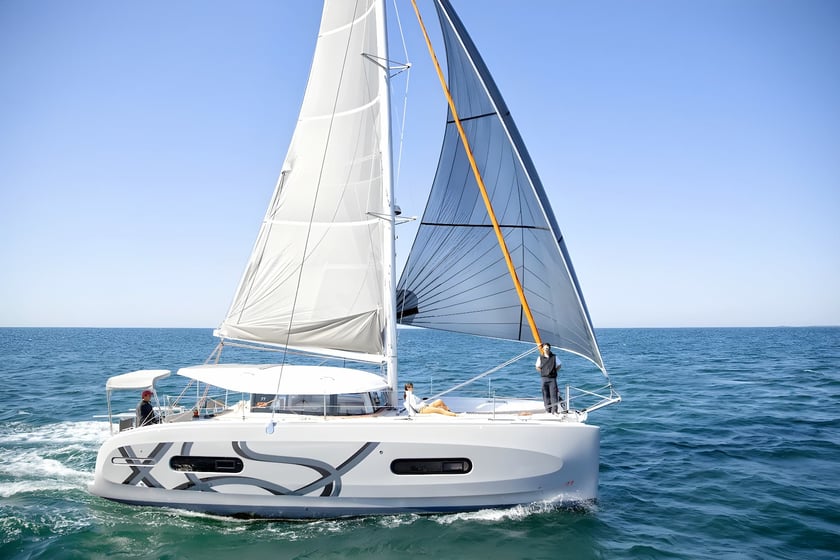
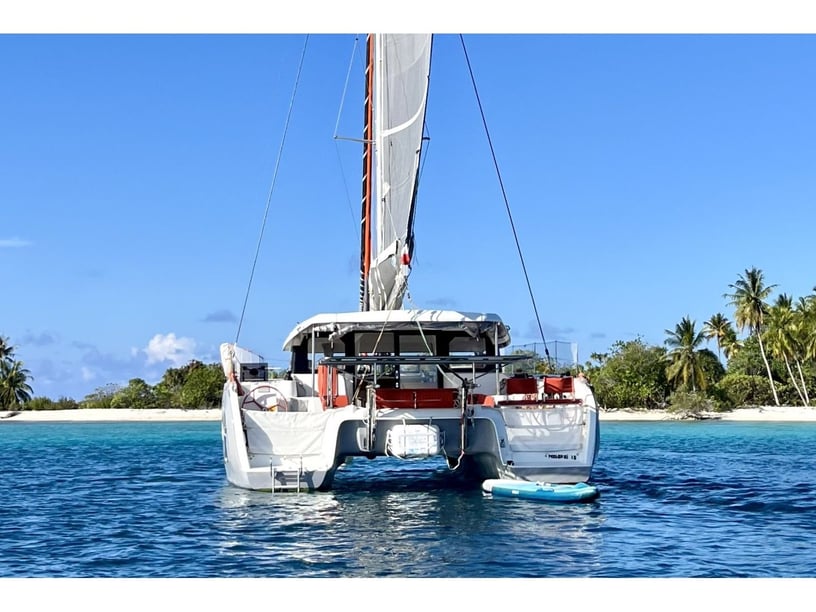
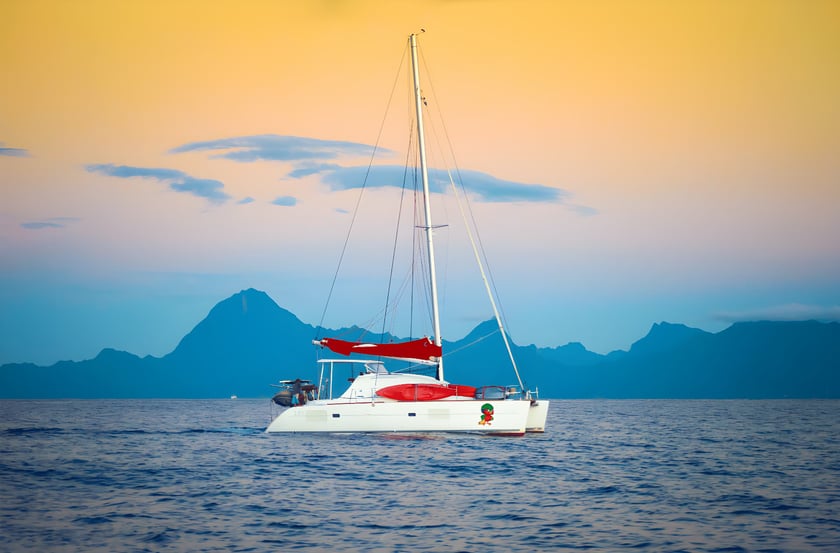
Yacht charter in French Polynesia
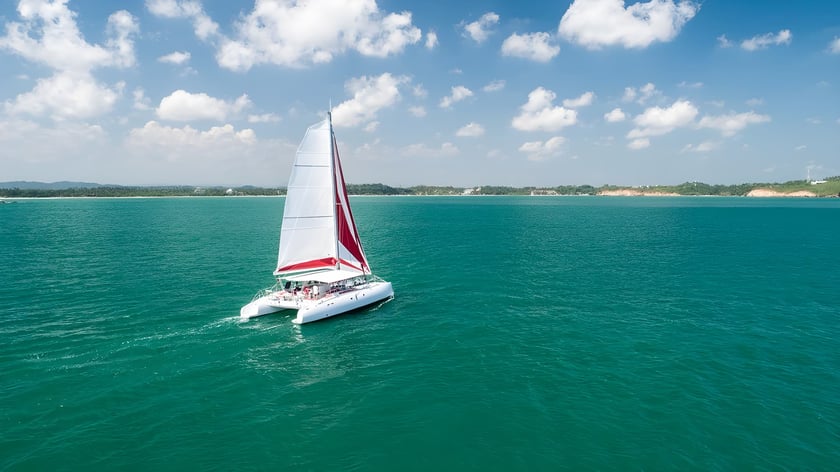
A yacht charter in French Polynesia is best understood as a choice between several distinct cruising regions rather than a journey through one compact island chain. The territory comprises 118 islands across five widely dispersed archipelagos, combining mountainous volcanic islands, sheltered lagoons, coral atolls and rugged coastlines exposed to the open Pacific.
The Society Islands offer the most structured recreational cruising, particularly around Raiatea, Taha'a, Huahine and Bora Bora. Their barrier reefs create protected lagoon passages, while short open-water crossings connect neighboring islands. Farther away, the Tuamotu, Marquesas, Gambier and Austral Islands provide more remote experiences but require greater self-sufficiency and, in some areas, careful handling of reef passes, currents and longer ocean passages.
Traveling by yacht makes it possible to combine time under way with swimming, snorkeling, secluded anchorages and visits ashore. It also reveals how strongly Polynesian life is connected to the sea, from traditional voyaging and va'a outrigger canoes to modern settlements still linked by boats. Choosing the right region is therefore the first and most important decision when planning a French Polynesia yacht charter.
Choosing a cruising region
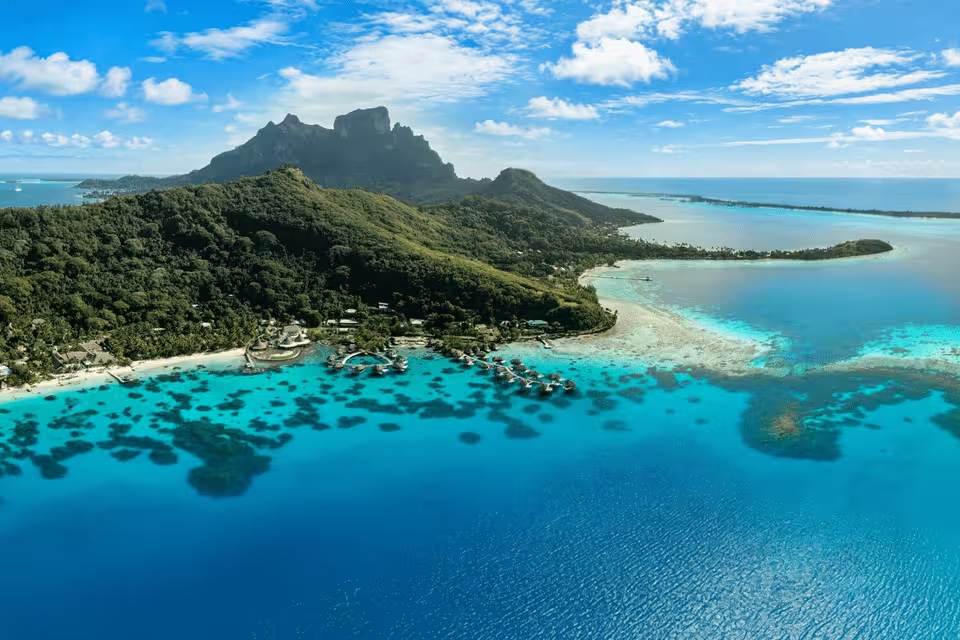
The Leeward Society Islands are the principal choice for a first yacht charter in the territory. Raiatea is a major starting point, with nearby Taha'a enclosed within the same barrier reef and lagoon system. This shared cruising area allows sheltered passages between bays and anchorages, while Bora Bora and Huahine can be reached across relatively short stretches of open water. Bora Bora is known for its extensive lagoon, Huahine combines lagoon cruising with stops around Fare and Avea Bay, and southern Raiatea includes Faaroa Bay and the Taputapuātea cultural landscape.
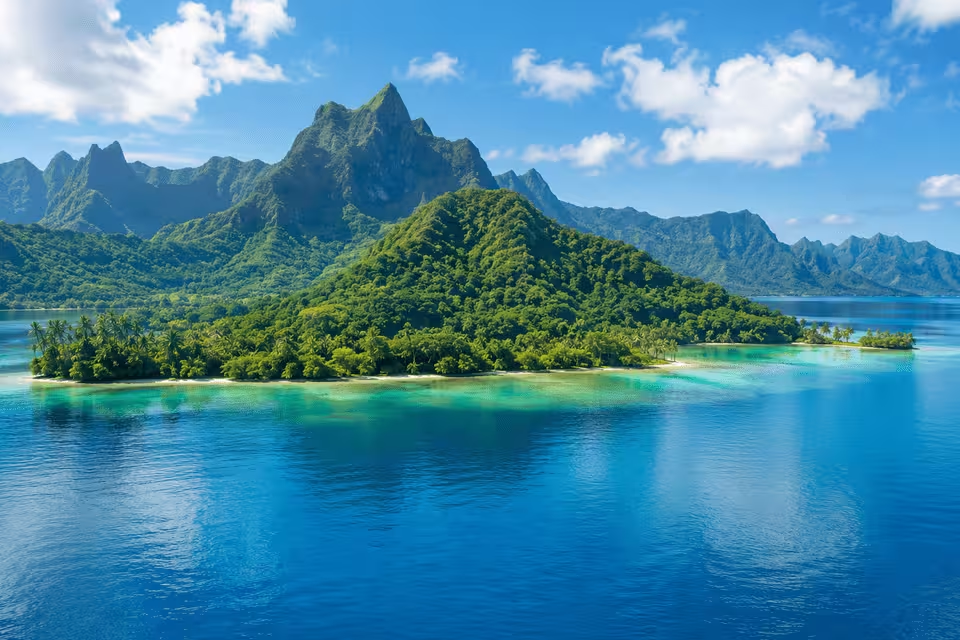
Tahiti and Moorea form another accessible pairing. Tahiti provides the territory's principal transport and marine-service center, while Moorea offers dramatic volcanic scenery around Cook's Bay and 'Opunohu Bay. These islands can suit travelers who want to combine a shorter period on the water with time in and around the main urban center.
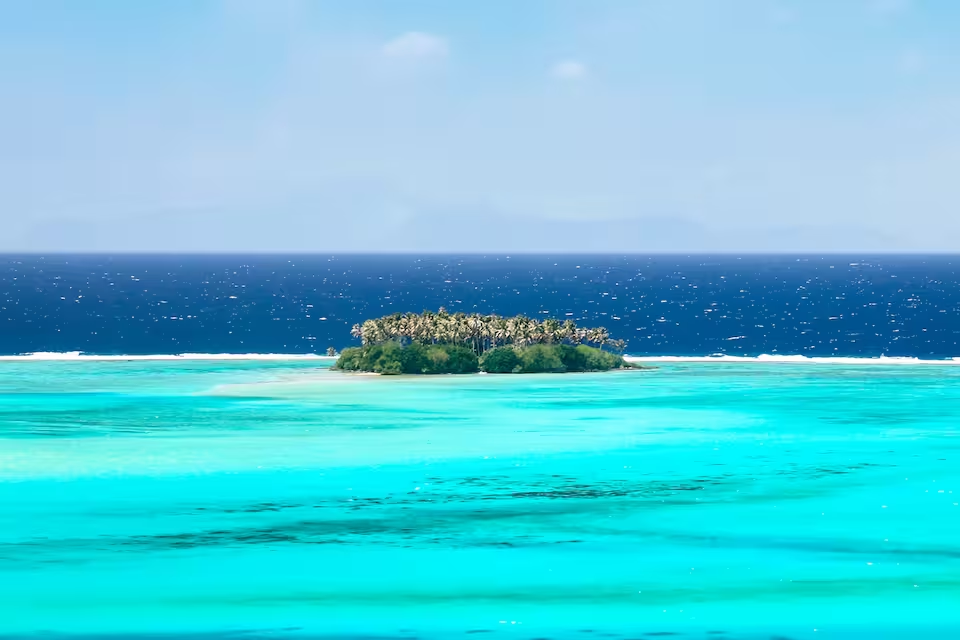
The Tuamotu Archipelago offers a markedly different experience. Rangiroa, Fakarava and Tikehau are low coral atolls where cruising takes place inside large lagoons. Reef passes, tidal currents and coral heads shape daily planning, making local knowledge and good visibility particularly important.
The Marquesas have steep, largely unreefed coasts and deep bays such as Taiohae, Anaho and Hanavave. They lack much of the lagoon shelter found farther west and involve longer exposed passages. The Gambier Islands share an extensive lagoon centered around Mangareva, while the cooler Austral Islands provide another remote option. These outer archipelagos are better approached as separate cruising regions, not as casual additions to a Society Islands itinerary.
What sailing here is like
Easterly trade winds commonly bring light to moderate conditions, often around 10 to 15 knots. Within the Society Islands, barrier reefs reduce ocean swell and make lagoon cruising comparatively sheltered. Inter-island channels remain exposed, however, so even a route built around protected anchorages includes genuine open-water sailing.
Conditions become more technical in the Tuamotu. Atoll passes can carry powerful currents, and swell may make some entrances hazardous. Passage timing is generally planned around slack water, while navigation inside the lagoons requires attention to coral heads, reef channels and visibility. This is a different style of charter from moving between the high islands of the Society group.
The Marquesas, Gambier and Austral Islands demand more independence because distances are greater, anchorages are more isolated and technical support is limited. In the Marquesas, deep bays provide stopping places along rugged volcanic coasts, but there is little of the continuous reef shelter associated with Bora Bora or Raiatea.
Seasonal weather can also alter the experience. Southeasterly mara'amu episodes from July through September may reach about 25 to 30 knots, creating choppy seas and stronger currents in channels. These regional and seasonal differences should influence itinerary length, boat choice and the level of onboard experience required.
When to charter
In the Society Islands, the principal boating season generally runs from May through October, during the drier and less humid part of the year. Tourism activity is highest from June through September, so advance planning is particularly relevant for trips during this period. April and November are transitional months rather than universally dependable alternatives, as conditions can shift between the drier and warmer seasons.
From November through April, higher humidity, heavier showers and occasional strong depressions are more likely. Western depressions can bring strong winds between December and February, and cyclone exposure must be considered, although risk varies considerably by latitude and archipelago.
Timing is not identical across the territory. The Tuamotu are generally favored from April through November, the Gambier Islands from March through October, the Austral Islands from July through October and the Marquesas from September through December. Travelers planning beyond the Society Islands should therefore use the season of the specific archipelago rather than treating French Polynesia as having one uniform cruising calendar.
Established charter routes
A classic Leeward Islands circuit begins at Raiatea or Marina Apooiti and links Taha'a, Bora Bora and Huahine before returning to Raiatea. It combines sheltered lagoon navigation with manageable open-water legs and gives each island enough separation to feel like a distinct stage of the trip.
A more compact route remains within the shared Raiatea–Taha'a reef system. Stops can include Faaroa Bay, Apu Bay and Tapuamu Bay, making this suitable when travelers want to spend less time on inter-island crossings. Longer itineraries can continue west from Bora Bora to Maupiti while also including Huahine or southern Raiatea.
Routes between different archipelagos should not be treated as ordinary extensions to these circuits. The ocean distances are substantial, so the Tuamotu, Marquesas, Gambier and Austral Islands usually call for separately planned trips with provisions, range and support arrangements matched to their remoteness.
Life on and beyond the water
French Polynesia's lagoons naturally shape the rhythm of a charter: sailing or motoring between islands, anchoring or using established moorings, and setting aside time for swimming, snorkeling and diving. Bora Bora's lagoon and the coral environments of Rangiroa and Fakarava are among the territory's best-known marine settings, while less developed anchorages offer a quieter contrast to the principal visitor centers.
Going ashore adds cultural depth to the journey. On Raiatea, the Taputapuātea landscape preserves a major marae complex connected to around 1,000 years of Mā'ohi civilization and Polynesian voyaging networks. In the Marquesas, archaeological sites, stone platforms and carving traditions reflect a culture shaped by steep volcanic terrain and isolated coastal settlements. Va'a outrigger canoe traditions remain a visible expression of the territory's maritime heritage.
Food can also form part of the experience between passages. Poisson cru au lait de coco—raw fish prepared with lime and coconut milk—is served throughout the islands. In Papeete, the market provides an accessible introduction to local produce, food and crafts before or after a charter. Together, these experiences make the voyage more than a sequence of anchorages: the sea is also the route into the territory's history and present-day island life.
Access and main departure points
International journeys generally begin at Tahiti Faa'a International Airport. Papeete Marina and the Port of Papeete are nearby departure points, while Marina Taina in Punaauia is another important base on Tahiti. Ferries connect Tahiti and Moorea frequently, supporting itineraries centered on those two islands.
Raiatea is the main gateway to Leeward Society Islands cruising. Domestic flights connect it with Tahiti, and charters commonly begin from Uturoa Marina or Marina Apooiti. Taha'a has no separate airport and is reached by boat from Raiatea.
Domestic flights also serve Bora Bora, Rangiroa, Fakarava, Nuku Hiva, Hiva Oa and Tubuai. Reaching the Gambier Islands involves flying to Totegegie Airport and continuing by boat to Mangareva. Because connections and marine services become more limited away from Tahiti and Raiatea, transport plans should be coordinated with the intended departure base and itinerary.
Planning the right charter
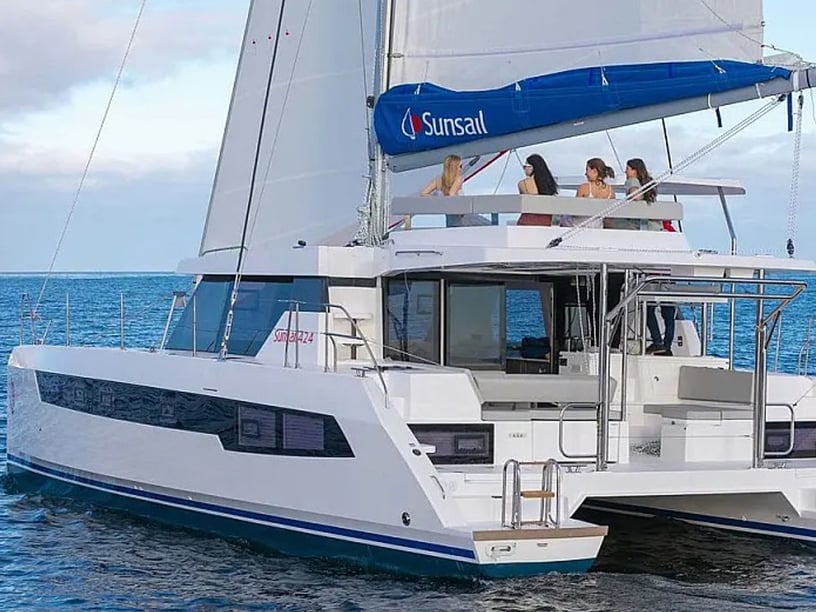
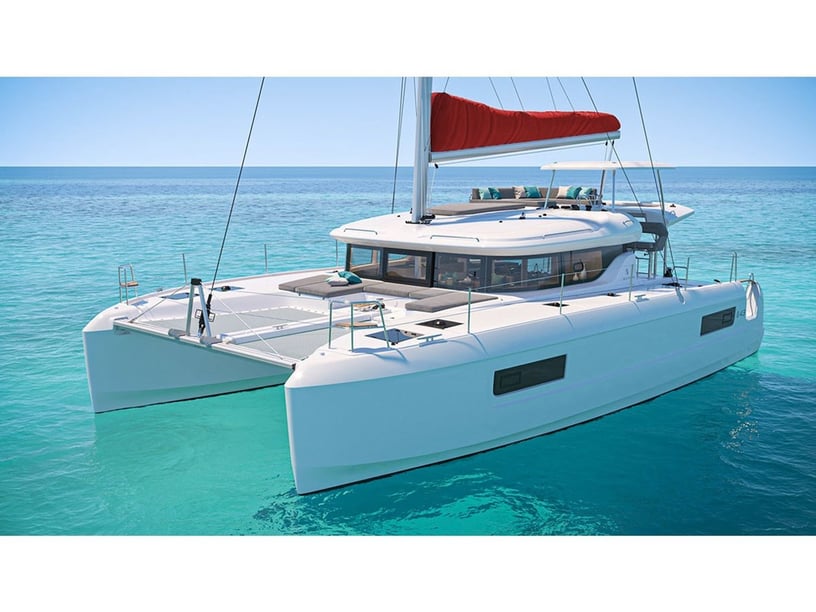
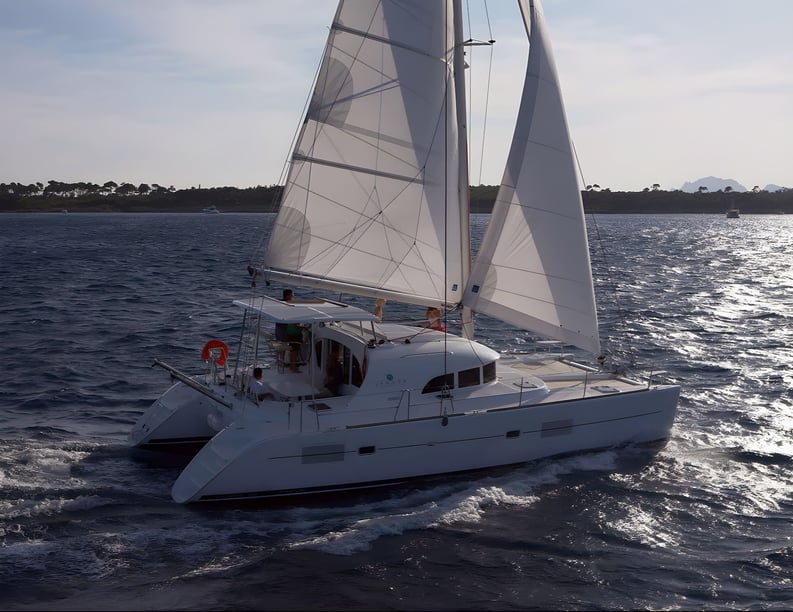
When comparing boat rental in French Polynesia, begin with the cruising region and required level of independence rather than choosing solely by boat size. A Society Islands itinerary can combine lagoon navigation with short exposed crossings, while an outer-archipelago trip may require greater range, storage, provisioning capacity and technical self-sufficiency. Experience with coral navigation and changing currents is especially relevant in the Tuamotu.
Provisioning, repairs and marine services are concentrated around Tahiti and Raiatea. For remote routes, allow for limited opportunities to replenish supplies or obtain technical assistance. Current charts, reliable weather information and locally informed pilotage are important wherever routes involve coral heads, narrow reef channels or atoll passes.
Anchoring is regulated in many frequently visited areas. Designated zones, mooring buoys and established sandy anchoring areas should be used where available to protect coral and support maritime safety. Requirements can change, so current rules should be confirmed with local authorities before departure.
Charter format should match the route and the crew's experience. Travelers without the skills required for reef passes, open-ocean legs or isolated anchorages should consider arrangements that provide suitable local or professional knowledge. It is also wise to build flexibility into the itinerary: strong mara'amu winds, swell at reef entrances or transport connections between islands may affect the planned sequence of stops.