Yacht charter in the Aegean
The Aegean stretches between mainland Greece and western Türkiye, encompassing island chains, open passages, sheltered gulfs and deeply indented coastlines. A yacht charter in the Aegean can therefore take many forms: energetic sailing among the Cyclades, a more protected circuit through the Sporades, a journey between the fortified harbor towns of the Dodecanese or a coastal cruise through the pine-backed coves of southwestern Türkiye.
Exploring by yacht reveals connections that are less apparent on a land-based trip. Swimming anchorages, historic ports and island settlements can become successive stops rather than separate holidays. Within compact archipelagos, islands are often visible across the water, while journeys between groups may involve considerably longer and more exposed passages. The region rewards choosing a defined cruising area rather than trying to cover too much sea in one trip.
Choosing an Aegean cruising area
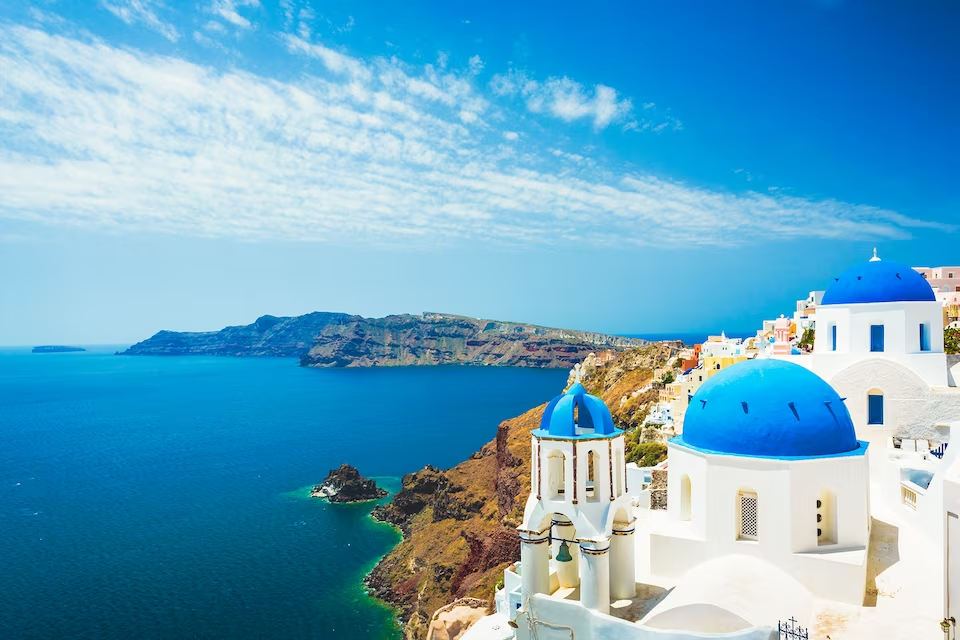
The Cyclades offer the Aegean’s most recognizable dry, rocky island landscapes, whitewashed settlements and open-water sailing. Departures from Lavrion provide access to western and central islands such as Kea, Kythnos, Syros, Sifnos and Paros. This area suits travelers who value active sailing and can keep plans flexible when the meltemi strengthens. Popular islands including Paros, Mykonos, Milos and Santorini also combine time afloat with lively settlements, archaeological sites and volcanic scenery.
For greener landscapes and generally more sheltered cruising, the Northern Sporades are a marked contrast. Trips from Volos or Skiathos can connect Skiathos, Skopelos and Alonnisos. The Pagasetic Gulf adds protected waters, while the Northern Sporades marine park brings an important natural dimension to the route.
The Dodecanese favor trips that mix island passages with medieval towns, monasteries and volcanic landscapes. Kos is a practical starting point for northern circuits toward Kalymnos, Leros, Lipsi and Patmos, or southern routes through Nisyros, Tilos, Chalki, Rhodes and Symi. Some passages are longer than they first appear on a map, so route scale matters.
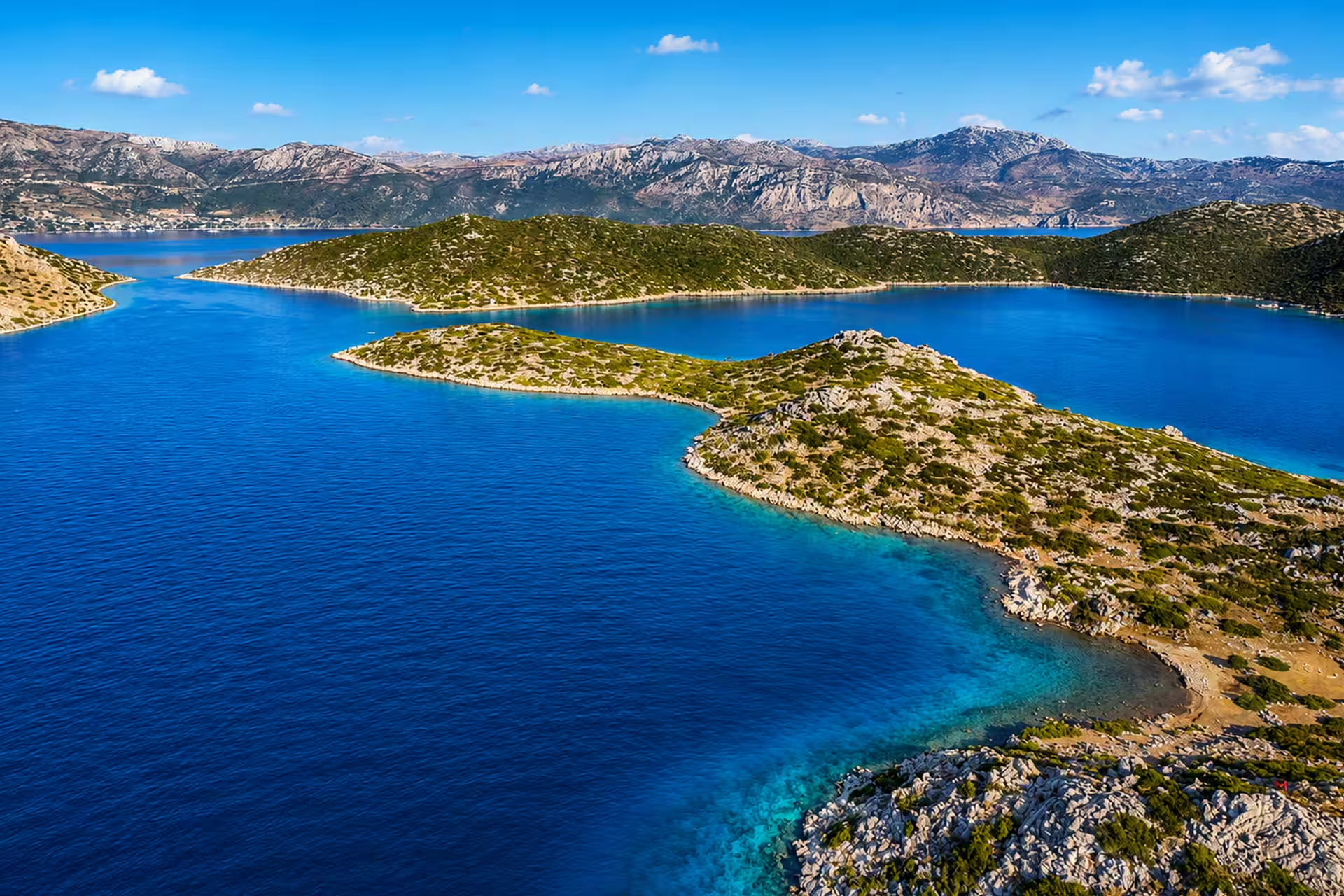
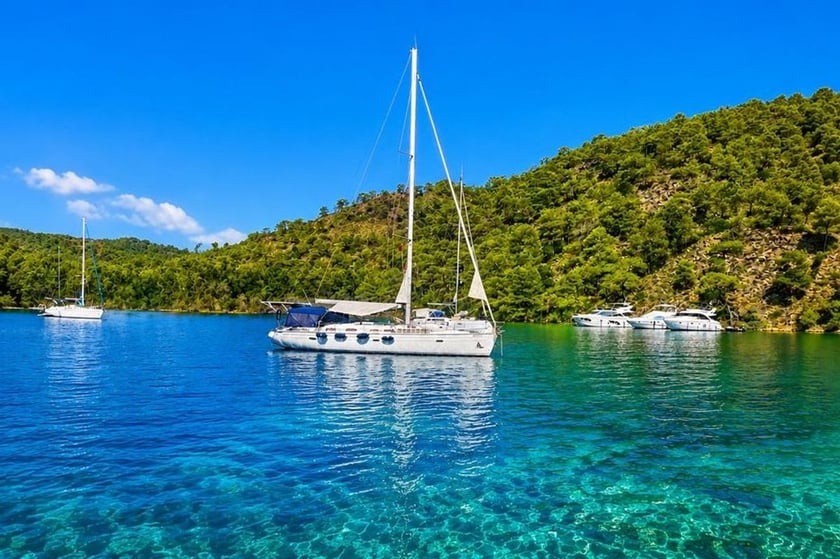
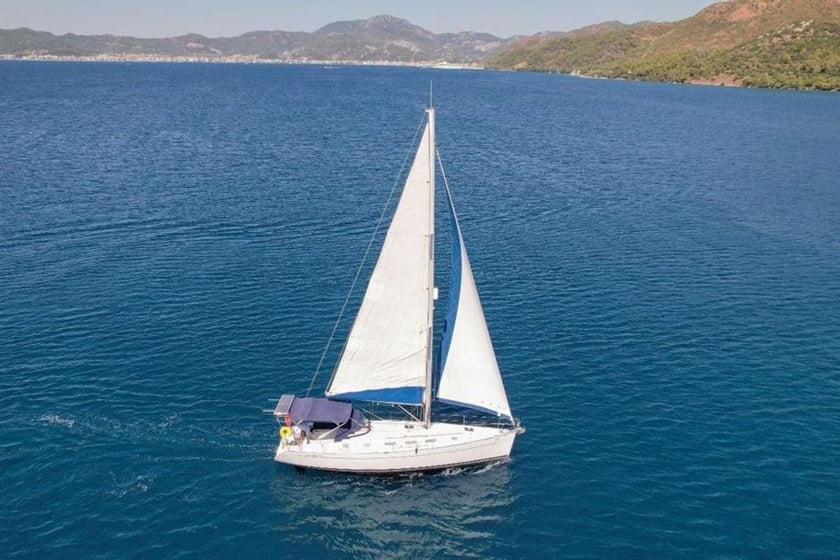
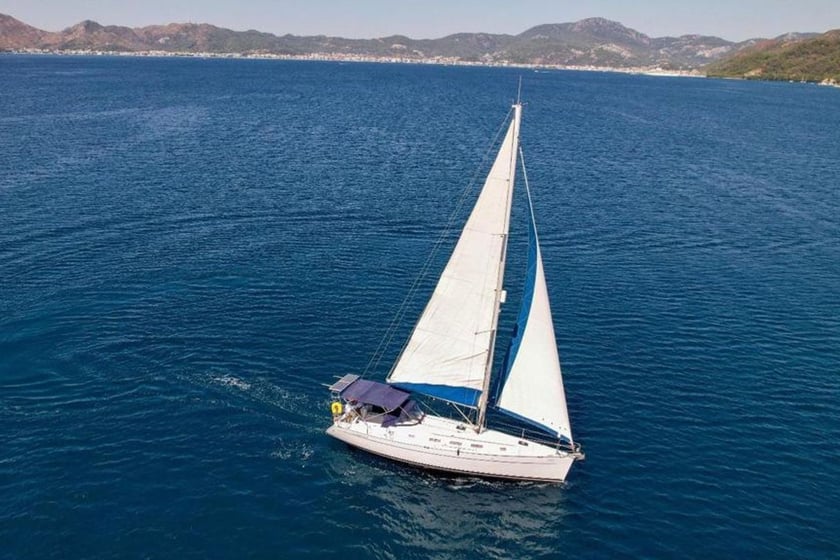
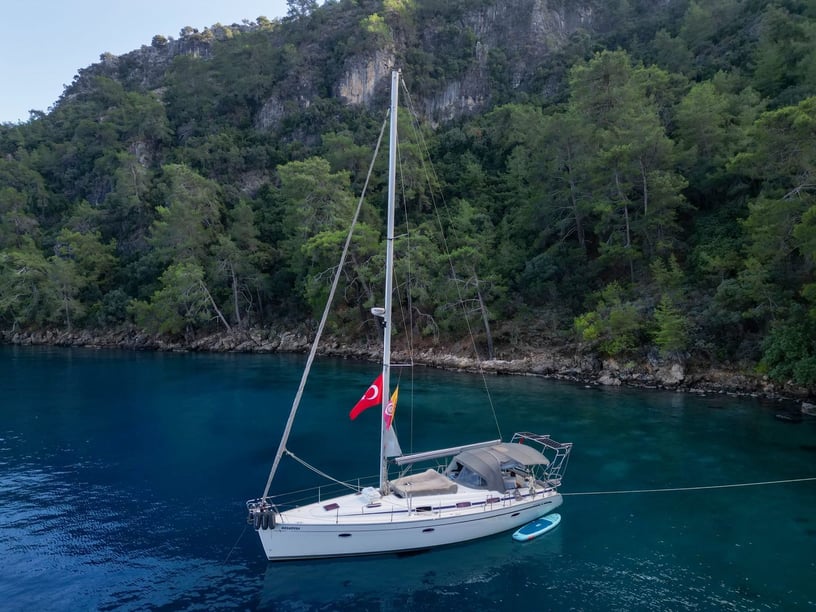
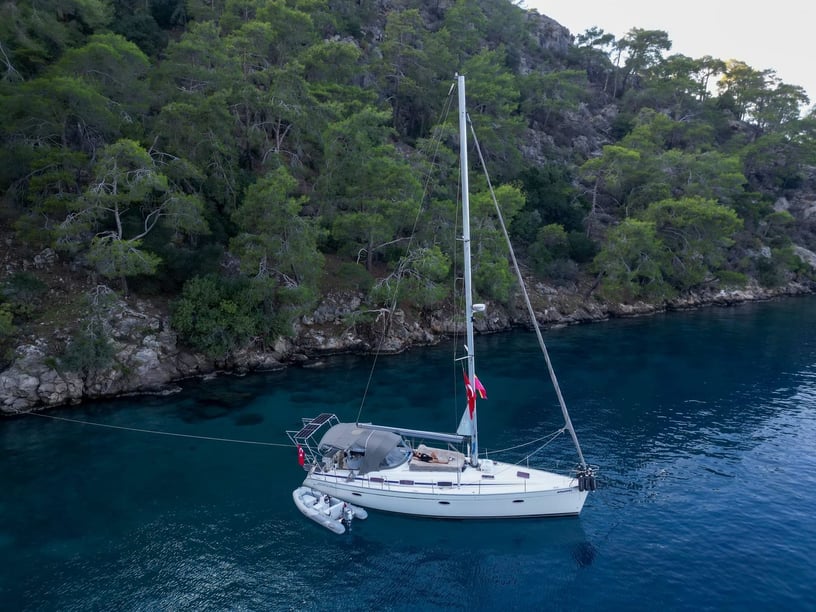
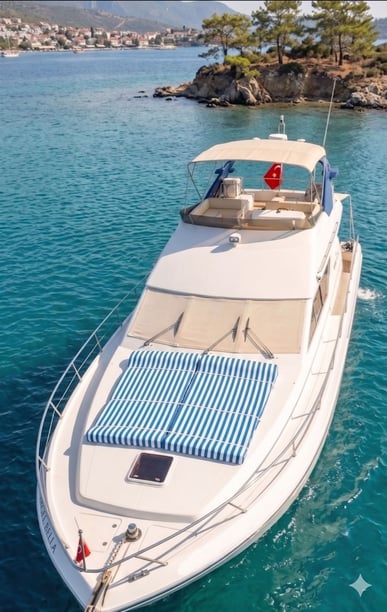
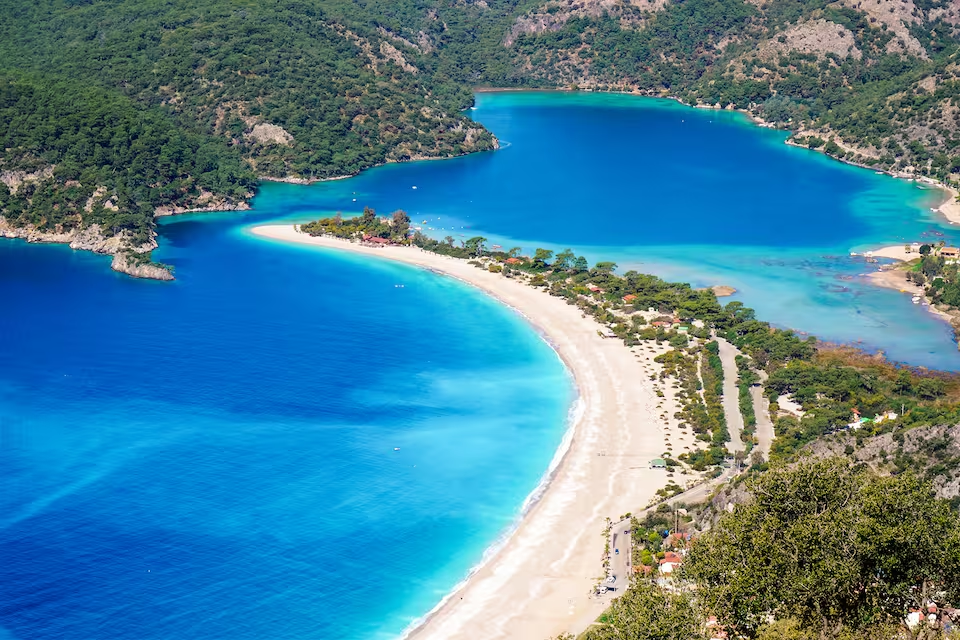
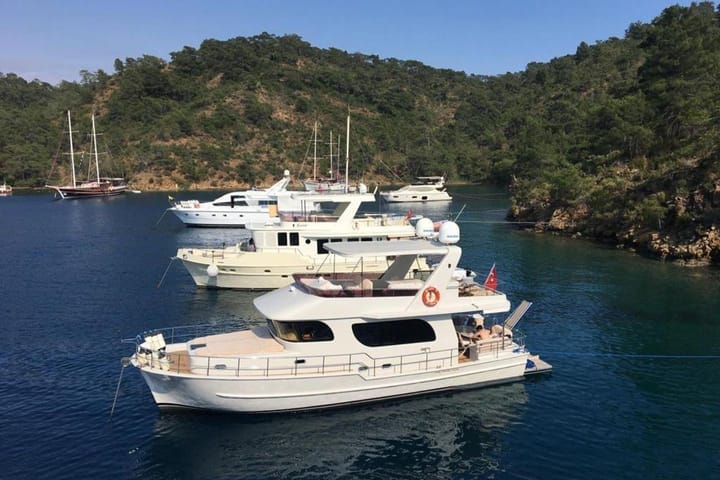
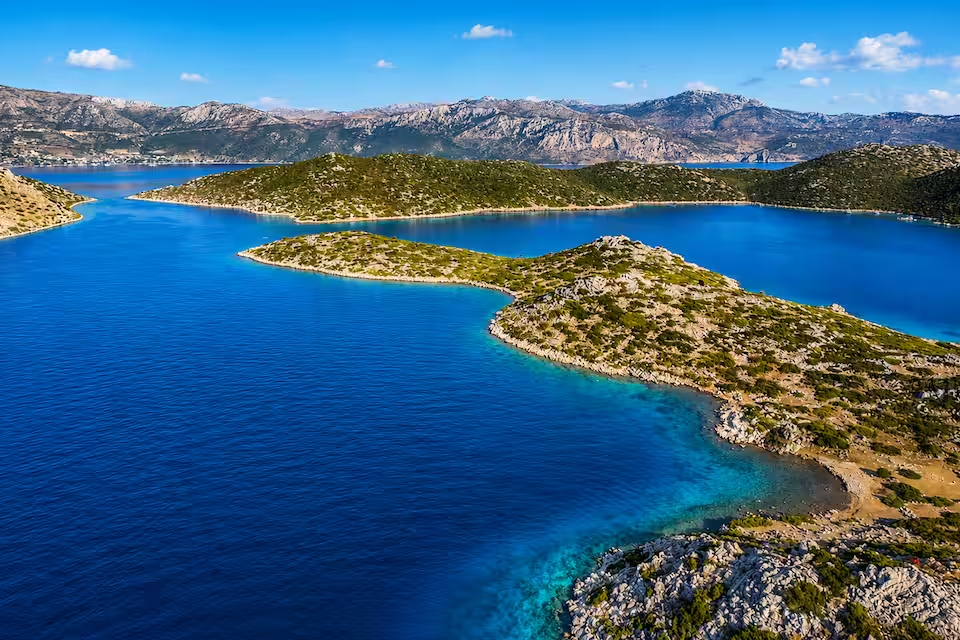
Along the Turkish coast, Bodrum, Datça and Marmaris lead into the Gulfs of Gökova and Hisarönü, as well as the Bozburun coast. Deep gulfs, intricate shores and pine-lined coves create more protected alternatives to the central Aegean. Farther north, Çeşme, Kuşadası and Ayvalık provide different starting points along the western Anatolian shore.
What sailing in the Aegean is like
The Aegean is not a single, uniform sailing ground. Within compact island groups, line-of-sight cruising can make the route feel intuitive, but passages between archipelagos may cross exposed water. Headlands, channels and gaps between islands can accelerate the wind, while open central areas may develop steep, short-period seas.
The defining summer wind is the northerly Etesian, commonly called the meltemi. It is usually strongest and most persistent in July and August, particularly across the Cyclades and the central and southern open Aegean. Strong gusts near headlands and harder northbound passages can make a fixed schedule impractical. Flexible routing and leeward alternatives are especially valuable here.
Travelers seeking a less exposed experience can focus on the Saronic or Pagasetic gulfs, the Sporades or the indented southwestern Turkish coast. These areas are generally more sheltered, although local gusts and squalls remain possible. Conditions should therefore shape the choice of cruising ground as much as the list of islands. Experienced crews may welcome the Cyclades’ more energetic sailing, while trips centered on swimming, anchoring and shorter passages may be better suited to enclosed gulfs and compact island circuits.
The best time for an Aegean yacht charter
Recreational cruising is concentrated from April or May through October. May, June and September generally offer the broadest balance of warm weather and manageable winds, making them particularly suitable for travelers who want both sailing and time at anchor.
July and August bring hot, dry weather and warm water, but they also coincide with the strongest meltemi conditions. This matters most in exposed areas such as the Cyclades, where route changes or delayed passages may be necessary. More sheltered gulfs and the Sporades can provide alternatives, though they are not immune to local wind acceleration.
October may remain suitable in the southern Dodecanese and along the nearby Turkish coast, while weather becomes less consistent farther north. Autumn and winter bring more variable winds, rain, frontal systems and stronger southerly episodes; winter is consequently outside the normal leisure-charter season.
Aegean routes and itinerary ideas
A western and central Cyclades circuit can begin at Lavrion and link Kea, Syros, Paros, Sifnos and Kythnos before returning to the mainland. The route combines varied island settlements with open passages, but it works best when the exact sequence can change with the forecast.
In the north, Volos or Skiathos can anchor a circuit through Skiathos, Skopelos and Alonnisos, with extensions into permitted parts of the marine park. This concentrates the journey within a greener and comparatively sheltered part of the Aegean.
From Kos, travelers can choose between the northern Dodecanese and a southern circuit toward Rhodes and Symi. On the Turkish side, a longer coastal journey can run from Bodrum through the Gulf of Gökova, Datça, the Gulf of Hisarönü and Bozburun to Marmaris. These are useful route frameworks rather than rigid schedules; passage length, wind direction and the desired balance between sailing and time ashore should determine the final plan.
History, nature and life ashore
An Aegean charter can alternate cruising with swimming in clear-water anchorages, meals in harbor settlements and visits to sites reflecting several millennia of maritime history. Delos preserves one of the region’s major island sanctuaries, Patmos combines its monastery with the Cave of the Apocalypse, and Rhodes Town layers Gothic, Ottoman and Italian heritage around an active harbor. Near Kuşadası, Ephesus recalls an ancient port whose shoreline changed as the estuary shifted.
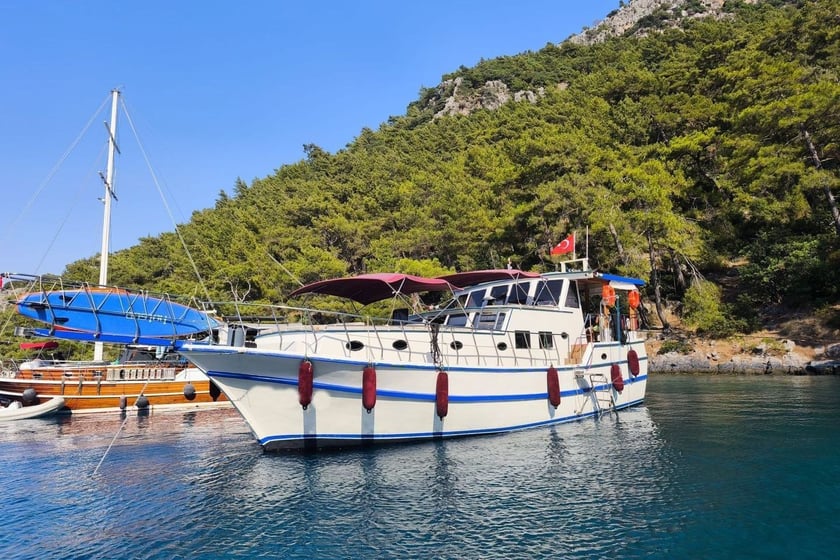
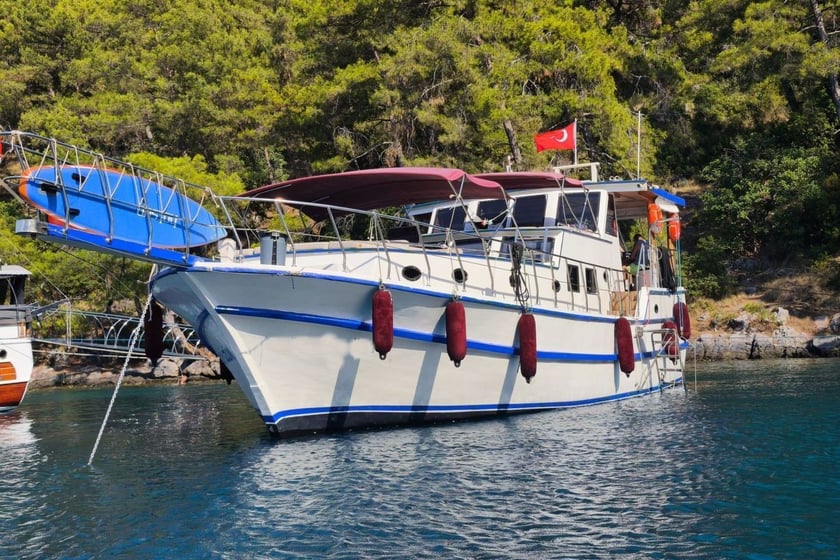
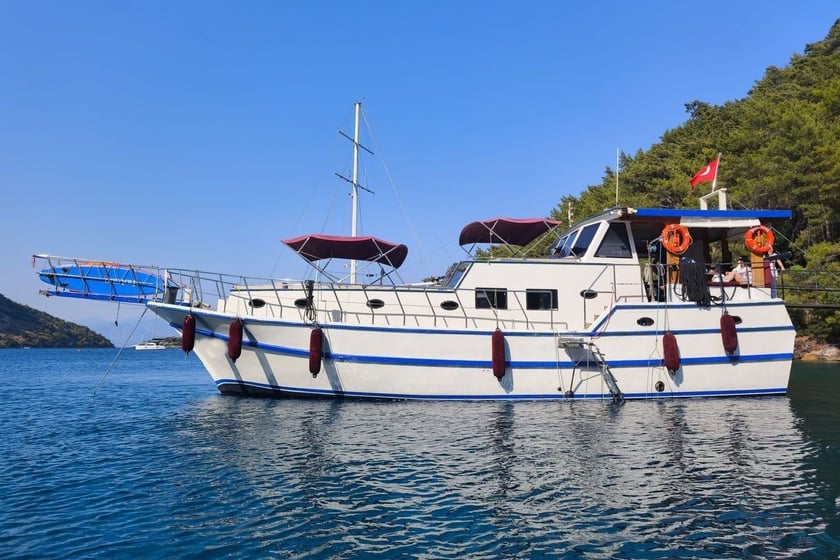
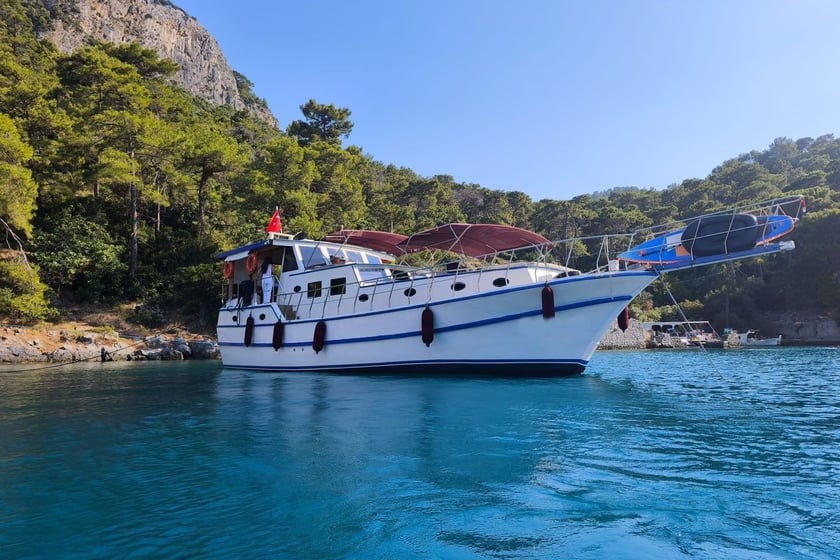
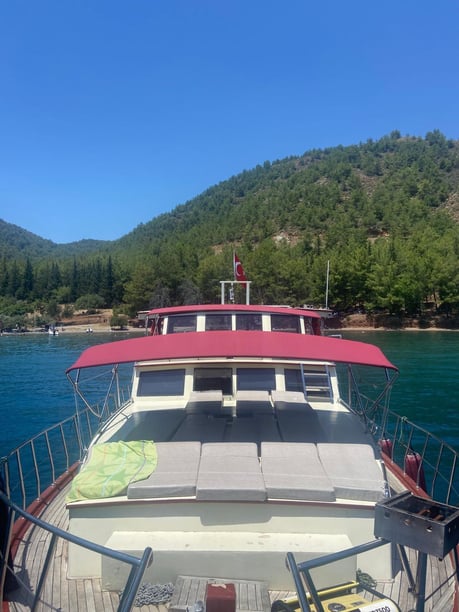
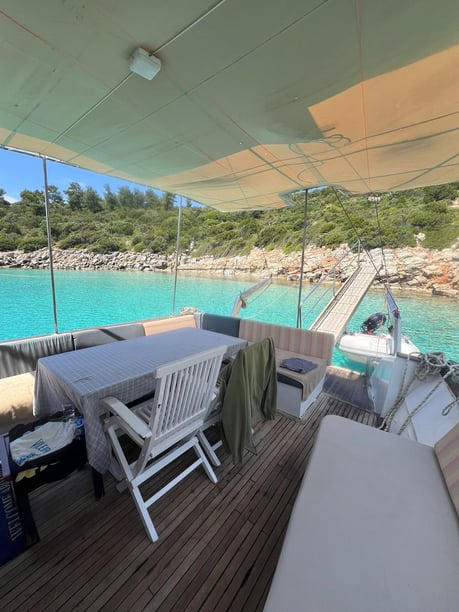
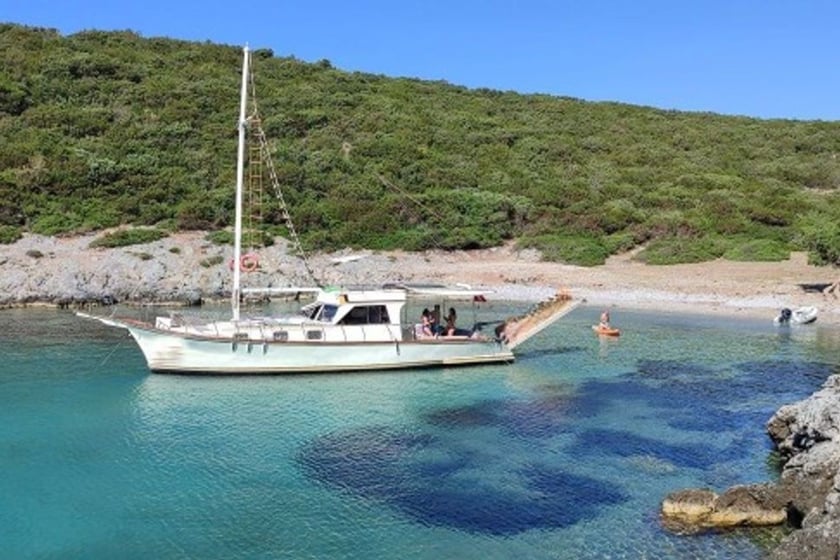
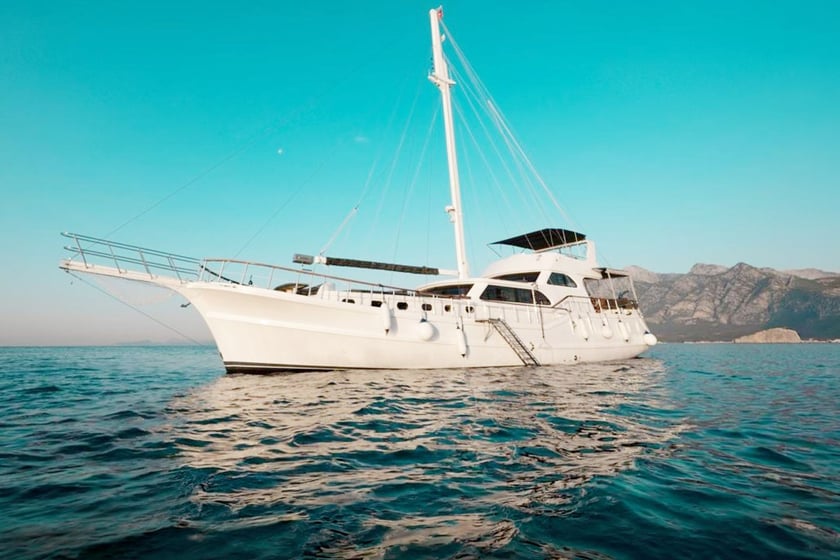
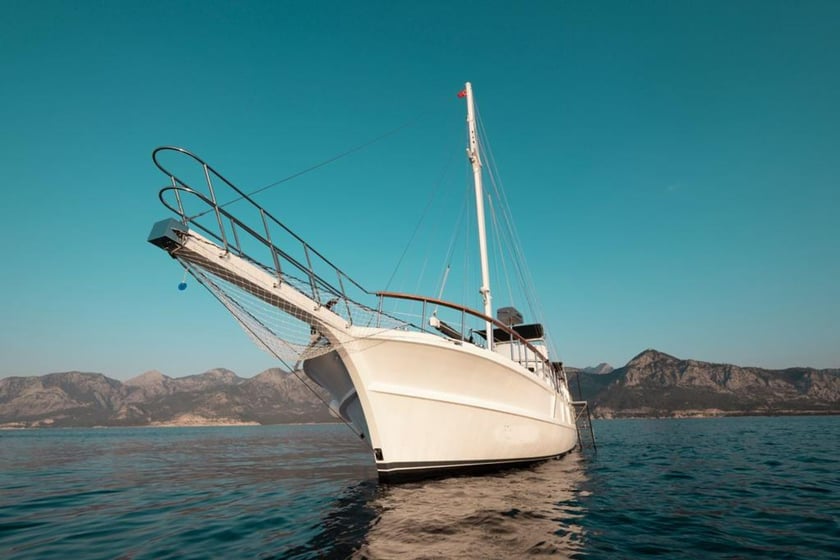
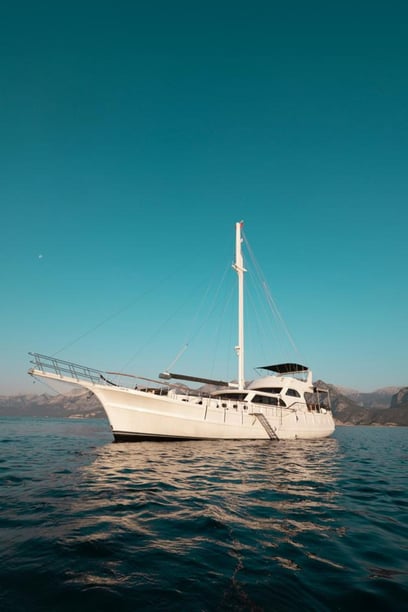
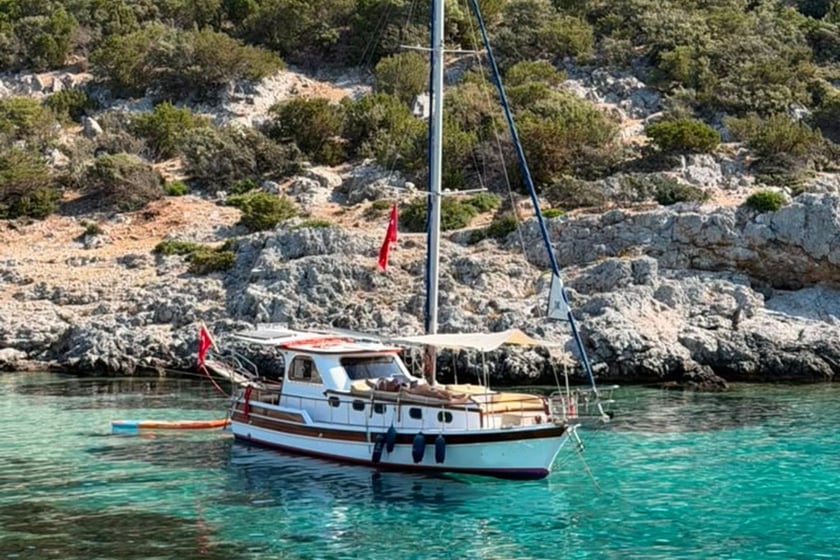
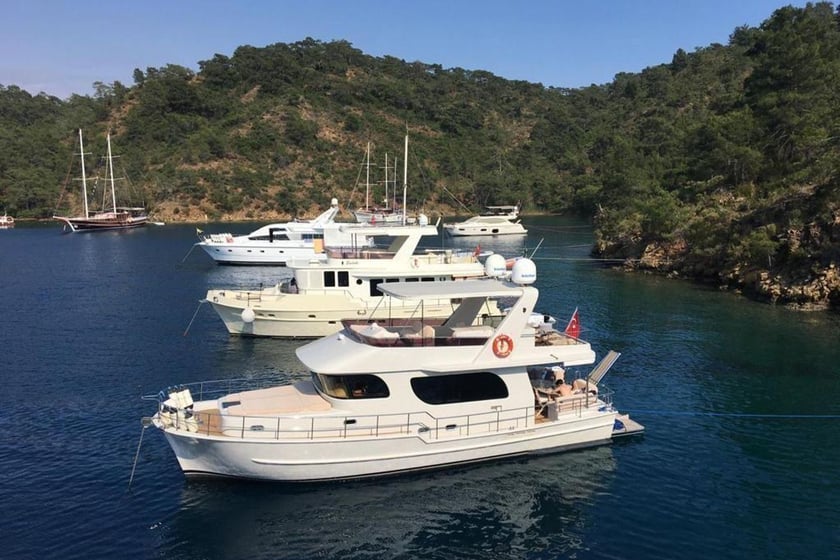
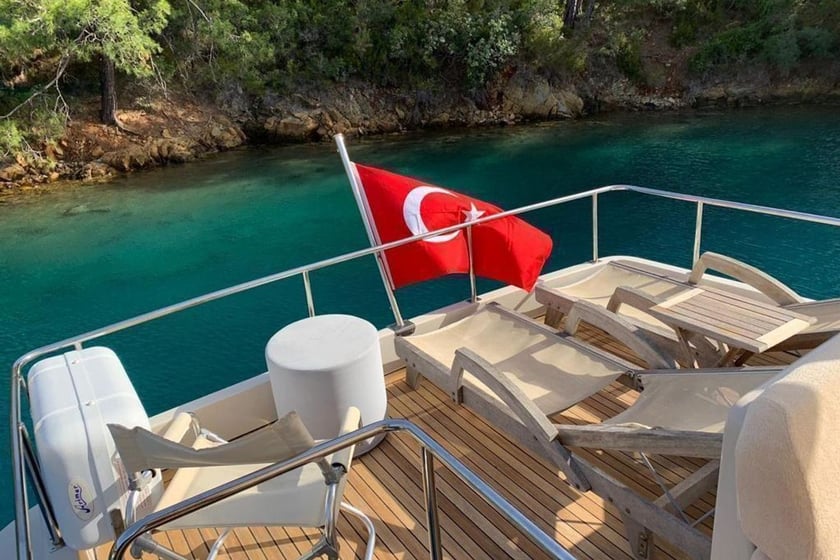
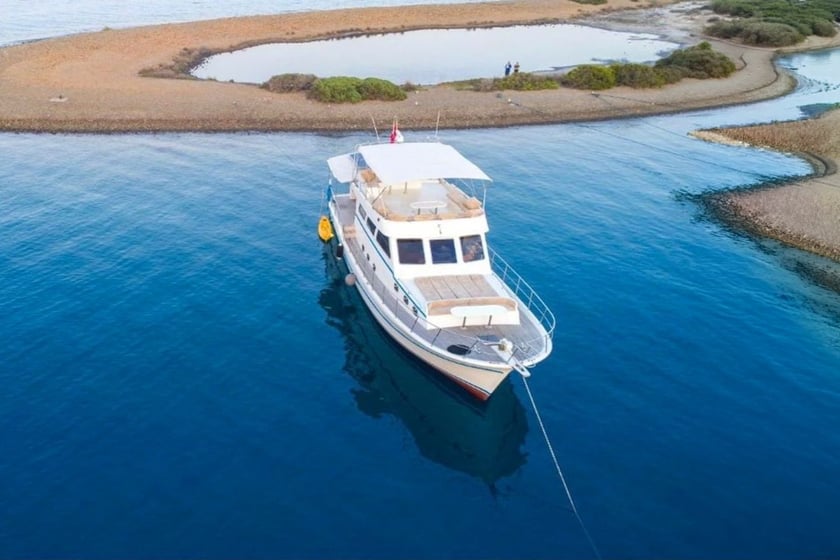
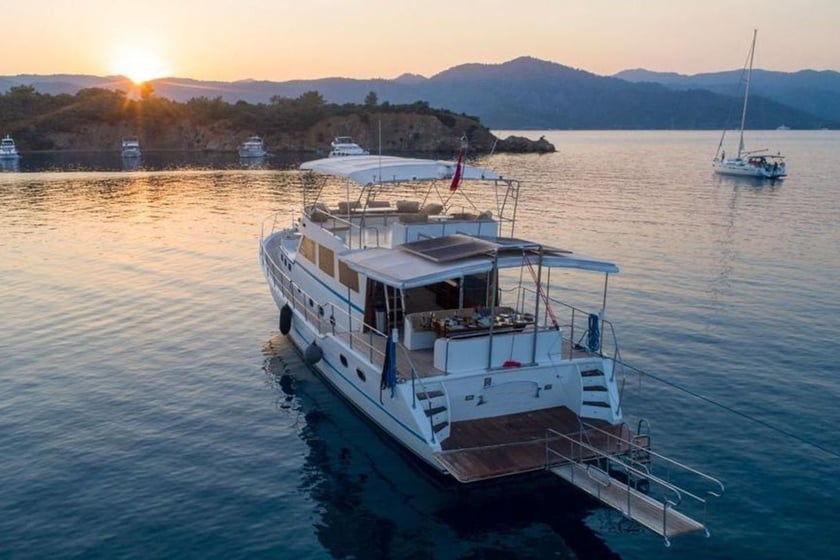
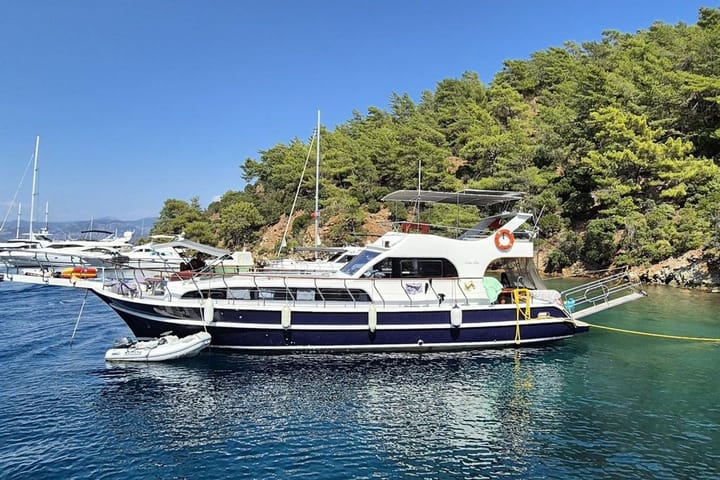
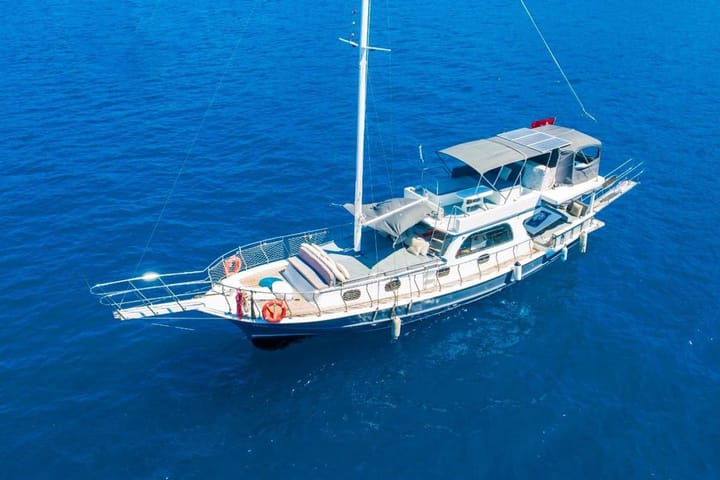
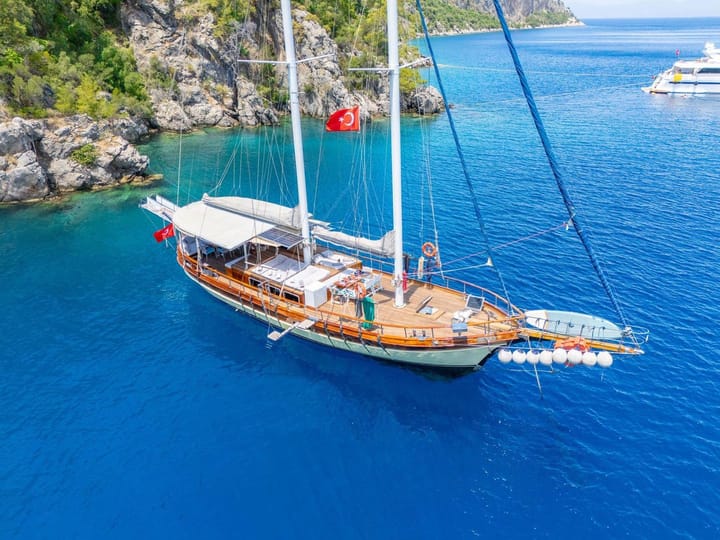
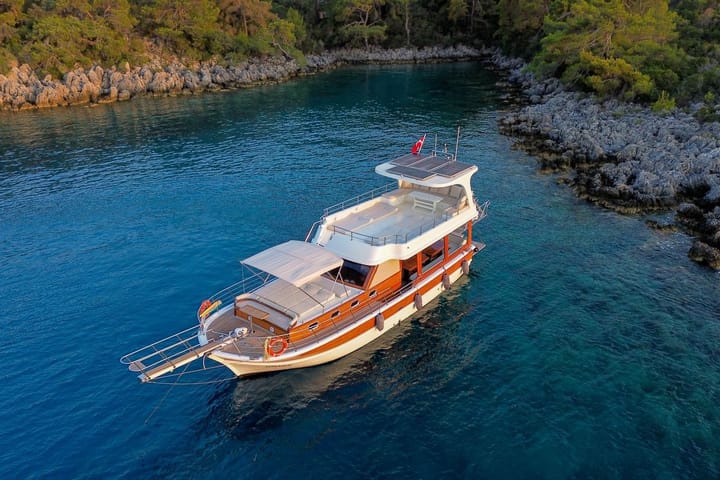
The landscapes vary as much as the history. Santorini, Milos and Nisyros show the Aegean’s volcanic character, while the Sporades are greener and include protected habitat associated with the Mediterranean monk seal. On the southwestern Turkish coast, wooden gulets and the Blue Voyage tradition connect coves with archaeological sites around Bodrum, Gökova, Datça and Marmaris. Travelers interested in that style of journey can explore gulet charters in the Aegean.
Food ashore commonly draws on seafood, olive oil, legumes, capers, aromatic herbs and regional goat- and sheep-milk cheeses. These local differences give each harbor stop its own character without requiring an itinerary packed with formal sightseeing.
Reaching the main departure bases
Athens is the principal gateway for charters beginning around Piraeus, Alimos Marina and Lavrion, with public transport from Athens Airport toward Piraeus and Lavrion. Ferries also connect mainland ports with many islands. Volos and Skiathos serve the Northern Sporades, while island airports on Mykonos, Santorini, Kos, Rhodes, Samos and Lesbos can shorten the journey to more distant cruising areas.
On the Turkish coast, İzmir Airport supports access to Çeşme and Kuşadası, Milas–Bodrum Airport serves Bodrum and surrounding bases, and Dalaman is relevant for Datça and Marmaris. Road transfers connect these airports with coastal departure points.
The right base should be chosen for the intended cruising area, not simply for the cheapest flight. Starting close to the target islands or gulf can preserve more of the charter for swimming, sailing and time ashore rather than long positioning passages.
Planning your charter
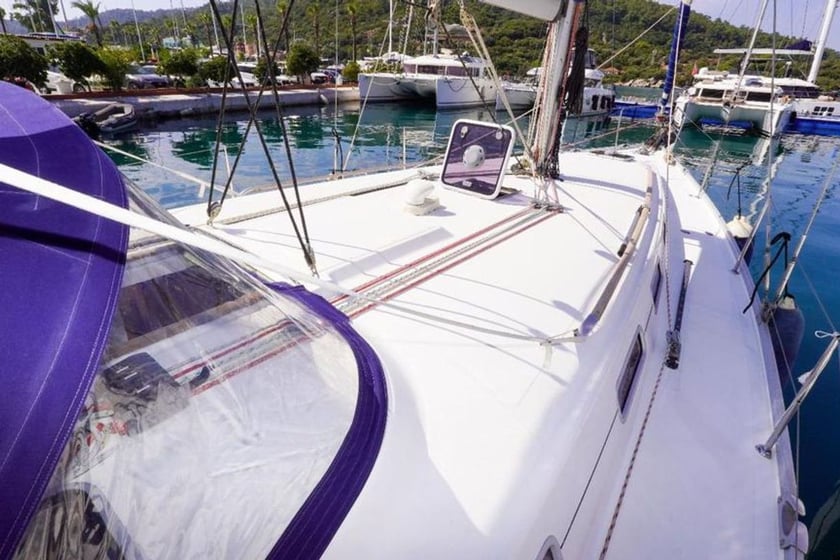
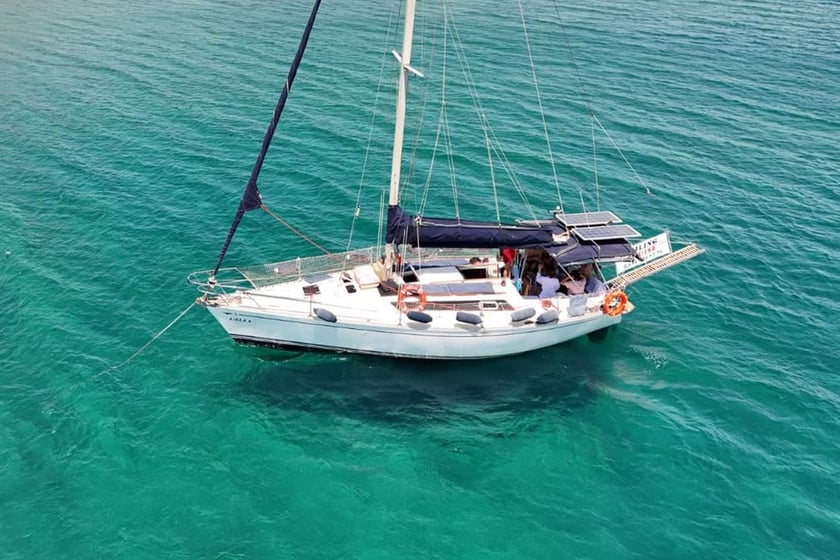
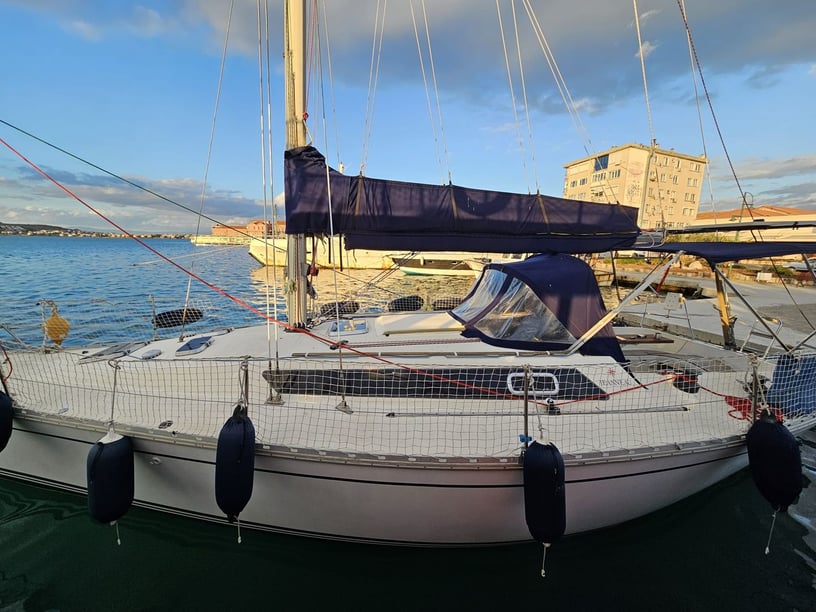
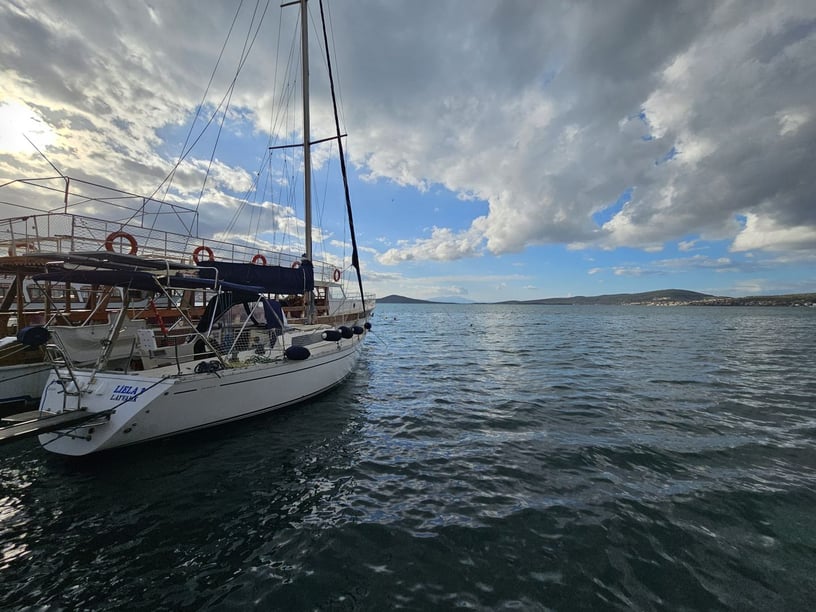
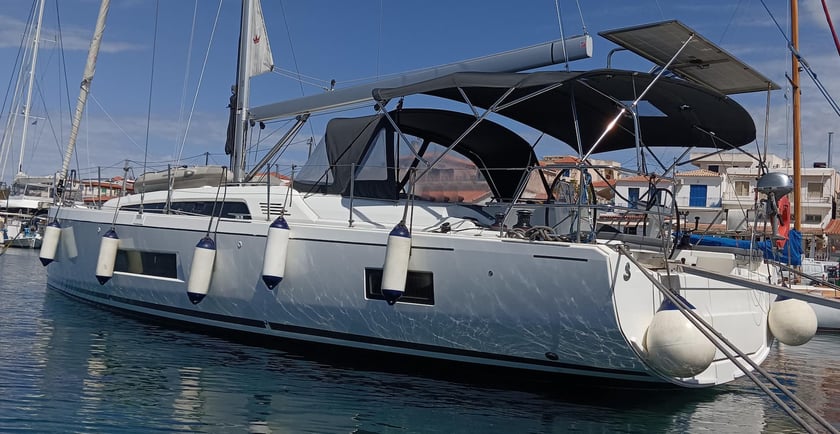
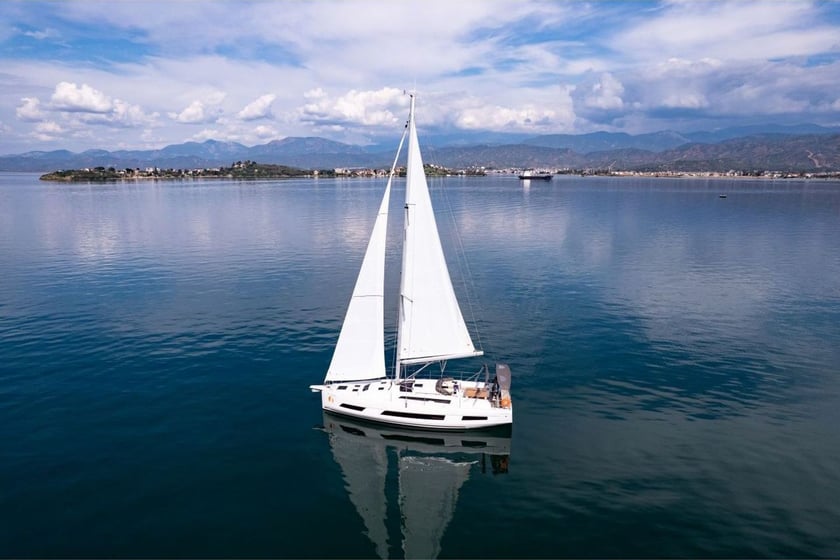
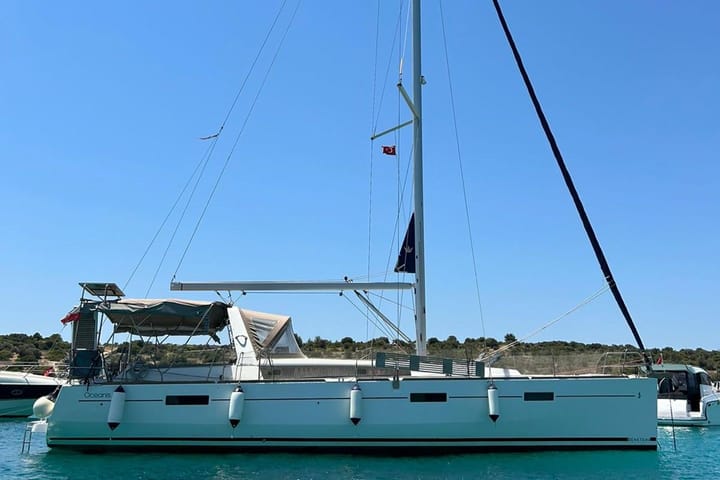
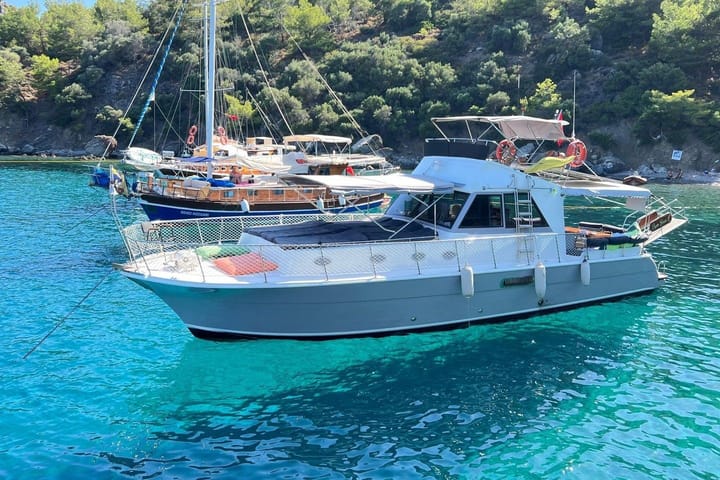
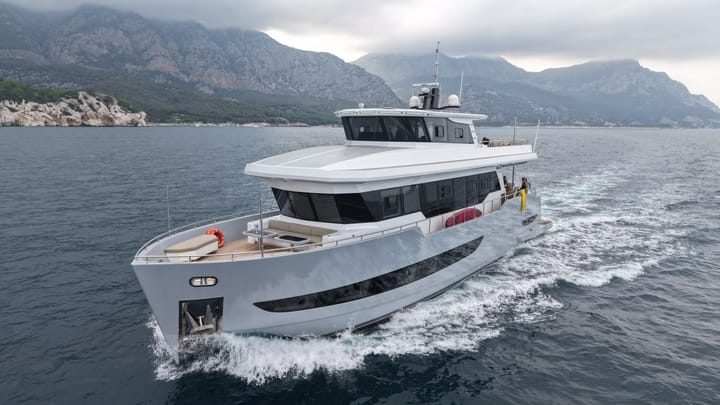
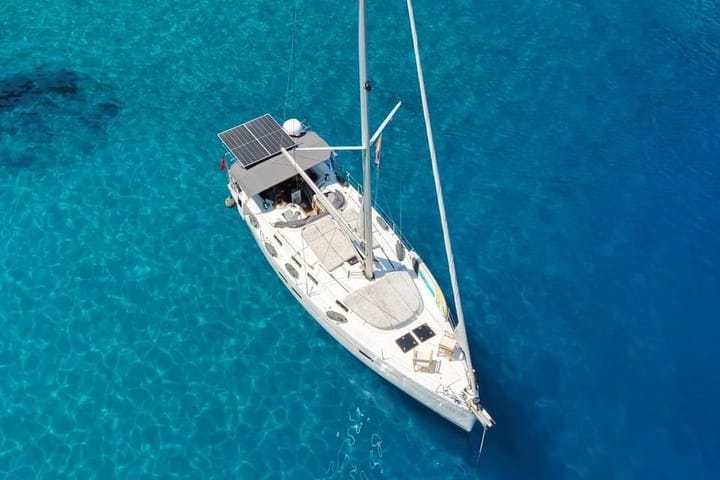
For travelers comparing a yacht charter or boat rental in the Aegean, the first decision should be the cruising ground. Consider preferred passage lengths, tolerance for exposed conditions and how much of each day should be devoted to sailing rather than anchoring or going ashore. Those researching different styles can compare dedicated information on Aegean sailboat charters, catamaran charters and other yacht categories without assuming that every format suits every route.
Full-service marina infrastructure is concentrated at major bases. Many island stops instead use municipal harbors, town quays or anchorages, so expectations should reflect the itinerary. Current forecasts from the Greek or Turkish meteorological service are essential before passages, particularly during meltemi periods.
Crossing between Greek and Turkish waters is an international voyage. It requires clearance through authorized entry and exit ports and compliance with current customs, immigration and vessel-document rules. Protected areas also need advance attention: the Northern Sporades marine park has zones with specific access and activity restrictions. Building flexibility into the route is the most useful planning principle across the Aegean, where wind exposure and distances can differ sharply from one cruising area to another.























Verified
Soner Mithat G.22 Sep 2026
We were very pleased with our boat holiday. We had a wonderful time, thanks in particular to our captain's attentiveness, friendly demeanor, and professionalism. The crew was also very helpful in ever...
Listing owner: Rasim Bora Bodrum / Turkey