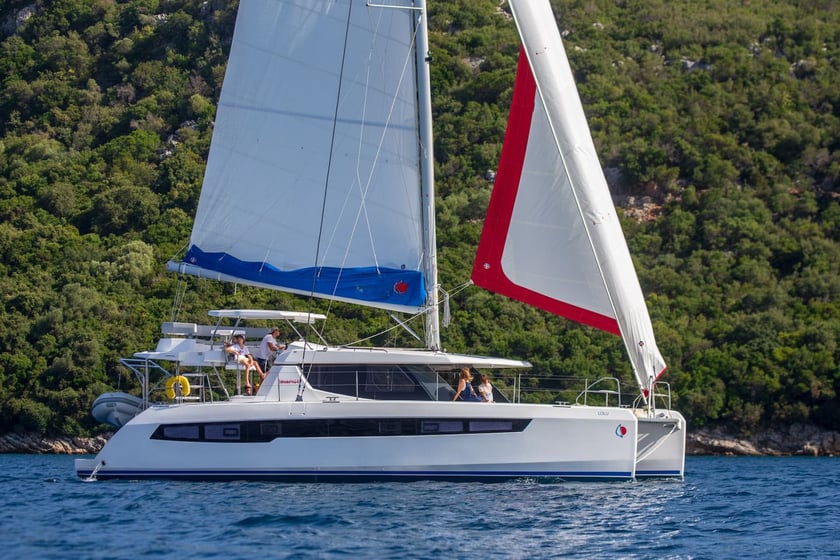
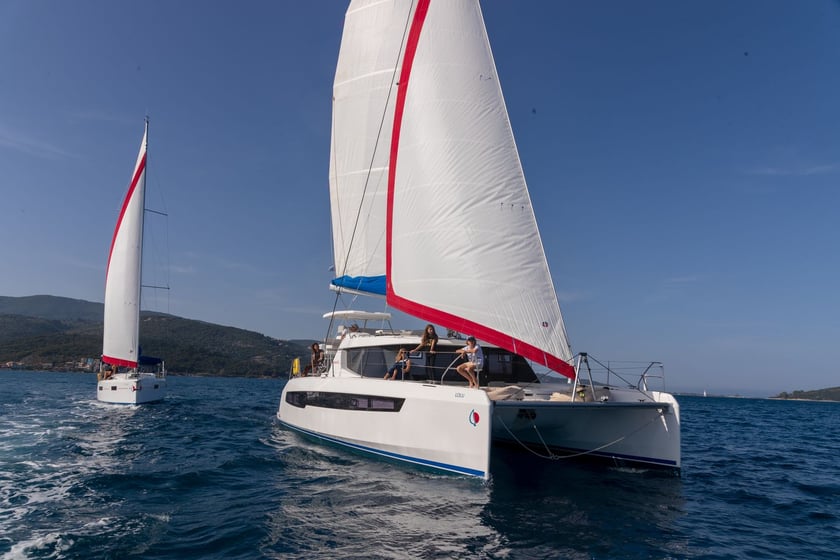
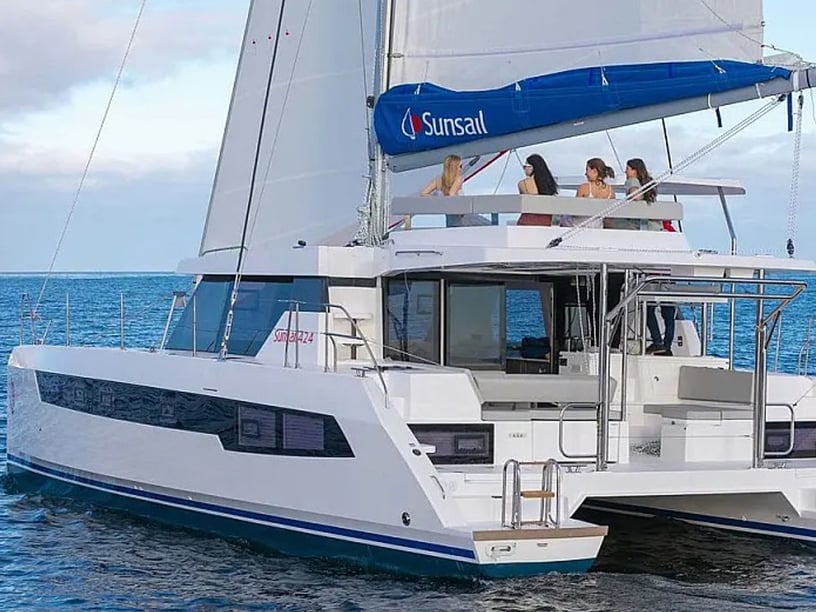
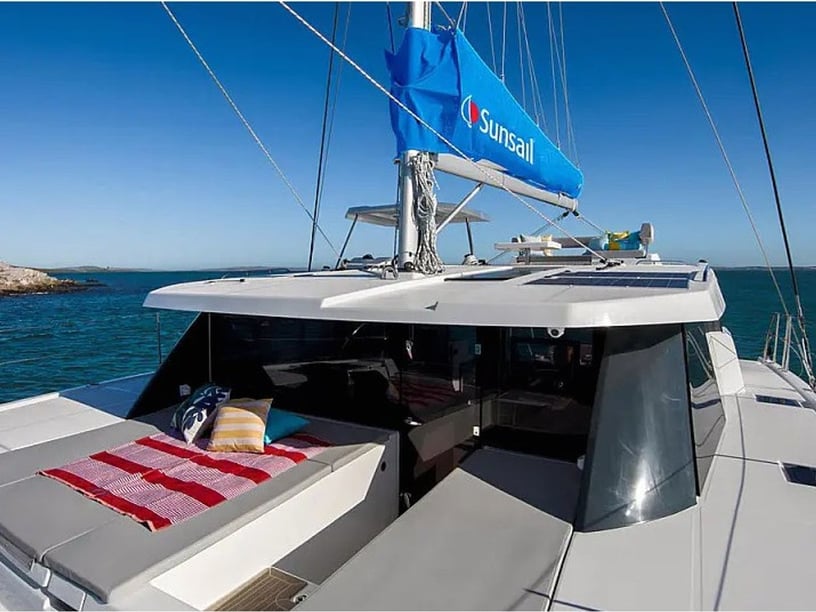
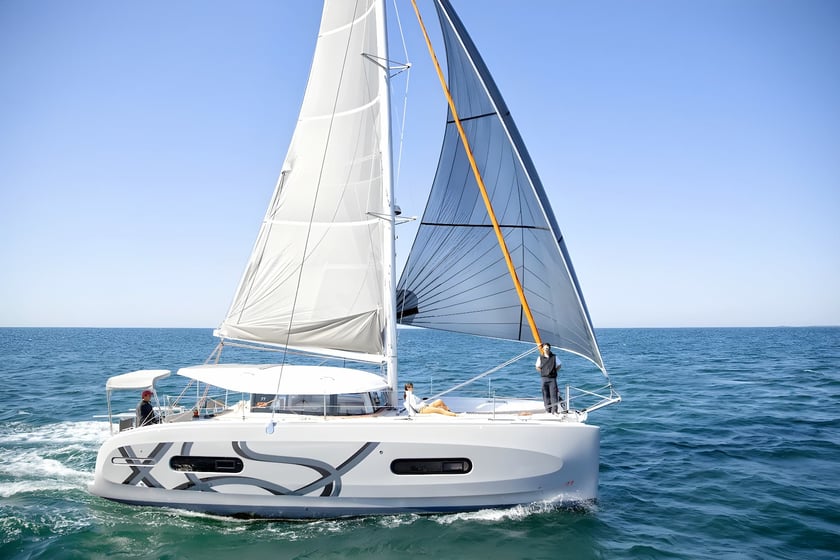
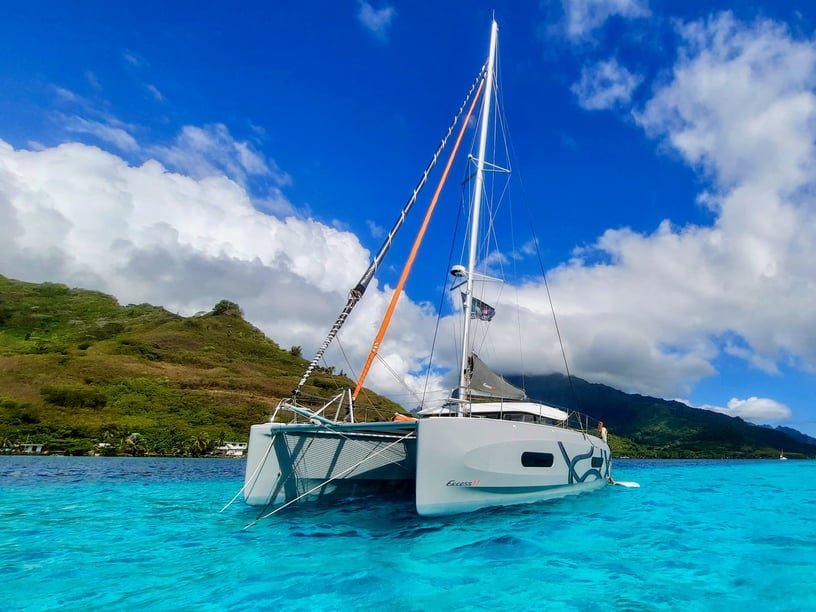
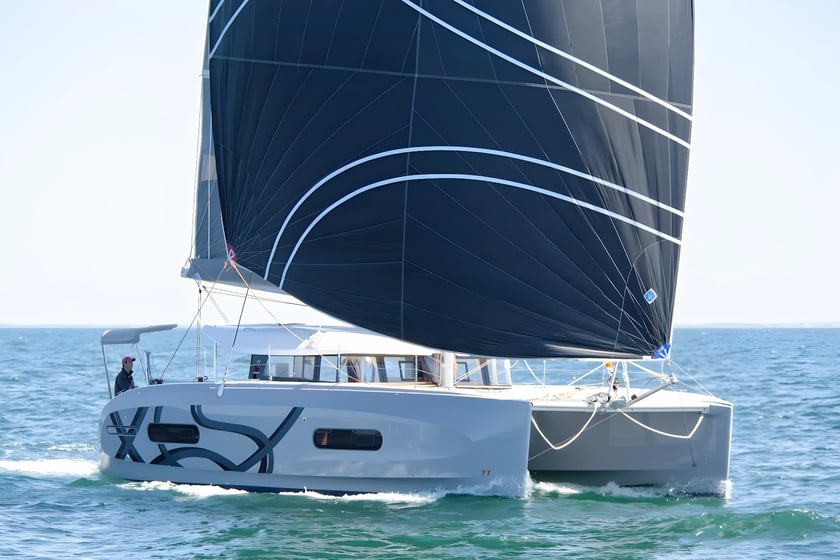
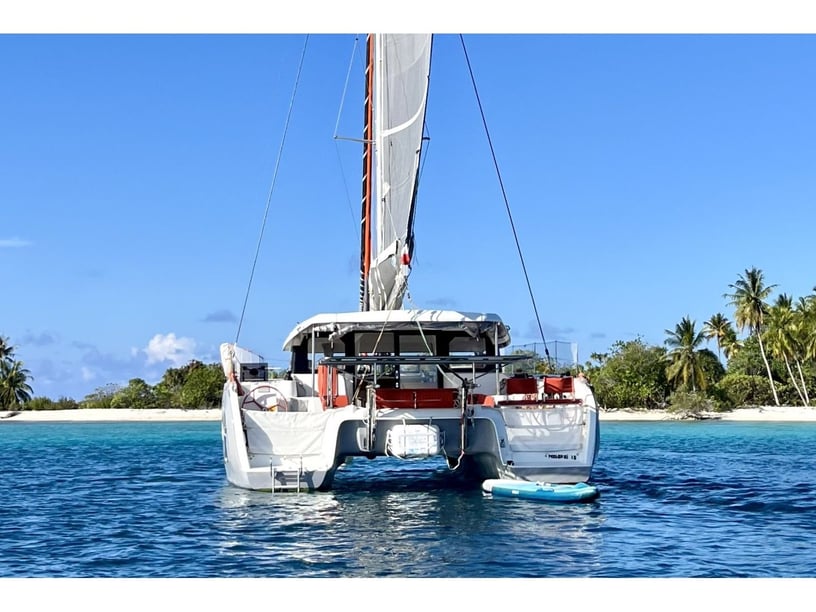
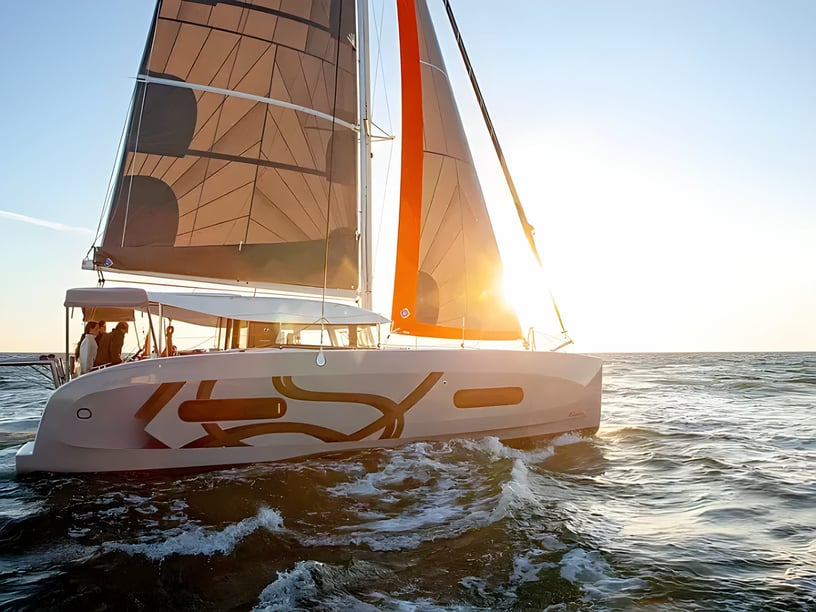
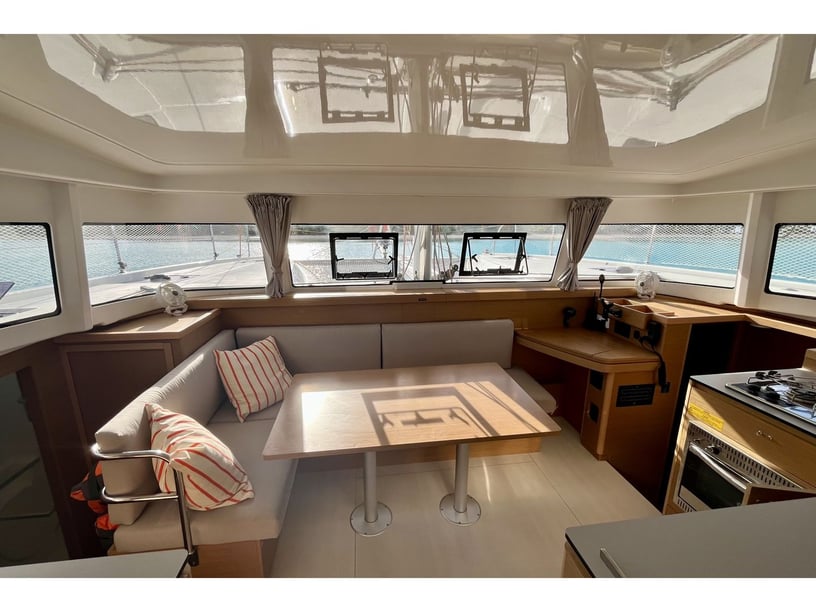
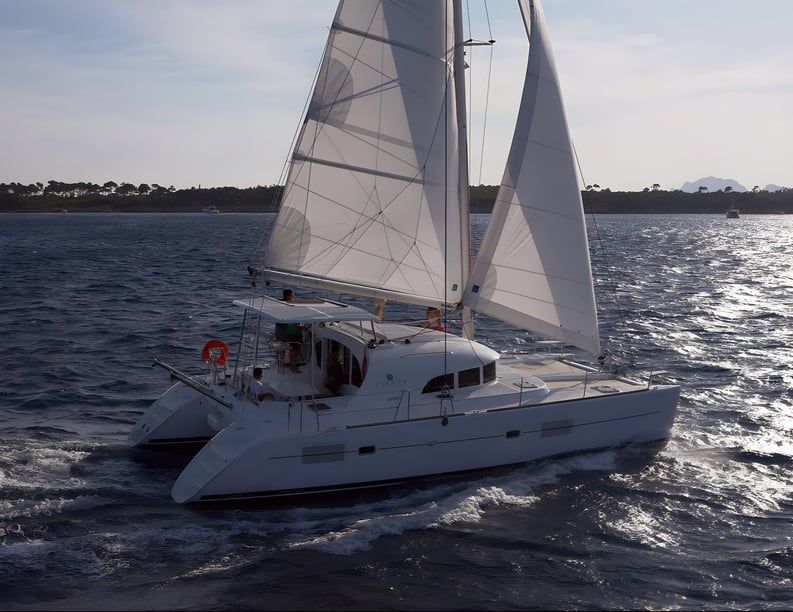
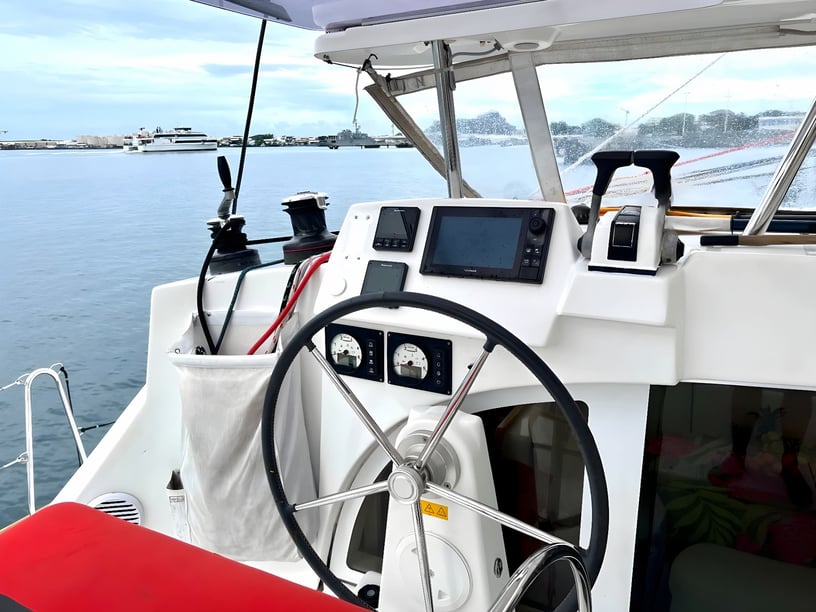
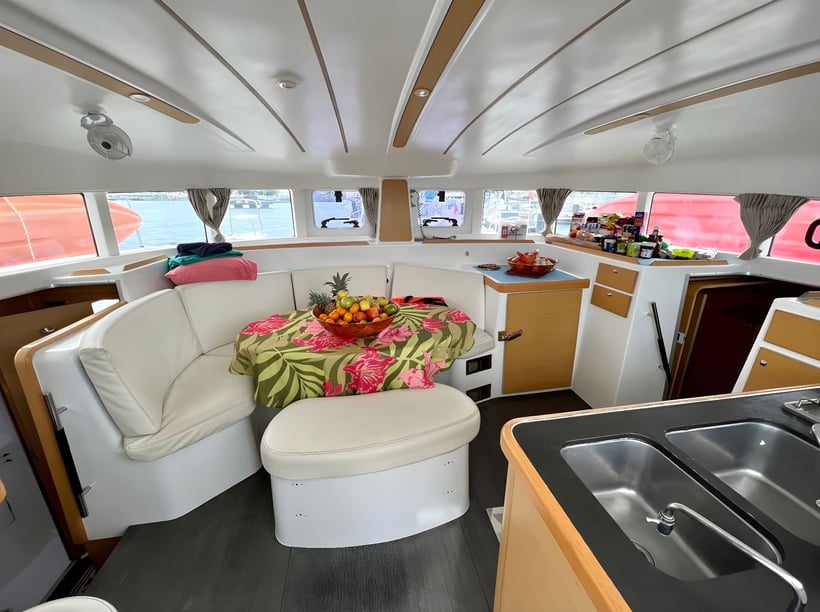
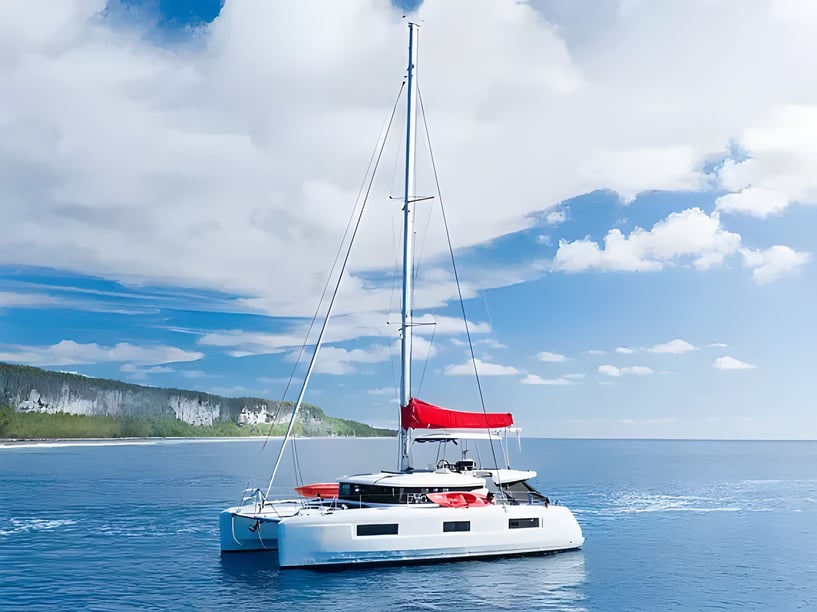
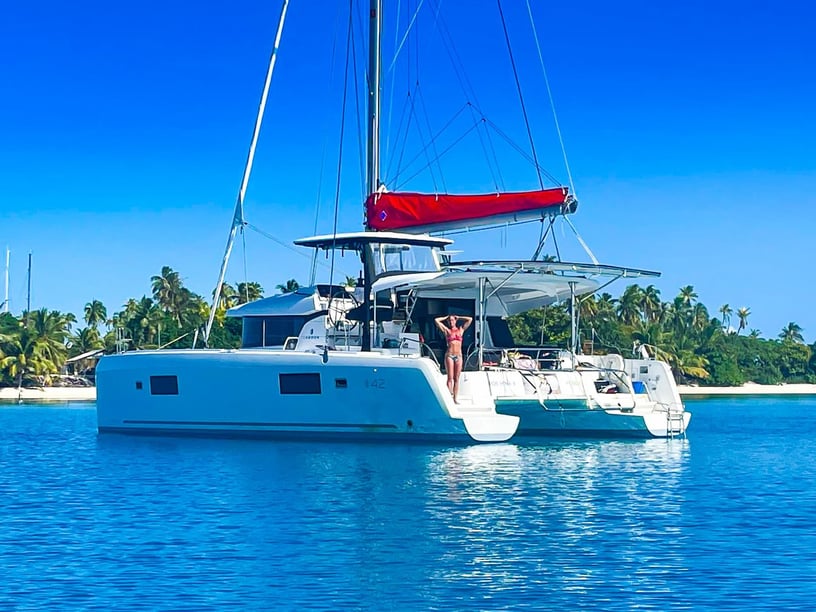
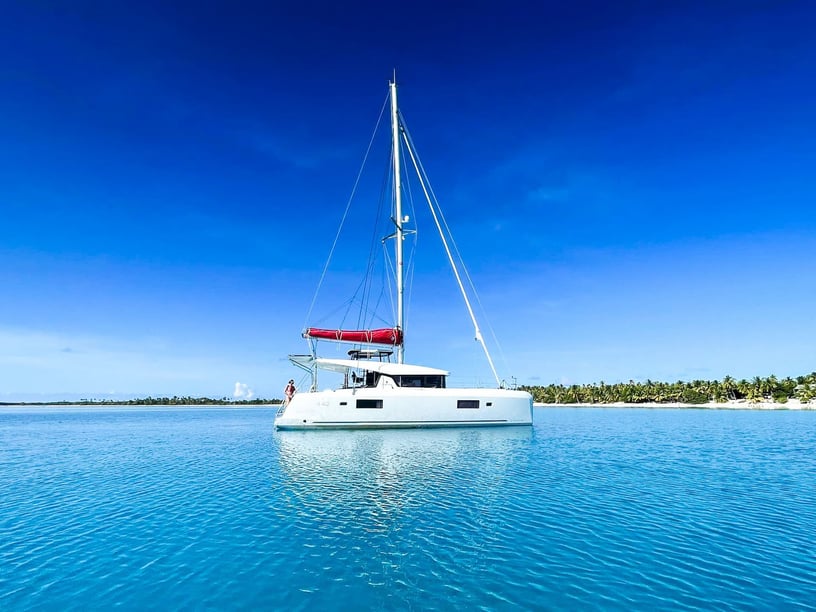
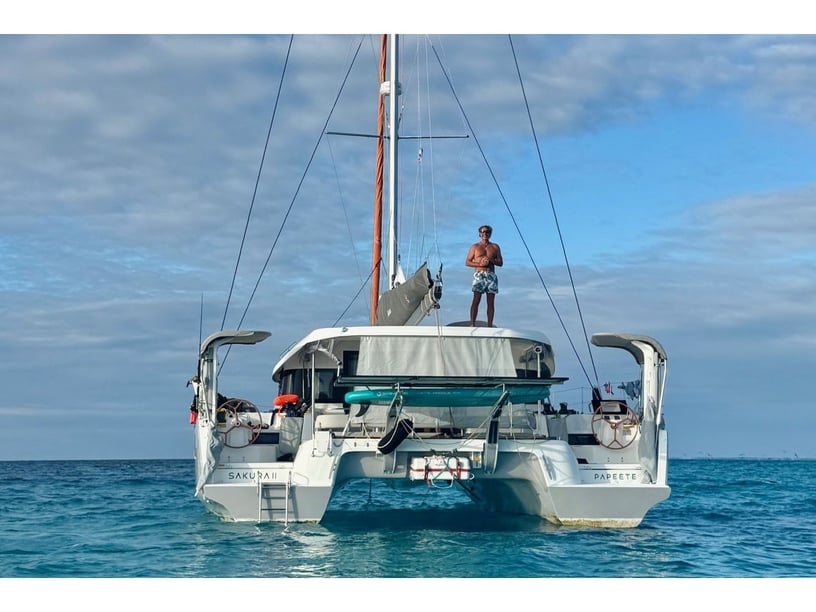
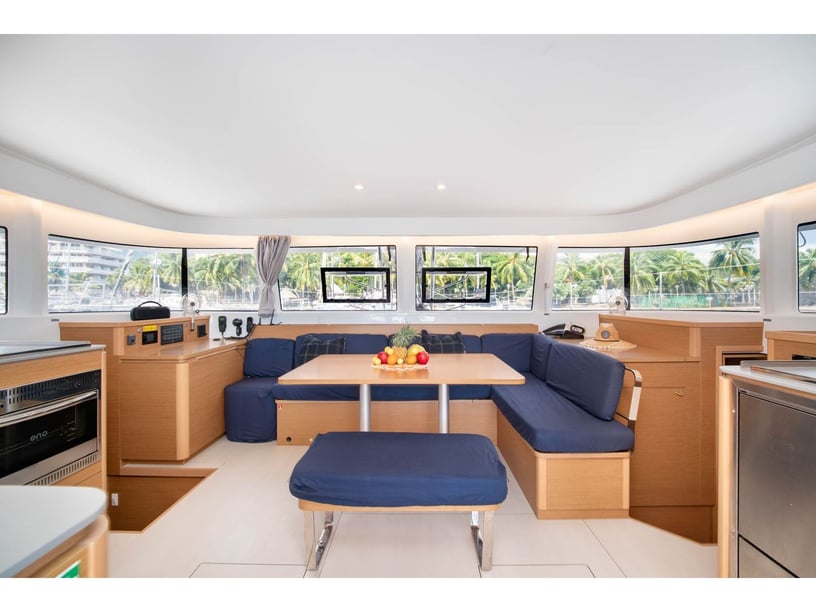
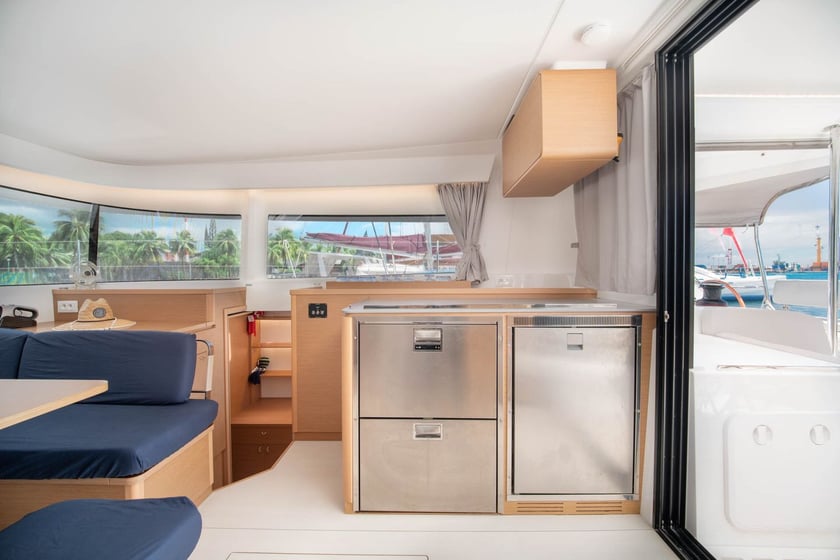
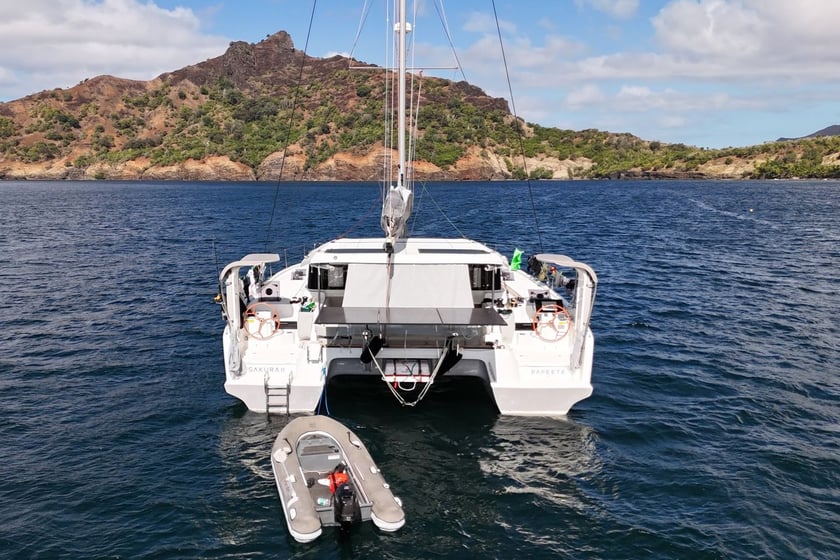
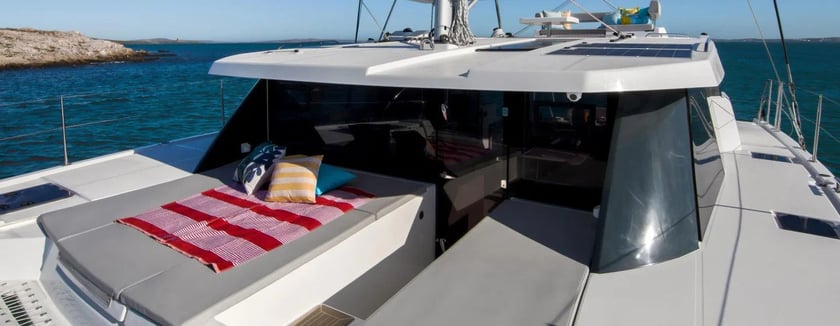
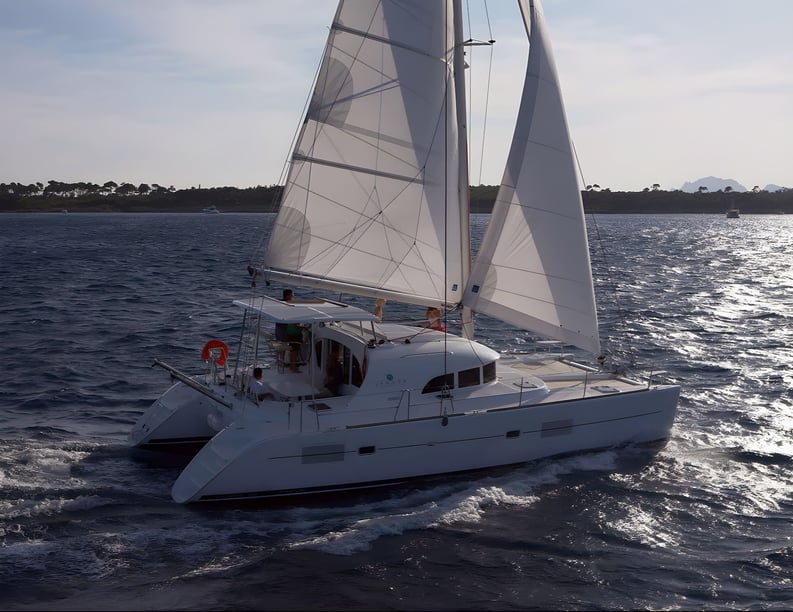
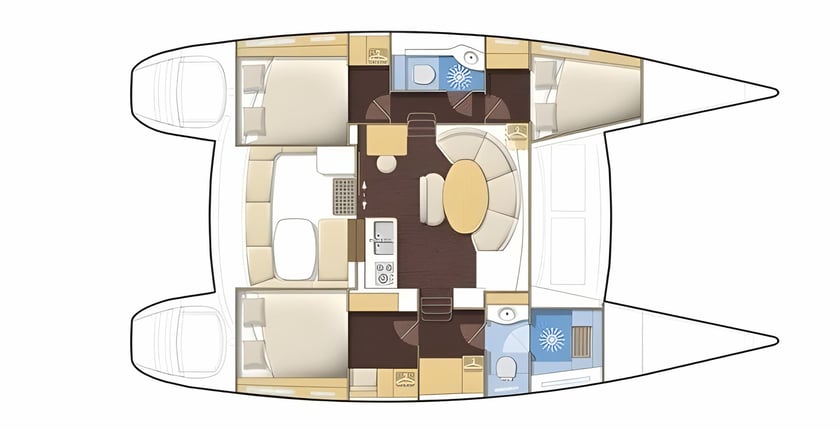
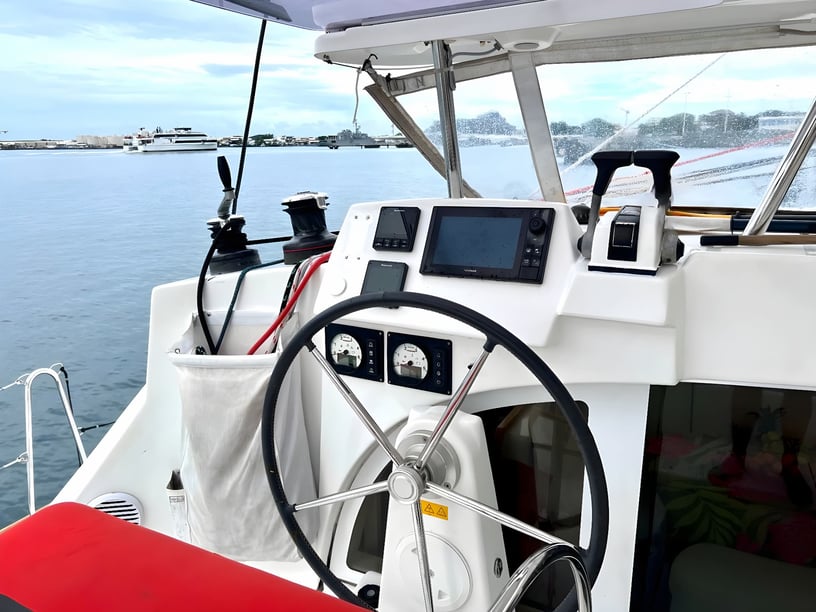
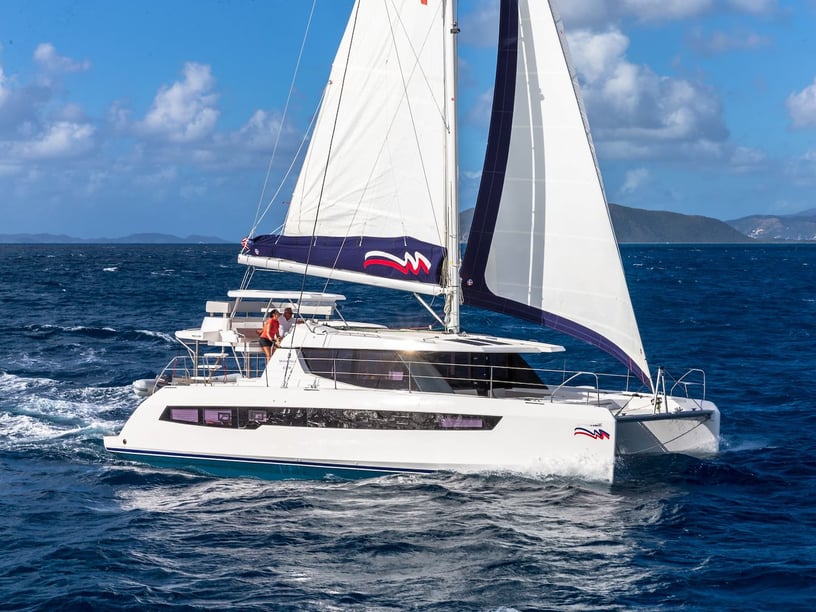
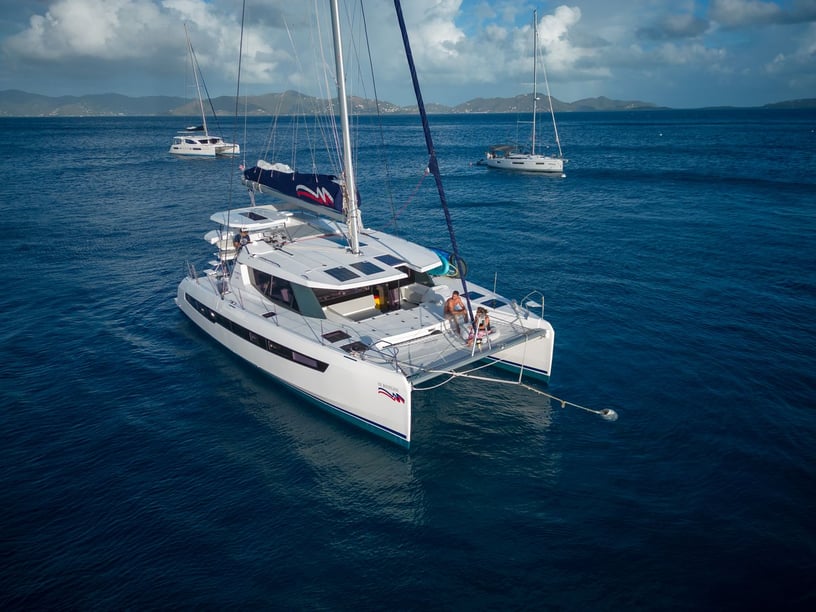
Yacht charter across the South Pacific and Oceania
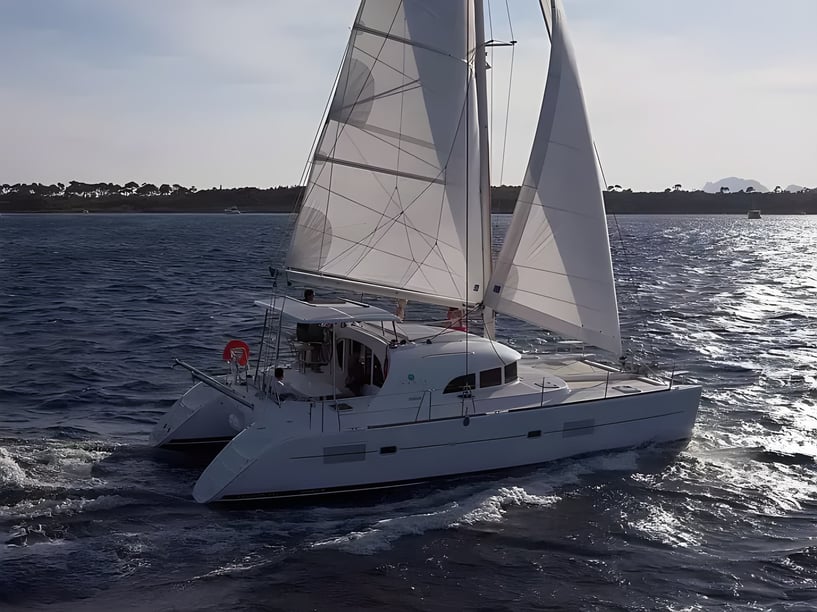
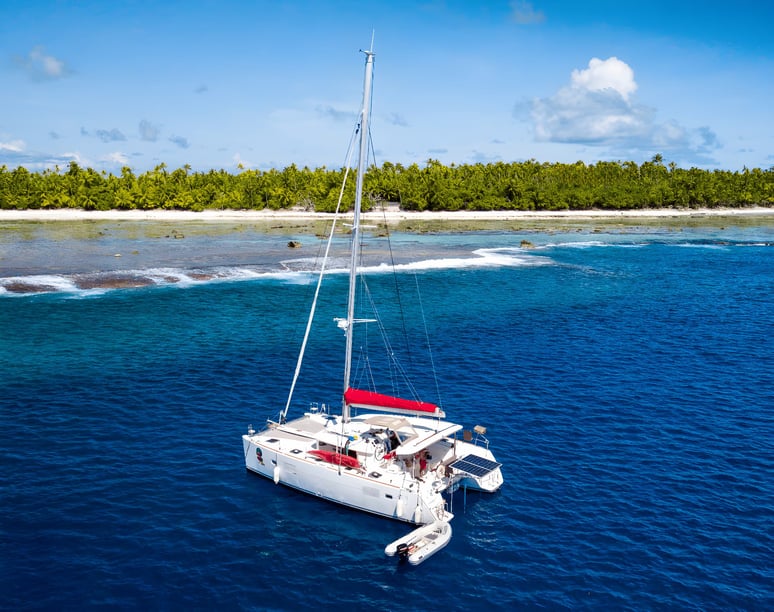
A yacht charter in the South Pacific and Oceania can take many different forms. The region spans Australia, New Zealand and the island groups of Melanesia, Micronesia and Polynesia, combining continental coastlines with volcanic islands, coral atolls, barrier reefs and temperate archipelagos. It is therefore better understood as a collection of distinct cruising grounds than as one uniform destination.
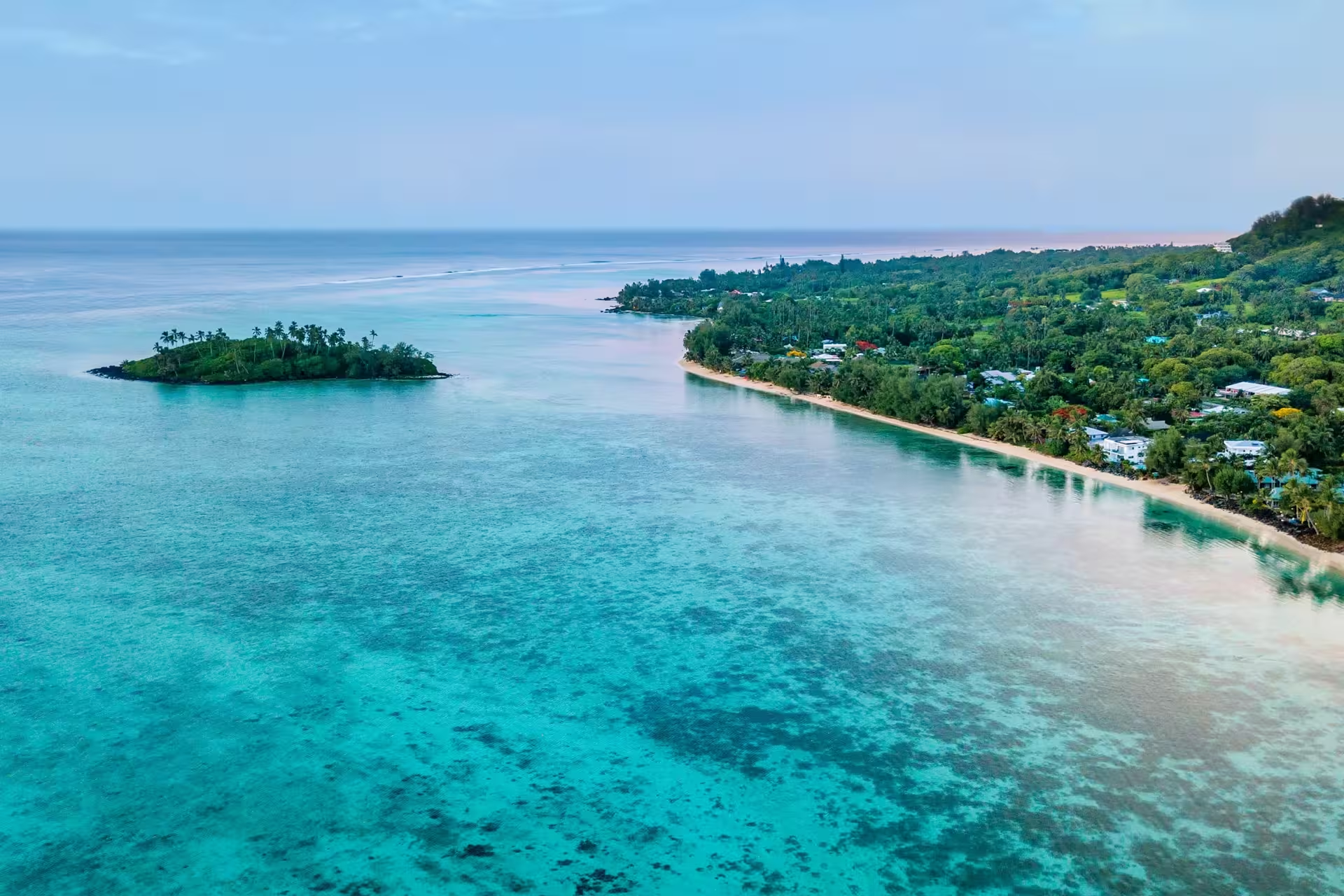
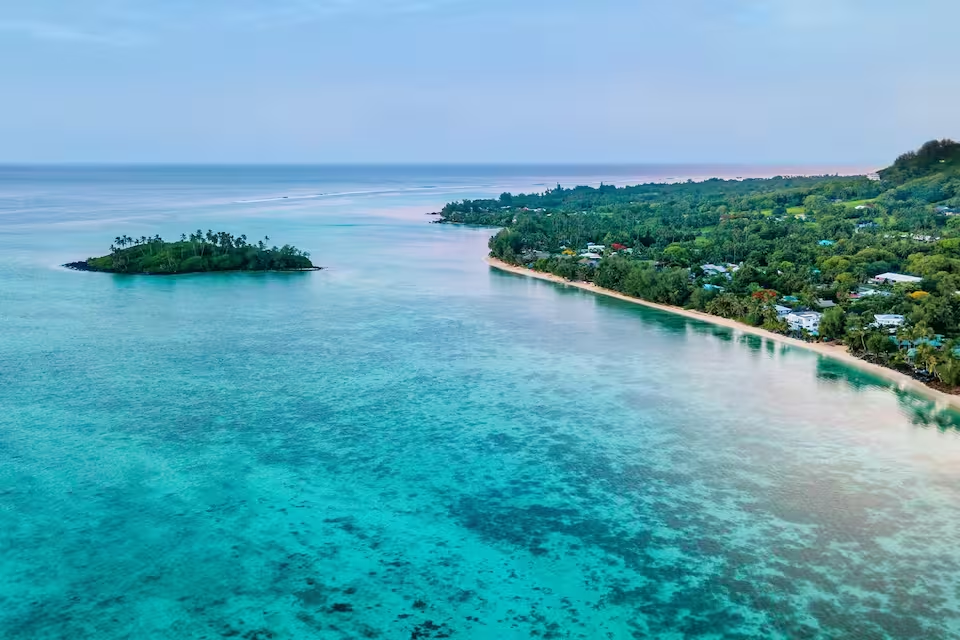
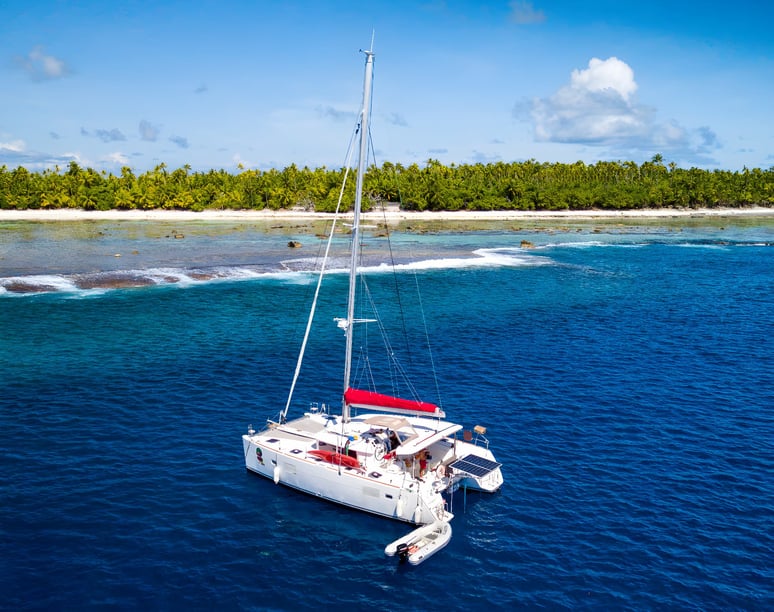
Compact areas such as the Whitsundays, the Society Islands, western Fiji, Vavaʻu and New Caledonia allow itineraries to move between anchorages without committing to long ocean passages. Elsewhere, remote atolls, exposed coastlines and journeys between island groups demand greater experience, weather awareness and self-sufficiency. This range lets travelers choose between sheltered lagoon cruising, beach- and reef-focused island hopping, and more ambitious sailing through open water.
Exploring by yacht also reveals how closely the region’s communities are connected to the ocean. Traditional canoe building, wayfinding and long-distance voyaging remain important parts of Pacific cultural identity, while many contemporary routes still follow natural corridors between reefs, islands and protected bays.
Principal cruising areas
The Whitsunday Islands are among the most compact cruising grounds in Australia. Trips commonly begin at Airlie Beach or Hamilton Island and combine Whitsunday Island, Whitehaven Beach, Hook Island and nearby reef or snorkeling sites. The concentration of islands and anchorages makes this area a practical choice for travelers who want varied stops within a relatively contained itinerary.
In Fiji, Port Denarau and Vuda Marina provide access to the Mamanuca and Yasawa chains. The western islands support established cruising routes through anchorages around Malolo Lailai, Blue Lagoon and other island stops. French Polynesia offers a different pattern: the Leeward Society Islands combine protected lagoon water with short open-water passages. Raiatea is a central starting point for cruises linking Tahaʻa, Huahine and Bora Bora, while Papeete is an important gateway and departure point elsewhere in the archipelago.
Vavaʻu in Tonga suits compact island hopping through protected channels, coves and outer-island anchorages. New Caledonia pairs the waters around Nouméa with the Great South Lagoon and, on longer trips, the Isle of Pines. Palau’s Rock Islands offer another reef-and-lagoon setting, while Vanuatu presents a more dispersed volcanic archipelago.
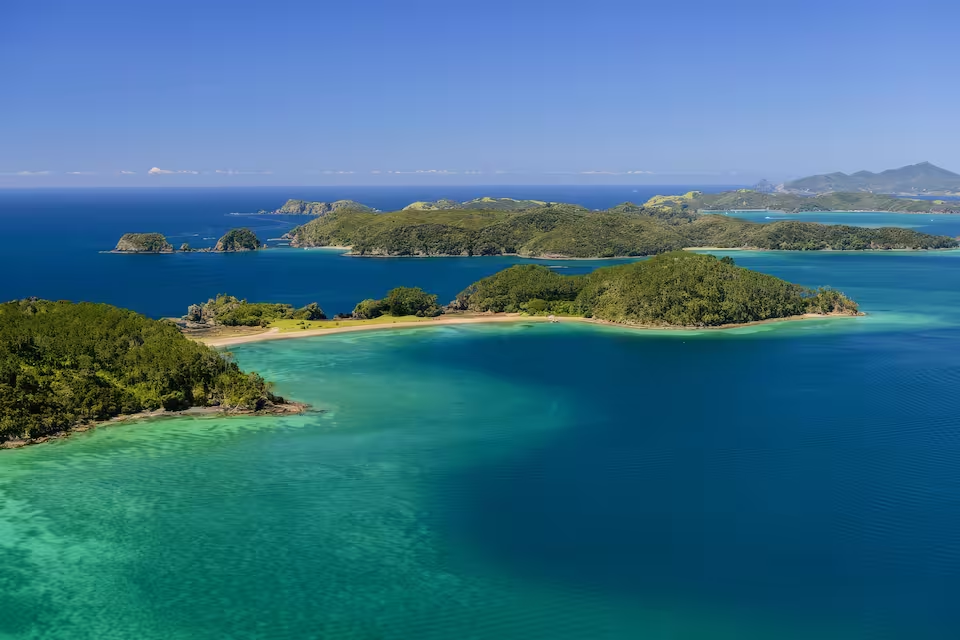
New Zealand provides a clear contrast to the tropical islands. Auckland opens onto the Hauraki Gulf, including Waiheke, Rangitoto, Kawau and Aotea Great Barrier Island. Farther north, Opua is the principal base for the Bay of Islands, where Russell, Urupukapuka Island and Cape Brett can form part of a coastal itinerary.
What sailing here is like
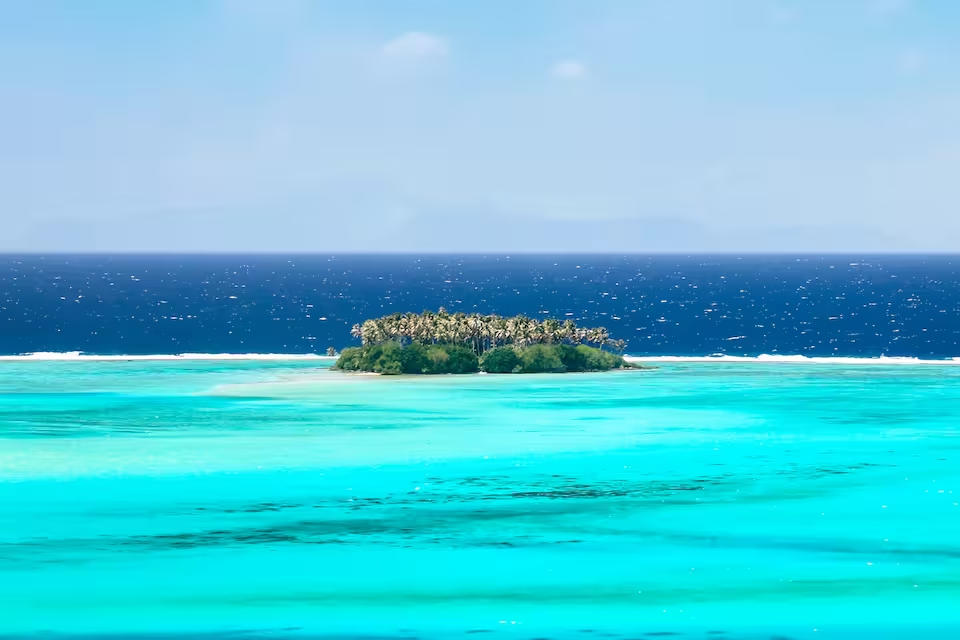
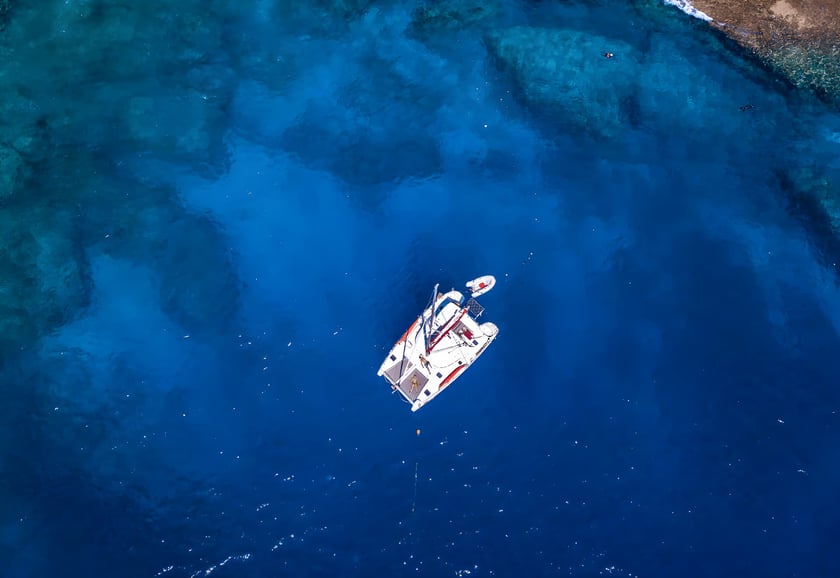
Conditions depend heavily on the chosen subregion. Southeast trade winds shape many tropical cruising grounds during the cooler, generally drier part of the year. Lagoons and island chains can provide shelter, but reefs introduce their own considerations: coral heads, passes, swell and local currents may affect route selection and the timing of movements between anchorages.
The Whitsundays, western Fiji, the Society Islands, Vavaʻu and parts of New Caledonia offer comparatively concentrated cruising. Even in these areas, protected lagoon sailing should not be mistaken for universally simple navigation. Reef entrances and exposed sections between islands can require careful planning and local knowledge.
Longer inter-island passages and remote atolls bring a different experience, with greater distances between fuel, provisions, repair facilities and communications. New Zealand is different again. Its position in the prevailing westerlies can bring rapidly changing weather, strong coastal winds and rougher seas where wind opposes the tide. Travelers should match the cruising area—and the level of skipper or crew support—to their group’s experience rather than treating the whole region as one sailing environment.
When to plan a charter
There is no single yacht-charter season for the South Pacific and Oceania. Across many tropical island destinations, the principal recreational sailing period runs broadly from May to October or November. Conditions are generally drier during this period, and tropical cyclone risk is lower than in the November-to-April season. Cyclone planning remains essential across much of the South Pacific and northern Australia.
The Whitsundays follow a somewhat different pattern and are commonly favored from approximately March to October. Temperate areas of Australia and New Zealand are generally most comfortable during the Southern Hemisphere summer, particularly from December to March.
Timing should therefore follow the specific cruising ground rather than a region-wide calendar. Travelers considering more than one island group should compare local cyclone exposure, trade-wind patterns and the amount of open-water sailing involved. Seasonal conditions can also affect visibility, swell and access through reef passes, so the preferred period for a sheltered lagoon itinerary may not suit a passage-oriented trip elsewhere.
Established yacht-charter routes
A Whitsundays circuit from Airlie Beach or Hamilton Island typically links Whitsunday Island, Whitehaven Beach and Hook Island with reef or snorkeling stops. It works well as a contained island circuit rather than a passage between distant archipelagos.
In western Fiji, routes from Port Denarau or Vuda Marina progress through the Mamanuca and Yasawa islands. The Society Islands offer another linked itinerary: starting from Raiatea, a charter can connect Tahaʻa and Huahine with Bora Bora through a mix of lagoon sailing and short exposed crossings. Around Neiafu, Vavaʻu supports a more compact pattern through sheltered channels and outer-island anchorages. The longer Tongan route from Tongatapu through Haʻapai to Vavaʻu is a more demanding passage and should not be confused with local island hopping.
From Nouméa, shorter trips can focus on nearby lagoon islets and the Great South Lagoon, while longer itineraries may continue to the Isle of Pines. New Zealand routes are coastal rather than tropical lagoon cruises: Auckland is the gateway to the Hauraki Gulf, while Opua provides direct access to the Bay of Islands and Cape Brett.
Life on and beside the water
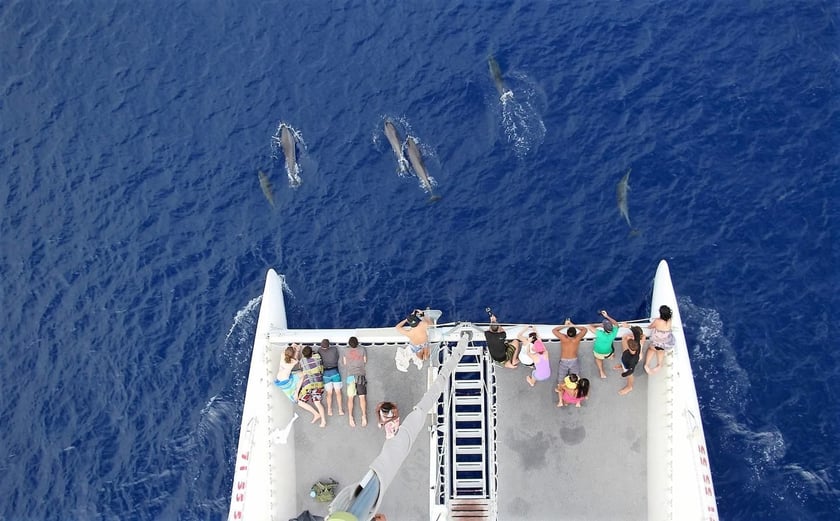
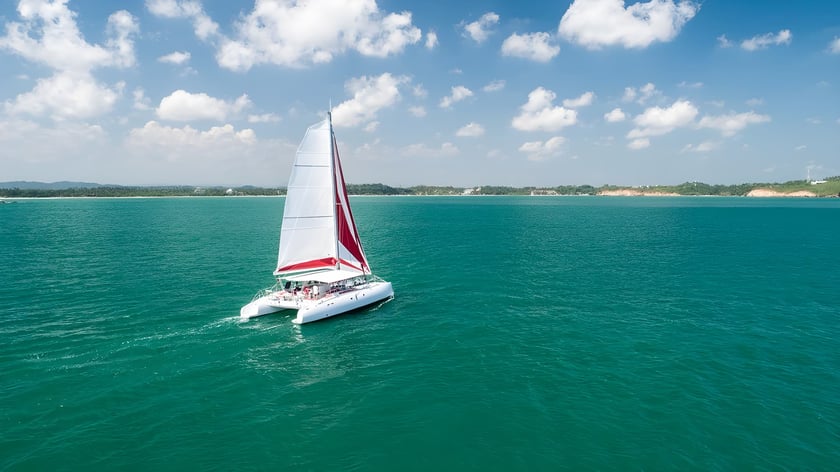
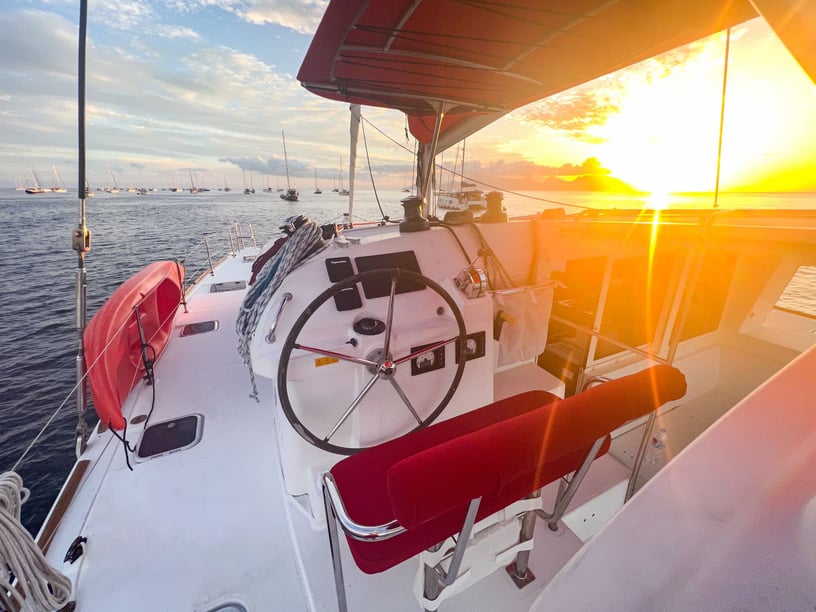
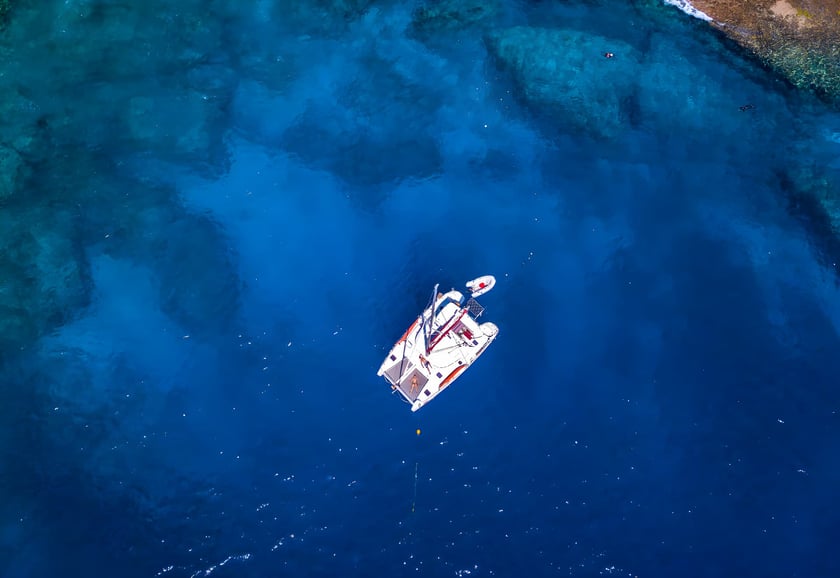
Swimming, snorkeling and diving are central to many tropical itineraries, particularly where coral reefs, lagoons and clear anchorages lie close to island stops. A charter may balance time under sail with reef visits, beaches and quiet nights at anchor. Seasonal encounters with whales, manta rays, turtles and other marine life are possible in parts of the region, although the species and timing vary by destination.
The landscape changes markedly between cruising grounds. The Whitsundays combine Whitehaven Beach and Hill Inlet with places such as Nara Inlet, where the Ngaro Cultural Site adds an Indigenous perspective to the journey. In French Polynesia, Taputapuātea on Raiatea reflects the island’s historic role as a Polynesian ceremonial and political center linked to long-distance canoe voyaging. New Caledonia brings UNESCO-listed lagoons and anchorages around the Isle of Pines, including Upi Bay and Kuto Bay.
These cultural connections are not incidental to the sailing experience. Aboriginal, Torres Strait Islander, Māori, Melanesian, Micronesian and Polynesian traditions are distinct, but across the region the ocean remains central to transport, food, identity and customary relationships.
Gateways and departure points
Major international gateways include Auckland, Nadi, Tahiti, New Caledonia, Vanuatu, Tonga and Palau, as well as airports serving Australia’s Whitsunday coast. From these hubs, travelers may need a regional flight, ferry or road transfer to reach the relevant marina. Outer-island cruising grounds often require an additional domestic connection after the international journey.
Common departure points include Airlie Beach and Coral Sea Marina, Hamilton Island Marina, Port Denarau, Vuda Marina, Raiatea, Papeete, Nouméa and Port Moselle Marina, Auckland and Westhaven Marina, Opua and Bay of Islands Marina, and Neiafu. The best gateway is not always the largest city: it is usually the one that minimizes transfers to the intended cruising ground. For example, Opua serves the Bay of Islands directly, while Auckland is better placed for the Hauraki Gulf.
Planning the right charter
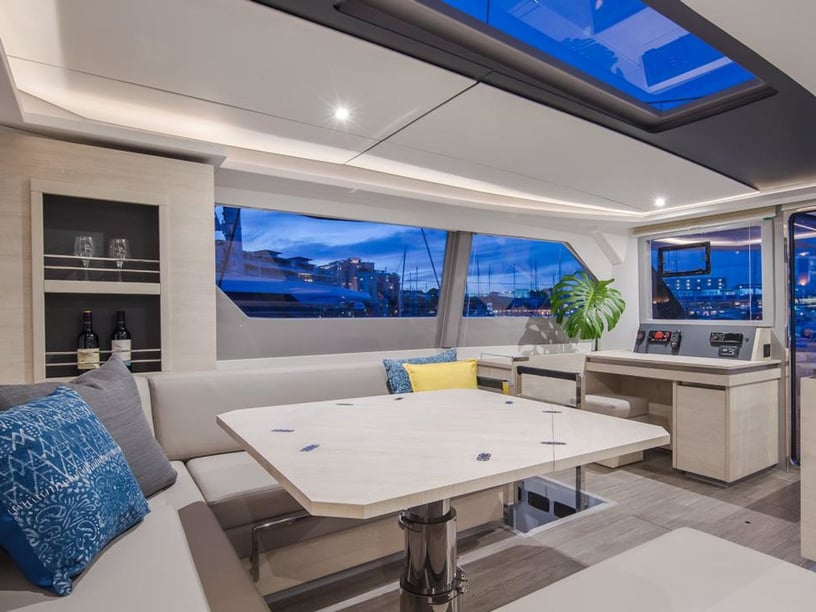
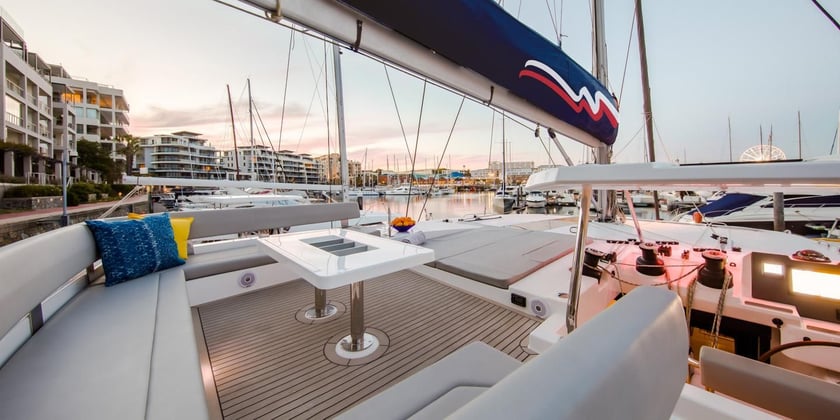
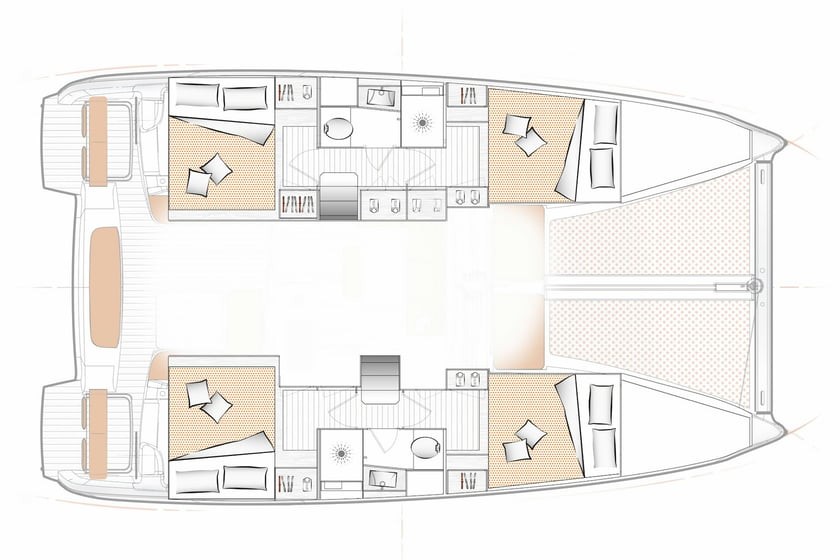
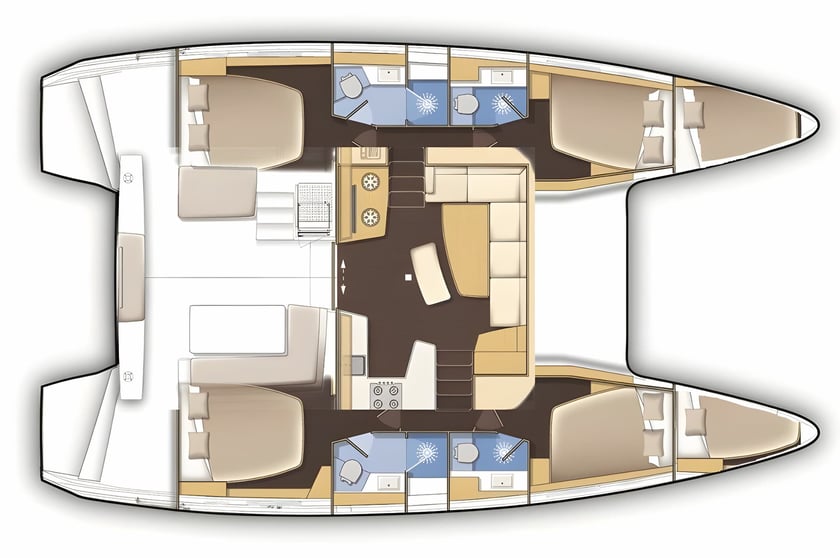
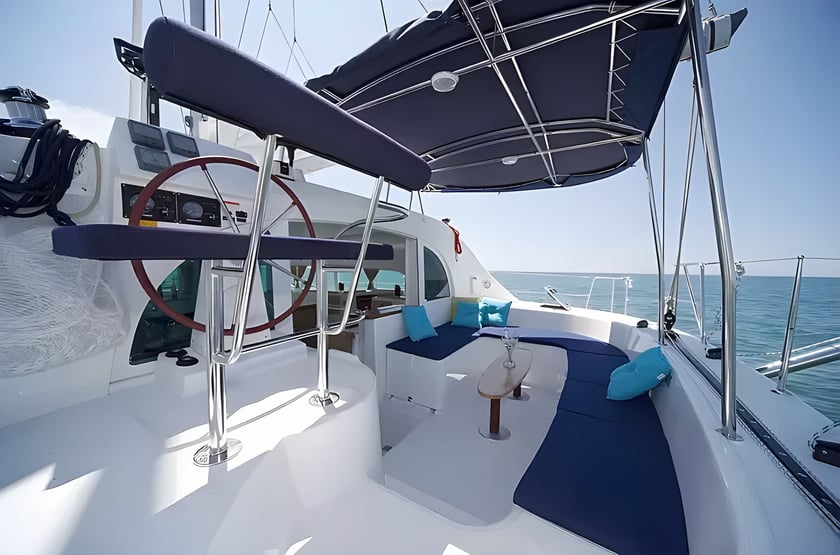
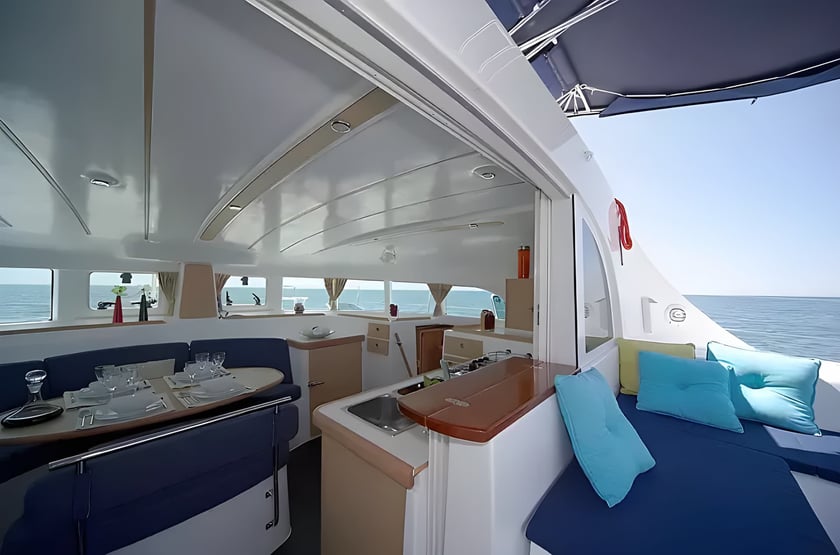
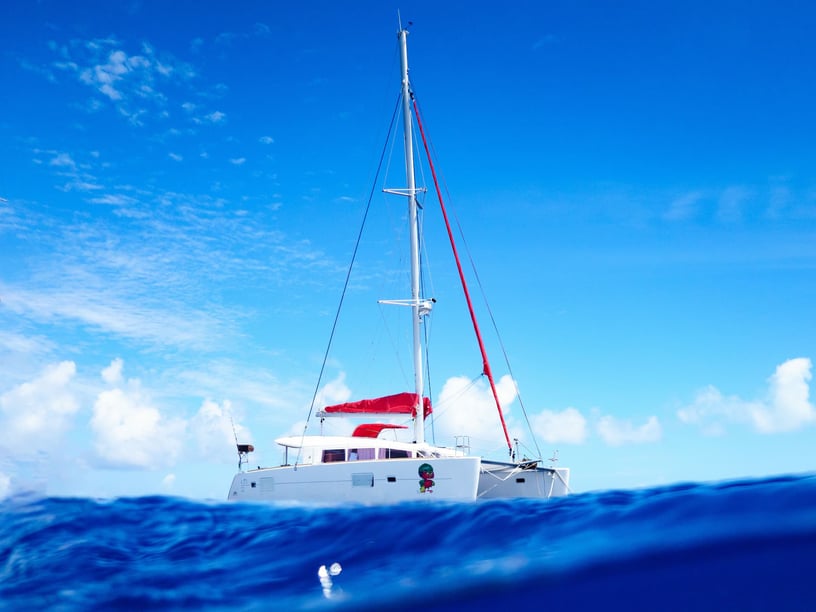
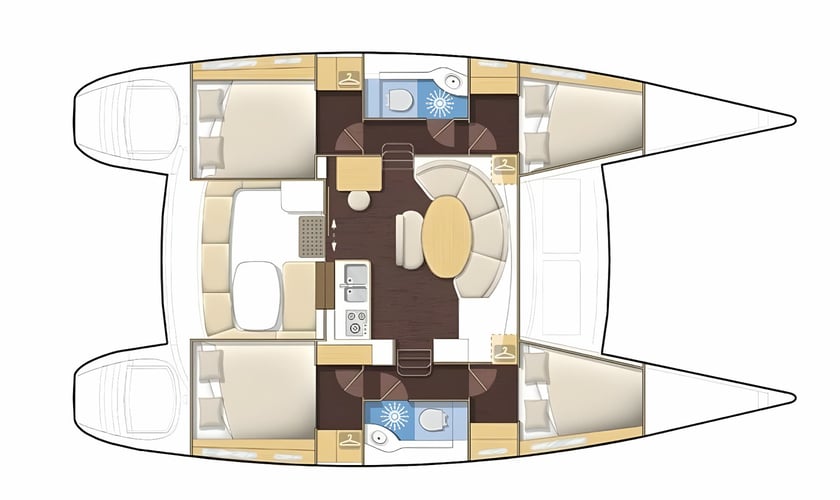
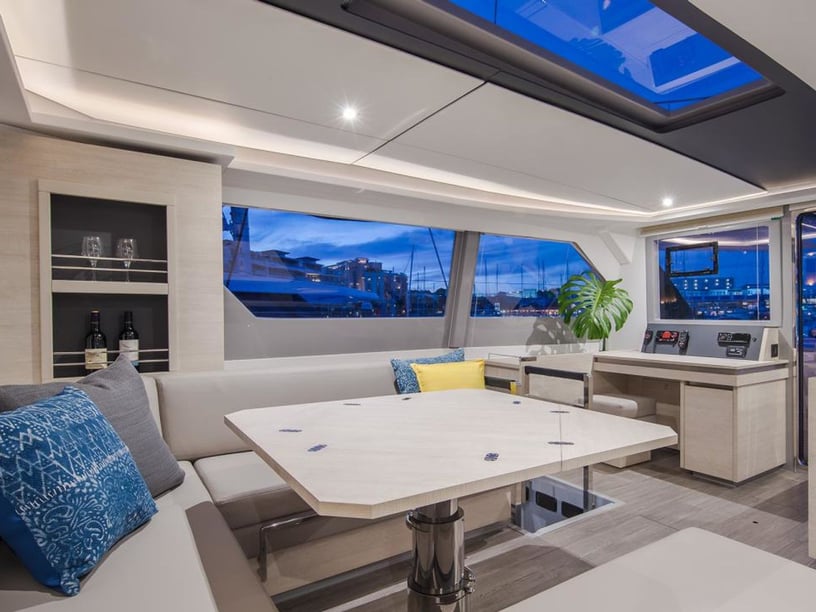
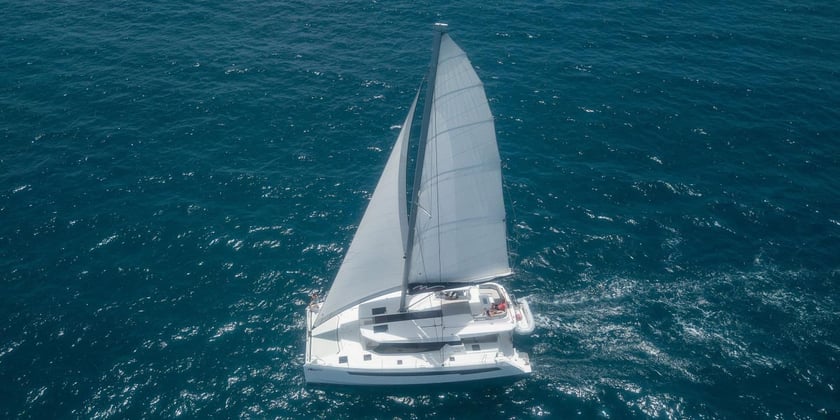
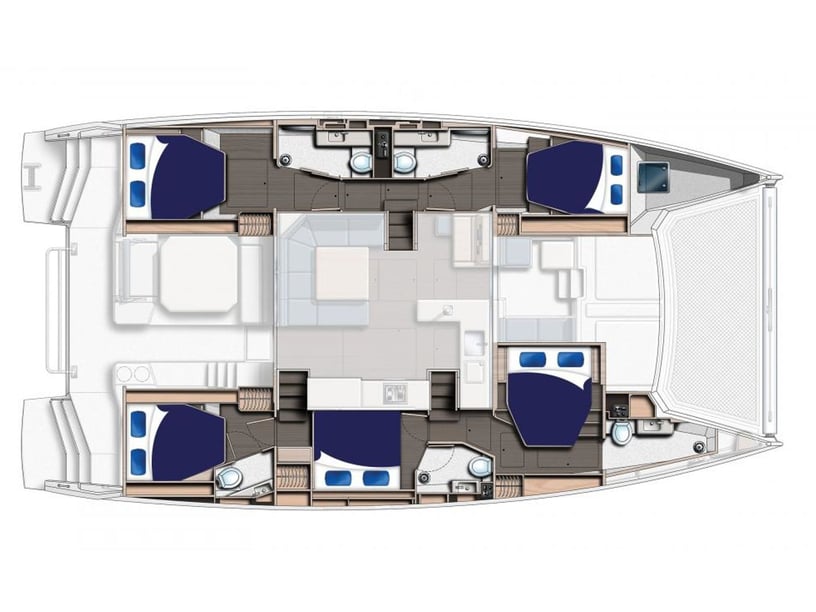
Begin by choosing the scale of the trip. Travelers seeking frequent stops and limited open-water exposure should focus on a compact archipelago or lagoon cruising ground. Those considering inter-island passages need to account for longer distances, changing weather and fewer opportunities to obtain fuel, provisions or repairs. When comparing yacht charter or boat rental options in the South Pacific and Oceania, the suitability of the boat and the experience of the skipper matter as much as the number of islands on the route.
Border formalities also vary. The region crosses numerous sovereign states and territories, each with its own immigration, customs, biosecurity, vessel-clearance and cruising-permit requirements. Marine parks, protected reefs and customary management areas may regulate fishing, access, speed, anchoring or mooring. In some Pacific communities, customary land ownership and village protocols mean permission or a formal local welcome may be appropriate before going ashore.
Reef navigation should influence itinerary planning even when the traveler is not handling the yacht. Current charts, tidal planning, daylight entry and reliable local information are important around coral passes and anchorages. Before confirming a route, clarify how weather decisions, reef approaches, provisioning and shore visits will be managed, especially when the itinerary extends beyond the principal charter hubs.