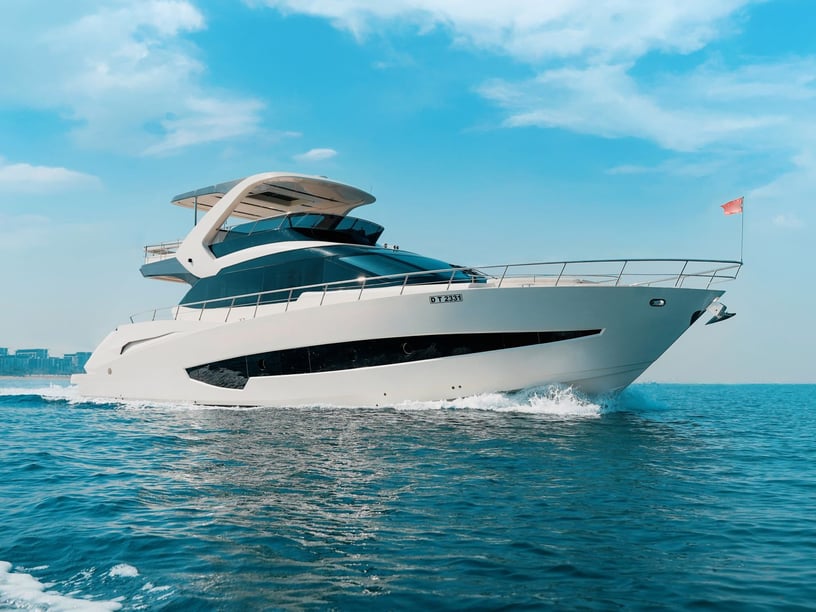
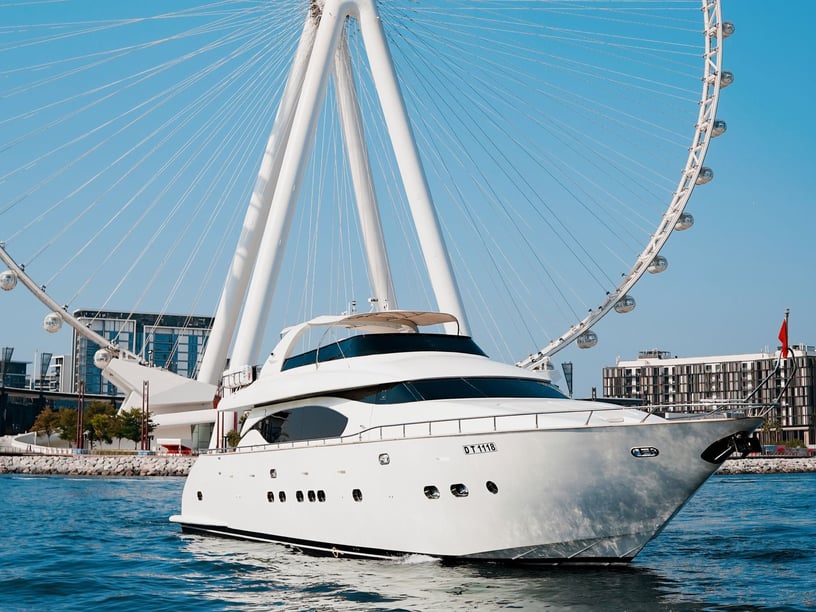
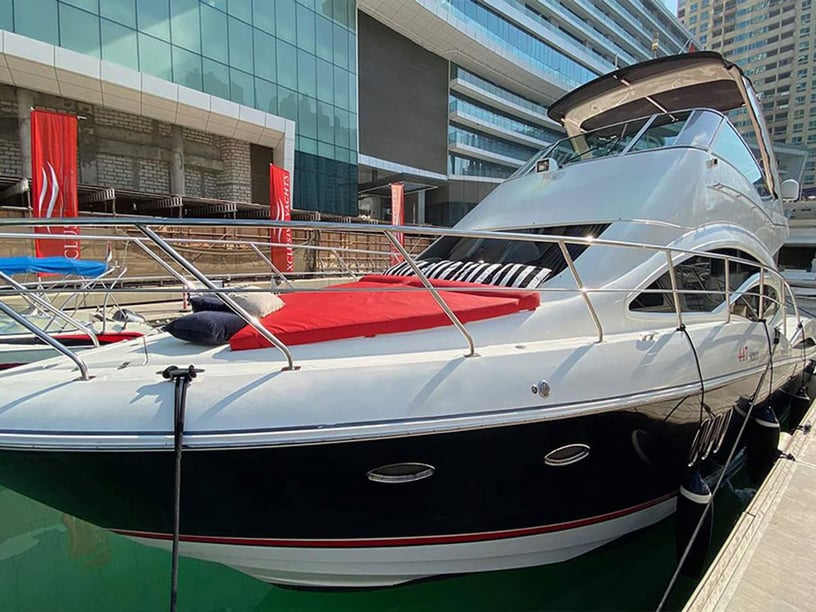
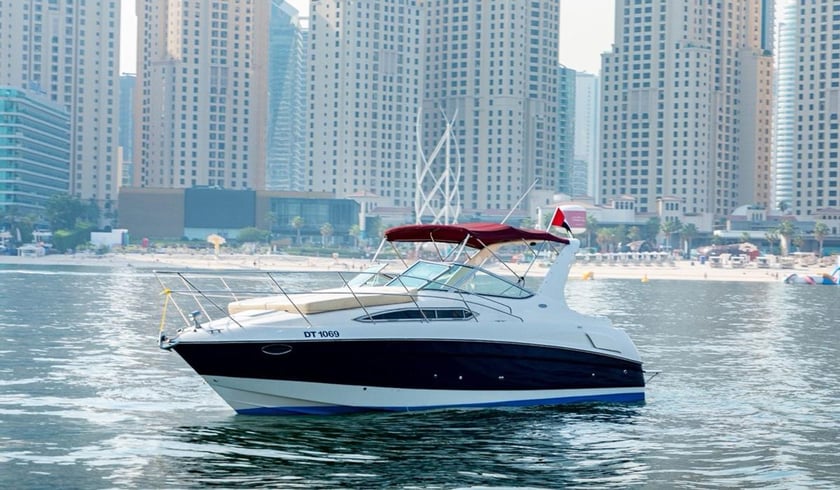
Yacht charter in the United Arab Emirates
A yacht charter in the United Arab Emirates can take several distinct forms. Along the Arabian Gulf, the coast is predominantly low, shallow and sandy, with modern marina districts, tidal creeks, mangroves and numerous islands. The much shorter Gulf of Oman shoreline has a different character: the Hajar Mountains rise close to the sea, while rocky islets and reef-associated sites encourage snorkeling and diving trips.
This contrast allows travelers to choose between skyline cruising in Dubai, island and mangrove routes around Abu Dhabi, quieter lagoons in the northern emirates, and open-water excursions on the east coast. The country is therefore better understood as a collection of yachting areas rather than one continuous cruising ground. Trips may focus on a few hours beside an urban waterfront, a day visiting islands, or a longer exploration of Abu Dhabi’s western waters. In every case, a yacht provides a perspective that is difficult to gain from land, revealing how closely the country’s cities, traditional creeks and maritime heritage are tied to the coast.
The main yachting areas
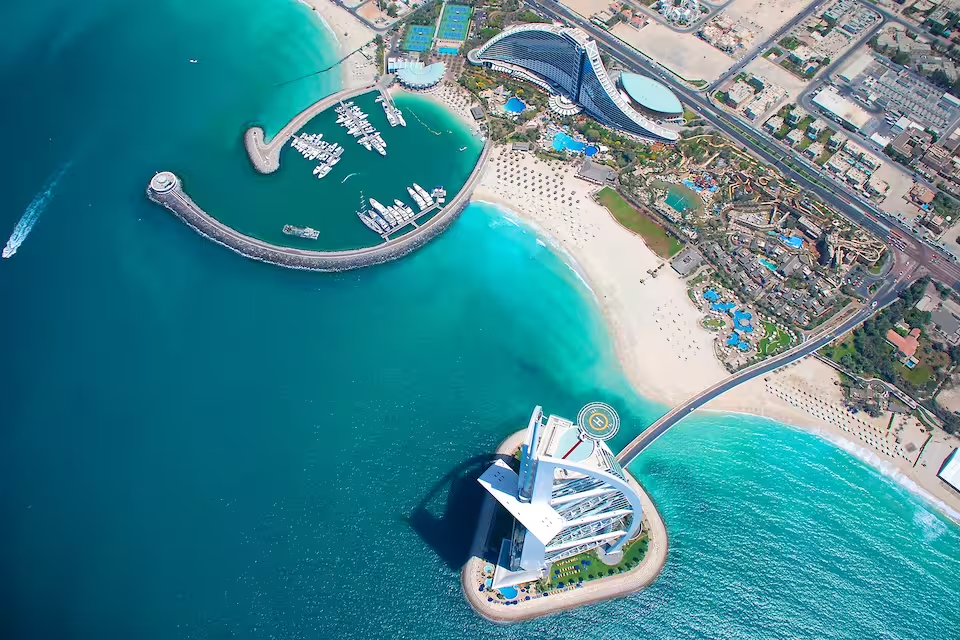
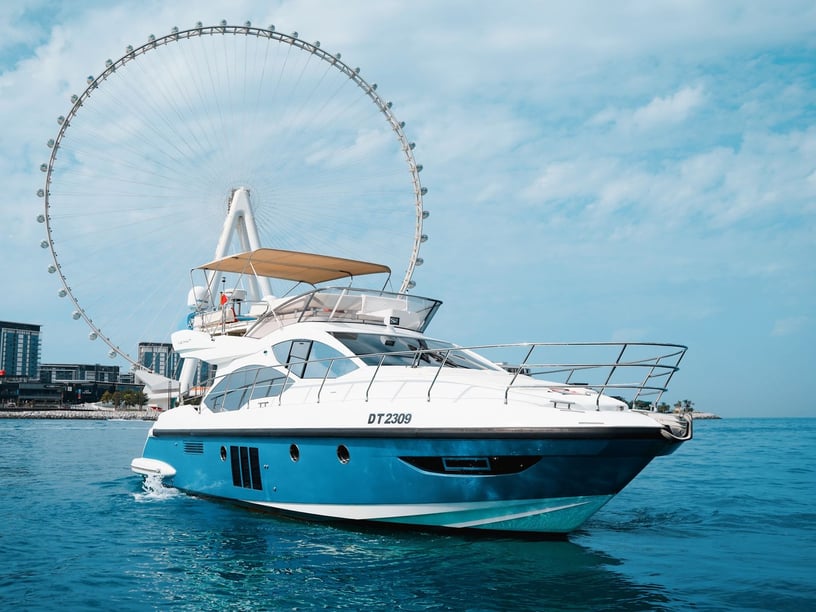
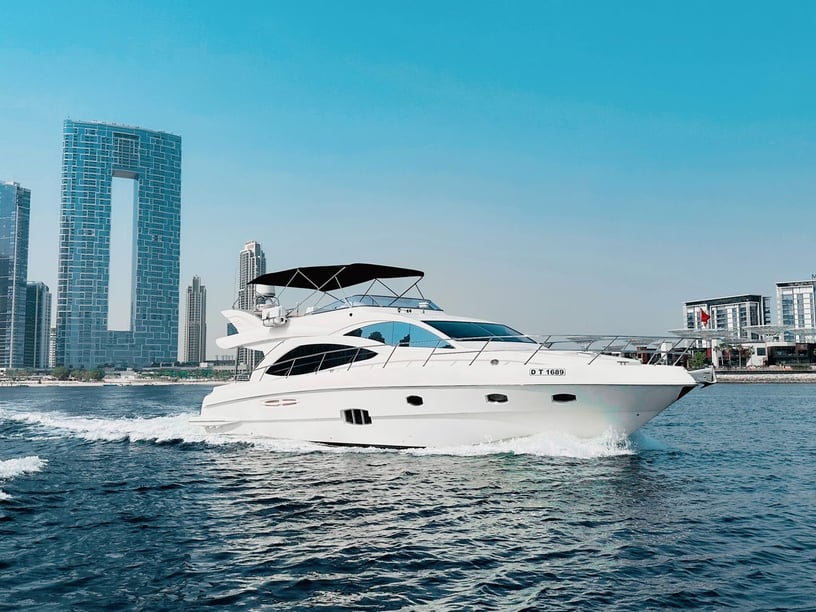
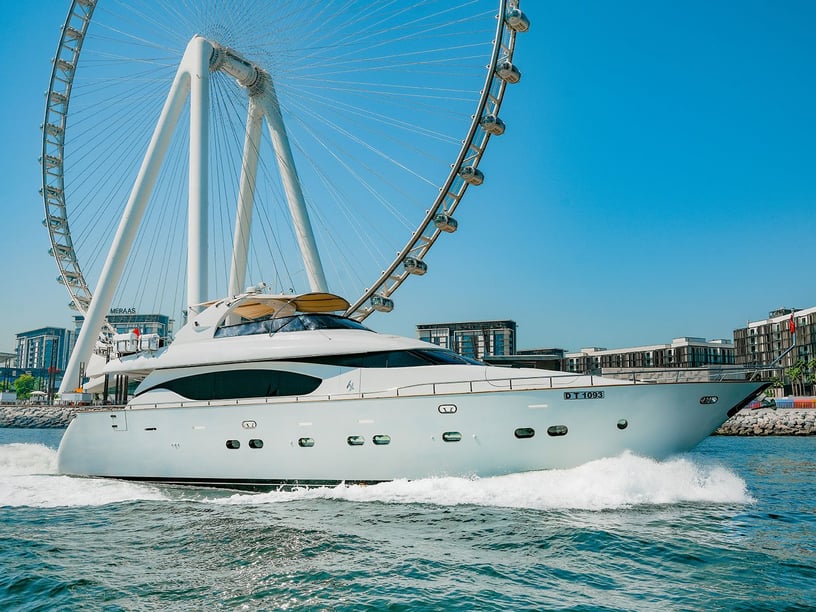
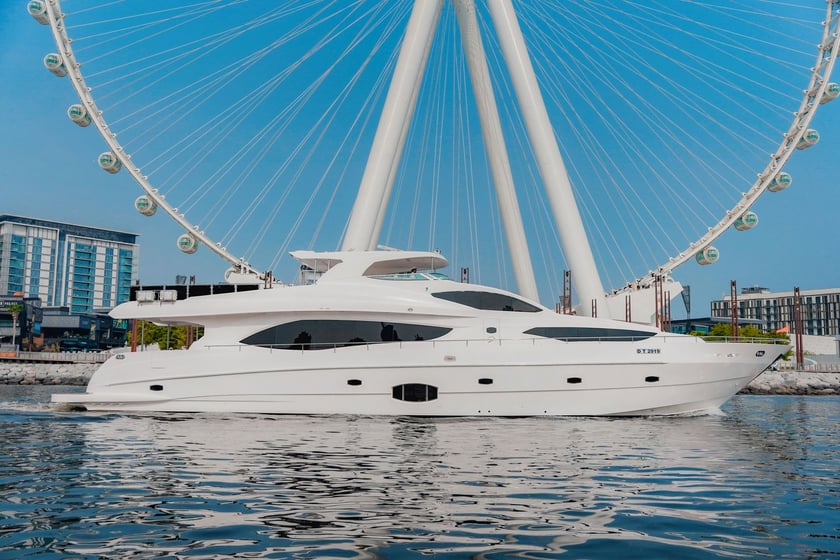
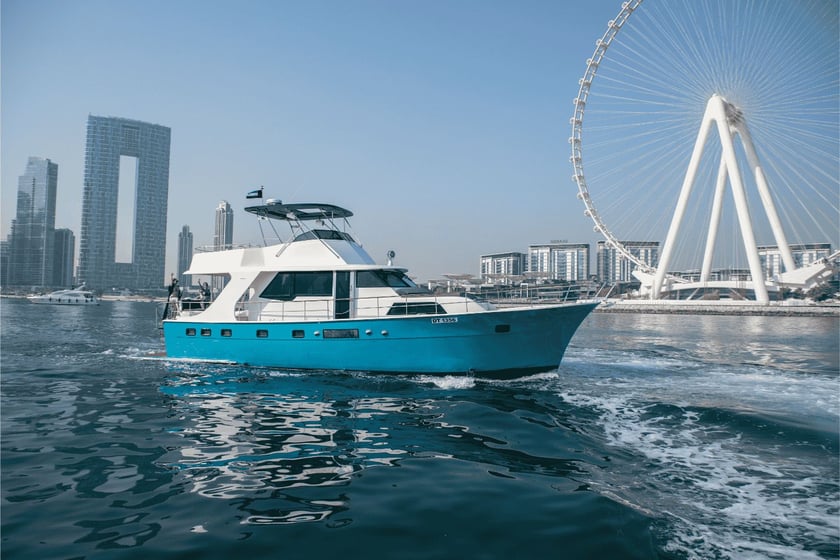
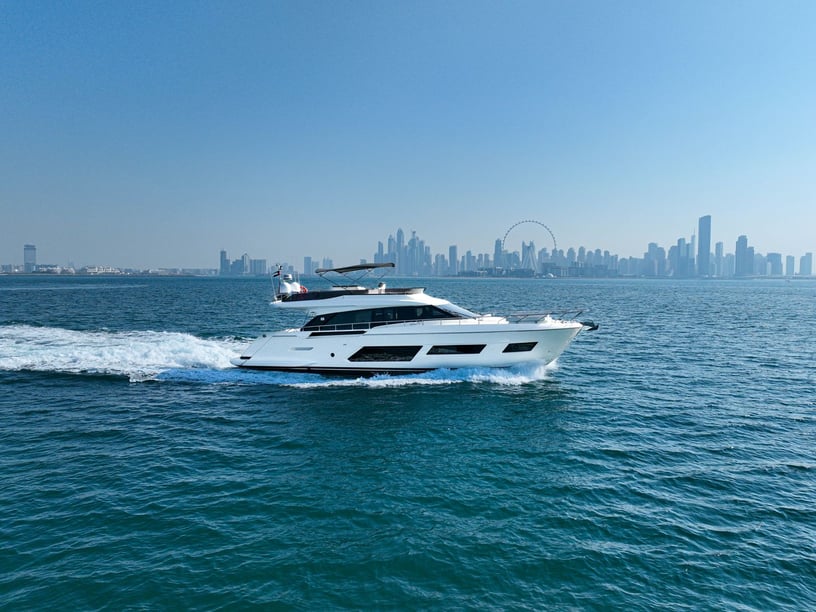
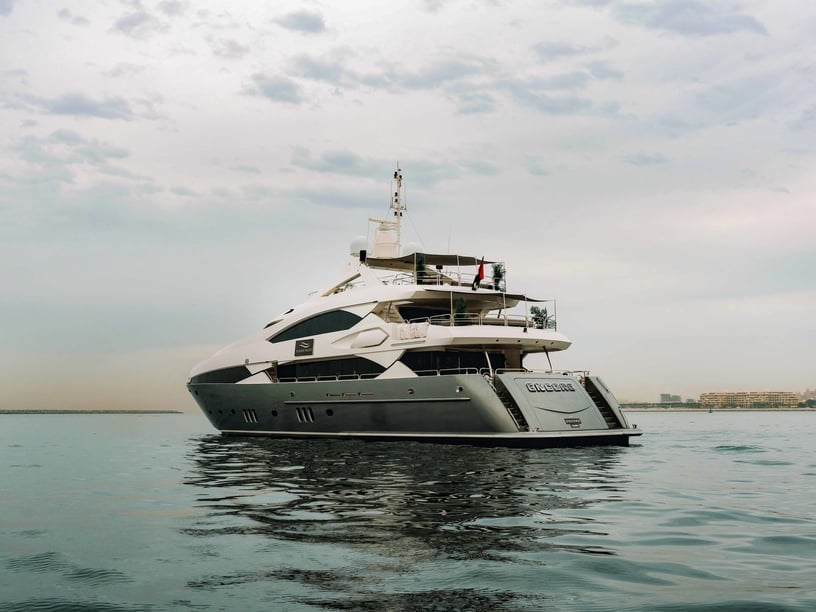
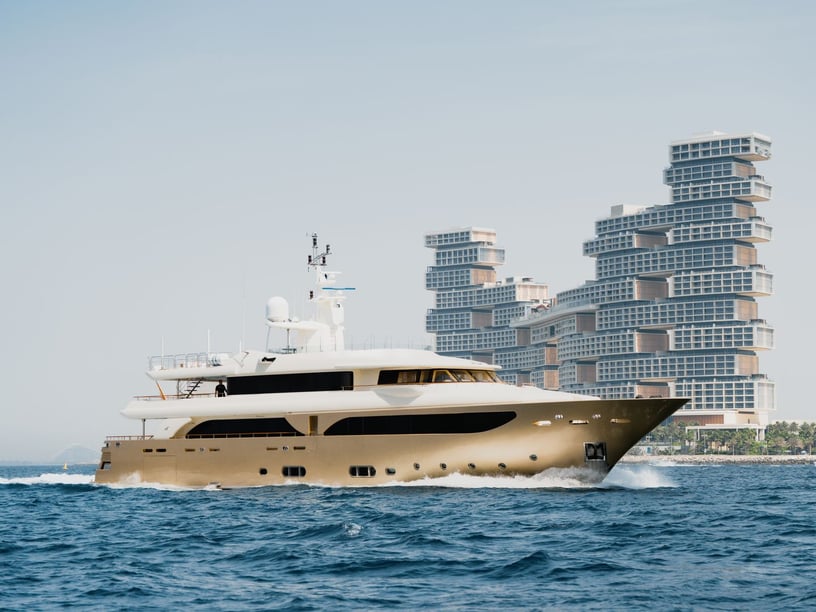
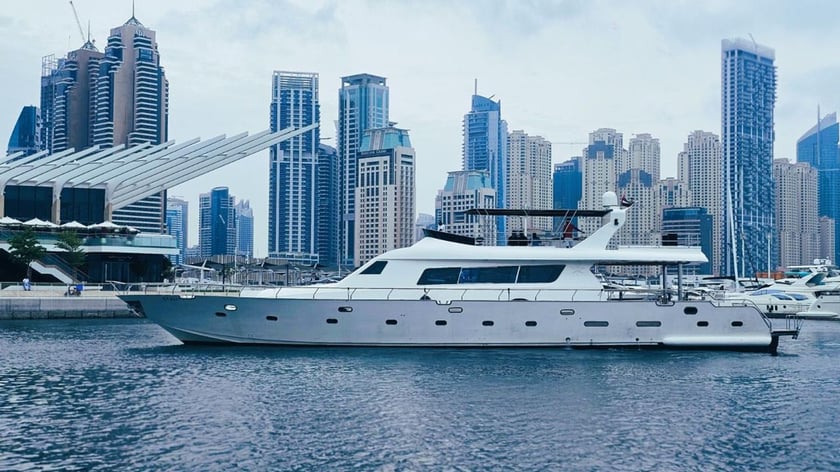
Dubai is the clearest choice for travelers who want a marina-based cruise with an urban focus. Departures from Dubai Marina or Dubai Harbour can pass Bluewaters Island, Palm Jumeirah and the Burj Al Arab, combining open views of the skyline with the city’s developed waterfronts. A separate cruise on Dubai Creek offers a more historical setting between Deira and Bur Dubai. Travelers concentrating on this area can explore yacht charter in Dubai in greater detail.
Abu Dhabi offers broader island-hopping possibilities. Routes from Marsa Al Bateen can follow the Corniche and the waterfronts near Lulu Island, Emirates Palace and Qasr Al Watan. From Yas Marina or Eastern Mangroves Marina, the emphasis shifts toward mangrove channels and nearby islands. Longer journeys can extend toward western islands such as Sir Bani Yas and Dalma, although distances, access rules and conditions require more planning than a short city cruise.
Farther north, Ras Al Khaimah, Ajman and Umm Al Quwain combine beaches, creeks and shallow lagoons. Ras Al Khaimah provides a base for coastal circuits around Al Marjan Island, while the northern waters generally suit travelers looking beyond the country’s two largest city skylines.
The east coast around Khorfakkan, Al Aqah and Dibba is geographically separate from the Arabian Gulf cruising areas. It is more exposed and is commonly explored through day boats, fishing outings and dive trips. Khorfakkan Bay, Sira Khorfakkan—also known as Shark Island—and Snoopy Island off Al Aqah are particularly relevant to travelers prioritizing rocky coastal scenery and time in the water.
What cruising conditions are like
Conditions vary substantially between the UAE’s two coasts. Much of the Arabian Gulf is shallow, with sandbanks, dredged channels and low islands. Sheltered waterways around Abu Dhabi can support relaxed cruising, but careful route selection remains important because marked channels, restricted areas and commercial traffic shape where vessels can travel. Dubai’s experience is more linear and coastal, with marina departures leading past developed shorelines and artificial islands.
Sunny, arid weather predominates, but calm-looking conditions can change. Winter fronts may bring fresh northwesterly Shamal or northeasterly Nashi winds, dust and building seas. In summer, Shamal winds can create short, steep chop across the shallow Gulf and reduce visibility. Local sea breezes also affect conditions around islands and built-up shorelines.
The Gulf of Oman is open to ocean swell and should not be treated as an extension of the sheltered Gulf coast. Trips from Khorfakkan or Al Aqah may involve more noticeable movement and greater exposure, even when the route to a nearby dive site is short. Forecasts for the Arabian Gulf and the Oman Sea should therefore be checked separately when selecting a charter area.
When to charter a yacht
The principal recreational boating period runs broadly from October or November through April or May. November to April is particularly suitable, with January, February and March forming part of the core winter season. These months generally offer more comfortable temperatures for spending extended time on deck, swimming, sightseeing from the water and going ashore.
April remains among the more suitable months but marks the transition toward hotter conditions. October is another transitional period as temperatures begin to ease, though it is not identified as one of the destination’s best months. From May through September, extreme heat and high coastal humidity can make daytime outings demanding. June and July may also bring summer Shamal winds, reduced visibility and choppy Gulf conditions.
East-coast boat and dive excursions can operate throughout the year, but summer heat, changing swell and occasional strong winds still require careful attention. Regional tropical weather can also affect the Gulf of Oman. Whatever the month, a favorable seasonal pattern is not a guarantee of calm seas, so the local forecast remains important.
Ideas for yacht charter routes
A Dubai charter can be structured as a coastal circuit from Dubai Marina or Dubai Harbour, passing Bluewaters Island and Palm Jumeirah before continuing toward the Burj Al Arab. Travelers interested in the city’s maritime history can choose a separate Dubai Creek cruise rather than treating it as part of the modern marina route.
In Abu Dhabi, a city-oriented itinerary can link Marsa Al Bateen, the Corniche, Lulu Island and the waterfronts near Emirates Palace and Qasr Al Watan. A nature-focused alternative begins near Yas Marina and explores mangrove channels and neighboring islands. Longer trips toward Sir Bani Yas, Dalma or the western island groups require more time and advance confirmation of access and anchoring rules.
Other compact possibilities include a circuit between Ras Al Khaimah and Al Marjan Island, a Khorfakkan boat and dive trip around Shark Island, or a short snorkeling and diving excursion from Al Aqah to Snoopy Island. These east-coast routes are geographically separate from Dubai and Abu Dhabi, so they are usually planned as their own trip rather than combined by sea.
Experiences on and beyond the water
The UAE’s yacht experience is not limited to viewing modern skylines. Around Abu Dhabi, islands and mangrove waterways introduce a quieter rhythm, with time divided between cruising, observing coastal nature and stopping where access is permitted. Protected islands and marine reserves may restrict landing, anchoring or fishing, so these areas reward advance planning rather than spontaneous access.
On the east coast, snorkeling and diving are central to many outings. Rocky islets and reef-associated sites contrast with the sandy, shallow environment of the Arabian Gulf, while the Hajar Mountains give Khorfakkan and Al Aqah a distinctive backdrop. Dubai offers a different kind of day on the water, centered on architectural landmarks and marina districts, with nightlife and dining available after returning ashore.
Maritime culture provides continuity between these settings. Before oil-driven development, fishing, pearling, boatbuilding and trade sustained coastal communities. Wooden dhows connected Gulf settlements with East Africa and Indian Ocean ports, and dhow racing remains an Emirati heritage sport. Coastal meals also reflect this history through seafood, rice and aromatic spices.
Airports, marinas and departure points
Dubai International Airport and Zayed International Airport in Abu Dhabi are the principal gateways for the country’s largest yachting areas. Dubai Harbour Marina and Dubai Marina Yacht Club serve the modern Dubai waterfront, while Yas Marina, Marsa Al Bateen Marina and Eastern Mangroves Marina provide useful starting points around Abu Dhabi.
Sharjah and Ras Al Khaimah airports offer additional access to the northern emirates, where departures may include the Royal Yacht Club of Ras Al Khaimah and Al Zorah Marina in Ajman. East-coast trips commonly begin at Khorfakkan, Al Aqah or Fujairah International Marine Club. These destinations are reached by road across or around the Hajar Mountains and should not be considered nearby extensions of the Gulf marinas.
The inter-emirate highway network makes road transfers practical, but journey time should be considered when matching flights, accommodation and departure points. Taxis, private transfers and rental cars are commonly used between airports, coastal districts and marinas.
Planning the right charter
When comparing yacht charter and boat rental in the United Arab Emirates, begin with the desired experience rather than the nearest marina. A Dubai skyline cruise, an Abu Dhabi island route and an east-coast dive outing involve different distances, sea conditions and onboard priorities. Confirm the proposed itinerary, expected cruising time and opportunities to swim or go ashore before booking.
Ask what identification passengers must carry, as operators may require an original passport or UAE identification for Coast Guard procedures. Licensing, operating permits, marina procedures and anchorage rules can differ between emirates. Protected areas may also require permits or the use of designated mooring buoys. These details are especially important for longer island routes and visiting foreign yachts.
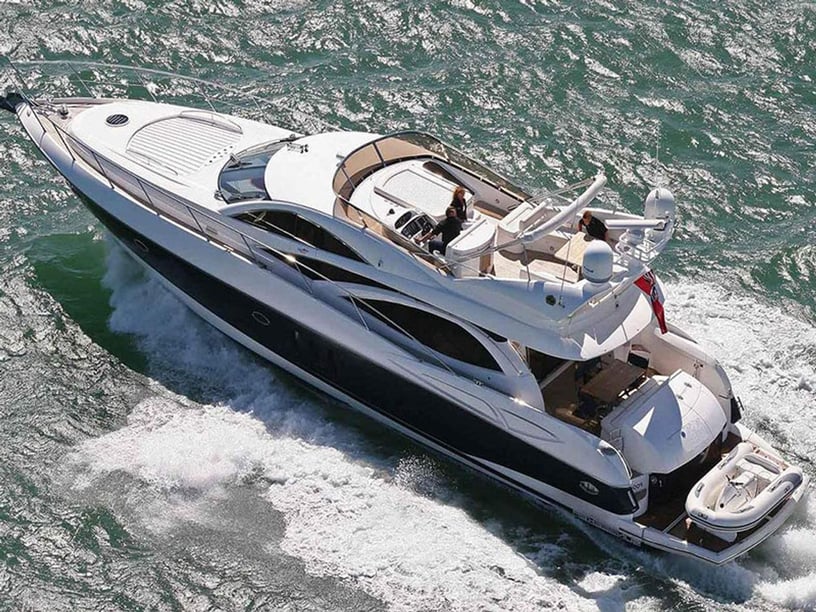
Boat choice should reflect the itinerary and conditions, not size alone. Consider shade and climate control for hot weather, deck space for short social cruises, and suitability for open-water movement on the Gulf of Oman. For snorkeling or diving plans, establish how equipment, water access and site permits are handled. Travelers arranging a summer outing should give particular attention to hydration, sun protection and the timing of time spent outdoors.
Finally, review marine forecasts for the relevant coast shortly before departure. Commercial ports, petroleum facilities and locally controlled waterways create restrictions in some areas, while shallow water and sandbanks influence Gulf routes. A clearly agreed itinerary with the marina or operator helps set realistic expectations for what can be covered safely within the charter period.